
Exploring Liverpool: A Vibrant City Full of History, Culture, and Excitement
Liverpool, the cultural heart of North West England, invites visitors to discover its rich tapestry of distinct quarters and experiences. From the historic Cavern Quarter and elegant Georgian Quarter to the creative Baltic Triangle and bustling City Centre, this accessible city offers countless things to explore. With its famous waterfront featuring Tate Liverpool, vibrant street food scene, and numerous walking tour options, Liverpool promises an unforgettable trip for visitors of all ages and interests.
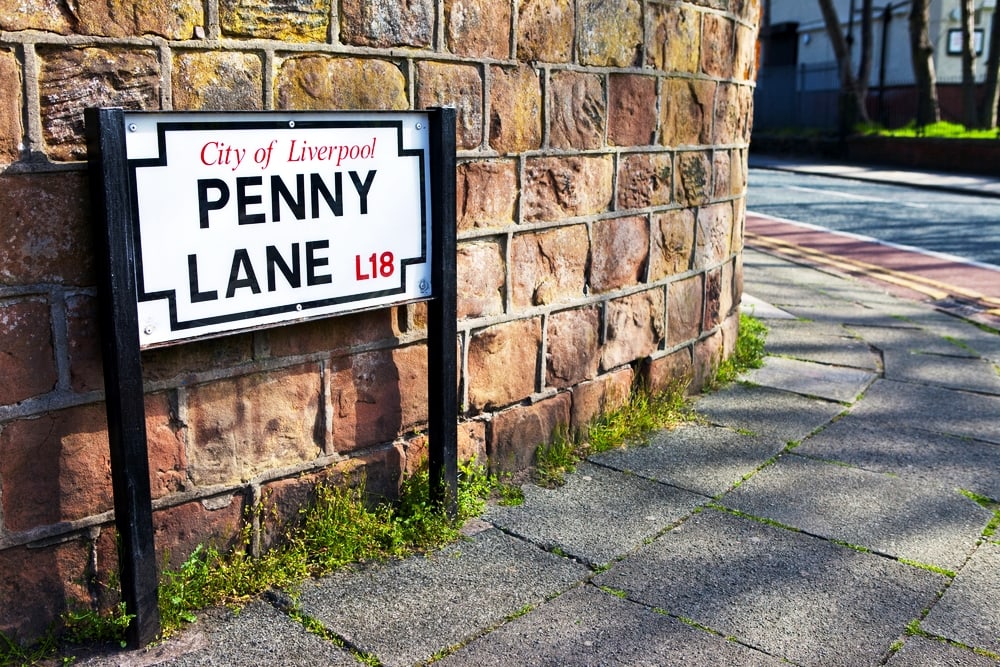
Whether you’re a history buff, a music lover, or simply looking to soak up the city’s lively atmosphere, Liverpool has something for everyone. Here are some of the top things to do in Liverpool. When I was a kid my dad walked the beat in Liverpool and we often went into the city for a day out.
- Exploring Liverpool: A Vibrant City Full of History, Culture, and Excitement
- Musical Heritage: The Beatles and Beyond
- Architectural Landmarks and City Views
- Historic Halls and Religious Architecture
- Maritime Heritage and Museums
- Museums and Cultural Centres
- Art and Culture
- Sports Heritage
- Urban Exploration and Shopping
- Parks and Recreation
- Evening Entertainment and Nightlife
- Local Secrets and Hidden Liverpool
- Planning Your Visit
- How to get to Liverpool
- Where to Stay in Liverpool
Musical Heritage: The Beatles and Beyond
The Beatles Story and Related Sites
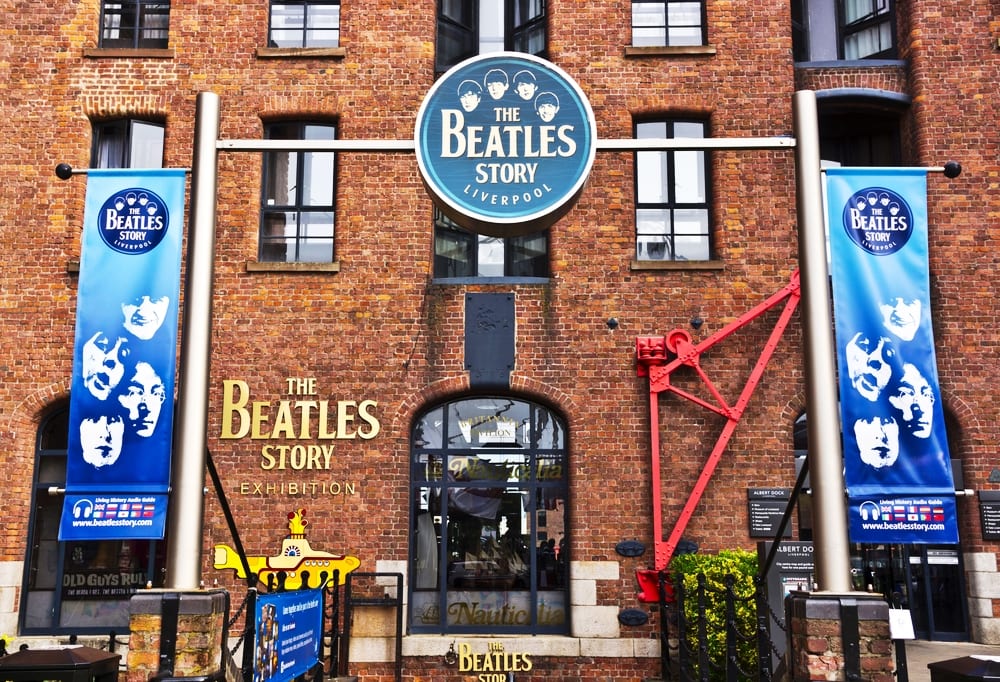
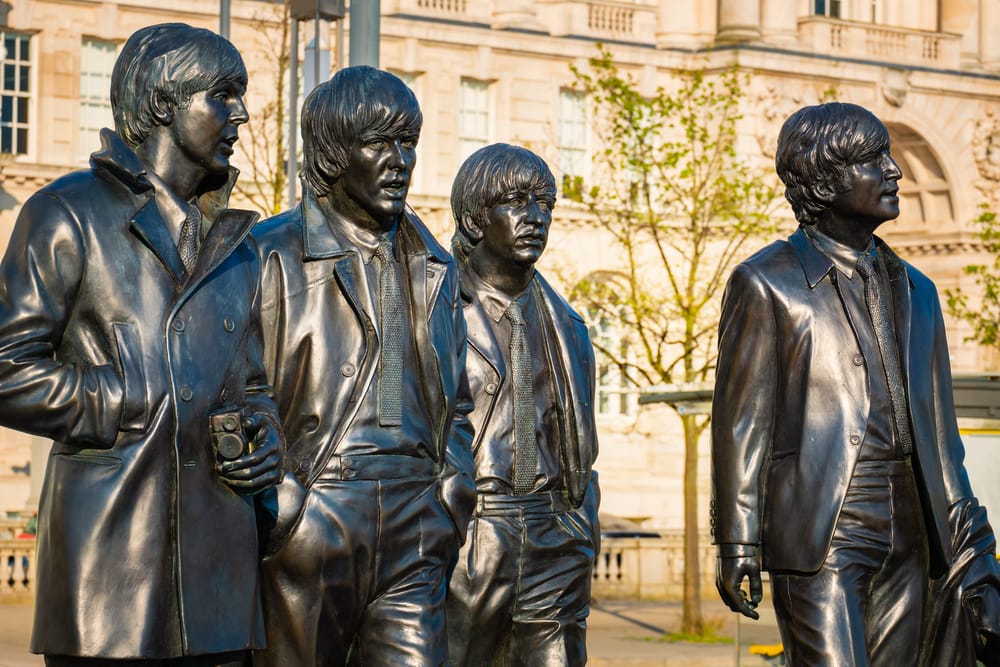
The Beatles’ influence permeates Liverpool’s identity, with numerous sites celebrating the Fab Four’s legacy. The Beatles Story museum (Albert Dock, open daily 9:00-18:00, adult tickets £19.95) offers an immersive journey through the band’s history. Interactive exhibits and authentic memorabilia transport visitors back to the 1960s, chronicling the birth of Beatlemania and the band’s meteoric rise to fame.
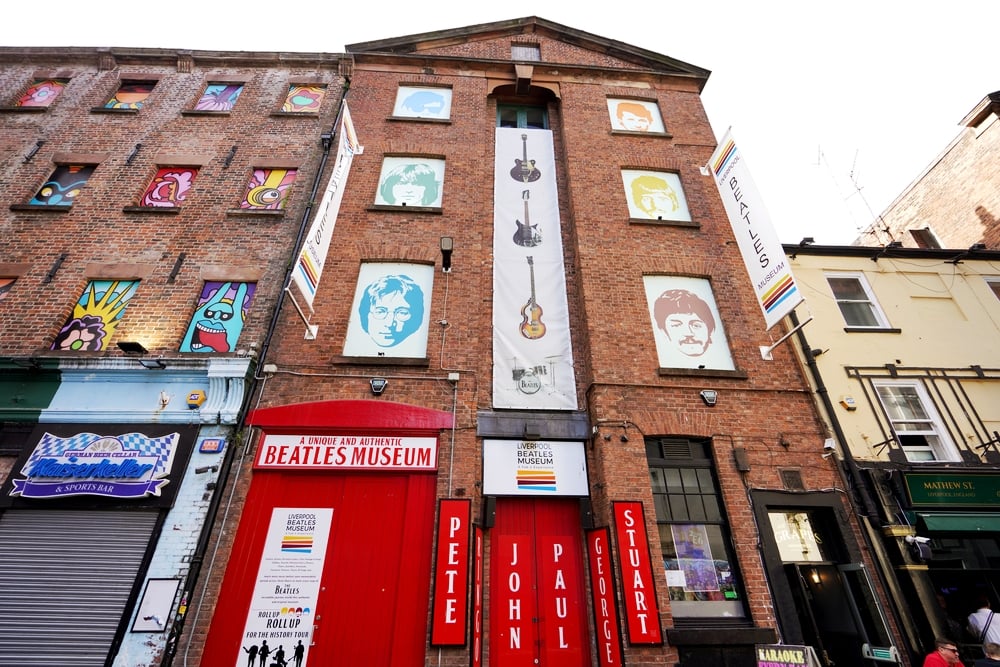
The Liverpool Beatles Museum (Mathew Street, open 10:00-17:00, £15 admission) provides a unique perspective on the band’s journey. Housed in a Grade II listed building in the heart of Mathew Street, the museum showcases rare artifacts including original Hamburg-era instruments, John Lennon’s Sgt Pepper medals, and the white cello from Magical Mystery Tour. Paul McCartney’s bass amp and numerous other authentic pieces help tell the band’s story.
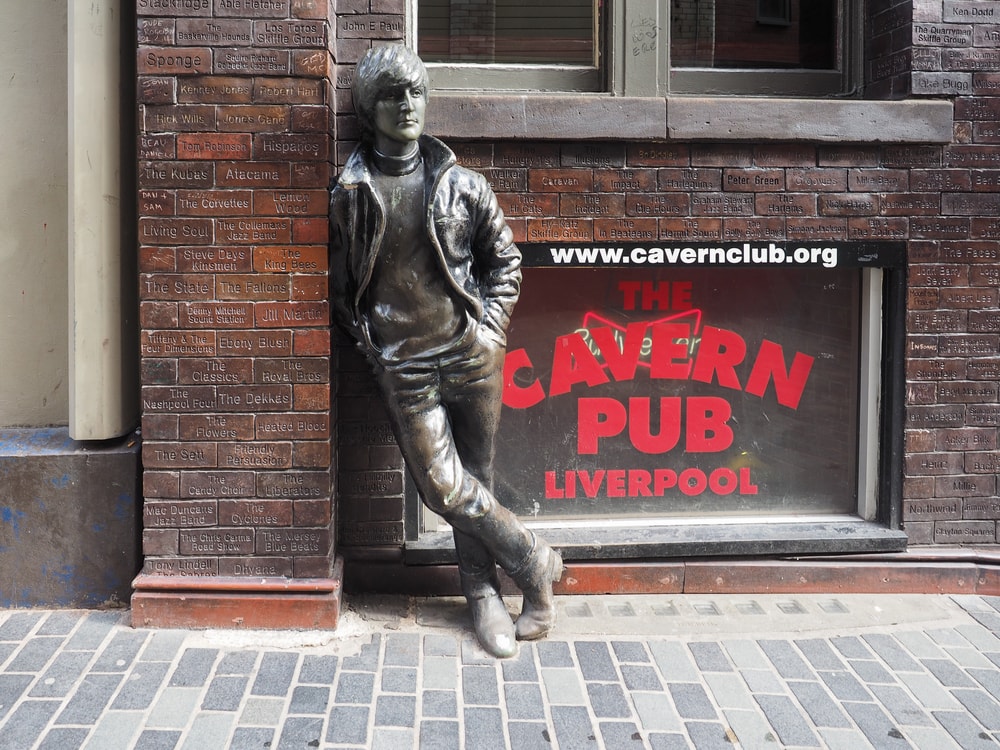
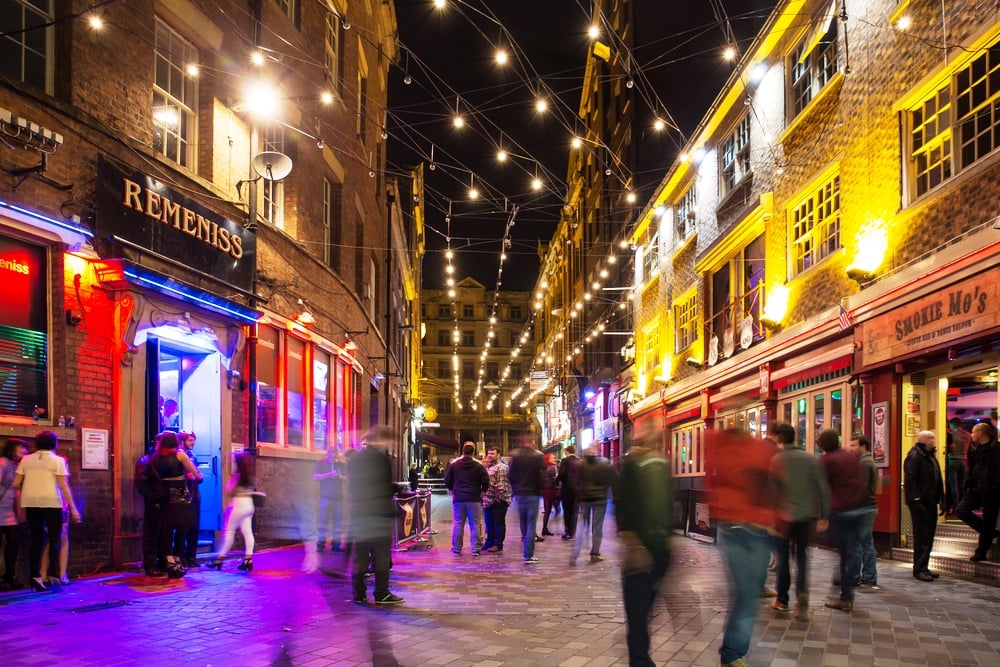
The legendary Cavern Club (10 Mathew Street, live music daily from 11:00) remains the spiritual home of The Beatles. This historic venue, where the band played 292 times, continues to host live performances, maintaining Liverpool’s vibrant music scene. The authentic atmosphere and regular tribute acts make it a must-visit destination for music enthusiasts.
For a comprehensive Beatles experience, the Magical Mystery Tour (2.5 hours, £19.95) takes visitors to significant sites including the band members’ childhood homes, schools, and places that inspired their most famous songs. Advanced booking recommended, especially during peak summer months.
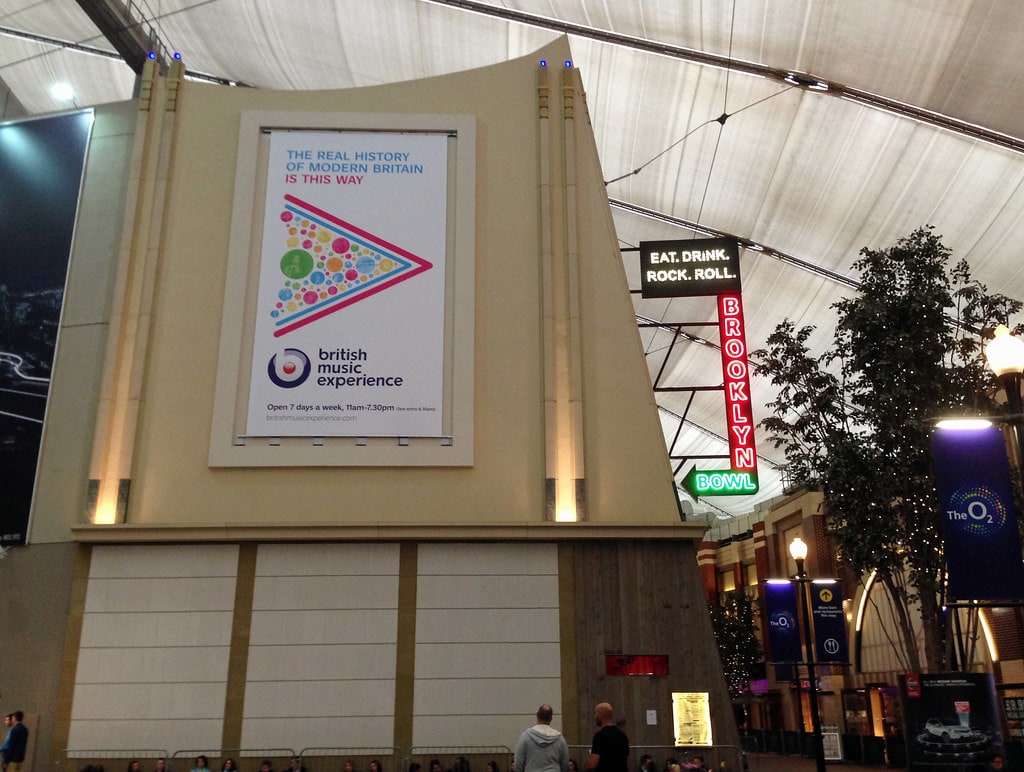
British Music Experience
The British Music Experience (Cunard Building, open Tuesday-Sunday 10:00-17:00, £18 adult admission) stands as the UK’s only museum dedicated to British popular music. The collection spans from 1945 to present day, featuring iconic stage outfits worn by David Bowie, Freddie Mercury, Dusty Springfield, Adam Ant, and The Spice Girls. Musical instruments played by legendary artists from Noel Gallagher to the Sex Pistols help tell the story of British music’s evolution.
Architectural Landmarks and City Views
Liverpool’s Iconic Buildings
The Radio City Tower (St John’s Beacon, open daily 10:30-17:30, £8.50) offers unparalleled 360-degree views from its 138-meter height. On clear days, visitors can see as far as Snowdonia and Blackpool from the observation deck, making it an essential stop for photographers and city enthusiasts.
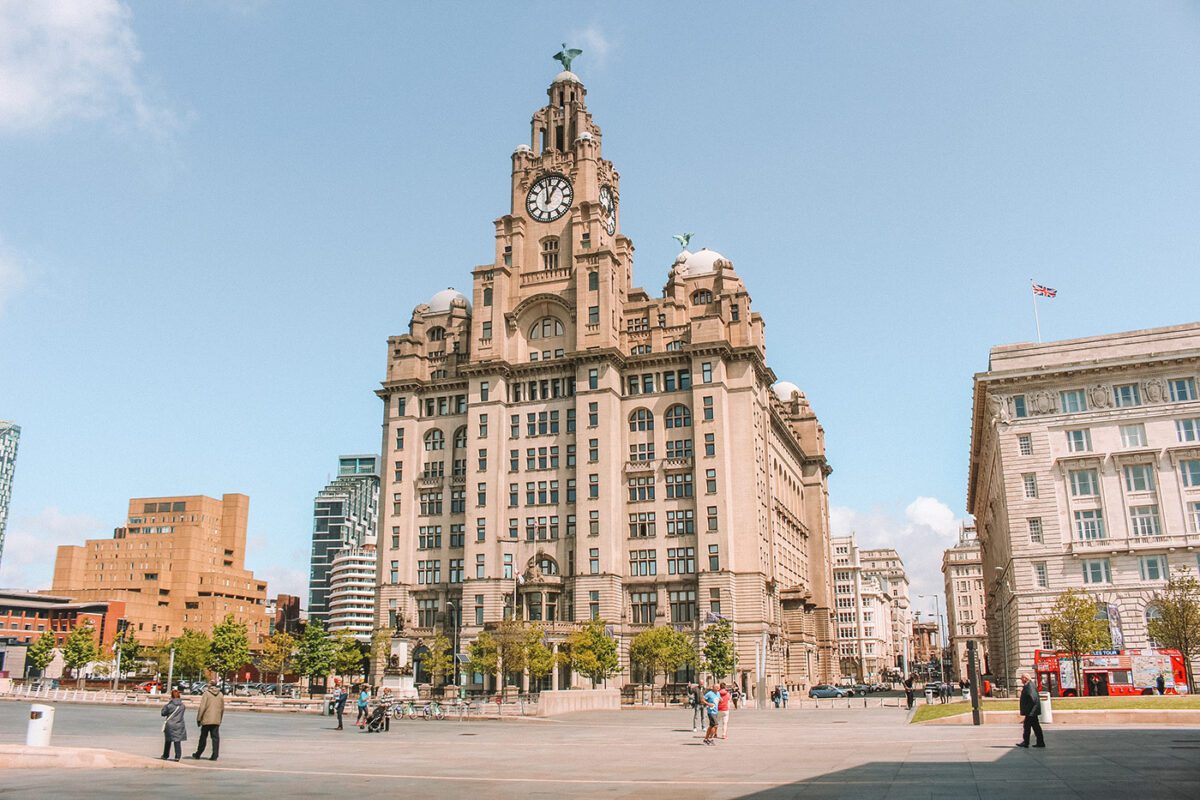
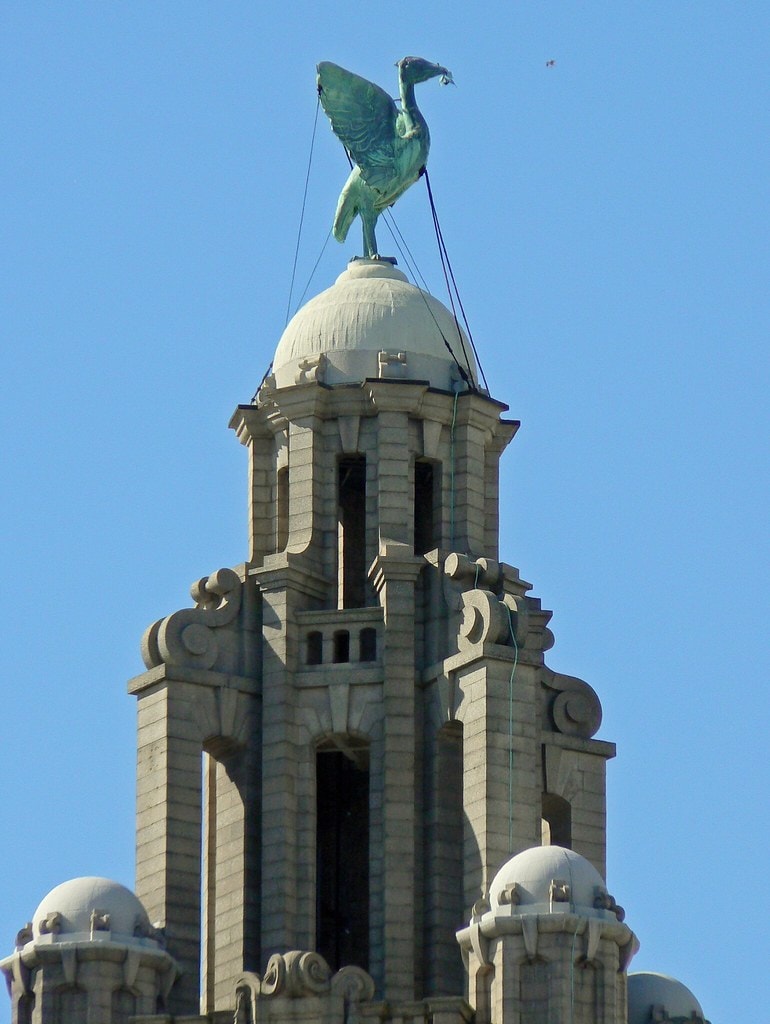
The Royal Liver Building, part of the famous Three Graces, represents Liverpool’s architectural heritage. Guided tours (£15) provide access to the building’s history and impressive views. The iconic Liver Birds perched atop the building have watched over the city since 1911.
Historic Halls and Religious Architecture
St George’s Hall (open daily 10:00-17:00, free entry to main hall) stands as one of the finest examples of neoclassical architecture in the world. This 500-seat grand hall, originally built for musical events, houses a world-renowned concert organ and hosts regular cultural events.
Liverpool Cathedral (open daily, tower experience £6) holds the distinction of being Britain’s largest religious building. Its gothic architecture and towering presence offer both spiritual significance and architectural wonder. The tower experience provides panoramic views of the city and Mersey River.

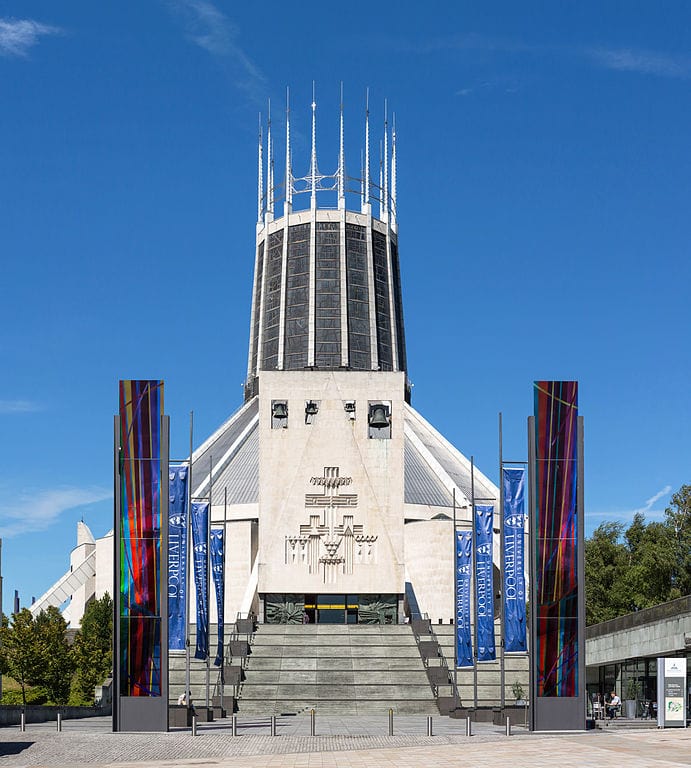
The Metropolitan Cathedral, affectionately known as “Paddy’s Wigwam,” represents modern religious architecture at its most innovative. Its striking 1960s design and regular cultural events make it a unique counterpoint to its gothic neighbour.
Maritime Heritage and Museums
Royal Albert Dock
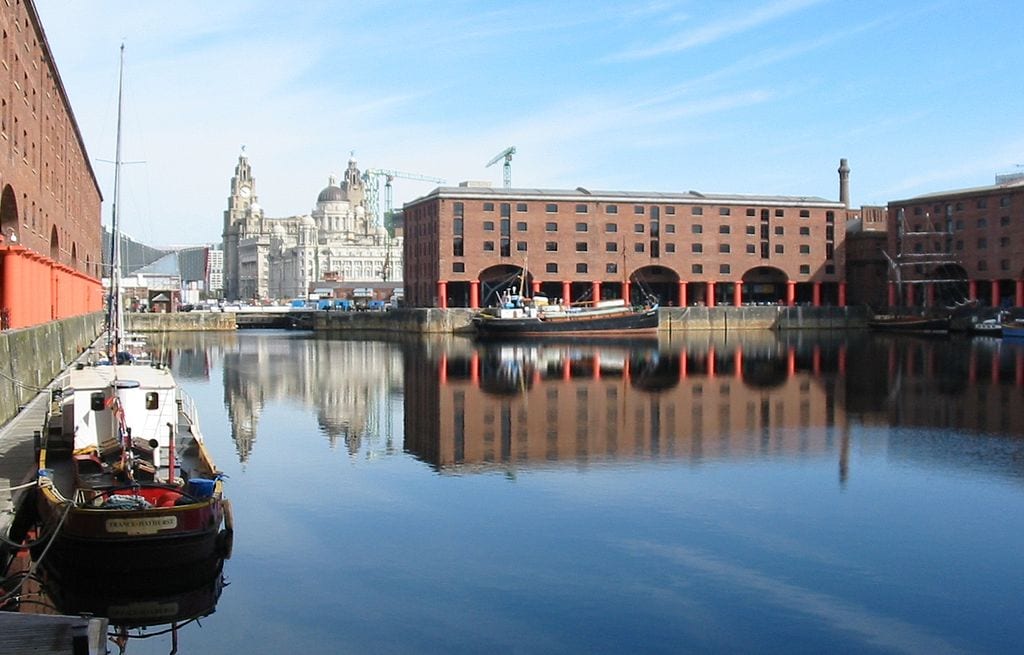
This (sadly the UNESCO World Heritage Site designation has been revoked) (open daily, free access) serves as Liverpool’s maritime heart. The dock complex seamlessly blends historical architecture with modern attractions, hosting numerous museums, galleries, restaurants, and shops. The regenerated waterfront area perfectly illustrates Liverpool’s evolution from maritime powerhouse to cultural destination.
Museums and Cultural Centres
The International Slavery Museum (Albert Dock, open Tuesday-Sunday 10:00-17:00, free entry) opened on August 23, 2007, coinciding with Slavery Remembrance Day. Its location near the historic slave ship fitting docks adds poignant context to its powerful exhibitions.

The Merseyside Maritime Museum (Albert Dock, same hours, free entry) chronicles Liverpool’s seafaring heritage through engaging exhibits and artifacts. The museum provides crucial insights into Britain’s maritime, imperial, and commercial history.

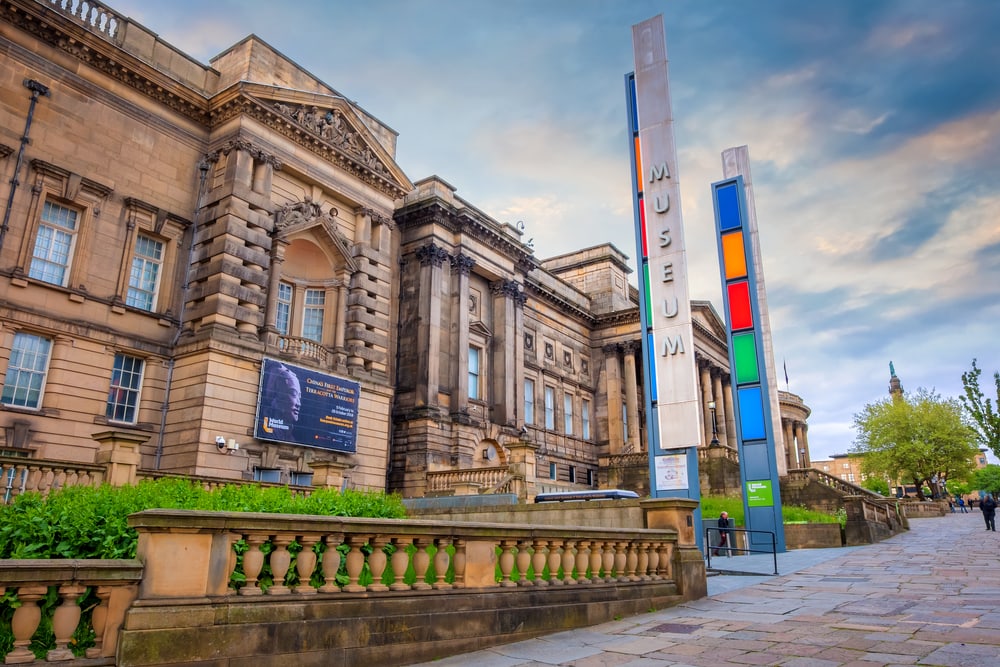
The World Museum (William Brown Street, open daily 10:00-17:00, free entry) offers diverse exhibits spanning natural history, space exploration, and world cultures. Its planetarium features regular shows (additional charge), making it ideal for families and curious minds.
Art and Culture
Walker Art Gallery
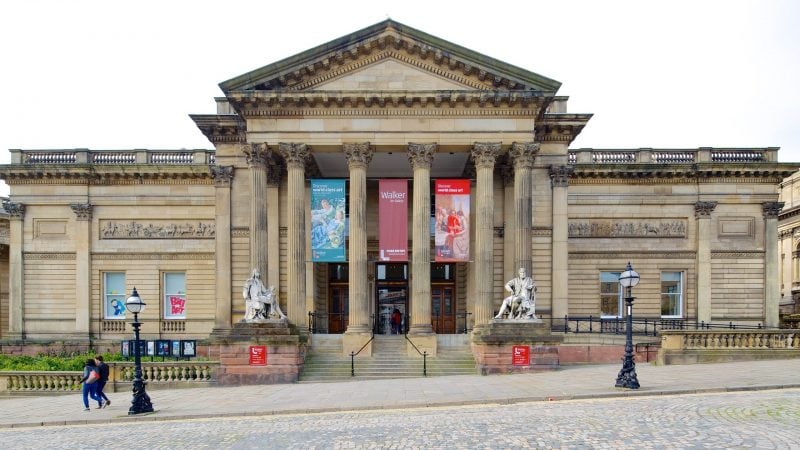
Known as the “National Gallery of the North,” the Walker Art Gallery (William Brown Street, open Tuesday-Sunday 10:00-17:00, free entry) houses an impressive collection spanning from the 13th century to contemporary works. Its 200-year history and extensive British and European art collection make it a cultural cornerstone of the city.
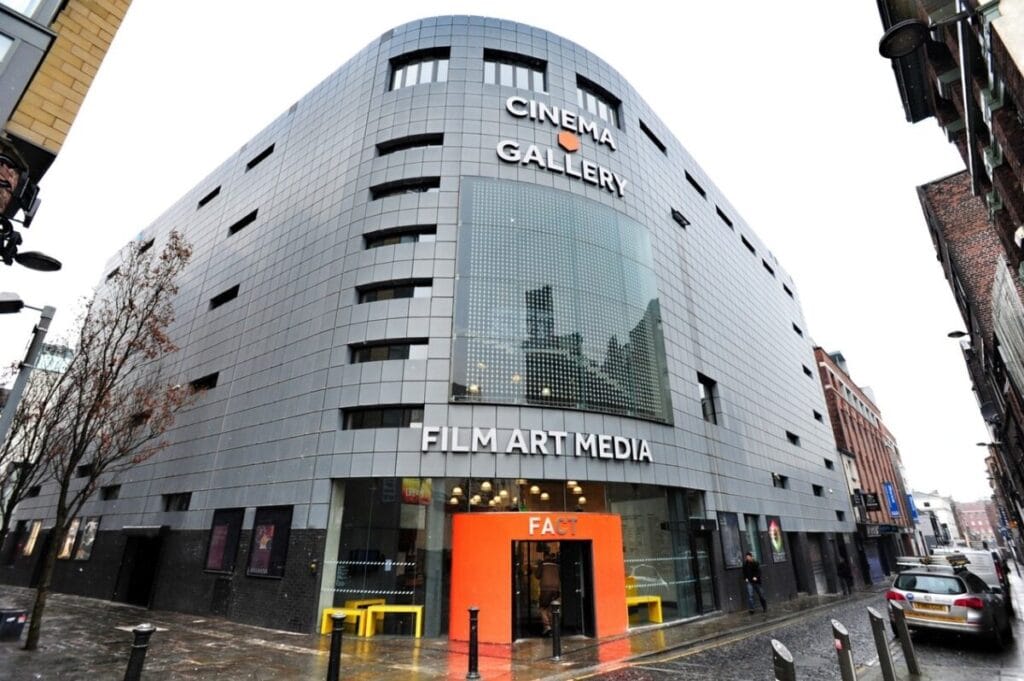
FACT (Foundation for Art and Creative Technology)
This cutting-edge venue (88 Wood Street, exhibition hours vary) showcases independent creators in film, art, and creative technology. Regular exhibitions and events make it a hub for contemporary artistic expression.
Sports Heritage
Football Culture
Anfield Stadium, home to Liverpool FC, offers comprehensive tours (£23 adult, book in advance) including the club museum and trophy room. The stadium tour provides insights into one of football’s most successful clubs.

Everton’s Goodison Park (tours £15) presents an alternative football perspective, showcasing the city’s rich sporting divide. Match day tickets for either club should be booked months in advance through official channels.
Urban Exploration and Shopping
Liverpool ONE and Shopping Districts
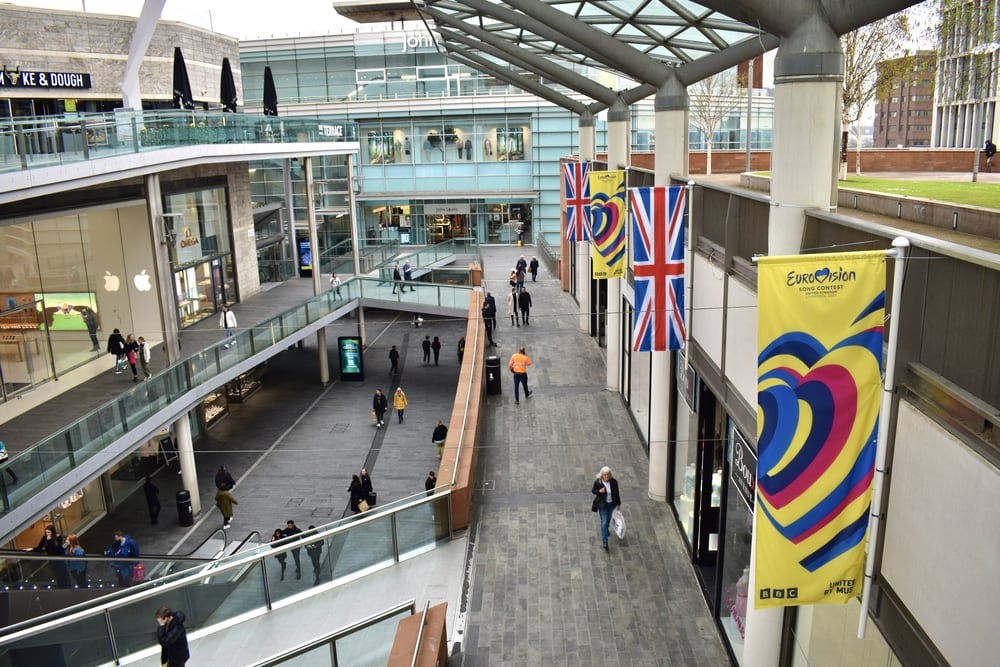
Liverpool ONE (open daily until 20:00) represents modern Liverpool’s commercial heart. With over 170 shops, restaurants, and entertainment venues, it offers comprehensive retail therapy options.
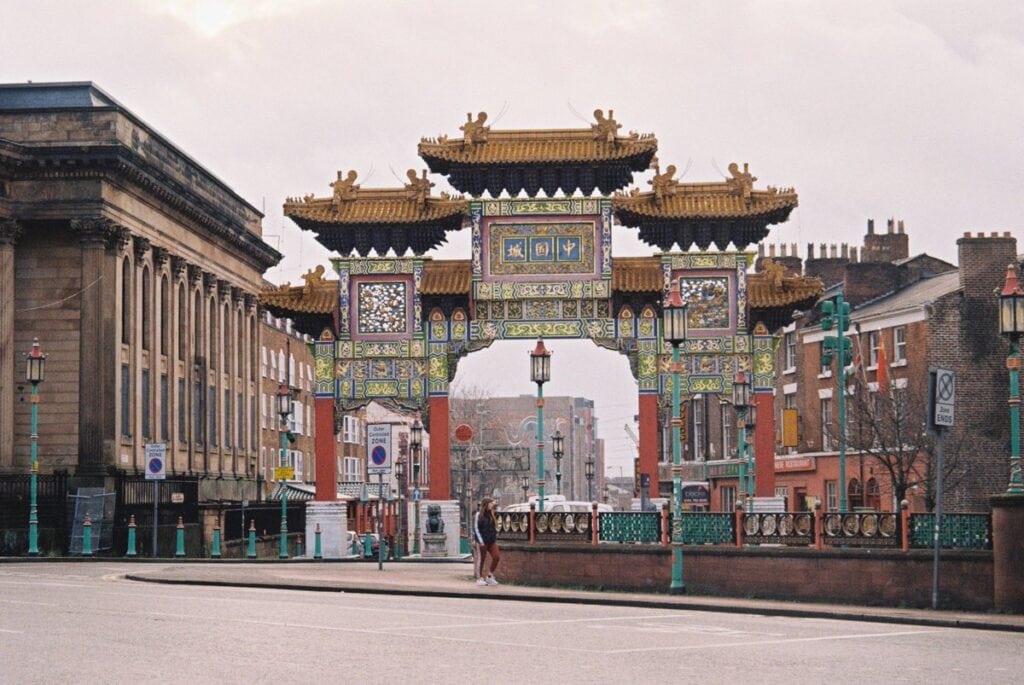
The city’s Chinatown, home to Europe’s largest Chinese arch (13.5 meters tall), provides a unique cultural experience. The arch, placed according to Feng Shui principles in 2000, marks Europe’s oldest Chinese community.
The Baltic Triangle: Liverpool’s Creative Heart
The Baltic Triangle, bounded by Liver Street, Park Lane, and Wapping, represents Liverpool’s remarkable urban regeneration success story. This former industrial quarter, historically home to timber yards and warehouses that facilitated trade with Baltic countries, has transformed into one of the city’s most vibrant cultural districts.
Today, this dynamic neighbourhood hosts over 500 businesses employing more than 3,000 people, primarily in the creative, digital, and tech sectors. Often compared to New York’s Meatpacking District, the Baltic Triangle perfectly balances historic architecture with modern innovation.
Cultural Venues and Entertainment
Camp and Furnace (67 Greenland Street, events schedule varies) stands as a prime example of creative repurposing, transforming a former warehouse into an innovative event space and restaurant. The Constellations Arts Centre offers a platform for contemporary arts and music, while the Grade II* listed Gustav Adolf Scandinavian Church serves as a reminder of the area’s maritime heritage.
Creative Culture and Nightlife
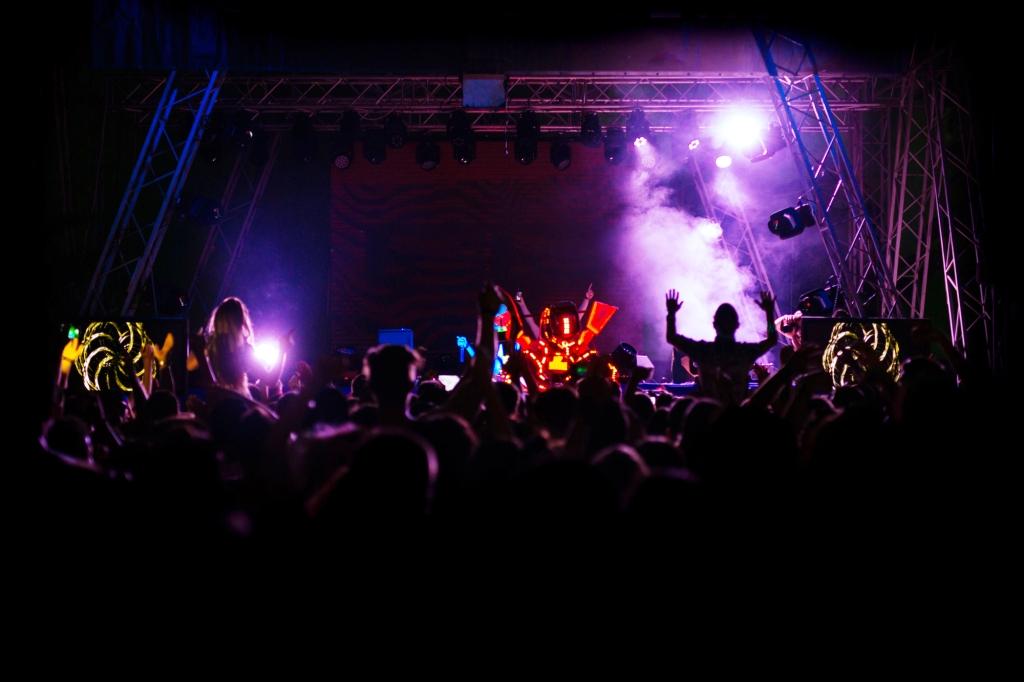
The district’s streets showcase impressive street art installations, while independent venues offer everything from craft beer gardens to underground music scenes. Local entrepreneurs have established unique eateries, workshops, and design studios, creating a bohemian atmosphere that attracts both creators and visitors.
A great way to discover Liverpool at your own pace is with City Explorer Liverpool, an open-top hop-on hop-off sightseeing bus tour that covers many of the city’s best-known landmarks. Starting from the Royal Albert Dock, the tour takes in key stops including the Pier Head, Liverpool ONE, the city’s museums and galleries, both cathedrals, the Chinese Arch and Brewery Village.
Live guides bring the city’s history, music, architecture and culture to life along the way, making it a relaxed option for first-time visitors who want to see more of Liverpool without rushing between attractions. Tickets are valid for 24 hours, so it can also be used as a flexible way to move between different parts of the city while sightseeing.
Modern Living and Working
Recent developments have introduced contemporary housing for students and young professionals, while preserved industrial buildings house cutting-edge digital companies and creative startups. The area’s evolution continues, making it an essential stop for visitors seeking Liverpool’s contemporary cultural pulse.
Alternative Areas
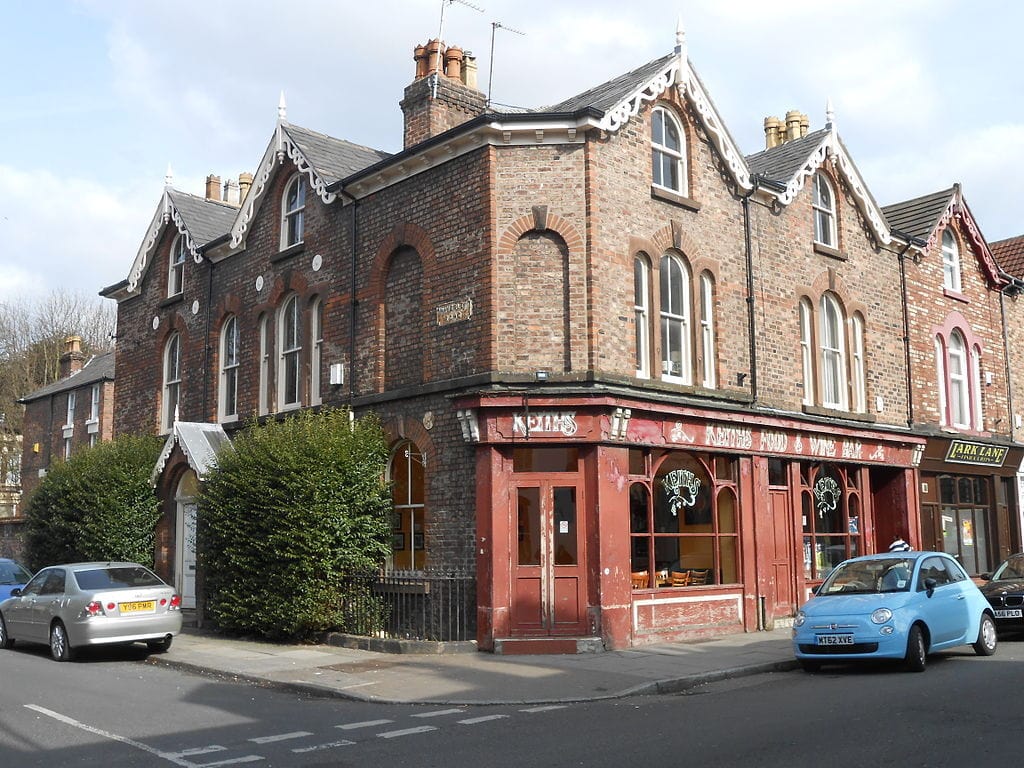
Lark Lane offers a bohemian atmosphere with independent shops, cafes, and bars. This vibrant area comes alive on weekends, providing a perfect escape from mainstream shopping areas.
Parks and Recreation
Sefton Park
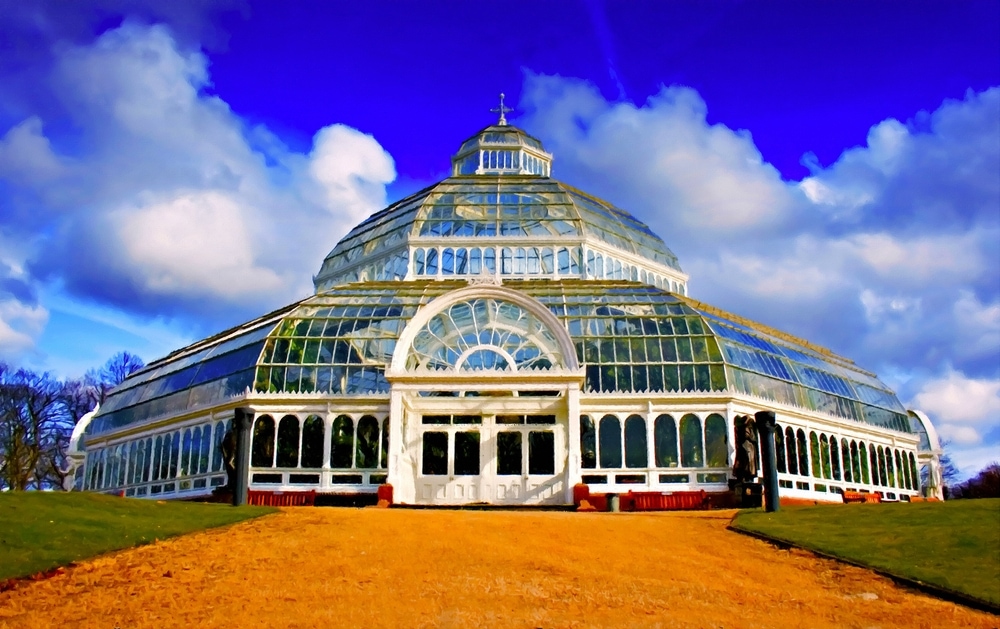
This 250-acre Grade I-listed park features hidden caves, waterfalls, and the restored Victorian Palm House. Regular events, a boating lake, and replicas of famous statues make it a perfect urban escape.
Crosby Beach
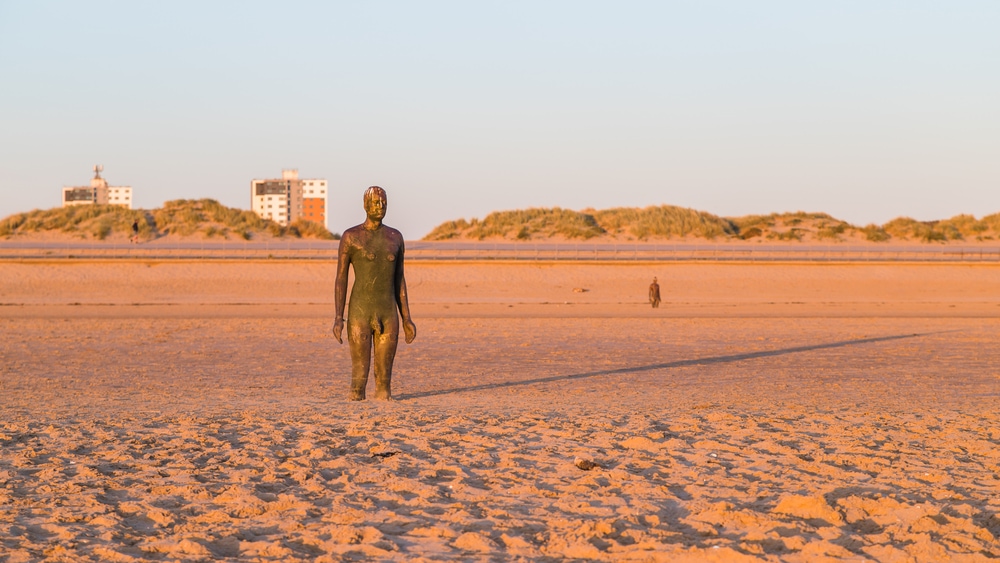
Home to Antony Gormley’s “Another Place” installation, featuring 100 life-size iron figures, this beach offers both artistic interest and natural beauty. Best visited during low tide for optimal viewing of the sculptures.
Evening Entertainment and Nightlife
Historical Pubs and Modern Venues
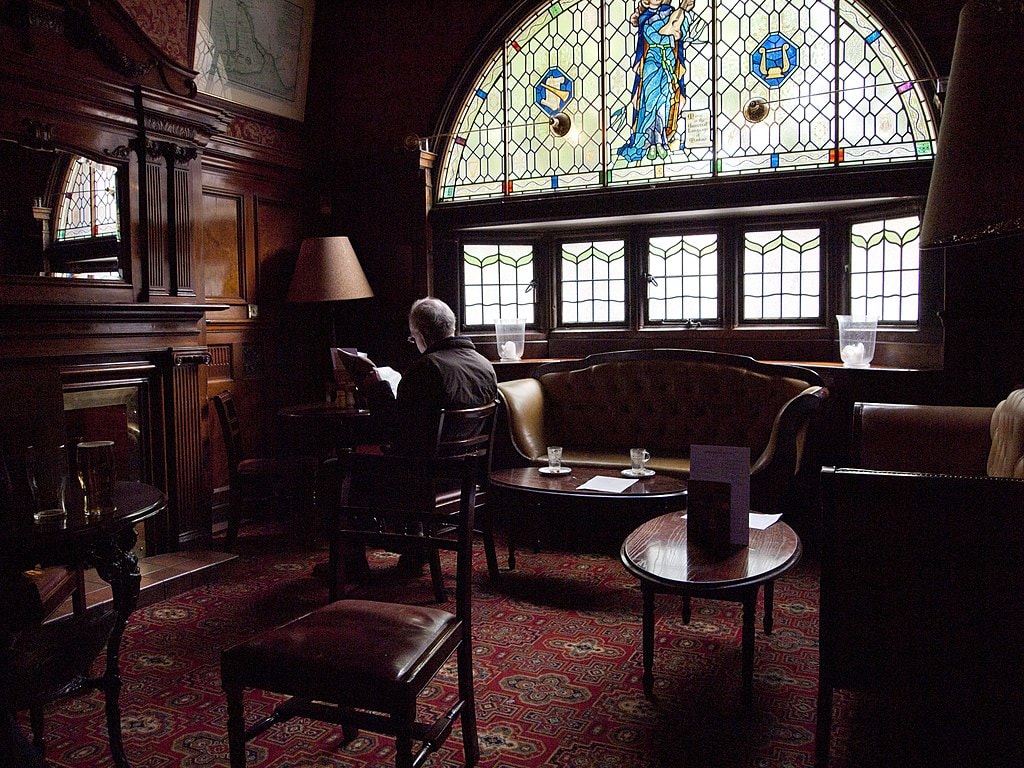
The Philharmonic Dining Rooms showcase Victorian grandeur alongside local ales. Liverpool’s nightlife centers around the Ropewalks and Mathew Street areas, offering everything from traditional pubs to contemporary clubs.
Ghost Tours and Alternative Entertainment
Evening ghost tours (bookable through tourist information, £15) combine historical knowledge with supernatural tales, providing a unique perspective on Liverpool’s past.

Local Secrets and Hidden Liverpool
Beyond the well-trodden tourist paths, Liverpool harbours fascinating secrets and lesser-known attractions that showcase the city’s unique character.
Hidden Architectural Gems
Wavertree Botanic Gardens offers a quieter alternative to Sefton Park’s famous Palm House, with free entry and beautiful surrounding gardens. In the Georgian Quarter, the Gambier Terrace viewing point provides one of the best sunset views over the city, yet remains relatively unknown to tourists.

Secret Underground Liverpool
Beneath the streets lies the Williamson Tunnels Heritage Centre (The Old Stable Yard, open Wednesday-Sunday, £7.50 admission), showcasing a mysterious network of tunnels built by eccentric philanthropist Joseph Williamson in the early 19th century. Similarly, the Western Approaches Museum reveals a hidden WWII bunker that served as a command center during the Battle of the Atlantic.

Local Food Favourites
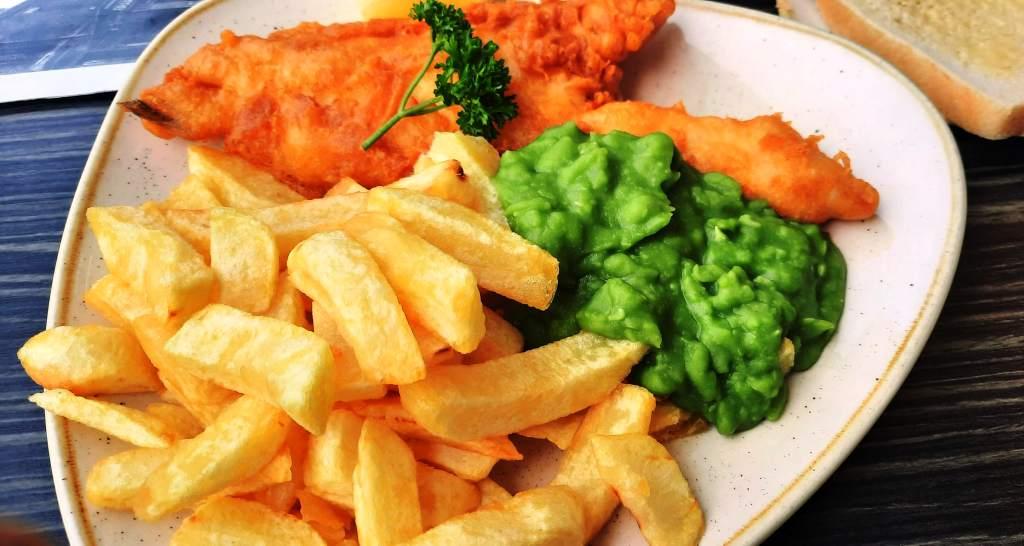
Duke Street Market houses some of the city’s best-kept culinary secrets, with local vendors serving authentic regional specialties. The Baltic Market’s Thursday “Locals Night” offers special deals and unique dishes rarely found in tourist guides. For traditional Scouse stew, locals skip the tourist spots and head to Maggie May’s on Bold Street.
Hidden Cultural Spaces
The Dead Crafty Beer Company hosts rotating craft beer exhibitions featuring local brewers, while 24 Kitchen Street presents underground music acts in an intimate setting. The Victoria Gallery & Museum, housed in a striking red-brick building, contains peculiar collections often overlooked by visitors, including preserved specimens and historic scientific instruments.

Unexpected Green Spaces
Everton Park’s Viewing Point offers arguably better city views than the official tourist spots, plus the chance to see wild orchids in summer. The secret garden at Croxteth Hall provides a peaceful retreat, while the Japanese Garden in Calderstones Park remains a hidden oasis even to many locals.
Artists’ Havens
The Gostins Building’s upper floors house independent artists’ studios occasionally open to the public, while Metal at Edge Hill Station (the world’s oldest active passenger railway station) hosts unique arts events in a historic setting.
Local Traditions
Time your visit for the Scotland Road Liverpool Irish Festival to experience authentic Liverpool community spirit, or join locals for the summer evening “Docker’s Steps” walking tours that reveal the city’s maritime history through residents’ stories.

Planning Your Visit
Best Times to Visit
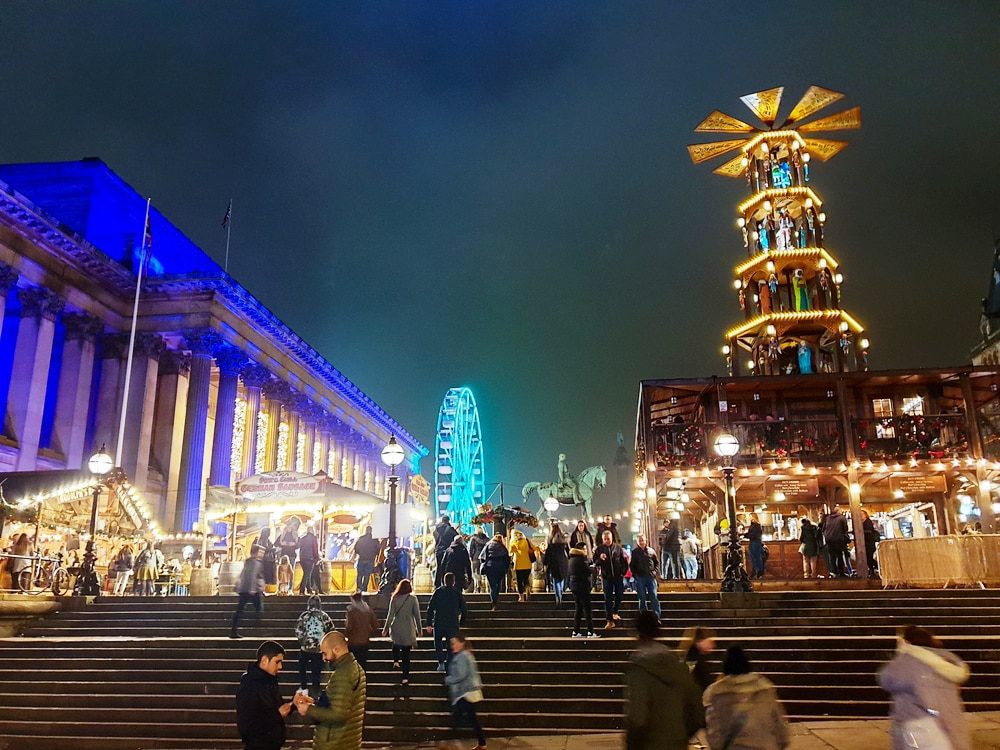
Liverpool’s event calendar peaks between May and September, featuring the International Music Festival (July), Food and Drink Festival (September), and River Festival (June), there is a brilliant Christmas Market. Weather is most favourable during these months, though the city’s numerous indoor attractions make it a year-round destination.
Transportation and Practical Information
The Merseyrail network provides comprehensive city access (day passes from £5.50). The Liverpool City Region Explorer Pass offers cost-effective access to multiple attractions. Most museums open Tuesday-Sunday, 10:00-17:00, with many offering free admission.
How to get to Liverpool
1. By Train (The Recommended Option)
This is the most popular and often the best way to travel between the two cities.
- Journey Time: Approximately 2 hours to 2 hours 20 minutes.
- Departure Stations in London:
- London Euston (EUS) is the main station for all services to Liverpool.
- Liverpool Lime Street (LIV) is the main and central station, putting you right in the heart of the city.
- Avanti West Coast: The primary operator. They run fast and direct services.London Northwestern Railway: A slower, sometimes cheaper option that may require a change at Crewe.
- Book in Advance: Tickets are released up to 12 weeks ahead. The cheapest “Advance” tickets can be as low as £15-£25 but are for a specific train only.Travel Off-Peak: Avoid weekday morning and evening rush hours. “Off-Peak” and “Super Off-Peak” tickets are cheaper and offer more flexibility.Use a Railcard: If you’re eligible (e.g., 16-25, 26-30, Two Together, Senior), a Railcard saves you 1/3 on most fares.
- Why it’s great: Fast, comfortable, with onboard facilities like Wi-Fi and a buffet car. You arrive relaxed in the city centre.
- Departure Stations in London:
Booking Website: The best place to compare and book is National Rail or train operator sites like Avanti West Coast.

Where to Stay in Liverpool
Liverpool offers accommodation options for every budget and preference, from historic luxury hotels to comfortable budget-friendly choices.
Luxury Accommodations
The Titanic Hotel Liverpool presents a unique blend of Victorian maritime history and modern luxury. Set in a restored warehouse, it features spacious 56-square-meter rooms with original exposed brickwork, Stanley’s Bar & Grill, and the atmospheric Rum Bar.

The newly opened Municipal Hotel Liverpool (MGallery) occupies a grand historic building in the heart of the city, offering elegant rooms, spa facilities, and sophisticated lounges. For those seeking a boutique experience, Hope Street Hotel provides award-winning dining and refined accommodations in a cultural setting.
Mid-Range Options
The DoubleTree by Hilton Hotel & Spa Liverpool strikes an excellent balance between comfort and value, featuring spa facilities and a central location perfect for exploring the city. The Crowne Plaza Liverpool City Centre offers reliable comfort and easy access to major attractions.
The Aloft Liverpool combines Edwardian architecture with contemporary design near the waterfront, while the Radisson RED Liverpool occupies a historic railway building, offering modern amenities and views of St George’s Hall.

Unique Stays
Football enthusiasts might enjoy The Shankly Hotel, themed around Liverpool legend Bill Shankly, combining luxury with sporting heritage. For extended stays or family trips, Trueman Court Luxury Serviced Apartments provide home-like comfort with hotel amenities.

Budget-Friendly Accommodation
Liverpool’s extensive public transport network means budget travelers can find affordable accommodation slightly outside the city center while maintaining easy access to attractions. Many chain hotels and independent guesthouses near Albert Dock and Lime Street Station offer comfortable stays at reasonable prices.
Location Tips
For nightlife and dining: Stay near the Baltic Triangle or Ropewalks
For cultural attractions: Choose the Georgian Quarter
For Beatles history: Book near Mathew Street
For shopping: Look for hotels near Liverpool ONE
For waterfront views: Consider accommodations around Albert Dock
Whether you choose to discover Liverpool through its musical heritage, maritime history, contemporary art, or sporting excellence, each neighborhood from the Georgian Quarter to the Baltic Triangle offers its own unique charm. The city’s excellent transport links and accessible attractions make travel convenient for all visitors. Regular event updates and attraction details are available through the Visit Liverpool website, helping you plan the perfect trip to this historic yet thoroughly modern destination.

Liverpool’s rich tapestry of experiences, from musical heritage to maritime history, contemporary art to sporting excellence, ensures visitors find their own connection to this dynamic city. Regular event updates and attraction details are available through the Visit Liverpool website, helping you plan the perfect stay in this historic yet thoroughly modern destination.
Want to learn more about cities in the UK check my UK Travel Guide, or if you are visiting London here is that travel guide and here is my England Travel Guide.