
Brighton Bucket List: The Best Things to Do
Quick answer: Brighton’s essentials are the pier, the Royal Pavilion, and a wander through The Lanes, but the beach huts at Hove, the i360 viewing tower, and the vintage shops around North Laine are what make repeat visits worth it. It’s an easy 60-minute train from London, and most of it is walkable once you’re there.

I’ve visited Brighton many times over the years, and it’s stayed one of my favourite English seaside escapes one of the country’s most iconic coastal cities, drawing millions of visitors annually to one of Britain’s oldest piers, a maze of narrow lanes packed with restaurants and bars, and a genuinely diverse, welcoming atmosphere you don’t find everywhere on the English coast.
If you’re staying in London, Brighton is one of the easiest coastal day trips going a short 60-minute train ride for a proper seaside break at any age. Here’s what’s actually worth your time, whether it rains or shines.
Fast Facts: Visiting Brighton
| Location | South coast of England, between Eastbourne and Worthing |
| From London | About 60 minutes by train, 90 minutes by car, 2.5 hours by coach |
| Royal Pavilion admission | Approximately £20–26 for an adult |
| British Airways i360 | From approximately £20 |
| SEA LIFE Brighton | Approximately £20–22 |
| Best for | Day trips, seaside walks, vintage shopping, and a genuinely diverse food and nightlife scene |
Where Is Brighton?
Brighton sits on the south coast of England, nestled between Eastbourne and Worthing, within easy driving distance of Portsmouth, Southampton, and Hastings.
A Brief History of Brighton
Brighton began as a Saxon village and grew into a working fishing town, weathering French attacks through the 1500s. In the 17th century, it’s where King Charles II fled toward France to avoid capture during his escape after the Battle of Worcester. By the 18th century, the town had reinvented itself entirely as a destination for the fashionable, thanks to the supposed ‘curative’ powers of sea bathing a trend the Prince of Wales, later George IV, made famous.
What Is Brighton Known For?
Brighton is most famous for its pier and pebbled beach, just ten minutes from the central train station. In recent years, it’s built a reputation well beyond the beach, becoming one of England’s most diverse cultural hubs quirky independent shops, outdoor markets, vibrant street art, and restaurants covering food from every corner of the world.

Best Things to Do in Brighton
Walk Along Brighton Pier
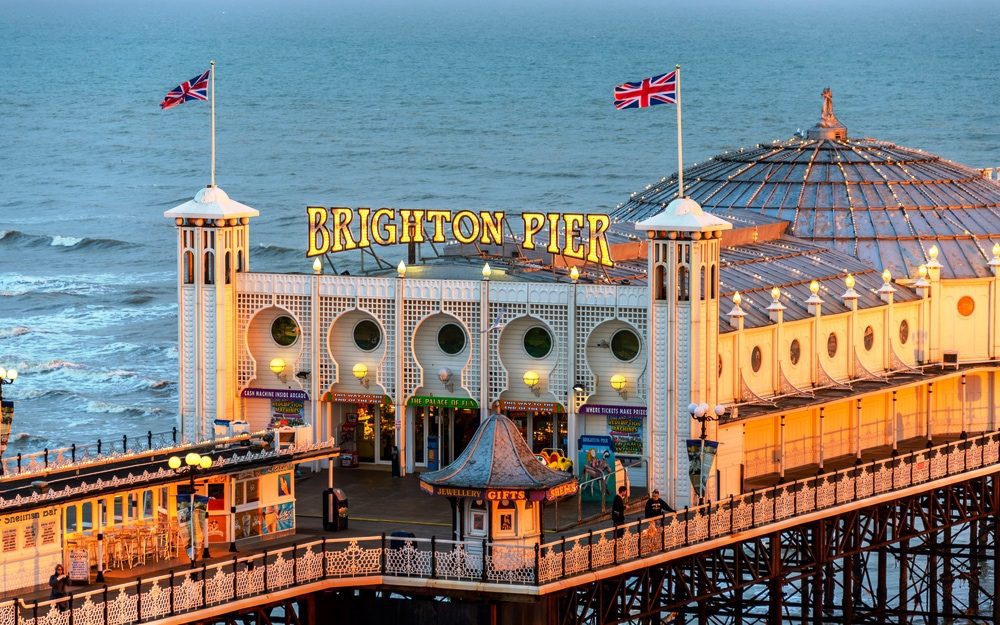
No trip to Brighton is complete without walking the pier. At over 1,722 feet long and originally built 123 years ago, it’s survived two world wars and a serious fire in 2003, and remains one of the most visited attractions in England outside London. Expect Victorian charm old-school arcades, fish and chip shops, candy floss vendors, and genuinely good sea views.
Tip: Palm Court Restaurant, right in the middle of the pier, does some of the best seafood in Brighton, with a solid wine and cocktail list, open from morning until night.
Ride Volk’s Electric Railway
The oldest electric railway in the world, dating back to 1883, still runs along the seafront between Aquarium Station (near the pier) and Black Rock Station (near the Marina) a genuinely authentic bit of Victorian engineering rather than a tourist gimmick.

Eat Ice Cream on Brighton Beach
Brighton Beach is a proper British seaside scene colourful deckchairs, a bandstand over 130 years old, and ice cream vans up and down the front. The beach itself is rocks, shingle, and cobbles rather than sand, so it’s not the most comfortable to lie on, but it’s a great spot to hire a deckchair and just enjoy the sun.

Visit the Royal Pavilion
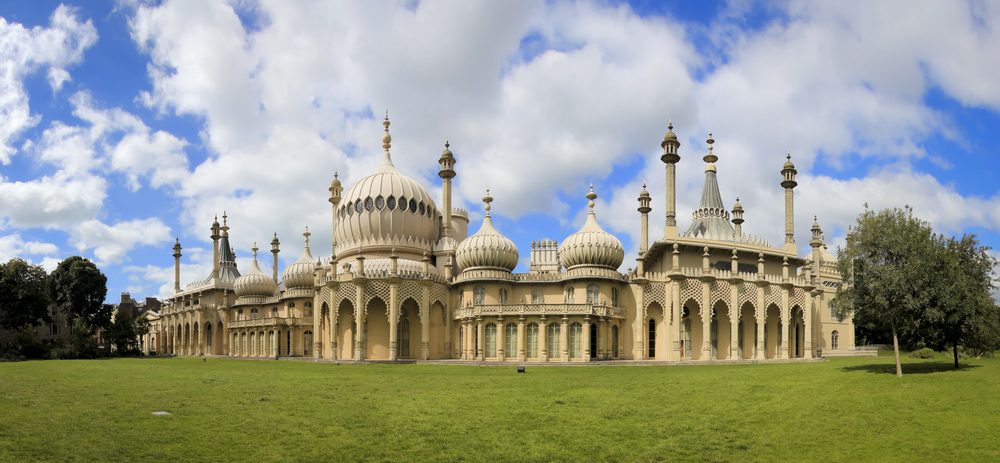
Built for King George IV over 200 years ago, the Royal Pavilion sits in the centre of Brighton surrounded by colourful gardens. Its eclectic mix of Chinese- and Indian-inspired architecture, topped with giant patterned domes, has earned it the nickname ‘the Taj Mahal of Brighton.’ As of 2026, admission runs roughly £20–26 for an adult, and it’s wheelchair accessible. The Pavilion typically opens at 9:30am with last admission at 5pm.
See the Colourful Beach Huts in Hove
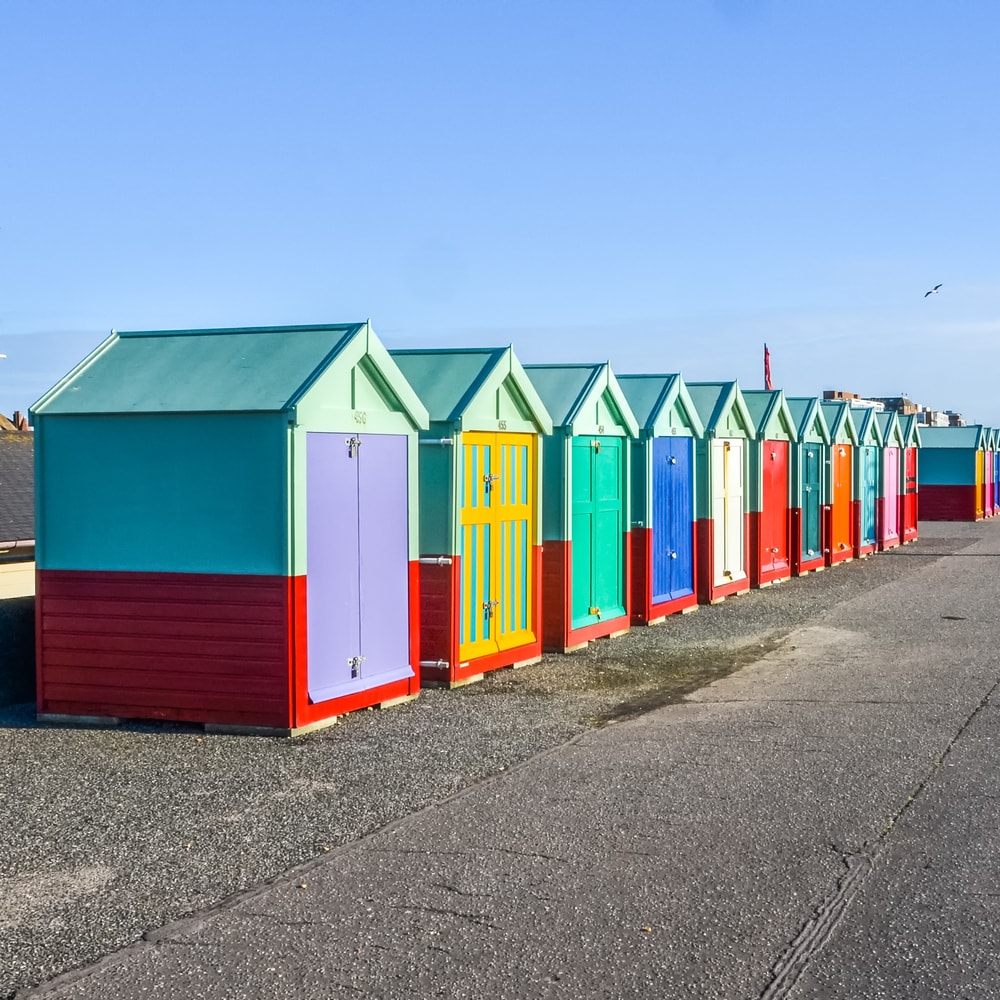
About a 30-minute walk from the pier, Hove’s beach huts are one of Brighton’s most photographed scenes worth the walk whether you’re taking pictures or just admiring them from the promenade.
Eat Fish and Chips by the Sea
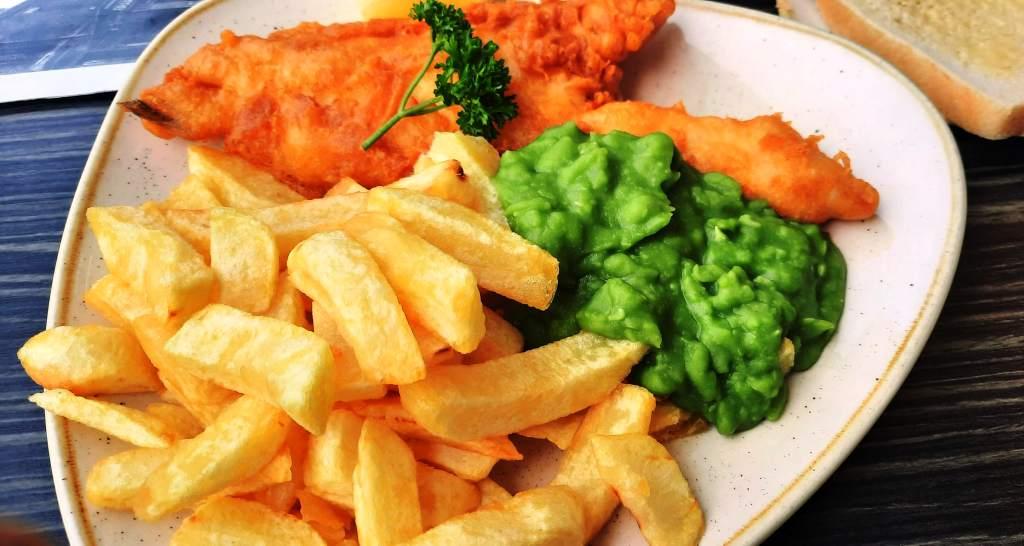
Whether it’s your first visit or your fifth, fish and chips on the Brighton seafront never gets old. Most chip shops serve cod, haddock, and plaice alongside vegetarian options like plant-based burgers and cheese sticks and don’t skip the mushy peas. Honestly, the small, slightly grubby-looking hole-in-the-wall shops are usually the best ones; don’t judge by appearances.
Catch a Show at Brighton Dome
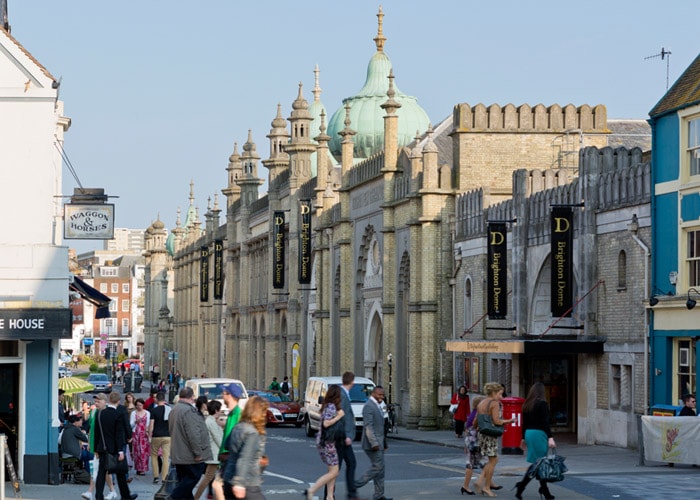
Run by an arts charity, the Dome hosts England’s biggest cross-arts festival and over 600 events a year. The building itself has quite a history originally riding stables for the Prince Regent, it later served as a WWI dance hall, a WWII hospital, and even a roller-skating rink, before becoming the concert and events venue it is today.
Browse the Vintage Shops
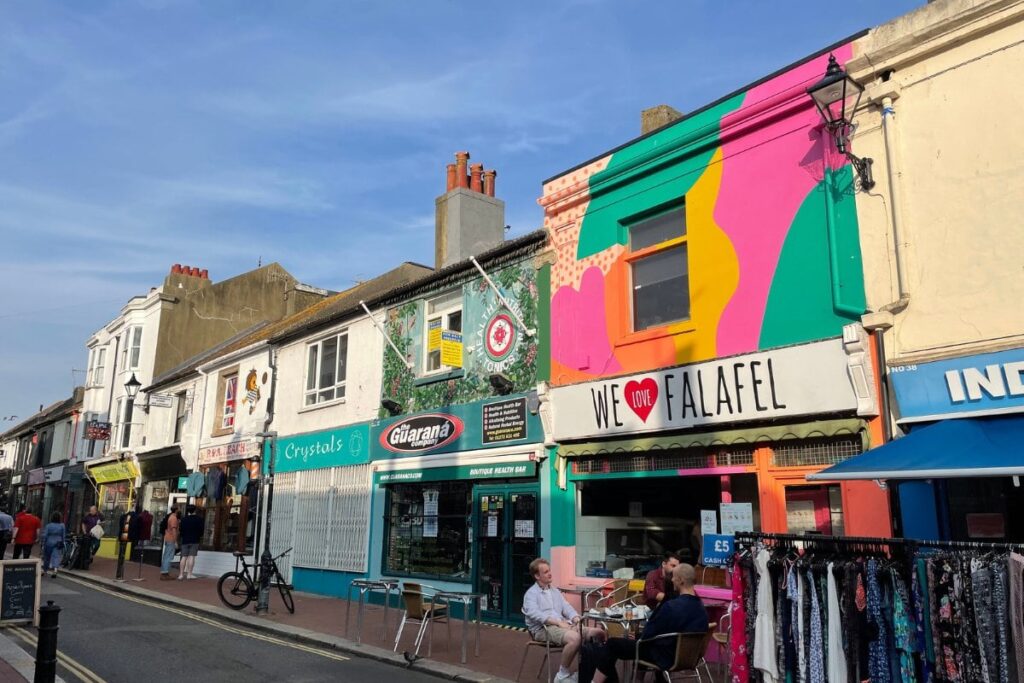
Brighton has one of the best concentrations of vintage clothing shops in the country, and even window shopping here is genuinely enjoyable. Beyond Retro is one of the biggest, with a well-known sister store on London’s Brick Lane. Hope and Harlequin, All About Audrey, Rebound, and Preloved each bring their own mix of clothes, antiques, and homeware, and To Be Worn Again is one of the cheapest and most colourful if you’re after a bargain.
Have Dinner at Rockwater
Near Hove, Rockwater is a good pick for sea views, solid cocktails, and comfortable seating on a large front deck. Beyond dinner and drinks, it runs craft workshops, sip-and-paint nights, quiz nights, and even a chess club easy to pair with a walk to the Hove beach huts beforehand.

Explore The Lanes
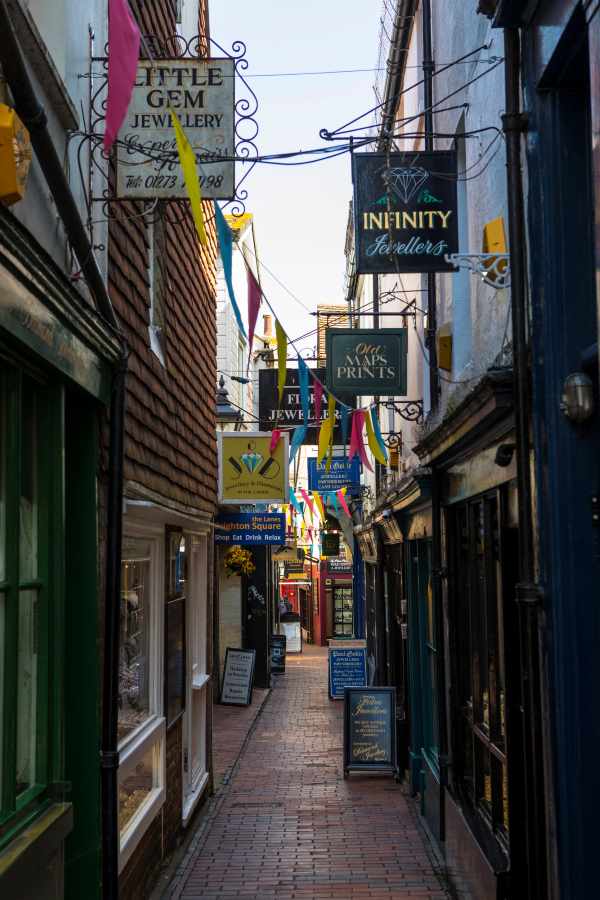
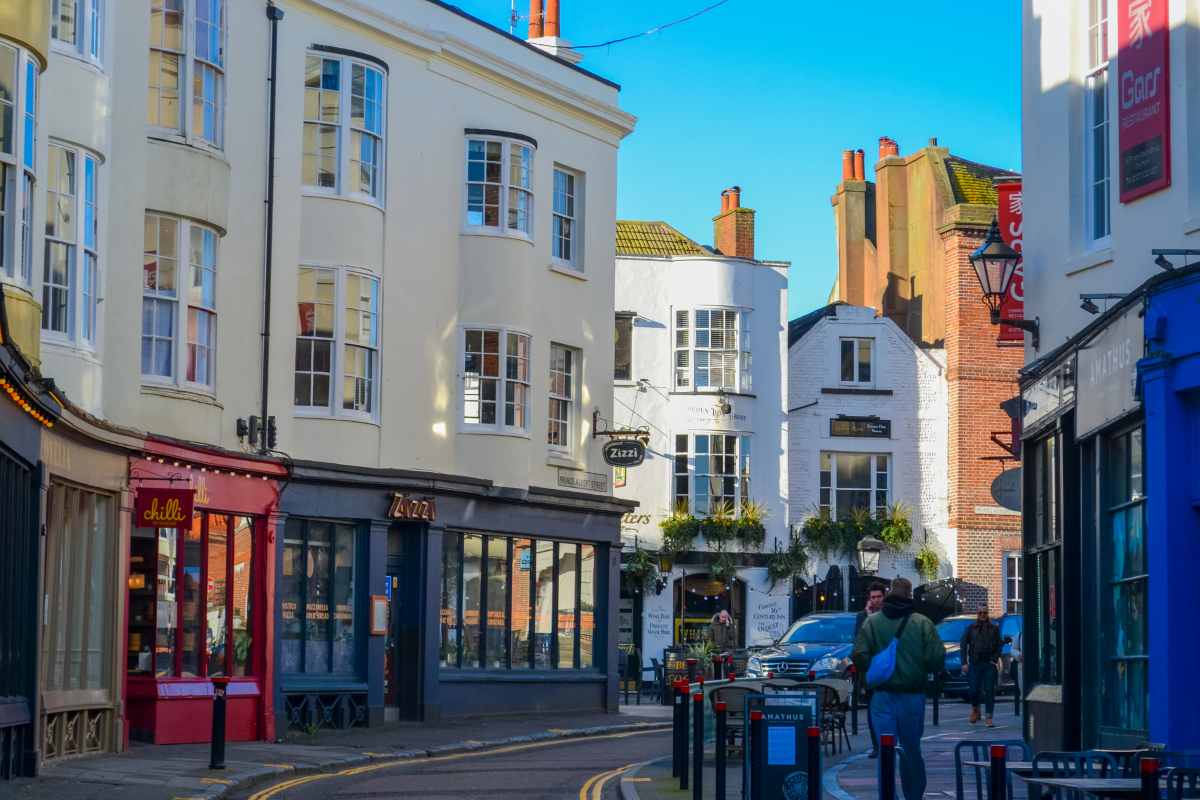
With one restaurant for roughly every 250 people, Brighton has more eateries per head than almost anywhere else in the country, and most of them cluster in The Lanes. Once the heart of an old fishing town, The Lanes are now a maze of narrow, cobbled streets packed with live jazz bars, Chinese buffets, Italian restaurants, small boutiques, high-end jewellers, and traditional English pubs. Even if you don’t spend a penny, it’s worth wandering just for the atmosphere.
Visit Brighton Toy and Model Museum
A good rainy-day option and in Brighton, that’s a real possibility. The museum covers over 4,000 square feet of toys and models, mostly from the UK and Europe, and takes a couple of hours to explore properly. It’s conveniently located right underneath Brighton train station.

Visit SEA LIFE Brighton
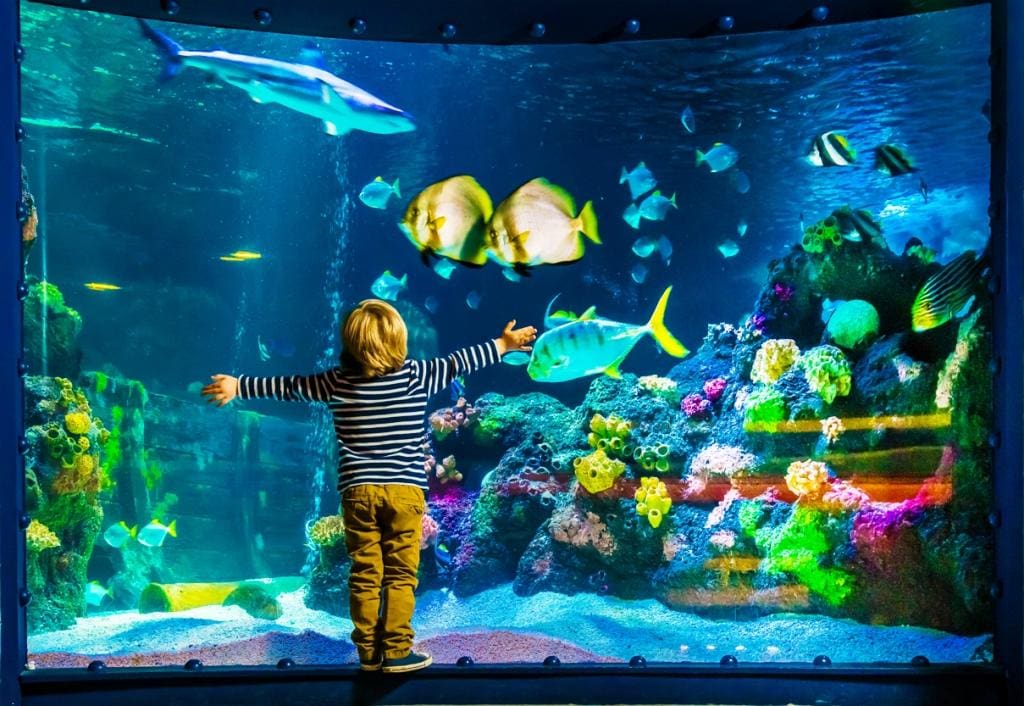
The world’s oldest operating aquarium, dating to 1869, with thousands of sea creatures on display and a spot right next to the pier a solid option for a rainy morning or afternoon. As of 2026, admission runs roughly £20–22 for an adult, and combination tickets with the i360 or Royal Pavilion can work out cheaper if you’re doing more than one.
Go Up the British Airways i360
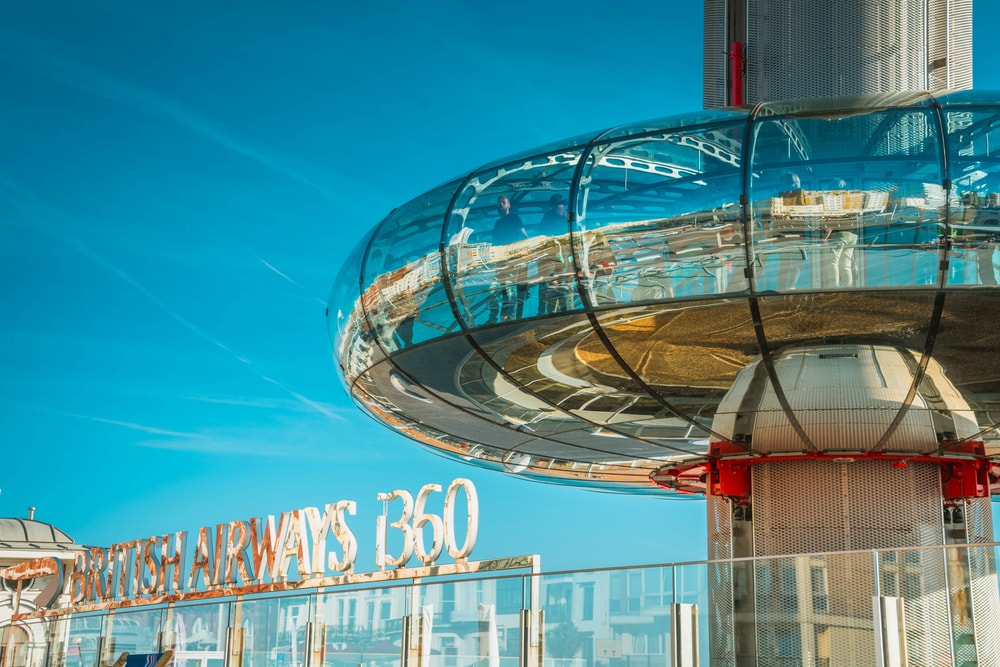
A newer addition to Brighton’s skyline, the i360 lifts a glass viewing pod 138 metres above the seafront for 360-degree views the pier, the sea, the South Downs, the UNESCO Biosphere, and on a clear day, all the way to the Isle of Wight. As of 2026, tickets start from around £20 per adult. There’s a restaurant and bar at the top if you want to make an afternoon of it, and it’s worth pre-booking in peak summer, since it gets genuinely busy.
Explore the South Downs National Park
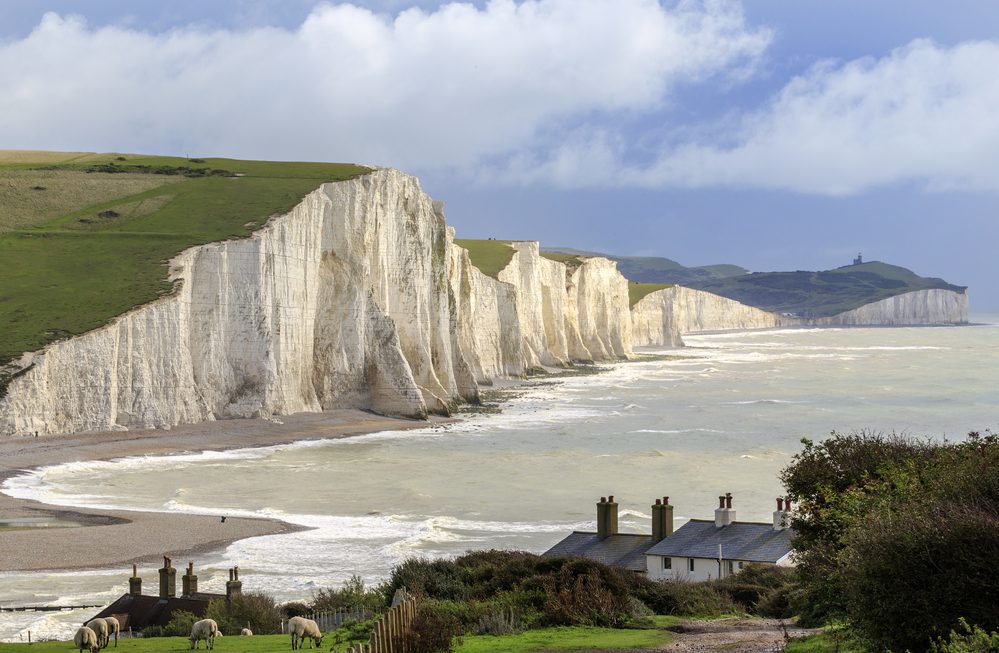
Just outside Brighton, the South Downs are worth the detour the white cliffs of Seven Sisters Country Park, a proper English country pub, a stretch of the South Downs Way, or a picnic at Devil’s Dyke. The region is also home to a genuinely impressive sparkling wine industry, often compared to Champagne in both method and quality.
Getting to Brighton from London
The train is the fastest option, running from London Bridge, Blackfriars, and Victoria in around 60 minutes. A cheaper coach option takes roughly 2.5 hours. Driving from central London covers about 50 miles and takes around 90 minutes in good traffic.
Getting Around Brighton
Most attractions sit within walking distance of each other even the walk out to Hove’s beach huts takes under 30 minutes. Brighton’s buses are cheap and easy to use if you’d rather not walk everywhere, and the BTN Bikeshare scheme is a good option too, with rentals from as little as 3p a minute via their app.
Accessible Brighton
Brighton is one of the more accessible seaside cities in England, especially along the seafront. The promenade runs flat and fully paved from Hove all the way to the Marina, Brighton Pier has step-free access via a flat boardwalk with plenty of room to manoeuvre, and the council loans free all-terrain beach wheelchairs from its seafront office (a £25 refundable deposit applies, and booking ahead is recommended).
The British Airways i360 is fully wheelchair accessible, including a free carer ticket with proof of disability, and SEA LIFE Brighton has a step-free entrance via an underpass from the beach. The one area that’s genuinely difficult is The Lanes narrow cobbled streets and stepped shop entrances make many individual businesses hard to access, though nearby North Laine’s wider main streets are considerably easier going. If accessibility is a priority for your trip, it’s worth planning your route around the seafront and North Laine rather than assuming The Lanes will work the same way.
Frequently Asked Questions About Visiting Brighton
How far is Brighton from London?
About 50 miles. The train takes roughly 60 minutes from London Bridge, Blackfriars, or Victoria, making it an easy day trip. Driving takes around 90 minutes in good traffic, and a cheaper coach option takes about 2.5 hours.
What is Brighton best known for?
Its Victorian pier, pebble beach, and the exotic Royal Pavilion, but increasingly it’s known as one of England’s most diverse cultural hubs vintage shopping, a huge choice of restaurants, and a genuinely welcoming, alternative atmosphere.
Is Brighton good for a day trip from London?
Yes it’s one of the easiest coastal day trips from the city, with fast, frequent direct trains and most of the main attractions within walking distance of the station.
How much does it cost to visit Brighton’s main attractions?
Budget roughly £20–26 for the Royal Pavilion, around £20 for the British Airways i360, and about £20–22 for SEA LIFE Brighton. Combination tickets covering two or three of these attractions together usually work out cheaper than buying separately check current prices directly before you go, since they shift with the season.
Do I need a car to get around Brighton?
No. Most attractions are within walking distance of each other and the train station, and Brighton’s bus network and BTN Bikeshare scheme cover anything further, like the walk out to Hove’s beach huts.
Brighton earns its reputation as one of England’s best seaside cities a proper beach day, genuinely excellent food, quirky independent shopping, and a welcoming, easygoing atmosphere that keeps people coming back. Whether you’re planning a relaxed day on the pebbles or a full day working through The Lanes, it’s an easy, rewarding trip whenever you can fit it in.
Brighton is a great excuse to explore more of England’s south, and there’s plenty worth building into a longer trip. If you’re planning more day trips from the capital, my guide to Getaways from London covers other easy escapes, and a walk through the Chilterns makes a very different, more rural contrast to a day on the seafront. History buffs might enjoy tracking down England’s mysterious White Chalk Figures, touring some of the country’s most stunning Manor Houses, or digging into the darker history of the Witch Trials in England. And if seaside towns are your thing, Blackpool with its Rebellion Festival offers a livelier, more traditional alternative to Brighton on the country’s other coast.