
40 Best Places to Visit in Cornwall: A Real Traveller’s Guide
Cornwall’s unmissable stops are Port Isaac (the real-life Doc Martin village), St Ives (art galleries and a working harbour), St Michael’s Mount (a genuine sibling to France’s Mont Saint-Michel, tidal causeway and all), and Newquay for surfing. Beyond the big names, the fishing villages of Polperro and Mousehole, the Eden Project’s biomes, and the Lost Gardens of Heligan round out the essentials. The full regional breakdown below covers all 40, plus where to actually get the best fish and chips.

Cornwall is one of England’s most beautiful counties, and it earns that reputation honestly picturesque fishing villages, dramatic coastline, sandy beaches, and enough history and legend to fill weeks of exploring. Having visited several times, including a trip where my husband learned to surf, here’s a genuinely useful regional breakdown of 40 places worth your time.
- 40 Best Places to Visit in Cornwall: A Real Traveller's Guide
- Fast Facts: Visiting Cornwall
- North Coast: Surf Towns and Fishing Villages
- St Ives and West Cornwall
- South Coast: Fishing Villages and Harbours
- Inland Cornwall and Attractions
- Beach Towns Worth a Stop
- The Isles of Scilly
- Where Should You Stay in Cornwall?
- Best place for food in Cornwall
- FAQs About Visiting Cornwall
- More UK and England Reading
Fast Facts: Visiting Cornwall
| Visiting Cornwall Getting there: the A30 and A38 are the main routes in; the nearest mainline rail hub is Truro, with branch lines to St Ives, Newquay and Falmouth. Best time to visit: May–June and September avoid the worst of the summer crowds while keeping decent weather; July–August is peak season and the roads and villages get genuinely packed. Surfing: Newquay’s Fistral Beach is Cornwall’s best-known surf spot and a good place to learn, with lessons widely available. St Michael’s Mount: ferry £3.20 adult/£1.60 child when tide is in; summit climb is steep and uneven, not wheelchair accessible harbour level is more manageable. Eden Project entry: £35.50 adult in advance (£39.50 on the day); wheelchairs, mobility scooters and a land train are available on site. Coast walking: the South West Coast Path runs the entire Cornish coastline and links most of the villages in this guide mostly unpaved and uneven, not realistic for wheelchair users beyond short stretches. Isles of Scilly: reached by ferry or a short flight/helicopter from the mainland worth budgeting a full day trip, not a quick stop. Where to stay: St Ives for art and classic seaside, Padstow for food, Newquay for surfing, Truro/Falmouth for a central base expect roughly £80–£150/night mid-range outside peak season. |
North Coast: Surf Towns and Fishing Villages
Port Isaac
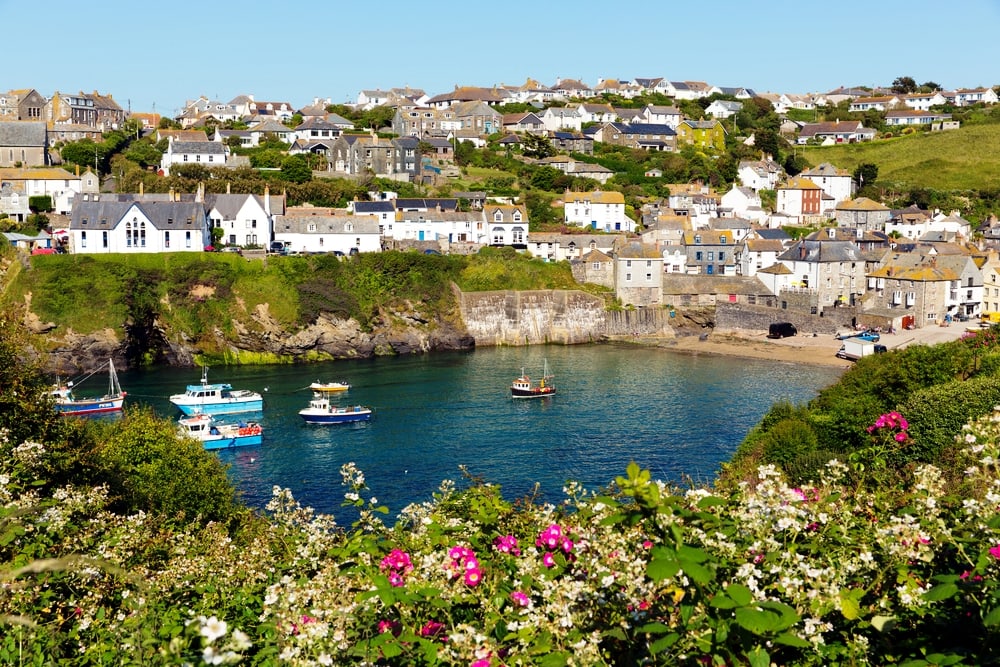
A picturesque fishing village on the rugged north coast, and the real filming location for the TV series Doc Martin its narrow streets and traditional harbour are easy to recognise if you’ve seen the show. We’ve visited more than once, and it’s every bit as charming in person; look out for seals in the harbour, and try to catch the local fishermen performing sea shanties.
Newquay
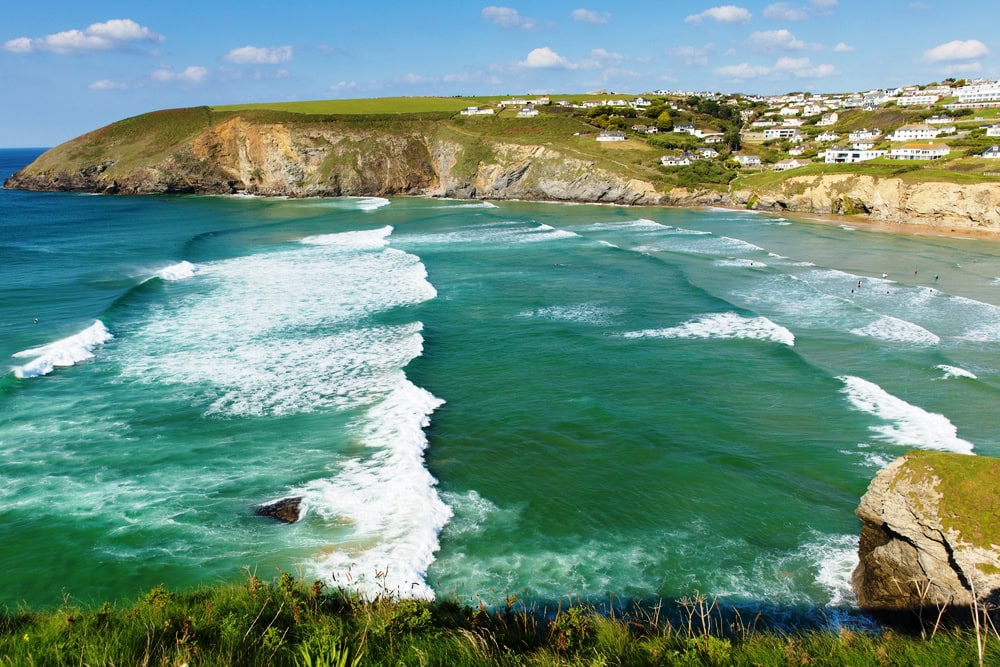
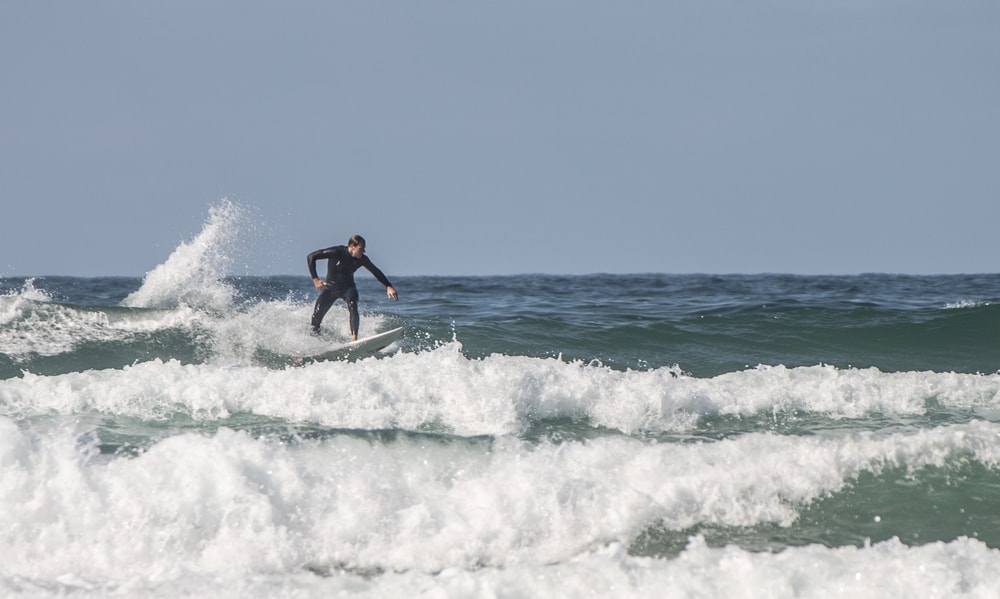
Cornwall’s surf capital, and where my husband learned to surf. Fistral Beach is the main draw watch the pro surfers or take a lesson yourself alongside a lively bar and club scene and the Blue Reef Aquarium if you need a break from the beach.
Padstow
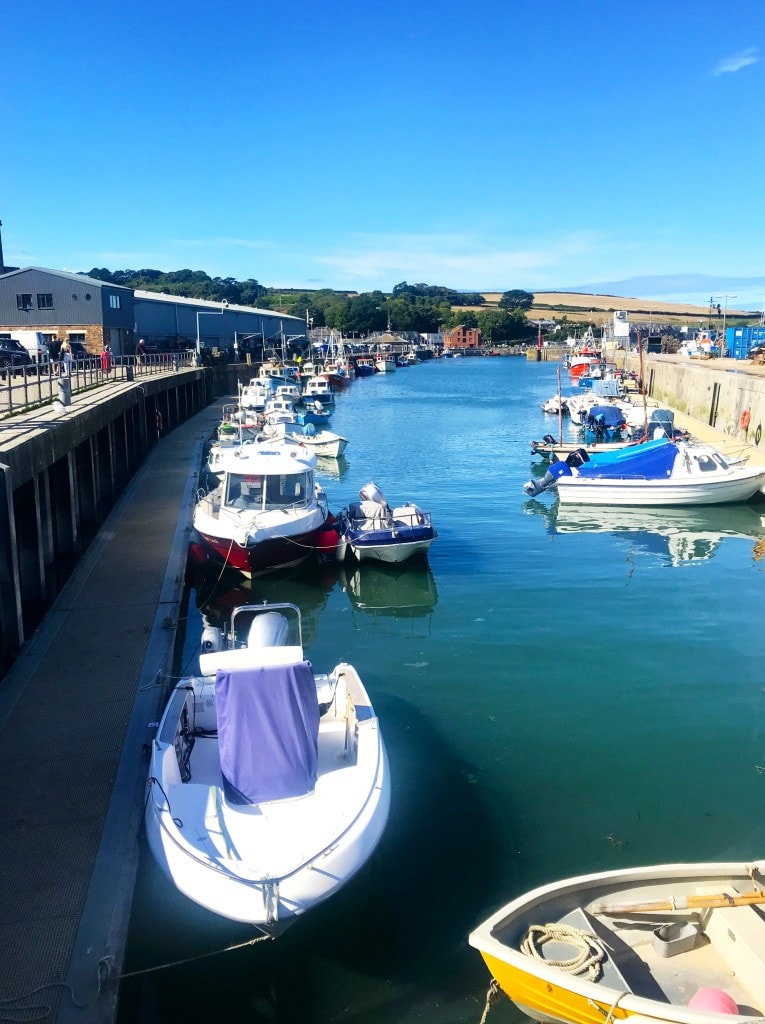
A stunning harbour town with five Michelin-starred restaurants and the start of the Camel Trail, a flat, easy cycling or walking route. Rick Stein’s fish and chip shop and the National Lobster Hatchery are both worth a stop.
Tintagel
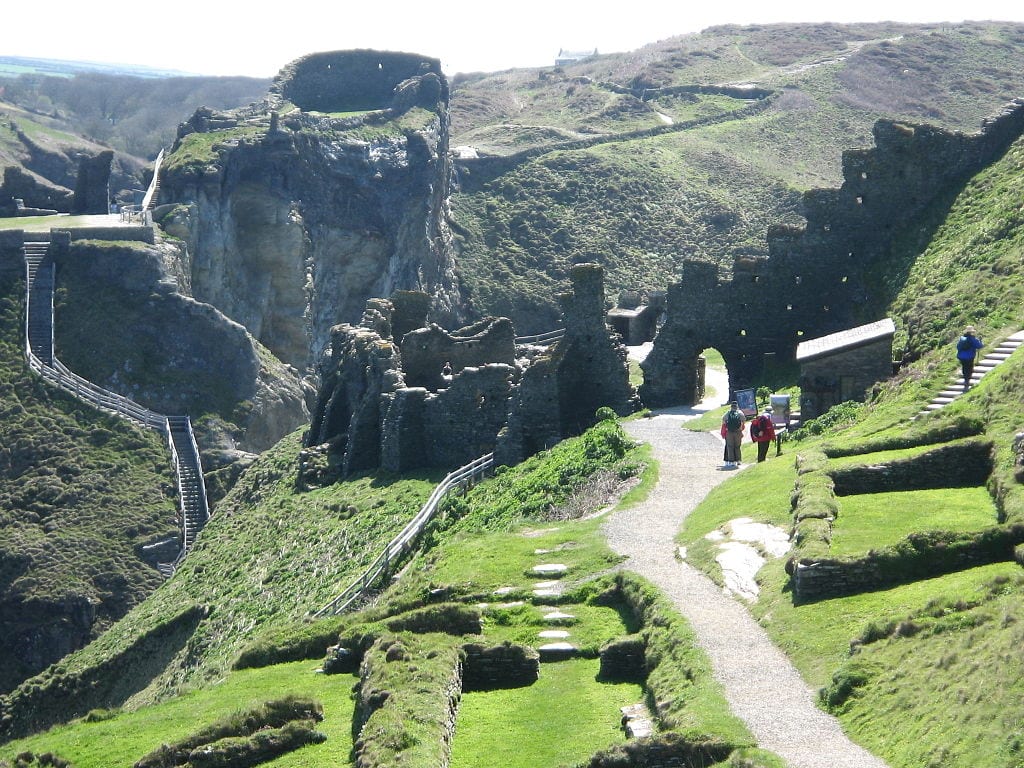
Known for the ruins of Tintagel Castle and its King Arthur legend, plus Merlin’s Cave beneath the cliffs and the Tintagel Old Post Office, now a small museum. The 2019 footbridge linking the mainland to the island makes the crossing itself level, but the castle grounds beyond it are steep, uneven medieval terrain with a lot of steps genuinely difficult for wheelchair users or anyone with limited mobility, so check English Heritage’s access guide before planning a visit if that’s a concern.
Boscastle
A fishing village with narrow cobbled streets and 16th-century cottages, an atmospheric working harbour, and the genuinely unusual Museum of Witchcraft and Magic.

Bude
Known for its two seafronts, a sea-fed swimming pool at Bude Sea Pool, and Summerleaze Beach for surfing, alongside golf and coastal walking on the North Cornwall Heritage Coast.

Widemouth Bay
A large sandy beach with good beginner surf breaks and a relaxed, less crowded feel than some of the bigger resort towns.
Perranporth
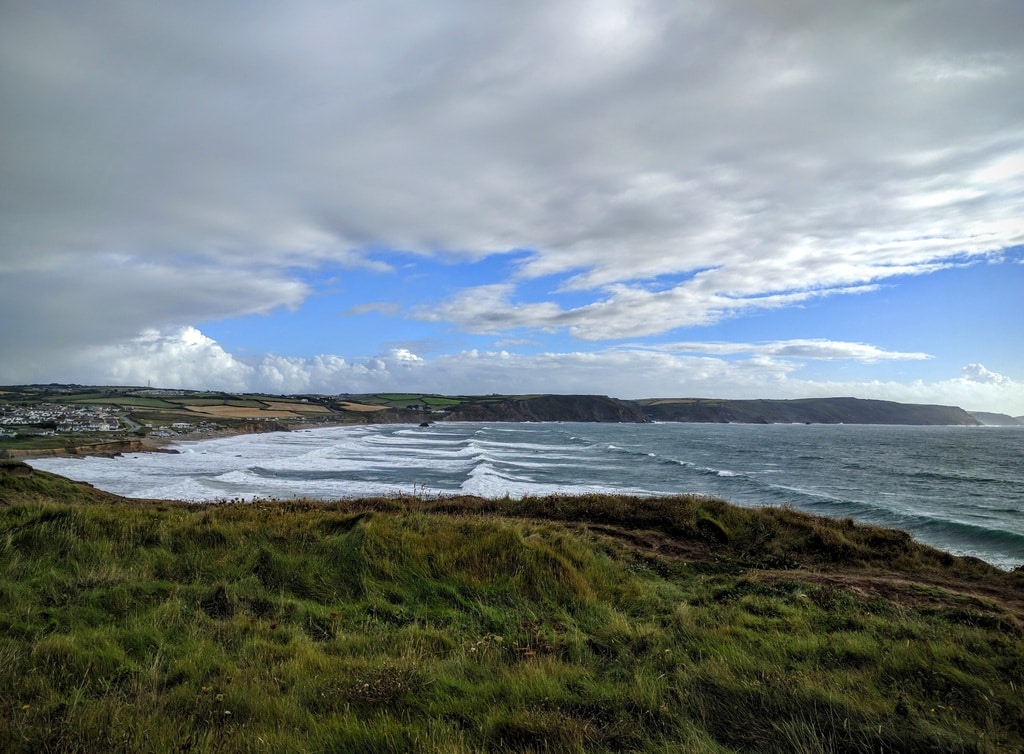
Good beaches for swimming and surfing, plus the Watering Hole beach bar, one of the better spots in Cornwall to catch live music with a sea view.
Porthtowan
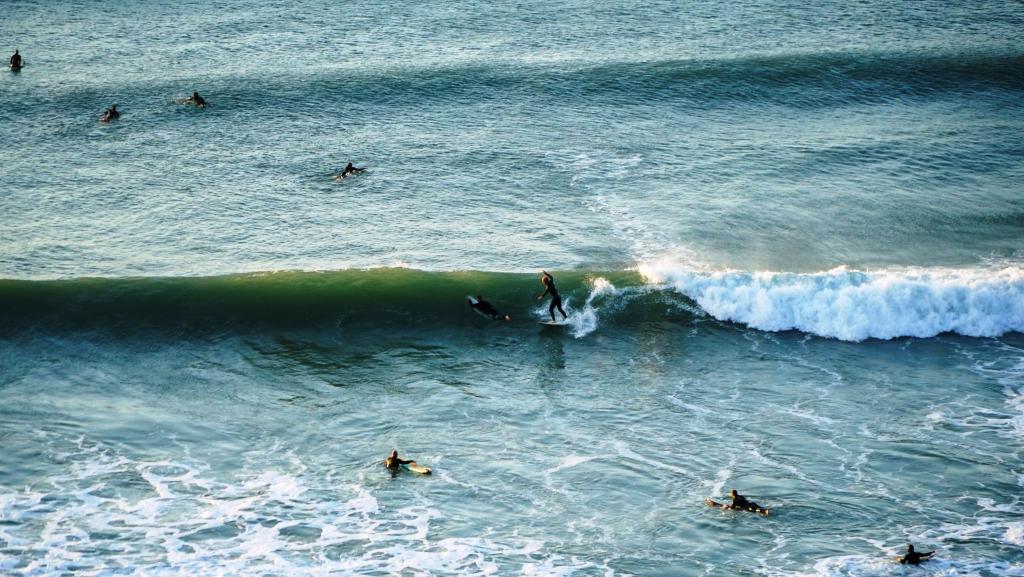
A Blue Flag beach popular with surfers, with Trevaunance Cove and sweeping views from St Agnes Beacon nearby.
Portreath
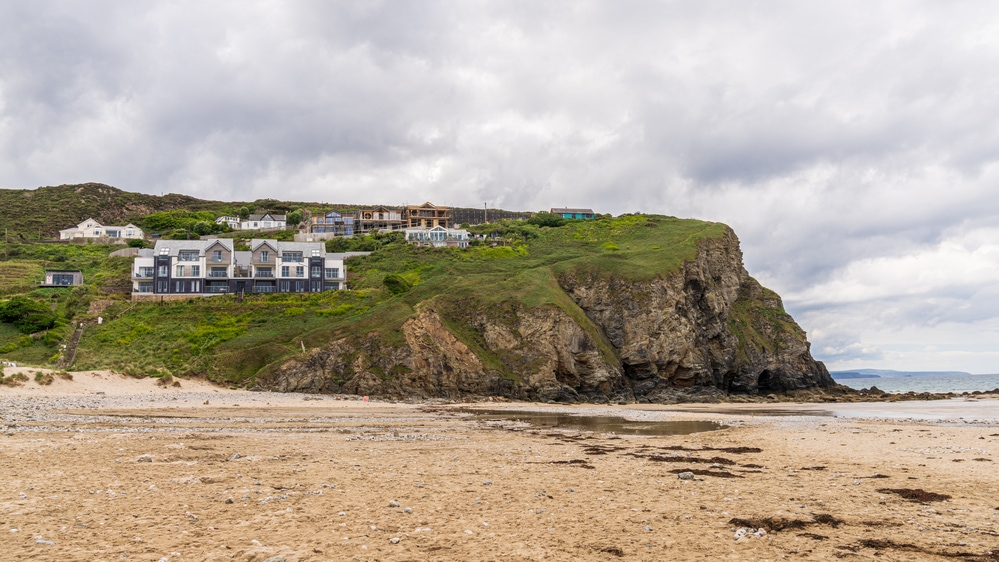
A small village with a working harbour, dramatic in stormy weather when the waves crash into the harbour mouth also worth searching out the local curiosity, Lady Basset’s Baths.
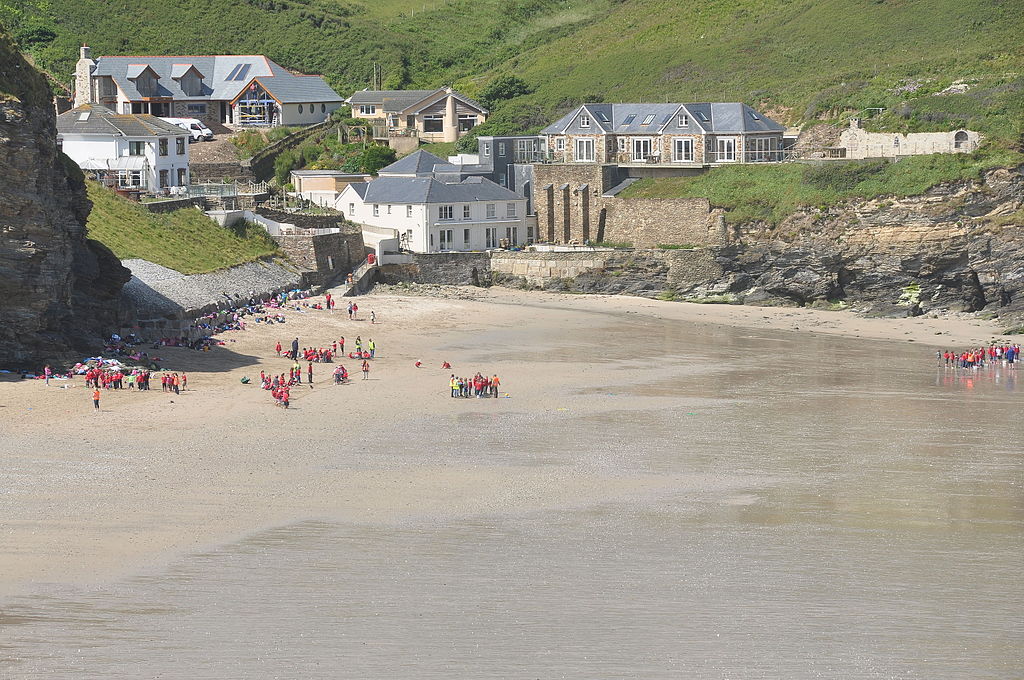
St Agnes Head
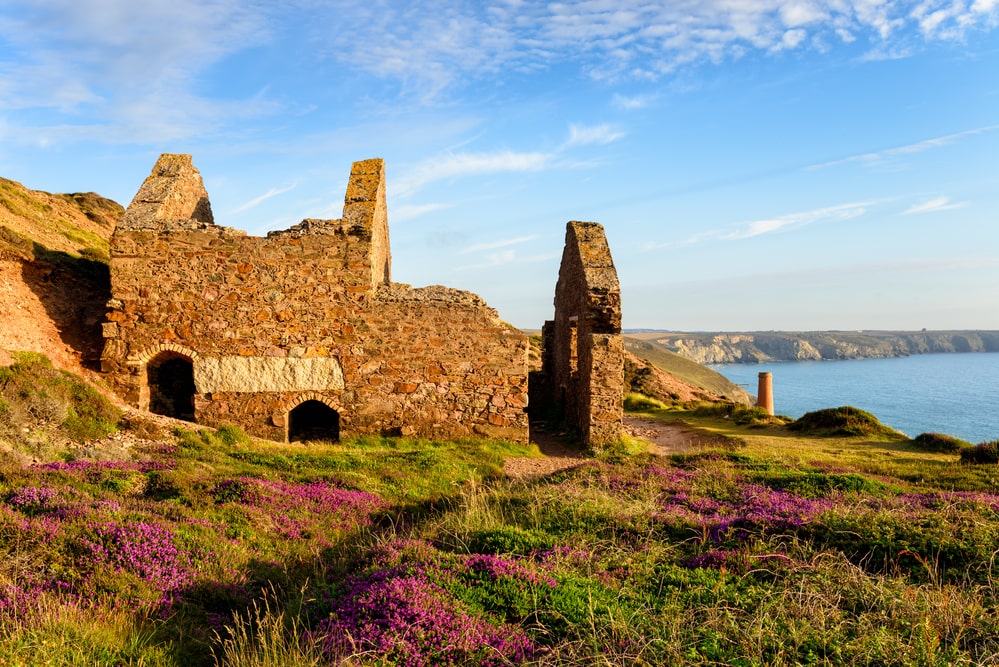
An unspoiled stretch of coastline within the Cornwall Area of Outstanding Natural Beauty, with old tin mine ruins, wildflowers, and a good coastal walking route.
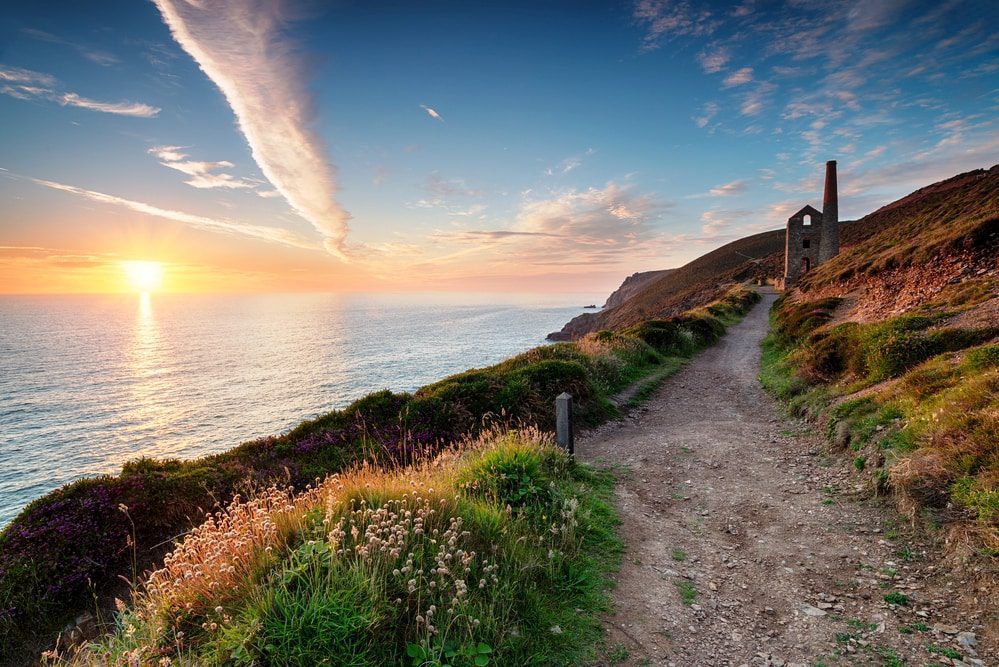
Godrevy Lighthouse
A lighthouse on a small rocky island off a golden beach, with a local seal colony, natural tidal pools for wild swimming, and one of Cornwall’s better sunset spots.
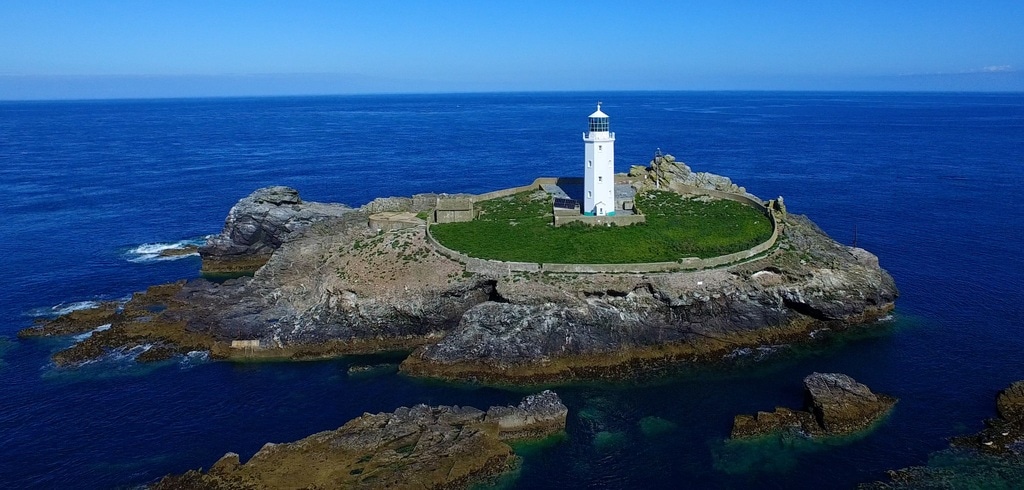
St Ives and West Cornwall
St Ives
One of the prettiest towns in Cornwall, and somewhere we’ve genuinely enjoyed visiting a picturesque harbour, cobbled streets, sandy beaches, and a real concentration of art galleries including the Barbara Hepworth Museum. Porthmeor Beach is the pick for relaxing after a day of exploring.
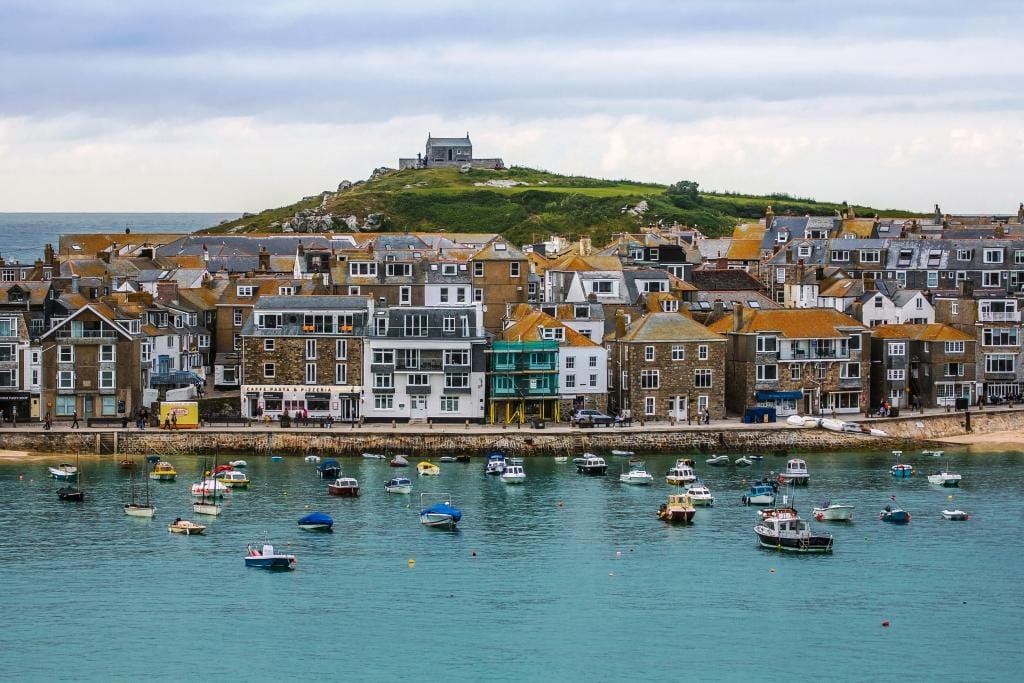
Zennor
A rural village with striking coastal scenery, the legend of the Mermaid of Zennor, nearby tin mine ruins, and a decent chance of spotting wild ponies.

St Just
A market town with a strong art scene, coastal walking routes, and Cape Cornwall nearby a quieter, less touristy alternative to Land’s End with similarly dramatic views.
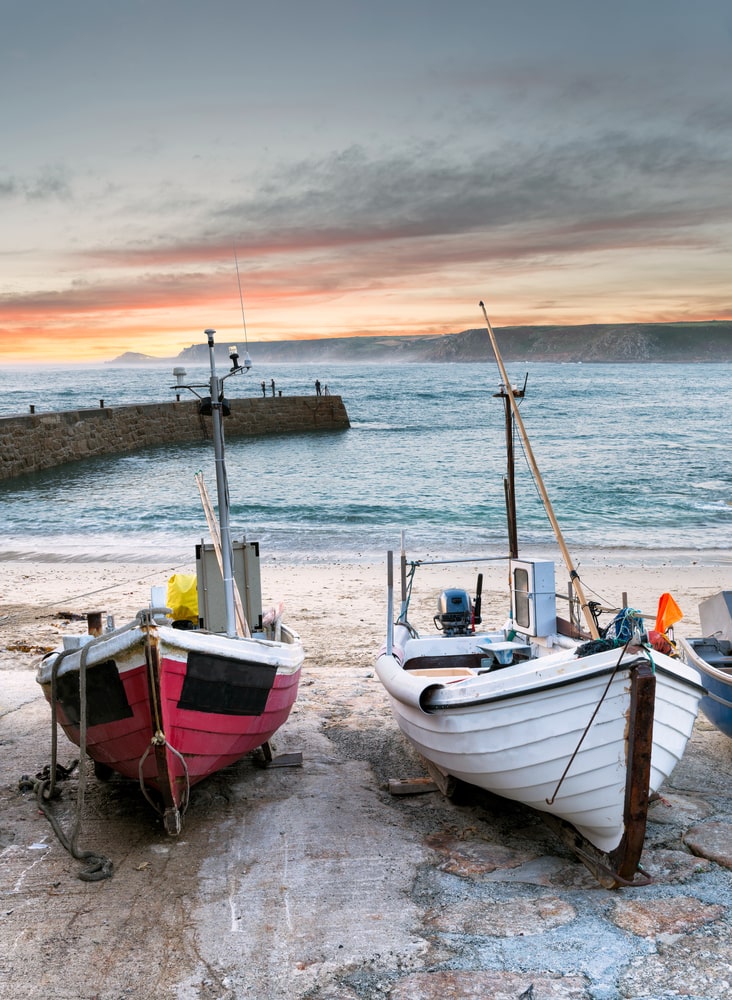
Sennen Cove
A genuinely beautiful beach for swimming, surfing and sunbathing, with the Roundhouse Gallery, the South West Coast Path passing through, and local lore about the wreck of the RMS Mülheim.
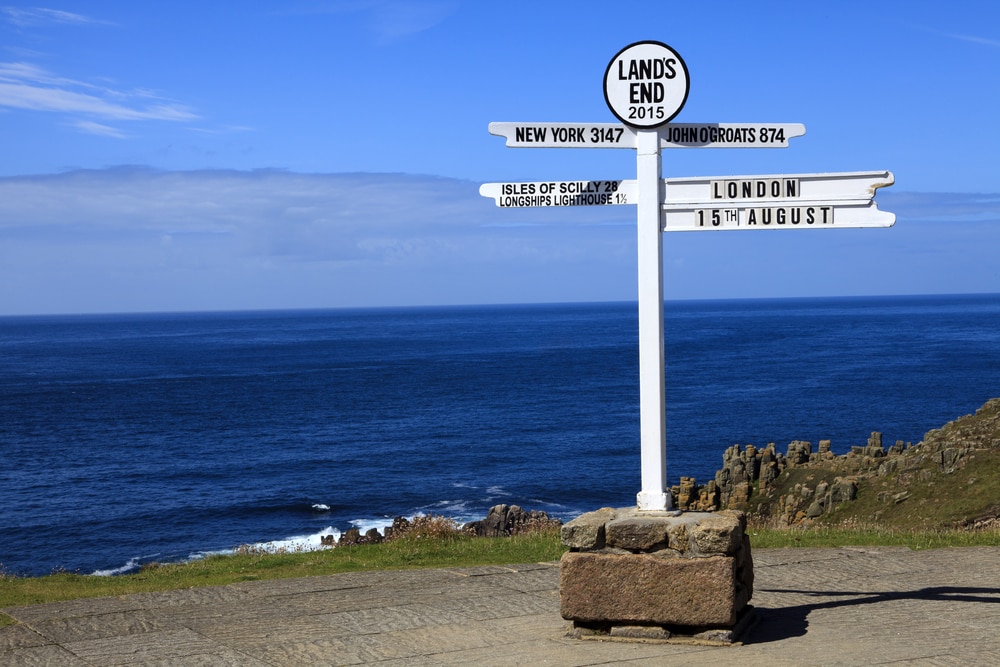
Land’s End
The most south-westerly point in mainland England, with dramatic coastal views, coasteering, and the famous signpost that’s become one of Cornwall’s most photographed spots.
Porthcurno
A stunning beach and home to the Minack Theatre, an open-air theatre carved into the cliffs above the Atlantic. Daytime visits (garden, exhibition and viewpoints, no performance) run around £8.50–£13.50 for adults depending on the day; evening performance tickets are priced separately by show. Note there’s no step-free access to the stage or lower auditorium the terrain is genuinely steep and uneven, so this isn’t a realistic visit for wheelchair users beyond the top terrace, though accessible parking and toilets are provided.

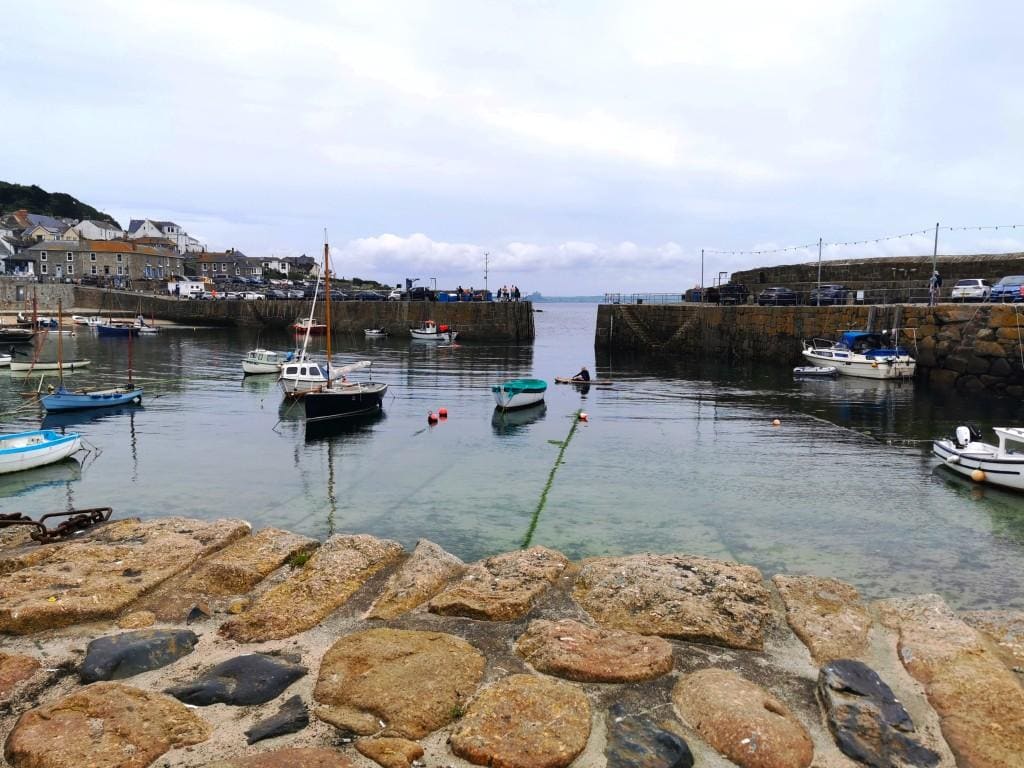
Mousehole
Pronounced “mowzel,” a small fishing village (the name rhymes with “grouse”) that’s been drawing visitors since the 16th century, with a picturesque harbour, galleries, and excellent fresh seafood.
Penzance
A coastal town with sweeping views across to St Michael’s Mount from the promenade, plus galleries, a harbour boat trip, and the Art Deco Jubilee Pool for an outdoor swim.
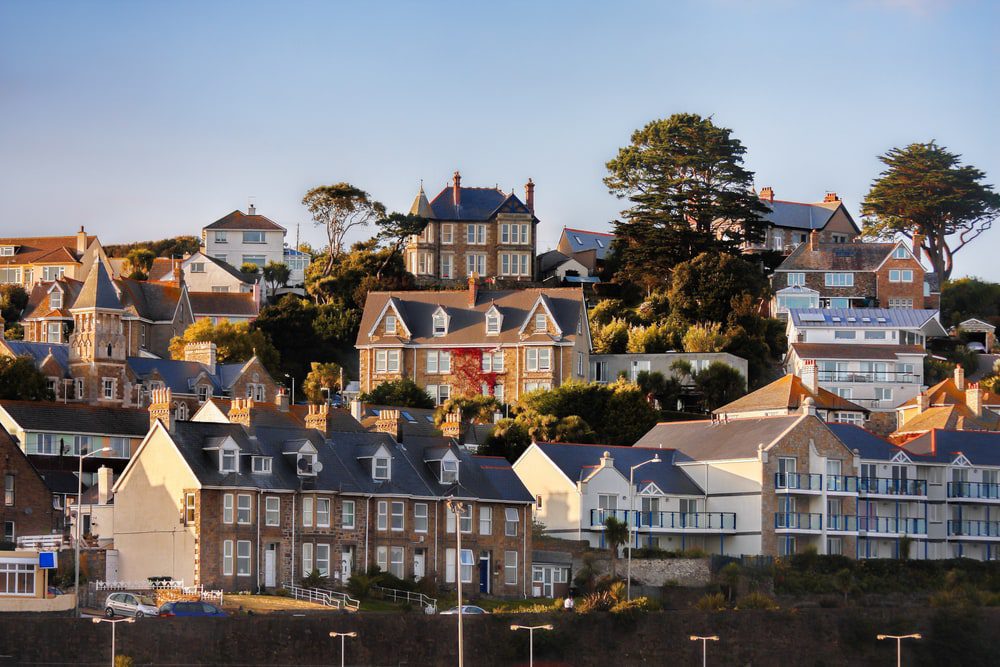
St Michael’s Mount
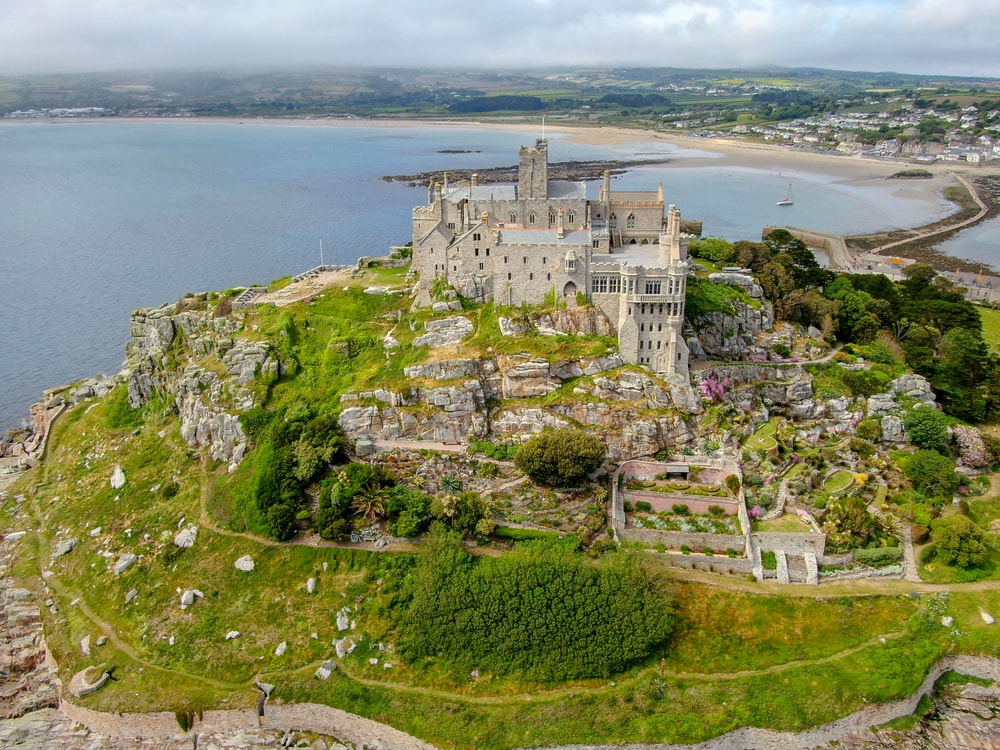
An island castle linked to the mainland by a tidal causeway genuinely the Cornish sibling of Mont Saint-Michel in Normandy, and the comparison isn’t just historical marketing copy; having seen both, the resemblance really is striking. The ferry (when the tide is in) costs £3.20 for adults, £1.60 for children, a 6-minute crossing running mid-March to late October. Allow 2–4 hours for a full visit, and check tide times before you go, since the causeway is only walkable at low tide.
Hayle
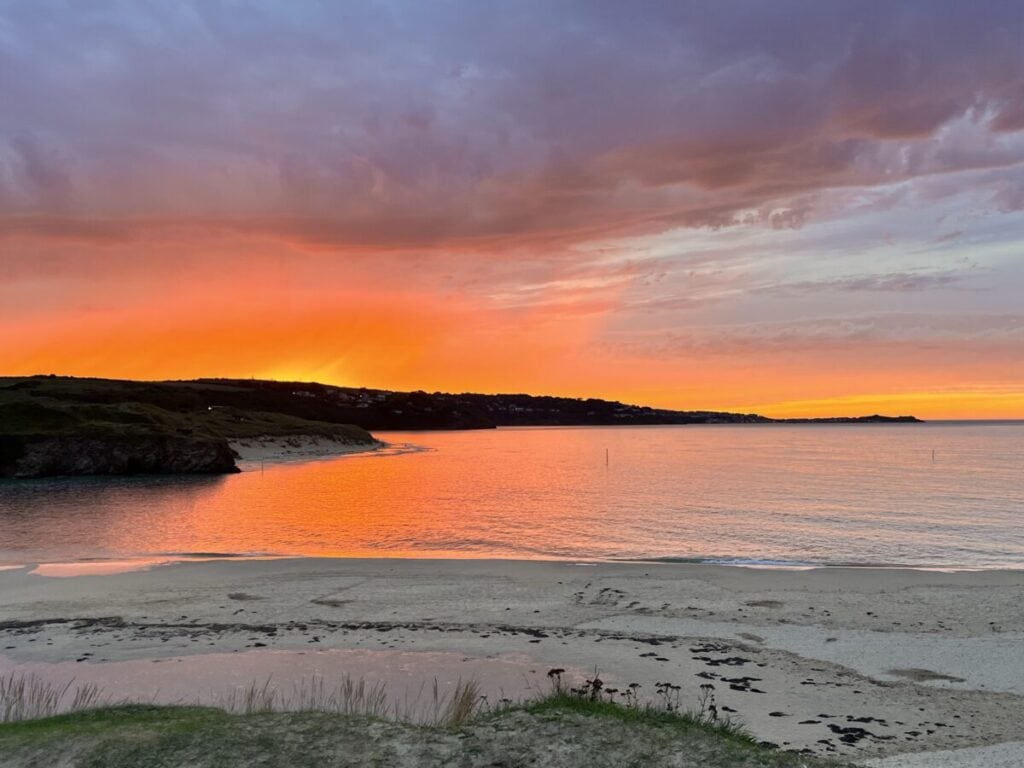
A working harbour town with miles of sandy beach, a bird-watching estuary, and Philps Bakery, reliably said to make the best traditional Cornish pasty in the county.
South Coast: Fishing Villages and Harbours
Falmouth
A lively town on the third-deepest natural harbour in the world, with Pendennis Castle, the National Maritime Museum, and good odds of spotting dolphins on a boat trip round the bay.
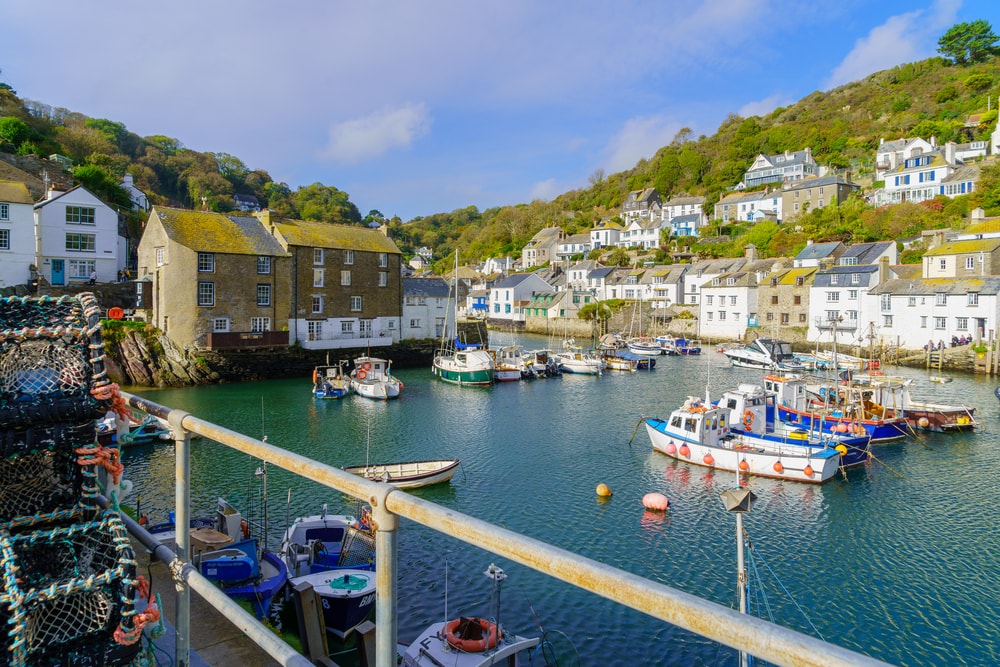
Polperro
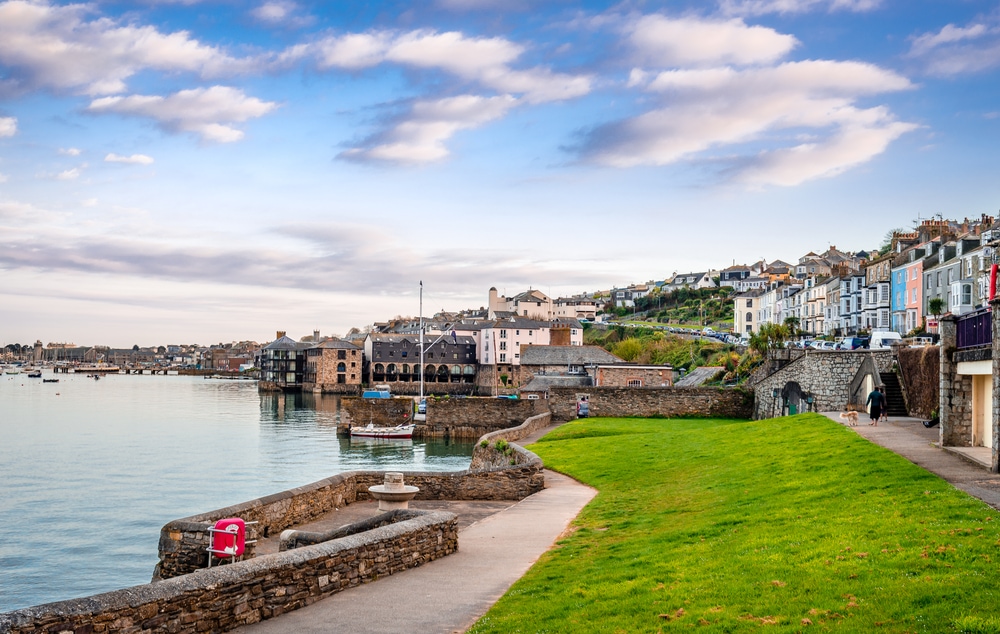
A hillside fishing village with narrow alleyways and genuine fishermen’s cottages genuinely charming to walk through, with a real history as a smugglers’ village. Stop at The Ship Inn for a pint.
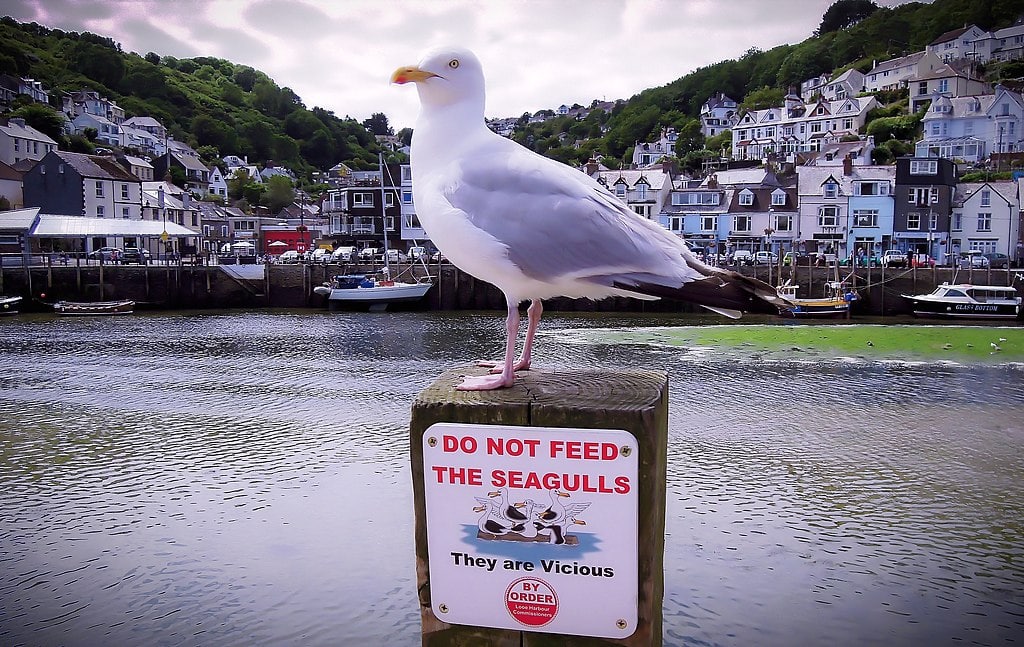
Looe
A seaside town split into East and West by the River Looe, with good beaches on both sides, boat trips, kayaking, and plenty of pubs serving Cornish dishes.
Mevagissey
A small fishing harbour village with restaurants, pubs, a small museum, and boat trips to nearby islands.

Gorran Haven
A quiet fishing village near Mevagissey, and home to The Haven one of the best fish and chip spots in Cornwall in our experience, worth the detour off the main tourist trail on its own.

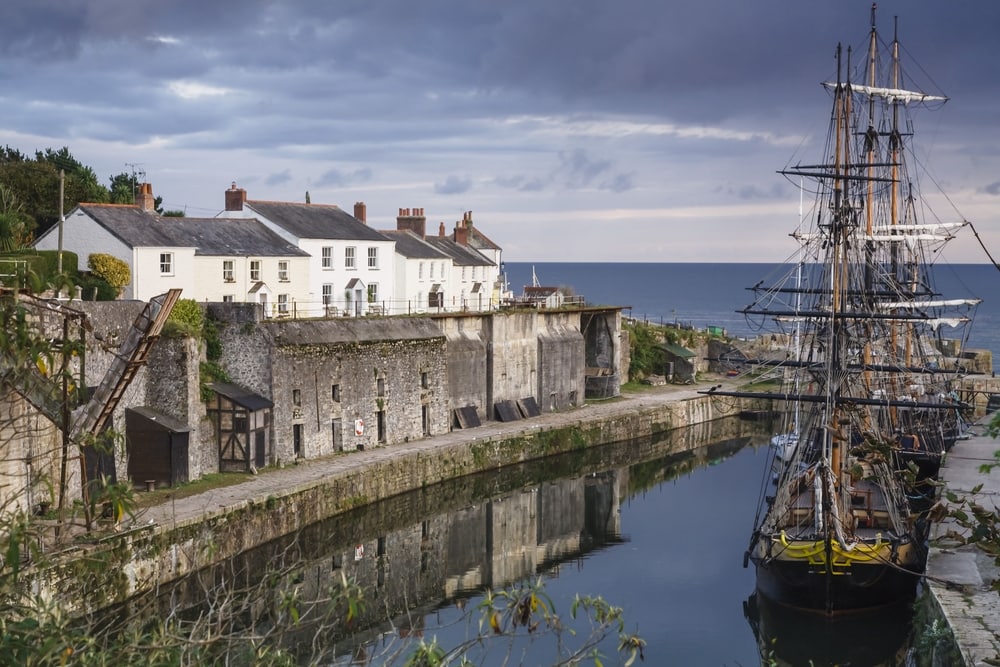
St Austell
A charming town with Georgian architecture and Charlestown’s historic harbour, the launch point for both the Eden Project and the Lost Gardens of Heligan nearby.
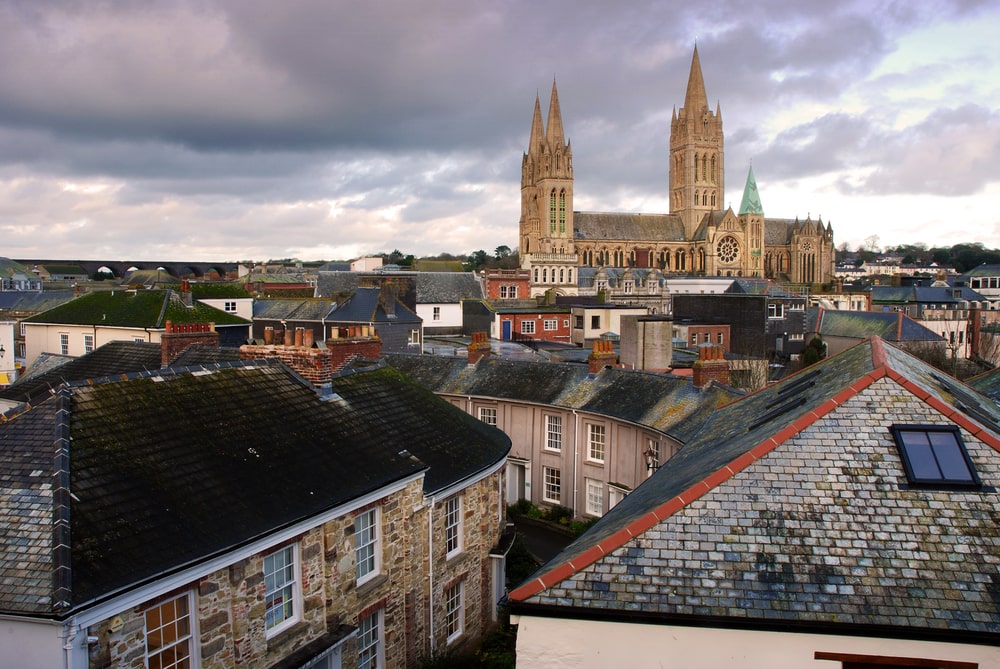
Truro
Cornwall’s only city, with Victorian architecture, the free-to-enter Truro Cathedral, and a good range of shops, cafés and restaurants in the centre.
The Lizard Peninsula
Rugged cliffs, sandy coves and quiet villages, with good walking and birdwatching routes and Kynance Cove as its standout beach.
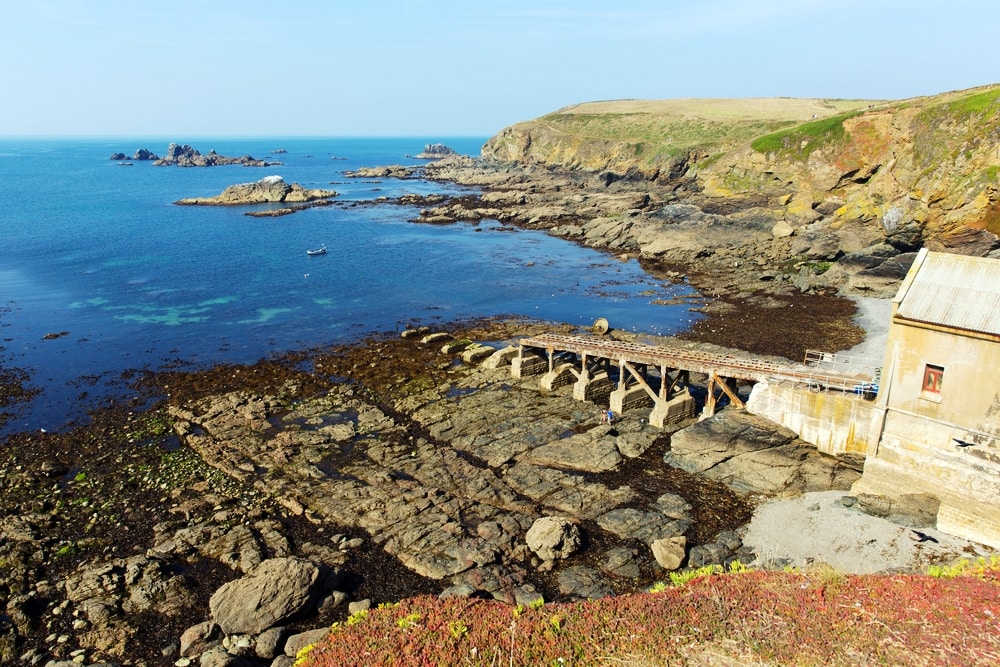
Kynance Cove
Striking rock formations and a genuine chance of spotting seals, dolphins or basking sharks worth the climb up the 500 steps to the headland for the best views.

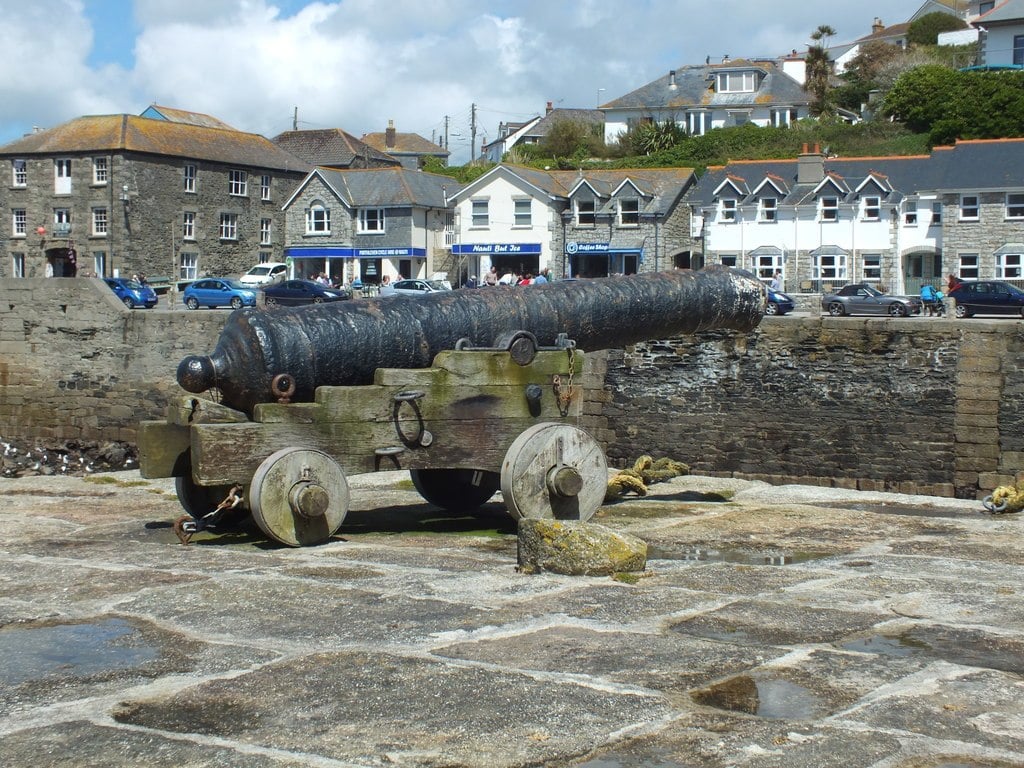
Porthleven
A working fishing harbour village with the Fishmarket Restaurant, easy access to nearby beaches, and coastal walking toward Mount’s Bay and the Lizard Peninsula.
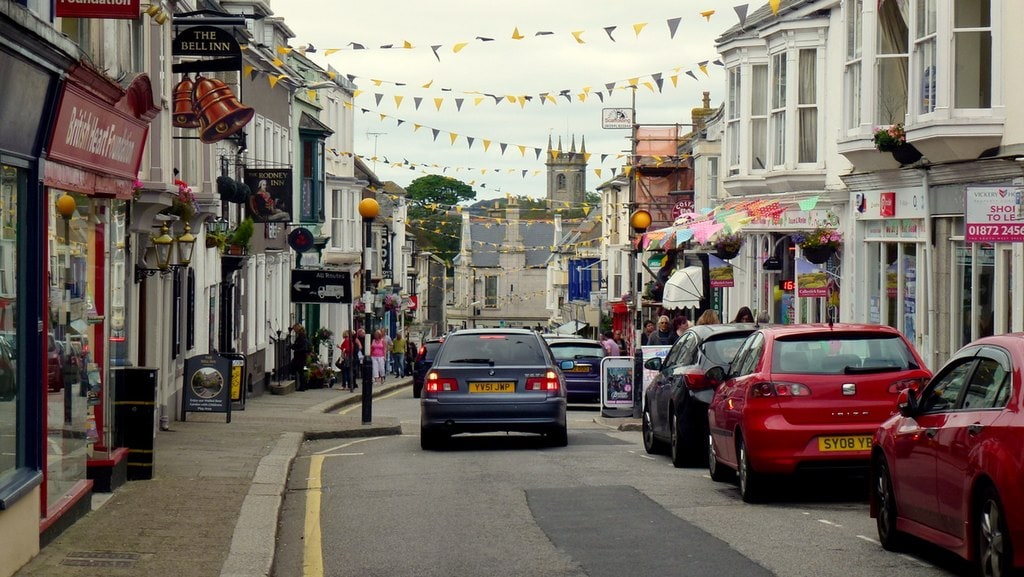
Helston
A market town known for the Floral Dance festivities every May Day, with galleries, museums and easy access to the Lizard Peninsula.
Inland Cornwall and Attractions
Eden Project
An enormous set of biomes near St Austell showcasing the world’s largest captive rainforest and thousands of plant species genuinely worth the entry price, and a good rainy-day option since most of it is indoors. Adult tickets run £35.50 booked in advance (£39.50 on the day), with a Cornwall/Devon residents’ Locals’ Pass available from £26.80. The site is built on a former clay pit with steep paths between biomes, but mobility scooters and wheelchairs are available to borrow on site, and a land train runs between the main areas for anyone who’d rather not walk the slopes.

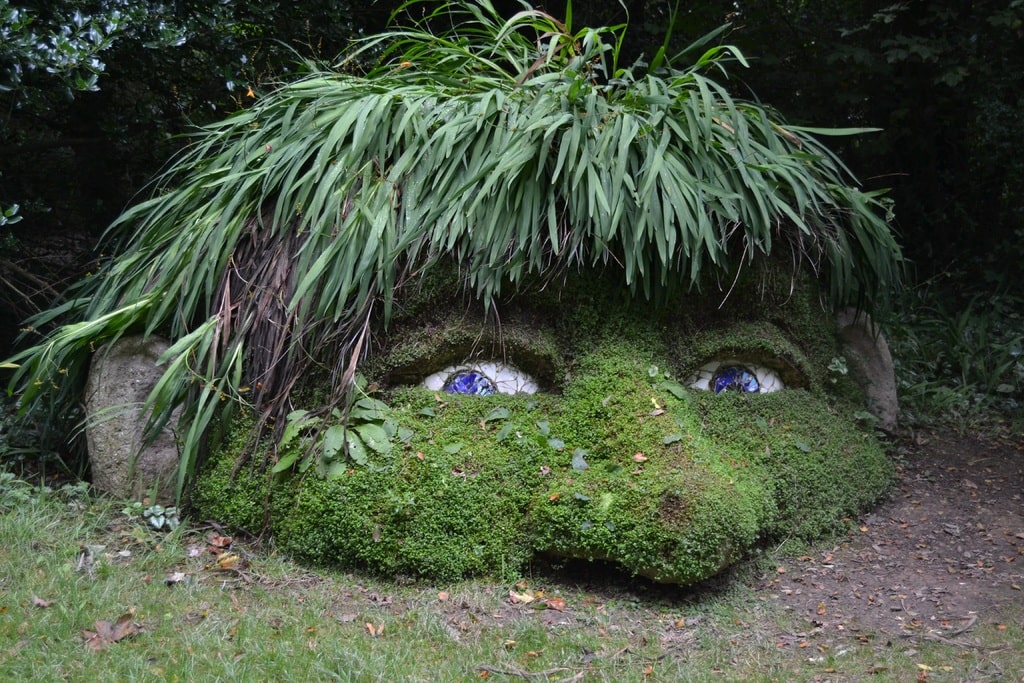
The Lost Gardens of Heligan
Restored 19th-century gardens with over 200 acres to explore, hidden valleys, and wildlife including otters, badgers and foxes.
Bodmin Moor
Granite moorland with ancient stone circles, long hiking routes, Lanhydrock House, and two genuinely atmospheric stops: the reputedly haunted Bodmin Jail and the historic Jamaica Inn.
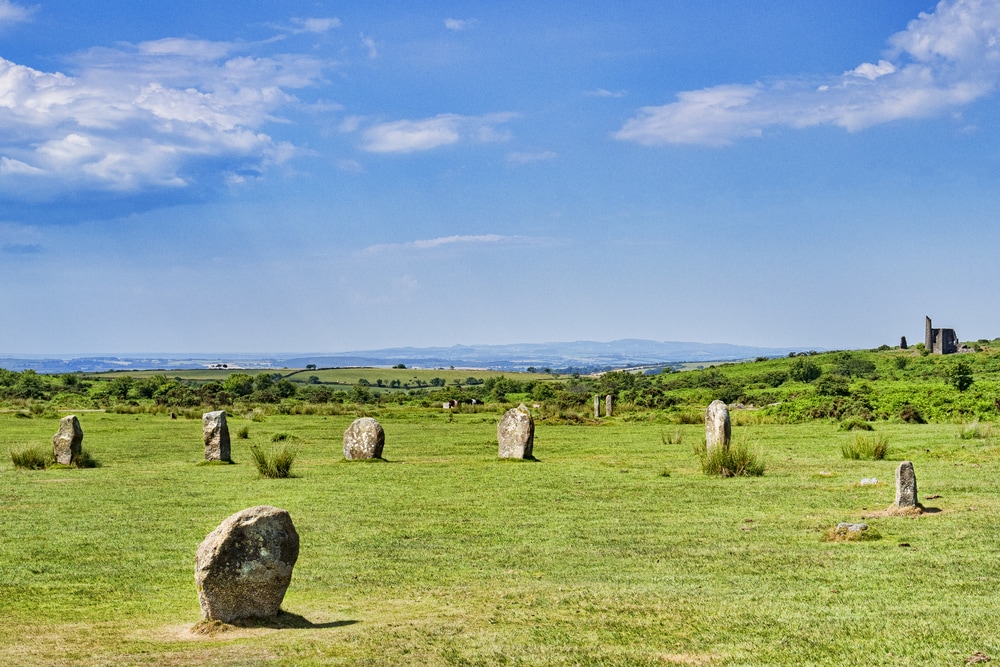
Launceston
A town with a medieval castle and attractive Georgian streets, plus the English Spirit Distillery for something different.
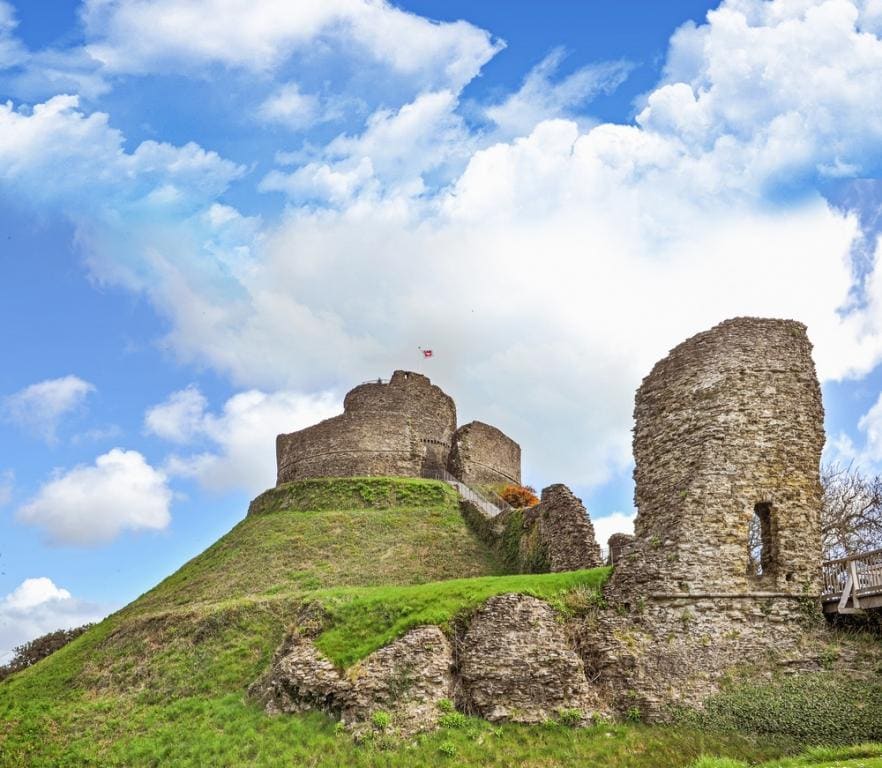
Redruth
A former mining town with the Redruth Heritage Museum, the Tolgus Tin Streams, and Poldark Mine and King Edward Mine nearby for anyone interested in Cornwall’s mining history.
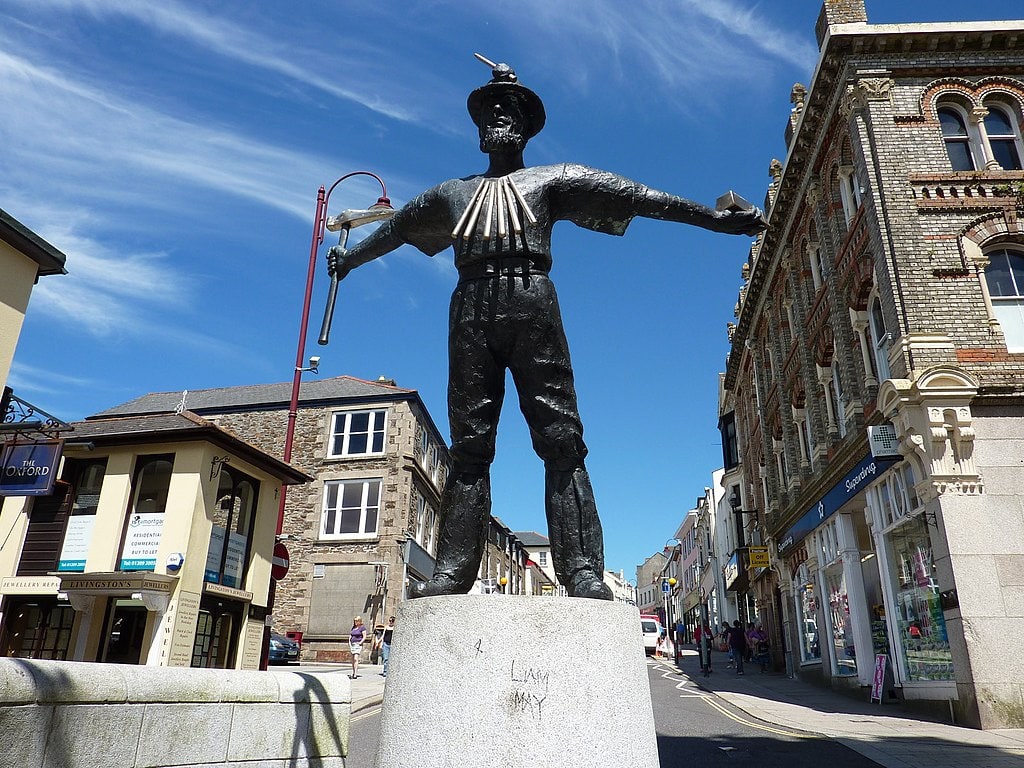
Hartland Heritage Coast
A dramatic stretch of coastline near the Devon border, good for cliff walks and rock pooling, with the town of Bude a short drive away for supplies and food.
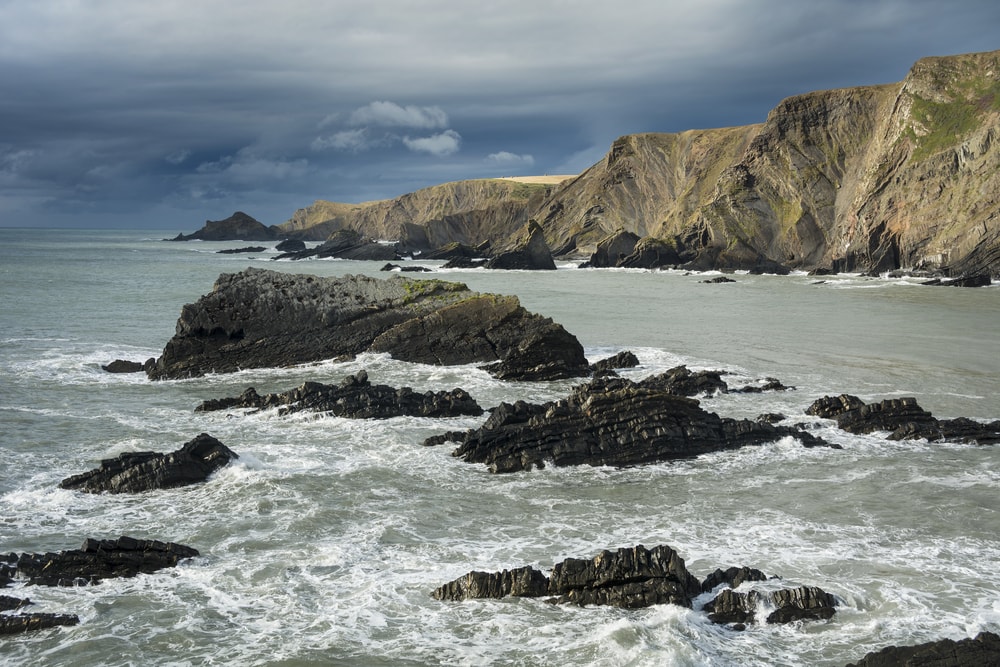
Beach Towns Worth a Stop
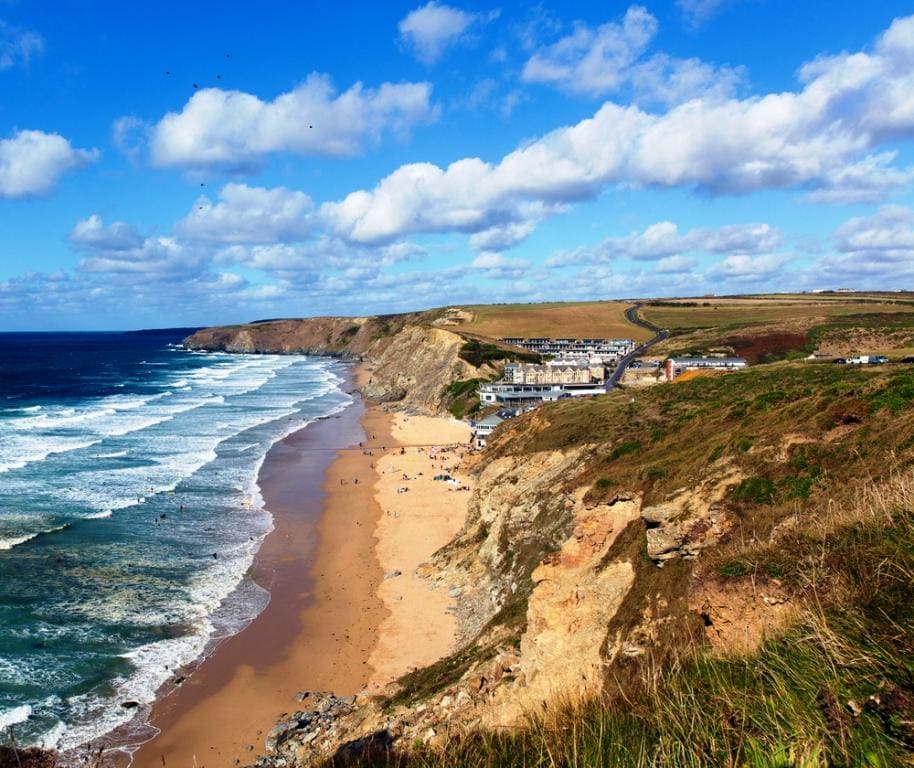
Watergate Bay
A wide sandy beach good for sunbathing, swimming and surfing, and home to Jamie Oliver’s Fifteen restaurant.
The Isles of Scilly
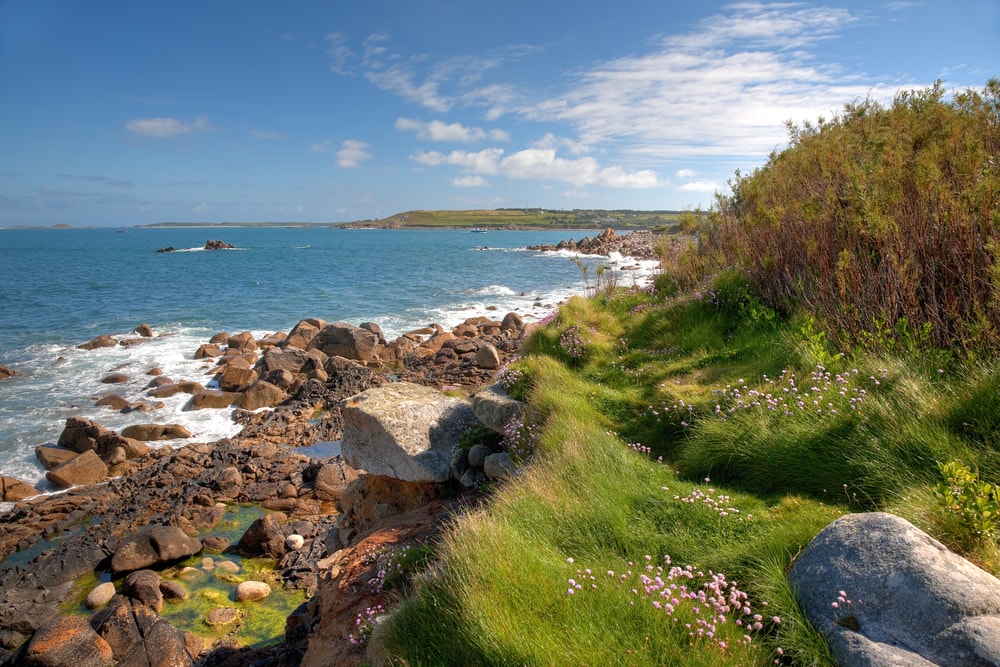
A short ferry or helicopter ride from the mainland, the Isles of Scilly are worth treating as their own day (or longer) rather than a quick add-on. St Mary’s Island is the main hub, Tresco Abbey Garden is the standout attraction, and the wildlife seals, dolphins and more is a genuine draw on top of some of Britain’s most beautiful beaches.
Where Should You Stay in Cornwall?
Cornwall doesn’t have one obvious base where to stay depends entirely on which coast and which kind of trip you’re after.
For art, galleries and a classic seaside town
St Ives is the most popular first-time base, with a genuinely walkable centre, though the hills around it are a real workout. Expect to pay a premium for anywhere near the harbour in peak season.
For food and a boutique feel
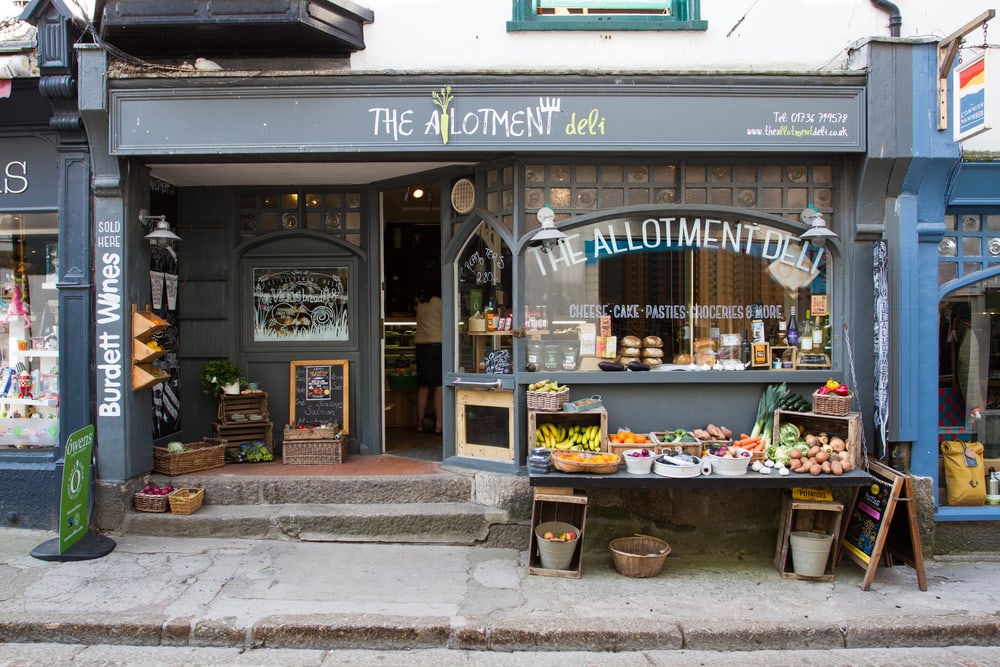
Padstow has the highest concentration of well-regarded restaurants in Cornwall (including Rick Stein’s various venues) and a good range of boutique hotels, though it gets very busy and pricey in summer.
For surfing and nightlife
Newquay is the obvious choice, with the widest range of budget-to-midrange accommodation aimed at a younger crowd, right by Fistral Beach.
For a quieter, more central base
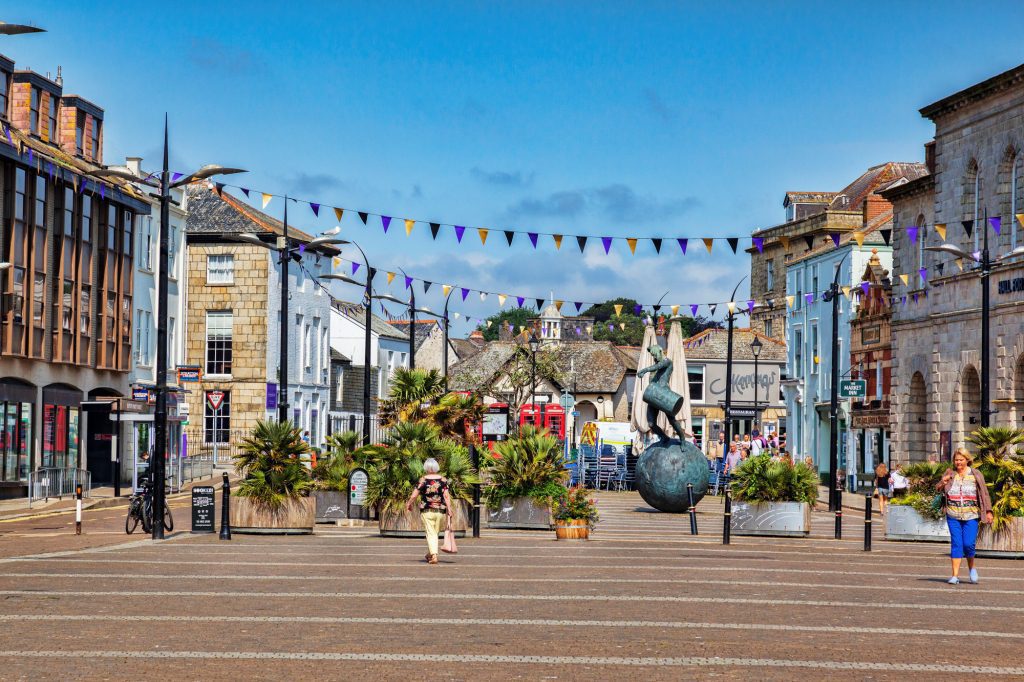
Truro and Falmouth both offer good transport links without the cliffside-village premium, making them practical if you’re planning day trips in multiple directions rather than basing yourself in one village.
For West Cornwall and Land’s End
Penzance and Marazion (right by St Michael’s Mount) put you closest to the far southwestern attractions Land’s End, Porthcurno, Mousehole without the drive most other bases would require.
As a general guide, expect roughly £80–£150 a night for a mid-range 3–4 star hotel outside peak season, rising significantly in July and August book well ahead if you’re set on a specific village, since options genuinely sell out.
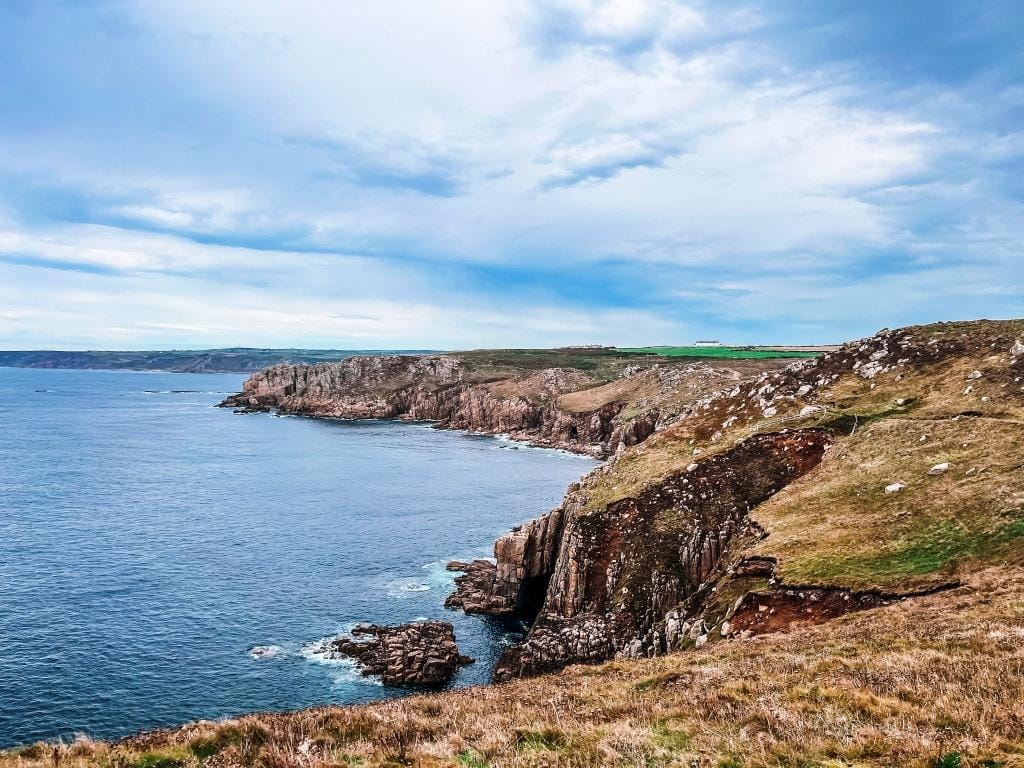
Cornwall’s biggest draws are also its biggest accessibility challenge cliffs, coves and medieval sites weren’t built with step-free access in mind. It’s manageable with planning, but genuinely limited in places.
Which major attractions are genuinely difficult for wheelchair users?
St Michael’s Mount’s summit involves a 200-foot climb on uneven medieval paths that isn’t manageable with a wheelchair or pushchair, though the harbour level and lower areas are more accessible. The Minack Theatre has no step-free access to the stage or lower auditorium, though the top terrace, accessible parking and accessible toilets are available. Tintagel Castle’s footbridge is level, but the castle grounds beyond it are steep and uneven.
What’s more manageable?
The Eden Project is genuinely more accessible than most Cornish attractions it lends out wheelchairs and mobility scooters on site, and a land train connects the main areas so you’re not forced to walk the steep paths between biomes. Larger towns like Truro, Falmouth and Padstow have flatter town centres than the cliffside villages, and the Camel Trail from Padstow is a flat, surfaced route suitable for wheelchairs and mobility scooters.
What about the coast path and beaches generally?
The South West Coast Path is mostly unpaved, uneven, and often has steps or steep sections it’s not realistic for wheelchair users beyond short, specifically maintained stretches near a handful of visitor centres. Beach accessibility varies a lot by tide and sand type; some beaches (including parts of Watergate Bay and Bude) offer beach wheelchairs for hire in season, worth calling ahead to confirm before you travel.
Best place for food in Cornwall
Every seaside county claims to have the best fish and chips in the country, and most of those claims are exactly that claims. These two are the real thing, based on actually eating there.
The Little Plaice, St Blazey
Genuinely some of the best fish and chips we’ve had in Cornwall worth seeking out even though St Blazey isn’t itself a major tourist stop, which is part of why it’s worth knowing about.
The Haven, Gorran Haven
Right in the quiet fishing village of Gorran Haven, near Mevagissey a proper local spot rather than a tourist-trap chippy, and worth planning a stop around if you’re anywhere near the south coast.

FAQs About Visiting Cornwall
What is the most beautiful place to visit in Cornwall?
It depends what you’re after, but Port Isaac (fishing-village charm), St Ives (art and harbour views), and St Michael’s Mount (dramatic tidal castle) are consistently the standouts, and all three are worth prioritising on a first visit.
Is St Michael’s Mount really like Mont Saint-Michel in France?
Yes, genuinely having seen both, the resemblance is real, not just a marketing comparison. Both are tidal island abbeys/castles reached by a causeway, and St Michael’s Mount was historically considered the Cornish counterpart of the French site.

Where is the best place to surf in Cornwall?
Newquay’s Fistral Beach is Cornwall’s best-known surf spot and a good place to learn, with lessons widely available for beginners.
Where can I get the best fish and chips in Cornwall?
The Little Plaice in St Blazey and The Haven in Gorran Haven are both genuinely excellent, based on direct experience both are worth a special trip rather than settling for whatever’s nearest the beach.
Is Port Isaac really the Doc Martin filming location?
Yes the TV series was filmed on location in Port Isaac, and the village’s narrow streets, harbour and cottages are easy to recognise if you’ve watched the show.

How many days do you need to see Cornwall properly?
A week gives you a realistic chance to cover one coast properly plus a couple of inland stops; two weeks lets you do both coasts and the Isles of Scilly without rushing. Cornwall is bigger and the roads slower than the map suggests.
How much does it cost to visit the Eden Project?
Adult tickets are £35.50 booked in advance (£39.50 on the day), with cheaper Locals’ Passes available for Cornwall and Devon residents from £26.80. The ticket also acts as a one-year annual pass.
Is St Michael’s Mount wheelchair accessible?
Only partly. The harbour level and some lower areas are manageable, but the 200-foot climb to the castle summit is on steep, uneven medieval paths and isn’t accessible by wheelchair or pushchair. Contact the site in advance if accessibility is a concern.
Where is the best area to stay in Cornwall?
It depends on your trip: St Ives for art and a classic seaside base, Padstow for food, Newquay for surfing and nightlife, Truro or Falmouth for a central base with good transport links, and Penzance or Marazion for West Cornwall and Land’s End.

More UK and England Reading
If you’re planning a wider UK trip, dig into 49 things to know before visiting Britain for the cultural essentials, things to do in Oxford for a university-town day trip, or places to visit in Cornwall’s neighbouring Devon and the wider South West coast. Foodies should also check the Global Food Guide for British food traditions beyond the pasty.