
23 Best Places to Visit in Europe in the Fall
Europe’s best fall destinations split roughly into three appeals: foliage and harvest (Tuscany, the Loire Valley, Bavaria), atmospheric cities with fewer crowds (Prague, Edinburgh, Paris), and Mediterranean warmth that lingers into October (the Amalfi Coast, Dubrovnik, Santorini). September still runs warm across southern Europe; October and November bring the real foliage and the harvest festivals. Having personally visited Paris, Edinburgh, Amsterdam, the Loire Valley, the South of France, Tuscany, Rome, Barcelona and Greece, the full regional breakdown below covers all 23 destinations with real experience, not just research.
| Fast Facts: Europe in the Fall Best months: September for lingering summer warmth, especially in southern Europe; October–November for peak foliage and harvest season. Oktoberfest, Munich: runs mid-September to the first Sunday in October book Bavaria accommodation early if this is the draw. La Mercè, Barcelona: Barcelona’s biggest festival, held around September 24th, with parades, concerts and fireworks. Grape harvest season: roughly September–October across Tuscany, the Loire Valley, and Austria’s Heurigen wine-tavern region wine festivals cluster around this window. Mediterranean swimming: the sea stays warm enough for swimming into October in spots like Dubrovnik and Cinque Terre. Crowds and prices: September–November is shoulder season nearly everywhere on this list noticeably fewer tourists and lower accommodation prices than summer. Where to stay: base centrally in old towns for most cities; hill towns (Tuscany) and clifftop villages (Cinque Terre, Santorini) are better as short stays than long bases given the terrain. Accessibility: cobblestones and hill terrain are the main common obstacle Amsterdam, Copenhagen, Vienna and Budapest are comparatively flat; Cinque Terre and Santorini’s clifftop towns are the most demanding. |
Fall in Europe trades summer’s crowds and heat for cooler temperatures, quieter streets, and some of the best light of the year for photography. Each region offers something different in autumn golden vineyards, misty medieval streets, harvest festivals, or Mediterranean warmth that lingers past when everyone else has gone home. Here are 23 of the best, grouped by region.
Western Europe: Cities and Countryside
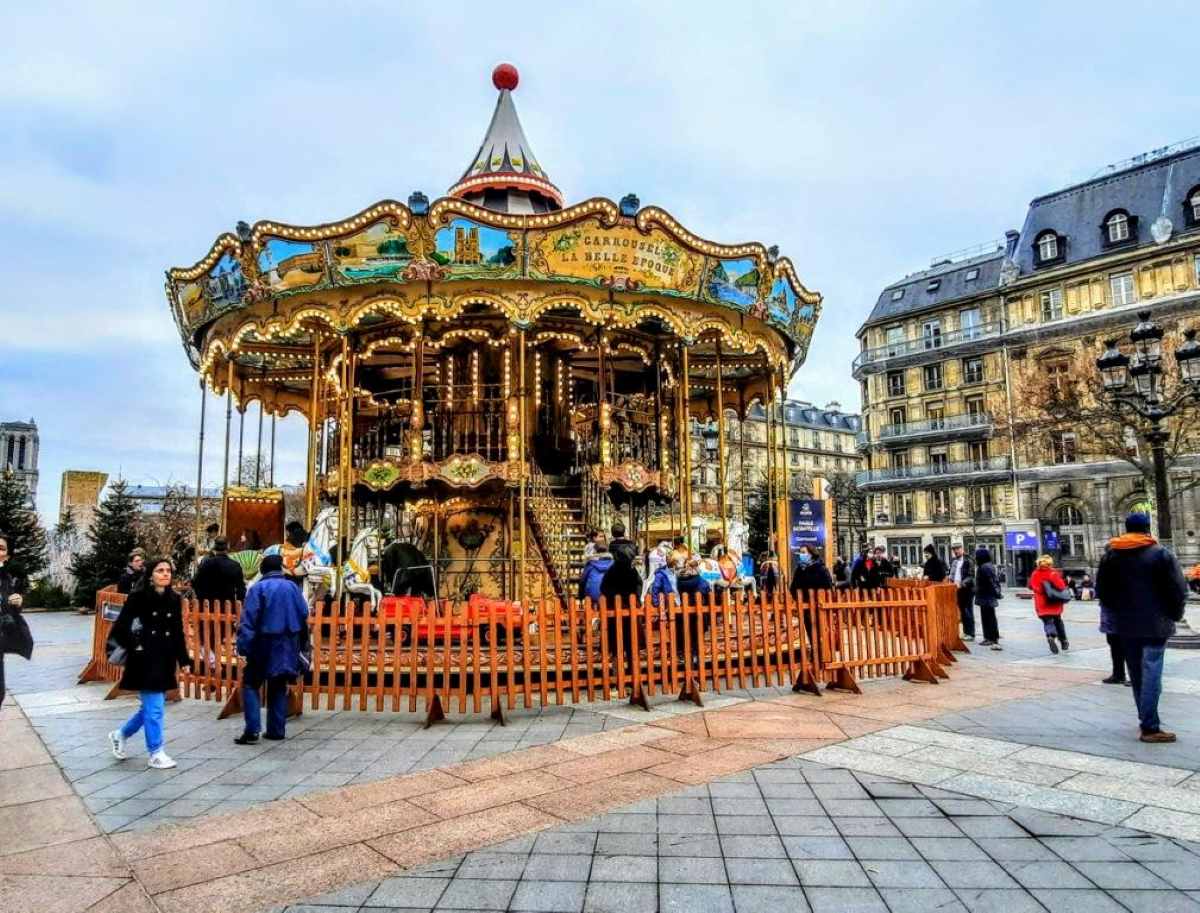
Paris, France
Paris in fall is quieter and more contemplative once the summer crowds thin out the Jardin des Tuileries and Luxembourg Gardens fill with autumnal colour, and it’s an easy season for museum visits and long walks along the Seine without the queues. A trip to Versaille is also made easier without the crush. A personal note of honesty: Paris is also the place we actually experienced Paris syndrome the real, documented phenomenon where the city’s built-up romantic reputation collides with the noise, grime and brusqueness of the actual place and leaves you genuinely deflated. Go in with realistic expectations rather than the postcard version, and you’ll enjoy it far more.


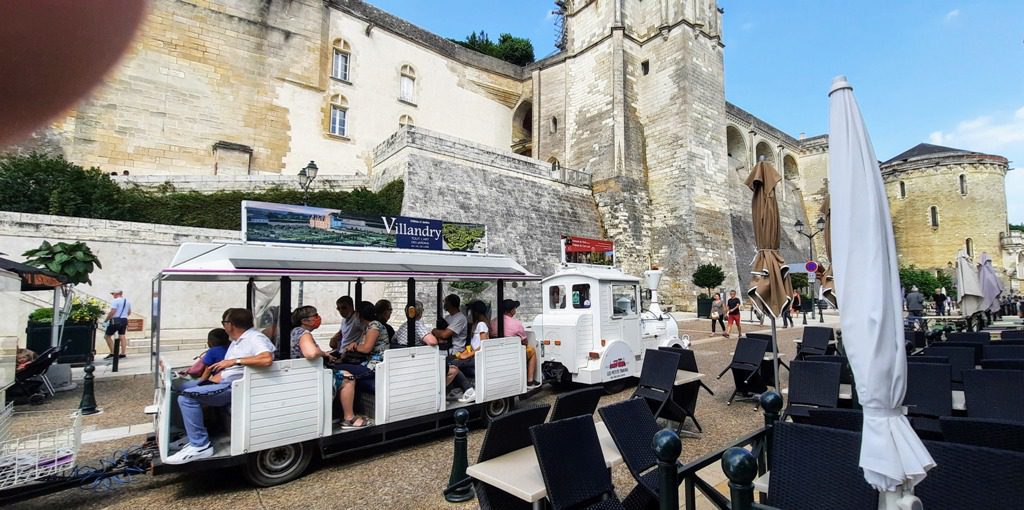
Loire Valley, France
The Loire Valley is one of the best regions in France for autumn colour, and worth the detour for the châteaux alone Chenonceau, Chambord, and the Plantagenet sites at Chinon. Fontevraud Abbey, where Henry II of England, Eleanor of Aquitaine and Richard the Lionheart are buried, is a genuinely striking stop. Grape harvest season brings wine tastings and festivals throughout the region. Having been, this is honestly one of the most underrated fall trips in France quieter and, in our experience, more rewarding than the capital.


South of France
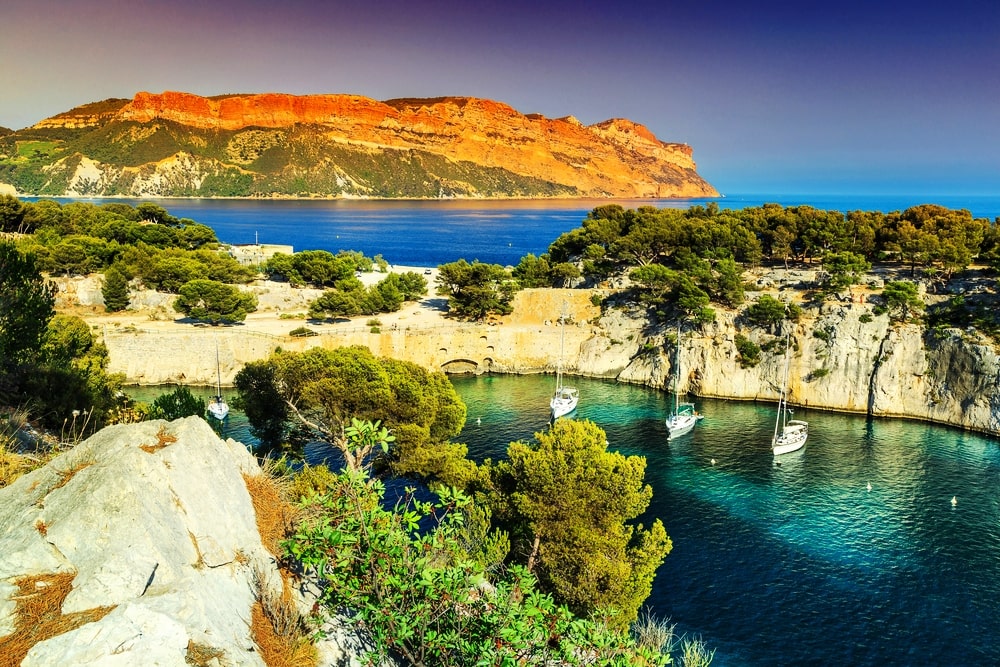
The Côte d’Azur and Provence hold onto warmth well into fall, with the crowds and prices of the Riviera dropping noticeably once summer ends. Having spent time there, September and October are genuinely the better months to actually enjoy it the coastal towns without the peak-season crush, and lavender-season colour giving way to the start of the region’s own grape harvest.


Bruges, Belgium
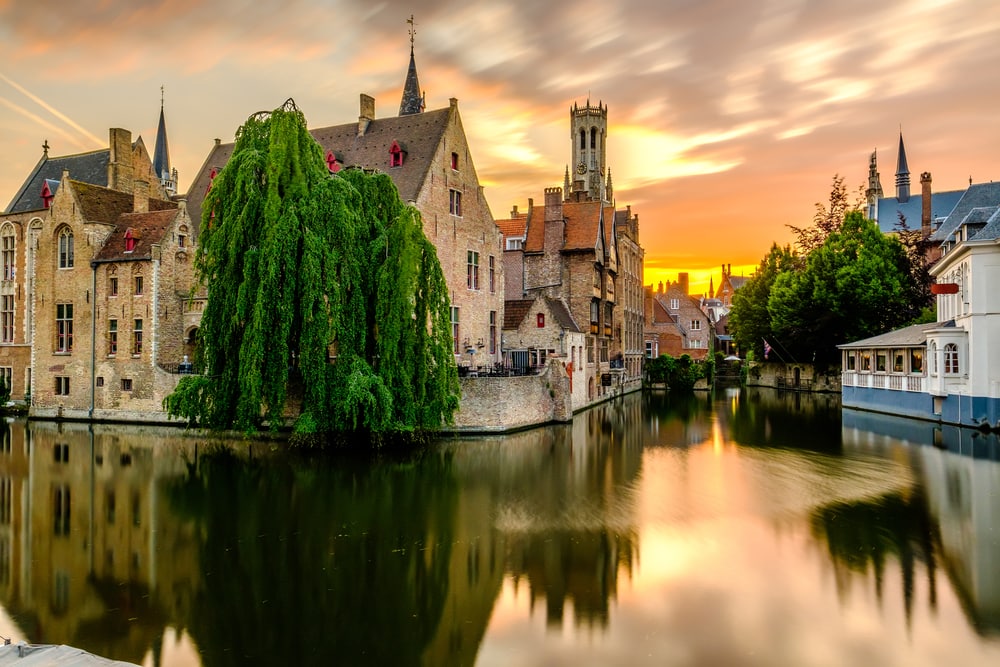
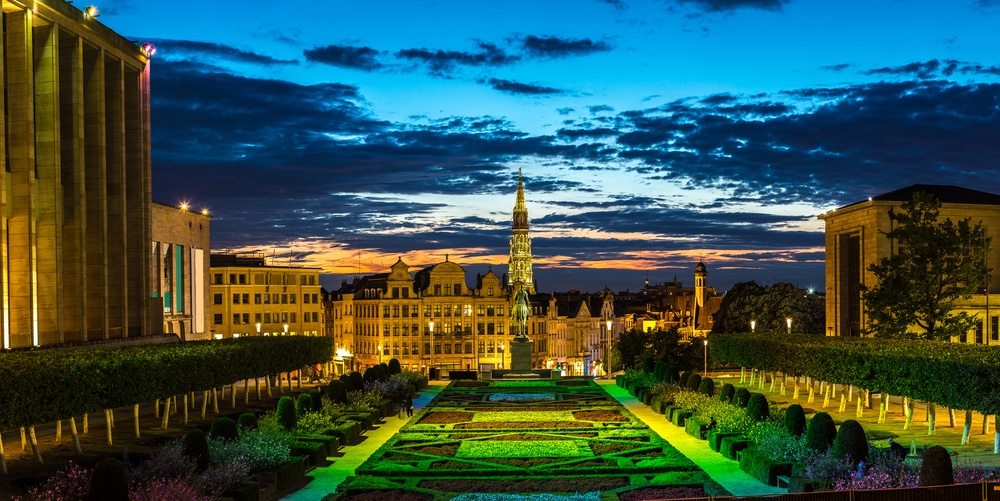
Bruges’ canals and cobblestones feel especially atmospheric in the crisp autumn air a good season for the city’s museums, Belgian chocolate, and quieter canal-side walks than summer allows. An overlooked city is Brussels but it has incredible architecture and great food.
Ghent, Belgium
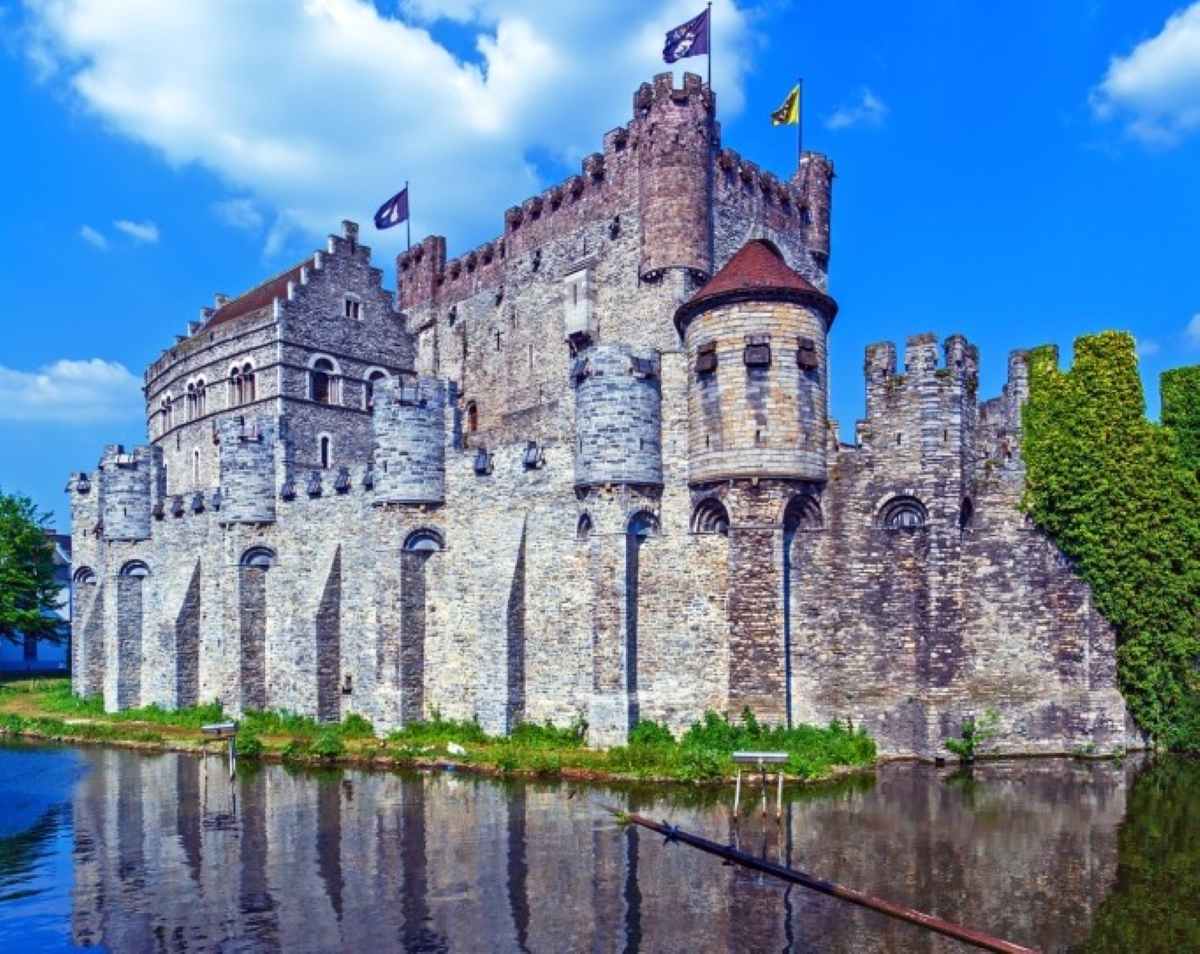
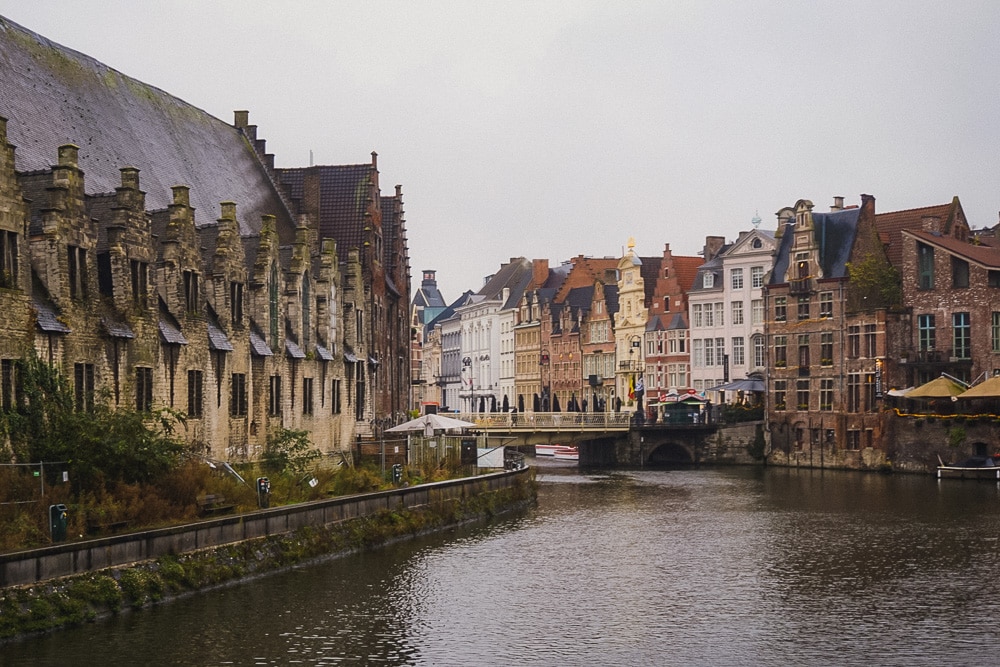
Less visited than Bruges but arguably just as charming, with medieval architecture set off well by autumn light, plus the Gravensteen Castle and a genuinely good, quieter food scene once summer crowds clear out.
Amsterdam, Netherlands
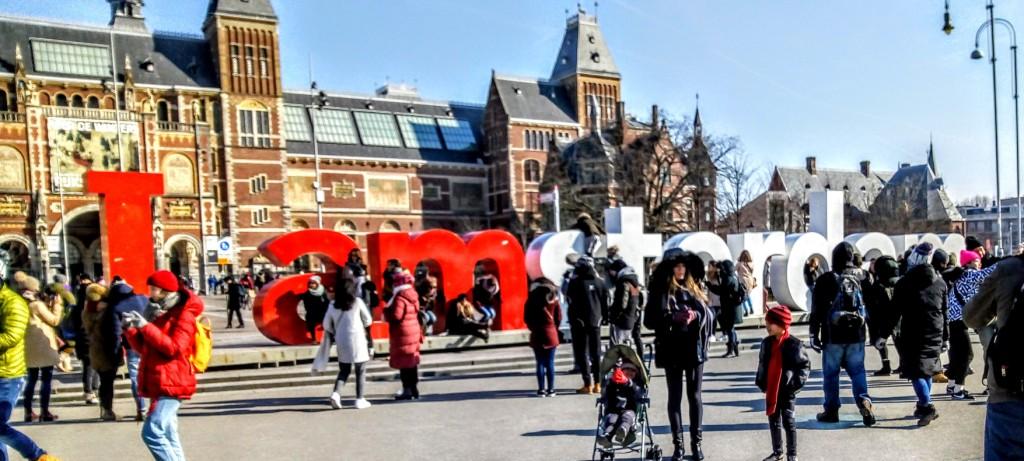
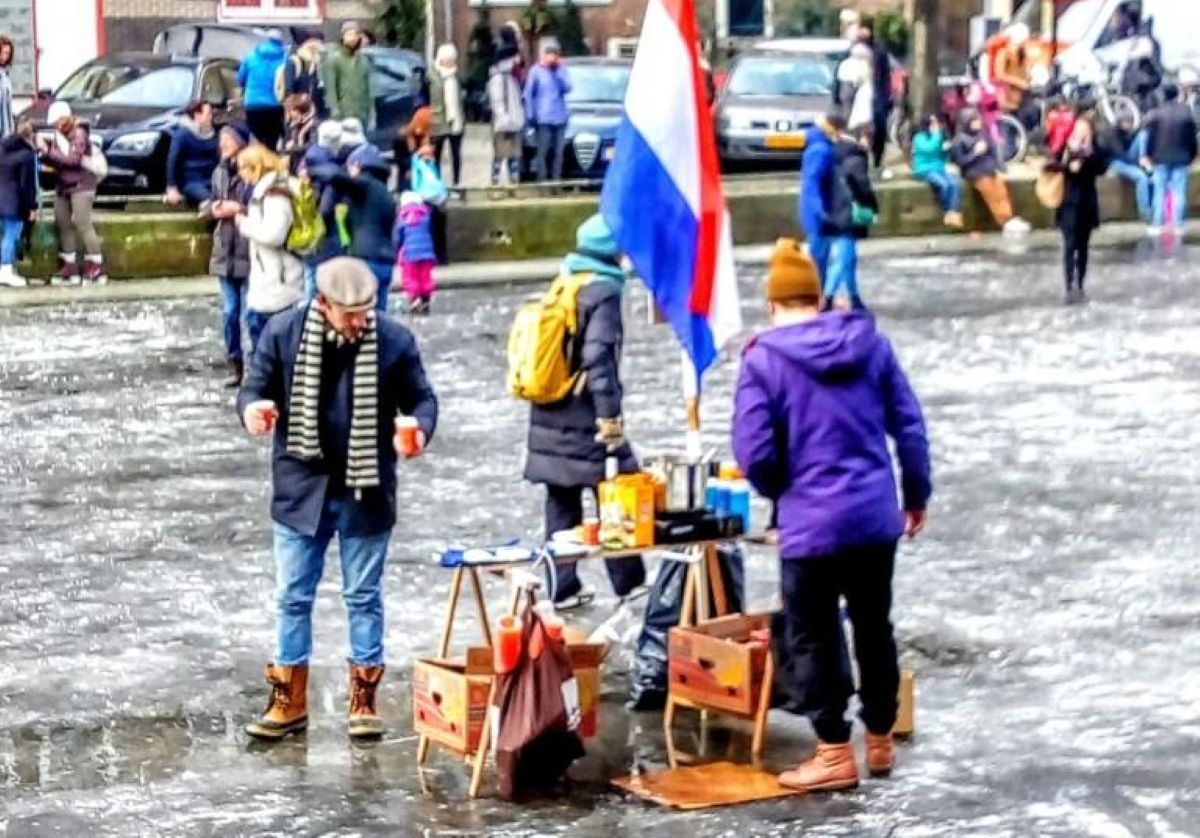
The canal-side trees turning gold and orange is one of Amsterdam’s best seasonal looks, and it’s a good time for the museums and nearby countryside apple-picking trips once the summer bike-and-boat crowds ease off. Having visited, the canals genuinely are at their most photogenic once the leaves turn worth the trip for that alone. I happened to go one winter and was hit with the Beast from the East with horrendous winds and freezing cold but loved watching the skaters on the canals.
Central Europe: Foliage and Harvest
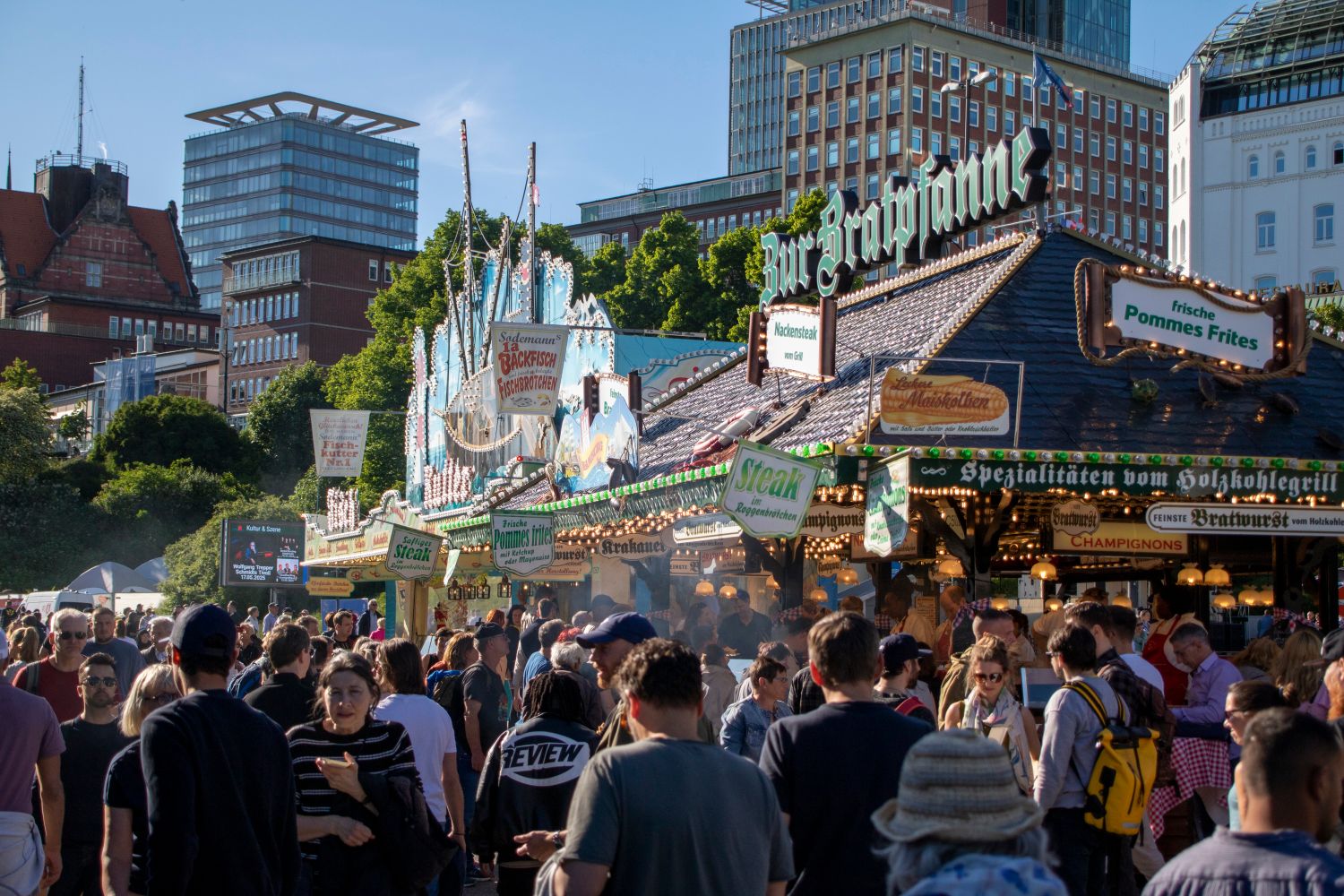
Bavaria, Germany
Oktoberfest (mid-September to the first Sunday in October) is the obvious draw, but the Bavarian countryside especially around Neuschwanstein Castle and the Alps is genuinely worth the trip for the autumn colour alone, festival or not.

Prague, Czech Republic
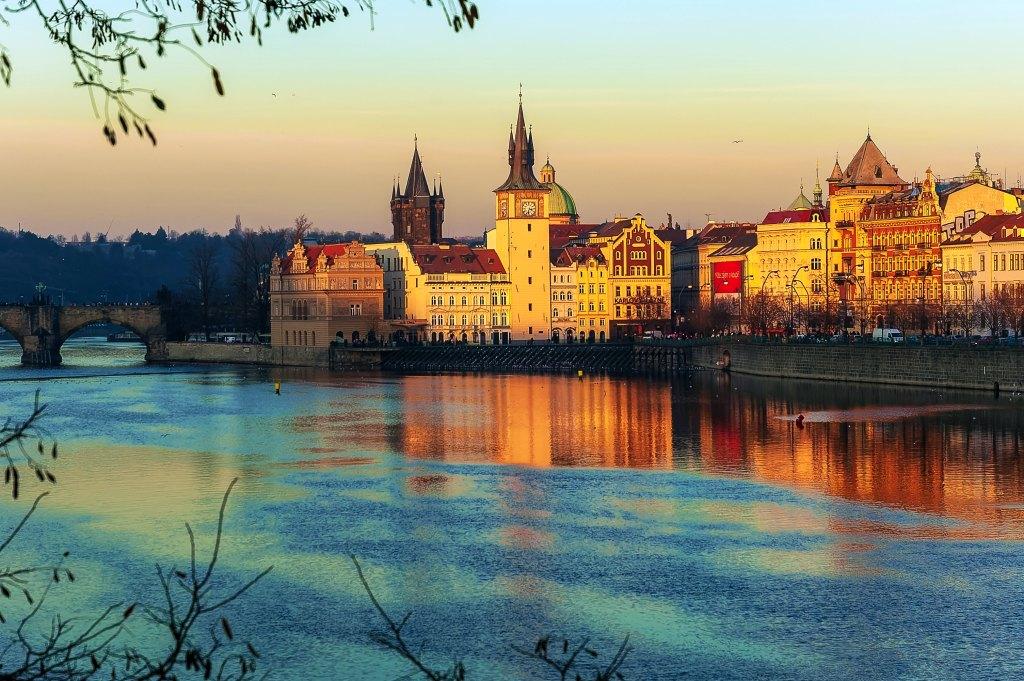
Prague’s architecture pairs especially well with golden autumn foliage cooler weather makes exploring the Old Town, Charles Bridge and Prague Castle far more comfortable than the summer crush, and Petřín Hill is a good spot for wider views over the city.
Vienna, Austria
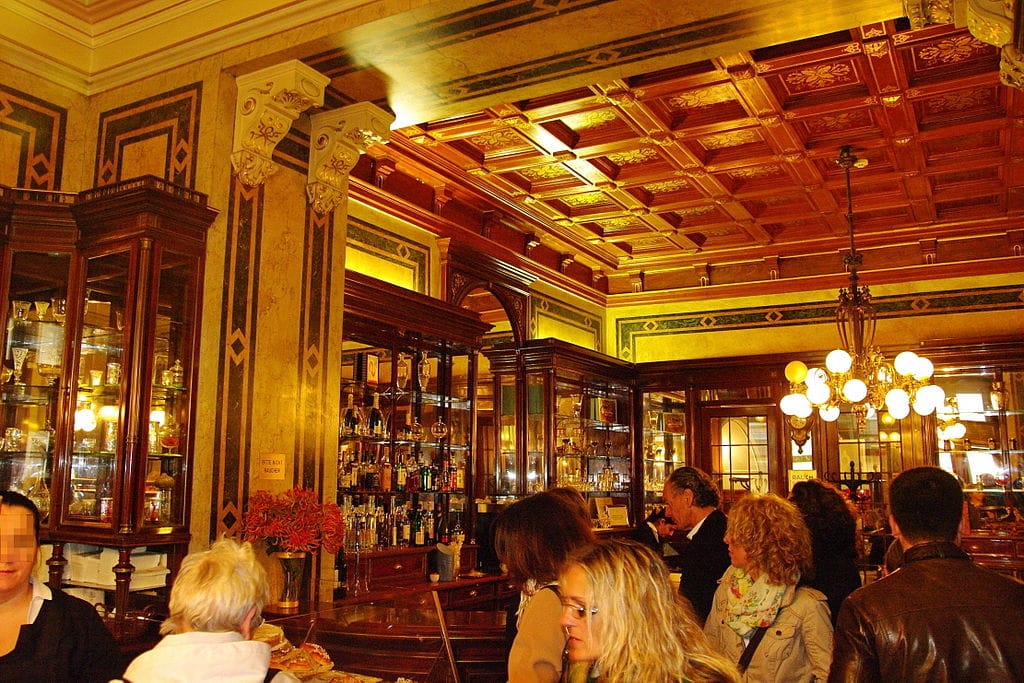
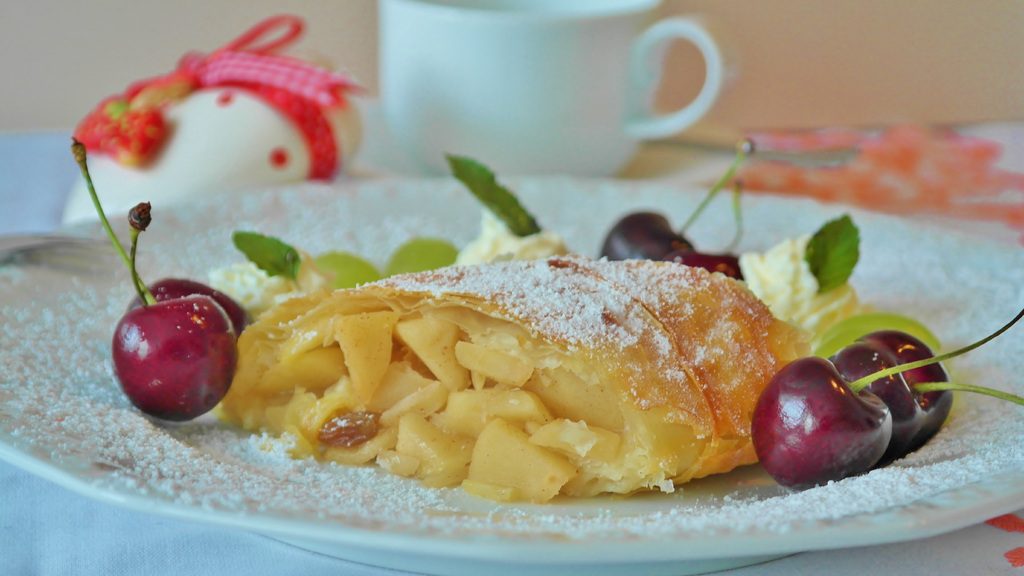
Schönbrunn Palace Gardens and the Stadtpark are at their best in autumn colour, and harvest season brings the Heurigen wine taverns in the surrounding vineyards properly to life. It’s the perfect time to sit in a gorgeous cafe and enjoy a fabulous dessert and coffee.

Salzburg, Austria
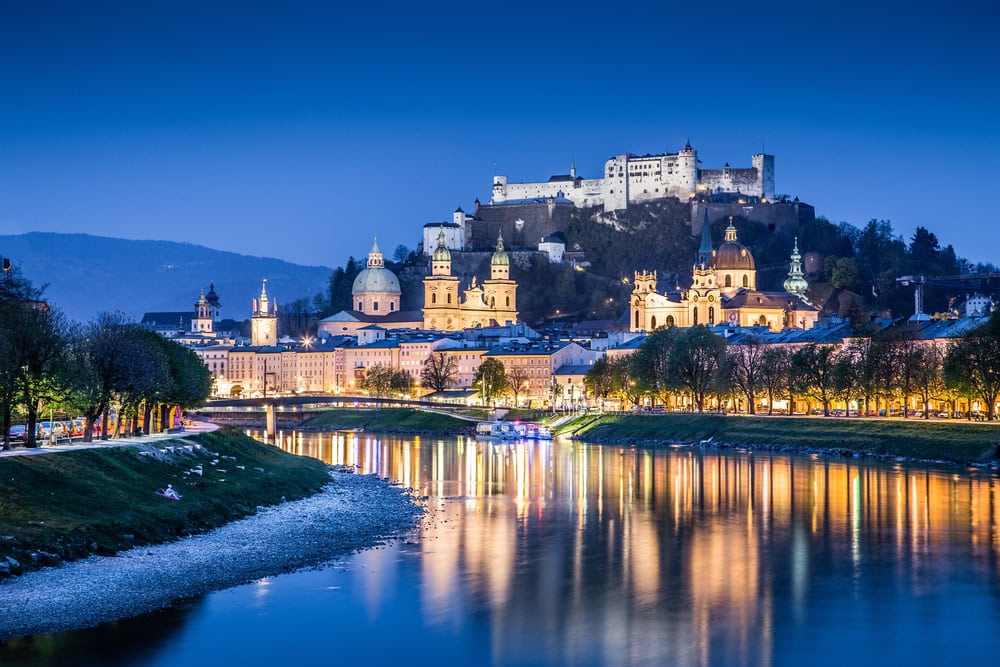
Baroque architecture set against Alpine scenery, with the Mirabell Gardens in full autumn colour and good hiking in the nearby mountains also a season for classical music festivals and local harvest celebrations.
Budapest, Hungary
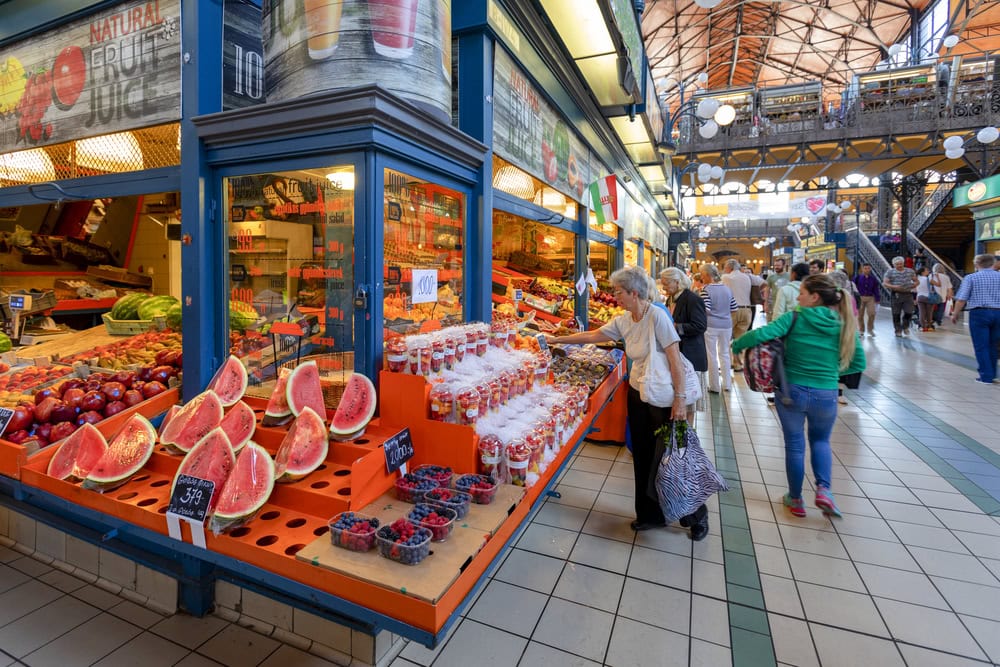
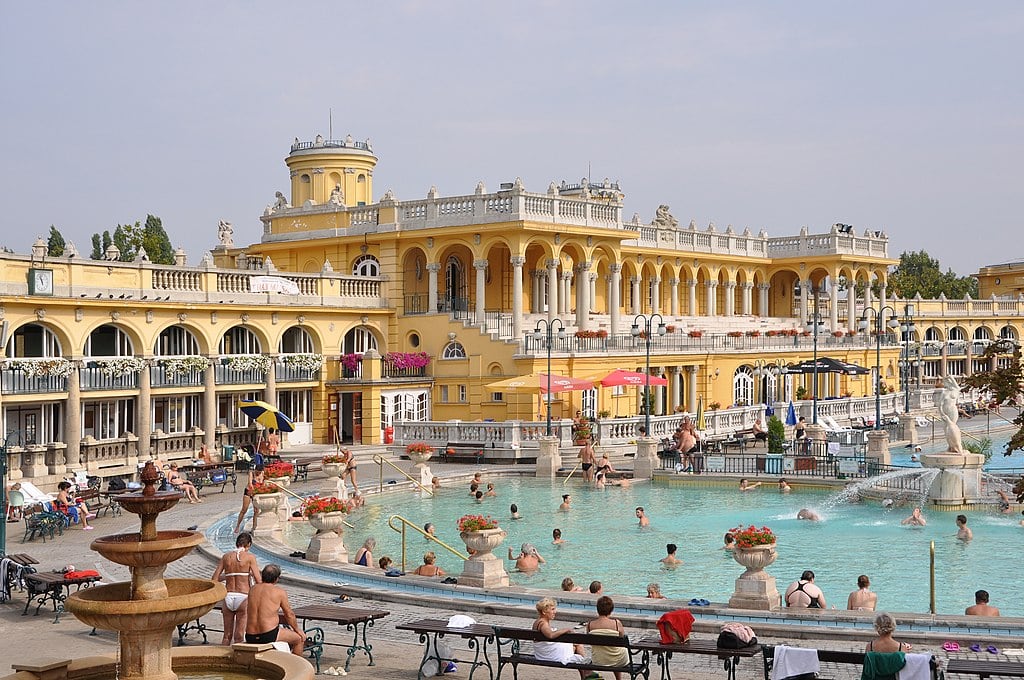
The Danube reflecting golden riverside trees is one of Budapest’s best autumn sights, and the city’s thermal baths become considerably more appealing once the weather cools the Buda Hills offer good hiking with panoramic views over the city.
Transylvania, Romania
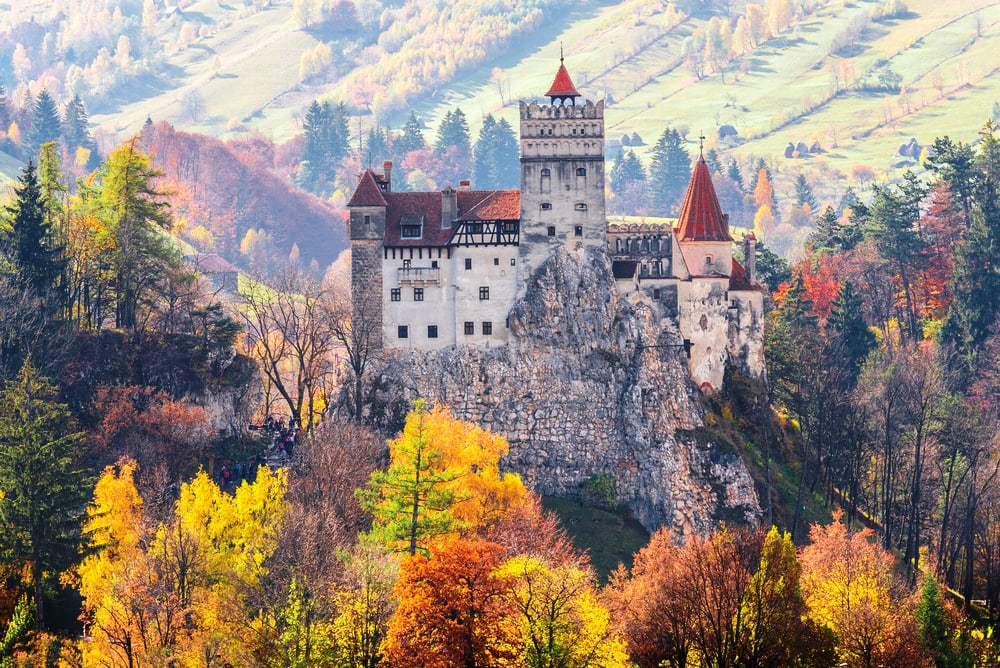
The region’s already-atmospheric medieval castles (Bran Castle, associated with Dracula, among them) take on a genuinely haunting quality in autumn, especially as Halloween approaches a good pick if you want something different from the usual foliage-and-café circuit.
Mediterranean and Southern Europe
Tuscany, Italy
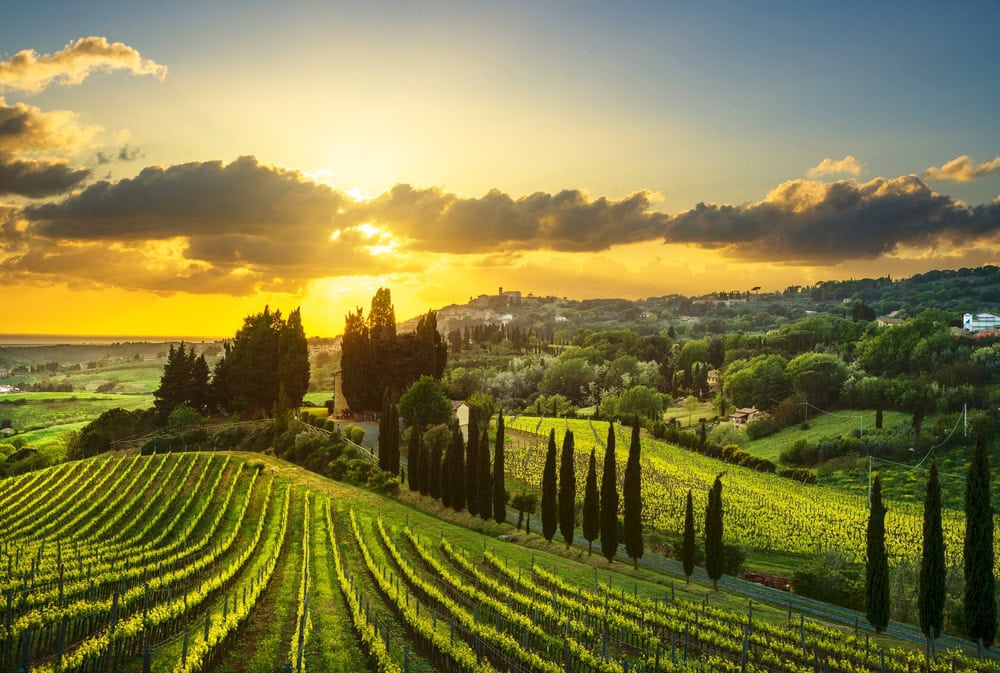
Rolling hills of vineyards mid-harvest, medieval towns like Siena and San Gimignano, and truffle season alongside the wine festivals genuinely one of the best regions in Europe for a proper autumn trip, and having been, it more than lives up to the reputation.
Rome, Italy
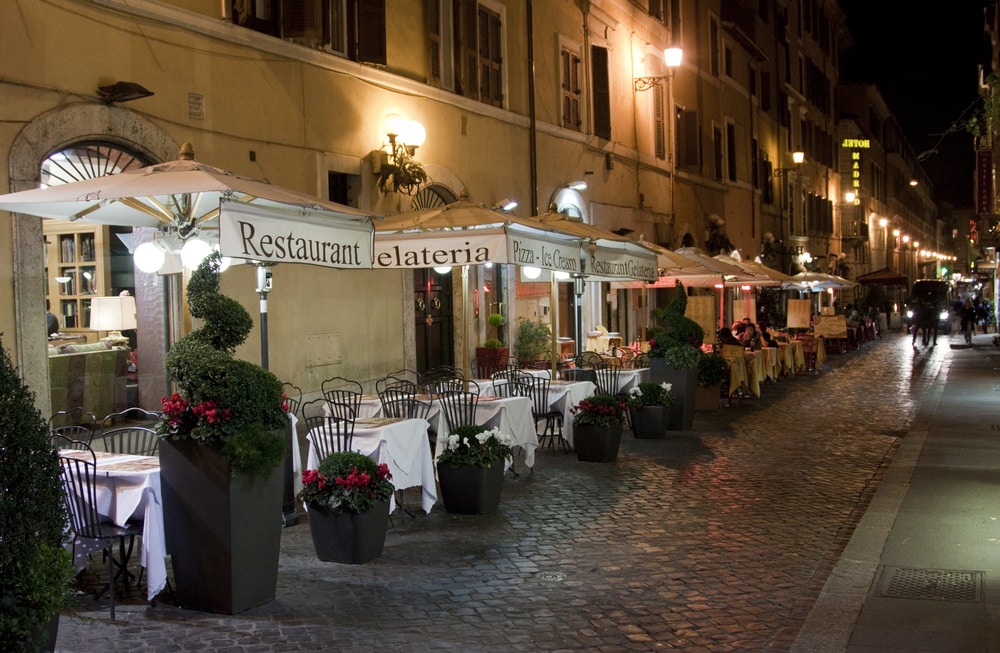
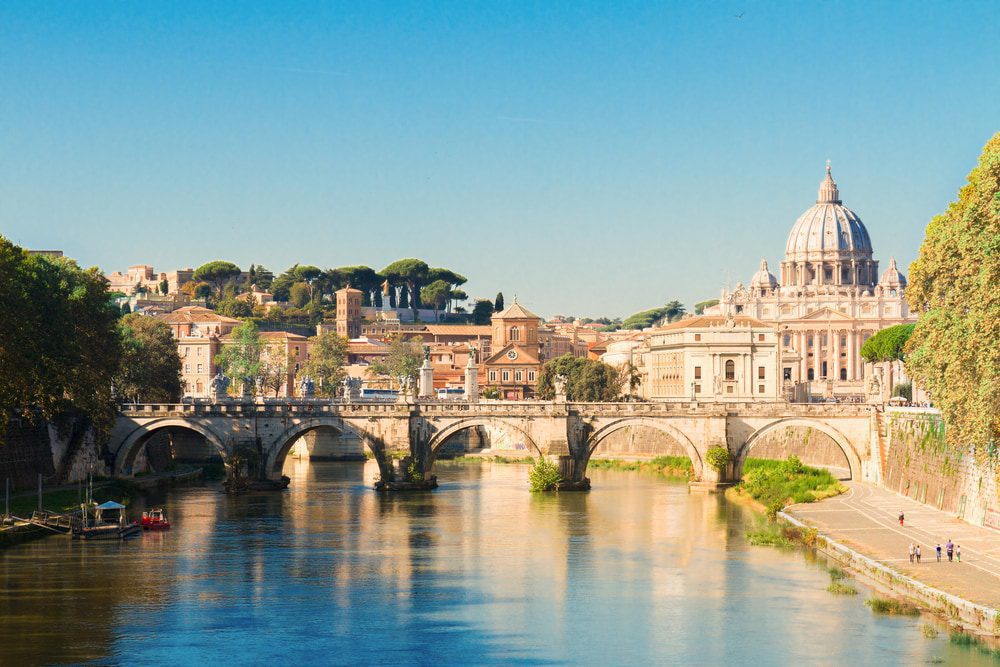
Rome in fall trades summer’s brutal heat and crowds for genuinely comfortable sightseeing weather the Colosseum, Roman Forum and Vatican are all far more manageable without the peak-season queues and midday heat. Having visited, autumn is honestly the better season to actually enjoy walking the city rather than just enduring it and enjoy some of that Roman food.
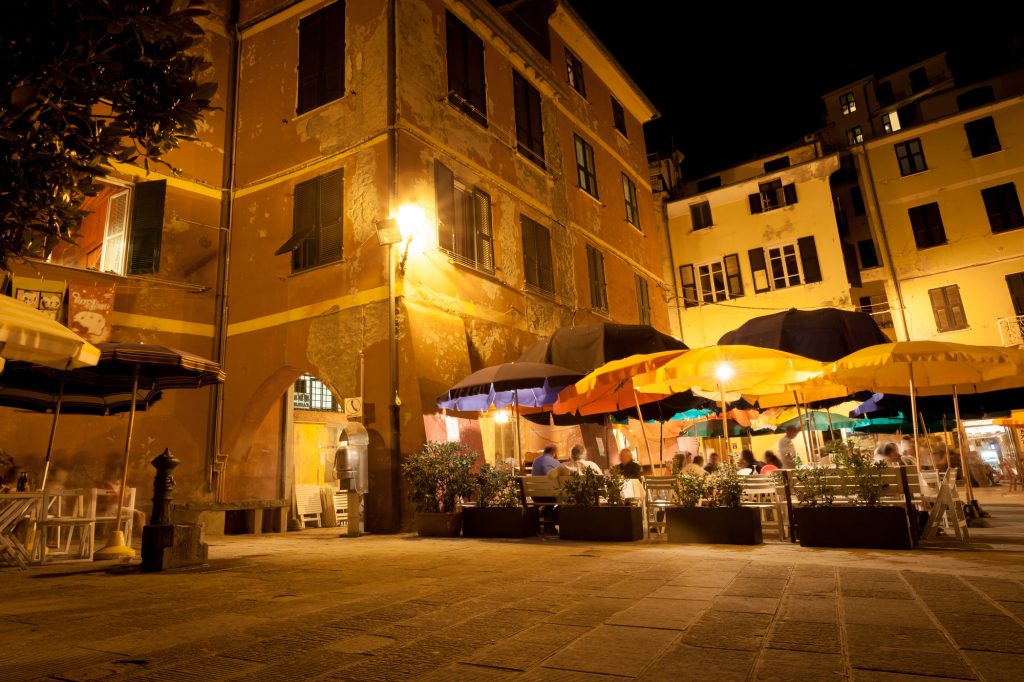
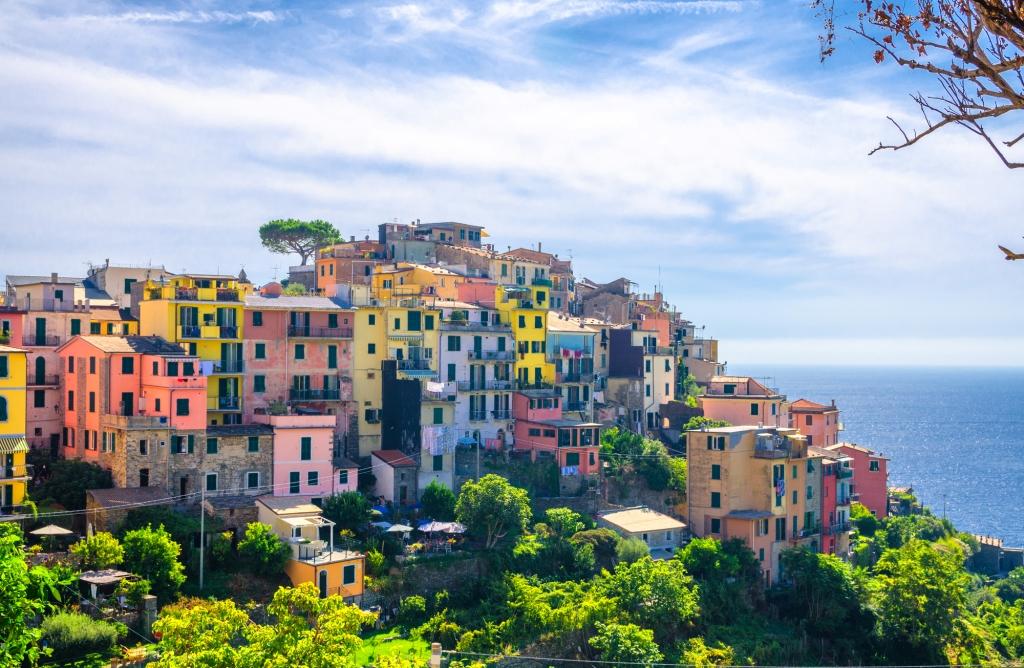
Cinque Terre, Italy
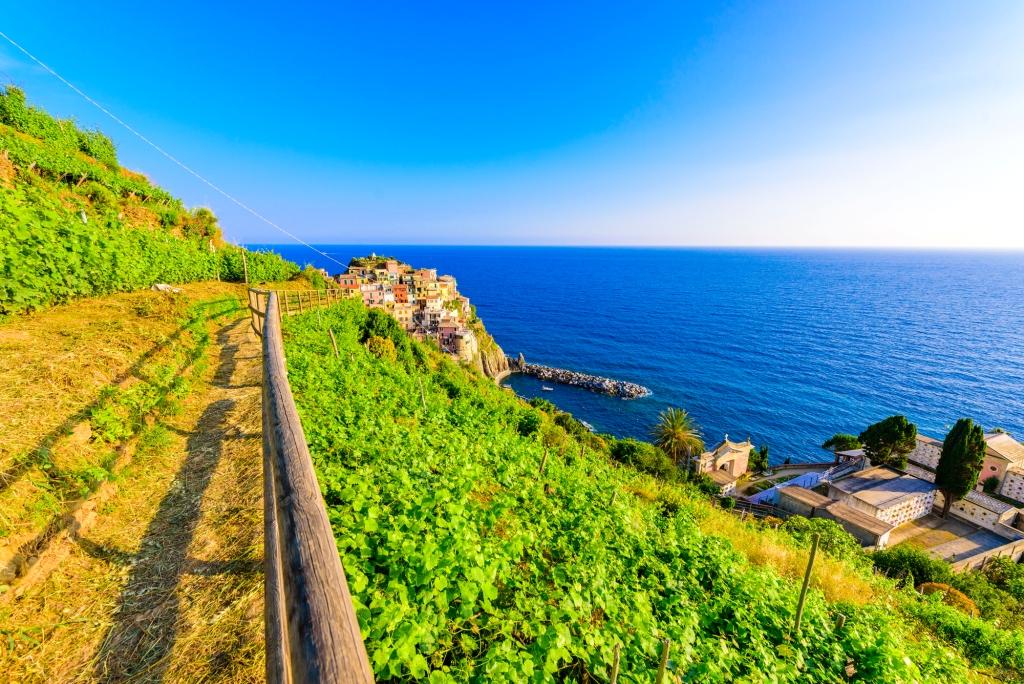
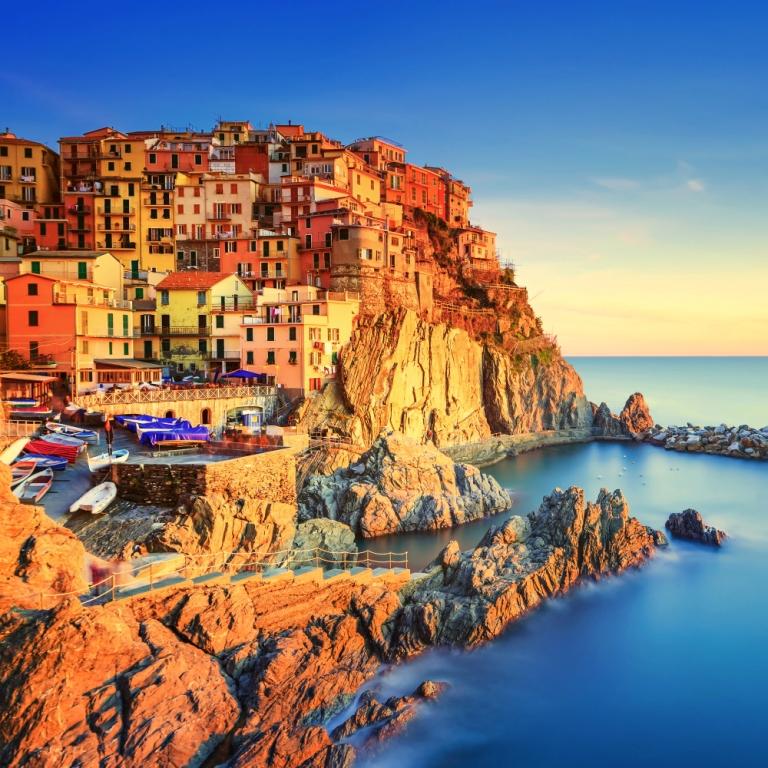
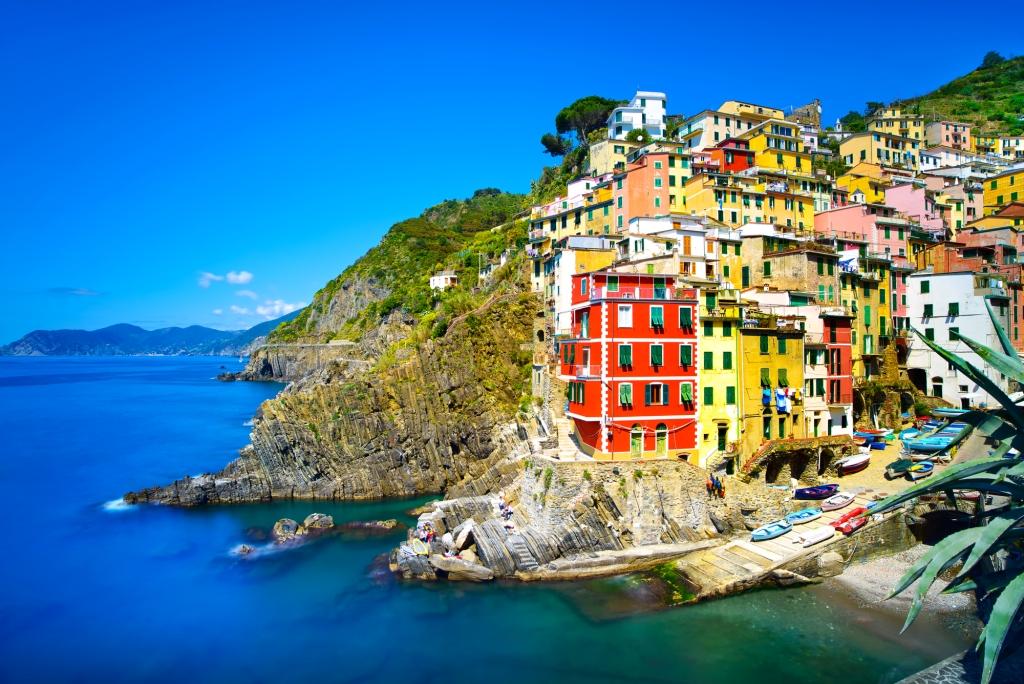
Far less crowded in fall, with the five villages’ scenic trails properly walkable rather than packed. Vineyards and olive groves are mid-harvest, and the Mediterranean typically stays warm enough for a swim.
Barcelona, Spain
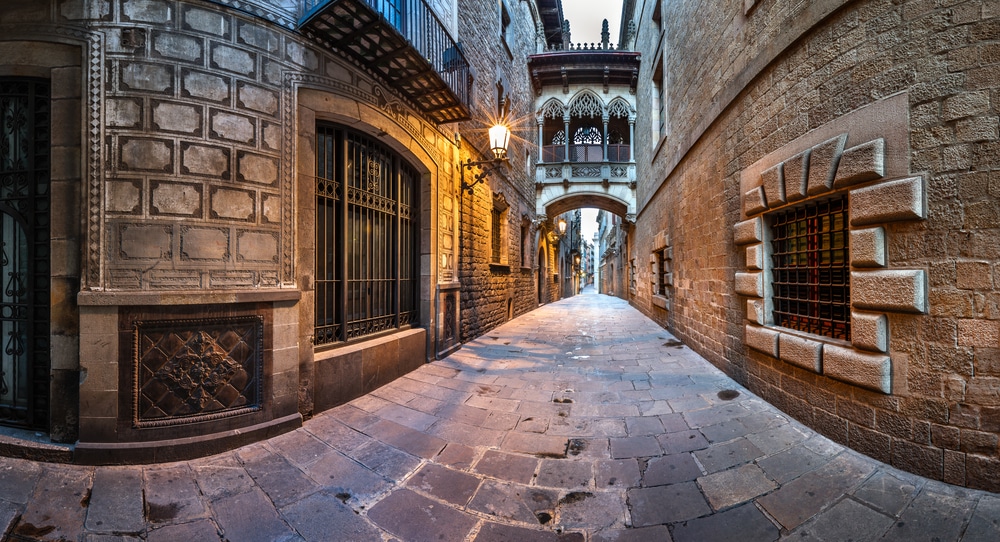
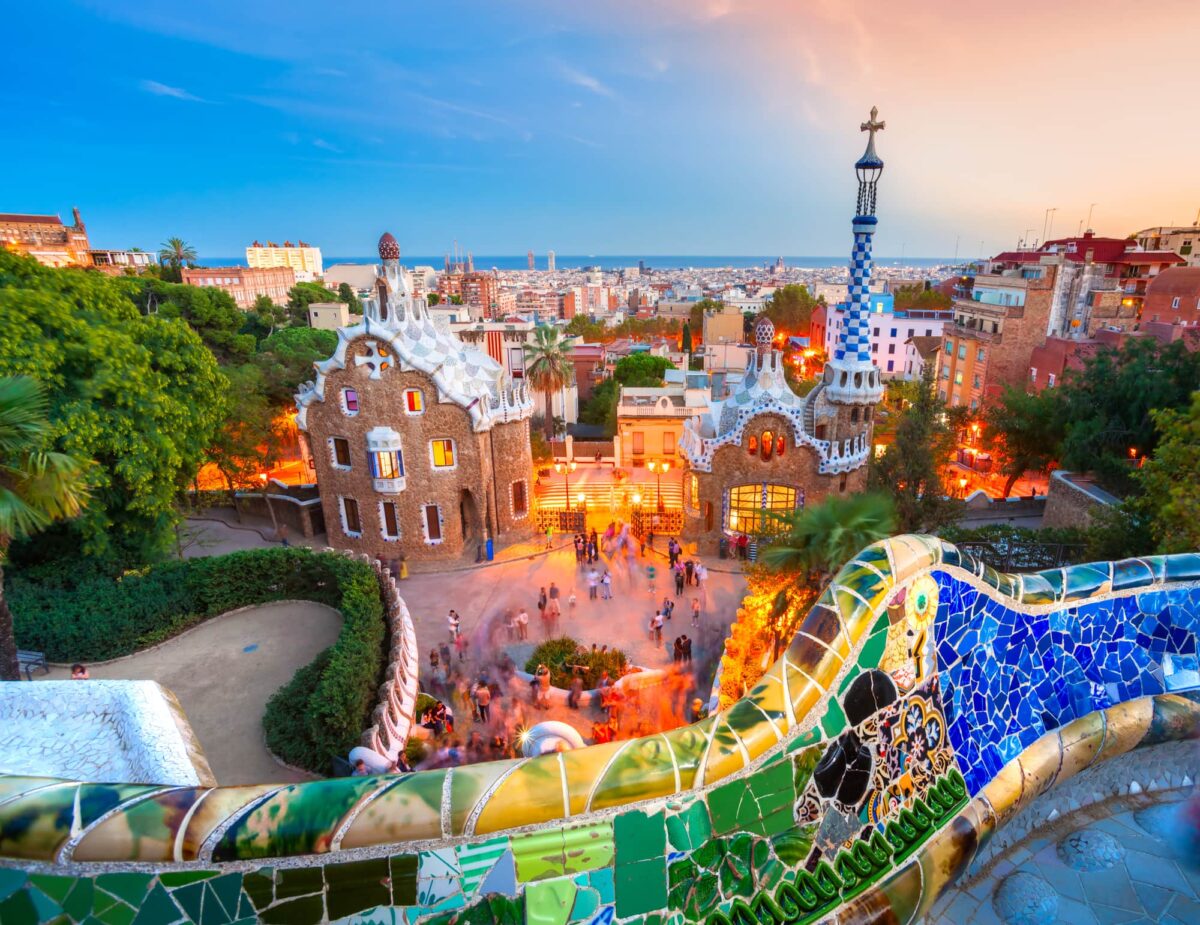
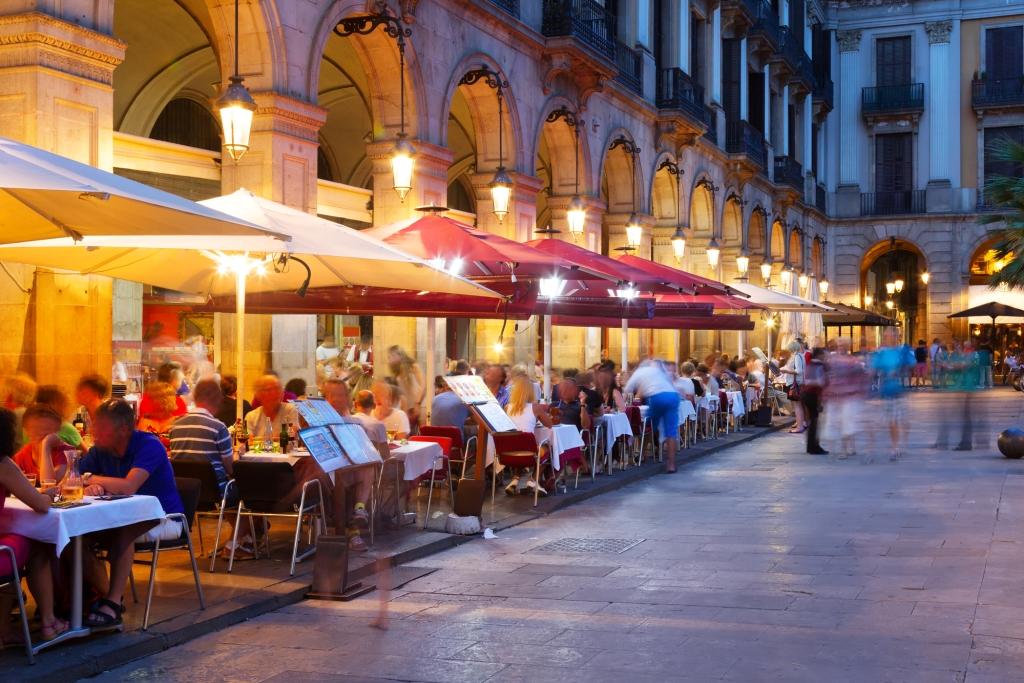
Summer heat gives way to genuinely pleasant temperatures, and La Mercè Barcelona’s biggest festival, held around September 24th with parades, concerts and fireworks lands right at the start of the season. Sagrada Família, Las Ramblas and the Mercat de la Boquería are all far more enjoyable without peak-summer crowds, and having been, autumn is when the city actually feels liveable rather than overrun and you actually get to see Gaudi’s stunning buildings without being crushed by tourists.
Lisbon, Portugal
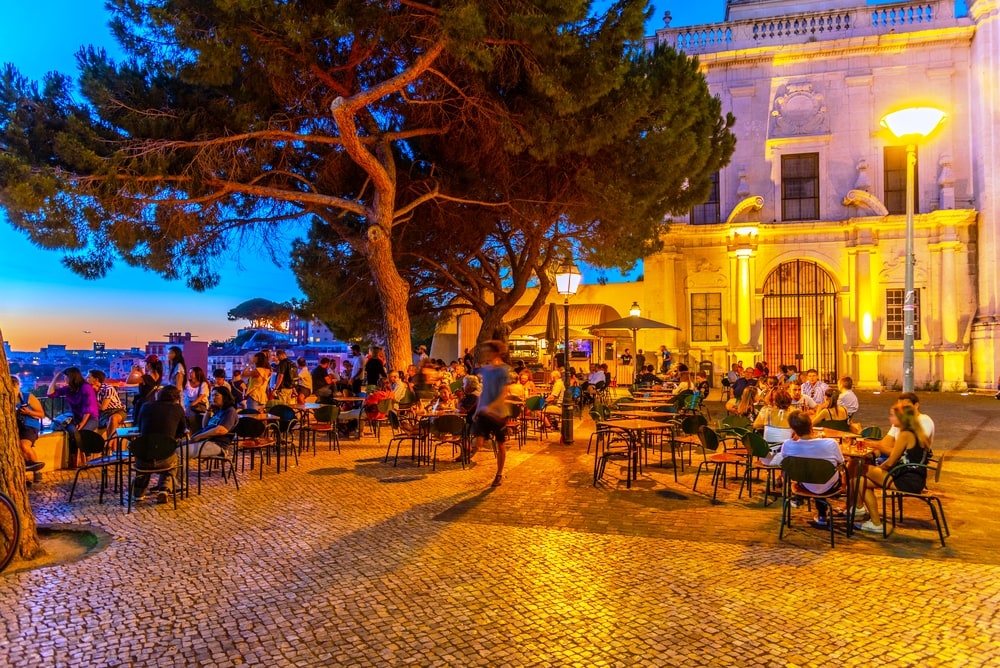
Portugal Lisbon’s warm climate extends well into fall, making it a comfortable season for the historic neighbourhoods, street art and nearby beaches, sitting in a cafe enjoying a Pastel d Nata pastry alongside fall cultural events including the DocLisboa film festival.

Dubrovnik, Croatia
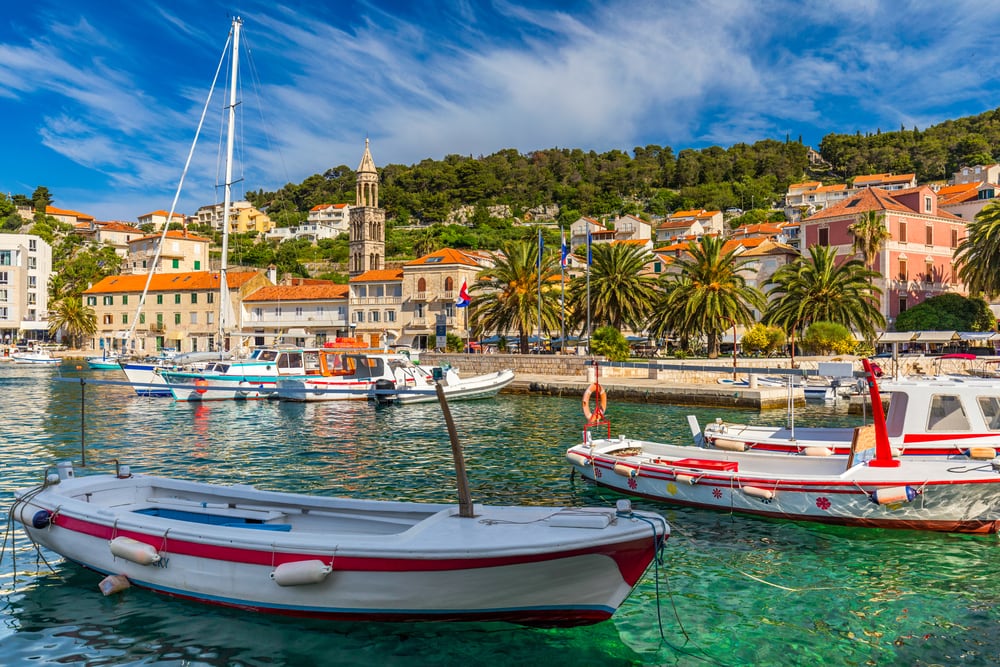
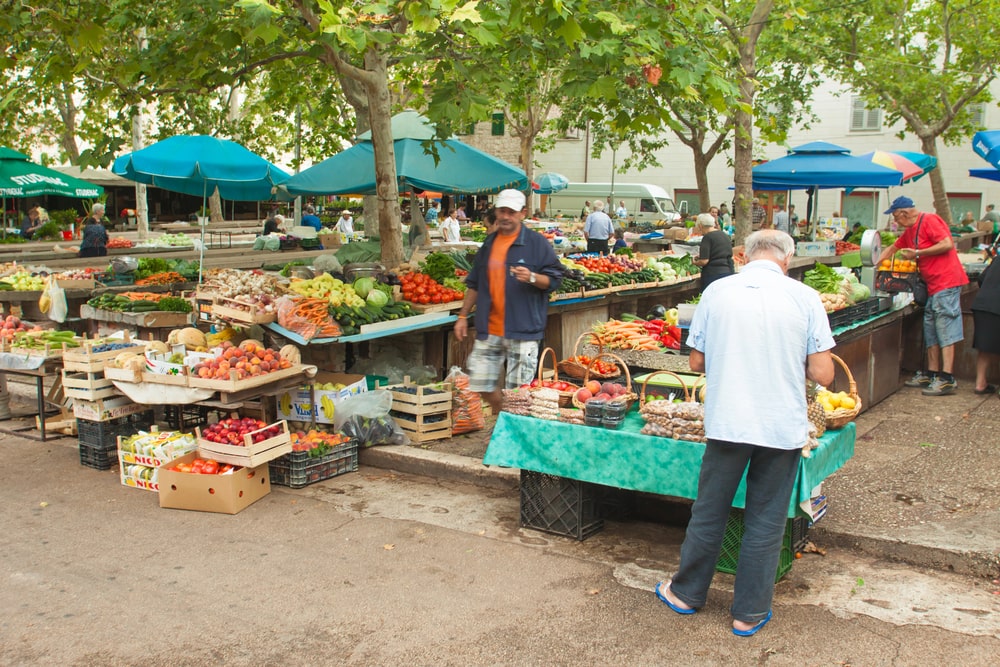
Pleasant weather, noticeably fewer crowds, and an Adriatic Sea still warm enough for swimming the Croatian Old Town and city walls are far more enjoyable to explore without the summer cruise-ship crush. If you get a chance include Split in your itinerary you won’t regret it.
Santorini, Greece
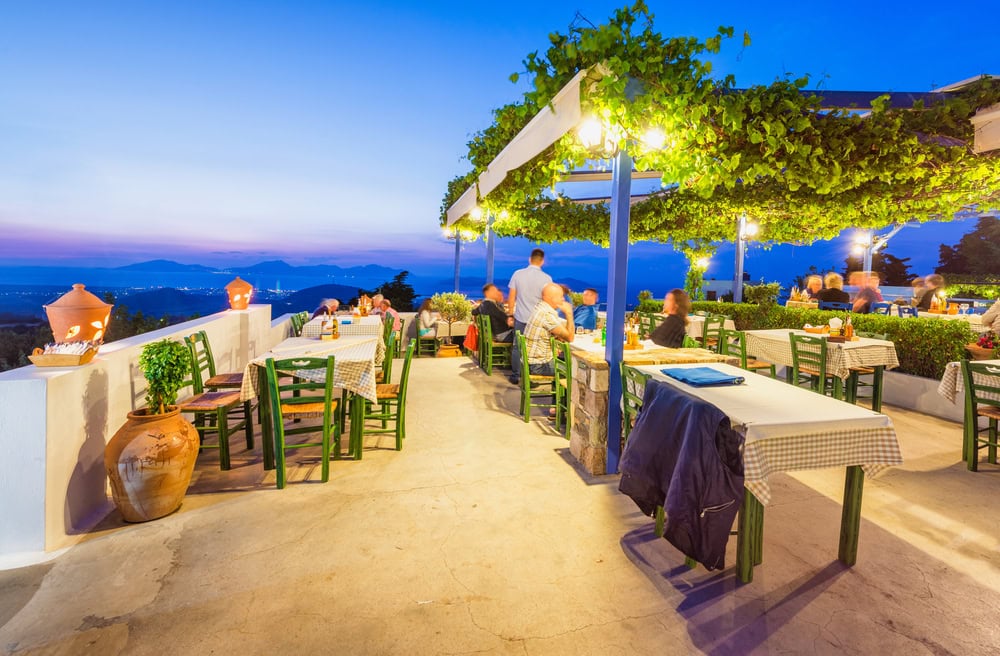
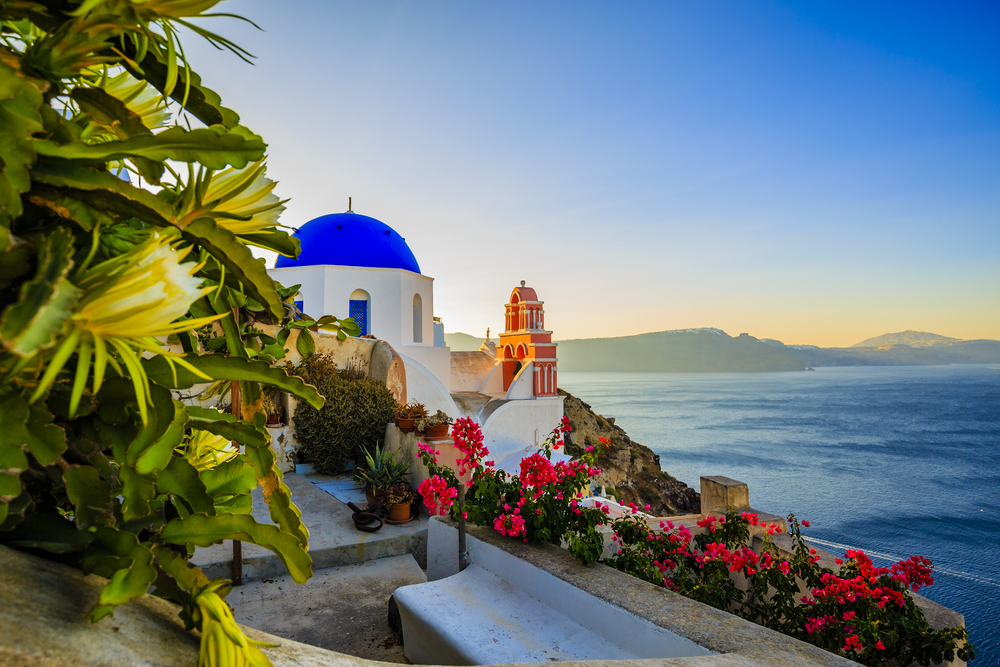
A genuinely serene experience once the tourist season empties out cooler temperatures, the same white-and-blue architecture and sunsets, and better conditions for hiking the island’s trails and visiting ancient ruins without a crowd. Greece more broadly rewards an autumn visit the same way the heat that makes midsummer genuinely uncomfortable eases off considerably.
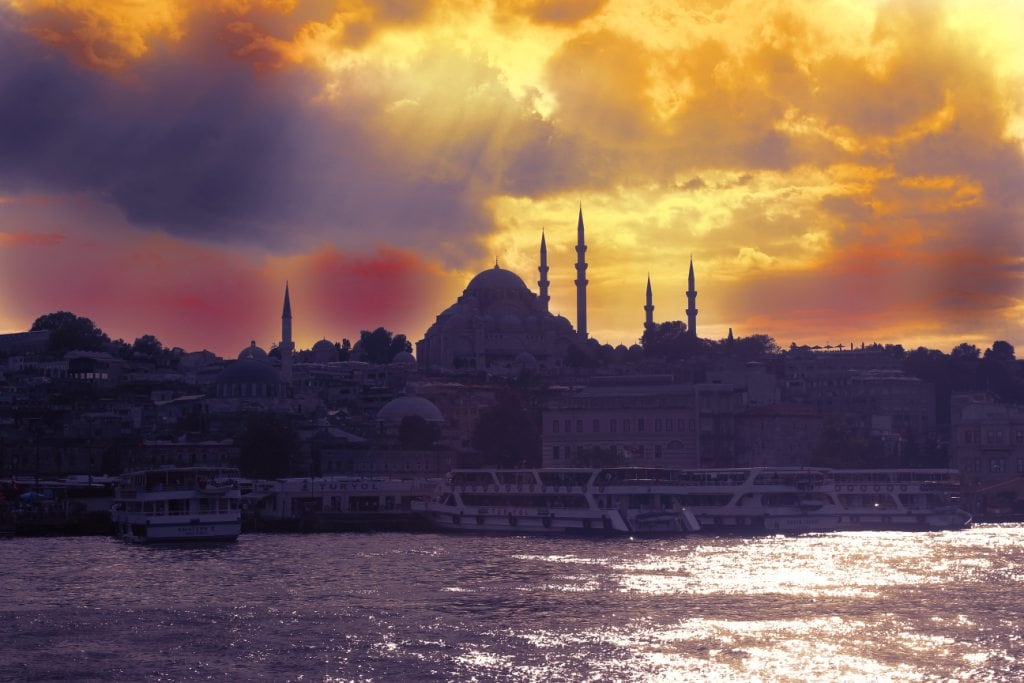
Istanbul, Turkey
Fall is a comfortable season for exploring the Grand Bazaar and the Bosphorus with fewer crowds. On our own visit, we also took a day trip out to the ruins of the Temple of Artemis, Mary’s House in the mountains, and the genuinely impressive ruins of Ephesus worth building into any Istanbul trip if you have the extra day.


Northern Europe and the British Isles
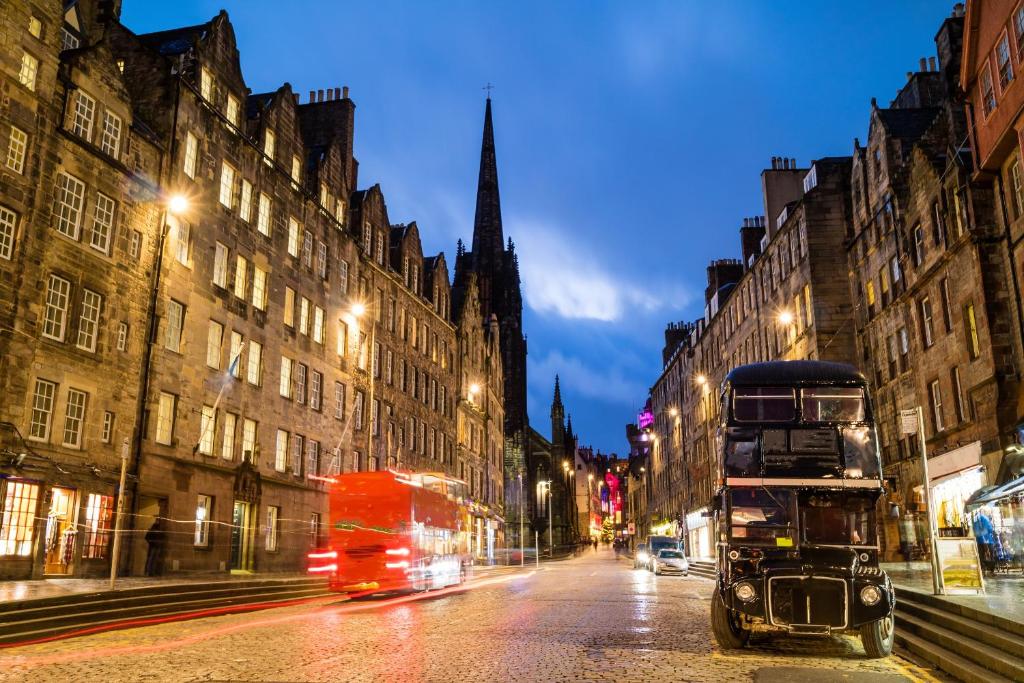
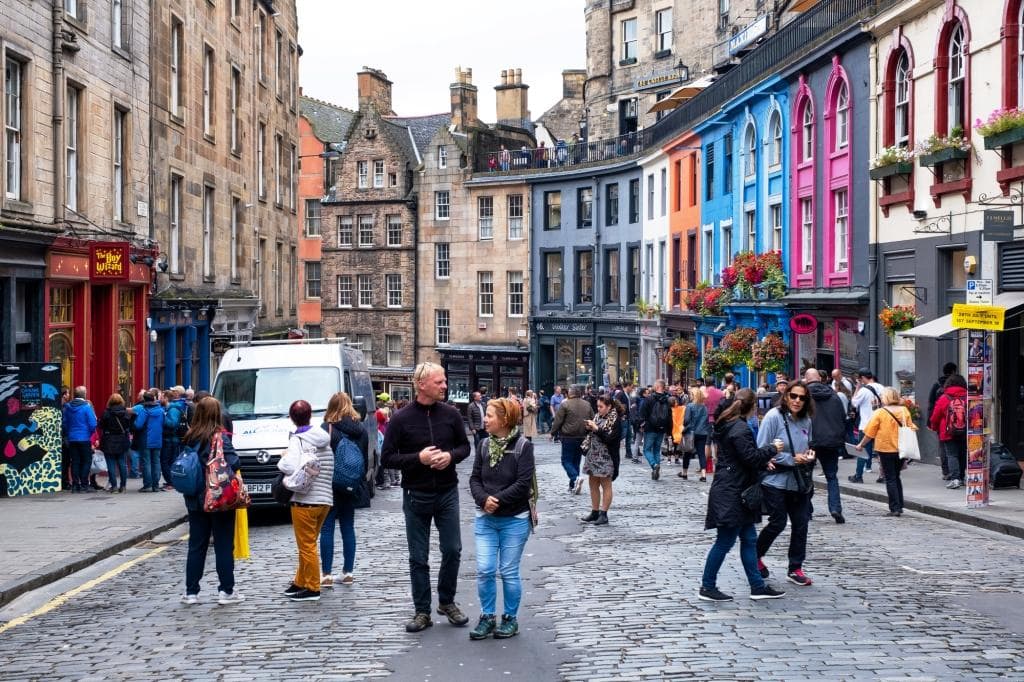
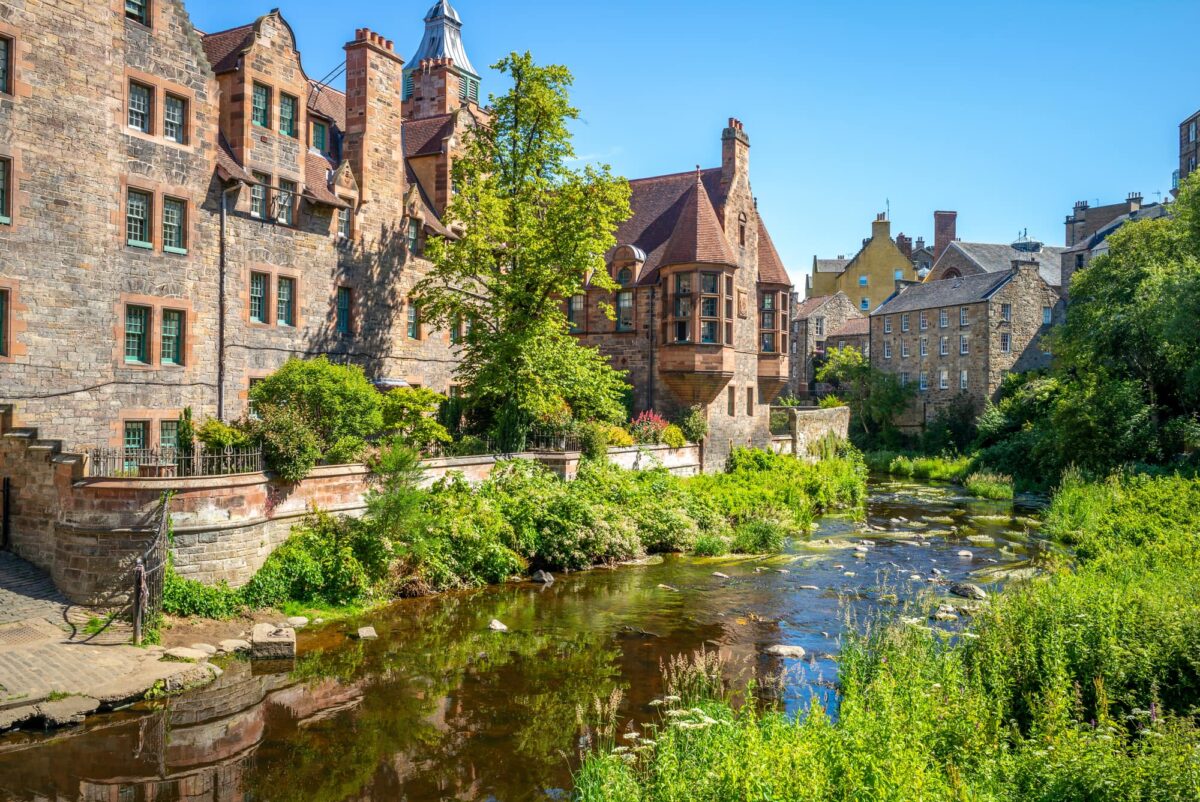
Edinburgh, Scotland
The city’s gothic architecture and mist-prone weather are made for autumn Princes Street Gardens and Holyrood Park turn properly golden, and it’s a good season to head into the Scottish Highlands with far fewer tourists on the road. The Edinburgh International Book Festival and various arts and music events cluster around this period too. Having been, the atmosphere genuinely does shift with the season it’s a different, moodier city in autumn than in summer, visiting Edinburgh gives you the chance to try some of that haggis.

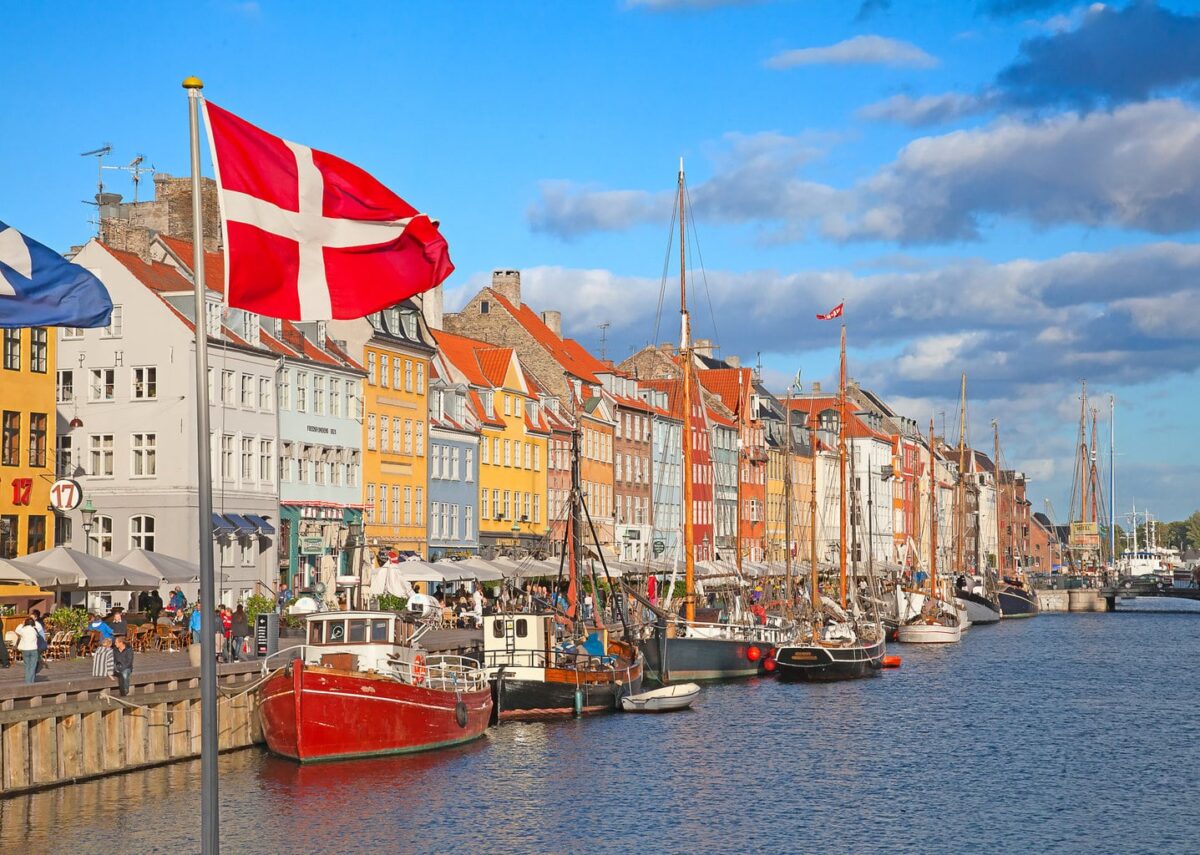
Copenhagen, Denmark
Copenhagen’s hygge culture is arguably at its best in autumn candlelit cafés, trying delectable Danish food, Tivoli Gardens turning into an autumn wonderland, and the city’s parks and waterfronts suited to crisp-air walks.

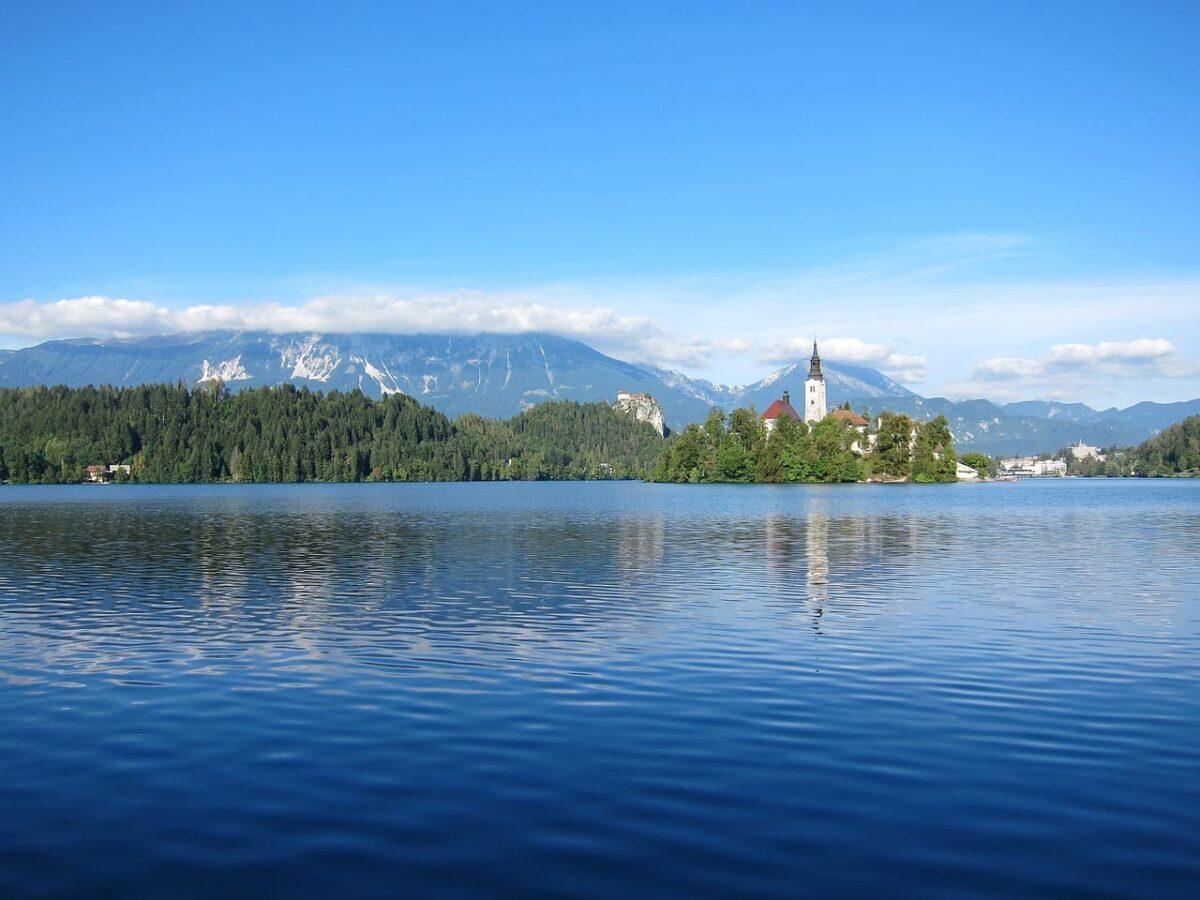
Lake Bled, Slovenia
The Julian Alps and surrounding forest burst into colour around the lake, and the mild autumn weather is genuinely good for rowing on the lake, hiking in nearby Triglav National Park, and visiting the hilltop Bled Castle without a summer crowd. Make time to enjoy some traditional Slovenian food while you are there.

Where Should You Stay in Each Region?
With 23 destinations across a whole continent, this isn’t a single-base trip where to stay depends entirely on which region you’re picking. As a starting point:
Western Europe (Paris, Loire Valley, South of France, Belgium, Amsterdam)
Base in the city itself for Paris, Amsterdam, Bruges or Ghent all are compact and walkable. For the Loire Valley, a small town like Amboise or Blois puts you central to the châteaux without the drive time; for the South of France, Nice or Aix-en-Provence work well as a base for day trips along the coast or into Provence.
Central Europe (Bavaria, Prague, Vienna, Salzburg, Budapest, Transylvania)
Stay centrally in the historic core for Prague, Vienna, Salzburg and Budapest all have compact old towns within walking distance of the main sights. For Bavaria, Munich itself works for Oktoberfest, but a base near Füssen is better if Neuschwanstein Castle and the Alps are the priority.
Mediterranean and Southern Europe (Tuscany, Rome, Cinque Terre, Barcelona, Lisbon, Dubrovnik, Santorini, Istanbul)
Rome and Barcelona both reward staying centrally for walkability. Tuscany is better as a countryside base (an agriturismo near Siena or San Gimignano) than a single town. Cinque Terre’s five villages are all tiny Monterosso and Vernazza have the most accommodation options. On Santorini, Fira and Oia are the classic bases but carry the biggest premium; Imerovigli is a quieter alternative nearby.
Northern Europe and the British Isles (Edinburgh, Copenhagen, Lake Bled)
Edinburgh’s Old Town or New Town both work well and are walkable to most sights. Copenhagen’s central districts keep you close to Tivoli Gardens and the canals. For Lake Bled, staying lakeside rather than in nearby Bled town itself makes the biggest difference to the experience.
Accessibility Considerations Across These Destinations
Mobility needs vary hugely across this list, since it spans everything from flat modern cities to medieval hill towns. A few patterns worth knowing before you book:
Cobblestones are the single biggest common obstacle.
Prague’s Old Town, Bruges, Ghent, Dubrovnik’s Old Town and most of Tuscany’s hill towns are built on centuries-old cobbled streets genuinely difficult terrain for wheelchairs, walkers, or anyone with limited mobility, and often slippery when wet. Newer districts of the same cities (Prague’s New Town, for instance) are generally far more manageable.

Hill towns and cliffside villages are the hardest tier.
Cinque Terre’s five villages are built into cliffs with steep steps and limited flat ground; Santorini’s caldera-view towns (Fira, Oia) involve substantial stairs and steep paths between the clifftop and the water; Tuscany’s hill towns like San Gimignano are similarly steep. These are realistically difficult destinations for wheelchair users or anyone who struggles with stairs and inclines, more so than most other entries on this list.
Which destinations are comparatively flat and manageable?
Amsterdam, Copenhagen, Vienna and Budapest are all largely flat with good, modern accessible transport infrastructure. Barcelona’s main tourist areas (Las Ramblas, the Eixample) are also relatively flat, though the older Gothic Quarter has narrower, more uneven streets.
Castles and historic sites often add their own layer of difficulty.
Bran Castle in Transylvania, the châteaux of the Loire Valley, and Dubrovnik’s city walls all involve significant stairs with limited or no lift access, regardless of how accessible the surrounding town is. Check each specific site’s own accessibility page before building it into an itinerary if this is a concern.
When is the best time to visit Europe in the fall?
September to November covers it, but the experience shifts through the season September still runs warm, especially in southern Europe, while October and November bring the real foliage and the harvest festivals.

Which European destinations are best for fall foliage specifically?
The Loire Valley and Tuscany are among the strongest for classic autumn colour, alongside Vienna’s palace gardens, Budapest’s riverside trees, and Lake Bled’s surrounding Julian Alps forest.
Is it warm enough to swim in the Mediterranean in the fall?
In spots like Dubrovnik and Cinque Terre, generally yes into October the Adriatic and the western Mediterranean both stay warm enough for a swim well past the official end of summer.

What festivals happen in Europe in the fall?
Oktoberfest in Munich (mid-September to the first Sunday in October), La Mercè in Barcelona (around September 24th), and various regional wine and harvest festivals throughout Tuscany, the Loire Valley, and Austria’s Heurigen wine-tavern country.
Is fall a cheaper time to visit Europe?
Generally yes September through November counts as shoulder season across nearly all of these destinations, with noticeably fewer tourists and lower accommodation prices than the summer peak.
What is Paris syndrome?
A real, documented phenomenon where a visitor’s romanticised expectations of Paris collide with the noisier, grittier reality of the actual city, leading to genuine disillusionment or culture shock it’s most often discussed in relation to Japanese tourists, but it can affect anyone who arrives with an idealised, postcard version of the city in mind. Going in with realistic expectations makes a real difference to how much you enjoy the trip.
Which of these fall destinations are hardest for limited mobility?
Cinque Terre, Santorini’s clifftop towns (Fira and Oia), and Tuscany’s hill towns are the most physically demanding, involving significant stairs and steep, often cobbled terrain. Amsterdam, Copenhagen, Vienna and Budapest are comparatively flat and manageable by contrast. Take a look at Euan’s Guide for crowd sourced tips from those in wheelchairs or with disabilities.
Where’s the best area to stay for a Loire Valley château trip?
A small central town like Amboise or Blois puts you within easy reach of the major châteaux Chenonceau, Chambord, Chinon without long drive times each day.

Related Reading
For more seasonal planning, take a look at the best winter sun destinations in Europe, Christmas in Europe, planning a 10-day Europe trip, underrated destinations in Europe, and Europe’s best medieval towns.
If you’re exploring more of Europe, or thinking about living here longer term, I’ve put together a few guides that might help:
Europe Travel Guide and the Ultimate Europe Travel Resource Guide
How to Avoid Travel Scams in Europe
Schengen Rules Explained when travelling to Europe
Accessible Travel Guides Ireland UK Europe
Carryon Luggage Rules Across Europe
How to find out if you can obtain an EU passport
check out these European Travel Guides