
23 Best Weekend Getaways from London
The best weekend getaways from London split into a few clear categories: historic cities (Bath, York, Canterbury, Cambridge), coastal escapes (Brighton, the English Riviera, the Kent and Sussex coast), countryside (the Cotswolds, the Chiltern Hills), castles/stately homes (Windsor, Warwick, Blenheim, Highclere), and stretching a bit further Wales (Cardiff Castle, Snowdonia). Most are under 3 hours by train. Having personally visited every single destination below, the full breakdown covers travel times, current pricing, accessibility, and where to base yourself.
| Fast Facts: Weekend Getaways from London Travel time: all 23 destinations are under 4 hours from London by train or car; most are under 2. Wales (Cardiff Castle, Snowdonia) is the furthest at 2–4 hours. Warwick Castle: £25.38 online (summer VAT-reduced pricing); book ahead for the best rate. Windsor Castle: £32 adult in advance, £36 on the day; combo tickets with Stonehenge or Bath work out cheaper than booking separately. Stonehenge: £27.03 adult on weekdays in peak season (2 May–27 Sept 2026), £29.32 on weekends/holidays; English Heritage sets these prices directly. Blenheim Palace, Highclere Castle, Bath’s Roman Baths: typically £20–£45 per adult depending on the site and season confirm the current price on the official site before booking, as these move seasonally. Best by train vs car: the Cotswolds villages, Avebury and the Chiltern Hills are all easier with a car; most cities (Bath, York, Oxford, Brighton, Canterbury) are straightforward by train alone. |
Whether you’re visiting London or living there and craving a weekend away, the UK has far more to offer than the capital alone and most of it is closer than people think. Every destination below takes under 3 hours to reach, and each has enough to fill a full weekend. Having been to every one of them myself, here’s an honest breakdown rather than a generic list pulled from a map.
- 23 Best Weekend Getaways from London
- Historic Cities to visit on your Weekend Getaway from London
- Coastal Escapes
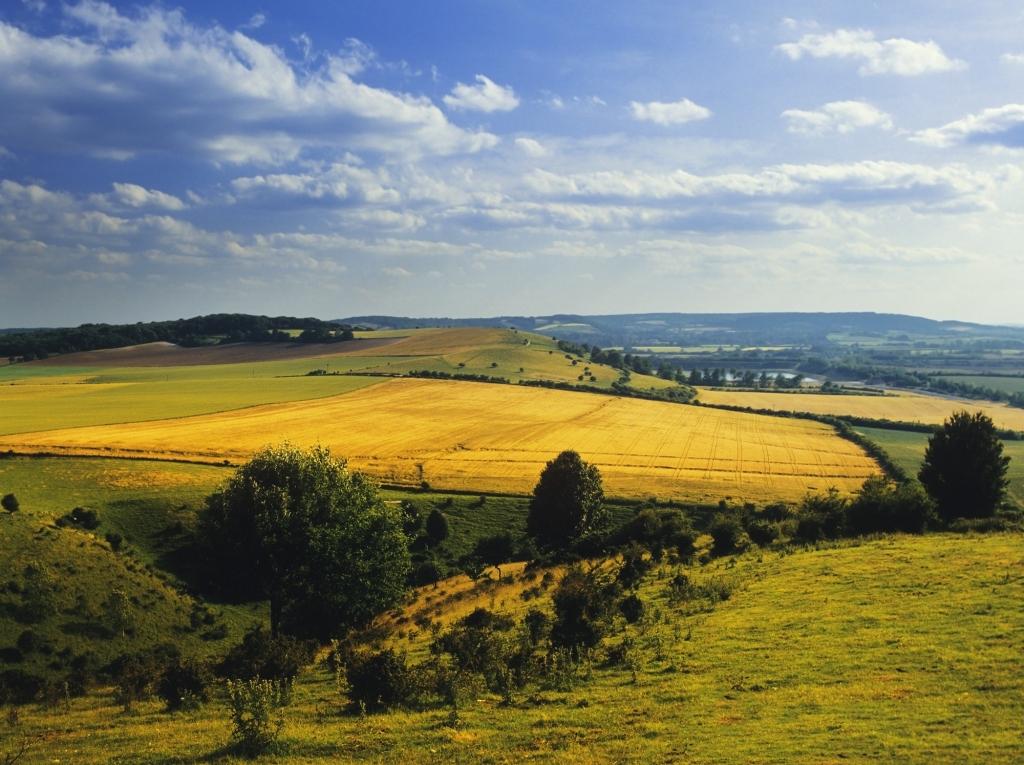
- Countryside Getaways from London
- Ancient Sites
- Castles and Stately Homes
- Literary and University Towns
- Wales: Castles and Mountains
- Where Should You Base Yourself?
- Is This List Accessible for Travellers With Mobility Challenges?
- FAQs About Weekend Getaways from London
Historic Cities to visit on your Weekend Getaway from London
Bath and Bristol
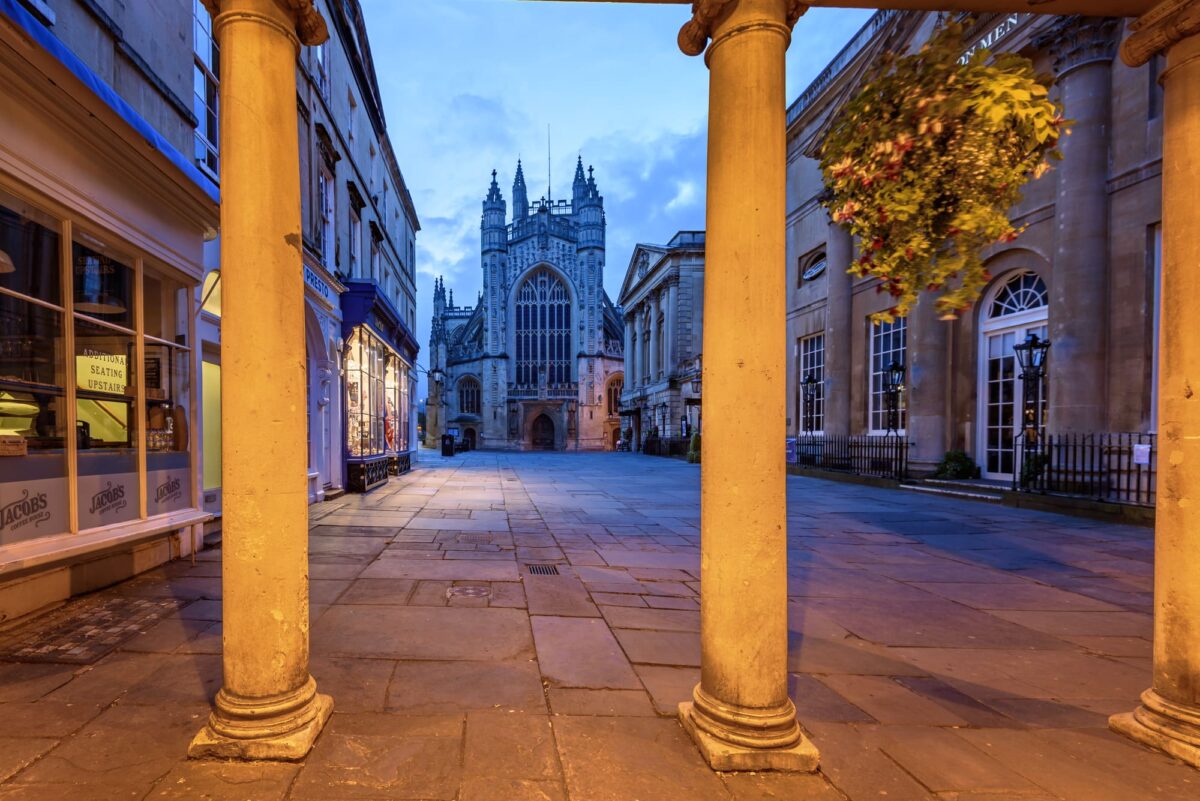
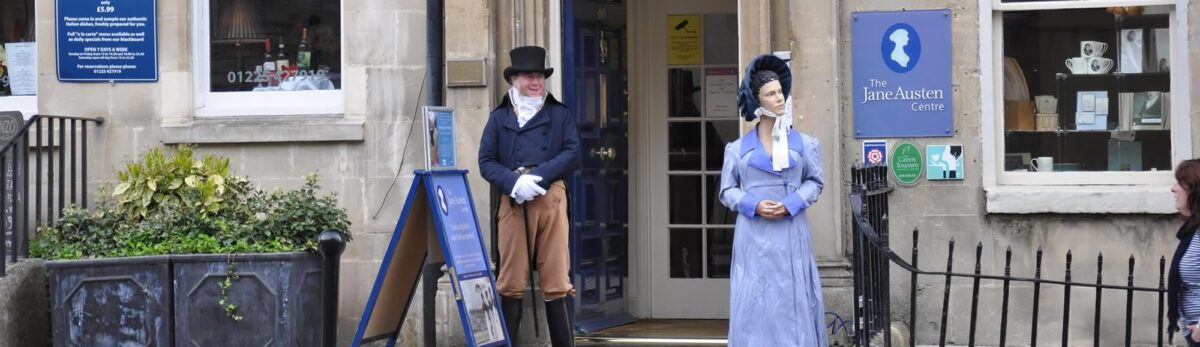
Just 10 minutes apart by train, these make an easy combined trip. Bath is built around the country’s only natural hot springs and the Roman Baths that give the city its name you can’t bathe in the original baths, but the modern Bath Thermae Spa is bookable. Having visited, the Jane Austen Centre is genuinely worth the stop too, given how closely tied Austen is to the city’s Georgian architecture and social history.
Bristol is bigger, less touristy, and centred on its harbour we toured Brunel’s SS Great Britain there ourselves, alongside the Clifton Suspension Bridge and a genuinely good street art scene around Stokes Croft.

York
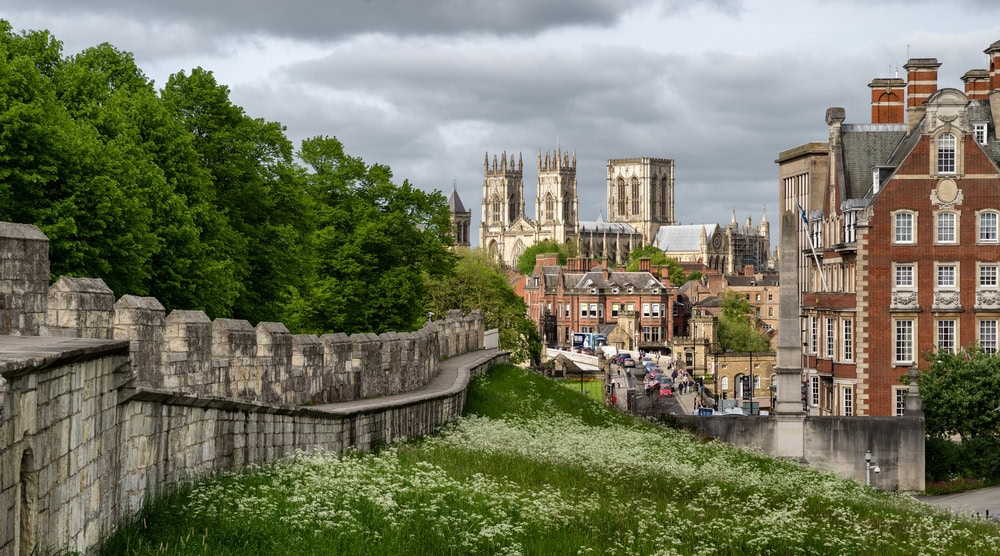
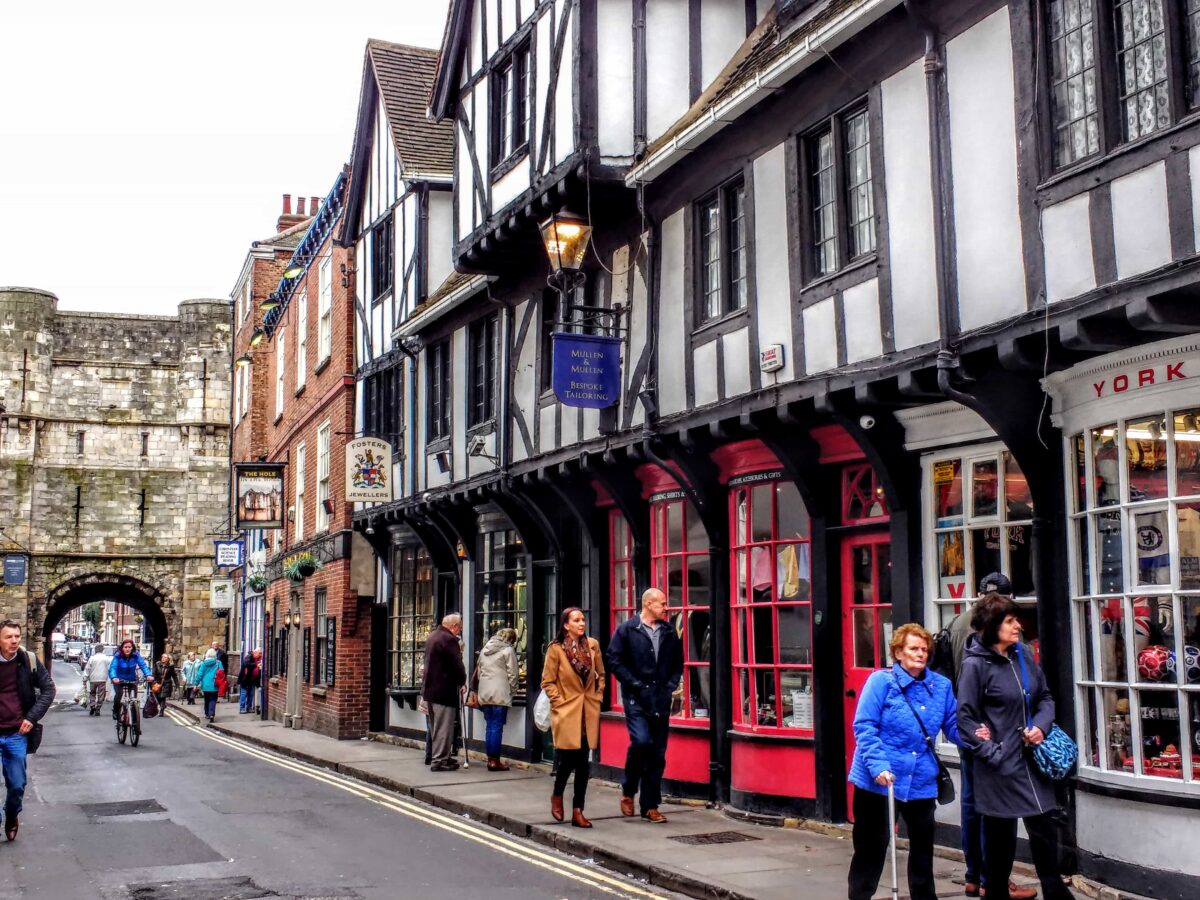
Further north and a bit more of a journey, but worth it York Minster is one of the largest Gothic cathedrals in Europe, the city walls are the longest in England and walkable in full, and Clifford’s Tower dates to the 13th century. Betty’s Tea Rooms is the spot for afternoon tea, and Ye Olde Starre Inne in the Shambles has been licensed since 1644.
Canterbury and the Kent Coast
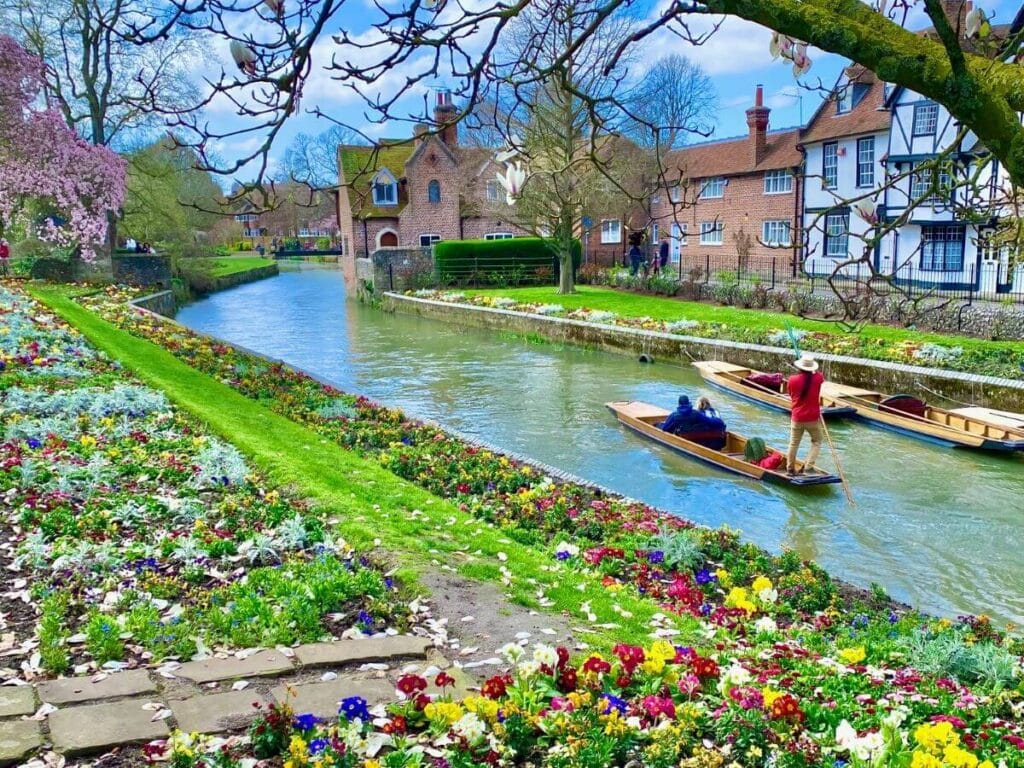
Canterbury Cathedral, where Thomas Becket was assassinated, made the city a pilgrimage site for centuries and it’s now a UNESCO World Heritage location alongside St Augustine’s Abbey and St Martin’s Church. Half an hour away, Whitstable has colourful beach huts and good seafood, Margate has an increasingly cool arts scene (we’ve swum here ourselves the tidal pool is a good option when the sea itself is rough), and Herne Bay has a classic pier and amusement arcade.
The White Cliffs of Dover
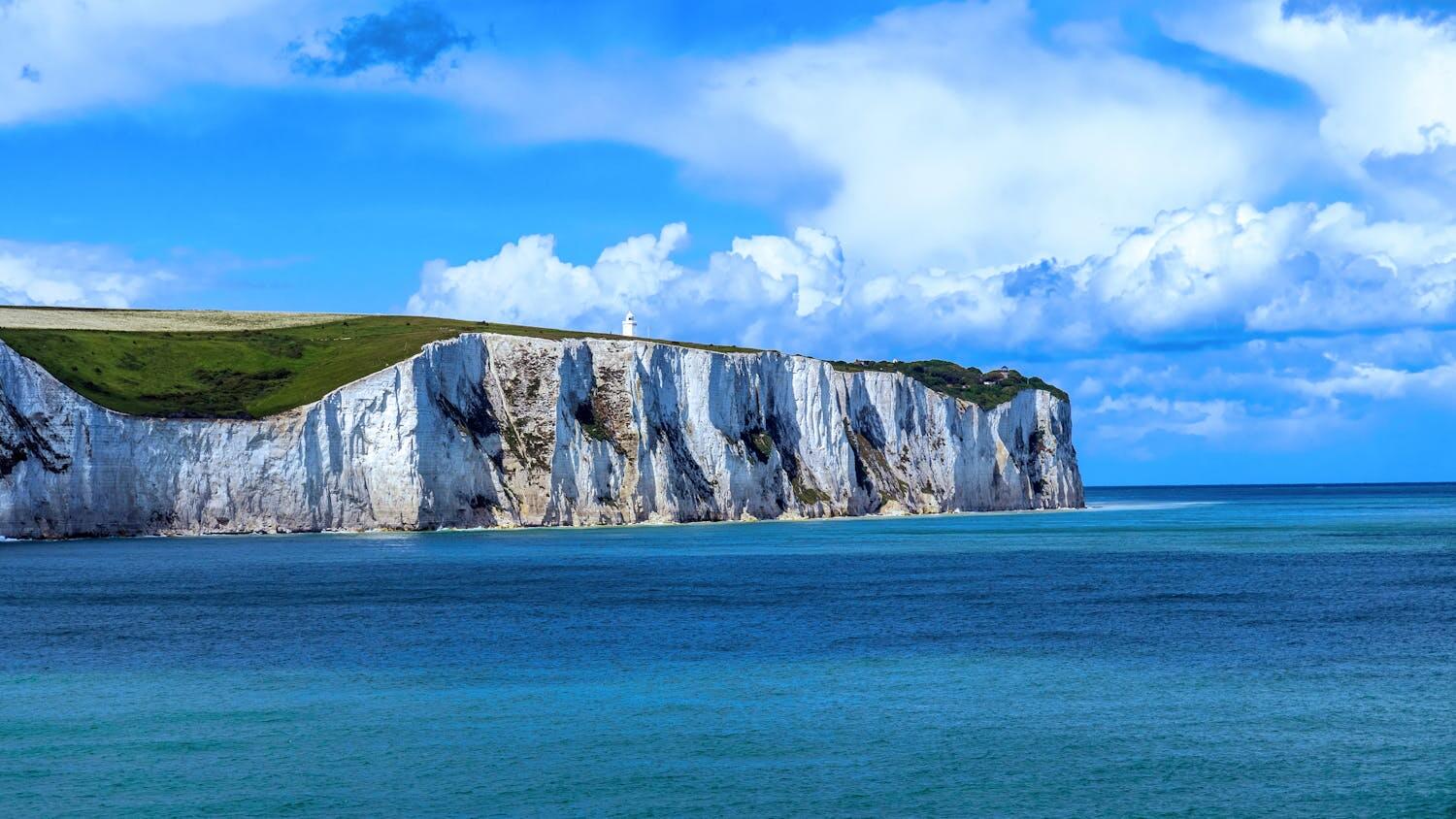
Standing on top of them is genuinely a different experience than seeing them from a ferry or a photo the scale and the drop to the Channel below are more dramatic in person. A National Trust-managed stretch of coastal path runs along the cliff tops, with clear views across to France on a good day. The cliffs of Dover were the symbol of the UK during WWII when the small boats rushed to France to bring back the soldiers.
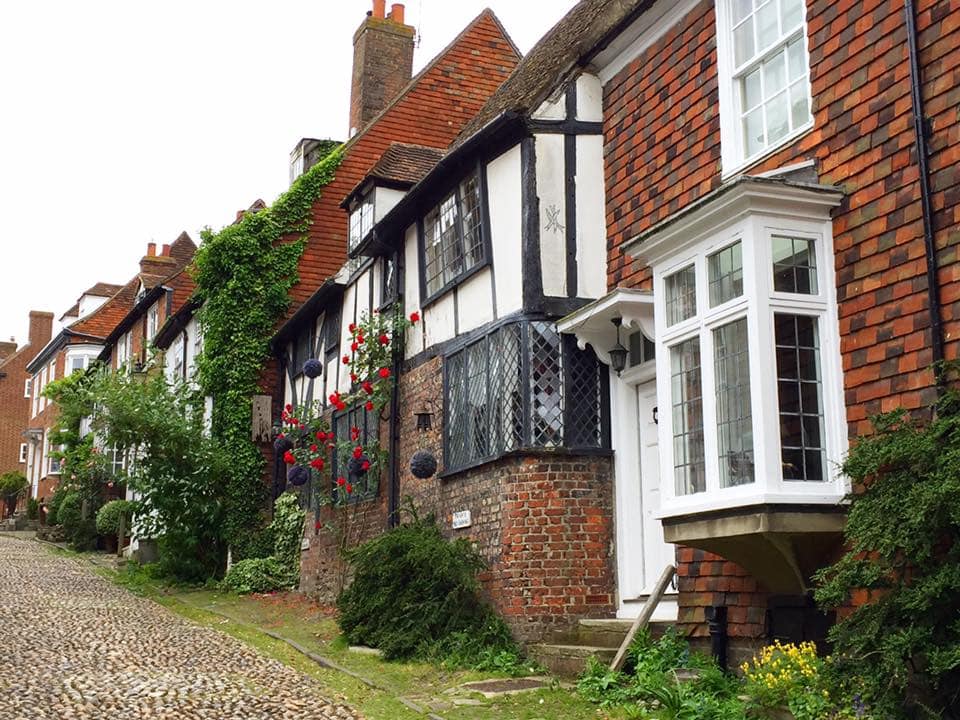
Rye, East Sussex
A small, genuinely well-preserved medieval town on a former island, with cobbled streets, timber-framed buildings, and a proper day’s worth of wandering packed into a compact centre. Worth a full day rather than a rushed stop if you’re already down on the Kent or Sussex coast.
Coastal Escapes
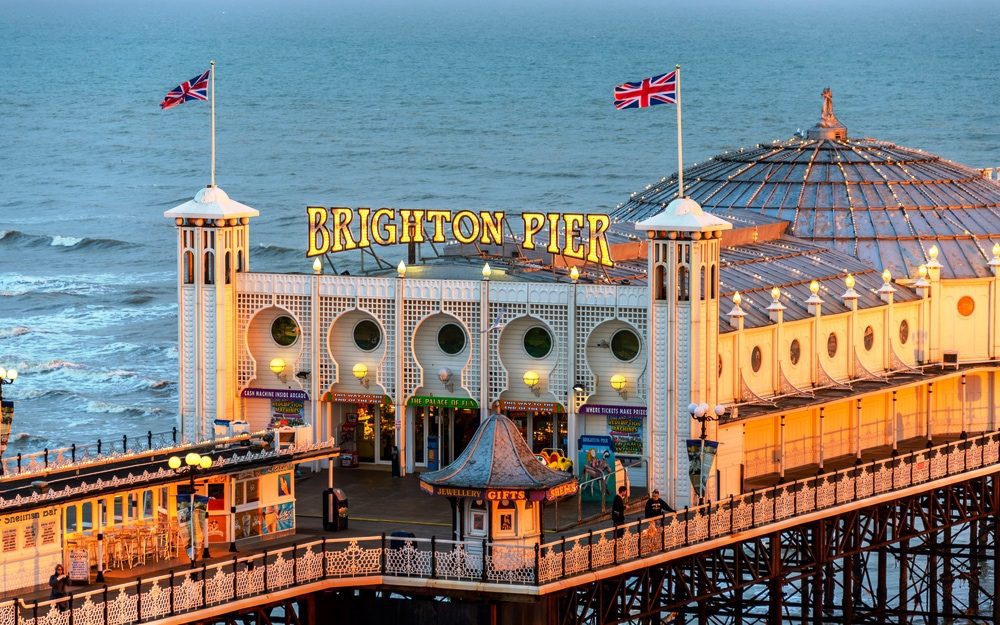
Brighton
A proper weekend destination for Brits is at the seaside rather than a rushed day trip The Lanes for vintage shopping and cafés, the pier for classic seaside fun, and the genuinely unusual Brighton Pavilion, which fuses British, Indian and Chinese architectural styles. We’ve swum here ourselves the pebble beach takes some getting used to, but the water’s genuinely enjoyable on a good day. The South Downs are right nearby for a change of pace if the beach isn’t enough.
South Devon and the English Riviera
Exeter is the gateway, with a cathedral, 14th-century underground passages, and Red Coat walking tours covering the city’s history. From there, Exmouth sits at the end of the Jurassic Coast with genuinely good hiking. The English Riviera itself Torquay, Paignton, Brixham and the smaller village of Babbacombe has a surprisingly palm-tree-lined seaside feel, plus the 800-year-old Torre Abbey and the Kents Cavern caves.

Countryside Getaways from London
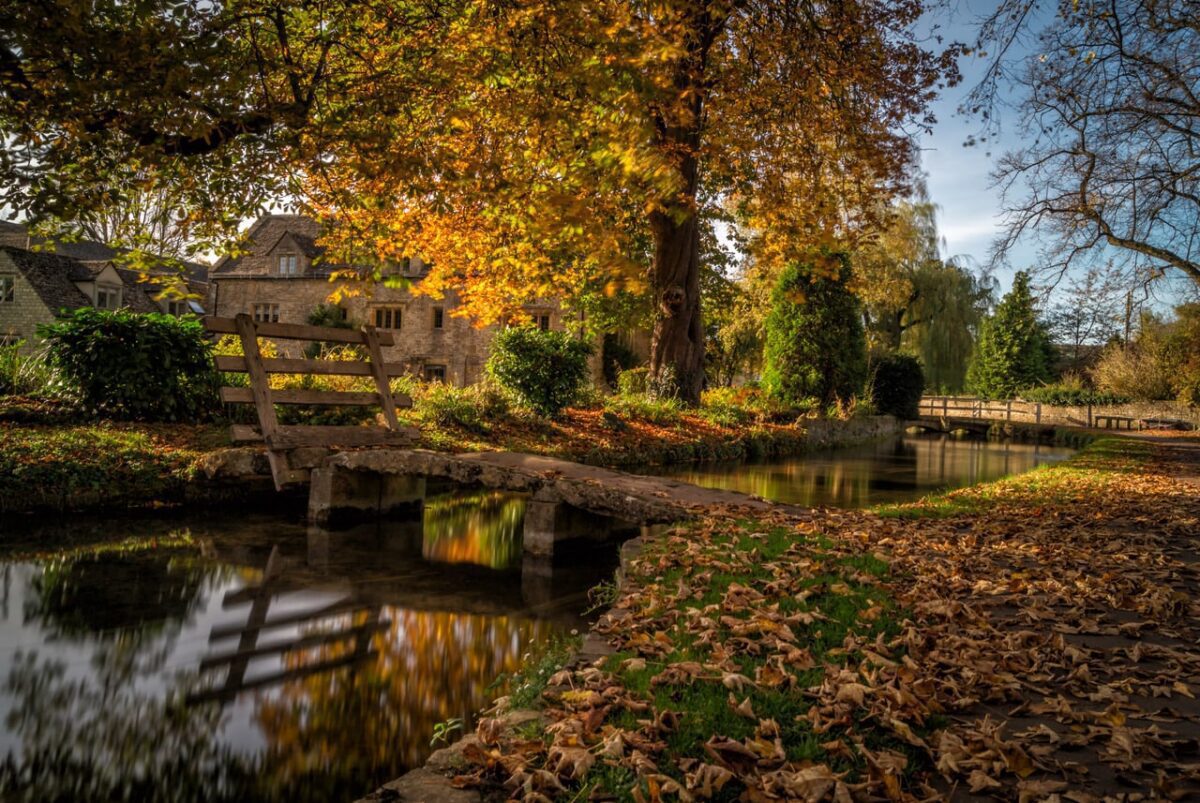
The Cotswolds
Stretches from Bath in the south to Cheltenham in the north and across toward Oxford genuinely one of the best regions for classic English village life, and having toured all over the region ourselves, it lives up to the reputation more consistently than most of England’s other “prettiest villages” claims. Bourton-on-the-Water (the “Venice of the Cotswolds”), Castle Combe (a Downton Abbey filming location), Stow-on-the-Wold (home to one of the UK’s oldest inns, dating to 947 AD), Chipping Campden, and Bibury (once called “the most beautiful village in England”) are the standouts. A car genuinely helps here the Cotswolds villages are small and spread out, and you can realistically see several in a day.

The Chiltern Hills
Chalk hills and chalk figures covering over 660 square miles across four counties, stretching from the Thames at Henley-on-Thames to Woburn Abbey and Hatfield House a good pick if you want countryside without committing to the Cotswolds’ longer drive.

Ancient Sites
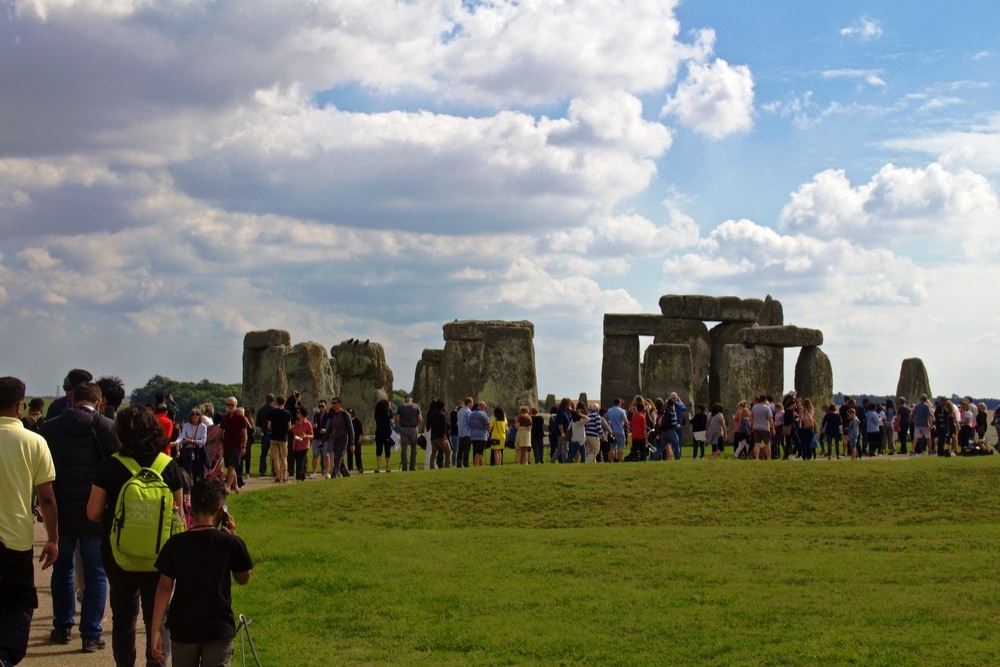
Stonehenge
The most famous prehistoric stone circle in the world, with genuine astronomical significance still being studied. Having visited, the roped-off distance from the stones is a genuine adjustment if you’re expecting to walk among them that’s Avebury, not here. From London, take the train to Salisbury, then the Stonehenge tour bus from there there’s no public bus directly to the site itself. Book ahead, especially for peak season weekend visits.
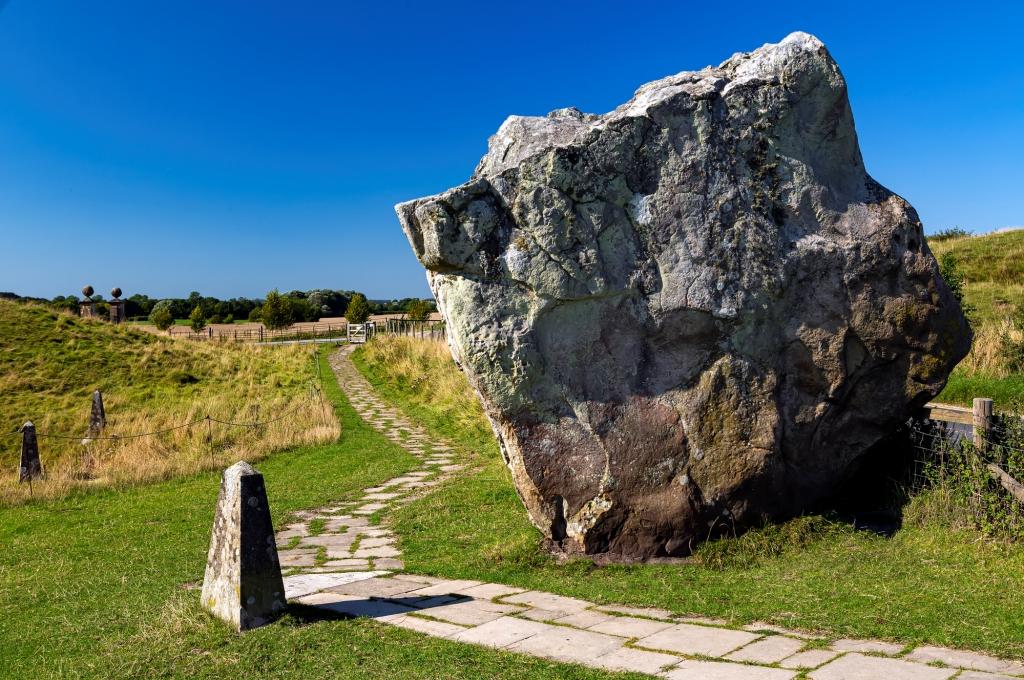
Avebury Stone Circle
Far less visited than Stonehenge despite being a UNESCO World Heritage site in its own right, and genuinely more accessible you can walk right up to and among the stones, unlike Stonehenge’s roped-off circle, and having done both, Avebury is the more immersive experience of the two even if Stonehenge has the bigger reputation. It’s easier by car (around 2–3 hours from London) than by train and bus, which can take closer to 4.
Castles and Stately Homes
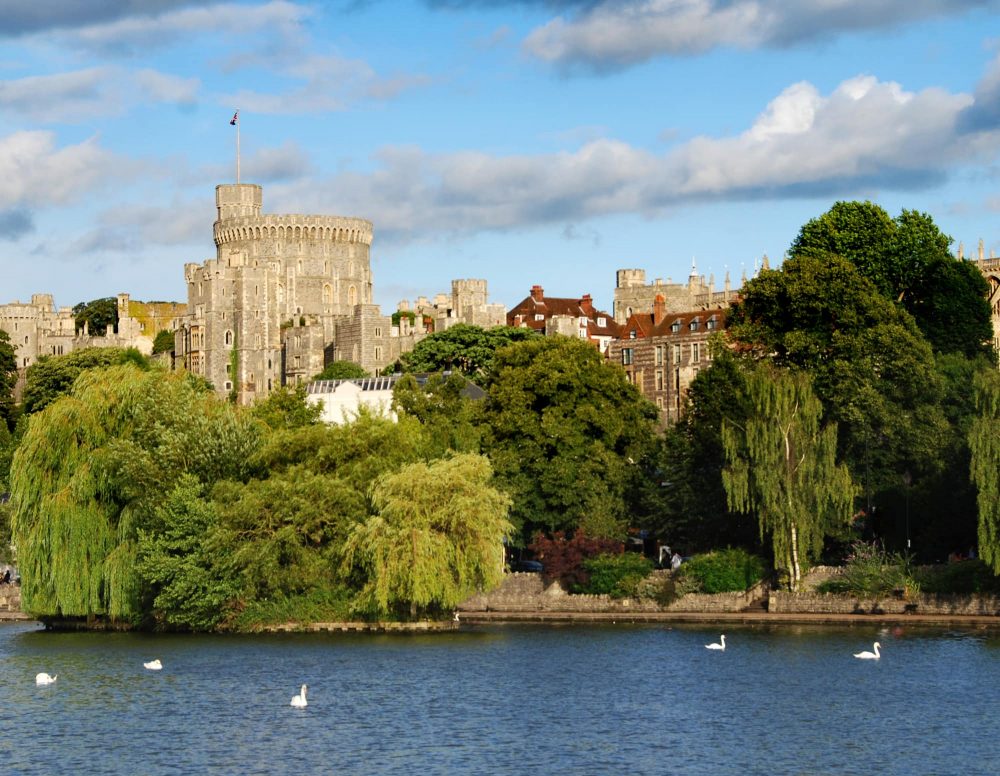
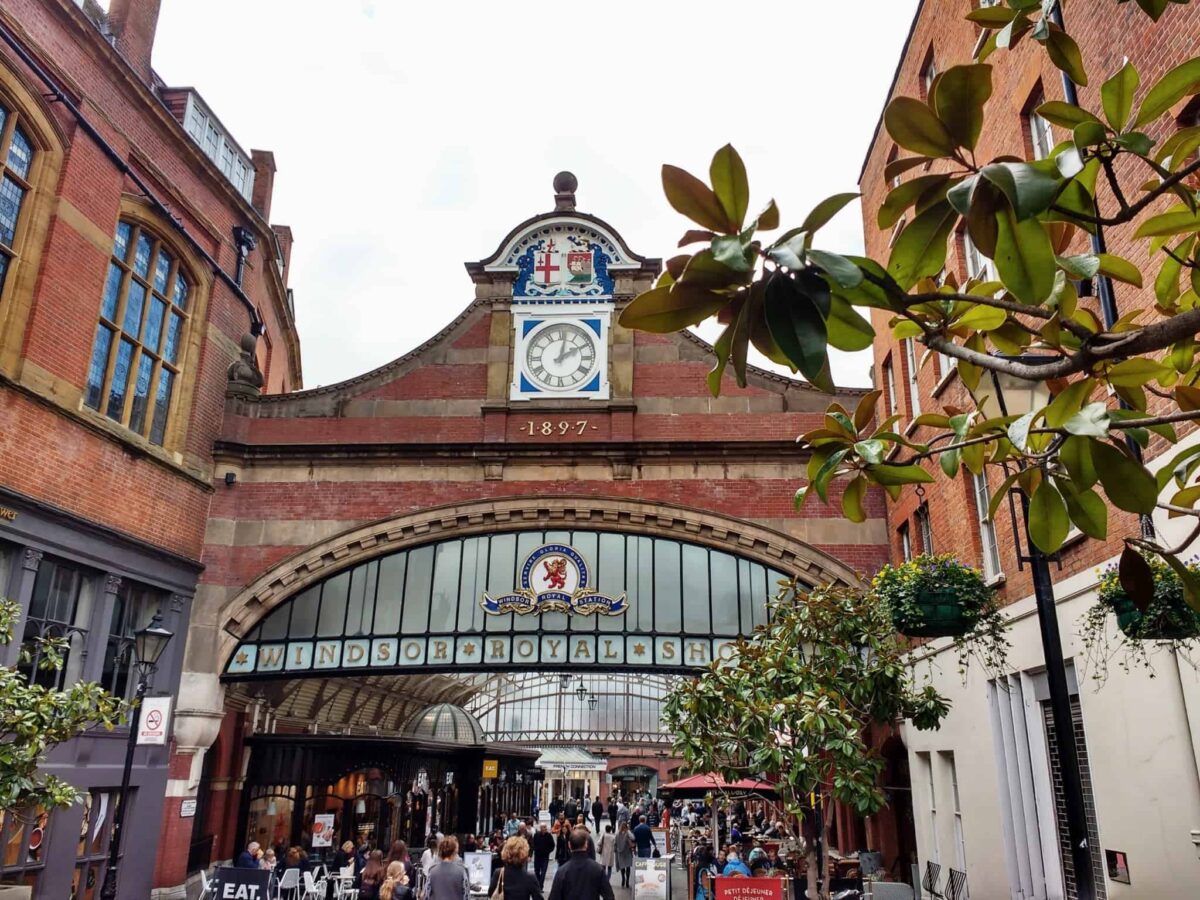
Windsor Castle and Windsor
The oldest and largest occupied castle in the world, home to British royalty for close to a thousand years and the late Queen Elizabeth II’s favourite residence. We housesat in Berkshire for a stretch and made repeat trips into Windsor town and the castle itself during that time it holds up well beyond a single rushed visit. Trains run regularly from Paddington and Waterloo to Windsor & Eton Central, a 10-minute walk from the castle, in under an hour.

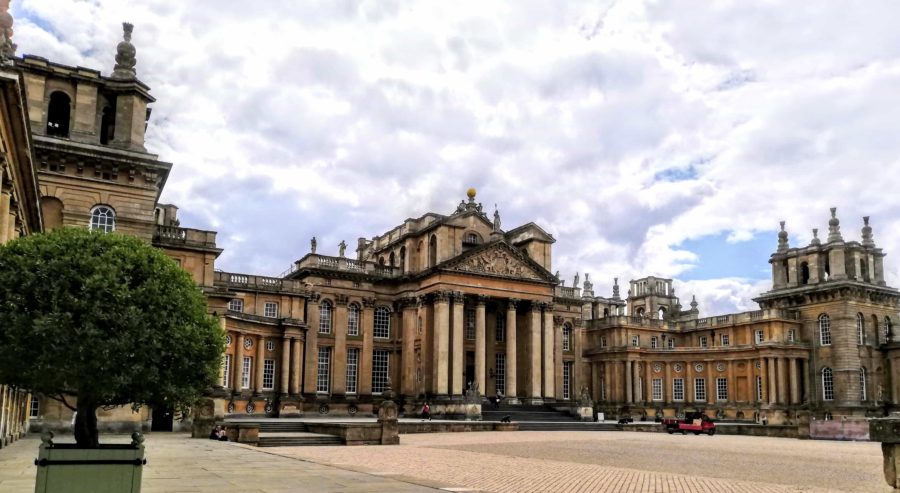
Blenheim Palace
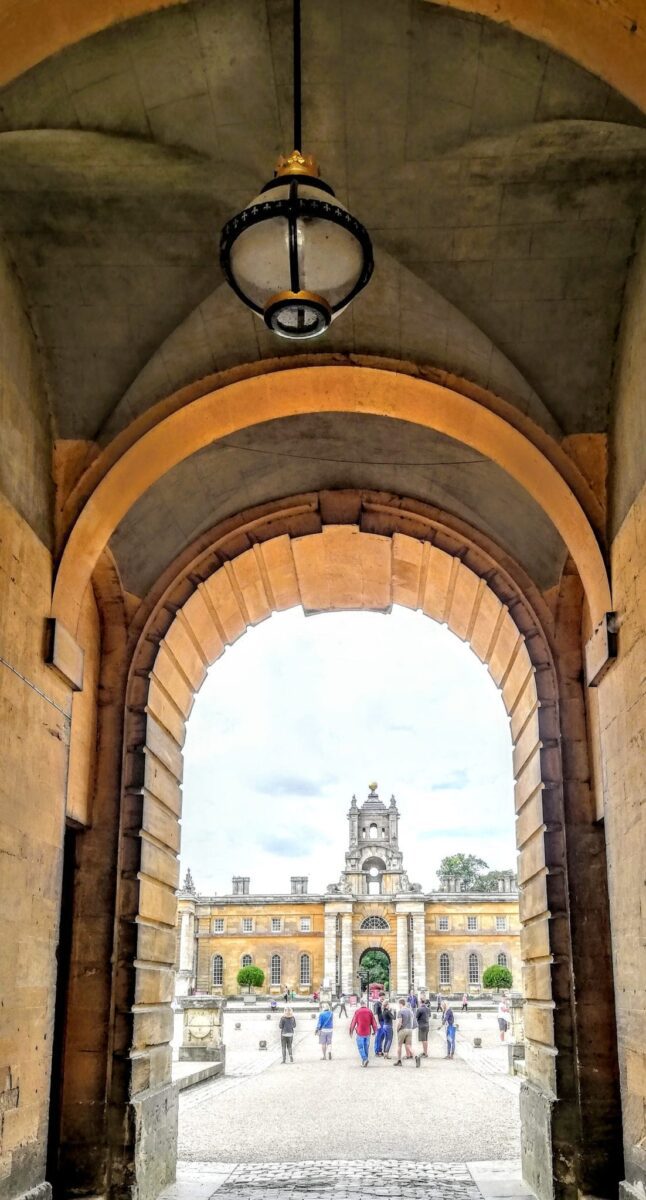
The only non-royal residence in England to hold the title “Palace,” a UNESCO World Heritage site, and the birthplace of Winston Churchill. Located in Woodstock, about 8 miles north of Oxford and 60 miles from London easily combined with an Oxford day trip. Allow a couple of hours for a proper visit; having been, it’s worth every one of them.
Highclere Castle
Better described as a grand country manor house than a castle, built in Jacobethan style with grounds designed by Capability Brown internationally known as the real-life filming location for Downton Abbey. About 45 miles west of central London, near Newbury, which has direct rail links to the capital.


Warwick Castle
Now run by Merlin Entertainments (also behind Madame Tussaud’s), so it leans more theme-park than heritage site jousting shows, a birds of prey display, and interactive exhibits alongside over 1,000 years of genuine history. We housesat in Warwickshire and had the chance to properly explore, including the canal-side pubs scattered through the county a genuinely underrated part of a Warwickshire trip alongside the castle itself. A direct train from Warwick station reaches London Marylebone in about 1 hour 45 minutes.

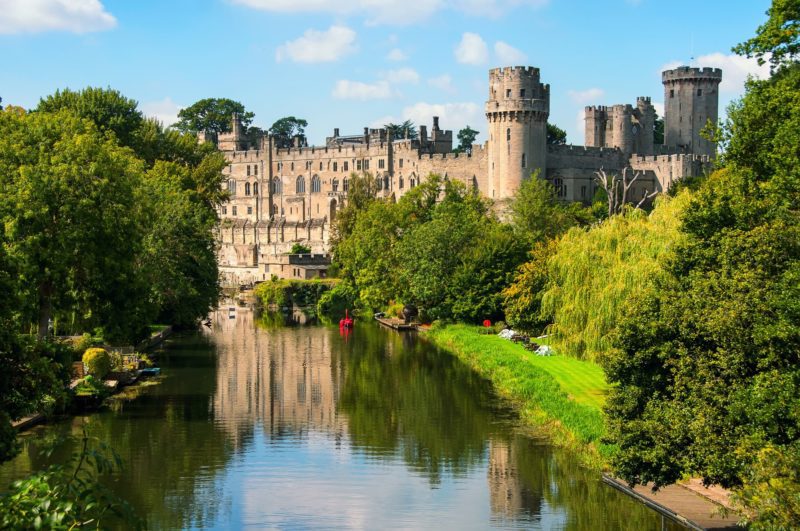
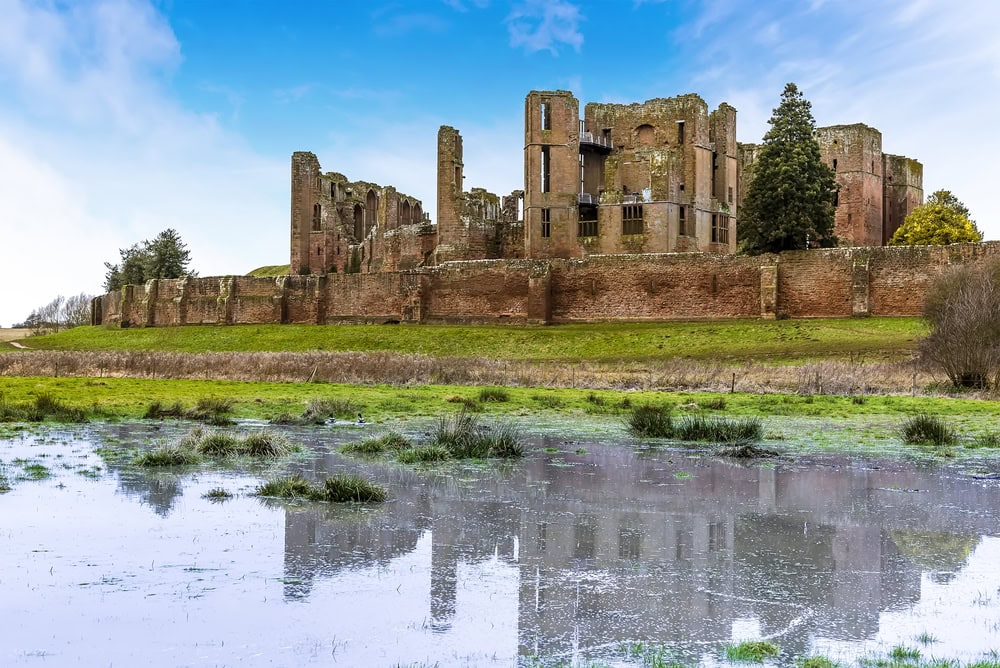
Kenilworth Castle
A quieter, less commercialised alternative to Warwick, in the same Shakespeare Country area near Stratford-upon-Avon, and one we visited along with the surrounding village of Kenilworth during the same Warwickshire stay. The site of the six-month Siege of Kenilworth in 1266 the longest siege in medieval English history and later deliberately ruined by Cromwell’s troops during the Civil War.
Literary and University Towns
Oxford
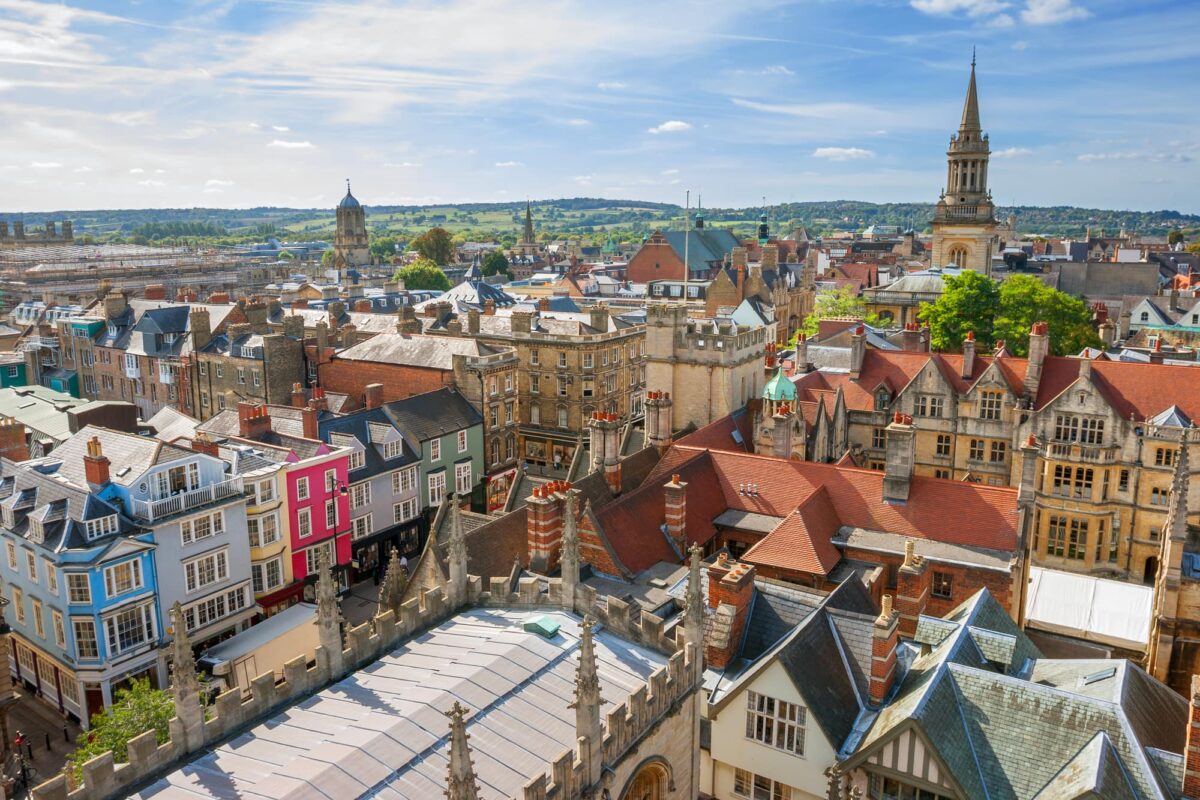
Oxford is a genuine university city where most attractions revolve around the colleges themselves tours, historic libraries like the Radcliffe Camera, and (for Harry Potter fans) several real filming locations. We housesat in Oxfordshire for over six months and made repeat trips into Oxford itself during that time, which is a very different experience from a single day trip there’s a full standalone guide to Oxford on the site with everything that stay turned up. Beyond the university, Oxford Castle and a genuinely good range of historic pubs round out a visit.
Cambridge
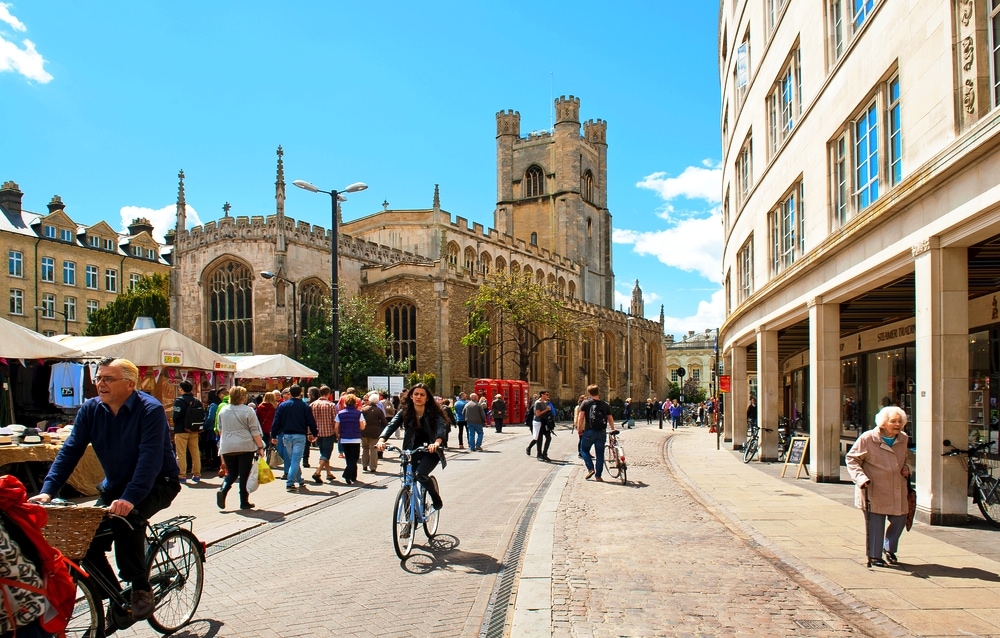
Oxford’s great rival, and worth its own trip rather than treating the two as interchangeable the punting on the River Cam is a genuine highlight, gliding past the famous “Backs” behind King’s College, Trinity and St John’s. We’ve punted there ourselves, and it’s one of the more purely enjoyable single afternoons on this whole list. King’s College Chapel is the standout building, and the compact centre makes it an easy one-day trip from London by train.
Stratford-upon-Avon
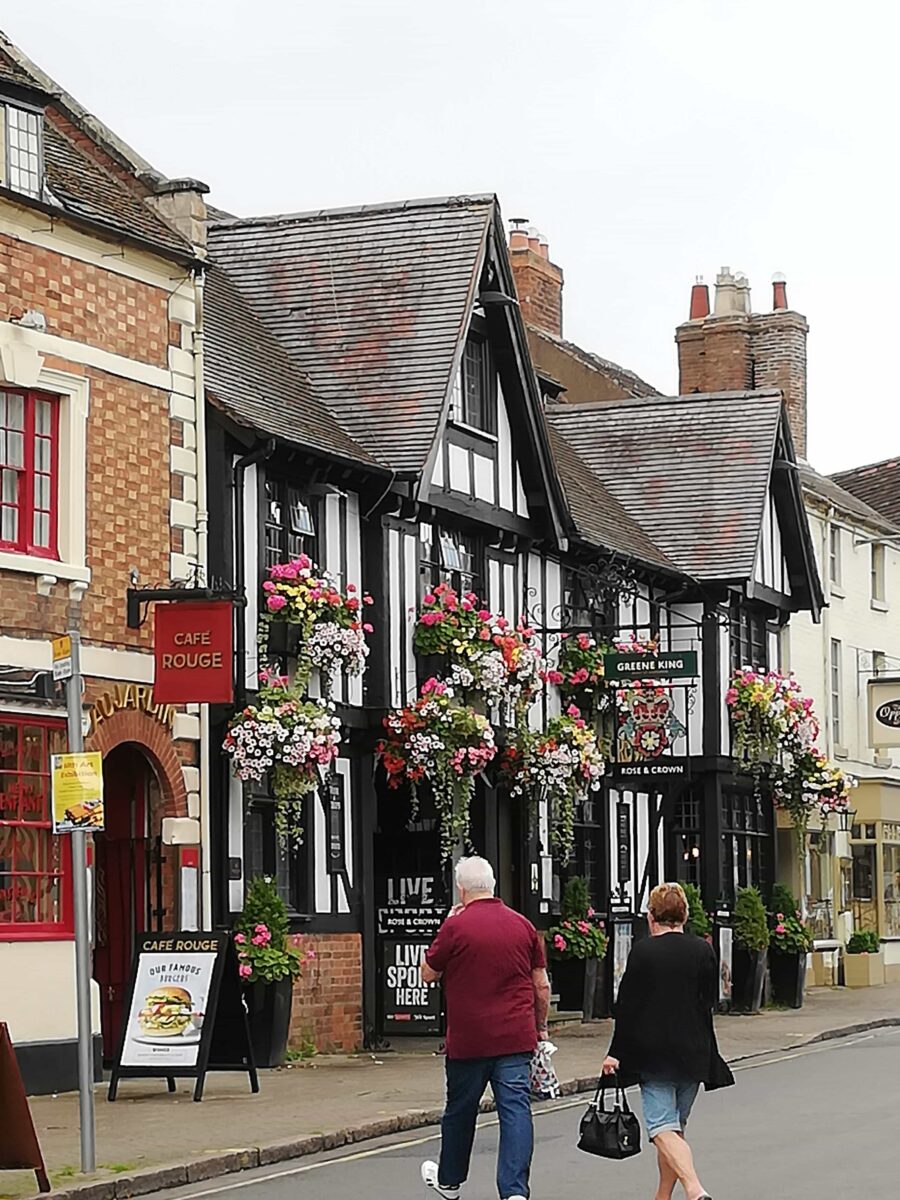
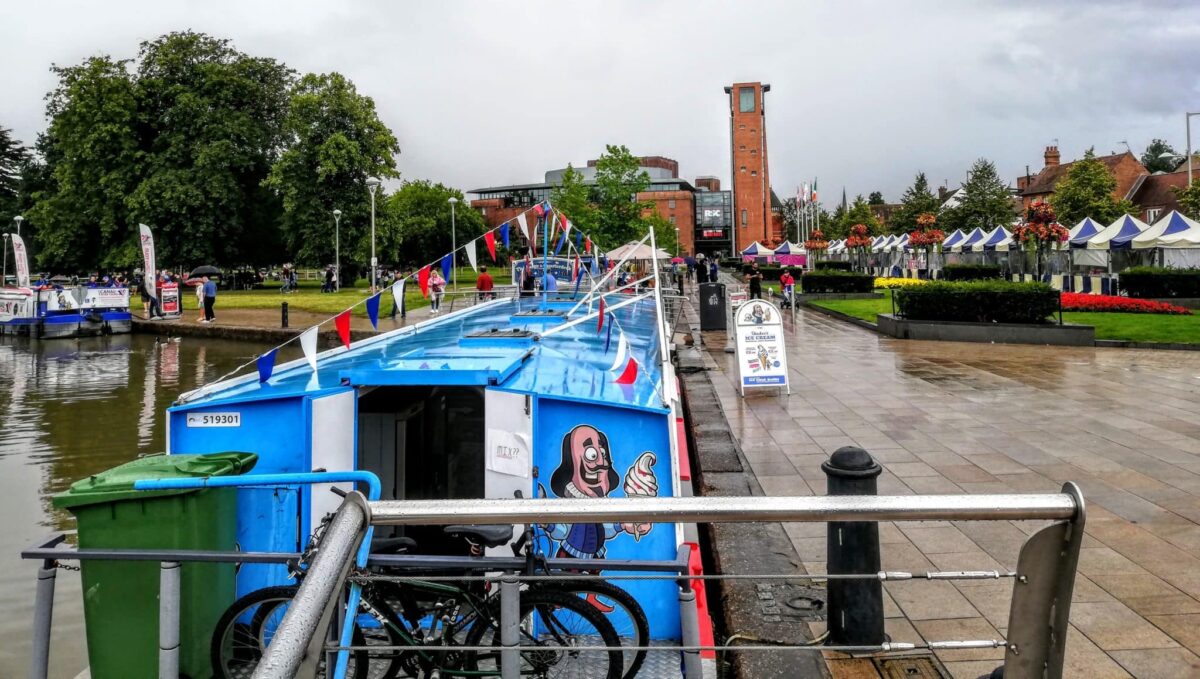
Shakespeare’s birthplace, and the gateway to the Cotswolds, about 2.5 hours from London with direct trains to Marylebone. We spent days properly exploring it during the same Warwickshire stay that took in Warwick and Kenilworth worth more time than the typical day-trip treatment it gets. Beyond the Shakespeare sites (his birthplace, Anne Hathaway’s Cottage), you can take a boat down the Avon, catch a play at the Royal Shakespeare Company, or grab fish and chips at Barnaby’s, where Gordon Ramsay once worked. Parking in the town centre is genuinely difficult the train is the easier option.
Wales: Castles and Mountains
Wales stretches the definition of a London getaway slightly further than the rest of this list, but it’s genuinely doable and worth the extra distance.
Cardiff Castle
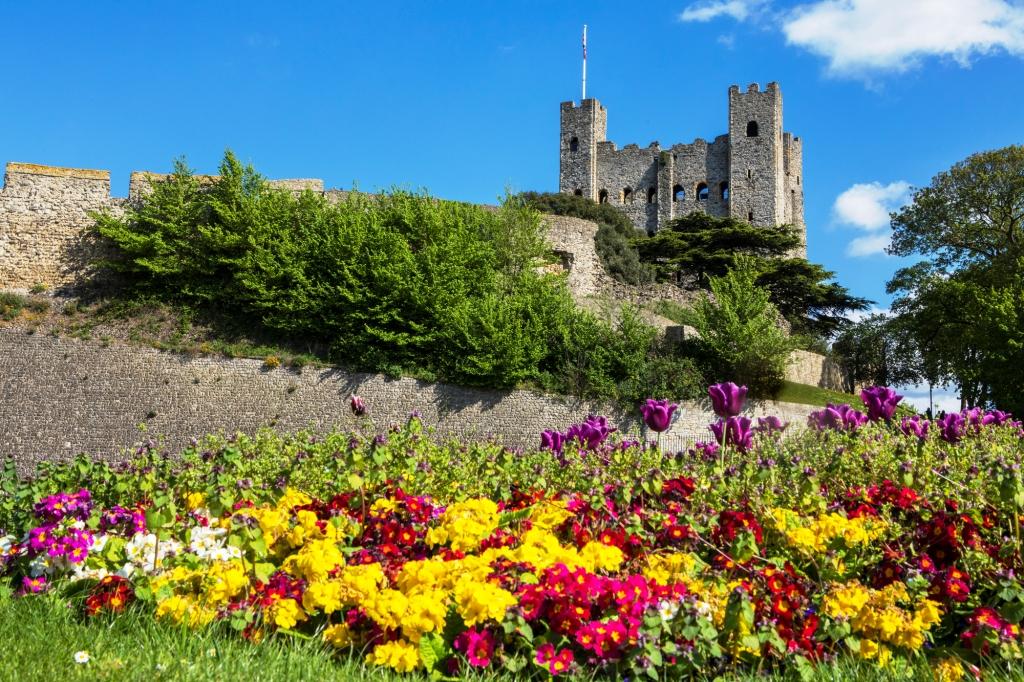
A genuinely layered site a Roman fort, a Norman motte-and-bailey castle, and a Victorian Gothic Revival mansion built on top of each other across nearly 2,000 years. This Castle is one of Wales finest. We toured it ourselves, and the Victorian interiors (added by the 3rd Marquess of Bute) are a real surprise if you’re expecting a purely medieval experience. Direct trains run from London Paddington to Cardiff in around 2 hours.

Snowdonia
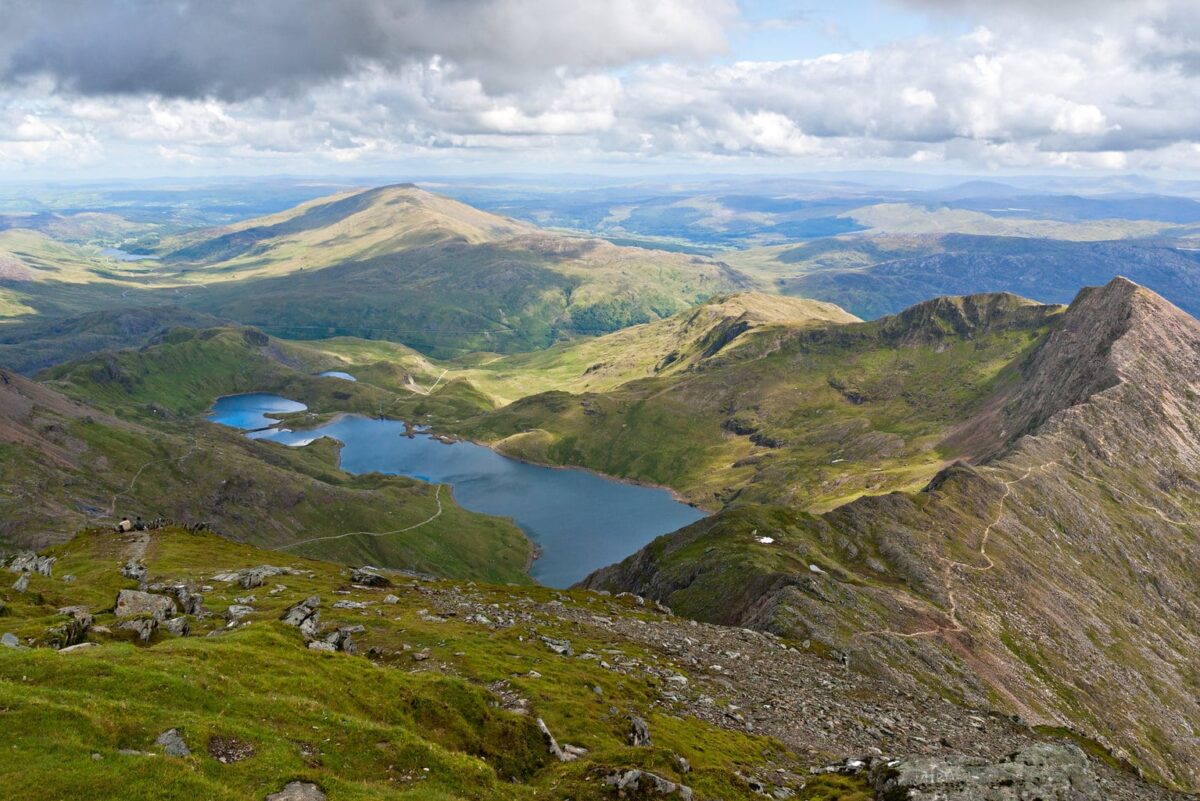
A proper mountain landscape rather than a day-trip add-on worth building a full weekend around rather than squeezing in alongside Cardiff. We’ve toured the region and the scale of it genuinely doesn’t come through in photos; Mount Snowdon itself (Yr Wyddfa) is climbable on foot or via the Snowdon Mountain Railway if you’d rather not hike the whole way. Realistically a car or a longer train-plus-bus combination is needed to reach it from London this is more of a 3-4 hour journey than the quick 2-hour hops elsewhere on this list.

Where Should You Base Yourself?
A few of these pair naturally as a single trip rather than separate weekends:
Bath, Bristol and the Cotswolds
Base in Bath or Bristol and use either as a launchpad into the southern Cotswolds villages, or base directly in a Cotswolds village like Stow-on-the-Wold if you don’t need a bigger city’s amenities.

Oxford, Blenheim Palace and Stratford-upon-Avon
These three sit close enough together that a car (or a well-planned train route) lets you cover all three in a long weekend rather than three separate trips
Windsor, Stonehenge and Bath
A genuinely popular combined route, and one that works well by organised day tour if you’d rather not manage three separate train connections yourself.

Canterbury and the Kent coast
Base in Canterbury itself and treat Whitstable, Margate, Herne Bay, Dover and Rye as half-day or full-day add-ons rather than separate bases Dover and Rye are a bit further out but still workable from a Canterbury base.
Cambridge as its own trip, not an Oxford substitute.
Despite the obvious comparison, treat these as two separate trips rather than picking one they’re different enough in character (and far enough apart) that combining them into a single weekend means rushing both.
Cardiff and Snowdonia together, if you have the time.
These pair naturally as a longer Wales trip rather than separate visits Cardiff for the castle and city, Snowdonia for the mountains, ideally as a 3-4 day trip rather than a single weekend given the travel time involved.
Is This List Accessible for Travellers With Mobility Challenges?
It varies a lot by destination, given the mix of modern cities, medieval towns and genuine ancient ruins on this list.
What’s manageable?
Windsor Castle, Blenheim Palace and Warwick Castle all have paved paths and reasonable step-free routes through their main visitor areas, though upper floors and towers in the historic buildings themselves are often stairs-only. Bath, York and Oxford’s city centres are largely flat and walkable.
What’s genuinely difficult?
Stonehenge’s stone circle is viewed from a roped-off path rather than walked through for general admission, which actually helps accessibility, but the site itself involves a shuttle bus or a walk across open, uneven field from the visitor centre. Avebury, by contrast, has stones set directly among village streets and fields with no formal accessible path. The Cotswolds villages have narrow, sometimes cobbled streets that vary significantly from village to village.
Where to check before you go.
English Heritage (Stonehenge), the Royal Collection Trust (Windsor), and each individual castle or palace’s own website all publish specific accessibility information worth checking the exact site rather than assuming based on this general guide, since access routes and facilities do change.

FAQs About Weekend Getaways from London
What is the closest weekend getaway to London?
Bath and Windsor are both under an hour and a half by train, making them the easiest options if you want a genuine weekend away without a long travel day eating into it.
How much does it cost to visit Warwick Castle?
£25.38 for a one-day ticket booked online during the summer VAT-reduced pricing period book in advance rather than paying on the day, since walk-up prices run higher.
How much does it cost to visit Windsor Castle?
£32 per adult booked in advance, or £36 on the day. Combo tickets with Stonehenge or Bath can work out cheaper than booking each attraction separately if you’re planning to see more than one.
How much does it cost to visit Stonehenge?
£27.03 for an adult on weekdays during peak season (2 May–27 September 2026), rising to £29.32 on weekends and public holidays. English Heritage sets these prices directly and they’re subject to change by season.
Do you need a car for a weekend getaway from London?
Not for most of these cities like Bath, York, Oxford, Brighton and Canterbury are all easy by train. A car genuinely helps for the Cotswolds villages, Avebury, and the Chiltern Hills, where public transport between smaller villages is limited.
Which weekend getaway from London is best for castles?
Windsor Castle for the grandest, most historically significant option; Warwick Castle if you want a more interactive, family-oriented day out; and Highclere Castle specifically for Downton Abbey fans.
Is Cambridge or Oxford better for a day trip from London?
They’re different enough that it’s worth treating as two separate trips rather than choosing one Cambridge’s punting on the River Cam past the historic “Backs” is a genuine highlight in its own right, distinct from Oxford’s college-and-library-focused visit.
Is Wales too far for a London getaway?
Cardiff is very manageable around 2 hours by direct train from Paddington. Snowdonia is a bigger commitment, realistically 3-4 hours each way, and works better as a proper week
end or longer trip than a quick add-on.