
2 Days in London: The Ultimate 48-Hour Itinerary (With Map)
| Quick answer Day 1: Big Ben and Parliament → Westminster Abbey → Buckingham Palace (Changing of the Guard) → Trafalgar Square and the National Gallery → Covent Garden → the London Eye at sunset. Day 2: Tower of London at opening → Tower Bridge → lunch at Borough Market → Tate Modern and the Globe → Millennium Bridge to St Paul’s Cathedral → sunset at the free Sky Garden. Pay with contactless (capped at £8.90 a day in Zones 1–2), book the Tower, Abbey and Sky Garden ahead, and wear comfortable shoes: this route is roughly 8–10 km of walking a day. |
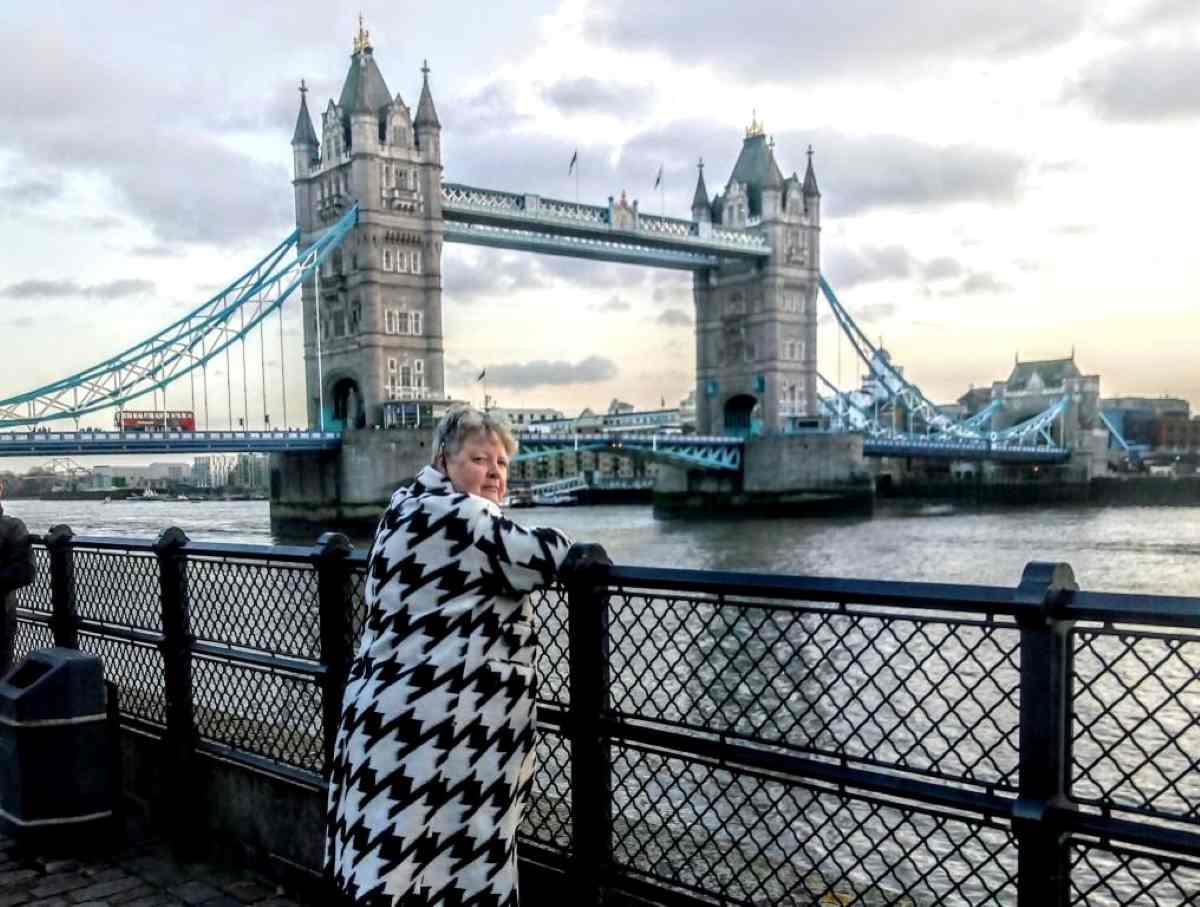
I lived in London for 10 years, in South London near the Oval, working in an office behind Waterloo Station and shopping at East Street Market. I’ve come back again and again since as a house sitter, and the question I get asked most by friends and readers is always the same: what should I do with only 2 days in London? This is the route I give them. It is built around two walkable areas so you spend your time looking at London, not staring at the inside of a Tube carriage.
I am also a mobility-challenged traveller, so I have flagged the stairs, cobbles and long walks along the way, and suggested easier alternatives where they exist. You can also take a look at my accessible London article.
- 2 Days in London: The Ultimate 48-Hour Itinerary (With Map)
- 2 Days in London at a glance
- Map of Your 2-Day London Itinerary
- Is 2 Days Enough in London?
- Before You Go: Planning Your 48 Hours
- Day 1: Westminster, Royal London and the West End
- Day 2: The Tower, Bankside and the City of London
- Swap-In Days: Museums, Shopping and Foodie London
- A Local's London: My South London Favourites
- 2 Days in London with Kids
- Rainy Day Plan
- Have a Third Day? Day Trips from London
- Accessible London: Tips for Limited Mobility
- How Much Do 2 Days in London Cost?
- 2 Days in London: FAQs
- Final Thoughts

2 Days in London at a glance
| At a glance | Details |
| Is 2 days enough? | Enough for the highlights, if you plan by area |
| Best base | South Bank, Westminster, Covent Garden, Bloomsbury or Tower Hill |
| Getting around | Walk + contactless; Zones 1–2 daily cap £8.90, buses £1.75 |
| Must-book sights | Tower of London, Westminster Abbey, London Eye, Sky Garden (free) |
| Changing of the Guard | 11am Mon, Wed, Fri and Sun at Buckingham Palace |
| Big paid sights 2026 | Tower £37 · Abbey £31 · St Paul’s £27 · London Eye from ~£29 |
| Top free sights | National Gallery, British Museum, Tate Modern, V&A, royal parks |
| New for 2026 | Bayeux Tapestry at the British Museum; traffic-free Oxford Street; new London Museum (opens 28 Nov) |
| Daily walking | Roughly 8–10 km; easier options flagged below |
| Entry | Most non-UK/Irish visitors need a UK ETA (£20) before travelling |
| Best months | May, June, September; December for Christmas lights |
Map of Your 2-Day London Itinerary
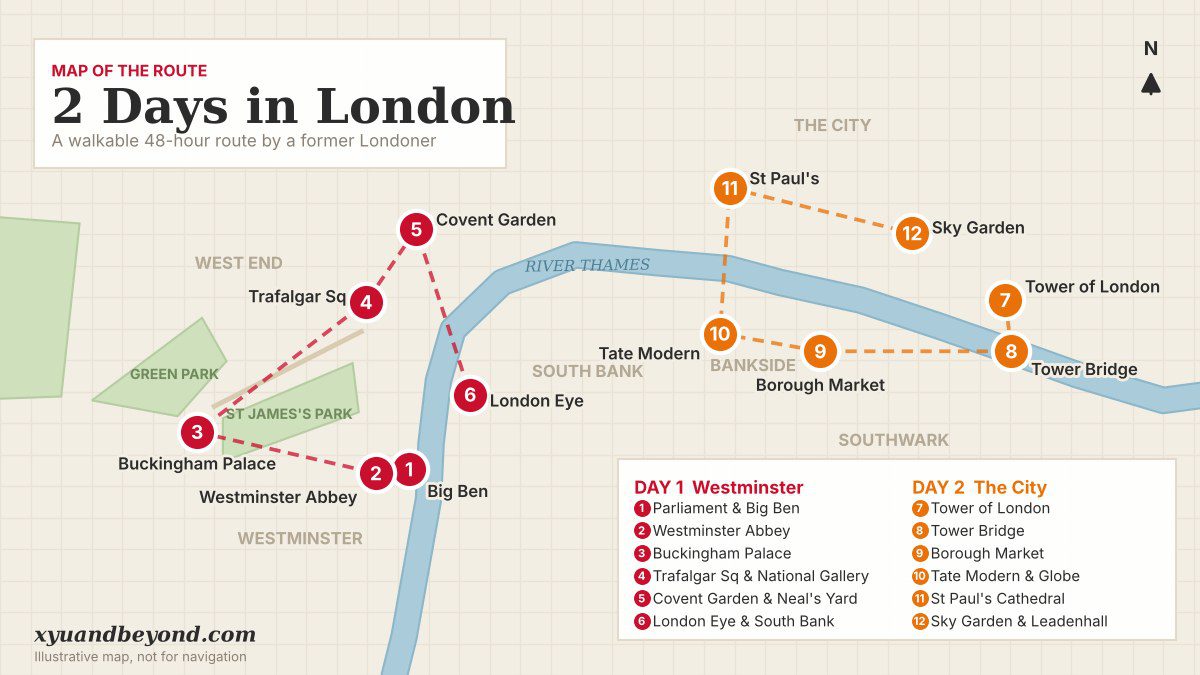
● Day 1: Westminster & the West End ● Day 2: Tower, Bankside & the City ● Teal: swap-in stops
Tap the icon at the top left of the map to open the full list of stops. Open the map in Google Maps on your phone
Red pins are Day 1 (Westminster and the West End); teal pins are Day 2 (the Tower, Bankside and the City). Tap the interactive map below to open the stops in Google Maps on your phone.
Is 2 Days Enough in London?
Honestly? No city this size can be done in a weekend, and I never became jaded about London in a decade of living there. But two days is plenty to see the icons and get a feel for the place, as long as you do not criss-cross the city. The mistake I see most often is a Day 1 that starts in Piccadilly, shoots east to the Tower, then back west to Westminster. That is an hour of travel you will never get back.
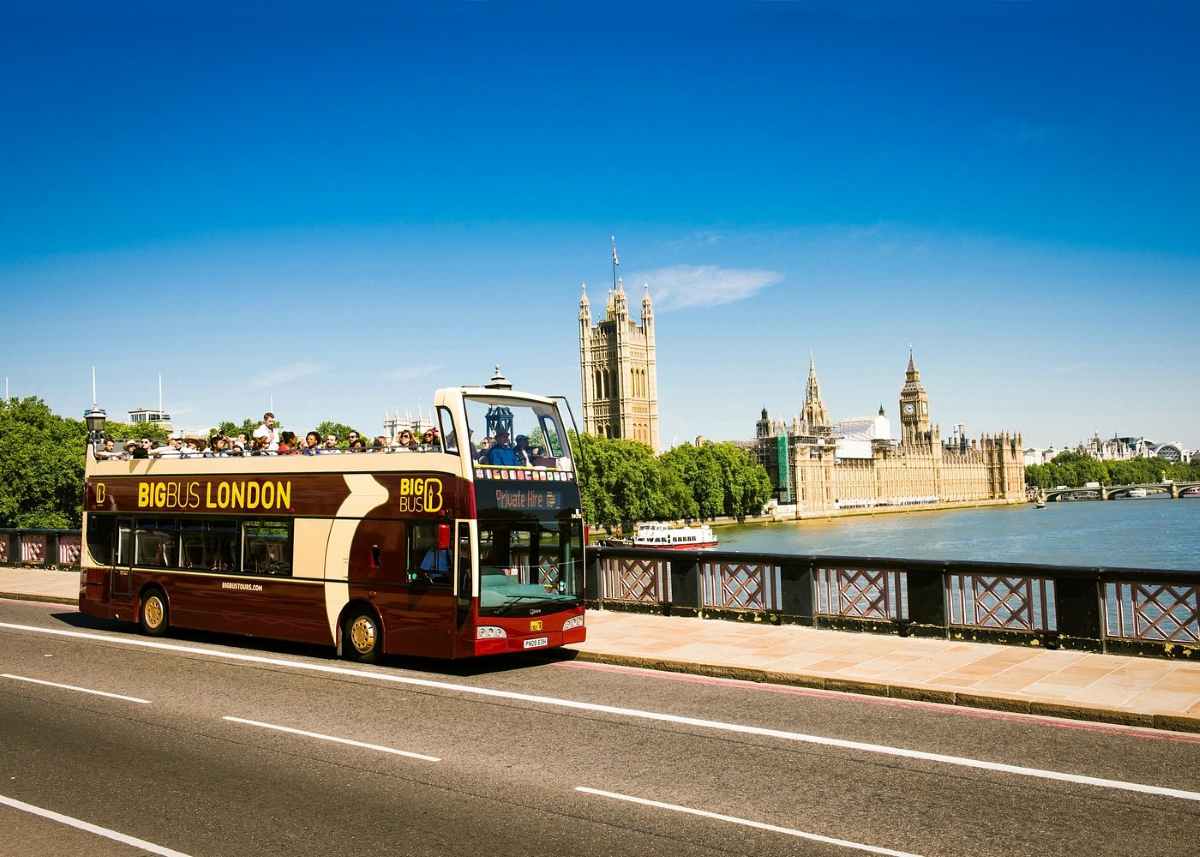
This itinerary groups the sights into two loops along the Thames. If it is your first visit and you would rather see the layout before you commit, a hop-on hop-off bus on the morning of Day 1 is a good orientation (it is included in the London Pass). Then come back. London is addictive.
Before You Go: Planning Your 48 Hours
How to get around London
The Tube looks complicated but it is easy to use, and you do not need to buy a ticket. I used my Canadian debit card on every bus and Tube in London, and any contactless bank card or phone wallet works the same way.
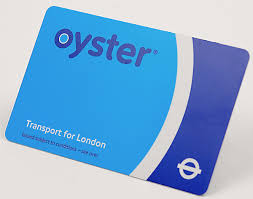
- Contactless or Oyster: both pay the same fares. Tap in and out on the Tube; on buses, tap in only.
- Daily cap: in 2026 you never pay more than £8.90 a day for Zones 1–2, however many trips you take. Use the same card or phone all day or the cap won’t apply.
- Buses: a flat £1.75, with free transfers within one hour (the Hopper fare). The top deck of a number 11 or 15 is a cheap sightseeing tour.
- Walk the short hops: many central stations are only a few minutes apart. Leicester Square to Covent Garden is quicker on foot.
- River buses: Uber Boat by Thames Clippers runs from Westminster to Tower and Greenwich and is a great way to see the skyline. It is not part of the daily cap.

Entry requirements: the UK ETA
Since 25 February 2026, most visitors who don’t need a visa, including Americans, Canadians, Australians and EU citizens, must have a UK Electronic Travel Authorisation (ETA) before they travel. It costs £20 (it rose from £16 on 8 April 2026), you apply online or through the UK ETA app, and it lasts two years or until your passport expires. British and Irish citizens don’t need one. Apply as soon as your trip is booked.

Best time to visit London
- May, June and September: long days, milder weather and smaller crowds than high summer. My favourite months.
- July and August: busiest and priciest, but the only time Buckingham Palace’s State Rooms open.
- December: Christmas markets, lights and ice rinks, but it is dark by about 4pm, so start early and save the Sky Garden for mid-afternoon.
- Check the day of the week: St Paul’s is closed to sightseers on Sundays, Westminster Abbey is open for worship only on Sundays, and the Changing of the Guard is on Mondays, Wednesdays, Fridays and Sundays. Plan Day 1 for a guard day.


What to pack and good-to-know practicalities
- Comfortable, waterproof shoes: you’ll walk 8–10 km a day, often on wet pavements.
- A compact umbrella or rain jacket: whatever the forecast says.
- A cross-body bag: pickpockets work the crowds at Westminster, Covent Garden and Oxford Street.
- A UK plug adapter (Type G) and a power bank: you’ll use your phone for maps, tickets and contactless all day.
- Cards over cash: London is almost cashless; many places don’t take cash at all.
- Tap water is safe to drink: bring a refillable bottle, but remember the National Gallery doesn’t allow liquids inside.
Getting to London from the airports
- Heathrow: the Elizabeth line is fast and step-free; the Piccadilly line is cheaper but slower.
- Gatwick: Gatwick Express or Southern/Thameslink trains into central London.
- Stansted and Luton: the Stansted Express to Liverpool Street; Luton Airport Express to St Pancras.
- Eurostar: arrives at St Pancras International, ten minutes by Tube from the West End.

Is the London Pass worth it for 2 days?
I recommend booking tickets online before you arrive so you don’t waste your 2 days in London queuing. Whether the London Pass is worth it depends entirely on how many paid sights you will really get to. Here is the 2026 maths:
| Attraction | Adult price 2026 | In the London Pass? |
| Tower of London | £37 | Yes |
| Westminster Abbey | £31 | Yes |
| St Paul’s Cathedral | £27 | Yes |
| London Eye | From ~£29 online | London Pass Plus only |
| Tower Bridge Exhibition | Around £12 | Yes |
| Total for the big four | ~£124 | |
| 2-day London Pass | Around £139–£149 (often discounted) |
My take: if you will genuinely do four or five paid attractions plus the hop-on hop-off bus or a river cruise, the pass saves money. If you are happy to photograph the outside of places and spend your time in the free museums, which is what I usually suggest for a short stay, buy single tickets instead.

What to book before you go
Tower of London: timed tickets; July and August slots can sell out days ahead.
Westminster Abbey: timed tickets. Buy on the Abbey’s website and you can upgrade to an annual pass for free.
Sky Garden: free, but tickets are released on Monday mornings for three weeks ahead and sunset slots go fast.
Bayeux Tapestry at the British Museum: £25–£33. September–December 2026 dates have sold out; January–March 2027 tickets went on sale on 21 October 2026.
A West End show: if you want an evening at the theatre on Day 1.

Where to stay for 2 days in London
Deciding where to stay is a big decision because London is huge. For a short trip, stay central so you can walk to most of the itinerary. Book well ahead in summer and December.
- South Bank / Westminster: right on top of Day 1, with river views.
- Covent Garden and Soho: best for theatres, restaurants and nightlife.
- Bloomsbury: quieter, good value, and next to the British Museum.
- Tower Hill and the City: business hotels that drop their prices at weekends, perfect for a weekend in London and right beside Day 2.
- Budget: London’s best hostels are seriously budget-friendly and a good way to meet other travellers.
TIP: I often check out Groupon or Wowcher in the location I am planning to stay in you can often get a great deal on a hotel room in a lesser known area of London.

Day 1: Westminster, Royal London and the West End
| Day 1 at a glance 8:00 full English breakfast → 8:45 Houses of Parliament and Big Ben → 9:30 Westminster Abbey → 10:45 St James’s Park to Buckingham Palace (Changing of the Guard at 11:00) → 12:30 The Mall to Trafalgar Square and the National Gallery → 14:00 lunch in Chinatown → 15:00 Covent Garden and Neal’s Yard → 17:00 the London Eye → evening on the South Bank or a West End show. Walking: about 8 km. Nearest Tube to start: Westminster. |
Breakfast: a proper full English
Fuel up first. Skip the hotel buffet and look for a small family-run café on a back street. Ours was Fernando, a small, real English caff on a back street in Covent Garden, where we had a proper full English: bacon, sausage, eggs, beans, mushrooms, tomato, toast and a mug of builder’s tea. Every neighbourhood has one; look for steamed-up windows and a menu board outside. Read more about the traditional British foods worth trying.
| Honest warning: where I wouldn’t eat again Not every London meal is a good one, and I’d rather tell you than let you waste a precious morning. On my last trip to London in 2025, I had a terrible breakfast at 108 Brasserie in Marylebone. And at the Sawyers Arms, a pub near the Shakespeare Hotel in Paddington, the service was dreadful and the food was terrible. The lesson: pubs and brasseries next to big hotels and stations often coast on passing trade. Check recent reviews, or walk a few streets away to somewhere the locals use. |

1. Houses of Parliament and Big Ben
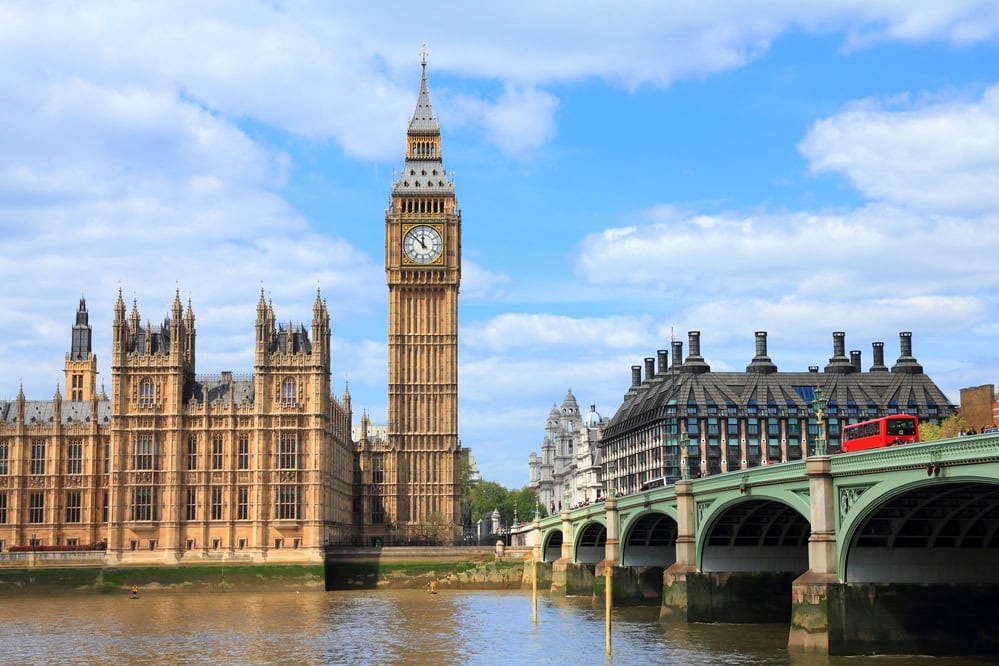
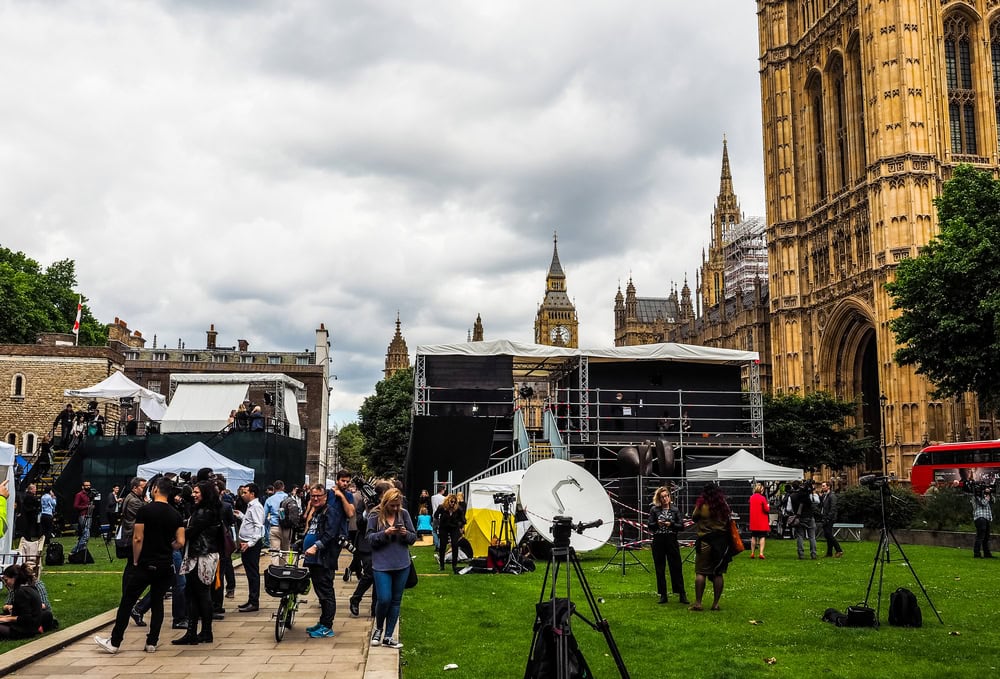
Start early at Westminster, before the tour groups arrive. Everybody has to get photos of the Houses of Parliament and Big Ben, and the classic shot is from the middle of Westminster Bridge.
A quick bit of pub-quiz knowledge: Big Ben is the name of the great bell, not the tower. The tower is officially the Elizabeth Tower, renamed for Queen Elizabeth II’s Diamond Jubilee in 2012. The clock fell silent from 2017 to 2022 while the tower was restored, so if you remember it covered in scaffolding, it is back to its gilded best. Climbing the tower itself is only possible for UK residents, booked through their MP, so overseas visitors should settle for the view.

Security is tight, but you can wander Parliament Square on your own and check out the statues of the famous and infamous. There is usually some kind of protest taking place, which can be very interesting. Guided tours of the Houses of Parliament, which take you through the Robing Room, Royal Gallery, Peers’ Lobby and the chambers, run mostly on Saturdays and during parliamentary recesses, so check the UK Parliament website if you want to go inside.
2. Westminster Abbey
I am an absolute fiend for cathedrals and abbeys, and Westminster Abbey is one of the most extraordinary buildings in Europe. Every coronation since 1066 has taken place here apart from two (Edward V and Edward VIII). According to the Abbey, 30 kings and queens are buried here, starting with Edward the Confessor, and it has hosted 16 royal weddings, including William and Kate’s in 2011.
It has also held globally watched events such as the funeral of Diana, Princess of Wales, and it is home to the Tomb of the Unknown Warrior and Poets’ Corner, where Chaucer, Dickens and Hardy lie.
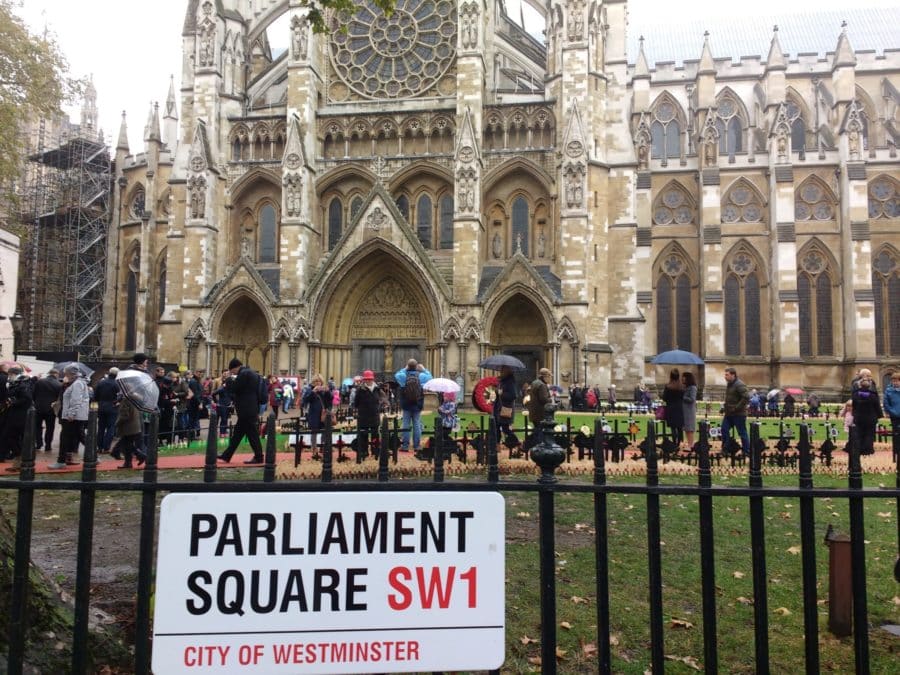
- Tickets 2026: adults £31, concessions £28, children 6–17 £14, under 6 free; multimedia guide included. [Viator link]
- Opening: Monday to Friday 9:30am–3:30pm, Saturday 9:30am–3pm. Sundays are for worship only (services are free to attend).
- Money saver: arrive by National Rail and the Days Out Guide 2-for-1 offer applies to walk-up tickets.
- Allow: 1.5 hours.
If you love these buildings as much as I do, my guide to the best cathedrals in England will help you choose which ones to see next.
3. Buckingham Palace and the Changing of the Guard
Walk through St James’s Park, with its pelicans and that famous view of the palace across the lake, to Buckingham Palace. You can’t go to Buckingham Palace and not watch the Changing of the Guard, but it no longer happens every day.
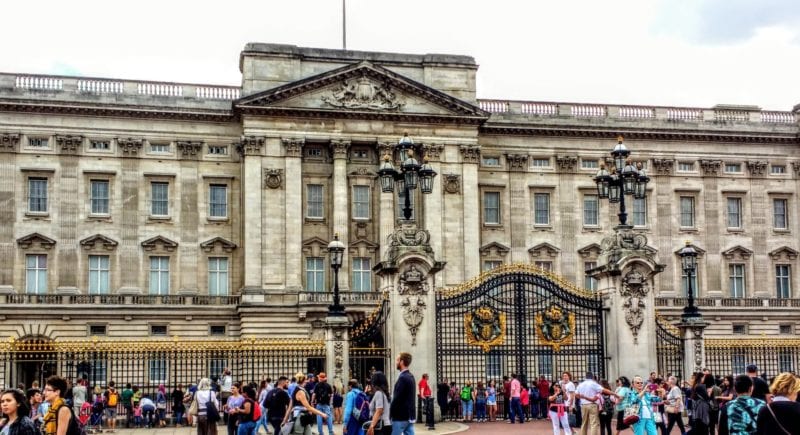
- When: 11am on Mondays, Wednesdays, Fridays and Sundays, subject to weather and state events. Check the Household Division calendar the day before.
- Where to stand: arrive by 10:15am. The railings by the palace gates or the Victoria Memorial steps give the best view.
- Not a guard day? The Household Cavalry change guard daily at Horse Guards Parade at 11am (10am on Sundays), a short walk away.
- Inside the palace: the State Rooms open only in summer. In 2026 that was 9 July to 27 September, from £33 for adults booked in advance.
Afterwards, walk back along the edge of St James’s Park to Horse Guards Parade, where the mounted sentries are endlessly photographed, and peek through the gates of 10 Downing Street on Whitehall on your way to the War Rooms or Trafalgar Square.

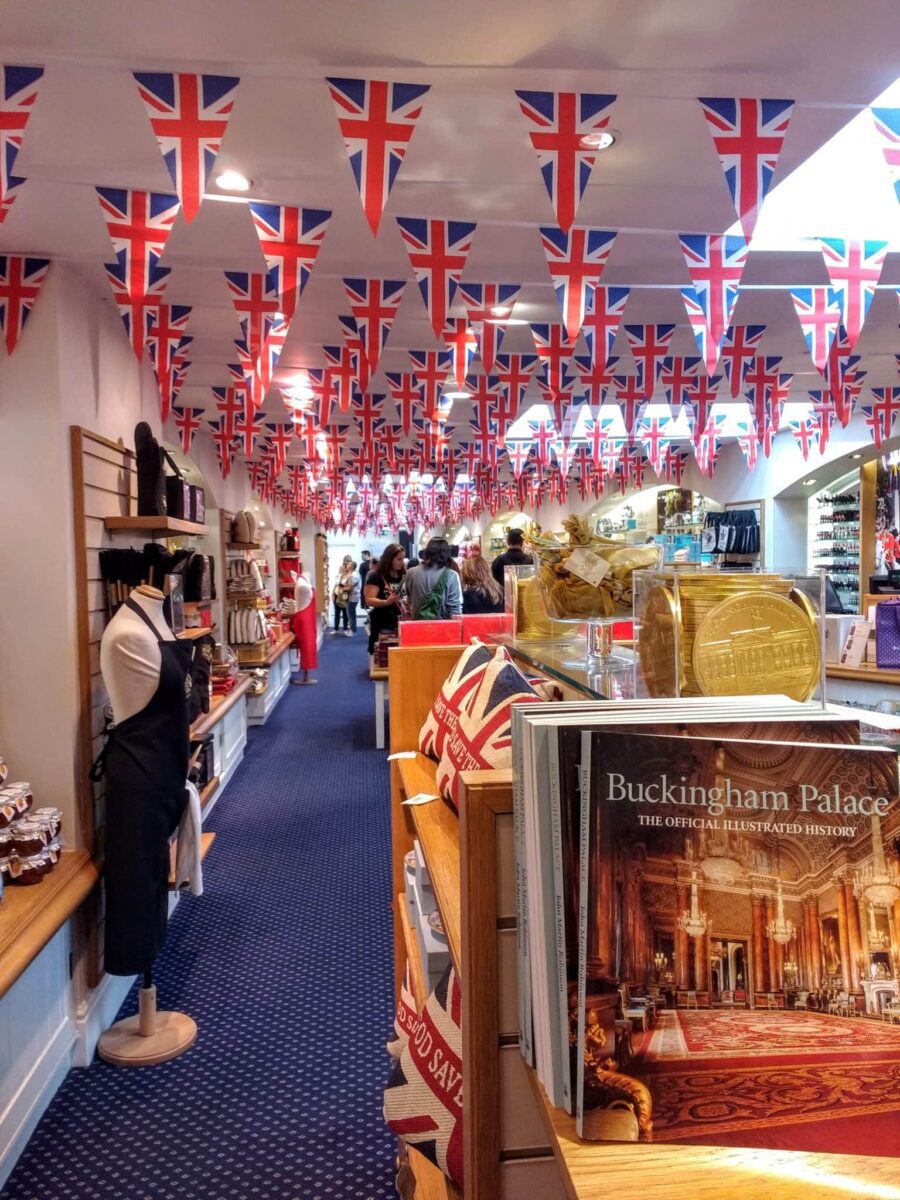
Don’t forget to head to the Buckingham Palace shop to pick up some of those great souvenirs.
Detour: the Churchill War Rooms (my top pick)
This one is personal. My grandfather served in the navy through both World Wars, and my mum was just four years old when she was living in London with my grandmother during the bombing. She never forgot the noise of the buzz bombs. One night during a raid they stayed in their flat and slept under a table. My grandfather, home on leave, arrived in the middle of it, knocked and knocked, and finally broke the door down to get to them. Most of their building was destroyed. That is why the Churchill War Rooms mean so much to me.

Hidden beneath government offices on King Charles Street, this is the underground bunker where Churchill and his War Cabinet ran Britain’s war from 1940 to 1945. The Map Room was left almost exactly as it was when the lights were switched off in August 1945, and the separate Churchill Museum tells the story of his whole life. It sits on the edge of St James’s Park, so it slots neatly between Buckingham Palace and Trafalgar Square.
- Tickets 2026: adults £34, children 5–15 £17, concessions £30.60, carers free; audio guide included. Run by Imperial War Museums. [Viator link]
- Opening: daily 9:30am–6pm (from 9am in summer and on Fridays and Saturdays); last entry 5pm.
- Tips: book ahead, as it sells out, and go first thing or after 3pm. The corridors are narrow and low-ceilinged and the Map Room gets crowded by late morning.
- Allow: 1.5–2 hours. If you add it, drop the National Gallery or the London Eye from Day 1.
If the war stories move you too, Bletchley Park (where Alan Turing and the codebreakers broke Enigma) and the Normandy beaches both make powerful trips; see the day trips section below.


4. Trafalgar Square and the National Gallery
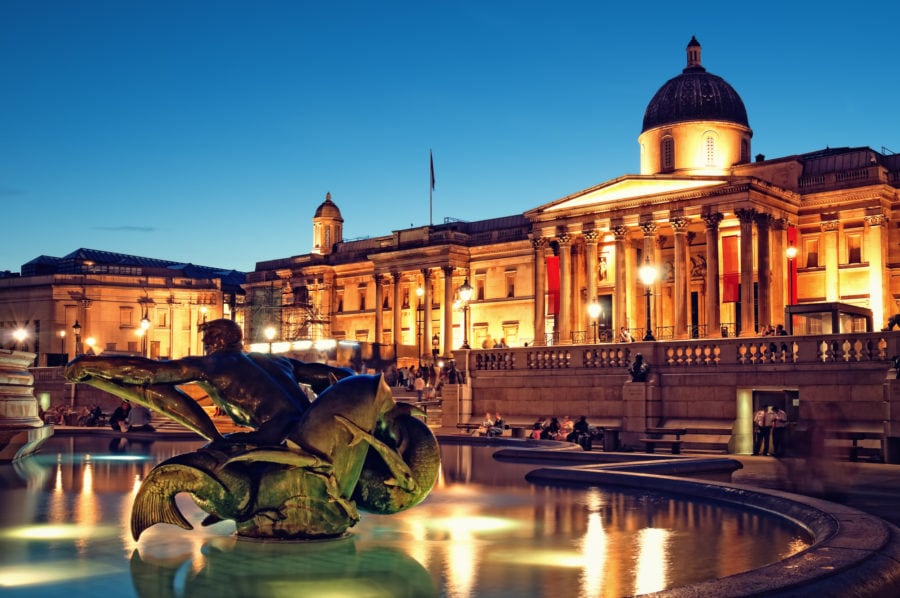
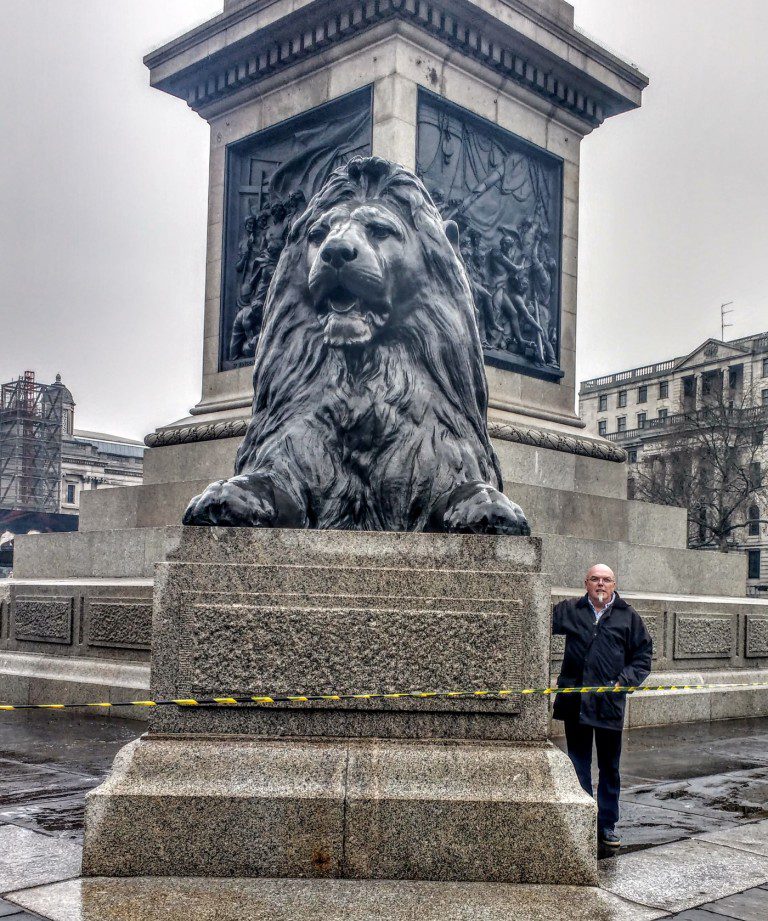
Follow The Mall under Admiralty Arch into Trafalgar Square. The square commemorates the 1805 Battle of Trafalgar, the British naval victory of the Napoleonic Wars, and Nelson’s Column stands in the middle, guarded by its four bronze lions.
On its north side is the National Gallery, which is free and one of my favourite places in London. The collection runs in roughly chronological order, so it is easy to find jaw-dropping art, from Van Gogh’s Sunflowers to Titian, Rembrandt, Constable and Monet.

- Entrance: the main way in is now the renovated Sainsbury Wing, which reopened in May 2025.
- Hours: daily 10am–6pm, Fridays until 9pm. Free daily highlights tours meet at the Sainsbury Wing information desk.
- Heads up: visitors are not allowed to bring liquids into the gallery, so finish your water outside.
- On now: Renoir and Love runs from 3 October 2026 to 31 January 2027 (ticketed).
Short detour: Piccadilly Circus is a 5-minute walk west. Look for the winged archer everyone calls Eros; erected in the 1890s to honour Lord Shaftesbury’s philanthropy, its real name is the Shaftesbury Memorial Fountain. Leicester Square, an 8-minute walk from Piccadilly, has a long music history; the venue now known as Leicester Square Theatre hosted early gigs by bands including the Sex Pistols.

Lunch stop: Chinatown
I love London’s Chinatown. Who can fault a place with great people watching and some of the best East and Southeast Asian food in Europe? This is where I satisfied my cravings for dim sum and sushi that I had missed so much in Ireland.



5. Covent Garden, Neal’s Yard and Theatreland
You can’t miss Covent Garden. Historically a fruit and veg market, it has become so much more. Grab lunch at a fancy restaurant or a simple little local caff, browse designer shops, listen to the musicians in the lower courtyard, or watch the street performers on the West Piazza.

I bought all my Christmas presents here one year and learned that I loved Falafel.
Don’t miss Neal’s Yard, a totally Instagrammable little courtyard of colour, flowers and ivy. It takes its name from the 17th-century developer Thomas Neale, and in 1976 a derelict warehouse here was bought by a radical activist and entrepreneur who started the Whole Food Warehouse. The cheese shop is a must stop so you can gawk at all the cheese rounds and luckily taste tests are encouraged.

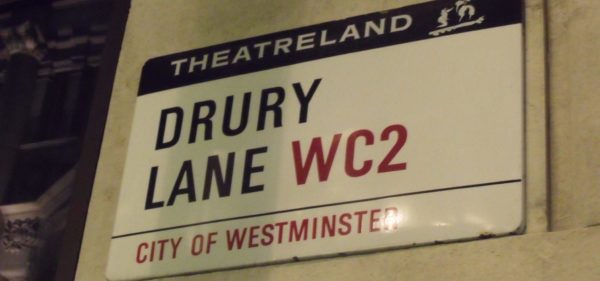
The West End theatre district is right next door. “Drury Lane” is often used to mean the Theatre Royal, Drury Lane, which has stood here in different incarnations since the 17th century. The nearest stations are Covent Garden and Holborn. If you aren’t careful you could spend your whole 2 days in London right here.
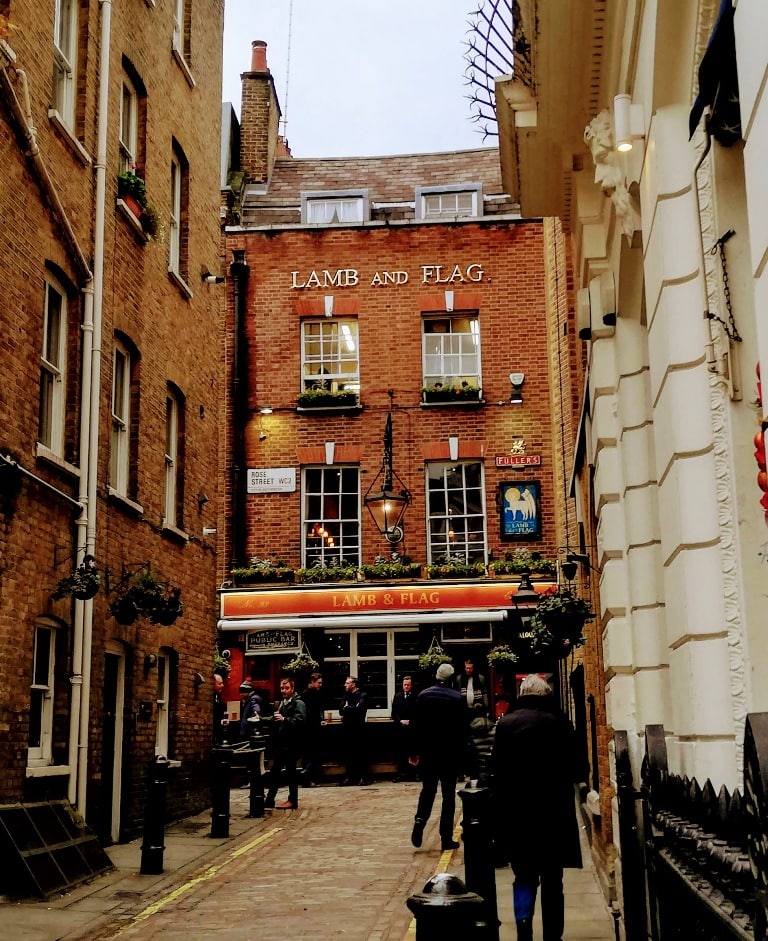
Where to eat and drink: the Lamb & Flag on Rose Street is one of the oldest pubs in Covent Garden, all dark wood and snug corners. For a sit-down meal, Covent Garden and Seven Dials are packed with options; book ahead on Friday and Saturday nights.
6. The London Eye at Sunset
Cross the Golden Jubilee Bridges to the South Bank for the London Eye, now officially the lastminute.com London Eye. The queues look immense and you think you may be in the line for the rest of your life, but they move very quickly. Within 10 minutes we had our boarding tickets and were heading for the capsules. I don’t do heights very well but the capsules were pretty stable and I loved the fact that they could accommodate wheelchairs and made provisions for those of us with mobility issues.


- Tickets 2026: from about £29 online, more on the day; fast track from roughly £44. Prices change with demand, so book early.
- The ride: one rotation takes about 30 minutes. Late afternoon gives you daylight views and the city lighting up.
- Access: the Eye is wheelchair accessible, and if you have mobility problems it is pretty easy to board the capsules.
Evening: South Bank stroll, river cruise or a West End show
Since London is such an expensive city, a Thames river cruise is a great way to see the sights from a different angle and get fantastic photos. Otherwise walk east along the South Bank past the book market under Waterloo Bridge, or head back to Theatreland for a show. For views with your cocktails, London has some awesome rooftop bars.


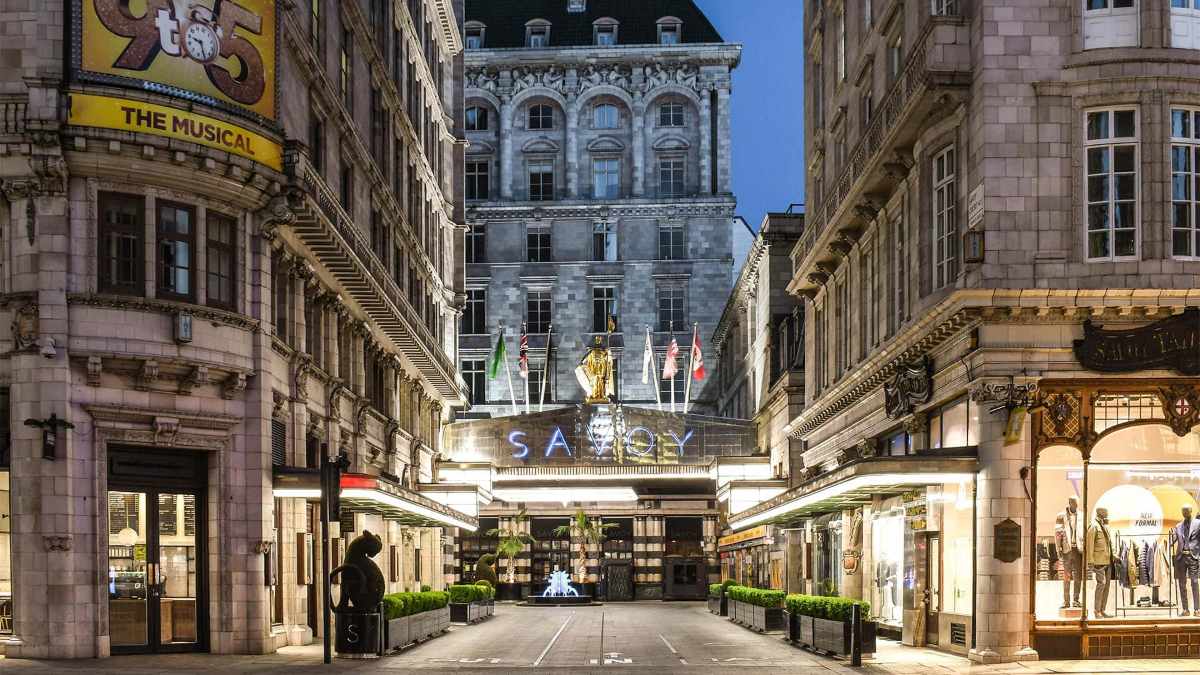
For a special night out: we had a gorgeous meal at The Savoy on the Strand, a few minutes’ walk from Covent Garden and the theatres. It is a splurge, but for a once-in-a-lifetime London dinner in an Art Deco landmark, it is hard to beat. Book well ahead and dress smartly.
Cheap theatre tickets: the official TKTS booth in Leicester Square sells same-day and advance West End tickets at a discount, often for the big musicals.
Day 2: The Tower, Bankside and the City of London
| Day 2 at a glance 9:00 Tower of London (10:00 on Sundays and Mondays) → 12:00 Tower Bridge → 12:45 lunch at Borough Market → 14:15 Tate Modern and Shakespeare’s Globe → 15:00 Millennium Bridge to St Paul’s Cathedral (last entry 4pm) → 17:00 Leadenhall Market → sunset at the Sky Garden. Walking: about 7 km. Nearest Tube to start: Tower Hill. |
7. The Tower of London
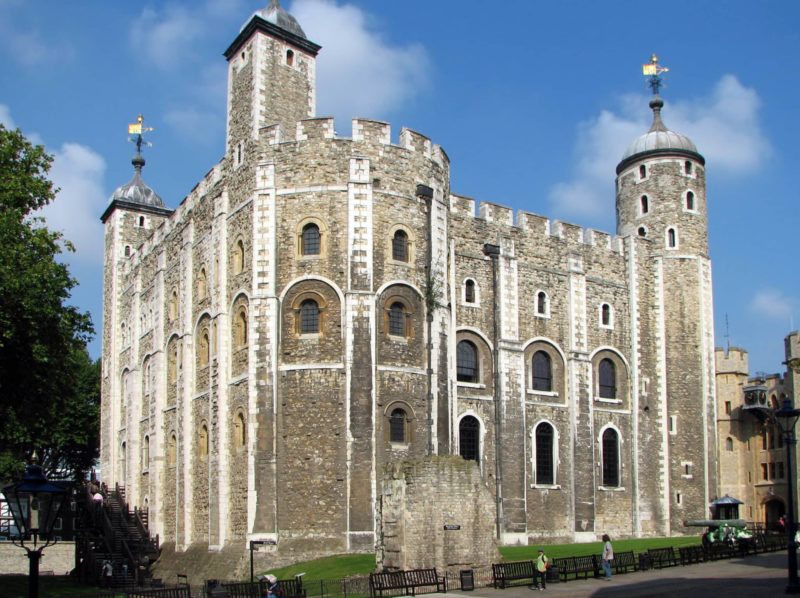
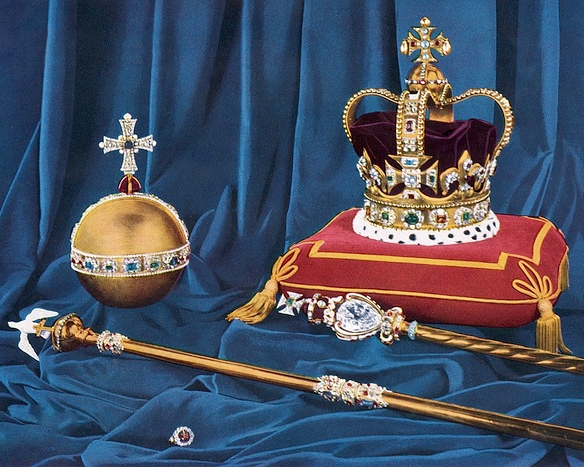
Be at the gate when it opens. The Tower is nearly a thousand years old and has been a royal palace, fortress, prison and the home of the Crown Jewels, which you should see first before the queues build. The Yeoman Warder (Beefeater) tours are included in your ticket and are the best way to hear the gory stories.
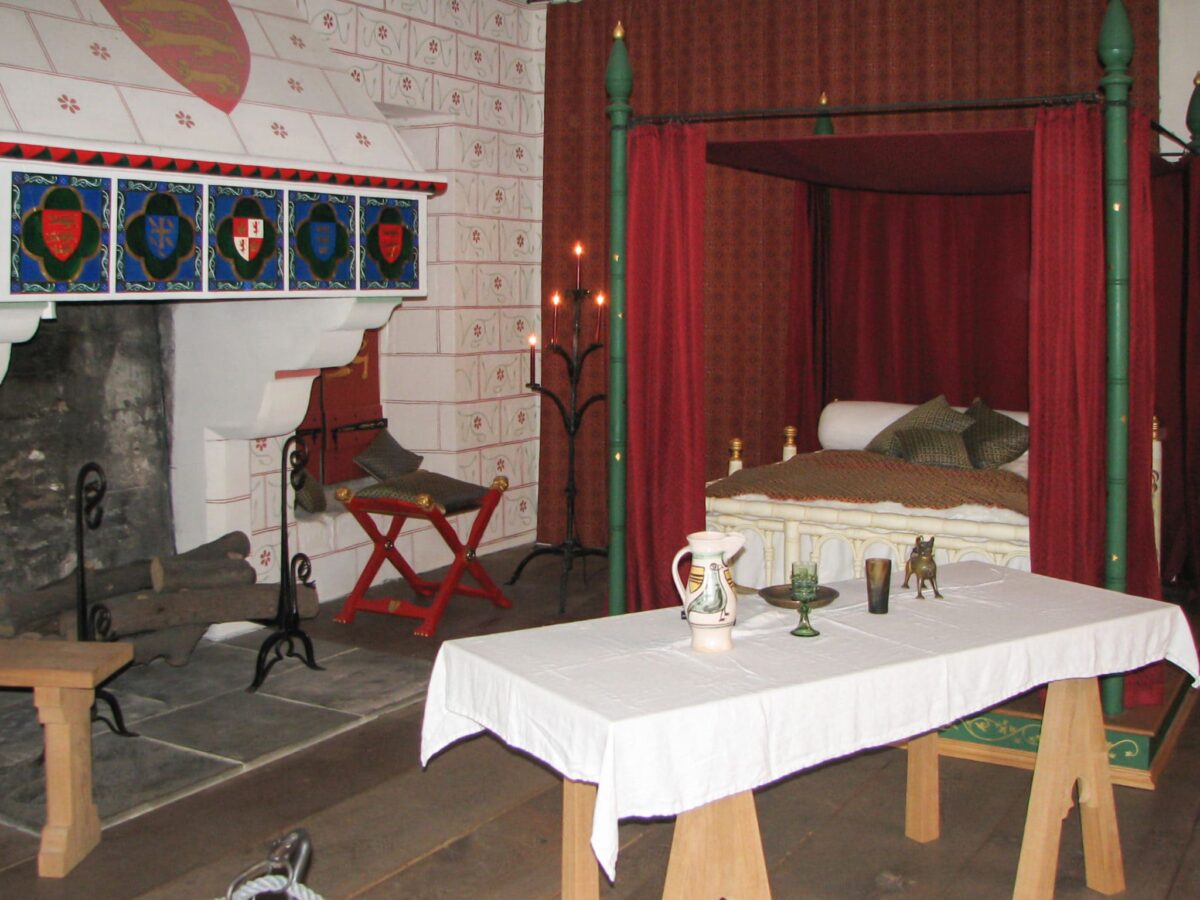


- Tickets 2026: adults £37, children 5–15 £18.50, under 5 free. The price is the same online or at the gate, but booking secures your time slot. [Viator link]
- Accessibility: disabled-visitor concession £29.50 with a carer free. Expect cobbles, slopes and steep spiral stairs in the White Tower.
- Times: opens 9am Tuesday to Saturday and 10am Sunday and Monday; last entry 4:30pm; last Yeoman Warder tour 3:15pm.
- Bucket-list extra: the nightly Ceremony of the Keys. Tickets (£10) are released monthly and sell out fast.
- Allow: 2.5–3 hours.
8. Tower Bridge
You can’t miss Tower Bridge, which is right beside the Tower. Built between 1886 and 1894, it has spent more than a century as London’s defining landmark. Walking across is free. If you pay for the Tower Bridge Exhibition (around £12), you can walk the high-level walkways, experience the thrill of the glass floor and see the Victorian engine rooms that once lifted the road for river traffic.

9. Lunch at Borough Market
Walk west along the South Bank past HMS Belfast to Borough Market, one of my favourite places to eat in London. A market has traded around London Bridge for roughly a thousand years, and today you’ll find everything from cheese and deli stalls to fresh flowers, artisan chocolate and food from around the world. It is busiest at Saturday lunchtime, so go early or late.
We spent an inordinate amount of time with my cousins trying to determine which hand-made Turkish delight to purchase.

What I ate: a pork ciabatta from Black Pig and a sausage roll from The Ginger Pig, the famous rare-breed butcher. Proper London market food. If you only eat one thing at Borough, make it something from the pig.

More to try: start with a flat white from Monmouth Coffee, then graze. Kappacasein‘s raclette and toasted cheese sandwich are legendary, Bread Ahead is famous for its doughnuts, and Padella on the edge of the market serves fresh pasta (expect a queue). As a food developer I go to markets to see what’s new, and Borough never disappoints.
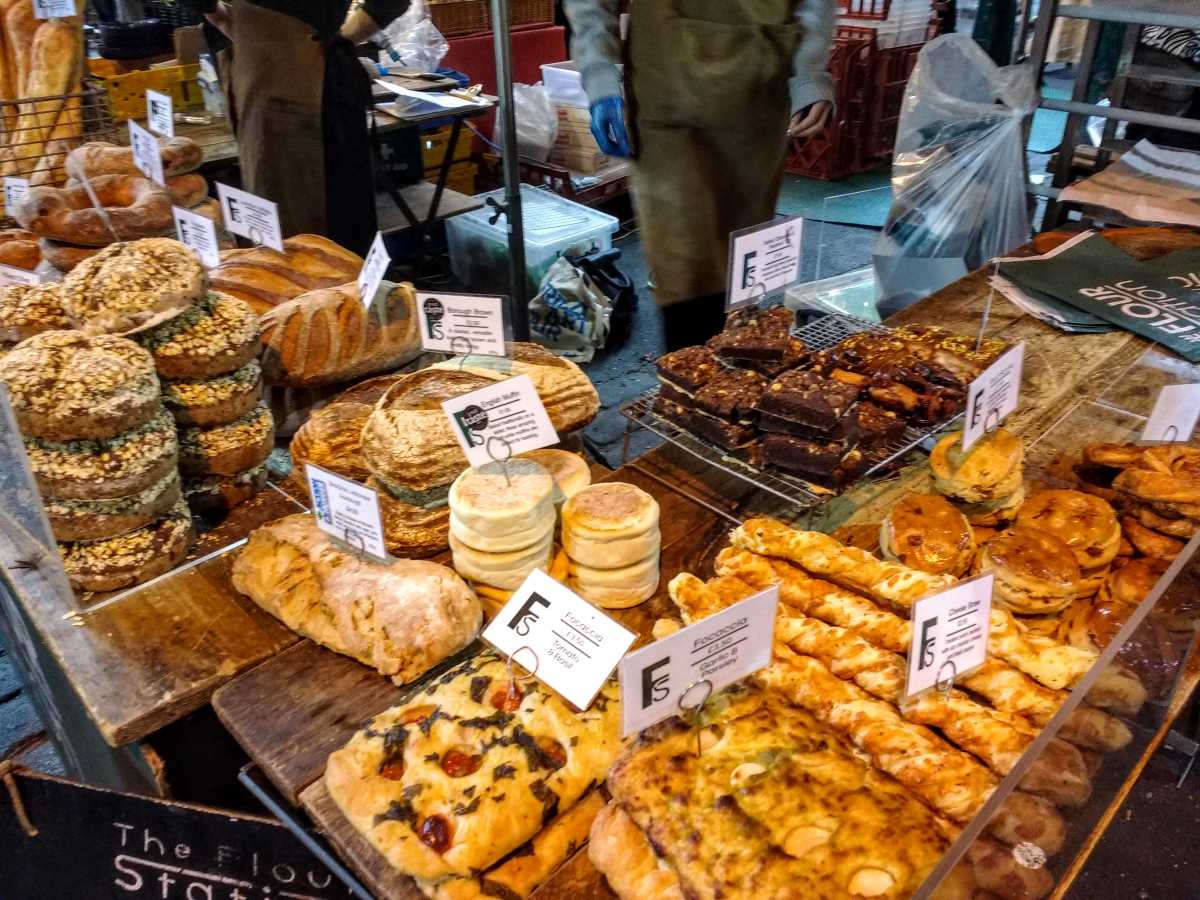
On the way, look in at Southwark Cathedral, London’s oldest Gothic church, and the full-size replica of Francis Drake’s ship, the Golden Hinde, moored nearby.
Want a view? The Shard towers over the market. The View from The Shard costs roughly £28–£32 booked ahead, and every ticket includes a free return if cloud spoils the view. On a budget, save it for the free Sky Garden later.

10. Tate Modern and Shakespeare’s Globe
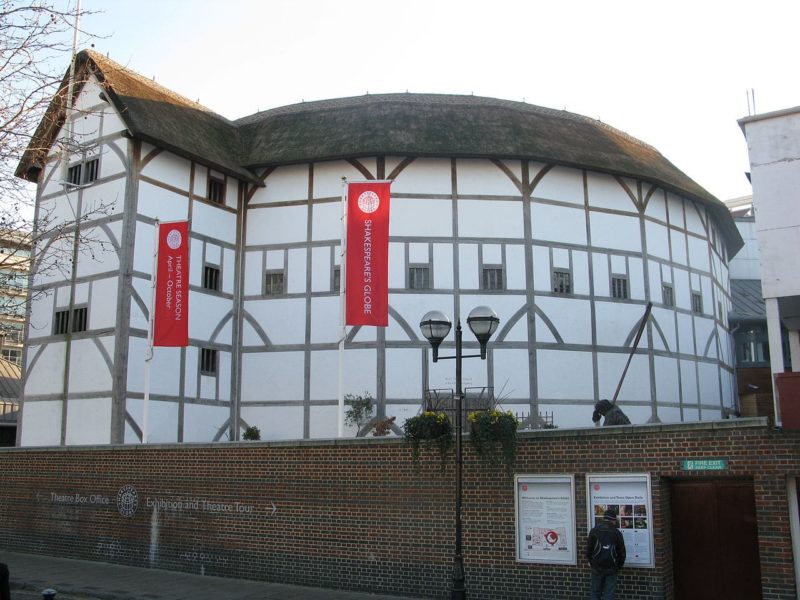
Continue along Bankside to Tate Modern, free and housed in a former power station, and the reconstructed Shakespeare’s Globe next door. Even if you don’t go in, the riverside walk here is one of the best in London.
Fancy a pint? The Anchor Bankside, beside Southwark Bridge, has been serving drinkers on this spot for centuries, and across the river the Art Nouveau Blackfriar pub near St Paul’s is one of the most beautiful pubs in London.

11. St Paul’s Cathedral
Cross the Millennium Bridge, with St Paul’s dome filling the view ahead of you. If you watched Mary Poppins as a child, the “Feed the Birds” scene is set on these steps.

St Paul’s was designed by Sir Christopher Wren on Ludgate Hill, a site of Christian worship since AD 604. The medieval Old St Paul’s was destroyed in the Great Fire of London in 1666; Wren’s cathedral replaced it and famously survived the bombing of the Second World War.
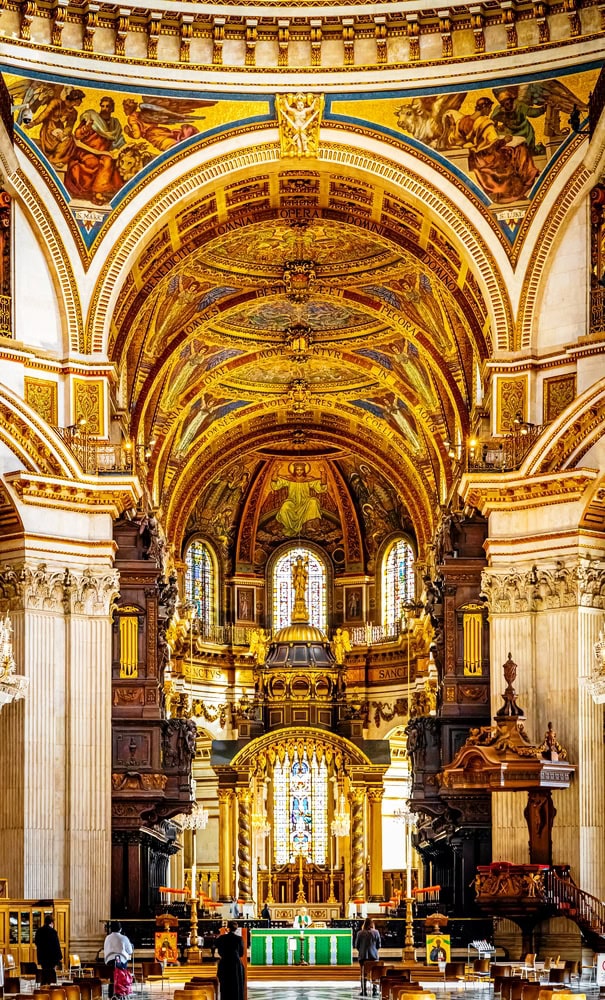


- Tickets 2026: adults £27, children 6–15 £10.50, including the crypt and all three dome galleries.
- Opening: Monday to Saturday for sightseeing, from 8:30am (10am on Wednesdays); last entry 4pm. Closed to sightseers on Sundays, but services and Choral Evensong are free.
- The climb: the Whispering Gallery is around 257 steps up and the Golden Gallery over 500, with no lift to the galleries. The cathedral floor and crypt are accessible.
New this winter: the London Museum opens in its new home at West Smithfield on 28 November 2026, about a 10-minute walk north of St Paul’s, with free permanent galleries telling the story of London.
12. Leadenhall Market and the Sky Garden
Finish in the City. Leadenhall Market is a beautiful covered Victorian market (the current building dates from 1881) with cheesemongers, butchers, florists and pubs. Potterheads will recognise it from Harry Potter and the Philosopher’s Stone, when Harry and Hagrid head to the Leaky Cauldron and Diagon Alley. York’s medieval street The Shambles is often said to have inspired Diagon Alley’s look too.
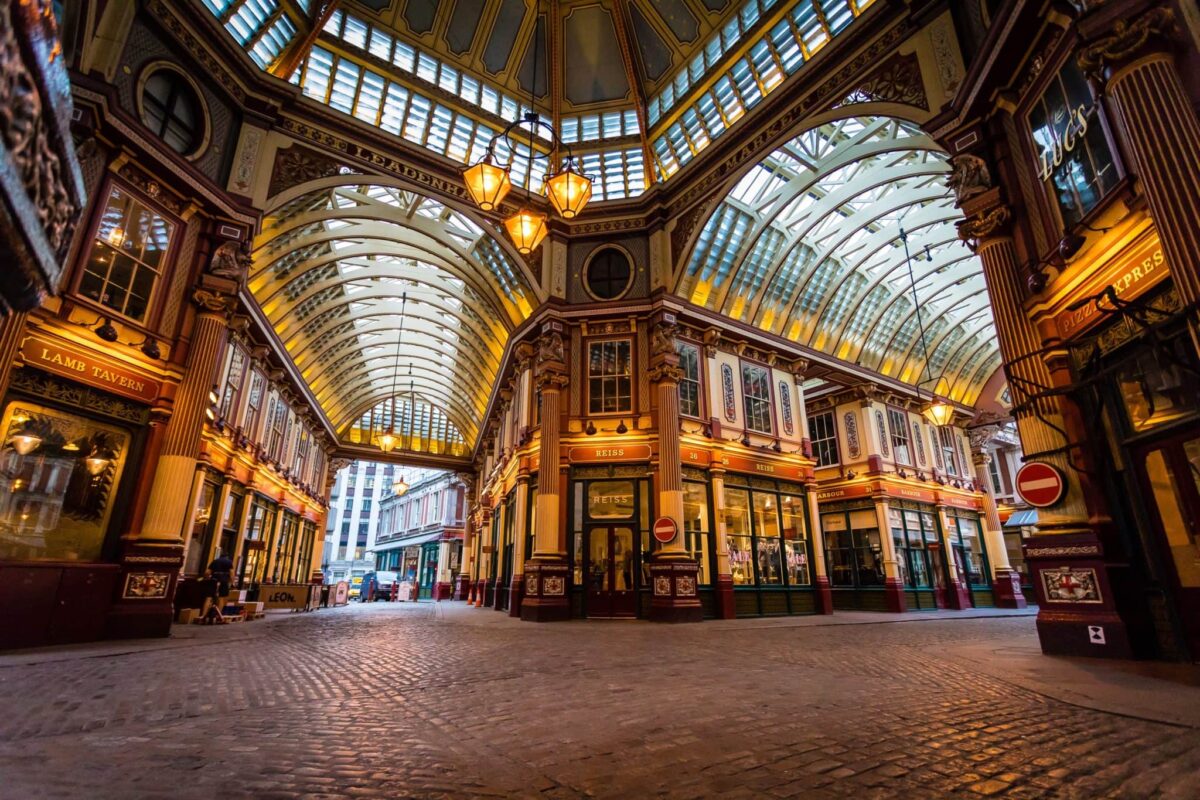
Then end your 2 days in London at the Sky Garden on top of 20 Fenchurch Street, a three-storey glasshouse garden with some of the best views in the city, completely free. Tickets are released on Monday mornings for three weeks ahead, and the route is step-free.
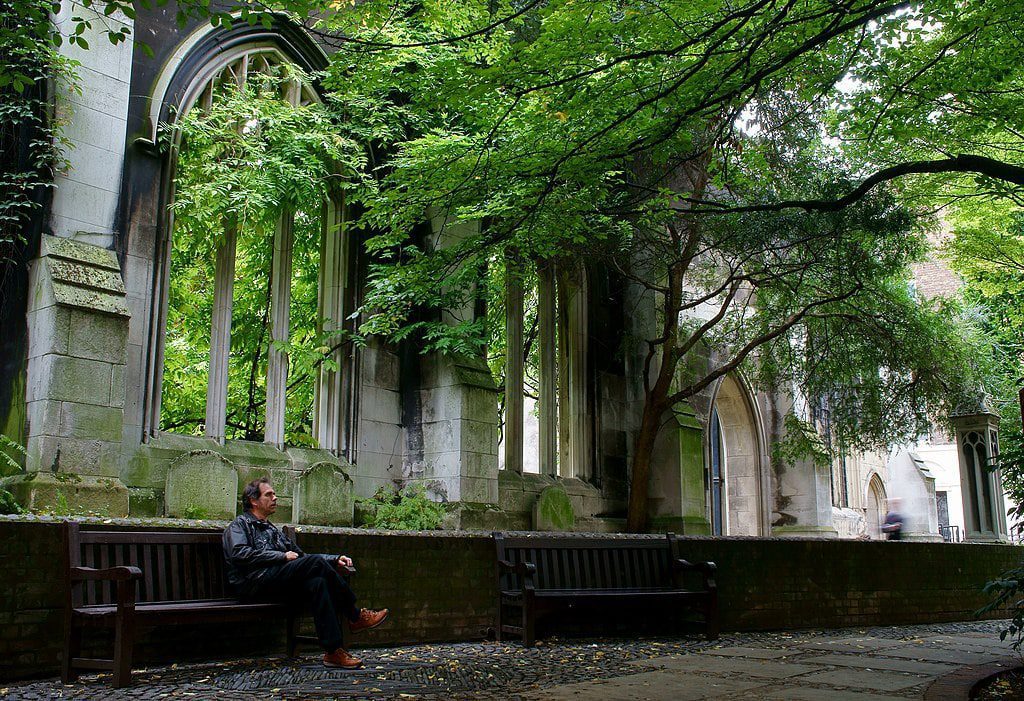
Hidden gem on the way: between the Tower and the Sky Garden, find St Dunstan in the East, a church bombed in the Blitz whose ruined walls are now a free, ivy-covered garden. It is one of the most peaceful spots in the City and a favourite with photographers.
Swap-In Days: Museums, Shopping and Foodie London
I usually plan my London days by mood. Do I want street markets and amazing food, or the historic sights? If you have been to London before, or the classics don’t appeal, swap either day above for one of these.
Museums and palaces day: Kensington and Bloomsbury
Kensington Palace (around £25): the birthplace of Queen Victoria and home to young royals for over 300 years. Walk in Victoria’s reimagined childhood rooms and the King’s and Queen’s State Apartments, then see the Sunken Garden. It is open year-round, so it is the best palace option outside the summer.

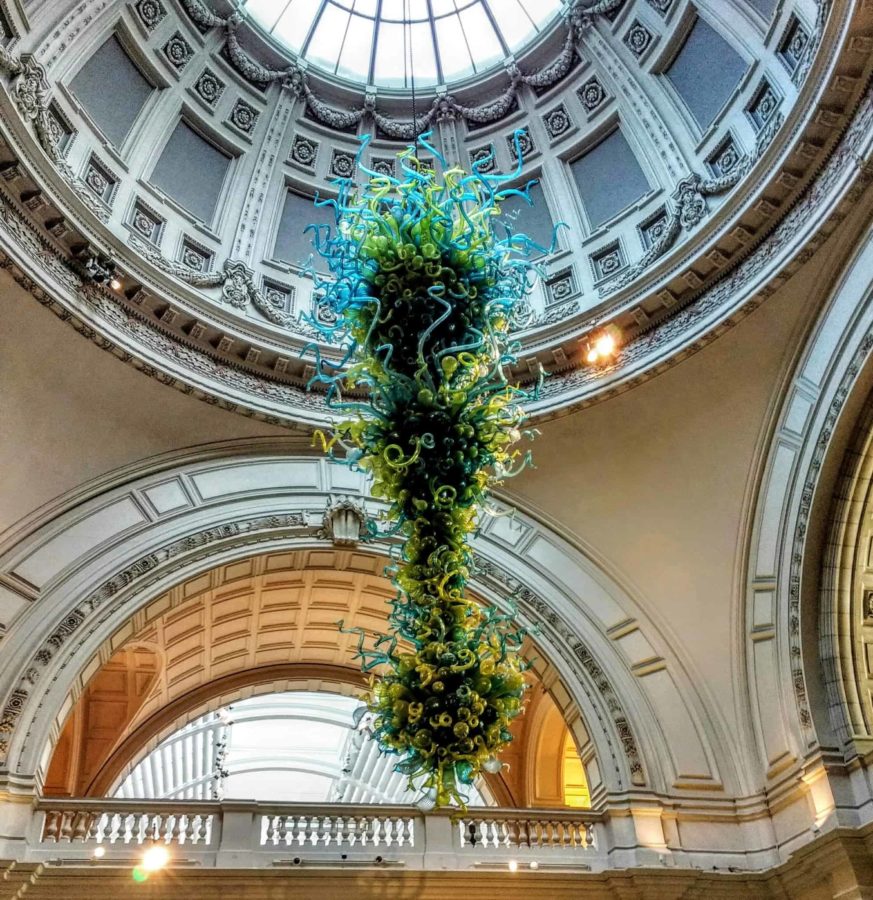
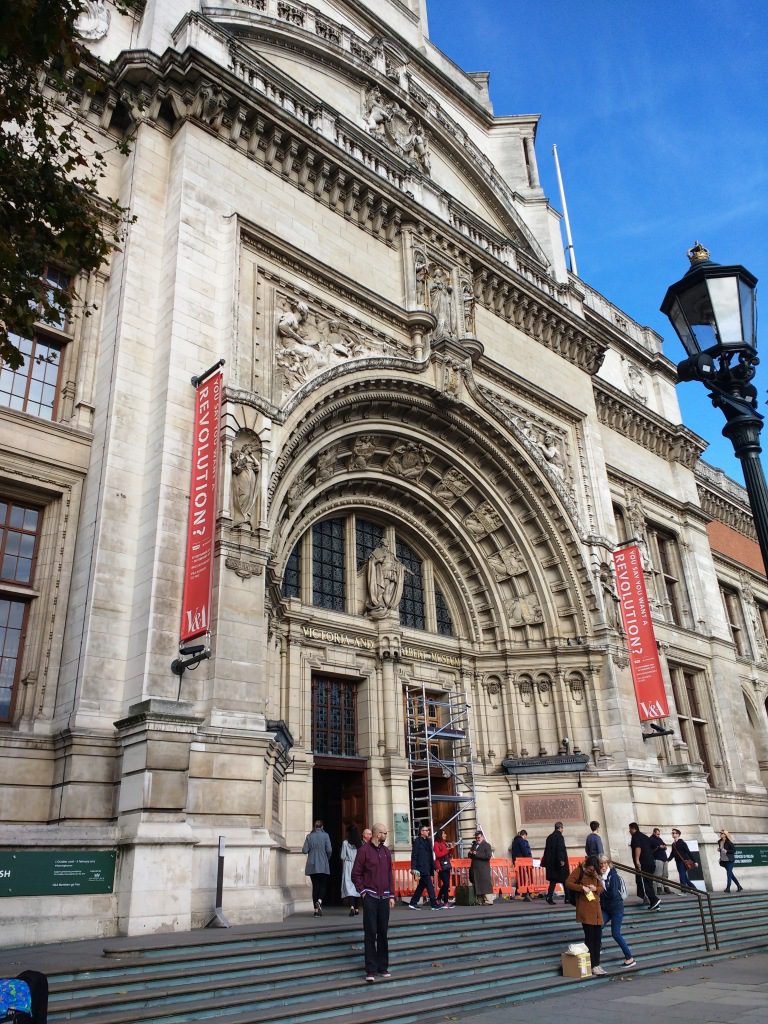
Victoria & Albert Museum (free): we stood outside just marvelling at the size of the building. The stunning Chihuly chandelier greets you, and I loved the punk rock clothing exhibition. Special exhibitions are ticketed.
Natural History Museum (free): famous for its dinosaurs and exquisite architecture, covering everything in the natural world from bugs to oceans.

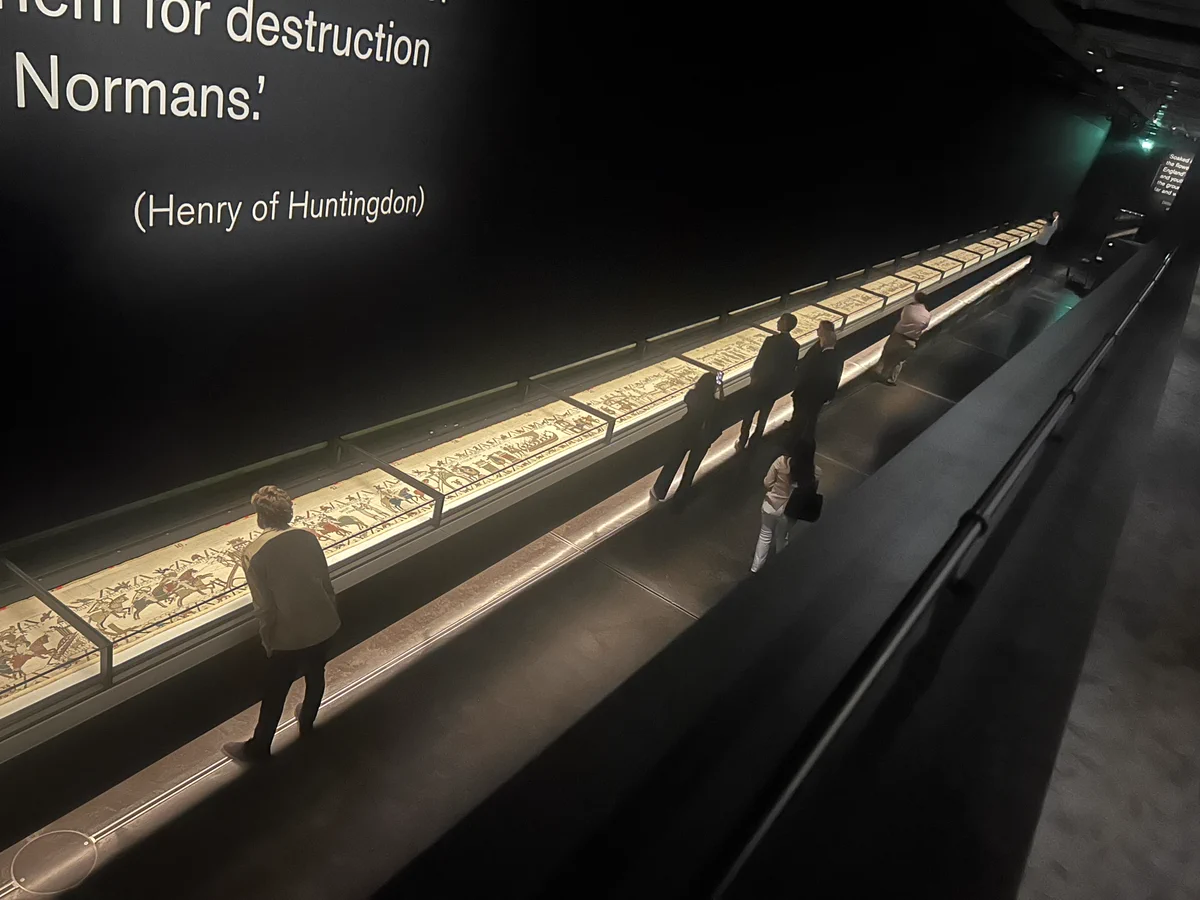
British Museum (free): two million years of history, with galleries from Egypt, Persia, Britain and the world. Until 11 July 2027 it also has the Bayeux Tapestry, back in England for the first time in over 900 years (ticketed, £25–£33). I’ve seen it in Bayeux; read my guide to visiting Bayeux.
Shopping and vintage day
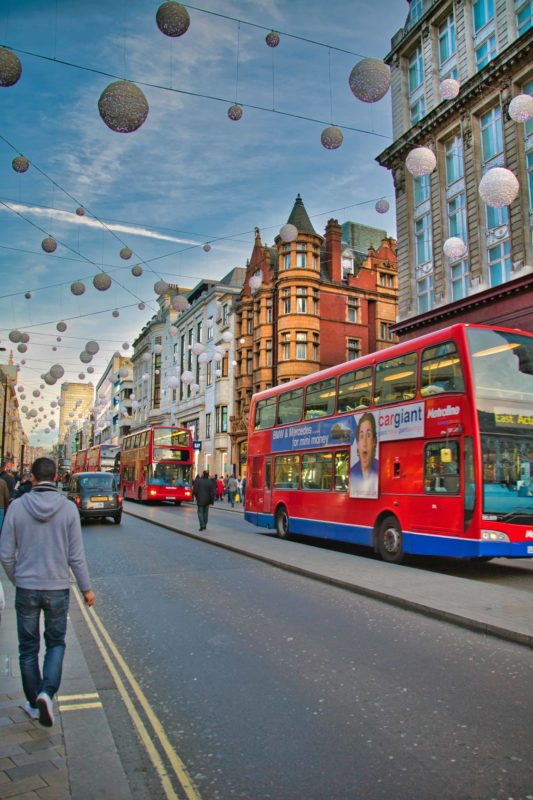
Oxford Street: the most famous shopping street in London, and from 26 October 2026 the stretch between Orchard Street and Great Portland Street is traffic-free, with seating and planting being added through 2027. Oxford Street is hell on earth for me, as I don’t love shopping, but Selfridges and John Lewis are worth seeing, and Primark is there for bargains. Go when the shops open.
Camden Market: if you can’t resist a street market, head to Camden. Whether you’re an old punk, into goth or retro (think 70s platform boots) or steampunk, Camden has it all.


Notting Hill and Portobello Road: we watched Notting Hill before we went so we could hunt for the film locations and of course we have visited when the Festival is on. Take the Tube to Notting Hill Gate, cross the street, turn right at the next road and wander down to the market. Saturday is the big antiques day.


Chelsea and King’s Road: the Royal Borough of Kensington and Chelsea is home to the mega-rich, and Sloane Square gave its name to the 1980s “Sloane Rangers”, with Diana the archetype: tweed jackets, jeans, cardigans and pearls. King’s Road runs off the square and Sloane Street leads to Knightsbridge.

Foodie London day
If you are a total foodie like me, London’s food halls are a cross between a farmers’ market and a gourmet store, serving everything from fresh fruit to champagne and oysters. After 30 years in food development, these are the places I always go back to:
Fortnum & Mason, Piccadilly: the grand old grocer holds Royal Warrants and is famous for its hampers.
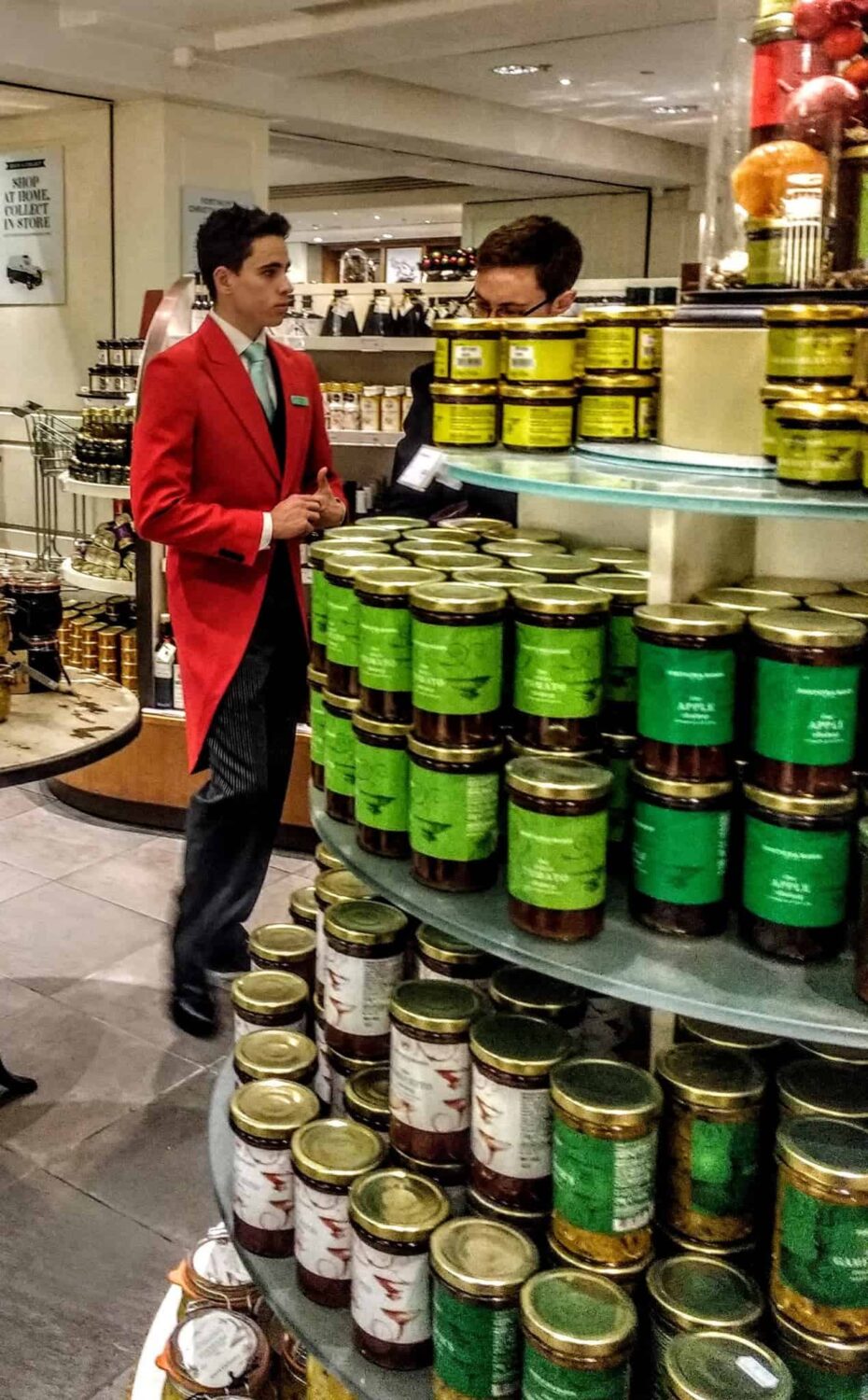
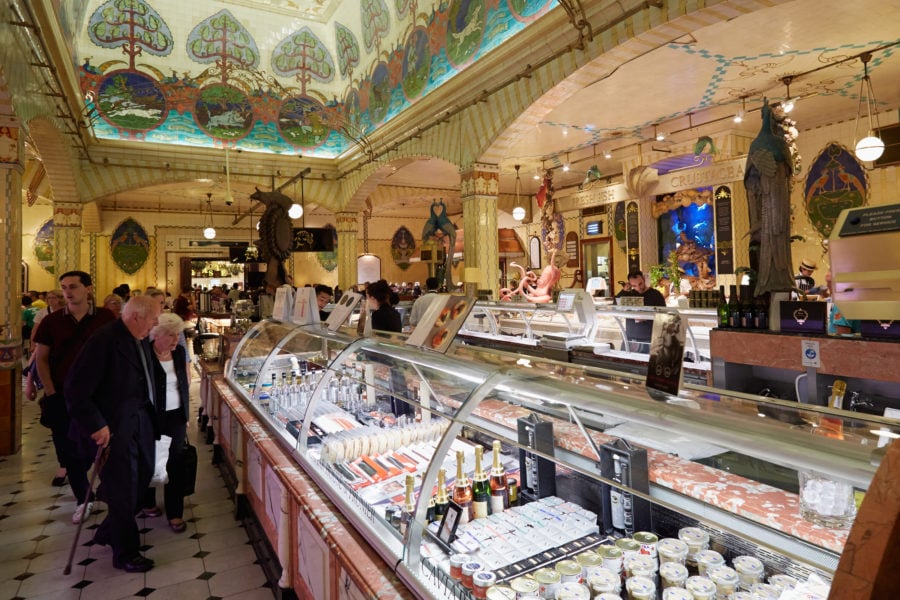
Harrods Food Halls, Knightsbridge: my favourite part of Harrods, full of prepared meals, fancy pastries and gorgeous chocolate.
Leather Lane, Holborn: funky street art and some of the best weekday street food in the City, popular with office workers.

Borough Market and Covent Garden: if they’re not already on your itinerary.

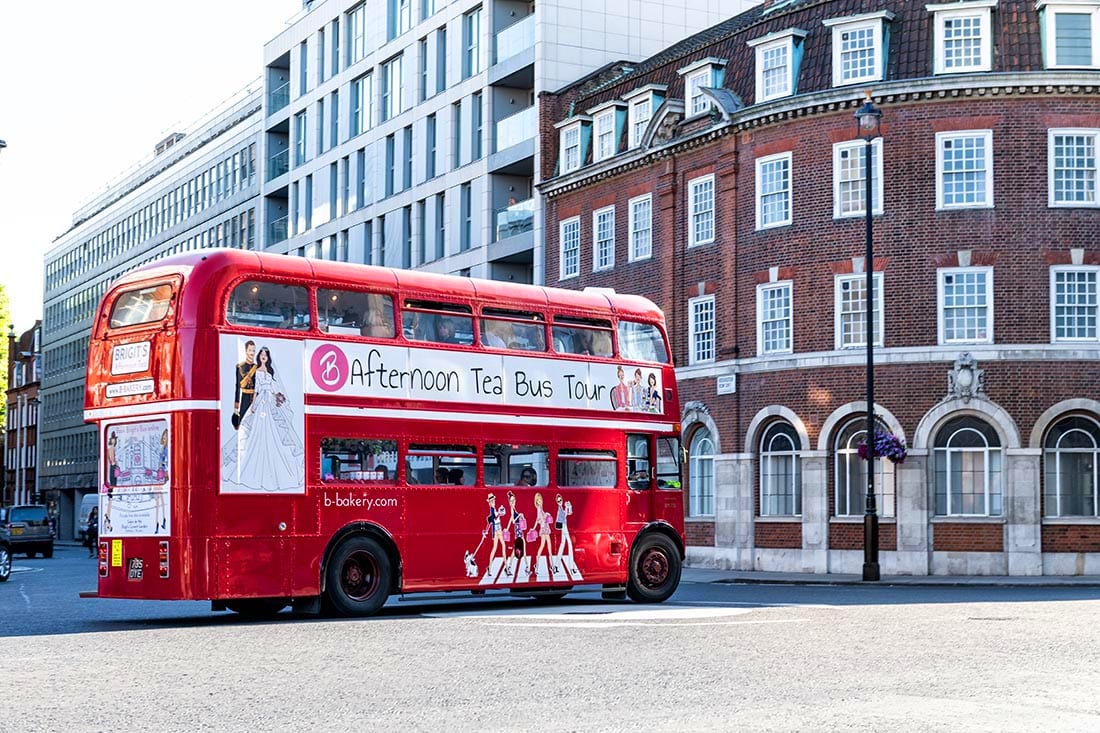
Afternoon tea: London has themed teas for every taste, from a vintage bus tour to Alice in Wonderland and Harry Potter. Learn more about traditional British foods and British desserts before you go.
Visiting at Christmas? London’s Christmas markets and lights are glorious, with things to buy you won’t find anywhere else plus drinks, rides and lots of food. See my guide to Christmas in Europe for more festive cities.

A Local’s London: My South London Favourites
Most itineraries never cross south of the river beyond the South Bank, but that is where I lived. If you have a spare few hours, this is the London I knew day to day.
East Street Market, Walworth: locals call it “The Lane”. I used to shop here, and it’s a proper working London street market selling fruit and veg, fabric, household bits and food from around the world, nothing like the polished tourist markets. It trades Tuesday to Sunday (closed Mondays), Saturday is the busiest day, and Charlie Chaplin is thought to have been born nearby. Nearest Tube: Elephant & Castle.

The Oval, Kennington: my old neighbourhood is home to the Kia Oval cricket ground. If you’re here in summer, catching a day of cricket is a very London experience.
Around Waterloo: my office was tucked behind Waterloo Station. Lower Marsh is a lively little street of independent cafés and a weekday lunch market, and the Leake Street tunnel under the station is a legal graffiti wall that changes almost daily.
Thinking of staying longer? Read my honest pros and cons of living in the UK.

2 Days in London with Kids
- Slow the pace: pick one big paid sight a day and fill the rest with parks and free museums.
- Swap in the Natural History Museum for the National Gallery; the dinosaurs and the blue whale are free.
- Changing of the Guard: it can bore small children. The mounted Household Cavalry at Horse Guards Parade are closer, shorter and just as impressive.
- The Tower of London is a hit: gory stories, armour, ravens and the Crown Jewels. Under-5s go free.
- Travel: under-11s ride the Tube and buses free with a paying adult, and the top deck of a red bus is an attraction in itself.
- Parks for letting off steam: St James’s Park (pelicans!), Hyde Park and the Diana Memorial Playground in Kensington Gardens.


Rainy Day Plan
London rain rarely lasts all day, but if it sets in, swap the outdoor stops for these, all free unless noted:
- Morning: the British Museum or the National Gallery.
- Lunch: Leadenhall Market or the Covent Garden market hall, both covered.
- Afternoon: the V&A and Natural History Museum, which share a tunnel from South Kensington station so you barely get wet.
- Paid options: the Churchill War Rooms, Tower Bridge Exhibition or a West End matinee.

Have a Third Day? Day Trips from London
Bletchley Park: I’ve visited the place where Alan Turing and the codebreakers cracked Enigma, and it is fascinating. Fast trains from Euston take about 35–40 minutes and the park is a few minutes’ walk from Bletchley station. Tickets include an annual pass if you want to go back.
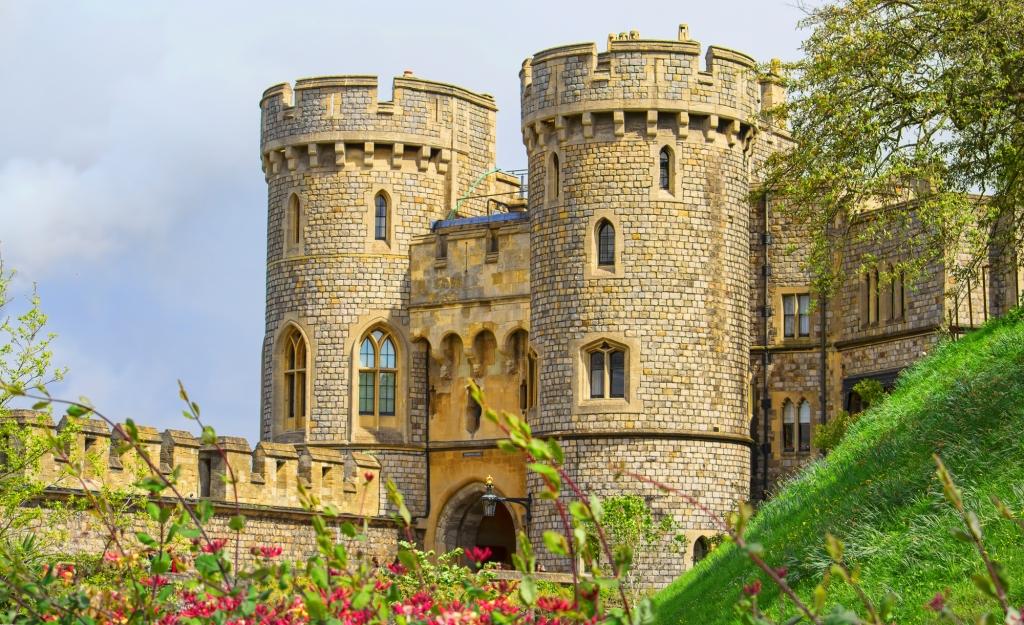
Windsor Castle: under an hour by train, and the King’s weekend home.
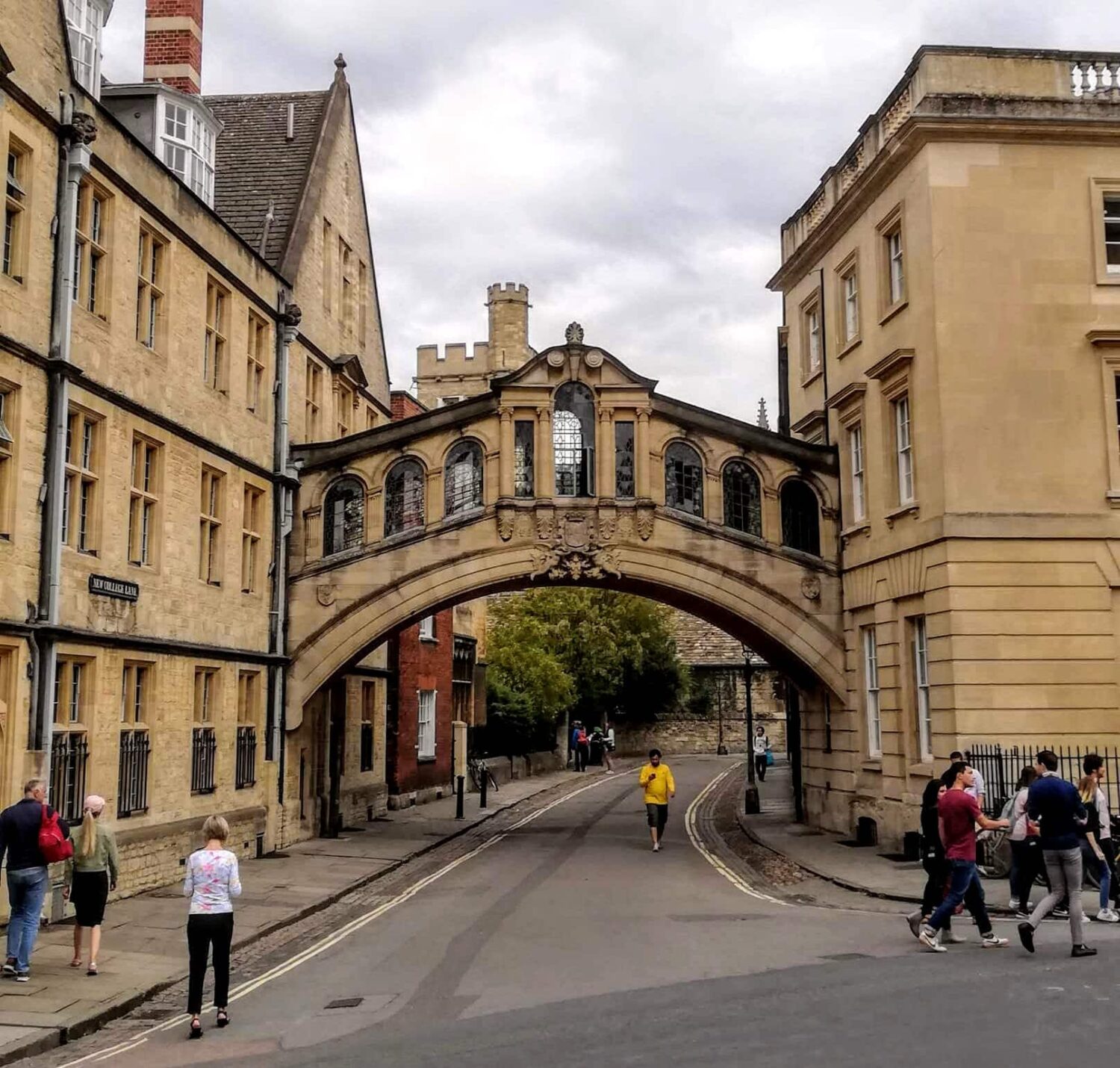
Oxford: colleges, museums and the Ashmolean. See my guide to things to do in Oxford.
The Normandy beaches: too far for a day trip, but if London is the start of a longer journey, I’ve visited the D-Day beaches and they are deeply moving. Base yourself in Bayeux.
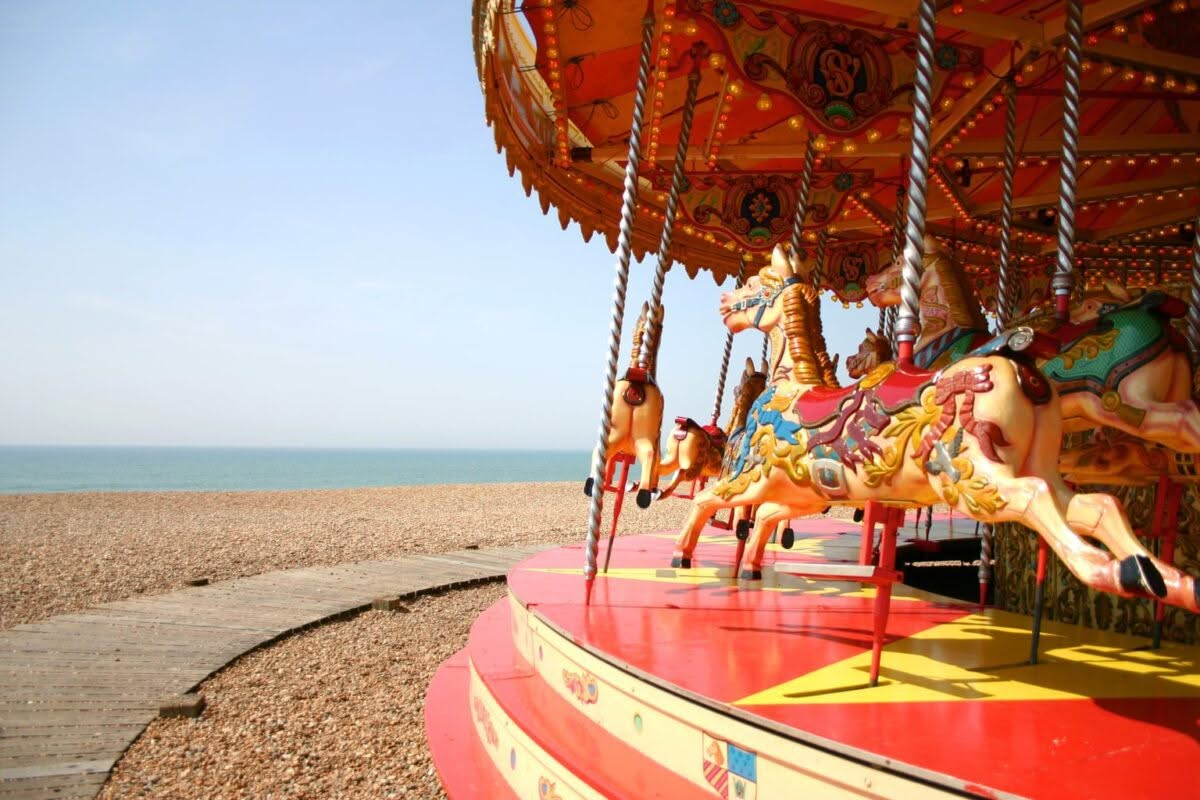
Brighton: an hour by train to the seaside. See the best things to do in Brighton.
Warner Bros. Studio Tour London: the Making of Harry Potter, near Watford, for Potter fans.
Accessible London: Tips for Limited Mobility
As someone with mobility challenges, these are the things I wish I’d known about London sooner:
- Use buses more than the Tube. Every London bus is low-floor with a ramp, while many older Tube stations have long stairs. TfL’s step-free Tube map shows which stations have lifts.
- The Elizabeth line is step-free throughout, and is the easiest way in from Heathrow.
- Easy wins: the London Eye, Sky Garden, National Gallery, British Museum and Tate Modern are all accessible on their main levels.
- Harder sites: the Tower of London (cobbles, slopes, spiral stairs) and the St Paul’s dome galleries (stairs only). At the Tower, disabled visitors pay a concession rate and a carer goes free.
- Shorten the day: a Thames river boat between Westminster and Tower piers cuts out the long walk between the two days’ areas.
For more ideas, see my Accessible Europe guide.


How Much Do 2 Days in London Cost?
| Item | Budget | Mid-range |
| Transport (contactless cap) | £8.90/day | £8.90/day + river boat |
| Attractions | Free museums + 1 paid sight (~£30) | All big paid sights (~£125 over 2 days) |
| Food | Markets and Chinatown (~£25/day) | Restaurants + afternoon tea (~£70/day) |
| Per person, per day (excl. hotel) | ~£60–£80 | ~£120–£150 |
Estimates based on 2026 published prices; check attraction websites before you go.
2 Days in London: FAQs
Is 2 days enough to see London?
Two days is enough to see London’s headline sights if you group them by area: Westminster and the West End on day one, then the Tower, Bankside and the City on day two. You will not see everything, and most people come back, but a well-planned 48 hours covers the Tower of London, Westminster Abbey, Buckingham Palace, St Paul’s, the London Eye and at least one great market.

What is the best way to spend 48 hours in London?
Plan each day around one walkable area to avoid losing hours on the Tube. Day 1: Big Ben, Westminster Abbey, Buckingham Palace for the Changing of the Guard, Trafalgar Square and the National Gallery, Covent Garden, then the London Eye at sunset. Day 2: the Tower of London at opening, Tower Bridge, lunch at Borough Market, Tate Modern, the Millennium Bridge to St Paul’s Cathedral, and sunset at the free Sky Garden.
Is the London Pass worth it for 2 days?
Only if you will visit at least four or five paid attractions. In 2026 a 2-day adult London Pass lists at roughly £139 to £149, while the Tower of London (£37), Westminster Abbey (£31), St Paul’s Cathedral (£27) and the London Eye (from about £29 online) add up to around £124 bought separately. Add Tower Bridge, a river cruise, the hop-on hop-off bus or The Shard and the pass starts to pay off; if you mostly want free museums, skip it.

How much does 2 days in London cost?
Excluding accommodation, budget roughly £60 to £80 per person per day if you mix one or two paid sights with free museums and market food, or £120 to £150 a day if you do all the big paid attractions and eat out. Public transport in Zones 1 and 2 is capped at £8.90 a day with contactless.
What days is the Changing of the Guard at Buckingham Palace?
The full Changing the Guard ceremony takes place at 11am on Mondays, Wednesdays and Fridays, and on Sundays, though dates can change for weather and state events, so check the Household Division calendar the day before. Arrive by about 10:15am for a spot at the railings. The Household Cavalry also change guard daily at Horse Guards Parade at 11am (10am on Sundays).
Should I use an Oyster card or contactless in London?
Contactless is simplest. Tap the same bank card or phone in and out and you pay the same fares as Oyster, with an automatic daily cap of £8.90 in Zones 1 and 2. Buses cost £1.75 with unlimited transfers within an hour. Always use the same card or device for the whole day or the cap will not apply.
Where is the best area to stay for 2 days in London?
Stay central so you can walk to both days of the itinerary: the South Bank or Westminster for Day 1 sights, Covent Garden or Bloomsbury for the West End and theatres, or Tower Hill and the City for better weekend hotel deals close to Day 2.
What can you do in London for free?
Plenty. The National Gallery, British Museum, Tate Modern, V&A and Natural History Museum are all free, as are the Changing of the Guard, the royal parks, Trafalgar Square, Borough Market browsing, walking across Tower Bridge and the Millennium Bridge, and the views from the Sky Garden if you book a free timed ticket.
Is London accessible for wheelchair users and people with limited mobility?
Much of central London is manageable with planning. All London buses are low-floor with a ramp, the Elizabeth line is step-free, and TfL publishes a step-free Tube map. The London Eye, Sky Garden and the main floors of the big museums are accessible. Historic sites are harder: the Tower of London has cobbles and steep spiral stairs, and the dome galleries at St Paul’s are reached only by stairs.
What should I do in London if it rains?
Swap outdoor time for London’s free museums. The British Museum, National Gallery, V&A and Natural History Museum can fill a wet day easily, and covered markets like Leadenhall and the Covent Garden market hall keep you dry while you eat.
Do I need an ETA to visit London?
Most visitors who don’t need a visa, including Americans, Canadians, Australians and EU citizens, now need a UK Electronic Travel Authorisation (ETA) before they travel. It costs £20 (from 8 April 2026), is applied for online or through the UK ETA app, and lasts two years or until your passport expires. British and Irish citizens do not need one. Apply as soon as your trip is booked; most decisions arrive within three working days.
When is the best time to visit London for a weekend?
May, June and September give the best balance of long days, milder weather and fewer crowds than July and August. December is magical for Christmas markets and lights but it gets dark around 4pm, so start early. Whatever the month, pack an umbrella.
Is 2 days in London good with kids?
Yes, if you slow the pace. Swap the National Gallery for the Natural History Museum, keep the Changing of the Guard short or watch the Horse Guards instead, and build in park time at St James’s Park. Children under 5 go free at most big attractions and under-11s travel free on the Tube and buses with a paying adult.
What is new in London in 2026?
The Bayeux Tapestry is on show at the British Museum from 10 September 2026 to 11 July 2027, part of Oxford Street becomes traffic-free from 26 October 2026, and the new London Museum opens in West Smithfield on 28 November 2026 with free permanent galleries.
Final Thoughts
So there you have it: a perfect 2 days in London seeing all the major sights. There is so much more than you could possibly take in, but I guarantee you’ll be back. You won’t be able to help yourself; London is addictive.
More from England and the UK
- The best cities in the UK to visit
- Things to do in Oxford and the best things to do in Brighton: easy day trips from London
- Stratford-upon-Avon and Warwick Castle
- UNESCO World Heritage Sites in the UK, including the Tower of London and Westminster
- Roman ruins in Britain, including London’s hidden Roman amphitheatre
- Visiting Britain: things you should know
Explore more of the region with guides to England, Scotland, Wales, Northern Ireland, or the full United Kingdom Travel Guide.