
The Tower’s Dark History and What to See Inside the Tower of London
Few historic sites in Britain expose how power operates as clearly as the Tower of London. For nearly a thousand years, this fortress has functioned not only as a defensive stronghold but also as a place where authority was asserted through imprisonment, execution, intimidation, and spectacle. Queens were killed here.

Political rivals vanished here. Children were confined here in the name of succession. When I visited the Tower, I didn’t approach it as a casual tourist. With a degree in Anthropology and Women’s Studies, I’m drawn to the human systems behind history who held power, who lost it, how gender shaped outcomes, and how institutions decide which stories survive.
The Tower is not just a collection of buildings; it is a record of how control was exercised and justified. This guide explores the Tower’s dark history and what to see, while also providing practical visitor information that only comes from being there. For official stewardship and visitor details, see Historic Royal Palaces’ Tower of London site.


- The Tower’s Dark History and What to See Inside the Tower of London
- How to Get to the Tower of London
- Tower of London Tickets: Prices, Booking, and What’s Included
- Best Time to Visit the Tower of London
- What Is the Tower’s Dark History?
- Why Was the Tower of London Built?
- When Did the Tower Become a Prison?
- Who Was Executed at the Tower of London?
- What Can You See at the Tower of London Today?
- Why the Tower’s Dark History Still Matters
How to Get to the Tower of London
Reaching the Tower of London is straightforward, which is part of why it remains one of the most visited historic sites in the UK. Arriving by public transport also reveals the Tower’s original purpose: visibility and control.
Approaching by Underground and River
The most convenient route is via the London Underground on the District or Circle line to Tower Hill. Use the Trinity Square/Tower of London exit, which has step‑free access; when you emerge, the Tower dominates the view immediately. This sightline is not accidentalthe Tower was deliberately positioned to be seen.
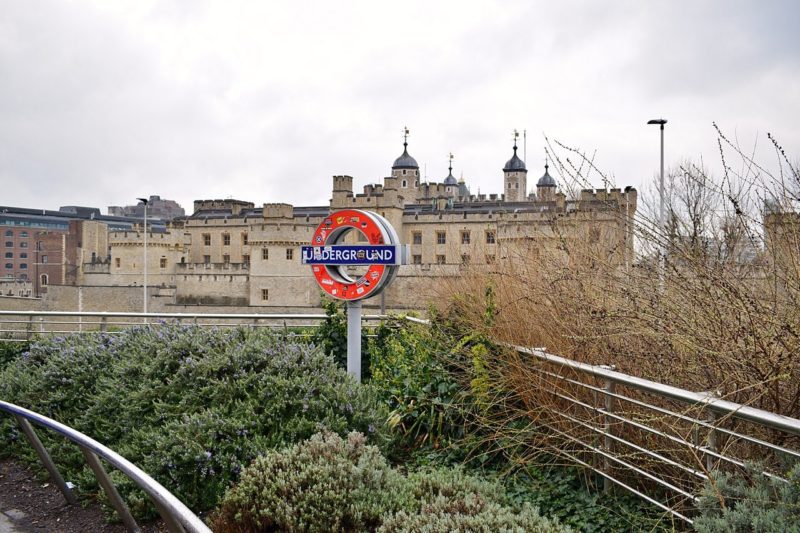
From Tower Hill, it is a short, flat walk to the main entrance along clear signage on mostly level ground. Alternatively, arrive by river bus to Tower Pier for a historically appropriate approach along the Thamesthe same route once used to transport prisoners. The Tower is within walking distance of London Bridge and easily reached by multiple bus routes.
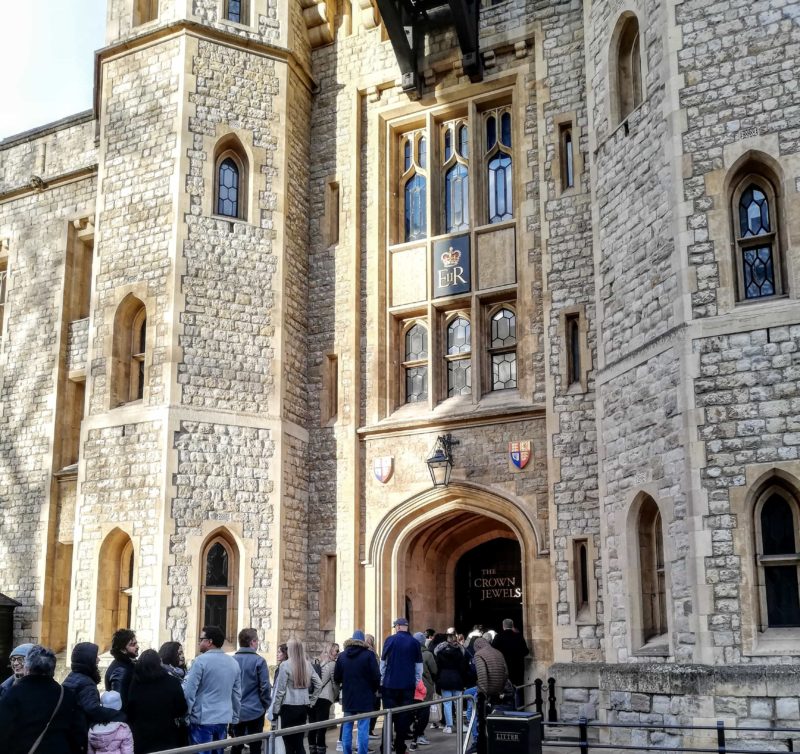
Because the area is busy, especially in summer, arrive early in the day to reduce crowding. On my last visit, entering within ten minutes of opening meant walking straight into the Jewel House with minimal queuing.

Tower of London Tickets: Prices, Booking, and What’s Included
Tickets to the Tower of London include access to all major areas, including the Crown Jewels, exhibitions, and Yeoman Warder tours. Pricing changes periodically, but at the time of writing, standard admission generally falls into the following ranges:
Adults: approximately £30, Children: reduced rate, Members of Historic Royal Palaces: free
Tickets can be purchased online or at the entrance, but booking online in advance is strongly recommended. Online tickets are usually cheaper and significantly reduce queueing time, particularly during peak seasons.
Admission includes:
- Entry to the Crown Jewels
- Access to the White Tower and prison towers
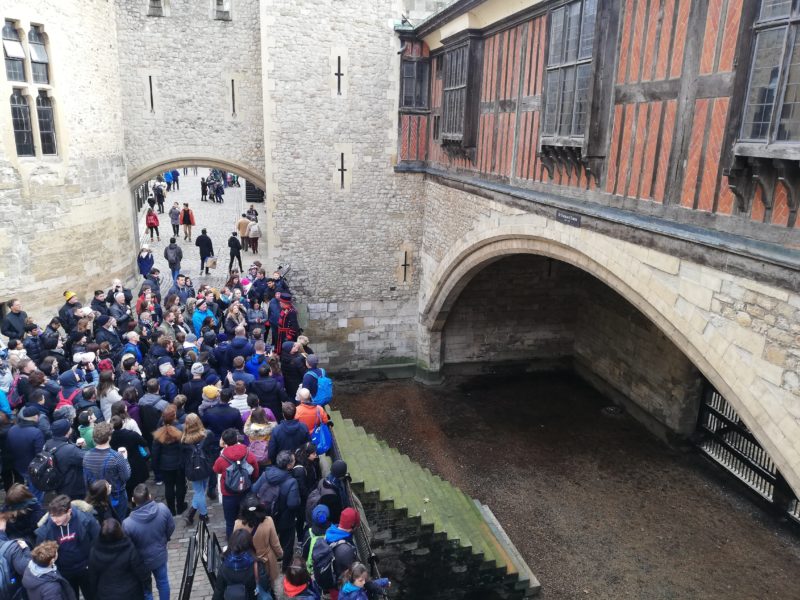
- Yeoman Warder (Beefeater) tours
- All permanent exhibitions
There are no timed entry slots for most areas once inside, so arrival time matters more than ticket time. From personal experience arriving right at opening offers the quietest access to the Crown Jewels and prisoner towers.

Arrival Timing and Queue Management
Arrival time matters more than ticket time because most areas are free‑flow. The Jewel House uses controlled flow and, during peak demand or special displays, may operate timed or managed entry. Arriving at opening provides the quietest access to the Crown Jewels and the prison towers.

Accessibility, Facilities, and Visitor Considerations
The Tower is a medieval fortress, so accessibility varies by area. Significant efforts have been made to improve access, including step‑free routes to many key spaces, accessible toilets, and wheelchairs available on a first‑come basis.
Some towers have limited or no wheelchair access due to narrow staircases; expect over 100 narrow steps in the White Tower, with handrails. HRP’s accessibility guide provides details. Strollers are permitted outdoors, though interiors with steep stairs may require folding. There are multiple cafés inside the complex, and eating on site helps you avoid re‑entry queues during busy periods.

Best Time to Visit the Tower of London
The Tower is busy year‑round, but crowd levels vary significantly. The best time of day is right at opening, when lines are shortest and spaces are quieter. Late afternoon can also be calmer, but you will need to move efficiently to see priority areas such as the Jewel House and the prison towers.
Winter months outside major holidays are generally less crowded than summer. HRP lists opening times and last entry; these vary slightly by day, so confirm before you go.
How Long to Spend and How to Structure Your Visit
To understand the Tower’s dark history and what to see, plan for at least two and a half to three hours on site. Rushing undermines both the historical context and the emotional impact.
A First‑Visit Route Plan
Begin with the Crown Jewels while it is quiet; the Jewel House’s dim, hushed atmosphere and moving walkway control the pace and heighten the symbolism of state power. Continue to the White Tower to see St John’s Chapel and the Royal Armouries, where you will find royal armour and effigies.


Move to the prison towers for Beauchamp Tower’s carved graffiti and the Bloody Tower’s exhibits on intrigue and imprisonment. Pause at Tower Green and the Chapel of St Peter ad Vincula to reflect on private executions and burials.
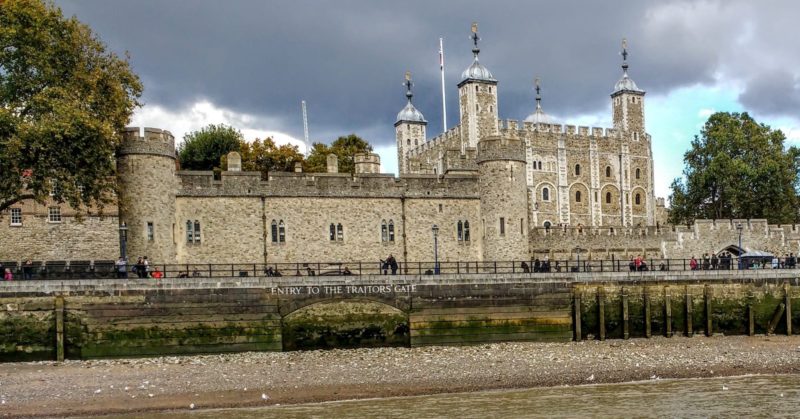
Finish along the outer walls and Traitors’ Gate to understand the choreography of intimidation. If possible, join a Yeoman Warder tour.
What Is the Tower’s Dark History?
The Tower’s dark history comes from its long use as a political prison and execution site where monarchs controlled rivals through fear, secrecy, and ritualized punishment. Nobles, queens, religious leaders, and accused traitors were imprisoned, interrogated, and sometimes executed within its walls. What makes the Tower unique is less the number of deaths than the status of those affected and the care with which their fates were managed.
Why Was the Tower of London Built?
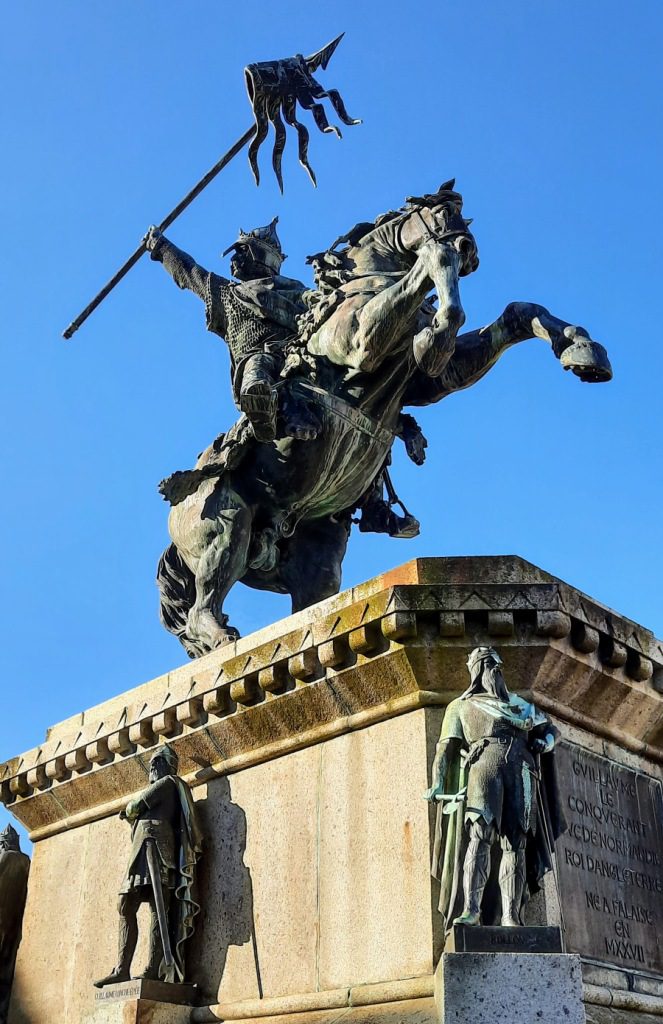
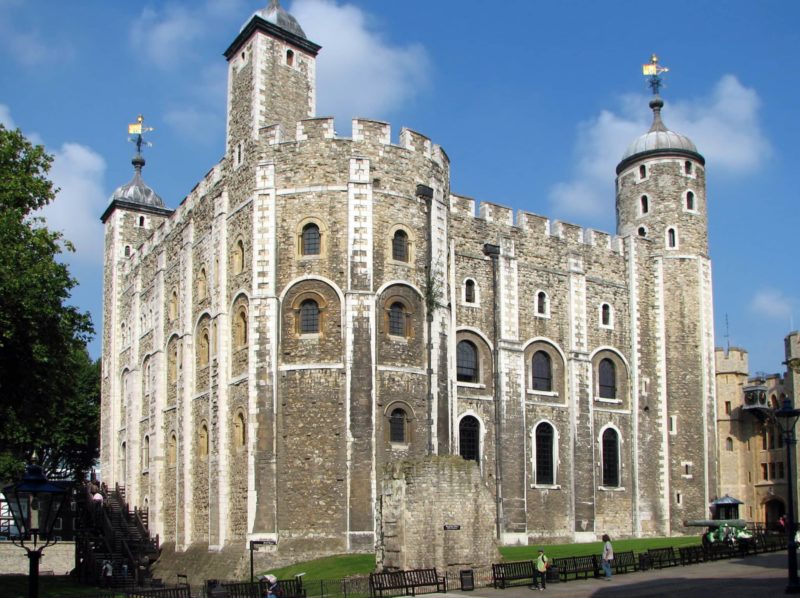
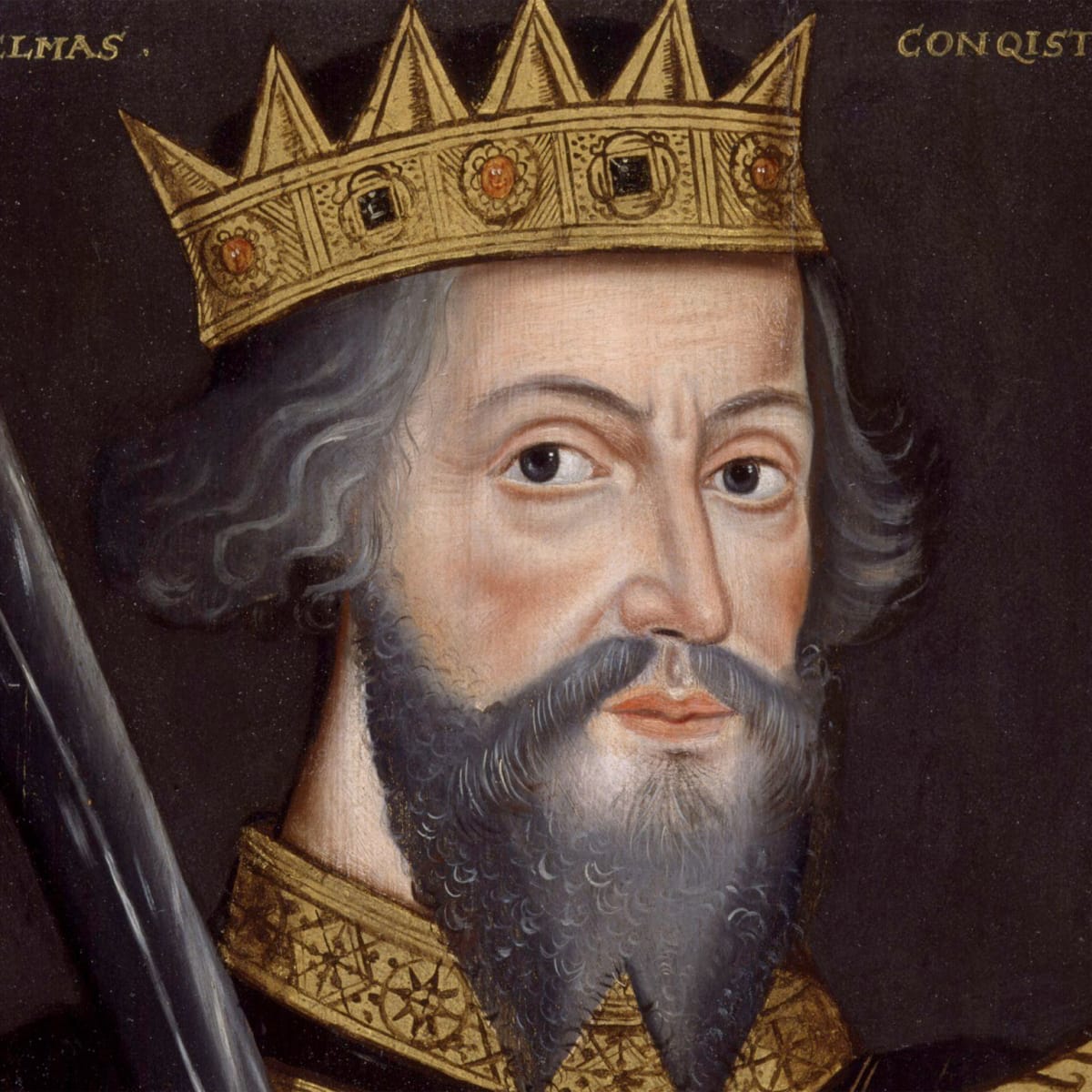
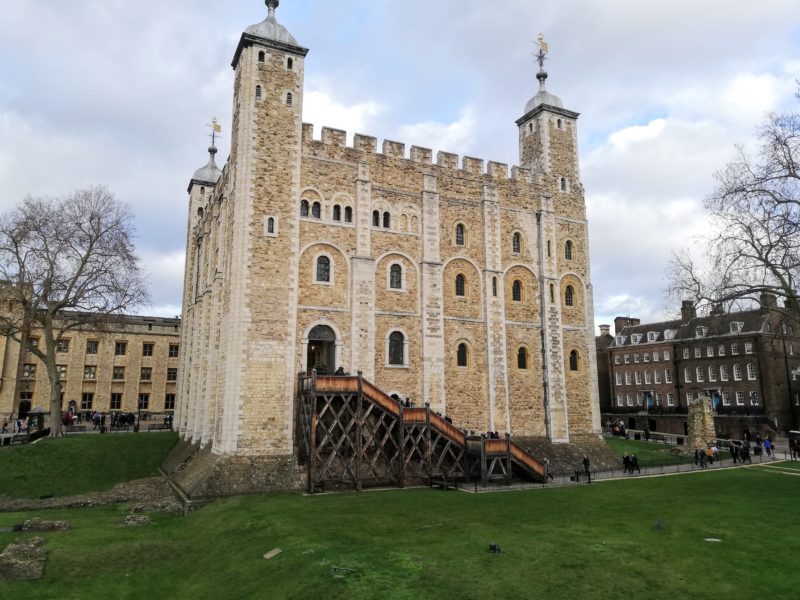
Fortifications began after the Norman Conquest from 1066, and the stone White Tower rose in the 1070s under William the Conqueror (from Normandy). At its core stands the White Tower, built of stone when most of London was timber. Its scale communicated permanence, dominance, and hierarchy. From an anthropological perspective, architecture functioned as a tool of psychological control: the Tower did not simply defend power; it displayed it.
When Did the Tower Become a Prison?
Although it began as a royal residence, the Tower became known as a prison from the twelfth century onward, holding rival claimants to the throne, nobles accused of treason, religious dissenters, and political insiders who fell out of favor. Imprisonment was often strategic rather than strictly punitive; holding someone at the Tower allowed the Crown to delay decisions and manage public perception.
Who Was Executed at the Tower of London?
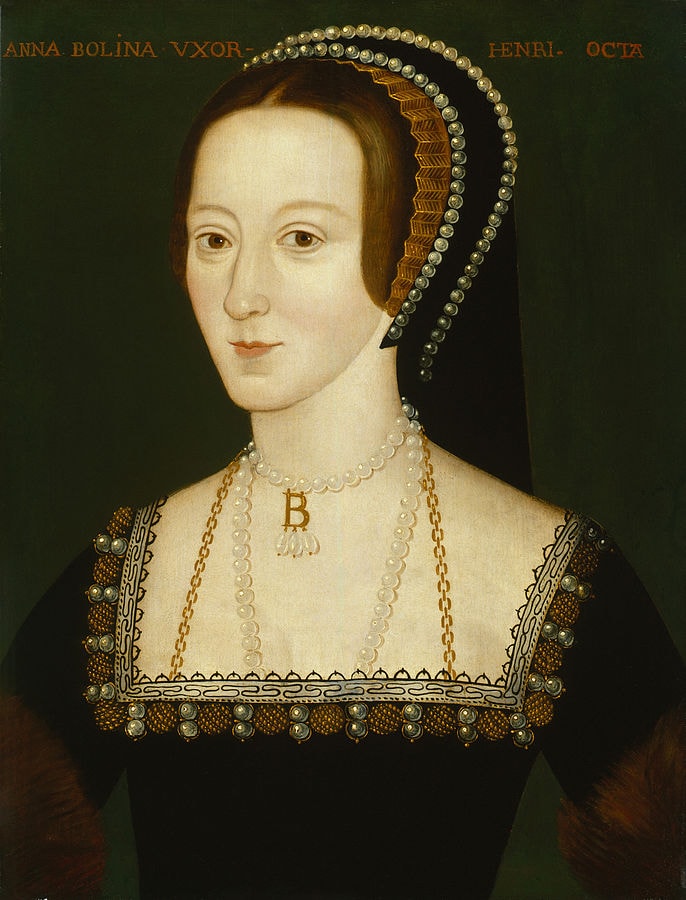
Executions inside the Tower on Tower Green were rare and reserved for high‑status individuals, while Tower Hill served as the site of public executions. Anne Boleyn, Henry VIII’s second wife and Queen of England, was executed privately on Tower Green in 1536.
Lady Jane Grey, proclaimed queen during the succession crisis of 1553, was executed on Tower Green in 1554 after Mary I secured the throne. By contrast, Sir Thomas More and John Fisher were executed publicly at Tower Hill in 1535 for resisting Henry VIII’s religious settlement.
From a Women’s Studies perspective, Anne Boleyn’s execution reveals how women’s power was conditional. Her influence mattered while the production of a male heir seemed possible; when that failed, she became expendable within a patriarchal system that managed female agency through spectacle and erasure.

What Happened to the Princes in the Tower?
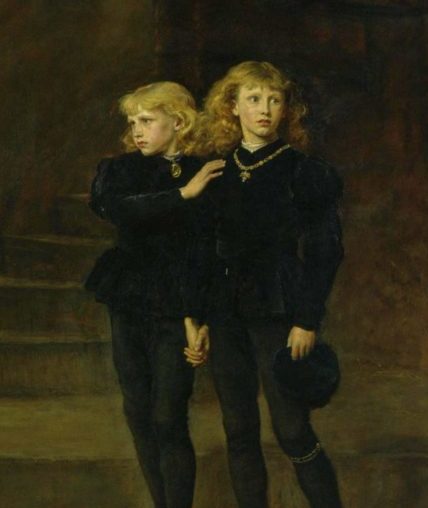
In 1483, Edward V and Richard of York, known as the Princes in the Tower were lodged in the Tower and then disappeared. Blame traditionally fell on Richard III, a narrative later reinforced by Tudor writers and William Shakespeare.
Modern historiography is more cautious and often inconclusive, weighing contemporary accounts such as Thomas More’s History of King Richard III against later Tudor narratives and archaeological reassessments. For accessible overviews of the debate, see Alison Weir, The Princes in the Tower (1992), which presents a popular narrative arguing Richard’s guilt. rather than a definitive attribution.
What Can You See at the Tower of London Today?
The Tower is a large fortified complex of towers, palaces, chapels, prisons, battlements, and curated exhibitions. Allow two to three hours to move slowly through the spaces, where the darker history often emerges through proximity and contrast rather than signage alone.
The Crown Jewels
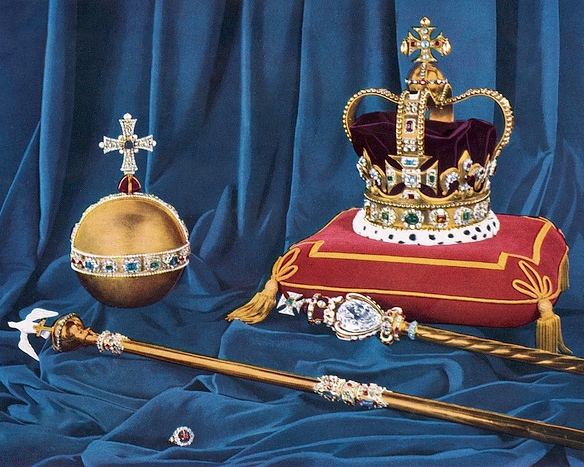
The Jewel House contains the Crown Jewels, including St Edward’s Crown and the Imperial State Crown, alongside regalia remade for Charles II in 1661 after Civil War destruction and displays updated in May 2023. When visiting this area you will note huge lineups which actually move quite quickly due to the conveyor system which passes by the jewels.
The White Tower
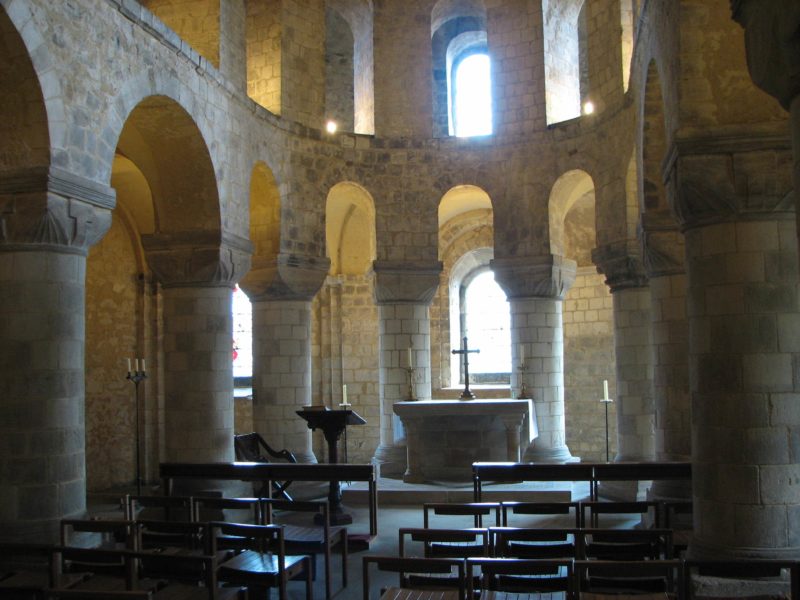
Inside the White Tower, see St John’s Chapel and the Royal Armouries’ Line of Kings exhibits, including armour associated with Henry VIII and richly staged displays.
Tower Green and the Chapel of St Peter ad Vincula
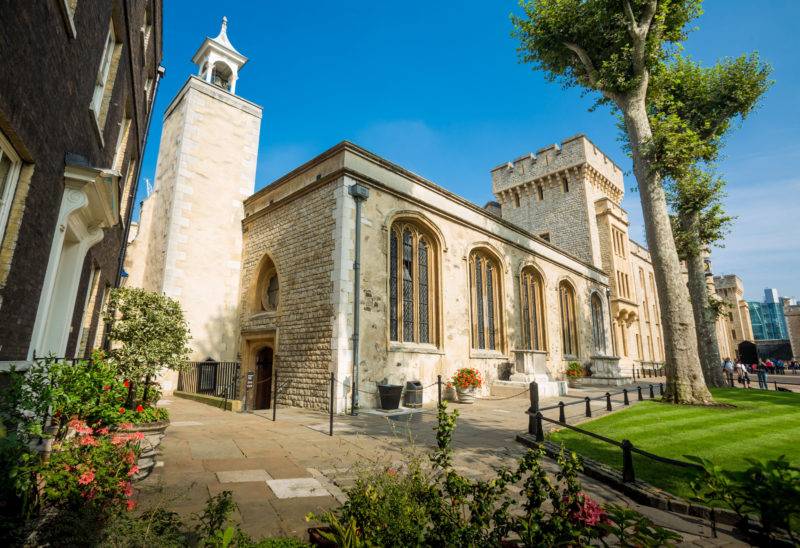
Tower Green marks the site of private executions, while the Chapel of St Peter ad Vincula holds the remains of those executed at the Tower. Standing here early in the day, when it is quiet, intensifies the sense of ritual and rank that defined death within the fortress.

Prison Towers, Graffiti, and Traitors’ Gate
The Beauchamp Tower preserves prisoner graffiti carved by those awaiting confinement or execution, including carvings linked to figures like the Dudleys. These inscriptions some carefully maintained, others softened by time demonstrate how memory is produced and survives unevenly.
Traitors’ Gate served as a river entrance for prisoners accused of treason, staging intimidation before confinement. One notable prisoner was Guy Fawkes; his tortured signature survives in his 1605 confession held by The National Archives (SP 14/216/42).

Yeoman Warders, Ravens, and Daily Life
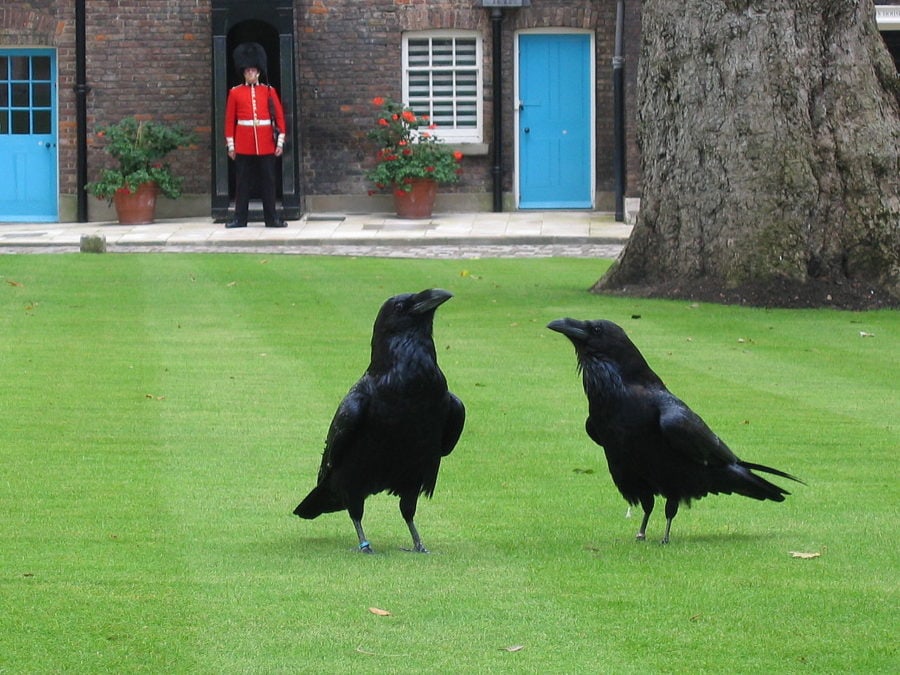
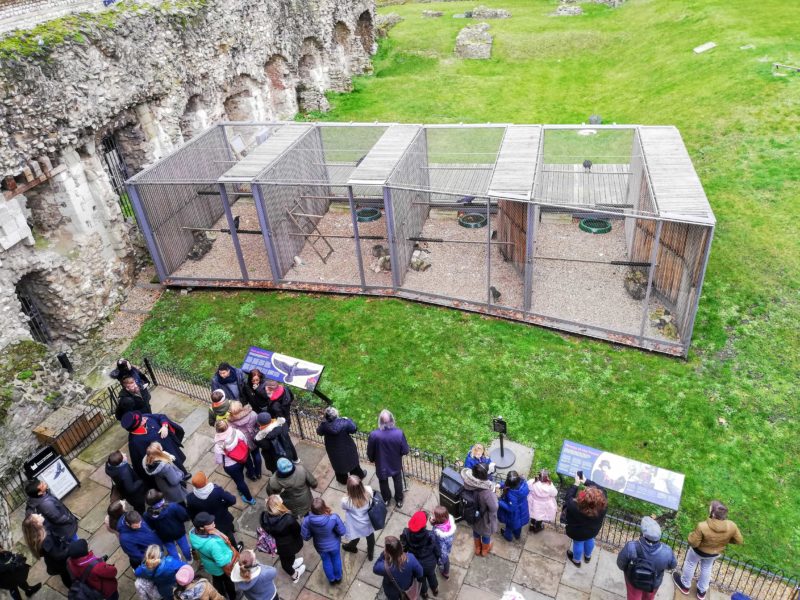
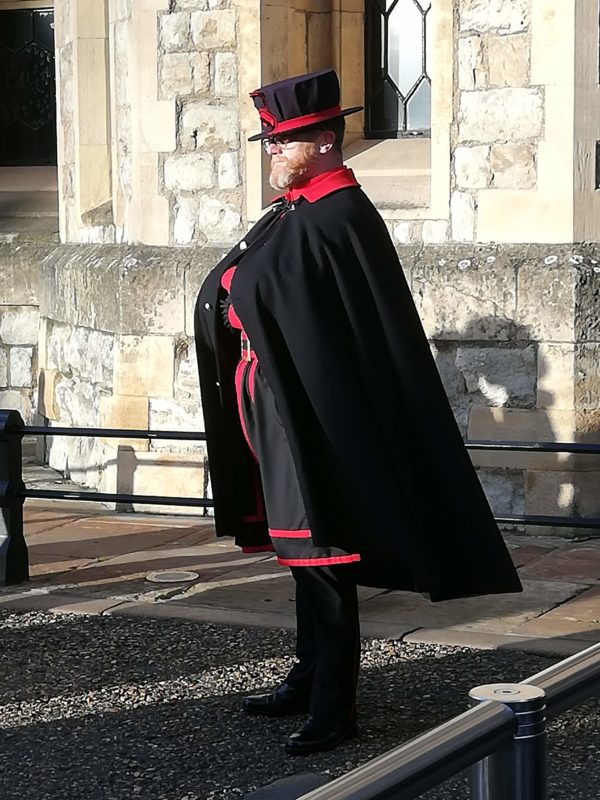
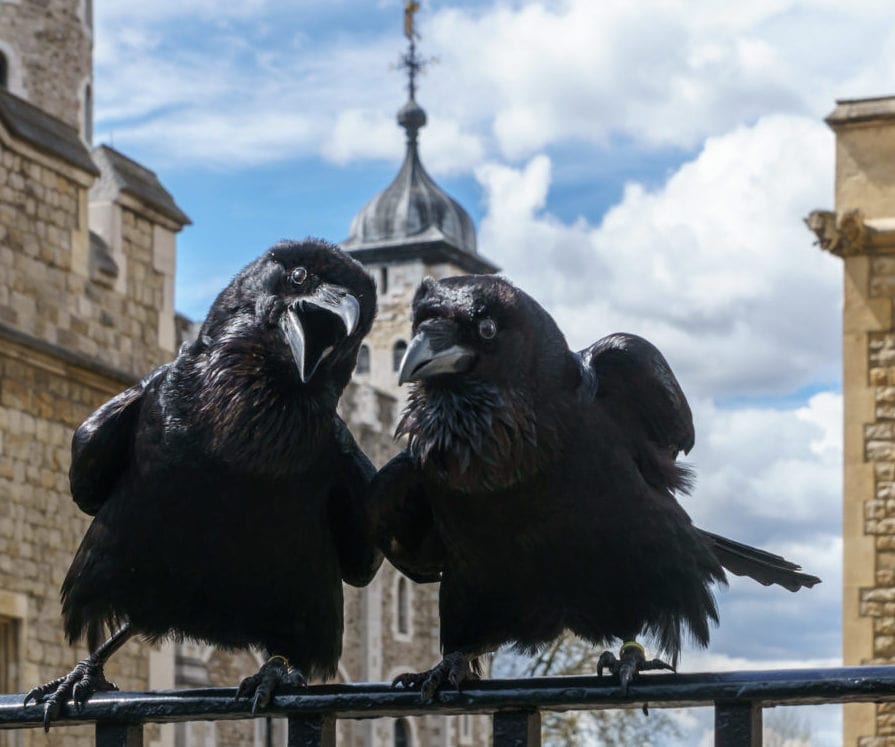
Yeoman Warders lead included tours that narrate the Tower’s roles as fortress, palace, and prison, often highlighting imprisonment, intrigue, and executions. The ravens, cared for by the Raven Master, remain a symbol of continuity within the Tower’s living community.
Why the Tower’s Dark History Still Matters
The Tower of London is unsettling not because of myth but because its systems of power are recognizable. Architecture, ritual, gendered control, and selective memory worked together to maintain authority. Approached through Anthropology and Women’s Studies, the Tower becomes more than a historic site; it becomes evidence of how power operates. The Tower is not just a monument to Britain’s past. It is a warning written in stone.
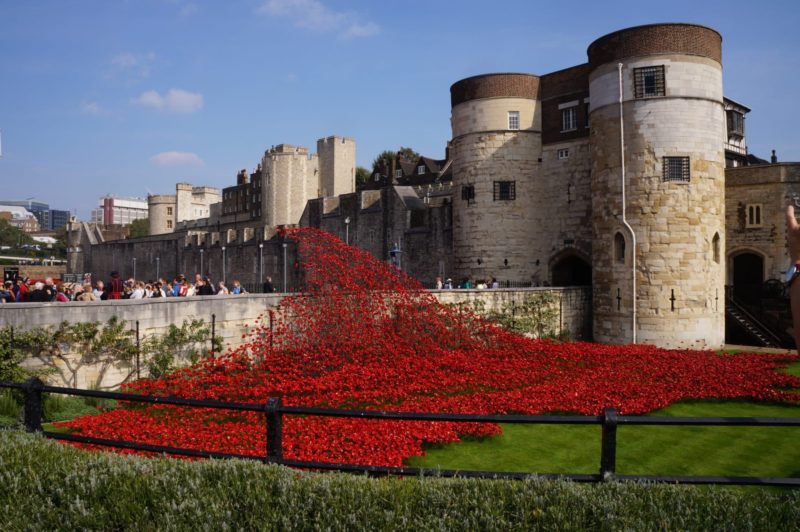
Seen slowly and with attention, the Tower of London reveals how power is made visible, enforced, and remembered. Its stones carry the weight of ritual, spectacle, and selective memory. Visit early, trace the route from Jewel House to prison towers, pause at Tower Green, and listen for how the site speaks through architecture and absence. Then leave with the understanding that the Tower’s history is not distant at all it is a mirror held up to authority.