
Dublin Travel Guide: 33 Things to Do (2026/27)
Quick answer: what are the best things to do in Dublin? See the Book of Kells and the Long Room at Trinity College before the Old Library closes for works at the end of 2027, take the guided tour of Kilmainham Gaol, see the bog bodies at the free National Museum of Ireland (Archaeology), walk St Stephen’s Green and Merrion Square, catch a trad session in a proper pub, and take the DART to Howth for the cliff walk. Note that Dublin Castle and the Chester Beatty are closed to the public until the end of 2026.

I’ve lost count of how many times I’ve been to Dublin. When I lived in Donegal it was a two-hour drive, and from Northern Ireland it’s been well under that, so Dublin has been my go-to city for St Patrick’s Days, food festivals, buskers on Grafton Street and showing visiting family around. This Dublin travel guide covers everything for a first visit or a return trip: the 33 things I’d actually do, the sights worth paying for and the ones I’d skip, what’s closed this year, where to stay, how to get around, what it costs, and a 3-day plan. For the quirkier side of the city, see my Dublin hidden gems.
Dublin in a nutshell: Ireland’s capital sits on the River Liffey on the east coast. It has more than a thousand years of history, from Viking settlement to Georgian capital, and a compact, walkable centre. Most visitors spend 2–3 days here, and it’s the natural gateway for trips to Wicklow, the Boyne Valley and the rest of Ireland.

- Dublin Travel Guide: 33 Things to Do (2026/27)
- Dublin fast facts
- Closed in 2026: check before you go
- Classic Dublin sights worth your money
- Free museums and galleries
- Paid museums that are worth it
- Parks, squares and walks
- Pubs, music and nights out
- Neighbourhoods and local life
- Seaside Dublin by DART
- Eating and drinking
- Dublin neighbourhoods at a glance (for visitors)
- Best day trips from Dublin
- Accessible Dublin
- Planning your trip to Dublin
- 3-day Dublin itinerary
- Pub etiquette and local tips
- Dublin FAQs
- Final thoughts
Dublin fast facts
| Good to know | Details |
| How long to stay | 2–3 days for the main sights; 4–5 with day trips |
| Top paid sights | Book of Kells (from ~€21.50), Guinness Storehouse (from €26), Kilmainham Gaol (€8) |
| Top free sights | National Museum (Archaeology & Natural History), National Gallery, Hugh Lane, Phoenix Park, James Joyce Tower |
| Closed in 2026 | Dublin Castle (5 May–31 Dec 2026) and Chester Beatty (15 June–end of 2026), for Ireland’s EU Presidency |
| Getting around | Walk the centre; Leap card gives 90 minutes of bus/Luas/DART for €2 |
| Airport to city | Dublin Express or Aircoach from €10; TFI bus from €2 with Leap |
| Book ahead | Book of Kells, Kilmainham Gaol, Guinness (cheaper online), Chapter One |

Closed in 2026: check before you go
Ireland holds the Presidency of the Council of the European Union from July to December 2026, and Dublin Castle is the main venue. That has shut two of the city’s best sights:
- Dublin Castle (State Apartments, Chapel Royal, Undercroft): closed to the public 5 May–31 December 2026. Tours are expected back in January 2027 (normally €8 self-guided, €12 guided).
- Chester Beatty: closed 15 June to the end of December 2026. When it reopens it’s free and still one of my favourite museums in Dublin, with Korans, early Gospels, Buddhist texts and Japanese prints. Until then, go to Marsh’s Library (#12) instead.
- St Michan’s Church vaults: the crypt has been closed since an arson attack in June 2024 badly damaged the mummies, including the so-called “Crusader”. I visited the vaults before the fire and found them fascinating; it’s heartbreaking. Check the church before you go in case tours resume.
Classic Dublin sights worth your money
1. Trinity College, the Book of Kells and the Long Room
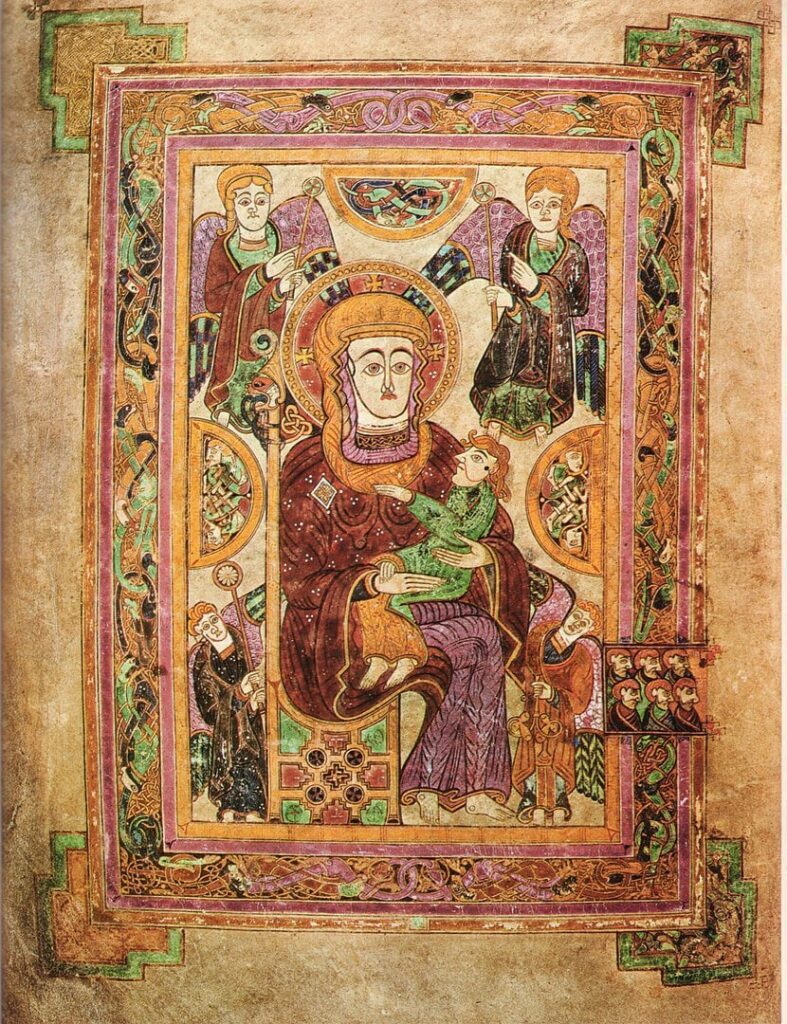
Details: Self-guided Book of Kells Experience from about €21.50 (timed, online; cheaper early on weekdays). Campus free. Book of Kells.
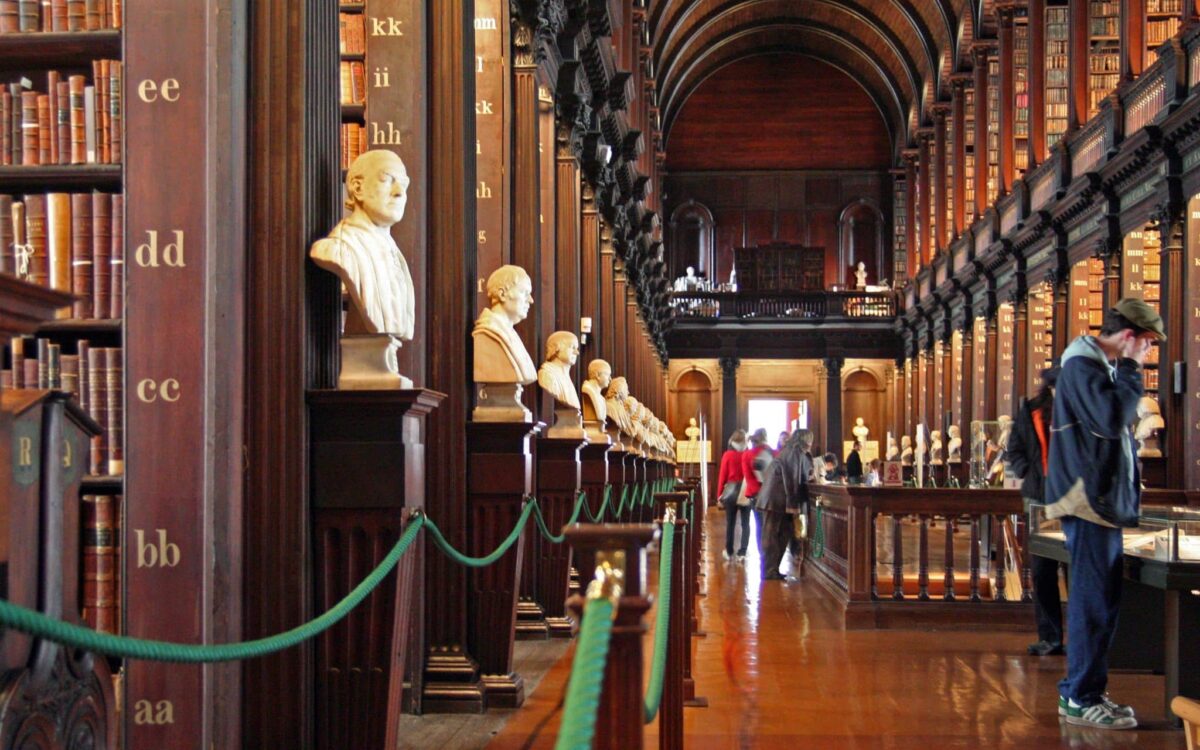
Ireland’s oldest university (founded 1592) holds the Book of Kells, a 9th-century illuminated Gospel book. The ticket now covers three parts: the manuscript itself (two pages on show at any time, turned regularly to protect it), the Long Room, and a digital exhibition in the Red Pavilion. Allow 75–90 minutes.
Here’s what most guides don’t tell you: the Long Room is largely empty of its books right now, because they’ve been moved out for a major conservation project. Trinity says the Old Library stays open until the end of 2027, then closes for works while the Book of Kells moves to the refurbished Printing House. If you’ve always wanted to stand in that barrel-vaulted hall, 2026–27 is your window. Having walked these halls many times, I still get goosebumps.
Can’t get a ticket? Drive 40 minutes north to Kells, where the book was kept for centuries.
Insider tip: Book the first slot of the day. Summer slots sell out days ahead, and the cobbled squares of the campus are free to wander.
2. Kilmainham Gaol
Details: €8 adults, €6 seniors, €4 students/children 12–17, family €20. Guided tour only; book ahead. Inchicore Road, Kilmainham. Kilmainham Gaol
If you only do one history tour in Dublin, make it this one. The gaol opened in 1796 and held prisoners through every Irish rebellion until 1924. Fourteen leaders of the 1916 Easter Rising were executed in the Stonebreakers’ Yard, including James Connolly, who was tied to a chair because of his wounded leg. The guides tell the prisoners’ stories, men and women, and you’ll recognise the Victorian east wing from films including In the Name of the Father.
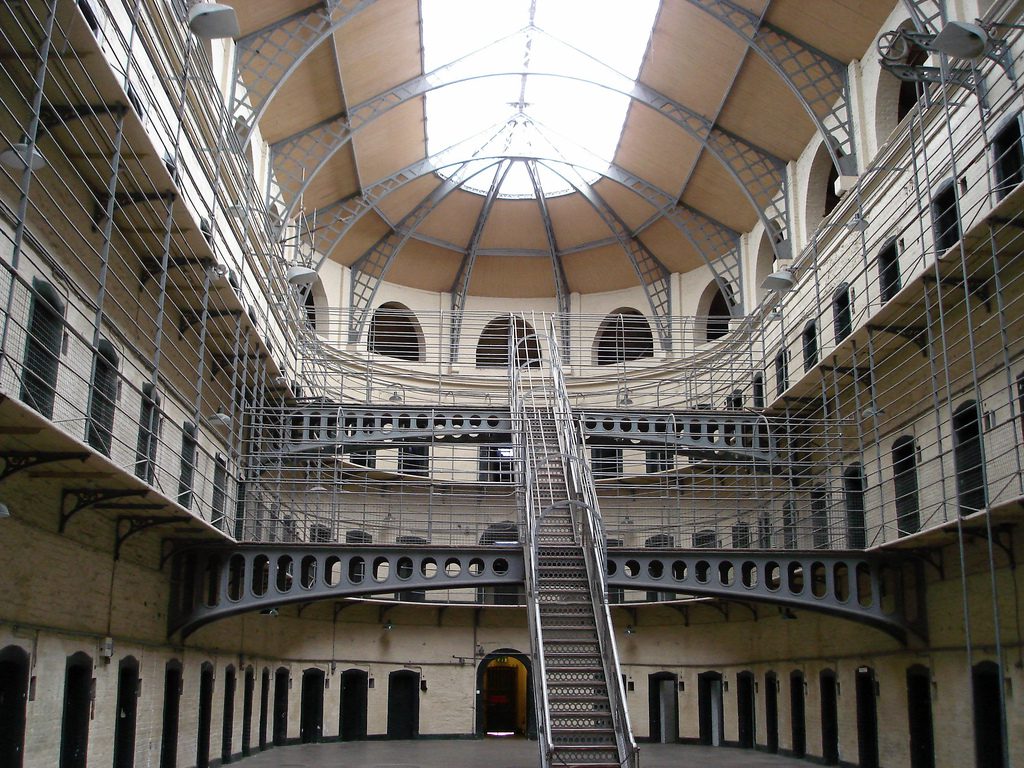
Kilmainham sits on the edge of Inchicore, so pair it with the Irish Museum of Modern Art (#26) ten minutes away. For more of Ireland’s darker sites, see my guide to the most haunted places in Ireland.
Insider tip: Tours regularly sell out on summer weekends, sometimes weeks ahead. Book as soon as your dates are fixed.
3. Guinness Storehouse
Details: Adults from €26 online (dynamic pricing; weekends and summer cost more, the door costs more again). Includes a pint or soft drink. St James’s Gate. Guinness Storehouse.
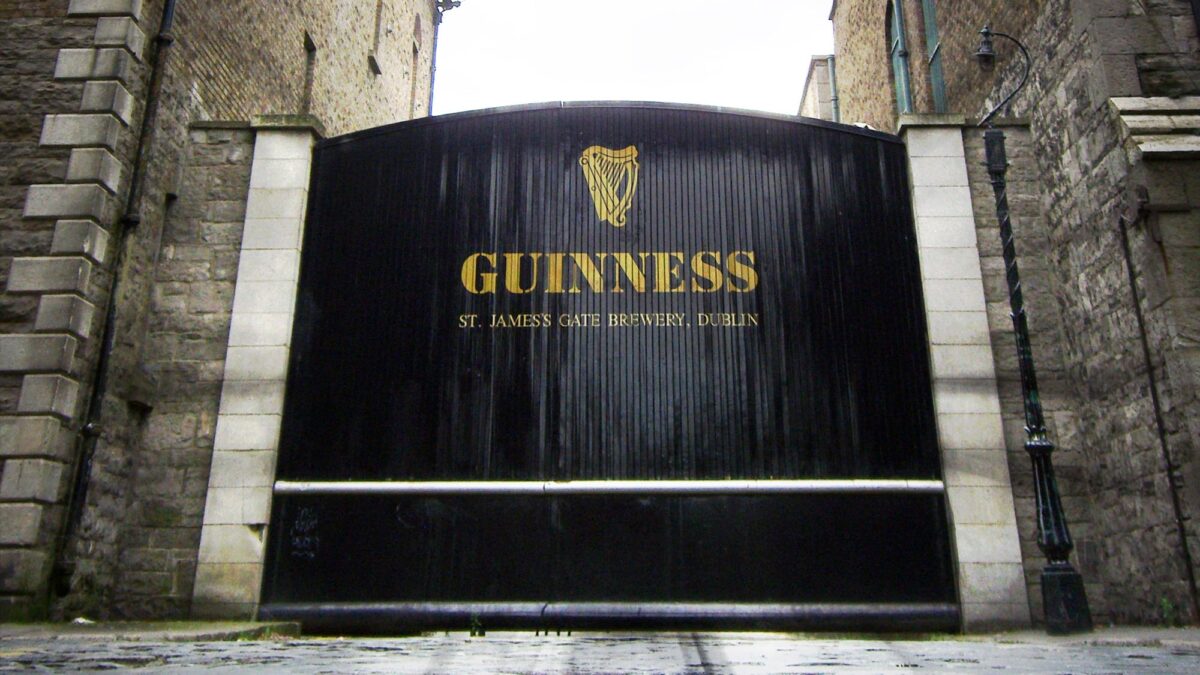
I’ll be honest: I find the Storehouse overpriced and a bit of a tourist trap. It’s seven floors of slick brand storytelling about Arthur Guinness and his 9,000-year lease (signed in 1759). But the 360° view from the Gravity Bar is genuinely one of the best in the city, and most visitors I bring want to tick it off.
Insider tip: Book a morning slot online, when prices and crowds are lowest. For a better pint for less, go to Mulligan’s on Poolbeg Street or the Gravediggers (#13).
4. St Patrick’s Cathedral
Details: Around €10–€12 adults, including audio guide. Closed to tourists during services. St Patrick’s Cathedral
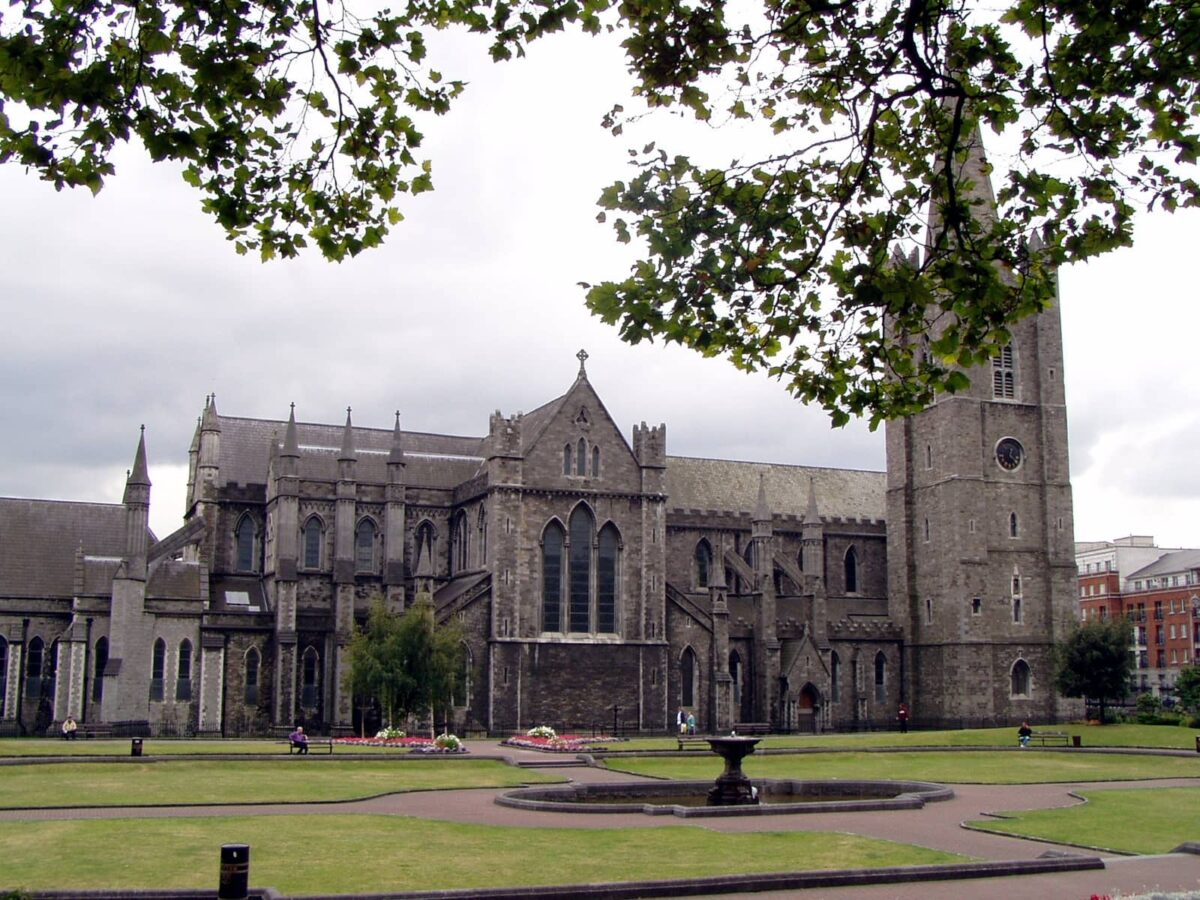
Ireland’s largest cathedral, built beside the well where St Patrick is said to have baptised converts. Jonathan Swift was Dean here for 32 years and is buried inside. Look for the “Door of Reconciliation”, the origin of the phrase “chancing your arm”. The park outside is free and lovely on a sunny day.
Insider tip: Combine it with Marsh’s Library (#12) next door, which is far quieter.

5. Christ Church Cathedral and Dublinia
Details: Dublinia €16 adults online (includes the climb up St Michael’s Tower). Christ Church is a separate ticket.

Christ Church, founded around 1030 by the Viking king Sitric Silkbeard, has one of the largest medieval crypts in Britain and Ireland, including a mummified cat and rat. Linked by a covered bridge, Dublinia recreates Viking and medieval Dublin with costumes and smells. It’s the best paid attraction in the city for kids.
Insider tip: Climb the 96 steps of St Michael’s Tower for a free view across the Liberties.

Free museums and galleries
6. National Museum of Ireland – Archaeology
Details: Free. Kildare Street. Closed Mondays. National Museum
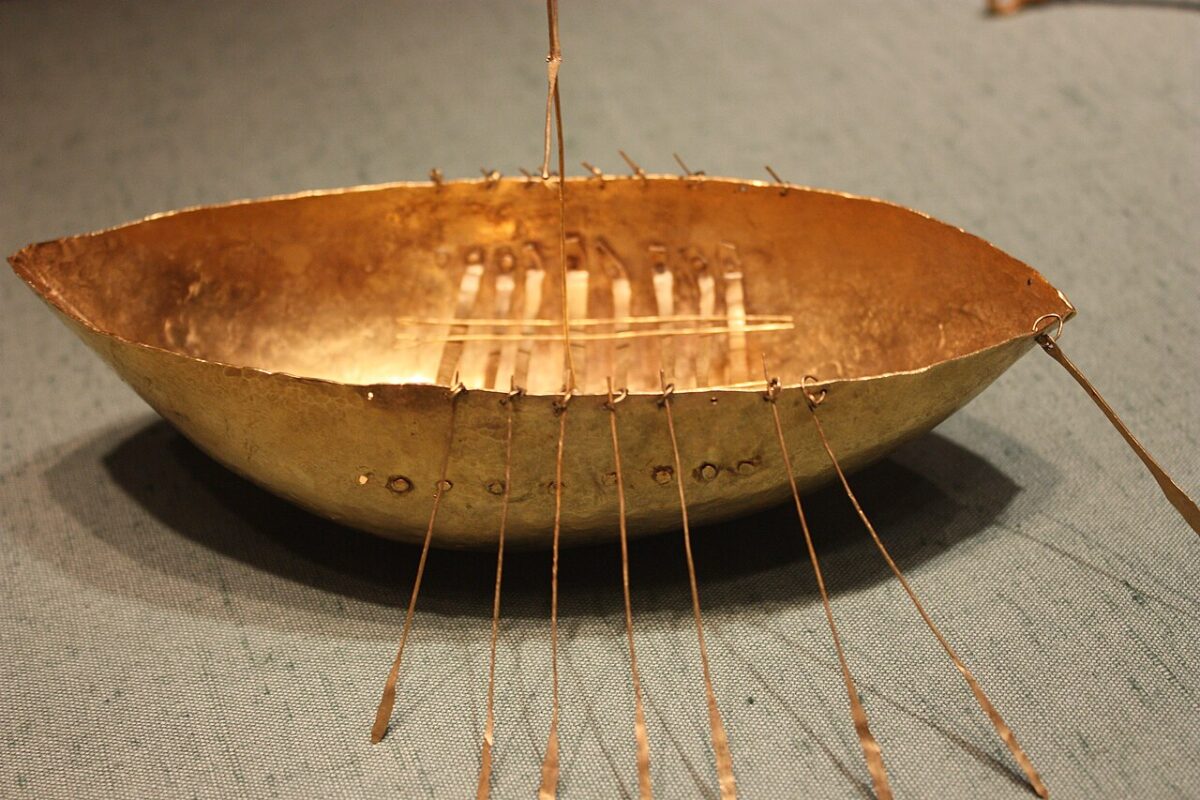
This is where you’ll find the treasures most people think are at Trinity: the Tara Brooch, the Ardagh Chalice and the Broighter gold boat, plus Viking swords and the unforgettable “Kingship and Sacrifice” gallery of Iron Age bog bodies, with fingernails and hair still intact. For an inner 12-year-old geology geek like me, the prehistoric gold is the highlight.
Insider tip: Go first thing on a weekday; school groups arrive by late morning.

7. Natural History Museum (“the Dead Zoo”)
Details: Free. Merrion Street.
A Victorian cabinet of curiosities that has barely changed since 1857: giant Irish deer skeletons, a hanging whale and thousands of stuffed animals in old wood-and-glass cases. Kids adore it.
8. National Gallery of Ireland
Details: Free (some exhibitions charge). Merrion Square West. National Gallery
Caravaggio’s The Taking of Christ, a whole room of Jack B. Yeats, (W.B Yeats brother) and Irish art from Lavery to Osborne. It’s also a good place to shelter from the rain, with a decent café.

9. Hugh Lane Gallery
Details: Free. Parnell Square North.
Home to Francis Bacon’s studio, moved here from London piece by piece, dust and all. Chapter One (see food) is a few doors along.
Paid museums that are worth it
10. EPIC The Irish Emigration Museum
Details: €21 adults online (€23 on the day); includes a free return visit within 10 days. CHQ Building, Docklands. EPIC
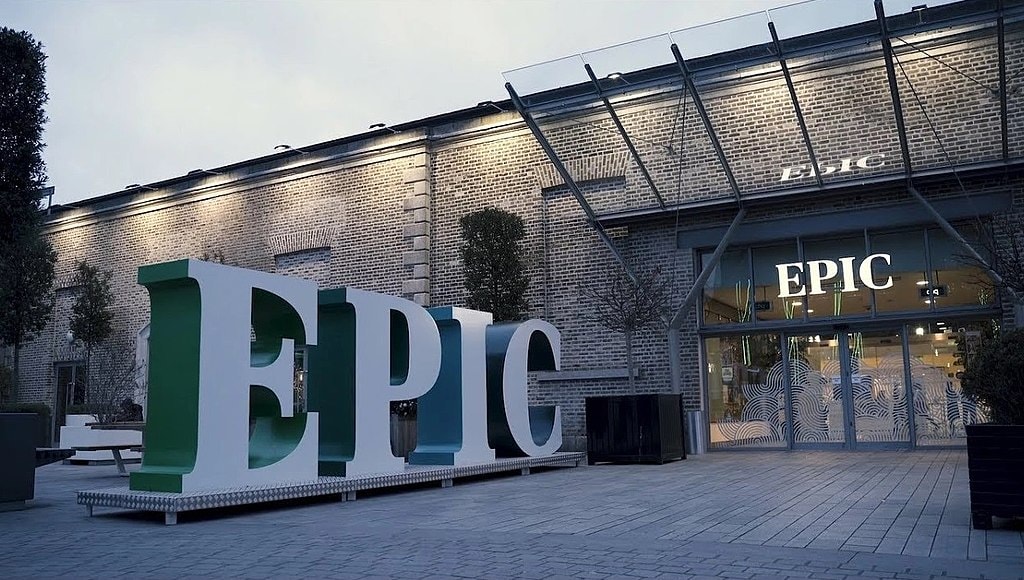
Twenty interactive galleries on why around 10 million people left Ireland and what they did next. As someone whose own family emigrated and came back, it resonates. It’s fully digital, so it’s a great rainy-day option, and it rarely sells out. There’s an Irish Family History Centre on site if you’re tracing roots.
Insider tip: The Jeanie Johnston famine ship and the Famine Memorial statues are a two-minute walk along the quay.
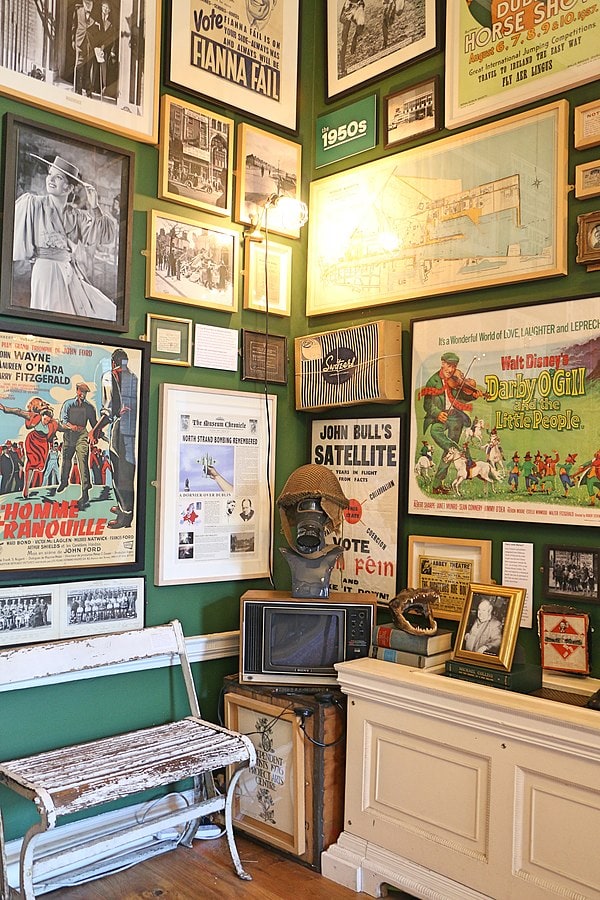
11. The Little Museum of Dublin
Details: €18 adults, €16 seniors/students. Guided tour. 15 St Stephen’s Green. Little Museum
A Georgian townhouse crammed with donated objects that tell the city’s 20th-century story, from JFK’s visit to U2. The guides are funny and fast. After its refurbishment it’s now wheelchair accessible.
12. Marsh’s Library
Details: €7 adults, €4 students/seniors, under-18s free. Closed Sundays and Mondays. Marsh’s Library
Ireland’s first public library (1707) and my pick while the Chester Beatty is closed. The dark oak bookcases are unchanged, there are cages where readers were locked in with rare books, and some volumes still have bullet holes from the 1916 Rising. Ask the librarian about the ghost.
13. Glasnevin Cemetery and the National Botanic Gardens
Details: Cemetery free; museum €8; guided tours €13. Botanic Gardens free. Glasnevin

Michael Collins, Daniel O’Connell, Countess Markievicz, Maud Gonne and Luke Kelly are all buried at Glasnevin, and the guided tours are some of the best storytelling in Dublin. Look up at the watchtowers built to deter body snatchers. Read my full Glasnevin Cemetery guide and my piece on Ireland’s historic women, several of whom rest here.

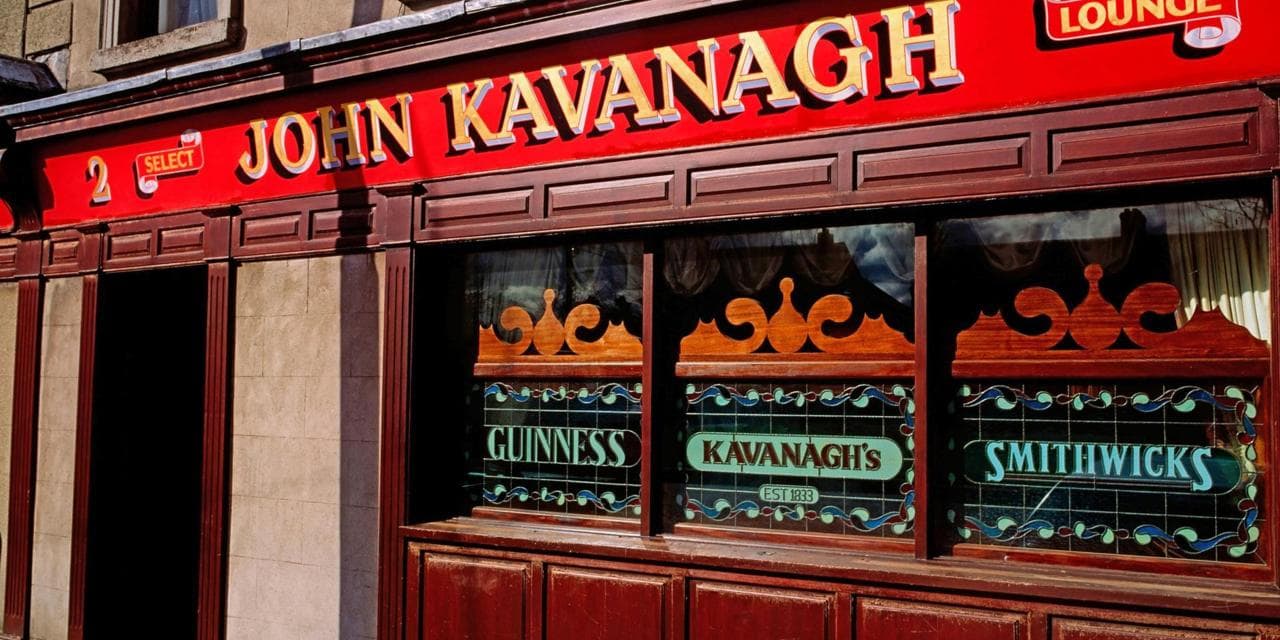
A gate at the back leads into the National Botanic Gardens and their restored Victorian glasshouses. Then have a pint at John Kavanagh’s Pub (the Gravediggers), open since 1833, by the old cemetery wall.
14. Whiskey distilleries: Jameson, Teeling and Roe & Co
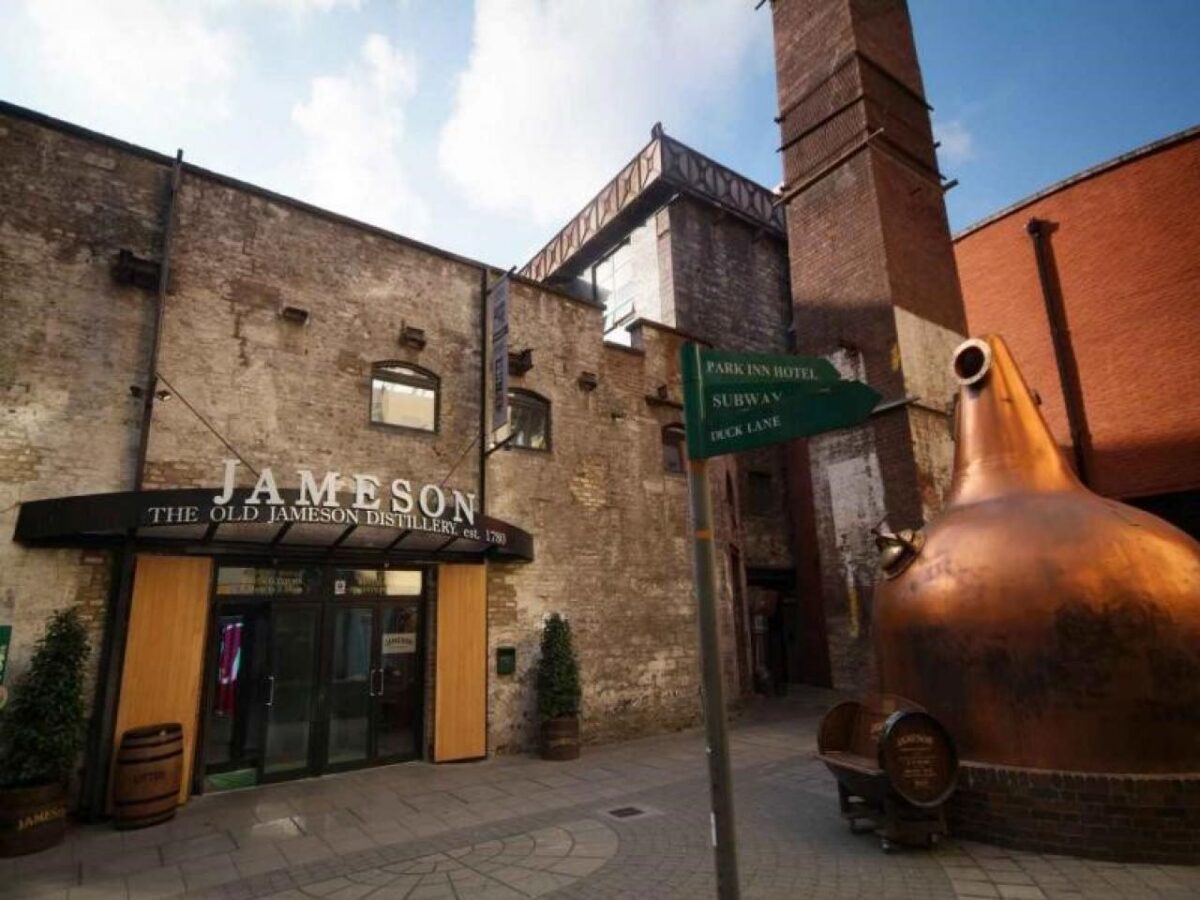
Details: Jameson Bow St tour with tasting from €26 adults. Jameson Bow St
Jameson Bow St in Smithfield is the original 1780 site (production moved to Midleton, Co. Cork, in the 1970s), with a polished 45-minute tour and tasting. Teeling, in the Liberties, is a working distillery: the first new one in Dublin in over 125 years when it opened in 2015. Roe & Co sits in the old Guinness power station. More options in my Irish whiskey tours guide.

15. MoLI – the Museum of Literature Ireland
Details: €14.50 adults. 86 St Stephen’s Green. MoLI
Dublin was named a UNESCO City of Literature in 2010, the fourth city in the world to get the title, and has produced four Nobel laureates in literature: Yeats, Shaw, Beckett and Heaney. MoLI, in UCD’s original Newman House, holds “Copy No. 1” of Joyce’s Ulysses and has a hidden garden at the back. Follow it with my literary tour of Ireland.
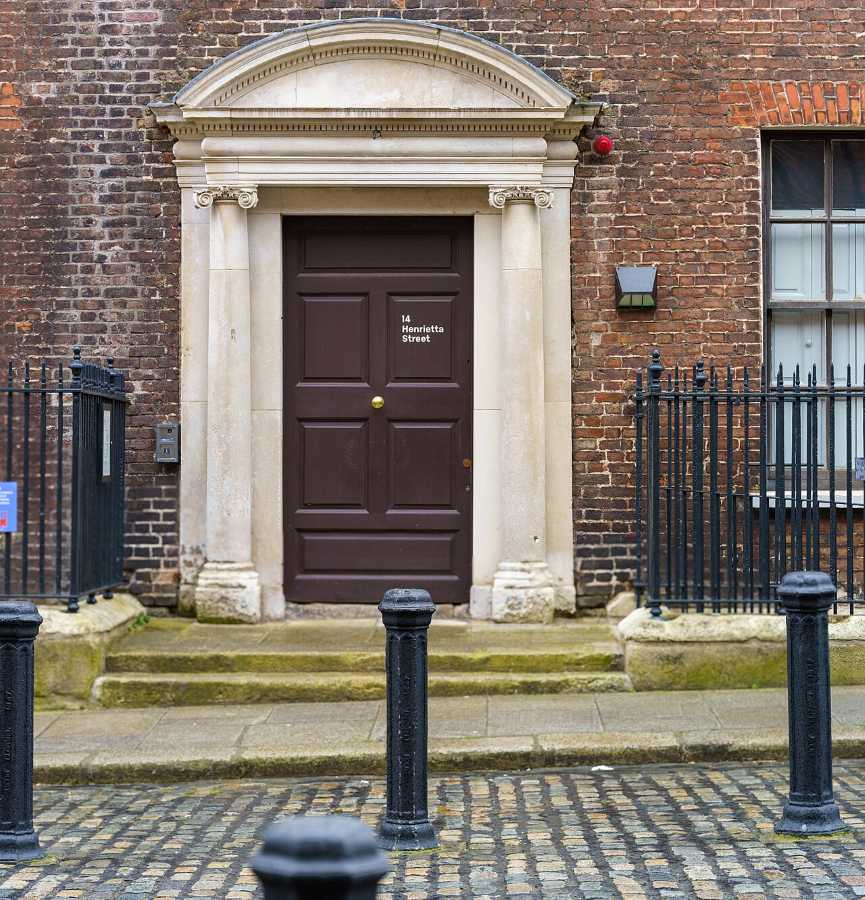
16. 14 Henrietta Street
Details: Guided tours only; book ahead. 14 Henrietta Street
One house, 300 years: a grand Georgian mansion that became a tenement holding over 100 people by 1911. It’s the best place in Dublin to understand how most Dubliners actually lived.
17. GPO Museum (GPO Witness History)
Details: Paid entry. O’Connell Street.
The General Post Office was rebel headquarters in Easter 1916, and you can still see bullet marks on the columns outside. The museum inside tells the Rising from all sides, civilians included.

Parks, squares and walks
18. St Stephen’s Green and the Iveagh Gardens
Details: Free.
The Green is the city’s living room: a 22-acre Victorian park given to the public by the Guinness family in 1880. Two minutes away, behind Harcourt Street, the Iveagh Gardens are Dublin’s “secret garden”, with a cascade, a rosarium and a small maze, and far fewer people.

19. Merrion Square and the Georgian doors
Details: Free.
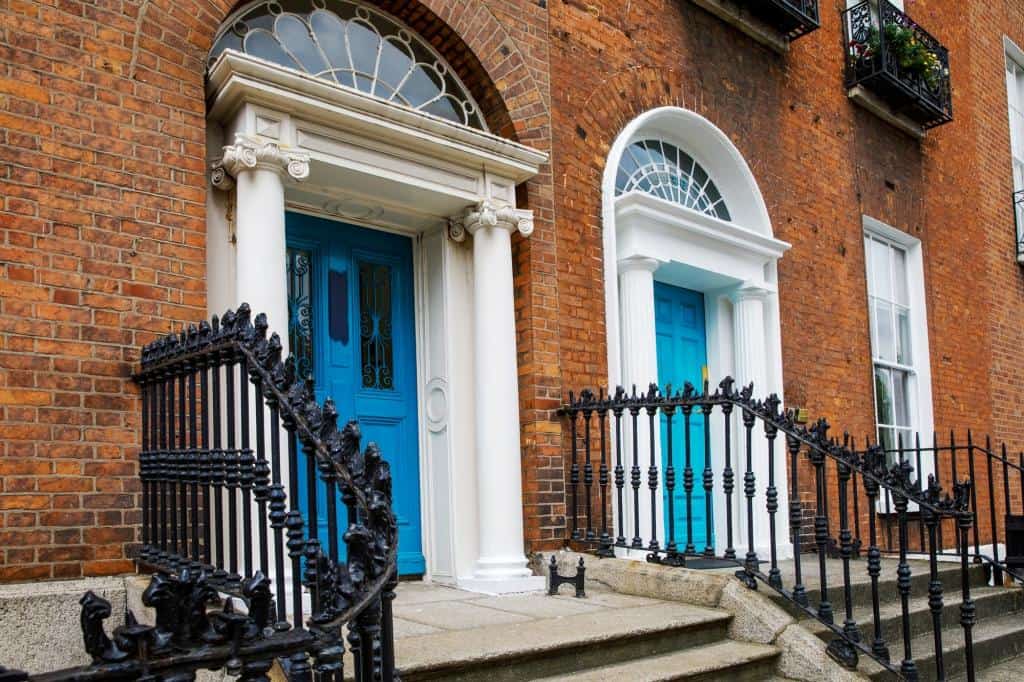
Georgian Dublin around Merrion and Fitzwilliam Squares is where the famous coloured doors are. Oscar Wilde grew up at No. 1 Merrion Square, and his statue lounges on a quartz rock in the park opposite. Fitzwilliam Square is still private, so admire it through the railings.

20. Phoenix Park
Details: Free, open 24 hours.
One of the largest enclosed city parks in Europe, at more than 700 hectares, it’s bigger than Hyde Park and Central Park combined. It has a herd of wild fallow deer, Dublin Zoo, the Victorian Tearooms, and Áras an Uachtaráin, home of the President. Rent a bike at the Parkgate Street entrance; it’s too big to see on foot.
Insider tip: The deer gather around the Papal Cross early in the morning. Please don’t feed them.

21. The Ha’penny Bridge and a Liffey walk
Details: Free.
Cast in Shropshire and opened in 1816, the bridge took its nickname from the halfpenny toll. Walk east along the quays past the Custom House to the Famine statues and the Docklands, or west to the Four Courts. It’s the easiest way to understand the city’s layout.

Pubs, music and nights out
22. A proper trad session
Details: Free to listen; buy a drink and put something in the pot.
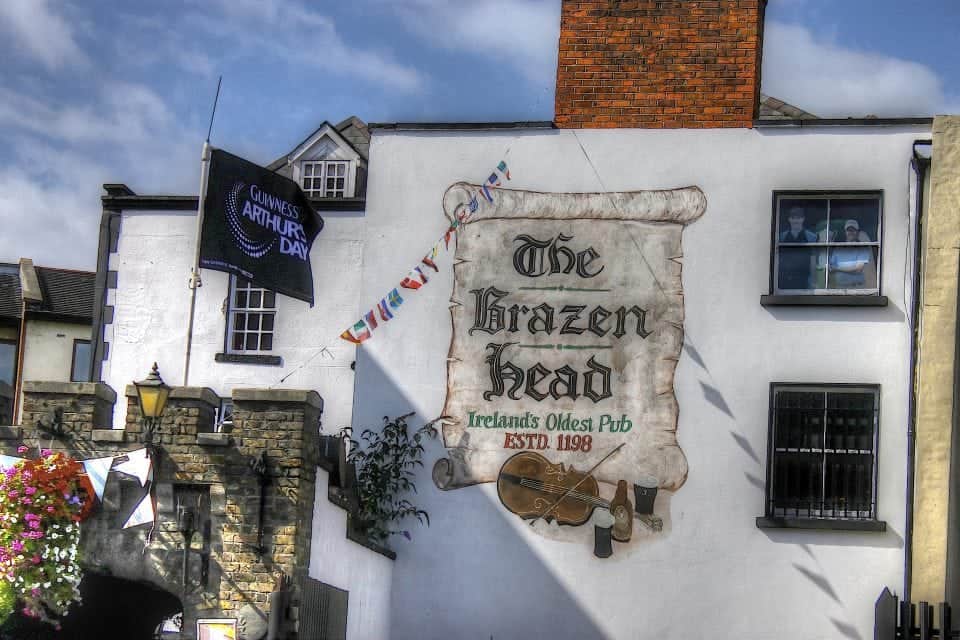
Trad music is part of my weekly life up north, and Dublin has some great sessions if you avoid the tourist bars. The Cobblestone in Smithfield has music every night, O’Donoghue’s on Merrion Row is where The Dubliners started out, and The Brazen Head (claiming 1198, Ireland’s oldest pub) has nightly music.
Insider tip: Keep quiet near the musicians, especially during a song. A good session goes silent for a singer.

23. Grafton Street buskers
Details: Free.
Some of Ireland’s best musicians started on Grafton Street. I’ve stood in a crowd that blocked the whole street the night Bono joined a busk. Glen Hansard and Damien Rice both busked here. Go on a weekend afternoon or around Christmas Eve.

24. Dublin’s historic pubs
Skip Temple Bar’s €9 pints for Kehoe’s Victorian snugs, the Long Hall’s mirrors and chandeliers, Mulligan’s (often called the best Guinness in Dublin), the Palace Bar, and Toners. My full list is in famous pubs in Dublin.
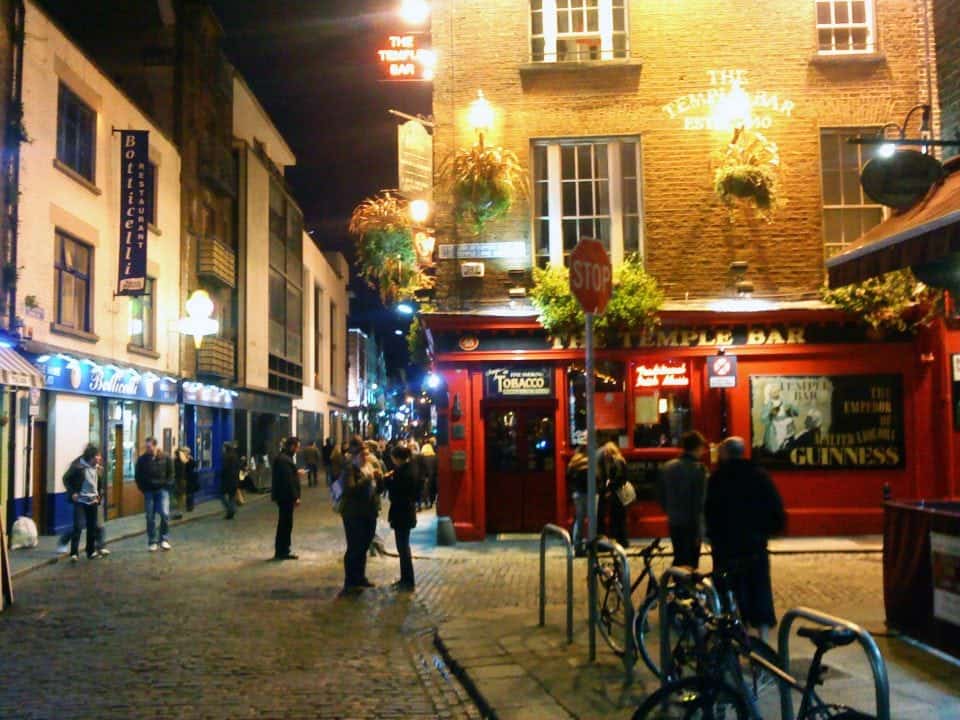
25. Temple Bar (the honest version)
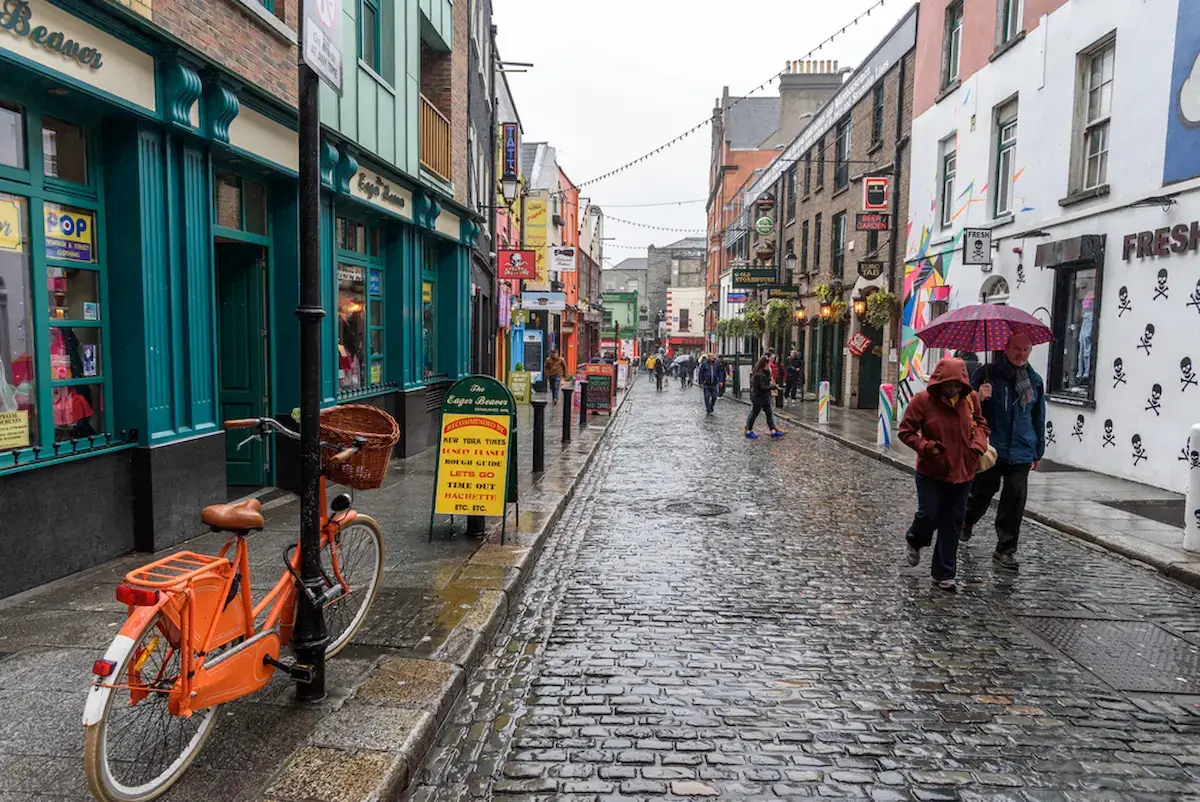
Temple Bar is lively, loud and expensive: drinks typically cost 30–50% more than a few streets away. Go once for the atmosphere and the music spilling out of doorways, then explore the better bits: the Irish Film Institute, Temple Bar Gallery + Studios, the Saturday food market in Meeting House Square, and Gallagher’s Boxty House for boxty.
Insider tip: Don’t book a hotel in Temple Bar unless you want noise until 3am.
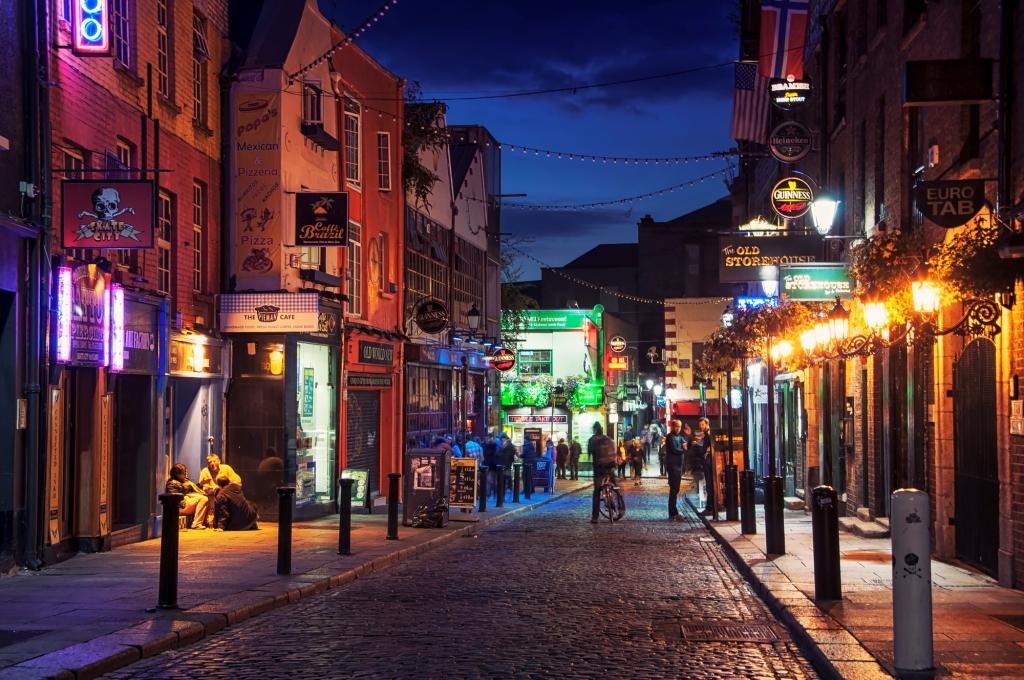
Neighbourhoods and local life
26. Kilmainham and the Irish Museum of Modern Art (IMMA)
Details: IMMA free. Royal Hospital Kilmainham.
IMMA is housed in the Royal Hospital Kilmainham (1684), Ireland’s finest 17th-century building. The formal gardens and meadows are a peaceful place for a walk after the gaol.
27. Stoneybatter and Smithfield
Stoneybatter is now Dublin’s best food village: L. Mulligan Grocer for craft beer and Irish produce, Fish Shop for proper fish and chips, and good coffee shops. Smithfield next door has Jameson, the Cobblestone and the Light House cinema.
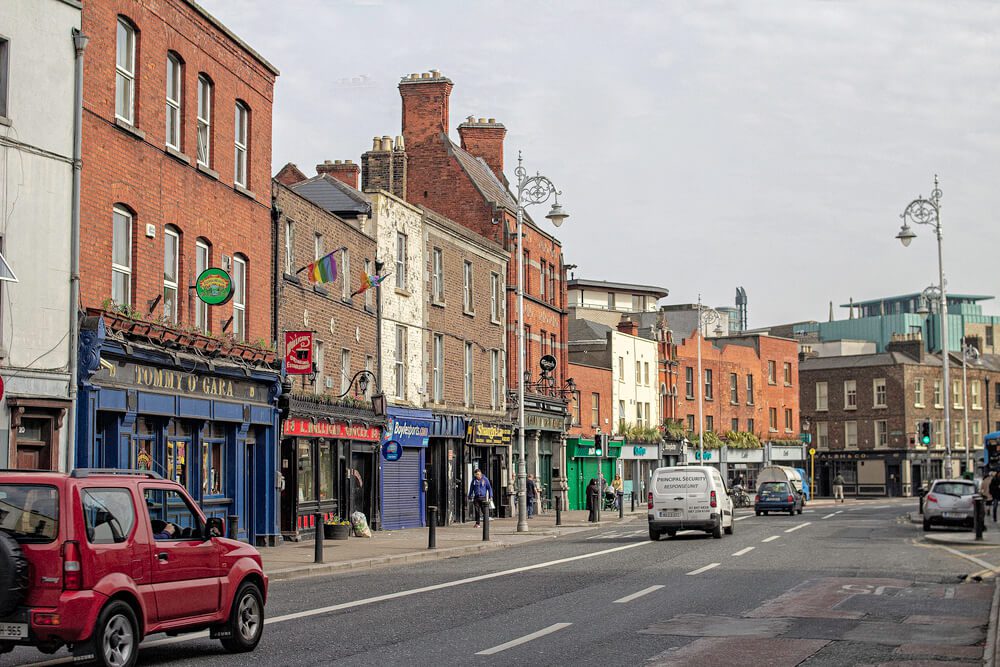
28. Croke Park Stadium Tour and the GAA Museum
Details: Paid tours; the Skyline rooftop walk costs extra.
Croke Park holds 82,300 people and is the home of hurling and Gaelic football, Ireland’s amateur national games. If you can, go to a match. If not, the tour takes you into the dressing rooms and onto the pitch, and the Skyline walk gives you the roof.

Seaside Dublin by DART
29. Howth Cliff Walk
Details: DART to Howth (about 30 minutes; Leap fare).
A fishing village with a harbour full of seals, seafood chowder, and a cliff path above the Irish Sea to the Baily Lighthouse. Full route in my Howth Cliff Path walk guide.
Insider tip: Walk clockwise from the village, and do it on a weekday to avoid the Sunday crowds.


30. Dún Laoghaire, Sandycove and the James Joyce Tower
Details: James Joyce Tower: free (not wheelchair accessible; check opening days). DART to Sandycove & Glasthule. Joyce Tower
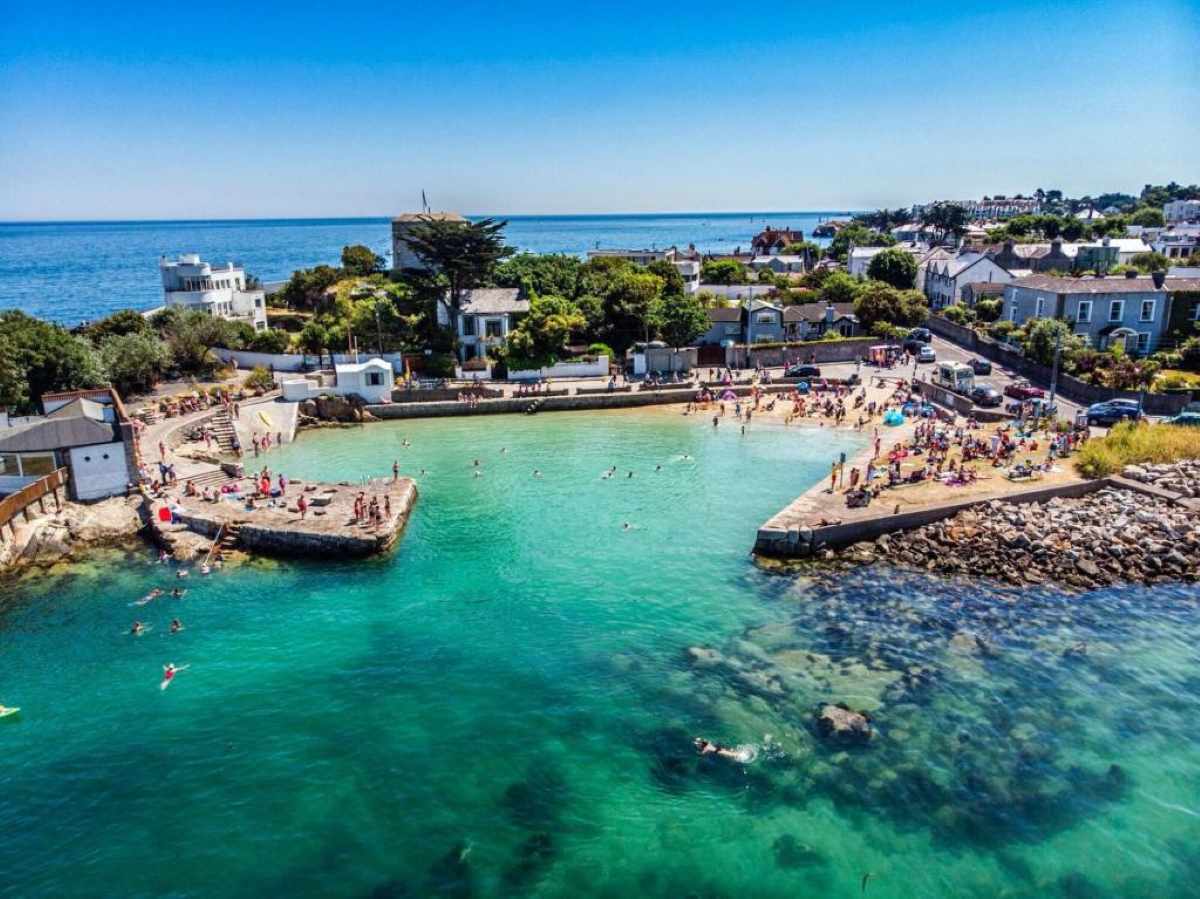
Walk the East Pier with a 99 (an ice-cream with a chocolate flaky bar) from Teddy’s (serving since the 1950s) and tap the lighthouse at the end, like every Dubliner does. Carry on to the Martello tower where Joyce spent six nights in 1904 and set the opening of Ulysses. Next to it is the Forty Foot, the year-round sea-swimming spot, which is packed on Christmas morning for charity swims.
Eating and drinking
31. Eat your way around Dublin
I’ve spent 30+ years in food development, and I always go to food festivals to see what’s happening in the world of food. Taste of Dublin, held every June, is a great showcase of Irish producers. The best of what I’d eat, by budget, is in where to eat in Dublin, but here’s the short version:
- Traditional: The Brazen Head (Irish stew), Gallagher’s Boxty House, The Winding Stair (Irish produce overlooking the Ha’penny Bridge).
- Michelin: Chapter One (two stars, Parnell Square), Restaurant Patrick Guilbaud (two stars), Forest Avenue (gained its first star in February 2026), Bastible (one star, Portobello). Book weeks ahead for all of them, and months ahead for Chapter One.
- Vegetarian/vegan: Cornucopia on Wicklow Street (running since 1986) and The Fumbally in Dublin 8.
- Coeliac? Ireland has a high rate of coeliac disease, so gluten-free menus are common. The Coeliac Society of Ireland lists accredited restaurants.
- Food tours: Secret Food Tours walking tour, Howth craft beer and seafood trail, whiskey tasting and food pairing.
Fun fact: Irish coffee wasn’t invented in Dublin. Chef Joe Sheridan created it at the Foynes flying-boat terminal in Co. Limerick in 1943.

32. Tours worth taking
Literary Pub Crawl (actors performing Joyce and Behan between pubs), 1916 Rebellion Walking Tour, the Dublin Ghost Bus for a spooky evening, and pay-what-you-wish free walking tours. Licensed guides are found through Fáilte Ireland; browse Dublin tours here.
33. Time your trip to a festival
I’ve been to many St Patrick’s Days in Dublin: insane madness, a giant party, and I loved the bands from the grandstand seats. Book accommodation at least a year ahead. Read my St Patrick’s Day in Dublin guide and best festivals in Ireland.
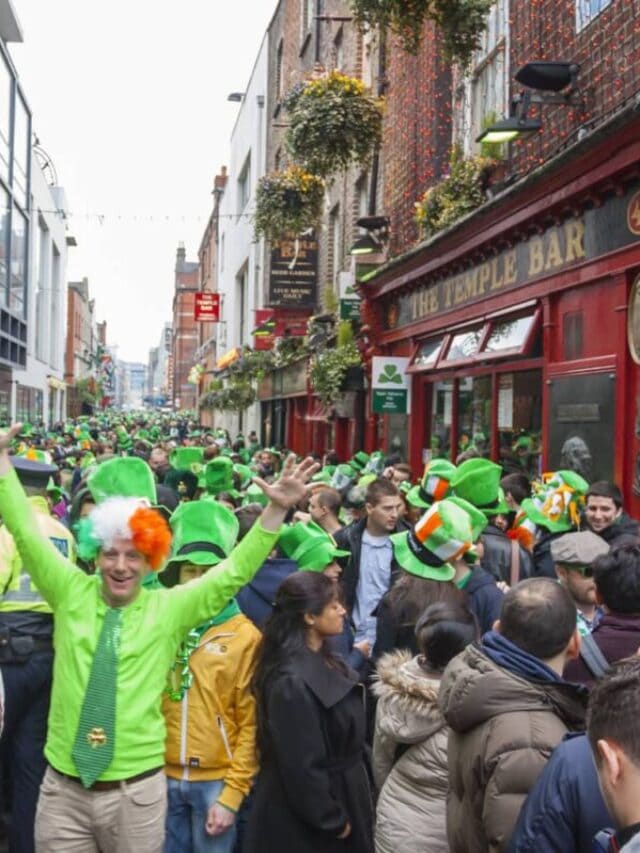
| Month | Festival |
| January | Temple Bar TradFest |
| February/March | Dublin International Film Festival |
| March | St Patrick’s Festival (several days around 17 March) |
| June | Bloom in the Park (Phoenix Park), Taste of Dublin, Bloomsday (16 June) |
| September–October | Dublin Fringe Festival, Dublin Theatre Festival |
| Late October | Bram Stoker Festival |
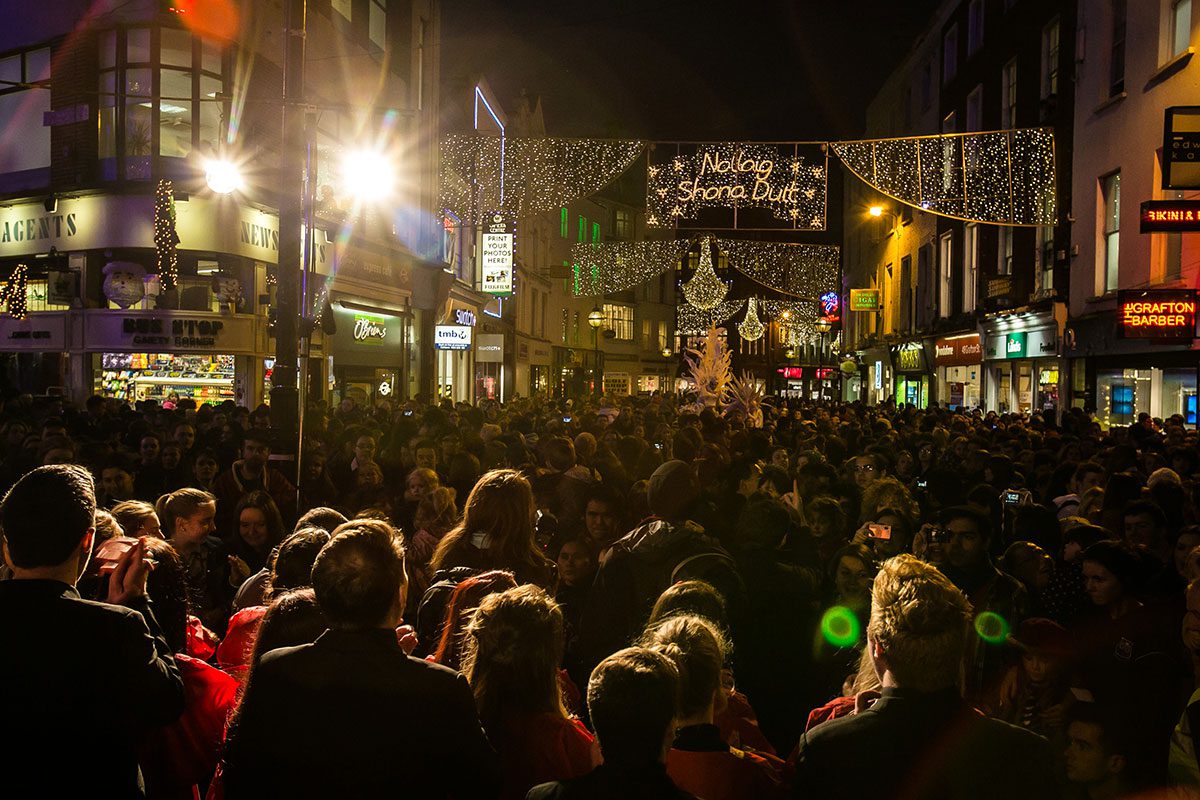
| Late November–early January | Christmas in Dublin: lights, markets, panto, NYF Dublin on New Year’s Eve |
Dublin neighbourhoods at a glance (for visitors)
| Area | Best for | Know before you go |
| Temple Bar | Nightlife, music, first-night buzz | Expensive drinks; noisy hotels |
| Grafton St / St Stephen’s Green | Shopping, buskers, parks, museums | Central; pricey hotels |
| The Liberties | Cathedrals, distilleries, markets | Old Dublin, great value food |
| Stoneybatter & Smithfield | Food, trad, Jameson | Local feel, 15-min walk to centre |
| Portobello & Rathmines | Canal walks, cafés, Bastible | Easy Luas Green Line access |
| Kilmainham & Inchicore | Kilmainham Gaol, IMMA | Bus or Luas Red Line; quieter evenings |
| Docklands | EPIC, modern hotels, river walks | Business district, quiet at weekends |
| Howth / Dún Laoghaire | Sea air, cliff walks, seafood | DART; good base for a slower trip |
Best day trips from Dublin
Some of these are hard without a car or a tour; see renting a car in Ireland and all my day trips from Dublin.
Glendalough and the Wicklow Mountains: a 6th-century monastic city and lakes, about 1 hour.
Powerscourt Estate: I’ve been several times and love the Japanese Garden, lunch at Avoca, and the waterfall used in Vikings. The grounds are huge and hilly, so plan your route if mobility is an issue. About 40 minutes.

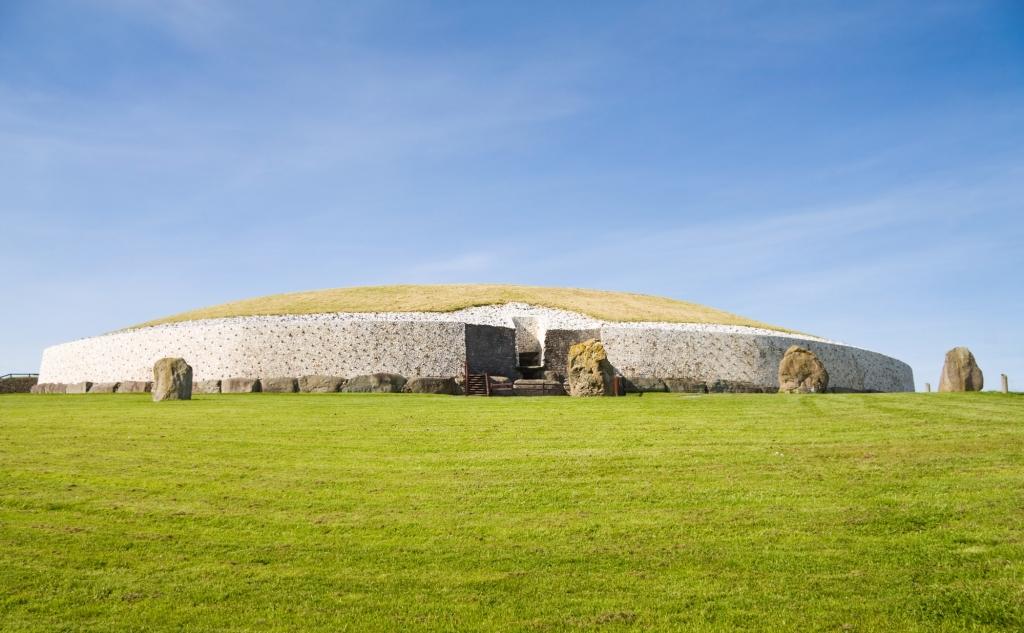
Newgrange and the Boyne Valley: a 5,000-year-old passage tomb, older than Stonehenge. Standing in the chamber, you feel the weight of time. About 1 hour.
Kells and Monasterboice: high crosses and the Book of Kells’ old home.
Belfast: 2 hours on the Enterprise train. See my Belfast guide.

Accessible Dublin
The city centre is flat and compact, Luas trams are low-floor, and most modern attractions are step-free. EPIC and the Little Museum (since its refurbishment) are wheelchair accessible. The James Joyce Tower and the climb at Dublinia are not, and the Long Room has limited access, so check ahead. Cobbles around Trinity and Temple Bar can be tough on wheels. More in my Accessible Ireland guide.
Planning your trip to Dublin
Getting to Dublin
- By air: Dublin Airport is about 10 km north of the centre, with direct flights from across Europe and North America. Before you pack, check the carry-on rules for your airline.
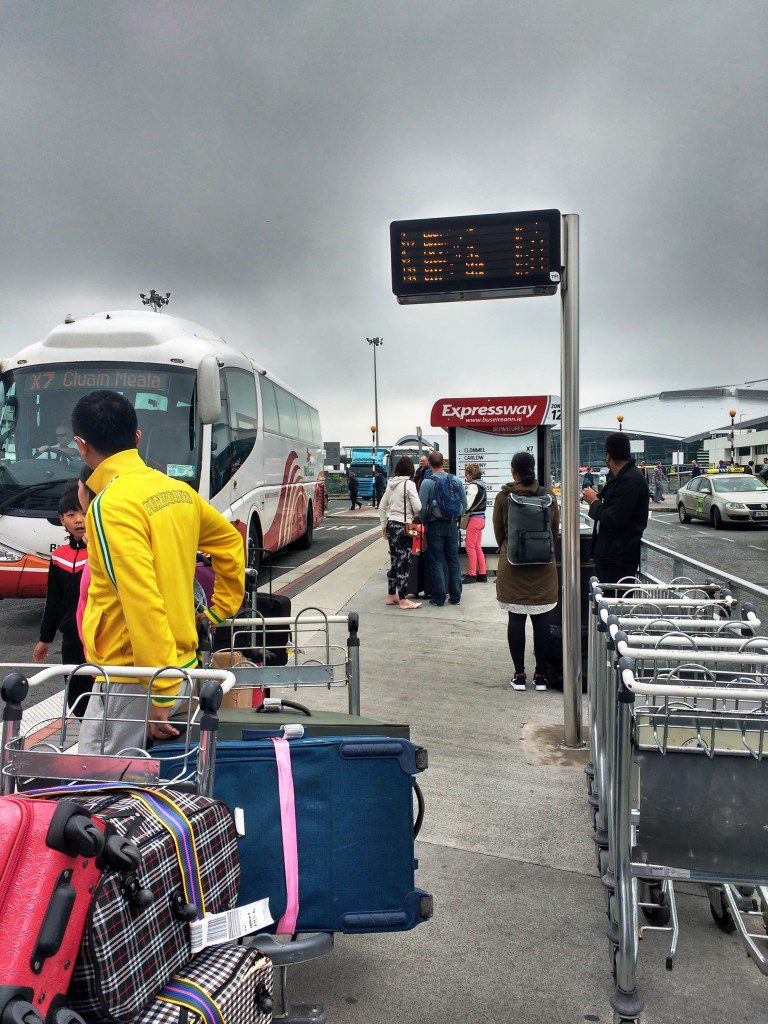
- Airport to city: Dublin Express and Aircoach coaches run frequently from about €10, with luggage space and Wi-Fi. TFI Dublin Bus routes such as the 16 and 41 cost €2 with a Leap card but are slower and not great with big bags. A taxi costs roughly €25–€35. There’s no train or tram to the airport.
- By train: Irish Rail connects Dublin with Cork, Galway, Limerick and other cities, and the Enterprise runs to Belfast in about 2 hours 10 minutes. See my guide to public transport in Ireland.
- By ferry: Irish Ferries and Stena Line sail into Dublin Port from Holyhead in Wales, and there are crossings from Liverpool. Ferries from Scotland go to Belfast and Larne instead.
- By car: fine for day trips, but I wouldn’t drive in the city centre. See renting a car in Ireland.

Getting around Dublin
Dublin is one of the most walkable capitals in Europe. Most of the sights in this guide are within a 20–30 minute walk of each other, and walking is honestly my favourite way to explore. For anything further:
- Leap card: buy one at a newsagent or the airport. The TFI 90-minute fare is €2 for adults and covers any mix of Dublin Bus, Luas, DART and commuter rail within 90 minutes. The daily cap is €6 and the weekly cap €24. Cash fares cost more, and buses don’t give change.
- Buses cover almost everywhere. The Luas has two tram lines (Red and Green). The DART runs along the coast from Howth and Malahide to Bray and Greystones, with sea views the whole way.
- Dublinbikes: a 3-day ticket costs €5, and the first 30 minutes of every trip are free.
- Taxis: hail on the street or use the FREENOW or Uber apps (Uber books licensed taxis here).

Best time to visit Dublin
| When | What to expect |
| March–May | Mild, longer days, fewer crowds. Avoid St Patrick’s week unless you want the party: it’s an absolute zoo and prices rocket. |
| June–August | Warmest (around 15–20°C) and busiest. Book attractions and hotels well ahead. |
| September–November | My favourite time: fewer crowds, autumn colour, theatre and festival season. |
| December | Christmas lights, markets and panto; short days and rain, but a lovely atmosphere. |
Whatever the month, pack layers and a waterproof jacket. More in best time to visit Ireland.
How much does a trip to Dublin cost?
Dublin is one of Europe’s more expensive cities, mainly because of hotels. As a rough guide per person per day, excluding flights:
| Style | Daily budget | What that gets you |
| Budget | €70–€100 | Hostel dorm, supermarket lunches, free museums, Leap card |
| Mid-range | €150–€250 | 3–4 star hotel share, a paid sight, pub dinner |
| Luxury | €350+ | 5-star hotel, tasting menus, private tours |
Money-saving tips: mix paid sights with the free national museums and parks; make lunch your main meal, since many places do good-value lunch menus; avoid Temple Bar pubs for drinks; and walk. Lots more in free things to do in Dublin and Dublin dos and don’ts.
Money basics: Ireland uses the euro. Cards and contactless are accepted almost everywhere. Tip 10–15% in restaurants if service isn’t included, and use bank ATMs rather than standalone machines.

Where to stay in Dublin
- First visit: stay around Grafton Street, St Stephen’s Green or near Trinity College. Everything is walkable.
- My advice: avoid staying in Temple Bar itself. It’s expensive and noisy until the small hours.
- Local feel: Stoneybatter, Smithfield or Portobello put you among cafés and pubs, 15 minutes’ walk from the centre.
- Quieter: the Docklands for modern hotels and river walks, or Dún Laoghaire and Howth on the DART for the seaside.
- Summer value: Trinity College rents campus rooms in the university holidays, at some of the best rates in the city.
I always check Booking.com rather than Airbnb. You can find apartments and houses there too, and it generally works out cheaper once you add Airbnb’s cleaning fees. Hotel picks:
- Luxury: The Fitzwilliam Hotel (St Stephen’s Green), The Conrad Dublin
- Mid-range: Brooks Hotel, The Davenport
- Budget: Generator Hostel (Smithfield), Drury Court Hotel
More options around the country in where to stay in Ireland.

Dublin with kids
Dublinia (#5) and the Natural History Museum (#7) are the big hits, followed by EPIC (#10), Dublin Zoo in Phoenix Park (#20), the DART to Howth to see the seals (#29), and a 99 on Dún Laoghaire pier (#30). The National Gallery runs family tours and activity packs, and every National Museum is free.
3-day Dublin itinerary
| Day | Morning | Afternoon | Evening |
| Day 1: Historic core | Book of Kells and Trinity (first slot) | National Museum (Archaeology), St Stephen’s Green, Merrion Square | Trad session at the Cobblestone or O’Donoghue’s |
| Day 2: Liberties and Kilmainham | Kilmainham Gaol (booked) and IMMA | St Patrick’s Cathedral, Marsh’s Library, Teeling or Guinness | Dinner in Portobello or the Liberties |
| Day 3: North side and sea | Glasnevin tour and Botanic Gardens | DART to Howth: cliff walk and chowder | Liffey walk and a pint at Mulligan’s |
Got longer? Add one of the day trips above, or see my 2 days in Dublin plan and Ireland itineraries.
Pub etiquette and local tips
- Joining a conversation with strangers at the bar is normal; so is talking about the weather.
- In a group, take turns buying rounds.
- Queue politely, and keep quiet near the musicians at a session.
- Dublin is generally safe, but take normal city precautions at night. The emergency number is 112 or 999. Tap water is excellent.
- Pharmacies limit how many packs of paracetamol or ibuprofen you can buy at once, so don’t be surprised.

Dublin FAQs
What are the top 5 things to do in Dublin?
The Book of Kells and Long Room at Trinity College, Kilmainham Gaol, the free National Museum of Ireland (Archaeology), a trad session in a traditional pub, and the Howth Cliff Walk by DART. In 2026, skip Dublin Castle and the Chester Beatty, which are closed until the end of the year.
Is Dublin Castle open in 2026?
No. Dublin Castle closed to the public on 5 May 2026 and stays closed until 31 December 2026 because it is the main venue for Ireland’s EU Council Presidency. The Chester Beatty, in the castle grounds, closed on 15 June 2026 for the same reason. Both are expected to reopen in January 2027.

How many days do you need in Dublin?
Two to three days covers the main sights. Allow four or five if you want day trips to Glendalough, Newgrange, Powerscourt or Howth.
How much does the Book of Kells cost?
Self-guided Book of Kells Experience tickets start at about €21.50 for adults when booked online for a timed slot, with off-peak early slots the cheapest. The Old Library and Long Room stay open until the end of 2027, then close for conservation works.

Is the Guinness Storehouse worth it?
It’s worth it for the view from the Gravity Bar and if you love Guinness, but at €26 or more it is pricey for what is mostly a brand exhibition. Book a morning slot online for the best price, and drink your second pint at Mulligan’s or the Gravediggers.
What are the best free things to do in Dublin?
The National Museum of Ireland (Archaeology and Natural History), the National Gallery, the Hugh Lane Gallery, IMMA, Phoenix Park, St Stephen’s Green, the Iveagh Gardens, Glasnevin Cemetery grounds, the Botanic Gardens, the James Joyce Tower in Sandycove and the Grafton Street buskers are all free.

What is the best area to stay in Dublin for tourists?
Stay around Grafton Street and St Stephen’s Green for walkable sightseeing, Stoneybatter or Smithfield for a local feel and food, or by the DART in Dún Laoghaire or Howth for a quieter, seaside base. Avoid sleeping in Temple Bar unless you want late-night noise.
Is Dublin expensive to visit?
Yes, Dublin is one of Europe’s pricier cities, especially for hotels and pints in Temple Bar. Balance it with the free national museums and parks, use a Leap card (€2 for 90 minutes of travel), and eat your main meal at lunch.
How do I get from Dublin Airport to the city centre?
Dublin Express and Aircoach coaches run frequently from about €10. TFI Dublin Bus routes such as the 16 and 41 cost €2 with a Leap card but are slower. A taxi costs roughly €25 to €35 depending on traffic.
Is Dublin a good place to visit at Christmas?
Yes. From late November the city has Christmas lights, markets, pantomimes and carol singing on Grafton Street, and on Christmas morning people swim at the Forty Foot for charity. Expect rain and shorter opening hours over 24 to 26 December.
Is Dublin safe for visitors?
Dublin is generally safe for visitors. Take the normal precautions of any capital: watch your bag in crowded areas, stick to busy streets late at night, and use licensed taxis. The emergency number is 112 or 999.
Can you visit Dublin without a car?
Yes. The centre is compact and walkable, and buses, the Luas tram and the DART coastal train reach everything else, including Howth and Dún Laoghaire. You only need a car or a tour for day trips such as Glendalough or Newgrange.
Is Temple Bar worth visiting?
It’s worth one evening for the atmosphere and live music, but drinks cost noticeably more than elsewhere and it’s noisy late at night. For a more authentic pint and session, try the Cobblestone in Smithfield, O’Donoghue’s, Kehoe’s or Mulligan’s.
What is Dublin famous for?
Dublin is famous for its literary heritage (Joyce, Wilde, Yeats, Beckett and Heaney), historic pubs and live trad music, Guinness, the Book of Kells, Georgian architecture and its role in the 1916 Easter Rising.
What food should you try in Dublin?
Try Irish stew, boxty, seafood chowder with brown soda bread, a full Irish breakfast, Dublin coddle, fresh oysters with a pint of Guinness, and fish and chips. Dublin also has several Michelin-starred restaurants serving modern Irish food.

Final thoughts
Dublin works best slowly: one big sight in the morning, a walk and a long lunch, then music in the evening. After years of bringing friends and family here, it still feels like coming home, partly because of the city, but mostly because of how much Dubliners love talking about it. Sláinte.
Plan the rest of your trip: Ireland itineraries · Irish bucket list · Where to stay in Ireland · Best time to visit Ireland · Getting around Ireland · Ireland road trip · Dublin to Cork road trip · Historical places near Dublin · Landmarks in Ireland · Best museums in Ireland · Traditional Irish food · Dublin hidden gems