
Dublin to Cork Road Trip: Amazing Views Rock Every Mile
After driving this spectacular Dublin Cork route several times over the past few years, I can confidently say this road trip offers one of Ireland’s most rewarding travel experiences. This 300-kilometer journey through the heart of Ireland’s Ancient East region showcases everything from medieval castles to dramatic coastal cliffs, taking you through counties Wicklow, Wexford, Waterford, and Cork.

Unlike the crowded Wild Atlantic Way routes with thousands of tourists in Galway and the Cliffs of Moher and the bus tours of the Ring of Kerry, this eastern path provides intimate encounters with Irish history, culture, and landscapes without the tour bus crowds. The drive typically takes 3-4 hours directly, but I highly recommend allowing 5-6 days to truly experience the amazing views and treasures along the way.
- Dublin to Cork Road Trip: Amazing Views Rock Every Mile
- Planning Your Dublin to Cork Adventure
- Day 1: Dublin Surroundings – Coastal Beauty and Gardens (100km)
- Day 2: Wicklow Mountains and Prison History – Ancient Monasteries and Dramatic Landscapes (120km)
- Day 3: Medieval Castles and Gardens – Kilkenny and Tipperary (150km)
- Day 4: Wexford County – Gardens, Beaches, and Abbey Ruins (140km)
- Day 5: Southeast Coast and Waterford – Vikings and Crystal (120km)
- Day 6: East Cork and Cork City – Blarney Castle and Titanic History (80km)
- Essential Travel Tips for Your Dublin Cork Adventure
- Practical Planning Information
- Local Food Specialties to Try
Planning Your Dublin to Cork Adventure
Best Time to Visit: May through September offers the warmest weather and longest daylight hours. I personally love early June when the countryside is lush green and tourist crowds are still manageable.
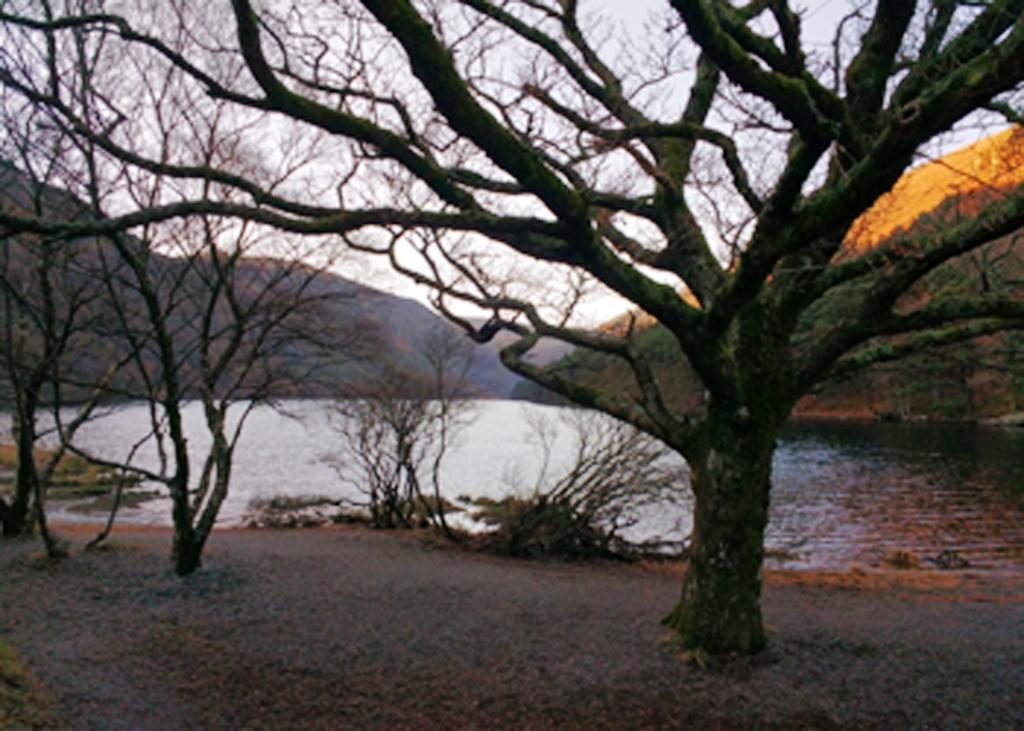
Driving and Parking Tips: Irish roads can be narrow and winding. Rent a compact car for easier navigation, and remember to drive on the left. Budget €40-60 per day for car rental plus fuel costs. Most attractions offer free car park facilities, though popular spots like Glendalough charge €4 for parking.
Accommodation Budget: Expect €80-150 per night for quality B&Bs, or €150-300 for boutique hotels along the route.
Day 1: Dublin Surroundings – Coastal Beauty and Gardens (100km)
Morning: Howth Village and Cliff Walk
Start your journey 30 minutes north of Dublin in the charming fishing village of Howth. According to Dublin Tourism, this coastal walk ranks among Ireland’s top 10 scenic hikes.
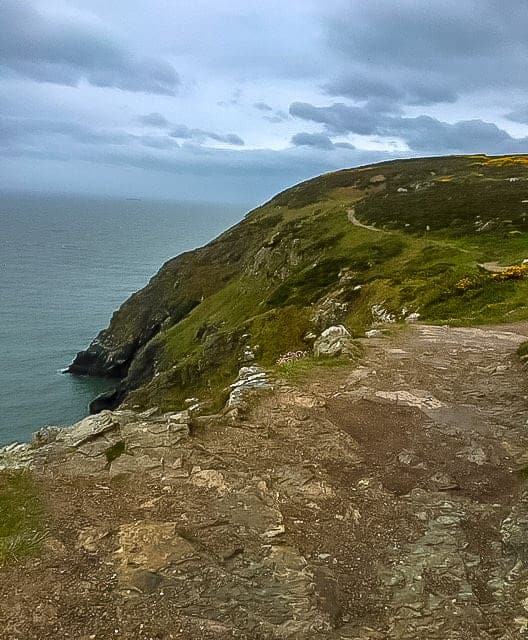
The Howth Cliff Path Loop offers two options: a 6 km route (2 hours) or the full 10km circuit (3 hours). Having walked both multiple times, I recommend the shorter route if you’re eager to continue south – the amazing views of Dublin Bay and Ireland’s Eye Island are equally spectacular. The path is well-marked but can be slippery after rain, so wear proper hiking boots.
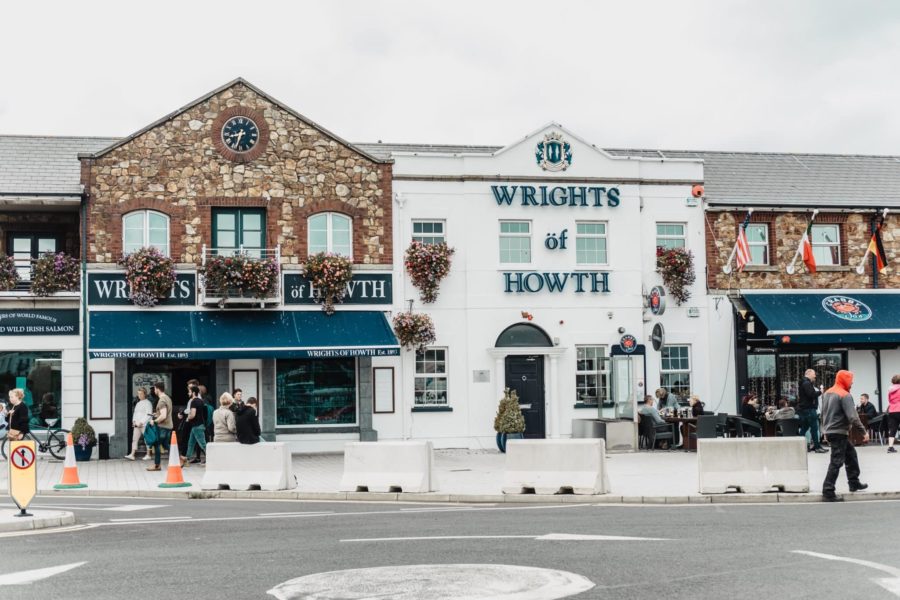
After your walk, grab fish and chips at Beshoff’s in Howth harbor. Their fish and chips (€12.50) taste even better after earning it on the cliff walk. If visiting on weekends, don’t miss the Howth Market for artisanal churros – genuinely some of the best I’ve tried in Ireland.
Personal tip: The best Instagram shots are from the Nose of Howth, but be extremely careful near cliff edges, especially in windy conditions.
Afternoon: Powerscourt Estate and Vikings Filming Location
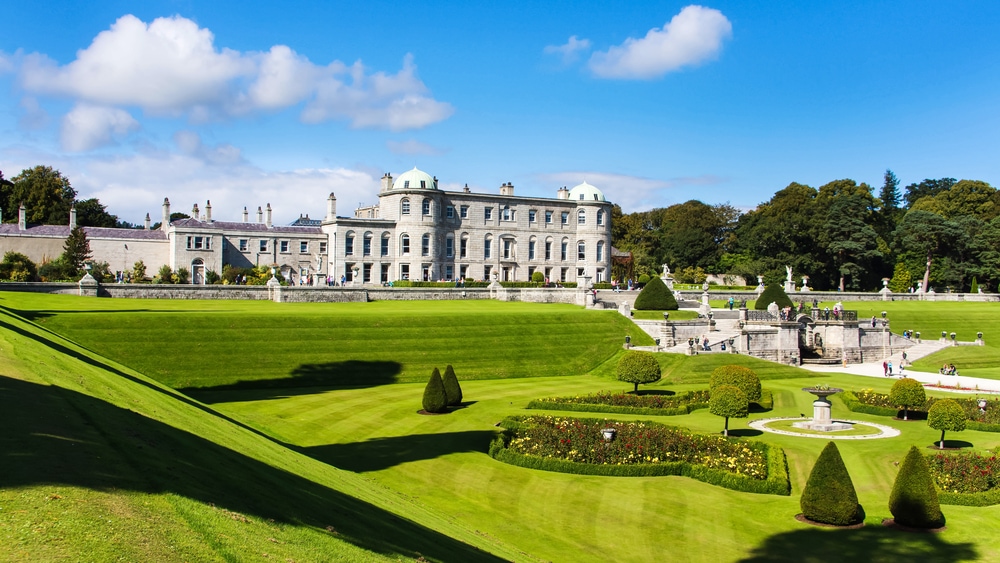
Drive 45 minutes south to Powerscourt House and Gardens in County Wicklow. Open daily 9:30am-5:30pm (gardens close at dusk in winter); admission costs €12 for adults, €10 for seniors/students.
Set against the backdrop of the Wicklow Mountains, Powerscourt’s 47-acre gardens represent over 150 years of design evolution. The estate traces its origins to a 13th-century Anglo-Norman castle, though the current Palladian mansion dates from the 1730s. The gardens, largely created in the 1840s by Daniel Robertson, blend formal Italian terraces with romantic landscaping.
The magnificent Powerscourt Waterfall, Ireland’s highest at 121 meters, gained international fame as a filming location for the hit TV series Vikings. The waterfall entry costs €6 adults, €4 children (separate from the main gardens), and the 6km forest walk to reach it takes about 45 minutes each way.

The Powerscourt Waterfall has an entrance fee, with an adult ticket costing €7.50. The waterfall is located within the Powerscourt Estate, about a 10-minute drive from the main house and gardens.
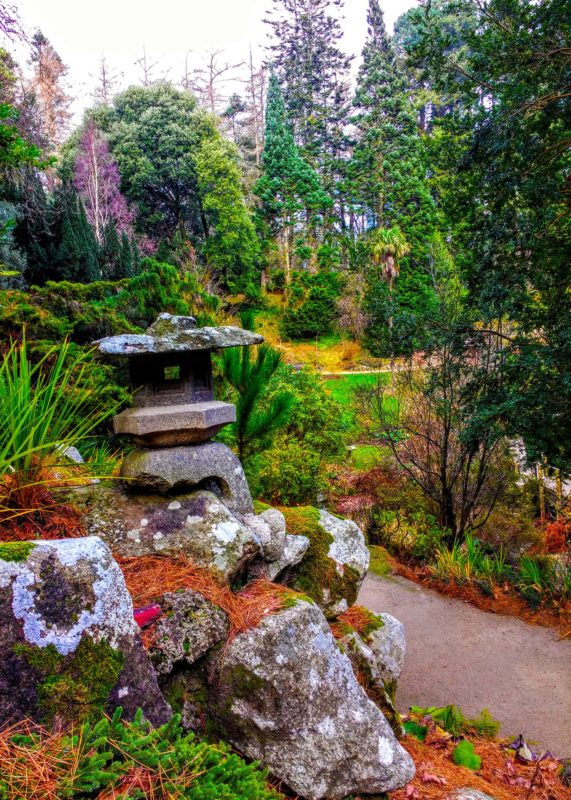
What struck me most during my first visit was the Japanese Garden, created between 1908-1910. It feels authentically transported from Kyoto, complete with red lacquered bridges and carefully positioned stones representing different life stages.
Budget tip: The gardens offer the best value. Skip the house tour unless you’re particularly interested in period furnishings – the fire-damaged interior, while historically significant, lacks the wow factor of the outdoor spaces.
Evening: Stay in Wicklow Town
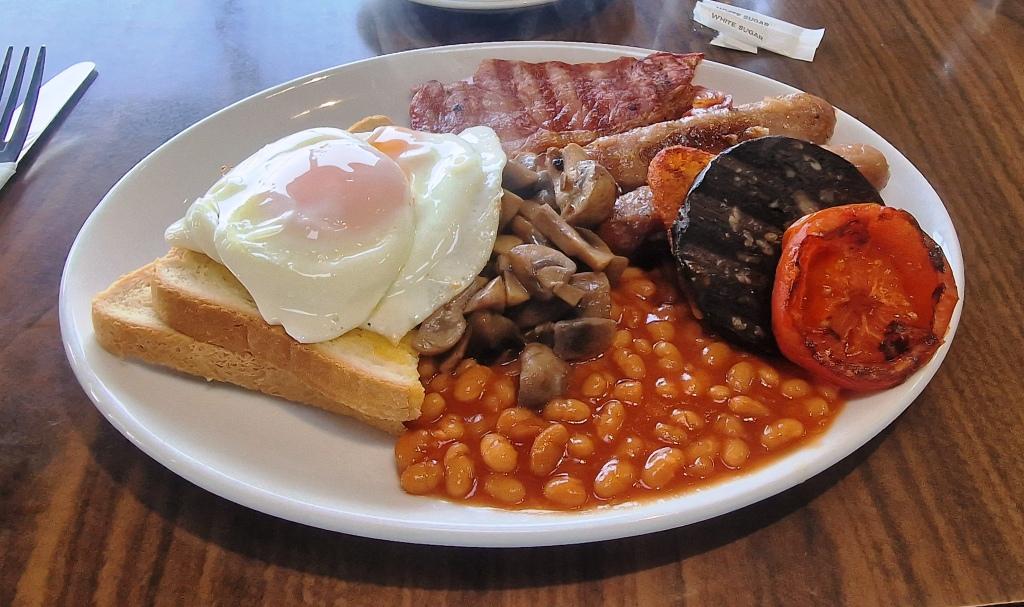
Base yourself in Wicklow Town for the night. Wicklow Way Lodge offers comfortable B&B accommodation (€90-120/night) with hearty Irish breakfasts to fuel tomorrow’s adventures.
Day 2: Wicklow Mountains and Prison History – Ancient Monasteries and Dramatic Landscapes (120km)
Morning: Wicklow’s Historic Gaol
Before heading into the mountains, visit Wicklow’s Historic Gaol (€9 adults, €7 students/seniors), one of Ireland’s most atmospheric prison museums. Operating from 1702 to 1924, this gaol held rebels from the 1798 Rebellion, Famine victims sentenced for stealing food, and Republican prisoners during the War of Independence.
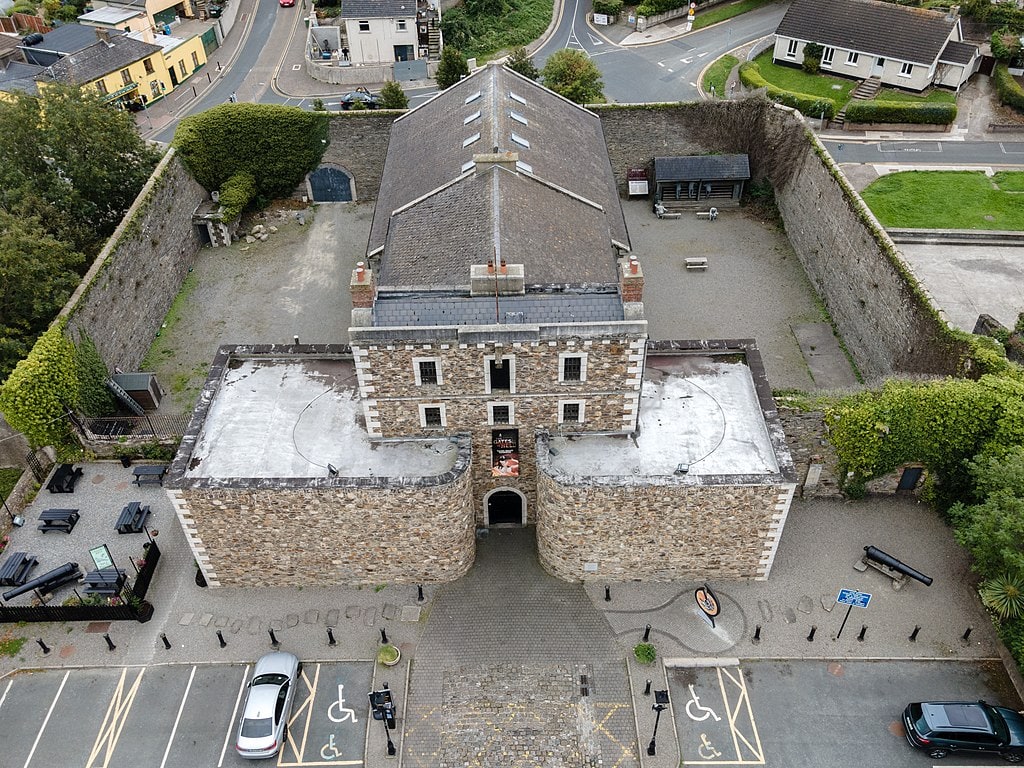
The guided tour brings prison life to vivid reality through reconstructed cells, prisoner stories, and insights into Ireland’s troubled past. The cramped conditions, primitive sanitation, and harsh punishments demonstrate how the British penal system was used to control Irish society. Many prisoners were transported from here to Australian penal colonies for crimes as minor as stealing a loaf of bread.
Mid-Morning: Glendalough Monastic Site
Drive 30 minutes west into the Wicklow Mountains to reach Glendalough, Ireland’s most significant early Christian monastic settlement. Founded in the 6th century by St. Kevin, this “Valley of Two Lakes” attracts over 1 million visitors annually.


The Office of Public Works maintains this incredible place within Wicklow Mountains National Park (admission free, visitor center €5, car park €4). The iconic Round Tower, standing 30 meters tall, served as both bell tower and refuge during Viking raids. This amazing rock and stone structure’s door sits 3.5 meters above ground – access was via ladder, which could be pulled up during attacks.
St. Kevin’s Kitchen, despite its nickname, actually functioned as a church. The building’s chimney-like bell tower creates the kitchen illusion. Local legend claims St. Kevin lived as a hermit in a cave above the Upper Lake, subsisting on nettles and salmon brought by an otter – though historians suggest this story developed centuries after his death in 618 AD.


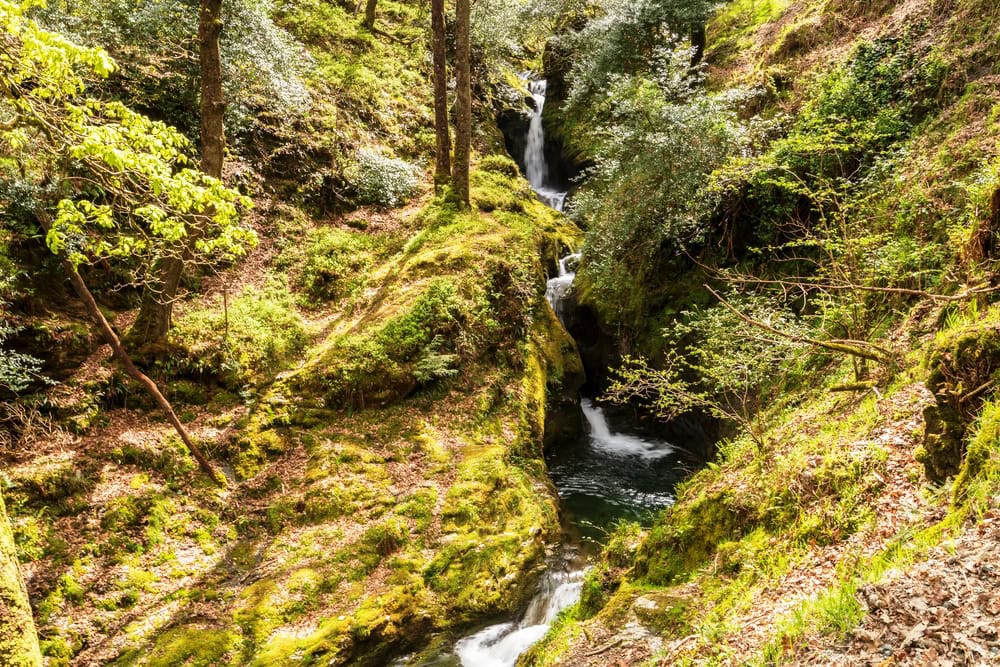
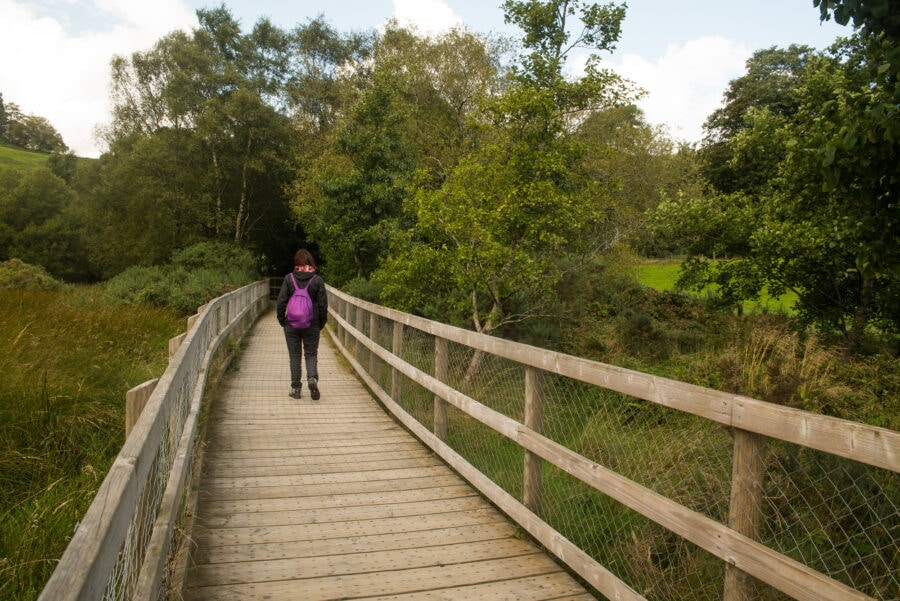


The Upper Lake walk (3 km return) offers spectacular mountain and lake views. I always pack a lunch to enjoy lakeside – the peace here feels genuinely spiritual, whether you’re religious or not. Early morning visits (before 10am) provide the most serene experience before tour buses arrive.
Afternoon: Wicklow Mountains Scenic Drive – Sally Gap
The drive through the Wicklow Mountains via Sally Gap offers some of Ireland’s most spectacular mountain scenery. This high mountain pass sits 503 meters above sea level and provides breathtaking panoramic amazing views across blanket bog, granite peaks, and glacial valleys carved during the last ice age.
The R759 route through Sally Gap winds through what locals call the “Garden of Ireland.” On clear days, the amazing views stretch from the Irish Sea in the east to the mountains of distant counties in the west. The landscape feels almost otherworldly – vast expanses of purple heather moorland punctuated by pristine mountain lakes and weathered granite tors.
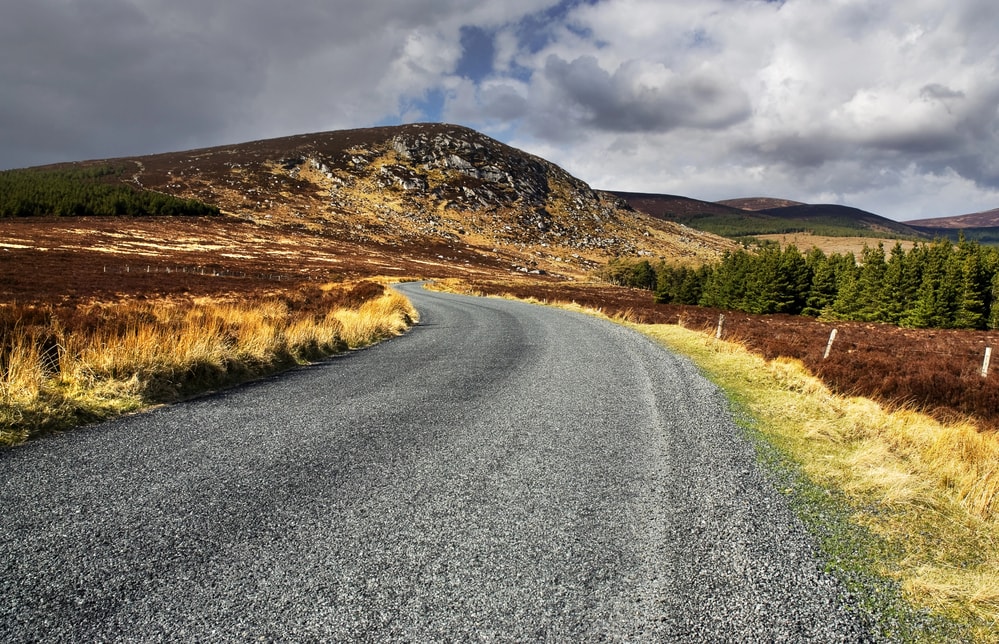

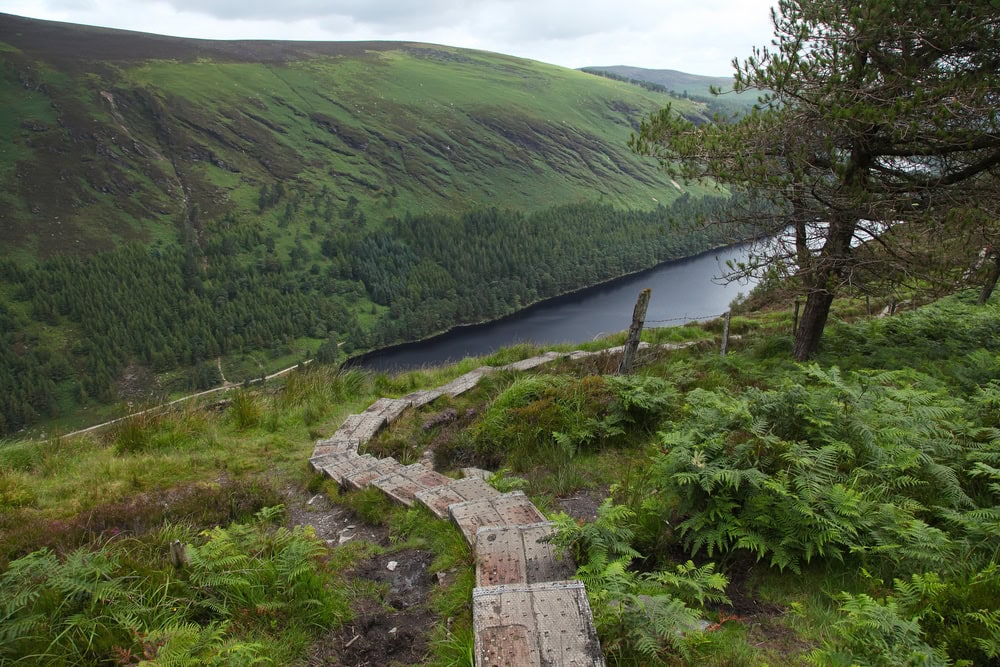

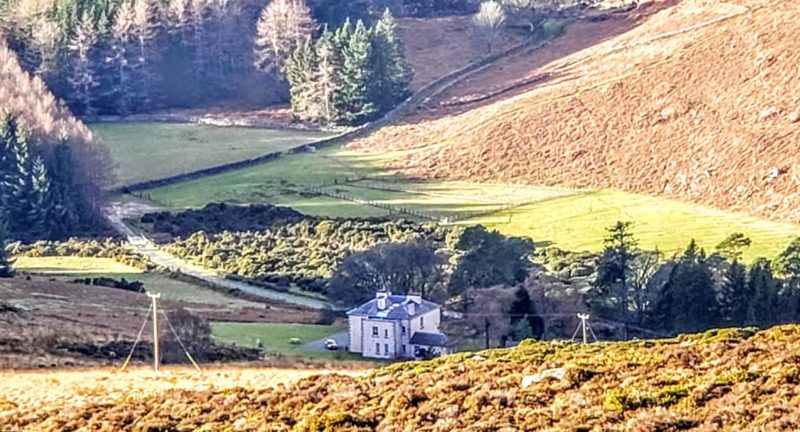

This dramatic terrain served as another filming location for Vikings, with the producers using the wild, untamed landscape to represent the harsh beauty of medieval Scandinavia. The area’s remoteness means mobile coverage is minimal, creating a genuine sense of isolation that medieval travelers would have experienced.
Driving tip: The Sally Gap road can be narrow and winding. Take your time, pull over at designated viewing points, and always yield to oncoming traffic. Weather conditions can change rapidly at this altitude.
Continue 20 minutes northeast to Lough Tay, nicknamed “Guinness Lake” for its dark water and white sand beach resembling Ireland’s famous stout. This location served as a filming site for Vikings and Braveheart.

The best viewpoint sits along the R759 road – look for the small car park with safety barriers. The Guinness family still owns the surrounding estate, including the white sand beach that creates the “head” of the pint illusion.
Safety note: The viewpoint lacks proper barriers in some sections. Keep children close and avoid leaning over edges for photos. The dramatic shot isn’t worth the risk.
Evening: Enniskerry Village
End your day in picturesque Enniskerry village. Poppies Country Cooking serves excellent traditional Irish fare (mains €18-26) in a cosy setting that feels like dining in someone’s farmhouse kitchen.

Day 3: Medieval Castles and Gardens – Kilkenny and Tipperary (150km)
Morning: Kilkenny Castle and Medieval Mile
Drive southwest to Kilkenny (1 hour from Enniskerry), one of Ireland’s most perfectly preserved medieval cities. Kilkenny Castle, built in 1195, dominates this amazing place from its position overlooking the River Nore. Entry costs €8 adults, €6 students/seniors; open daily 9am-5:30pm (shorter winter hours).

The castle’s impressive Long Gallery houses portraits of the Butler family who owned the property for nearly 600 years. I highly recommend the 45-minute guided tour – the guides share fascinating stories about medieval life and the castle’s restoration. The surrounding parklands provide perfect picnic spots with amazing views across the countryside.


Within walking distance, explore Kilkenny’s Medieval Mile, featuring St. Canice’s Cathedral and Round Tower. The cathedral’s Gothic architecture and ancient tombstones create an atmospheric journey through Irish ecclesiastical history.

Afternoon: Cahir Castle and Swiss Cottage
Continue south to County Tipperary (45 minutes) to visit Cahir Castle, one of Ireland’s largest and best-preserved castles, and my favourite. Entry €5 adults, €3 students/seniors, car park available on-site.
Built on a rocky island in the River Suir, Cahir Castle’s strategic position controlled this important river crossing for centuries. The castle featured in films including Excalibur and The Tudors, and walking through its courtyards, you understand why filmmakers choose this amazing place – the medieval atmosphere remains virtually intact.

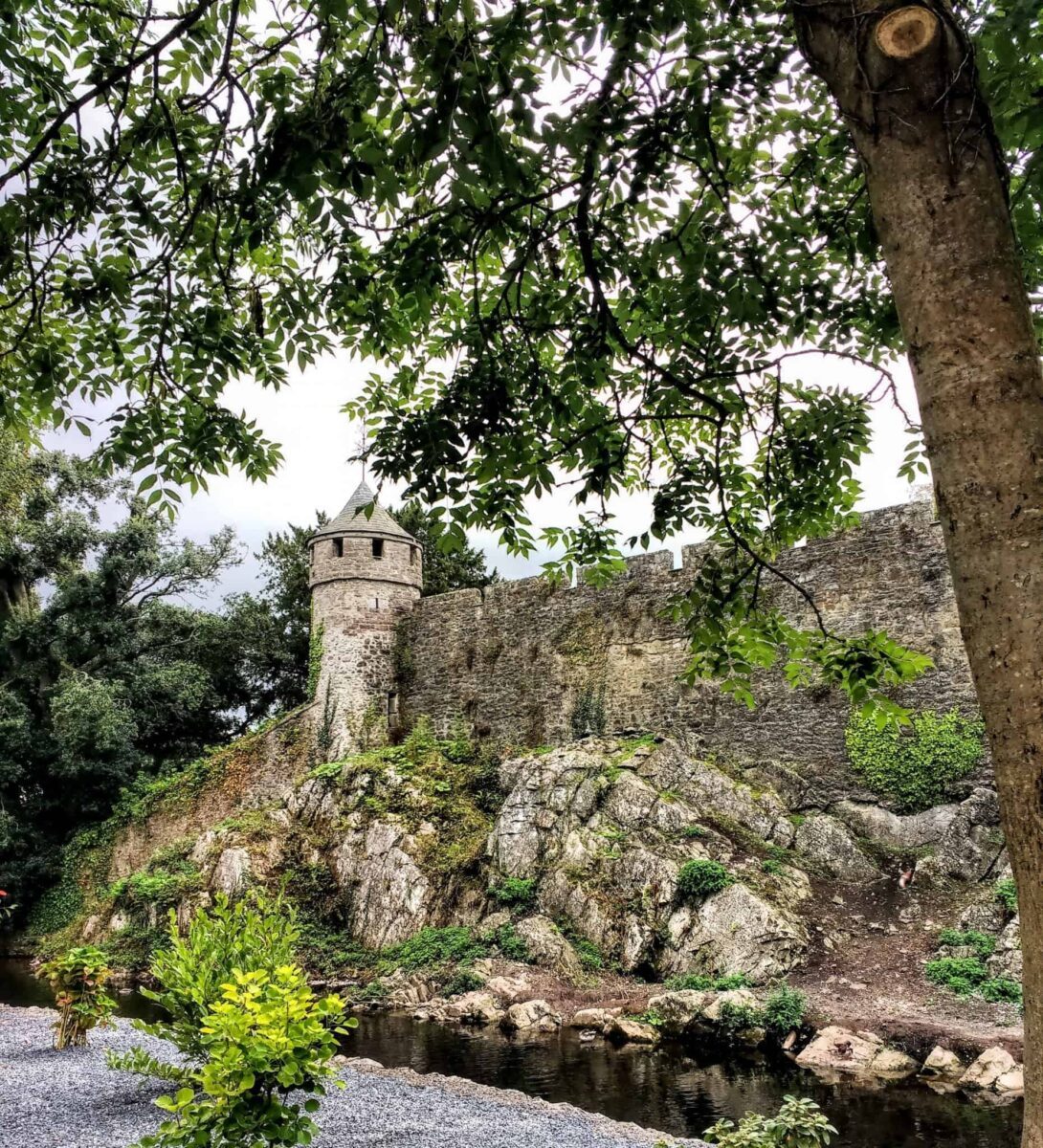
After exploring Cahir Castle, drive 3km south(or you can walk the path along the river) to visit the enchanting Swiss Cottage (€5 adults, guided tours only). This thatched fantasy cottage, built in 1810 by Richard Butler, 1st Earl of Glengall, represents the Romantic Movement’s idealization of rural life.
The cottage’s asymmetrical design features curved walls, diamond-shaped windows, and elaborate woodwork that creates a fairytale appearance. Inside, the original Parisian wallpaper, carved furniture, and music room demonstrate how wealthy Anglo-Irish families played at “simple” country living while maintaining luxury standards.

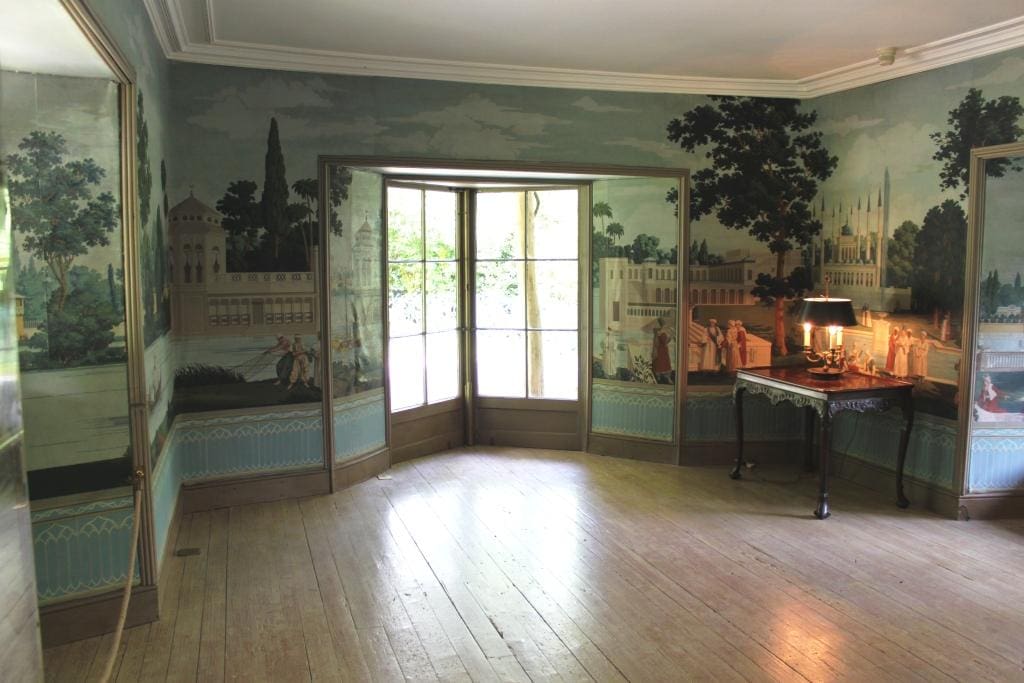
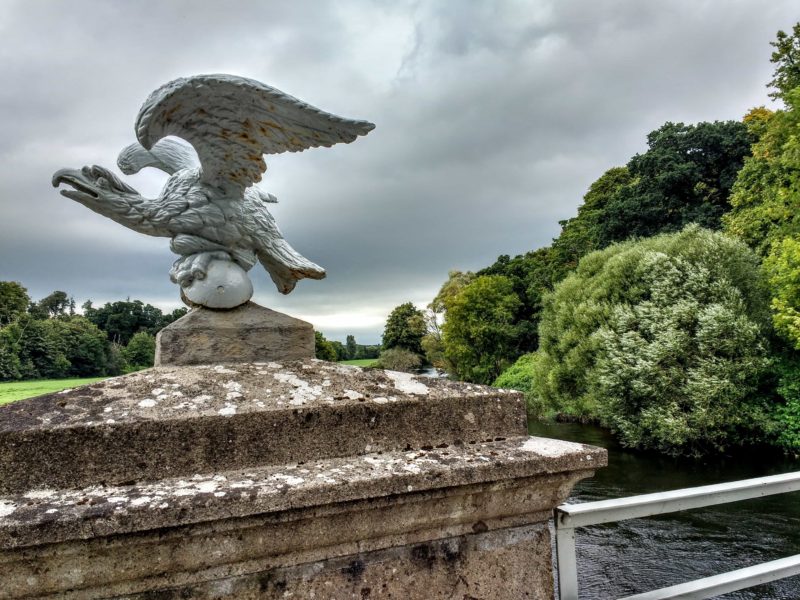

The guided tour reveals fascinating details about 19th-century life, including the ingenious servant staircase hidden behind the main rooms – wealthy visitors were never meant to see the staff who maintained their romantic rural fantasy.
Rock of Cashel and Hore Abbey – Tipperary
from Cahir Castle to the Rock of Cashel (20 mins drive) and Hore Abbey (just below the Rock) makes for a fantastic historical excursion. The Rock of Cashel is a spectacular medieval fortress and ecclesiastical site, featuring a 12th-century round tower, Cormac’s Chapel, and a Gothic cathedral.
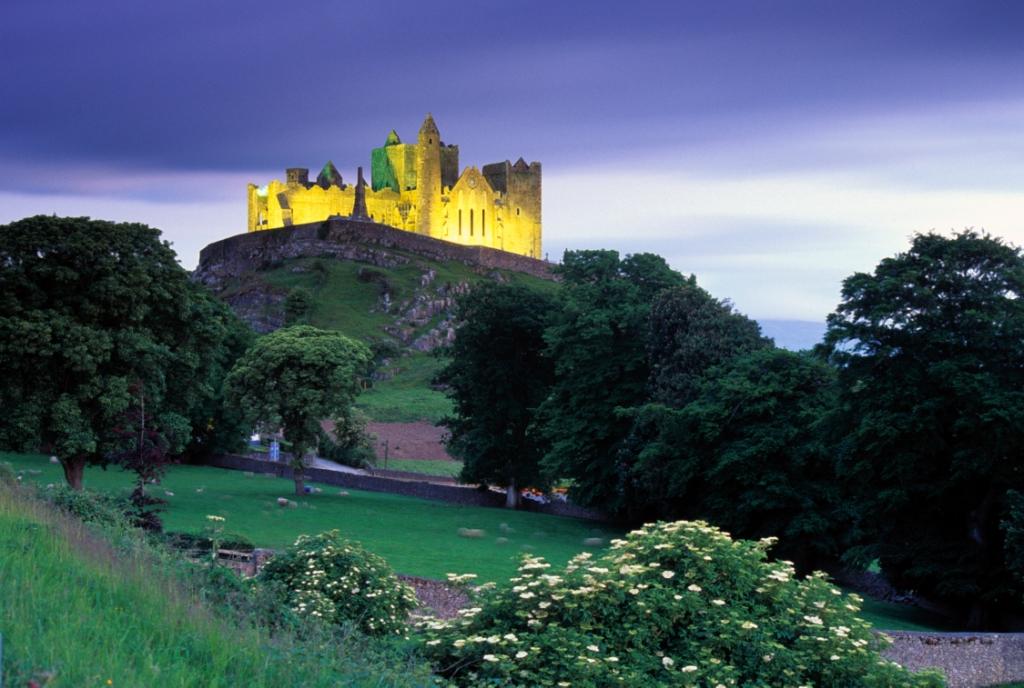
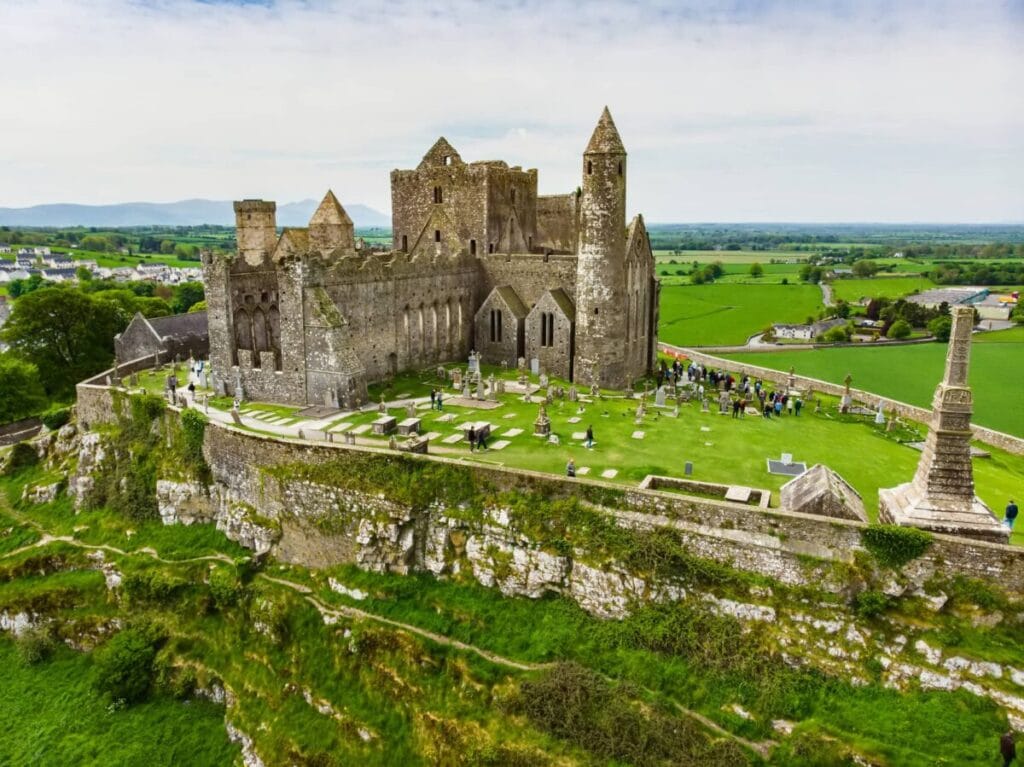

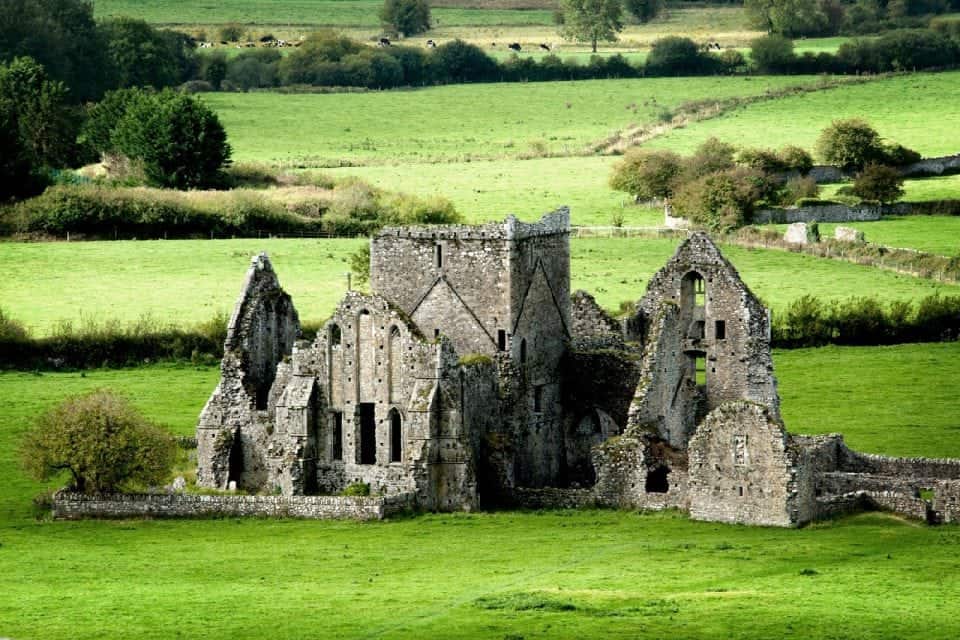
A short walk away lies the hauntingly beautiful Hore Abbey, a ruined 13th-century Cistercian monastery with stunning views of the Rock. Entry to the Rock costs €8 for adults (includes access to the visitor center), while Hore Abbey is free to explore. Both sites offer incredible photo opportunities and a deep dive into Ireland’s rich past.
Evening: Lismore Castle
End your day with a visit to spectacular Lismore Castle, one of Ireland’s most romantic castle settings. Perched on a cliff above the River Blackwater, this 800-year-old castle has hosted everyone from Sir Walter Raleigh to Fred Astaire and JFK.
While the castle itself remains a private residence, the magnificent gardens open to the public (€12 adults, April-October). The upper and lower gardens showcase 300 years of horticultural design, from formal yew walks to contemporary sculpture installations. The castle’s fairy-tale turrets and towers, viewed from the gardens, create some of Ireland’s most photographed castle scenes.

The nearby Lismore Heritage Centre (€5 adults) tells the story of this remarkable place, including its time as the palace of the Bishops of Lismore and its later transformation into the Irish seat of the Dukes of Devonshire.
Stay overnight in nearby Dungarvan or continue to Wexford City.
Day 4: Wexford County – Gardens, Beaches, and Abbey Ruins (140km)
Morning: Wells House and Gardens
Drive southeast to County Wexford to visit Wells House and Gardens (€12 adults, €8 children). This 450-acre estate combines formal Victorian gardens with family-friendly attractions including fairy gardens and Gruffalo walks, an animal farm, and adventure playground.
The 17th-century house tells the story of the Doyne family through guided tours highlighting connections to Oliver Cromwell and the Great Famine. The restored Victorian walled garden produces vegetables and flowers using traditional methods, while the arboretum contains rare tree species from around the world.
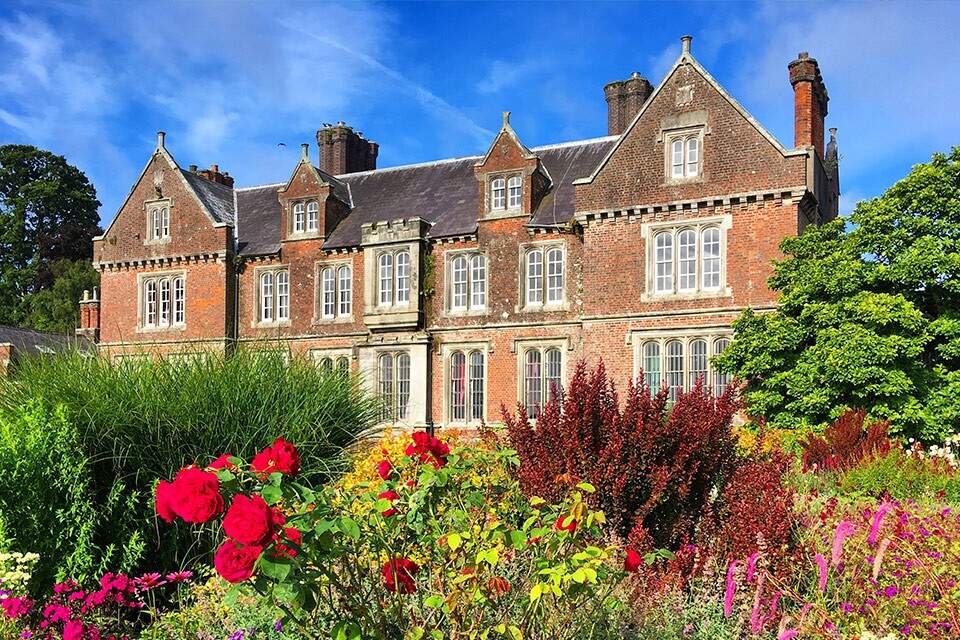
Children particularly enjoy the fairy village hidden in the woods and the working farm where they can meet sheep, goats, and rare breed pigs. The craft courtyard houses local artisans selling everything from pottery to homemade preserves.
Afternoon: Tintern Abbey and Dunbrody Abbey
Drive inland to visit two remarkable Cistercian ruins. Tintern Abbey (€5 adults) takes its name from the famous Welsh abbey. Legend tells that the Earl of Pembroke founded it around 1200 after vowing to build an abbey if he survived a dangerous sea crossing.
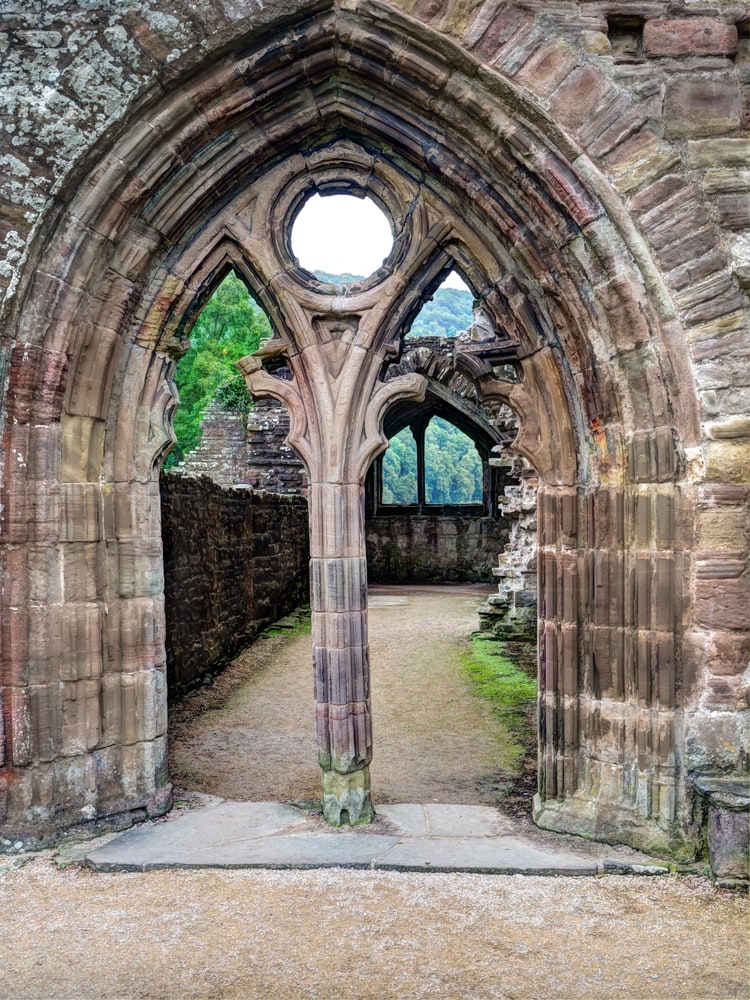
The abbey’s Gothic arches and surviving walls create a hauntingly beautiful setting among ancient trees. Unlike its Welsh namesake, this Tintern remained inhabited after the Dissolution of the Monasteries, serving as a private residence until the 20th century.
Continue to Dunbrody Abbey (€8 adults, €5 children), founded in 1170 by Strongbow’s uncle. This remarkably well-preserved abbey church stretches 59 meters long, making it one of Ireland’s finest Cistercian ruins. The visitor center includes a fascinating hedge maze and provides insight into medieval monastic life.

The abbey’s massive walls and soaring arches demonstrate the power and wealth of 12th-century Norman settlers. During my visit, the site’s tranquil atmosphere and stunning stonework made it easy to imagine white-robed monks going about their daily prayers and labours.
Dunbrody Famine Ship
The Dunbrody Famine Ship, a poignant reminder of Ireland’s Great Famine, is not in Wexford Town but rather in New Ross, County Wexford, about a 30-minute drive away. This full-scale replica of a 19th-century emigrant vessel offers a powerful guided tour, complete with costumed actors who bring to life the harrowing journeys of those who fled Ireland during the 1840s. Admission costs approximately €12 for adults and €6 for children, with family tickets available.

Late Afternoon: Curracloe Beach
End your day at Curracloe Beach, famous as the filming location for Saving Private Ryan’s D-Day landing scenes. This 11-kilometer stretch of golden sand remains relatively undeveloped despite its Hollywood fame.

The beach offers excellent walking opportunities, especially during low tide when tidal pools reveal crabs, anemones, and periwinkles. Summer weekends bring Irish families seeking sun – a rarity in Ireland that locals treasure. Parking is free, and the beach provides wheelchair access via boardwalk.
Personal observation: The beach’s wild beauty was perfect for representing Omaha Beach, though Curracloe’s peaceful atmosphere contrasts starkly with the film’s intense opening sequence.
Evening: Wexford Town
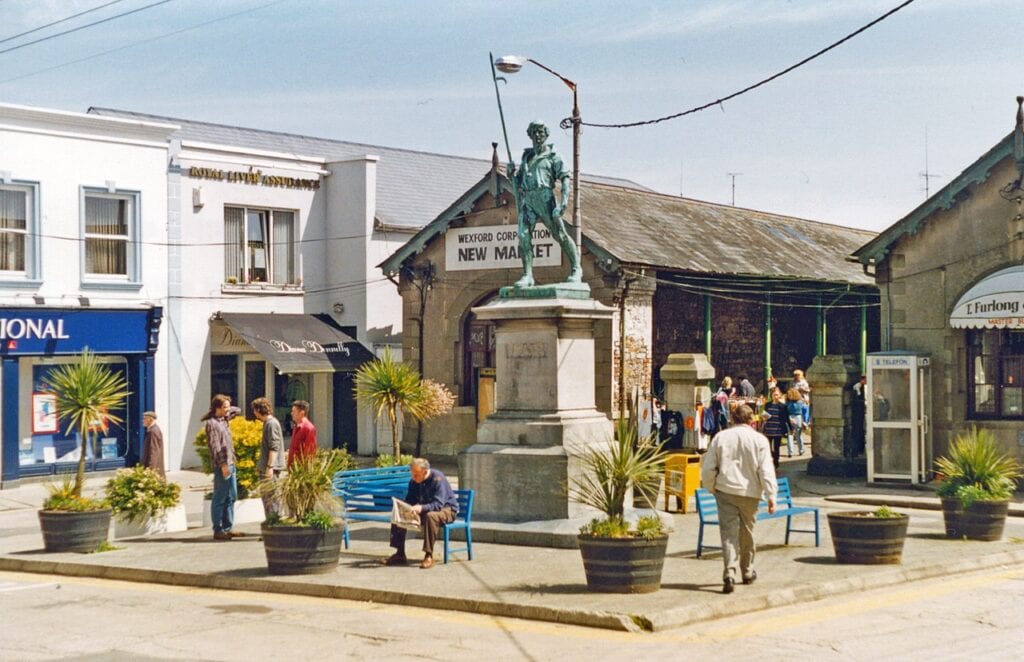
Stay overnight in Wexford Town, exploring its Viking heritage and narrow medieval streets. Whites of Wexford Hotel (€100-140/night) provides comfortable accommodation in the heart of this historic place.
Day 5: Southeast Coast and Waterford – Vikings and Crystal (120km)
Morning: Hook Lighthouse
Drive 45 minutes south to Hook Head Peninsula and Hook Lighthouse, operational for over 800 years. Entry costs €8 adults, €6 students/seniors, open daily 9:30am-5:30pm. The car park sits within walking distance of this amazing place.
Built around 1172 by Anglo-Norman knight William Marshal, this incredible rock structure claims status as the world’s oldest intact operational lighthouse . The 36-meter tower contains 115 stone steps leading to panoramic amazing views across the Celtic Sea.
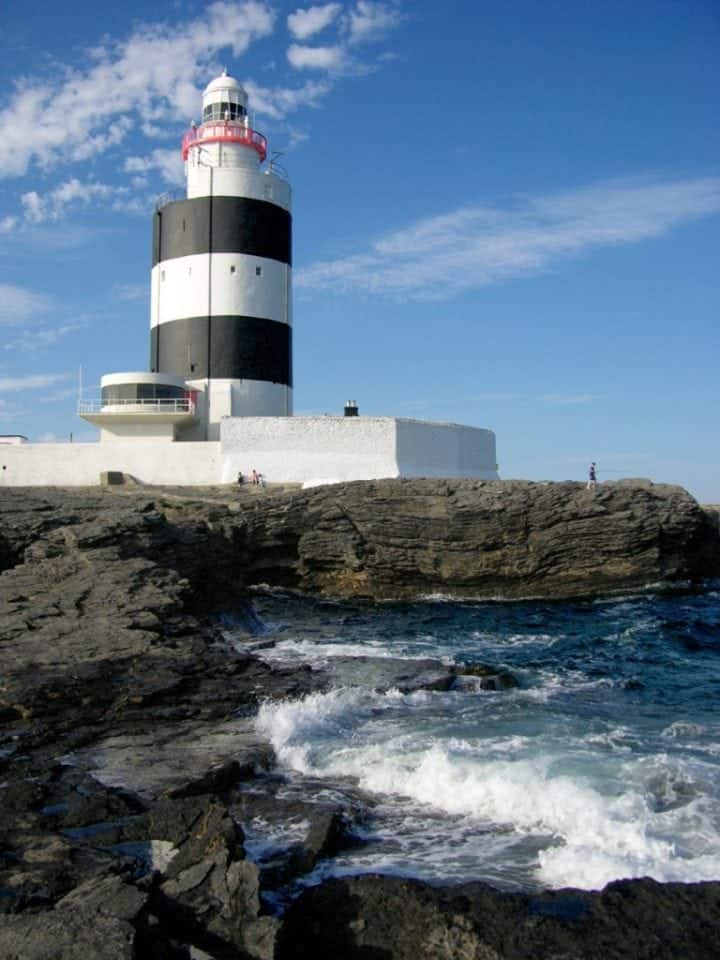
Climbing those steps provides excellent exercise and stunning 360-degree views, but the real treasure lies in the lighthouse keeper stories shared by passionate local guides. During my last visit, guide Mary O’Sullivan described how lighthouse families lived in complete isolation, with supplies delivered by boat every three months.
The surrounding area offers excellent whale watching opportunities, particularly between June and October when minke and fin whales follow fish migrations along Ireland’s southeast coast.
Afternoon: Waterford Viking Triangle – A Deep Dive into Medieval Ireland
Drive to Ireland’s oldest city for the afternoon. Explore Waterford’s compact Medieval Quarter, known as the Viking Triangle. The area contains three world-class museums showcasing 1,000 years of history. The combined ticket (€13) offers excellent value and requires a full afternoon to appreciate properly.
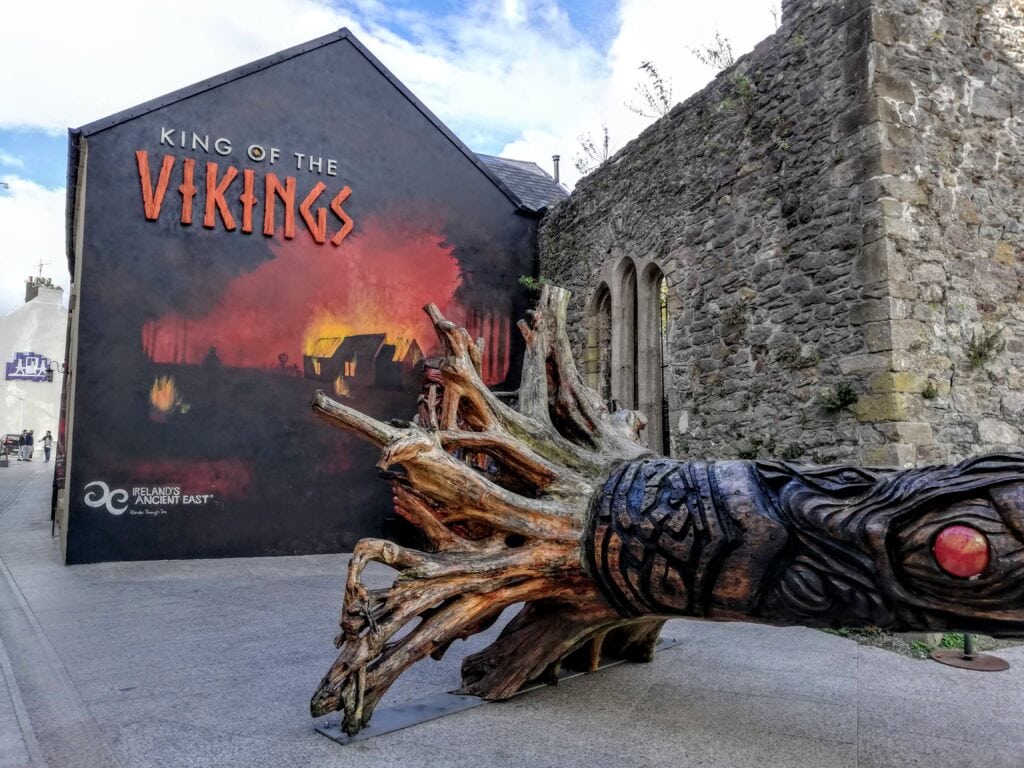
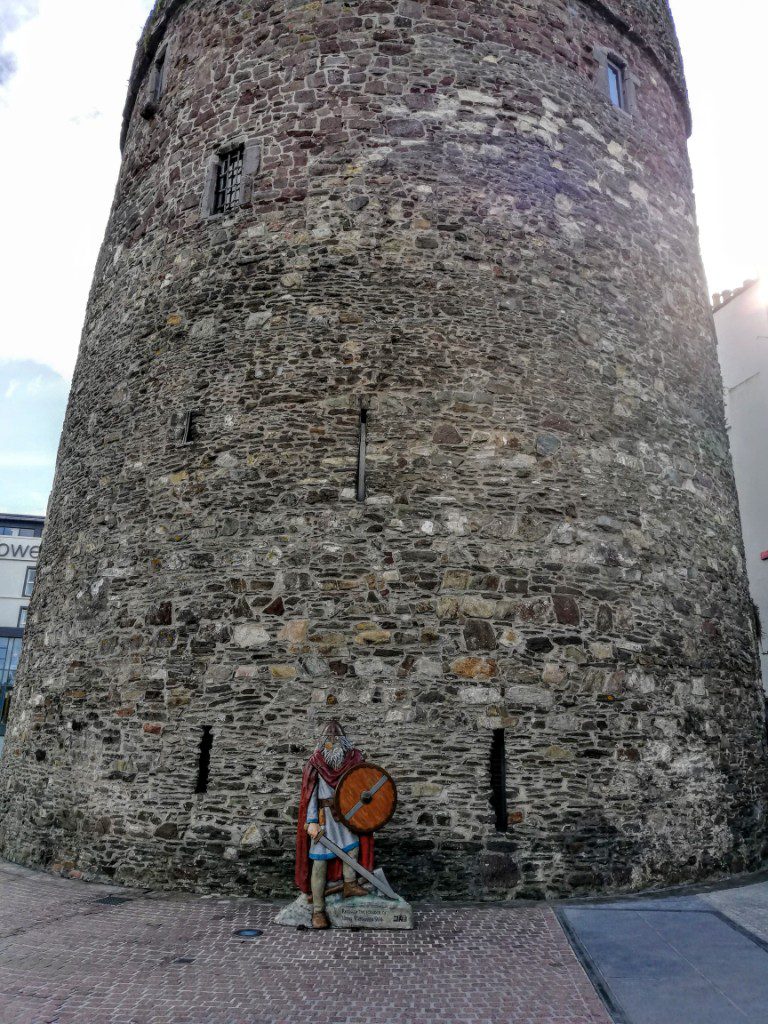
Reginald’s Tower (€5 individually): Ireland’s oldest civic building and the country’s first urban defensive structure, built around 1185 by Anglo-Norman settlers. This massive circular tower, with walls 3 meters thick, served as a mint, prison, military storehouse, and royal residence. The tower houses Viking artifacts including weapons, jewellery, and the magnificent Kite Brooch – a 12th-century masterpiece of Irish metalwork.
The narrow spiral staircase leads to four exhibition floors, each telling different aspects of Waterford’s story. From the top, panoramic amazing views reveal how the tower controlled river traffic for over 800 years. The ground floor displays the original foundations where archaeologists discovered evidence of the Viking city’s wooden defences.
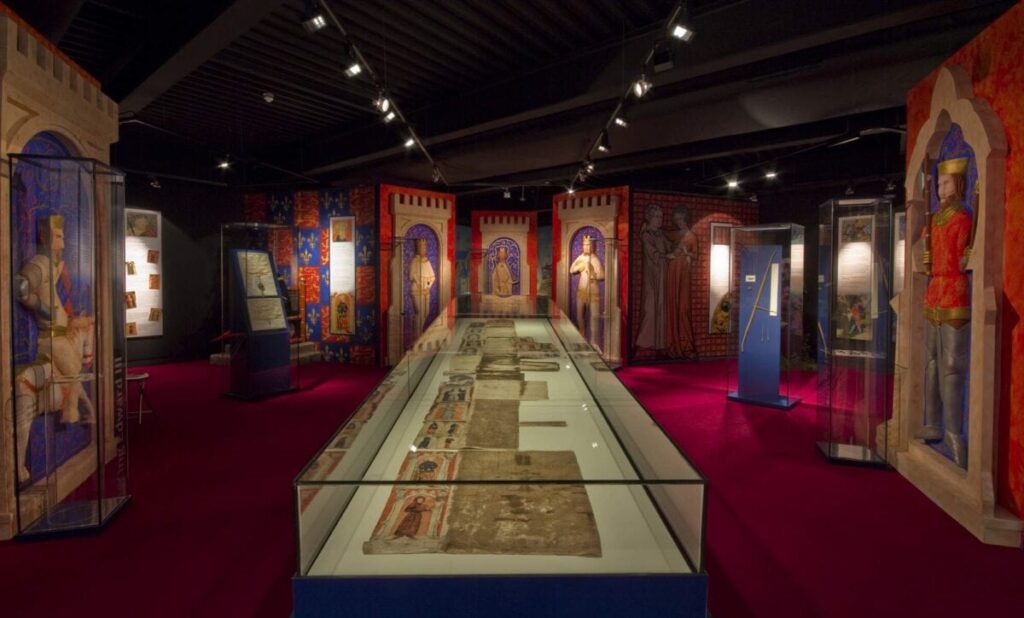
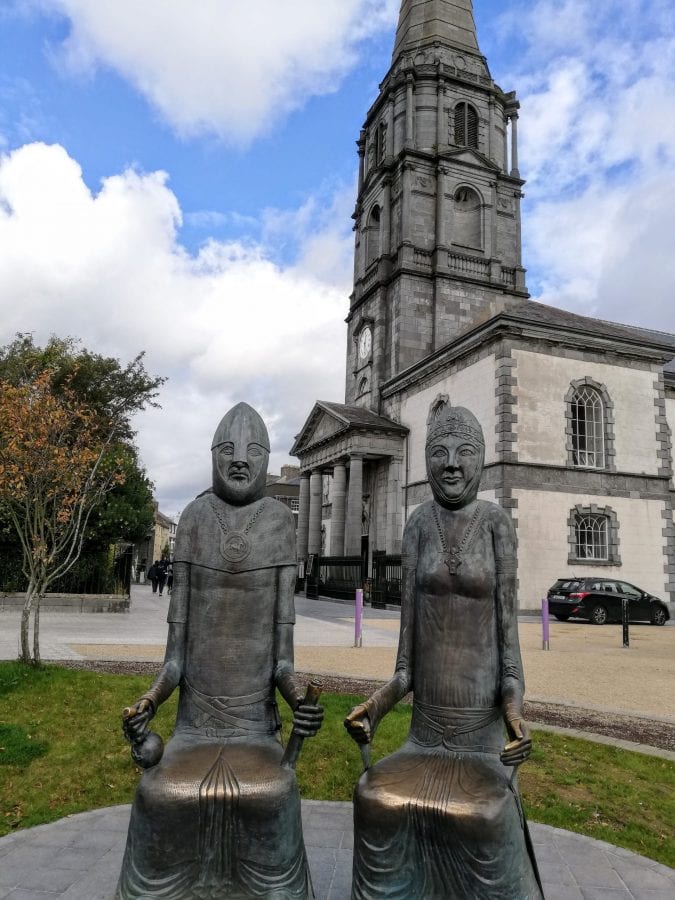
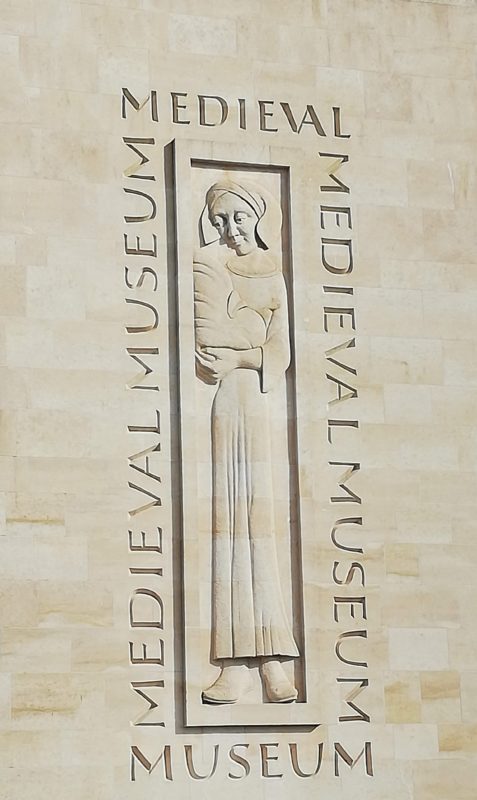
Medieval Museum (€7 individually): Europe’s only purpose-built medieval museum houses treasures including the Great Charter Roll of 1373 – a magnificent illustrated document showing Waterford as it appeared in medieval times. The museum’s star attraction is the Cloth-of-Gold vestment, woven in 15th-century Florence and embroidered in Bruges, demonstrating Waterford’s international trading connections.
Interactive displays explain medieval life, from merchant activities to religious practices. The museum’s glass floor reveals excavated medieval chambers beneath, allowing visitors to literally walk through history.
The Waterford Crystal Factory Tour offers a fascinating behind-the-scenes look at the world-famous craftsmanship of Waterford Crystal. Visitors can watch skilled artisans hand-cut, blow, and sculpt exquisite glass pieces, followed by a visit to the stunning showroom.

The tour lasts about 1 hour, and tickets cost €22 for adults, €20 for seniors/students, and €10 for children (8-17). Family tickets (2 adults + 2 children) are available for €55. Pre-booking online is recommended, especially during peak seasons. The experience also includes a 10% discount in the retail store.
Bishop’s Palace (€7 individually): This elegant Georgian townhouse (1741) showcases Waterford’s prosperity during the 18th and 19th centuries. The palace displays the world’s oldest piece of Waterford Crystal (1783), Napoleon’s Waterford Crystal decanter, and Georgian furniture demonstrating the lifestyle of Ireland’s Protestant elite.

The palace tells the story of religious divisions in Irish society – Protestant bishops lived in luxury while the majority Catholic population faced discrimination under Penal Laws.
Christ Church Cathedral (Protestant Church of Ireland) – Located on Cathedral Square, this is the cathedral of the Church of Ireland Diocese of Cashel and Ossory. It was originally built in the 11th century by the Vikings and later rebuilt in the 18th century in a neoclassical style.

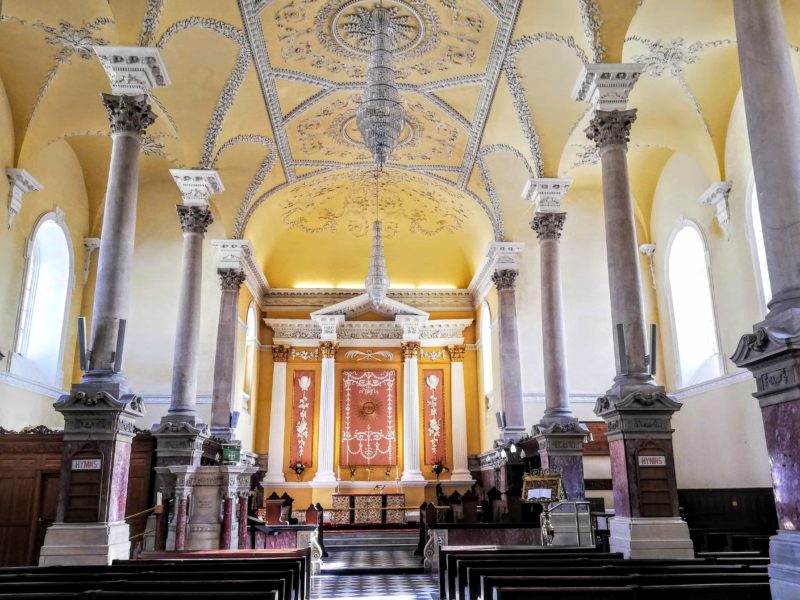
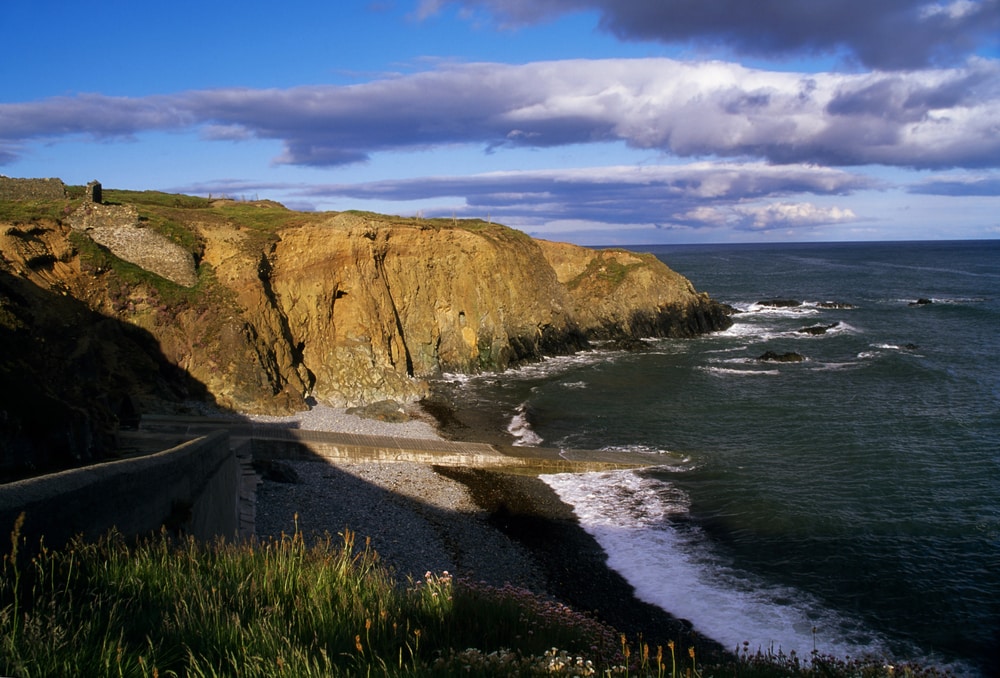

Holy Trinity Cathedral (Roman Catholic) – Situated on Barronstrand Street, this is the cathedral of the Roman Catholic Diocese of Waterford and Lismore. It was designed in the Gothic Revival style and completed in 1796, making it the oldest Catholic cathedral in Ireland.
Understanding Ireland’s Religious Divide
The differences between Catholic and Protestant churches in Ireland go far beyond theology, representing centuries of political, social, and cultural conflict. When you visit these churches, the architectural and cultural differences become immediately apparent.
In historical context, Protestant churches represented British rule and the established church, while Catholic churches symbolized Irish identity and resistance to foreign domination. The Penal Laws (1695-1829) prohibited Catholics from owning land, holding political office, or practicing their religion openly, creating lasting social divisions.
Evening: Dunmore East
Drive 20 minutes southeast to Dunmore East, a picturesque fishing village that feels like a hidden gem despite its proximity to Waterford. The village’s thatched cottages and small harbor create perfect photo opportunities, especially during golden hour.

The cliff walk from Dunmore East to Ballymacaw offers spectacular coastal amazing views and usually takes 45 minutes each way. During summer months, local fishermen sell fresh catch directly from boats – I’ve bought magnificent sea bass here for €8/kg, far superior to any supermarket fish.
Local tip: The Spinnaker Bar serves the best seafood chowder in the area (€9.50). Sit outside on sunny days for harbor views while dining.
Stay overnight at The Haven Hotel (€90-130/night) with fabulous terrace and lush gardens

Day 6: East Cork and Cork City – Blarney Castle and Titanic History (80km)
Morning: Cobh (Queenstown) – Titanic History and the “Houses of Cards”
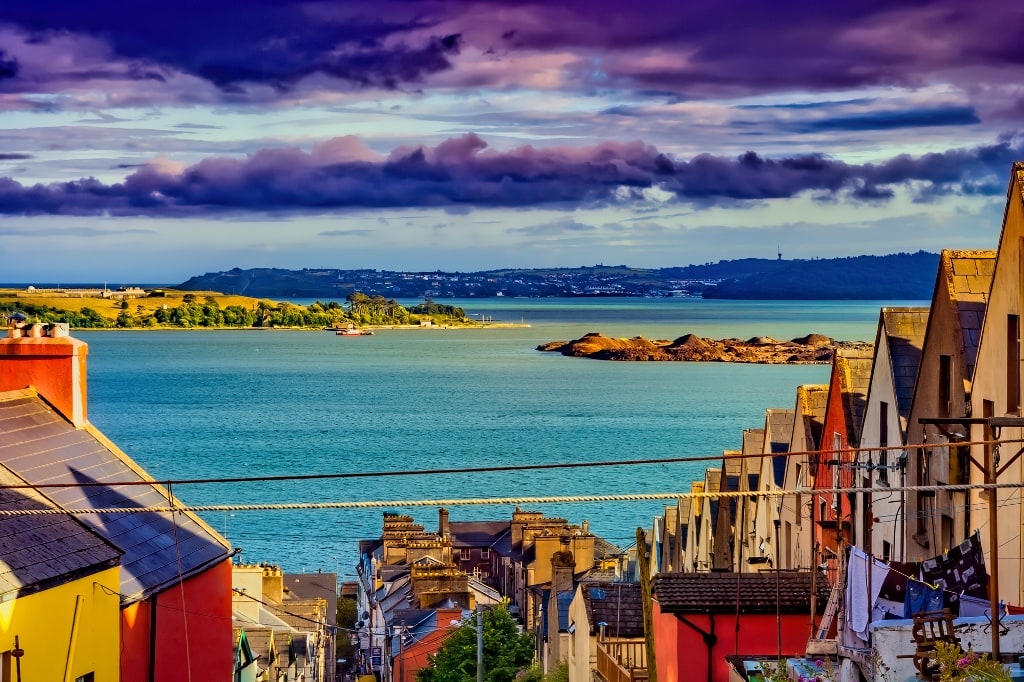
Drive to Cobh, the Titanic’s last port of call. This amazing place cascades down steep streets toward Cork Harbor, creating one of Ireland’s most photographed scenes. Car park facilities are available near the town center, with most attractions within walking distance.
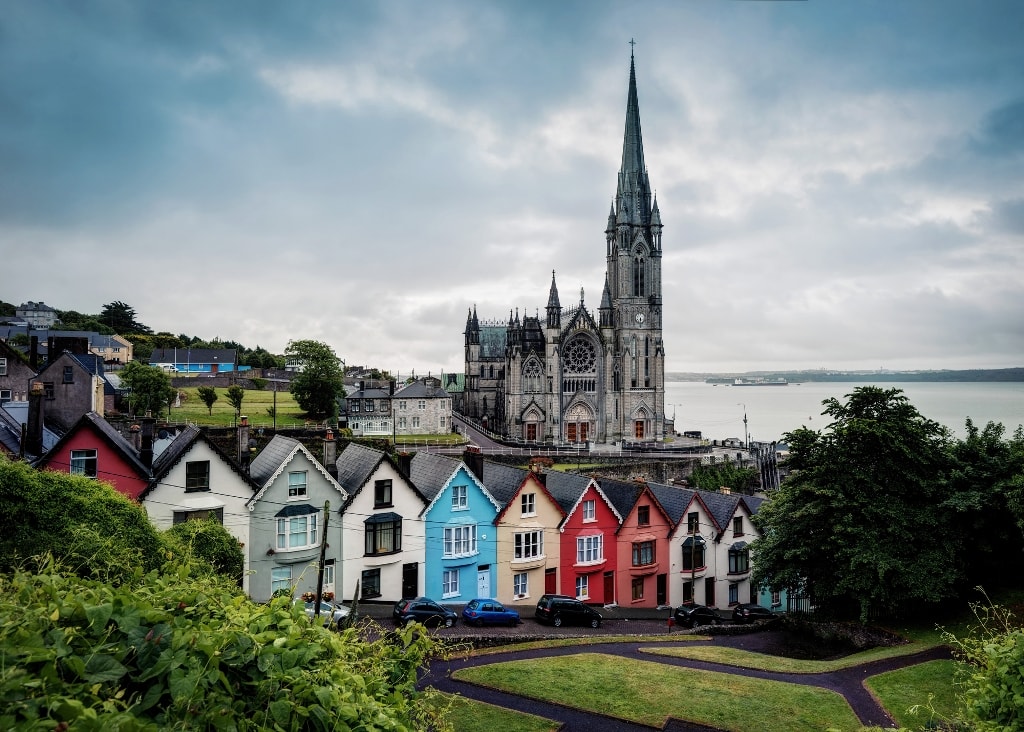
The colourful Victorian houses are famously called “houses of cards” because they were built quickly and cheaply in the mid-1800s to accommodate the massive influx of emigrants waiting for passage to America. These narrow, tall houses were constructed with minimal foundations, stacked closely together like a house of cards – hence the nickname. Many families lived in single rooms while waiting weeks or months for ship departures.
The Titanic Experience (€10.50 adults) occupies the original White Star Line offices where 123 passengers boarded the ill-fated ship on April 11, 1912. Interactive exhibits recreate the boarding experience and share individual passenger stories.
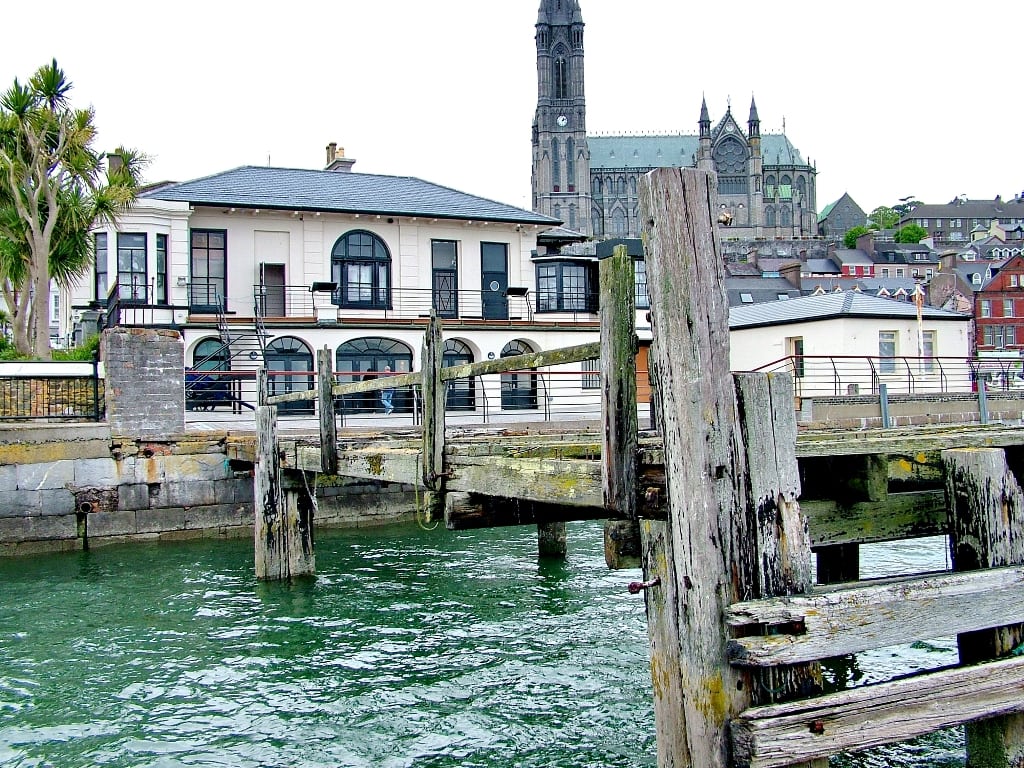
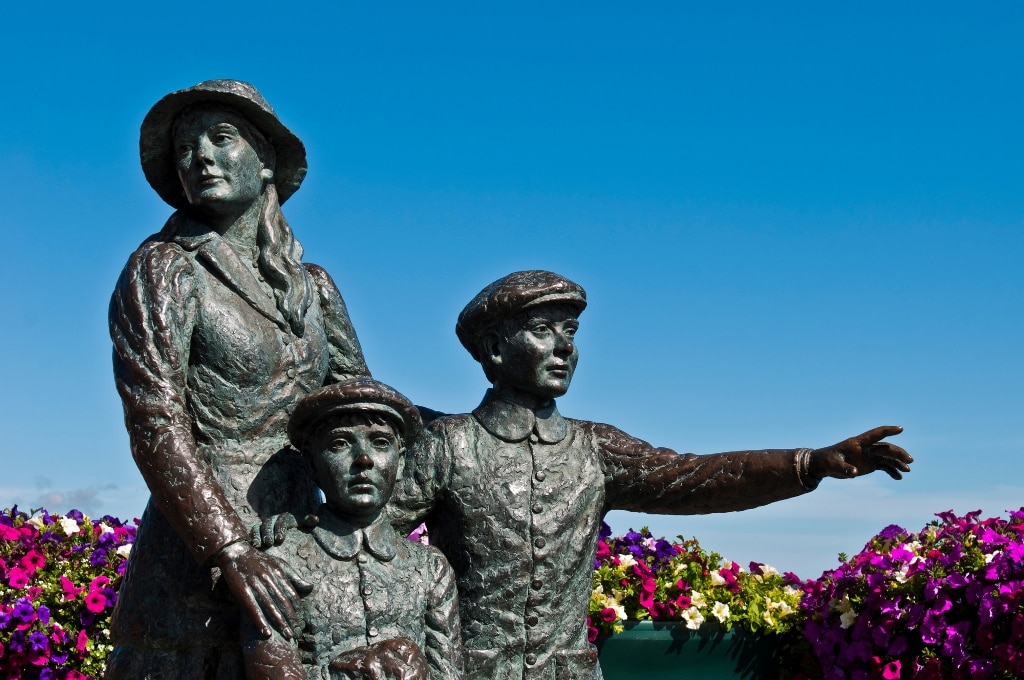
More poignantly, the Cobh Heritage Centre (€10 adults) documents the 2.5 million Irish emigrants who departed through this port between 1848-1950. The emigration story resonates personally – my husband and his family left Ireland through Cobh in 1965, seeking opportunity in Canada.
St. Colman’s Cathedral dominates the skyline with its 46-bell carillon – the largest in Ireland. The Gothic Revival structure, completed in 1915, provides excellent harbor amazing views and houses beautiful stained glass windows depicting Irish saints.
Galway delivers the classic lively west of Ireland atmosphere, while Cork offers a calmer and more food-focused experience. My Galway vs Cork guide compares both in detail.
Spike Island – Ireland’s Alcatraz
Take the 15-minute ferry ride (€18 adults including fort entry) to Spike Island, often called “Ireland’s Alcatraz.” This 104-acre island served as a monastery, fortress, and prison over 1,300 years of history.
The star-shaped fort, built in the 1850s, held up to 2,300 prisoners at its peak, making it the largest convict depot in the world. Political prisoners, criminals, and those sentenced for minor offenses lived in appalling conditions before transportation to Australia.
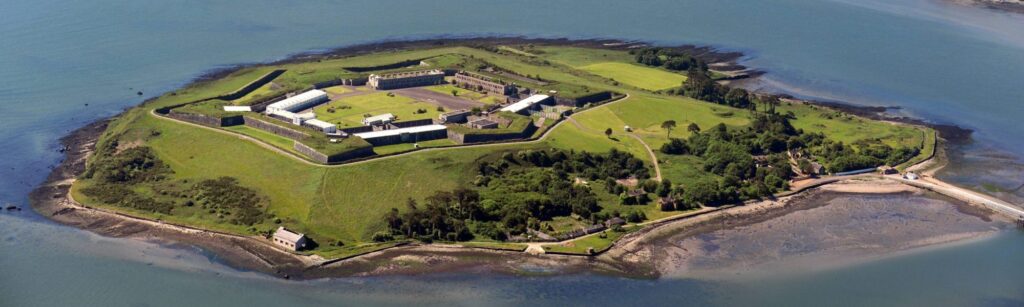
Walking through the restored prison cells, punishment blocks, and exercise yards provides a sobering insight into 19th-century penal policy. The island’s isolation made escape virtually impossible – only three successful breakouts occurred in over a century of operation.
Afternoon: Blarney Castle
Continue to Blarney Castle, home to the famous Blarney Stone. Entry €18 adults, €8 children, open daily 9am-6pm (seasonal variations apply). The extensive car park can accommodate tour buses, so arrive early for a more peaceful experience.
Built in 1446 by Cormac Laidir MacCarthy, this amazing castle requires climbing 127 narrow stone steps to reach the legendary Blarney Stone. The tradition of kissing the stone to gain the “gift of gab” attracts visitors worldwide, though I highly recommend visiting for the spectacular castle ruins and gardens rather than the crowded stone-kissing ritual.
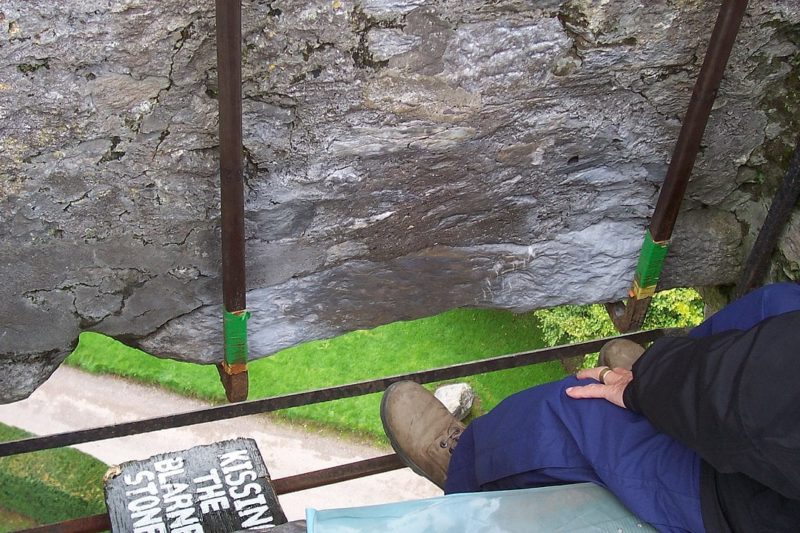
The castle grounds span 60 acres, featuring the Poison Garden, Fern Garden, and Rock Close with its ancient druidic sites. Walking these gardens provides amazing views across the Irish countryside and offers plenty of Instagram-worthy moments away from the main tourist crowds.
Travel tip: The nearby Blarney Woollen Mills offers excellent Irish souvenirs and a good café for lunch after your castle visit. You can also stay at the Blarney Woollen Mills Hotel if you are planning a longer visit.
Evening: Cork City and English Market
Complete your journey in Cork, Ireland’s “Rebel County” capital. Park near the city center and walk to the famous English Market, operating continuously since 1788.
Queen Elizabeth II visited the market in 2011, sampling local specialties including Gubbeen cheese and Irish soda bread. The market’s Victorian architecture houses over 60 stalls selling everything from traditional black pudding to artisanal chocolates.
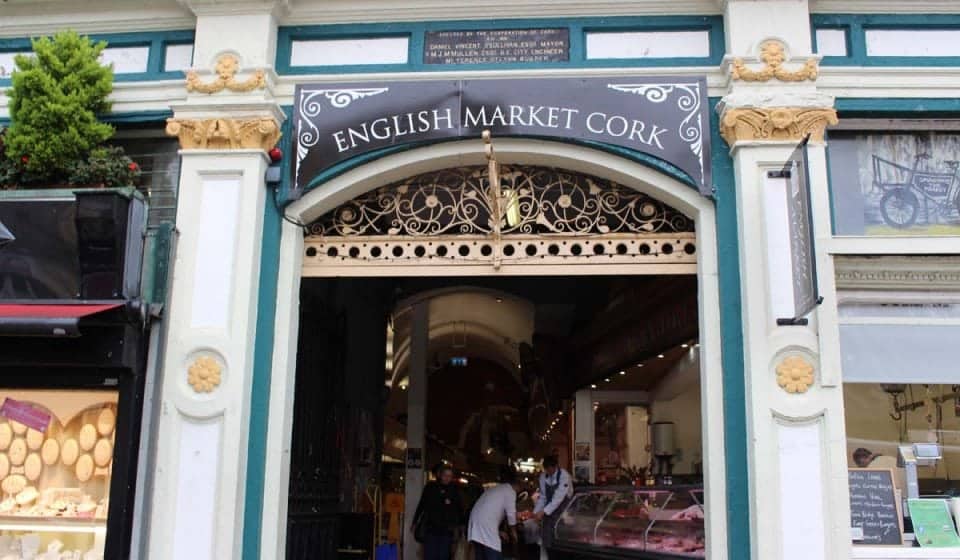


My favorite place to eat in the market is the Farmgate serving as they say “Centuries old traditional, seasonal, regional, even ‘forgotten’ foods are at the core of the Farmgate Café ethos”. The Alternative Bread Company offers incredible sourdough and pastries – their almond croissants (€3.50) rival anything in Paris.
Cork’s compact city center allows easy walking between attractions. The Crawford Art Gallery houses an impressive collection of Irish art, while nearby Patrick Street provides excellent shopping and people-watching opportunities.

Essential Travel Tips for Your Dublin Cork Adventure
Navigation and Parking:
- Download offline maps before leaving Dublin – mobile coverage can be spotty in mountains
- Most attractions offer free or low-cost car park facilities
- City centres may require paid parking – budget €2-4 per hour
- Narrow Irish roads require careful driving – pull over to let faster traffic pass
Money-Saving Tips:
Heritage cards (€40 adults) provide free entry to state-run attractions
Many coastal walks and national park trails are free
Pack lunch for scenic picnic spots to avoid tourist restaurant prices
What to Pack:
- Waterproof jacket (Irish weather changes quickly)
- Comfortable walking shoes for castle exploring
- Camera with extra battery for amazing views
- Cash for small car park fees and local markets
Practical Planning Information
Total Distance: Approximately 410km
Recommended Duration: 5-6 days
Best Route: N11 south from Dublin, regional roads through Wicklow, N25 through Waterford, N28 to Cork
Budget Estimates (per person):
- Accommodation: €450-750 (5 nights)
- Car rental: €200-300 (5 days)
- Fuel: €75-100
- Attractions: €120-180
- Meals: €250-500
- Total: €1,095-1,830

Local Food Specialties to Try
Wicklow lamb – grass-fed and delicious
Wexford strawberries (in season: June-July)
Waterford blaa – soft white bread roll, protected geographical status

Cork’s English Market specialties – black pudding, Irish cheese
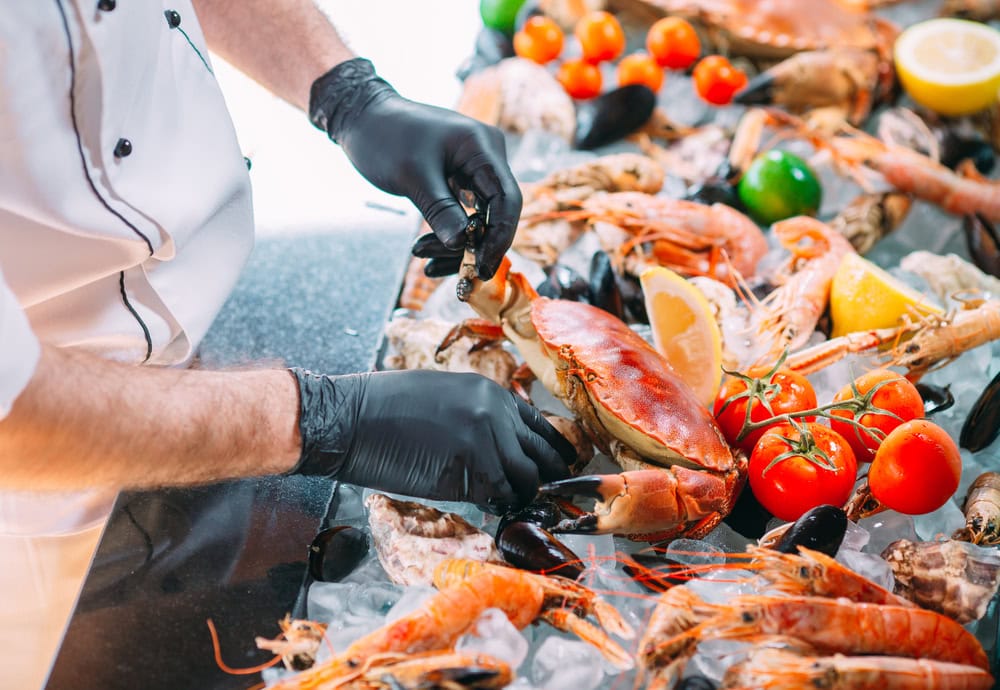
Fresh seafood – particularly in coastal areas
Seasonal Considerations
Spring (March-May): Lambing season in Wicklow, fewer crowds, unpredictable weather Summer (June-August): Warmest weather, longest days, peak tourist season Autumn (September-November): Beautiful colours, harvest season, increasing rainfall Winter (December-February): Shortest days, potential road closures in mountains, cosy pub atmosphere
This Dublin Cork road trip offers the perfect introduction to Ireland’s diverse landscapes, rich history, and warm hospitality. From the amazing views of Wicklow Mountains National Park to the medieval majesty of castles like Kilkenny and Blarney, every place along this route tells Ireland’s story.
I highly recommend taking time to chat with locals, sample regional specialties, and embrace the Irish concept of “craic” – that indefinable combination of fun, entertainment, and good conversation that makes Ireland truly special. The rock formations, ancient abbeys, and coastal vistas create memories that will last a lifetime.
Galway delivers the classic lively west of Ireland atmosphere, while Cork offers a calmer and more food-focused experience. My Galway vs Cork guide compares both in detail.
Start Planning Your Trip
👉 Public Transportation in Ireland
👉 Hidden Gems in Ireland – 32 Secret places to visit
👉 Answering all your travel questions about Ireland
Hi
I enjoyed reading your suggestions for travelling around southeast Ireland. I may be in Wexford town the end if a July 2023 and would like to explore southeast coast down to Hook Head, Ardmore etc. I understand public transportation in this area is not very good.
I will be alone and do not really want to rent a car. Do you have any ideas on how I might be able to get around. What is driving like along south east coast? I have read the roads can be very narrow in some places. I would also rent an automatic car and I know it’s more expensive than a manual.
I’m not really sure what to do. What are your thoughts on driving this area? I think parking could be difficult as likely parking spots are very close together and you need to be able to squeeze into tiny spots. I appreciate any information you can provide. I would prefer not to drive but it looks like it is very time consuming to try to use public transportation.
Thank you from Canada
Christine
Hi Christine I’m afraid public transportation in that area is pretty bad and there really is no way other than to rent a car to get to Hook Head. However, I will say that this part of Ireland is pretty safe to drive and if I can do you it you can. The roads can be narrow but everyone is very polite and pulls over for you and there are lots of places where you can pull in and get out of the way and there is so little traffic outside of the cities and even in places like Wexford the traffic is just not the same as driving in a large or even medium size Canadian city. I use google maps which makes life easier as it tells you the direction to go in. As for parking outside of Wexford parking is a breeze, it’s a bit more hassle in a city but Wexford is pretty small and I wouldn’t bother to hire a car except to get outside the towns and cities.
Hope that helps but don’t be afraid I’m not a big fan of driving anywhere but in Ireland it becomes comfortable very quickly.
You really need a car to explore the area around the Hook, but there is a new Local Link bus that runs from New Ross to Hook Head. Check out https://locallinkwexford.ie/ for local busses in the Wexford area.
You are absolutely right you definitely need a car to explore the area and handy to know about the Local Link bus, we have them in Donegal and they work out great – when you know about them.