
Driving in Ireland Over 60 Tips, Insurance and Scenic Routes
Driving in Ireland in your 60s can feel like both an adventure and an unknown. Will left‑side driving be stressful? Are the rural roads manageable? Is renting a car worth it?
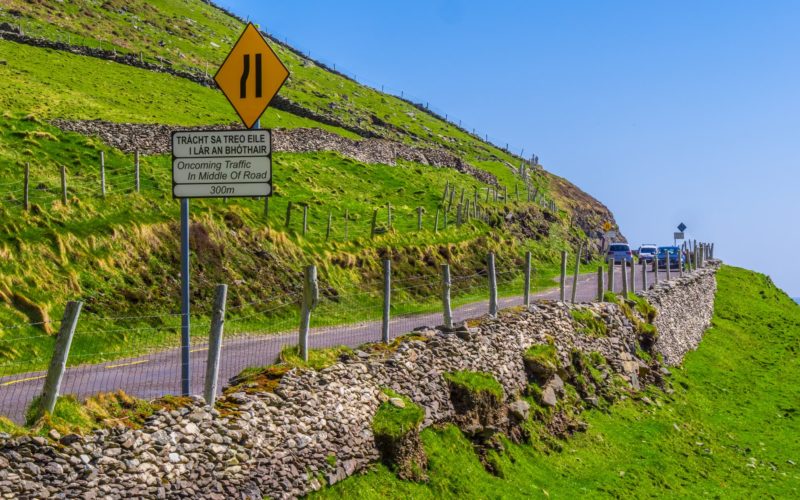
After spending time behind the wheel exploring the Irish countryside, I discovered that driving over 60 in Ireland can be deeply rewarding — as long as you plan well and pace yourself. Here’s what helped, what didn’t, how rental car insurance works, and a practical checklist to make your trip smoother. I live in Donegal and drive in Ireland regularly after years behind the wheel in Canada, France, Spain, and the UK.
Many mature travelers quietly wonder: Is driving in Ireland difficult for older drivers? Can seniors drive in Ireland with confidence? What I discovered is that self‑driving here is less about age and more about mindset. With thoughtful pacing and preparation, the experience becomes not only manageable, but deeply enriching.
- Driving in Ireland Over 60 Tips, Insurance and Scenic Routes
- Why Driving in Ireland Is Worth It for Mature Drivers
- Driving with Mobility Considerations
- What Helped Most
- What Was More Challenging
- Trying to Do Too Much
- Rental Car Insurance in Ireland: What to Know
- Driving in Ireland Over 60: Pre‑Trip Checklist
- Driving in Northern Ireland: What to Know
- The Quiet Gift of Ireland’s Scenic Roads
- Scenic Drives That Reward a Slower Pace
- Scenic Drives Northern Ireland
- Key Road Rules and Speeds
- FAQs
- References
- Exploring the fascinating regions of Ireland
Why Driving in Ireland Is Worth It for Mature Drivers
One of the joys of driving in Ireland is the freedom to explore at your own rhythm. Tours are convenient, but having a car lets you:
- Stop whenever the scenery calls to you and finding hidden gems in Northern Ireland worth adding to your trip.
- Visit smaller towns not easily reached by public transport
- Travel at a comfortable pace
For mature travelers, flexibility can make all the difference between a rushed trip and a relaxed one.
Driving with Mobility Considerations
Mobility changes how one travels, but it does not diminish the richness of the experience. Driving Ireland’s countryside is particularly well suited to those who prefer shorter driving days and frequent pauses.
Traveling with knee concerns or limited stamina invites a different kind of discovery: You notice village rhythms. You appreciate cafés where seating encourages lingering. You find viewpoints that require only a few careful steps to access sweeping beauty.
accessible-travel-guides-ireland-uk-europe in rural Ireland often emerges through everyday kindness — someone moving a chair without being asked, a stranger offering directions that turn into shared stories. Asking for help rarely feels burdensome here; it feels like participation in community.

What Helped Most
Choosing an Automatic Car Rental
Renting an automatic reduced mental strain significantly. Not having to shift gears with my left hand allowed me to focus fully on positioning the car and navigating unfamiliar roads.
A compact vehicle also made tight country lanes far less intimidating.
Planning Short Driving Days
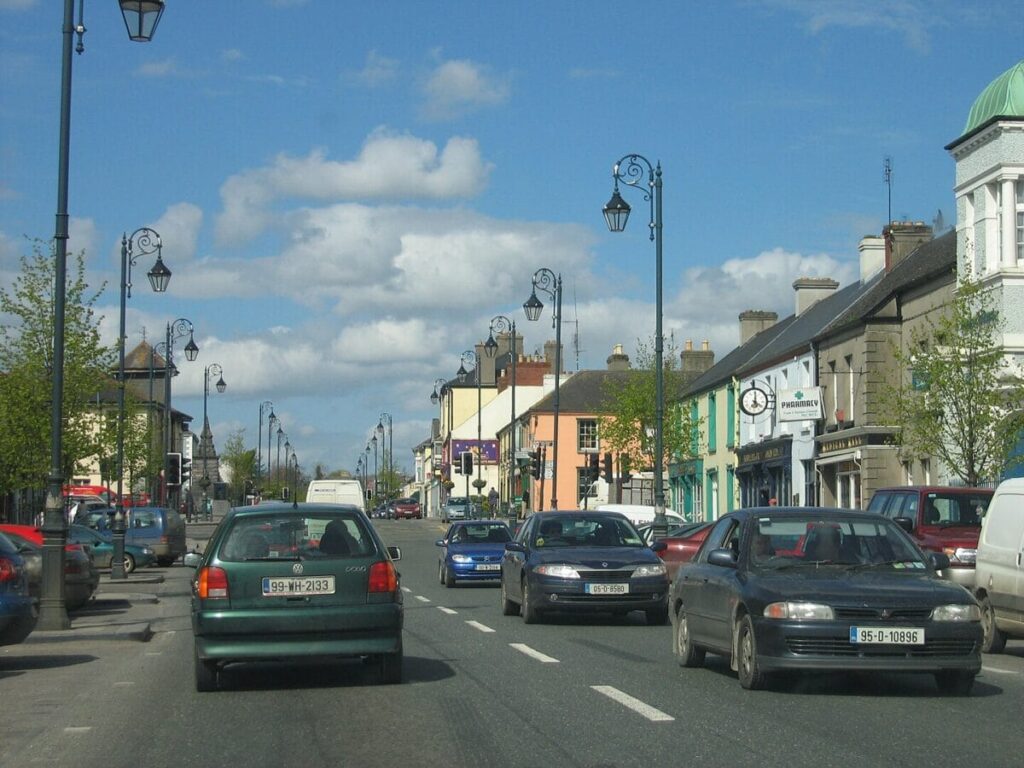
Distances in Ireland can be deceptive. Roads are often winding, and travel takes longer than expected. Limiting driving to a few hours per day:
- Reduced fatigue
- Improved concentration
- Left time for spontaneous stops
Reviewing Routes in Advance
Even with GPS, previewing the route beforehand boosted my confidence, especially when entering larger towns or encountering roundabouts.
Driving Only During Daylight
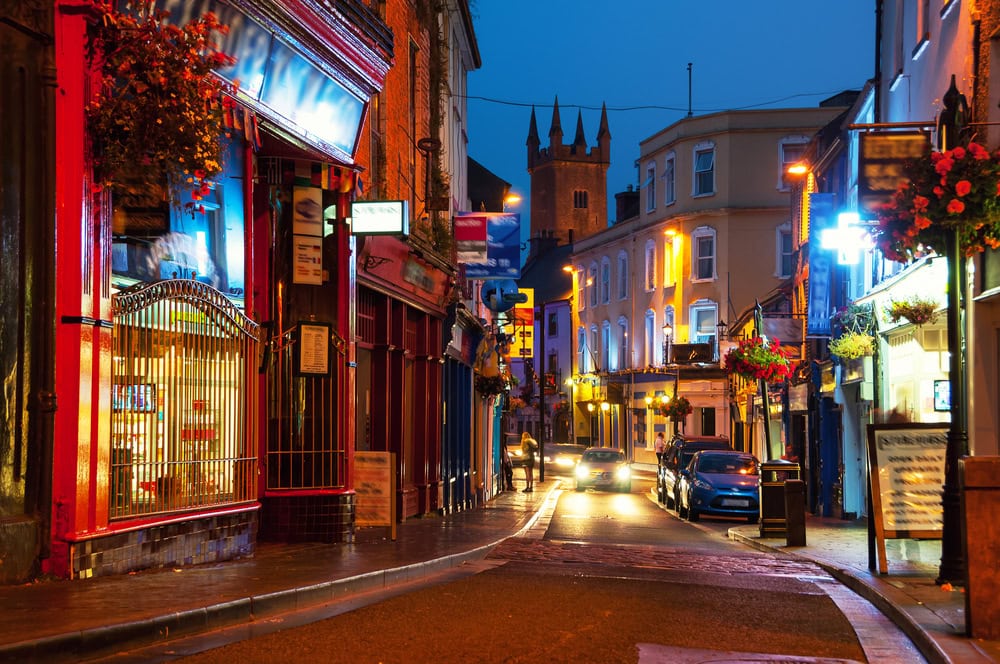
Daytime driving felt safer and less stressful. Visibility is better, signage is easier to read, and judging road width becomes simpler.
What Was More Challenging
Narrow Rural Roads
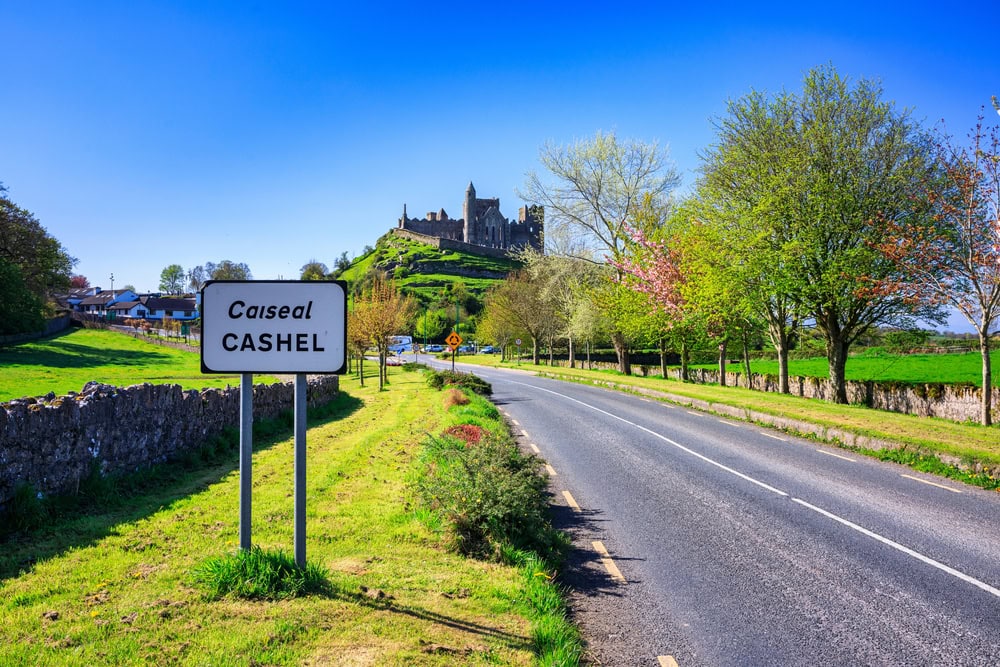
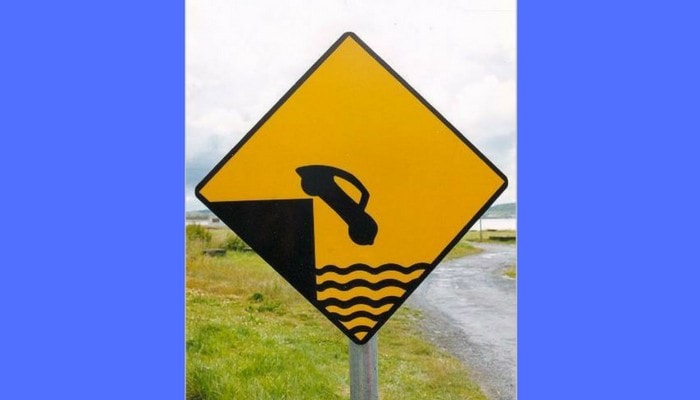
Some roads are extremely tight, particularly in the countryside. Slowing down and using passing points made these stretches manageable over time.
Roundabouts
Roundabouts took a little adjustment but became easier after a day or two.


Trying to Do Too Much
Packing too many destinations into one trip added unnecessary stress. Slowing down made the journey far more enjoyable.
Rental Car Insurance in Ireland: What to Know
Understanding rental car insurance before arriving can save both money and worry.
Collision Damage Waiver (CDW)
Most rentals include CDW, but with a high excess (the amount you pay if there’s damage). CDW covers damage to the rental vehicle up to a limit; the “excess” is your out‑of‑pocket portion. Reducing this excess often provides peace of mind.
Super CDW or Excess Reduction
This optional upgrade lowers your financial responsibility in case of damage. For many older drivers, the added cost is worth the reassurance.
Credit Card Insurance
Some credit cards offer rental coverage, but:
- Not all policies apply in Ireland
- You may need written proof
- Certain protections must be declined for coverage to apply
Policies vary by card issuer and rental company; confirm coverage details in writing before you travel and take the confirmation with you.
Extra Coverage to Consider
Basic policies often exclude:
- Tyres
- Windscreens
- Undercarriage damage
Given Ireland’s rural roads, it’s wise to ask specifically about these. Request written confirmation of inclusions and exclusions from your rental company.
Driving in Ireland Over 60: Pre‑Trip Checklist
Here’s a practical checklist to help you feel confident and prepared.
Before You Travel
Confirm your driving licence is valid. Check if an International Driving Permit is needed. Review travel insurance coverage. Reserve an automatic car early. Confirm age policies with the rental company (maximums or surcharges). Print insurance documentation. Bring prescription glasses if required for driving.
Before Leaving the Rental Lot
Inspect the car for scratches or dents. Photograph and or video any existing damage. Adjust mirrors and seat position. Learn car controls before driving off (lights, wipers, fuel door). Confirm fuel type and tyre pressure.
During Your Trip
Limit daily driving hours. Take regular breaks. Keep water and snacks handy. Use GPS but preview routes beforehand. Avoid night‑time driving when possible.
If you’re planning and want flexibility, driving remains one of the best ways to experience Ireland’s landscapes and local culture.
Driving in Ireland after 60 isn’t about speed — it’s about confidence, pacing, and preparation. With realistic expectations and thoughtful planning, it can be one of the most fulfilling ways to see the country.
Driving in Northern Ireland: What to Know
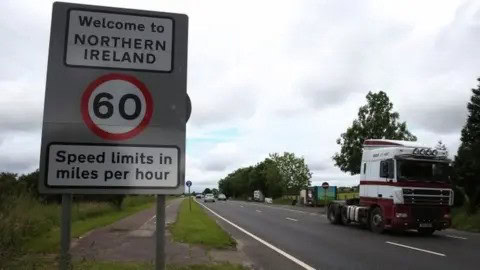
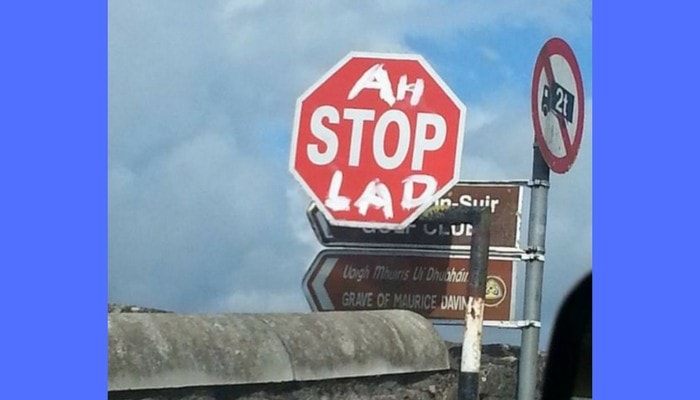
When I head into Northern Ireland, the transition feels more like a soft shift in atmosphere than a formal border crossing. There are no checkpoints or physical barriers between the Republic and Northern Ireland. The same goes in reverse if you arrive in Northern Ireland and drive to the Republic you won’t have to pass through customs or any border barriers.
Still, it’s wise to carry your passport while traveling, as Northern Ireland is part of the United Kingdom, and identification may occasionally be requested, especially if your journey later involves flights or ferries.
As of early 2026, most visa‑exempt non‑UK/non‑Irish visitors need a UK Electronic Travel Authorisation (ETA) linked to their passport for short tourism stays, including crossings by road. British and Irish citizens are exempt. EU national ID cards are not accepted for entry to Northern Ireland; carry a valid passport and ETA. Apply online via GOV.UK or the UK ETA app at least 3 days before travel; the ETA costs about £16, is generally valid for 2 years (or until passport expiry), and each traveller including children needs their own.

Rental car companies generally allow travel into Northern Ireland, though they often ask that you notify them in advance and may apply a cross‑border fee. Insurance coverage usually extends northward, but confirming this beforehand offers peace of mind. What I appreciate most is how seamless the experience felt road signs shift from kilometres to miles, and speed limits change accordingly; the accents subtly change, yet the landscape continues its familiar rhythm of stone walls, grazing sheep, and skies that seem to stretch without interruption.
The Quiet Gift of Ireland’s Scenic Roads
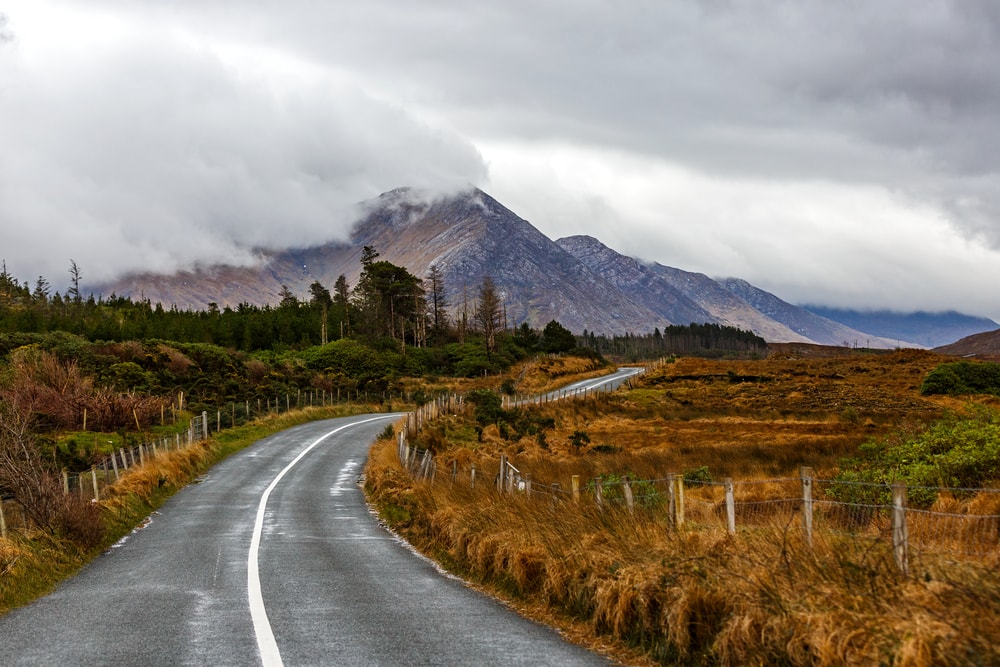
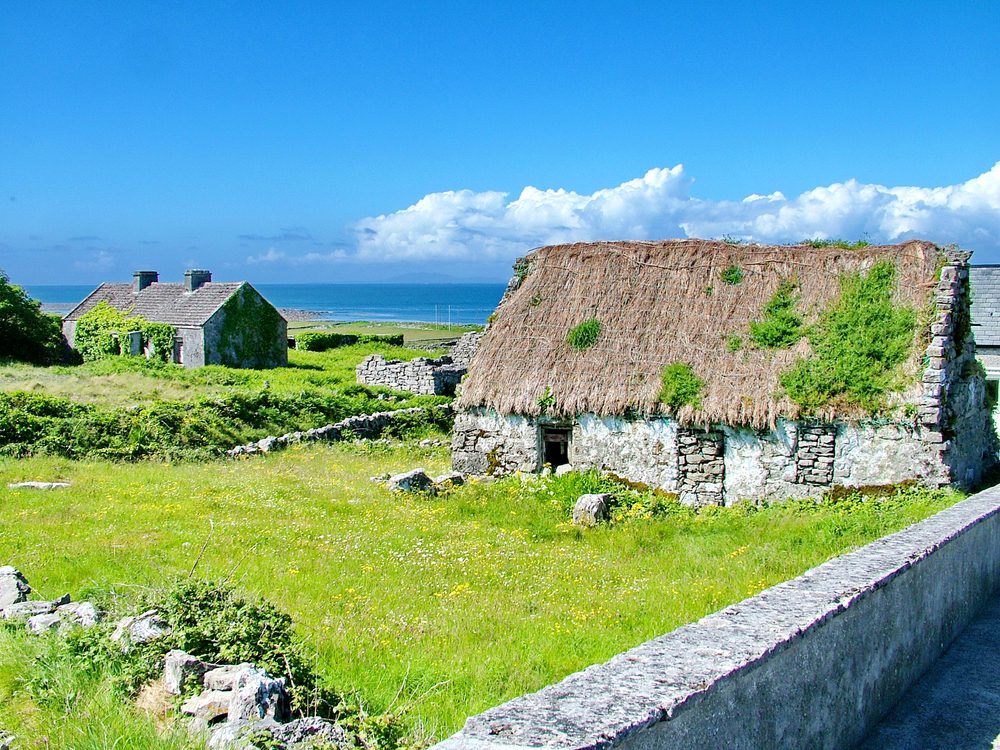
Ireland’s roads are not engineered for speed. They follow ancient pathways first shaped by livestock and foot travelers, curving around hills, stone walls, and coastline rather than cutting through them. For those exploring at a gentler pace, this natural design feels like a kindness.
Driving becomes an act of observation: a woman hanging laundry that snaps in the Atlantic breeze, a farmer pausing mid‑task for conversation across a gate, the skeletal remains of famine‑era cottages open to the sky.
Mobility considerations often shorten driving days, but I came to see this not as a compromise but as a refinement. Limiting distance deepened experience. I arrived places present instead of depleted.
Scenic Drives That Reward a Slower Pace
Some routes in Ireland seem particularly suited to mature travelers who value atmosphere over mileage.
The Ring of Kerry offers sweeping coastal views, small villages, and gentle opportunities to stop without feeling rushed. Early starts or off‑peak travel times allow you to move comfortably and absorb the landscape without pressure.
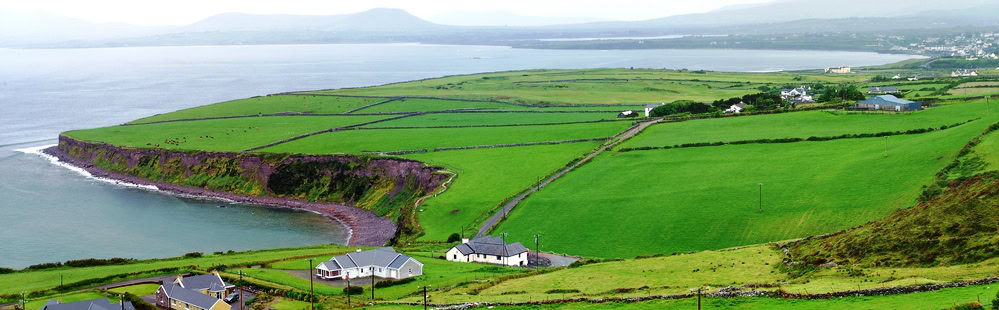
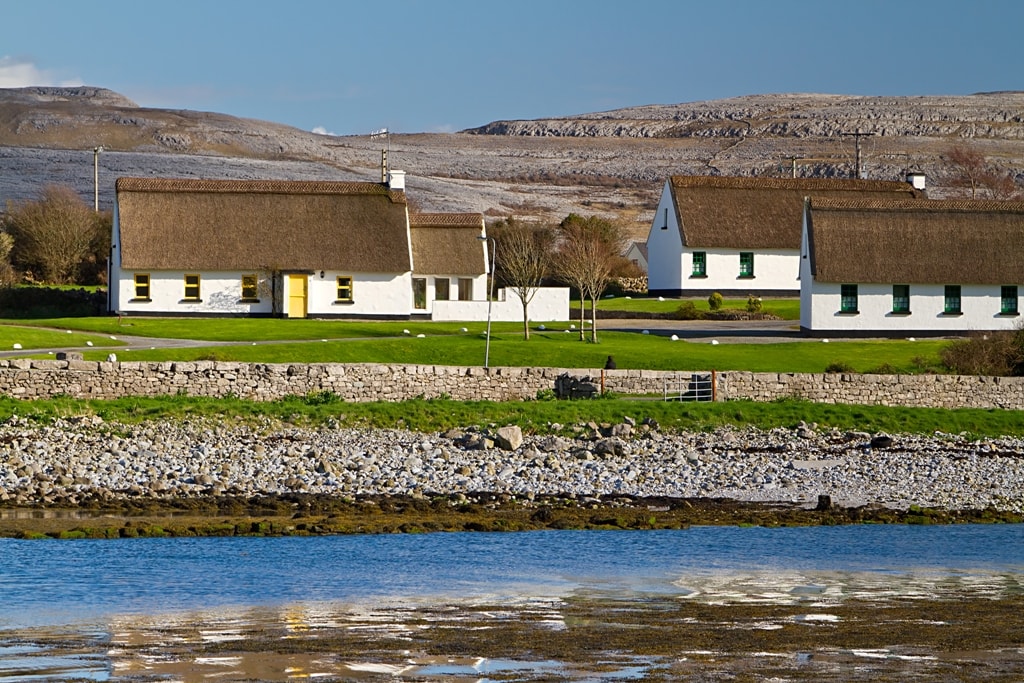
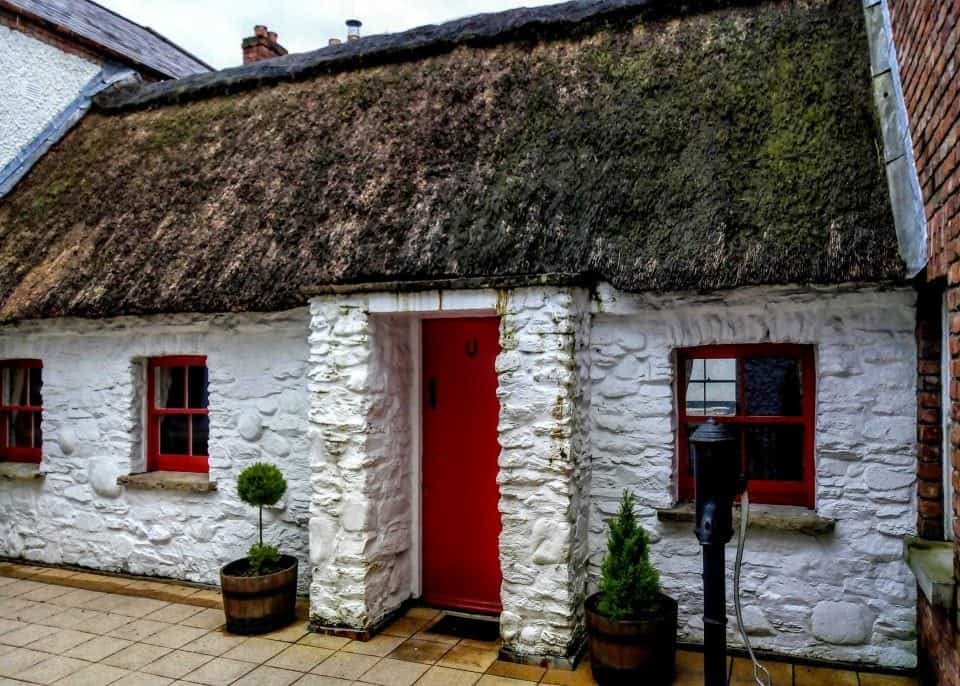
The Dingle Peninsula feels intimate and rooted in tradition. Roads wind past stone cottages, ancient churches, and stretches of shoreline where the Atlantic seems close enough to hear even before you see it. The pace here encourages reflection rather than itinerary‑checking.
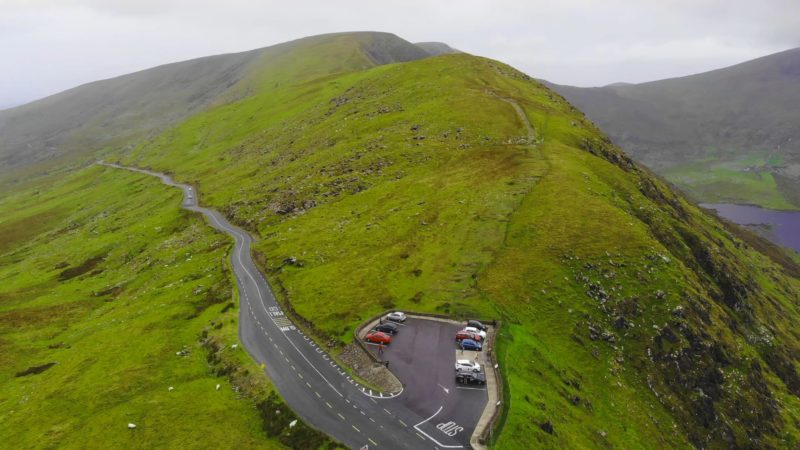
The Wild Atlantic Way, explored in segments rather than all at once, invites travelers into fishing villages, artisan cafés, and roadside viewpoints that require little walking yet offer immense beauty.
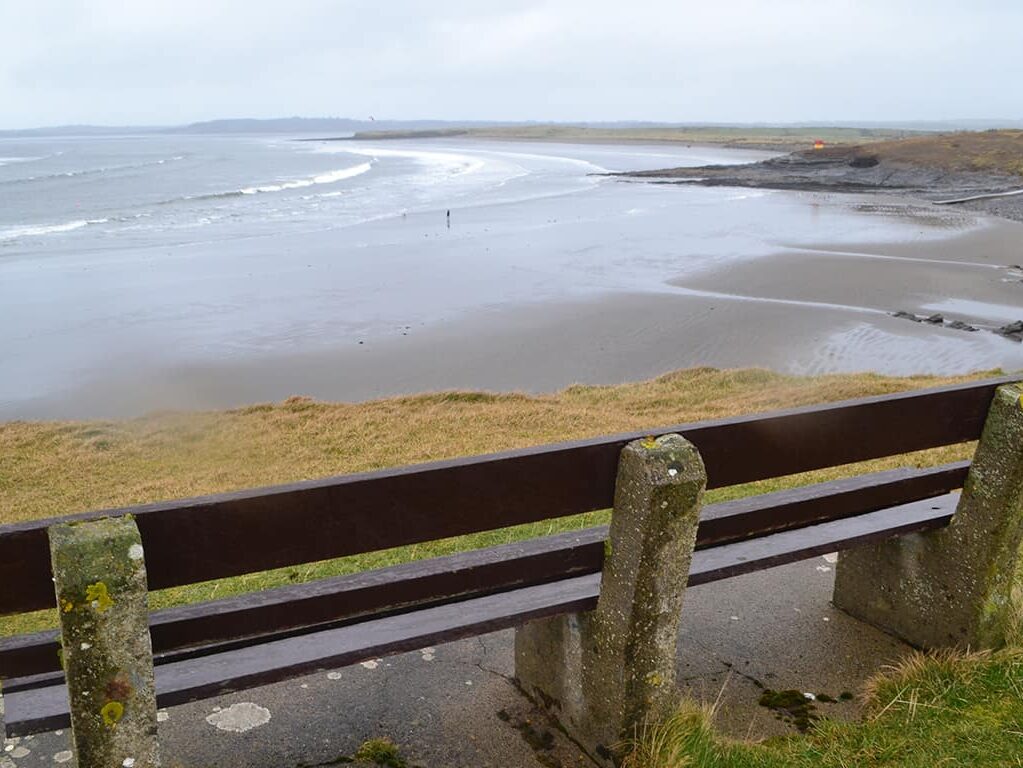
In the Ancient East, the Wicklow Mountains provide a softer introduction to rural driving. Rolling hills, monastic history, and peaceful lakes create a journey that feels contemplative rather than demanding.
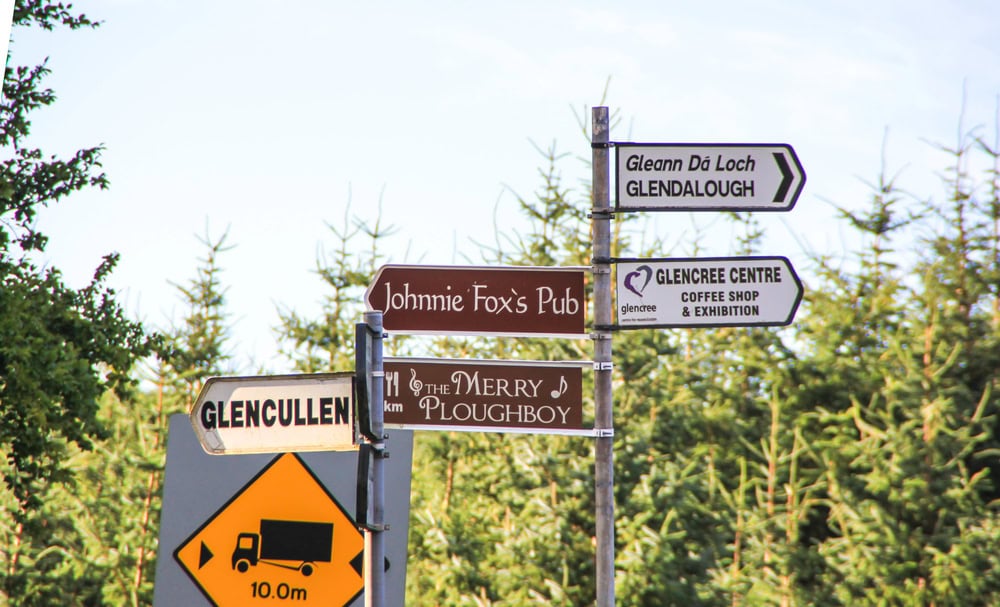
Choosing one region at a time, rather than attempting multiple long routes, allows body and mind to remain aligned with the experience.
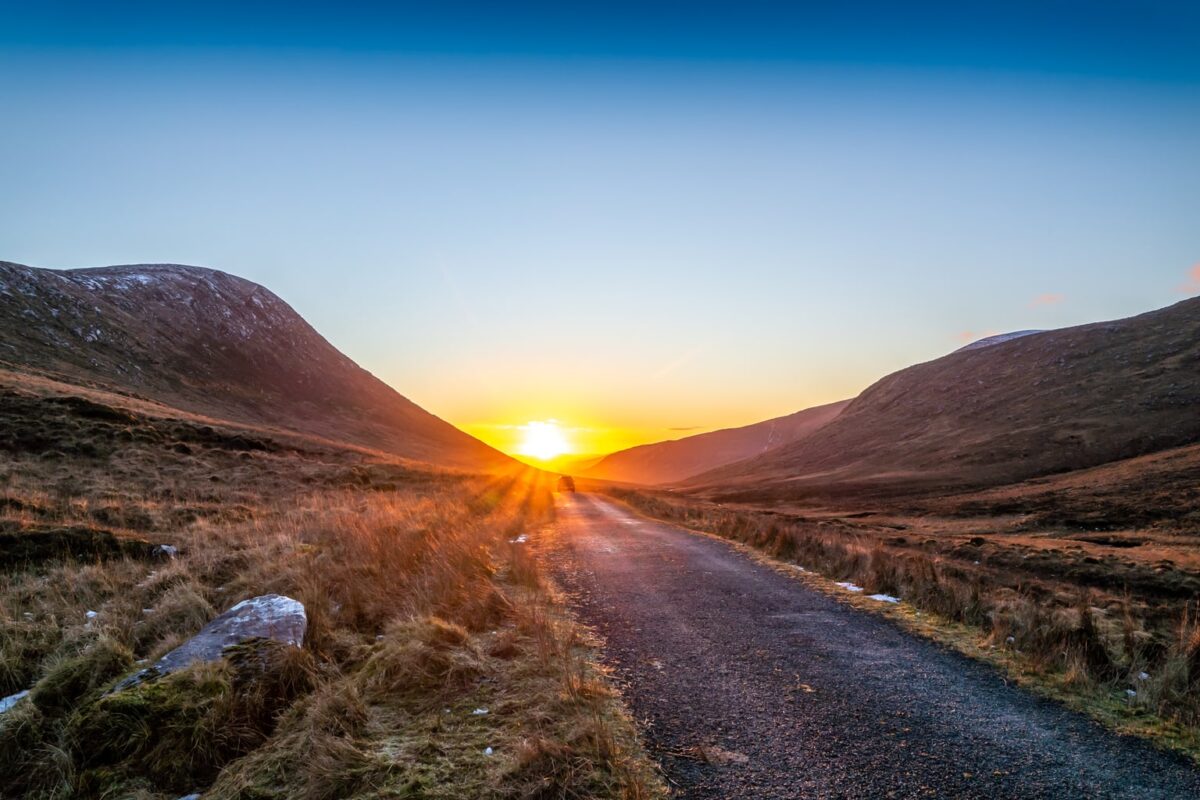
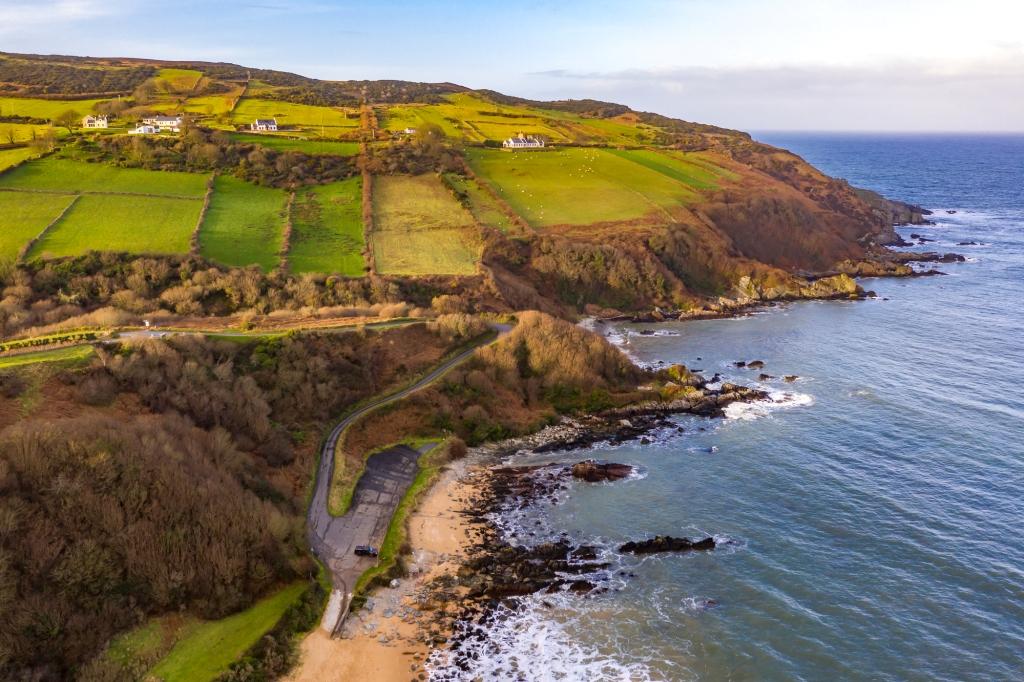
Donegal: Fanad, Slieve League, and Northwest R‑Roads
From my base in Donegal, coastal stretches toward Slieve League and the Fanad Peninsula reward slower pacing. Many viewpoints sit close to parking and suit short walks. Northwest Donegal’s R‑roads can be narrow with soft shoulders — start early, keep speeds conservative, and use passing places courteously. Coffee stops in villages like Ardara and Carrigart make ideal breaks without adding long detours.

Scenic Drives Northern Ireland
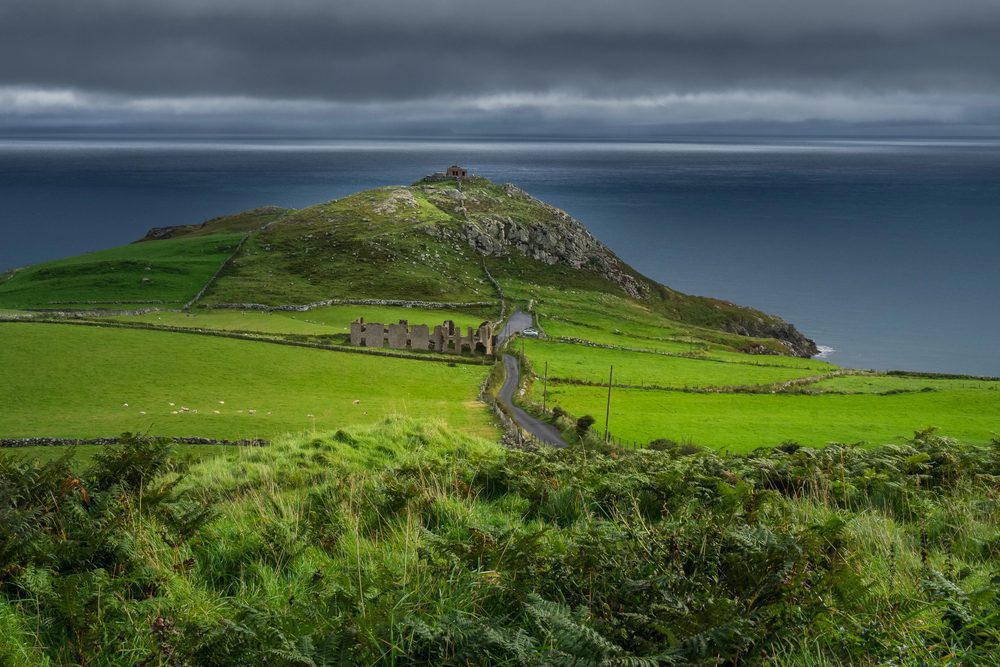
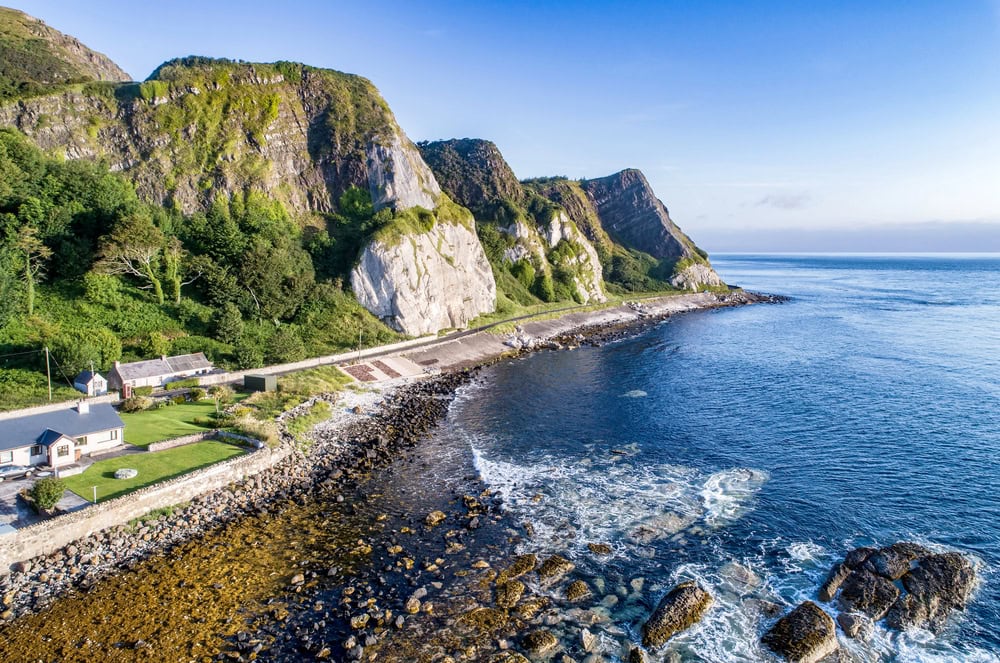
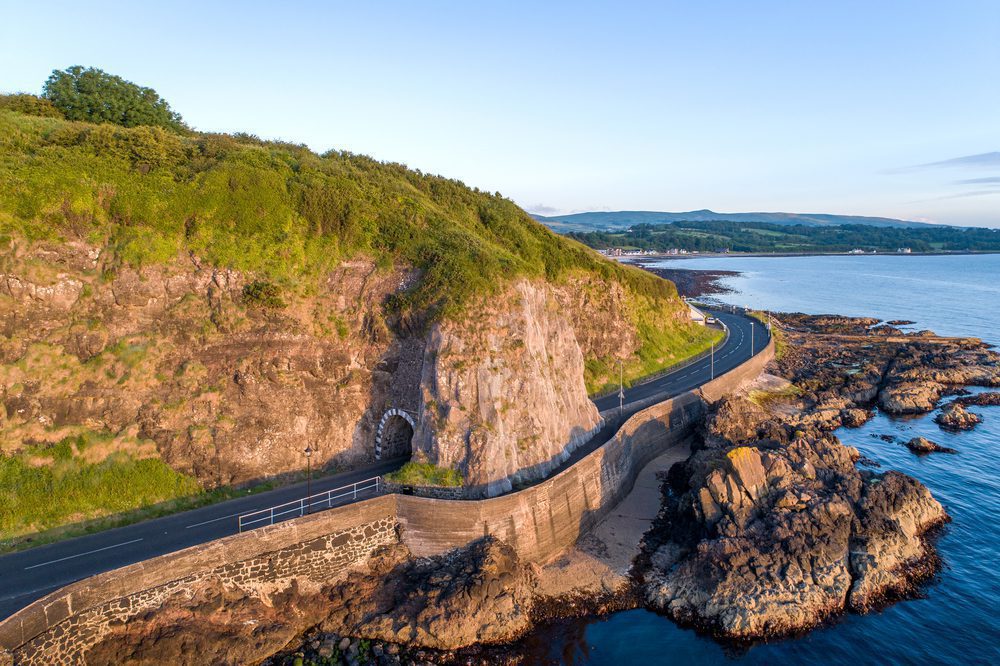
Scenic drives in Northern Ireland carry a quiet drama all their own coastal roads where cliffs meet restless sea, the nine glens of Antrim that open suddenly into green stillness, and villages where history lingers in stone. Routes such as the Causeway Coastal Drive invite a gentle pace, offering frequent places to pause and absorb both landscape and legend.

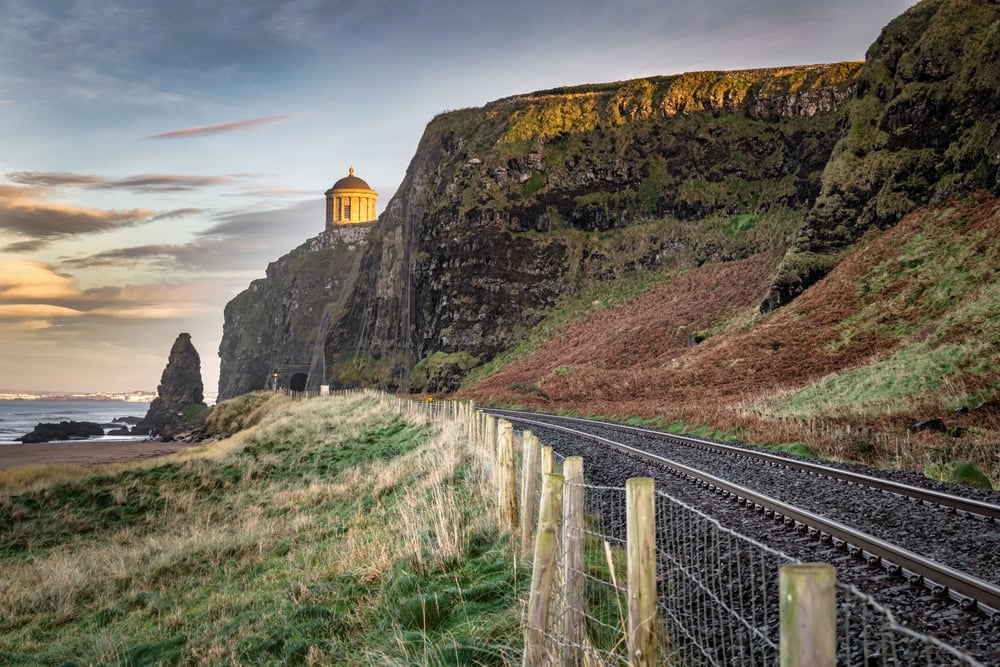

For mature travelers or those with mobility considerations, these drives are especially rewarding: many viewpoints sit close to parking areas, allowing you to experience sweeping beauty without strenuous walking. The journey feels less like a route to be completed and more like a conversation with the land, unfolding one curve at a time.
Key Road Rules and Speeds
Republic of Ireland (ROI)
Drive on the left; roundabouts circulate clockwise. Give way to traffic already on the roundabout (from your right).
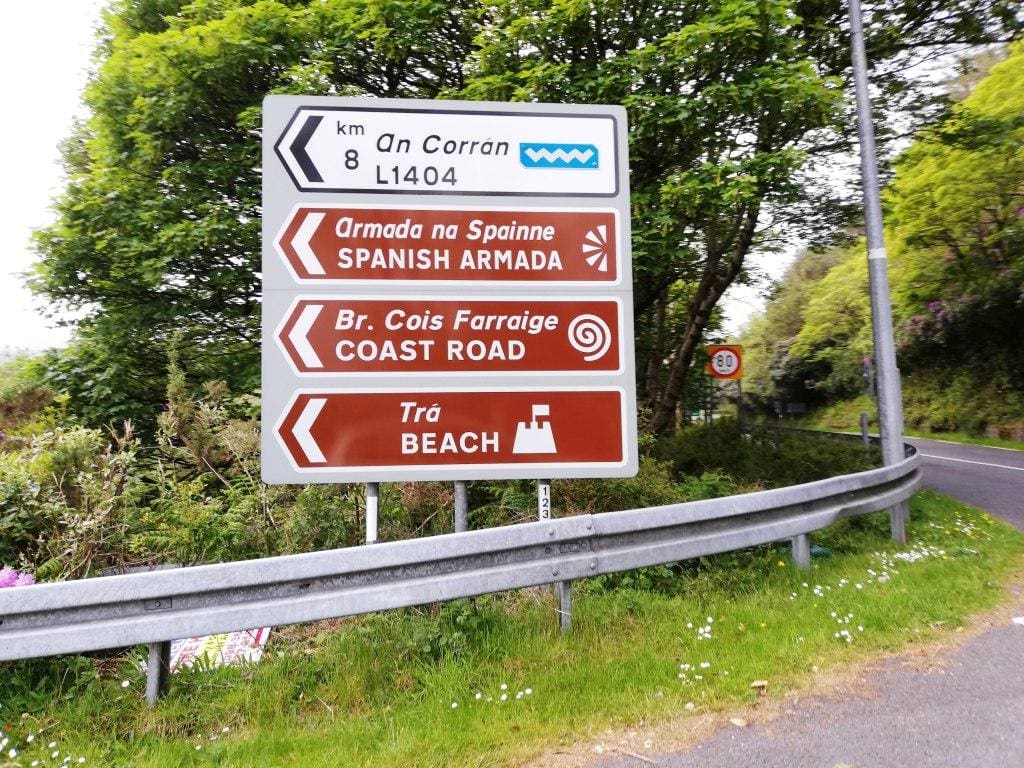
Typical speed limits: 50 km/h in towns, 80 km/h on local/rural roads, 100 km/h on national roads, 120 km/h on motorways. Always follow posted signs.
Northern Ireland (UK)
Drive on the left; speeds are posted in miles per hour (mph).
Typical limits: 30 mph in built‑up areas, 60 mph on single carriageways, 70 mph on dual carriageways and motorways.
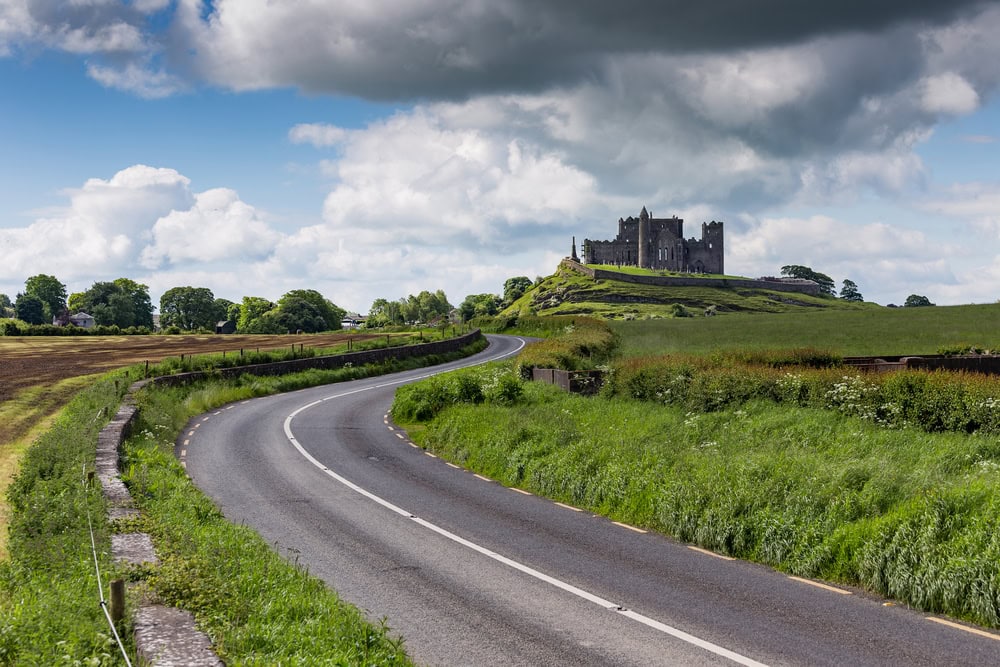
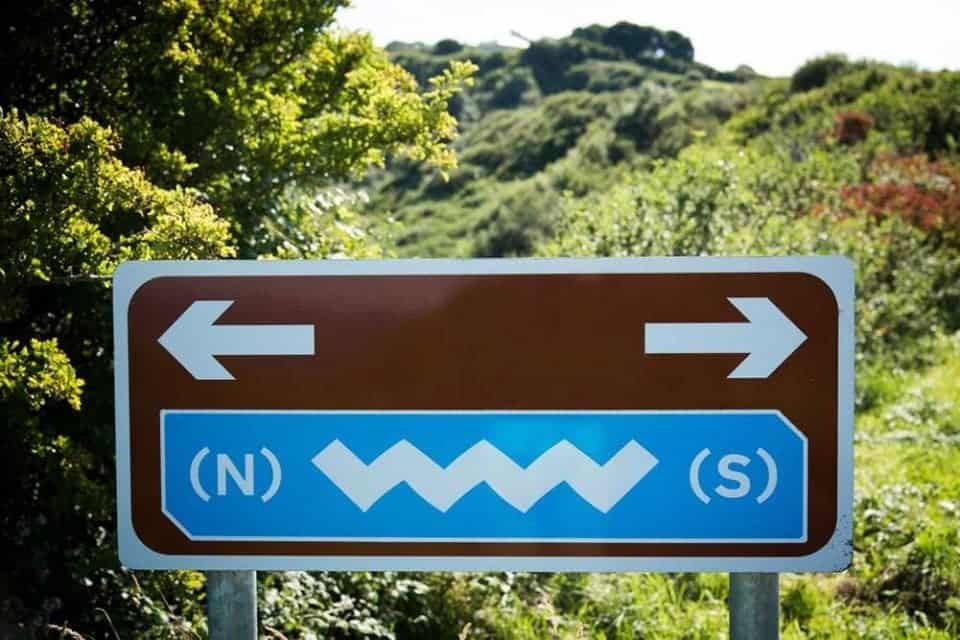
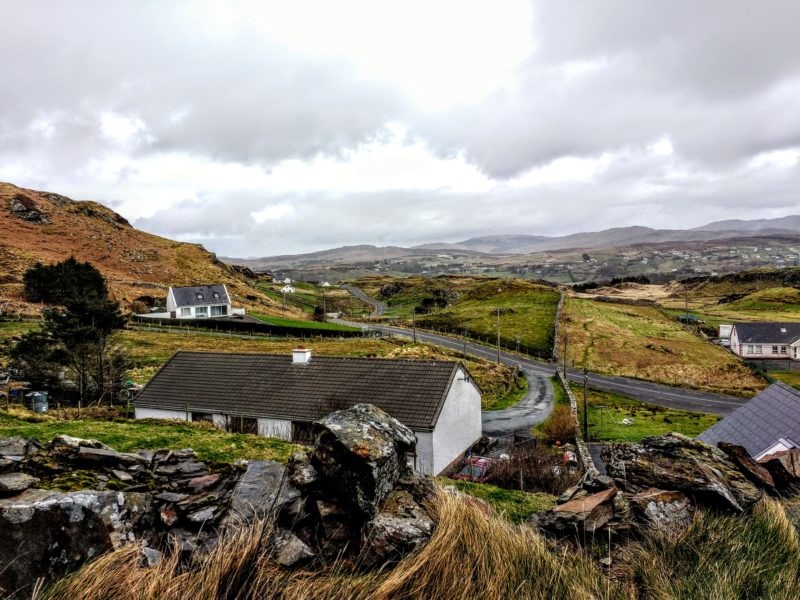
Driving in Ireland after 60 is not a test of endurance; it’s an invitation to travel on your own terms. With short days behind the wheel, daylight starts, clear route previews, and insurance details confirmed in writing, the road opens into a calm, observant way of moving through the country. From Donegal’s coastal bends to Kerry and Dingle’s wide horizons, choose one region at a time, favour viewpoints near parking, and let café pauses become part of the journey. If you value confidence, pacing, and presence, Ireland’s roads will meet you where you are — and reward the unhurried driver.
FAQs
Is driving in Ireland hard for seniors?
With preparation — choosing an automatic, planning short days, and previewing routes — most mature drivers find Irish roads manageable and rewarding.
Do I need an International Driving Permit to drive in Ireland?
Visitors from many countries can drive with a valid licence; some may need an IDP depending on nationality and rental company policy. Check NDLS guidance and confirm with your rental provider in writing.
Can I take a rental car into Northern Ireland?
Usually yes, but notify your rental company in advance. A modest cross‑border fee may apply, and coverage terms vary. Get written confirmation.
Can I rent a car in Ireland if I am over 70?
In both the Republic of Ireland and Northern Ireland, many mainstream car rental companies welcome drivers over 70, though policies vary by provider and location. There is no universal upper-age law; instead, each company sets its own guidelines. Well-known international firms such as Enterprise Rent-A-Car, Hertz, Europcar, Avis, My Irish Cousin and Budget commonly rent to drivers into their mid-70s, and some locations may extend beyond that with additional documentation or insurance. Availability often depends more on the individual branch than the brand itself.
Start Planning Your Trip
👉 Public Transportation in Ireland
👉 Hidden Gems in Ireland – 32 Secret places to visit
👉 Answering all your travel questions about Ireland
👉What to pack for your Ireland trip
👉 Northern Ireland Public Transportation
Exploring the fascinating regions of Ireland
Ireland’s The Wild Atlantic Way
References
- Road Safety Authority (RSA): Rules of the Road
- NDLS (National Driver Licence Service): Driving in Ireland
- NI Direct: Driving and transport
Note: Policies, fees, and requirements (age limits, cross‑border permissions, insurance coverage) vary by rental company. Confirm details in writing before you travel for peace of mind.