
A Thoughtful Guide to London’s Food Halls and Markets
London’s food halls and markets reveal themselves best when explored without hurry. Moving at a gentler pace allows space to notice the details, the scent of fresh bread drifting beneath railway arches, the rhythm of conversations shared over small tables, the traditions carried quietly from one generation to the next. Here, food is not simply something to taste; it is a reflection of migration, resilience, and the ways communities preserve identity in a constantly evolving city.

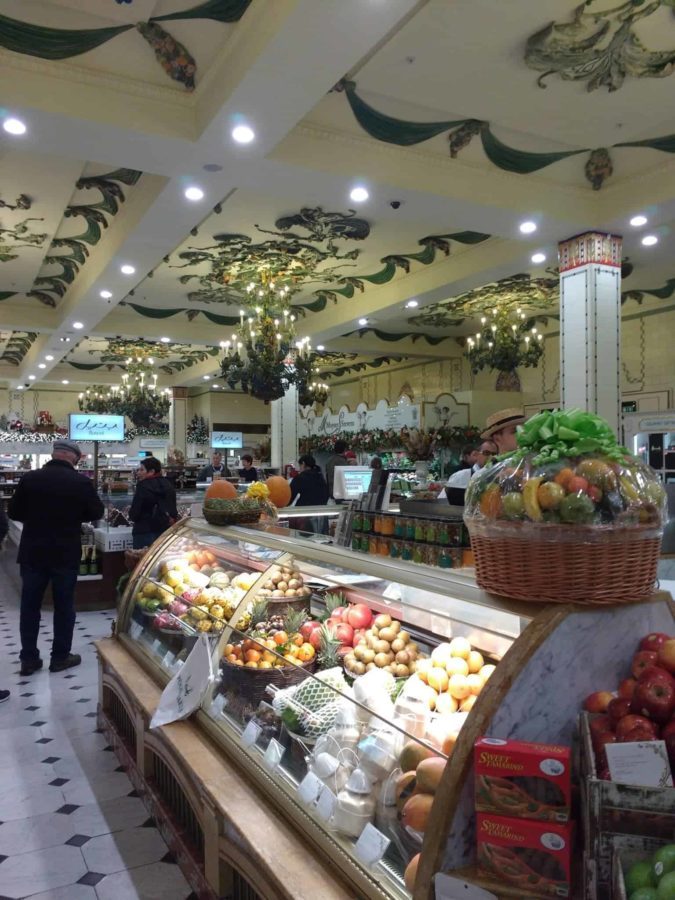
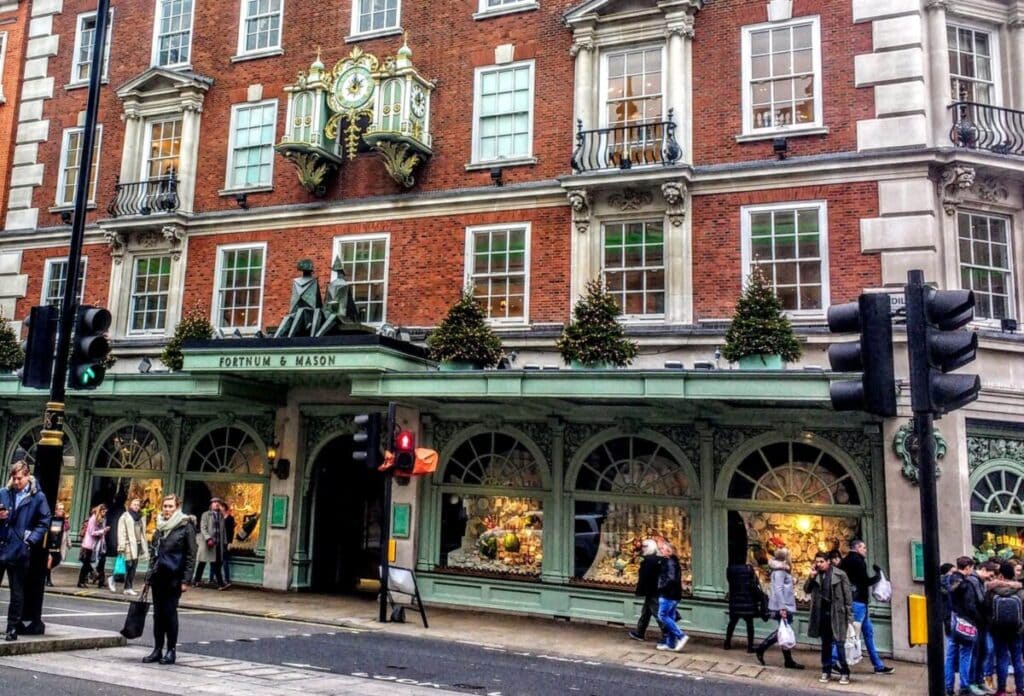
Across London, historic markets stand beside modern food halls, each offering its own window into the city’s layered history. Some spaces shimmer with polished elegance, others hum with casual energy, but all tell stories of the people who gather there. For travelers who value culture, history, and thoughtful exploration over hurried itineraries, these places offer more than a meal, they offer connection.
Food carries the same weight of history and migration you’ll find throughout the Global Food Guide, which explores food as cultural memory worldwide. This is part of a much bigger story for how food traditions like these connect across cultures worldwide.
London’s food halls and markets reveal themselves best when explored without hurry. Moving slowly through these spaces allows time to notice the details — the scent of fresh bread beneath railway arches, the murmur of shared tables, the traditions carried quietly from one generation to the next.
“Here, food is not simply something to taste — it is memory, migration, and identity served in everyday moments.”
Why London’s Markets Tell the Story of the City
Across London, historic markets exist comfortably alongside modern food halls. Some shimmer with polished elegance, others hum with casual energy, yet each offers insight into how communities gather, celebrate, and preserve memory through food.
For travelers who value culture, history, and thoughtful exploration, these spaces provide more than a meal, they offer connection.
Luxury Food Halls That Invite You to Linger
Harrods Food Hall Craft, Ceremony, and Tradition
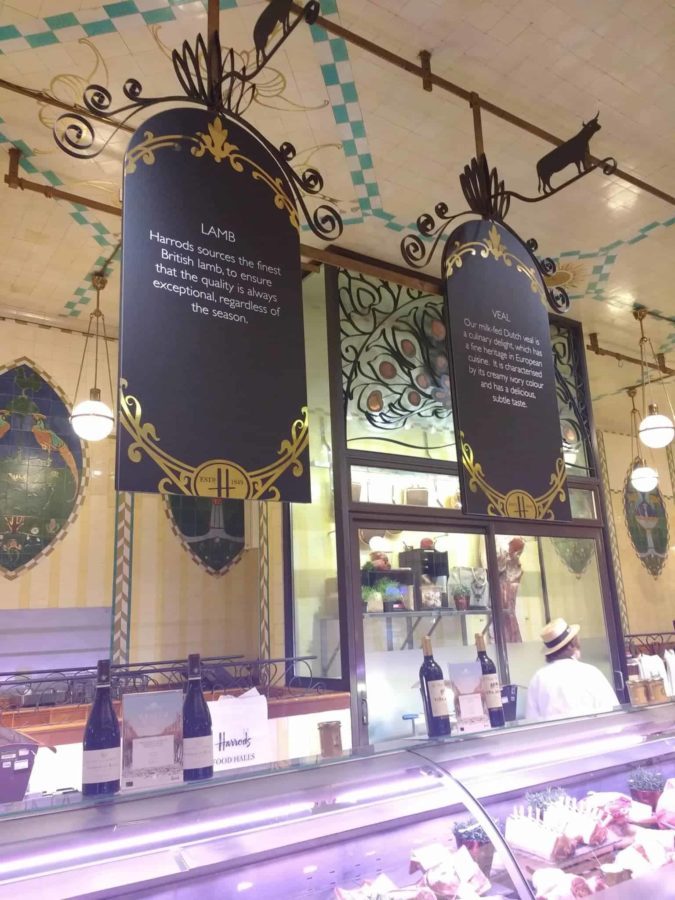
Stepping into Harrods Food Hall feels almost ceremonial. Marble counters gleam, displays are arranged with care, and browsing becomes an experience in itself rather than a task.
Seafood counters, delicatessens, and confectionery halls reflect culinary traditions that have crossed borders. There are comfortable spaces to pause, making this an ideal environment for travelers who prefer exploration without pressure.
Accessibility Note: Wide walkways and attentive staff create an atmosphere that supports unhurried browsing.

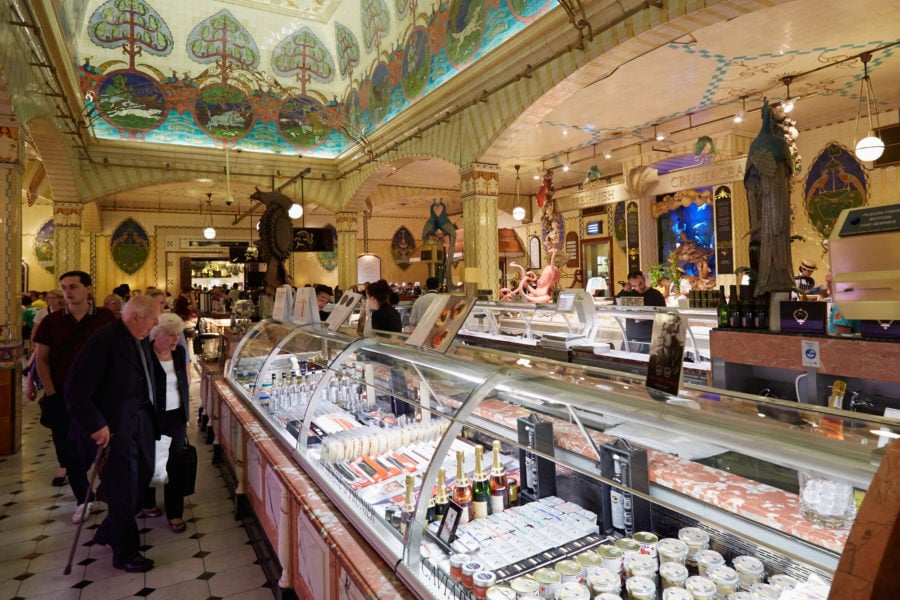
Selfridges Food Hall, Global Flavors in a Modern Setting
Selfridges offers a more contemporary rhythm, encouraging gentle wandering. Sushi counters, bakeries, and specialty cheese displays showcase London’s global influences.
Seating areas throughout allow visitors to rest and observe — a reminder that markets are as much about people as they are about food.


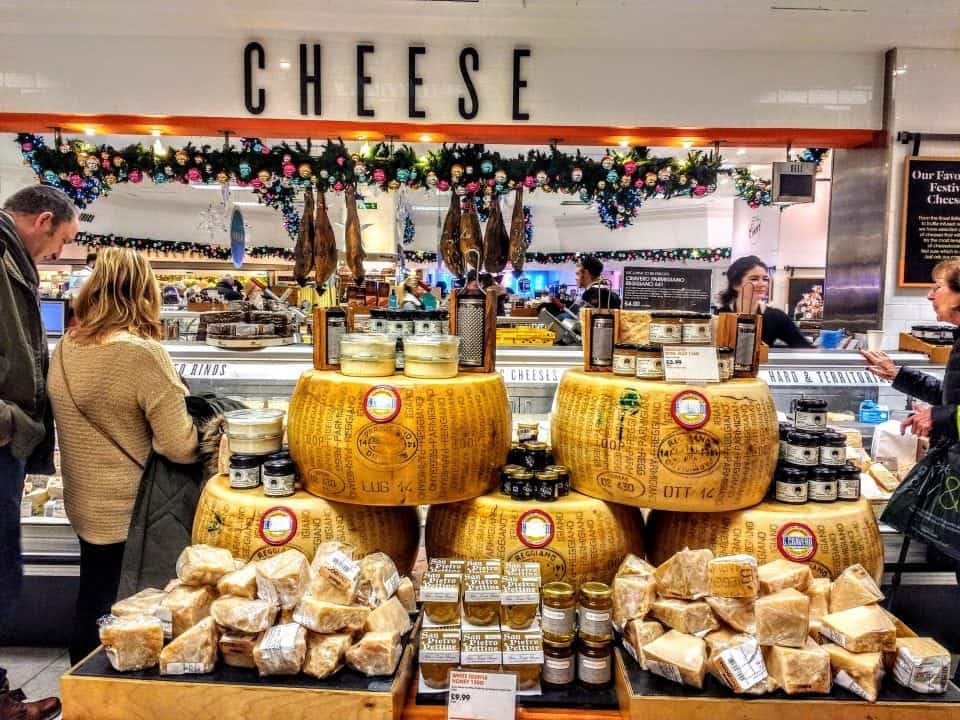
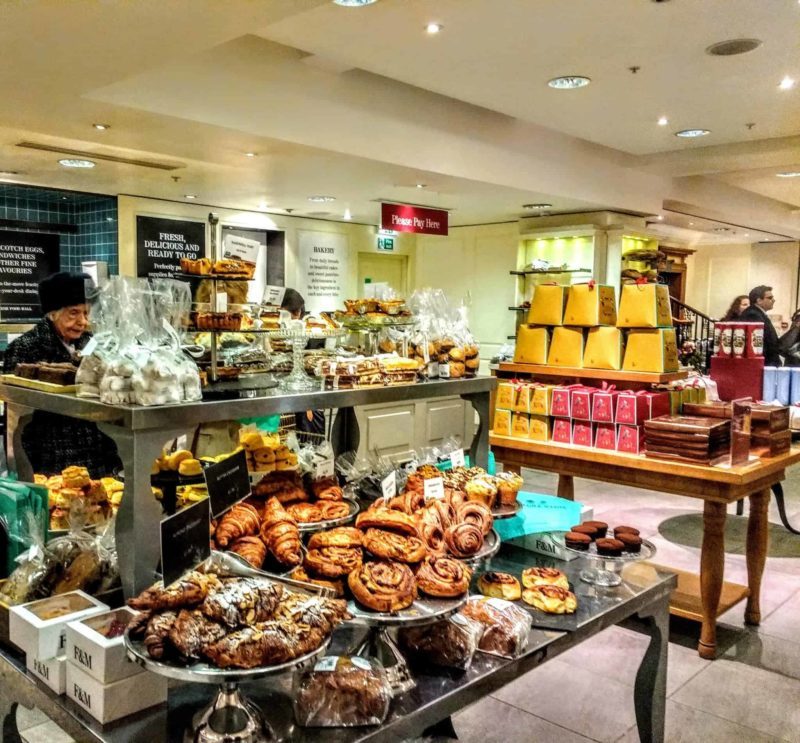
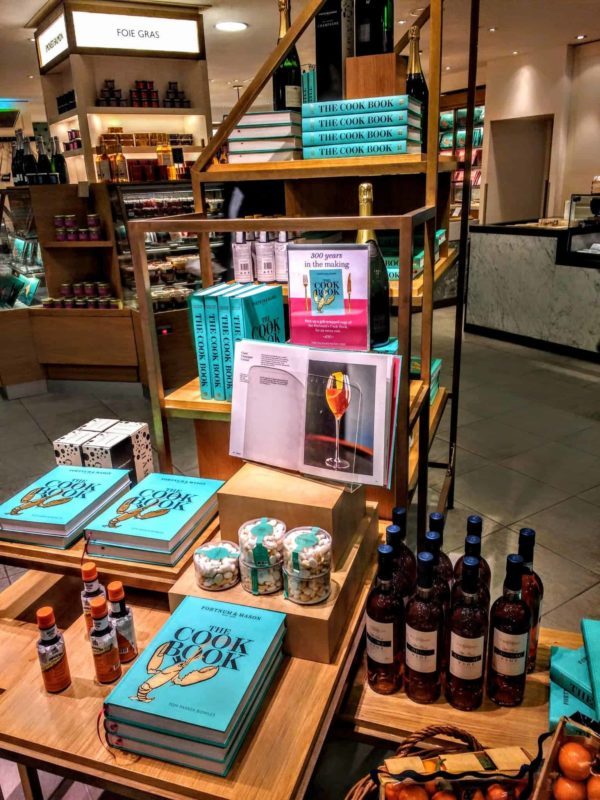
Fortnum & Mason Preserving Ritual Through Food
Fortnum & Mason carries a sense of continuity that feels reassuring. Teas, preserves, and biscuits evoke shared tables and generational traditions.
Afternoon tea here feels less like indulgence and more like cultural storytelling — a ritual connecting past and present.
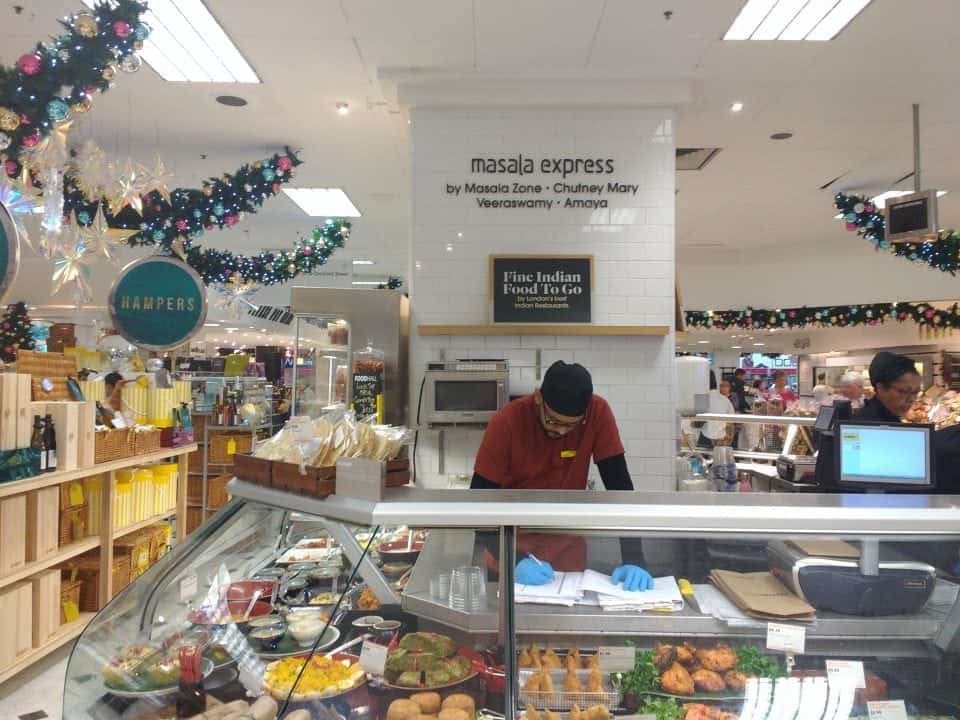
Street Food Markets Living History in Motion
London’s street food markets reflect centuries of migration and adaptation. Meals are shared informally, reminding visitors that food has always been a social experience.
“Markets are where a city’s past and present meet, in recipes, in conversation, in the quiet rituals of daily life.”
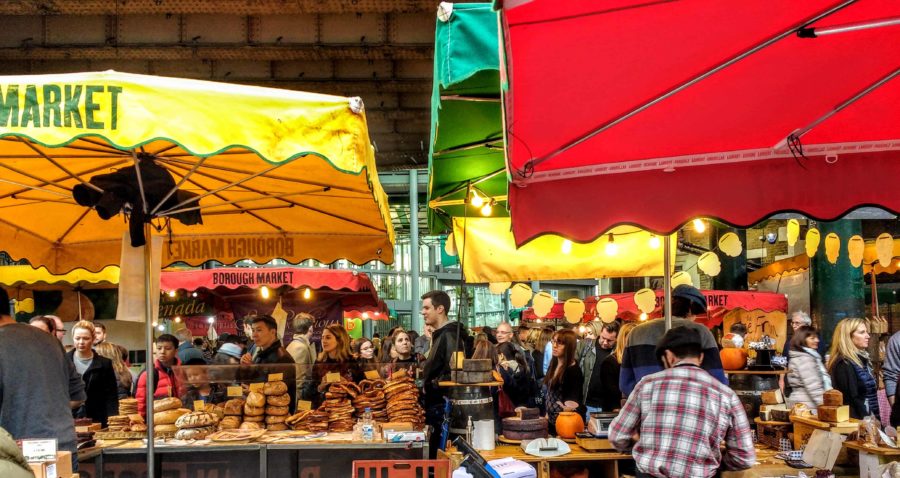
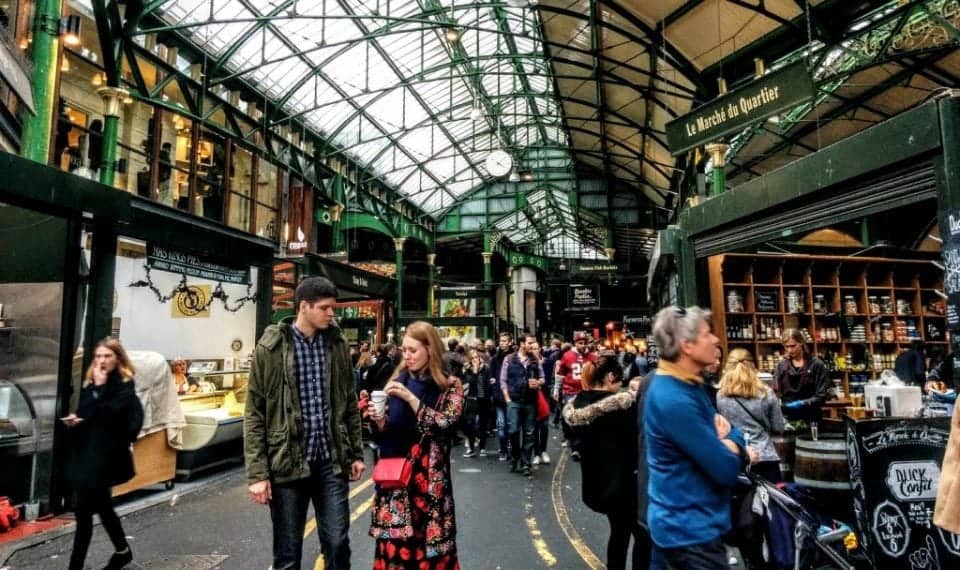
Borough Market A Gathering Place Through Centuries
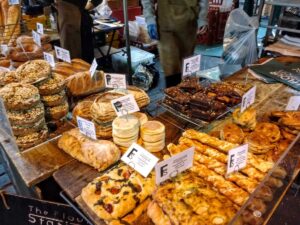
Borough Market carries history lightly. Aromas of baked bread and spices fill the air, while traders share stories behind their ingredients.
Sheltered seating areas provide space to pause, making the experience accessible for those who value pacing.
Accessibility Note: Arriving earlier in the day often means quieter pathways and more opportunities to engage comfortably.
Brick Lane Layers of Culture Through Flavor
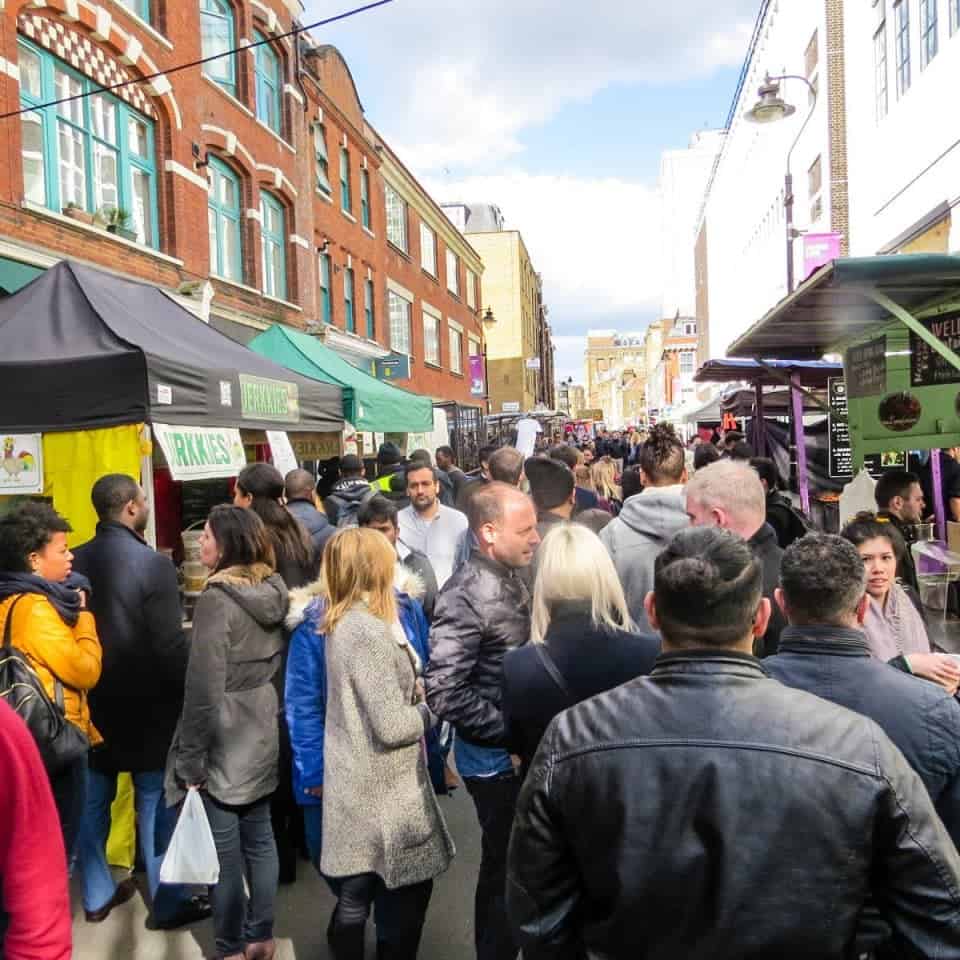
Brick Lane’s story unfolds through its cuisines. Waves of migration have shaped this neighborhood, leaving culinary traditions that coexist today.
Cafés and seating areas allow visitors to rest while absorbing the neighborhood’s vibrant energy.
Leather Lane Market Everyday Rituals
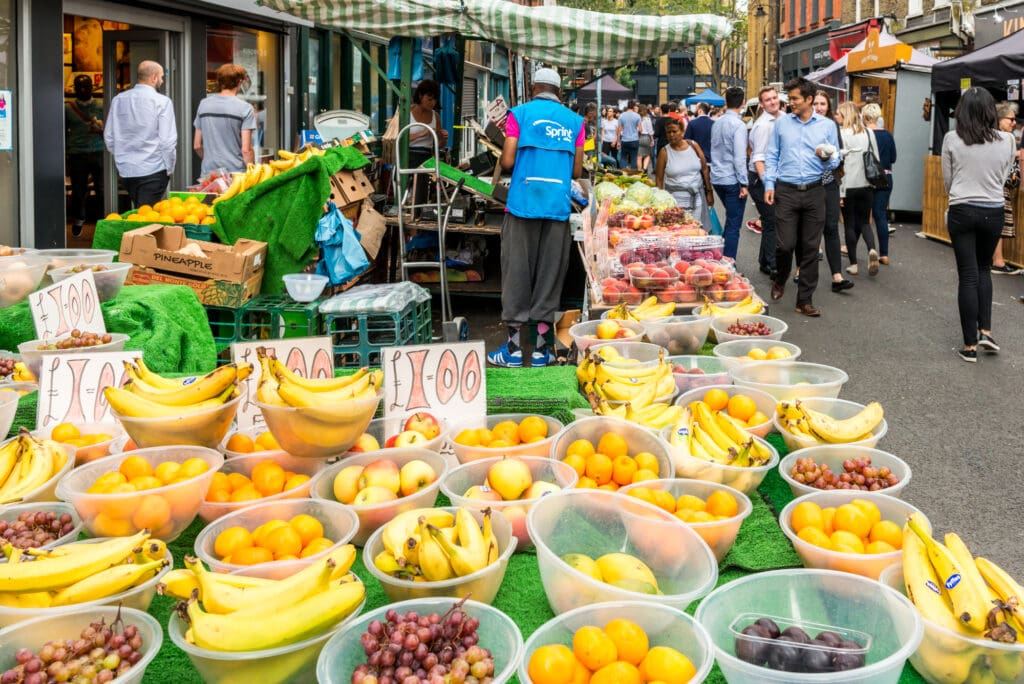
Leather Lane Market reflects daily rhythms rather than spectacle. Its smaller scale makes it ideal for manageable exploration.
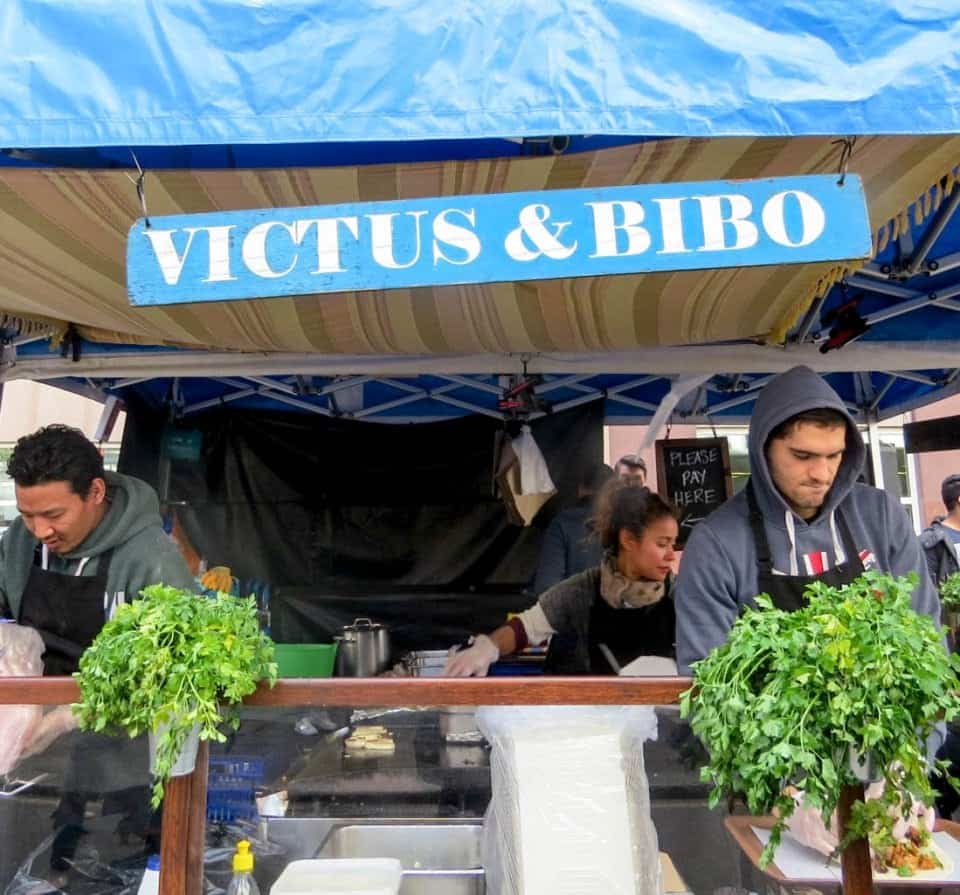
Portobello Road Market Tradition Along the Street
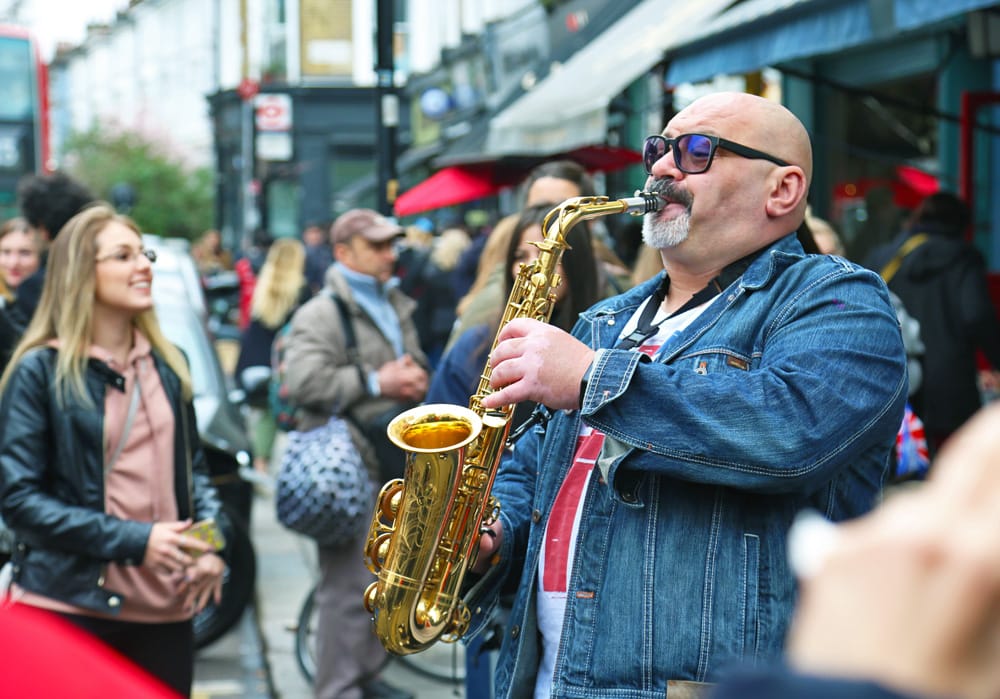
Blending antiques and food, Portobello Road invites visitors to explore at their own pace. Quieter mornings offer space for conversation with traders.

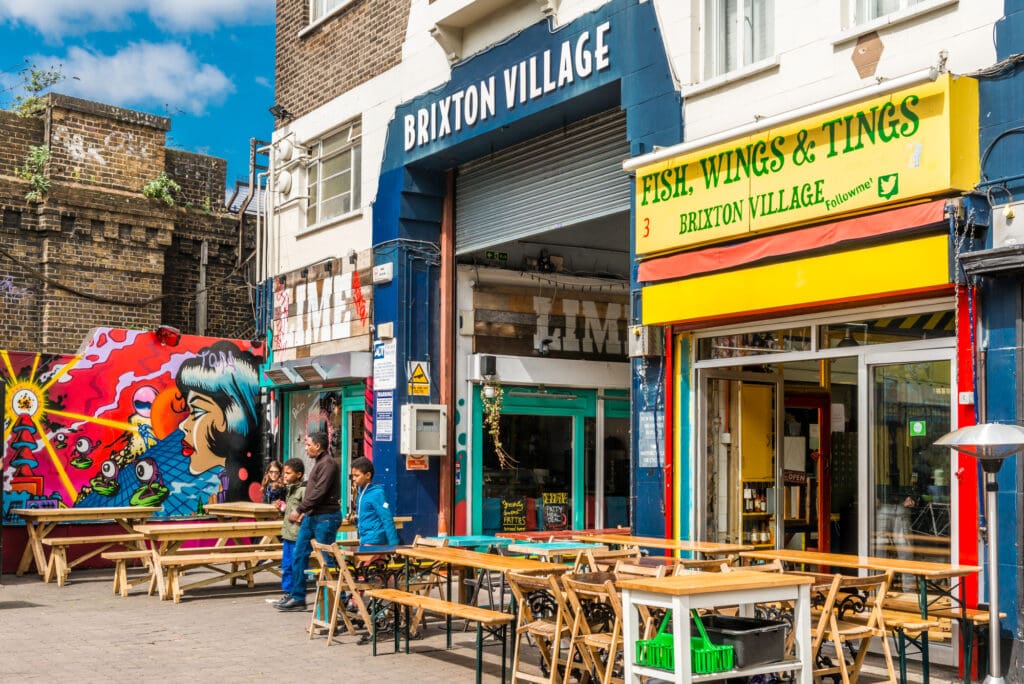
Brixton Village A Celebration of Diversity
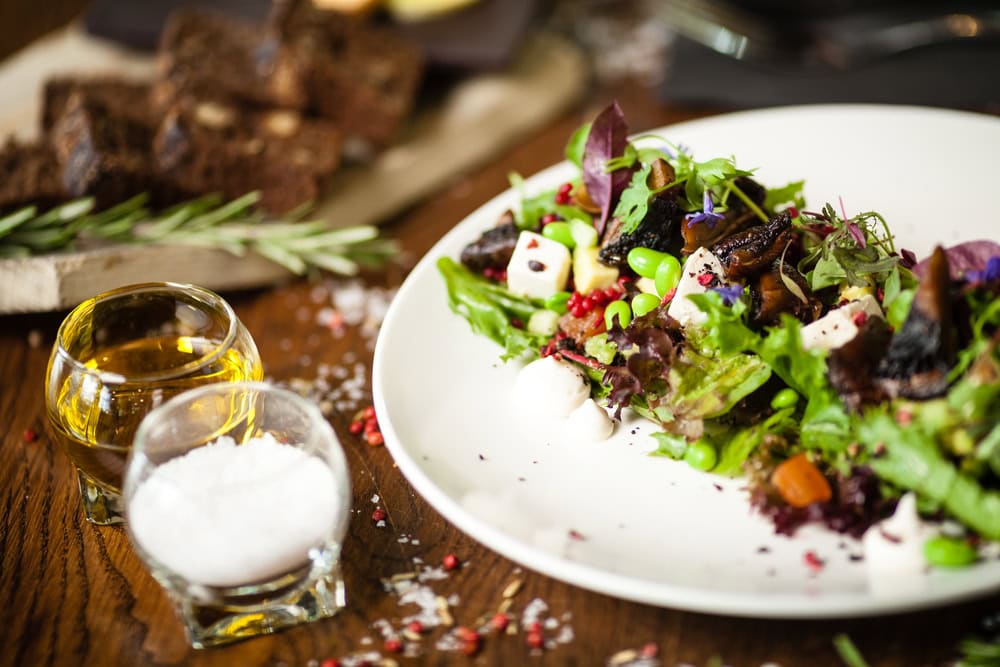
Independent vendors showcase cuisines shaped by heritage and resilience. Communal seating encourages connection.
Market Halls Shared Spaces for Modern Dining
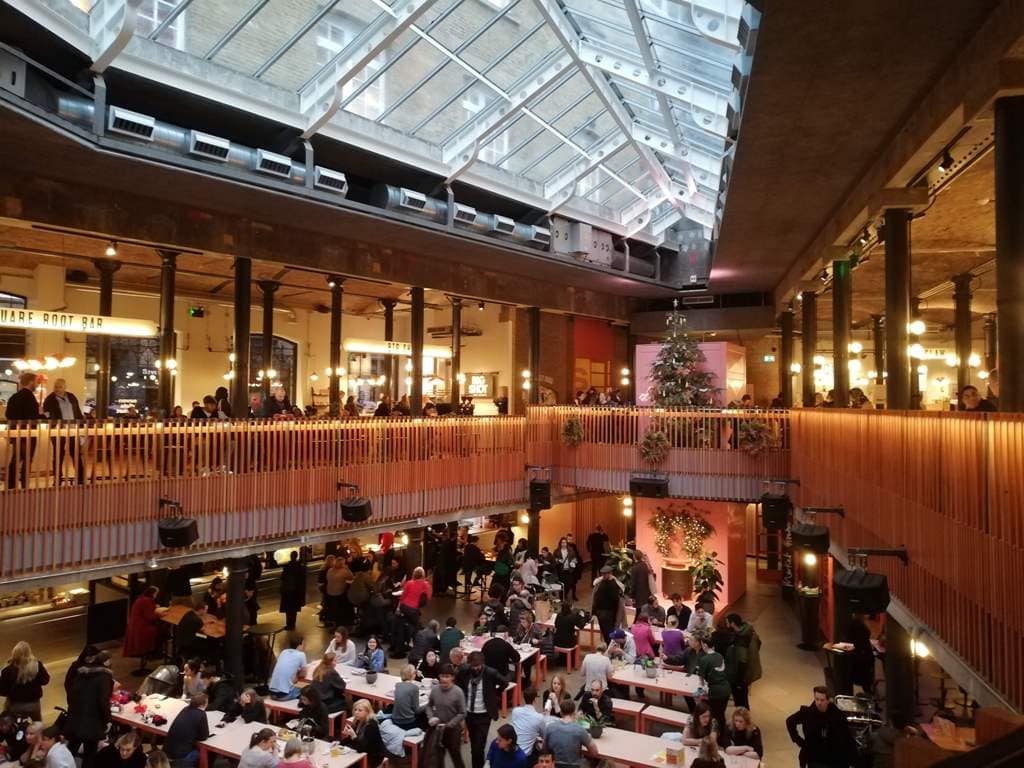
Repurposed buildings now house vendors who bring diverse traditions together. Covered environments provide comfort, allowing exploration regardless of weather or energy levels.
Arcade Food Hall A Pause Near the City’s Pace
Arcade offers a welcoming refuge where watching chefs prepare dishes becomes part of the experience.
Seven Dials Market Energy with Room to Pause
Music, conversation, and shared tables create a vibrant yet accessible atmosphere, near Covent Garden.


London’s food halls and markets offer more than variety; they reveal the stories of the people who have shaped the city across generations. Exploring these spaces at a thoughtful pace allows traditions to emerge naturally — in recipes shared, in conversations exchanged, in the quiet continuity of daily rituals.
For travelers drawn to culture, history, and food, slowing down does not mean missing out. Instead, it allows deeper understanding to unfold, reminding us that the most meaningful journeys are rarely the fastest ones.
Explore more of the region with guides to England, Scotland, Wales, Northern Ireland, or the full United Kingdom Travel Guide.
If you love food and travel here are some of my best foodie articles to read:
Unusual Foods around the World
Where to eat the best food in Krakow
All the Best Aussie Dishes to try
Food in Northern Ireland and where to eat it
What is a Full Irish breakfast?
British food – from jellied eels to fish and chips
Scottish Food – Haggis to Clootie dumplings
Really Informative content . thanks for sharing
Thanks that’s always so nice to hear.