
Covent Garden London: Essential Guide to Markets and Culture
Step into Covent Garden’s historic markets in London and you’ll find yourself immersed in over 350 years of London’s trading heritage. I’ve spent countless mornings watching the district come alive, from the early wholesale flower traders at New Covent Garden Market to the artisans setting up their craft stalls in the Apple Market.

What I love most about these markets is how they’ve evolved while keeping their soul intact – you can still feel the echoes of the old fruit and vegetable market while browsing contemporary food halls and artisan craft stalls.
Whether you’re an early riser hoping to catch the flower market at dawn (bring coffee!), a collector seeking treasure at the Monday antiques market, or a foodie eager to try that famous cheese conveyor belt at Seven Dials Market, you’ll find your own piece of London’s market magic here. Trust me – each visit reveals something new in this fascinating blend of historical charm and modern London life.
- Covent Garden London: Essential Guide to Markets and Culture
- Getting Here
- History of Covent Garden Market
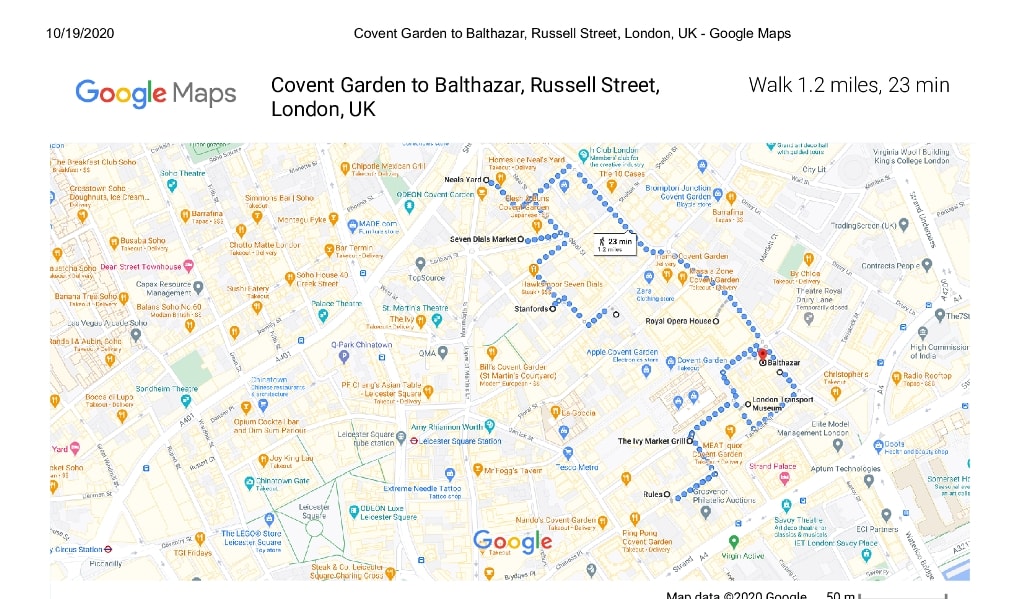
- Covent Garden Map
- Markets of Covent Garden
- Traditional Markets
- Food & Produce
- Exploring Covent Garden's Neighbourhoods
- Museums: Where London's Stories Come Alive
- Where to eat in Covent Garden (and pubs to have a pint)
- Shopping: From Heritage Stores to Fashion Houses
- Hotels Near Covent Garden
- Explore Scenic England
Getting Here
Covent Garden is one of London’s most accessible districts. Here’s the quickest way to reach them:
Underground
- Covent Garden Station (Piccadilly Line): Steps from the Market Building
- Better Alternatives for Busy Times:
- Leicester Square: 5-min walk, fewer stairs
- Holborn: 7-min walk, less crowded
Quick Routes
- Walking: Most central locations within 10 minutes
- Leicester Square: 3 mins via Long Acre
- Trafalgar Square: 5 mins via St Martin’s Lane
- Soho: 7 mins via Neal Street
- Bus: Key stops (all 5-min walk)
- Trafalgar Square: Routes 9, 13, 15, 23
- Aldwych: Routes 6, 13, 23, 176
- Kingsway: Routes 1, 68, 168, 171
- For real-time updates: Transport for London
Local’s Tip: Skip the crowded Covent Garden tube station – I always use Leicester Square and enjoy the short walk through the theatre district.
History of Covent Garden Market
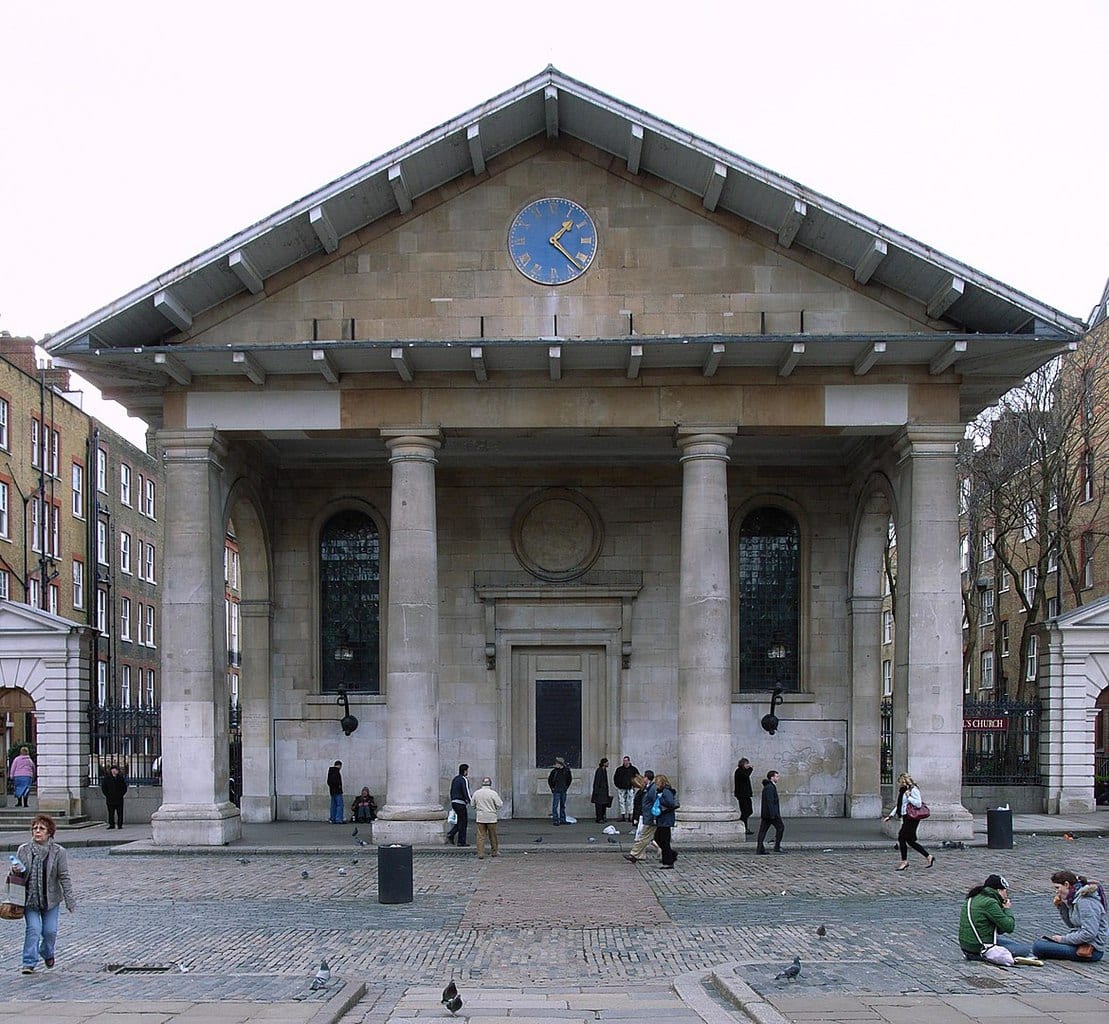
The story of Covent Garden began in the early 1500s as the vegetable garden for the monks of Westminster Abbey, from which it derived its original name “Convent Garden.” Its transformation began in 1536 when King Henry VIII seized the land during the dissolution of the monasteries and granted it to the Earl of Bedford. The area took its current shape when the Earl’s heirs commissioned Inigo Jones to design an elegant square with upscale housing. Jones created London’s first formal square, including the impressive St. Paul’s Church—which, despite the earl requesting a simple barn-like structure, became an architectural masterpiece (not to be confused with St. Paul’s Cathedral).

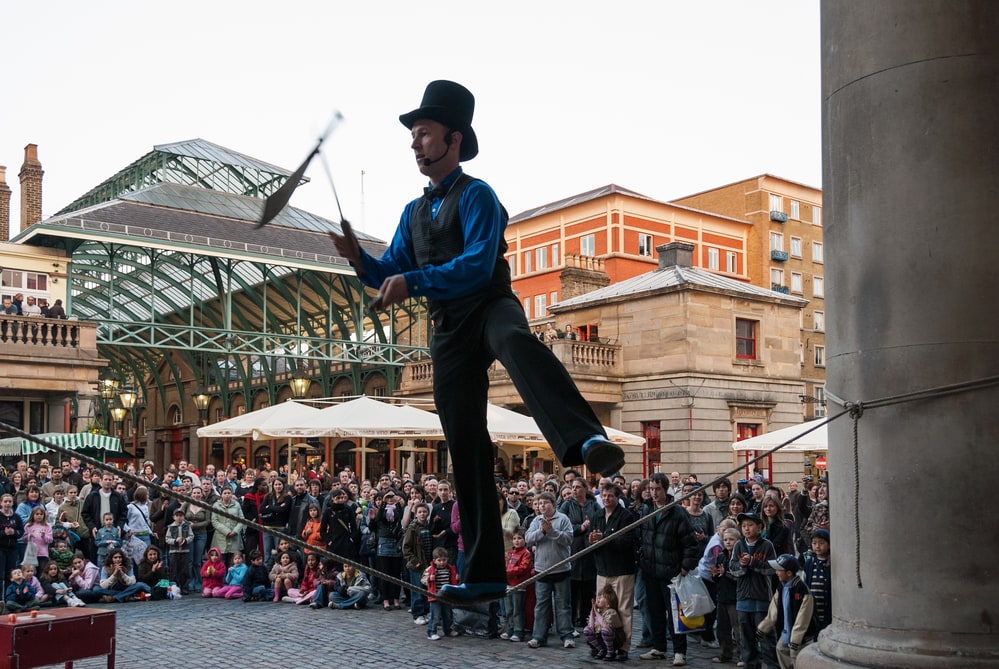
The district’s rich cultural heritage includes being London’s oldest theatre district, with a 400-year history and reportedly 500 theatrical ghosts. Notable figures have left their mark here—Alfred Hitchcock was born here, Jane Austen lived here, and even the sandwich was invented here. Entertainment has been woven into its fabric since 1662, when Samuel Pepys recorded the first Punch and Judy show in his diary, marking the beginning of Covent Garden’s street performance tradition.
Today, visitors can experience this living history while enjoying the market’s contemporary attractions. The cobbled piazza, bordered by streets named after the Russell family (Russell Street and Bedford Street), comes alive with world-class street performers, from opera singers to magicians. Inside the historic market buildings, local artisans showcase handmade crafts and vintage treasures at the Apple Market, while food lovers can explore everything from traditional British fare to innovative global cuisine.
Covent Garden Map
Markets of Covent Garden
From dawn flower traders to twilight food halls, Covent Garden’s markets showcase London’s finest local artisans, international cuisine, and historic trading traditions. Here’s your insider’s guide:
Traditional Markets
Apple Market & East Colonnade
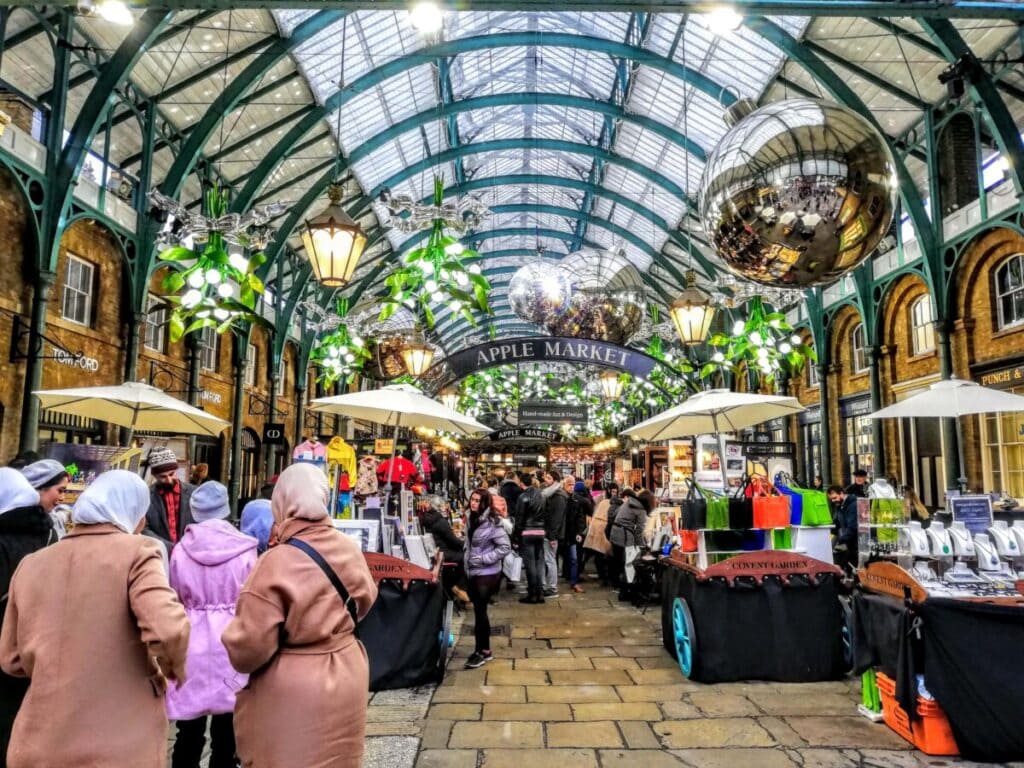
- Location: Central Piazza Market Building
- Hours: Daily 10am-6pm
- Specialties:
- Weekdays: Handmade crafts, artwork, jewelry
- Mondays: Premium antiques
- East Colonnade: Artisanal soaps, confectionery
Pro tip: Visit Monday mornings for antiques – arrive early and don’t be shy about haggling!
Jubilee Market
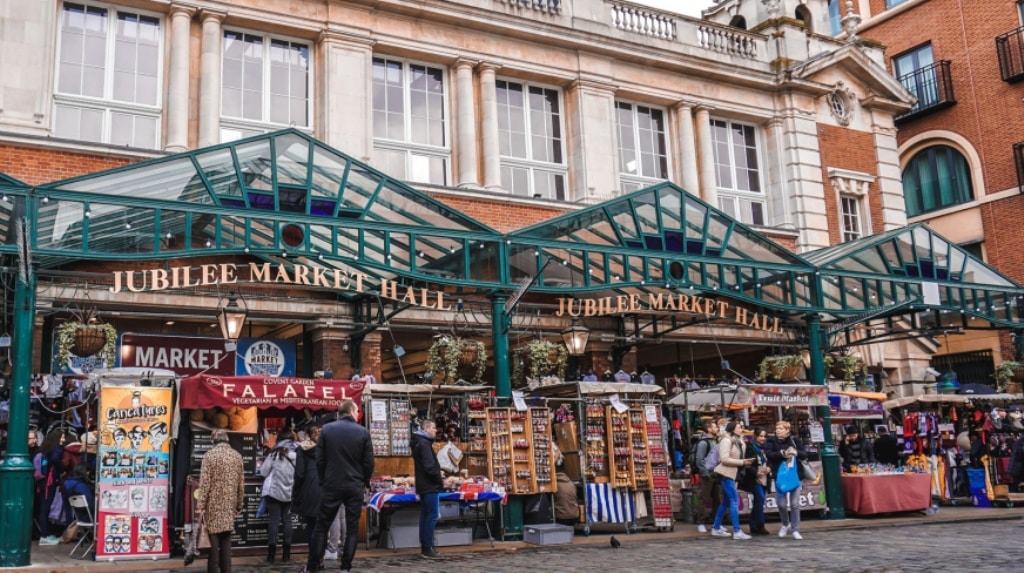
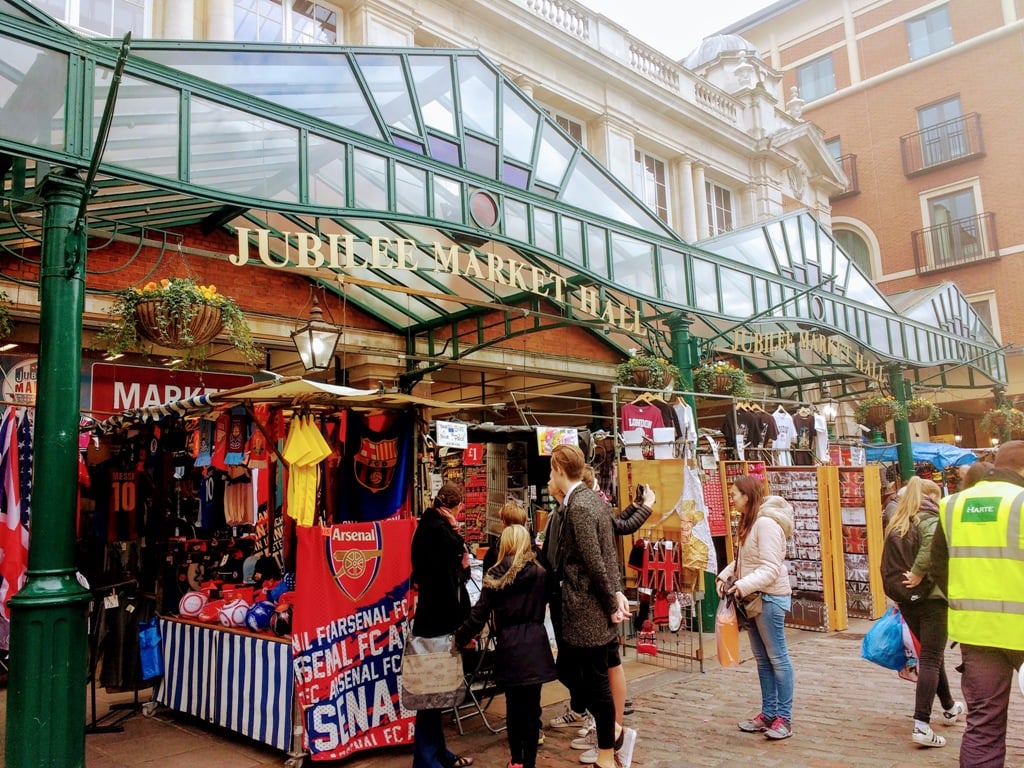
- Location: Jubilee Hall, Tavistock Street
- Trading Schedule:
- Monday: Antiques & Collectibles
- Tuesday-Friday: General Market
- Weekends: Arts & Crafts (10am-6pm)Insider secret: Best bargains appear late afternoon as traders prepare to close
Food & Produce
Seven Dials Food Market


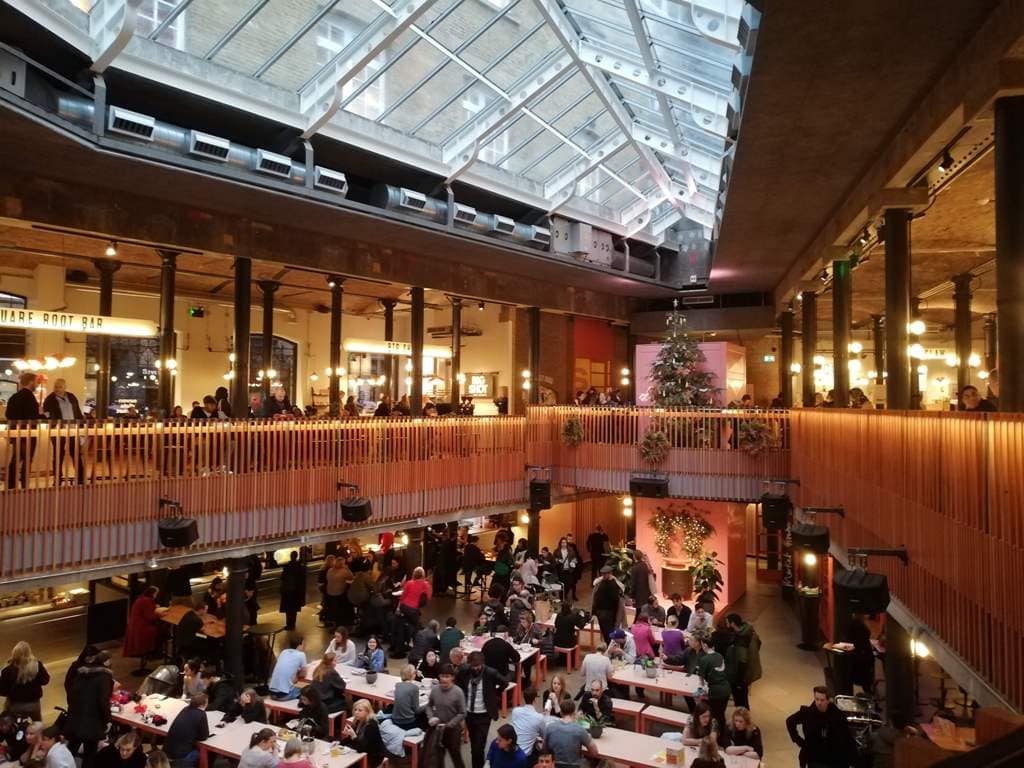
- Location: Banana Warehouse, Seven Dials
- Hours: 11am-11pm daily
- Highlights:
- World’s first cheese conveyor belt
- 13 international cuisine vendors
- Craft beverages
- Note: Card payments only
Local’s tip: Beat the crowds between 2:30-5pm; don’t miss Nanban’s ramen
New Covent Garden Market

- Location: Nine Elms
- Hours: 2am-8am
- Specialties:
- Fresh produce
- Wholesale flowers
- Professional supplies
- Personal favorite: The flower market at dawn is magical – worth the early start (but bring coffee!)
Personal recommendation: If you’re determined to visit this wholesale market, grab a strong coffee at nearby Battersea Power Station first – those 2am starts are no joke! The flower market is particularly magical in the pre-dawn hours, and the traders are usually happy to share their expertise if you show genuine interest.
Exploring Covent Garden’s Neighbourhoods
As a long-time London wanderer, I’ve discovered that Covent Garden’s true character lies in its historic streets and hidden corners. Let me share some of my favorite spots that most tourists miss.
Having explored Covent Garden’s vibrant markets, let’s venture into the historic streets and hidden corners that give this district its unique character.
Historic Streets and Lanes
Long Acre, once London’s carriage-making hub, now houses some of the area’s most prestigious shops. But what fascinates me most are the stories behind the street names – like Maiden Lane, where a young Charlie Chaplin once performed in the pubs. Don’t miss Bow Street, home to London’s first professional police force (the “Bow Street Runners”) and still housing the magnificent Royal Opera House.
Personal tip: The best time to explore these historic streets is early morning, before the shops open. You’ll catch glimpses of the area’s Georgian grandeur without the crowds.

Literary Corners and Hidden Courtyards
Duck into Goodwin’s Court, a perfectly preserved Georgian alleyway that feels like stepping back in time – it’s rumored to be J.K. Rowling’s inspiration for Diagon Alley. The Lamb & Flag pub on Rose Street, nicknamed the ‘Bucket of Blood’ for its boxing matches, was Charles Dickens’ favorite haunt.
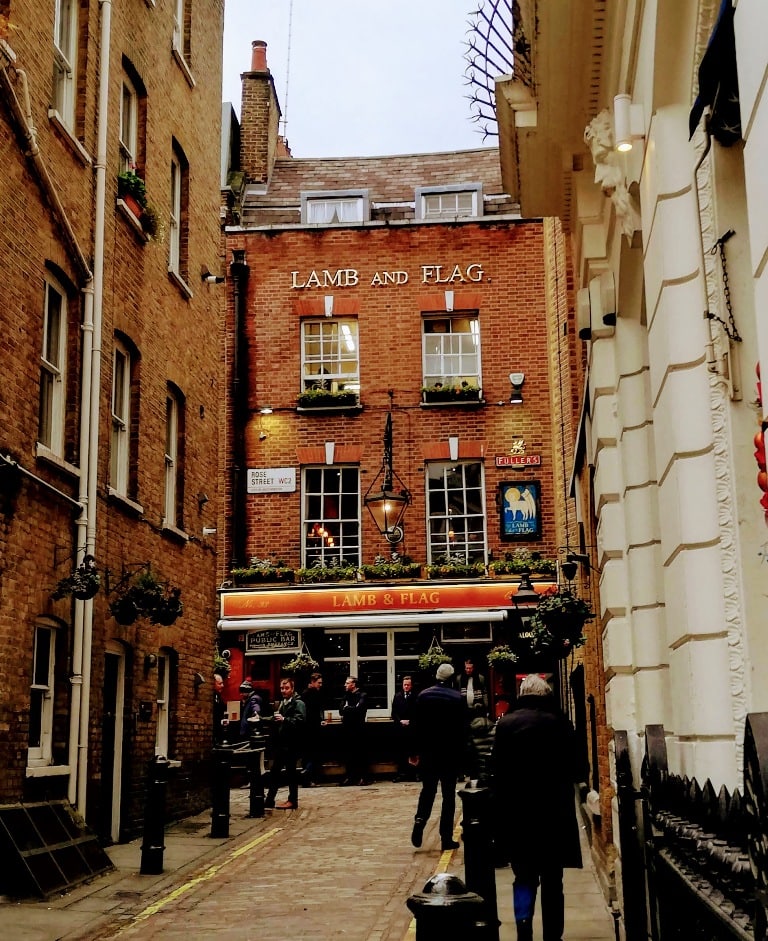
Insider’s secret: Look for the blue plaques – they’re like a treasure map to the area’s literary history. My favorite is the one marking Virginia Woolf’s publishing house in Tavistock Square.
Seven Dials & Neal’s Yard: A Hidden Village within London
At the heart of Covent Garden’s most intriguing neighborhood, Seven Dials radiates outward from its iconic Sundial Pillar – six streets (plus the column itself making seven) converging into a star-shaped intersection. This architectural marvel was Thomas Neale’s clever 17th-century design to maximize rental space, creating what would become one of London’s most characterful districts.
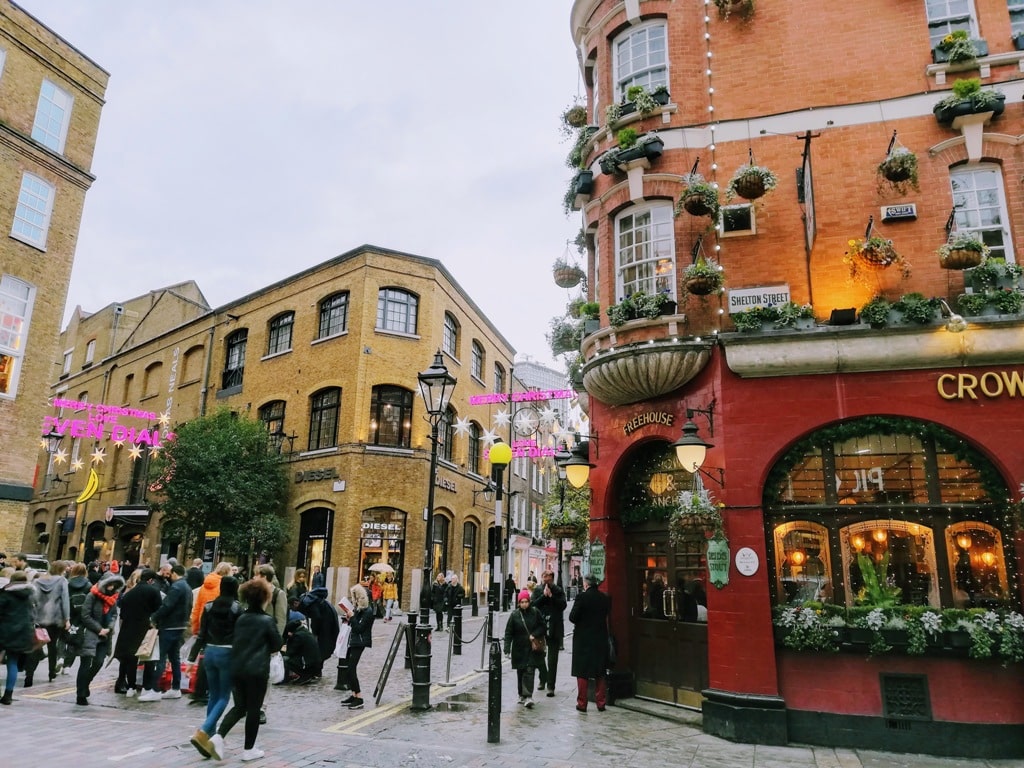
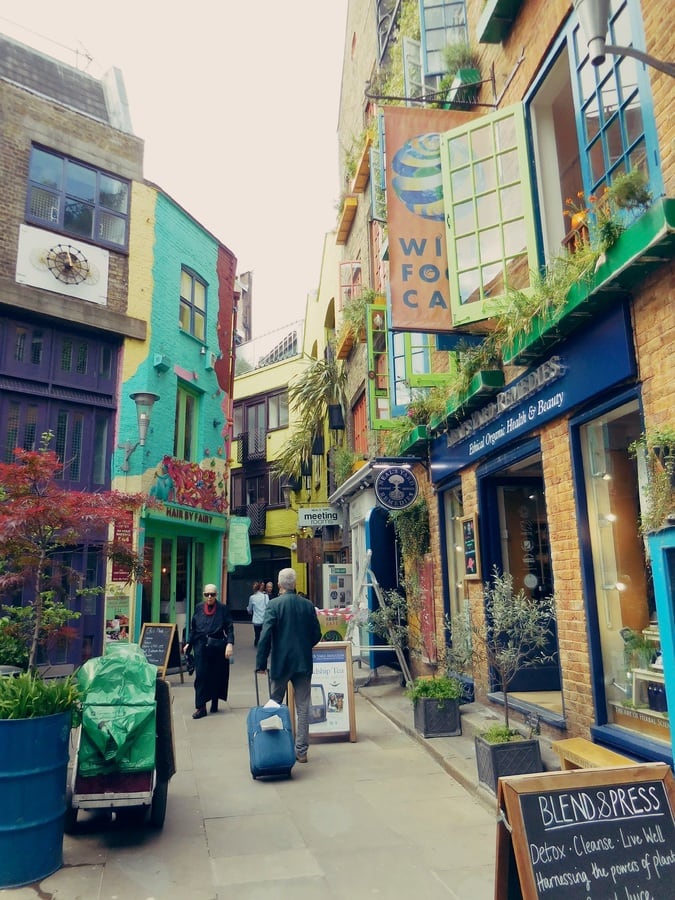
My favorite discovery here is Neal’s Yard, a secret rainbow-hued courtyard tucked between Shorts Gardens and Monmouth Street. This vibrant micro-village perfectly captures Seven Dials’ alternative spirit – from the pioneering Neal’s Yard Remedies (watch for their signature blue bottles) to the legendary Monmouth Coffee, where the rich aroma of freshly roasted beans has been wafting up from the basement since 1978.

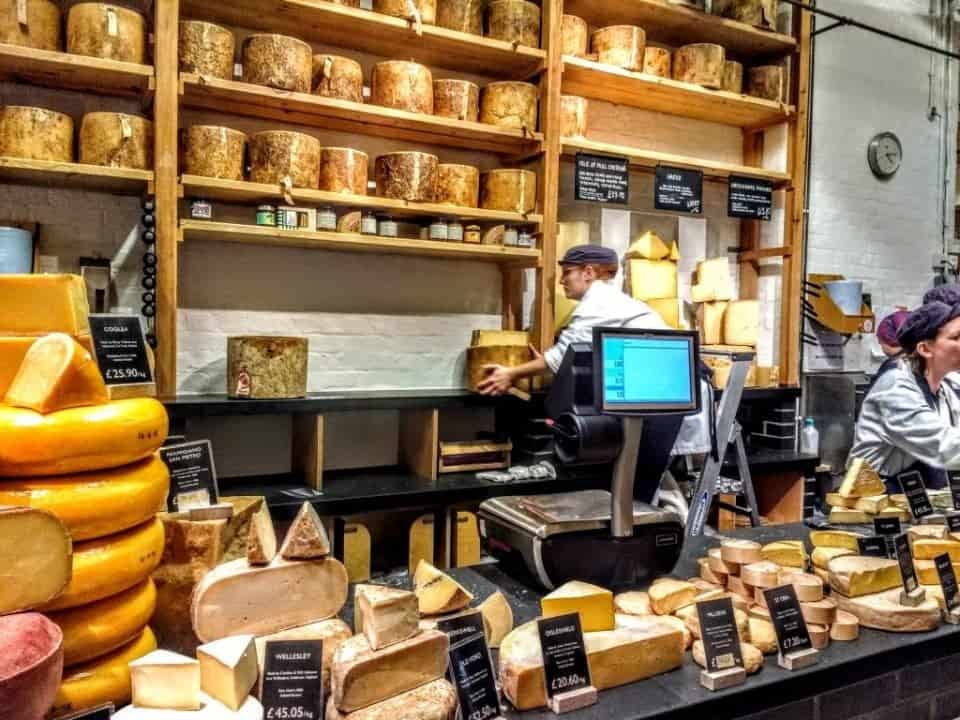
The area is a treasure trove of London history, marked by blue plaques telling fascinating stories: the Beatles’ manager Brian Epstein’s NEMS office, Monty Python’s animation studio, and countless other cultural touchstones. Today, it’s a perfect blend of old and new London – historic architecture housing innovative businesses like the Seven Dials famous cheese shop alongside traditional artisanal shops.
Local’s Tips:
- Visit Neal’s Yard early weekday mornings for the perfect coffee spot
- Follow the blue plaques for a self-guided cultural history tour
- Explore the side streets – the best discoveries are often around the quieter corners
Would you like me to suggest other sections that could be consolidated to further reduce the word count while maintaining the essential information?
Entertainment: From Street Performance to World-Class Theatre
As dusk falls over Covent Garden’s cobbled streets, the area transforms into London’s most magical entertainment district. I love watching the piazza come alive with street performers – on any given evening, you might catch an opera singer hitting impossible notes, a juggler defying gravity, or a magician gathering crowds with impossible illusions. These performances aren’t just tourist entertainment; they’re part of a tradition dating back to 1662, when Samuel Pepys recorded the first Punch & Judy show here.

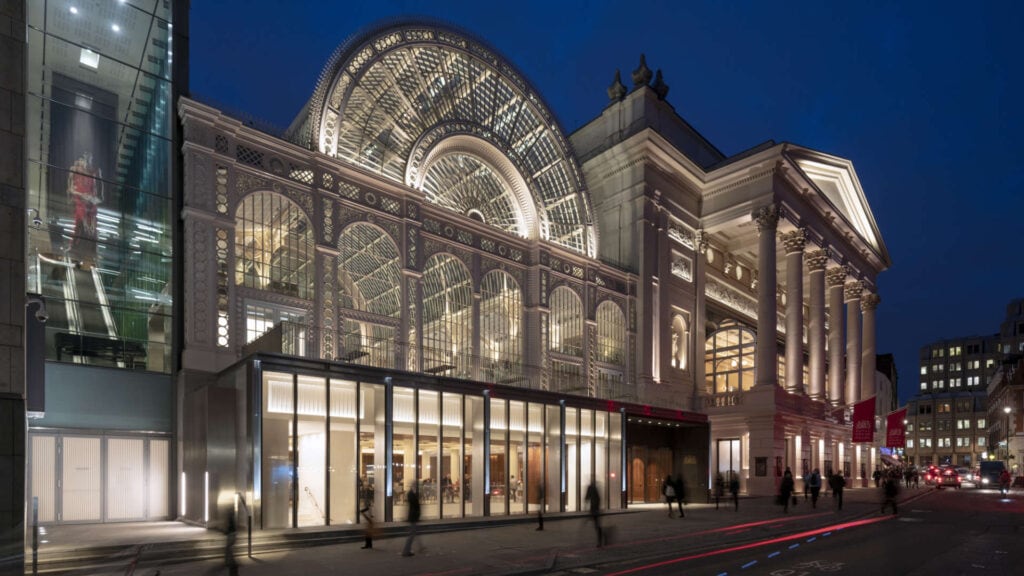
For a more formal evening, the Royal Opera House reigns supreme. Having spent countless evenings in this architectural masterpiece, I still get goosebumps watching world-class ballet and opera performances in the same venue where Pavarotti once sang. The building itself is worth exploring – try booking afternoon tea in the Paul Hamlyn Hall, a stunning glass and iron structure that offers a perfect pre-show experience.

What makes Covent Garden special is how high culture mingles effortlessly with street entertainment. You might catch Royal Ballet dancers practicing in the visible rehearsal spaces, then turn a corner to find a street musician playing jazz on a piano. During Christmas, the magic amplifies with seasonal performances and the Christmas markets adding extra sparkle to the district.

Insider Tips:
Best time for street performances: 2-6pm on weekends
Royal Opera House: Book standing tickets for incredible value (from £10)
Visit the Actors’ Church (St. Paul’s) to discover theatrical history
Don’t miss the Punch & Judy pub – a nod to the area’s entertainment heritage
Theatre and live entertainment aren’t just activities here – they’re woven into the very fabric of these streets. The world-renowned Royal Ballet and Royal Opera House stand as architectural masterpieces, but they’re also living, breathing venues where art comes alive nightly.
Live Performances
Visitors can enjoy an incredibly diverse range of entertainment:
Classical ballet and opera at the Royal Opera House

Contemporary and fringe theatre productions
Street performances featuring musicians, magicians, and comedians
Traditional Punch and Judy shows
Seasonal entertainment and special events
Seasonal Highlights
The district truly comes alive during the holiday season, when the Christmas markets transform the area into a festive wonderland. Visitors can explore traditional market stalls, enjoy seasonal performances, and discover unique Christmas treats and gifts.
Museums: Where London’s Stories Come Alive
When the weather turns (as it often does in London), I love ducking into Covent Garden’s museums. Each one tells a fascinating piece of London’s story in its own unique way.
London Transport Museum
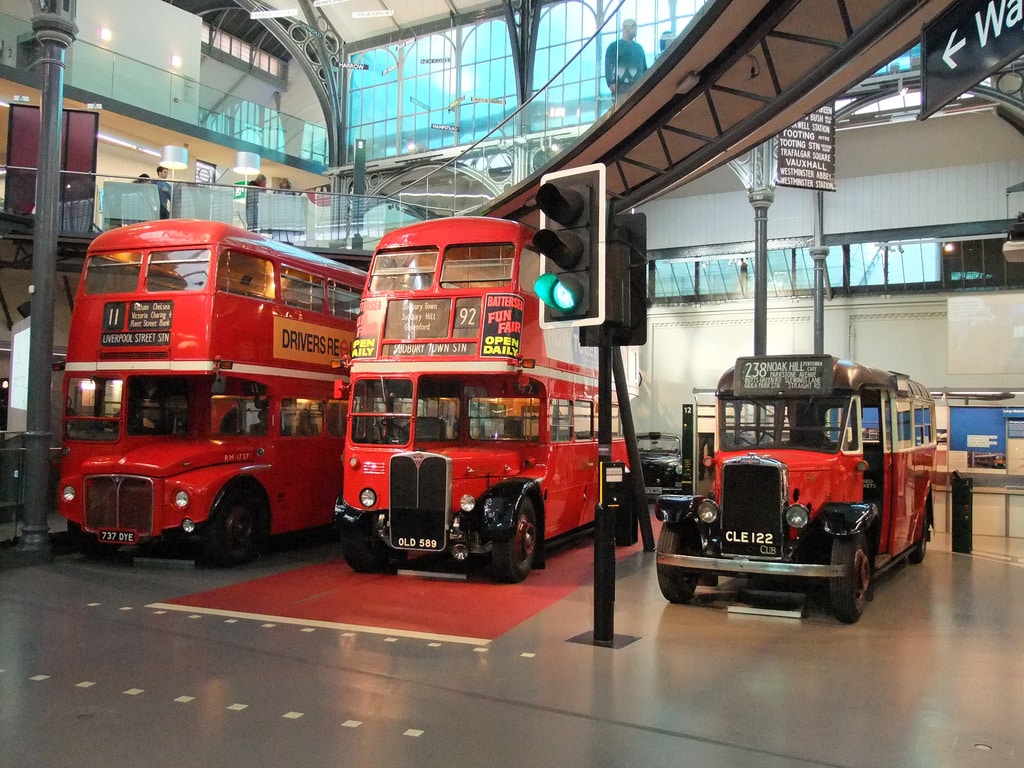
Housed in the old flower market’s Victorian glass building
Step into a time machine of London transit – from horse-drawn carriages to futuristic tube designs. My favorite exhibit lets you “drive” a vintage underground train simulator, complete with authentic controls and sound effects.
Must-See Highlights:
Iconic red Routemaster bus you can climb aboard
World’s first underground steam engine
Collection of vintage London Underground posters

Interactive family zones
Visitor Tips:
Your ticket becomes an annual pass at no extra cost
Visit 2:30-4pm on weekdays to avoid school groups
The gift shop’s vintage poster collection makes unique souvenirs
Pre-book online for 10% discount and skip-the-line access
Café serves excellent scones with a view of the piazza
London Film Museum
A treasure trove of British cinema history
Hidden away from the tourist crowds, this gem brings movie magic to life. I once spent a rainy afternoon here watching restoration artist’s work on original Bond film props – fascinating!

Exhibition Highlights:
- Extensive James Bond vehicle collection
- Original Superman and Batman props/costumes
- Working film sets you can explore
- Behind-the-scenes special effects demonstrations
Photography allowed except in special exhibitions
Combined ticket available with Transport Museum
Best time to visit: 2-4pm weekdays
Where to eat in Covent Garden (and pubs to have a pint)
Covent Garden is a food and drink hotspot, blending gourmet dining, lively pubs, and hidden cocktail gems. For standout meals, Frenchie offers refined French dishes, while Dishoom serves irresistible Bombay-inspired feasts in a retro-chic setting. The Ivy Market Grill is perfect for classic British fare, and Balthazar brings a slice of Parisian glamour. Craving pasta? Pastaio dishes up fresh, handmade Italian delights. For quick, delicious bites, Seven Dials Market is a foodie haven with global street food stalls.
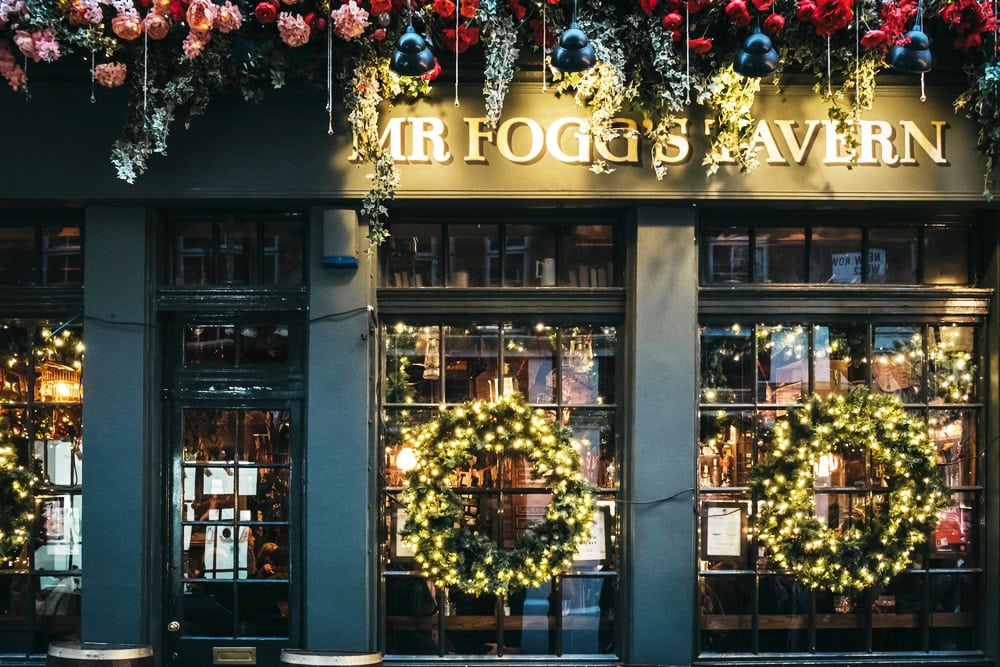
Pubs and bars here are just as impressive. Mr Fogg’s Tavern is a must-visit—a whimsical, Victorian-inspired pub with quirky decor, hearty British food, and excellent gin cocktails. For traditional charm, The Lamb & Flag, one of London’s oldest pubs, serves great ales in a historic setting, while The Harp is a cozy spot with award-winning cask beers. The Porterhouse boasts an impressive craft beer selection, and cocktail lovers should try The Alchemist for molecular mixology or The Gibson for inventive drinks in a speakeasy vibe. Whether you’re after fine dining, a hearty pub meal, or creative cocktails, Covent Garden delivers it all in style.
Shopping: From Heritage Stores to Fashion Houses
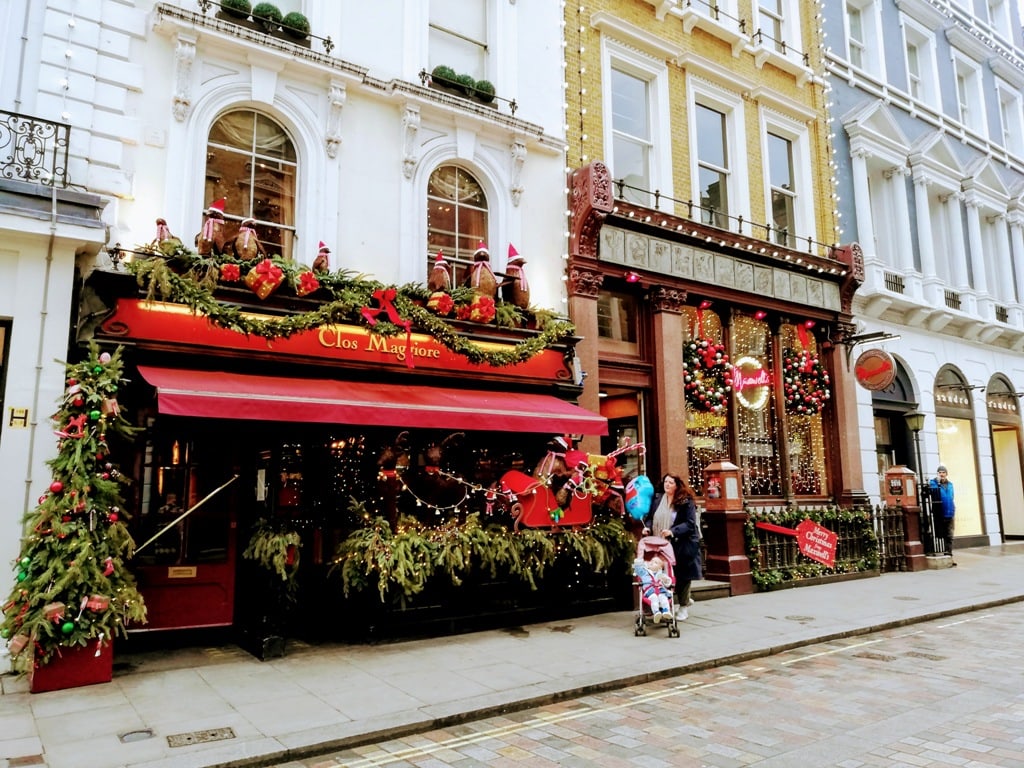
Shopping in Covent Garden is an experience that blends centuries-old craftsmanship with cutting-edge fashion. Let me guide you through my favorite retail discoveries, organized by interest:
Historic Merchants
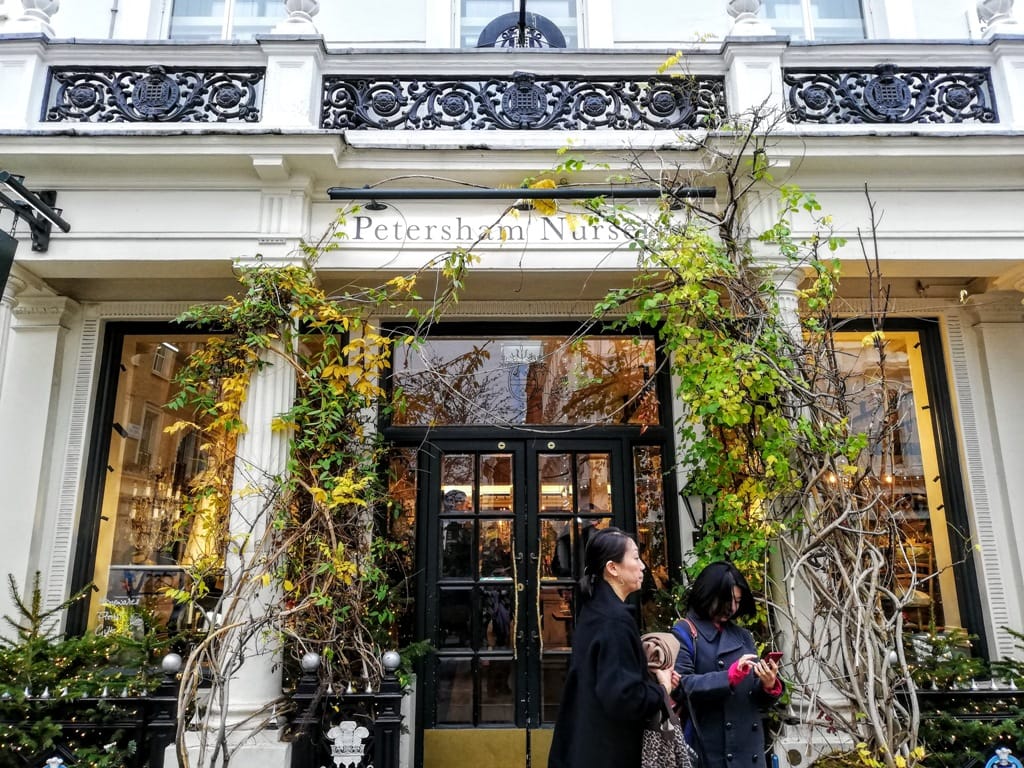


- Penhaligon’s: Step into Victorian London at this royal-warranted perfumery. The original 1870 shop still creates scents using traditional methods.
- Stanfords: The world’s largest map store since 1853. I love browsing their vintage travel guides.
- Benjamin Pollock’s Toyshop: A magical time capsule of traditional toy theatres and puppets.
Fashion Quarter
- Floral Street: My favorite shopping lane, where heritage meets contemporary style. Don’t miss Paul Smith’s flagship store in an old townhouse.
- Seven Dials: Independent boutiques and international labels in a historic setting
- The Royal Opera House Shop: Perfect for unique performance-inspired pieces
Unique Finds
Astrology Shop: Specialist books and curiosities since the 1970s
Arthur Beale: London’s last yacht chandler, now a maritime heritage store
Neal’s Yard Remedies: Natural remedies in their original blue-bottle shop
Insider Tips:
- Best shopping time: Weekday mornings before 11am
- Many shops offer student discounts – always ask
- The Market Building houses luxury brands with the best window displays
- Visit during January or July sales for best deals
Personal Favorite: Start your shopping day with coffee at Monmouth, then work your way from Floral Street down to the Market Building, ending in Seven Dials for independent boutiques.
Hotels Near Covent Garden
Luxury 2 – bed apartment
A modern and spacious luxury 2-bedroom/2-bathroom apartment located in Londons most central and famous Covent Garden area. Being in the heart of London, this apartment has everything on its doorstep.
Luxury One Bed Flat
Offering city views, a terrace and free WiFi, Urban Chic Covent Garden offers accommodation ideally set in London, within a short distance of the Royal Opera House, Covent Garden and Lyceum Theatre.
Covent Garden is one of the most vibrant and exciting areas in London. With its rich history, stunning architecture, and bustling atmosphere, theres always something to see or do here. From exploring the many unique shops and restaurants to catching a show at one of the areas world-renowned theatres, Covent Garden has something for everyone. So why not plan a visit today?
Explore More of London’s Markets and Attractions
If you love exploring London’s markets and unique neighborhoods like Covent Garden, here are some more guides to help you discover the city’s hidden treasures:
For market enthusiasts, check out our guides to 16 Fabulous food street markets in London, Borough Market – London’s best gourmet guide for foodies, and Leather Lane Market – a delicious street food hub.
Discover more of London’s vibrant neighborhoods through our articles on Things to do in Chelsea London, Cool things to do in Camden, and 18 Things to do in Notting Hill – London’s prettiest neighbourhood.
For iconic London attractions, explore our Ultimate Guide to the London Eye, Where is the famous Abbey Road crosswalk?, and The London Postal Museum – a fascinating history.
Looking for unique experiences? Don’t miss The 7 Best Places to See Street Art in London and our guide to 43 Hidden Gems in London. Explore more of the region with guides to England, Scotland, Wales, Northern Ireland, or the full United Kingdom Travel Guide. If you are a foodie have a read of my Global Food Guide.
Explore Scenic England
Some of England’s best experiences happen outside the cities, from dramatic coastlines and rolling countryside to quiet villages and scenic driving routes. Slower travel often reveals a completely different side of England.
Yorkshire villages and market towns
Best Scenic Train Journeys in the UK
Northumberland coast and castles