
10 Famous Theatres in London from the Globe to the old Vic
London itself includes over 230 theatres ranging from the huge glittering ones in Theatreland to the tiny theatre groups in various communities across the City. The history of theatre and of course all the famous theatres in London make for a theatrephiles seventh heaven. I’m incredibly lucky (and old enough) to have seen some theatre greats such as: Yul Brynner in his last performances in the King and I. Le Miserable (mandatory for theatre geeks), Cats, Chess, The Mousetrap, Phantom, Starlight Express, to name a few.

There are over 40 venues in the home of London’s most famous theatre district the West End, “Theatreland” which is located in and near the heart of the West end of London. It is traditionally defined by The Strand to the south, Oxford Street to the north, Regent Street to the west, and Kingsway to the east, but a few other nearby theatres are also considered “West End” despite being outside the area. For example The Apollo Victoria Theatre, in Westminster). Prominent theatre streets include Drury Lane, Shaftesbury Avenue, and The Strand.
- 10 Famous Theatres in London from the Globe to the old Vic
- London's Historic Theaters: A Complete Guide
- 1. The Royal Opera House
- 2. Theatre Royal, Drury Lane
- 3. Shakespeare's Globe
- 4. His Majesty's Theatre
- 5. The London Palladium
- 6. The Old Vic
- 7. National Theatre
- 8. Lyceum Theatre
- 9. Prince Edward Theatre
- 10. Royal Court Theatre
- Visiting Tips for London Theatres
- FAQS – Ticketing & Booking
- Theater Tours
Famous Theatres in London – Theatre District History
Drury Lane was originally an early medieval lane called Via de Aldwych, which probably connected St. Giles Leper Hospital to the fields of Aldwych Close It is said that the lands were owned by the Hospital but had been in the distant past granted to the Danes as part of a peace treaty developed by Alfred the Great in Saxon times.
Around 1500 Sir Robert Drury built a mansion called Drury House. Years later the house became the Queen of Bohemia a public house, supposedly named after the Earl of Craven’s mistress. By the 1800s the Lane had become one of London’s worst slums and was inhabited by prostitutes and gin joints.
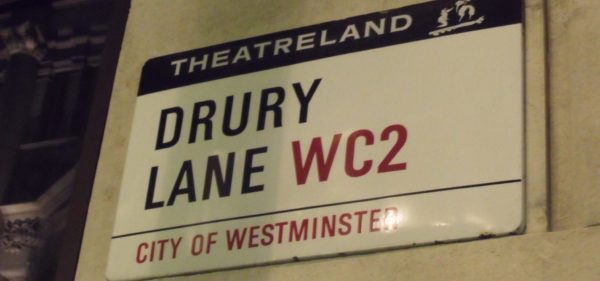
The term “Drury Lane” is often used to refer to the Theatre Royal, Drury Lane, which has in different incarnations been located in Drury Lane since the 17th century. By the way, Drury Lane is a short walk from either Piccadilly Station or Trafalgar Square.
The history of the London West End has been inextricably linked to the theatre for hundreds of years. From the opening of the first West End venue in Drury Lane in 1663, locals and visitors to the capital flocked in droves to the West End to be entertained and enthralled by the various shows on offer.

The London theatre tradition has continued to go from strength to strength over the years, and today the West End is the largest theatre district in the world, with many major international stars treading the boards night after night. To this day no other place in the world hosts the variety and quality of shows like the West End.
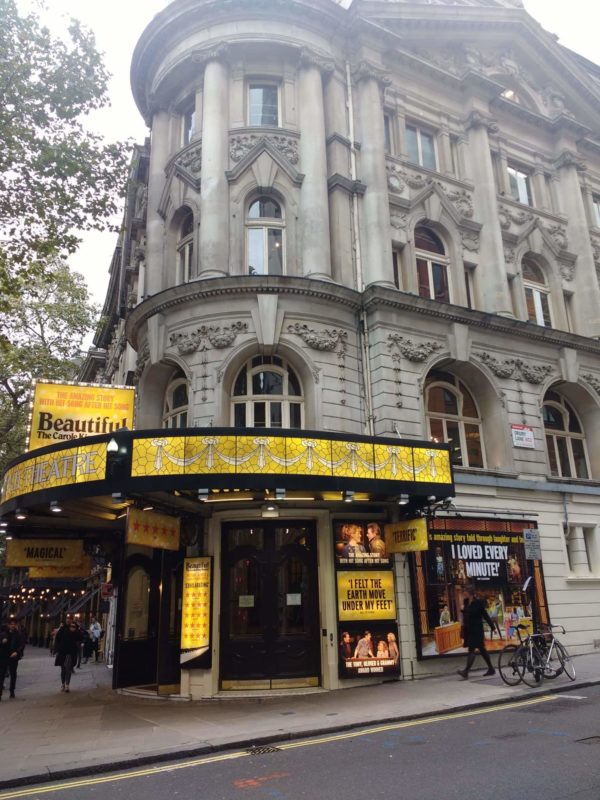
The famous Andrew Lloyd Weber (he of Cats, Phantom, Le Miz fame) owns 7 London theatres in the West End or “Theatreland”. They include Theatre Royal Drury Lane, The London Palladium; the Cambridge Theatre the Adelphi Theatre (co-owned with the Nederlander Group); the Gillian Lynne Theatre, The Other Palace and Her Majesty’s Theatre.
London’s Historic Theaters: A Complete Guide
There’s something magical about stepping into a London theater. Perhaps it’s the gentle creak of centuries-old floorboards beneath your feet, the shimmer of crystal chandeliers overhead, or the palpable energy of countless performances lingering in the air.
As someone who has spent countless evenings in these magnificent venues, I can attest that London’s historic theaters offer more than just entertainment – they provide a window into the soul of British cultural heritage. From the moment the curtain rises to the final standing ovation, these venues transform ordinary evenings into unforgettable experiences.
London’s West End, rivaling New York’s Broadway, stands as one of the world’s premier theater districts. It has provided inspiration for community theatres for many years. As someone who worked in community theatre (and survived) it I can attest to the incredible amount of hardwork that goes into producing and putting on stage anything from a ballet to a musical.
1. The Royal Opera House
Address: Bow Street, Covent Garden, London WC2E 9DD
Transport: Covent Garden Underground Station (Piccadilly Line)
This magnificent venue, opened in 1732, has survived three fires and multiple renovations. Home to the Royal Opera and Royal Ballet companies, in the heart of Covent Garden, it seats over 2,000 people in its horseshoe-shaped auditorium. Notable productions include the premiere of “The Sleeping Beauty” ballet (1946) and Plácido Domingo’s legendary performance in “Otello” (1992).

2. Theatre Royal, Drury Lane
Address: Catherine Street, London WC2B 5JF
Transport: Covent Garden Underground Station (Piccadilly Line)
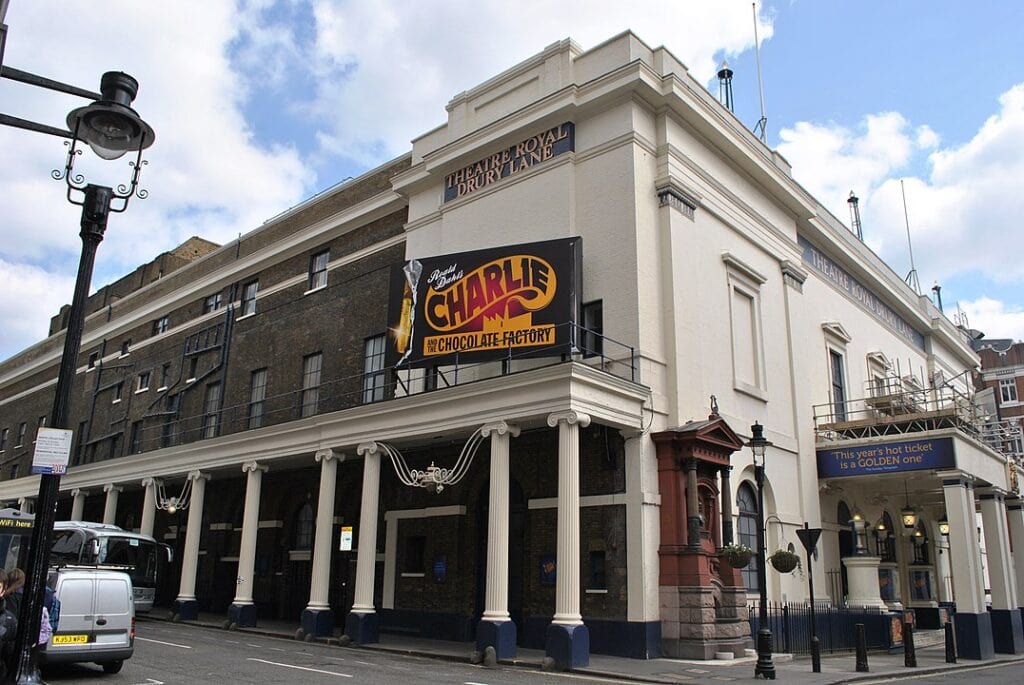
London’s oldest working theater, established in 1663, recently completed a £60 million renovation. The current building dates from 1812 and has hosted historical productions like the original “Miss Saigon” (1989-1999) and “42nd Street” (2017-2019). Currently home to “Frozen the Musical.”
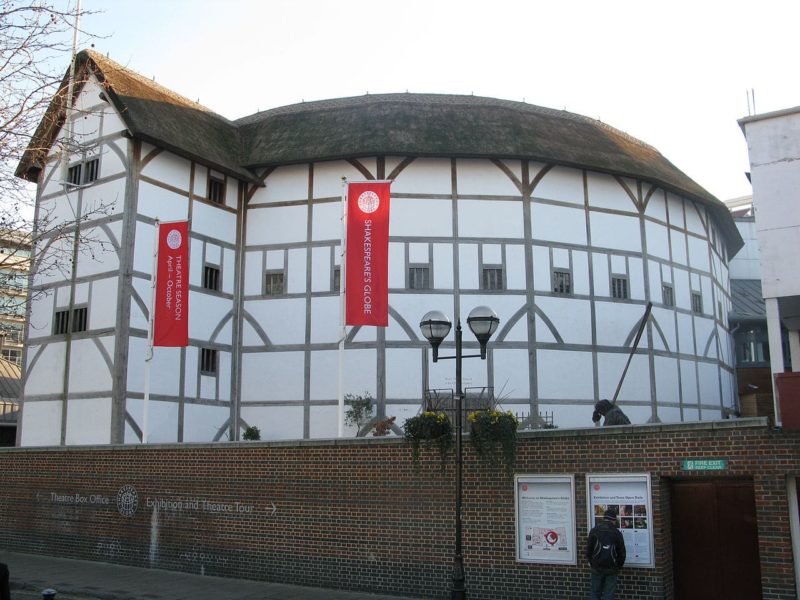
3. Shakespeare’s Globe
Address: 21 New Globe Walk, Bankside, London SE1 9DT
Transport: London Bridge Station (Northern and Jubilee Lines) or Blackfriars Station (Circle and District Lines)
This meticulous reconstruction of the 1599 theater continues Elizabethan traditions. Notable modern productions include Mark Rylance’s “Twelfth Night” (2012) and Michelle Terry’s gender-blind “Hamlet” (2018). The theater offers groundbreaking productions and educational programs year-round.
4. His Majesty’s Theatre
Address: 57 Haymarket, St. James’s, London SW1Y 4QL
Transport: Piccadilly Circus Underground Station (Piccadilly and Bakerloo Lines)
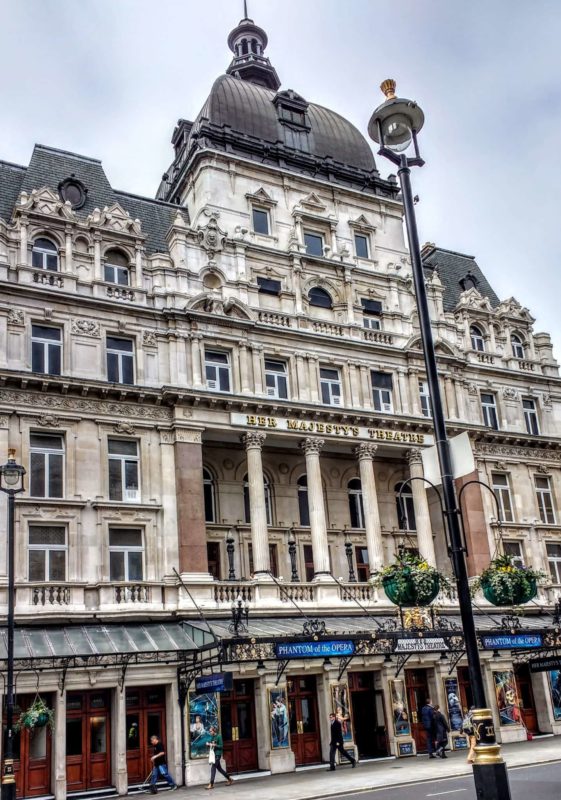
Dating back to 1705, this Grade II-listed building has housed “The Phantom of the Opera” since 1986, making it one of the longest-running shows in theater history. The original cast featured Michael Crawford and Sarah Brightman, setting box office records.
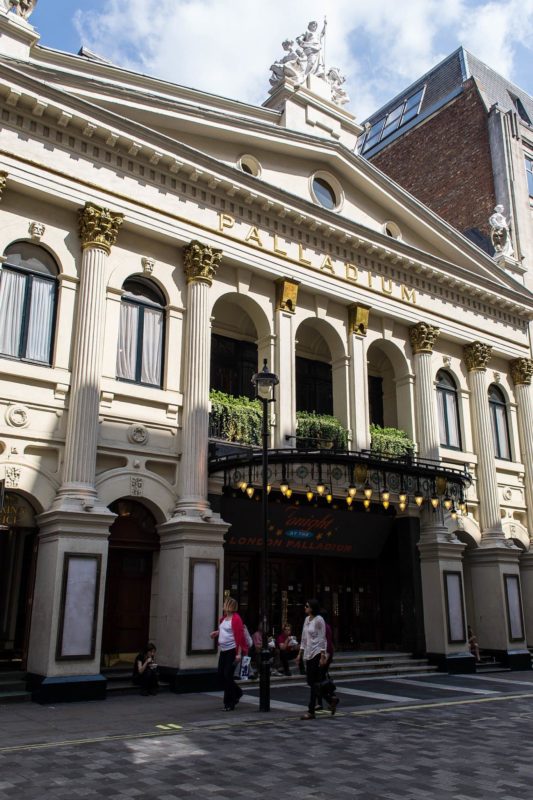
5. The London Palladium
Address: 8 Argyll Street, London W1F 7TF
Transport: Oxford Circus Underground Station (Central, Victoria, and Bakerloo Lines)
Since 1910, this venue has hosted countless Royal Variety Performances and legendary performers. Notable productions include “Joseph and the Amazing Technicolor Dreamcoat” (1991) and “The King and I” (2018). The theater is famous for its variety shows and musical productions.
6. The Old Vic
Address: The Cut, Waterloo, London SE1 8NB
Transport: Waterloo Underground Station (Bakerloo, Northern, Jubilee Lines)
Founded in 1818, one of the most famous old london theatres has seen performances by Laurence Olivier, Judi Dench, and John Gielgud. Recent notable productions include “A Christmas Carol” starring Stephen Tompkinson and Andrew Scott’s acclaimed “Present Laughter.”
When I lived in London my offices were just down the road from the Old Vic and on many an occasions I bumped into the actors having a smoke outside or hanging out in the local pub. No airs or graces just a sack full of talent and energy.

7. National Theatre
Address: Upper Ground, South Bank, London SE1 9PX
Transport: Waterloo Underground Station or Southwark Underground Station (Jubilee Line)
Established in 1963, this brutalist architectural marvel houses three theaters. Landmark productions include “War Horse” (2007), “The History Boys” (2004), and “Angels in America” (2017). The theater is known for its innovative staging and groundbreaking productions.

8. Lyceum Theatre
Address: 21 Wellington Street, London WC2E 7RQ
Transport: Covent Garden Underground Station (Piccadilly Line)
Originally opened in 1765, the current building dates from 1834. Home to Disney’s “The Lion King” since 1999, the theater has a rich history including performances by Sir Henry Irving and Ellen Terry. The building’s magnificent facade is one of London’s most photographed theatrical landmarks.

9. Prince Edward Theatre
Address: Old Compton Street, London W1D 4HS
Transport: Leicester Square Underground Station (Northern and Piccadilly Lines)
Opened in 1930, this Art Deco masterpiece has hosted numerous successful productions. Notable shows include the premiere of “Evita” (1978), “Miss Saigon” (2014-2016), and “Mary Poppins” (2019). Currently home to “Aladdin.”

10. Royal Court Theatre
Address: Sloane Square, London SW1W 8AS
Transport: Sloane Square Underground Station (Circle and District Lines)
Known as the writers’ theater, the Royal Court has been at the forefront of contemporary theater since 1956. Landmark productions include John Osborne’s “Look Back in Anger” (1956) and more recently, “Jerusalem” starring Mark Rylance. The theater continues to champion new writing and experimental works.

Visiting Tips for London Theatres
Book tickets in advance, especially for popular shows
Many theaters offer day seats and rush tickets at discounted prices
Most venues are wheelchair accessible, but check specific arrangements
Pre-theater dining options are abundant near all venues
Evening performances typically start at 7:30 PM
Matinee shows usually begin at 2:30 PM
When visiting London and planning to see a West End show, people often ask a variety of questions to ensure a smooth and enjoyable experience. Here are some of the most common ones:
FAQS – Ticketing & Booking
- How do I buy tickets for West End shows? Book online via official theatre sites, TodayTix, or TKTS, or buy at the box office.
Can I book online, or should I buy at the box office? Official theatre sites or trusted sellers like TodayTix/London Theatre Direct.
Are there discounts for same-day tickets (e.g., TKTS booth or lottery/rush tickets)? Try rush/lottery tickets (TodayTix app), TKTS booth, or day seats at the box office.
- What’s the best website to book tickets? Official theatre sites or trusted sellers like TodayTix/London Theatre Direct. Popular shows sell out, but day-of deals exist for less busy performances.
How does the “Friday Forty” or “Lottery/Rush” system work? Friday Forty is a popular discount ticket scheme in London’s West End where select theatres release a limited number of £40 tickets every Friday at 12pm (noon) for performances the following week.
How it works: Visit the show’s official website or LoveTheatre’s Friday Forty page at noon on Fridays to grab discounted tickets.
Shows included: Often includes big productions like Les Misérables, The Phantom of the Opera, Moulin Rouge, and Hamilton (varies weekly).
- Should I book in advance or can I get tickets on the day? Popular shows sell out, but day-of deals exist for less busy performances.
- Do children need tickets, and are there age restrictions for certain shows? Most shows allow kids (with tickets), but check age warnings for darker shows.
General Tips
Is it worth taking a theatre tour (e.g., Royal Opera House, West End backstage tours)?
Yes, if you love theatre—tours like the Royal Opera House or National Theatre backstage tours offer fascinating behind-the-scenes access, history, and a chance to see iconic stages up close.
Can I exchange or refund tickets if I can’t go?
Most West End theatres don’t offer refunds, but some allow exchanges (for a fee) if you contact the box office in advance—always check the specific show’s policy when booking.
What’s the difference between the West End and Broadway?
The West End is London’s theatre district (larger, often cheaper tickets, more classic productions), while Broadway is New York’s (higher budgets, more modern tech, and stricter ticket pricing).
Theater Tours
Sing, Dance & Explore: London West End Musical Walking Tour: Explore London’s West End in a unique way on this silent disco walking tour. This interactive experience whisks you away to some of the West End’s top theaters, and comes with a soundtrack. During your 2.5-mile (4-kilometer) walk, you’ll discover key theaters, learn insider stories and facts, and listen to different show tunes through headsets—singing and dancing are warmly encouraged.

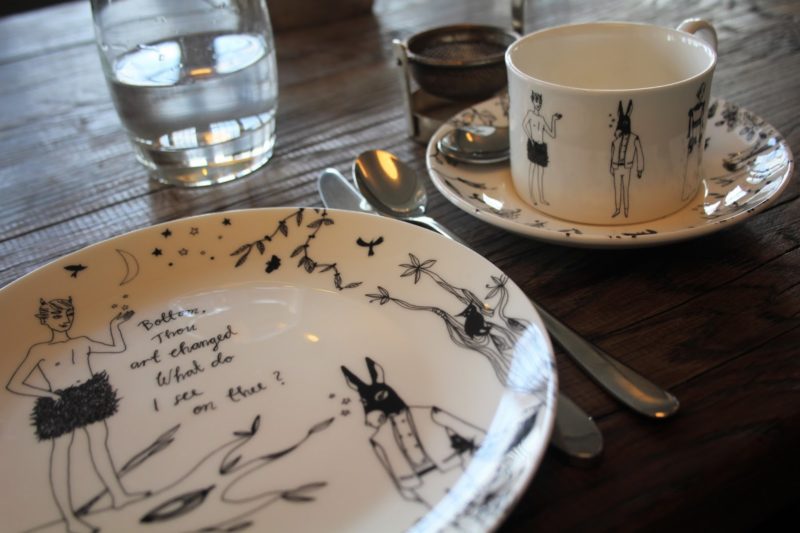
Shakespeare’s Globe Guided Tour: Travel back in time to Elizabethan London on a behind-the-scenes tour of Shakespeare’s Globe Theatre on the banks of the Thames River. Visit the reconstructed theater on the city’s Bankside and enjoy lively commentary about staging and performance in Shakespeare’s day. Make your experience even more memorable by upgrading to include a sumptuous ‘A Midsummer Night’s Dream’–themed afternoon tea.
London’s historic theaters combine architectural splendor with world-class productions, offering visitors an unparalleled theatrical experience. Whether you’re interested in Shakespeare, modern drama, musicals, or opera, these venues provide entertainment of the highest caliber while preserving centuries of theatrical tradition.

These ten theaters represent more than just buildings of brick and mortar; they are the beating heart of London’s artistic soul. Each venue tells its own story through ornate architecture, legendary performances, and the countless artists who have graced their stages.
Whether you’re a seasoned theatergoer or planning your first West End experience, these historic playhouses promise not just a show, but a journey through time, artistry, and human creativity. As the lights dim and the curtain rises, you become part of a theatrical tradition that has enchanted audiences for centuries – and continues to do so with each passing performance.
Explore more of the region with guides to England, Scotland, Wales, Northern Ireland, or the full United Kingdom Travel Guide.