
Food in Northern Ireland Traditional Dishes Local Markets and Where to Eat
Having lived in Ireland for a significant period of time, I came to realise quite quickly that food here is never just about what’s on the plate. It reflects the land, the weather, the pace of life, and the people producing it. In Northern Ireland especially, that connection feels stronger and more visible. The food hasn’t been reshaped to follow global trends or modern expectations. Instead, it has remained grounded in tradition, and that’s exactly what makes it so distinctive.

One of the first things that stood out to me while living in Northern Ireland was how understated everything felt. There’s no sense of trying too hard. Meals are not designed to impress visually or to reinvent familiar dishes. They are designed to be reliable, filling, and consistent. I remember stopping at a small café well outside the main tourist routes and ordering what looked like a basic full Irish breakfast. There was nothing remarkable about the setting, but the food itself stood out immediately. The bread was freshly made and still warm, the eggs had a richness that’s difficult to find elsewhere, and everything tasted like it had been prepared with care rather than speed.

That experience wasn’t a one-off. It repeated itself across different parts of Northern Ireland, whether I was in a coastal village, like Portavogie renowned for its prawns, a market town, or a busy city like Belfast. Over time, I began to understand that Northern Ireland’s food culture is built on repetition in the best possible way. The same dishes appear again and again, not because of a lack of creativity, but because they have proven themselves over generations.
There is a quiet confidence in that consistency. Northern Irish food doesn’t try to compete with global cuisines or constantly reinvent itself. Instead, it focuses on doing simple things properly, using ingredients that are locally available and deeply connected to the region. That approach creates a food culture that feels authentic, grounded, and genuinely reflective of place.

- Food in Northern Ireland Traditional Dishes Local Markets and Where to Eat
- What Food Is Northern Ireland Known For Traditional Dishes Explained
- Differences Between Fadge Farls Soda Bread and Boxty Explained
- Northern Irish Food History and Traditional Ingredients Explained
- Traditional Dishes in Northern Ireland What You Will Actually Eat
- Where to Eat Traditional Food in Northern Ireland Best Markets Cafes and Restaurants
- Northern Ireland Food vs Republic of Ireland Food Key Differences Explained
- Why Northern Irish Food Is Worth Experiencing
- Why Food in Northern Ireland Leaves a Lasting Impression
- Food in Northern Ireland FAQS
- Exploring the fascinating regions of Ireland
What Food Is Northern Ireland Known For Traditional Dishes Explained
Northern Ireland is best known for traditional dishes such as the Ulster Fry, soda bread, potato farls, champ, Irish stew, black and white pudding, smoked fish, and Yellowman. These foods are built around simple, locally sourced ingredients, particularly potatoes, dairy, oats, and fresh seafood, and they reflect both the agricultural and coastal identity of the region.

From my experience living in Ireland, what makes these foods stand out is not just their flavour, but how embedded they are in everyday life. This isn’t cuisine that exists mainly for visitors or special occasions. It’s what people actually eat on a regular basis. You’ll see the same dishes served in homes, cafés, pubs, and markets, often prepared in ways that haven’t changed much over time.
The Ulster Fry is probably the most recognisable example. It’s more than just a breakfast. It’s a cultural staple built to be filling and practical, typically including sausages, bacon, eggs, soda bread, and potato farls. What defines it further is the inclusion of black and white pudding, which adds both texture and depth to the meal.
Smoked fish is another defining feature, particularly along the coast. Smoked salmon, in particular, is widely available and reflects the quality of Northern Ireland’s seafood. I remember having smoked salmon in a coastal café where it was served simply with brown bread and butter, and it stood out not because of complexity, but because of how fresh and well-prepared it was.
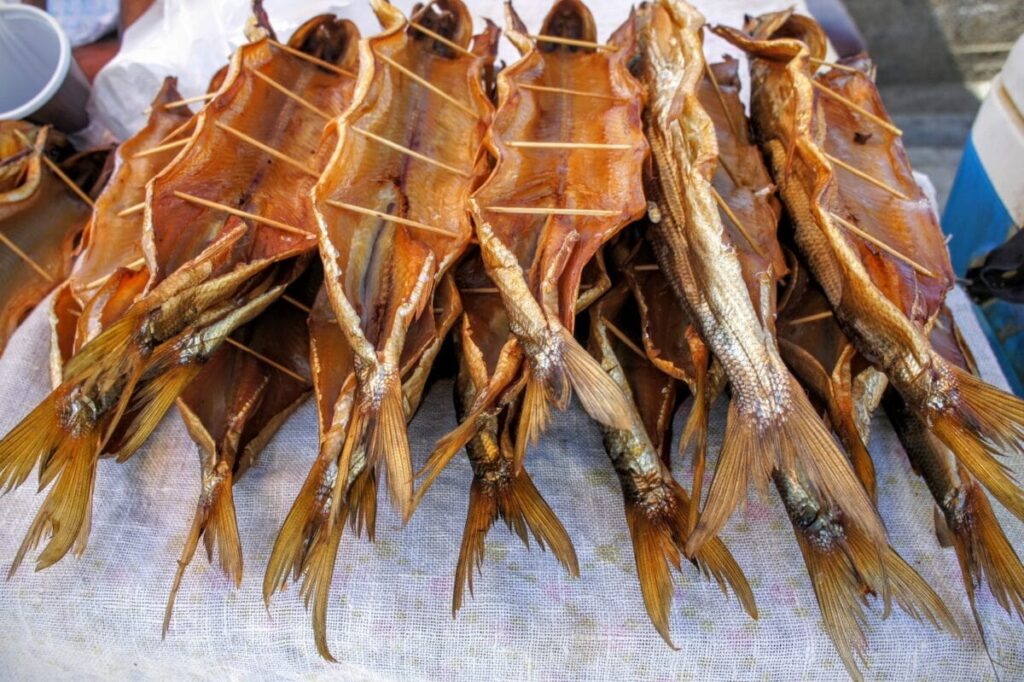

Then there are foods that feel more regionally distinctive, such as dulse, a dried seaweed snack, and Yellowman, a honeycomb-style sweet traditionally associated with fairs and festivals. These foods may seem unusual at first, but they offer insight into the diversity of Northern Irish food traditions.
What ties all of these dishes together is their connection to place. They are shaped by the environment, not by trends, and that’s what gives Northern Irish cuisine its identity.
Differences Between Fadge Farls Soda Bread and Boxty Explained
Fadge, farls, soda bread, and boxty are all traditional Irish breads or potato-based staples, but they differ significantly in ingredients, texture, and preparation.
Fadge and potato farls are often used interchangeably, particularly in Northern Ireland. Both refer to a soft, pan-fried potato bread made from mashed potatoes, flour, and butter. They are typically cut into triangular pieces and cooked on a griddle, forming a key part of an Ulster Fry.


Soda bread is quite different. It contains no yeast and no potato, and instead relies on flour, buttermilk, baking soda, and salt. It is baked rather than fried, resulting in a crumbly texture and a slightly tangy flavour. From my experience, soda bread is one of the most consistent elements across Northern Ireland, often served fresh and still warm.
Boxty stands apart again. It combines both grated raw potato and mashed potato with flour and buttermilk, creating a thicker, pancake-like dish that can be fried or baked. The texture is distinct, with a slightly crisp exterior and a softer, denser centre.
What stands out most is how each of these reflects a slightly different approach to the same core ingredient. Potatoes and flour appear in different forms, but the end result always fits within the same overall food culture.


Northern Irish Food History and Traditional Ingredients Explained
To understand Northern Irish food properly, you need to look at how it developed. This is not a cuisine shaped by trends or outside influence. It has been built over time through farming, fishing, and the need to make the most of available ingredients.
Agriculture has always played a central role. The land is particularly well suited to dairy and livestock, which is why butter, milk, and cream are so prominent. One thing I noticed while living in Ireland is how much richer these products taste compared to elsewhere. That quality carries through into almost every dish.
Potatoes are another defining ingredient and appear across the cuisine in multiple forms. They were relied on historically because they were affordable, filling, and easy to grow. Today, they remain central, but more as a tradition than a necessity. Everywhere over Ireland you will find dozens of restaurants, cafes and street food vendors offering Jacket Potatoes with every conceivable topping.

Meat, particularly pork and beef, is also widely used. This is reflected in dishes like the Ulster Fry and in products like black and white pudding. These puddings developed as a practical way of using all parts of the animal, but today they are valued for their flavour and texture.
Seafood adds another dimension. Northern Ireland’s coastal location provides access to high-quality fish and shellfish, and smoked fish, particularly smoked salmon, has become a defining part of the cuisine. The simplicity of preparation allows the quality of the ingredient to stand out.

Drinks also form part of the food culture, and Irish whiskey plays an important role here. Bushmills on the Causeway Coast is one of the oldest licensed distilleries in the world, and from my experience, trying it locally adds another layer to understanding Northern Irish food. It’s not just about the drink itself, but how it fits into the wider experience of eating and socialising.
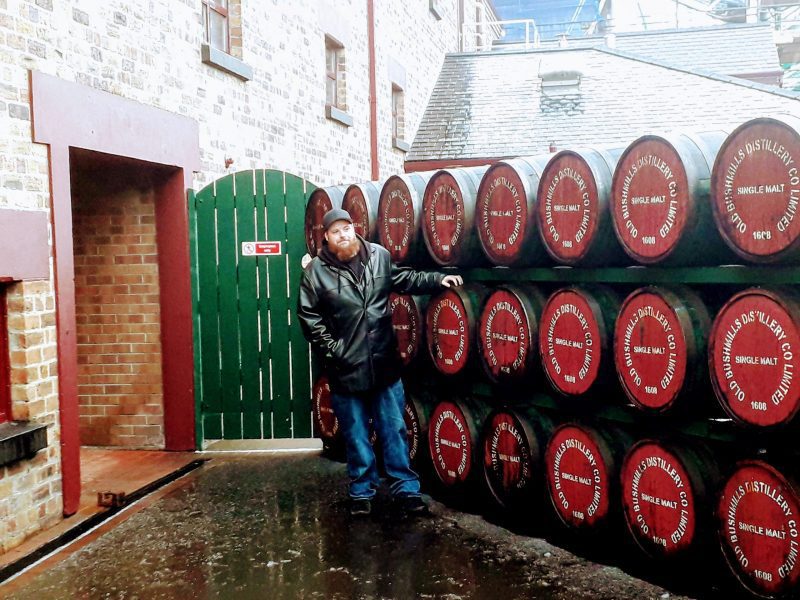
What stands out most is how these ingredients are used. Northern Irish food doesn’t rely on complexity. It relies on quality, and that’s what gives it its strength.
Traditional Dishes in Northern Ireland What You Will Actually Eat
Spending time in Northern Ireland, I began to notice that certain dishes appeared consistently, regardless of where I was. These aren’t just traditional in name. They are actively eaten and remain central to everyday food culture.
The Ulster Fry (similiar to the Full Irish) is the most recognisable and arguably the most important of these dishes. It’s often described as a breakfast, but in reality, it feels more like a full meal designed to last through the day. Typically made with sausages, bacon, eggs, soda bread, potato farls, and both black and white pudding, it’s filling without being complicated.
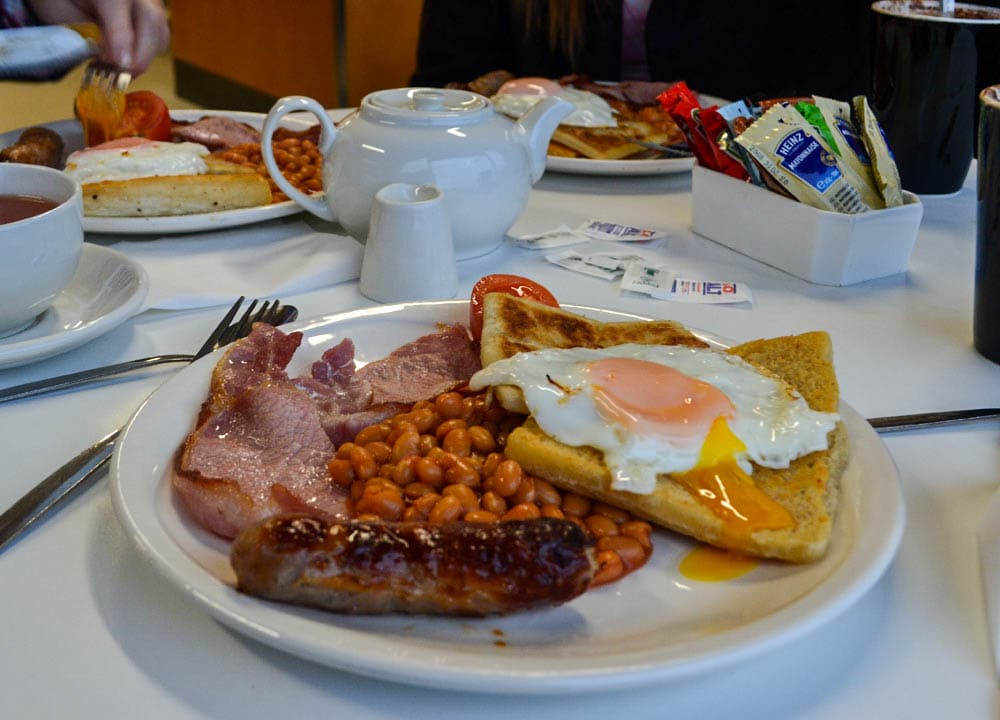
If you want something more portable order a Belfast Bap or Breakfast bap which is all the same ingredients stuffed into a fresh bap (bun).

Champ is another dish that appears frequently and quickly became one of the most memorable for me. Made with mashed potatoes, scallions, butter, and milk, it’s simple but deeply comforting. It’s the kind of food that feels homemade, even when served in a restaurant.
Bread plays a bigger role than many people expect. Soda bread and potato bread are not just side items. They are part of the core of the meal. One thing I noticed repeatedly is how often these are made fresh, which makes a noticeable difference.
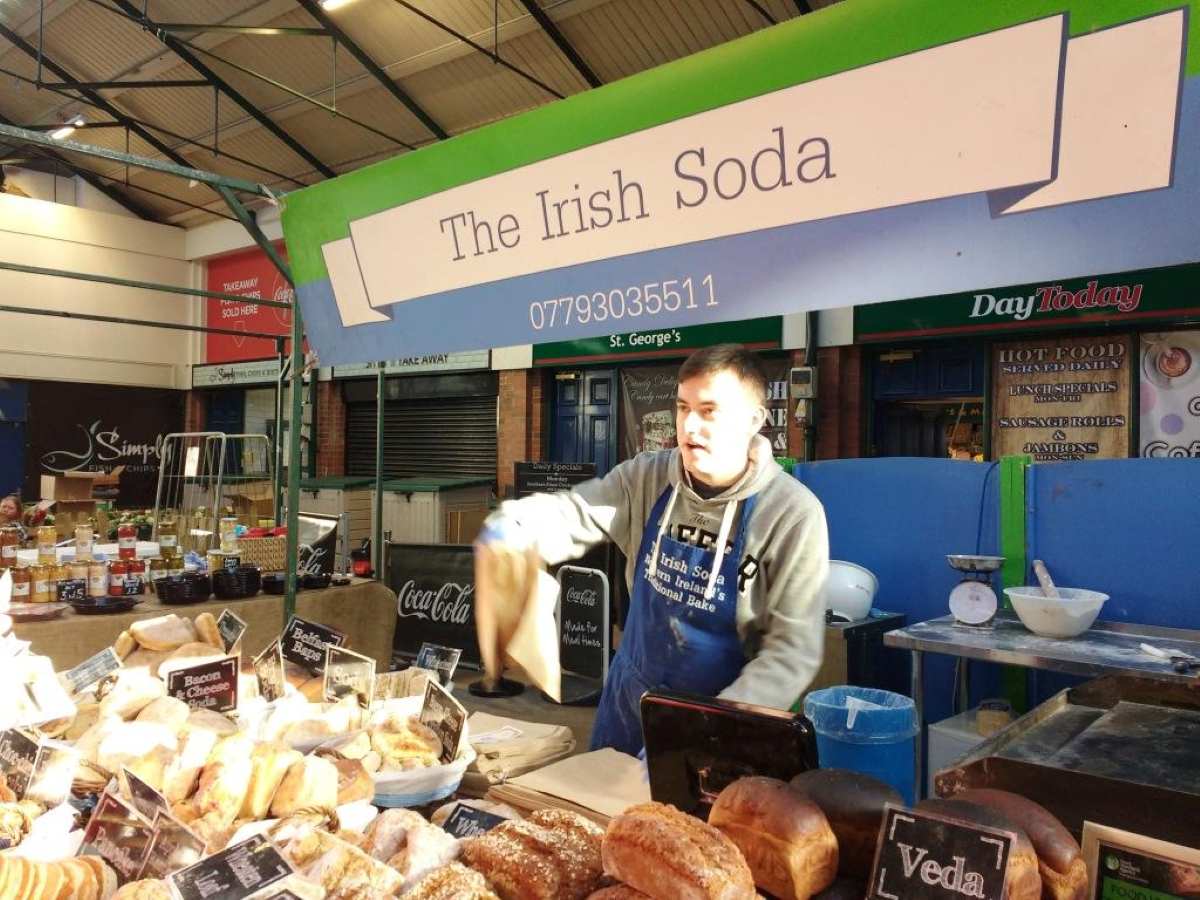
Seafood adds another layer, particularly along the coast. Smoked salmon and other smoked fish are widely available and often served in simple ways that highlight their quality. I remember eating smoked fish in a small coastal town where it had clearly been prepared locally, and the difference in flavour was immediate.
Then there is Yellowman, one of the most distinctive foods in Northern Ireland. Its bright colour and honeycomb texture make it stand out, and it feels closely tied to local traditions and festivals. This is very similar to the inner golden layer of a Crunchie chocolate bar.

What all of these dishes have in common is that they don’t try to be anything other than what they are. That honesty is what makes them memorable.
Where to Eat Traditional Food in Northern Ireland Best Markets Cafes and Restaurants
From my experience, finding great food in Northern Ireland is less about searching for the highest-rated restaurant and more about understanding where locals actually go.
Markets are one of the best places to start. St George’s Market offers a mix of fresh produce, traditional food, and local specialities in a setting that feels both historic and authentic. It’s one of the easiest ways to experience Northern Irish food in one place.

Further along the coast, Causeway Speciality Market focuses more on local producers, while Comber Farmers Market in North County Down, is known for its high-quality ingredients, particularly potatoes.
Restaurants also reflect the range of the food scene. In Belfast, The Muddlers Club offers a more refined approach, while places like Established Coffee provide a more casual but still high-quality experience.
Along the north coast, Harry’s Shack stands out for seafood, particularly dishes built around fresh fish and shellfish. In Derry, Browns Bonds Hill offers a more modern interpretation, while Balloo House near Strangford focuses on traditional dishes done well.

What matters most is not the type of place, but the connection to local ingredients. That’s what defines the best food experiences in Northern Ireland.
Northern Ireland Food vs Republic of Ireland Food Key Differences Explained
The differences between Northern Ireland and the Republic of Ireland are subtle but noticeable.
Northern Ireland tends to retain a slightly stronger focus on traditional, home-style cooking, while the Republic has developed a more modern and internationally influenced food scene, particularly in cities like Dublin.
The Ulster Fry compared to the Full Irish breakfast is a good example. The inclusion of soda bread and potato farls gives the Ulster Fry or Ulster Bap a distinct identity. Despite these differences, both regions share the same core ingredients and culinary roots.

Why Northern Irish Food Is Worth Experiencing
Northern Ireland’s food scene stands out not because it tries to compete with other destinations, but because it doesn’t need to. Having lived in Ireland, what became clear over time is that the strength of the food here lies in its consistency, its connection to place, and its focus on quality ingredients. It may not be the most obvious culinary destination, but it is one that stays with you long after you leave.

Why Food in Northern Ireland Leaves a Lasting Impression
Having lived in Ireland and spent time travelling through Northern Ireland, what stands out most is how consistent and grounded the food culture feels. It doesn’t rely on trends or presentation to make an impact. Instead, it focuses on doing simple things well, using ingredients that are local, familiar, and reliable.
What makes food in Northern Ireland different is not just the dishes themselves, but the way they are experienced. Whether it’s a full Ulster Fry or Belfast Bap in a small café, fresh smoked salmon along the coast, or something as simple as soda bread served warm with butter, every meal feels connected to the place it comes from. That connection is what gives the food its identity.
There is also a sense that nothing is overcomplicated. Traditional dishes like champ, Irish stew, and black and white pudding have remained largely unchanged, and that consistency is part of their strength. They are not designed to impress in the way modern food often is. They are designed to work, and they do.
Markets, pubs, and local cafés all play a role in this experience, offering food that reflects everyday life rather than something curated for visitors. From my experience, those are the places where Northern Irish food feels most authentic.
For anyone exploring Ireland, Northern Ireland offers a food experience that is honest, practical, and deeply rooted in tradition. It may not be the most obvious culinary destination, but it is one that stays with you long after you leave, not because it tries to stand out, but because it never needed to.

Food in Northern Ireland FAQS
What food is Northern Ireland famous for?
Northern Ireland is famous for traditional dishes such as the Ulster Fry, champ, soda bread, potato farls, Irish stew, and Yellowman. These foods reflect the region’s agricultural traditions and are widely eaten across the country.
What is an Ulster Fry?
An Ulster Fry is a traditional Northern Irish breakfast made with sausages, bacon, eggs, soda bread, and potato farls. It is known for being hearty and filling, often served as a substantial start to the day.
Is Northern Irish food different from Irish food?
Northern Irish food is very similar to food in the Republic of Ireland, but it tends to remain more traditional in style, with slight British influences in some dishes.
Where can I try traditional food in Northern Ireland?
Traditional Northern Irish food can be found in local pubs, markets such as St George’s Market in Belfast, and coastal restaurants across the region.
Food carries the same weight of history and migration you’ll find throughout the Global Food Guide, which explores food as cultural memory worldwide. This is part of a much bigger story for how food traditions like these connect across cultures worldwide.
Travelling with limited mobility? Our Accessible Northern Ireland Guide covers wheelchair-friendly attractions, accessible transport, and first-hand mobility tips across Belfast, the Causeway Coast, and Derry.
Planning a trip to Northern Ireland? Our complete Northern Ireland Travel Guide covers Belfast, the Causeway Coastal Route, county guides, hidden gems, itineraries, food, and local tips from a Donegal native. This is part of a much bigger story see the full Global Food Guide for how food traditions like these connect across cultures worldwide.