
Northern Ireland Travel Tips: Everything You Need to Know Before You Go
Planning a trip to Northern Ireland sounds simple at first until you start asking the practical questions. Is it expensive? Do you need pounds or Euros? Is it safe to travel alone? Should you rent a car, and what is the weather actually like?
These are the things most travel guides skim over, but they’re exactly what shape your experience once you arrive.
I was born in Northern Ireland and still return regularly from Donegal, so I’ve seen the country from both sides growing up here and now revisiting it as a traveller. That perspective matters, because Northern Ireland isn’t always as straightforward as it looks on a map. The border is invisible, but the currency changes instantly. The weather can shift within an hour, and the best places to visit are often nowhere near public transport routes.
This guide is designed to answer the real questions people ask before visiting Northern Ireland in 2026. Not just quick answers, but practical, experience-based advice on costs, safety (including for solo female travellers), driving, what to wear, and how to plan your time properly.
If you’re looking for a full itinerary and things to do, start with my main Northern Ireland travel guide. But if you want to understand how the trip actually works, this is where to begin.
For a full overview of where to go and what to see, read my complete Northern Ireland travel guide.
- Northern Ireland Travel Tips: Everything You Need to Know Before You Go
- Is Northern Ireland Expensive for Tourists in 2026?
- Travel Requirements for Northern Ireland (2026): Visa, Entry Rules & ETA
- Can You Use Euros in Northern Ireland?
- Is Tipping Expected in Northern Ireland?
- What Plugs Are Used in Northern Ireland?
- How Cold Does Northern Ireland Get?
- What to Wear in Northern Ireland (By Season)
- Is Renting a Car in Northern Ireland Worth It?
- Can Americans Drive in Northern Ireland?
- Is Belfast Walkable for Tourists?
- Do They Speak Irish in Northern Ireland?
- Is Northern Ireland Safe for Solo Travel (Including Women)?
- Is Northern Ireland Good for Solo Travel?
- How Many Days Do You Need in Northern Ireland?
- Exploring the fascinating regions of Ireland
Is Northern Ireland Expensive for Tourists in 2026?
Northern Ireland is moderately priced for tourists in 2026, offering better value than many parts of the UK while still reflecting British pricing overall.
Cost is usually one of the first concerns when planning a trip, and Northern Ireland sits in an interesting position. It’s part of the United Kingdom, so prices are influenced by the British economy, but it doesn’t reach the same level of expense as cities like London or even parts of southern England.
From my own experience travelling back and forth between Donegal and Northern Ireland, I’ve always found the cost of living and visiting to be relatively balanced. Belfast, in particular, offers good value for a capital city. You can still find accommodation that feels reasonably priced, and eating out doesn’t carry the same shock factor you might experience elsewhere in the UK.
That said, prices have gradually increased over the past few years, and 2026 reflects that trend. Tourism has grown, especially around well-known routes like the Causeway Coast, and that has had a slight impact on accommodation and dining costs. Hotels in Belfast can range widely depending on the season, but it’s not unusual to see mid-range options hovering around £100 to £150 per night. If you book early or travel outside peak months, you can still find better deals.
Food is another area where Northern Ireland feels approachable. A casual meal in a local pub or café might cost £12 to £20, while something more upscale will naturally be higher. What stands out, though, is quality. Even simple meals tend to be hearty and well-prepared, and there’s a strong emphasis on local produce.
What really balances the cost of a trip here is the fact that many of the best experiences are completely free. Coastal drives, cliff walks, scenic viewpoints, and even some historic sites don’t require an entrance fee. Growing up here, that was always normal. You didn’t think of “activities” as something you paid for it was about being outdoors, exploring, and making the most of what was already there.

Travel Requirements for Northern Ireland (2026): Visa, Entry Rules & ETA
Do You Need a Visa to Visit Northern Ireland in 2026?
Travel requirements for Northern Ireland have changed slightly in recent years, so it’s worth checking the rules before you book. Northern Ireland is part of the United Kingdom, which means it follows UK entry requirements rather than those of the Republic of Ireland.
For many travellers, including visitors from the United States, Canada, Australia, and most EU countries, short tourist visits do not require a traditional visa. However, starting in 2026, the UK introduced an Electronic Travel Authorisation (ETA) system for visa-exempt travellers. This is a simple online application you complete before travelling, similar to the ESTA system in the United States.

The ETA is linked digitally to your passport and usually lasts for multiple visits over a set period, making future trips easier. It’s a quick process, but not something you should leave until the last minute, as you may be denied boarding without it.
Because I regularly move between Donegal and Northern Ireland, this is one of those changes that feels subtle on the ground. There’s still no visible border, but it does matter when you’re arriving internationally. If your trip includes both Northern Ireland and the Republic of Ireland, it’s especially important to check entry requirements for both, as they operate under different systems.
As always, rules can change, so it’s best to check official UK government guidance before you travel to make sure everything is up to date.
Can You Use Euros in Northern Ireland?
No, you cannot rely on using Euros in Northern Ireland. The official currency is the British Pound (£).


This is one of the most common questions, especially for people combining a trip with the Republic of Ireland. Because I live in Donegal, I cross the border frequently, and it still feels almost invisible in many ways. There are no checkpoints or dramatic changes in landscape, but the currency difference is immediate. Northern Ireland uses the British Pound, and Euros are not widely accepted. In some border areas or tourist-focused businesses, you might occasionally find places willing to take Euros, but it’s not something you should depend on. In Belfast and most towns, you’ll need pounds.
In practical terms, this isn’t a major issue. Card payments are accepted almost everywhere, and contactless has become the norm. I rarely carry cash when I’m in Northern Ireland now, and most locals don’t either. If you do prefer cash, ATMs are easy to find in cities and towns.
One thing that sometimes confuses visitors is the appearance of Northern Irish banknotes. They’re still pounds, but they’re issued by local banks rather than the Bank of England, so they can look unfamiliar. They’re completely valid, though they can occasionally cause confusion outside the UK, in some areas they will not be accepted in the UK.

Is Tipping Expected in Northern Ireland?
Tipping in Northern Ireland is not mandatory, but it is appreciated in certain situations.
Tipping culture here is much more relaxed than in countries like the United States. It’s not built into the system in the same way, and there’s no expectation that you must tip in every situation.
In restaurants, leaving around 10% is considered a nice gesture if the service has been good. Sometimes a service charge is already included, particularly in more central or upscale places, so it’s worth checking the bill before adding anything extra.
In pubs, tipping isn’t really part of the culture. You order at the bar, pay for your drink, and that’s it. It’s straightforward and informal, which reflects the overall atmosphere of pub life here.
From my own experience, tipping is handled quietly. It’s not something people discuss openly or feel pressured about. Visitors often worry about getting it wrong, but the reality is that there’s a lot of flexibility, and no one is going to judge you harshly either way.

What Plugs Are Used in Northern Ireland?
Northern Ireland uses Type G plugs, the same as the rest of the United Kingdom.
If you’re travelling from mainland Europe or the United States, you’ll need an adapter. This is one of those small details that can easily be overlooked, but it becomes very important once you arrive.
I’ve seen plenty of visitors caught off guard by it, especially when they realise they can’t charge their phone or laptop without the right adapter. The voltage is 230V, which works with most modern electronics, so you usually don’t need a converter just the correct plug.


How Cold Does Northern Ireland Get?
Northern Ireland has a mild climate, but the weather is unpredictable and often feels colder due to wind and damp conditions. When people ask about the weather, they’re often expecting a simple answer about temperature, but Northern Ireland doesn’t really work that way. The climate is mild overall, but it’s defined much more by variability than extremes.
Winters are relatively cool rather than harsh, typically ranging between 2 and 8 degrees Celsius. Snow is possible, but it’s not especially common, and when it does happen, it rarely lasts long. What makes winter feel colder is the dampness and wind, which can cut through layers more than you’d expect.
Summers are equally mild. Temperatures usually sit somewhere between 14 and 20 degrees, and genuinely hot days are rare. When they do happen, they feel more significant because they’re not the norm.
Having grown up here, this is something I’ve seen time and time again. The most important thing to understand about Northern Ireland’s weather is how quickly it can change. It’s completely normal to experience sunshine, rain, and wind all in the same day.
Rain is a constant presence throughout the year, though it’s often light rather than heavy. It doesn’t necessarily stop you from doing anything, but it does influence how you plan your day and what you wear.
What to Wear in Northern Ireland (By Season)
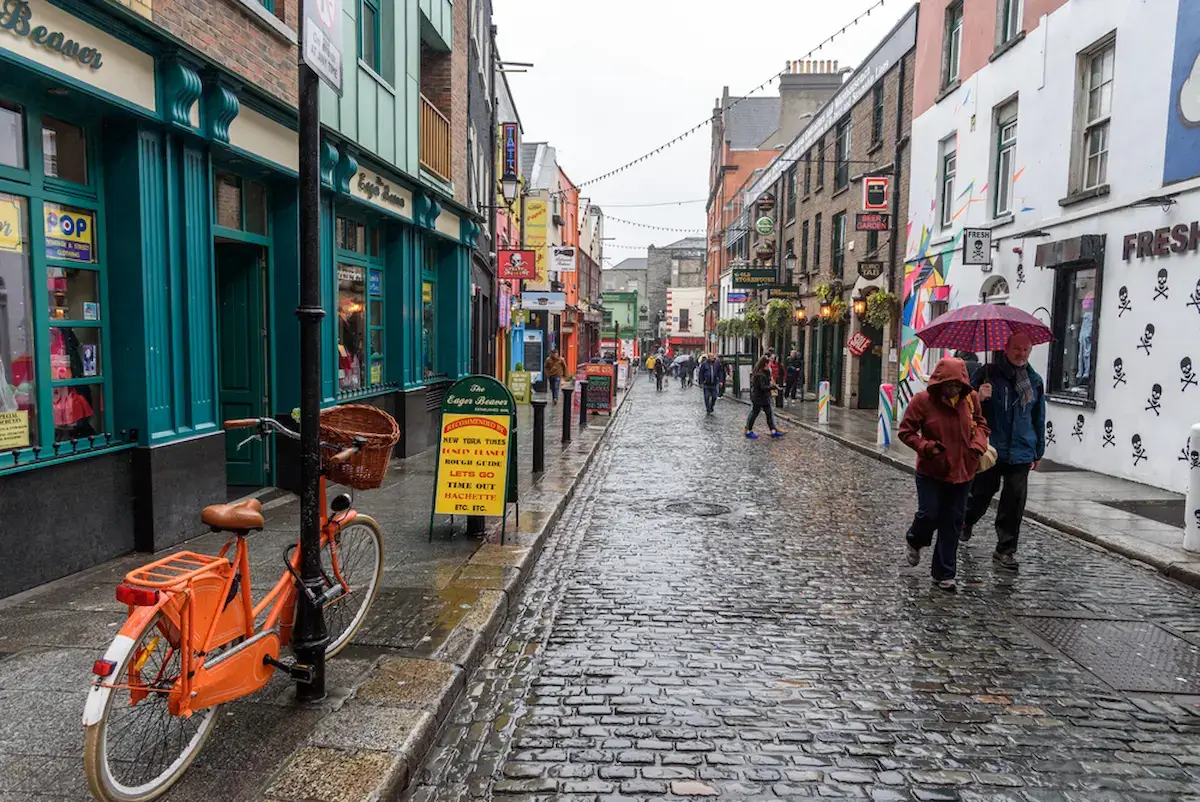
What you wear in Northern Ireland matters more than you might expect, because the weather can change quickly regardless of the season. Packing here requires a slightly different mindset. It’s less about dressing for a specific temperature and more about preparing for variation.
Layers are essential in every season. Even in summer, evenings can feel cool, and the weather can shift quickly. A light jacket or waterproof layer is something I always bring, regardless of the time of year.
Spring and autumn tend to blend into each other, with similar conditions that include mild temperatures and frequent rain. A waterproof jacket and comfortable shoes are more important than anything else, especially if you plan to explore outdoors.
Summer clothing can be relatively light, but it’s worth including at least one warmer layer. Visitors often expect warmer conditions than they actually experience, and it’s better to be prepared.
Winter requires a warm coat, but not extreme cold-weather gear. The focus should be on staying dry and protected from wind rather than dealing with freezing temperatures.
The key idea, and something I’ve learned from living here, is that flexibility matters more than precision. You don’t need a perfect outfit for each day you need options and adaptability.


Is Renting a Car in Northern Ireland Worth It?
Yes, renting a car in Northern Ireland is worth it if you want to explore beyond Belfast.
If you’re planning to explore beyond the city, renting a car is one of the best decisions you can make. Public transport exists, but it doesn’t offer the same level of access or flexibility, especially when it comes to coastal and rural areas.
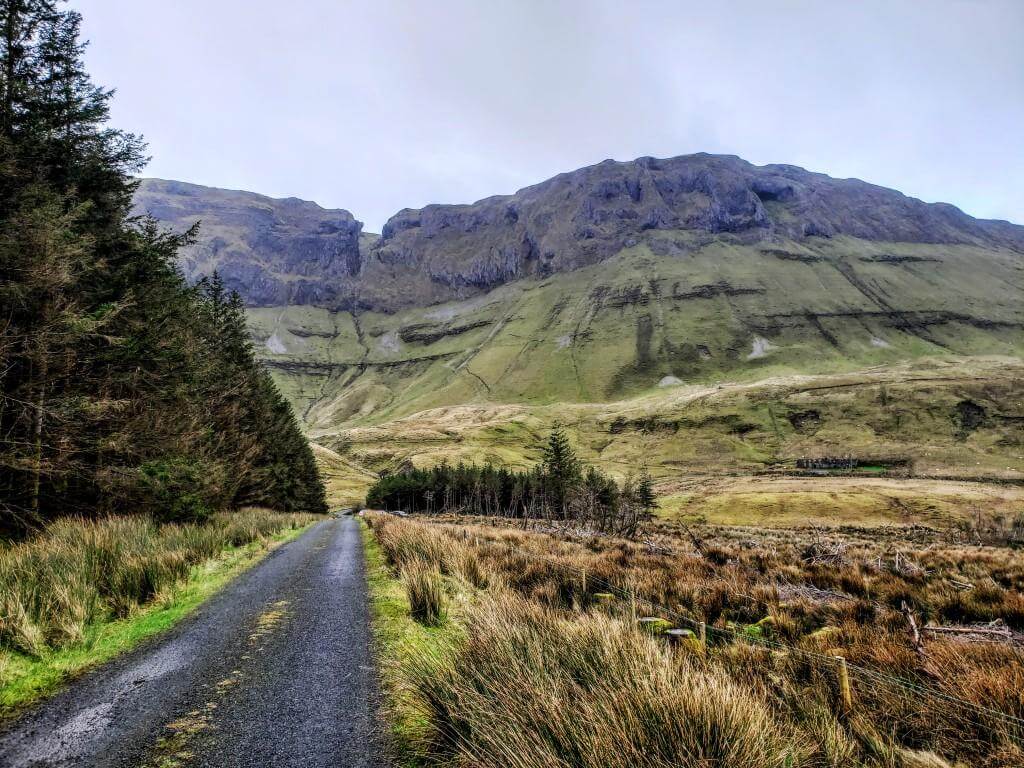
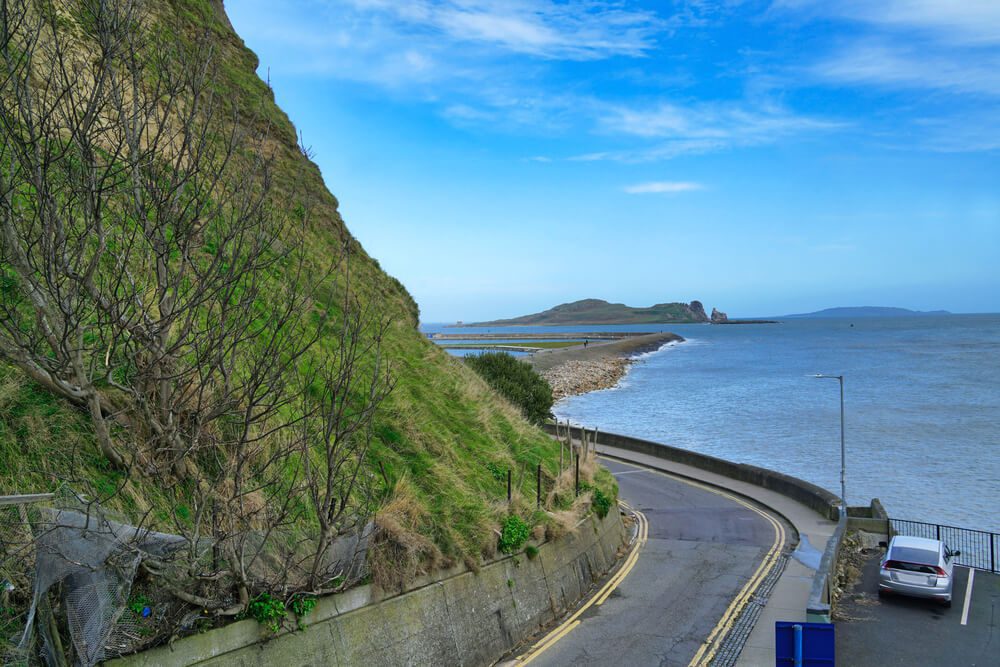
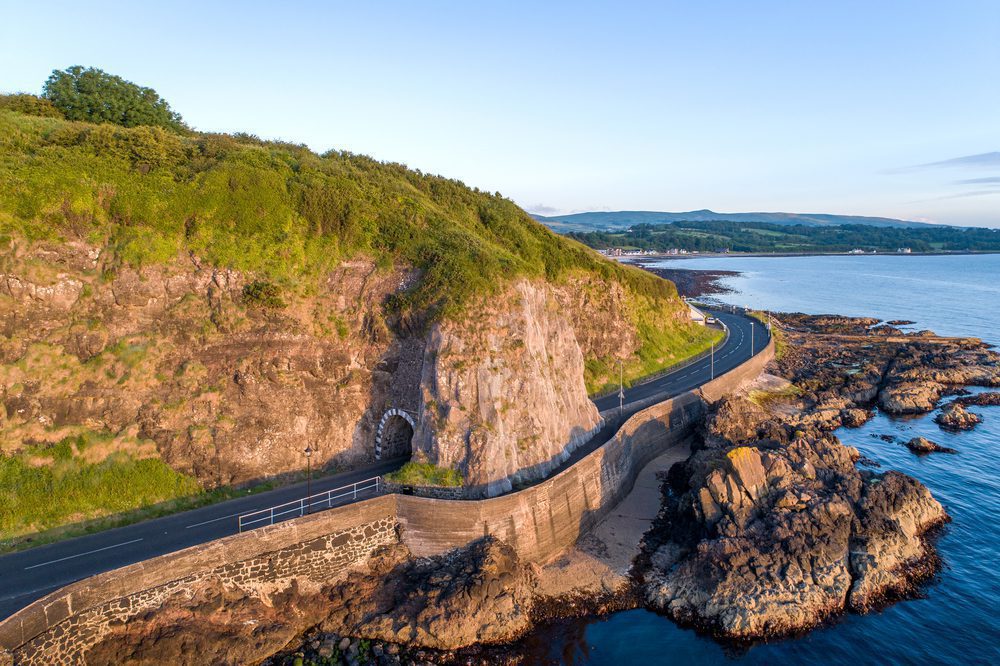
Northern Ireland’s real appeal lies in its landscapes. The Causeway Coastal Route, in particular, is one of the most scenic drives you’ll find anywhere, and it’s something that’s difficult to fully experience without your own transport.
Because I’ve spent so much time travelling through this region, driving feels like the natural way to see it. You can stop wherever you like, take detours, and explore places that aren’t necessarily marked on a map.
The roads themselves vary. Motorways and main routes are straightforward, but rural roads can be narrow and winding. That’s part of the experience, and something to be aware of if you’re not used to it.
Can Americans Drive in Northern Ireland?
Yes, Americans can drive in Northern Ireland using a valid US driver’s license for short visits.
The process is relatively straightforward, and there’s no need for an international driving permit in most cases. The biggest adjustment is driving on the left side of the road.
For those who haven’t experienced it before, it can feel unfamiliar at first, especially at roundabouts or on smaller roads. From what I’ve seen, most visitors adapt quickly. It’s more about confidence than skill, and taking things slowly in the beginning makes a big difference. Automatic cars are available, which can make the transition easier, although they may cost slightly more to rent.

Is Belfast Walkable for Tourists?
Yes, Belfast is a very walkable city and easy to explore on foot.
Belfast is one of those cities that feels manageable from the moment you arrive. It doesn’t feel overwhelming, and the main areas are close enough together that you can explore comfortably without relying heavily on transport.
The city centre is compact, and many of the key attractions are within walking distance. Moving between areas like the Cathedral Quarter, City Hall, and the Titanic Quarter is straightforward.

Whenever I spend time in Belfast, I tend to walk rather than use buses or taxis. It gives you a better sense of the city’s character and allows you to notice details you might otherwise miss.
If you want a deeper look at where to stay and what to see, you can explore my full Belfast travel guide.

Do They Speak Irish in Northern Ireland?
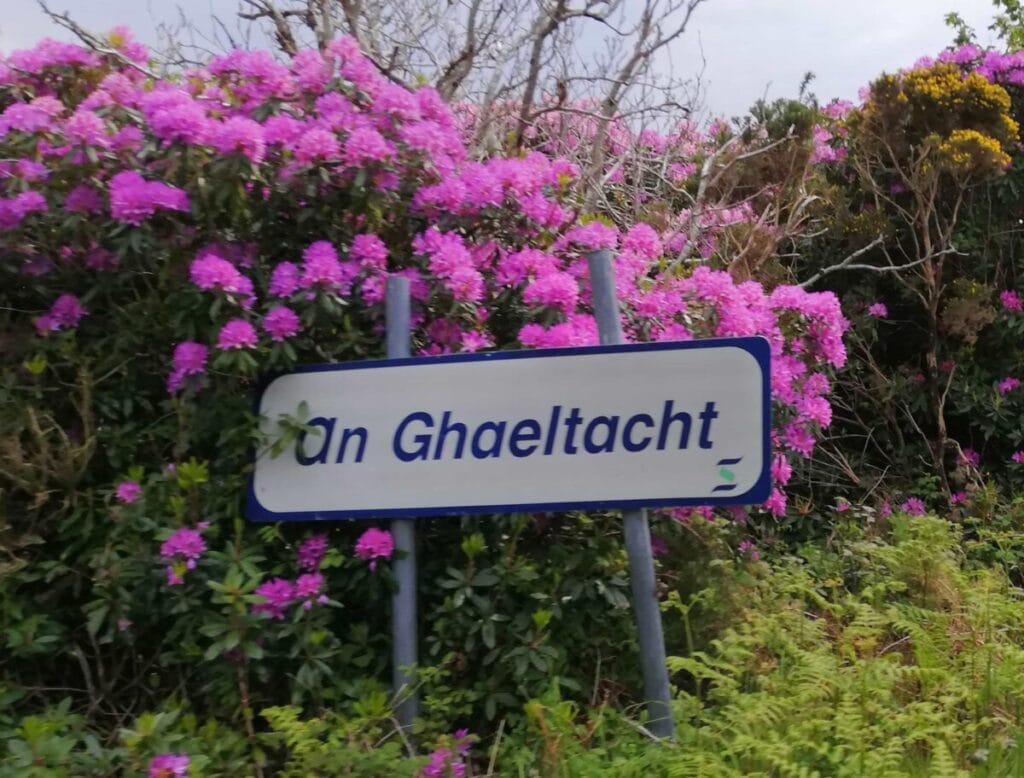
English is the primary language spoken in Northern Ireland. Irish (Gaeilge) does exist, but it’s not widely spoken in everyday life. It’s more visible in certain communities and cultural contexts, and you may notice bilingual signage in some areas.
Coming from Donegal, where Irish is more actively spoken in certain regions, I’m always aware of the difference. In Northern Ireland, Irish is more closely tied to identity and heritage rather than daily communication. For visitors, there is no language barrier to worry about.
Is Northern Ireland Safe for Solo Travel (Including Women)?
Yes, Northern Ireland is generally safe for solo travellers, including women.
Safety is a key concern for many travellers, and it’s something worth addressing honestly. Cities like Belfast feel manageable and welcoming, and there’s a strong sense of community throughout much of the region.
People are typically approachable and willing to help if needed. As with any destination, there are areas you would avoid late at night, but these are not places most tourists would encounter.
Using basic awareness and common sense is usually enough to stay safe. From what I’ve seen and experienced, solo female travellers tend to feel comfortable here. The atmosphere is not overly intense, and the pace of life is more relaxed than in larger cities.
This is another one of the most common questions people ask when planning a trip.

Is Northern Ireland Good for Solo Travel?
Yes, Northern Ireland is an excellent destination for solo travel.
Beyond safety, it works well because of its scale and accessibility. It’s easy to navigate, and you’re never too far from your next destination.
The combination of city and countryside makes it particularly appealing. You can spend time exploring Belfast and then move into quieter, more scenic areas without needing extensive planning.
Because I often travel through Northern Ireland on my own, I’ve come to appreciate how straightforward it is. There’s a sense of ease that makes independent travel feel natural rather than challenging.

How Many Days Do You Need in Northern Ireland?
Most travellers need between three and five days to explore Northern Ireland properly. The amount of time you need depends on how much you want to see, but for most people, three to five days is a good starting point.
That gives you enough time to explore Belfast properly while also experiencing the coastline and surrounding areas. If you have more time, you can slow down and explore additional regions, but even a shorter trip can feel complete.
Northern Ireland is the kind of place that reveals more with each visit. Even after years of returning, I still find new places or notice things I hadn’t before.
Northern Ireland doesn’t always try to stand out, and that’s part of what makes it special. It’s a place shaped by its landscape, its people, and its history, rather than by tourism trends.
Having been born here and continuing to visit often, I see it as more than just a destination. It’s familiar, but never predictable. The weather changes, the light shifts across the landscape, and each visit feels slightly different.
If you’re planning a trip in 2026, approach it with curiosity rather than expectations. Give yourself time, stay flexible, and allow the place to reveal itself naturally. That’s when Northern Ireland leaves the strongest impression.
Travelling with limited mobility? Our Accessible Northern Ireland Guide covers wheelchair-friendly attractions, accessible transport, and first-hand mobility tips across Belfast, the Causeway Coast, and Derry.
Planning a trip to Northern Ireland? Our complete Northern Ireland Travel Guide covers Belfast, the Causeway Coastal Route, county guides, hidden gems, itineraries, food, and local tips from a Donegal native.
If you are planning to spend a couple of weeks in Northern Ireland here is some more reading for you:
Exploring the fascinating regions of Ireland
Ireland’s The Wild Atlantic Way
Start Planning Your Trip
👉 Public Transportation in Ireland
👉 Hidden Gems in Ireland – 32 Secret places to visit
👉 Answering all your travel questions about Ireland