
Best Time to Visit Donegal, Ireland: Weather, Seasons, Crowds and Travel Tips
The best time to visit Donegal in Ireland depends on what you want from the trip: long summer daylight for coastal drives, quieter hiking trails in spring and autumn, or dramatic Atlantic storms in winter.

I based this information on living in and exploring Donegal across multiple seasons. As we say up here we can experience four seasons in one day.
Best Time to Visit Donegal (Quick Answer)
The best time to visit Donegal is May–June and September, when you’ll find long daylight hours, relatively mild weather, and fewer crowds than peak summer. These months are ideal for hiking Slieve League, exploring Glenveagh National Park, and driving the Wild Atlantic Way while accommodation prices remain lower than in July and August. If you’re deciding between Ireland’s top cliffs, see our guide to Slieve League vs Cliffs of Moher, and find out is Slieve League dangerous before you go.
Donegal’s appeal shifts noticeably with the seasons. Long summer evenings make cliff walks feel endless; autumn’s crisp air sharpens views across the Bluestack Mountains; winter storms hammer sea stacks into cinematic drama; spring brings wildflowers to Glenveagh’s trails and lambs to the hillsides around Glencolmcille.

When to visit Donegal ultimately comes down to three factors: weather and daylight, crowd levels and price, and the activities you want to experience.
Whether you’re hiking Slieve League, exploring Glenveagh National Park, surfing Bundoran’s Atlantic swells, or wandering Donegal Town’s pubs and craft shops, each season offers a different perspective on Ireland’s wild northwest.
Travellers oftenDonegal vs Kerry: Which Part of Ireland Is Better? compare County Donegal and County Kerry for dramatic coastal drives, traditional towns and outdoor adventures, but the experience in each region feels very different.
- Best Time to Visit Donegal, Ireland: Weather, Seasons, Crowds and Travel Tips
- Best Time to Visit Donegal (Quick Answer)
- When to Visit Donegal Ireland: Weather and Seasons Overview
- Donegal Weather by Season
- Donegal Weather by Month: A Quick Travel Guide
- Donegal weather by Season
- What to Do in Donegal by Season
- Donegal Festivals and Events
- Hidden Gems in Donegal
- Practical Planning Tips for Visiting Donegal
- Sample Donegal Itineraries by Season
- Frequently Asked Questions
- Final Thoughts: When to Visit Donegal
- Explore More Donegal Guides
When to Visit Donegal Ireland: Weather and Seasons Overview
For most travelers, the best time to visit Donegal is May–June or September.
These months offer the best balance of daylight, weather, and manageable crowds. Late spring and early autumn bring mild temperatures, long days, and fewer visitors than the peak summer months of July and August.
Daylight in late May and June stretches toward 17 hours, with evening light lingering until around 10:30 p.m. perfect for scenic drives or late coastal walks.
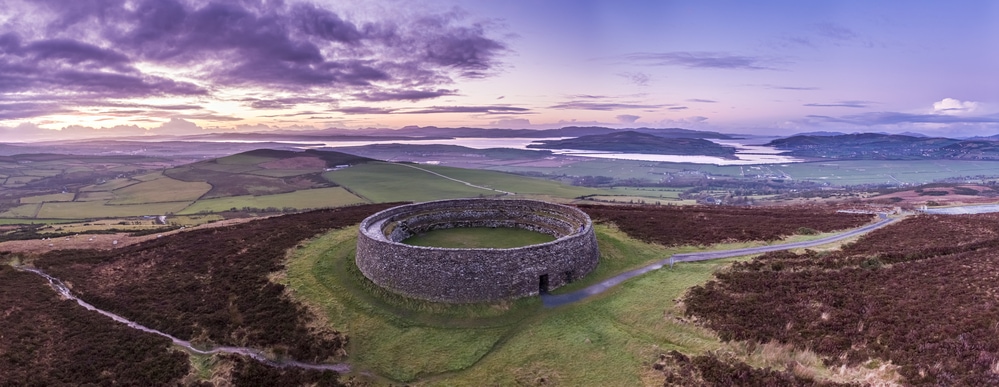
It’s also an excellent time for exploring Donegal’s highlights. Slieve League’s trails are quieter than in midsummer, Glenveagh National Park’s gardens are vibrant in late spring, and by September the Atlantic waters near Silver Strand (Malin Beg) can still be warm enough for a refreshing swim.
If you’re flexible with weather, April and October are also strong value months. Accommodation is easier to book around Killybegs, Donegal Town, and along the Inishowen 100 route, and many attractions feel far less crowded.
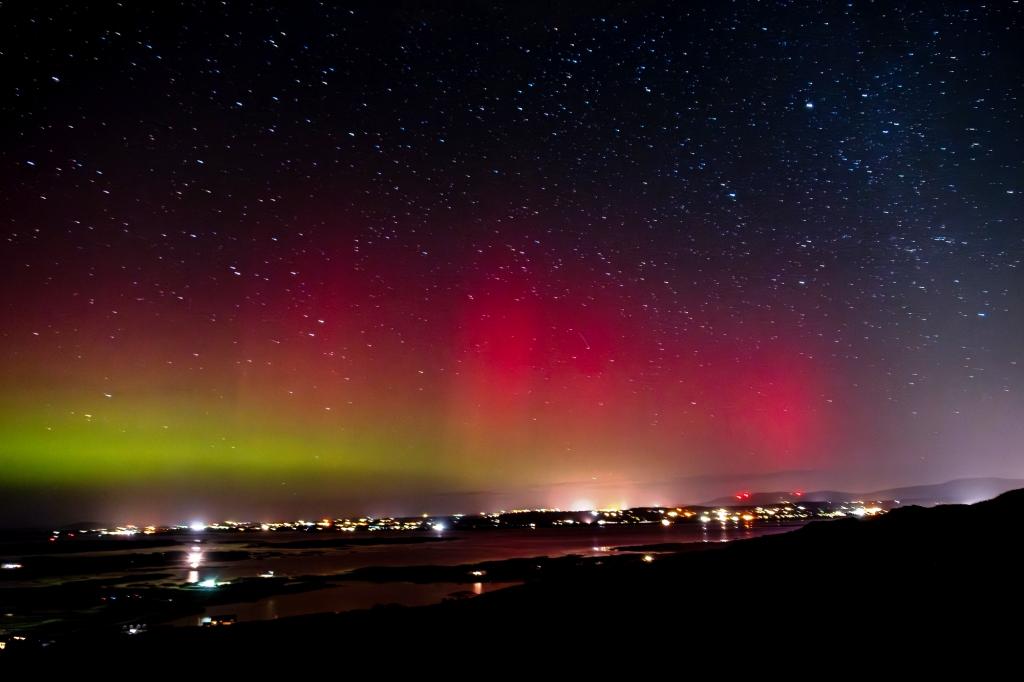
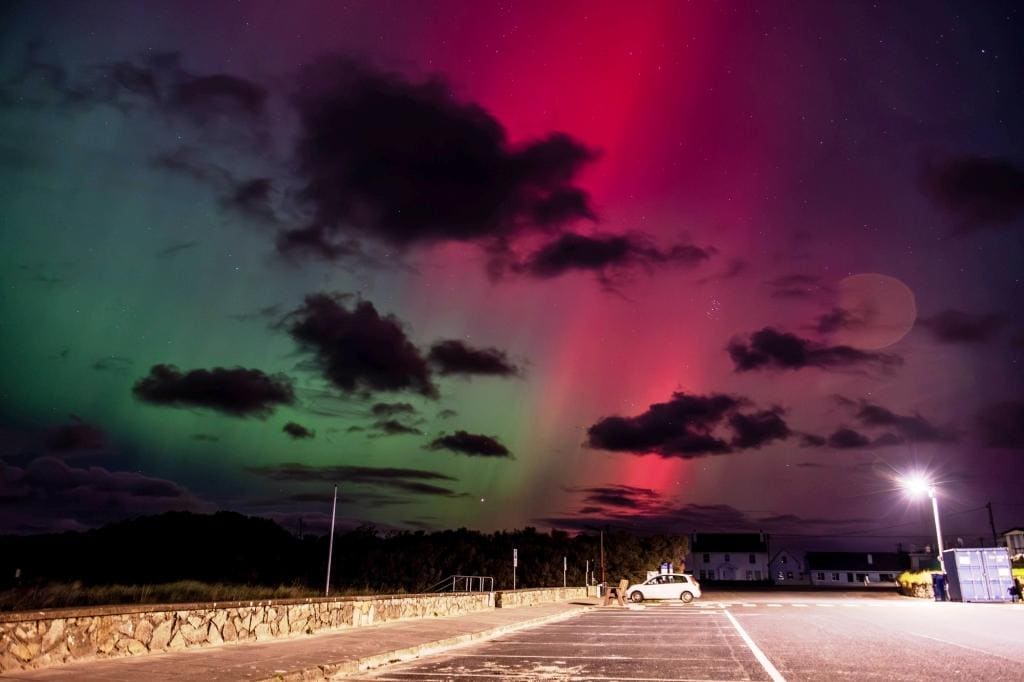
For travelers drawn to moody landscapes and cosy evenings by the fire, winter (November–March) reveals a completely different side of Donegal. The coastline becomes wild and dramatic, ideal for storm watching around Fanad Head, and on clear nights there is even a small chance of seeing the Northern Lights around the Inishowen Peninsula.
Donegal Weather by Season
Donegal sits on Ireland’s northwest Atlantic edge, giving it a cool oceanic climate. Temperatures remain moderate year-round, but conditions can change quickly as Atlantic weather systems move through.
Typical conditions include:
Summer temperatures: 15–20°C (59–68°F)
Winter temperatures: 5–8°C (41–46°F)
Daylight: about 7 hours in midwinter and over 17 hours near the summer solstice
Rainfall: possible in every season, with autumn and winter typically wetter
The result is a landscape that feels constantly alive with shifting light, moving clouds, and changing seas.
Donegal Weather by Month: A Quick Travel Guide
Many travelers plan around specific months rather than seasons. Here’s a quick overview of what to expect throughout the year.
January–February: The quietest months for tourism. Expect dramatic Atlantic storms, empty beaches, and short daylight hours. Ideal for photography and storm watching.
March: Early signs of spring begin to appear. Days lengthen noticeably and some seasonal businesses reopen.
April: Often one of Donegal’s drier months. A good time for hiking and scenic drives before crowds arrive.
May: One of the best months to visit Donegal. Wildflowers appear, daylight stretches long into the evening, and hiking conditions are excellent.
June: Long summer evenings and relatively stable weather make June ideal for outdoor exploration.
July: Peak tourism season. Warmest air temperatures but also the busiest time for popular attractions.
August: Similar to July, though crowds sometimes ease slightly toward the end of the month.
September: A sweet spot: fewer visitors, clear coastal views, and the warmest sea temperatures of the year.
October: Autumn colour appears across hills and woodlands, and scenic drives become especially atmospheric.
November–December: Quiet travel season with dramatic weather, cozy pubs, and occasional Atlantic storms rolling across the coast. Be aware that many historic sites are closed for the winter season outside of Dublin so check before you go.

Donegal weather by Season
Spring
Wildflowers, fewer crowds, good hiking weather. Changeable weather
Summer
Long daylight, festivals, lively towns. Crowds and higher prices
Autumn
Clear views, warm seas, quieter roads. Shorter evenings
Winter
Storm watching, solitude, lower prices. Short daylight and frequent rain and occasionally snow.
What to Do in Donegal by Season
Hiking
Best hiking months: April–October, with top conditions in May–June and September.
Slieve League’s cliff paths deliver sweeping Atlantic views. Arriving early or taking the Pilgrim’s Path route helps avoid crowds. Glenveagh National Park offers trails ranging from easy lakeside walks to upland hikes.
The valley around Glencolmcille is another walking highlight, with coastal routes leading toward Silver Strand and the quiet Port road creating an almost end-of-the-world feeling.

Beaches and Swimming
Best beach months: June–September for comfortable air temperatures.
Sea temperatures typically reach their warmest point in late August and September.
Silver Strand near Glencolmcille forms a perfect horseshoe bay, while Narin/Portnoo and Marble Hill are broad, family-friendly beaches with plenty of space even in summer.

Surfing
Best months: Autumn through winter, when Atlantic swells become stronger and more consistent.
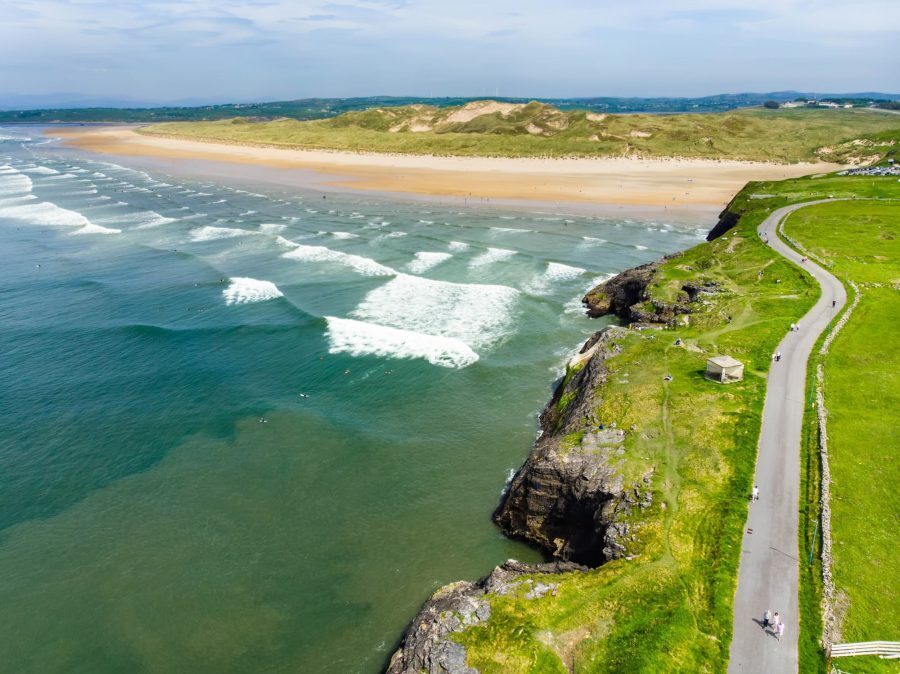
Beginners may prefer gentler summer conditions. Bundoran’s Tullan Strand remains Donegal’s main surfing hub, though breaks along the Wild Atlantic Way can come alive throughout the shoulder seasons.
Scenic Drives
Donegal’s coastal drives are spectacular year-round.
Highlights include:
the Wild Atlantic Way along the county’s rugged coastline
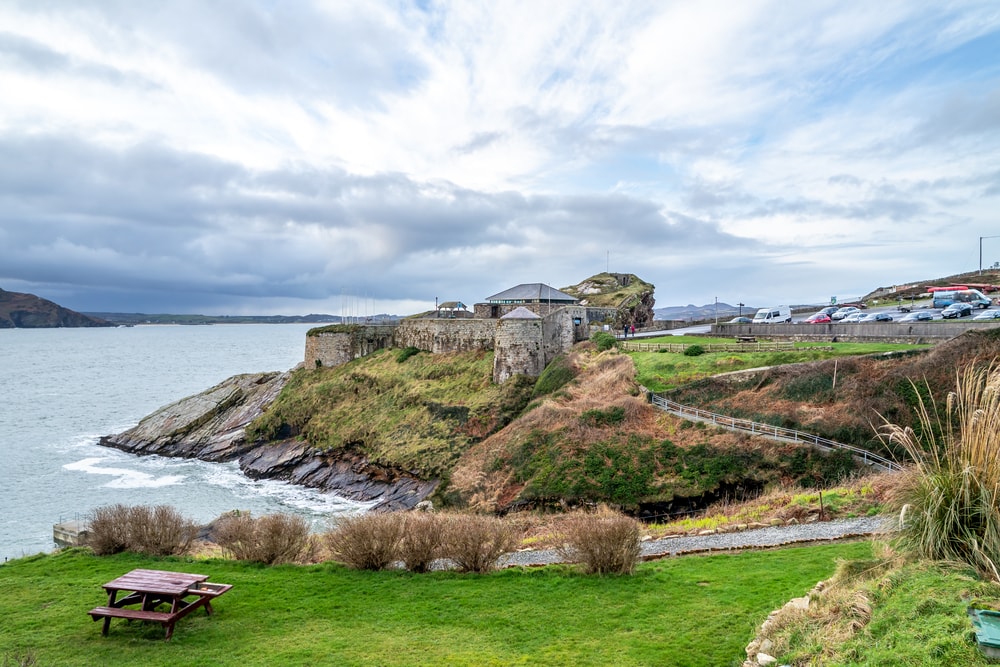
the Inishowen 100 loop with Malin Head and Fort Dunree
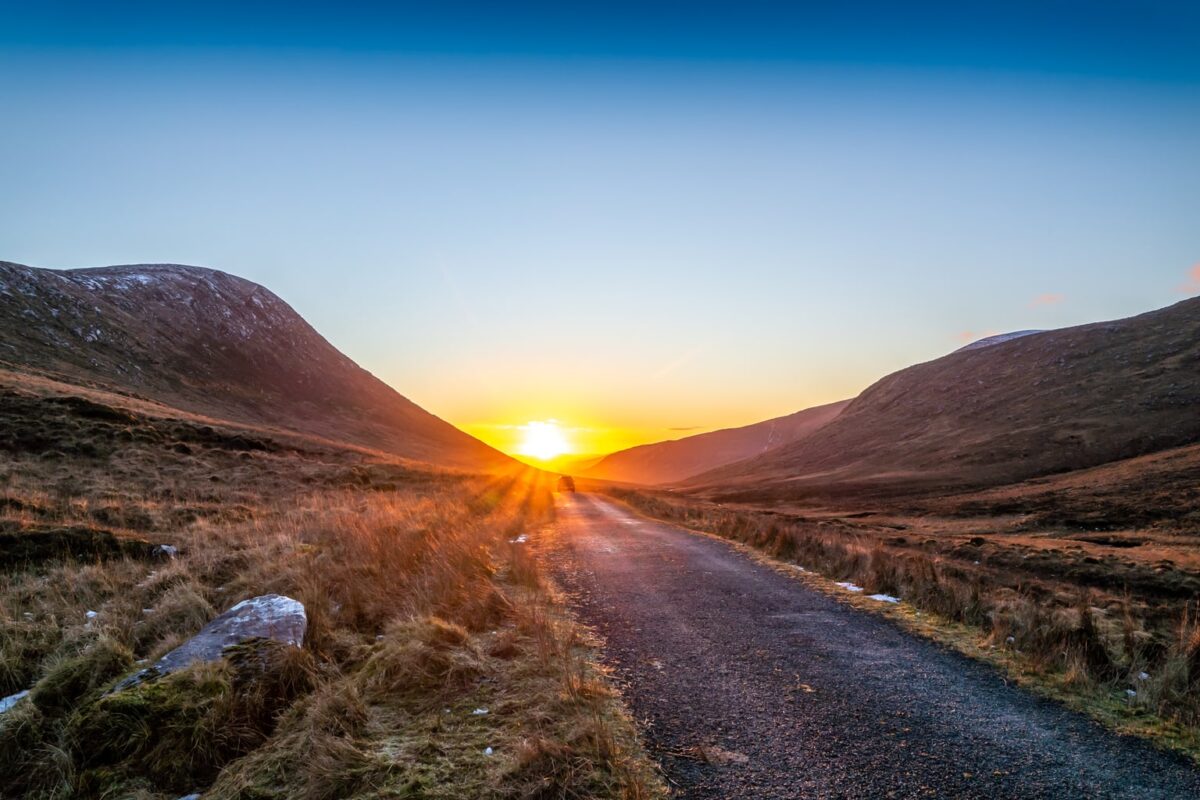
Glengesh Pass between Ardara and Glencolmcille
Winter brings especially dramatic scenery, though travelers should allow extra time due to wind and early darkness.
Wildlife and Nature
Spring and early summer bring birdlife to sea cliffs and wildflowers to Glenveagh and the dunes near Tramore.
Seals can be spotted along remote beaches year-round, and dolphins sometimes appear offshore on calm days.
Donegal Festivals and Events
Donegal’s cultural calendar can change the atmosphere of a trip dramatically.
In late June, Bundoran hosts the Sea Sessions Surf and Music Festival, one of Ireland’s best-known seaside music events. The mix of surfing culture and live music draws energetic crowds.
Around the same time, the Donegal International Rally transforms quiet rural roads into rally stages, filling towns with motorsport fans.
July brings the Earagail Arts Festival, a county-wide celebration of music, theatre, and visual arts with events held in towns, villages, and unusual venues across the county.
Later in the year, smaller autumn food and arts weekends appear in Donegal Town, Ardara, and Letterkenny. These gatherings often feel relaxed and local rather than crowded.

Hidden Gems in Donegal
Donegal’s headline sights are spectacular, but some of the most memorable places are quieter corners that reward curious travelers.
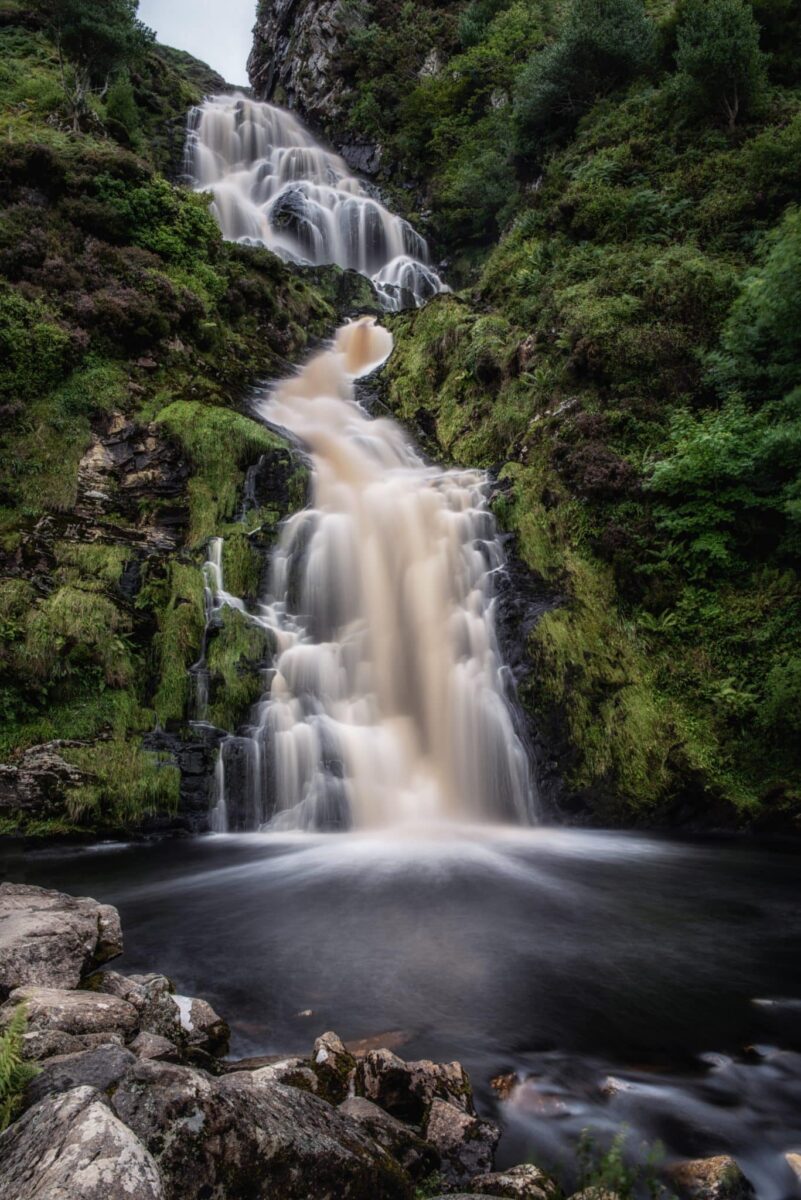
Maghera Beach and Caves near Ardara reveal sea caves at low tide along a vast dune-backed strand. After heavy rain, nearby Assaranca Waterfall is worth a quick stop.

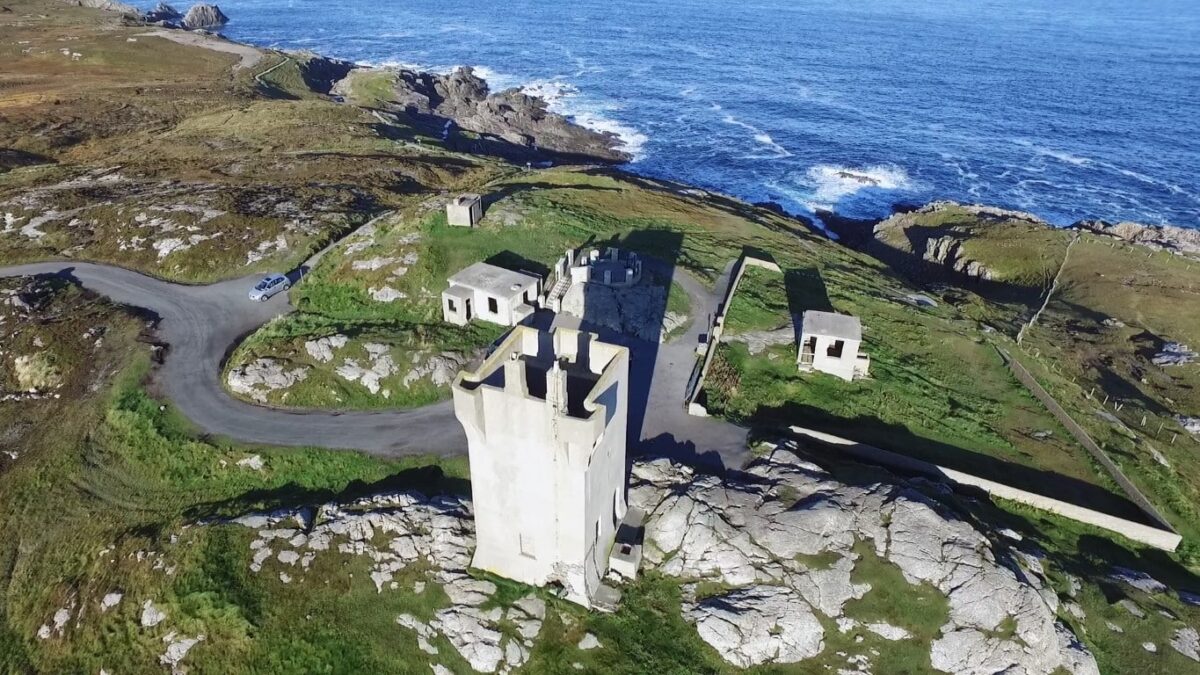
Fanad Head Lighthouse remains famous yet often peaceful at sunrise or late evening.
Horn Head near Dunfanaghy offers dramatic cliff views and far fewer visitors than many of Donegal’s best-known viewpoints.


Doe Castle sits quietly on Sheephaven Bay, a beautifully preserved 15th-century tower house overlooking calm water.
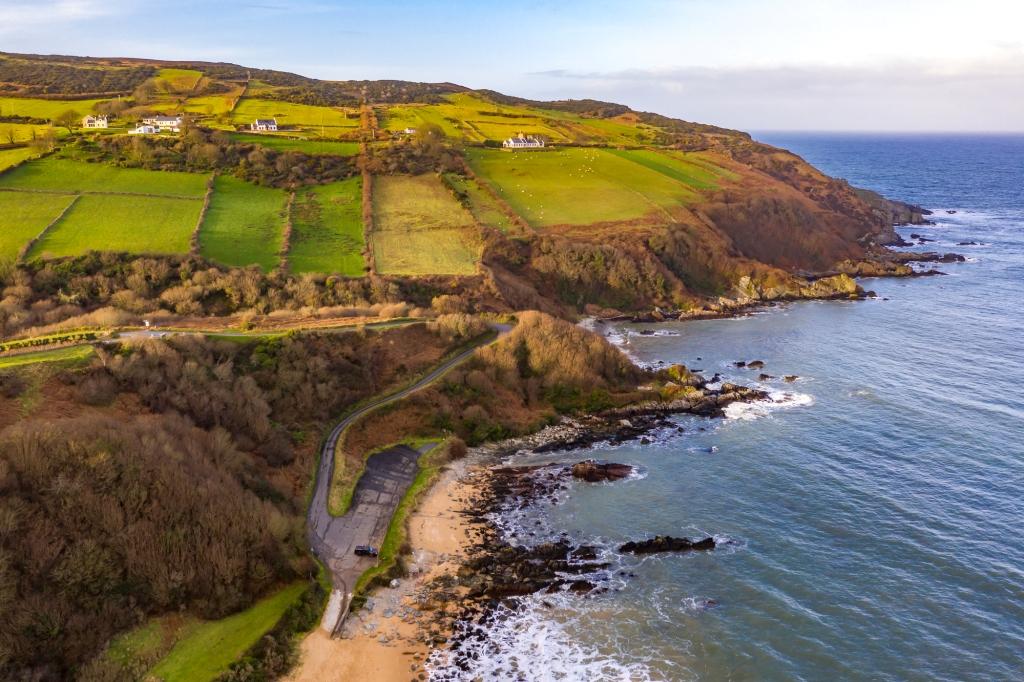
Port and Glenlough Bay beyond Glencolmcille reveal a haunting stretch of remote coastline where Atlantic waves pound against rugged cliffs.


Five Fingers Strand on the Inishowen Peninsula is known for its towering dunes and wide open views.
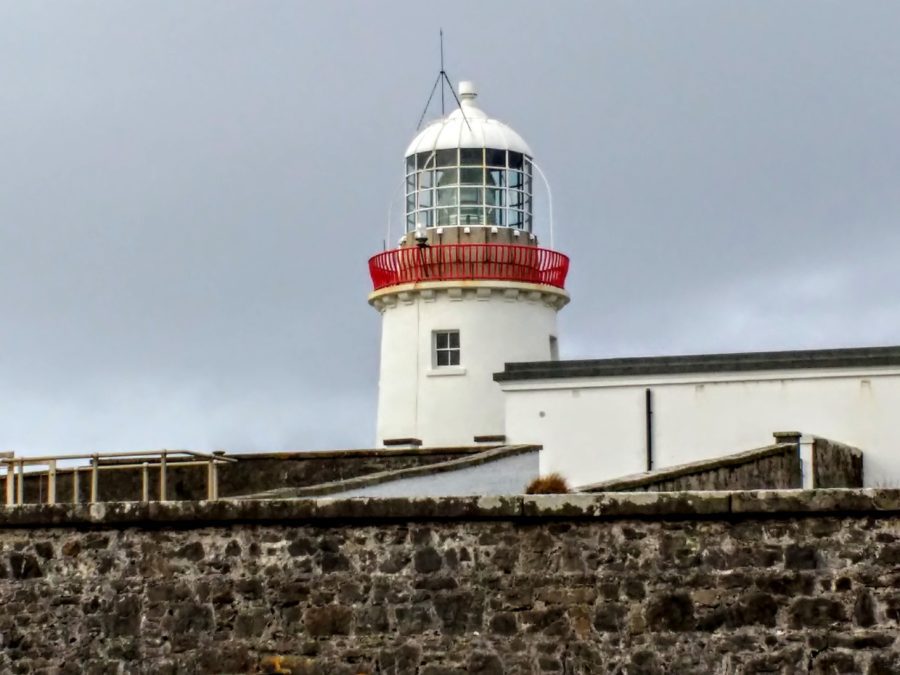
St. John’s Point Lighthouse lies at the end of a narrow peninsula south of Killybegs, often remaining quiet even in midsummer.


Practical Planning Tips for Visiting Donegal
Daylight: Late May through mid-July offers extremely long evenings, while December and January bring much shorter daylight hours.
Booking: Reserve accommodation two to three months ahead for July and August near popular areas like Slieve League, Donegal Town, and Dunfanaghy.
Weather gear: Waterproof jackets and sturdy footwear are useful year-round.
Midges: Most active on still evenings from June through August, especially near bogland.
Driving: Rural roads are narrow and winding. Allow extra time between destinations.
Safety: Check tide times for beach walks and respect cliff warnings along exposed coastal paths.
Sample Donegal Itineraries by Season
May–June (Best overall)
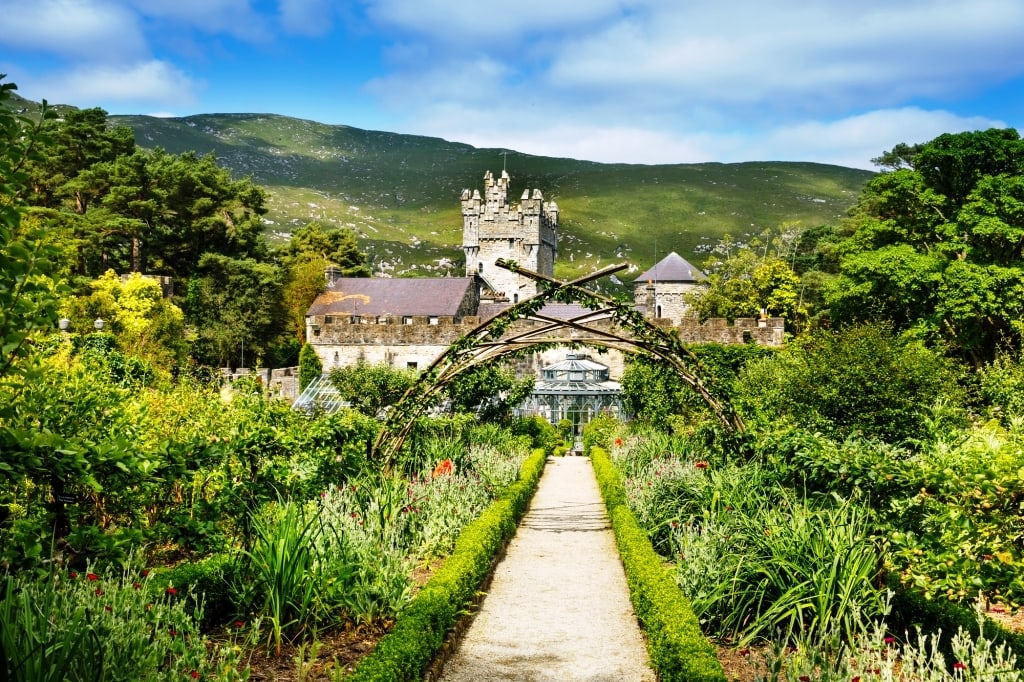
Base near Killybegs or Glencolmcille for Slieve League, Silver Strand, and the Port road. Spend a day exploring Glenveagh (which can be done without a car) and finish with sunset at Fanad Head or Horn Head.
September (Best overall)
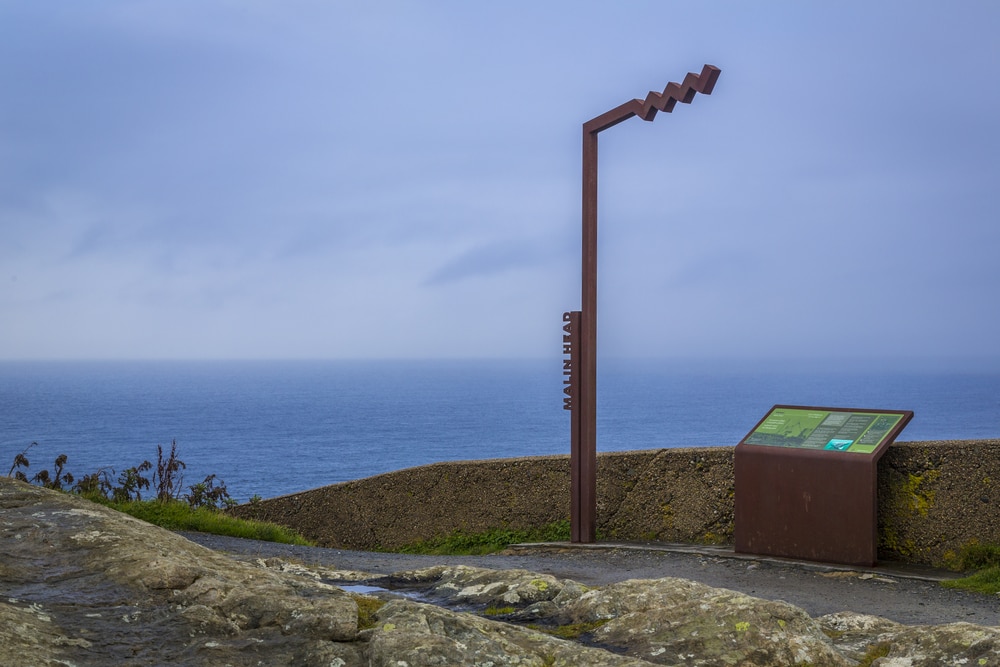
Combine southwest Donegal with the Inishowen Peninsula for Malin Head, Five Fingers Strand, and Fort Dunree.
April or October (Value seasons)
Choose two bases such as Donegal Town and a coastal village like Ardara or Dunfanaghy.

Winter (Quiet and atmospheric)
Stay in Donegal Town or Letterkenny for access to indoor attractions while planning storm-watching trips to Fanad Head or Malin Head.

Frequently Asked Questions
Is September a good time to visit Donegal?
Yes. September often offers clear air, fewer visitors, and the warmest sea temperatures of the year.
What is the rainiest time of year in Donegal?
Late autumn and winter typically bring the most Atlantic storm systems.
Can you see the Northern Lights in Donegal?
Occasionally during strong auroral activity on clear winter nights, particularly around the Inishowen Peninsula.
Final Thoughts: When to Visit Donegal
The best time to visit Donegal ultimately depends on the kind of experience you want. Late spring and early autumn offer the most balanced conditions, with long daylight hours, manageable crowds, and excellent weather for exploring the coast and mountains. Summer brings lively towns and festivals along the Wild Atlantic Way, while winter reveals a quieter, more dramatic Donegal shaped by Atlantic storms, empty beaches, and fireside evenings in local pubs.

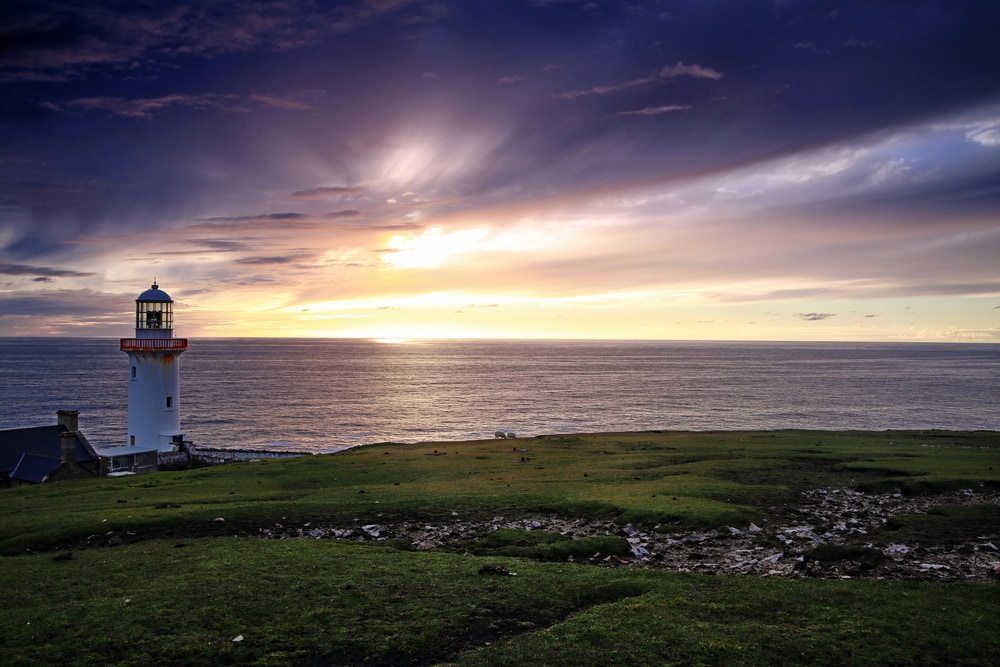

Whenever you visit, the key is to slow down and allow time for the landscape to unfold. Donegal rewards travelers who linger watching clouds roll over the Bluestacks, walking windswept beaches, or discovering small villages tucked along the coast.
If you’re planning your trip, you may also find these guides helpful:
Explore More Donegal Guides
If you’re planning a trip around the county, you might also enjoy these guides:
Is Donegal Worth Visiting? an honest look at what makes Ireland’s wild northwest so special
Best Beaches in Donegal – A local guide to the most beautiful beaches along the coast
Is Slieve League Dangerous? – What to look for to stay safe on the Cliffs
Best time to visit Donegal – A guide to our 4 seasons in one day when visiting
Is Donegal Expensive to visit – The county’s most spectacular landscapes and attractions
Donegal Travel Guide – Tips for exploring Ireland’s wild northwest
Donegal without a Car – Ways to explore Donegal without a car
For deeper planning, explore detailed guides to some of the county’s most remarkable places, including Glenveagh National Park, Slieve League Cliffs, and Is Slieve League Dangerous and other highlights along the Wild Atlantic Way.

If you have more time, add Inishowen or the Rosses, dive deeper with the Best Beaches and Hidden Gems guides, and check dates before you go hours and access change with the season. See you on the Wild Atlantic Way.
For travelers planning a slower-paced trip through the northwest, my Accessible Donegal guide covers wheelchair-friendly viewpoints, scenic drives, beaches, parking, transport, and realistic tips for visiting Donegal with limited mobility.
Donegal isn’t a destination that reveals itself all at once. Visit in the season that suits your travel style, follow the weather when you can, and leave space for the unexpected moments that’s when this corner of Ireland tends to show its real magic.
Start Planning Your Trip
👉 Public Transportation in Ireland
👉 Hidden Gems in Ireland – 32 Secret places to visit
👉 Answering all your travel questions about Ireland
👉What to pack for your Ireland trip