
How to Visit Glenveagh National Park Without a Car (Castle, Walks & Travel Costs)
Glenveagh National Park is one of the most spectacular places to visit in County Donegal, and many travellers assume you need a car to reach it. After visiting several times myself, I can say that exploring Glenveagh without a car is absolutely possible with some planning. In fact, travelling this way can make the experience feel even more memorable, because the journey into the park builds anticipation before the mountains, lake and castle finally appear in front of you.
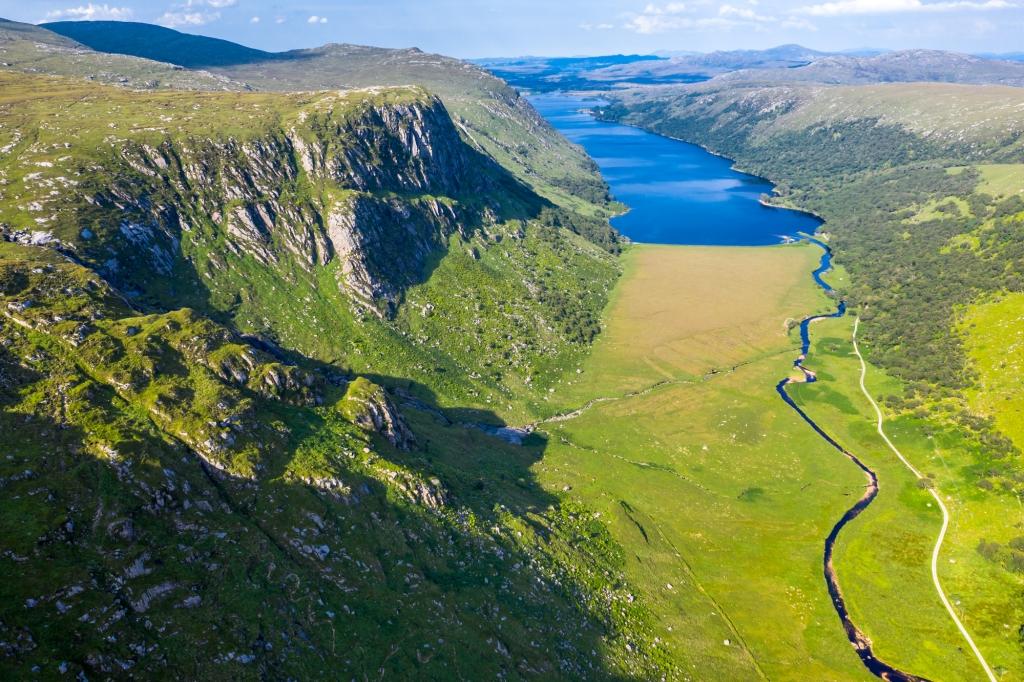
Located in the Derryveagh Mountains in the northwest of Ireland, Glenveagh National Park covers more than 16,000 hectares of rugged wilderness, lakes and valleys. It is the largest national park in Ulster and the second largest in Ireland. At the centre of the park sits Glenveagh Castle, a striking 19th-century castle overlooking Lough Veagh and surrounded by beautiful gardens. The dramatic landscape, peaceful atmosphere and excellent walking routes make it one of the most rewarding places to visit in Donegal.
Having travelled there several times without a car, I’ve found that reaching Glenveagh National Park is easier than many people expect. With a combination of buses and a short taxi journey, you can comfortably spend a day exploring the castle, gardens and walking trails.
- How to Visit Glenveagh National Park Without a Car (Castle, Walks & Travel Costs)
- Getting to Glenveagh National Park Without a Car
- Travel Time from Donegal Town, Killybegs and Derry
- The Glenveagh Visitor Centre
- Walking to Glenveagh Castle
- Visiting Glenveagh Castle
- The Best Glenveagh Walks
- Wildlife in Glenveagh National Park
- Why Glenveagh National Park Is So Special
- How Long to Spend in Glenveagh
- Is Glenveagh National Park Worth Visiting Without a Car?
- Donegal Travel Guides on This Site
- Driving in Ireland articles
Getting to Glenveagh National Park Without a Car
Glenveagh National Park sits in a remote part of Donegal, so public transport does not go directly to the castle. Most visitors travelling without a car reach the park via Letterkenny, which acts as the main transport hub in the region. From Letterkenny, it is a relatively short taxi journey to the Glenveagh Visitor Centre, which is the main entrance to the park.
Once you arrive at the visitor centre, you can either walk or take the park shuttle bus to Glenveagh Castle.
Because I’ve visited Glenveagh several times while travelling around Donegal, I’ve tried a few different routes. The simplest option is usually taking a bus to Letterkenny and then a taxi to the park.
Travel Time from Donegal Town, Killybegs and Derry
If you are travelling from Donegal Town, buses regularly connect the town to Letterkenny. The journey normally takes around one hour to one hour and fifteen minutes depending on the route. Bus tickets usually cost between €10 and €15 each way.
Once you arrive in Letterkenny, you will need to take a taxi to Glenveagh National Park. The drive takes around 30 minutes through quiet countryside roads and typically costs between €30 and €45 depending on the taxi company and time of day.
Overall, the total travel time from Donegal Town to Glenveagh National Park without a car is usually about 1 hour and 30 minutes.
Visitors starting in Killybegs follow a very similar route. Buses from Killybegs to Letterkenny usually take around one hour to one hour and twenty minutes. Ticket prices are generally between €12 and €18. After reaching Letterkenny, the same 30-minute taxi journey to Glenveagh National Park costs roughly €30 to €45.

The total travel time from Killybegs is normally between 1 hour 45 minutes and 2 hours.
If you are travelling from Derry, the journey is slightly shorter. Buses between Derry and Letterkenny run frequently and the trip normally takes between 45 minutes and one hour. Tickets are usually priced between €8 and €15. From Letterkenny, the taxi to Glenveagh takes around 30 minutes, bringing the total travel time to around 1 hour 30 minutes to 1 hour 45 minutes.
Whenever I travel to Glenveagh without a car, I usually save the phone number of a local taxi company before arriving in the park. This makes arranging the return journey to Letterkenny much easier later in the day.
The Glenveagh Visitor Centre
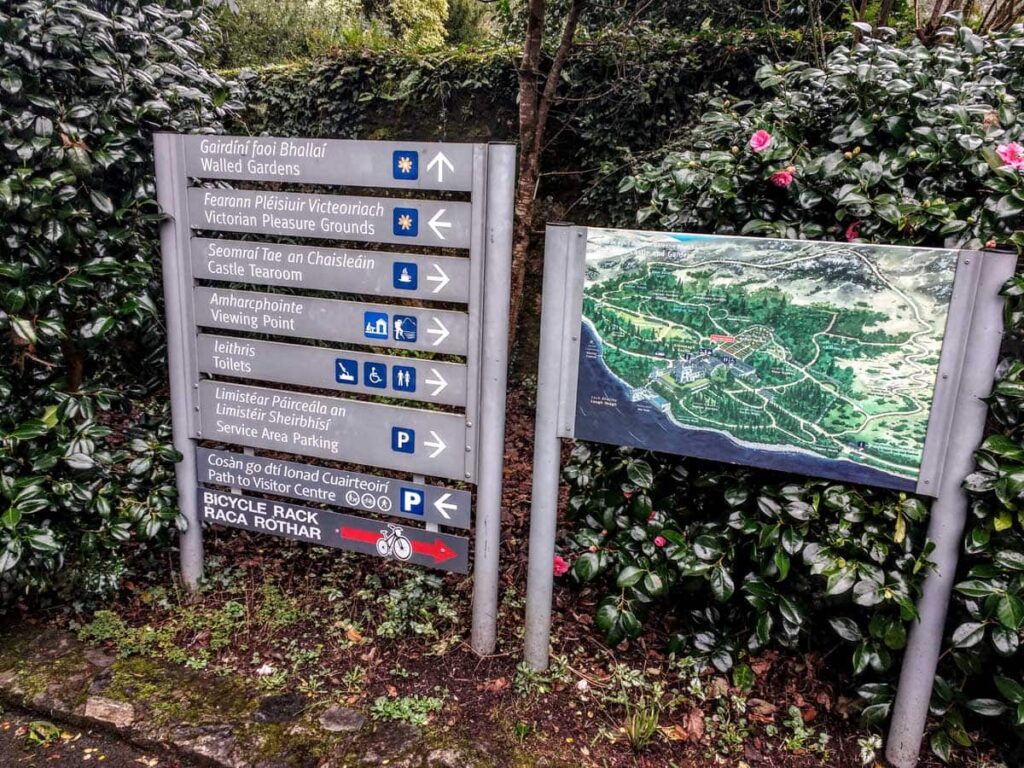
Your visit to Glenveagh National Park begins at the Glenveagh Visitor Centre. This modern centre provides information about the park’s wildlife, history and walking routes. There is also a café where you can get coffee or lunch, which is useful if you plan to spend several hours exploring the area.
The visitor centre sits about 3.5 kilometres from Glenveagh Castle. The castle is located deeper inside the park beside Lough Veagh, which means you will need to walk or take the shuttle bus to reach it.
The first time I visited Glenveagh, I walked the entire route to the castle, and it quickly became one of my favourite walks in Donegal.

Walking to Glenveagh Castle
The lakeside path from the visitor centre to Glenveagh Castle is about 3.5 kilometres long and takes roughly 45 to 50 minutes to walk at a relaxed pace. The path is mostly flat and well maintained, making it suitable for most visitors.
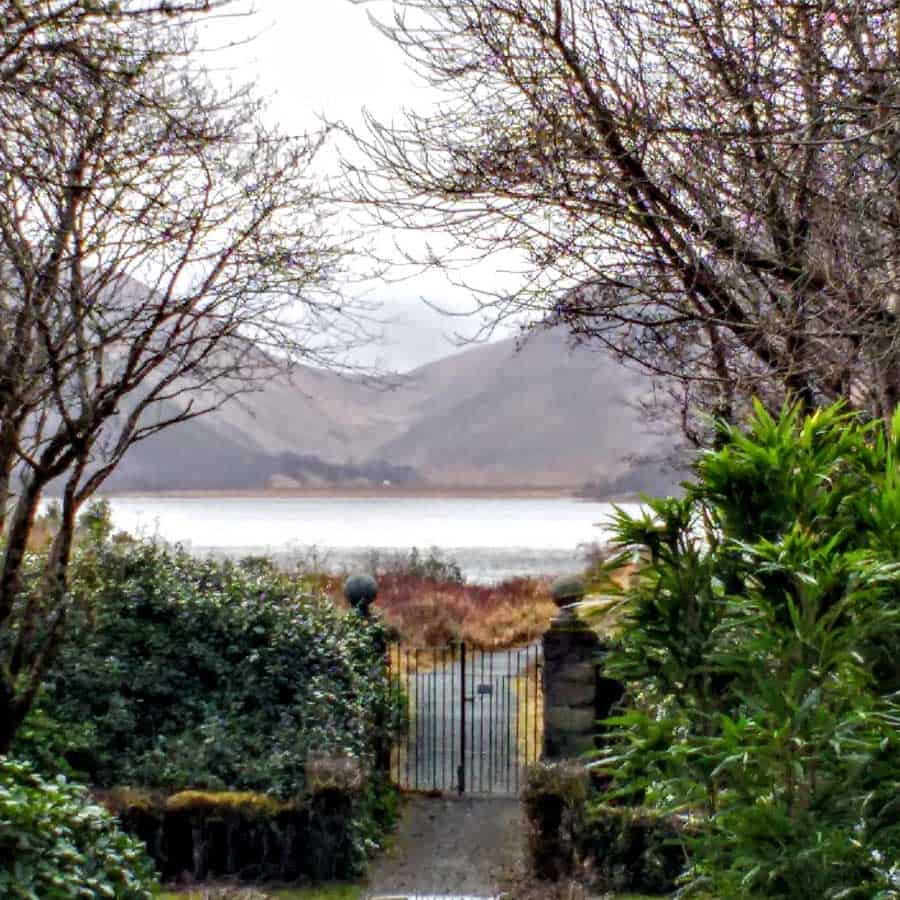
This walk is one of the highlights of visiting Glenveagh National Park. The route follows the edge of Lough Veagh and offers beautiful views across the water towards the surrounding mountains.
During one of my visits in early autumn, the lake was perfectly calm and reflected the mountains like a mirror. The only sounds along the path were birds and the wind moving across the valley, which made the place feel incredibly peaceful.
There are benches along the route where you can stop and enjoy the scenery, and the views change constantly as you move closer to the castle.


If you love the outdoors, check out my guide to the best hiking in Europe.
The Glenveagh Shuttle Bus
If you prefer not to walk, Glenveagh National Park operates a shuttle bus between the visitor centre and Glenveagh Castle.
The shuttle usually costs around €4 for a return ticket or €2 for a single journey. The ride takes approximately 10 minutes and runs regularly throughout the day.
While the shuttle is convenient, I would recommend walking at least one direction if the weather is good. The scenery along the lake is simply too beautiful to miss.

Visiting Glenveagh Castle
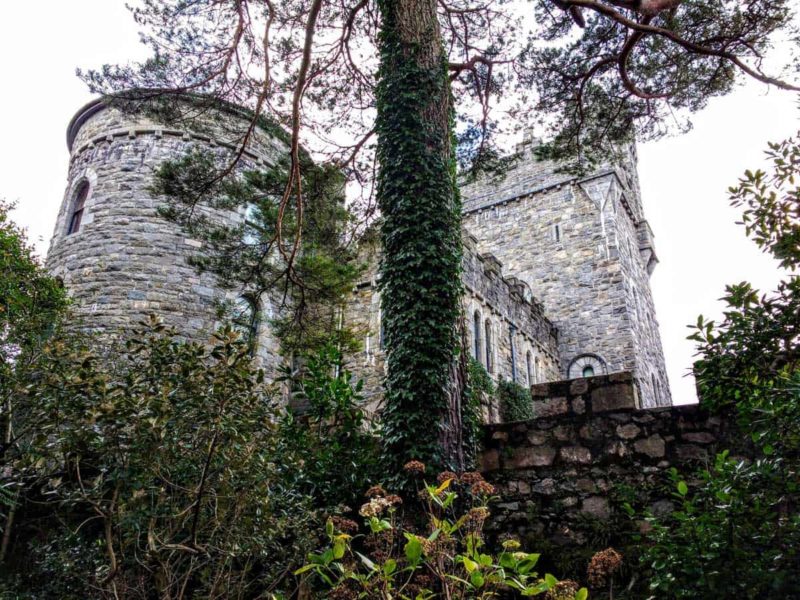
Glenveagh Castle is the centrepiece of Glenveagh National Park and one of the most photographed landmarks in Donegal. Built in the late 1800s, the castle was designed in a Scottish baronial style and sits dramatically on the northern shore of Lough Veagh.
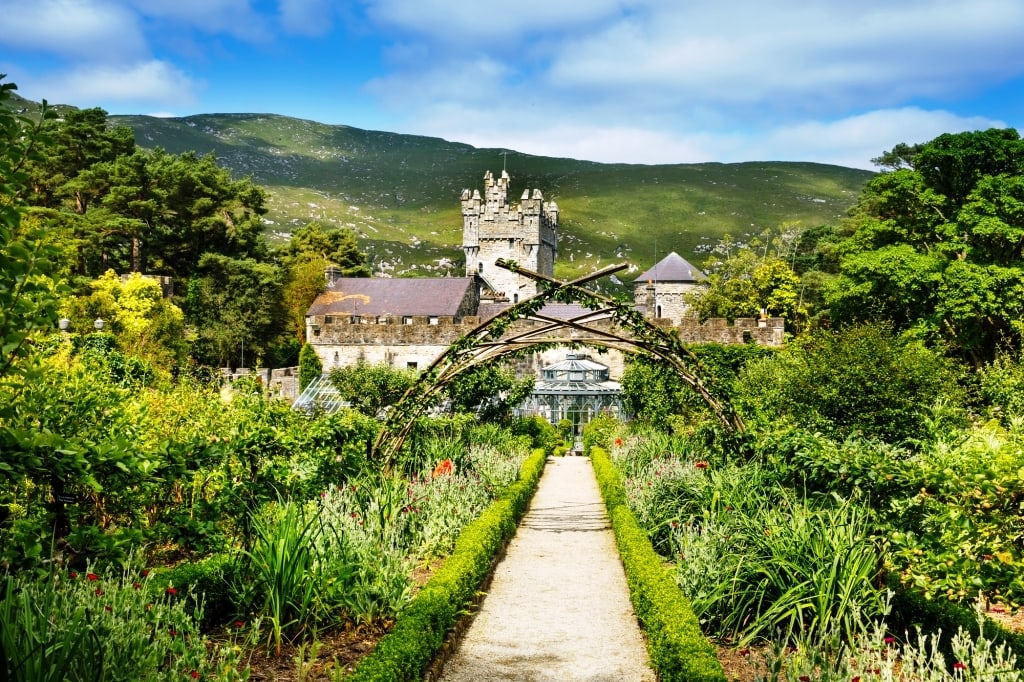
The castle grounds and gardens are free to enter, which means you can explore the surrounding area without buying a ticket.
However, if you want to see inside the castle itself, there is an admission fee. A self-guided visit usually costs around €5.50 when booked online in advance or about €7 if purchased on arrival.
Inside the castle, visitors can explore restored rooms that show what life was like when the building served as a private residence. Historical displays explain the story of the estate and its former owners.
The views from the castle windows across Lough Veagh are also spectacular and provide one of the best perspectives of the surrounding landscape.

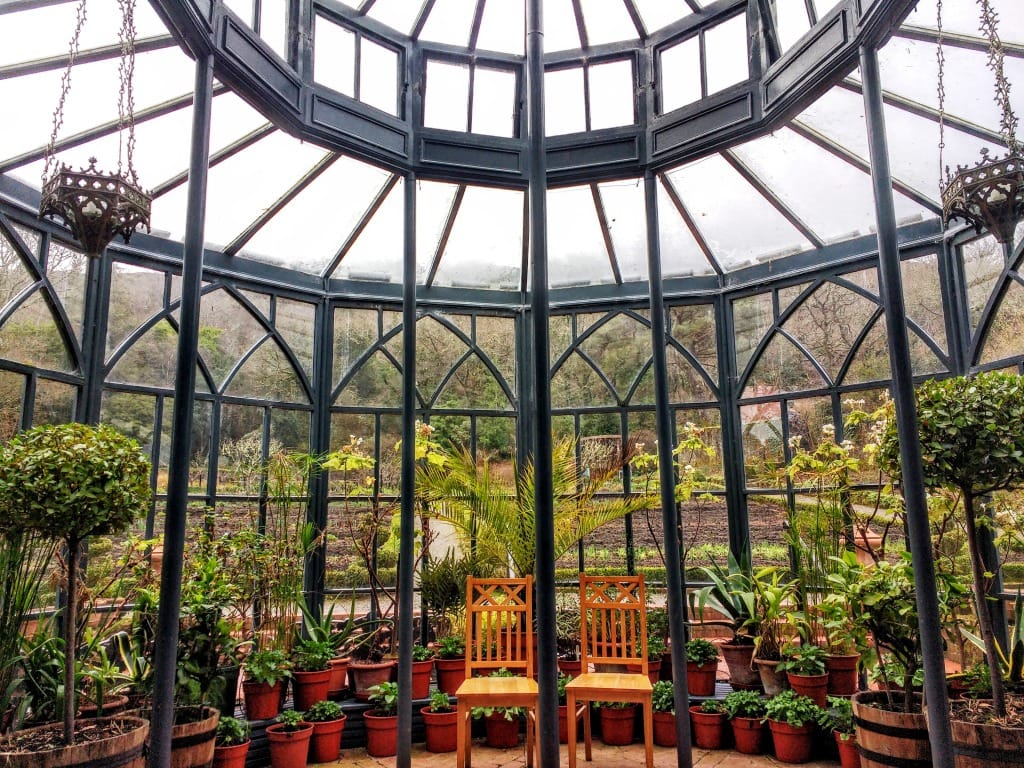

The Gardens at Glenveagh
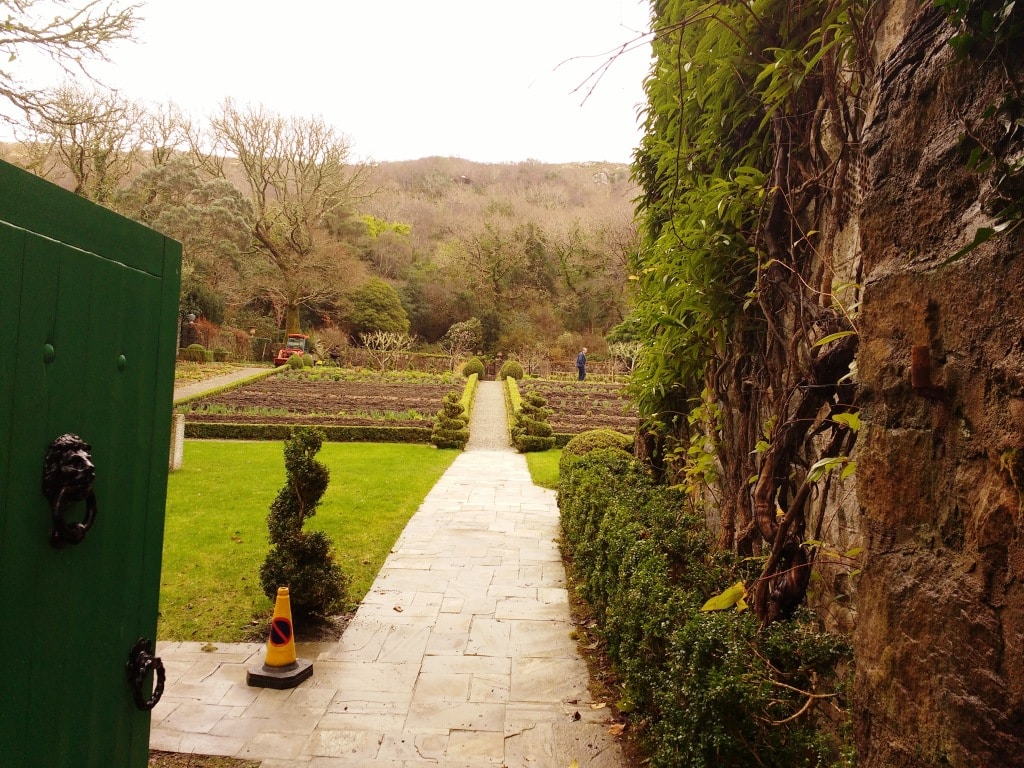
One of the most surprising parts of visiting Glenveagh Castle is the garden. Surrounded by wild mountains and rugged landscapes, the gardens feel like a hidden oasis.
Because the castle sits beside the lake, the area benefits from a sheltered microclimate that allows plants from warmer regions to grow successfully. As a result, the gardens include a variety of colourful flowers, exotic plants and carefully designed pathways.
Every time I visit Glenveagh, I spend time wandering through the gardens because they change dramatically throughout the seasons.

The Best Glenveagh Walks
While the castle is the most famous attraction, the walking routes are what truly make Glenveagh National Park special.
The most popular walk is the lakeside route between the visitor centre and Glenveagh Castle. This 3.5-kilometre path is accessible for most visitors and provides stunning views along Lough Veagh.
Another scenic option is the Bridle Path, which runs through part of the valley and offers a quieter experience away from the castle area. This route provides dramatic views of the surrounding mountains and gives a real sense of the park’s scale.
More experienced hikers can explore longer routes that lead deeper into the Derryveagh Mountains. These walks take visitors through remote valleys, peat bogs and mountain slopes that feel far removed from towns and roads.
One of the reasons Glenveagh National Park is so appealing to hikers is the sense of space. Even during busy summer months, it is still possible to find quiet areas where you can walk for long stretches without seeing many other people.


Wildlife in Glenveagh National Park
Glenveagh is also one of the most important wildlife areas in Ireland. The park is home to red deer, foxes and many bird species.
One of the most fascinating conservation stories connected to the park is the reintroduction of the golden eagle. After disappearing from Ireland for almost a century, golden eagles were successfully reintroduced to the Donegal mountains. On rare occasions, visitors to Glenveagh National Park may even spot one soaring high above the valleys.
The combination of wildlife, mountains and lakes makes the park feel truly wild compared to many other tourist destinations.
Why Glenveagh National Park Is So Special
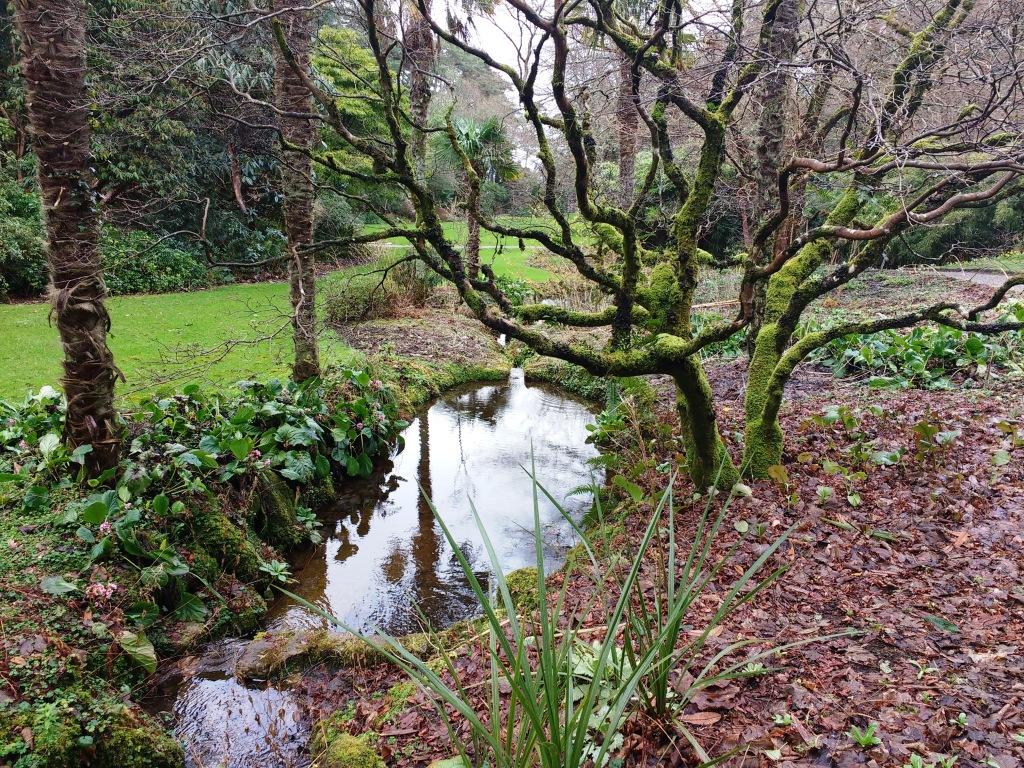
What makes Glenveagh National Park stand out is the contrast between its dramatic landscape and the peaceful atmosphere you experience while exploring it.
The mountains surrounding Lough Veagh create a sense of isolation that makes the park feel far removed from busy towns and cities. At the same time, the presence of Glenveagh Castle and its gardens adds a unique historical element that you rarely find in national parks.
During each of my visits, the same thing stands out: the silence. Once you leave the visitor centre and begin walking along the lake, the noise of modern life disappears completely.
This sense of quiet and open space is one of the reasons Glenveagh remains one of the most memorable places to visit in Donegal.
How Long to Spend in Glenveagh
Most visitors spend between three and five hours in Glenveagh National Park. This usually provides enough time to walk or shuttle to the castle, explore the gardens, visit the castle interior and return to the visitor centre.
However, if you enjoy hiking or photography, you could easily spend an entire day exploring the park.
Because the area is so scenic, many visitors choose to walk slowly along the lakeside path and spend extra time enjoying the views.

Is Glenveagh National Park Worth Visiting Without a Car?
After visiting Glenveagh several times, I can confidently say that it is absolutely worth visiting even if you do not have a car.
The combination of buses, a short taxi journey and a scenic walk makes the trip manageable for most travellers. In fact, arriving on foot along the lakeside path can make the experience feel even more rewarding.
Glenveagh National Park is one of the most beautiful landscapes in Ireland, and the sight of Glenveagh Castle beside Lough Veagh surrounded by the Derryveagh Mountains is something you are unlikely to forget.
For anyone travelling through Donegal without a car, making the effort to reach Glenveagh National Park is one of the best travel experiences the region has to offer.
Donegal Travel Guides on This Site
Planning Your Trip to Donegal
Is Donegal Worth Visiting? – A complete overview of the county and what makes it special.
Things to Do in Donegal – The best attractions, landscapes, and places to explore across the county.
Staying in Donegal Town – A guide to what to see, where to stay and where to eat in Donegal Town.
Do you need a car in Donegal? – A practical, trustworthy guide to transport, itineraries, safety, and when a car is essential versus buses or tours.
Staying in a castle in Donegal – enjoy a stay at the luxury resort of Lough Eske Castle.
All the best Restaurants in Donegal Town – from an award winning Indian cuisine restaurant to burgers and fish and chips
Hidden Gems in Donegal: 16 Quiet Spots Locals Love: From hidden beaches to National Parks here are 16 of Donegal’s hidden gems.
Best time to visit Donegal: What is the best season to come to Donegal?
Driving in Ireland articles
G
Travelling in Ireland without a car