
Is Donegal Expensive to Visit? A Local’s Guide to Travel Costs in Donegal
If you’re planning a trip to the county, start with my Donegal Travel Guide where I share the best things to do, beaches, hidden gems and practical travel tips.

County Donegal sits on the far north-western edge of Ireland, a place where rugged Atlantic coastlines, wild mountains, and traditional villages define the landscape. It is often described as one of the most beautiful counties in Ireland, yet it remains less crowded than many of the country’s better-known tourist destinations.
Much of Donegal’s coastline forms part of the Wild Atlantic Way, Ireland’s famous coastal touring route that attracts visitors from around the world looking to experience the country’s most spectacular Atlantic scenery.
As someone who lives in Donegal, I’m often asked the same question by visitors and friends planning their trips: Is Donegal expensive to visit?
The honest answer is that it depends on how you travel. Compared to major Irish cities like Dublin or even Galway, Donegal can feel relatively affordable. At the same time, Ireland in general is not known as a particularly cheap destination, and certain expenses especially accommodation and transportation can add up quickly if you are not careful.
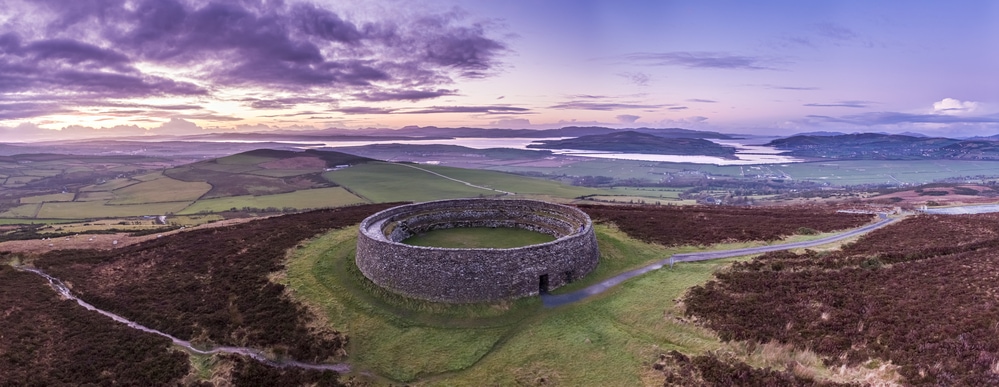
Travellers often compare County Donegal and County Kerry for dramatic coastal drives, traditional towns and outdoor adventures, but the experience in each region feels very different.
- Is Donegal Expensive to Visit? A Local’s Guide to Travel Costs in Donegal
- Is Donegal Expensive to Visit?
- Average Travel Costs in Donegal
- How Expensive Is Donegal Compared to the Rest of Ireland?
- Accommodation Costs in Donegal
- Food and Drink Prices in Donegal
- Transportation Costs in Donegal
- The Cost of Attractions and Things to Do
- The Best Time to Visit Donegal for Lower Prices
- Sample Daily Budgets for Visiting Donegal
- My Local Perspective on the Cost of Visiting Donegal
- Final Verdict: Is Donegal Expensive to Visit?
- Frequently Asked Questions
- Explore More Donegal Guides
Is Donegal Expensive to Visit?
Donegal is moderately priced compared to most destinations in Ireland. While it is not the cheapest place in Europe, it is often more affordable than cities like Dublin or Galway. Most travelers spend between €80 and €200 per day, depending on accommodation, transport, and dining choices. Budget travelers can visit Donegal for less by staying in guesthouses or hostels and focusing on the county’s many free attractions, such as beaches, scenic drives, and hiking trails.
Average Travel Costs in Donegal
| Expense | Average Cost |
| Budget accommodation | €20–€80 per night |
| Mid-range hotel | €90–€150 per night |
| Luxury hotel | €200+ per night |
| Restaurant meal | €20–€35 |
| Car rental | €30–€60 per day |
| Daily travel budget | €80–€200 |
From a local perspective, Donegal offers a mix of experiences that can suit almost any travel budget. Many of the county’s best attractions are completely free because they revolve around nature: dramatic sea cliffs, windswept beaches, scenic coastal drives, and hiking trails. At the same time, there are luxury castle hotels, high-end restaurants, and guided tours that can make a visit significantly more expensive.
In this guide, I’ll explain what it actually costs to visit Donegal, drawing not only on typical travel prices but also on my own experience living here and seeing how visitors spend their money. By the end, you should have a clear idea of how expensive Donegal really is and how to plan a trip that fits your budget.
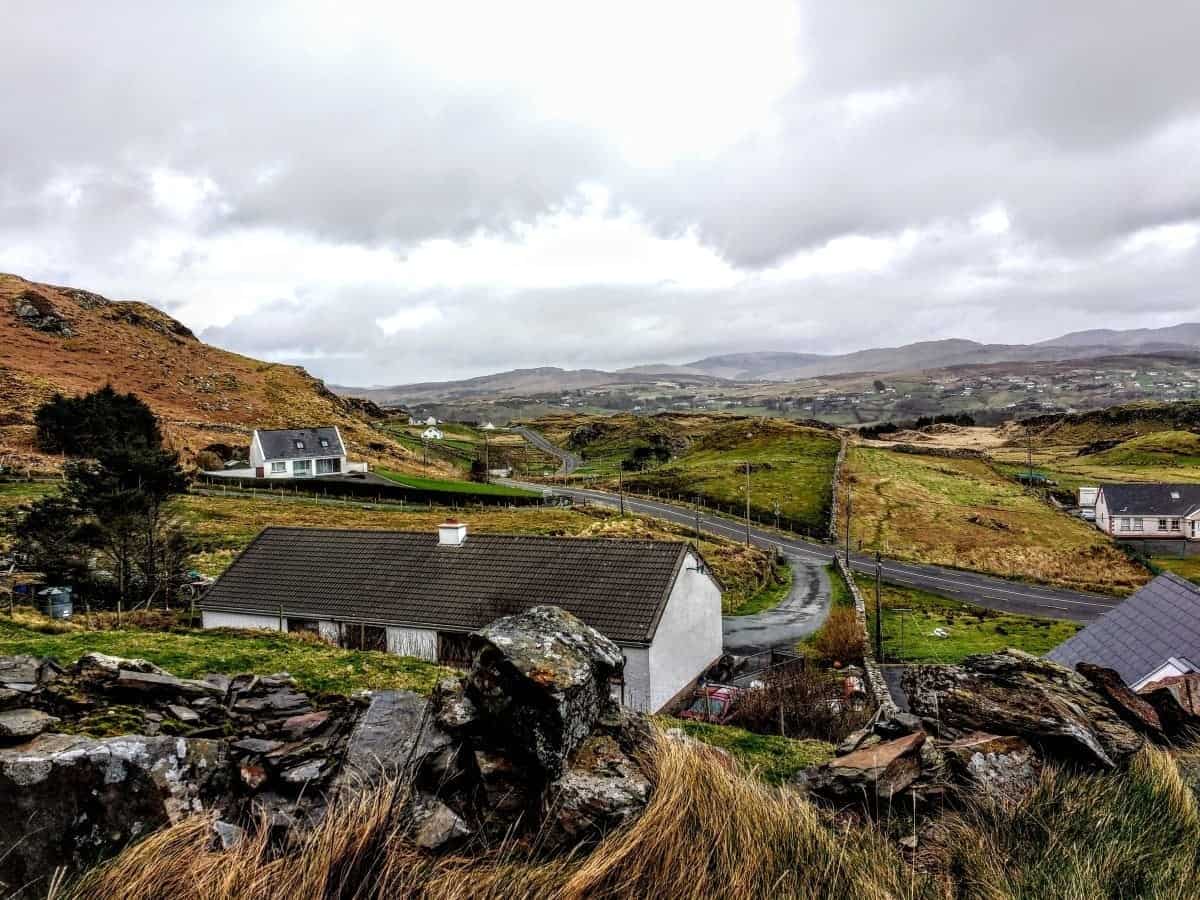
How Expensive Is Donegal Compared to the Rest of Ireland?
To understand the cost of visiting Donegal, it helps to compare it with other parts of Ireland.
Ireland is generally considered a mid-to-high-cost destination in Europe. Cities like Dublin consistently rank among the most expensive places to visit in the country. Accommodation, food, and entertainment in the capital can easily push a traveler’s daily budget well above €200 per person.
Donegal, by contrast, tends to be cheaper in several areas. Hotels and guesthouses outside major tourist hubs are usually more affordable, restaurant prices are often slightly lower, and many of the region’s most memorable attractions are natural landscapes that cost nothing to visit.

Living here, I often notice that visitors are pleasantly surprised by how reasonable things can be once they arrive. While flights to Ireland might be expensive from North America, day-to-day spending in Donegal can be manageable, particularly if you avoid peak tourist season.
However, Donegal’s rural location also means that transportation can become a significant expense. Public transport exists, but it is not as convenient as in major cities. Most visitors choose to rent a car so they can explore the coastline and remote areas that make the county special.
When you factor everything together, most travelers spend somewhere between €80 and €200 per day depending on their travel style.
Local Tip: As someone who lives in Donegal, I recommend visiting outside July and August if you want lower prices and quieter beaches. Early September is often one of the best times to experience the county.
Accommodation Costs in Donegal
Accommodation is usually the biggest part of any travel budget, and this is certainly true in Donegal. The good news is that the county offers a wide range of options, from budget hostels and family-run bed and breakfasts to luxury castle hotels overlooking the Atlantic.

Budget Accommodation in Donegal
For budget travelers, Donegal can be surprisingly accessible. Hostels and simple guesthouses offer affordable places to stay, particularly outside the busiest summer months. According to travel data from Budget Your Trip, visitors to Ireland typically spend around €150 per day on average
Hostel beds typically cost between €20 and €40 per night depending on the season. These are most commonly found in popular tourist areas such as Bundoran or Donegal Town. While hostels are not as widespread as in major European cities, there are enough options to make backpacking through the region possible.
Basic guesthouses and smaller bed-and-breakfast establishments are another affordable choice. These often cost around €50 to €80 per night for a private room. One of the things I always tell visitors is that Donegal’s B&B culture is part of the experience. Many are run by local families who have been welcoming travelers for decades.
The personal hospitality in these smaller accommodations is something that makes Donegal stand out. Guests often receive local advice about hidden beaches, scenic drives, and nearby pubs that they might never discover otherwise.
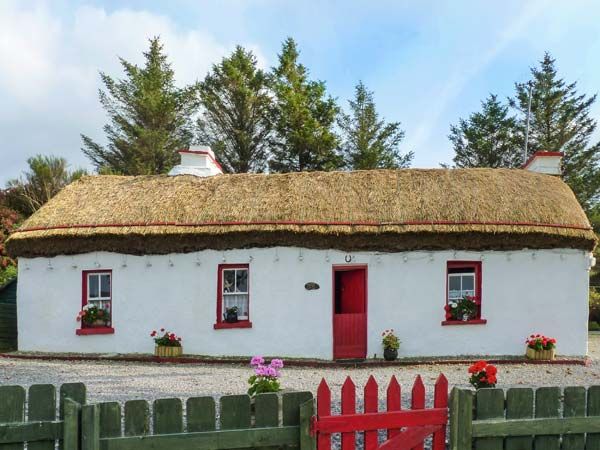


Mid-Range Hotels and B&Bs
Most visitors to Donegal choose mid-range accommodation. This typically includes comfortable bed and breakfasts, boutique guesthouses, or three-star hotels located in towns or near major attractions.
Prices for these accommodations usually range from €90 to €150 per night. During peak summer months, particularly in July and August, prices can climb slightly higher due to increased demand.
From my perspective as a local, the mid-range options in Donegal often provide the best value. Many include a full Irish breakfast, which can easily keep you full until lunchtime after a morning exploring the coastline.
In towns like Letterkenny, Donegal Town, and Ballyshannon, visitors will find a good selection of hotels that balance comfort with reasonable pricing.


Luxury Hotels and Unique Stays
Donegal also offers some remarkable luxury accommodation for travelers looking for something special. Castle hotels, like Lough Eske Castle outside Donegal town, and coastal resorts provide experiences that feel uniquely Irish.
Luxury hotels generally start around €200 per night and can exceed €400 depending on the property and time of year. These stays often include spa facilities, gourmet dining, and spectacular views of the Atlantic Ocean or surrounding mountains.
Even as someone who lives here, I occasionally visit these places for a meal or special occasion, and the atmosphere is genuinely memorable. For travelers celebrating anniversaries or honeymoons, Donegal’s luxury stays can be worth the splurge.



Food and Drink Prices in Donegal
Food is one of the highlights of visiting Donegal. The county’s coastal location means fresh seafood is widely available, and traditional Irish pub food remains a staple across the region.

Dining in Pubs and Restaurants
Most visitors spend a good amount of time in local pubs, which often serve both drinks and meals. A typical pub lunch might cost between €12 and €18 and usually includes dishes such as fish and chips, seafood chowder, or a hearty Irish stew.
Dinner in a casual restaurant generally ranges from €20 to €35 per person depending on the type of cuisine and location. Seafood restaurants along the coast may be slightly more expensive, but the freshness of the ingredients often makes the price worthwhile.
One thing visitors quickly notice is that the pub culture here is not just about drinking. Many locals treat the pub as a social gathering place where people meet friends, enjoy live music, and share meals.

Grocery Costs and Self-Catering
Another way travelers manage their budgets in Donegal is by cooking some of their own meals. Many holiday cottages and rental apartments include kitchens, which makes self-catering easy.
Supermarkets such as SuperValu, Lidl, and Aldi can be found in most towns, and grocery prices are generally similar to the rest of Ireland. Buying ingredients for sandwiches, breakfast, or simple dinners can reduce your daily food budget considerably.
When friends visit me in Donegal, I often recommend they combine both approaches: enjoy a few pub meals to experience the local culture, but also pick up groceries for breakfasts or picnic lunches during day trips. I also highly recommend checking out a Spar shop which always contains locally produced goods, and petrol stations are known for producing some of the best Irish fast foods.

Transportation Costs in Donegal
Transportation is one of the most important factors affecting the cost of visiting Donegal.
Because the county is large and rural, having your own vehicle is the easiest way to explore. While buses connect some towns, they do not always reach the remote coastal areas that make Donegal famous such as Glenveagh. Read my Donegal without a car to learn more.
Renting a Car in Donegal
Most travelers who want to explore the region properly choose to rent a car. Daily rental prices typically range between €30 and €60 depending on the type of vehicle and time of year.
Fuel prices fluctuate, but petrol generally costs around €1.60 to €1.80 per liter in Ireland. If you plan to drive long distances along the Wild Atlantic Way, it’s important to include fuel costs in your travel budget.
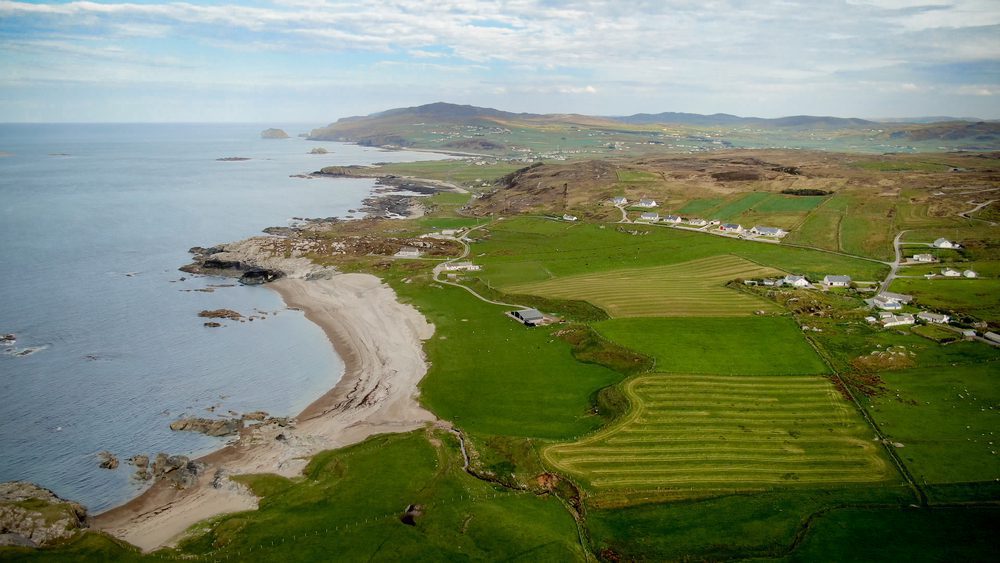
From personal experience, having a car makes a huge difference. Some of the most spectacular places in Donegal, such as remote beaches and mountain passes, are difficult to reach without one.


Public Transport Options
Public transport is available through national bus services and regional routes. Buses connect Donegal with major cities like Dublin, Galway, and Belfast.
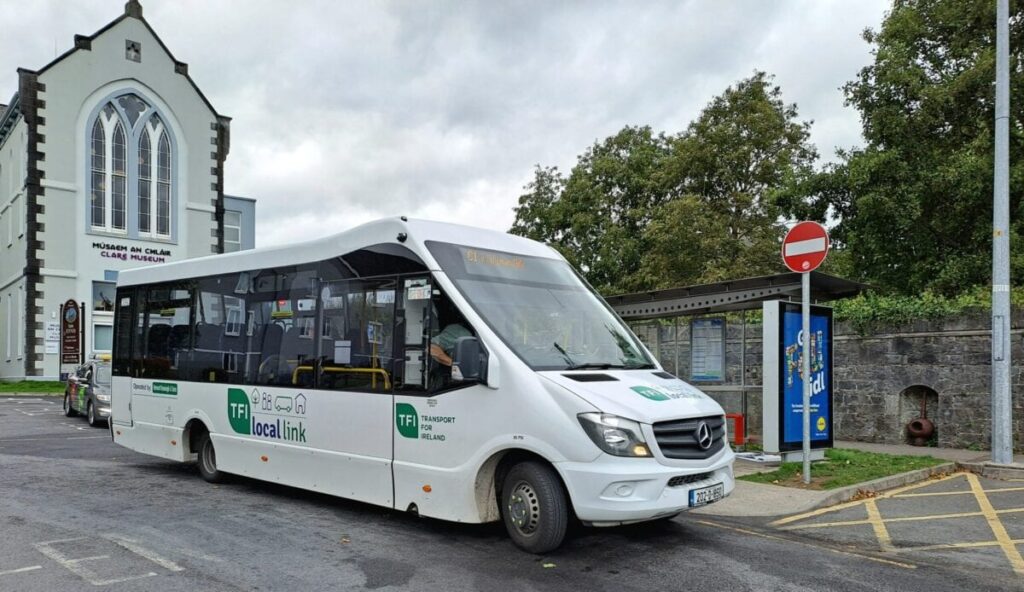
However, within the county itself, schedules can be limited. A bus journey between towns might cost between €10 and €25 depending on the distance. TFI’s local Link service connects communities across rural Ireland as part of the wider TFI Public Transport Network. Offering affordable travel to and from local towns and villages, the service operates two types of routes: Regular Rural Bus Services and Door-to-Door Bus Services. Passengers on eligible services can pay using their TFI Leap Card or the TFI Go App.
For travelers staying primarily in one town and taking occasional day trips, public transport can work. But for those wanting to explore the coastline thoroughly, renting a car is usually the better option.
The Cost of Attractions and Things to Do
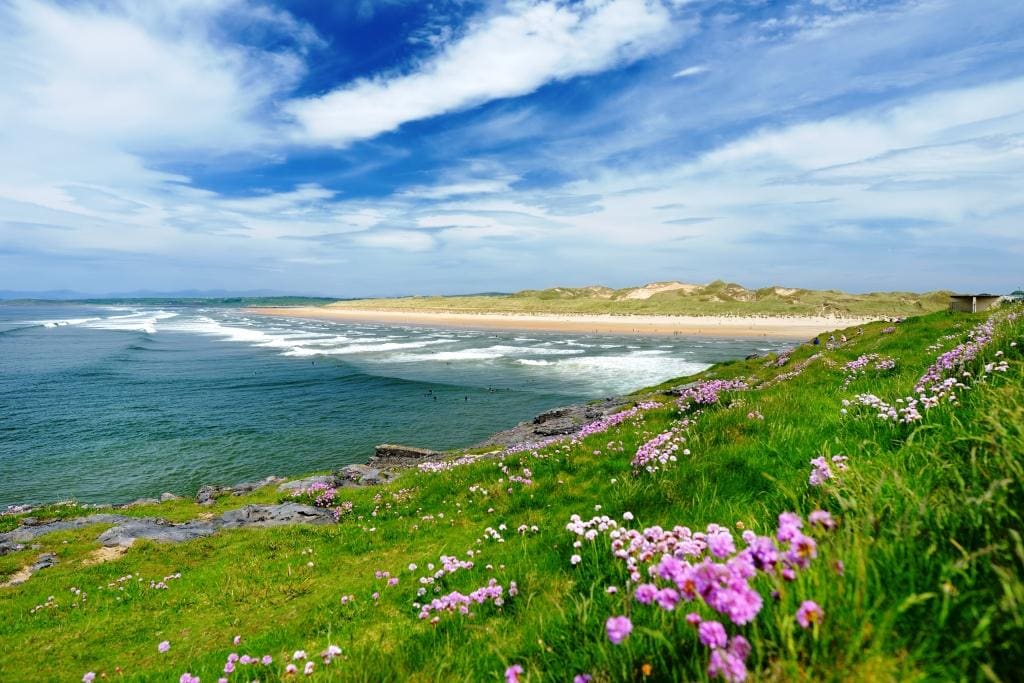
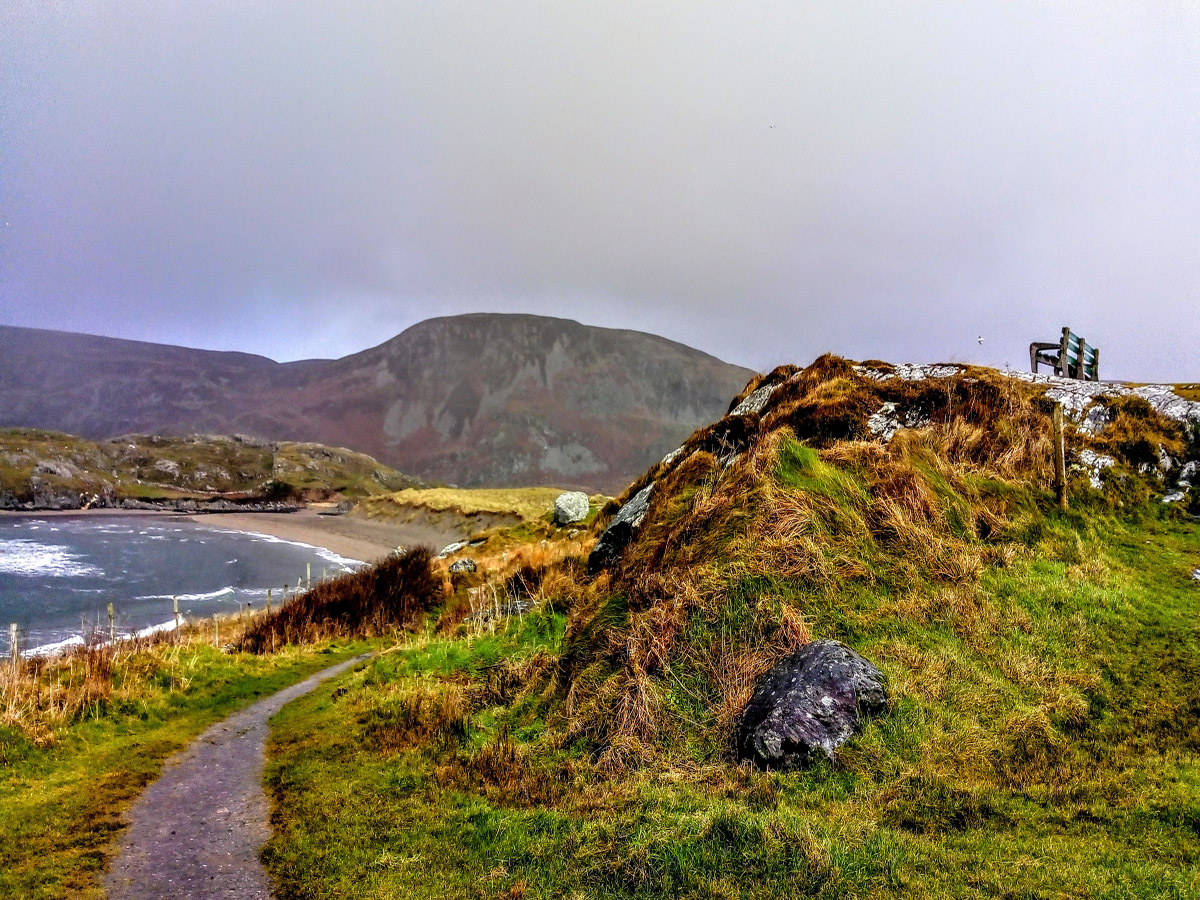
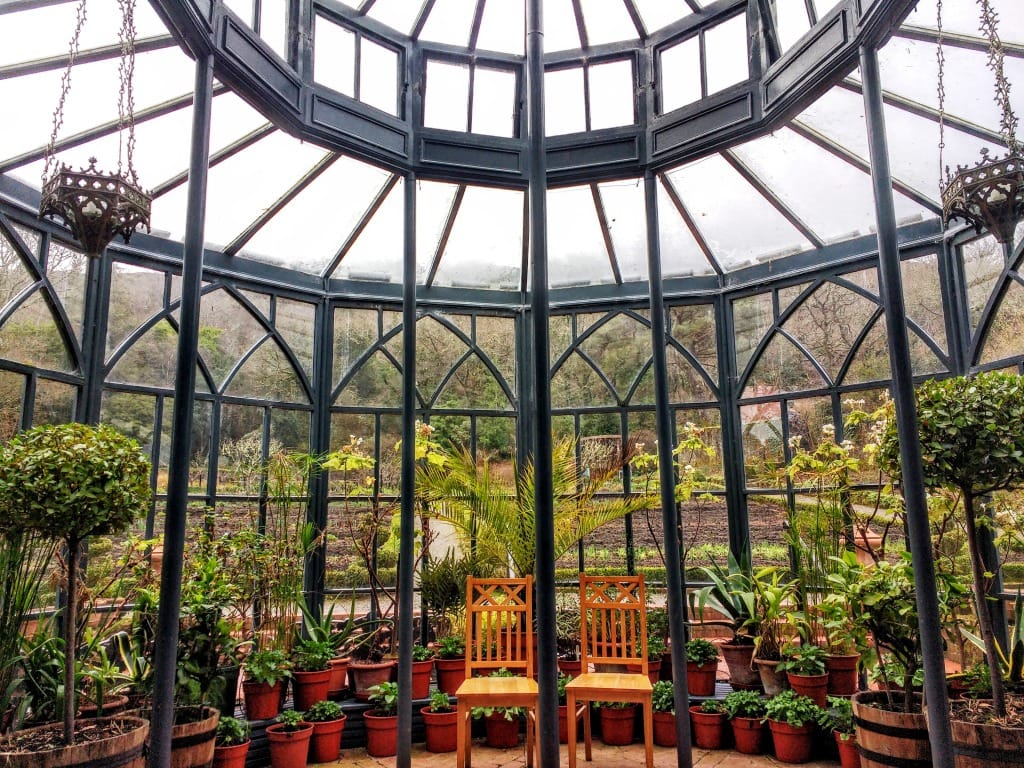
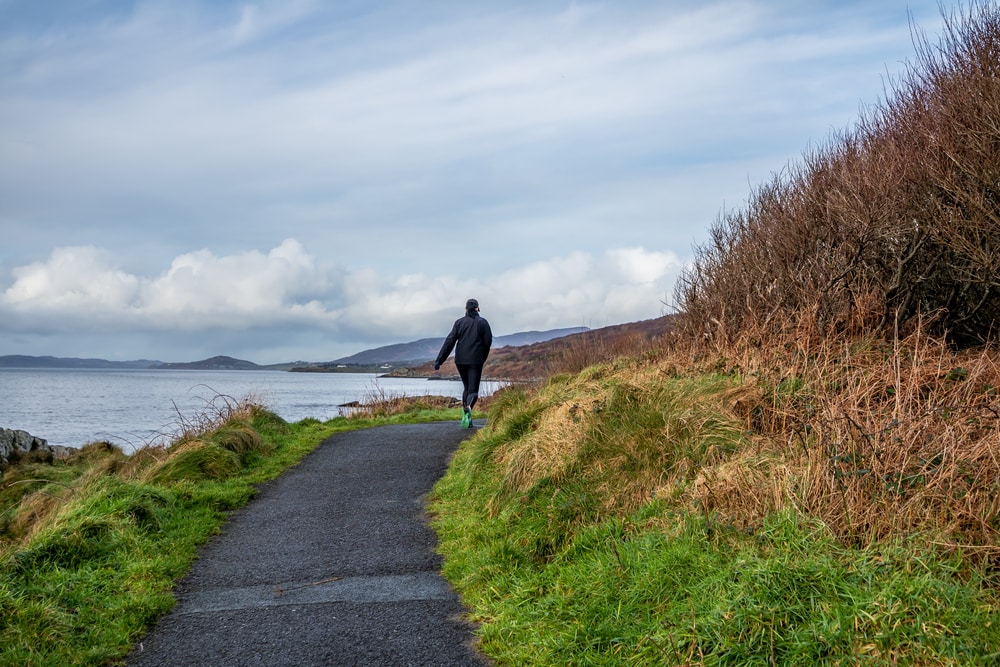
One of the reasons Donegal can be relatively affordable is that many of its most impressive attractions are natural landscapes that cost nothing to visit. Even locals regularly take drives along the coast from Donegal Town to Killybegs, or Glencolmcille to visit the Folk Village or walk along beaches like Rossnowlaghor Tullan Strand simply to enjoy the scenery.

Free Attractions in Donegal
Some of the county’s most iconic sights require no entrance fee at all. Visitors can spend entire days exploring scenic coastal routes, hiking trails, or quiet beaches without paying anything. Check out Heritage Ireland and Discover Ireland for free or low costs sites to visit.
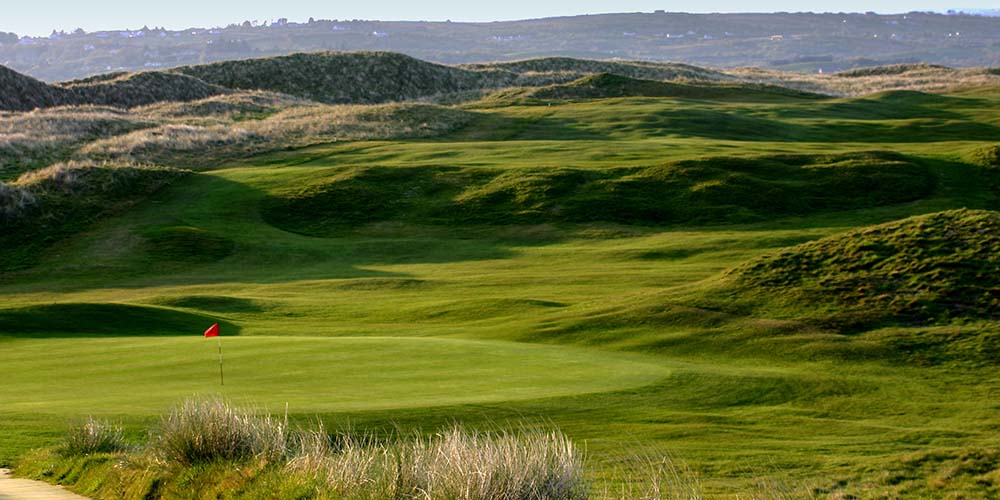
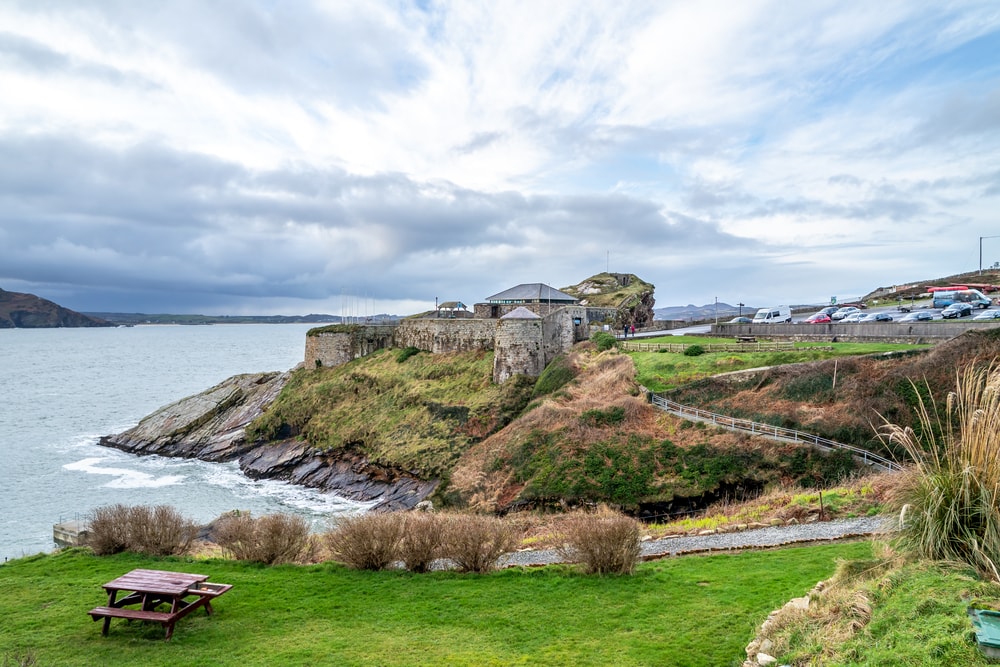
Places like Malin Head, on the Inishowen Peninsula – the northernmost point of Ireland, or the towering cliffs at Slieve League offer views that rival famous landmarks around the world. You can also visit and hike the Glenveagh National Park and tour the castle and stunning gardens. For golf fanatics Donegal has some of the most challenging courses in Ireland.
If you’re deciding between Ireland’s top cliffs, see our guide to Slieve League vs Cliffs of Moher, and find out is Slieve League dangerous before you go.
Living here, I never get tired of these landscapes. regularly take drives along the coast or walk along the beaches simply to enjoy the scenery.
Paid Activities and Tours
Although many attractions are free, there are also guided experiences available for visitors who want deeper insights into the region’s history and nature.
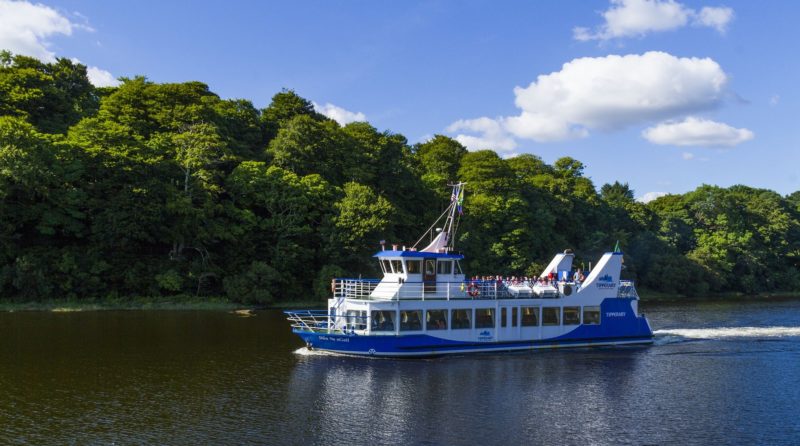
Boat tours along the coastline typically cost between €30 and €60 per person. Guided hiking tours, cultural experiences, and heritage sites often range from €10 to €50 depending on the activity.
These experiences can add depth to a trip, especially for travelers interested in learning more about local traditions and landscapes.
The Best Time to Visit Donegal for Lower Prices
Seasonality plays a significant role in how expensive Donegal can be.
During the summer months from June through August, tourism is at its peak. Accommodation prices increase, popular attractions become busier, and availability can be limited.
Spring and early autumn are often the best times to visit from a budget perspective. The weather can still be pleasant, but there are fewer tourists and accommodation prices tend to drop.
Winter is the quietest time of year. While it offers the lowest prices, some smaller businesses reduce their hours, and weather conditions can be unpredictable.

Sample Daily Budgets for Visiting Donegal
The amount you spend in Donegal ultimately depends on your travel style.
Budget travelers who stay in hostels, cook some meals, and rely on public transport might spend around €60 to €80 per day.
Mid-range travelers staying in comfortable hotels, renting a car, and eating in restaurants typically spend between €120 and €200 per day.
Luxury travelers who choose upscale accommodation, private tours, and fine dining can easily exceed €300 per day.
My Local Perspective on the Cost of Visiting Donegal
Living in Donegal gives me a slightly different perspective on travel costs than someone visiting for a short holiday.
Many locals know the quieter beaches, hidden walking trails, and scenic viewpoints that don’t appear in guidebooks. These places often become the highlights of a visitor’s trip, and they cost nothing to enjoy.
I’ve also seen how travelers sometimes assume Ireland will be extremely expensive, only to discover that rural regions like Donegal can be more affordable than expected.
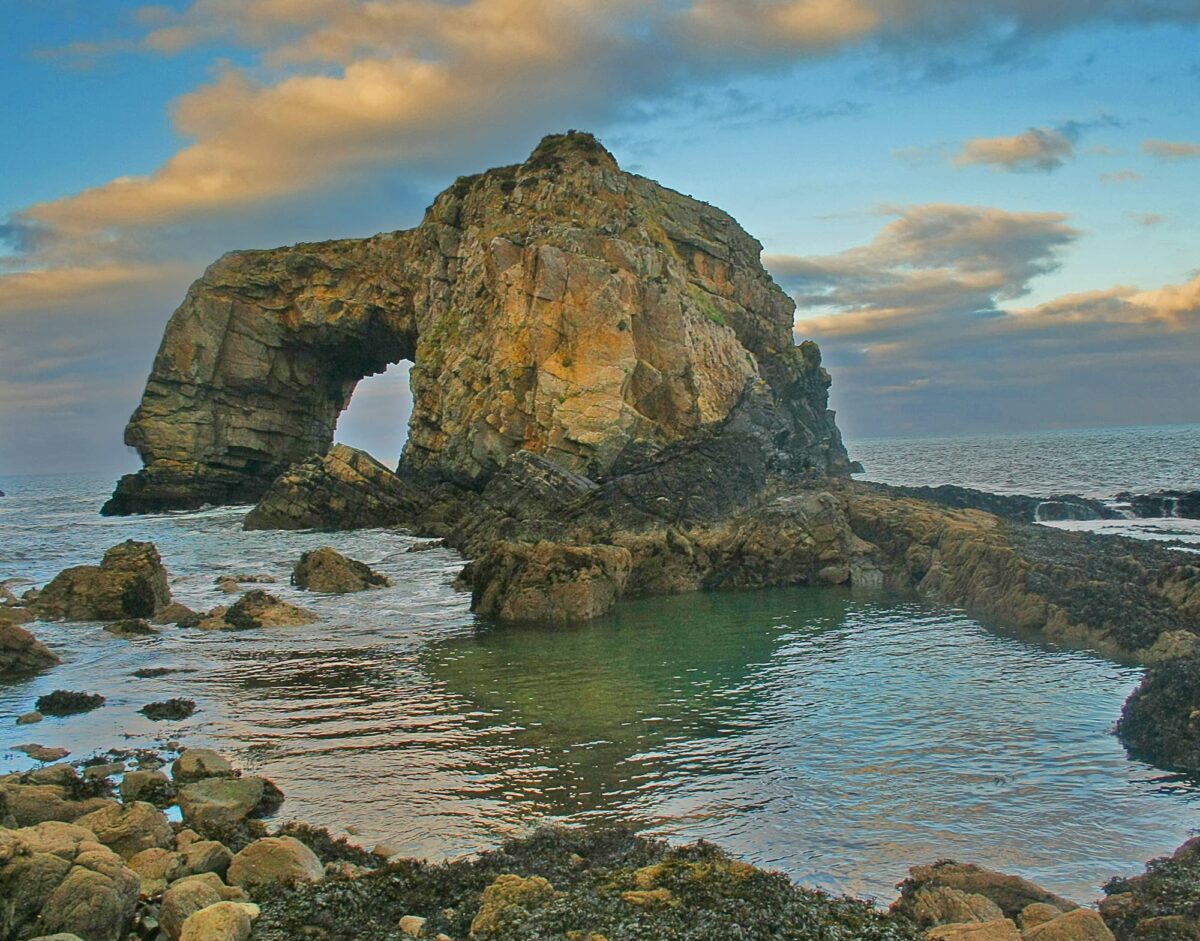
What I usually tell visitors is that Donegal rewards slow travel. Instead of rushing between attractions, spend time exploring villages, talking with locals, and enjoying the landscapes. These experiences often cost little but create lasting memories.

Final Verdict: Is Donegal Expensive to Visit?
Donegal is not the cheapest destination in Europe, but it is often more affordable than many travelers expect.
Compared with major Irish cities, accommodation and food can be reasonably priced, and the abundance of free natural attractions helps keep overall costs manageable.
Most visitors can plan a comfortable trip to Donegal with a daily budget of €80 to €200 depending on their travel style.
Frequently Asked Questions
Is Donegal cheaper than Dublin?
Yes, Donegal is generally cheaper than Dublin. Accommodation, restaurants, and activities tend to cost less, especially outside peak summer months.
How much should I budget for Donegal?
Most travelers spend between €80 and €200 per day depending on accommodation choices, transportation, and activities.
Is Donegal worth visiting?
Donegal is widely considered one of the most scenic regions in Ireland, known for dramatic cliffs, quiet beaches, and traditional Irish culture.
From my perspective as someone who lives here, the real value of Donegal lies in its landscapes, culture, and sense of authenticity. Whether you are hiking along dramatic cliffs, enjoying fresh seafood in a small coastal pub, or simply watching the sunset over the Atlantic, the experiences you gain here often feel priceless.
For travelers seeking stunning scenery, rich culture, and a slightly quieter side of Ireland, Donegal offers a remarkable destination that does not have to break the bank.


Explore More Donegal Guides
If you’re planning a trip around the county, you might also enjoy these guides:
Is Donegal Worth Visiting? an honest look at what makes Ireland’s wild northwest so special
Best Beaches in Donegal – A local guide to the most beautiful beaches along the coast
Is Slieve League Dangerous? – People often ask this question find out all the details here.
How to find the Secret Waterfall – Donegal’s secret waterfall at Largy Point
Visiting Donegal’s Famine Village – Doagh Famine Village is an educational folk village with authentic houses and historic information
For deeper planning, explore detailed guides to some of the county’s most remarkable places, including Glenveagh National Park, Slieve League Cliffs, and other highlights along the Wild Atlantic Way.

If you have more time, add Inishowen or the Rosses, dive deeper with the Best Beaches and Hidden Gems guides, and check dates before you go hours and access change with the season. See you on the Wild Atlantic Way.
For travelers planning a slower-paced trip through the northwest, my Accessible Donegal guide covers wheelchair-friendly viewpoints, scenic drives, beaches, parking, transport, and realistic tips for visiting Donegal with limited mobility.
Explore a few of my Ireland itineraries below:
👉 An Itinerary for exploring Wicklow
👉 An Itinerary for exploring Kilkenny
👉 A 10 Day Itinerary to discover Ireland
👉 5 Historical Places to visit near Dublin
👉Causeway Coastal Route Itinerary
👉 Celtic Symbols a road trip itinerary
Join 7,500 Ireland travellers in my Ireland Uncovered Facebook Group and 1,897 on my XYUandBEYOND PAGE
Start Planning Your Trip
👉 Public Transportation in Ireland
👉 Hidden Gems in Ireland – 32 Secret places to visit
👉 Answering all your travel questions about Ireland
👉What to pack for your Ireland trip