
A Traveler’s Guide to London, England
I lived in London for over 10 years and worked in the City and have experienced many a tourist site and travelled across this vibrant, noisy city. London, is a city where ancient history and cutting-edge modernity exist side by side. It is a destination that demands exploration. From the echoing chimes of Big Ben to the sleek silhouette of The Shard, the city tells a story that spans centuries. It is a global capital of culture, finance, fashion, and cuisine, offering an overwhelming yet enchanting array of experiences.

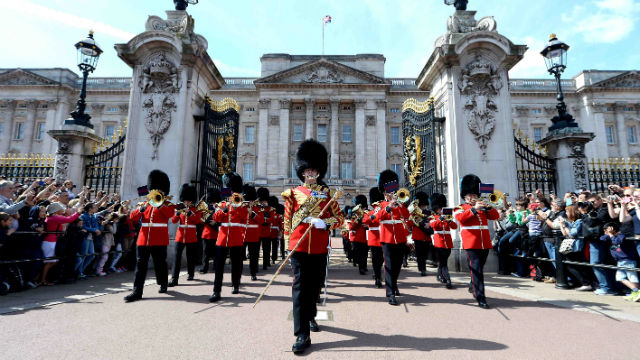
No trip is complete without immersing yourself in its iconic landmarks. Witness the Changing of the Guard at Buckingham Palace, gaze across the Thames from the London Eye, and stand in awe of the Gothic grandeur of the Houses of Parliament. Yet, London’s true magic often lies beyond the postcard sights. It’s found in the hushed reading rooms of the British Museum, the eclectic street food of Borough Market, the serene beauty of Kew Gardens, and the groundbreaking performances in the West End.
Navigating the city is an experience in itself, with the world’s oldest underground railway system—the Tube—providing an efficient artery to almost every point of interest. Above ground, iconic red double-decker buses offer splendid views, while a stroll along the South Bank presents a picturesque panorama of the city’s skyline.
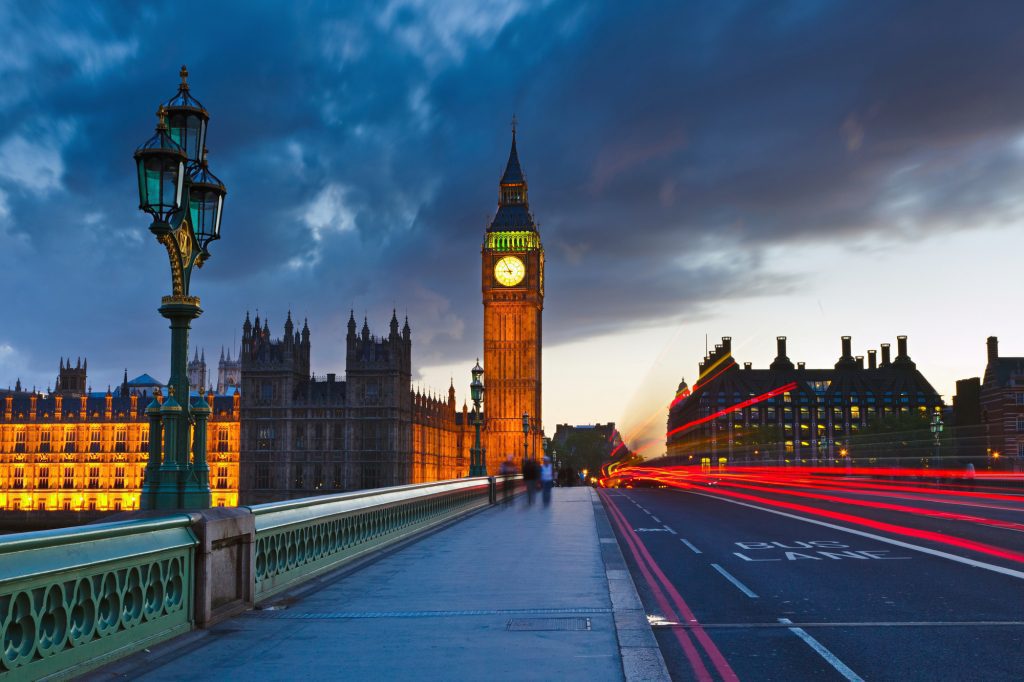
London Is The Smallest City In England
Yes, you heard that right. What you think of London is actually just a small urban area part of the Greater London region. The city of London covers only 1.2 square miles and has a population of around 7,500 residents. As such, the city of London is actually the smallest city in England. Greater London, on the other hand, is an English region, which encompasses surrounding towns covering 606 square miles and having a population of over 8.7 million residents.
Over Than 300 Languages Are Spoken In London
There’s hardly any other place in the world more diverse than London. Expats coming from different nationalities share a large proportion of their population, which enumerates around 8.7 million residents. They practice their original traditions and communicate in their native language. Due to this unbelievable diversity in London, it is estimated that there are over 300 languages spoken in London. Chances are that if you’re on a trip to London you can easily have someone to communicate with in your native language.
What Does The Name London Stands For?
Some standing theories state that London was first built by Romans around 50 AD. The origin of its name has also a puzzling history. Throughout history, London used to have different names including Londonium, Ludenwic, and Ludenberg. The most accepted version is that the name for London has derived from the old Celtic word “Londinous” which means to be bold.
Things to see in London
Grid

The Tower of London’s Dark History and What to See Inside

The Lions of Trafalgar Square: History and Hidden Secrets

The Best scenic Train Journeys in the UK

2-Week UK and Ireland Itinerary: What to See (and What to Skip)

Ultimate Guide to the London Eye – the giant Ferris Wheel in London

Christmas in London: The Ultimate Guide

Things to Do in Notting Hill: Markets, Film Spots and Hidden Gems

Hidden Gems of London Secret Spots Off the Beaten Path

Best things to do in Chelsea London

10 Famous Theatres in London from the Globe to the old Vic

Best heritage sites UK
7 Days in London England

Guy Fawkes and Bonfire Night in England

Alan Turing and Bletchley Park Computer Museum

Tips for crossing the famous Beatles Abbey Road crosswalk

The 7 Best Places to See Street Art in London

What to see inside St. Paul’s Cathedral London

Ultimate tips for visiting Big Ben and the Houses of Parliament

Exploring the Cutty Sark Greenwich

The ultimate 2 days in London itinerary

Best National Trust Places to Visit In the UK
