
7 Days in London: A Local’s Itinerary for First-Time Visitors (2026/27)
Quick answer: The best 7-day London itinerary for first-timers groups the city by area so you don’t waste time crossing it. Day 1: Buckingham Palace and Trafalgar Square. Day 2: Westminster, the Churchill War Rooms and the London Eye. Day 3: Borough Market, the Tower of London and Tower Bridge. Day 4: Greenwich and Brick Lane. Day 5: a day trip to Stonehenge and Bath. Day 6: the British Museum, the West End and a show. Day 7: the South Kensington museums before you fly home.

To be honest, 7 days in London is not really enough, particularly when you’re flying in from Canada or the USA. But I know how precious vacation time is, and a week is enough to see the great sights properly without running yourself ragged. I lived in South London for ten years, near the Oval, worked in an office behind Waterloo Station and did my weekly shop at East Street Market. This is the itinerary I give friends and family when they visit for the first time.
- 7 Days in London: A Local’s Itinerary for First-Time Visitors (2026/27)
- 7 Days in London: Fast Facts
- Your 7-Day London Itinerary at a Glance
- Before You Go: What First-Time Visitors Need to Know
- How Do I Get from Heathrow to Central London?
- How Do I Use Public Transport in London?
- Where to Stay in London for 7 Days
- How Much Does 7 Days in London Cost?
- Day 1: Buckingham Palace, St James’s Park and Trafalgar Square
- Day 2: Westminster, the Churchill War Rooms and the London Eye
- Day 3: Borough Market, the Tower of London and Tower Bridge
- Day 4: Greenwich and Brick Lane
- Day 5: Stonehenge and Bath Day Trip from London
- Day 6: British Museum, the West End and a Show
- Day 7: South Kensington Museums and Departure
- 2 days in London Itinerary Map
- Only Have 3 or 5 Days in London?
- Rainy-Day Swaps for Each Day
- 7 Days in London with Kids
- Accessible London: Tips for Travellers with Mobility Problems
- Free Things to Add to Your Week
- Local Tips from Ten Years of Living in London
- Frequently Asked Questions About 7 Days in London
- Plan the Rest of Your UK Trip
7 Days in London: Fast Facts
- Entry: Canadian and US visitors need a UK ETA (£20, valid 2 years) before flying. It has been mandatory since 25 February 2026.
- Budget: roughly £950–£1,650 per person for 7 days, not counting flights.
- Cheapest airport transfer: Piccadilly line from Heathrow, £5.90.
- Getting around: tap a contactless card or phone. Daily fare caps mean you never overpay.
- Free must-sees: British Museum, National Gallery, Natural History Museum, V&A, Sky Garden (book ahead) and the Changing of the Guard.
- Biggest tickets: Tower of London £38, Churchill War Rooms £34, Westminster Abbey £32, Buckingham Palace State Rooms £33 (summer only).
- Best months: May, June and September.
- Plan your days around: the Changing of the Guard (Mon, Wed, Fri and Sun), Westminster Abbey (closed to visitors on Sundays) and Portobello Road (Saturdays for antiques).

Your 7-Day London Itinerary at a Glance
| Day | Area | Highlights | Paid entry (adult) |
| 1 | St James’s & Trafalgar Square | Buckingham Palace, Changing of the Guard, St James’s Park, National Gallery, Piccadilly Circus | Free (State Rooms £33 in summer) |
| 2 | Westminster & South Bank | Churchill War Rooms, Westminster Abbey, Big Ben, Westminster Bridge, London Eye, Covent Garden | £34 + £32 + about £30 |
| 3 | Southwark & the City | Borough Market, Tower of London, Tower Bridge, Tower Hill, Sky Garden | £38 + about £18 |
| 4 | Greenwich & East End | River boat, Cutty Sark, Royal Observatory, Greenwich Market, Brick Lane | £22–£38 |
| 5 | Day trip | Stonehenge and Bath (or Windsor, Oxford, Bletchley Park) | Tours about £80–£120 |
| 6 | Bloomsbury & West End | British Museum, Oxford Street, Carnaby Street, Notting Hill or Camden, West End show | Free + theatre |
| 7 | South Kensington & King’s Cross | Natural History Museum or V&A, Platform 9¾, Heathrow | Free |
Map key
● Day 1 St James’s & Trafalgar Sq ● Day 2 Westminster & South Bank ● Day 3 Southwark & the Tower ● Day 4 Greenwich & Brick Lane ● Day 5 Day trips ● Day 6 West End, Notting Hill & Camden ● Day 7 South Kensington ● Local tip
Click any pin for opening tips and 2026 prices. Use the icon at the top left of the map to open the full list.
Before You Go: What First-Time Visitors Need to Know
Get your UK ETA before you fly
This is the one that catches people out. Since 25 February 2026, visitors from 85 visa-free countries, including Canada and the United States, can’t board a flight to the UK without an Electronic Travel Authorisation. It costs £20, lasts two years or until your passport expires, and you apply through the official UK ETA app or GOV.UK. Apply at least three working days before you fly, and never through a third-party site that charges extra. Irish and British passport holders don’t need one. For more on arriving in the UK, see my guide to visiting Britain: things you should know.

Line up your days with the big schedules
Three schedules shape a London week. The Changing of the Guard only happens in full on Mondays, Wednesdays and Fridays at 11am, with a 10am Sunday Parade. Westminster Abbey is closed to sightseers on Sundays because it is a working church. Portobello Road Market is busiest and best on Saturdays and closed on Sundays. Shuffle the days below so they fit.

Best time to visit London
May, June and September give you mild weather, long evenings and fewer crowds than July and August. I went back to the Tower of London one May specifically to see the red roses laid on Anne Boleyn’s grave, and spring light on the Thames is hard to beat. Summer is the only time you can go inside Buckingham Palace. November and December bring the lights and the Christmas markets. January is the cheapest month, but the London Eye usually closes for maintenance for part of it.
How Do I Get from Heathrow to Central London?
Getting from Heathrow Airport to central London is straightforward. Here are the 2026 options:
| Option | Time | 2026 price (single) | Best for |
| Piccadilly line (Tube) | 50–60 min | £5.90 contactless, any time | Budget; King’s Cross, Covent Garden, South Kensington, Green Park |
| Elizabeth line | About 35 min | £15.50 contactless | Comfort; step-free; Paddington, Bond St, Tottenham Court Rd, Liverpool St |
| Heathrow Express | 15 min to Paddington (21 from T5) | £26 on the day; from £10 booked 30+ days ahead | Speed; under-16s ride free |
| National Express coach | 45–90 min | From about £9 | Lots of luggage; Victoria |
| Black cab / Uber / Bolt | 45–90 min | £50–£100 | Groups, late arrivals, mobility needs |
| Pre-booked transfer | 45–90 min | £50–£70 | Families; driver meets you at arrivals |
My tip: Heathrow Tube fares are always charged at the peak rate, so there’s no point waiting for off-peak. If you’re jet-lagged with heavy bags, the Elizabeth line is worth the extra money. It’s step-free from platform to street, which the Piccadilly line often isn’t.

How Do I Use Public Transport in London?
Tap a contactless card or phone
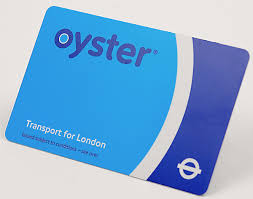
You don’t need to buy anything. Tap a contactless bank card, Apple Pay or Google Pay on the yellow reader at the start and end of every Tube or train journey, and just once when you board a bus. You get the same fares as an Oyster card, and daily and weekly caps mean you’ll never pay more than a set amount however many trips you take. The Zones 1–6 daily cap, which includes Heathrow, is £16.30. Use the same card every time, or the caps won’t work. London buses don’t take cash.
Plan your route
Use Google Maps, Citymapper, or TfL Journey Planner. The official Tube map distorts distances, so some stations that look far apart are a five-minute walk. This great map is downloadable and was made by Mark Noad, with the stations placed geographically, which helps you relate the Underground to the streets above.

The ways to get around
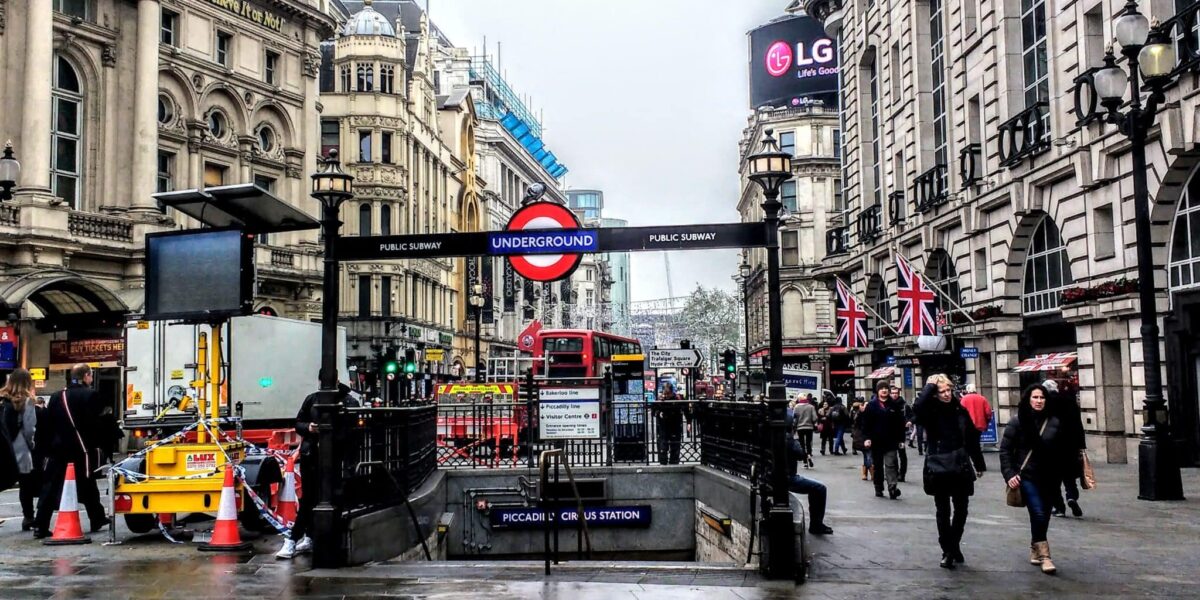
- Underground (Tube): the fastest way across the city, covering 9 zones with central London in Zone 1. Peak fares apply 6:30–9:30am and 4–7pm on weekdays.
- Buses: cheap, scenic and all wheelchair accessible. The drivers are fantastic at telling you where to jump off.
- Elizabeth line, Overground and DLR: the DLR is how you reach Greenwich and Canary Wharf.
- Uber Boat by Thames Clippers (river bus): I loved this when I lived there. You see London from the water in a way you never do from land, and it’s a lifesaver if walking is hard. Contactless works on board.
You can read my Getting around the UK guide here as well as my Accessible London Guide.
Where to Stay in London for 7 Days
Choose your area by how you’re arriving and how much walking you want to do. London is huge, and a central base saves hours.
| Area | Why stay here | Watch out for |
| Covent Garden / West End | Walk to theatres, Trafalgar Square and Westminster | Highest prices, noisy at night |
| South Bank / Waterloo | Riverside, London Eye, easy Tube links (my old work stomping ground) | Fewer budget options |
| King’s Cross / Bloomsbury | Piccadilly line direct to Heathrow; British Museum on the doorstep | Busy station area |
| Paddington | Heathrow Express and Elizabeth line; near Hyde Park and Notting Hill | Further from the City and the Tower |
| Tower Hill / City | Next to the Tower of London, Tower Bridge and Sky Garden | Quiet at weekends |
| South Kensington | Museums, Piccadilly line to Heathrow, leafy and safe | Expensive |
| Kennington / the Oval (Zone 2) | Where I lived: cheaper, residential, 10 minutes to the centre on the Northern line | Fewer hotels; more apartments |
Best budget hotels in London
Point A Hotels: modern, compact rooms in Paddington, Kensington, King’s Cross, and Shoreditch, with comfortable beds and free Wi-Fi. Excellent value if location matters more than space. From around £70 a night.
The Strand Palace: welcoming guests since 1909, the Strand Palace is in the West End within 700 metres of the Adelphi and Vaudeville theatres, with two bars and a British restaurant. From around £190 a night.
CitizenM: pricier than a true budget hotel but stylish, with cosy rooms and great communal spaces. Book CitizenM near the South Bank or CitizenM Tower of London for Day 3. From around £180 a night.
EasyHotel: no-frills but clean and central, in Victoria, Paddington, and Shoreditch. From around £90 a night.
Prices are indicative and swing a lot by date. Book early, stay near a Tube or Elizabeth line station, and compare booking sites against the hotel’s own website.


How Much Does 7 Days in London Cost?
| Per person, 7 days | Budget | Comfortable |
| Accommodation (7 nights, sharing a room) | £420 | £700 |
| Heathrow transfers (return) | £12 (Piccadilly line) | £52 (Heathrow Express) |
| Transport in London (contactless, capped) | £70 | £120 |
| Food and drink | £210 (£30/day) | £420 (£60/day) |
| Attractions, day trip and a show | £250 | £350 |
| Total (excluding flights and ETA) | about £960 | about £1,640 |
Save money by leaning on the free museums, eating at markets, and using the National Rail 2-for-1 offers, which work at Westminster Abbey and other big sights if you travel by train that day.

Is the London Pass worth it for this itinerary?
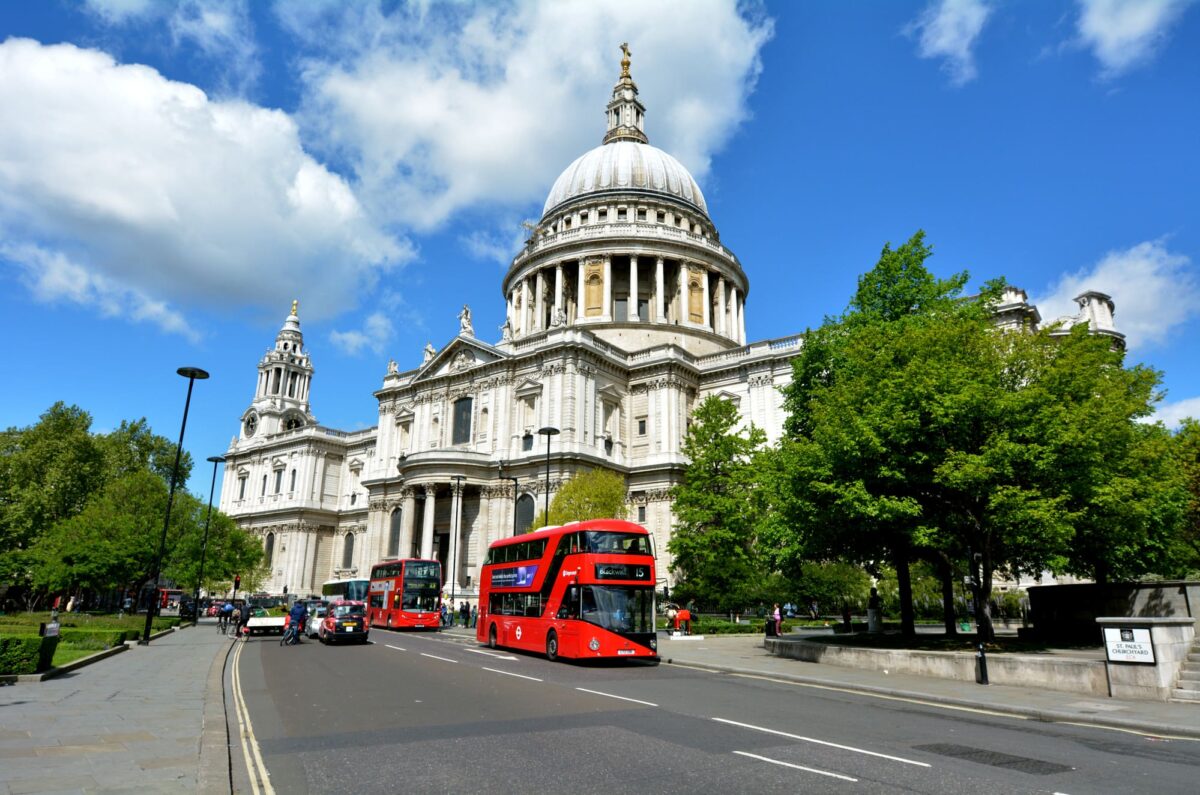
Probably not, and here’s the math. The Go City London Pass starts at around £99 for one adult day, and the per-day price drops the more days you buy. It includes the Tower of London, Westminster Abbey and St Paul’s Cathedral. The London Eye is only included in the more expensive London Pass Plus.
| Busiest days on this itinerary | Paid entry at the gate | London Pass (1 day) |
| Day 2: Westminster Abbey + Churchill War Rooms + London Eye | £32 + £34 + about £30 = £96 | From about £99, and the London Eye isn’t in the standard pass |
| Day 3: Tower of London + Tower Bridge | £38 + £18 = £56 | From about £99 |
| Day 4: Cutty Sark + Royal Observatory | £38 with the Royal Museums Greenwich Day Pass | From about £99 |
This itinerary deliberately mixes paid sights with free museums and markets, so you’d struggle to get your money back on any single day. A pass only pays off if you plan to rush through three or four paid attractions a day, every day. If that’s you, price your exact list against Go City’s current multi-day price before you buy, and remember that Westminster Abbey still needs a timed slot booked through the Go City app.
Day 1: Buckingham Palace, St James’s Park and Trafalgar Square
Getting in: take the Elizabeth line or the Piccadilly line into central London, drop your bags and get outside. Daylight is the best cure for jet lag.
Morning: If you land early enough, head to Buckingham Palace for the Changing of the Guard at 11am on a Monday, Wednesday or Friday, or the 10am Sunday Parade. It isn’t daily, and it’s cancelled in heavy rain, so check the Household Division schedule the day before. Arrive by 10.15am and stand on the steps of the Victoria Memorial rather than squashing against the railings. If today isn’t a guard day, swap Day 1 and Day 2.

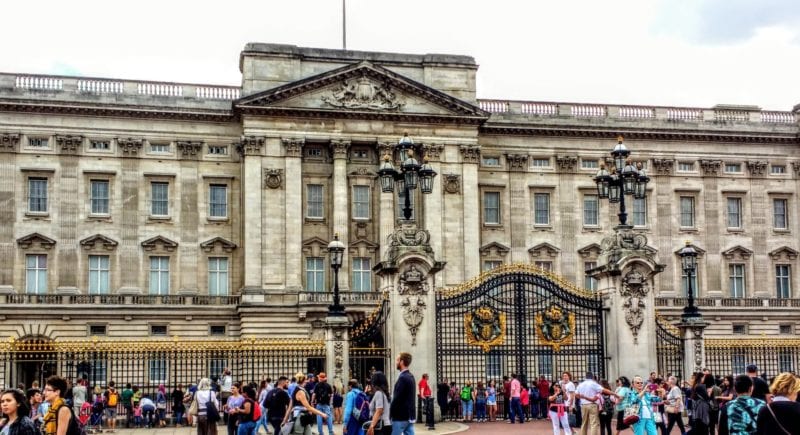
You can only go inside the palace in summer. In 2026 the State Rooms open from 9 July to 27 September, and adult tickets cost £33 (£21.50 for ages 18–24, £16.50 for children). Book ahead. Afterwards, stroll through St James’s Park, look for the pelicans, and walk down The Mall to Admiralty Arch.
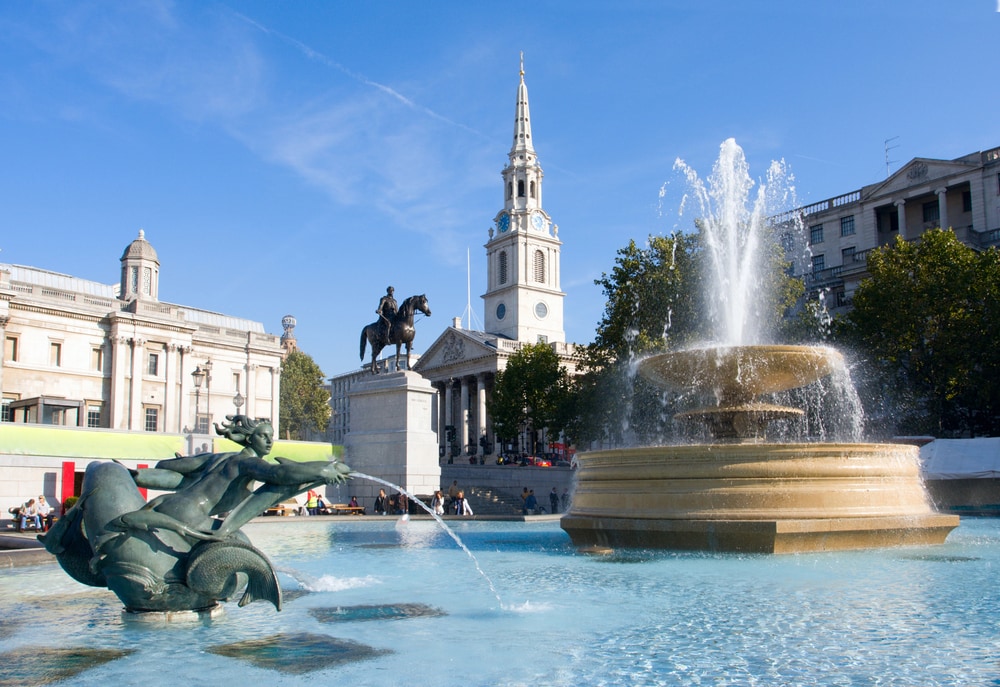
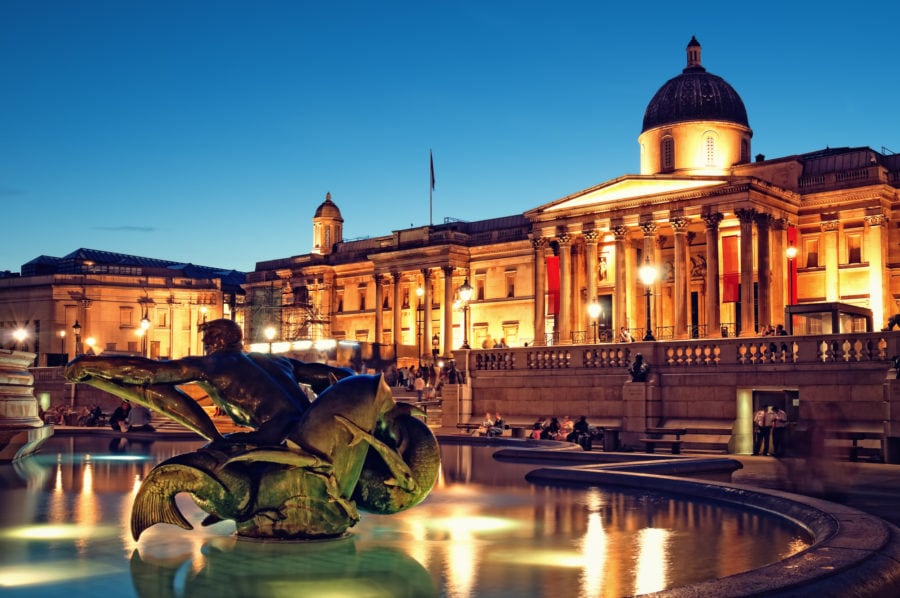
Afternoon and early evening: Head to Trafalgar Square and the National Gallery, which is free and holds everything from Leonardo da Vinci to Van Gogh’s Sunflowers. It’s open 10am to 6pm daily, and until 9pm on Fridays. Before you leave the square, find Britain’s smallest police station, built into a lamp post in the south-east corner. Then walk five minutes to Piccadilly Circus and Leicester Square, just to say you’ve seen them. Leicester Square itself is mostly chain restaurants and tourist tat, so don’t linger.
Dinner: The National Gallery has a lovely café, or head up the street to Xi Home Dumplings Bay on Chandos Place, a five-minute walk, for great Chinese dumplings and noodles.
Day 2: Westminster, the Churchill War Rooms and the London Eye
Breakfast: Indulge in a full English breakfast. On my last visit I had a proper one at Fernando, a small, real English café on a Covent Garden back street, which beat the fancy hotel breakfasts hands down. A full English is a couple of fried eggs, sausage, English bacon (not that streaky stuff), grilled tomatoes, mushrooms, Heinz baked beans, toast and tea, and fried bread if you’re lucky. It’ll keep you going until dinner.

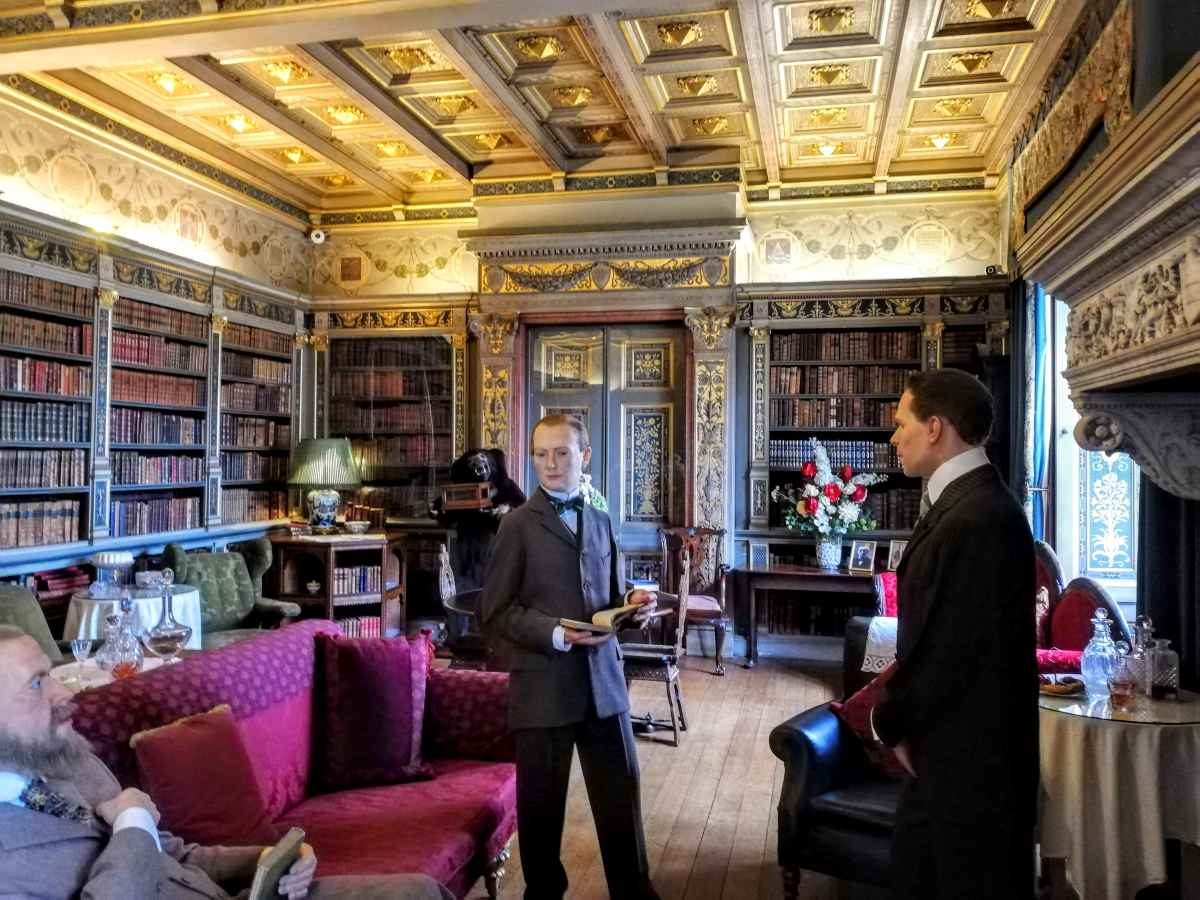
Morning: Walk down Whitehall, past Downing Street, to the Churchill War Rooms, the underground bunker where Churchill’s cabinet ran the Second World War. Adult tickets are £34 (2026–27), with a free audio guide. Allow two hours. This one is personal for me. My grandfather served in the navy through both World Wars, and my mum was four and living in London with my grandmother during the bombing. She remembered the buzz bombs, and one night their building was mostly destroyed while they sheltered under a table. Standing in those cramped rooms, you understand what a city under siege felt like.

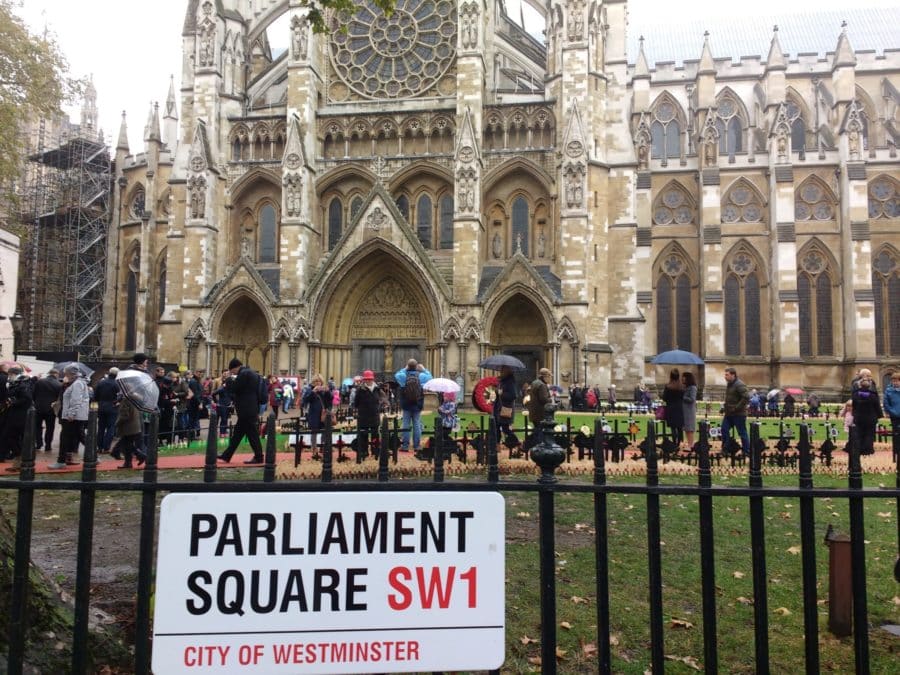
Midday: Prefer company? Join a free walking tour (like Free Tours by Foot, where you decide how much to tip) around Westminster Abbey and the Houses of Parliament. Westminster Abbey has crowned every monarch since 1066. Adult entry is £32 (£29 for over-65s and students, £14 for children), and it’s free for registered disabled visitors and an essential companion. It’s closed to sightseers on Sundays. Buy online and you can upgrade your ticket to an annual pass for free on the day. Then see the Houses of Parliament, Parliament Square and Big Ben.

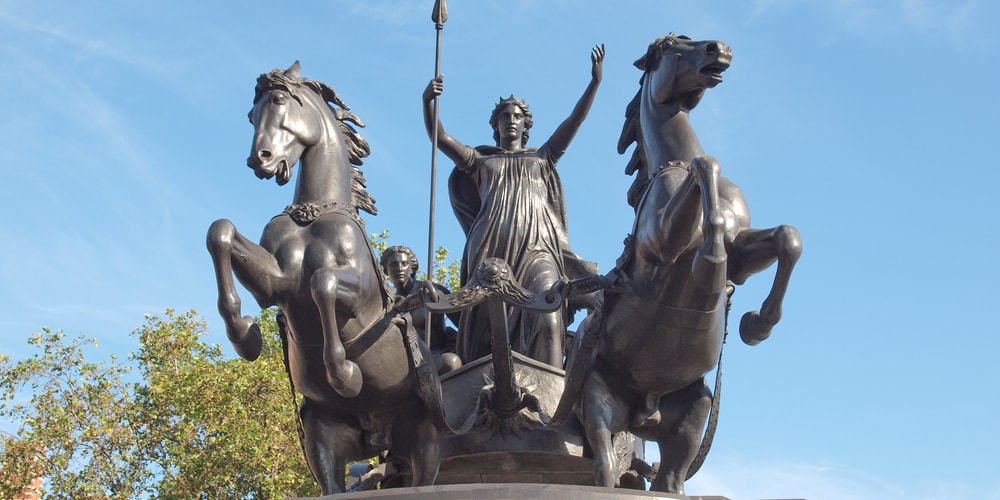
Walk across Westminster Bridge. The current bridge opened in 1862, and the views of Parliament from the far end are the classic London photo. At the Westminster end stands Thomas Thornycroft’s bronze of Boudicca, the Iceni queen who led her people against the Romans and died around AD 61. On the far side is the South Bank Lion.
Afternoon: Take a whirl on the London Eye, from around £30 if you book online. I hate Ferris wheels, and the London Eye looked no different to me, so I dreaded taking my life in my hands. What soothed me was pairing it with a lovely cruise down the Thames. If heights bother you too, the capsules move so slowly that it’s more like a glass room than a ride.

Hop-On Hop-Off Sightseeing River Cruise on the Thames: see the sights from the water with a 24-hour pass. You get clear views of the London Eye and the Houses of Parliament from an all-weather boat, and you can hop on or off at any stop.

Evening: From the London Eye, walk a few minutes to Waterloo, take the Bakerloo line to Charing Cross and walk about 10 minutes to explore Covent Garden. It’s a fairground of West End London life, from influencers changing outfits for Instagram to phenomenal musicians busking in the arcades. I always pick up Turkish Delight here. For dinner, try a traditional pub meal at the Lamb and Flag, tucked down a laneway, or Dishoom if you love Indian food (expect a queue).

Day 3: Borough Market, the Tower of London and Tower Bridge
Morning: Walk the South Bank east from Westminster Bridge towards Blackfriars, past the Jubilee Gardens. For those of us, like me, who can’t resist a tacky tourist horror show, the London Dungeon is right here, with the Black Plague, the Great Fire and Jack the Ripper. If the walk is too far, take the Uber Boat from London Eye Pier to Bankside or London Bridge instead.
Lunch: Go to Borough Market before noon to beat the office crowd. A market has traded here in some form for around 1,000 years, and it’s one of the best food markets anywhere. On my last visit I had a pork ciabatta from Black Pig and a sausage roll from The Ginger Pig, and both were superb. Expect to pay £8–£14 for street food. It’s one of the best markets in London, but there are many more.


Afternoon: Walk along the river to the Tower of London, founded by William the Conqueror after 1066 and now a UNESCO World Heritage site. It has been a royal palace, a prison and a treasury, and it still holds the Crown Jewels. Adult tickets are £38 (excluding the optional donation), and there is a disabled visitor concession with a free carer. Join one of the free Yeoman Warder tours, which are included in your ticket.

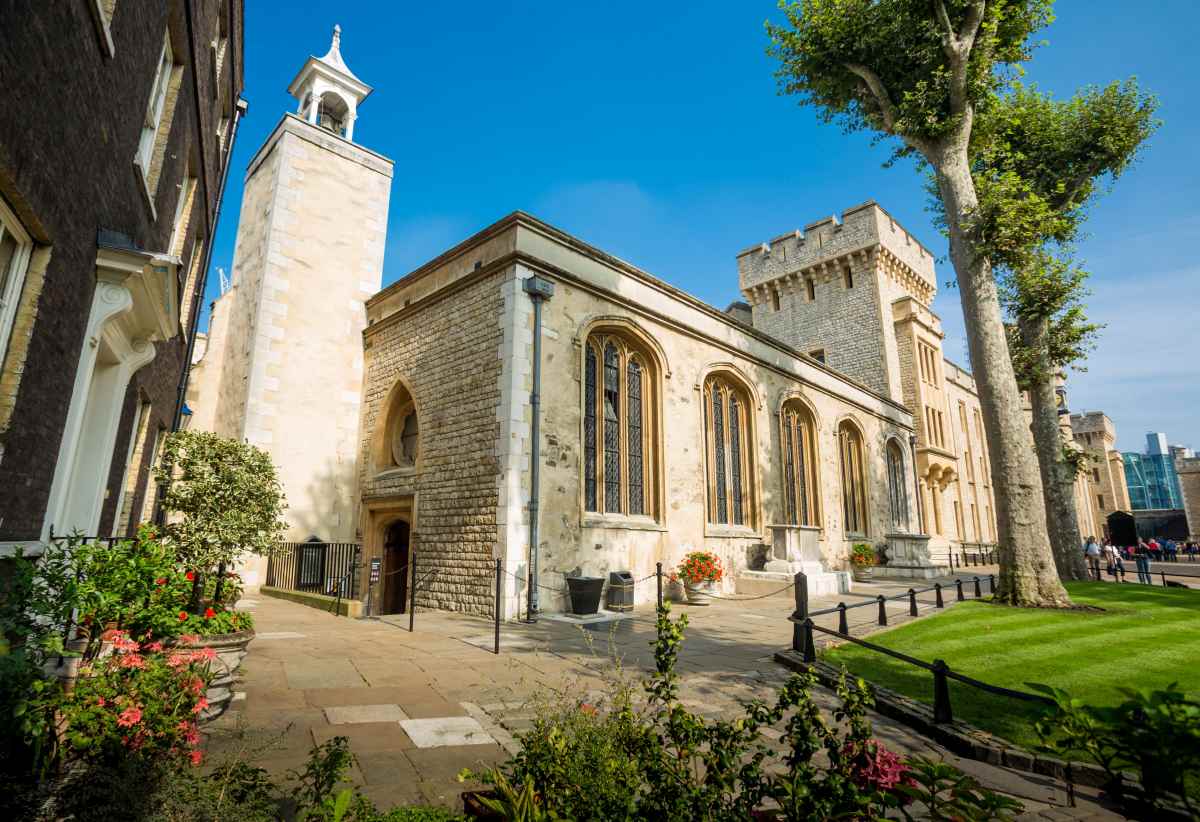
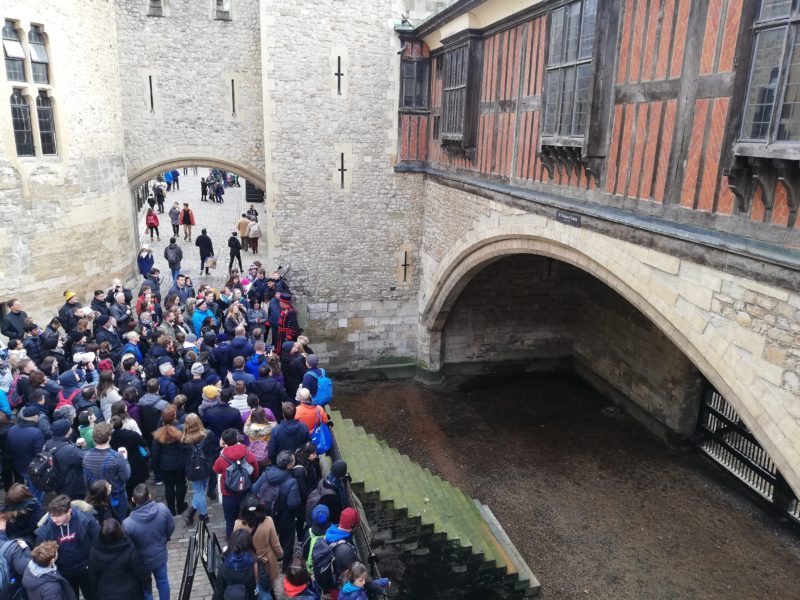
I visited one May to see the red roses that are delivered every year on 19 May and laid on Anne Boleyn’s memorial in the Chapel of St Peter ad Vincula, where she was buried after her execution in 1536. I also stood at Traitors’ Gate, the river entrance where so many prisoners arrived by boat. Legend says Anne came in this way, though historians think she more likely entered through the Court Gate. She was held in the royal lodgings, not the White Tower, in the same rooms she had stayed in before her coronation.
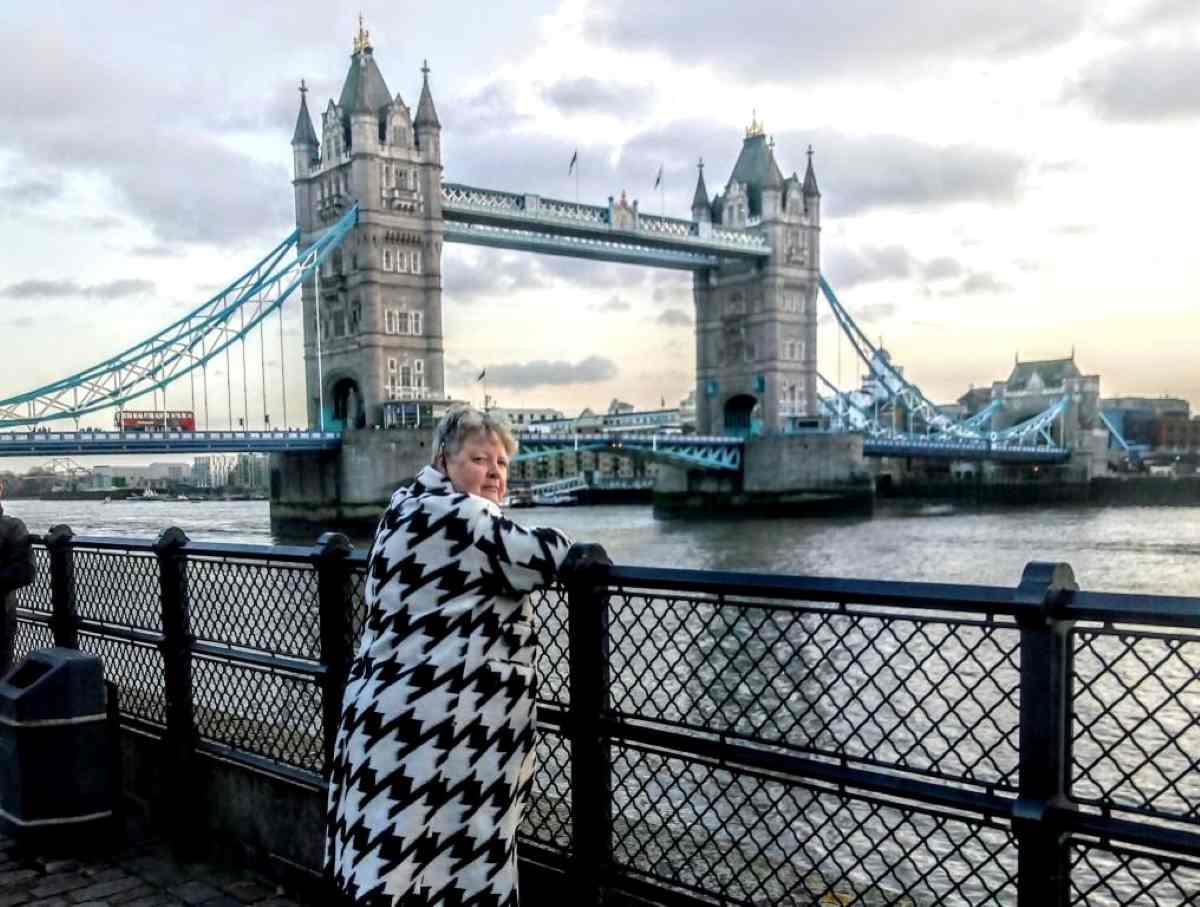
Tower Bridge is free to walk across. The Tower Bridge Exhibition costs about £18 for adults and includes the glass-floored high-level walkways 42 metres above the Thames, plus the Victorian engine rooms. The bridge was completed in 1894. I toured it but skipped the walkways, because I hate heights, and I got lucky and watched the bridge lift as a fancy yacht sailed underneath. Check the lift times on the Tower Bridge website and you might catch one too.
Dinner: Head to The Hung, Drawn and Quartered on Great Tower Street, a historic pub with hearty meals. Its grim name comes from nearby Tower Hill. Tower Green inside the Tower is famous for executions, including Anne Boleyn’s, but far more people died on Tower Hill. They include Simon Sudbury, Archbishop of Canterbury, beheaded by a mob in 1381; Sir Thomas More, executed by Henry VIII in 1535 (his sentence commuted from hanging, drawing and quartering to beheading); and Simon Fraser, 11th Lord Lovat, the last man beheaded there in 1747, after the Battle of Culloden.

Evening: End at the Sky Garden for free panoramic views from the top of the Walkie Talkie. Free tickets are released every Monday morning, three weeks ahead, and sunset slots go within hours. Bring photo ID that matches your booking. Missed out? Book a drink at one of its bars instead.

Day 4: Greenwich and Brick Lane
Morning: There’s no Tube station in Greenwich town centre, so take the Uber Boat from Tower Pier or Embankment to Greenwich Pier. It’s the most beautiful way in. Alternatively, take the DLR to Cutty Sark. Step aboard the Cutty Sark, the last surviving tea clipper, launched in 1869 (£22 adults). Then walk up through Greenwich Park to the Royal Observatory to stand on the Prime Meridian (£24 adults, or £38 for a Day Pass covering both). The National Maritime Museum and the Queen’s House are free. The hill up to the Observatory is steep, so take it slowly or skip it if walking is hard.
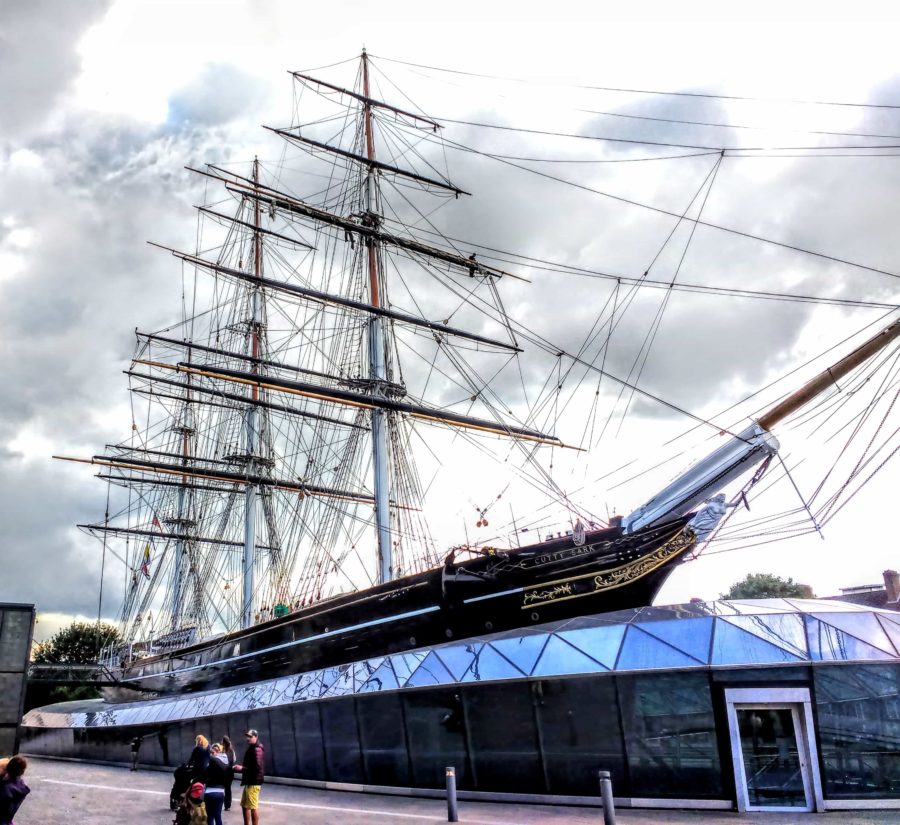
Lunch: Greenwich Market is covered, so it’s good in the rain, and it’s full of budget-friendly international food stalls plus crafts and vintage finds.
Afternoon: Head back to Shoreditch and Brick Lane for the phenomenal street art, especially on the side streets off Hanbury Street. Brick Lane is the heart of London’s Bangladeshi community and is famous for its curry houses, vintage shops and markets.
Evening: Have dinner on Brick Lane, at the award-winning Brick Lane Brasserie for example, then cocktails at Rain Dogs or the Cocktail Trading Company.


Day 5: Stonehenge and Bath Day Trip from London
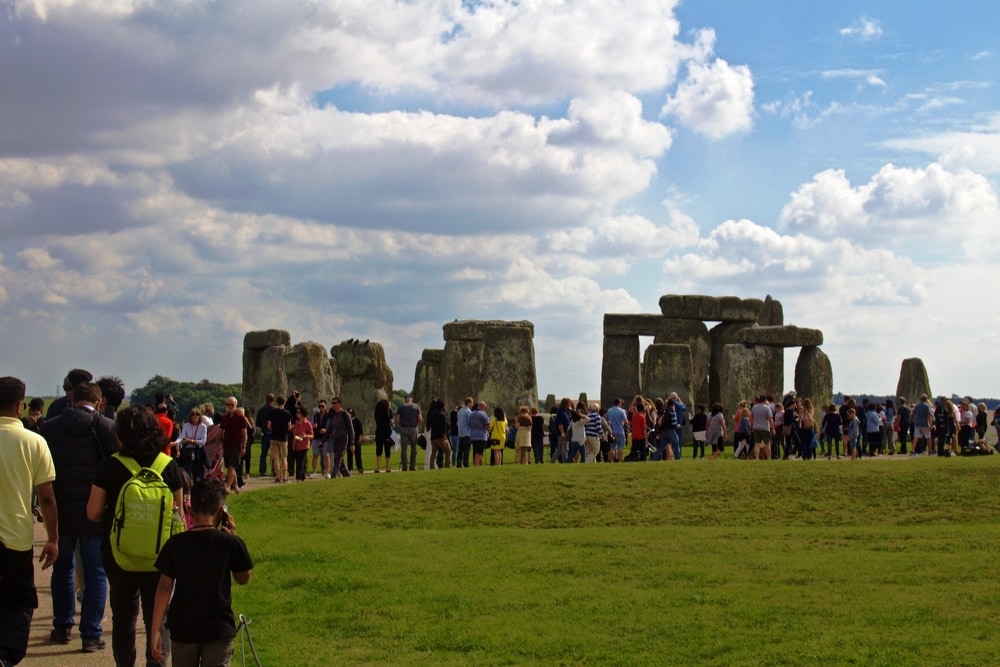
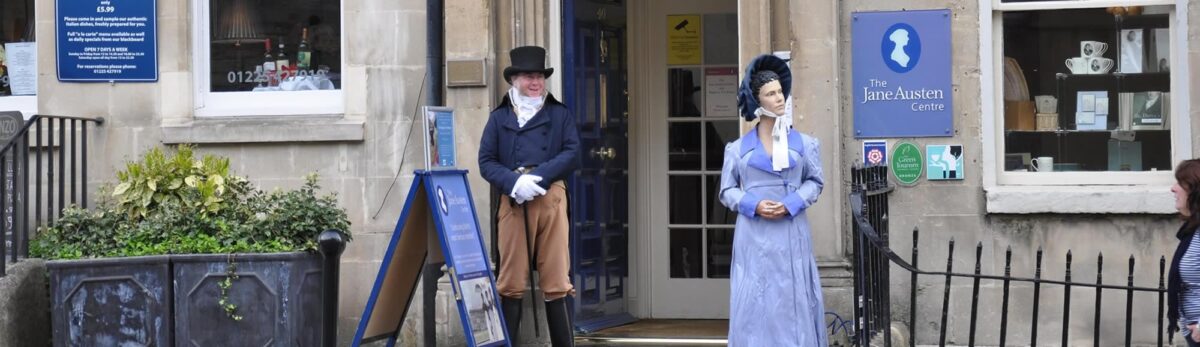
Discover two gems of southern England on a full-day coach trip to Stonehenge and Bath. When you book, you can include entry to Stonehenge, the Roman Baths or the Jane Austen Centre, or leave entry out for a flexible day. Tours typically cost £80–£120 depending on what’s included, leave from Victoria early in the morning and return in the evening.
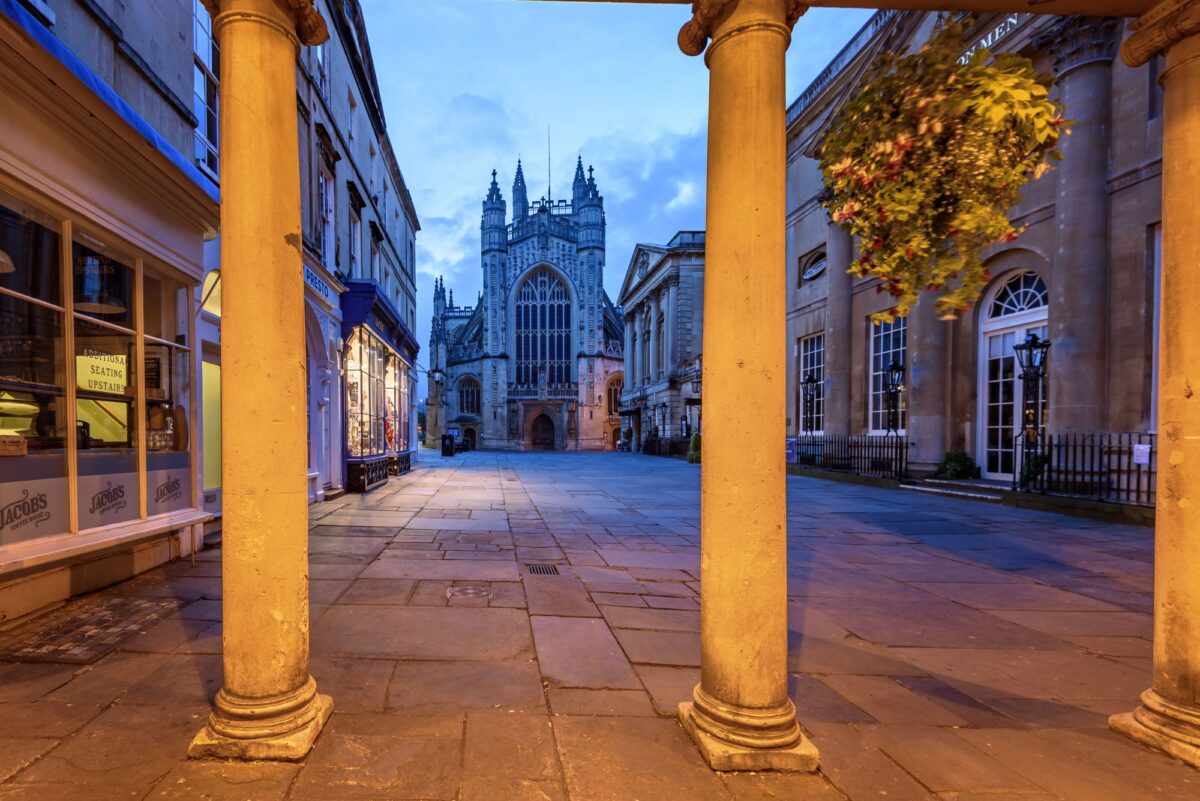
I’ve explored the Roman Baths and spent plenty of time in Bath, and I even watched Bridgerton being filmed there. When in Bath, have afternoon cream tea at the Pump Room or try a Sally Lunn bun at Sally Lunn’s. If you want something totally different, Yak Yeti Yak serves Nepalese food, and you can sit on floor cushions to eat (there are tables and chairs too).

Harry Potter fans: swap Day 5 for the Warner Bros. Studio Tour
If you’re travelling with Harry Potter fans, the Warner Bros. Studio Tour London – The Making of Harry Potter is a better Day 5 than Stonehenge. It’s the real studio at Leavesden where the films were made, so you walk through the Great Hall, Diagon Alley, the Hogwarts Express and the giant Hogwarts model. Adult tickets start at around £58 in 2027 and £71 in 2027 (children 5–15 about £47), and tickets are sold online only through the official site, wbstudiotour.co.uk. Popular dates and school holidays sell out one to two months ahead, so book as soon as your flights are confirmed.
To get there, take a train from London Euston to Watford Junction (about 15–20 minutes), then the dedicated studio shuttle bus (about 15 minutes). Allow three and a half to four hours inside, so it fits easily into a morning or an afternoon. Save the free Platform 9¾ photo at King’s Cross for Day 7. You can also take a tour with transportation to the Studio.

Other day trips from London
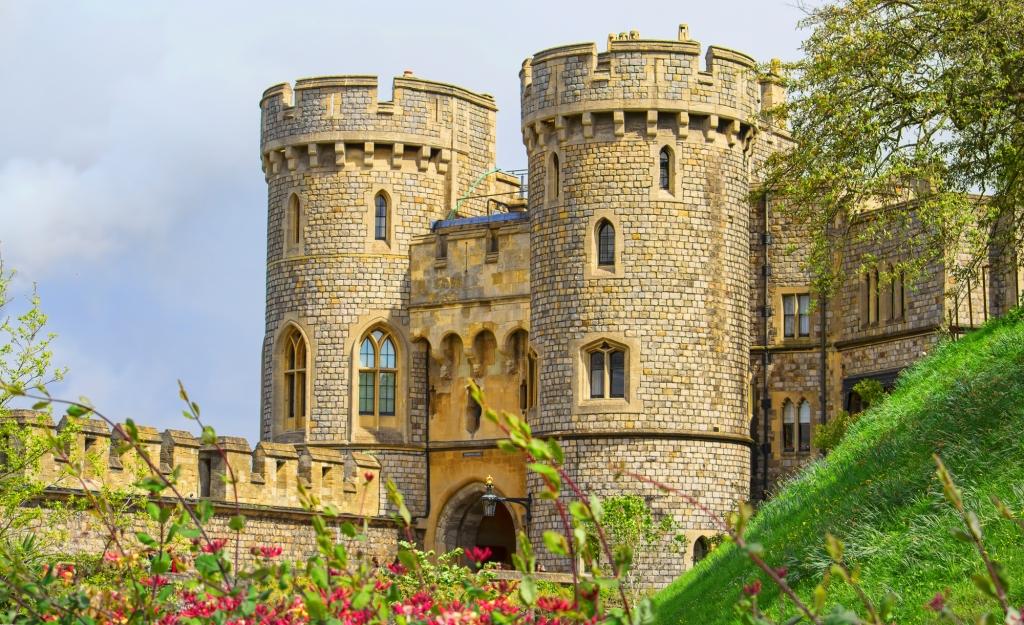
- Windsor Castle: the easiest half-day trip, about an hour by train. It’s the King’s weekend home, with its own Changing of the Guard on Tuesdays, Thursdays and Saturdays.
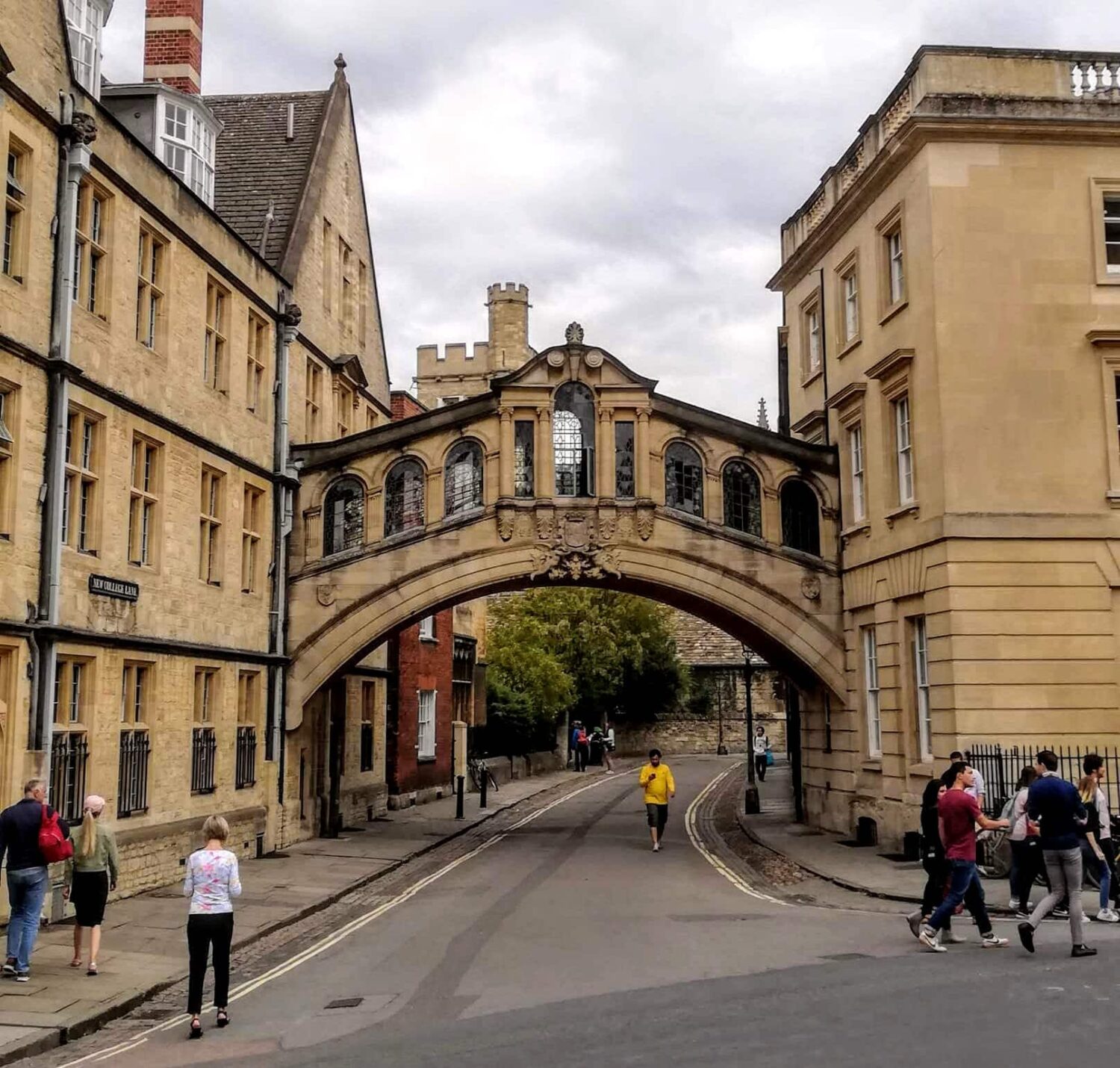
- Oxford: colleges, the Bodleian and the Ashmolean, about an hour by train.
- Bletchley Park: where Alan Turing and the codebreakers cracked Enigma. I found it fascinating, and it’s about 40 minutes by train from Euston.
- Canterbury, Cambridge or the Cotswolds: all doable in a day. See my Christmas markets guide if you’re visiting in winter.


Day 6: British Museum, the West End and a Show
Morning: The British Museum is free, and you could lose a week in it. Go straight to the Rosetta Stone and the Egyptian mummies before the crowds arrive. I went specifically to see the Viking hoards, which are breathtaking.
Midday: Walk ten minutes west to Oxford Street, which has been traffic-free between Orchard Street and Great Portland Street since 26 October 2026. That makes it far nicer to walk than it used to be. Visit Selfridges, or simply pick up some tatty tourist souvenirs, then cut down to Carnaby Street and the grand shops of Regent Street.

Afternoon, option 1: Notting Hill. Head to Notting Hill for Portobello Road Market and the pastel-coloured houses. Saturday is the big antiques day, Friday has antiques, vintage clothing and food, and Monday to Wednesday is mostly fruit, veg and a few clothing stalls. The market is closed on Sundays. Three Tube stations serve the area: Notting Hill Gate in the south, and Westbourne Park and Ladbroke Grove in the north. Plenty of London buses run through it too. Besides the film Notting Hill, the area was used in Paddington, Cruella and Secret Diary of a Call Girl. Read more about films shot in Notting Hill.

Afternoon, option 2: Camden. Head to Camden Town to see where punk reigned supreme. Its street food stalls cover virtually every country in the world, and whether you’re into goth, retro ’70s platform boots or steampunk, Camden Market has it all. It’s one of many street markets in London, but definitely the punkiest. One warning: when I went, the lifts at Camden Town station were being serviced, which meant 70 steps down to the platform. Not happening. I got a cab, lol!

Evening: See a West End show in London’s theatre district. Choose a classic like Les Misérables or a newer hit like Six, the story of Henry VIII’s wives. Discount day-seat booths around Leicester Square can save money, but book ahead for the big shows.

Day 7: South Kensington Museums and Departure
Morning: If your flight is late enough, visit the Natural History Museum or the Victoria and Albert Museum in South Kensington. Both are free and right next to the Piccadilly line. Harry Potter fans can stop at Platform 9¾ in King’s Cross Station for a photo and last-minute souvenirs. The Piccadilly line runs from King’s Cross straight to Heathrow, so you won’t have to backtrack. Keep an eye on your flight time and allow two to three hours at the airport for international flights.

2 days in London Itinerary Map
Map key
● Day 1 St James’s & Trafalgar Sq ● Day 2 Westminster & South Bank ● Day 3 Southwark & the Tower ● Day 4 Greenwich & Brick Lane ● Day 5 Day trips ● Day 6 West End, Notting Hill & Camden ● Day 7 South Kensington ● Local tip
Click any pin for opening tips and 2026 prices. Use the icon at the top left of the map to open the full list.
Only Have 3 or 5 Days in London?
Short on time? Use the same days, just fewer of them. Each one is grouped by area, so they work on their own.
3 days in London
- Day 1, Royal and Westminster: Changing of the Guard at Buckingham Palace (Mon, Wed, Fri or Sun), St James’s Park, Westminster Abbey, Big Ben and the London Eye. Combines Days 1 and 2.
- Day 2, Tower and Borough: Borough Market, the Tower of London, Tower Bridge and the Sky Garden. This is Day 3.
- Day 3, Museums and the West End: the British Museum, Trafalgar Square and the National Gallery, Covent Garden and a West End show. Combines Days 1 and 6.

5 days in London
- Follow Days 1, 2, 3 and 6 as written.
- For your fifth day, choose one: Greenwich (Day 4) if you want to stay in London, the Stonehenge and Bath day trip (Day 5) if you want to see the countryside, or the Harry Potter Studio Tour if you have fans with you.
- Fit the South Kensington museums or Camden into whichever afternoon you have free.
With 10 days or more, add Windsor, Oxford and a second Greenwich-style slow day, or head north to York. See my London Travel Guide for more ideas.

Rainy-Day Swaps for Each Day
It will rain at some point in your week. I lived there ten years, so trust me on this. Here’s how to keep each day going without losing the plan.
| Day | If it pours | Indoor swap |
| 1 | The Changing of the Guard may be cancelled in heavy rain | Spend longer in the National Gallery and add the National Portrait Gallery next door (both free) |
| 2 | The London Eye views disappear in low cloud | Stay longer in the Churchill War Rooms and the Abbey, then take a covered river cruise or visit Tate Britain (free) |
| 3 | The walk along the South Bank is miserable | Take the Uber Boat to London Bridge. Borough Market is mostly covered, and the Tower Bridge engine rooms and the Crown Jewels are indoors |
| 4 | Greenwich Park is exposed | Skip the park. The Cutty Sark, the National Maritime Museum and the Queen’s House are all indoors, and Greenwich Market is covered |
| 5 | Stonehenge is fully exposed | Swap to the Harry Potter Studio Tour or Windsor Castle, both mostly indoors |
| 6 | Portobello Road is outdoors | Spend longer in the British Museum, or choose Camden, where the Stables Market is partly covered |
| 7 | Already an indoor day | Add the Science Museum, next to the Natural History Museum (free) |

7 Days in London with Kids
This itinerary works well for families with a few tweaks:
- Travel is cheap for children. Under-11s ride free on the Tube, buses, DLR and Elizabeth line with a paying adult. Children 15 and under ride the Heathrow Express free.
- Child tickets are about half price. Tower of London £19, Westminster Abbey £14 (ages 6–17), Buckingham Palace State Rooms £16.50, Cutty Sark £11 and the Royal Observatory £12. Under-5s are free almost everywhere.
- Day 1: the Changing of the Guard is long and crowded for little ones. Watch the band march down The Mall instead, then let them loose in St James’s Park.
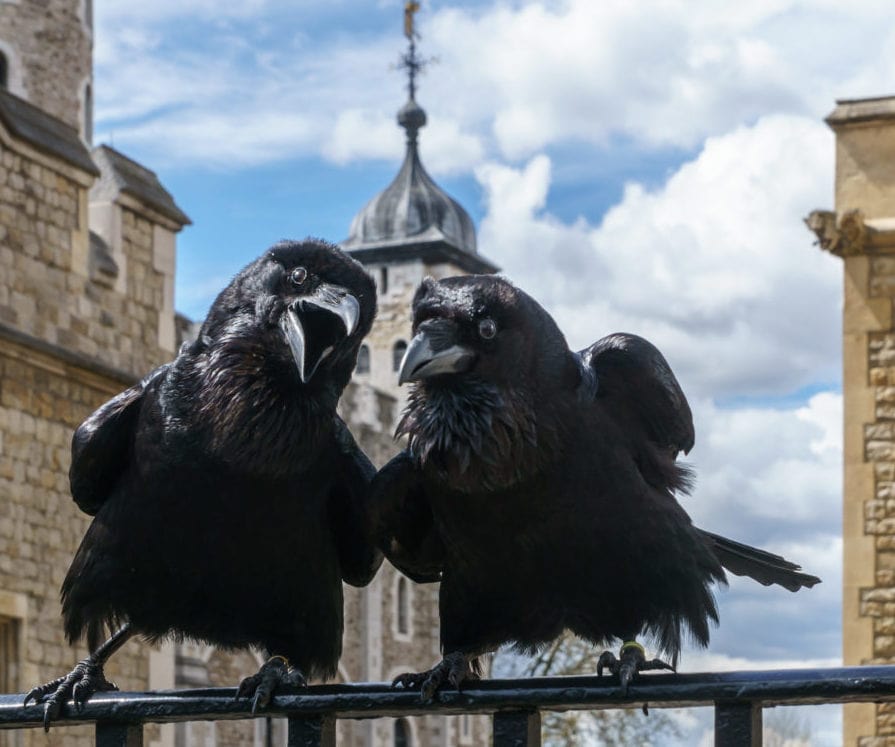
- Day 3: kids love the Yeoman Warder tour, the ravens and the Crown Jewels. The London Dungeon is best for over-10s.
- Day 4: Greenwich is a winner. Kids can climb aboard the Cutty Sark, stand with one foot in each hemisphere on the Prime Meridian and run down the hill in Greenwich Park.
- Day 5: for most families, the Harry Potter Studio Tour beats a long coach day to Stonehenge.
- Day 7: go to the dinosaurs at the Natural History Museum, then the Science Museum next door. Both are free. In Kensington Gardens, the Diana Memorial Playground has a giant pirate ship.
- Pace it. Plan one big sight a day, and use the free museums and parks for rest stops.

Accessible London: Tips for Travellers with Mobility Problems
I’m a mobility-challenged traveller myself, and London can be wonderful or exhausting depending on how you plan it. For more, see my Accessible UK travel guide.
- Use the step-free Tube map from TfL. Many older Tube stations have only stairs, and lifts do go out of service, as I found at Camden.
- Choose the Elizabeth line where you can. Every station on it is step-free.
- Ride the buses and boats. Every London bus is wheelchair accessible, and the Uber Boat links Westminster, the South Bank, the Tower and Greenwich without hills or stairs.
- Ask about free carer tickets. Westminster Abbey is free for registered disabled visitors and an essential companion. The Tower of London and the Churchill War Rooms admit a carer free.
- Know where the hard bits are. The Tower of London has cobbles and steep spiral stairs in the White Tower, though the Crown Jewels are step-free. Greenwich Park is steep. The Sky Garden is fully step-free.
- Pace yourself. Use the museum cafés and the Royal Parks’ deckchairs. Follow a big day like Day 3 with a gentler one.
Free Things to Add to Your Week
- British Museum, National Gallery, Natural History Museum, V&A, Tate Modern and the National Maritime Museum: all free to enter
- The Changing of the Guard at Buckingham Palace
- Walking across Tower Bridge and Westminster Bridge
- The Sky Garden, Horizon 22 and the Garden at 120 for free skyline views (book the first two ahead)
- Hyde Park, St James’s Park, Regent’s Park and Greenwich Park
- Browsing Borough, Covent Garden, Portobello Road and Camden markets

Local Tips from Ten Years of Living in London
Eat where Londoners eat. Market stalls, pubs and small family cafés nearly always beat the big-name breakfasts. One of the worst breakfasts I’ve had in London was at a smart Marylebone brasserie. For splurges, my gorgeous meal at The Savoy was worth every penny.
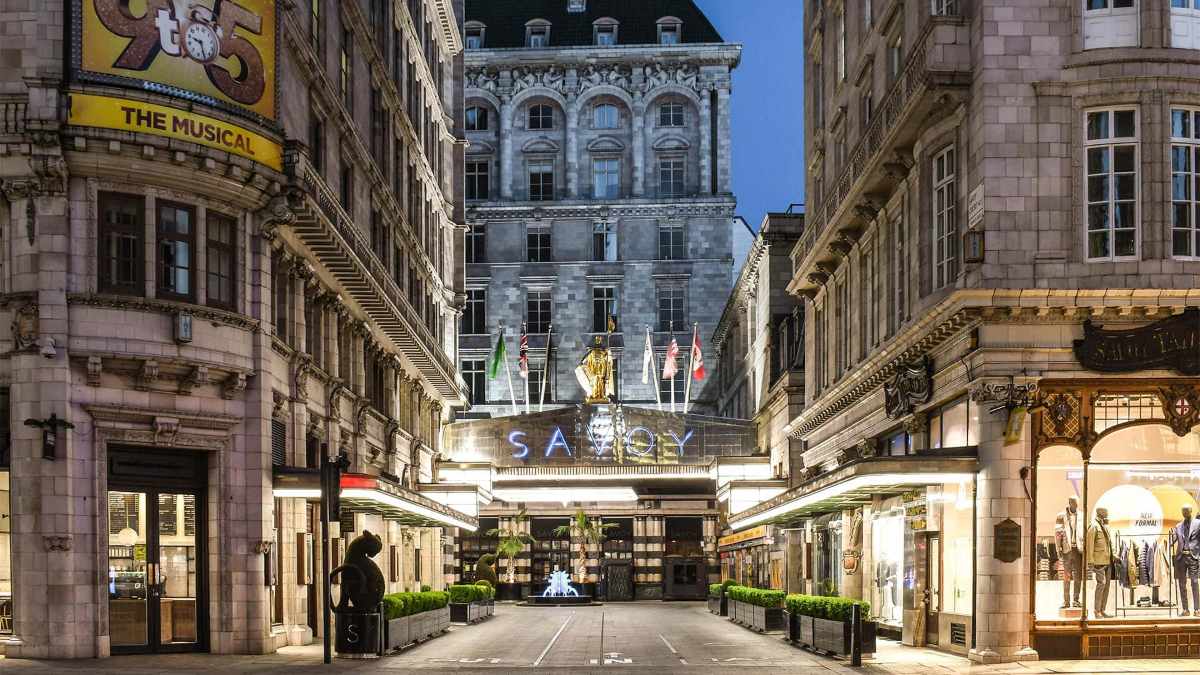
Shop a real local market. East Street Market in Walworth, where I did my weekly shop, is a proper South London street market with no tourist prices.
Stand on the right on escalators. Londoners will politely (or not) let you know if you don’t.
Carry a light raincoat. The weather changes by the hour, but it rarely pours all day.
Don’t try to see everything. Seven days goes quickly. Pick your must-dos and leave room to wander. Some of my favourite London moments were the unplanned ones.
Hungry for more? Read my guides to traditional British foods and British desserts before you go.


Frequently Asked Questions About 7 Days in London
Is 7 days enough to see London?
Seven days is enough to see London’s big sights properly, spend a day in Greenwich, take one day trip and still have an unhurried final morning. It is not enough to see everything. After ten years of living there I still had a list. If you are flying in from Canada or the USA, plan a gentle first day because of jet lag.
Do Canadians and Americans need an ETA to visit London?
Yes. Since 25 February 2026, visitors from 85 visa-free countries, including Canada and the United States, must have a UK Electronic Travel Authorisation (ETA) before they travel. It costs £20 (since 8 April 2026), is valid for two years or until your passport expires, and you apply on the official UK ETA app or GOV.UK. Apply at least three working days before you fly. Irish and British citizens do not need one.
What is the cheapest way to get from Heathrow to central London?
The Piccadilly line on the Tube is the cheapest way, at £5.90 with contactless or Oyster in 2026. The fare is the same at any time of day because Heathrow Tube fares are always charged at the peak rate. The journey takes 50 to 60 minutes. The Elizabeth line costs £15.50 and takes about 35 minutes. The Heathrow Express to Paddington takes 15 minutes and costs £26 on the day, or from £10 if you book at least 30 days ahead.

How much does 7 days in London cost?
Plan on roughly £950 to £1,650 per person for 7 days in London, not counting flights. That assumes two people sharing a mid-range or budget hotel, contactless transport, a mix of free museums and paid attractions, one day trip and one West End show. The biggest cost is accommodation. You can bring the total down by using the free museums, eating at markets and staying in Zone 2.
When is the Changing of the Guard at Buckingham Palace?
The full Changing of the Guard takes place on Mondays, Wednesdays and Fridays at 11am. The Sunday Parade starts at 10am. On Tuesdays, Thursdays and Saturdays there is only a smaller Captain’s Inspection at 3pm. The ceremony can be cancelled in heavy rain or for state events, so check the Household Division schedule the day before. Arrive by 10.15am for a good spot.

Can you go inside Buckingham Palace?
Only in summer. In 2026 the State Rooms are open from 9 July to 27 September. Adult tickets cost £33 for those aged 25 and over, £21.50 for 18 to 24 year olds and £16.50 for children. Outside those dates you can only see the palace from the gates.
Where should first-time visitors stay in London?
Covent Garden, the South Bank and Westminster put you within walking distance of most of the sights, but they are the most expensive areas. King’s Cross and South Kensington are good value because they sit on the Piccadilly line, which runs straight to Heathrow. Paddington is the easiest choice if you are taking the Heathrow Express. Zone 2 areas such as Kennington, near the Oval where I lived, are cheaper and still only a few Tube stops from the centre.
What are the best free things to do in London?
London’s best free sights are the British Museum, the National Gallery, the Natural History Museum, the V&A, Tate Modern and the National Maritime Museum. All are free to enter. You can also watch the Changing of the Guard, walk across Tower Bridge, browse Borough Market, wander the Royal Parks and see the city from the Sky Garden for free. The Sky Garden needs a free ticket booked up to three weeks ahead.

Is the London Pass worth it for 7 days?
For a balanced 7-day itinerary, usually not. The London Pass starts at around £99 for one adult day and includes the Tower of London, Westminster Abbey and St Paul’s Cathedral, but not the London Eye, which is only in the London Pass Plus. The Tower of London (£38) and Tower Bridge (£18) together cost £56 at the gate, less than a one-day pass. A pass only pays off if you visit three or four paid attractions every day, so price your exact list before you buy.
What is the best day trip from London?
The most popular day trip from London is a coach tour to Stonehenge and Bath. These tours usually cost about £80 to £120, depending on which entry tickets are included. Windsor Castle is the easiest half-day trip. Oxford, the Cotswolds, Stratford-upon-Avon and Bletchley Park are all doable by train in a day.
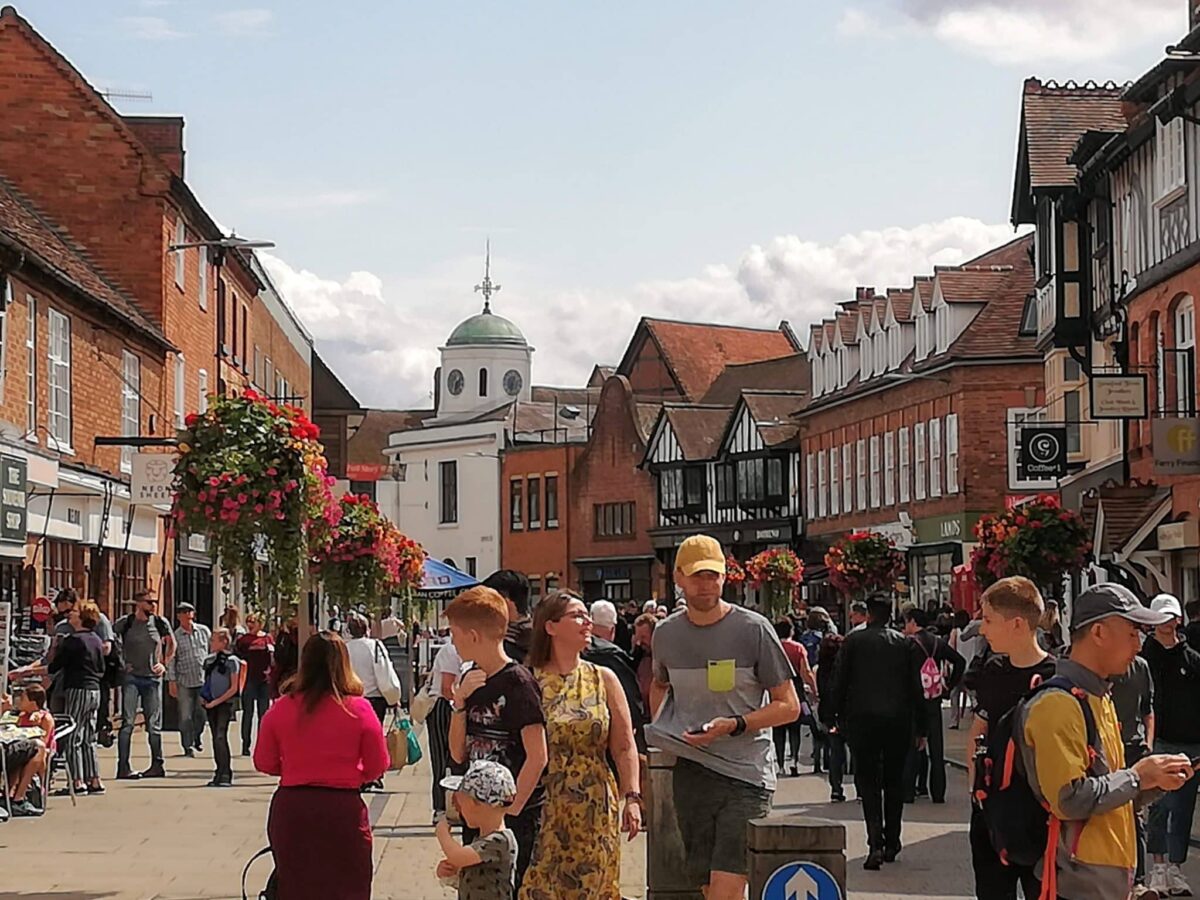
Is London easy to visit with mobility problems?
London is getting easier but is still mixed. Every London bus is wheelchair accessible and every Elizabeth line station is step-free. Many older Tube stations only have stairs, and lifts are sometimes out of service. Use TfL’s step-free Tube map, take the riverboats between the sights and check each attraction’s access page before you go. Westminster Abbey is free for disabled visitors and an essential companion. The Tower of London and the Churchill War Rooms let a carer in free.
When is the best time to visit London?
May, June and September usually have the best balance of mild weather, long days and fewer crowds. July and August are busiest but are the only months to see inside Buckingham Palace. November and December are cold but bring Christmas markets and lights. January is the quietest and cheapest month, but the London Eye usually closes for maintenance for part of it.

What should I see if I only have 3 or 5 days in London?
With 3 days, spend one day on Buckingham Palace, Westminster Abbey, Big Ben and the London Eye; one on Borough Market, the Tower of London and Tower Bridge; and one on the British Museum, the National Gallery, Covent Garden and a West End show. With 5 days, add Greenwich or a day trip to Stonehenge and Bath, plus a day for Notting Hill or Camden.
Can you visit the Harry Potter studios from London?
Yes. The Warner Bros. Studio Tour London is at Leavesden, about 15 to 20 minutes by train from London Euston to Watford Junction, then a short shuttle bus ride. Adult tickets start at around £56, and they are sold online only. Book one to two months ahead for weekends and school holidays, and allow three and a half to four hours for the visit.
What is there to do in London with kids?
London is great for children because so much is free. The best picks for kids are the dinosaurs at the Natural History Museum, the Science Museum, the Cutty Sark and Prime Meridian in Greenwich, the Yeoman Warders and ravens at the Tower of London, and the Diana Memorial Playground in Kensington Gardens. Under-11s travel free on the Tube and buses with a paying adult, and under-5s get into most attractions free.

Plan the Rest of Your UK Trip
This 7-day London itinerary gives you a mix of history, culture, food and fun, so you make the most of your first week in the city. For more, see my London Travel Guide and Historic Britain.
Explore more of the region with guides to England, Scotland, Wales, Northern Ireland, or the full United Kingdom Travel Guide. If you are a foodie, take a look at my Global Food Guide.
Prices and opening times were checked in November 2026 against official sites. Always confirm before you travel, especially for the Changing of the Guard and Buckingham Palace.