Where to Eat the Best Polish Food in Kraków: Top Restaurants & Street Food Spots
Kraków is one of those cities where food isn’t just part of the experience it is the experience. Before I arrived, I thought I had a decent understanding of Polish cuisine. Growing up around Polish friends, I’d already fallen in love with dishes like pierogi, kielbasa, and those dangerously addictive pączki. But nothing quite prepares you for eating these foods in Kraków itself, where recipes feel older, richer, and deeply tied to the city’s identity.

From the very first morning, wandering through cobbled streets with the smell of grilled sausage drifting through the air, I realised this wasn’t going to be a casual food trip. It was going to be immersive, indulgent, and at times completely overwhelming in the best way possible.

Kraków’s food scene is a fascinating blend of traditional Polish comfort food, Jewish culinary heritage, and a rapidly evolving modern café and street food culture. Whether you’re sitting down in a centuries-old dining hall or grabbing a hot zapiekanka at 2 a.m. in Kazimierz, every bite tells a story.
- Where to Eat the Best Polish Food in Kraków: Top Restaurants & Street Food Spots
- Why Kraków Is a Food Lover’s Dream
- What Makes Polish Food in Kraków Special?
- A City of Layers: Food, History, and Culture
- What This Guide Will Cover
- What is Stare Miasto Kraków and Why It’s the Best Place to Eat
- My Experience Staying Just Outside the Old Town
- The 16 Must-Try Foods in Kraków
- 1. Pierogi (Polish Dumplings)
- 2. Obwarzanek Krakowski (Kraków Bagel)
- 3. Żurek (Sour Rye Soup)
- 4. Kiełbasa (Polish Sausage)
- 5. Bigos (Hunter’s Stew)
- 6. Zapiekanka (Polish Pizza Bread)
- 7. Oscypek (Smoked Mountain Cheese)
- 8. Placki Ziemniaczane (Potato Pancakes)
- 9. Pączki (Polish Donuts)
- 10. Maczanka Krakowska (Pulled Pork Sandwich)
- 11. Gołąbki (Cabbage Rolls)
- 12. Gulasz Wołowy (Polish Goulash)
- 13. Kotlet Schabowy (Polish Schnitzel)
- 14. Steak Tatar
- 15. Sernik (Polish Cheesecake)
- 16. Makowiec (Poppy Seed Roll)
- What I Noticed About Eating Through This List
- Street Food, Milk Bars & Local Food Culture in Kraków
- How Food Fits Into Daily Life in Kraków
- Balancing Traditional and Modern Food
- What I Learned From Eating Like a Local
- My Personal Restaurant Recommendations in Kraków
- Dinner in Kraków: Where the Food Really Shines
- Why Kraków Is One of Europe’s Best Food Cities
- FAQ: Eating in Kraków
Why Kraków Is a Food Lover’s Dream
At the heart of it all is Stare Miasto (Old Town) a UNESCO-listed historic centre that isn’t just visually stunning but also packed with restaurants, milk bars, cafés, and street vendors. The energy here is constant. During the day, you’ll see locals grabbing quick lunches or tourists sipping coffee in Rynek Główny. By night, the same streets transform into a lively maze of bars, late-night food stalls, and buzzing eateries.
What makes Kraków especially unique is how accessible its food scene is. You don’t need a big budget to eat incredibly well. In fact, some of the best meals I had were among the cheapest. Think €1 beers, €3–€5 street food, and hearty traditional dishes that barely break €10.
I stayed just outside the Old Town in the Kleparz district, about a 15-minute walk from the main square. This turned out to be a perfect decision not only was it quieter and more affordable, but it also gave me access to more local, less tourist-heavy dining spots. Some of my favourite meals happened here, away from the crowds.

What Makes Polish Food in Kraków Special?
Polish cuisine is unapologetically hearty. It’s built around ingredients that reflect the country’s climate and history: cabbage, potatoes, pork, mushrooms, rye, and dairy. But what surprised me most wasn’t just the richness it was the depth of flavour.
Take something as simple as soup. In Kraków, soups aren’t starters you politely sip they’re meals in themselves. Żurek, with its fermented rye base, has a tang that’s unlike anything else. Bigos, often called hunter’s stew, tastes like it’s been simmering for days (and often has).

Then there’s bread. Even the humble obwarzanek krakowski, sold from street carts, has a chewy texture and subtle flavour that puts most bagels to shame.
And of course, there are pierogi soft, pillowy dumplings that come in endless variations, from savoury meat fillings to sweet fruit versions that feel more like dessert.
A City of Layers: Food, History, and Culture
What makes eating in Kraków even more compelling is the setting. You’re not just dining you’re stepping into history.
Meals unfold beneath Gothic ceilings, inside former palaces, or in rustic interiors that feel like mountain cabins. In Kazimierz, the old Jewish quarter, food becomes a way to connect with a different layer of Kraków’s past, with dishes and traditions that reflect centuries of cultural exchange.
Even the concept of the Milk Bar (Bar Mleczny) tells a story. These no-frills, government-run cafeterias date back to the communist era and still serve some of the most authentic and cheapest Polish food you can find.

What This Guide Will Cover
In this guide, I’m not just listing foods you’ll get a deep dive into 16 must-try Polish dishes, exactly where to eat them in Kraków, what they cost, and where I personally tried them.
I’ll also take you through:
- The best areas to eat (Old Town vs Kazimierz vs Kleparz)
- Street food spots you shouldn’t miss
- Traditional restaurants vs modern takes
- Markets, milk bars, and hidden gems
- My honest, firsthand recommendations
This isn’t a generic roundup. It’s based on real meals, real places, and the kind of discoveries you only make by wandering, getting lost, and following the smell of grilled kielbasa down a side street.


What is Stare Miasto Kraków and Why It’s the Best Place to Eat
If you’re trying to understand where to eat in Kraków, everything starts with Stare Miasto, the Old Town. This isn’t just a convenient place to grab food it’s the cultural and culinary epicentre of the city, and quite honestly, the place where Kraków feels most alive.
Stare Miasto is a UNESCO World Heritage Site, and you feel that immediately. The streets aren’t just old they carry centuries of stories. Every corner seems to reveal something: a hidden courtyard café, a cellar restaurant, or a street vendor who’s been serving the same recipe for decades. But beyond the history, what makes this area so important for food is density. Nowhere else in Kraków packs so many different eating experiences into such a walkable space.


At the heart of it all is RynekGłówny, the largest medieval market square in Europe. This square isn’t just a landmark it’s the anchor of Kraków’s food scene. Everything radiates outward from here. You’ll find elegant restaurants with white tablecloths, casual cafés, traditional Polish eateries, international spots, and countless bars all within a few minutes’ walk.
What struck me most was how fluid the experience is. You can start your morning with coffee and a pastry overlooking the square, grab a quick obwarzanek from a street cart mid-morning, sit down for a hearty Polish lunch in a tucked-away cellar, and end your night with vodka shots and late-night street food all without ever leaving the Old Town.

The Green Ring: Planty Park and the Natural Boundary of Food Exploration
One of the defining features of Stare Miasto is the green belt that surrounds it Planty Park. This park replaced the medieval city walls and now forms a kind of natural boundary around the Old Town.
From a food perspective, this is incredibly useful. Once you cross into Planty, you know you’re entering the heart of Kraków’s culinary scene. Everything inside is dense, lively, and designed for exploration. Everything just outside like where I stayed in Kleparz tends to be slightly quieter, more local, and often more affordable.
I found myself crossing this green ring multiple times a day, almost like stepping between two different versions of Kraków: one buzzing with tourists and energy, the other calmer and more residential, but equally rewarding when it came to food.

Why Stare Miasto Works for Every Budget
One of the biggest misconceptions about eating in Old Town is that it’s expensive. Yes, you can absolutely spend a lot here especially in high-end or Michelin-listed restaurants but you don’t have to.
What makes Stare Miasto special is how it caters to every kind of traveller:
If you’re on a tight budget, you can eat incredibly well at milk bars or grab street food for just a few euros. I regularly saw and paid around €3–€5 for filling snacks like zapiekanka or grilled kielbasa.

If you’re mid-range, there are countless traditional Polish restaurants where you can sit down for a full meal soup, main, and a drink for under €15.
And if you want something more refined, there are historic dining rooms serving modern interpretations of Polish cuisine in truly stunning settings.
This range means you can mix and match your experiences. Some days I’d go simple street food and casual cafés. Other days, I’d sit down for a long, hearty dinner in a place that felt like stepping back in time.

Tourist Traps vs Hidden Gems
Of course, not everything in Stare Miasto is exceptional. With so many restaurants competing for attention, there are places that rely more on location than quality.
The key is to step just slightly off the main square. Some of my best meals came from places that were literally one or two streets away from Rynek Główny. These spots felt more authentic, less rushed, and often had better prices. You could tell they catered to locals as much as tourists.
One thing I quickly learned was to trust my instincts. If a place had a multilingual menu with photos of every dish and someone outside trying to pull you in, I kept walking. But if it looked simple, busy, and full of people actually enjoying their food, that was usually a good sign.

The Atmosphere: Eating as an Experience
What really sets Stare Miasto apart isn’t just the food it’s the atmosphere that surrounds it.
You’re rarely just eating. You’re sitting in a medieval square, listening to street musicians, watching horse-drawn carriages pass by, or tucked inside a centuries-old building with wooden beams and candlelight.
Even something as simple as grabbing a beer feels different here. I remember sitting near the square with a pint that cost barely €1, just watching the world go by. It’s the kind of place where time slows down, and meals become moments rather than just necessities.
My Experience Staying Just Outside the Old Town
Although I spent most of my time eating in Stare Miasto, staying in the Kleparz district gave me a slightly different perspective.
Being just outside the Old Town meant I could dip into the busy centre whenever I wanted, but also retreat to quieter, more local spots. Some of my favourite meals especially dinner happened here, where restaurants felt less polished but more authentic.
It also made me appreciate just how compact Kraków is. A 15-minute walk was all it took to go from a peaceful neighbourhood to the busiest square in the city.


Why You Should Base Your Food Exploration Here
If you’re visiting Kraków and wondering where to focus your time, Stare Miasto is the obvious answer but not just because it’s central.
It’s where you’ll find:
- The highest concentration of traditional Polish food
- The best mix of street food and sit-down dining
- Historic restaurants with real character
- Easy access to Kazimierz and other food districts
- A constantly changing atmosphere from day to night


The 16 Must-Try Foods in Kraków
If there’s one thing I learned quickly in Kraków, it’s that Polish food isn’t something you just “try” it’s something you work through. The portions are generous, the flavours are deep, and the variety is far greater than most people expect.
What follows isn’t just a list. These are the dishes I actively sought out, ate (often more than once), and in many cases, went back for again. I’ve included exactly where I ate them, what to expect, and the approximate cost, so you can plan your own food route through Kraków with confidence.
1. Pierogi (Polish Dumplings)
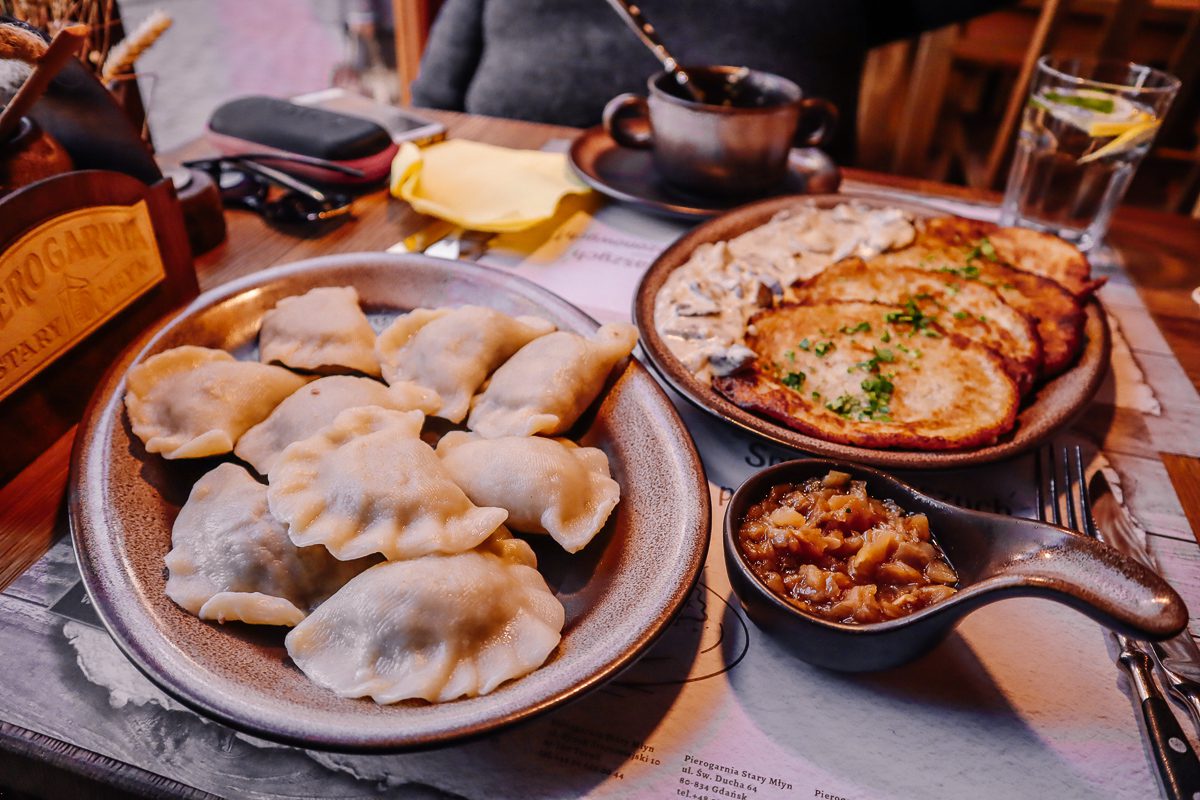
Pierogi are the heart and soul of Polish cuisine. Soft, slightly chewy dumplings filled with everything from potato and cheese to meat, mushrooms, or even sweet fruit.
The first time I had them in Kraków, I immediately understood why they’re iconic. They’re comforting, filling, and incredibly versatile.
Where to eat: Pierogarnia Krakowiacy (Old Town), Pierożki u Vincenta (Kazimierz)
My experience: At Pierogarnia Krakowiacy, the pierogi were perfectly soft with rich fillings. At Vincenta, the variety was wild over 40 types, including sweet versions.
Cost: €4–€8 per portion

2. Obwarzanek Krakowski (Kraków Bagel)
This is Kraków’s most famous street food, and you’ll see blue carts selling them everywhere. It looks like a bagel, but it’s lighter, chewier, and slightly crisp on the outside. Perfect as a quick snack while walking between sights.
Where to eat: Street stalls around Rynek Główny
My experience: I grabbed one mid-morning almost every day fresh, warm, and sprinkled with sesame seeds.
Cost: €0.50–€1

3. Żurek (Sour Rye Soup)
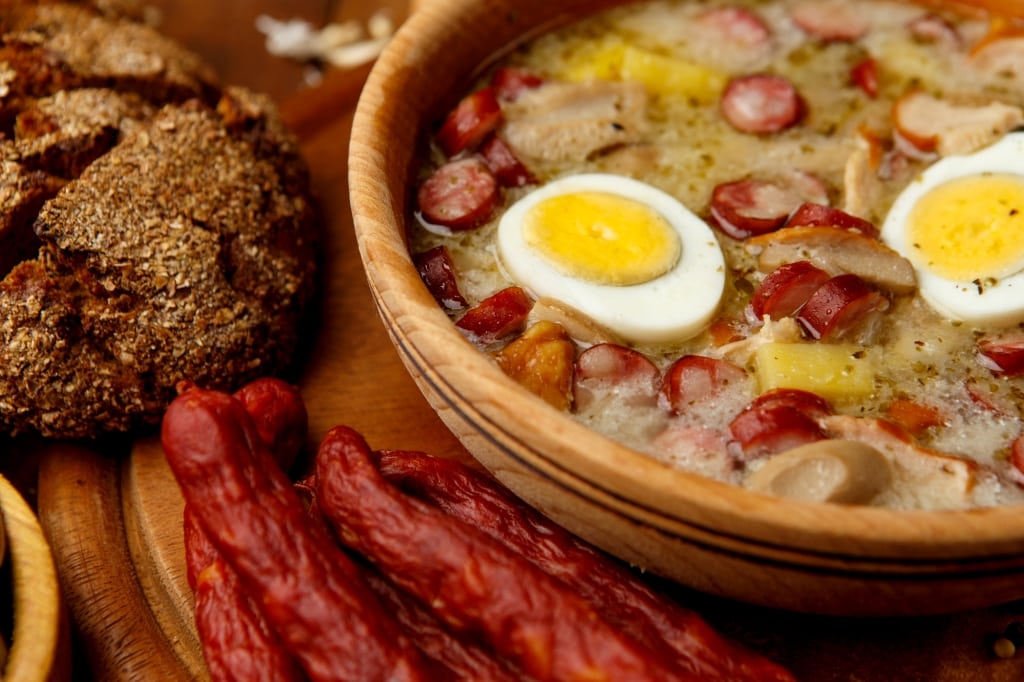
This soup is unlike anything else. Slightly sour from fermented rye flour, usually served with sausage, potatoes, and egg sometimes inside a bread bowl. It’s hearty enough to be a full meal.
Where to eat: Pod Leliwa Restaurant, Chata (Kleparz)
My experience: At Pod Leliwa, it was deeply flavourful and comforting. The bread bowl version at Chata was unforgettable.
Cost: €3–€6

4. Kiełbasa (Polish Sausage)
Kiełbasa in Poland is on another level entirely. Smoky, juicy, and packed with flavour.
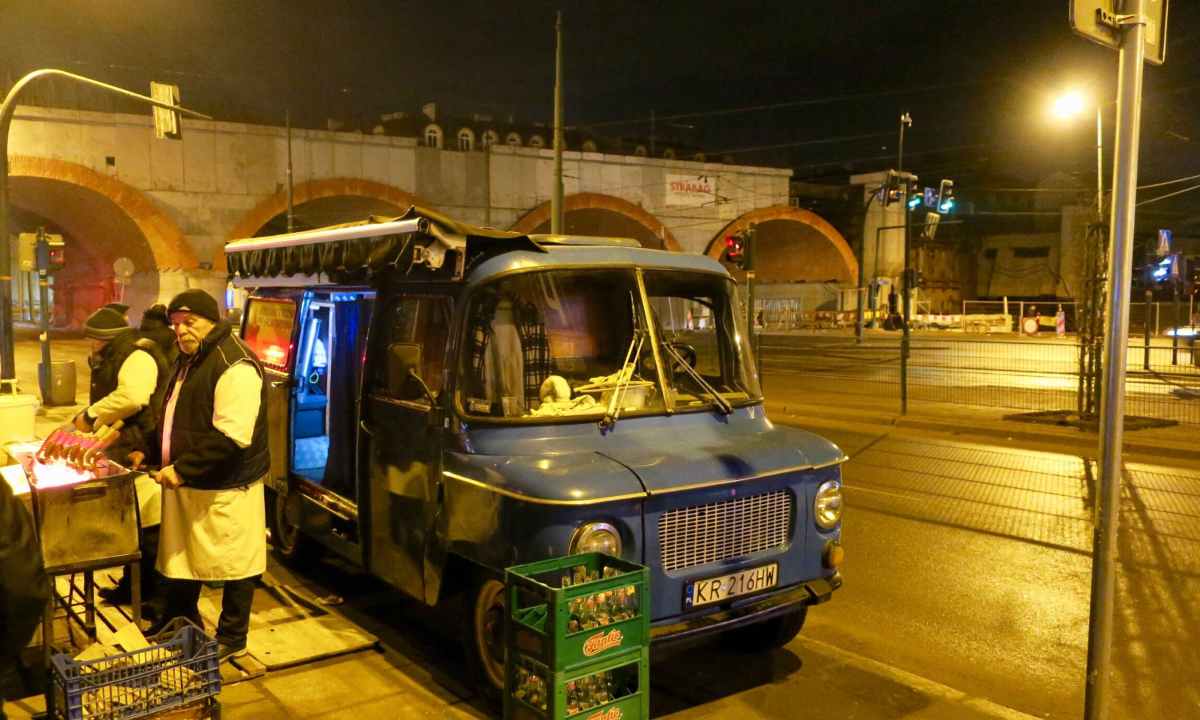
Where to eat: The famous Blue Van (Kiełbaski pod Halą Targową)
My experience: Standing outside in the evening eating grilled sausage from a paper plate felt like a proper Kraków ritual.
Cost: €2–€4

5. Bigos (Hunter’s Stew)
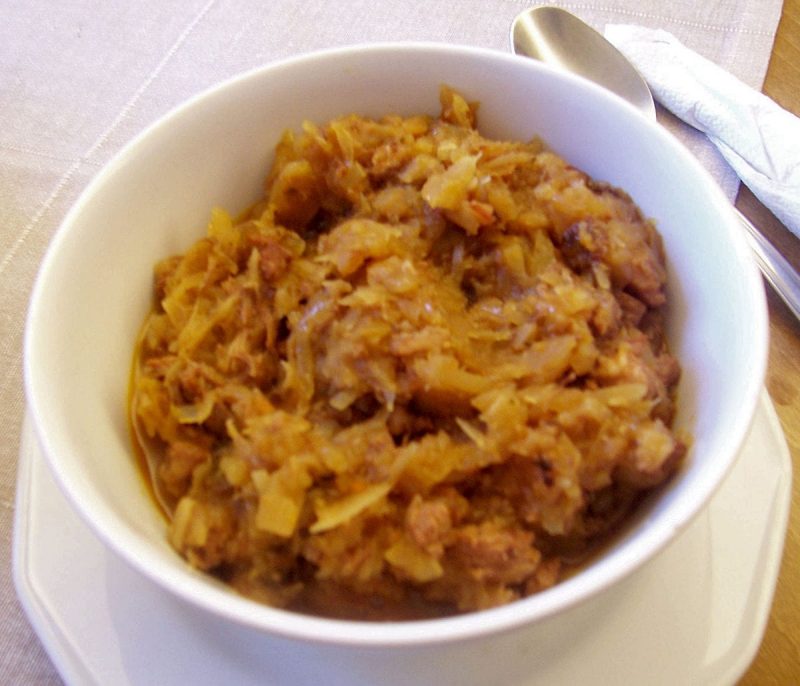
This is Poland’s national dish a slow-cooked mix of sauerkraut, meat, and mushrooms. It’s rich, slightly tangy, and tastes even better the next day.
Where to eat: Chata Restaurant
My experience: Deep, warming, and incredibly filling this is comfort food at its best.
Cost: €5–€9

6. Zapiekanka (Polish Pizza Bread)
Think of this as Poland’s answer to late-night fast food. A toasted baguette topped with mushrooms, cheese, and ketchup.
Where to eat: Plac Nowy (Kazimierz)
My experience: Best eaten late at night it’s messy, cheesy, and exactly what you want after a few drinks.
Cost: €2–€5

7. Oscypek (Smoked Mountain Cheese)
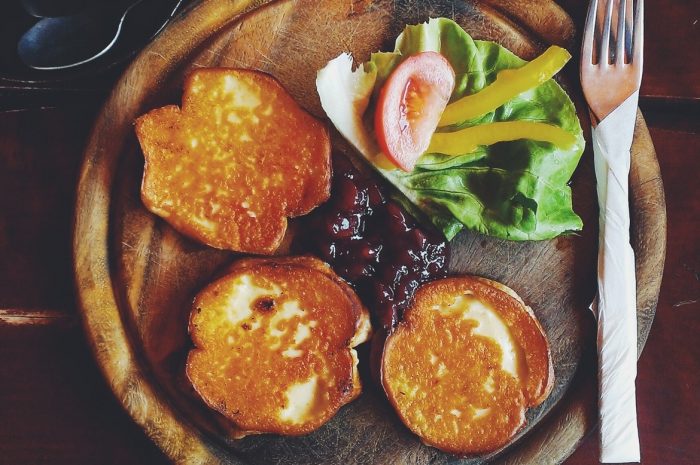
A salty smoked cheese from the Tatra Mountains, often grilled and served with cranberry sauce.
Where to eat: Market stalls in Rynek Główny
My experience: Slightly chewy, smoky, and surprisingly addictive especially with the sweet cranberry.
Cost: €2–€4

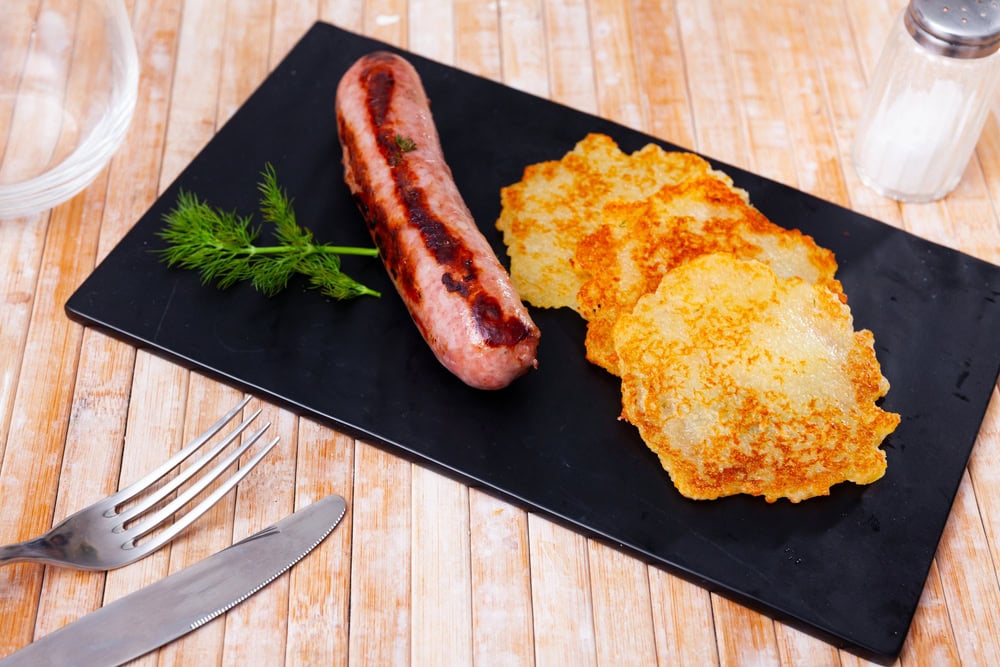
8. Placki Ziemniaczane (Potato Pancakes)
Crispy on the outside, soft inside these potato pancakes are incredibly satisfying.
Where to eat: Chata Restaurant
My experience: Served with pork stew, they were one of the most filling meals I had.
Cost: €4–€8

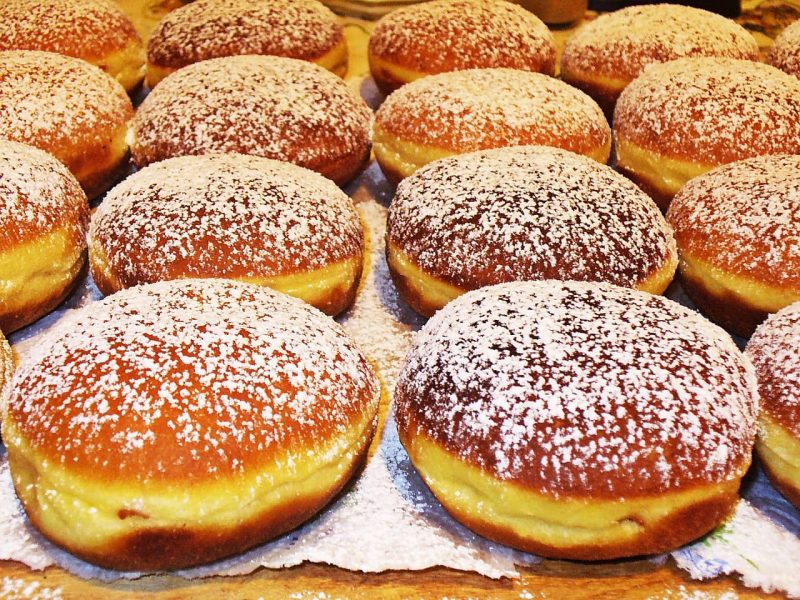
9. Pączki (Polish Donuts)
These are not your average donuts. Soft, rich, and filled with jam often rose, plum, or raspberry.
Where to eat: Pączkarnia near Old Town
My experience: Light yet indulgent. I tried multiple flavours and honestly couldn’t pick a favourite.
Cost: €1–€3

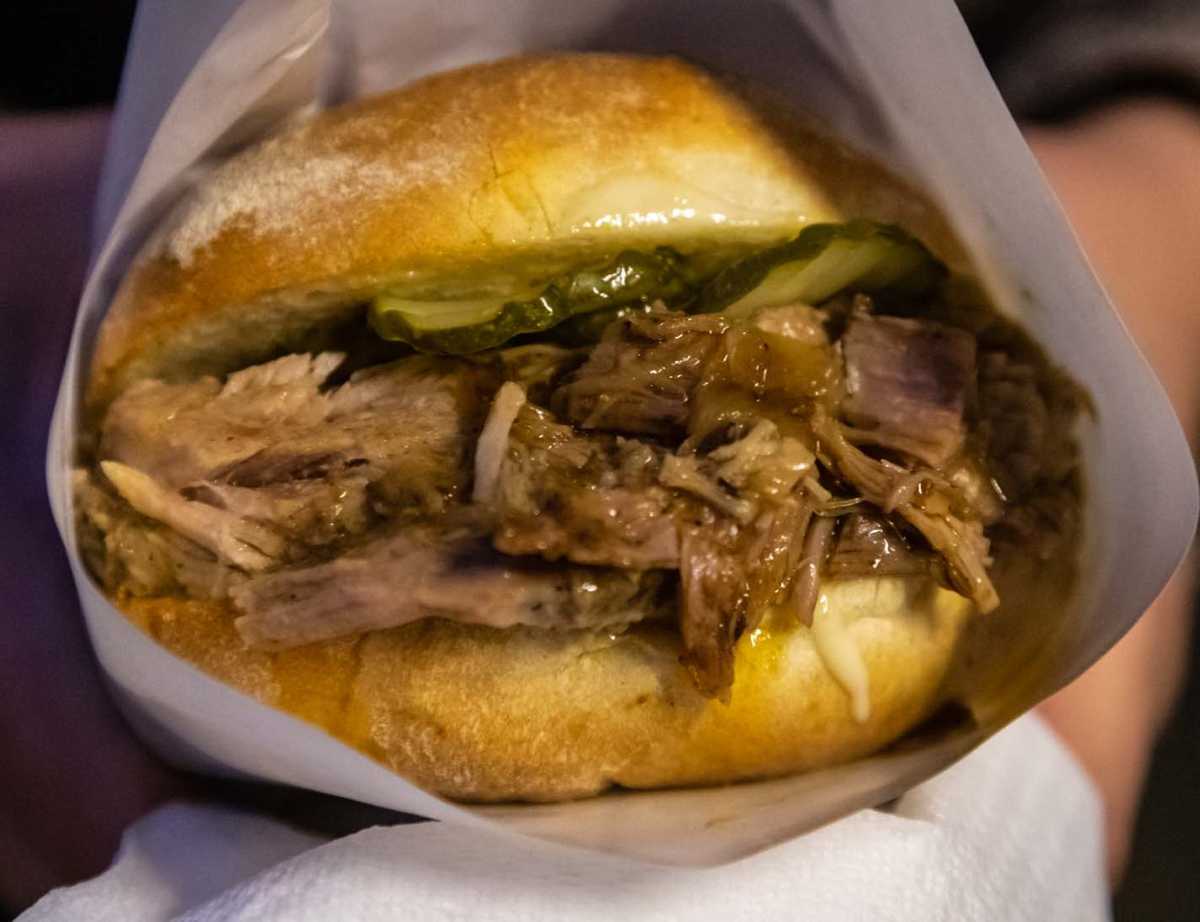
10. Maczanka Krakowska (Pulled Pork Sandwich)
A Kraków specialty slow-cooked pork served in a bun soaked in gravy.
Where to eat: Andrus Food Truck (Kazimierz)
My experience: Juicy, messy, and packed with flavour one of the best street foods I tried.
Cost: €4–€7

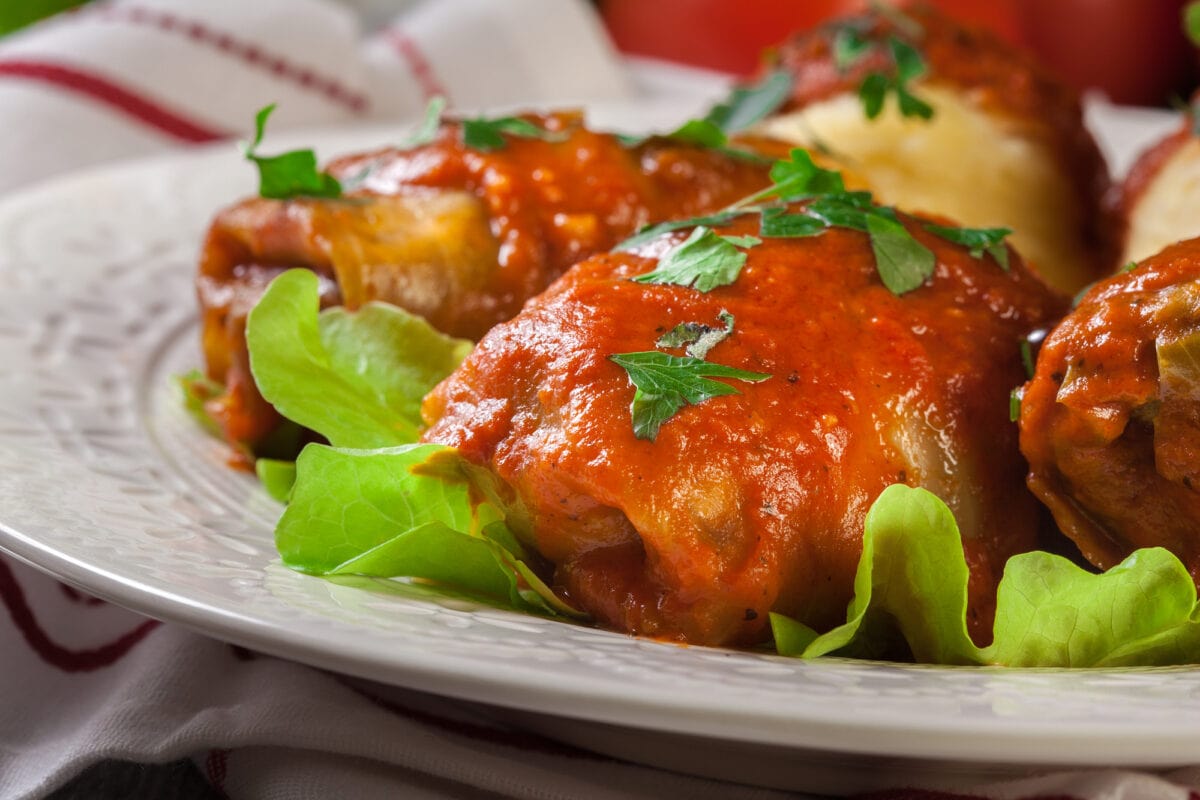
11. Gołąbki (Cabbage Rolls)
Stuffed cabbage leaves filled with meat and rice, baked in tomato sauce.
Where to eat: Pod Leliwa Restaurant
My experience: I tried a vegan version with lentils and buckwheat it was incredible and surprisingly hearty.
Cost: €5–€9

12. Gulasz Wołowy (Polish Goulash)
A thick, rich beef stew with paprika, vegetables, and deep flavour.
Where to eat: Chata Restaurant
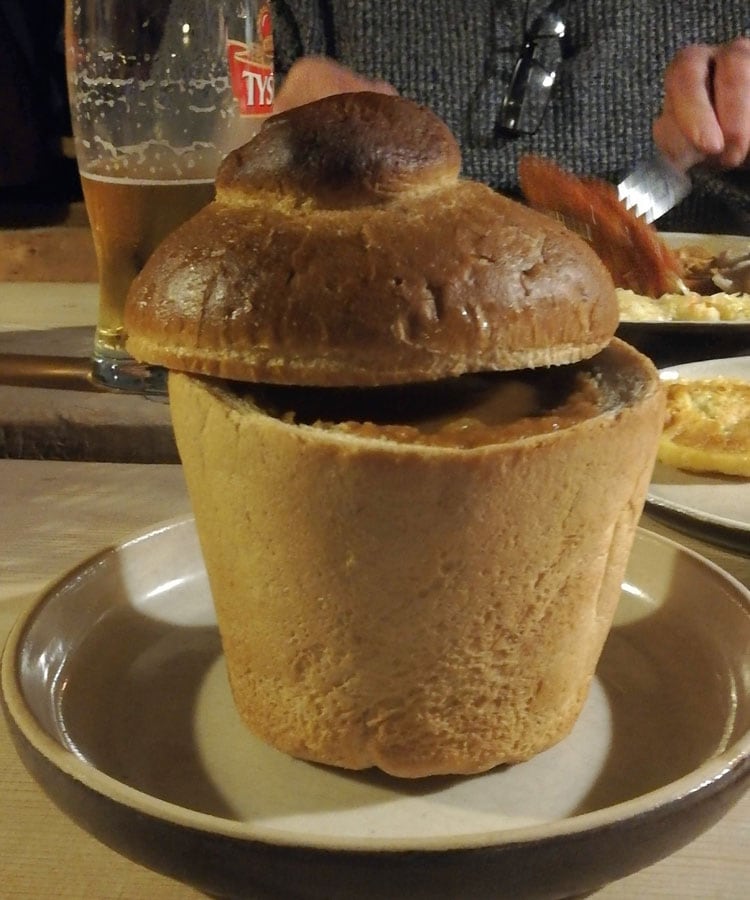
My experience: Easily one of the best dishes I had served in a bread bowl and bursting with flavour.
Cost: €6–€10

13. Kotlet Schabowy (Polish Schnitzel)
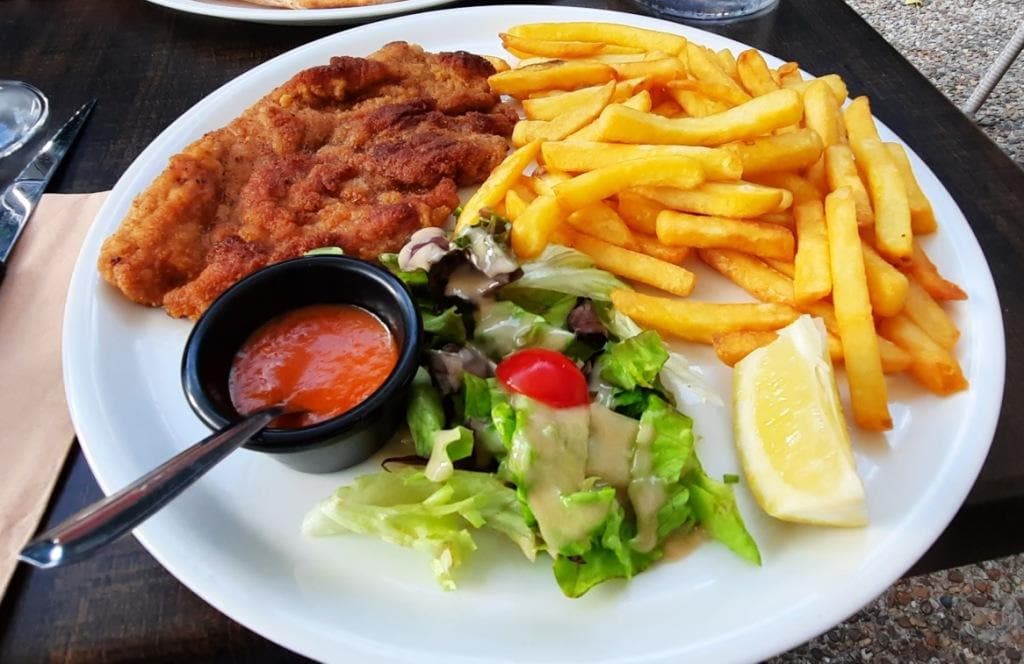
A breaded pork cutlet, crispy on the outside and tender inside.
Where to eat: Chata Restaurant
My experience: Simple but perfectly done served with potatoes and cabbage.
Cost: €7–€12

14. Steak Tatar
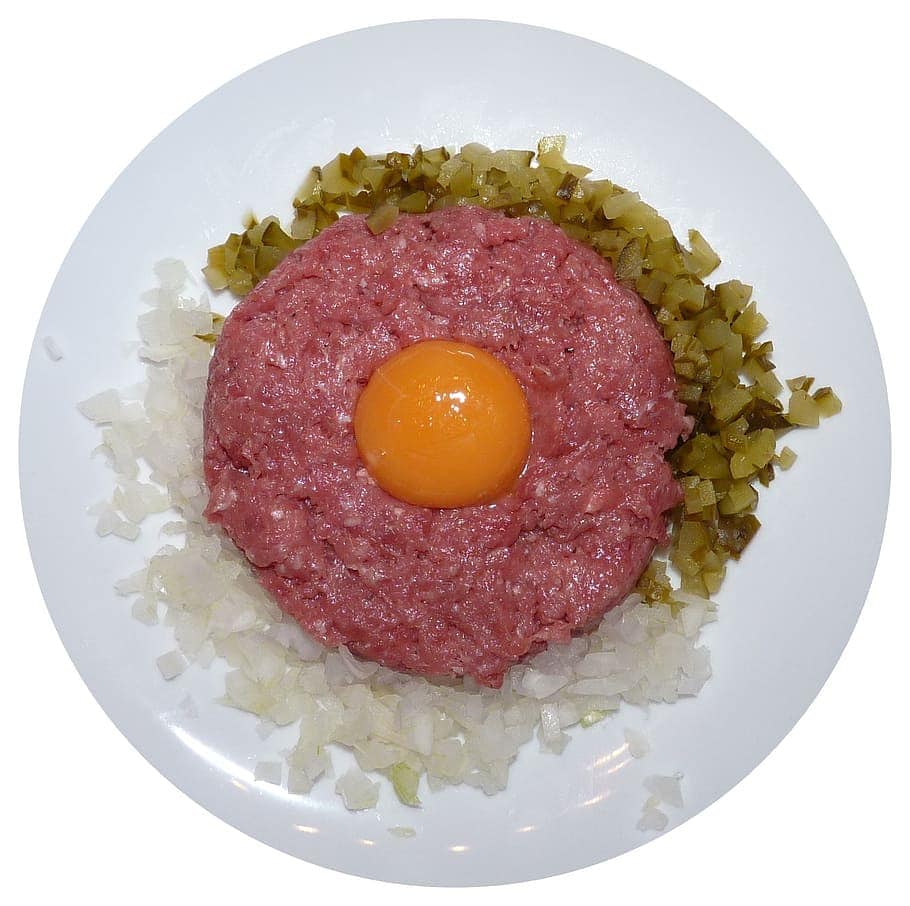
Raw minced beef with egg yolk, pickles, and onion.
Where to eat: Ariel Restaurant (Kazimierz)
My experience: Not for everyone, but incredibly fresh and well-balanced in flavour.
Cost: €8–€14

15. Sernik (Polish Cheesecake)
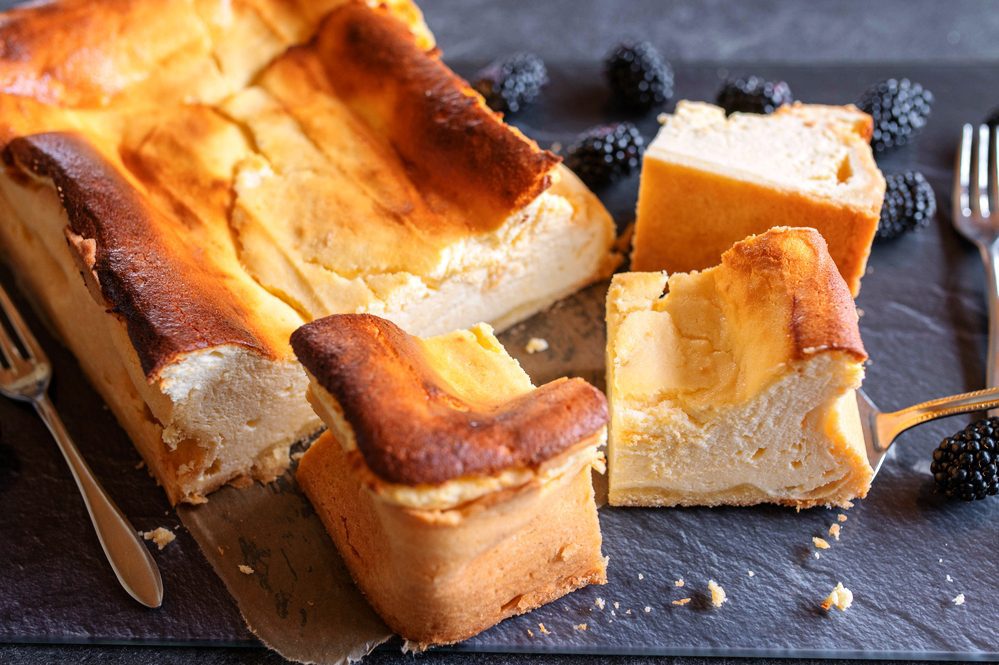
Made with twaróg cheese, this cheesecake is denser and less sweet than American versions.
Where to eat: Chimera Restaurant, cafés in Old Town
My experience: Creamy but not overly rich perfect with coffee.
Cost: €3–€6

16. Makowiec (Poppy Seed Roll)
A sweet rolled pastry filled with poppy seeds, nuts, and honey.
Where to eat: Local bakeries and cafés
My experience: Slightly sweet, nutty, and perfect as a breakfast treat.
Cost: €2–€5

What I Noticed About Eating Through This List
Working through these dishes gave me a real understanding of Polish cuisine. It’s not about complexity it’s about depth, tradition, and comfort.
Meals are designed to satisfy you completely. Soups are hearty, mains are rich, and even desserts feel substantial. But what really stood out was how affordable everything was.
For two people, we averaged about €40 per day total, including drinks. Even on days when we indulged a bit more, Kraków never felt expensive.
This list isn’t just about ticking off dishes it’s about experiencing Kraków through its food. Each bite connects you to the city’s history, culture, and people in a way that sightseeing alone never could.

Street Food, Milk Bars & Local Food Culture in Kraków
If restaurants show you one side of Kraków’s food scene, then street food and milk bars show you its soul. This is where things become less polished, more local, and arguably more authentic. Some of my most memorable meals weren’t eaten sitting down at all, but standing on a street corner, leaning against a counter, or carrying something warm through the cold air.

Kraków Street Food: Fast, Cheap, and Surprisingly Good
Street food in Kraków isn’t an afterthought it’s a core part of daily life. You’ll notice it immediately. Small blue carts selling obwarzanek on almost every corner, late-night food stalls lighting up Kazimierz, and the unmistakable smell of grilled kielbasa drifting through the evening air.
One of the most iconic experiences I had was tracking down the famous Blue Van near Hala Targowa. It doesn’t look like much just an old vehicle with a couple of men grilling sausages but that’s exactly the point. This place has been serving locals for decades, and it shows.

Standing there at night, surrounded by locals, eating smoky kielbasa straight off the grill with mustard and bread, felt like stepping into a Kraków tradition that hasn’t changed in years. It wasn’t fancy, but it didn’t need to be. It was simple, affordable, and absolutely packed with flavour.
Then there’s Plac Nowy in Kazimierz, which becomes a street food hub, especially in the evenings. This is where zapiekanka truly shines. Rows of small vendors compete to serve the best version of this iconic Polish “pizza baguette,” and the atmosphere is buzzing especially late at night when people spill out from nearby bars.
What I loved most about Kraków’s street food is how accessible it is. You don’t need to plan anything. You just walk, smell something good, and follow your instincts.
Milk Bars (Bar Mleczny): A Window Into Poland’s Past
If you want to understand Polish food culture on a deeper level, you have to visit a milk bar.
At first glance, they’re easy to overlook. The interiors are simple, sometimes even a bit dated. There’s no table service. You order at the counter, wait for your number, and carry your food back yourself. But that simplicity is exactly what makes them special.
Milk bars date back to the communist era, when they were government-run canteens designed to provide affordable meals to workers. While times have changed, many of them still operate in much the same way and they remain one of the cheapest places to eat in Kraków.

I visited one just off Grodzka Street in the Old Town, and it was busy with a mix of locals, students, and curious travellers. The menu was straightforward: soups, pierogi, cabbage dishes, and simple mains. The prices were almost unbelievable. You can eat a full meal here for just a few Euros. And not just a snack a proper, filling, home-style meal.
What stood out to me wasn’t just the cost, though. It was the feeling. Eating in a milk bar feels like stepping into everyday Polish life. There’s no performance, no tourist polish just real food served the way it always has been.

How Food Fits Into Daily Life in Kraków
One thing I quickly noticed is that food in Kraków is structured but flexible.
Breakfast is often substantial what I’d call a “proper” start to the day, with bread, meats, cheese, eggs, and vegetables. Lunch can be lighter or heavier depending on where you eat, but it’s usually satisfying. Dinner, though, is where things really slow down.
Even in casual places, meals feel unhurried. People sit, talk, and take their time. It’s not just about eating it’s about spending time together.
At the same time, there’s a strong culture of quick bites. Grabbing an obwarzanek, a zapiekanka, or a sausage isn’t seen as cutting corners it’s just another way of eating.

Balancing Traditional and Modern Food
Kraków also does an excellent job of balancing tradition with modern tastes.
While traditional Polish food dominates, you’ll also find a growing number of international and fusion spots. Places like Hamsa in Kazimierz offer a completely different flavour profile, with Middle Eastern dishes that provide a nice break from heavier Polish meals.
I found myself alternating between the two. After a few days of rich stews and dumplings, something lighter like hummus or a fresh salad felt like a reset.
This balance is part of what makes Kraków such a great food destination. You’re not limited. You can fully immerse yourself in traditional cuisine, or mix it up depending on your mood.

What I Learned From Eating Like a Local
By the end of my time in Kraków, I realised that the best way to experience its food scene isn’t to plan every meal it’s to stay open.
Some of my favourite moments weren’t on any list. They happened when I followed a smell, stepped into a place that looked interesting, or took a recommendation from a local.
Street food, milk bars, casual cafés they all play a role in understanding the city. And together, they create a food culture that feels genuine, accessible, and deeply rooted in tradition.
My Personal Restaurant Recommendations in Kraków
What follows isn’t a generic roundup. These are the places I actually ate at some more than once and the ones I would go back to without hesitation. They range from simple cafés to traditional Polish restaurants, and each one added something different to my overall experience of eating in Kraków.
Breakfast in Kraków: Starting the Day Properly
Breakfast in Poland is not a light affair. It’s filling, varied, and often sets you up for the entire day. Think breads, cheeses, meats, eggs, and fresh vegetables far more substantial than a quick coffee and pastry.
One of the first places we stumbled across was Domowe Przysmaki. It wasn’t planned we simply passed it on the way toward the Old Town and decided to give it a try. That ended up being one of the best spontaneous decisions we made.
We ate there twice once for breakfast and once for lunch which already says a lot. For breakfast, we went for what I’d call a slightly modern take on a traditional start: eggs on toast with avocado. But what stood out wasn’t just the food it was the balance. You could order something familiar, or go fully Polish with rye bread, cold cuts, cheeses, and salads.


Everything felt fresh, simple, and satisfying. It was also reasonably priced, making it an easy place to return to.
Another unexpected find was Fornier Cafe, which we discovered while walking from Kleparz toward the Old Town along Długa Street. From the outside, it looked almost too simple to notice a chalkboard sign advertising a breakfast buffet.
But walking through the entrance felt like uncovering a hidden gem. There’s a small courtyard with stone arches, apartments above and inside, a cosy café that feels tucked away from the city.
The breakfast buffet here was fantastic value. For just a few złoty, you could help yourself to a spread that included breads, cheeses, eggs, salads, and more. It felt relaxed, unpretentious, and very local.


Lunch in Kraków: Casual, Filling, and Full of Variety
Lunch in Kraków can go in many directions. You can keep it light with a café meal or go all-in with pierogi, soups, and stews.
One of my standout lunch spots was Pierogarnia Krakowiacy, a small, traditional restaurant focused almost entirely on pierogi.
There’s something refreshing about a place that specialises in one thing and does it exceptionally well. The setting is simple and cosy, and the menu isn’t overwhelming. But the pierogi? Absolutely worth it.

Then there was Ona Kazimierz, which we found in the Jewish quarter near the High Synagogue. If I’m being honest, we almost didn’t go in. It looked quiet almost too quiet and still in the process of being set up. But we decided to give it a chance, and it turned out to be one of the most memorable lunches we had.
We ordered a platter that arrived loaded with sliced meats, cheeses, olives, fresh vegetables, and multiple types of hummus plain, sun-dried tomato, and olive. Alongside it came a generous basket of obwarzanek bread.
It was simple, but incredibly well done. The hummus, in particular, stood out some of the best I’ve had anywhere. It also offered a nice break from heavier Polish dishes.

For something lighter and more flexible, Chimera Salad Bar & Restaurant was a great option. This is ideal if you want variety or need a break from meat-heavy meals.
They offer a buffet-style selection of salads, quiches, and vegetarian dishes, alongside a sit-down menu. The setting has a slightly rustic, garden-like feel, which makes it a relaxing place to spend time.
Dinner in Kraków: Where the Food Really Shines
Dinner is where Kraków truly comes into its own. This is when you slow down, settle in, and experience Polish cuisine at its richest.
Without question, one of the highlights of my entire trip was Chata Restaurant in the Kleparz district.
We discovered it by chance it was right behind our aparthotel and from the moment we walked in, we knew it was something special.
The place was packed. Not just busy, but full, with people being turned away at the door. That’s always a good sign.


Inside, it feels like a rustic mountain cabin. Large wooden tables, bench seating with faux fur throws, a fireplace burning it’s warm, lively, and incredibly atmospheric. You often end up sharing space with others, which adds to the experience.
The food here was outstanding. The goulash, served in an edible bread bowl, was one of the best dishes I had in Kraków. We also tried pierogi, potato pancakes, pork chops, and smoked cheese with cranberry.

Everything was rich, hearty, and deeply satisfying. This is the kind of place where you leave full and already thinking about coming back.
For something more refined, Copernicus Restaurant offers a completely different experience. Located in a historic building on one of Kraków’s oldest streets, it’s elegant without being overly formal.
The menu takes traditional Polish dishes and gives them a modern twist. It’s the kind of place you go when you want to see how Polish cuisine can evolve while still respecting its roots.

Another memorable dinner was at Pod Leliwa Restaurant, housed in what was once a 17th-century palace. The setting alone is worth the visit, with historic interiors and a sense of old-world charm.
We started with żurek and chłodnik (cold beet soup), then moved on to vegan cabbage rolls filled with buckwheat and mushrooms. It was a great reminder that Polish cuisine isn’t just about meat it can also be incredibly creative and satisfying in its plant-based forms.


In Kazimierz, Ariel Restaurant offered a completely different perspective. With its connection to Jewish heritage and its setting in a historic building, it felt like stepping into another layer of Kraków’s identity.
The menu includes traditional Jewish dishes alongside Polish classics, and the atmosphere especially with live music adds something truly unique.

Hamsa is the go-to place in Kraków for authentic Israeli food, especially hummus and shareable mezze plates.


Finally, Pierożki u Vincenta deserves another mention here, even though it’s more casual. With over 40 types of pierogi, it’s the kind of place where you can experiment and try combinations you won’t find elsewhere.

Why Kraków Is One of Europe’s Best Food Cities
Kraków surprised me not because the food was good, but because of how good it was across the board. From street food to traditional restaurants to more refined dining, there’s a consistency and depth that’s hard to find elsewhere.
What makes it special isn’t just the dishes themselves, but the way they’re woven into the city’s history and daily life. You’re not just eating pierogi you’re eating something that’s been part of Polish culture for centuries. You’re not just grabbing a sausage you’re taking part in a local ritual.
And perhaps most importantly, it’s all accessible. You don’t need a big budget or a detailed plan. You just need curiosity and an appetite

FAQ: Eating in Kraków
Is Kraków expensive for food?
No, Kraków is one of the most affordable food cities in Europe. You can eat very well on €20–€40 per day for two people if you mix street food and casual dining.
Do restaurants accept euros?
Some tourist areas might, but it’s always better to pay in Polish złoty. You’ll get better prices and avoid poor exchange rates.
What is the best area to eat in Kraków?
Stare Miasto (Old Town) is the best place to start, but Kazimierz and Kleparz offer excellent alternatives with slightly different vibes.
Are vegetarian options available?
Yes, more than you might expect. Many restaurants offer vegetarian dishes, and places like Chimera specialise in them.
Do I need to book restaurants in advance?
For popular places like Chata, it’s a good idea especially on weekends.
An experience you should not miss when visiting Poland. Auschwitz is one of the most important and sobering places you can visit in Poland. Walking through the camp, seeing the barracks, and learning about the lives lost there creates a powerful, deeply emotional experience that brings history into a very real and personal perspective.
Visiting Auschwitz can leave a lasting impression, encouraging reflection on the importance of remembrance, respect, and standing against hatred so that such events are never repeated.
If you’re exploring more of Europe, or thinking about living here longer term, I’ve put together a few guides that might help:
Europe Travel Guide and the Ultimate Europe Travel Resource Guide
How to Avoid Travel Scams in Europe
Schengen Rules Explained when travelling to Europe
Carryon Luggage Rules Across Europe
How to find out if you can obtain an EU passport

This takes us back to our first trip to Krakow and the food we ate. It was delicious. Of course we had the traditional Pierogies but I also enjoyed Barszcz czerwony.
I am planning to head back soon and will be trying some of these other Polish dishes too.
Oh, I do love my beetroot and the resulting borscht it cannot be beaten.
Good post! I can definitely say that we will be coming back to Krakow… its food scene was a complete but welcoming surprise. We actually took a guided tour from krakowfoodtour.com it was amazing! Helped us get a taste of Zurek, pierogi, goulash and other foods i cant remember the name of.. If your visiting this amazing city try it’s food!