
Accessible Wicklow: Scenic Drives, Viewpoints and Villages
Wicklow is genuinely accessible if you focus on scenic drives rather than hiking trails most of the county’s best views are reachable by car with only a few steps out of the vehicle. Glendalough’s Lower Lake Trail and Green Road are the two proper wheelchair-accessible paths in the county; Powerscourt’s terraces, the Blessington Lakes, and Bray’s promenade all work well too. A car is essentially required, since public transport thins out quickly once you’re outside the main towns.
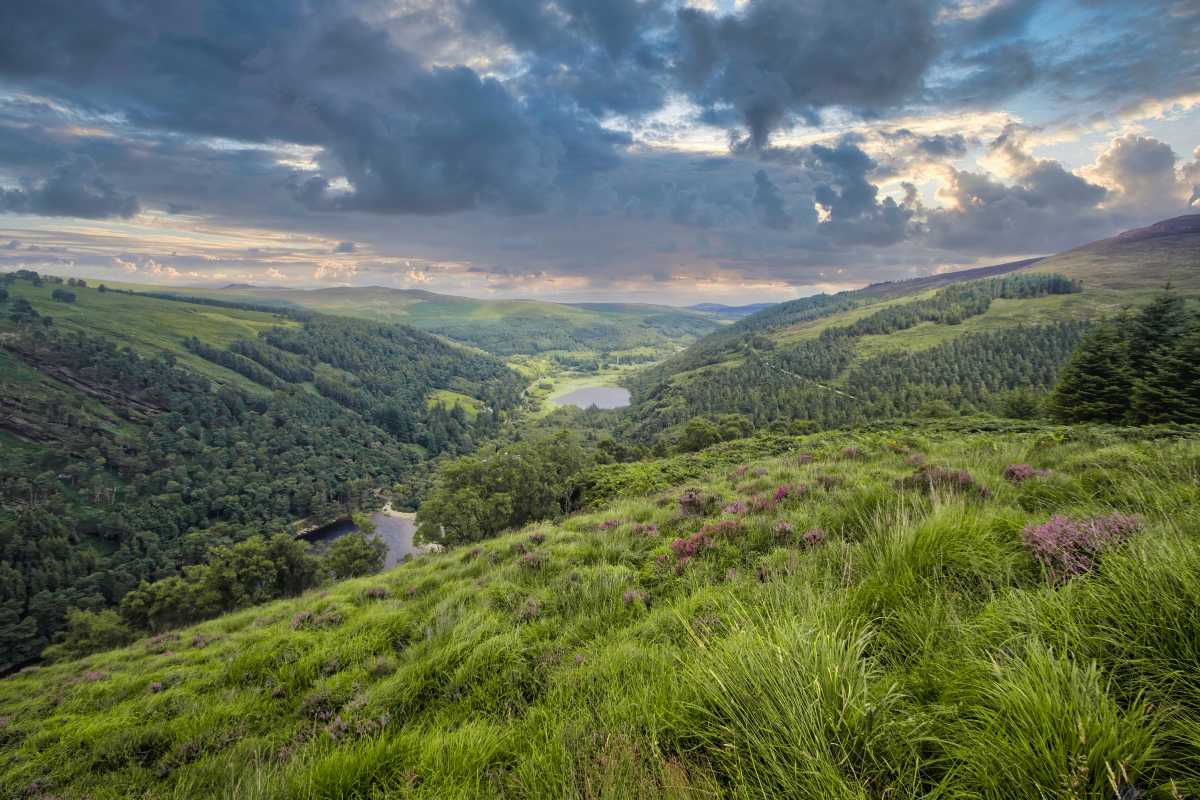
County Wicklow is known as the “Garden of Ireland,” and much of its beauty can be enjoyed with very little walking if you approach it correctly. This guide focuses on scenic drives, viewpoints, and manageable stops rather than hiking trails.
I’ve driven the Wicklow Mountains more times than I can count. I’ve watched the weather roll across Sally Gap and Wicklow Gap, pulled into quiet lay-bys for sudden bursts of lake light, and ducked into villages for a warm café on blustery days. Those miles taught me that Wicklow’s beauty is best gathered in short, simple stops viewpoints you can reach by car, gardens with level terraces, and historic sites where the drama is visible without a hike. This guide distills those practical, road-tested moments so you can enjoy the Garden of Ireland at a slower, more accessible pace.
Wicklow works best for travellers with limited mobility when visited by rental car or taxi, often as a day trip or short stay from Dublin. It pairs naturally with the capital — see my full Accessible Dublin guide if you’re combining the two.

- Accessible Wicklow: Scenic Drives, Viewpoints and Villages
- Accessible Places to Visit in Wicklow
- Wicklow Scenic Drives
- Wheelchair Accessible Trails in Wicklow
- Hidden Scenic Stops in the Wicklow Mountains (Minimal Walking)
- Getting Around Wicklow with Limited Mobility
- Villages & Towns for Slow, Accessible Stops
- Historic Houses & Gardens (Partial Access)
- Wicklow Reality Check
- Driving Tips for the Passes
- Frequently Asked Questions
Accessible Places to Visit in Wicklow
Powerscourt Gardens (Partial Access)
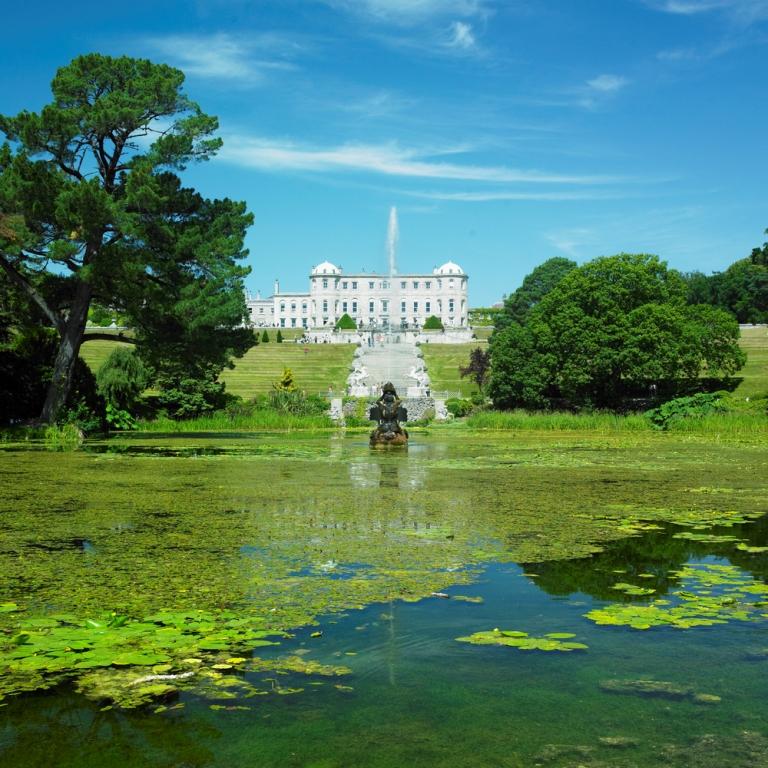
Powerscourt has a step-free visitor centre that makes arrival straightforward. The main terraces and café are accessible and easy to enjoy without covering the whole estate. Some routes do include gentle slopes and gravel sections, so the most comfortable experience is to linger on the principal terraces, where the views open toward the Sugar Loaf.
Glendalough
Glendalough’s visitor centre is accessible, and the upper viewpoints can be reached by car, giving sweeping looks over the lakes and the early medieval monastic city. From these higher vantage points, you can pick out the Round Tower, St Kevin’s Church (the “Kitchen”), and the cathedral without tackling the valley floor. Closer views of the ruins are possible too, via short stretches of compacted path near the main entrance, though the old stones underfoot can be uneven. The lower valley routes are often crowded and rough underfoot, so it’s best to enjoy the ruins and scenery from the viewpoints, and keep any ground-level exploring to brief, manageable stretches near the parking areas.

The Glendalough Sensory Garden sits in Wicklow Mountains National Park, near the Upper Lake information point. A few other sensory gardens are worth knowing about elsewhere in the county: the Greystones Sensory Garden in town, the sensory garden at Glenroe Open Farm in Kilcoole, the Knockananna Sensory Gardens at Mullins in West Wicklow, and the dementia-friendly sensory area at Tearmann Community Garden in Baltinglass. Check opening times and seasonal access before visiting any of these.
Wicklow Scenic Drives
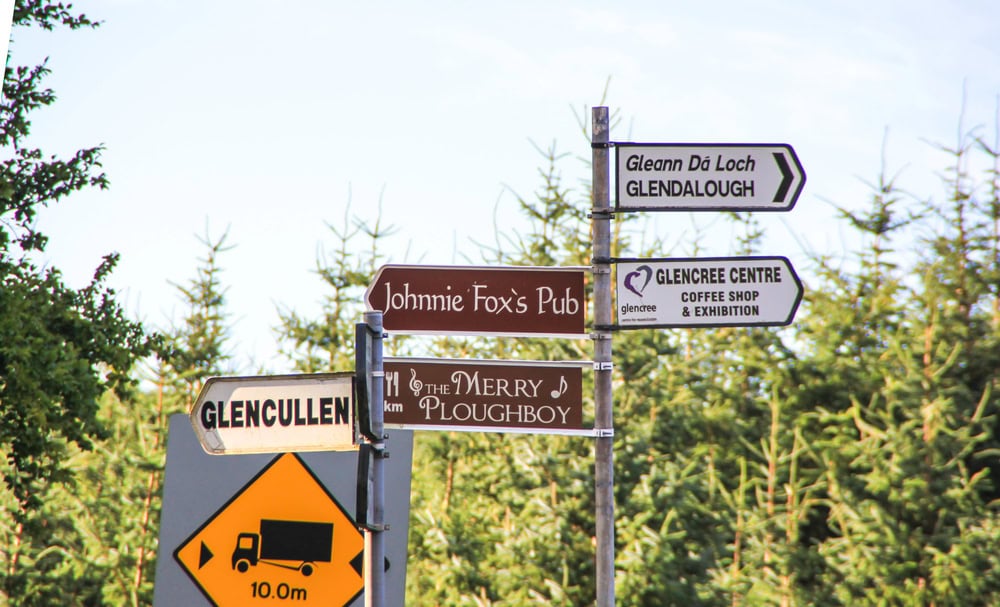
Wicklow’s mountain roads deliver dramatic views around almost every bend. Frequent roadside pull-offs make it simple to pause for photographs or a quiet moment without leaving the car for more than a few steps. Most of the best scenery here can be appreciated entirely from the vehicle, which makes these routes a strong fit for travellers who prefer minimal walking but still want the county’s wild beauty in full.
Wheelchair Accessible Trails in Wicklow
Wheelchair-accessible trails in Wicklow are limited, but genuinely rewarding where they exist.
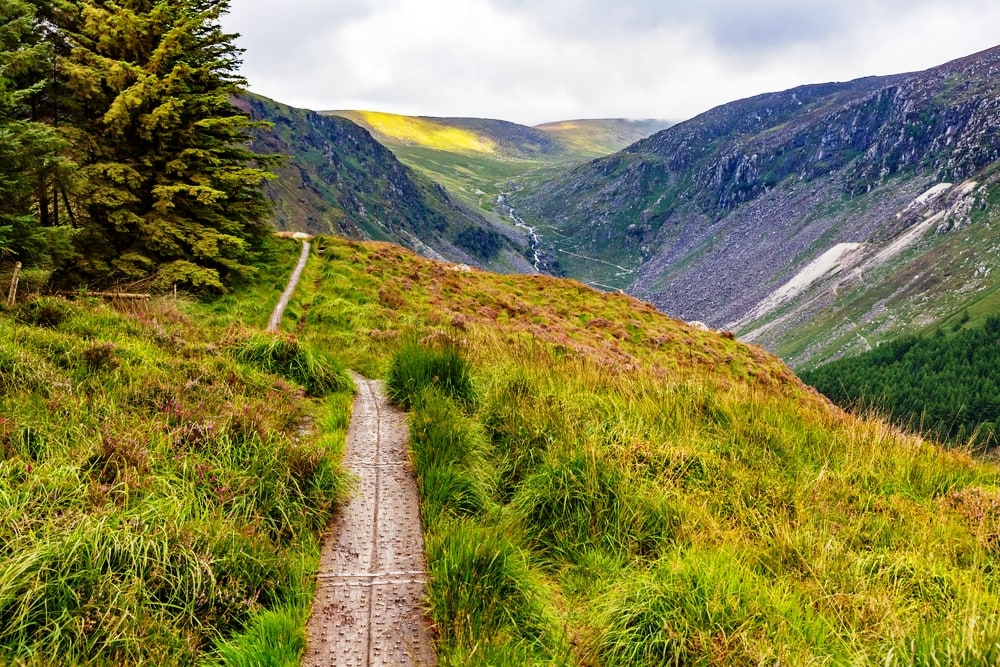
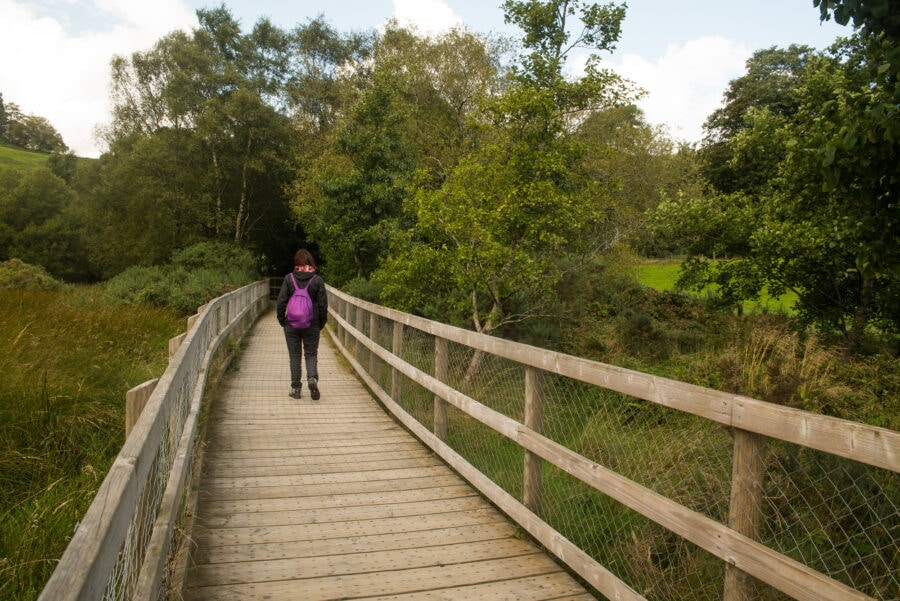
At Glendalough, the Lower Lake Trail is a mostly flat, paved route that works well for wheelchairs, pushchairs, and anyone who prefers easy walking. It offers constant lake views and straightforward access to the Monastic City. Nearby, short, mostly level sections near the visitor centre also allow close-up views of the Round Tower and churches on compacted surfaces. The Green Road is an equally gentle, level path through woodland to the wetland edge of the Lower Lake, with boardwalk sections providing firm footing and broad views. Entry to Wicklow Mountains National Park is free, and accessible facilities and current information are available at the Visitor Centre.
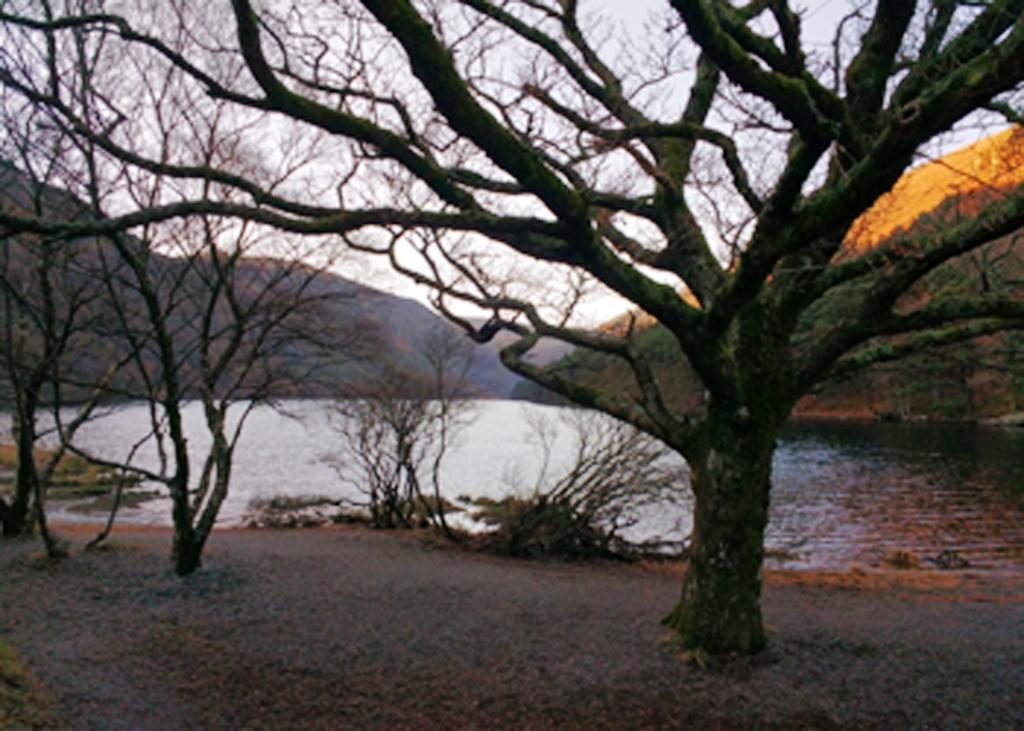
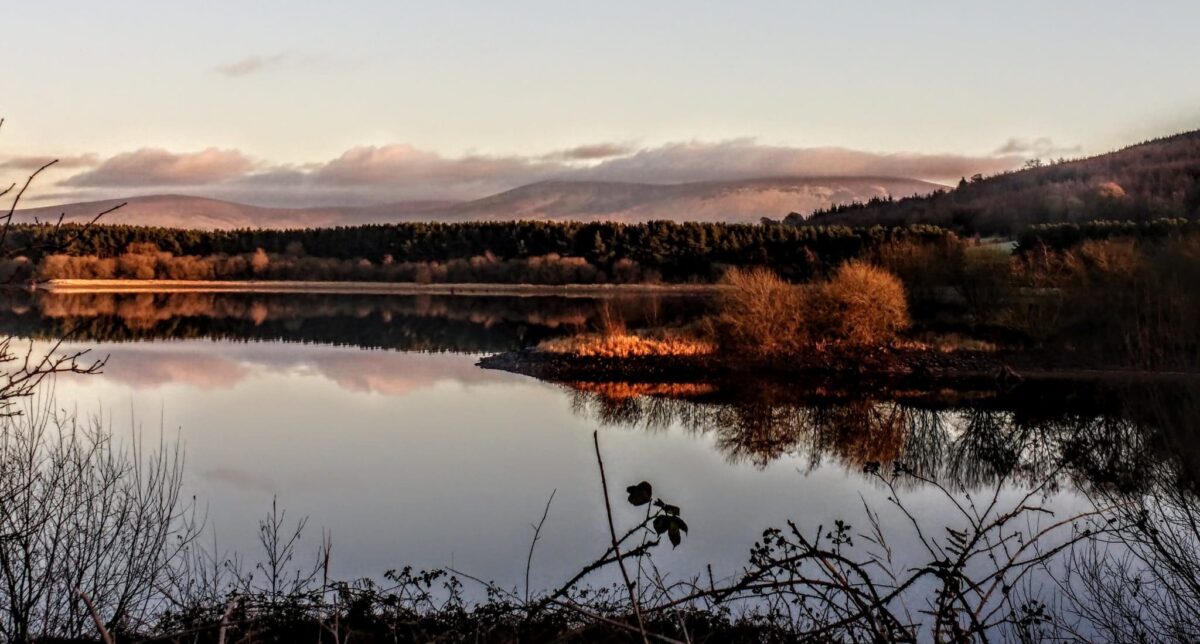
Around Roundwood, parts of the Vartry Reservoir paths are broad and relatively smooth, offering gentle lake views without long distances. The Blessington Lakes Greenway includes segments with firm, level ground suitable for wheelchairs, though surfaces can vary after rain.
For a forest experience, Avondale Forest Park near Rathdrum features the Beyond the Trees elevated walkway and tower, with step-free access, a high, immersive view of the canopy without any steep climbing.
Hidden Scenic Stops in the Wicklow Mountains (Minimal Walking)
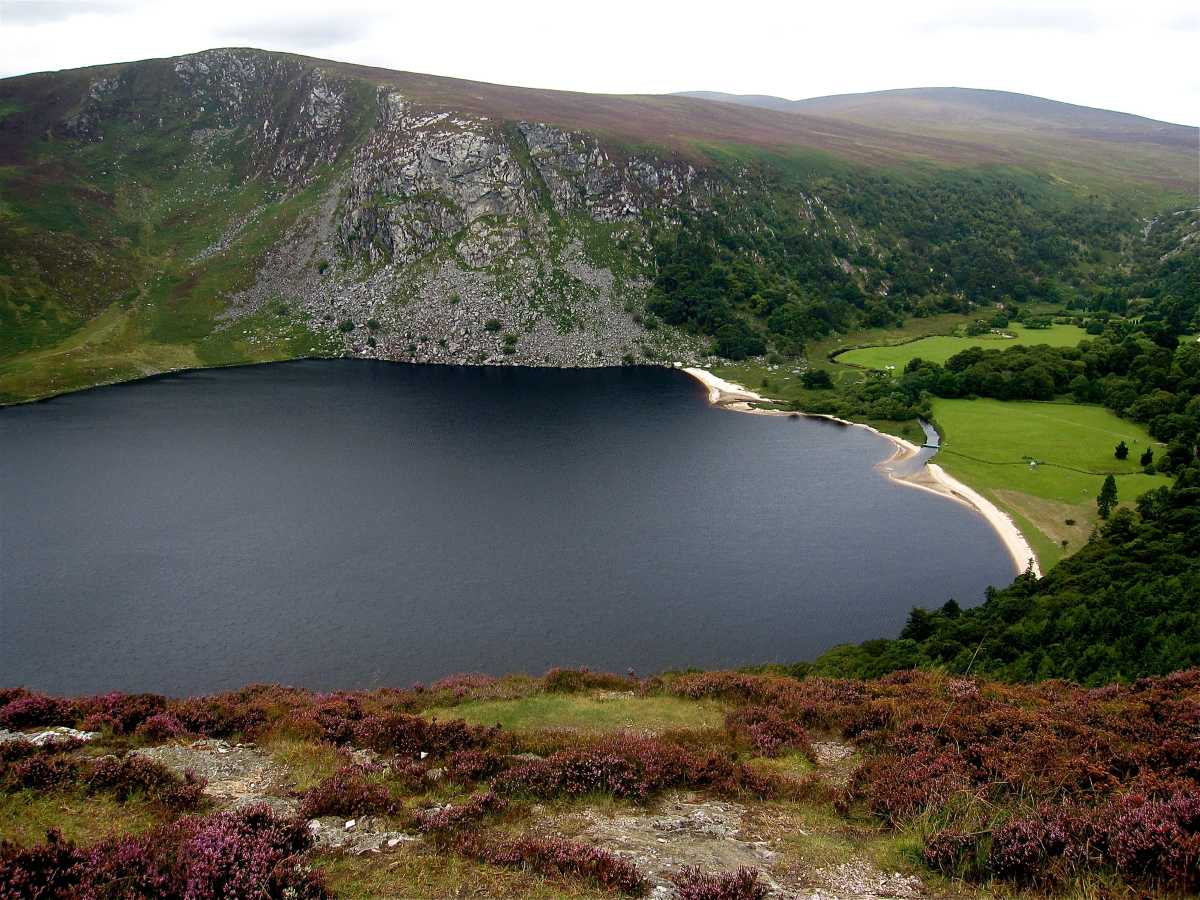
Lough Tay, often called the Guinness Lake, is best appreciated from the roadside lay-bys along the Military Road near Sally Gap. From there, you can take in the dark oval of water framed by pale sands and russet hills without leaving the car for more than a few flat steps. This was featured as Kattegut in the Vikings TV show.
North of Laragh, the Glenmacnass Waterfall tumbles in tiers beside the R115. A small car park sits almost level with the viewpoint. Rolling down the window, or stepping out briefly to feel the spray, is easy on a calm day.

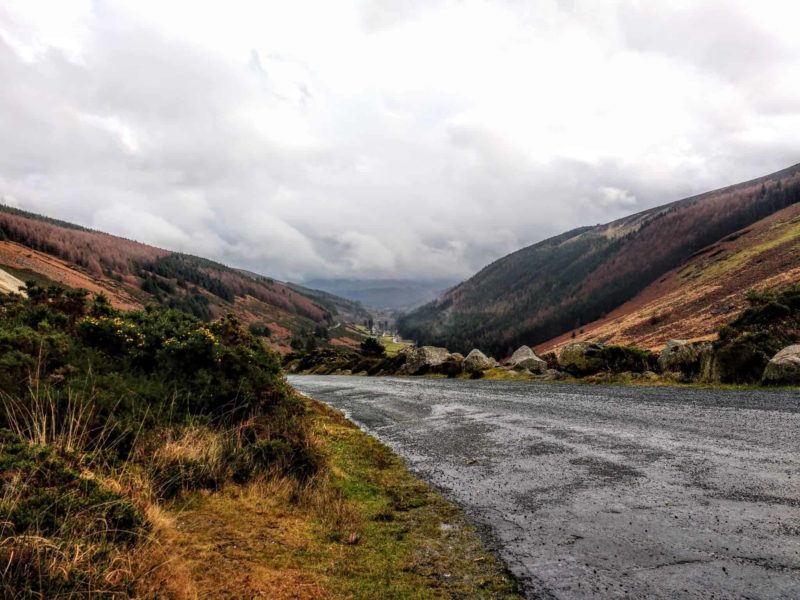
Crossing the Wicklow Gap on the R756, the road curls between high moorland and granite slopes. Pull-ins here are frequent and reasonably level. From several of them, you can spot the Turlough Hill hydro station and survey valleys that look genuinely wild in any weather.
The Blessington Lakes offer a gentler drive. Quiet ribbons of road trace the shoreline, with regular places to stop for mirrored water views. A short detour brings you to Russborough House, where the café and portions of the grounds are accessible for a relaxed break.
Around Roundwood, the Vartry Reservoirs provide calm scenes of still water and stands of trees. You can pause at benches beside mostly level surfaces, some paths are gravel, but the main views are reachable with minimal effort.
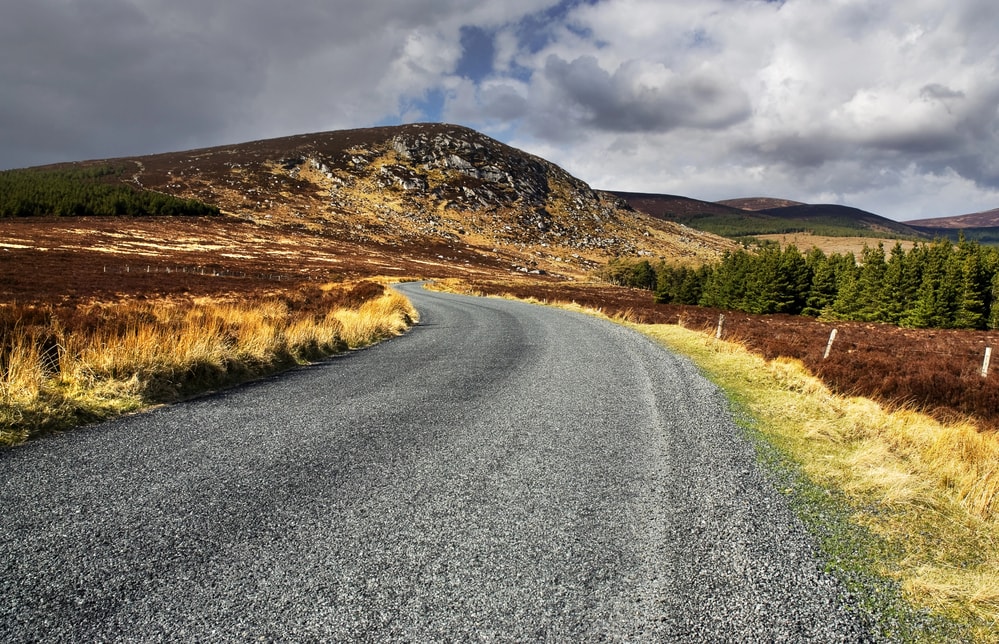
For the pure mountain feel, follow Military Road over Sally Gap. Here the landscape opens into peat bog and heather with sky in every direction. Vantage points appear often along the verge and patience with sheep and cyclists is part of the experience.
Getting Around Wicklow with Limited Mobility
- A car is strongly recommended
- Public transport is limited outside towns
- Roads are narrow but manageable at a slow pace
Wicklow fits well into a slow, accessible Ireland itinerary, especially when combined with Dublin.
Villages & Towns for Slow, Accessible Stops
Laragh makes an easy base at the gateway to Glendalough. Level access to cafés and craft shops, plus straightforward parking, make it a good place to pause before or after the valley viewpoints.
Roundwood, often cited as Ireland’s highest village, has a compact, welcoming centre. Settle in for a simple lunch, then slip out to the nearby Vartry Reservoirs for water views without committing to a walk.
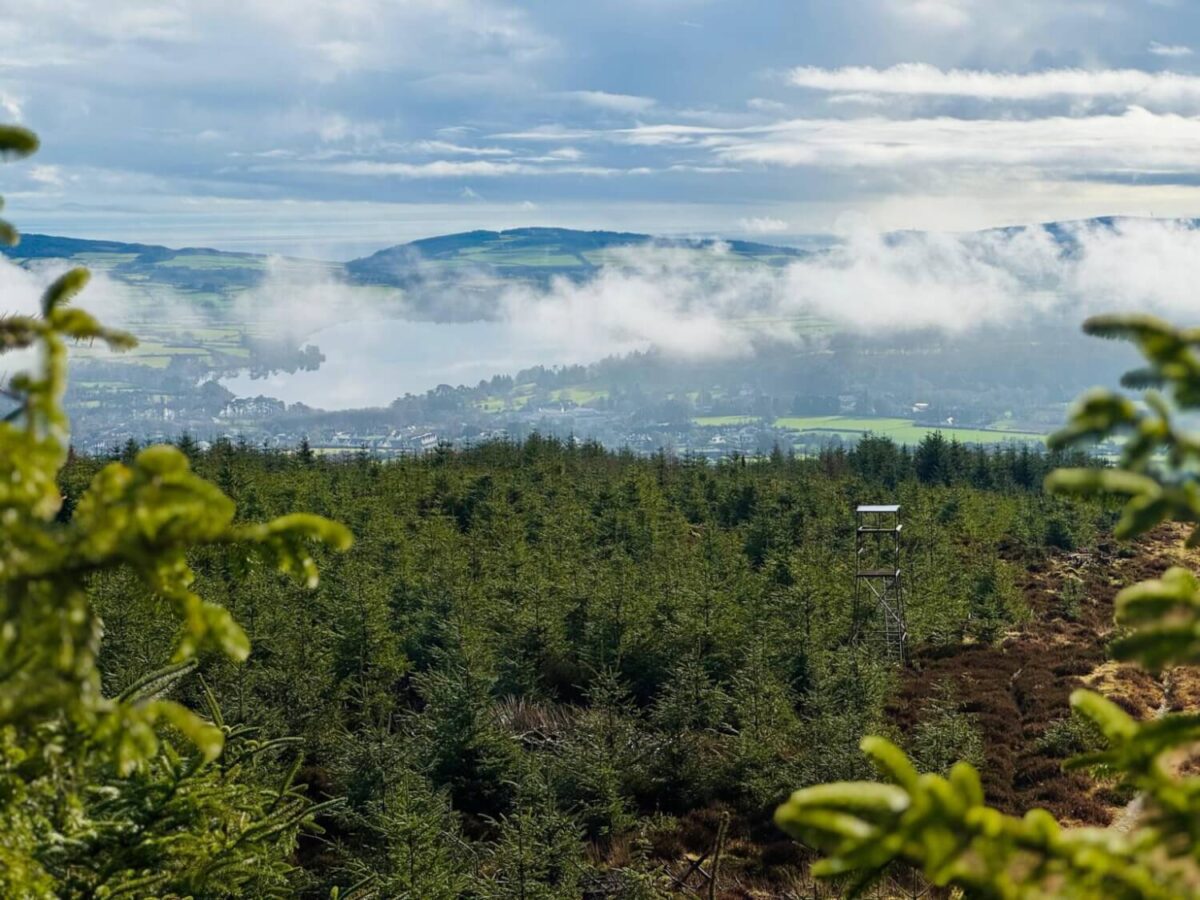
Enniskerry, the pretty village beside Powerscourt, offers short, mostly level streets lined with cafés and independent shops ideal for a gentle amble between terrace seating and the car.
Downriver at Avoca, the Meeting of the Waters is a classic roadside viewpoint where the Avonmore and Avoca rivers join. A few careful steps bring you to a railing for a tranquil look at the confluence. The Avoca Handweavers site nearby provides a step-free craft shop and café for a comfortable break.

Blessington works well as a lakeside base, with a flat main street and plenty of places to sit. The shoreline drives are moments away from here, and Russborough House is close enough for a short, accessible visit.
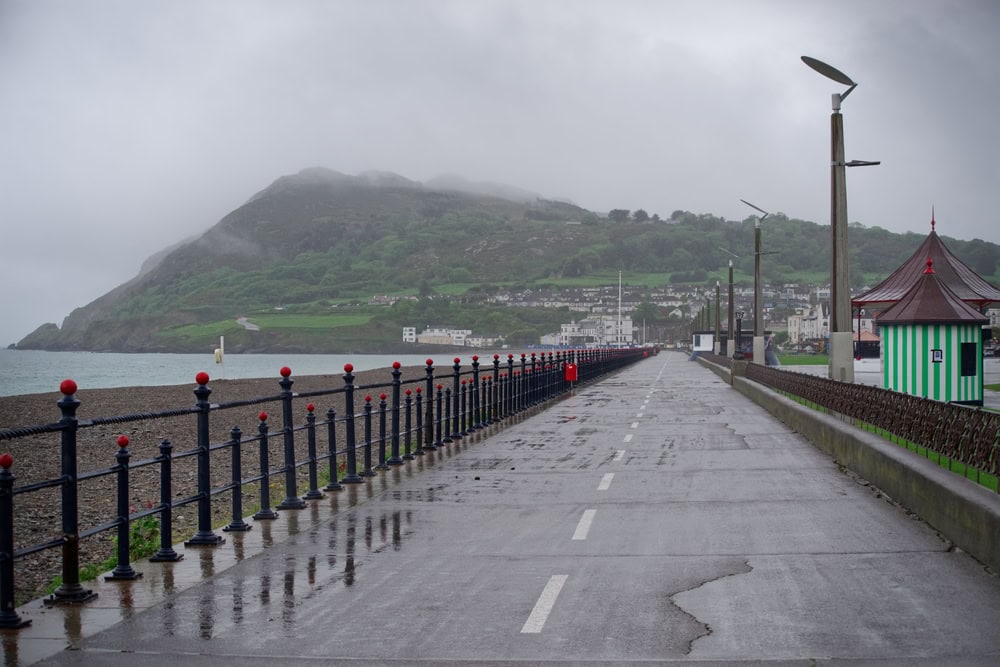
If you want sea air, Bray’s long, level promenade is wheelchair-friendly. It lets you enjoy the curve of Bray Head from the comfort of the seafront, with no climbing required.
Historic Houses & Gardens (Partial Access)
At Ashford, Mount Usher Gardens unfold along a river in a series of mostly level paths shaded by rare trees. Some sections use gravel, but you can choose a shorter loop and still enjoy the colour and calm before settling in at the accessible café.
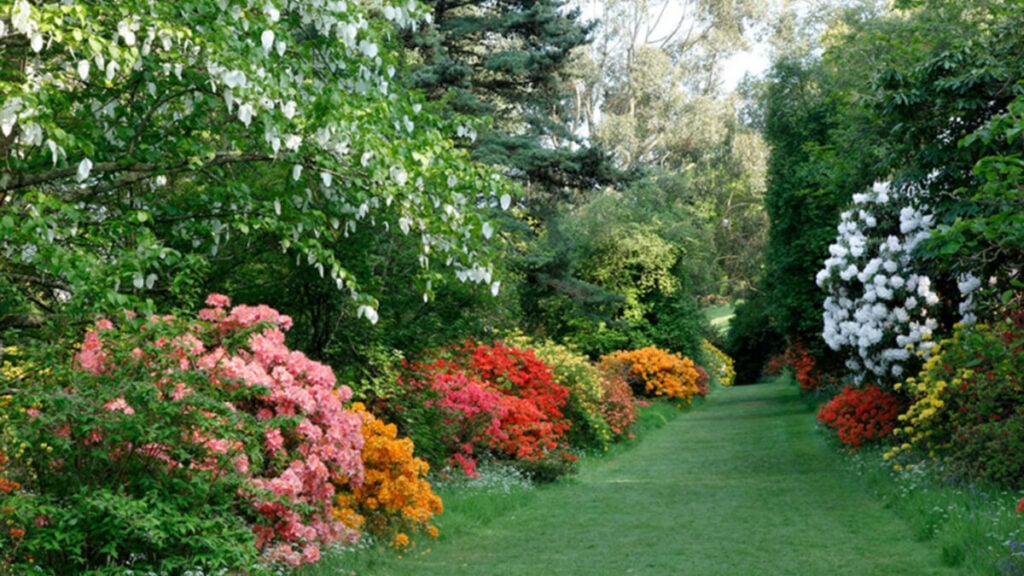
Kilmacurragh, the outpost of the National Botanic Gardens, spreads its collections across broad, largely flat avenues and lawns. Spring brings the rhododendrons into dramatic bloom, and the step-free visitor facilities make it a relaxed stop even where a few surfaces are uneven.
In the hills above, the Glencree Centre for Peace & Reconciliation welcomes visitors with a drive-in café and small exhibition spaces on short, level paths. Just beyond it, the German War Cemetery offers an unexpectedly serene, flat ground, where rows of stone crosses blend quietly into the landscape.
For a burst of sound and spray, Powerscourt Waterfall is accessible by car to a picnic area where you can admire the cascade from near the vehicle. The grass can be soft after rain, but accessible toilets and plenty of space make it easy to enjoy the scene without a hike.

Wicklow Reality Check
- Weather changes quickly
- Gravel and uneven surfaces are common
- Best experiences don’t require hiking
Driving Tips for the Passes
- Use hazards when pulling into lay-bys; never stop on blind bends
- Expect sheep on the road; drive slowly and defensively
- In fog or high wind, prioritize the lower routes and lakes
Frequently Asked Questions
Is Wicklow suitable for limited mobility?
Yes — if you focus on scenic drives and accessible estates rather than hiking trails. Most of the county’s signature views are reachable directly from the car.
Do you need a car in Wicklow?
Almost always, yes. Public transport thins out considerably once you’re outside the main towns, and the scenic drives themselves are the point. Although there is an accessible bus available to Glendalough.

What’s the most wheelchair-accessible part of Wicklow?
Glendalough’s Lower Lake Trail and Green Road are the two genuinely wheelchair-accessible paths in the county — both flat, paved or boardwalked, with constant lake views.
Can you see Glendalough without walking down into the valley?
Yes. The upper viewpoints, reachable by car, give sweeping views over the lakes and monastic city, including the Round Tower and St Kevin’s Church, without tackling the rougher valley floor paths.
Is Powerscourt accessible?
Partially. The visitor centre and main terraces are step-free and easy to enjoy, though some routes further into the estate involve slopes and gravel.
What’s the best base for an accessible visit to Wicklow?
Laragh for Glendalough specifically, or Blessington if you want a flat lakeside base with easy access to the scenic drives. Both work well as a day trip from Dublin too.
Are there sensory gardens in Wicklow?
Yes — beyond the Glendalough Sensory Garden, the county has options in Greystones, Kilcoole, West Wicklow, and Baltinglass. Check seasonal opening hours before visiting.

Wicklow rewards a slow, wheels-first approach. Glide over mountain passes. Pull into easy lay-bys for lake and moor views. Linger in villages where cafés and craft shops sit on level ground. From Powerscourt’s terraces to Glendalough’s monastic ruins seen from accessible viewpoints, you can experience the county’s signature beauty without long walks just thoughtful stops, flexible timing, and an eye on the weather.
This guide is part of my Accessible Ireland travel series, offering realistic advice for slower-paced travel.