
Accessible County Galway: Connemara, Kylemore Abbey and the Aran Islands with Limited Mobility
Quick answer: The most accessible places in County Galway are Kylemore Abbey (6 of 9 rooms accessible, a wheelchair-friendly shuttle to the Victorian Walled Garden, and wheelchairs to borrow), Connemara National Park’s visitor centre and fully accessible Ellis Wood trail, the Salthill Promenade, and Connemara’s roadside scenic drives. The Aran Islands are possible in a manual wheelchair with planning, but electric wheelchairs are not allowed on Aran Island Ferries and the final climb to Dún Aonghasa is rough rock.
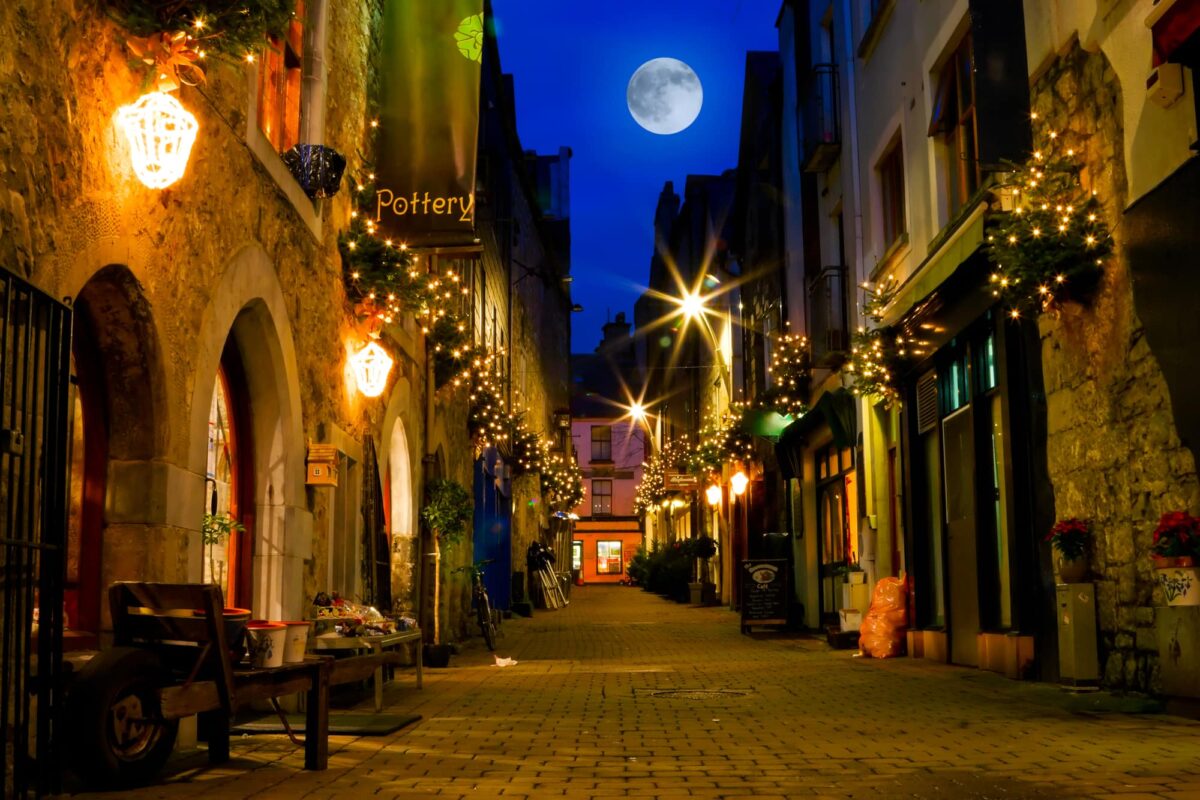
County Galway is one of the most rewarding parts of Ireland to explore with limited mobility if you plan around the right places. I’ve visited Galway many times over the years, usually with Salthill as my base, and the lesson is always the same: the wild scenery of Connemara and the coast is very accessible from a car, while some of the famous sites need a realistic look before you go. This guide is based on lived experience rather than promotional claims, checked against what each site says about its own access.
For streets, Salthill, the hospital, parking and getting around the city itself, see my Accessible Galway City guide. For the rest of the county, start with my County Galway guide.
- Accessible County Galway: Connemara, Kylemore Abbey and the Aran Islands with Limited Mobility
- Arriving in Galway
- Accessibility at a Glance: County Galway Attractions
- Kylemore Abbey: The Most Accessible Big Attraction in the West
- Connemara National Park
- Connemara Scenic Drives
- The Aran Islands with Limited Mobility
- South Galway: Coole Park, Thoor Ballylee and Portumna
- Accessible Outdoor Options Near Galway City
- Walking Is Optional: Getting Around County Galway
- What Travel Guides Don’t Tell You About County Galway
- A 3-Day Accessible County Galway Plan
- Accessible County Galway: FAQ
- Planning Accessible Travel in Ireland
- Exploring the Fascinating Regions of Ireland
Fast Facts: Accessible County Galway
| Most accessible attraction | Kylemore Abbey: 6 of 9 rooms, garden shuttle, wheelchair loan, shop and café fully accessible |
| Best accessible nature trail | Ellis Wood Nature Trail, Connemara National Park: 0.5 km, fully wheelchair accessible; park entry and parking free |
| Easiest scenery | Connemara drives with roadside viewpoints no walking needed |
| Aran Islands | Manual wheelchairs only on Aran Island Ferries; tides affect boarding; call ahead (091 568903) |
| Dún Aonghasa | Upgraded visitor centre (May 2026); 1 km uphill gravel path; final 100 m rough rock; adults €5 |
| South Galway | Portumna Castle ground floor + accessible toilet (€5, open to 11 Nov 2026); Coole Park woods |
| Getting around | A car is essential outside the city; taxis and tours fill the gaps |
| Best base | Salthill or Eyre Square in Galway city, or Clifden for Connemara |
Arriving in Galway
Shannon Airport is the closest, about an hour and a quarter by car, with full special assistance (PRM), a sensory room and Sunflower lanyard support. Dublin is about two and a half hours away; my Dublin Airport guide covers assistance there. Book assistance with your airline at least 48 hours ahead and pre-book an accessible taxi or hire car. Arrival by train and city transport are covered in my Accessible Galway City guide, alongside the best attractions in the city.
Accessibility at a Glance: County Galway Attractions
| Place | Access level | Key details |
| Kylemore Abbey | Good | 6 of 9 abbey rooms accessible; church not accessible; shuttle to walled garden; wheelchairs to borrow; limited scooters |
| Connemara National Park | Good (visitor centre and Ellis Wood) | Free entry; disabled parking; Ellis Wood 0.5 km fully accessible; Sruffaunboy 1.5 km partly accessible; Diamond Hill unsuitable |
| Connemara scenic drives | Excellent | Roadside viewpoints and parking close to views |
| Salthill Promenade | Excellent | About 6 km, wheelchair accessible, benches and toilets; Changing Places toilet at Ladies Beach |
| Aran Islands (Inis Mór) | Partial | Manual wheelchairs only on Aran Island Ferries; villages and main roads paved |
| Dún Aonghasa | Partial | Visitor centre accessible; 1 km uphill path; final 100 m rough, stepped rock |
| Portumna Castle | Limited | Ground-floor exhibition; wheelchair-accessible toilet; car park |
| Coole Park | Partial | Woodland paths to the lake and Autograph Tree; check current access with NPWS |
| Barna Woods | Partial | Flat paths near the car park; deeper trails uneven |
Kylemore Abbey: The Most Accessible Big Attraction in the West

Kylemore Abbey is one of the most accessible historic attractions in the west of Ireland, and it’s the one day trip I’d recommend to almost anyone with limited mobility. According to Kylemore’s own accessibility information:
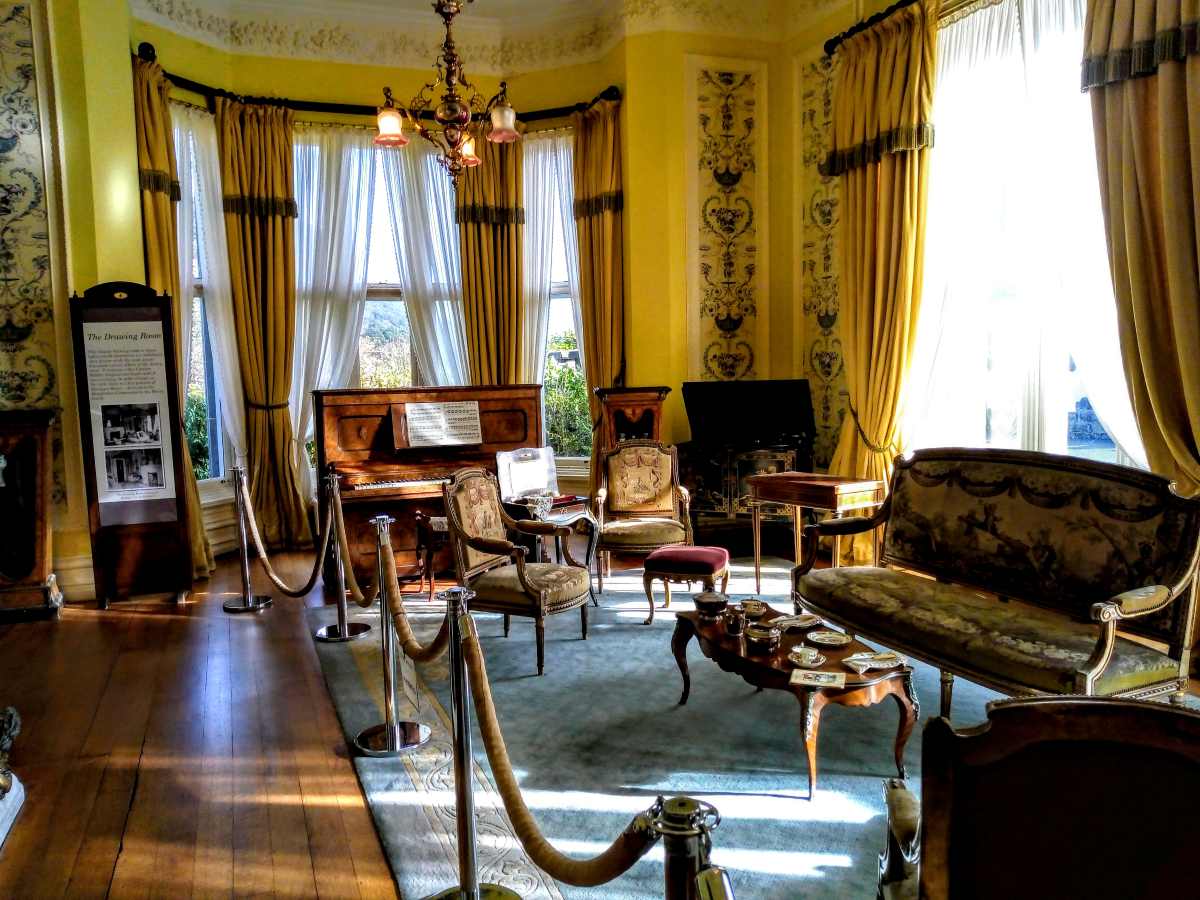
Abbey: six of the nine rooms open to visitors are wheelchair accessible.
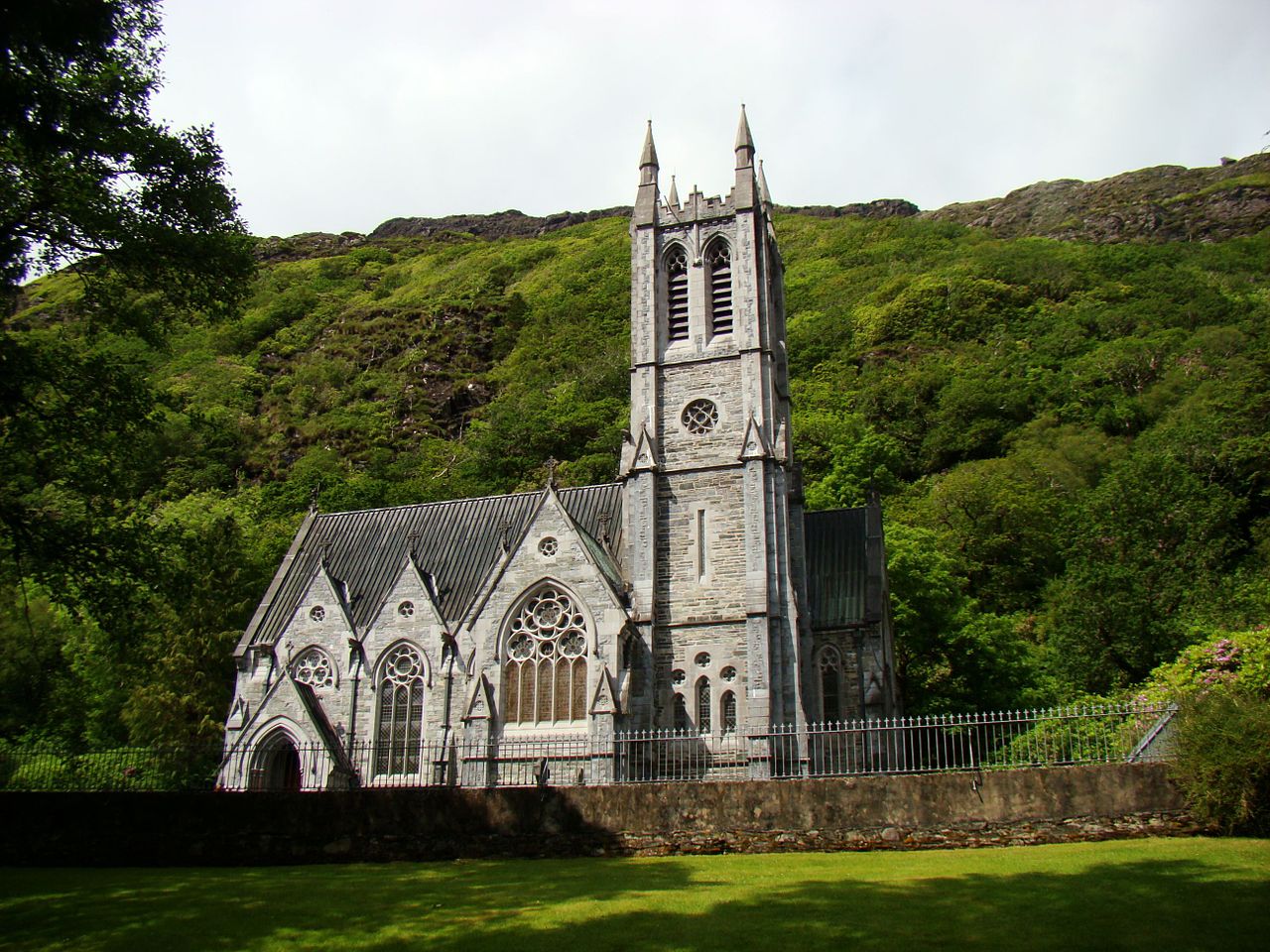
Neo-Gothic church: not wheelchair accessible.
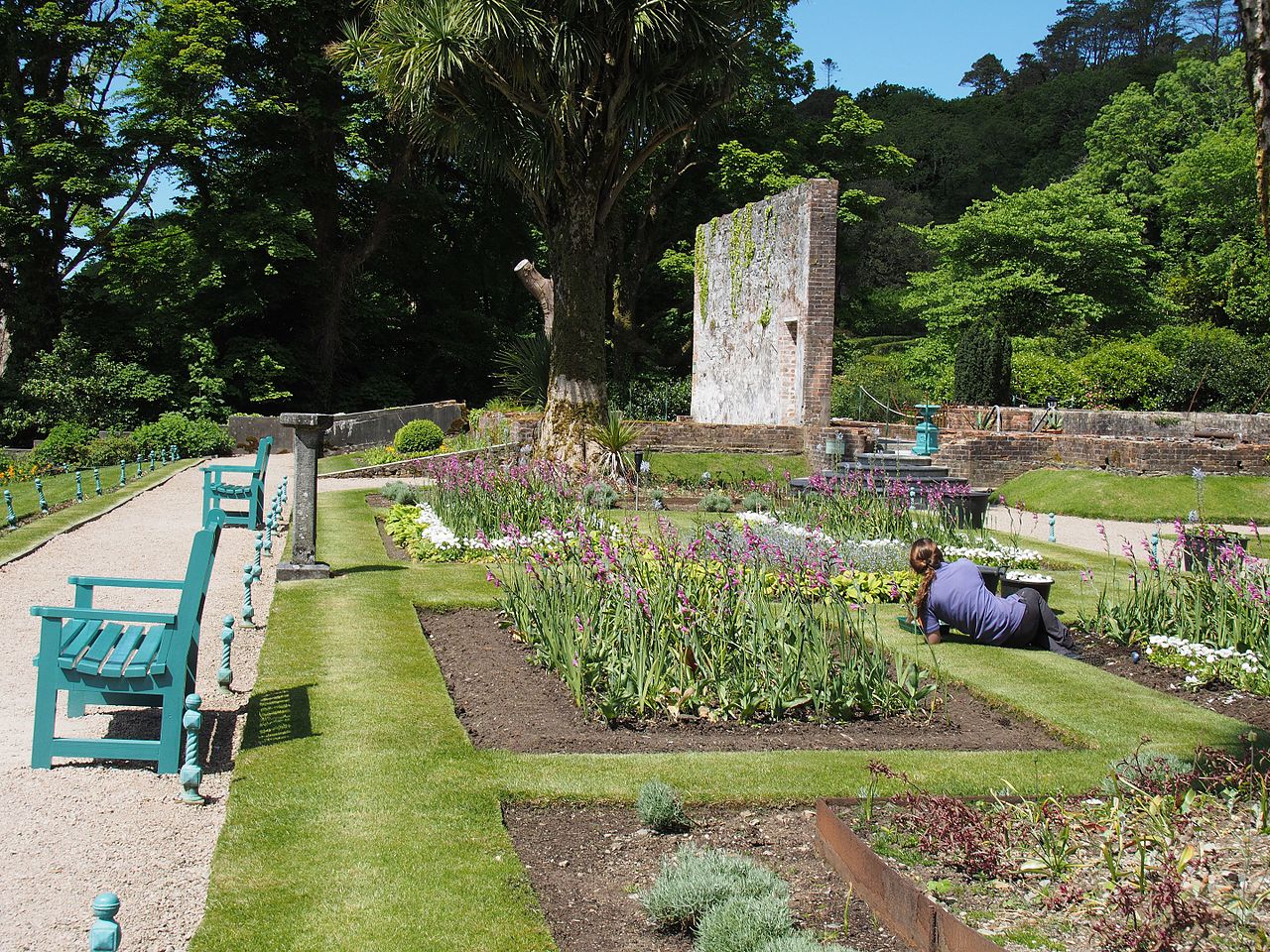
Victorian Walled Garden: a shuttle bus suitable for wheelchair users runs from the abbey area to the garden. Most garden paths are accessible, but steep inclines and steps block some areas. Visitors report the lower section has the easiest paved and compacted-gravel paths, with benches.
Equipment: wheelchairs can be borrowed on site, and a limited number of mobility scooters are available to hire.
Café and shop: fully accessible.
Discounted entry: a reduced rate is available for wheelchair users, disabled visitors and their carers ask at the visitor centre.

Tip: some visitors report that larger electric wheelchairs may not fit the garden shuttle, so if you use a power chair, ring ahead or plan to borrow a manual chair for the garden.
Connemara National Park
Connemara National Park at Letterfrack is free to enter, with free parking and disabled spaces near the entrance. The visitor centre is wheelchair accessible, with step-free outside access to both floors (there is no internal lift) and toilets. It’s open 9am–5:30pm from March to October; the park grounds are open all year.
- Ellis Wood Nature Trail (0.5 km): fully wheelchair accessible the best short woodland trail in Connemara for wheelchair users.
- Sruffaunboy Trail (1.5 km): partly wheelchair accessible; gravel, mostly gentle, with some sections where you may need help. Watch for kissing gates.
- Diamond Hill: steep and unsuitable for limited mobility enjoy it from the visitor centre instead.
- Coming soon: the park is doubling its trail network, with a new entrance at Mweelin planned to include an all-access trail and a sensory spur. Check nationalparks.ie for what’s open.

Connemara Scenic Drives
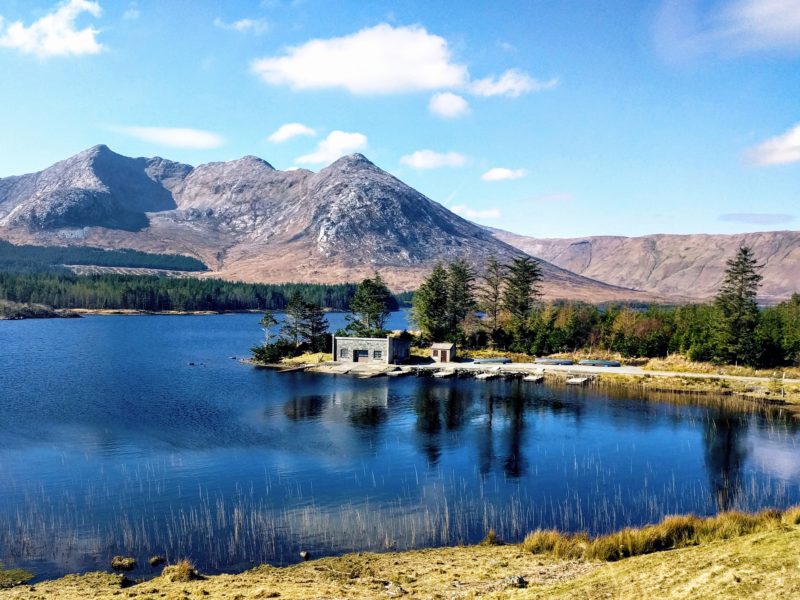
Connemara Scenic Drives are where limited mobility matters least. Many of the best viewpoints are right beside the road, parking is often close to the views, and you can enjoy the bogs, lakes and mountains without leaving the car. Popular routes include the Sky Road loop from Clifden, Killary Fjord the Inagh Valley between the Maumturks and the Twelve Bens, and the coast road through Roundstone. Clifden itself has a compact centre with cafés close together a good lunch stop when you don’t want a long walk.
Plan around toilets: accessible toilets are sparse between towns in Connemara. Kylemore Abbey, the Connemara National Park visitor centre and Clifden are the reliable stops.
The Aran Islands with Limited Mobility
The Aran Islands are possible with limited mobility, but they take more planning than anywhere else in the county. Read my guide to visiting the Aran Islands for routes and timetables, and things to do on the Aran Islands for what’s there.
The Ferries
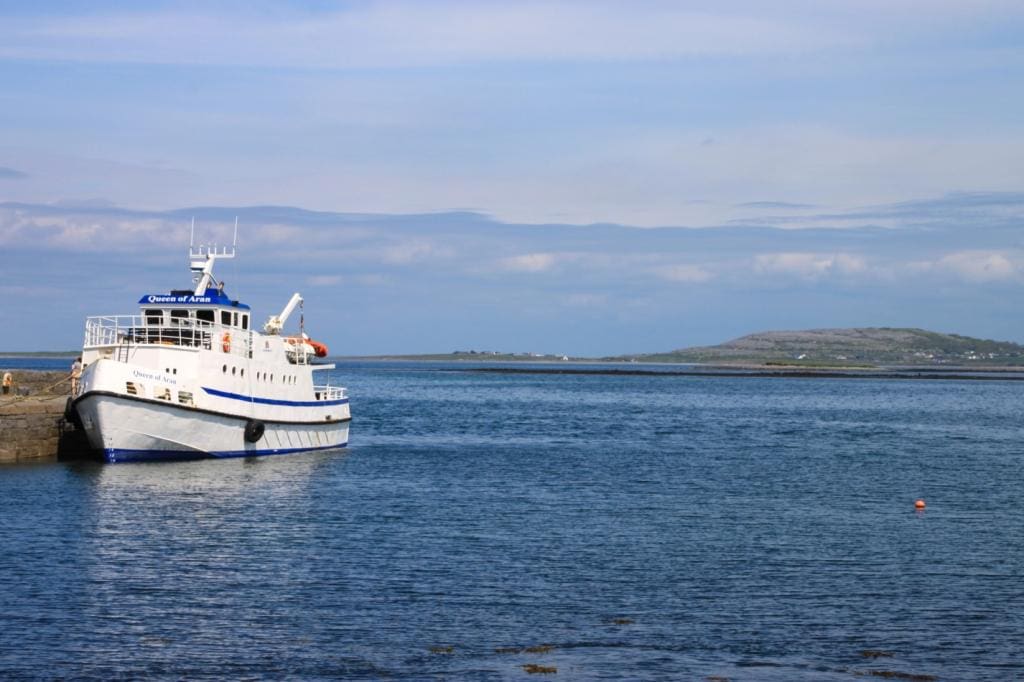
- Electric wheelchairs are not permitted on Aran Island Ferries.
- From Rossaveel (37 km west of Galway): boarding uses floating pontoons at Rossaveel and fixed piers on the islands, so tides change the boarding height and you may have to board from a different deck. The operator says it can’t always accommodate wheelchair users.
- From Galway city docks (April to September): the summer vessel has a lift, if your wheelchair fits its width.
- Coach to Rossaveel: leaves from Victoria Place in Galway; arrive 90 minutes before the sailing.
- Before you book: contact Aran Island Ferries (091 568903, info@aranislandferries.com) with your wheelchair’s dimensions. Wheelchair-using travellers sailing to Inis Oírr with Doolin Ferries report doing the same, and the crew checking the tide charts in advance.
On the Islands
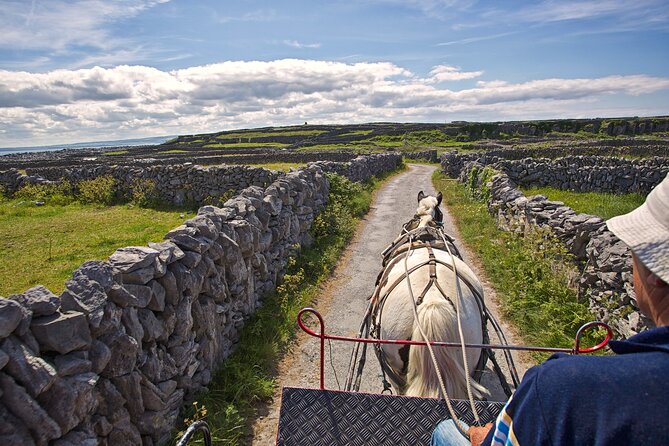
Ferry passenger assistance is available if requested in advance, and some accessible taxis and guided minibus tours operate on the islands. Villages and main roads are paved and suitable for wheelchairs or scooters. Coastal viewpoints, beaches, cafés, craft shops and scenic drives remain accessible, but the Black Fort and the early Christian ruins involve uneven tracks, rough limestone and steps. Fully accessible accommodation and transport are limited, so book well ahead.
Pony and trap (horse and carriage) tours are a traditional way to explore Inis Mór, the largest of the Aran Islands.
Dún Aonghasa
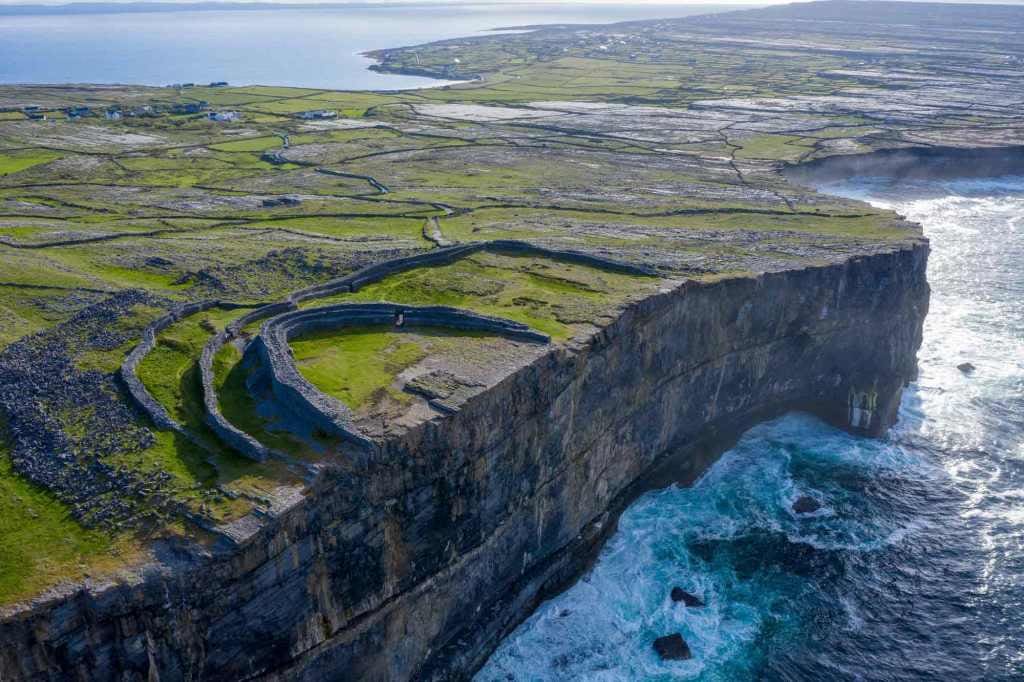
The upgraded Dún Aonghasa visitor centre on Inis Mór reopened in May 2026 after a €1.6 million refurbishment that included accessibility upgrades and drainage work to fix flooding that used to affect access. From the centre, a 1 km gravel path climbs to the cliff-top fort, and the final 100 metres is rough, stepped natural rock that is slippery when wet. Most wheelchair users and many people with limited mobility won’t reach the fort itself, but the visitor centre and lower path are worthwhile. Admission is €5 for adults and €4 for seniors; check Heritage Ireland for current times.
South Galway: Coole Park, Thoor Ballylee and Portumna
Coole Park and Thoor Ballylee
Near Gort, Coole Park was Lady Gregory’s estate and the heart of the Irish Literary Revival. The woodland paths to the lake and the famous Autograph Tree, carved with the initials of Yeats, Shaw and Synge, are generally gentle; check current visitor-centre access with the National Parks & Wildlife Service before you go. A few kilometres away, Yeats’s tower at Thoor Ballylee is lovely from outside, but the inside is a narrow medieval spiral stair. Both feature in my literary tour of Ireland.

Portumna Castle and Forest Park
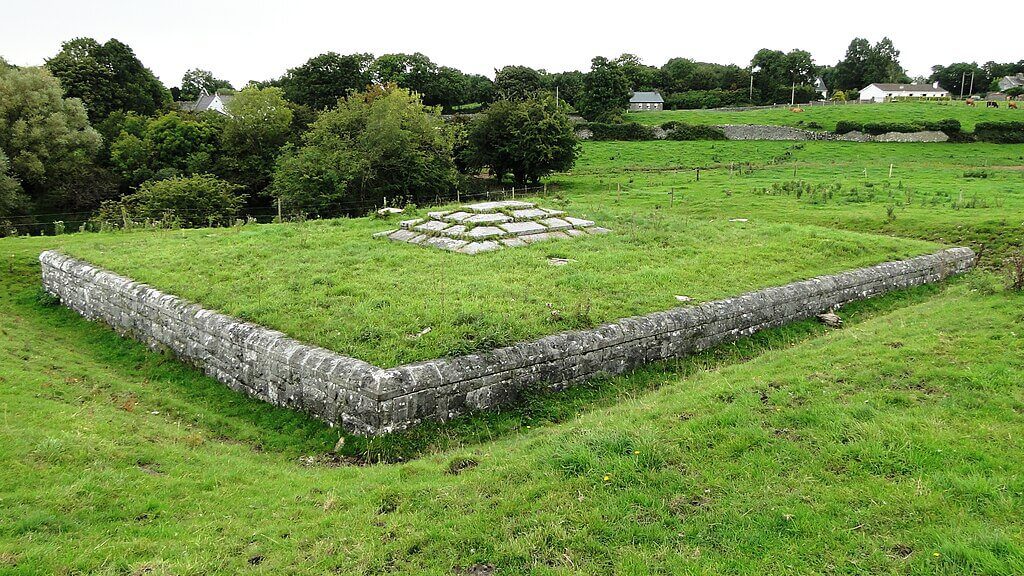
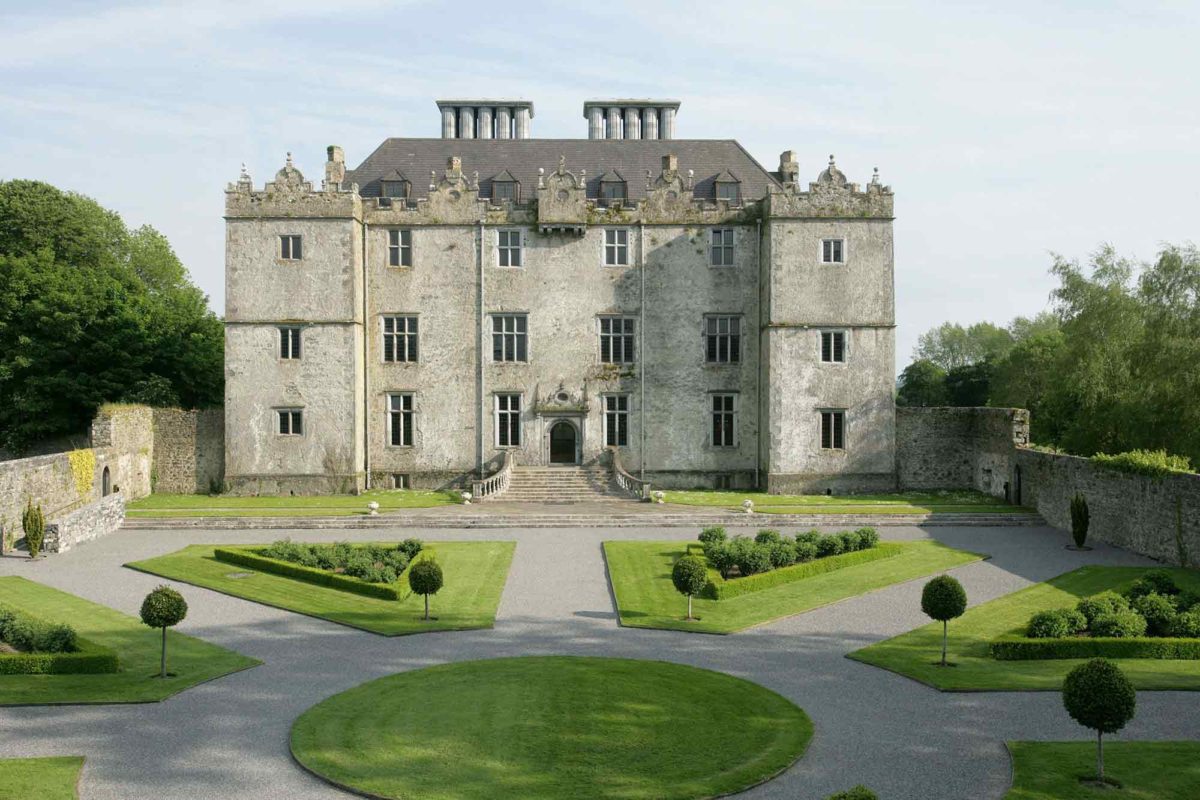
On the shores of Lough Derg, Portumna Castle is an early-17th-century house run by the OPW. Heritage Ireland lists it as limited access: the ground floor is open with the exhibition, and there is a wheelchair-accessible toilet and a car park. The 2026 season runs to 11 November, and admission is €5 for adults and €4 for seniors. The site also offers a Visual Guide for visitors with developmental or learning disabilities. Portumna Forest Park next door has lakeside paths for a gentle stroll.
Accessible Outdoor Options Near Galway City
Salthill Promenade
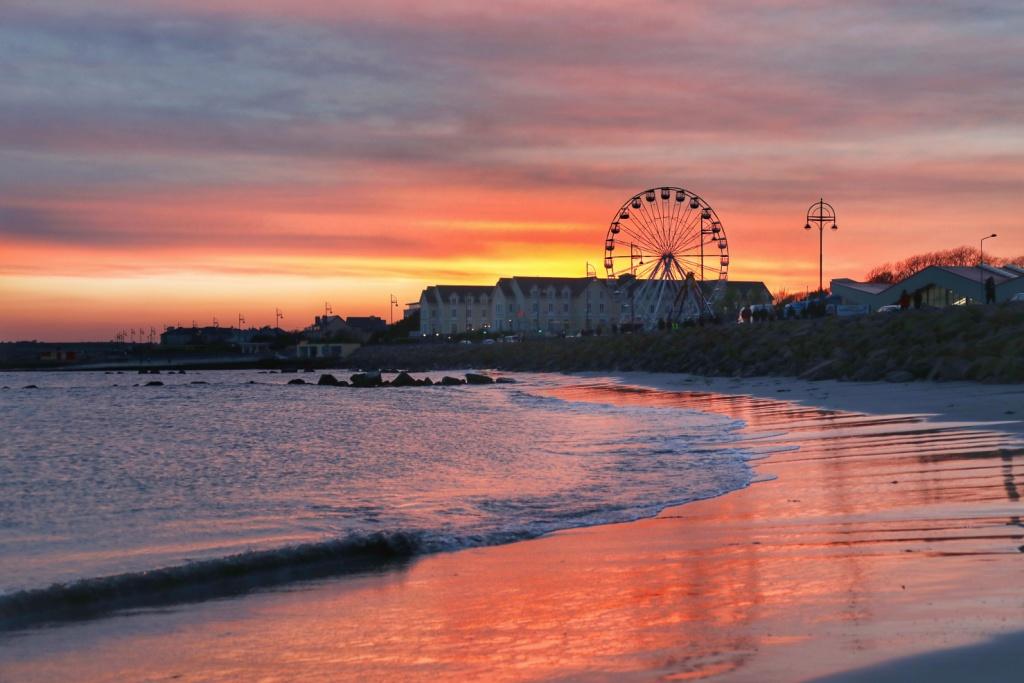
The Prom is the most accessible outdoor space in the county: about 6 km of wheelchair-accessible walkway from the Spanish Arch out past Blackrock towards Barna Road, with benches, toilets and sea views, plus Galway’s Changing Places toilet at Ladies Beach and a free beach wheelchair. Full details are in my Accessible Galway City guide.
Barna Woods (Partial Access)
Barna Woods, just west of Salthill, has an accessible entry area and flat paths near the car park. Deeper trails become uneven, so treat it as a short, gentle visit.
Walking Is Optional: Getting Around County Galway
- Car: essential for Connemara and south Galway. Distances are longer than they look on a map, and roads are narrow and winding. See my guide to renting a car in Ireland.
- Taxis: the easiest option in and around the city; book wheelchair-accessible vehicles in advance.
- Buses: accessibility and reliability vary, so use them as back-up, not your main plan.
- Tours: day tours to Connemara and Kylemore save the driving; ask about step-free coaches before booking.
- Disabled parking: permit holders park free in Pay & Display spaces in Galway city when the permit is displayed.
What Travel Guides Don’t Tell You About County Galway
- Rain on stone paving and limestone becomes slippery fast.
- Accessible toilets are few and far between in rural Connemara plan your stops.
- Crowds affect mobility more than distance, especially at Kylemore in summer; arrive at opening time.
- Historic charm often means uneven surfaces and steps.
- Ferry access depends on tides and weather as much as on the boat.
- Planning fewer activities per day improves enjoyment.
A 3-Day Accessible County Galway Plan
| Day | Plan | Access notes |
| 1 | Galway city and the Salthill Prom | Flat promenade, Changing Places toilet, café stops; taxis between areas |
| 2 | Connemara loop: Kylemore Abbey, Connemara National Park, Clifden | Kylemore shuttle and borrowed wheelchairs; Ellis Wood trail; roadside viewpoints |
| 3 | South Galway: Coole Park and Portumna Castle, or an Aran Islands day | Gentle woodland paths; Portumna ground floor; Aran ferry only after calling ahead |
Accessible County Galway: FAQ
Is County Galway good for travellers with limited mobility?
Yes, with planning. Kylemore Abbey, Connemara National Park’s visitor centre and Ellis Wood trail, the Salthill Promenade and Connemara’s roadside scenic drives all work well. The Aran Islands and older sites such as Dún Aonghasa and Thoor Ballylee are harder because of ferries, rough ground and steps. A car is essential outside Galway city.
Is Kylemore Abbey wheelchair accessible?
Mostly. Six of the nine abbey rooms open to visitors are wheelchair accessible, a shuttle bus suitable for wheelchair users runs to the Victorian Walled Garden, wheelchairs can be borrowed on site and a limited number of mobility scooters can be hired. The neo-Gothic church is not wheelchair accessible, and steep inclines and steps block some garden areas. A discounted rate is available for disabled visitors and carers.

Are there wheelchair-accessible trails in Connemara National Park?
Yes. The Ellis Wood Nature Trail (0.5 km) is fully wheelchair accessible, and the Sruffaunboy Trail (1.5 km) is partly accessible. The visitor centre is wheelchair accessible with disabled parking and toilets, and entry and parking are free. Diamond Hill is steep and unsuitable for limited mobility.
Can you take a wheelchair to the Aran Islands?
Manual wheelchairs can travel with planning, but electric wheelchairs are not permitted on Aran Island Ferries. Boarding at Rossaveel uses floating pontoons, so tides change the boarding height, and the summer ferry from Galway city has a lift if your chair fits. Contact the ferry operator with your wheelchair dimensions before booking.

Can wheelchair users reach Dún Aonghasa?
Usually not the fort itself. The visitor centre, upgraded in May 2026, is accessible, but the 1 km path to the fort climbs uphill and the final 100 metres is rough, stepped natural rock. The visitor centre and lower path are still worth visiting. Adult admission is €5.
Is Portumna Castle accessible?
Partly. Heritage Ireland lists Portumna Castle as limited access: the ground floor with the exhibition is open, and there is a wheelchair-accessible toilet and car park. The 2026 season runs to 11 November, with adult admission €5 and seniors €4.
What is the most accessible day trip from Galway?
A Connemara loop by car with Kylemore Abbey and Connemara National Park is the most accessible day trip from Galway. Kylemore has accessible rooms, a garden shuttle and wheelchair loan, the national park has a fully accessible woodland trail, and the scenery between them can be enjoyed from roadside viewpoints.
Where should I stay in County Galway with limited mobility?
Galway city is the easiest base, especially Salthill or the Eyre Square area, because of flat streets, taxis and accessible facilities. Clifden works for a night or two in Connemara. Always ask about step-free entrances, lifts, ground-floor rooms and walk-in showers before booking.
Planning Accessible Travel in Ireland
Planning a longer Ireland trip? My Galway vs Cork comparison covers everything from pub culture to day trips. This guide is part of my accessible travel guides series, created from first-hand experience.
- Accessible Ireland hub
- Accessible Galway City
- Accessible Dingle
- Accessible Dublin City
- Accessible Wicklow
- Accessible Northern Ireland
Start Planning Your Trip
- 👉 Ireland Travel Guide
- 👉 Dublin Travel Guide
- 👉 Public Transportation in Ireland
- 👉 Is Ireland worth Visiting?
- 👉 When to Visit Ireland
- 👉 Ireland Off the Beaten Path
- 👉 32 Secret places to visit: Hidden Gems in Ireland
- 👉 Answering all your travel questions about Ireland
- 👉 What to pack for your Ireland trip
- 👉 How to get around Ireland
- 👉 Ireland Travel Tips
- 👉 Moving and living abroad
- 👉 Where to stay in Ireland
- 👉 Northern Ireland Travel
- 👉 Northern Ireland Travel Resources