
Accessible Belfast: Practical, First-Hand Advice for Limited Mobility
Belfast, Northern Ireland is often overlooked, but it is one of the most accessible cities on the island of Ireland for travellers with limited mobility. Modern infrastructure, wide pavements, and good transport make Belfast far easier to manage than many historic Irish cities.
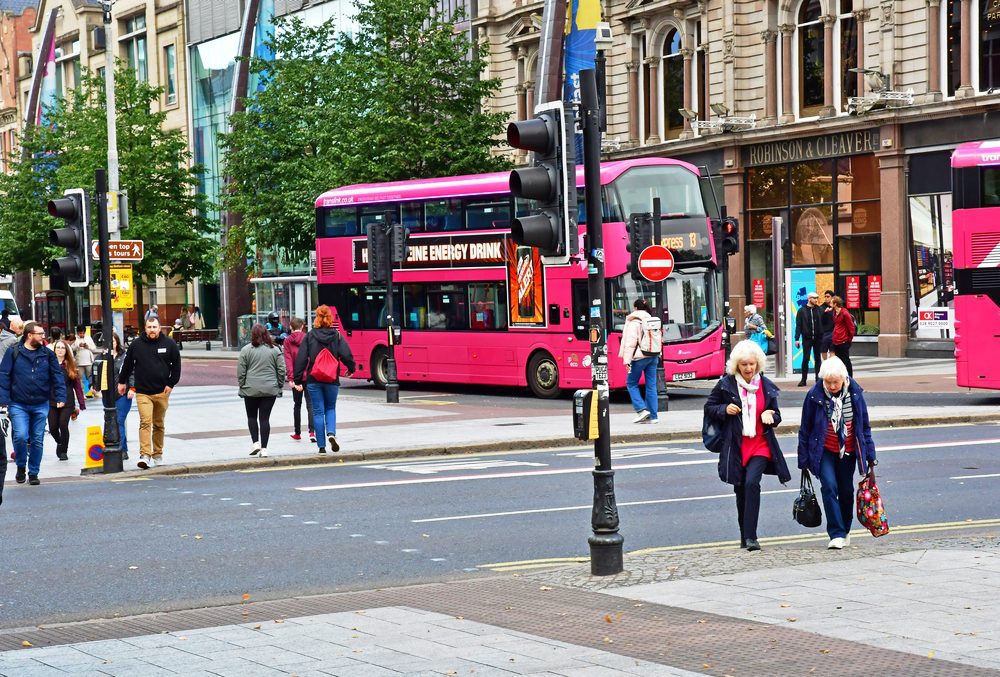
This Accessible Belfast guide is written for slower-paced travellers, and people with mobility limitations, based on real experience rather than assumptions. Belfast works well when you use public transport or taxis, focus on modern attractions, and pace your days realistically.
Check out my Northern Ireland Travel Tips Guide before you go
- Accessible Belfast: Practical, First-Hand Advice for Limited Mobility
- Getting to Belfast
- Accessible Things to Do in Belfast
- When to go and how to pace
- Getting Around Belfast with Limited Mobility
- Areas That Can Be Challenging
- Where to Stay in Accessible Belfast
- What Travel Guides Don’t Tell You About Belfast
- FAQs – Accessible Belfast
- How This Fits Your Planning
- Exploring the fascinating regions of Ireland
Getting to Belfast
Both Belfast City (BHD) and Belfast International (BFS) airports provide special assistance for passengers with reduced mobility. You must request this service from your airline at least 48 hours before your flight.
At the airport, staff will meet you at designated assistance points and guide you through all processes to your gate. While both terminals have accessible toilets and lifts, it’s best to confirm the availability of specialist Changing Places facilities in advance. For accessible onward travel, most Metro/Glider buses and trains in Belfast offer step-free access.
Accessible Things to Do in Belfast
Titanic Belfast
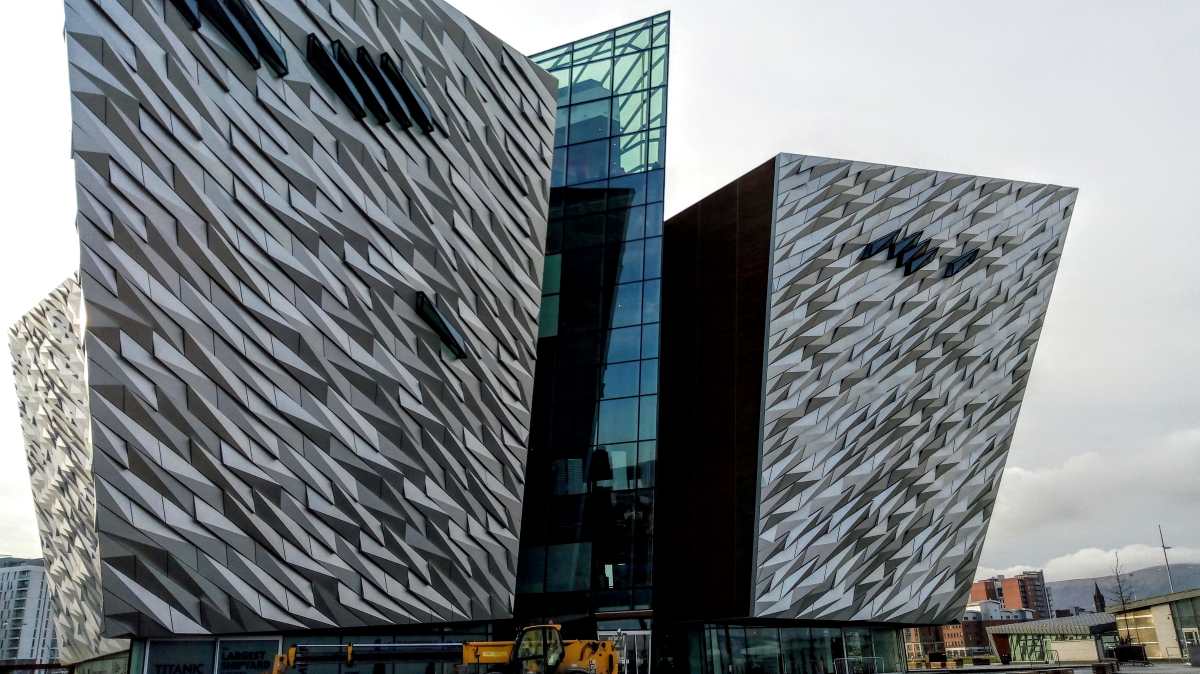
Titanic Belfast one of the most accessible major attractions in Northern Ireland. There is step-free access throughout the building, lifts to all levels and seating on all floors plus a cafe/restaurant.
Titanic Quarter
The nearby Titanic Quarter is home to the iconic Titanic Belfast museum, an immersive experience exploring the ship’s story and Belfast’s maritime heritage. There are flat, wide walkways, benches and cafés and it is easy to enjoy without long distances This area is ideal for a relaxed, low-effort outing.
Peace Walls & Murals (by taxi)
These are culturally important but spread across West and North Belfast with uneven pavements. Minimise walking by booking an accessible black taxi or guided tour and asking for stops on level ground; start and finish at your hotel or City Hall. Operator and route options via Visit Belfast tours.

St George’s Market
A historic, covered market with step‑free entrances and accessible toilets; it’s busiest on weekends, so arrive early for quieter aisles and easier seating. See Belfast City Council’s disability access hub for facilities guidance.

Crumlin Road Gaol (exterior or tour)
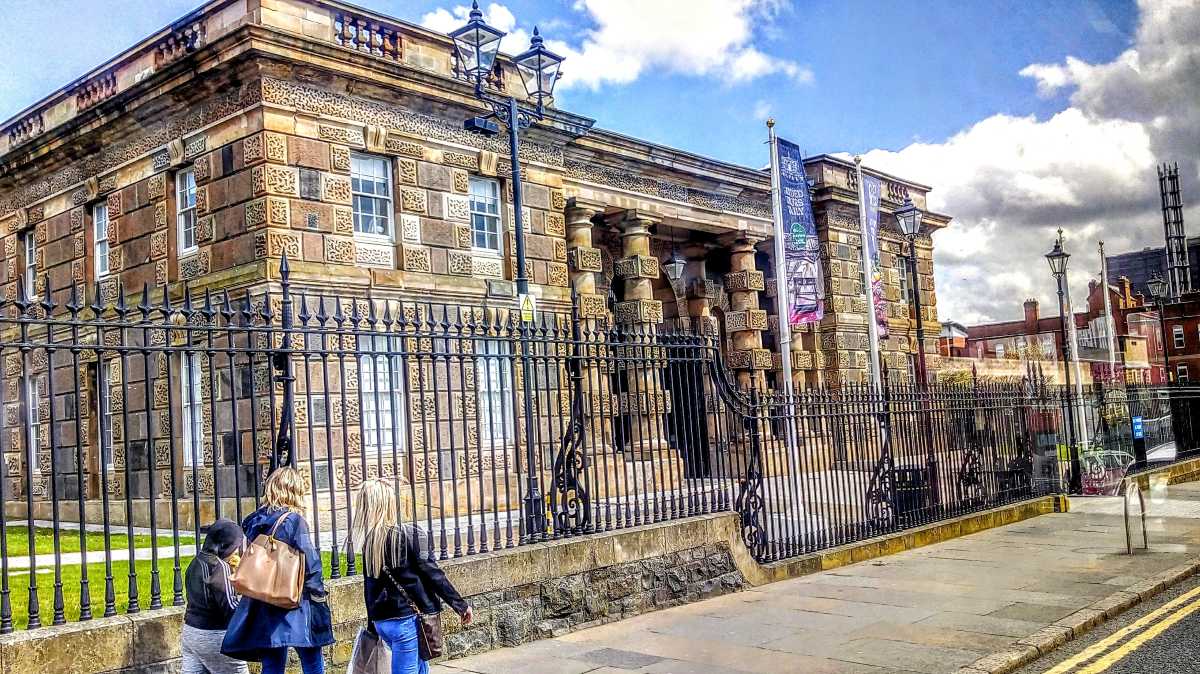
The exterior forecourt is level for quick photos; interior tours include historic areas where access may vary by route (some gradients/stairs). Most of the site is accessible for wheelchair users and those with walking difficulties. The one area which is not accessible is the Tunnel, but there is a video outside the tunnel so show visitors what is beyond the steps.Review visitor information and contact the venue to confirm step‑free routes, lift access and accessible toilets before booking.
Ulster Museum
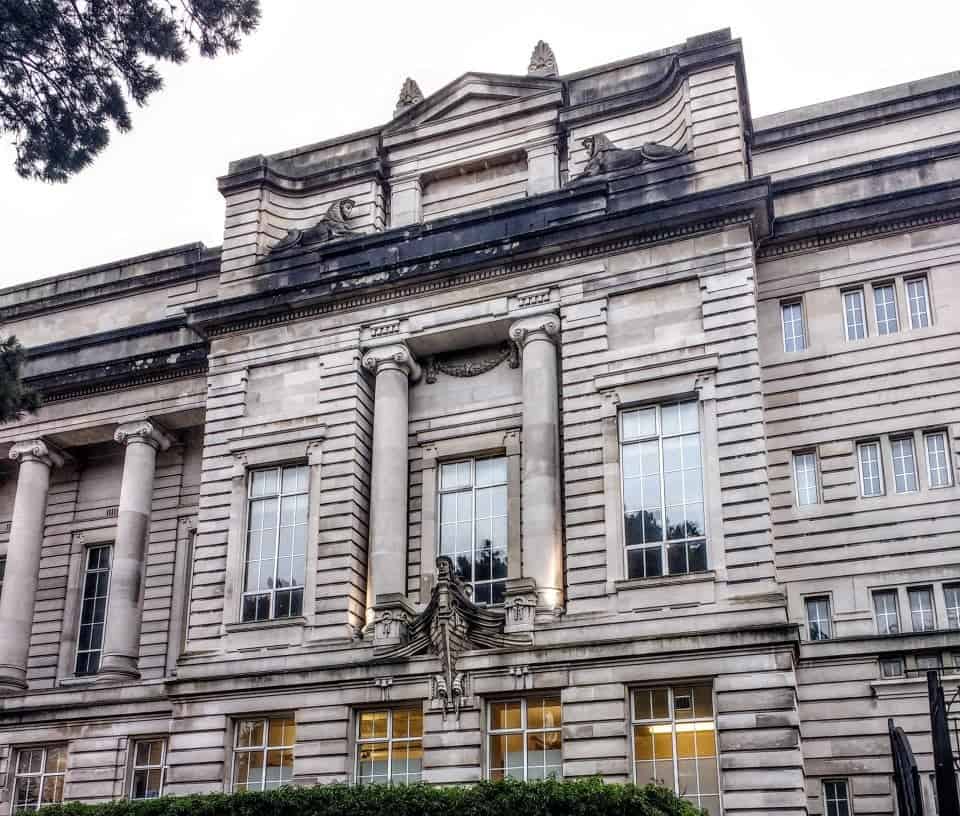
Ulster Museum, located within the beautiful Botanic Gardens, offers a rich journey through art, history and natural sciences. There is a Step-free entrance, lifts throughout with seating and quiet areas. A good option if you need to spend time indoors.
Botanic Gardens (Short Sections)
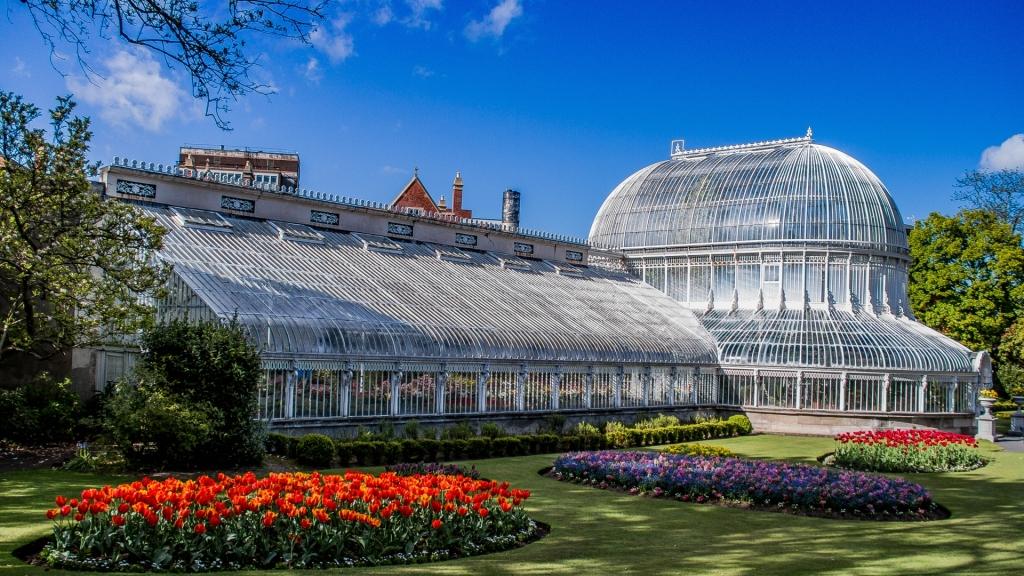
The wide, paved main avenue through the gardens and the accessible paths around the iconic Palm House and Tropical Ravine conservatories are step-free and suitable for wheelchairs and strollers. However, as a Victorian garden, some of the secondary paths are narrower, gently sloping, or made of compacted gravel, which can be more challenging. The gardens’ popularity also means paths can be crowded. For the most accessible visit, sticking to the primary paved routes is recommended.
Cathedral District
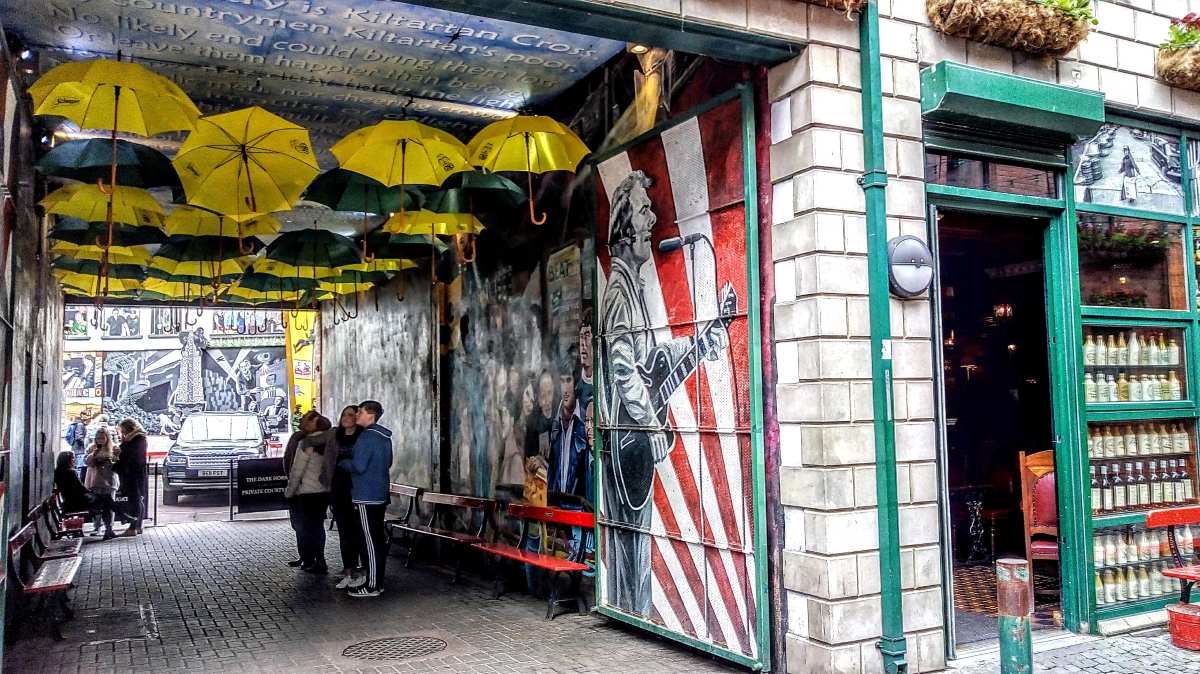
Just across the River Lagan, the historic Cathedral Quarter is the vibrant cultural heart of the city, famous for its cobbled streets, striking street art, and St Anne’s Cathedral. The redeveloped Cathedral Quarter, while historic in character, has improved its accessibility with dropped kerbs and accessible routes to accommodate its cultural venues, though some older cobbled areas may require extra care.
Icons with minimal walking
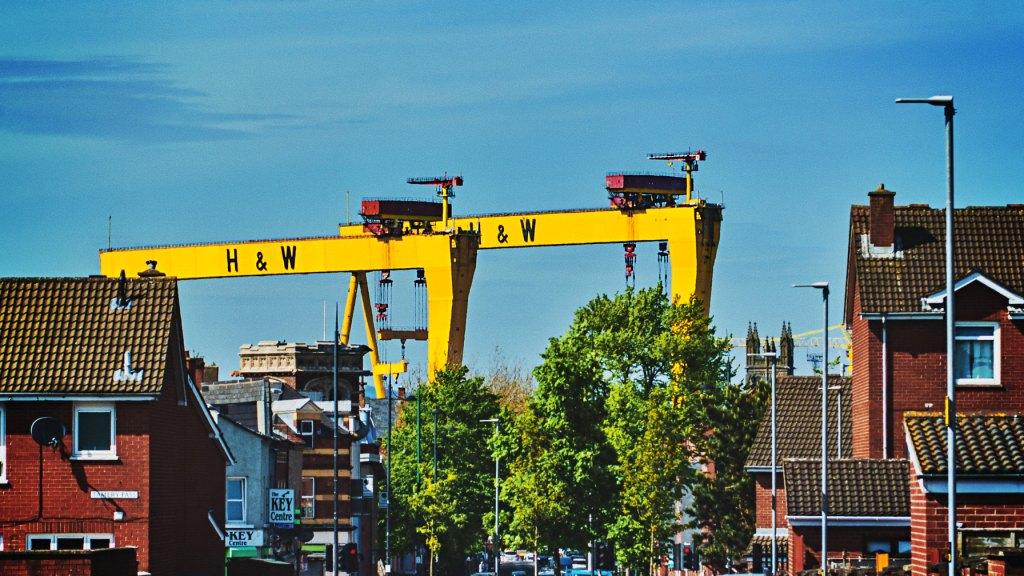
You can photograph Titanic Belfast’s façade, the “Big Fish” and the Harland & Wolff cranes (from Titanic Quarter) with short taxi‑to‑pavement transfers. City Hall’s exterior and grounds offer level approaches and plenty of benches. For bridges and waterfront shots, stay on the quays for the smoothest surfaces.

When to go and how to pace
Crowds thicken on weekends, during cruise days and at major events (e.g., concerts, sports fixtures). Book first‑slot entries for big attractions, sightsee earlier in the day, and insert café breaks. In rain, surfaces can be slick—taxis between anchors are your friend.
Getting Around Belfast with Limited Mobility
Taxis are the least stressful option and best for bridging cobbled blocks or longer links. Wheelchair‑accessible taxis exist but are limited; pre‑book at peak times or in bad weather. Visit Belfast’s accessibility materials note dedicated city‑centre pick‑up and operator contacts, and the general advice is to confirm ramp/bay availability by phone.

Translink’s network covers buses and trains. Most Metro (pink) and Glider (purple) services are low‑floor with ramp access; trains typically have two wheelchair spaces, an accessible toilet, and audio/visual announcements.
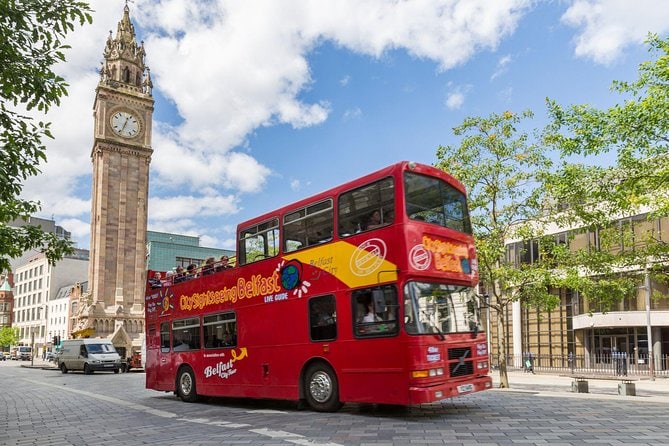
Hop‑on hop‑off tours can work if you treat them as panoramic rides rather than frequent off‑on stops. Many vehicles have a ramp to the lower deck and a wheelchair bay there; the upper deck is via stairs only. Start at a main stop, allow extra time, and confirm access directly with your chosen operator before booking. You’ll usually find this on each operator’s “Accessibility” or “FAQs” page via Visit Belfast’s listings.
Belfast is one of the easiest cities in Ireland to navigate.
- Taxis: plentiful and affordable
- Buses: generally accessible on main routes
- Glider bus system: flat boarding, modern vehicles
- Walking: wider pavements than many Irish cities
Areas That Can Be Challenging

Cathedral Quarter: With its cobblestones, busy at night with pubs and bars. Limited seating or rest areas. Visit early in the day to avoid crowds.
Where to Stay in Accessible Belfast
Base yourself near City Hall or Cathedral Quarter for flat streets and short taxi links, or choose the Queen’s/Botanic area for the Ulster Museum and gardens. When booking, verify a step‑free entrance, lift dimensions and weight limit, bathroom type (roll‑in shower, seat, grab rails), doorway widths, and bed height/under‑bed clearance if using a hoist. Ask hotels for photos or a basic floor plan by email; modern properties tend to be simpler than heritage buildings.
What Travel Guides Don’t Tell You About Belfast
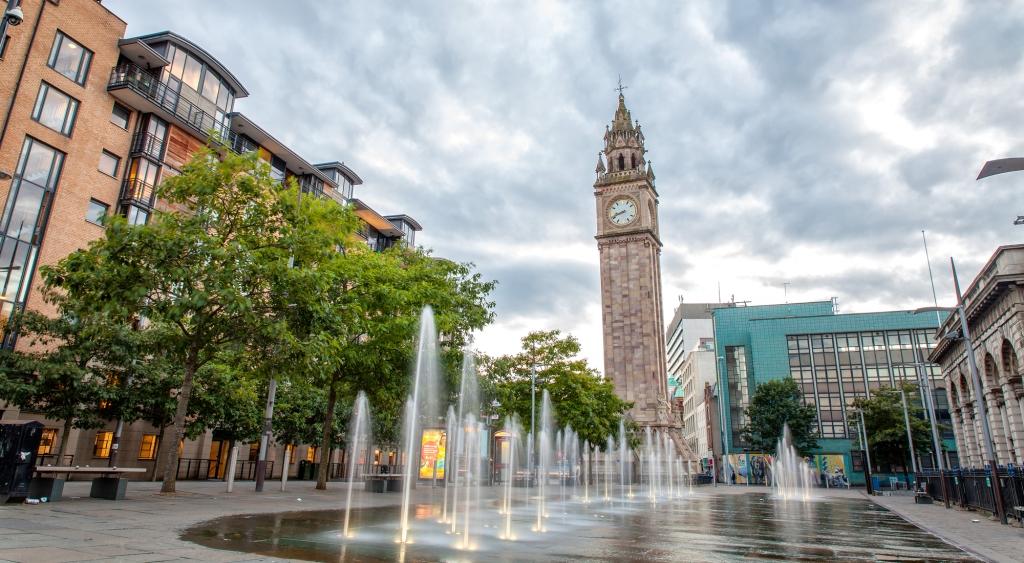
Belfast is more accessible than many Irish cities
Modern redevelopment helps mobility
Weather still affects comfort
Fewer crowds = less fatigue
This makes Belfast especially suitable for older travellers and first-time visitors with mobility concerns.
FAQs – Accessible Belfast
Is Belfast suitable for seniors?
Yes — one of the easiest cities in Ireland for limited mobility.
Is Belfast wheelchair friendly?
Many attractions and transport options are, particularly modern ones.
Is Belfast easier than Dublin or Galway?
In many ways, yes — especially for pavements and public transport.

How This Fits Your Planning
This guide is part of a wider Accessible Ireland travel series, offering realistic, first-hand advice for limited-mobility travel across Ireland.
➡️Accessible Causeway Coast Route
➡️Accessible Wild Atlantic Way
If you encounter changes (e.g., temporary lift closures or construction), please let me know so I can update this page promptly.
Start Planning Your Trip
👉 Public Transportation in Ireland
👉 Hidden Gems in Ireland – 32 Secret places to visit
👉 Answering all your travel questions about Ireland
👉What to pack for your Ireland trip
👉 Northern Ireland Public Transportation