
Belfast Black Taxi Tours: What to Expect From Belfast’s Most Powerful Political Tour
If you want to understand Belfast beyond Titanic Belfast, the Cathedral Quarter, and the city’s lively pubs, a black taxi tour is one of the most important experiences in Northern Ireland.

Part history lesson, part political tour, and part personal storytelling experience, Belfast black taxi tours take visitors through the neighbourhoods most closely associated with The Troubles in Northern Ireland. Along the way, local drivers explain how decades of conflict shaped the city, its communities, and everyday life for ordinary people.
For many visitors, it becomes the most memorable part of a trip to Belfast because it offers something museums and guidebooks cannot fully recreate. You are not simply hearing historical facts. You are hearing personal experiences from people who lived through the conflict themselves while driving through streets where much of that history unfolded.
For me, the experience felt especially personal. I was born in Northern Ireland, although my family left shortly before The Troubles escalated into widespread violence. Growing up, Northern Ireland’s history was always present in conversations, documentaries, and news coverage, but taking a black taxi tour in Belfast gave me a much deeper understanding of how deeply division shaped ordinary life in the city.
I had also previously taken a similar political tour in Derry, which made the Belfast experience even more interesting. Derry’s tours felt more focused on the civil rights movement and Bloody Sunday, while Belfast felt physically divided in a way I had not fully appreciated until seeing the peace walls and interface areas in person.

If you are interested in Northern Ireland’s political history, combining a Belfast black taxi tour with a walking tour of Derry’s Bogside murals provides a much broader understanding of The Troubles and the civil rights movement
What stayed with me most after the tour was not just the history itself, but the contrast between neighbourhoods only minutes apart. One moment we were driving past Irish republican murals and memorial gardens on the Falls Road, and shortly afterwards we were surrounded by Union flags and loyalist artwork on the Shankill Road. Seeing how close these communities still are geographically made Belfast’s history feel immediate rather than distant.
If you are visiting the city for the first time, it is worth combining a black taxi tour with other popular things to do in Belfast. Many visitors combine Belfast with a wider Northern Ireland road trip along the Causeway Coast.
What Is a Belfast Black Taxi Tour?
A Belfast black taxi tour is a guided political and historical tour conducted inside one of the city’s traditional black cabs.
The taxis themselves became part of Belfast’s history during The Troubles when public transport struggled to operate safely in parts of West Belfast. Over time, the black taxis became closely associated with working-class communities and local transport routes during the conflict years.
Today, they are used to take visitors through the areas most associated with Belfast’s political history and peace process. Most tours focus on the Falls Road, Shankill Road, political murals, memorial gardens, and Belfast’s peace walls.

Unlike large sightseeing buses, black taxi tours feel far more personal. The smaller setting allows visitors to ask questions throughout the tour, and conversations often become one of the most memorable parts of the experience.
Most tours last between ninety minutes and two hours, although longer private tours are available for visitors wanting a more in-depth experience.
Where Do Belfast Black Taxi Tours Start?
Most Belfast black taxi tours begin in central Belfast. Common pickup points include Belfast City Hall, the Europa Hotel which has the dubious reputation of being the most bombed location in Ireland during the Trouble, the Cathedral Quarter, and major city-centre hotels.
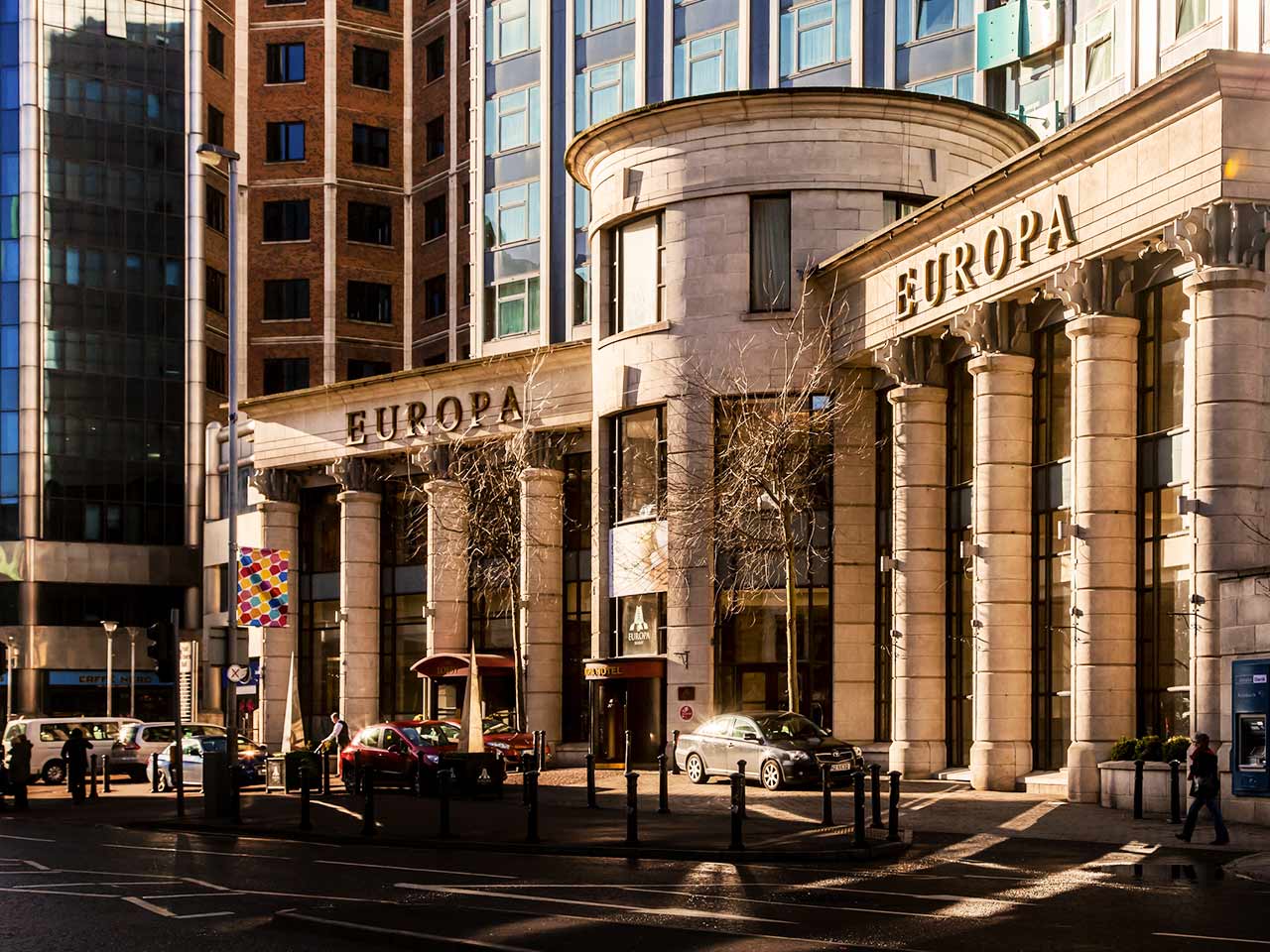

Some companies also offer pickup from cruise ship terminals or Belfast Grand Central Station, which makes the tours particularly convenient for day visitors arriving by train or cruise ship.
Private tours tend to offer more flexibility with departure locations, while shared tours often use fixed meeting points in the city centre.
If you are staying centrally, most pickup locations are within easy walking distance of Belfast’s main attractions and hotels.
How Much Does a Belfast Black Taxi Tour Cost?
Prices vary depending on whether you choose a private or shared tour.
Shared tours generally cost between thirty and forty pounds per person, while private tours usually range from around sixty-five to one hundred pounds per taxi depending on duration and group size.
Some companies accept card payments while others prefer cash, so it is worth checking in advance when booking.
For me, the private format was worth the extra cost because it created a much more relaxed atmosphere. The smaller setting made it easier to ask questions and allowed the driver to tailor parts of the conversation around our interests.
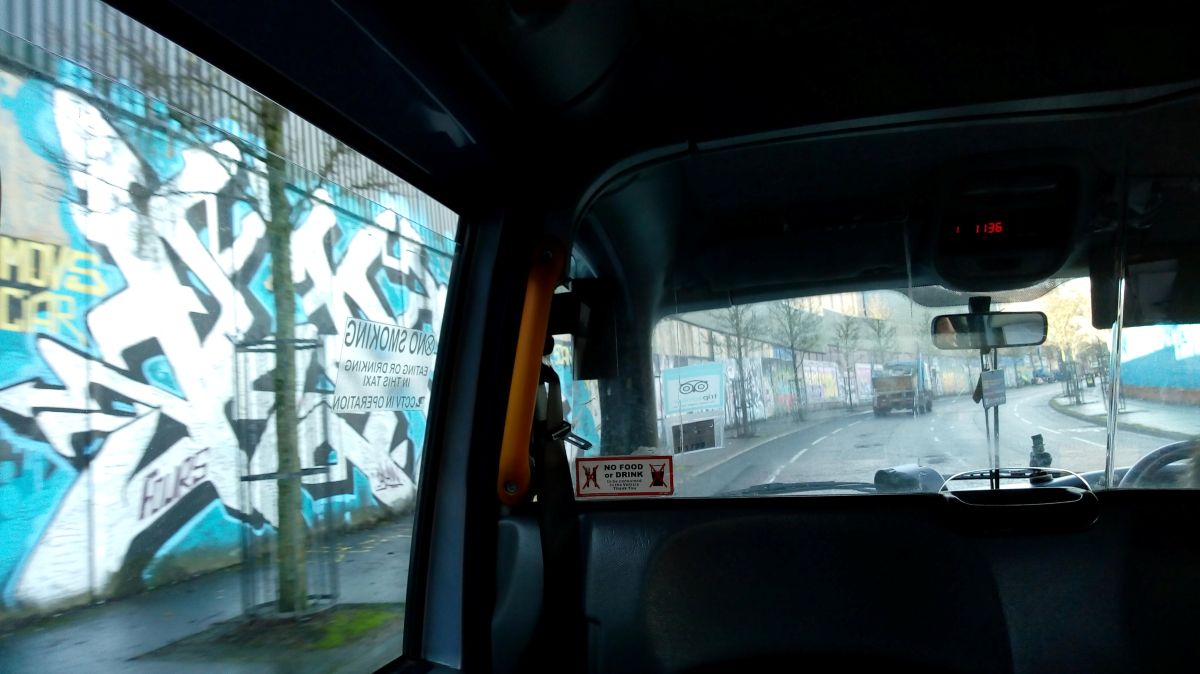
What Happens During a Belfast Black Taxi Tour?
Most tours begin with an overview of Belfast and the origins of The Troubles before heading west toward the areas most associated with the conflict.
Drivers usually explain the partition of Ireland, the creation of Northern Ireland, civil rights marches during the 1960s, the emergence of republican and loyalist paramilitary groups, and the peace process that eventually led to the Good Friday Agreement.
What makes the experience so different from reading about the conflict online or watching documentaries is hearing those events described by someone who experienced them firsthand.
Our driver explained what everyday life was like during bomb alerts, army checkpoints, curfews, and periods of violence. Hearing those stories while driving through the actual streets where events happened made the history feel far more real and emotionally complex than I expected.
At no point did the tour feel sensationalised. Instead, it felt thoughtful, balanced, and focused on helping visitors understand the human side of Belfast’s history.
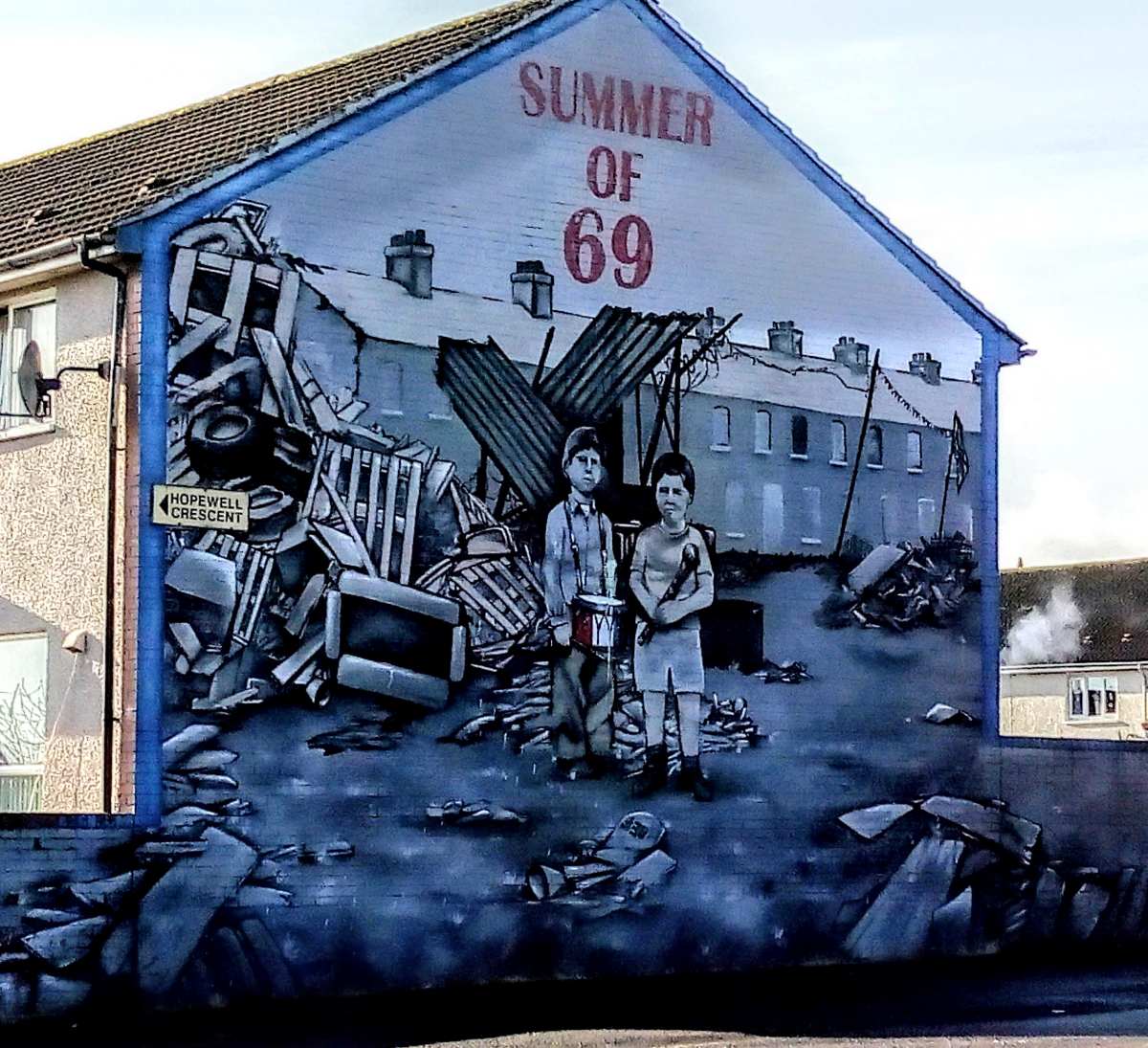
The Falls Road and Republican Murals
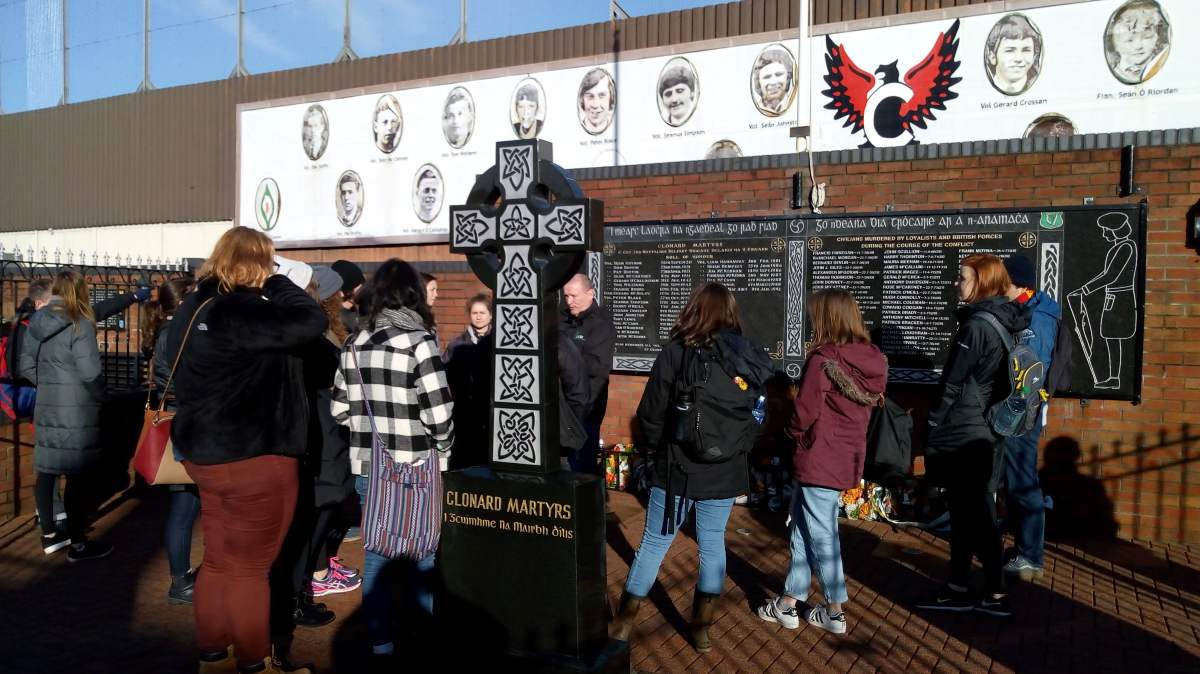
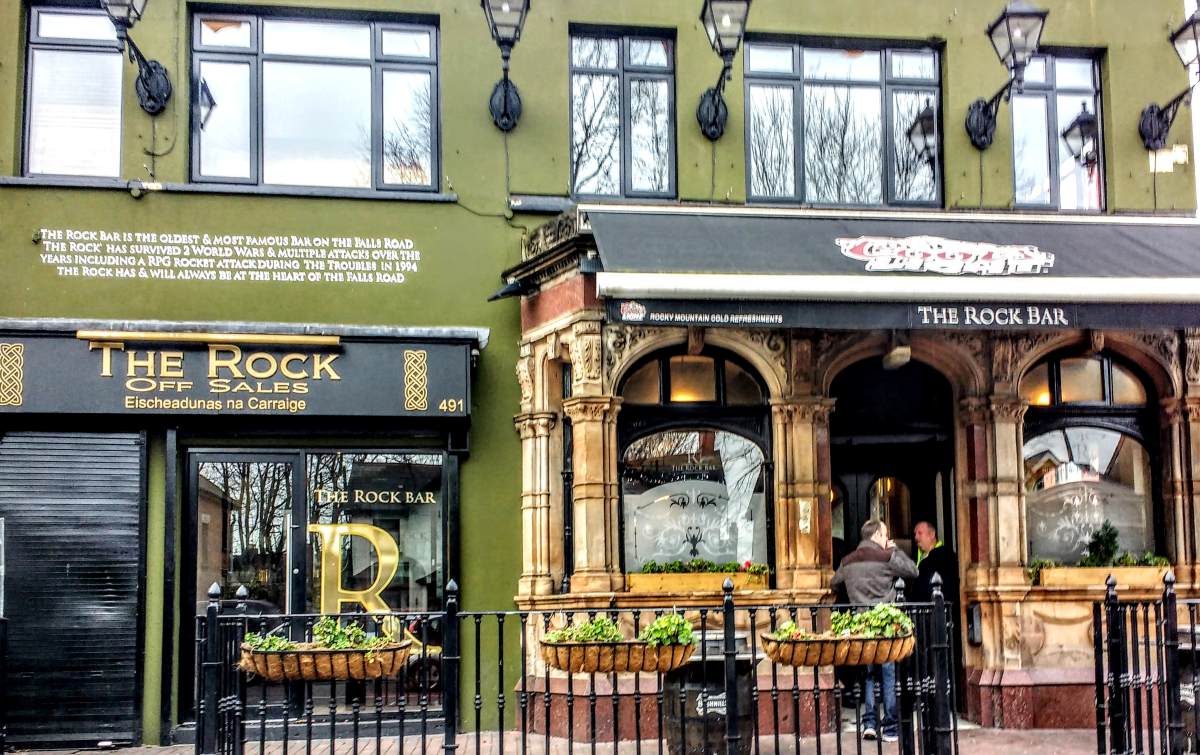
One of the most important parts of the tour is the Falls Road, traditionally associated with Belfast’s nationalist and republican community.
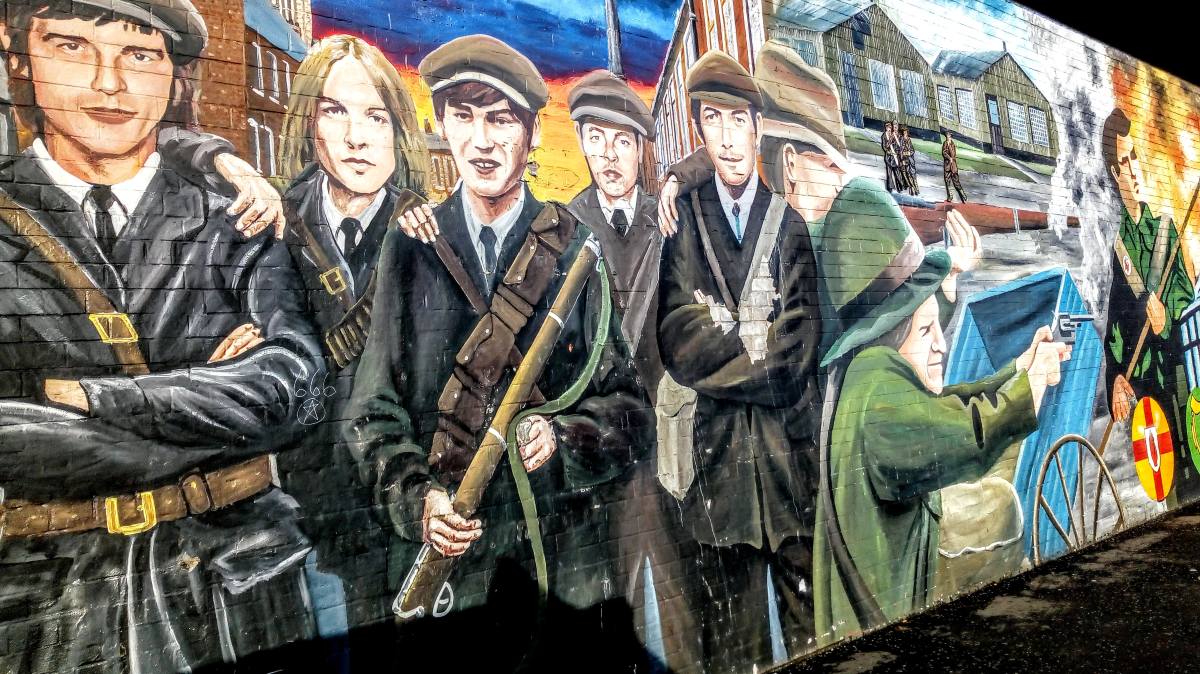
The area is filled with political murals, memorial gardens, Irish flags, and artwork connected to republican history and civil rights campaigns. Many murals commemorate the 1981 hunger strikes and figures such as Bobby Sands, whose image has become internationally recognised.
Seeing the murals in person was striking. They are much larger and more detailed than photographs suggest, and hearing the stories connected to them gave the artwork far greater emotional weight.

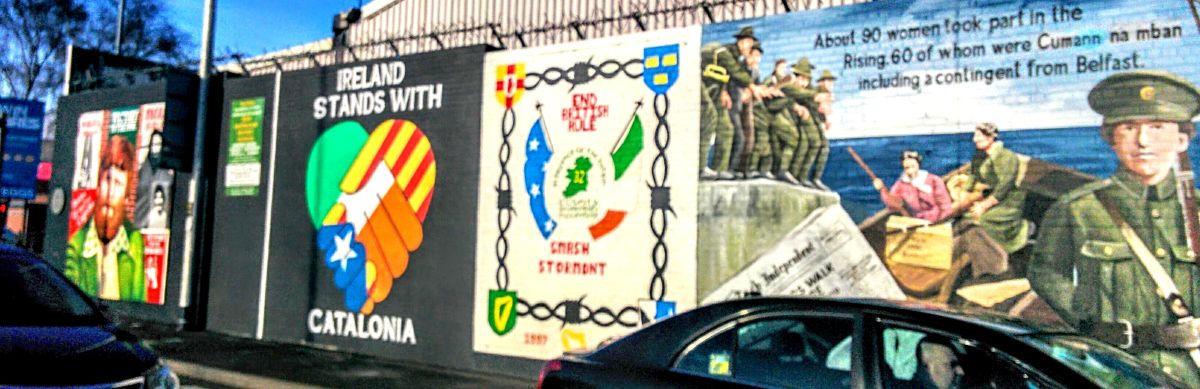
The International Wall was another highlight. This constantly changing section of murals contains artwork linked to international political causes, peace campaigns, and human rights movements. Because the murals change regularly, every visit feels slightly different.
What I found most interesting was how residential the area still feels. Families continue living among streets that have become globally recognised symbols of Belfast’s political history.

Belfast’s Peace Walls
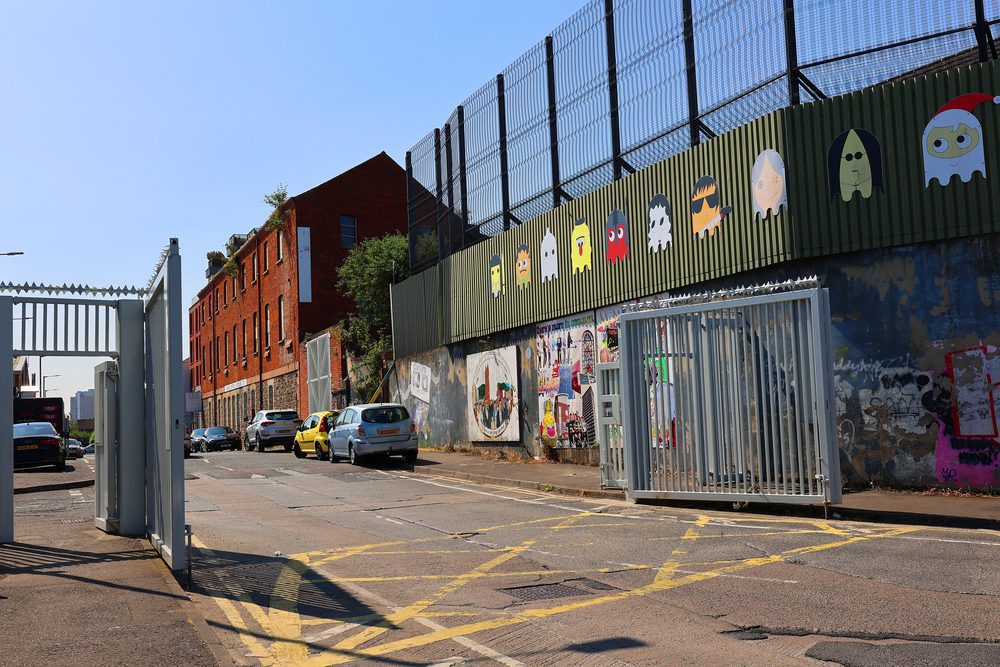
The peace walls are often the most emotional and memorable part of a Belfast black taxi tour. First built in 1969 to reduce violence between nationalist and unionist communities, many of the walls still remain today. Some gates continue to close at night in certain areas of the city.
Before visiting Belfast, I assumed the peace walls were largely historical remnants rather than functioning barriers. Seeing them in person was genuinely eye-opening. One of the things I found most surprising was learning that some peace wall gates still close at night.
Our driver explained that some peace wall gates still close at night, partly because certain interface areas continue to experience occasional tensions and because some local residents still feel more secure with the barriers in place. Hearing that made Belfast’s recent history feel much closer and more complex than I had expected before visiting.
Most tours stop at the walls so visitors can walk alongside them, read messages left by previous visitors, and leave signatures themselves.
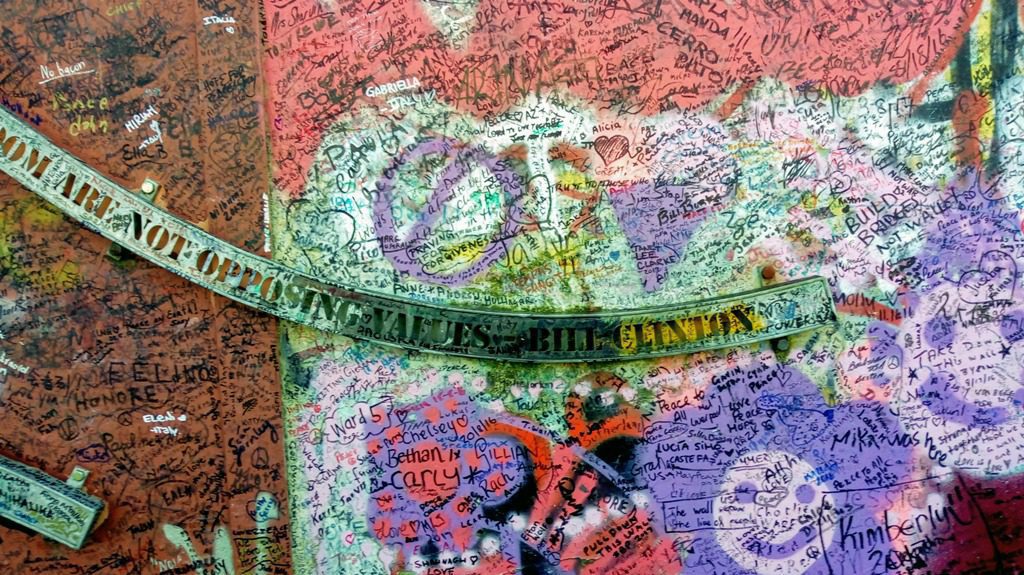
Millions of people have signed sections of Belfast’s peace walls over the years, including tourists, politicians, celebrities, journalists, and peace activists. Names associated with the walls include Bill Clinton, Dalai Lama, Bono, and Joe Biden.
Most of the writing, however, comes from ordinary visitors leaving messages about peace, remembrance, and reconciliation.
Signing the wall myself felt surprisingly emotional after hearing stories throughout the tour about violence and division. It felt less like a tourist activity and more like participating in a shared message of hope for the future.
Even small sensory details stayed with me afterwards. The sound of traffic echoing beside the towering barriers and the quiet atmosphere around some memorial gardens created moments that felt unexpectedly reflective.
The Shankill Road and Loyalist Belfast
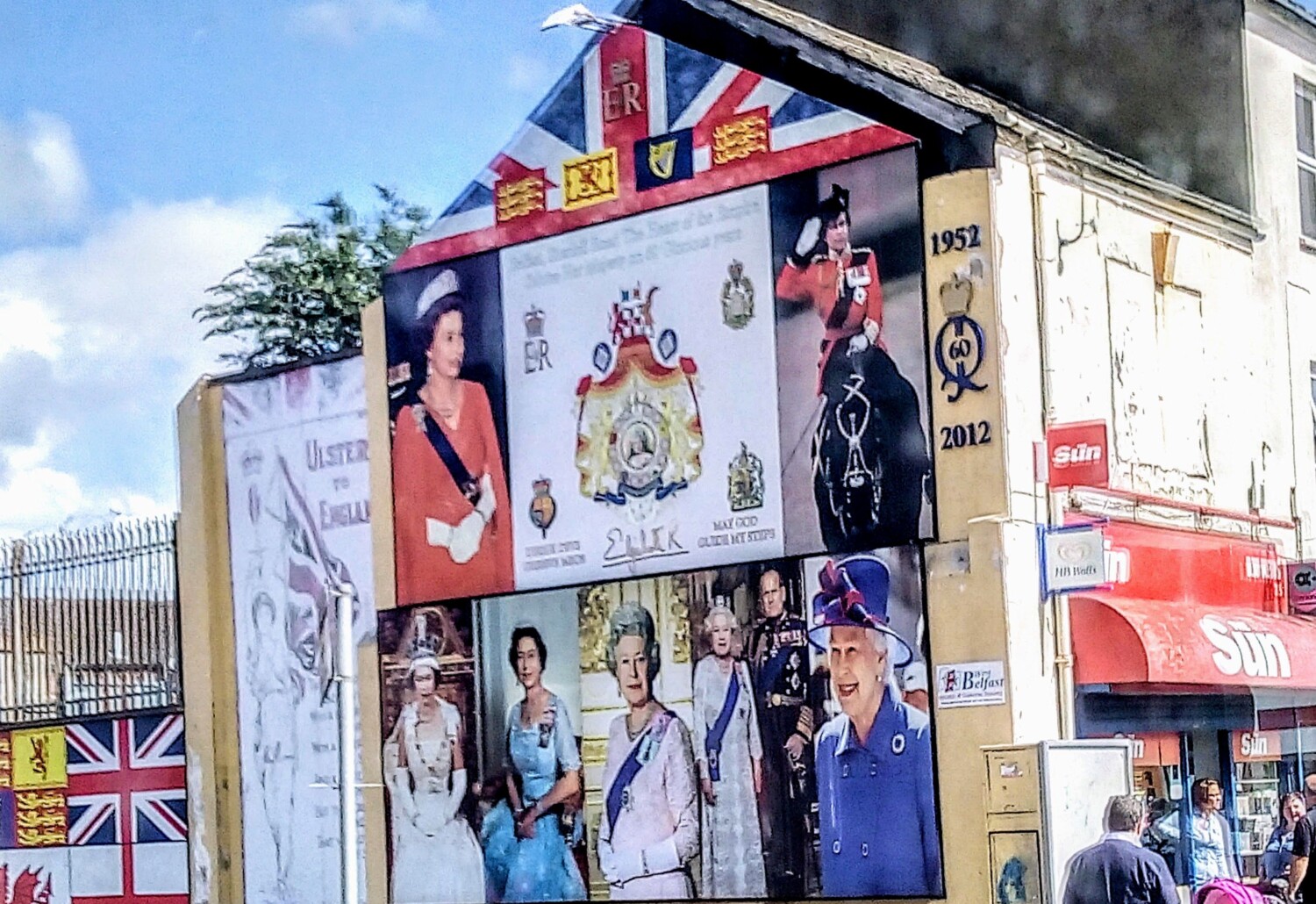
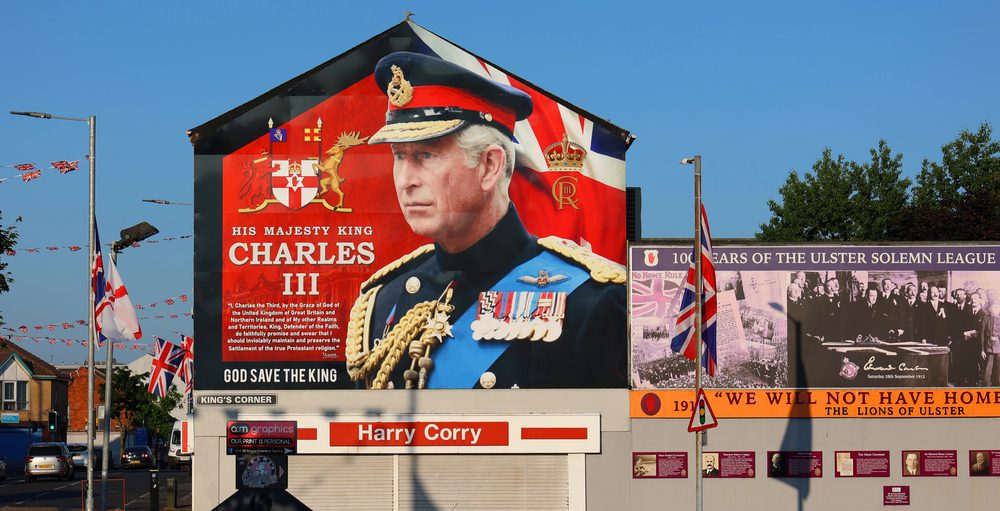
After passing through the peace gates, the tour usually continues into the Shankill Road area, traditionally associated with unionist and loyalist communities.
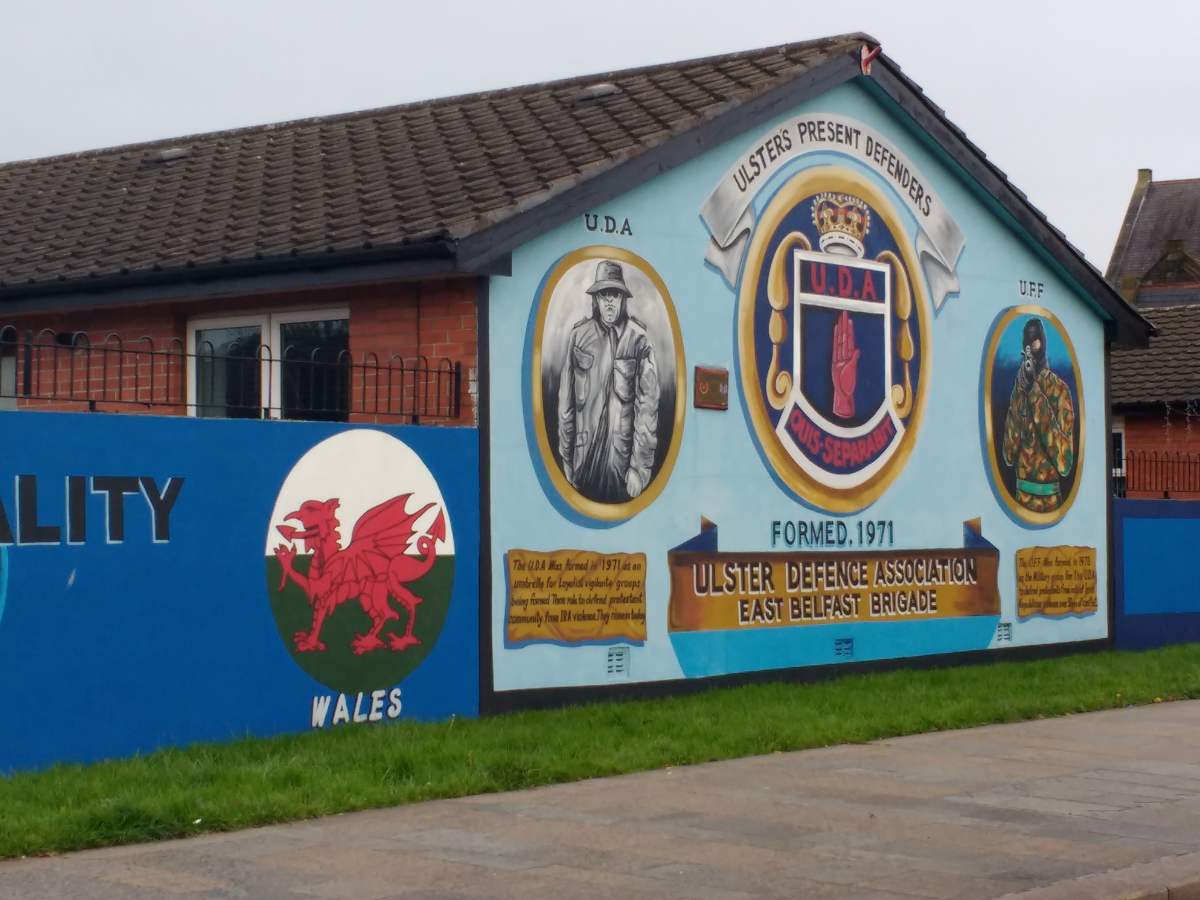
The visual contrast between the Falls Road and Shankill Road is immediate. Irish republican murals are replaced by Union flags, memorial artwork, British symbolism, and tributes connected to loyalist history and military service.
One of the things I appreciated most about the tour was that the driver avoided presenting Belfast’s history in simplistic terms. Instead, he explained the fears, identity issues, and political beliefs experienced by different communities throughout the conflict years.
That balanced approach made the tour feel educational rather than political.
Having also taken a political tour in Derry, I found Belfast felt more physically divided and visually dominated by interface areas and peace walls, whereas Derry’s history felt more concentrated around specific civil rights events and locations such as the Bogside and Free Derry Corner.
The Drivers Make the Experience
The driver is ultimately what defines a Belfast black taxi tour.
Many guides lived through The Troubles themselves and have personal memories connected to the events discussed during the tour. Some experienced checkpoints, violence, military patrols, or sectarian division directly growing up in Belfast.
Our driver mixed political history with humour, personal stories, and local insight in a way that never felt rehearsed. At times the conversation became emotional, particularly when discussing civilian deaths and memorial gardens, but there were also moments of warmth and humour that reflected Belfast’s resilience and character.
Because the tours are small and conversational, visitors can ask questions freely throughout the experience. That personal interaction is one of the reasons black taxi tours feel far more engaging than conventional sightseeing tours.
Political Murals and Street Art in Belfast
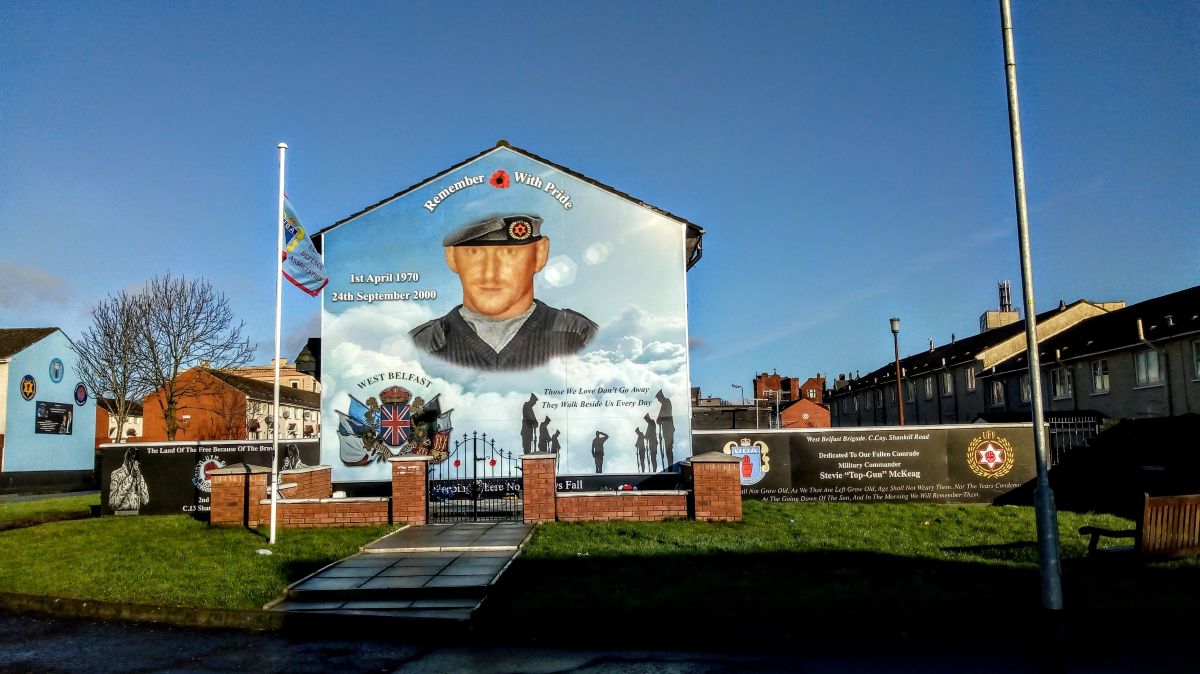
The political murals are among Belfast’s most photographed attractions and remain one of the city’s defining visual features.
Some murals commemorate historical events or local figures, while others focus on peace, culture, sport, or international causes. Over time, parts of Belfast have gradually shifted away from overtly paramilitary imagery toward artwork celebrating identity, heritage, and reconciliation.
Even visitors with limited knowledge of Northern Irish history usually find the murals fascinating because they transform ordinary residential streets into open-air galleries filled with symbolism and storytelling.
Photography is encouraged during most tours, and drivers regularly stop to allow time for photographs and discussion.

Accessibility on a Belfast Black Taxi Tour
Because there is very little walking involved, black taxi tours can also work well alongside other accessible Belfast attractions.
Most of the experience takes place inside the taxi itself, with only short optional stops at major murals, memorials, and peace walls. This makes the tour particularly suitable for older travellers, visitors with reduced mobility, or anyone wanting to explore Belfast comfortably during poor weather.
Belfast weather can change quickly, and the taxi format makes the experience far more comfortable on rainy or windy days compared to outdoor walking tours.
Many of the traditional black cabs are spacious and easier to enter than standard cars, and some operators can provide wheelchair-accessible vehicles if arranged in advance.
Drivers are usually happy to adapt the pace of the tour, allow additional time at stops, or tailor the experience around accessibility needs.
I also found the seated format made it easier to absorb the historical detail because the pace felt relaxed rather than rushed between locations.
Does It Matter Which Belfast Black Taxi Tour You Book?
Yes, the guide makes a huge difference.
Most tours visit similar locations, but the quality of storytelling, historical depth, and overall atmosphere can vary significantly depending on the driver.
Some guides focus heavily on one political perspective, while the strongest tours usually explain multiple viewpoints respectfully and encourage open discussion rather than confrontation.
Private tours are often worth the additional cost because they allow more flexibility and create a more personal atmosphere.
When reading reviews, it is worth looking for words such as balanced, thoughtful, informative, respectful, and personal.


Who Should Take a Belfast Black Taxi Tour?
A Belfast black taxi tour is particularly worthwhile for visitors interested in history, politics, photography, social history, and modern Irish culture.
It is also an excellent option for:
- cruise ship visitors with limited time
- travellers wanting deeper cultural context
- older visitors looking for a low-walking tour
- photographers interested in Belfast’s murals and street art
- people interested in conflict history and peacebuilding
Even visitors with little previous knowledge of Northern Ireland usually come away with a much stronger understanding of Belfast and its communities.


Is a Belfast Black Taxi Tour Worth It?
For me, absolutely.
Before taking the tour, I understood Northern Ireland’s history mostly through family conversations, books, documentaries, and news coverage. But seeing the streets firsthand, hearing personal stories, and moving between still-divided communities made Belfast’s history feel far more real and emotionally layered.
It was one of the few tours I have taken where the guide’s personal experience genuinely transformed the entire experience.
The combination of murals, memorials, peace walls, storytelling, and local insight creates something unlike almost any other city tour in Europe.
If you want to understand Belfast beyond headlines and stereotypes, a black taxi tour is one of the most worthwhile experiences in the city.
FAQs About Belfast Black Taxi Tours
How long does a Belfast black taxi tour last?
Most tours last between ninety minutes and two hours, although longer private tours are available.
Are Belfast black taxi tours safe?
Yes. Belfast black taxi tours are one of the city’s most established tourist experiences and are run by experienced local guides.
What areas do Belfast black taxi tours visit?
Most tours include the Falls Road, Shankill Road, political murals, memorial gardens, and Belfast’s peace walls.
Can you take photographs during the tour?
Yes. Drivers regularly stop at major murals and peace walls to allow time for photographs.

Are Belfast black taxi tours wheelchair accessible?
Many operators provide accessible vehicles and the tours involve minimal walking, although accessibility should be confirmed before booking.
Can you sign the Belfast peace wall?
Yes. Most tours stop at the peace wall where visitors can leave messages and signatures.
Are Belfast black taxi tours suitable for children?
Older children and teenagers interested in history generally find the tours educational, although some topics discussed can be emotional.
Is a Belfast black taxi tour worth doing?
For many visitors, it becomes the most memorable experience in Belfast because it combines political history, local storytelling, and firsthand perspective in a uniquely personal way.
Travelling with limited mobility? Our Accessible Northern Ireland Guide covers wheelchair-friendly attractions, accessible transport, and first-hand mobility tips across Belfast, the Causeway Coast, and Derry.
Planning a trip to Northern Ireland? Our complete Northern Ireland Travel Guide covers Belfast, the Causeway Coastal Route, county guides, hidden gems, itineraries, food, and local tips from a Donegal native.
Start Planning Your Trip
👉 Public Transportation in Ireland
👉 Hidden Gems in Ireland – 32 Secret places to visit
👉 Answering all your travel questions about Ireland
👉What to pack for your Ireland trip
👉 Northern Ireland Public Transportation