
Accessible Dingle Peninsula: Scenic Kerry Without Long Walks
This practical, hands‑on guide shows how to enjoy the Dingle Peninsula by car with minimal walking. It highlights level towns, short‑stop viewpoints, accessible attractions, realistic pacing, and where to find facilities. I travel with limited mobility and focus on what works on the ground.

For a deeper comparison of Ireland’s two most scenic counties, read our guide to Donegal vs Kerry, including accessibility, crowds, landscapes and driving routes.
- Accessible Dingle Peninsula: Scenic Kerry Without Long Walks
- Getting to Dingle by public transport (accessibility‑first)
- Step‑by‑step
- Why Dingle works for limited mobility
- Best accessible Dingle bases
- Iconic sights you can enjoy from the car (or with very short walks)
- Indoor and all‑weather stops with better accessibility
- Road awareness and weather
- Where to stay (accessibility tips)
- Suggested 2–3 day accessible pacing
- FAQs – Accessible Dunquin
- Planning accessible-travel-guides-ireland-uk-europe in Ireland
Getting to Dingle by public transport (accessibility‑first)
Here’s the most reliable way to reach Dingle by public transport if accessibility is a concern, based on official operators and current practice.
Core plan: Travel to Tralee or Killarney first (rail/bus hubs with better accessibility), then continue to Dingle by regional bus or a pre‑booked TFI Local Link service. Build in extra time and always pre‑book assistance and wheelchair space.
Step‑by‑step
From Dublin/Cork/Limerick/Shannon/Kerry Airport → Tralee or Killarney. Irish Rail offers Assisted Travel with advance booking (examples: Dublin/Cork → Mallow → Killarney/Tralee; Limerick (Colbert) → Tralee via connection). Book via Irish Rail (Assisted Travel). Long‑distance coach accessibility varies by operator and vehicle; confirm ramps/lifts and wheelchair space for your exact departure.
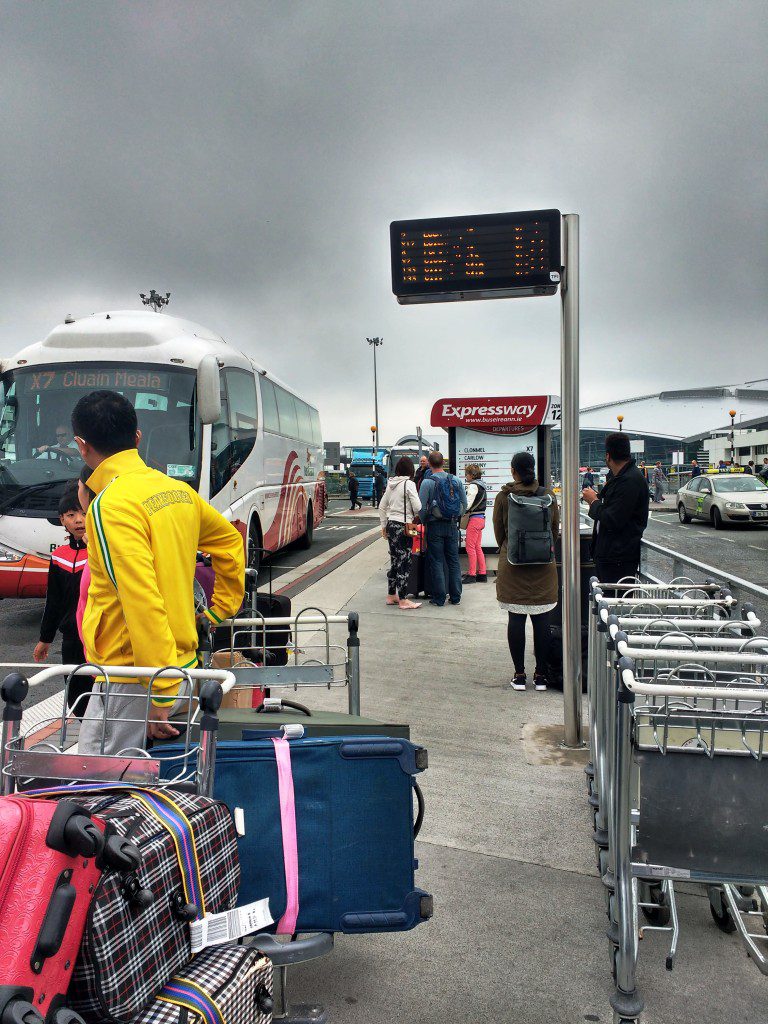
Tralee/Killarney → Dingle. Bus Éireann runs a scheduled Tralee ↔ Dingle service, with Killarney connections via Tralee. Because vehicles can vary by departure, you should identify your exact trip on then contact Bus Éireann to confirm a wheelchair bay and ramp on that departure and request assistance. Allow time in case a non‑accessible coach is rostered and you need the next service. TFI Local Link Kerry (about 90% accessible vehicles) can serve Dingle on certain days/routes if you pre‑book; contact to reserve a wheelchair‑accessible vehicle and agree pick‑up/set‑down points.

What to book and when (2–7+ days ahead)
Irish Rail Assisted Travel: — provide stations, date/time, chair dimensions, and ramp needs.
Bus Éireann: — ask about your specific departure’s ramp, wheelchair bay, and securements, and whether space needs pre‑reservation.
TFI Local Link Kerry: — pre‑book a wheelchair‑accessible vehicle and confirm stop locations close to your accommodation.
Taxi backup: Use the TFI/NTA wheelchair‑accessible taxi directory to source Kerry‑based operators for contingency legs (e.g., Tralee ↔ Dingle or airport ↔ Tralee).
Reality check: Rural services are limited and vehicle accessibility can vary by departure. Pre‑book wherever possible, keep a taxi fallback, and avoid last departures if a missed accessible connection would leave you stranded.

Why Dingle works for limited mobility
The Dingle Peninsula rewards slow driving days with frequent pull‑offs and photogenic villages. Treat it as a drive with short stops rather than a route to “complete.” Pick a flat town base, cap your days at three or four stops, and skip cliff paths—the best views are roadside. A rental car is essential; public transport is sparse and not ideal for accessibility.
Best accessible Dingle bases
Dingle Town is the most practical base because the harbour and main streets are relatively flat, with cafés, restaurants, benches, shops, and medical services close together. It suits overnight stays and easy ambles along the marina.

Ventry, a small village west of Dingle, has a flat seafront with parking beside the sand and works well for a quiet stop or a calmer base. Ballyferriter (Baile an Fheirtéaraigh) is a compact village with cafés and parking right on the main street, making it a useful waypoint without long walks.
Iconic sights you can enjoy from the car (or with very short walks)
Slea Head
Slea Head Drive (R559) is the signature loop; enjoy it from designated roadside viewpoints and pull‑offs rather than cliff paths. Expect tight shoulders in peak season and pause only at signed parking bays.

Dunquin
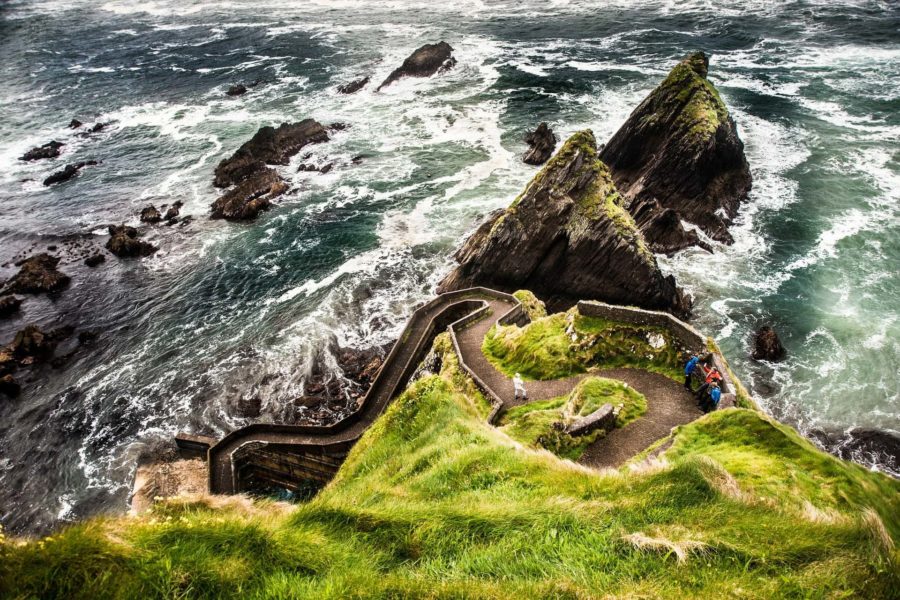
The Dunquin (Dún Chaoin) clifftop lookout offers dramatic views over the Blasket Sound; skip the steep pier path and admire the scenery from above.
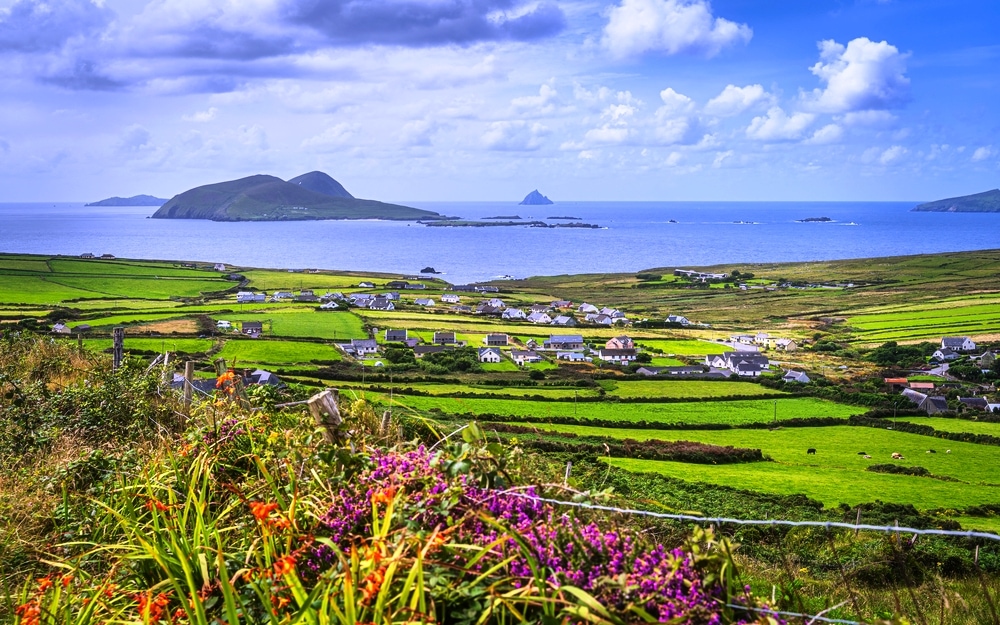
Clogher Head
Clogher Head (Ceann Sratha) has roadside vantage points with sweeping Atlantic views that don’t require hiking.
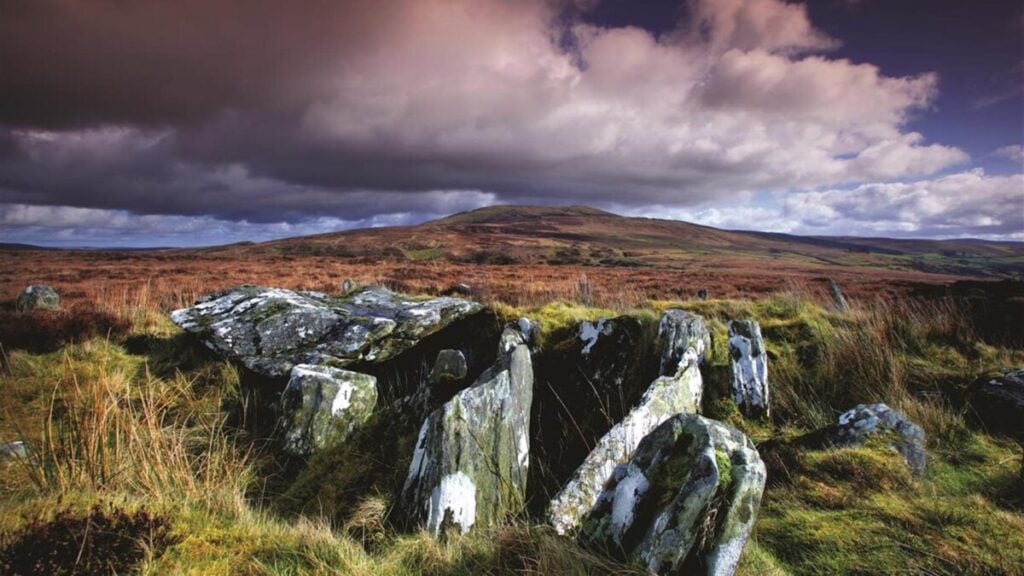
Brandon Point
Brandon Point allows you to drive high onto the slopes of Mount Brandon for superb panoramas with short transfers from the car. Conor Pass is spectacular but very narrow and exposed; stop only in signed lay‑bys (for example, near the waterfall close to the summit) and avoid the rocky paths.
Indoor and all‑weather stops with better accessibility
Dingle Oceanworld
Dingle Oceanworld Aquarium in Dingle Town is a level, indoor attraction with step‑free routes, accessible toilets, and nearby parking. Always check current details on the official site.

Blasket Centre
The Blasket Centre (Ionad an Bhlascaoid Mhóir) near Dunquin is a modern heritage centre with ramp access, a lift to exhibits, and accessible facilities.
Gallarus Oratory
The Gallarus Oratory near Ballyferriter can be viewed from near the car park; paths may be uneven, and stepping inside requires crossing stone surfaces, so decide on the day based on comfort.

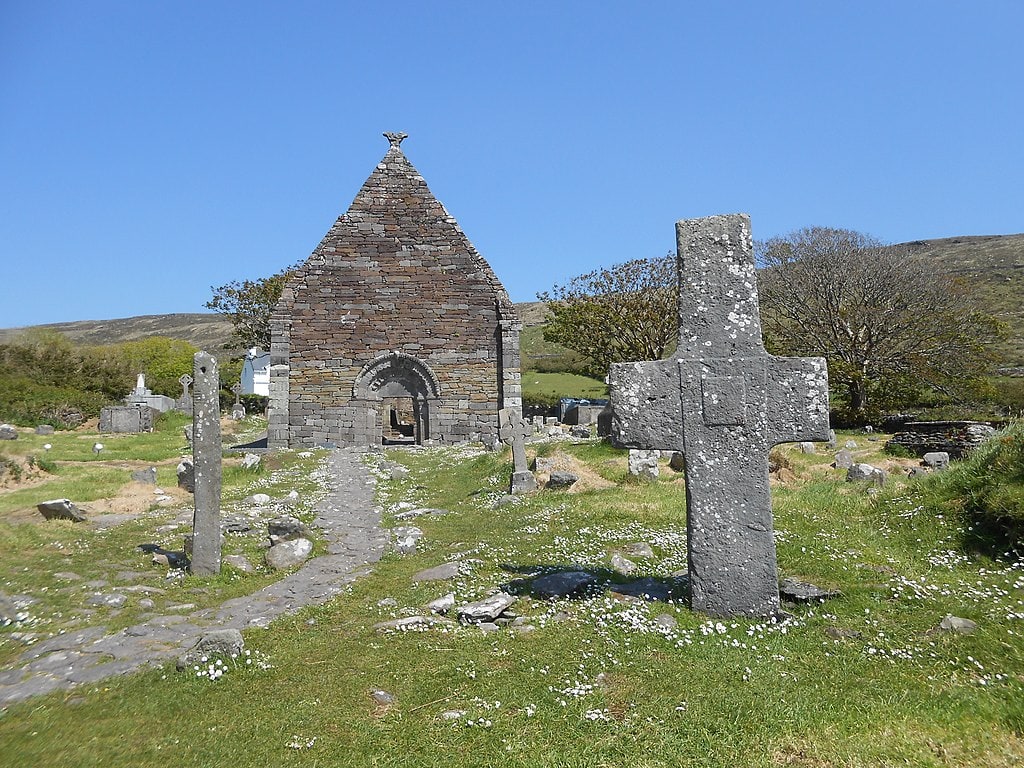
Kilmalkedar Church
Kilmalkedar Church has a short transfer from parking to early medieval ruins over grass and stone—rewarding if conditions are dry but not fully accessible. Ancient Celtic crosses and an ogham stone can be found here.
Dingle Marina and town strolling
The harbour promenade in Dingle is flat with frequent benches and shelter from wind. On days when energy is limited, a gentle circuit between the marina, cafés, and the aquarium provides easy variety without distance.

Road awareness and weather
If you are renting a car expect narrow roads and occasional tight passing points, especially on Slea Head and Conor Pass; plan earlier starts to avoid tour traffic. Atlantic wind can make short walks feel longer and increase fatigue; carry layers and be flexible with stops. You won’t miss Dingle’s essence by skipping demanding paths—the roadside scenery is the experience.
Where to stay (accessibility tips)
Prioritise step‑free entry, on‑site parking, and either a lift or ground‑floor rooms. Always confirm bathroom layout (roll‑in shower, grab bars, door width) and ask for photos. In Dingle Town you’ll find the widest choice of modern rooms within level distance of harbour dining; Ventry offers quieter evenings with parking close to rooms.
Practicalities that help
Blue Badge / European Parking Card holders generally find dedicated bays in Dingle and at larger attractions; always display your permit and check local signage. Be aware that some locations may not accept a North American Blue Badge. For public facilities and parking rules, Kerry County Council’s site is the authoritative source. For route planning and official scenic points, see Wild Atlantic Way information.

Suggested 2–3 day accessible pacing
Day 1: Settle into Dingle Town, stroll the marina, and visit Dingle Oceanworld Aquarium if the weather turns.
Day 2: Drive Slea Head clockwise from Dingle, stop at signed viewpoints, the Dunquin lookout, the Blasket Centre, and a village café in Ballyferriter.
Day 3: Choose Conor Pass lay‑bys for high views (if comfortable with narrow roads) or head to Brandon Point and Clogher Head pull‑offs; finish with a relaxed evening in Dingle.
FAQs – Accessible Dunquin
Is Dingle suitable for mobility challenged folks?
Yes—focus on the harbour, village centres, and scenic drives with frequent short stops.
Is the Dingle Peninsula wheelchair friendly?
Some attractions and towns are reasonably accessible, but many beaches and historic sites have uneven ground; roadside viewpoints and modern indoor venues work best.
Do you need a car in Dingle?
Yes—public transport is limited and not practical for accessible sightseeing, a rental car is a must.
I travel with limited mobility and have driven these routes multiple times, prioritising step‑free stops and short transfers. Conditions and facilities can change with weather and staffing; always verify access with venues before you go. If you spot an update, contact me so I can keep this current.
Planning accessible-travel-guides-ireland-uk-europe in Ireland
Travel in Ireland works best when you choose destinations carefully, plan fewer activities per day, and allow flexibility for weather, crowds, and energy levels. Some cities and attractions are far easier to manage than others, particularly for travelers with mobility concerns. For travelers seeking authentic Irish landscapes, it’s Dingle vs the Ring of Kerry each offering stunning views, but Dingle wins for those who want fewer tour buses and a bit more craic.
If you have mobility issues here is a selection of posts that may be of help to you:
Bookmark these hubs for updates and dive into the detailed guides to build an itinerary that fits your energy, comfort, and interests.
➡️Accessible Historical sites in the UK
Start Planning Your Trip
👉 Public Transportation in Ireland
👉 Hidden Gems in Ireland – 32 Secret places to visit
👉 Answering all your travel questions about Ireland