
River Shannon Ireland Travel Guide: Best Stops and Boating
Ireland’s longest river runs for roughly 360 km, threading lakes (Ree, Derg), heritage towns, monastic sites, forest parks, and quiet canals on its way to the Atlantic. It’s built for low-stress travel short legs, clear navigation, and welcoming moorings so you can set an easy pace: cruise between marinas, take day boats from bases like Carrick-on-Shannon or Athlone, or road-trip the shores and mix forest walks, blueways, and site visits.
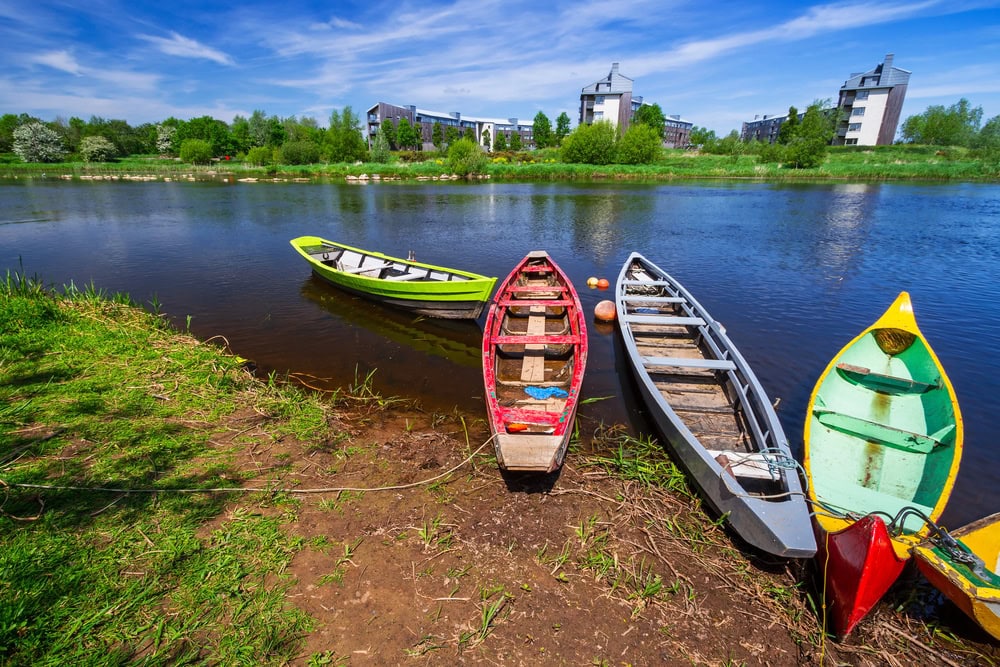
Personal note: I’ve cruised stretches from Carrick-on-Shannon to Lough Ree and day-boated on Lough Derg. The rhythm is gentle locks, lunch on a jetty, a sunset pint while the road lets you add hill walks and detours. Below is a north-to-south guide to highlights, when to choose boat vs car, and where it’s worth lingering.
Landing at Shannon? Start with my Starting in Shannon? Your Gateway to Ireland’s Southwest for a ready-made 7-day route.
- River Shannon Ireland Travel Guide: Best Stops and Boating
- River Shannon facts
- Key areas and highlights (north to south)
- Top things to do
- Personal take: boat vs road
- Lovely villages and stops
- Stays and bases along the River Shannon (handy when mixing boat and road)
- Suggested itineraries
- Practical tips
- Who it suits
- Why the Shannon works
- Exploring the fascinating regions of Ireland
River Shannon facts
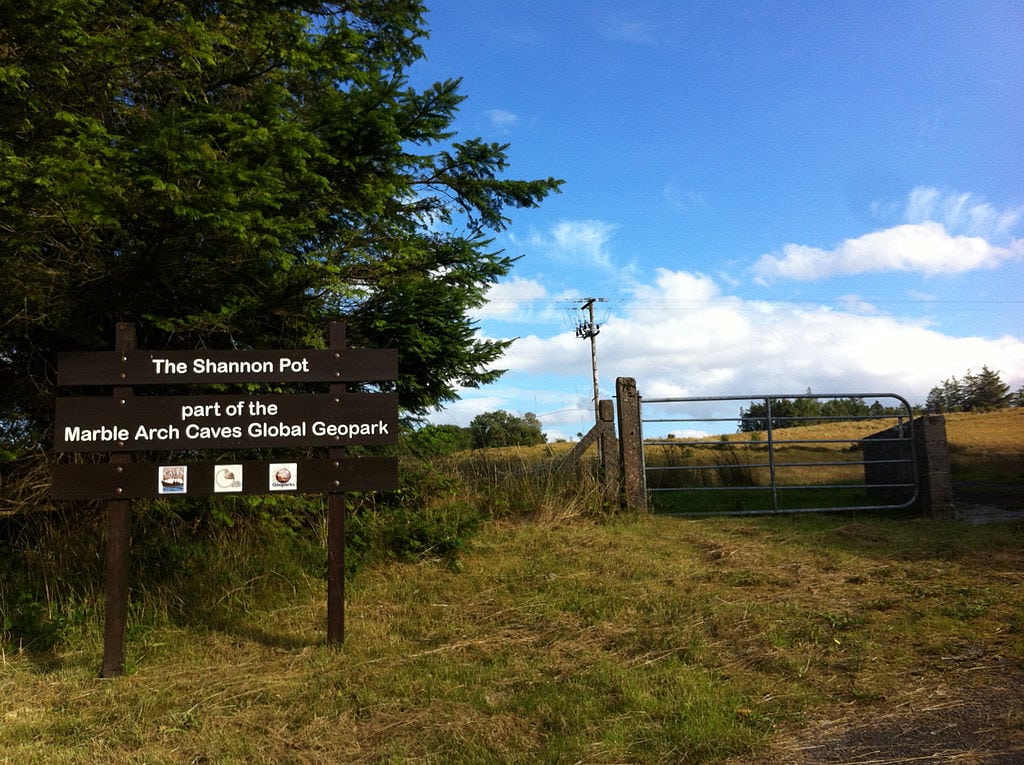
History-wise, the Shannon Ireland has long shaped the west: rising at the Shannon Pot in County Cavan (its celebrated source), this “longest river Ireland” threads the Shannon River Basin and flows through Westmeath before meeting the Atlantic Ocean below Limerick City.
It was a strategic line during the Irish Confederate Wars, with campaigns and sieges around Limerick; it carried timber, turf, and salmon through market towns; and, in the canal age, it linked to Dublin via the Grand Canal and to Lough Erne through the Erne Waterway, stitching river Ireland from Cavan and County Clare to the midlands and beyond.
Those engineered links bound the Erne and the Shannon into a continuous inland route, while natural riches from island monasteries to salmon runs kept trade and pilgrimage moving. Today, echoes of that history linger in Limerick and along quays from County Clare to the midlands: locks and cut-stone bridges, old towpaths toward Dublin, and quiet reaches that still feel like a water-road through the Irish heartland and a reminder that “Erne,” “Cavan,” and “Limerick” are as much waypoints in story as on a map.
Key areas and highlights (north to south)
Lough Allen to Lough Key corridor: Base around Carrick-on-Shannon for boat hire, pubs, and galleries. Nearby: Boyle Abbey and King House (Boyle), plus the excellent Lough Key Forest & Activity Park (canopy walk, trails, lake views).
Carrick-on-Shannon: Self-drive cruiser hire via bases such as Carrickcraft and planning resources at shannon-river.com. Cruise departures, arts centre, riverside dining, and the Shannon–Erne Waterway link (locks, rural lanes, blueways).
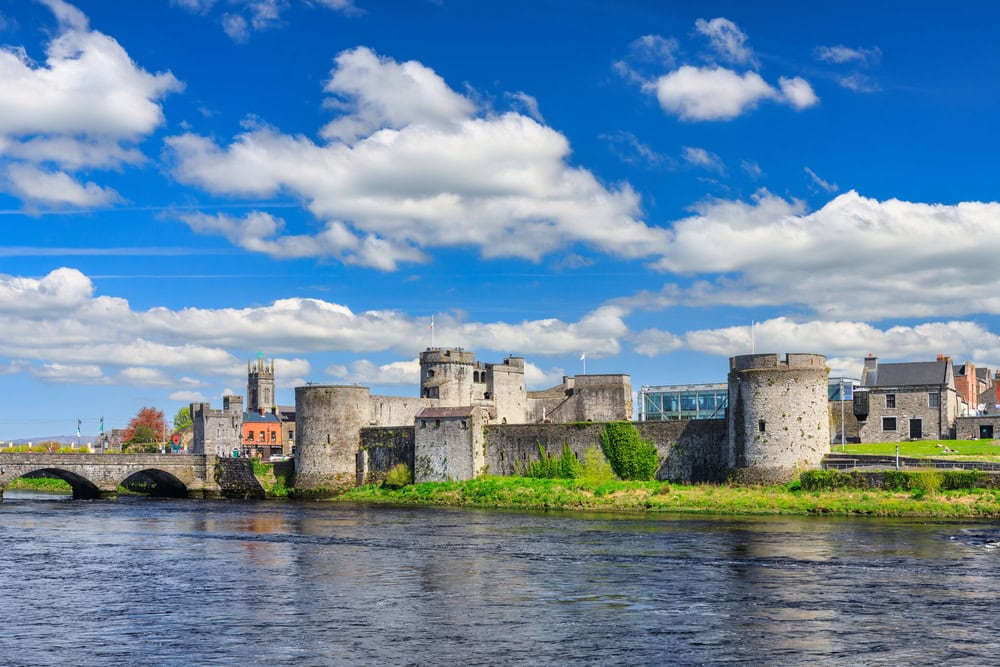
Lough Ree and Athlone: Athlone Castle, old lanes around Seán’s Bar, boat trips to islands, and bays for angling. The Lakelands and blueway network offer cycling and paddling. A strong hub for short legs and day boats.

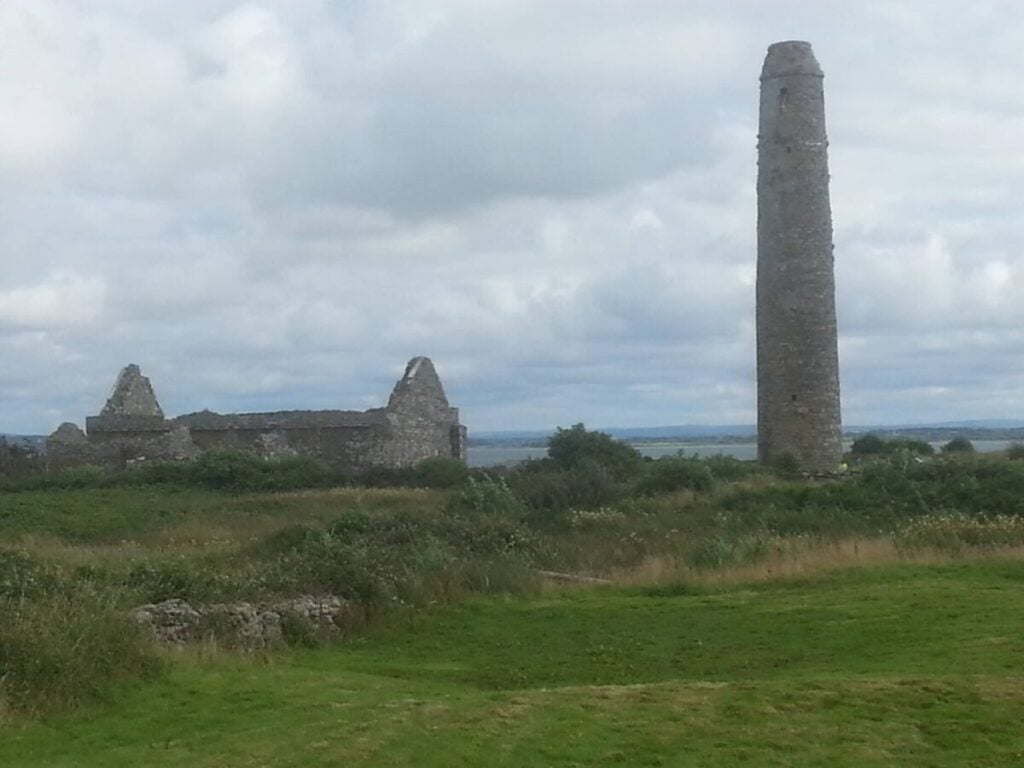
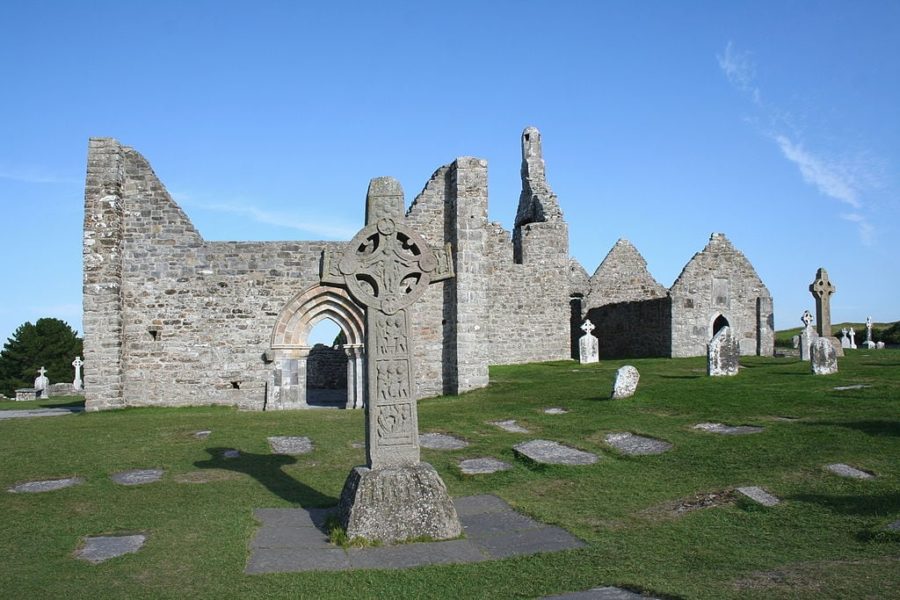
Clonmacnoise: An atmospheric early Christian monastic city on the riverbank—round towers, high crosses, and broad views. Details: Heritage Ireland: Clonmacnoise.
Offaly/Westmeath callows: Seasonal wet meadows rich in birdlife; good for quiet drives and short nature walks.
Banagher and Shannonbridge: Classic boating hubs with stone bridges, river pubs, and access to bog trails (consider Lough Boora Discovery Park).

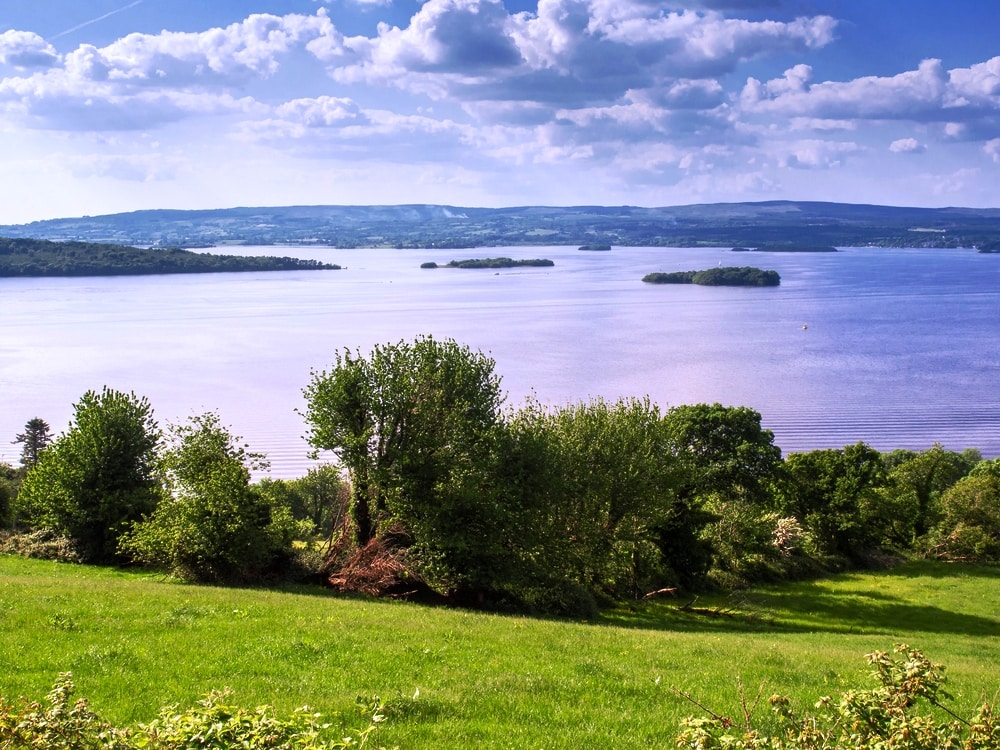
Portumna and Lough Derg (north): Portumna Castle & Gardens; Portumna Forest Park with family-friendly trails and bike hire; marinas for sailing and kayaking.
Killaloe–Ballina and Lough Derg (south): Twin towns linked by a stone bridge, heritage centre, lakeside dining, and boat tours. Great base for paddling, cycling, and gentle hill walks. Local planning hub: Discover Lough Derg.
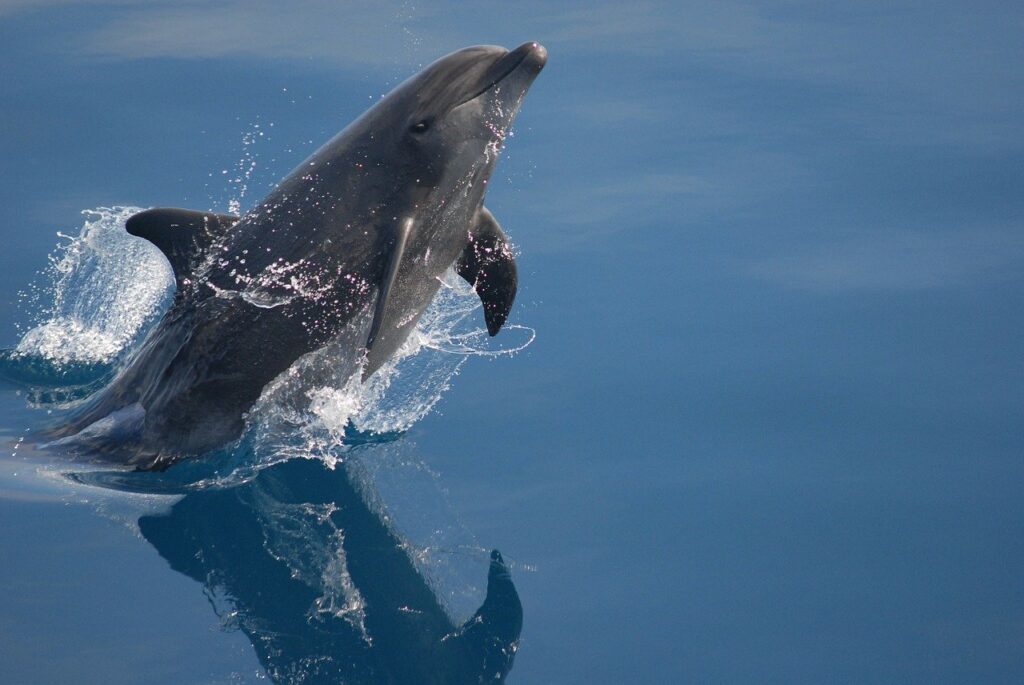
Shannon Estuary: Scattery Island (monastic site and lighthouse), dolphin watching from Kilrush, the Foynes Flying Boat & Maritime Museum, and ferry links between Tarbert and Killimer.
Top things to do
Hire a cruiser or day boat: The Shannon is designed for leisure boating, with well-marked channels, marinas, and towns spaced for easy stops. Bases include Carrick-on-Shannon, Banagher, Portumna, and Killaloe. See Discover Ireland: Cruise the Shannon and operators like Carrickcraft.
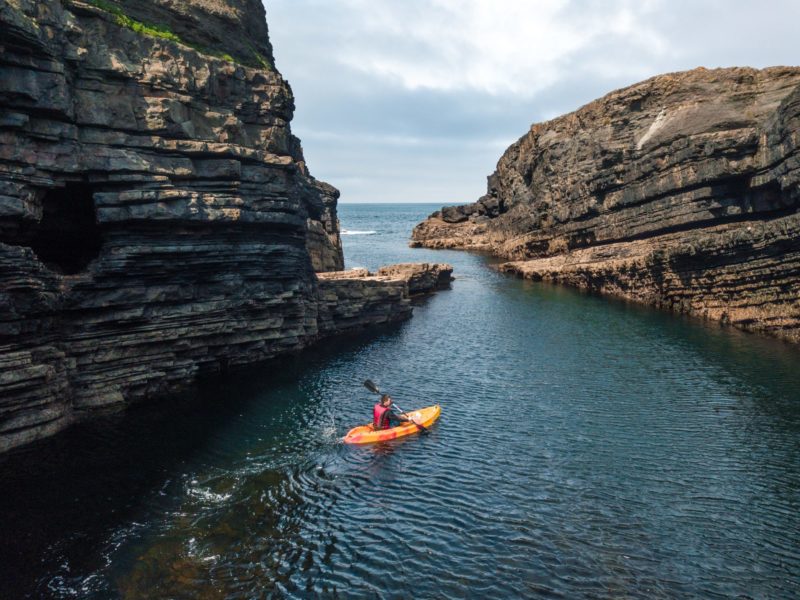
Paddle the blueways: Kayak or SUP on calm stretches, especially around Lough Derg, Lough Ree, and canal spurs. Look for signed access points and rental outfits in major towns.
Walk and cycle towpaths: Canal and riverside trails offer flat, family-friendly options. Consider the Royal Canal Greenway near the upper Shannon; local loops ring Lough Key, Portumna, and Lough Derg.
Explore monastic and medieval sites: Clonmacnoise is the headline; add Fore Abbey (short drive) and island churches on Lough Ree. In towns, seek out castles (Athlone, Portumna) and heritage centres.
Wildlife and nature: Watch for curlew, whooper swans, and summer terns on the callows; woodlands in Lough Key and Portumna suit easy birding. The estuary is known for bottlenose dolphins.
Angling: Pike, perch, and trout in lakes and backwaters; check local permits and seasons. Towns often have guides and tackle shops.
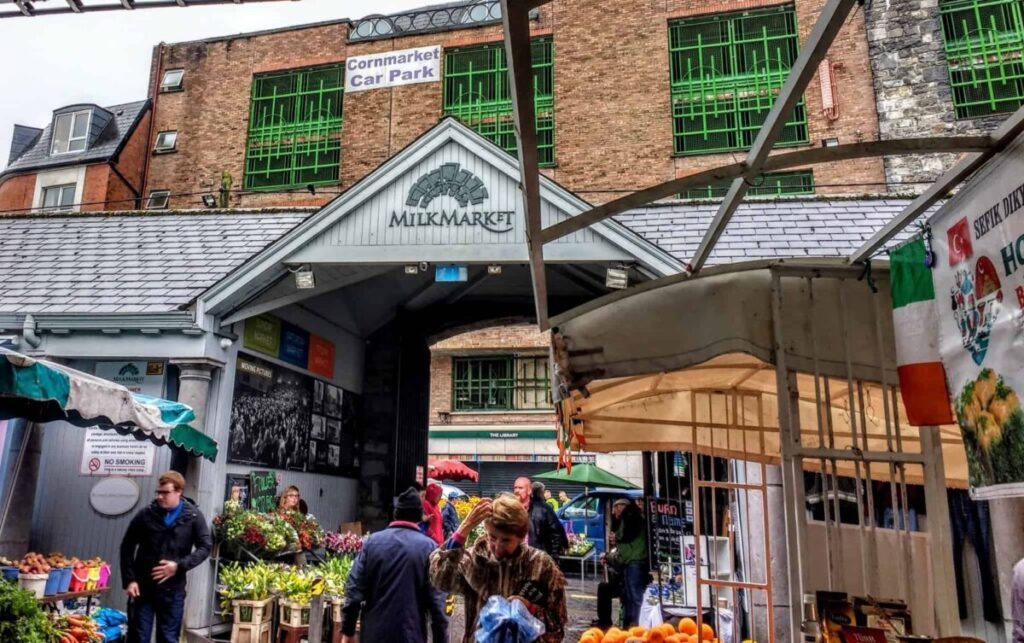
Food and music: Pub sessions are common in Athlone, Carrick-on-Shannon, Killaloe–Ballina, and heritage villages. Menus lean to local fish, meats, and comforting classics. Markets (such as the Limerick Milk Market) and small producers cluster around lakeside towns.
Personal take: boat vs road
I’d boat if you want your days set by water and weather—easy speeds, lock rituals, mooring at jetties beside pubs and abbeys. Training is provided and no licence is needed for hire cruisers, so it’s accessible for families and first-timers. Road-trip if you prefer flexibility: forest parks, hill walks, and out-and-back detours are simpler by car, and you can stitch in canal greenways and off-river sites. Best of both: do a 3–4 day cruise (Carrick–Lough Key, or Banagher–Athlone–Lough Ree) and add 2–3 road days around Lough Derg and the estuary. I’ve done that mix twice; it keeps weather decisions easy.
Lovely villages and stops
Boyle (Roscommon): Abbey, cafés, and lively evenings—pair with Lough Key.
Leitrim Village (Leitrim): Quiet moorings and gateways to the Shannon–Erne.
Shannonbridge (Offaly): Stone bridge, sunsets at Luker’s, peatland horizons.

Dromineer (Tipperary): Lakeside castle stub, marina, and gentle waters.
Garrykennedy (Tipperary): Music sessions and a cosy harbour.
Killaloe–Ballina (Clare/Tipperary): Twin-town charm, bridge views, and good dining.
Stays and bases along the River Shannon (handy when mixing boat and road)
Carrick-on-Shannon: Riverside hotels and B&Bs close to marinas; start/finish a cruise and add a night ashore. Local guide: Shannon River.
Athlone and Lough Ree: Town-centre stays near the castle and pubs; lakeside lodges suit families. Town info: Discover Ireland: Athlone.

Portumna and Lough Derg (north): Good for cabins, B&Bs, and marina moorings; castle and forest park on the doorstep.
Killaloe–Ballina: Solid hotel options and guesthouses, many walkable to the bridge and quays; plan via Discover Lough Derg.
Estuary (Kilrush/Foynes): Boutique inns and waterside stays pair well with Scattery Island and the Flying Boat Museum.
Suggested itineraries
3–4 days (Lough Ree focus): Base in Athlone for the castle and old town; boat to islands; day trip to Clonmacnoise and Shannonbridge; cycle a short blueway section.
3–4 days (Lough Derg focus): Stay in Killaloe–Ballina; take a lake cruise; hike local loops; visit Portumna Castle and Forest Park; add Scattery Island if you can reach the estuary.
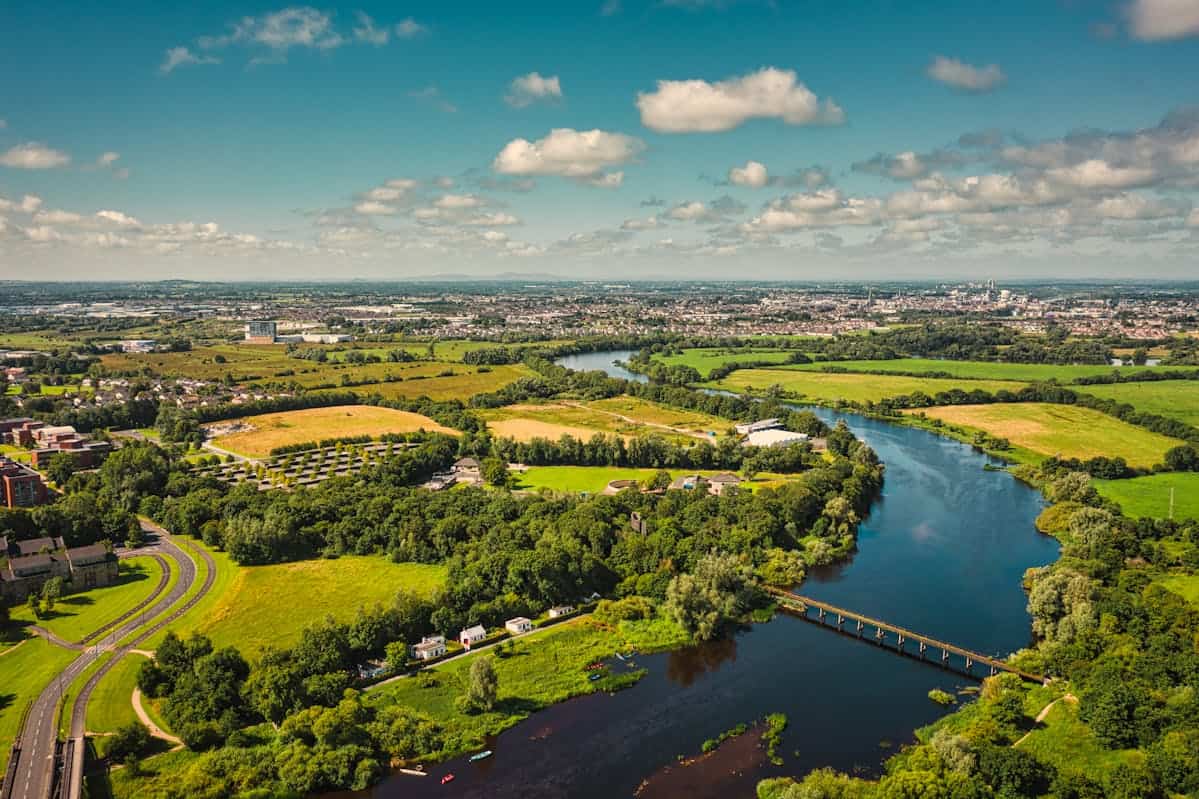
5–6 days (upper to middle Shannon): Start in Carrick-on-Shannon for a boat day and Lough Key, head to Athlone and Clonmacnoise, finish in Banagher/Portumna with forest trails.
7–8 days (lake to sea): Combine Lough Ree and Lough Derg stops with time on the estuary—Kilrush for dolphin tours and Scattery Island, Foynes Museum, and a relaxed coastal finish.
Practical tips
Best time: Late spring to early autumn for boating and paddling; shoulder seasons are quieter and often better value. Expect breezes on open lakes.
Pace: Plan short legs with frequent stops; the river rewards unhurried travel. On my last cruise, 2–3 hours on the water with a lunch jetty worked perfectly.

Access and transport: The M6 serves Athlone; regional roads link ports and parks. Cruiser hire removes the need to drive daily.
Safety: Check forecasts and local advice; wear buoyancy aids; follow marked navigation channels. Locks are straightforward with staff or instructions at hire bases.
Permits and hours: Angling may require local licences; check county or fishery boards. Island landings and heritage sites can have seasonal hours—verify ahead.

Who it suits
Families and couples seeking low-stress, nature-rich days.
History lovers who enjoy tangible sites without long queues.
Outdoorsy travellers (walking, cycling, paddling, boating) who value easy terrain over extremes.
Photographers looking for water, woodland, and wide skies rather than headline coastal drama.
Why the Shannon works
Compact, well-spaced highlights make planning simple.
Activities scale to your energy and weather.
Authentic small-town hospitality and heritage with strong infrastructure for boats and blueways.
Whether you take the helm or the wheel, the Shannon rewards the unhurried. Cruising sets an easy rhythm locks, jetties, and pub harbours while a car adds side trips to forests, bog parks, and hill views. Base in Athlone, Portumna, or Killaloe–Ballina, link two or three lake sections, and keep days short. With well-spaced towns, straightforward logistics, and plenty to do between stops, it’s a good-value way to see authentic Ireland without the crowds.
Start Planning Your Trip
👉 Public Transportation in Ireland
👉 Hidden Gems in Ireland – 32 Secret places to visit
👉 Answering all your travel questions about Ireland
👉What to pack for your Ireland trip
👉 Northern Ireland Public Transportation