
Danish Food in Copenhagen: What to Eat and Where
This guide blends local knowledge with practical detail so you know not just what to eat—smørrebrød, stegt flæsk, cinnamon twists—but exactly where to find the best versions in Copenhagen, how to order them like a Dane, and when to go. Use it to plan confident reservations, casual market grazes, and a few bucket‑list meals that justify the hype.

Traditional Danish food bridges the everyday and the exceptional, exemplified by the lunchtime ritual of smørrebrød, where open-faced sandwiches become canvases for beautifully composed toppings. Evening meals balance between hygge-inspired comfort classics and clean, produce-driven plates that highlight the raw quality of local ingredients.
At the heart of the food scene is Copenhagen, a dynamic hub where tradition and innovation converge. Here, you can experience the definitive concentration of classic bakeries, timeless smørrebrød counters, and pioneering restaurants that have redefined modern dining. Beyond fine dining, the city’s vibrant markets and street food halls democratize the Danish table, offering a comprehensive and accessible taste of a cuisine that is deeply rooted yet constantly looking forward.

- Danish Food in Copenhagen: What to Eat and Where
Foundations of Danish flavor
The foundations of Danish flavor are built upon a quartet of essential pillars. First is rugbrød, the dense, sour, and nutty sourdough rye bread that serves as the non-negotiable backbone of smørrebrød; its high-fiber integrity, best sourced from daily-baking bakeries, is the canvas for all else.

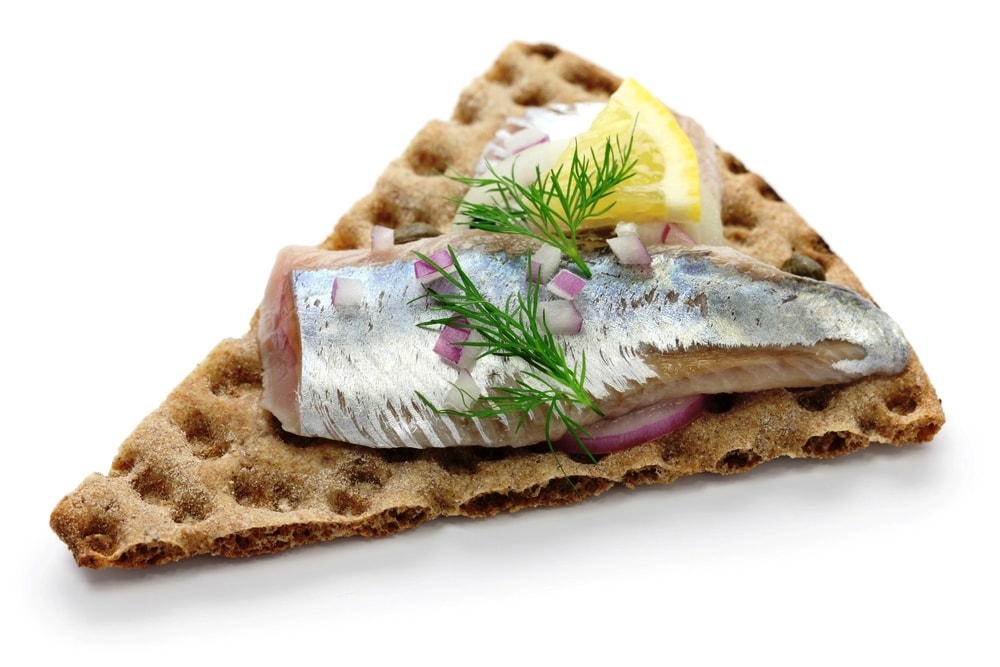
Upon this, a symphony of pickle, smoke, and cure unfolds: silky herring, salmon, and mackerel meet sharp pickled cucumbers and beets, all adorned with creamy remoulade, fresh dill, and the essential crunch of crispy onions for texture.
This richness is underpinned by Denmark’s prized dairy and butter, from the lavish spread of high-quality butter on bread to beloved cheeses like Danbo and Havarti, extending into cultured dairy and luxurious cream-based desserts. Finally, a vital balance is struck through herbs and acidity—the sharp bite of chive, dill, horseradish, mustard, and vinegar cutting through the fat, ensuring each bite is clean, bright, and profoundly satisfying.
Voted Denmark’s official national dish in 2014, Stegt Flæsk med Persillesovs is the ultimate Danish comfort food: crispy fried pork belly, boiled potatoes, and a creamy parsley sauce. This centuries-old, hearty classic stands in delicious contrast to modern New Nordic cuisine.

Classic dishes and where to eat them (Copenhagen)
Smørrebrød (open-faced sandwiches)
Aamanns: Contemporary, precise smørrebrød; book lunch.

Restaurant Schønnemann: Historic cellar with robust classics.
Selma: Creative, beer-friendly smørrebrød; Bib Gourmand quality.
Restaurant Palægade: Elegant takes with strong wine pairings.
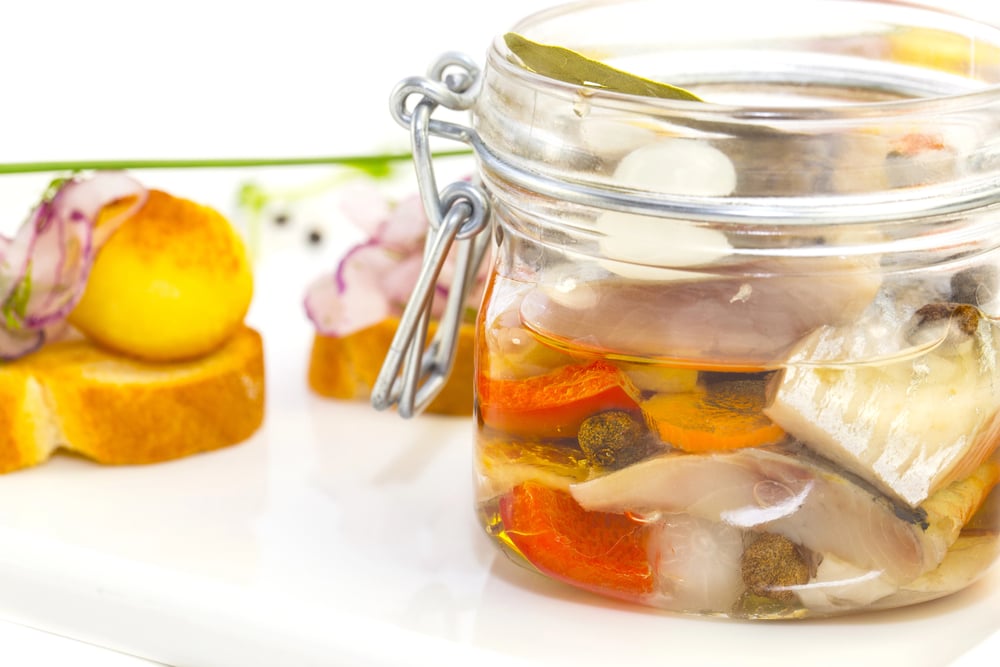
Restaurant Kronborg: Cozy, traditional lunch spot. Herring three ways (marinated, curried, spiced)
Frikadeller (pan-fried meatballs) and flæskesteg (roast pork with crackling)

Stegt flæsk med persillesovs (crispy pork with parsley sauce)
Fiskefrikadeller (fish cakes) and plaice with remoulade

Hot dogs (pølsevogn)
New Nordic and modern Copenhagen
New Nordic Cuisine is a transformative culinary movement, formally launched with the 2004 Manifesto for the New Nordic Kitchen, which championed a philosophy rooted in purity, seasonality, ethics, and locality. It is not merely a style of cooking but a holistic, almost ideological approach that seeks to define a modern Nordic identity through food. Its core principles include:
Purity & Terroir: Highlighting the unique flavors of the Nordic region’s landscape, waters, and climate.

Seasonality & Locality: Using ingredients at their peak, sourced as close to home as possible, which historically meant a radical rediscovery of wild and regional produce.
Ethical Responsibility: Promoting animal welfare, sustainable fishing, and biodiversity.
Health & Simplicity: Focusing on nutritious, wholesome food, often with a lighter, more natural presentation than classic French-inspired fine dining.
The movement is most famously embodied by restaurants like Noma (a multiple-time “World’s Best Restaurant” winner), which operates as a culinary research lab, and Geranium, which offers a more refined, ethereal interpretation.

Produce-driven tasting menus (seasonal; reservations essential)
Geranium: High-end, multi-course; rigorous seasonality.
Alchemist: Avant-garde, theatrical; long experience, plan far ahead.
Kadeau (Copenhagen): Bornholm-inspired flavors; refined and intimate.
Høst: Stylish, accessible New Nordic set menus.
Casual modern
Jah Izakaya (Nordic-japanese touches), Sanchez (Mexican with Danish produce), and neighborhood bistros in Nørrebro/Østerbro with seasonal small plates.
Danish Street food
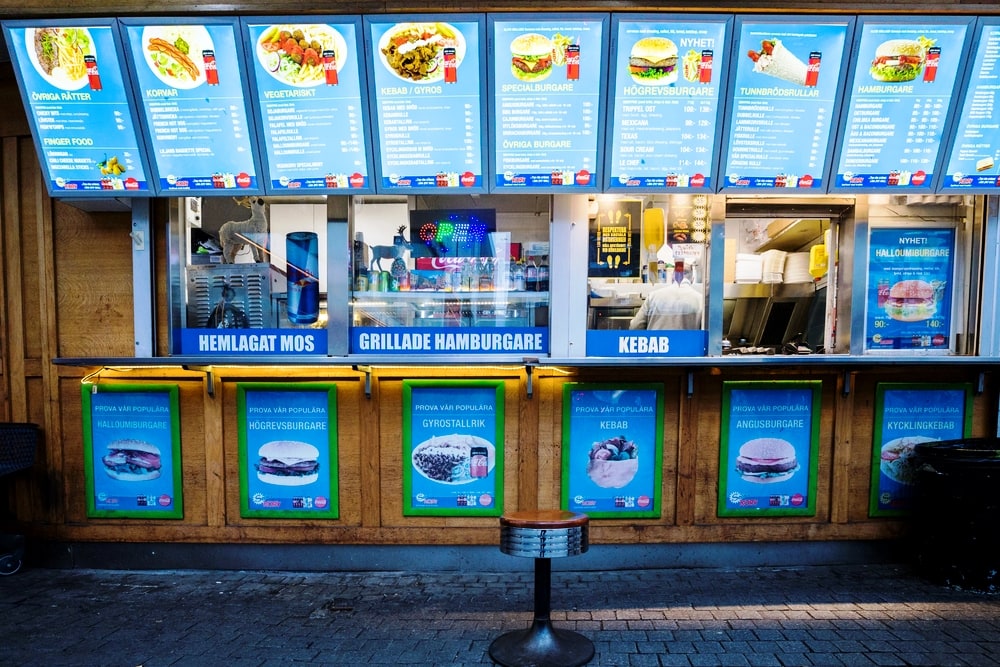
Danish street food is simple, satisfying, and built around quality ingredients. From classic pølser hot dogs topped with remoulade and crispy onions to open-faced smørrebrød served at casual food stalls, the focus is on bold flavors without fuss.

Bakeries, pastries, and sweets
Danish baking, known as “wienerbrød” (literally “Viennese bread”), is a world-renowned craft of layered, buttery pastries that actually originated with Austrian bakers in Copenhagen in the 19th century. The Danes perfected the technique, creating an entire universe of flaky, golden delights. The generic term covers a vast array of shapes and fillings, from the simple, elegant kanelsnurrer—a soft, twisted pastry generously coated in crunchy cinnamon sugar—to the decadent spandauer.
Spandauer: Named after the Copenhagen district of Spandau, this pastry is a classic round affair with a raised edge, most commonly cradling a generous pool of rich vanilla custard (vaniljekrem), though it may also hold jam or marzipan.

Beyond the sweet custard-filled varieties, Danish bakeries offer more rustic and savory-adjacent options. The quintessential tebirkes (or “tea poppy-seed”) is a prime example: a rectangular, laminated pastry divided into two distinct halves. One half is glazed and blanketed in a thick layer of crunchy, nutty poppy seeds, while the other is left bare, revealing its gloriously buttery layers. It is traditionally enjoyed in the morning, often with a cup of coffee.

While pastries steal much of the international spotlight, Denmark’s bread culture is equally profound and foundational. Rugbrød, a dense, sourdough rye bread packed with seeds and whole grains, is the undisputed king of the Danish lunch table, forming the base of the iconic open-faced sandwich, smørrebrød.
Softer breads like franskbrød (a crusty white loaf) and rundstykker (small, crisp rolls often topped with sesame or poppy seeds) are breakfast staples. Together, the exquisite artistry of the wienerbrød and the hearty, wholesome integrity of Danish breads create a bakery culture that is both indulgent and nourishing, reflecting a deep national appreciation for quality and craftsmanship in every bite.

For a true taste of Danish confectionery, seek out two iconic treats. Flødeboller are beloved chocolate-coated marshmallow domes, often sitting on a wafer or marzipan base; for exceptional quality, seek out chocolatiers like Frellsen or Summerbird. Meanwhile, the humble romkugler —dense, cocoa-dusted “rum truffles” made from leftover cake, buttercream, and a hint of rum—are a cherished staple found at nearly every quality bakery citywide.

Juno the Bakery: Crisp lamination; arrive early.
Hart Bageri: Butter-rich viennoiserie; weekend queues.
Andersen & Maillard: Excellent coffee + croissants.
Lagkagehuset (Ole & Steen internationally): Reliable chain for classics.
Conditori La Glace: Historic cakes; try “Sportskage.”
Street food and markets
Torvehallerne: Two halls with smørrebrød counters, specialty coffee, fresh produce, and Danish cheeses—ideal for a grazing lunch.

Reffen (spring–autumn): Container village of global street food with harbor views.

Broens Gadekøkken (Bridge Street Kitchen): Harborfront stalls; some winter service with an ice rink.

Drinks and pairings
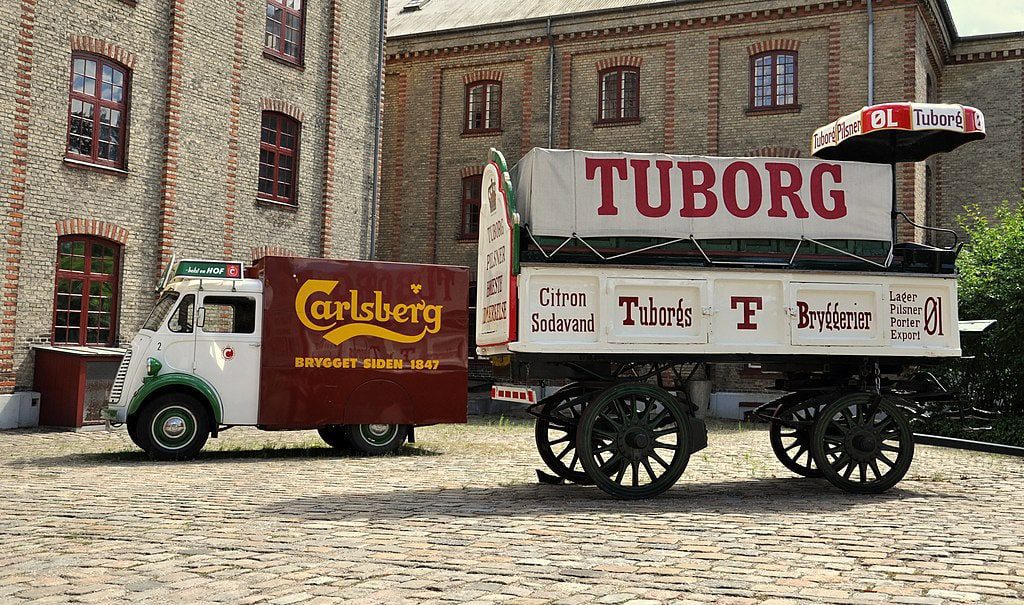
At the forefront is beer, a national passion. The global giant Carlsberg (alongside its sibling Tuborg) provides the ubiquitous pilsner enjoyed in parks, bars, and at home. However, the last two decades have seen an explosive craft beer revolution, with Copenhagen as its epicenter. Microbreweries like Mikkeller, To Øl, and Amager Bryghus are internationally celebrated for their boundary-pushing, innovative ales, from intensely hopped IPAs to rich imperial stouts and wild fermented sours. The classic Danish “håndværker” (a cheap, strong lager) remains a workingman’s staple.
Beyond beer, Denmark holds a deep affection for snaps or akvavit. This clear, caraway- and dill-infused spirit is the soul of traditional dining, particularly during Christmas and Easter lunches (julefrokost and påskefrokost). It is always served ice-cold in small glasses and drunk in unison following a song and the lead of a skål (toast). Gammel Dansk (“Old Danish”), a bitter herbal liqueur, is the traditional—and for some, acquired-taste—remedy for morning revelry, often consumed as a morgen snaps.
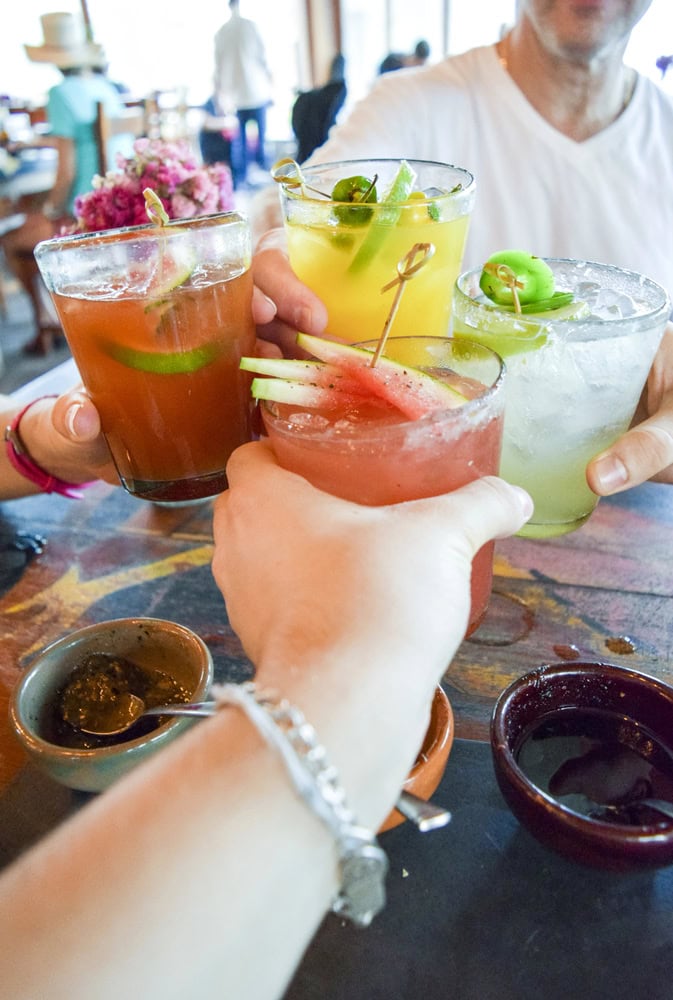
Modern cocktail culture thrives in Copenhagen, with numerous award-winning bars focusing on local spirits, house-made infusions, and Nordic ingredients. Danish wine, particularly fruit wines from apples and berries, has also gained respect, while cider from local producers is a popular, refreshing alternative.
Seasonal and holiday foods
Denmark’s relationship with food is deeply tied to the rhythm of the seasons, with holidays acting as the year’s culinary highlights, each marked by distinct flavors, traditions, and a profound sense of hygge. The pinnacle of this calendar is Christmas (Jul), a month-long celebration centered around feasting. The heart of the holiday is the julefrokost, a lavish lunch feast enjoyed repeatedly with friends, family, and colleagues.
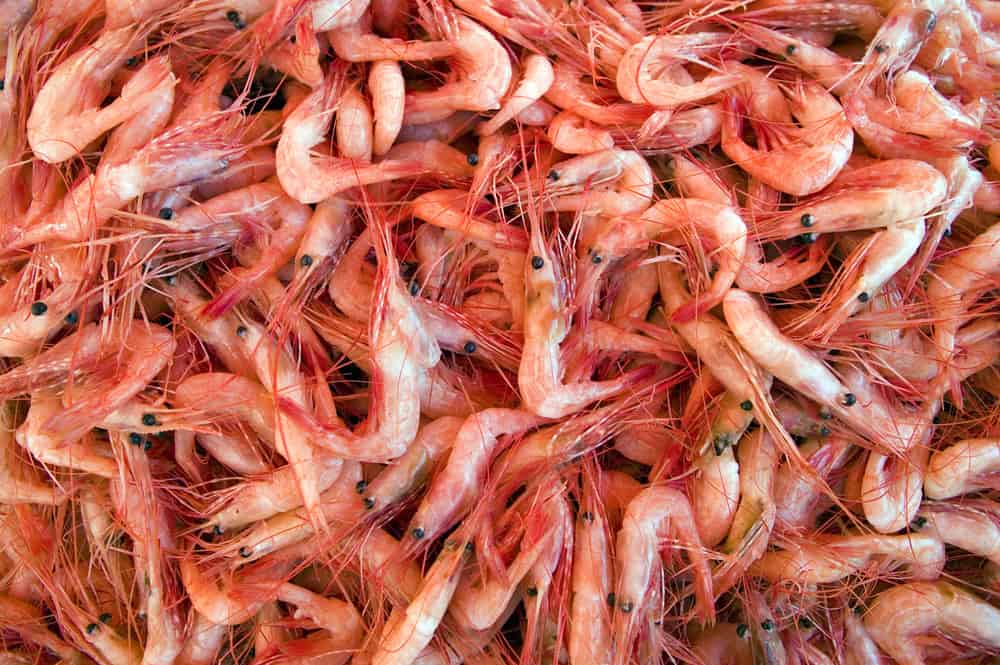
Tables groan under smørrebrød topped with pickled herring, Danish fjord shrimp (fjordrejer), a local delicacy often served naturally curled after being briefly boiled , and liver pâté, followed by the main event: flæskesteg (crisp pork roast with crackling) or duck, served with caramelized potatoes, red cabbage, and rich brown gravy. The season is sweetened with æbleskiver, spherical pancake puffs dusted with powdered sugar and served with jam, and gløgg, the mulled wine brimming with almonds and raisins, along with Risalamande (rice pudding with almonds and a cherry sauce)
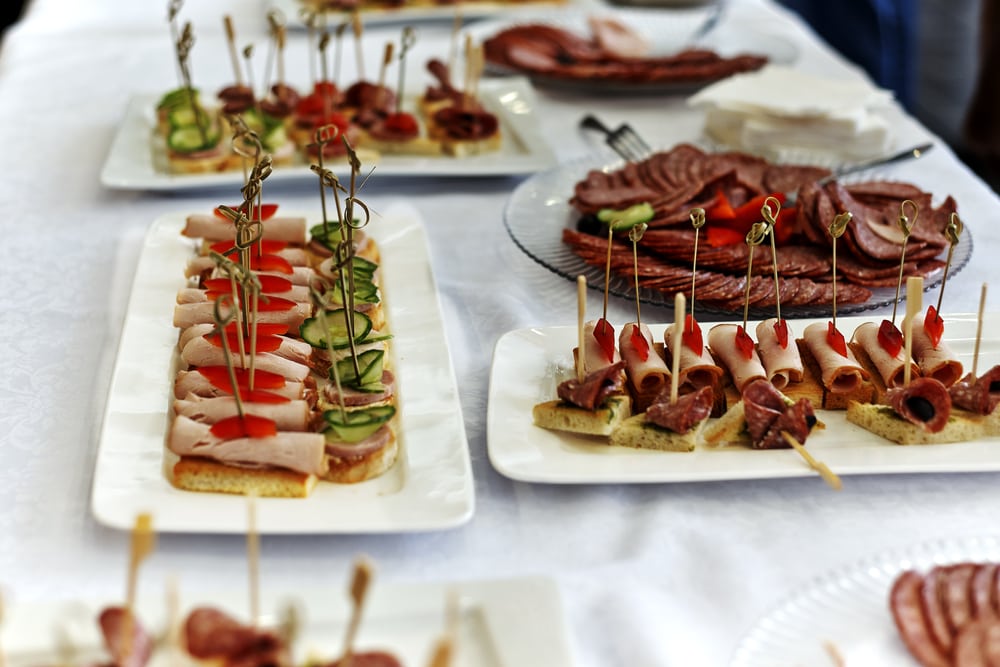
Other seasons bring their own iconic dishes. Easter (Påske) features a similarly elaborate lunch, where the ritual snaps flows freely alongside dishes like skidne æg (“dirty eggs,” boiled eggs in mustard sauce) and lamb. The approach of summer is heralded by Sankt Hans Aften (Midsummer’s Eve) in June, where communities gather around bonfires to sing and share strawberries, the first pure taste of the new season, often with cream. Mortensaften (St. Martin’s Eve) on November 10th is a lesser-known but cherished autumn tradition, where families roast duck or goose with prunes and apples, celebrating the end of the harvest.

Beyond Copenhagen (worth the trip)
Bornholm smokehouses (røgeri): Smoked herring served “Sol over Gudhjem” (with egg, chives, radish).
Aarhus Street Food & Latin Quarter: Vibrant mix; Coffee Collective and La Cabra outposts.
Town of Odense/Fyn: Brunsviger (sticky cake) specialty; local bakeries.
Skagen/North Jutland: Fresh seafood at harbor restaurants.
How to eat like a local
To fully enjoy Copenhagen’s culinary scene, a little strategic planning is essential. First, be mindful of reservations; the best traditional smørrebrød spots for lunch and popular modern restaurants for dinner often require advance booking, as tables are in high demand. It is crucial to respect the Danish timing for meals, as smørrebrød is a distinct lunch ritual typically served between 11:30 and 15:00, with many restaurant kitchens closing in the late afternoon before reopening for dinner.
When participating in the smørrebrød tradition, observe the etiquette: order on the signature rye bread, eat the open-faced sandwich with a knife and fork, and apply pickles and condiments sparingly as an accent, not a blanket covering.
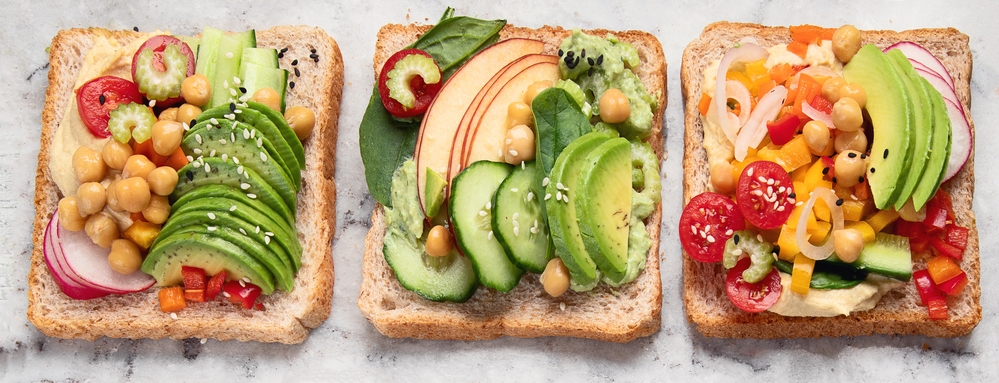
For those with dietary needs, most venues readily accommodate vegetarian, gluten-free, and halal requests, though it is important to note that traditional rugbrød contains gluten—simply ask for a potato-based or lettuce base as a substitute.
Regarding payment, cards are universally accepted, and while tipping is not expected as service is included, it is a kind gesture to round up the bill or leave 5-10% for truly exceptional service. Finally, remember that water from the tap is perfectly safe and delicious; you can request “vand” at any restaurant, and it is often provided complimentary with your meal.
Danish food rewards attention to season and setting—crisp rugbrød at lunch, harbor‑fresh seafood at dusk, pastries still warm at dawn. In Copenhagen, pair time‑tested classics with modern kitchens that honor the same ingredients in new ways, and plan around lunch smørrebrød, market stops, and a reservation or two. Do that, and you’ll taste Denmark’s mindset as much as its menu: simple, precise, and quietly generous.