
Ireland Road Trip Tips for First-Time Visitors A Complete Guide
Ireland is one of the world’s best destinations for a road trip. Dramatic coastlines, ancient castles, charming villages, and winding countryside roads make exploring by car the ideal way to experience the country. I’ve taken road trips all across Ireland from my home in Donegal and each time I see something new and learn more about my beautiful country.
For first-time visitors, however, planning an Ireland road trip can feel overwhelming. Questions about driving on the left side, choosing routes, finding authentic villages, and discovering hidden historic sites often arise.
This complete guide covers everything first-time travelers need to know: the best routes, castles to visit, historic sites like Celtic crosses and dolmens, scenic walks, villages worth stopping in, where to stay, and where to eat along the way.
By the end of this guide, you’ll have a clear itinerary and practical tips to help you enjoy one of the most memorable road trips in Europe.
If you’re combining Ireland with the UK, this 2-week UK and Ireland itinerary shows how to balance iconic Irish stops with time in London and beyond.
- Ireland Road Trip Tips for First-Time Visitors A Complete Guide
- Ireland Road Trip Itinerary for First-Time Visitors
- Quick Answer: Ireland Road Trip Tips for First-Time Visitors
- Why Ireland Is Perfect for a First Road Trip Adventure
- Best Time of Year for an Ireland Road Trip (Weather, Crowds, and Driving Conditions)
- Best Ireland Road Trip Routes for First-Time Visitors
- Driving in Ireland: Essential Tips for First-Time Visitors
- Ireland Castle Road Trip: Exploring the Country’s Medieval Heritage
- Charming Irish Villages and Towns Worth Visiting
- Ancient Historic Sites, Celtic Crosses, Dolmens, Stone Circles and Forts
- Scenic Walks and National Parks to Explore
- Where to Stay on an Ireland Road Trip
- Where to Eat on an Ireland Road Trip (And What to Try)
- Hidden Gems Most Tourists Miss
- Planning the Perfect Ireland Road Trip
- Ireland Scenic Drives You Should Not Miss
- FAQ: Ireland Road Trip Tips for First-Time Visitors
- How to Plan the Perfect Ireland Road Trip
- Driving in Ireland articles
Ireland Road Trip Itinerary for First-Time Visitors
Planning the right Ireland road trip itinerary is essential for first-time travelers who want to experience the country’s most scenic landscapes, historic sites, and charming villages without feeling rushed.
A typical Ireland self drive itinerary ranges from 7 to 14 days, allowing enough time to explore both the east and west coasts while discovering iconic landmarks and hidden gems along the way. Ireland may be small, but it’s packed with unforgettable landscapes, rich history, and welcoming towns that are best explored over a little more time. A 10-day itinerary gives you the chance to dive deeper, combining iconic sights with off-the-beaten-path experiences.
One of the best things about an Ireland driving holiday is the flexibility it offers. Unlike guided tours, a self-drive trip allows you to stop at ancient ruins, scenic viewpoints, small villages, and traditional pubs whenever something catches your interest.
Below is a sample 10-day Ireland road trip itinerary that combines famous attractions with lesser-known stops.
Quick Answer: Ireland Road Trip Tips for First-Time Visitors
If you’re planning your first Ireland road trip, follow these essential tips:
Best Ireland Road Trip Itinerary (10 Days)
Day 1: Dublin
Day 2: Wicklow and Glendalough
Day 3: Rock of Cashel & Cork
Day 4–5: Killarney & Ring of Kerry
Day 6: Dingle Peninsula
Day 7: Cliffs of Moher & The Burren
Day 8–9: Galway & Connemara
Day 10: Return to Dublin
The best road trip route combines Dublin, the southwest coast, the Wild Atlantic Way, and Northern Ireland.

Sample 10-Day Ireland Self Drive Itinerary
Day 1: Dublin
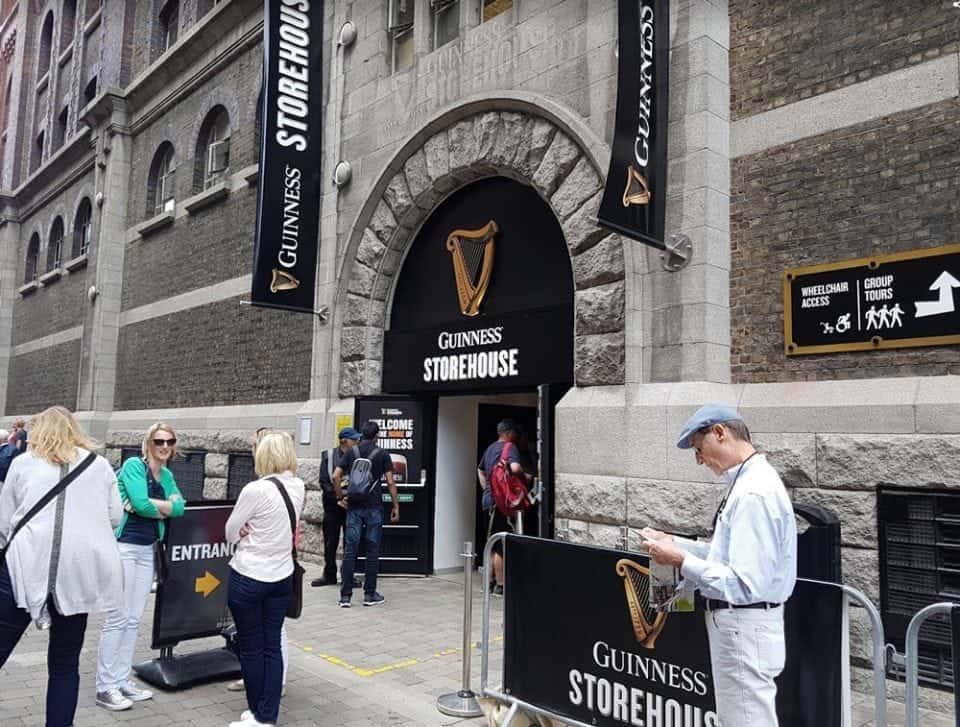
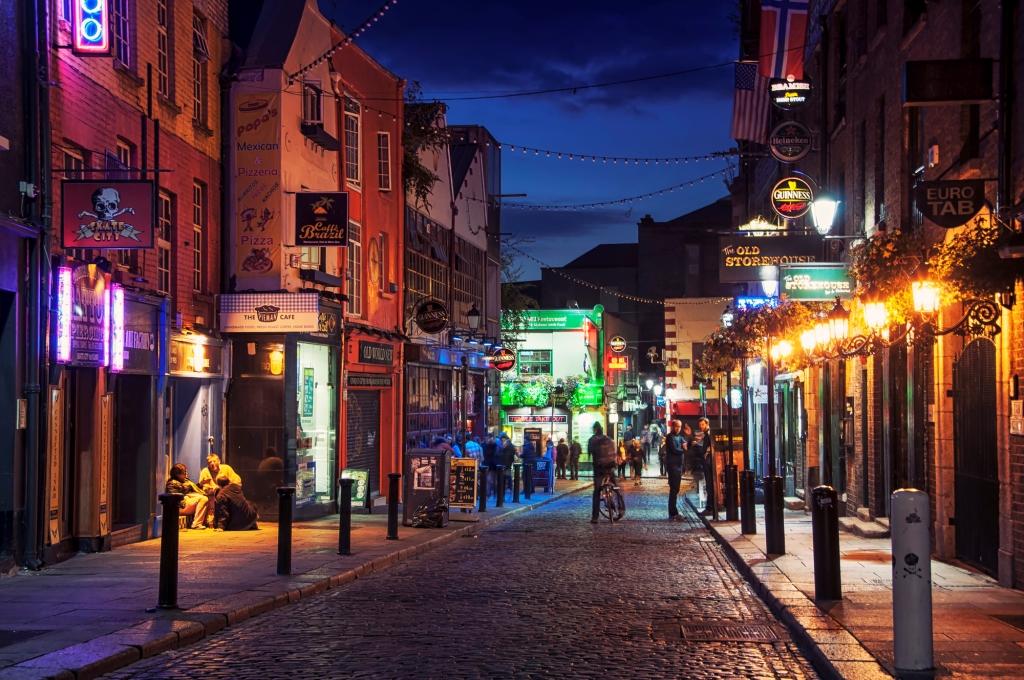
Head from Dublin airport to drop off you luggage (most hotels will allow you to leave your bags until you check in. Then head out and explore the city. Experience the Guinness Store House, check out Trinity College and the Book of Kells and visit the tourist district of Temple Bar.

Day 2: Wicklow Mountains
Head south into the Wicklow Mountains. Visit Glendalough’s monastic ruins, scenic lakes, and forest walks.
Day 3: Rock of Cashel and Cork
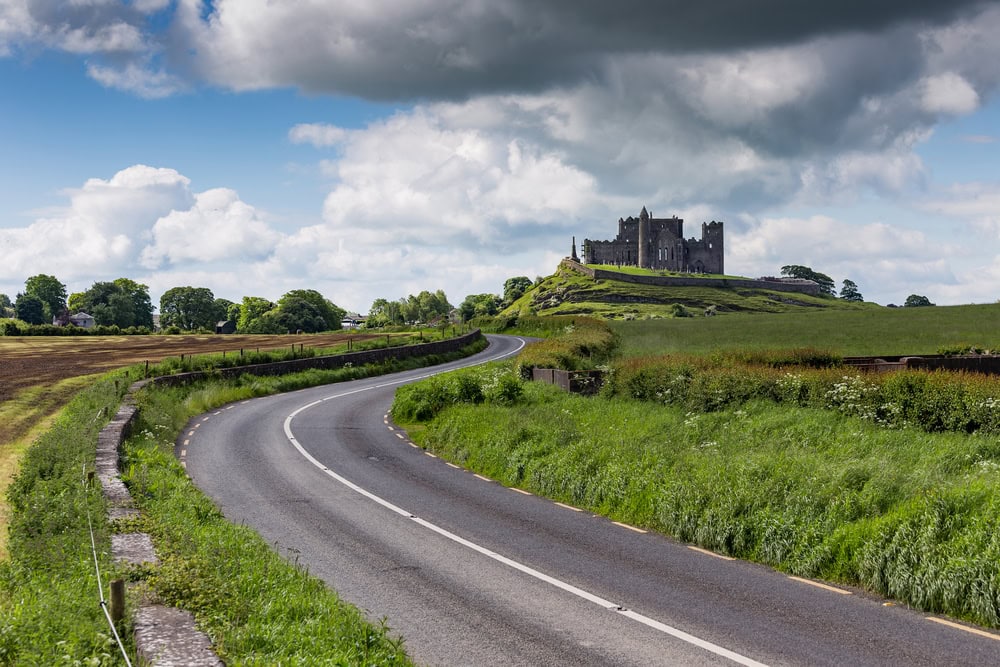
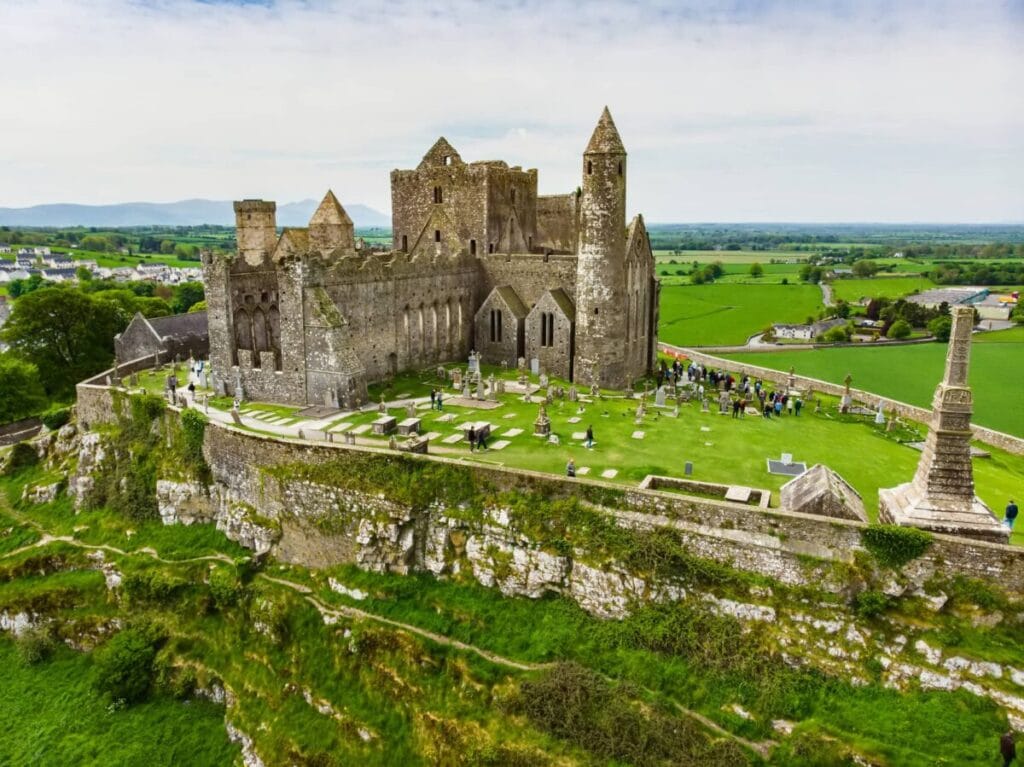
Drive through Ireland’s Ancient East to the Rock of Cashel, one of the country’s most important historic sites. Continue to Cork and explore the English Market.


Day 4–5: Killarney National Park and the Ring of Kerry
Killarney is one of the highlights of any Ireland scenic drives itinerary. Explore Ross Castle, Torc Waterfall, and complete the famous Ring of Kerry coastal drive.
Day 6: Dingle Peninsula
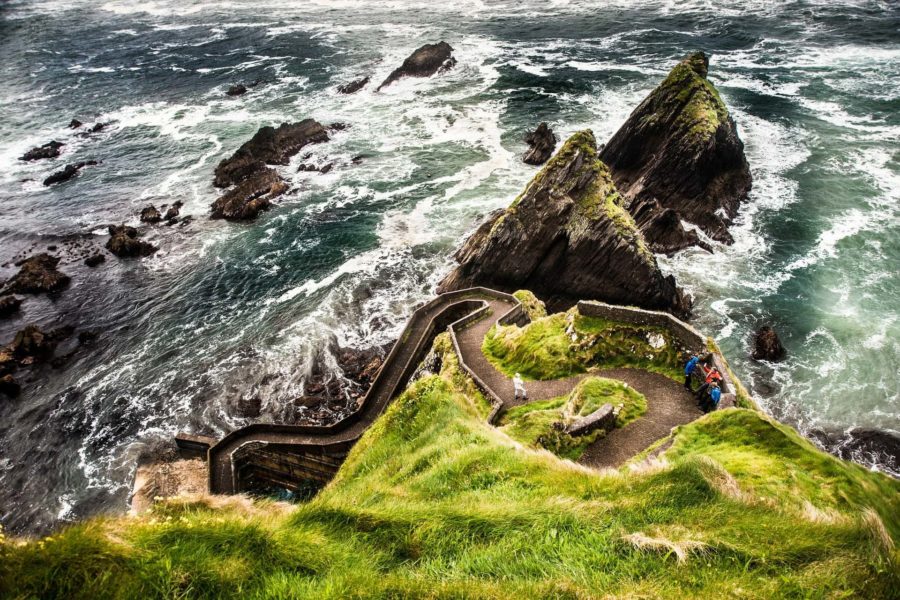
The Dingle Peninsula offers one of the most spectacular coastal routes in Ireland, with ocean views, ancient stone forts, and colorful villages. For travelers seeking authentic Irish landscapes, it’s Dingle vs the Ring of Kerry each offering stunning views, but Dingle wins for those who want fewer tour buses and a bit more craic.


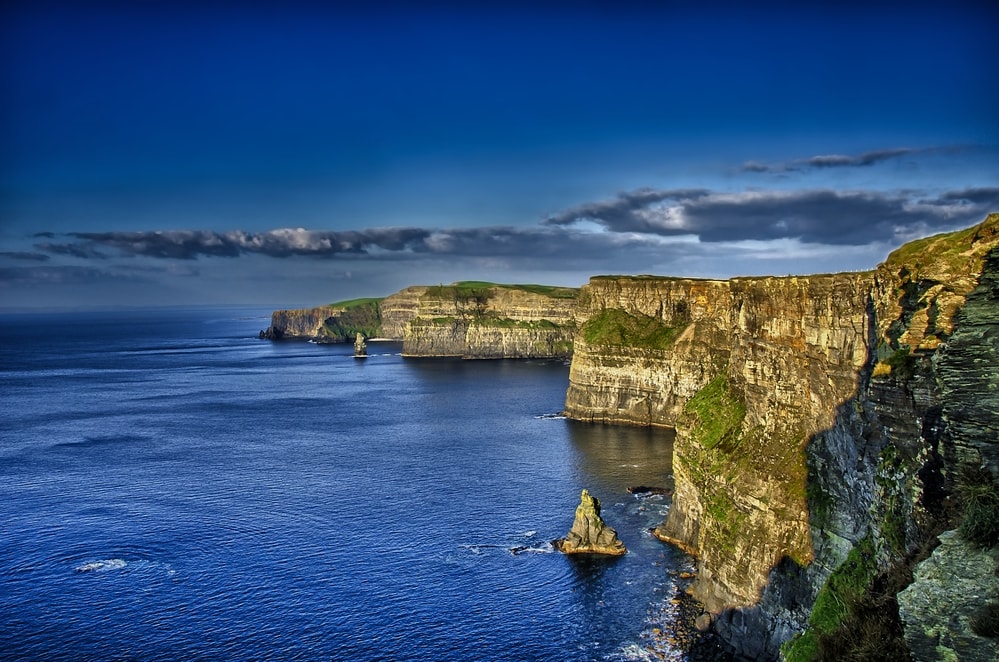
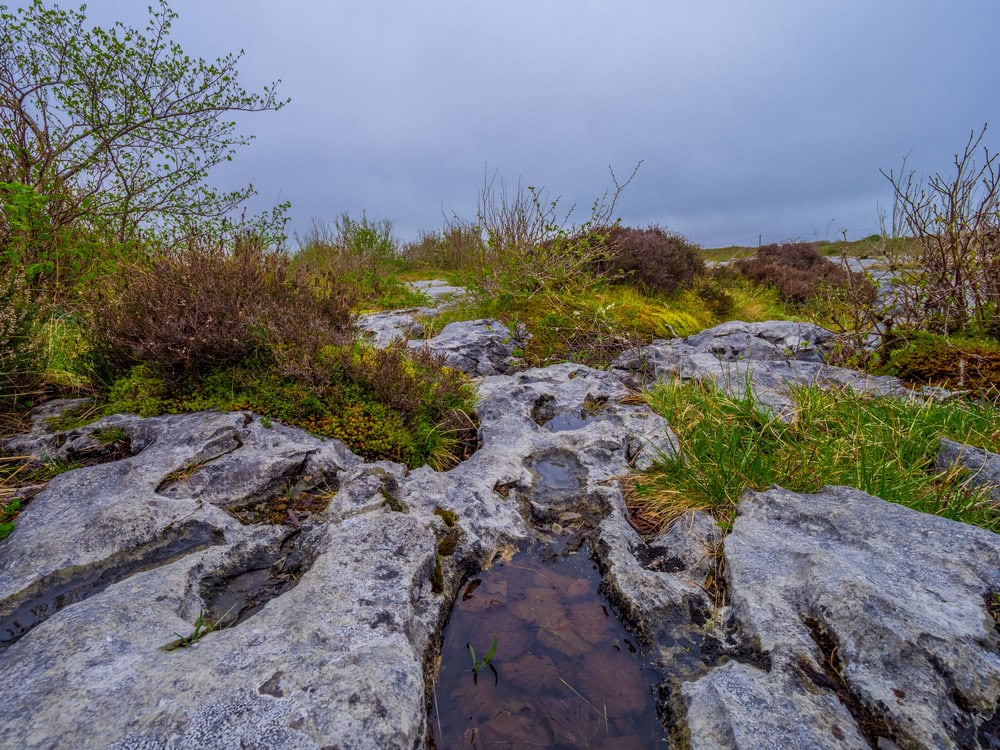
Day 7: Cliffs of Moher and The Burren
Drive north along the Wild Atlantic Way road trip route and stop at the dramatic Cliffs of Moher before exploring the limestone landscapes of The Burren.
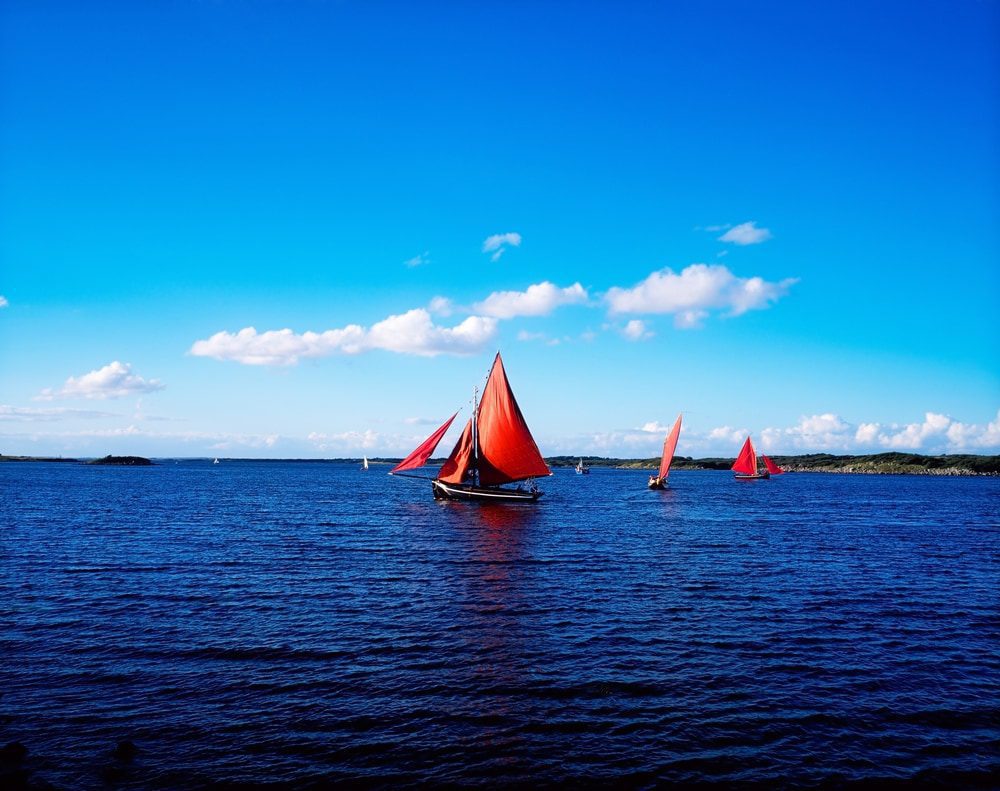
Day 8–9: Galway and Connemara
Galway’s lively pubs and cultural atmosphere make it a favorite stop on any Ireland driving holiday. Nearby Connemara offers rugged mountains and quiet coastal roads.
Day 10: Return to Dublin
Finish your Ireland road trip by returning east to Dublin, stopping along the way at historic sites such as Clonmacnoise monastery.
This itinerary provides a balanced introduction to Ireland’s natural beauty, historic landmarks, and authentic local culture.
Why Ireland Is Perfect for a First Road Trip Adventure
Ireland consistently ranks among the best countries in the world for road trips, and for good reason. The island offers incredible scenery packed into a relatively small area, meaning travelers can experience castles, dramatic coastlines, and historic villages within a single day’s drive.
Unlike many destinations where attractions are widely spread apart, Ireland’s compact geography allows visitors to explore several regions within one or two weeks. This makes it ideal for first-time visitors who want to see a wide range of landscapes without spending long hours behind the wheel.
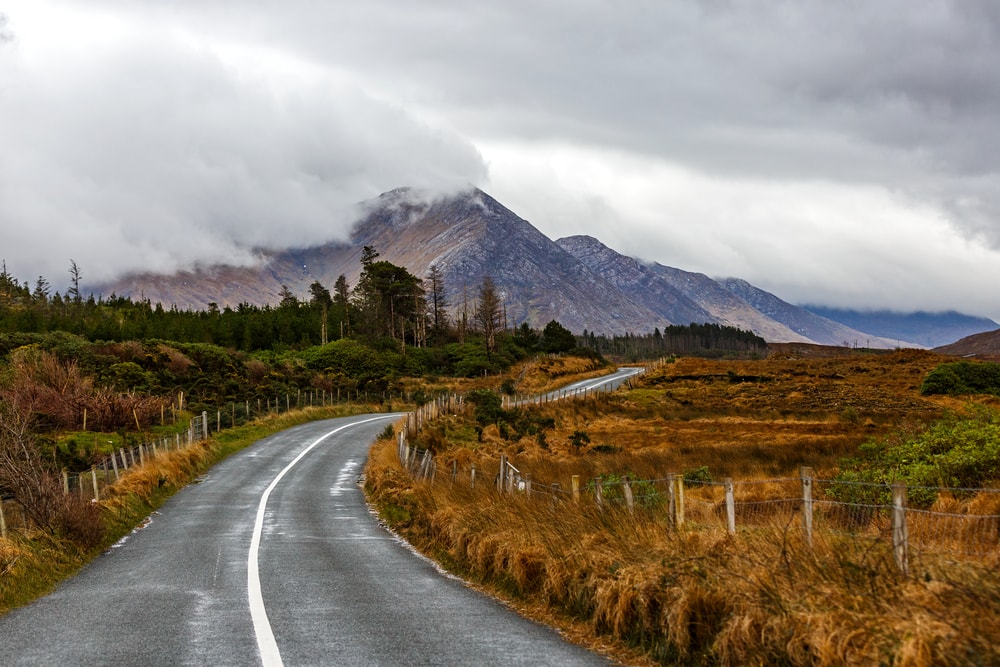
One of the biggest advantages of road-tripping Ireland is access to places that tour buses often miss. Many of the country’s most magical experiences occur in remote coastal villages, quiet rural valleys, and ancient ruins hidden down narrow country roads.
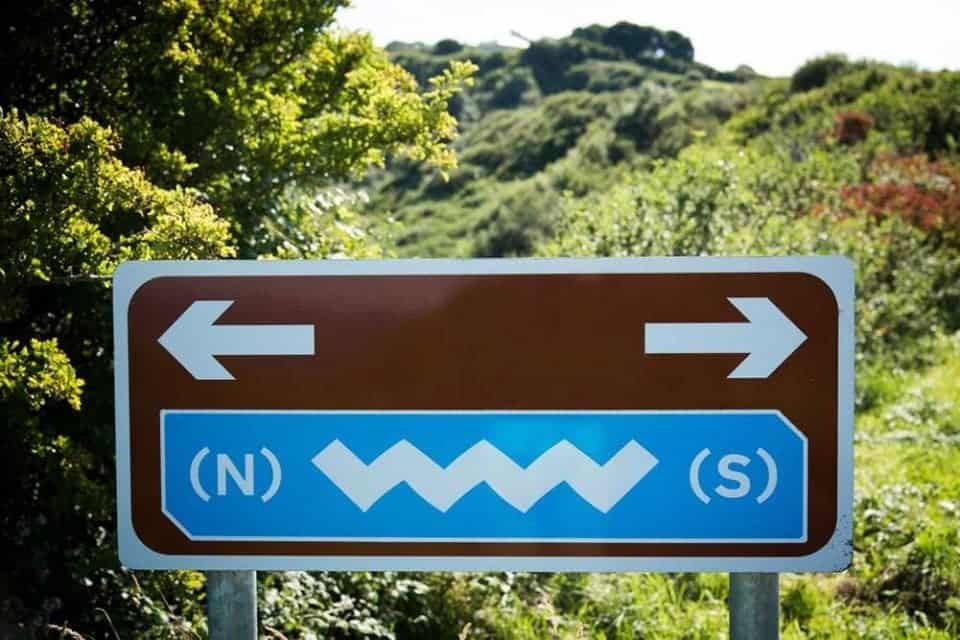
Driving also gives travelers the freedom to stop spontaneously. A small brown sign might lead to a thousand-year-old monastery, a prehistoric stone circle, or a cliffside viewpoint overlooking the Atlantic Ocean.
Ireland’s road network is also relatively easy to navigate. Major routes connect cities efficiently, while smaller regional roads reveal some of the country’s most beautiful scenery. While rural roads can be narrow, traffic is generally light compared to most European destinations.
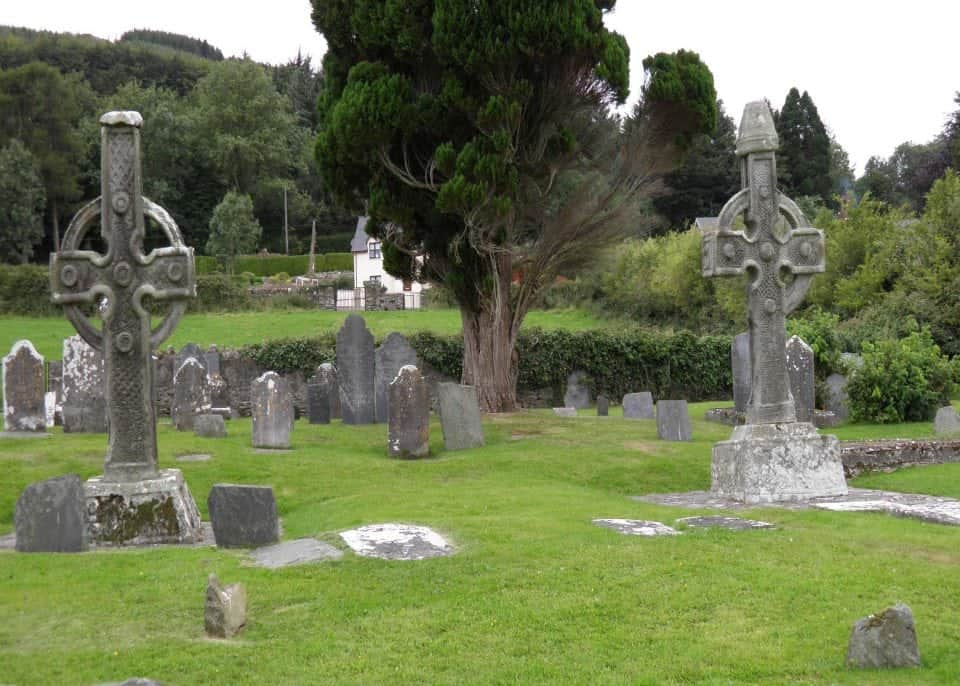
The country also offers an incredible blend of history and natural beauty. Travelers can visit medieval castles, admire ancient Celtic Crosses and stone Circles , walk along windswept cliffs in the afternoon, and finish the day enjoying traditional Irish music in a cosy pub.
For first-time visitors looking for an unforgettable travel experience, few journeys match the magic of an Ireland road trip.
Best Time of Year for an Ireland Road Trip (Weather, Crowds, and Driving Conditions)
Choosing the best time for an Ireland road trip can significantly influence your travel experience. Weather, daylight hours, tourist crowds, and driving conditions all play a role in determining when to plan your Ireland self drive itinerary.
While Ireland is known for its unpredictable weather, the country can be visited year-round. However, certain seasons offer clear advantages for travelers planning an Ireland driving holiday.
Before you pack, check the carry-on baggage rules for your airline.
Spring (March – May)
Spring is one of the best times to begin an Ireland road trip itinerary. During this season the countryside becomes vibrant with green landscapes, blooming wildflowers, and newborn lambs in rural fields.
Temperatures are typically mild, ranging between 8–15°C (46–59°F), making it comfortable for sightseeing and scenic walks. Tourist crowds are also smaller compared to summer, which means popular attractions like castles, historic monasteries, and coastal viewpoints are less crowded.
Spring is particularly beautiful along Ireland’s scenic drives, including routes through the Wicklow Mountains, the Ring of Kerry, and Connemara.

Summer (June – August)
Summer is the most popular time for an Ireland road trip, especially for first-time visitors exploring the Wild Atlantic Way road trip route.
Long daylight hours are one of the biggest advantages of summer travel. In June, sunset can occur after 10 PM, allowing travelers to explore scenic landscapes well into the evening.
Temperatures usually range between 15–20°C (59–68°F), creating pleasant conditions for walking tours, coastal drives, and exploring historic sites.
However, summer is also peak tourism season. Popular destinations like the Cliffs of Moher, Dingle Peninsula, and Killarney National Park may experience large crowds. Booking accommodation and rental cars well in advance is strongly recommended.

Autumn (September – October)
Many experienced travelers consider early autumn the best overall time for an Ireland driving holiday.
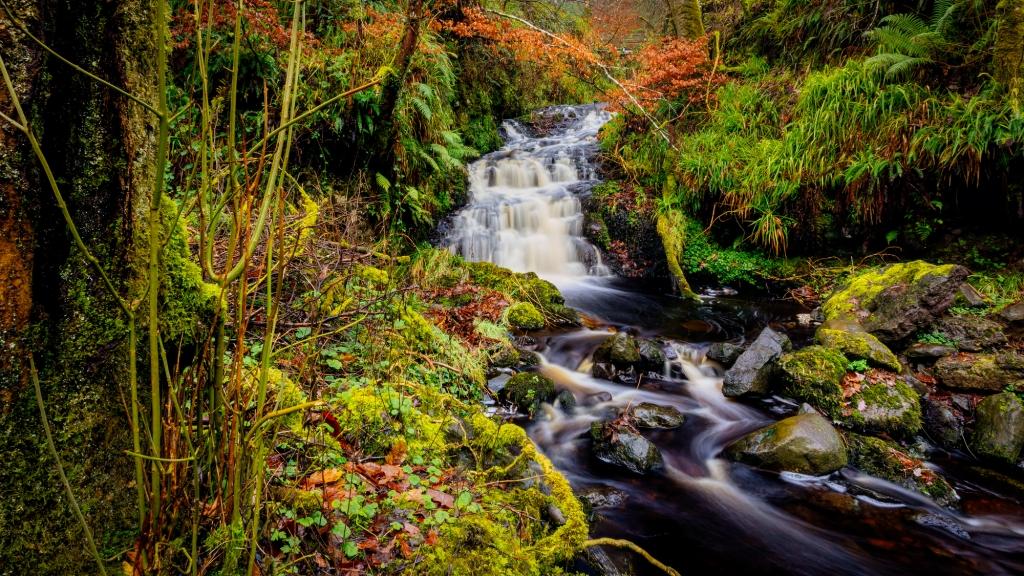
The weather often remains mild, while summer crowds begin to disappear. Landscapes become even more dramatic as forests and countryside change color.
Autumn also brings excellent food experiences. Many Irish towns host food festivals celebrating seafood, local produce, and traditional Irish cuisine.
Driving conditions remain excellent during this season, making it ideal for exploring Ireland scenic drives like the Beara Peninsula, the Wild Atlantic Way, and the Causeway Coastal Route.
Winter (November – February)
Winter is the quietest travel season in Ireland. While temperatures remain relatively mild compared to much of Europe, daylight hours are shorter and some rural attractions may have limited opening hours.
However, winter road trips still offer unique experiences. Cities like Dublin and Galway host Christmas markets and festive events, and many historic pubs feel especially cozy during colder months.
Travelers willing to embrace Ireland’s atmospheric winter landscapes can enjoy fewer crowds and lower accommodation prices.

When Is the Best Time for an Ireland Road Trip?
For most travelers, the best time to plan an Ireland road trip itinerary is between May and September. During these months, weather conditions are favorable, attractions remain fully open, and scenic landscapes are at their most vibrant.
However, those seeking fewer crowds may find that May, early June, and September provide the perfect balance of good weather and quieter roads.
Regardless of the season, Ireland’s landscapes, historic sites, castles, and charming villages make it one of the most rewarding road trip destinations in the world.
Best Ireland Road Trip Routes for First-Time Visitors
Choosing the right route is one of the most important decisions when planning an Ireland road trip. Fortunately, several well-known scenic routes make it easy for first-time visitors to explore the country’s most iconic landscapes.
The Wild Atlantic Way
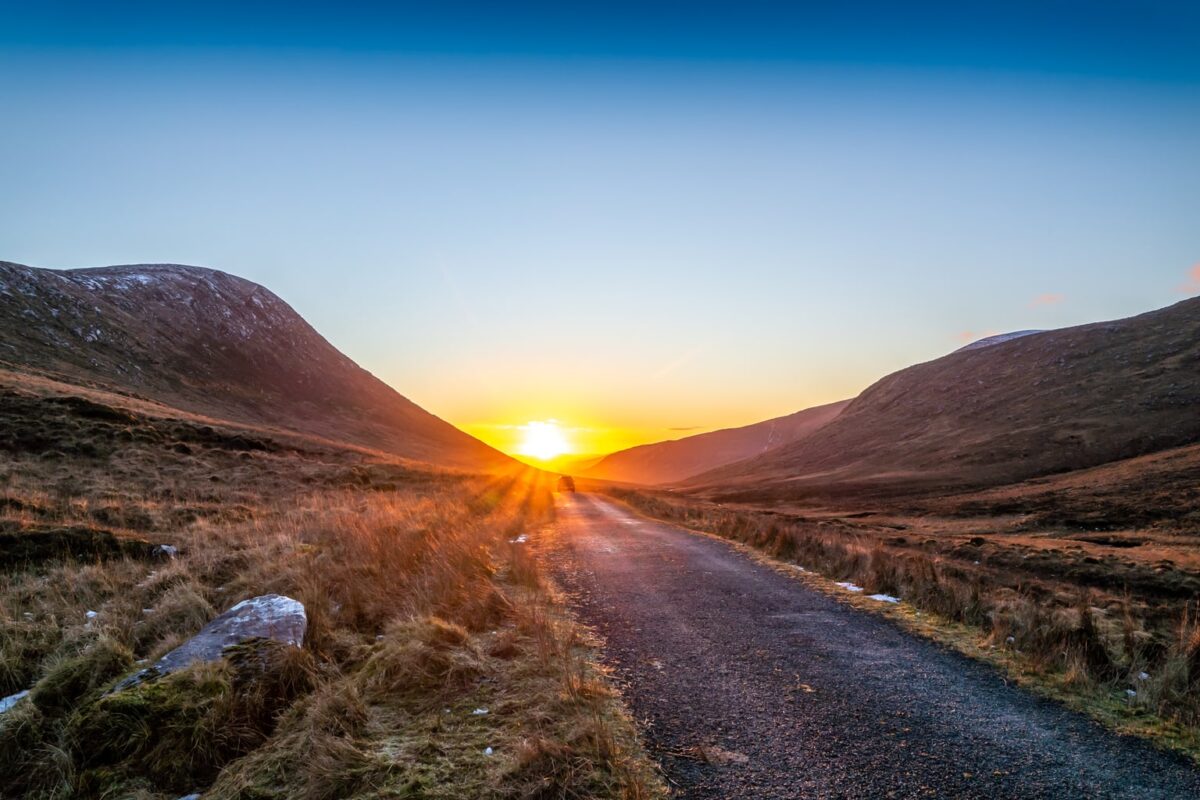
The Wild Atlantic Way is Ireland’s most famous road trip route. Stretching over 2,500 kilometers along the west coast, it offers dramatic ocean views, rugged cliffs, and charming fishing villages.
Popular highlights along the route include:
Cliffs of Moher
Dingle Peninsula
Connemara National Park
Achill Island
Slieve League Cliffs
Even if you don’t drive the entire route, exploring a section of the Wild Atlantic Way is essential.


Ireland’s Ancient East
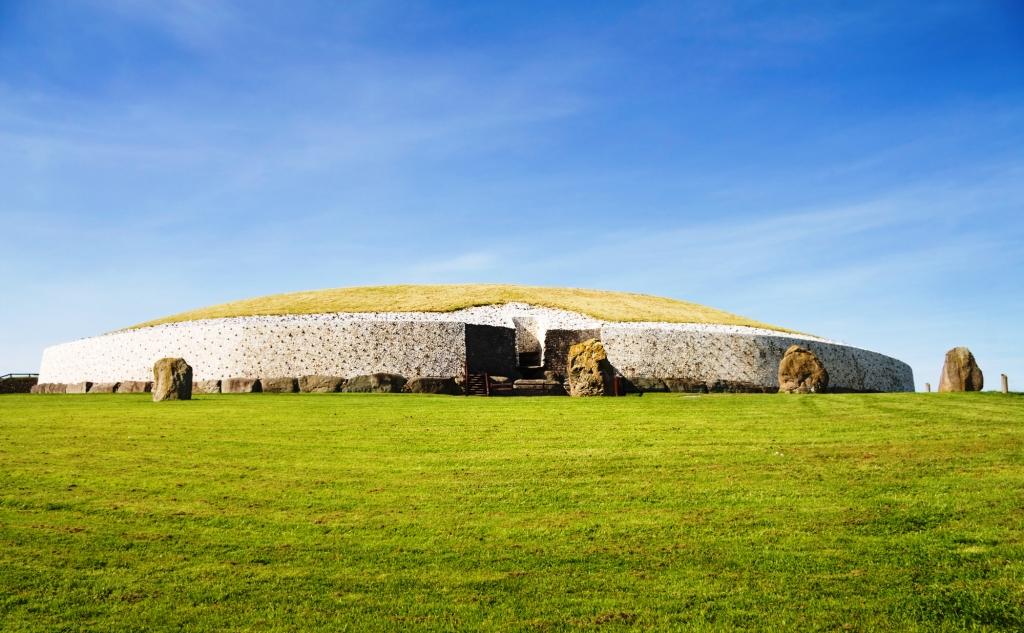
Ireland’s Ancient East focuses on history and archaeology. This region is home to ancient tombs, medieval monasteries, and Celtic crosses dating back thousands of years.
Important historic sites include:
Newgrange prehistoric tomb
Rock of Cashel
Monasterboice High Crosses
Glendalough monastic settlement
This region offers some of the richest cultural heritage in Europe.


Ireland’s Hidden Heartlands
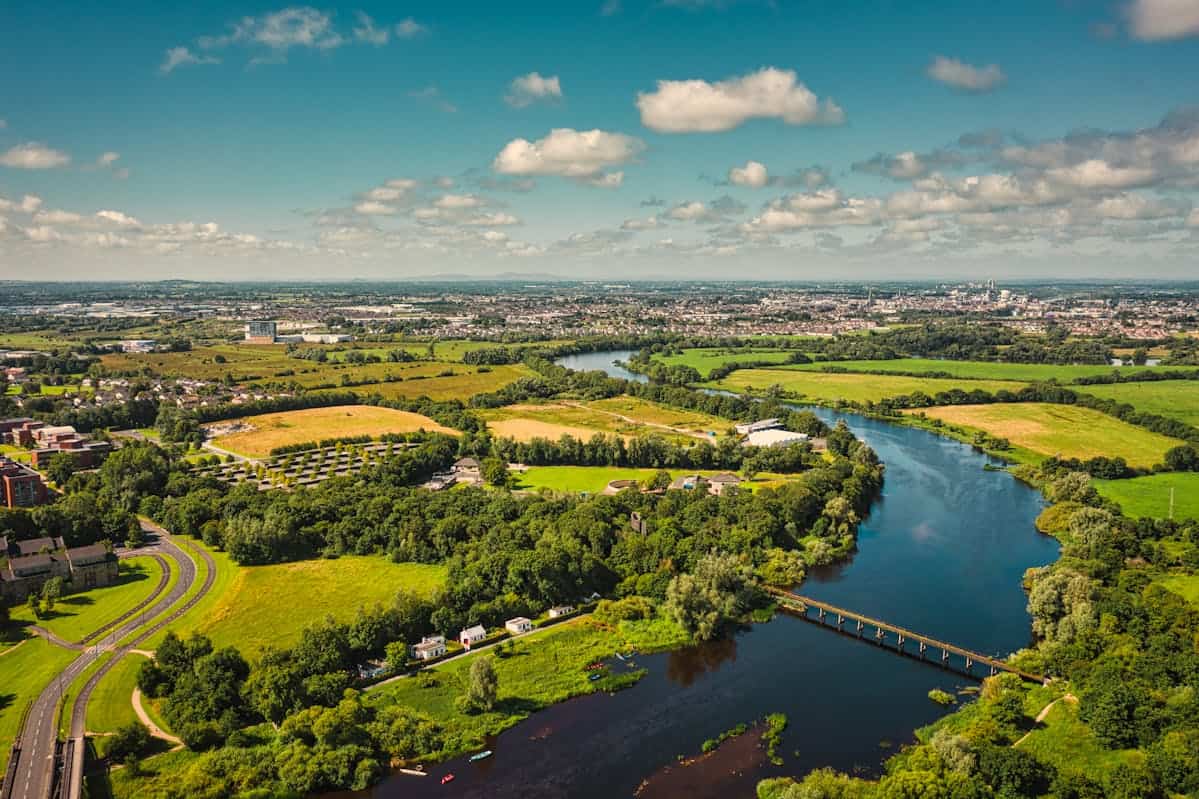
In Ireland’s Hidden Heartlands, the country exhales: riverways like the Shannon and tranquil lakes such as Lough Derg thread through drumlin hills, old boglands, and native woodland, inviting slow adventures over spectacle. Blueways, towpaths, and quiet boreens lead to heritage towns where stone bridges, market squares, and monastic ruins hold centuries of story, and the welcome is warm without fuss.
Important sites include:

The Ring of Kerry
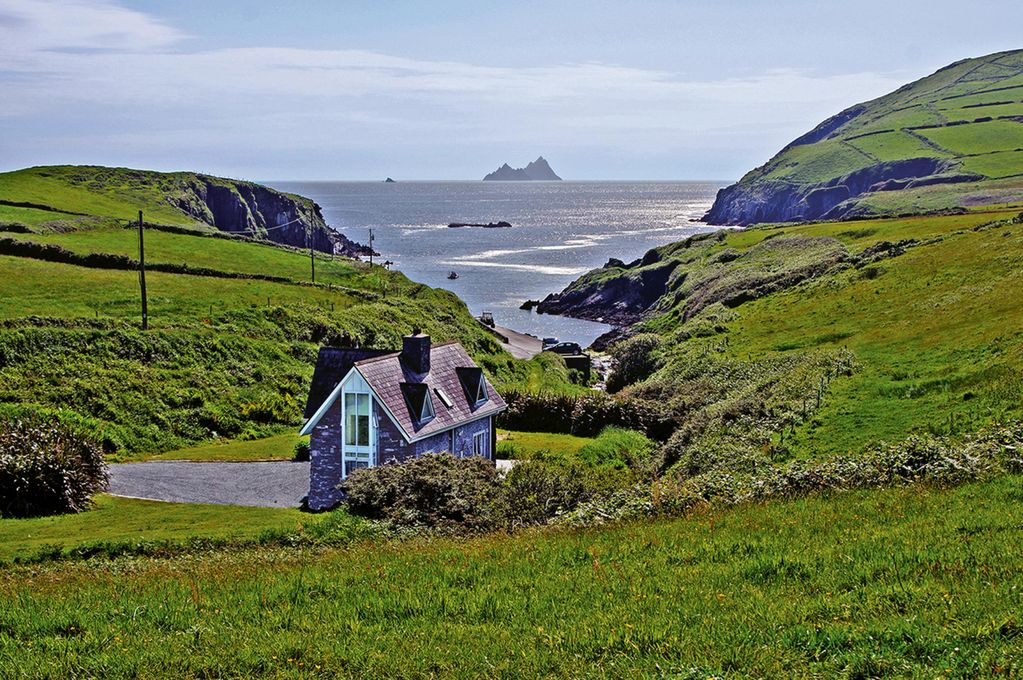
The Ring of Kerry is a circular scenic drive around the Iveragh Peninsula in southwest Ireland. It features mountains, lakes, coastal cliffs, and traditional villages.
Top stops include:
Ladies View
Killarney National Park
Ross Castle
The drive takes about 3–4 hours without stops, but most visitors spend a full day exploring. For first-time travelers, a great route combines Dublin, Ireland’s Ancient East, the southwest coast, and part of the Wild Atlantic Way.

Driving in Ireland: Essential Tips for First-Time Visitors
Driving in Ireland is generally straightforward, but there are a few important differences that first-time visitors should understand before hitting the road.
The most obvious change for many travelers is that vehicles drive on the left side of the road. While this can feel unusual at first, most visitors adjust quickly after a few hours behind the wheel.
Roundabouts are common throughout Ireland, particularly when entering towns or cities. Remember that traffic already in the roundabout has the right of way.

Another important factor is road size. In rural areas, especially along scenic coastal routes, roads can be extremely narrow. It’s common for two vehicles to slow down and carefully pass each other. Many visitors find that renting a smaller car makes driving easier, particularly on rural lanes.
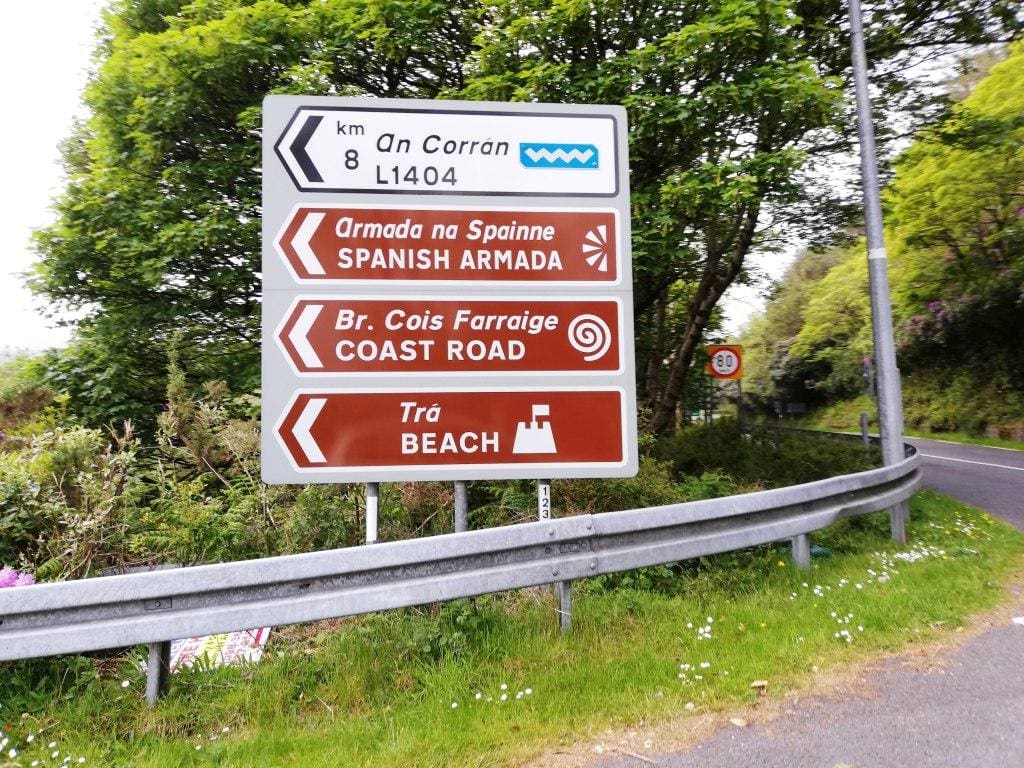
Speed limits are clearly marked, but they often change depending on the type of road. Some country roads may technically allow higher speeds than feel comfortable, so always drive cautiously. A brown sign usually indicates a historic or scenic area.
GPS navigation is helpful, but it’s also wise to download offline maps because mobile signal can be inconsistent in remote areas. Parking in small villages is usually easy, but larger cities like Dublin or Galway may require paid parking garages. Finally, allow extra travel time. Ireland’s scenic landscapes encourage frequent stops for photos, walks, or exploring unexpected attractions. Driving slowly and enjoying the journey is part of the experience.
Ireland Castle Road Trip: Exploring the Country’s Medieval Heritage
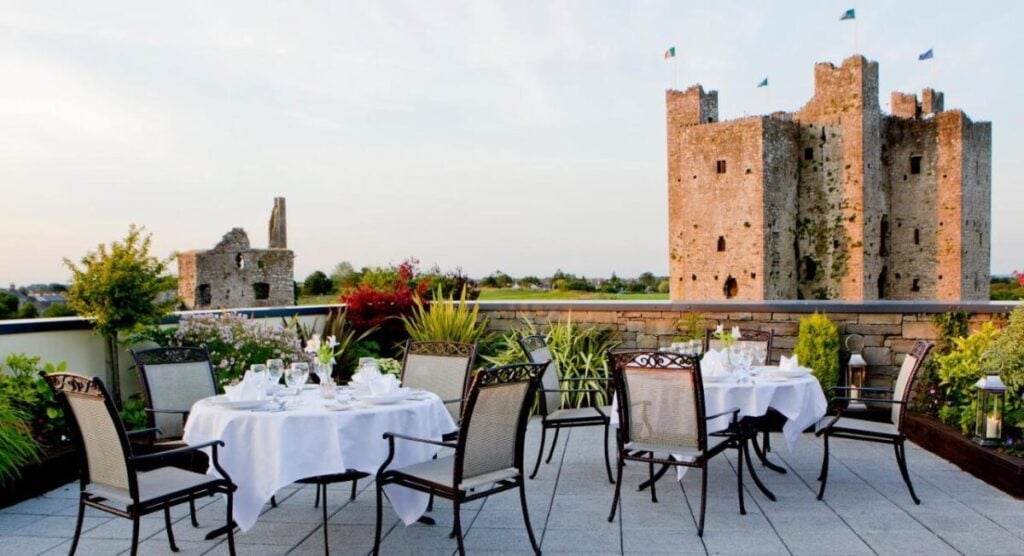
One of the most memorable themes for an Ireland road trip itinerary is exploring the country’s extraordinary collection of castles both castle hotels and ruins and of course haunted castles. With over 30,000 castles and ruins scattered across the island, Ireland offers one of the most fascinating medieval landscapes in Europe.

Planning an Ireland castle road trip allows travelers to combine historic sites with scenic drives, charming villages, and dramatic countryside views.
Many of Ireland’s castles date from the Norman invasion of the 12th century, while others were built by powerful Gaelic clans who controlled territories across the island.
Best Castles to Include on an Ireland Castle Road Trip
Blarney Castle (County Cork)
Famous for the legendary Blarney Stone, this medieval fortress attracts visitors from around the world. The surrounding gardens include mysterious rock formations, caves, and scenic walking paths.

Ashford Castle (County Mayo)
Now one of Ireland’s most luxurious hotels, Ashford Castle offers visitors a glimpse into aristocratic Irish life. The castle grounds include forests, lakeside paths, and falconry demonstrations.
Ballynahinch Castle Hotel (Connemara)
Dating back to the 1700s, Ballynahinch began life as a fishing lodge and was once linked to Grace O’Malley, with its remote rivers, forests, and stone interiors preserving a strong sense of Gaelic Ireland. Ballynahinch Castle sits on 700 acres in the heart of Connemara with views of the Twelve Bens. Once inhabited by Grace O’Malley, it is now one of Ireland’s finest hotels.
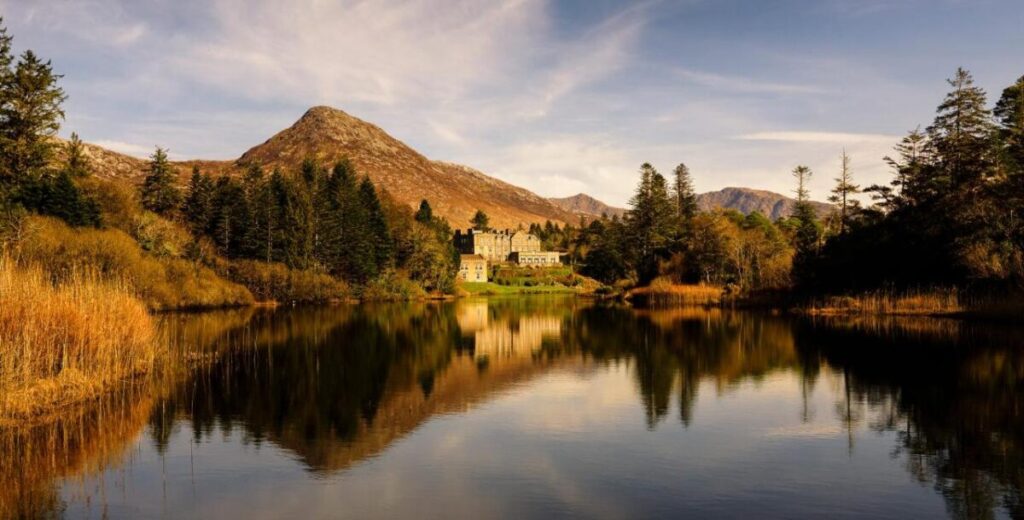
Dunguaire Castle (County Galway)
Situated on the edge of Galway Bay, this picturesque tower house is one of the most photographed castles in Ireland.

Driving between these historic landmarks allows travelers to experience not only Ireland’s medieval history but also some of the most beautiful countryside in Europe.
For travelers interested in history, photography, and scenic landscapes, a castle-focused Ireland road trip is one of the most rewarding travel experiences available.
Charming Irish Villages and Towns Worth Visiting
One of the most magical parts of an Ireland road trip is discovering its small villages. These towns often capture the essence of Irish culture, with colourful streets, traditional pubs, and historic architecture.
Adare is often described as Ireland’s prettiest village. Its thatched cottages, historic churches, and stone buildings create a picture-perfect setting. The village is also home to several excellent restaurants and boutique hotels.
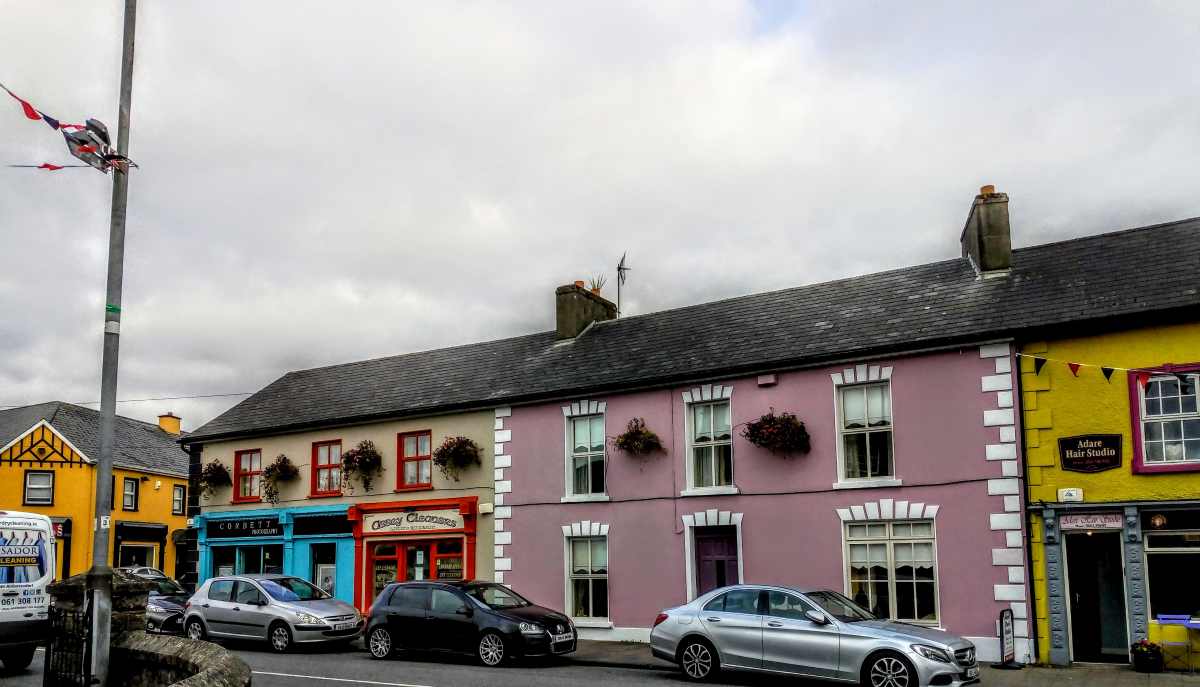
Dingle, located on the Dingle Peninsula, is famous for its lively atmosphere and traditional Irish music scene. The town is small but vibrant, with cosy pubs, seafood restaurants, and stunning coastal scenery nearby.
Cong is another charming village worth visiting. Located near the border of County Mayo and County Galway, it is known for Ashford Castle and scenic woodland walks.

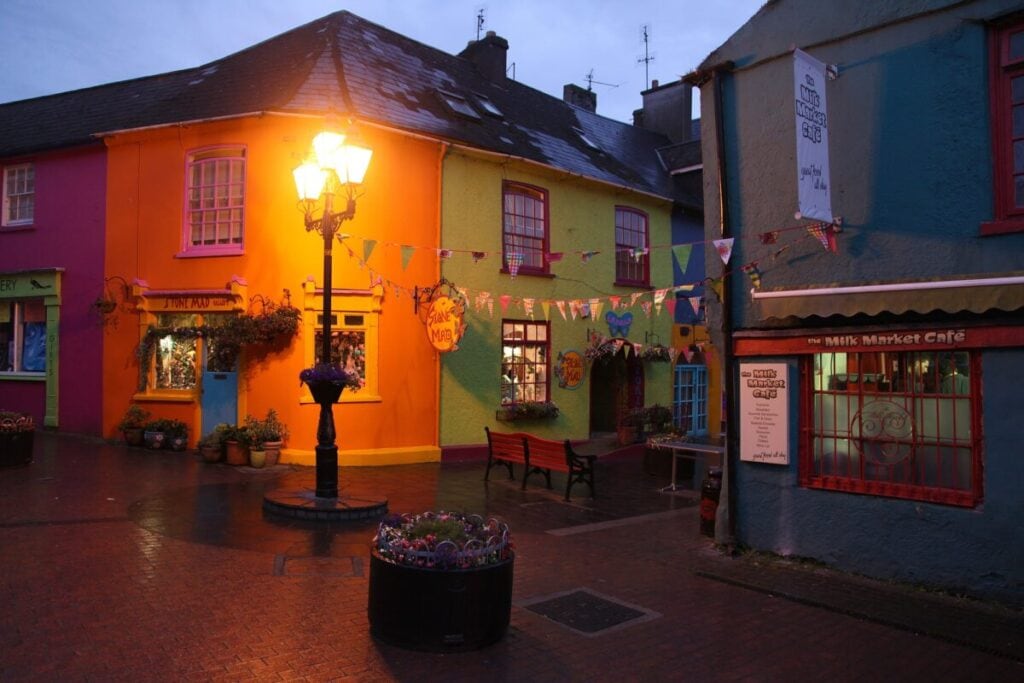
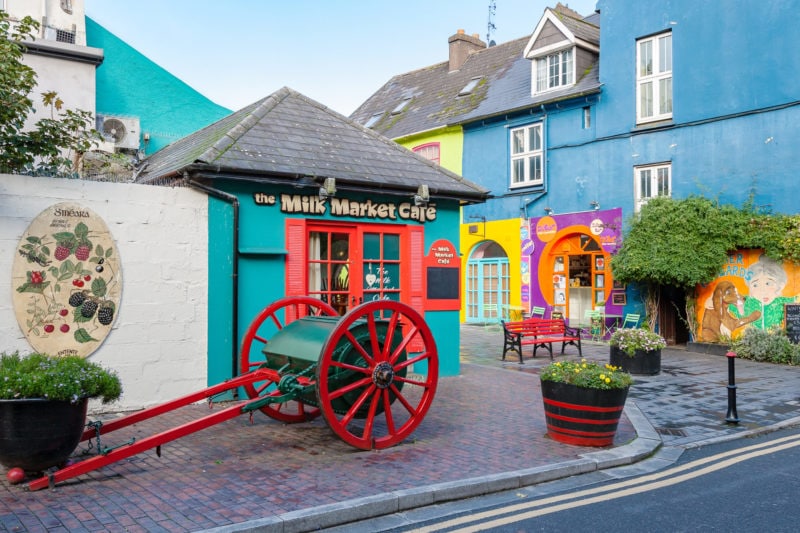
Kinsale, a colourful harbor town in County Cork, is considered Ireland’s gourmet capital. Its narrow streets are filled with brightly painted buildings and award-winning restaurants.
Kenmare is another favorite stop for road trippers exploring southwest Ireland. Located between the Ring of Kerry and the Beara Peninsula, it offers excellent food, shopping, and traditional music.
These villages offer the perfect opportunity to slow down, explore local culture, and meet friendly locals.

Ancient Historic Sites, Celtic Crosses, Dolmens, Stone Circles and Forts
Ireland’s history stretches back thousands of years, and some of the island’s most fascinating sites date to prehistoric times.
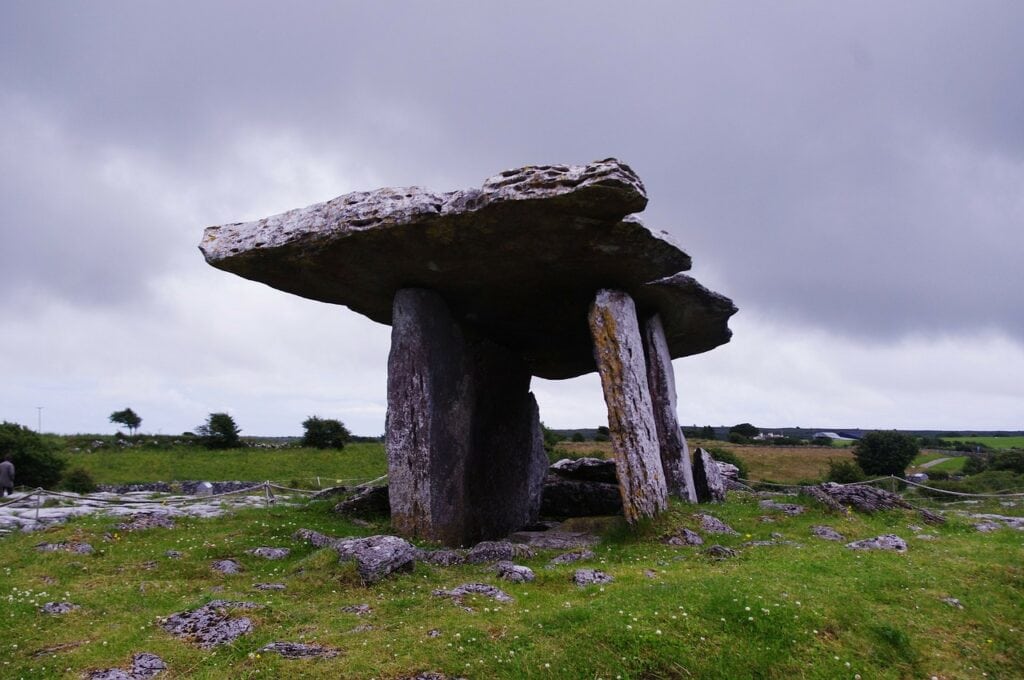
Dolmens are among the oldest monuments in Ireland. These ancient stone tombs were built more than 5,000 years ago and consist of massive stones supporting a flat capstone.
One of the most famous examples is the Poulnabrone Dolmen in the Burren region. Standing alone in a stark limestone landscape, it is one of Ireland’s most photographed prehistoric monuments.
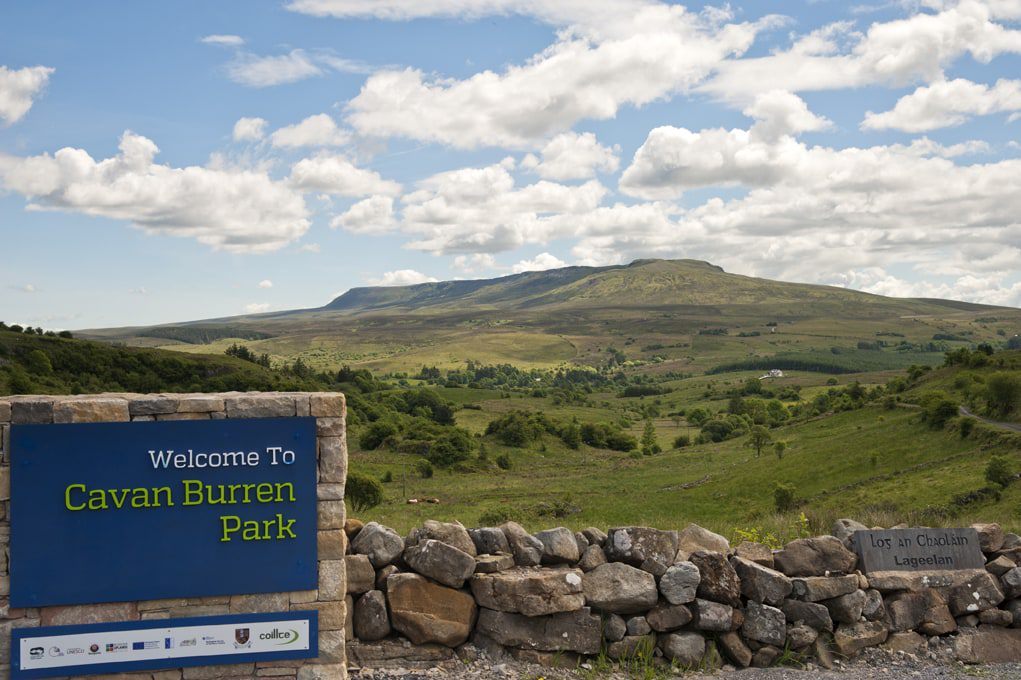
Ireland is home to a remarkable collection of ancient stone circles and stone forts, which stand as enduring testaments to the island’s rich prehistoric and early medieval past. Stone circles, such as the impressive Beltany in County Donegal with its 64 stones, were often significant ceremonial sites, with some dating back as far as 2500-500 BC and potentially aligned with astronomical events like the solstices.

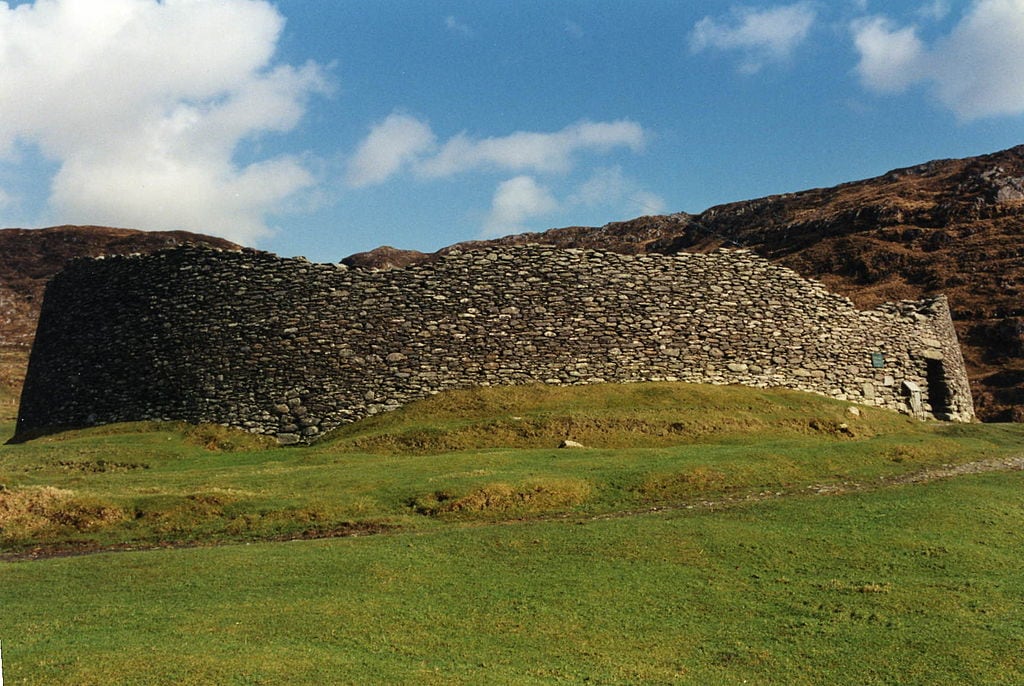
In contrast, stone forts, or caiseal and cathair in Irish, primarily functioned as defended homesteads for wealthy farmers and their livestock, with most built between 500 and 800 AD, though some like Staigue Fort in County Kerry may date from as early as 300-400 BC. These impressive dry-stone structures, built without mortar, showcase sophisticated engineering through their massive walls, internal terraces, and steps, with Dún Aonghasa on the Aran Islands being one of the most spectacular examples.
Celtic high crosses are another important feature of Ireland’s early Christian history. These intricately carved stone crosses date from around the 9th and 10th centuries.
The monastery at Monasterboice contains some of the finest high crosses in Ireland, including the famous Muiredach’s Cross, which features detailed biblical carvings.


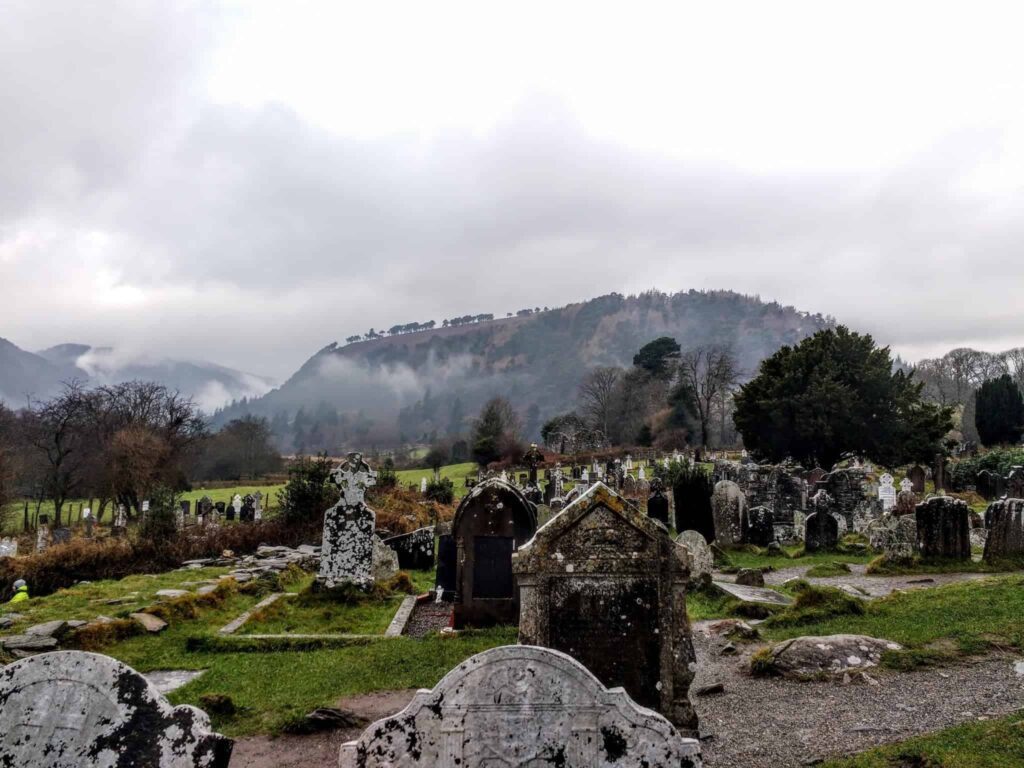
Glendalough is another remarkable historic site. Located in a glacial valley in the Wicklow Mountains, it was once a major monastic settlement founded in the 6th century.
Visitors can explore round towers, stone churches, and ancient graveyards surrounded by forested hills. These historic sites offer a powerful connection to Ireland’s ancient past.


Scenic Walks and National Parks to Explore
Ireland’s landscapes are best appreciated on foot, and many road trip routes pass through national parks and scenic walking areas.
Killarney National Park is one of the country’s most beautiful protected areas. It features lakes, waterfalls, forests, and mountain views.
Popular walks include the trail to Torc Waterfall and scenic paths around Muckross Lake.
Connemara National Park offers rugged mountains, peat bogs, and wild Atlantic coastline. The Diamond Hill hike provides stunning panoramic views of the surrounding landscape.

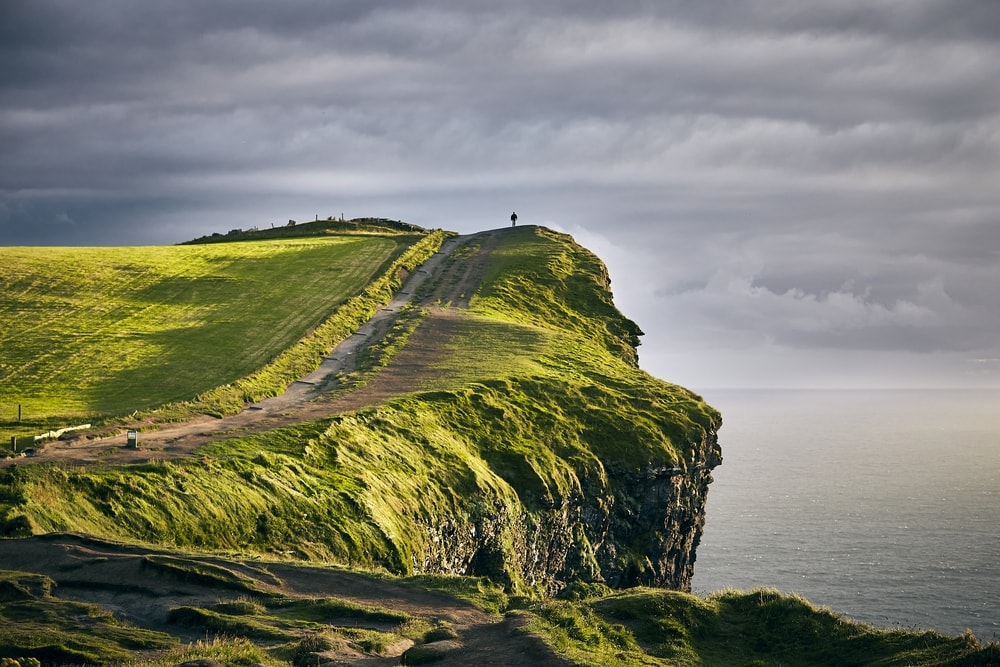
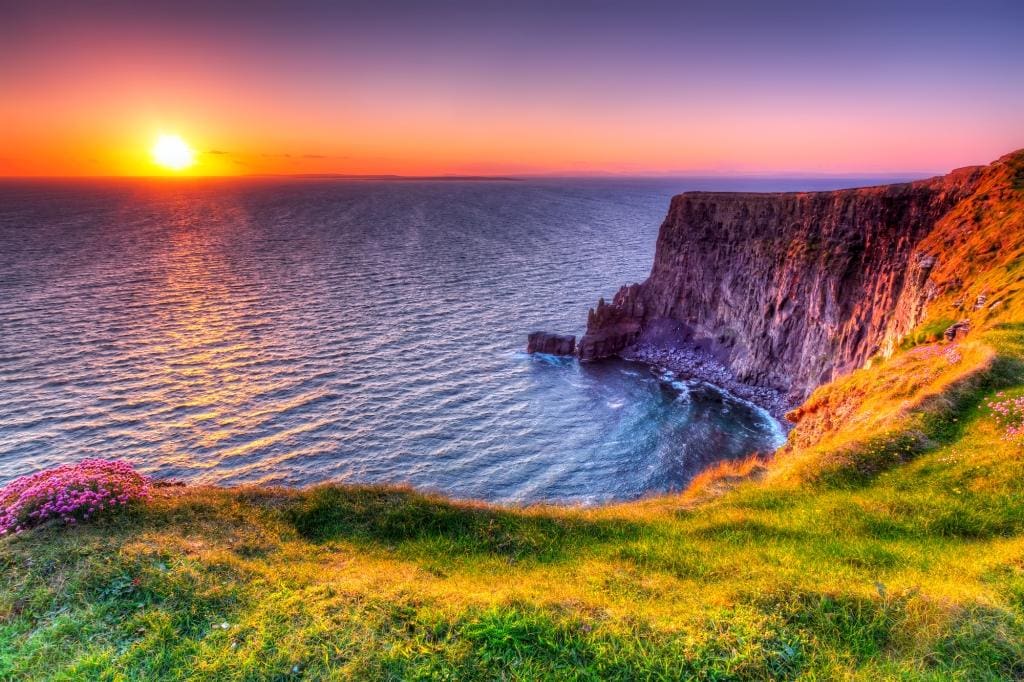
The Cliffs of Moher Coastal Walk is another unforgettable experience. This trail follows the cliff edge with dramatic views of the Atlantic Ocean hundreds of meters below.
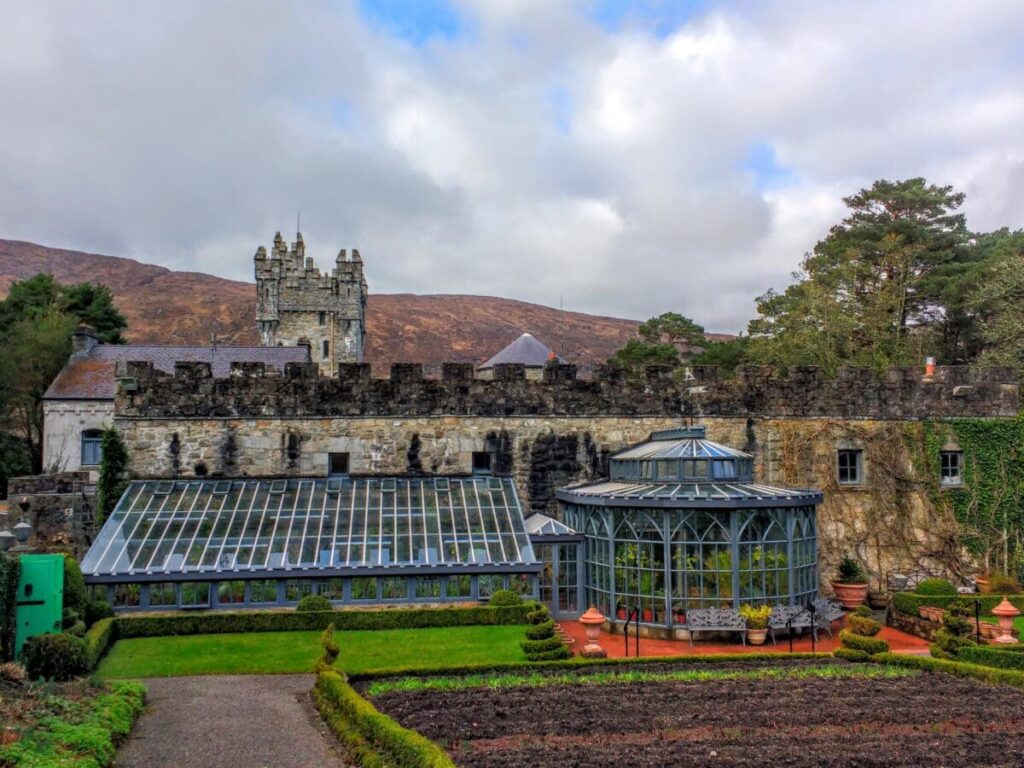
For those seeking quieter nature experiences, Glenveagh National Park in County Donegal offers remote wilderness and fewer crowds.
Walking these landscapes allows visitors to truly experience Ireland’s natural beauty.


Where to Stay on an Ireland Road Trip
Accommodation plays a major role in shaping your Ireland road trip experience.
One of the most popular options is staying in traditional Irish bed and breakfasts. These family-run guesthouses offer warm hospitality, comfortable rooms, and traditional homemade breakfasts.
Castle hotels provide a more luxurious experience. Staying in a historic castle like Ashford Castle or Ballynahinch Castle allows visitors to experience Ireland’s aristocratic past.
Boutique hotels are common in larger towns like Galway, Killarney, and Cork. Many feature stylish interiors and excellent restaurants. For travelers seeking a rural escape, countryside inns and farm stays offer peaceful settings surrounded by nature.
Booking accommodations in advance is recommended during peak summer months, particularly in popular destinations along the Wild Atlantic Way. Choosing a mix of accommodations can make your trip more memorable.


Where to Eat on an Ireland Road Trip (And What to Try)
Irish cuisine has evolved dramatically in recent years, and today the country offers a thriving food scene built around local ingredients. Seafood is a highlight, especially along the Atlantic coast. Fresh oysters, mussels, and Atlantic salmon appear on many menus.
Traditional dishes worth trying include Irish stew made with lamb, hearty seafood chowder, and soda bread served with local butter. Kinsale is widely known as Ireland’s culinary capital. The town’s restaurants specialize in seafood and modern Irish cuisine. Galway is another excellent food destination, with lively pubs serving both traditional dishes and international cuisine.



Small village pubs often offer surprisingly high-quality meals using locally sourced ingredients. For a truly authentic experience, seek out pubs hosting traditional Irish music sessions while serving hearty local food.
Hidden Gems Most Tourists Miss
While Ireland’s famous attractions are spectacular, some of the most rewarding experiences come from exploring lesser-known locations.
The Beara Peninsula is often overshadowed by the Ring of Kerry but offers equally stunning scenery with far fewer visitors.
Slieve League Cliffs in County Donegal are actually higher than the Cliffs of Moher yet remain relatively uncrowded.
The Burren landscape in County Clare is another hidden gem. Its unique limestone terrain supports rare wildflowers and ancient archaeological sites.
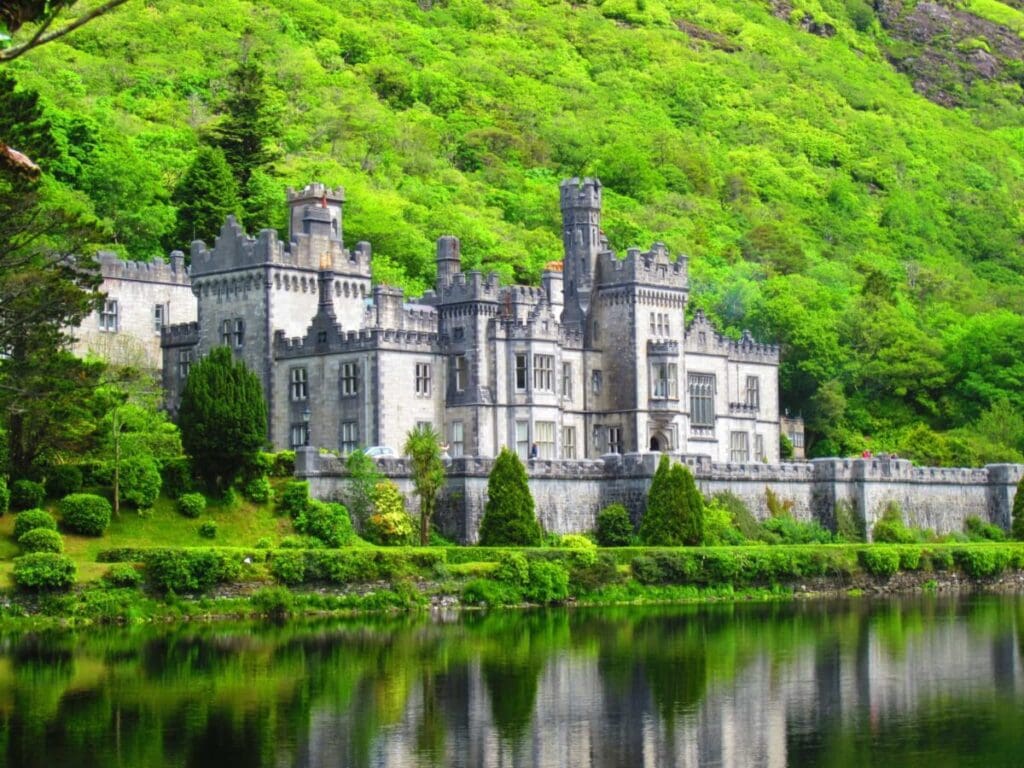
Kylemore Abbey in Connemara is another magical location, with a lakeside castle, Victorian gardens, and scenic mountain surroundings.
Exploring these hidden gems adds depth and authenticity to an Ireland road trip.
Planning the Perfect Ireland Road Trip
An Ireland road trip offers an unforgettable combination of natural beauty, ancient history, charming villages, and welcoming culture.
From dramatic Atlantic cliffs to peaceful countryside valleys, the country’s landscapes provide endless opportunities for exploration.
By combining iconic routes like the Wild Atlantic Way with historic sites, castle stays, and hidden gems, travelers can experience the very best Ireland has to offer.
Taking the time to slow down, explore small villages, and connect with locals often becomes the most memorable part of the journey. With thoughtful planning and a spirit of adventure, a first Ireland road trip can easily become the trip of a lifetime.
Ireland Scenic Drives You Should Not Miss
Ireland is famous for its breathtaking landscapes, and some of the country’s best experiences come from simply driving through its countryside and coastal roads.
Many travelers plan their entire Ireland driving holiday around discovering these incredible scenic drives.
Wild Atlantic Way Road Trip
The Wild Atlantic Way is the longest defined coastal driving route in the world, stretching more than 2,500 kilometers along Ireland’s west coast.
This legendary Ireland scenic drive includes dramatic cliffs, wild beaches, fishing villages, and historic landmarks.
Some of the most spectacular sections of the Wild Atlantic Way road trip include:
The Cliffs of Moher coastal route
The Dingle Peninsula’s Slea Head Drive
Connemara’s rugged mountain roads
Achill Island’s Atlantic Drive

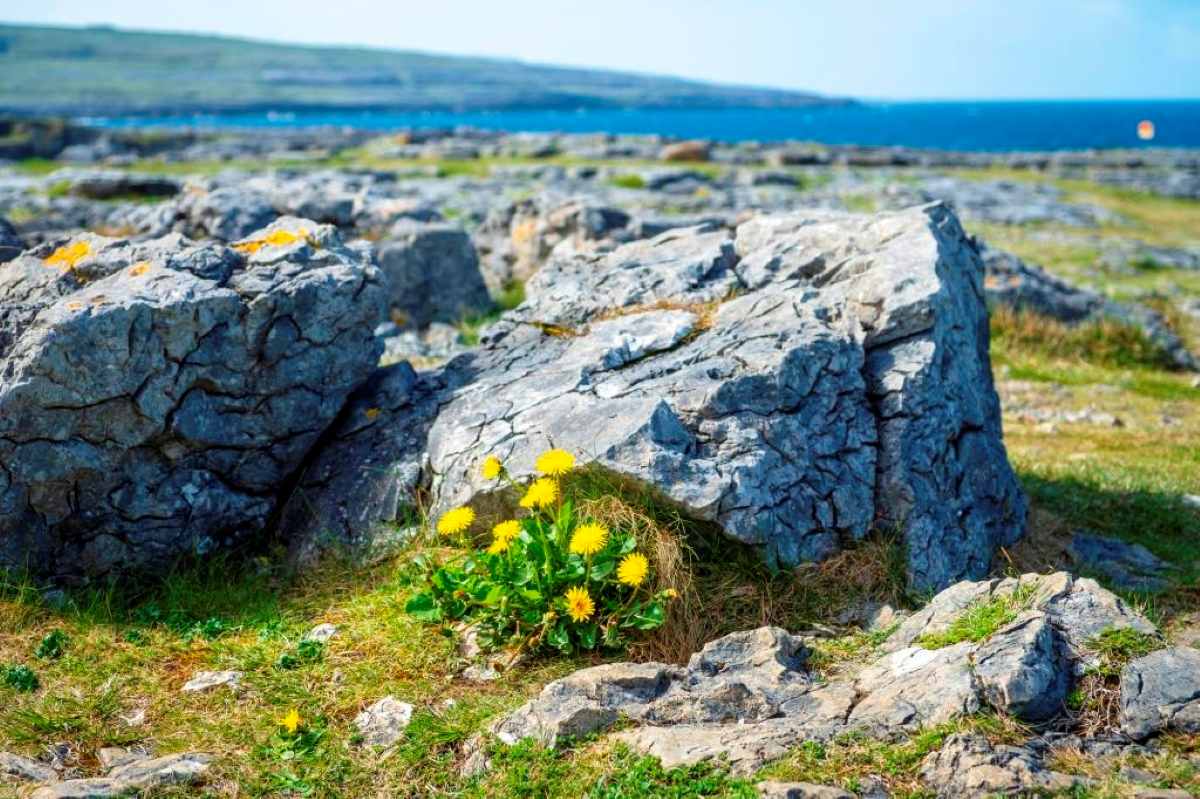
The Ring of Kerry
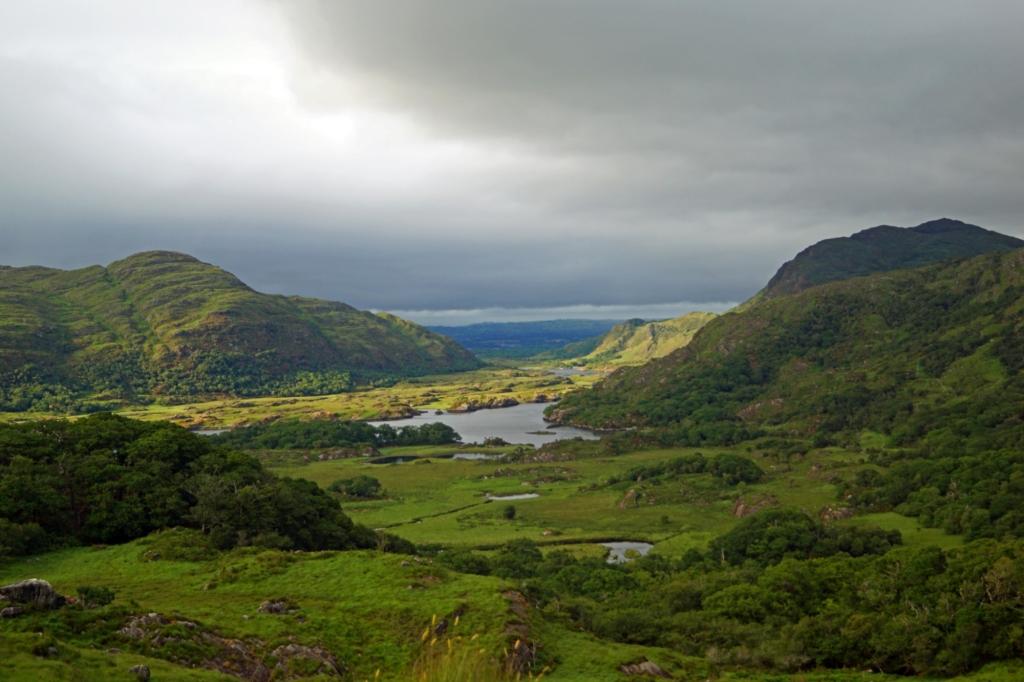
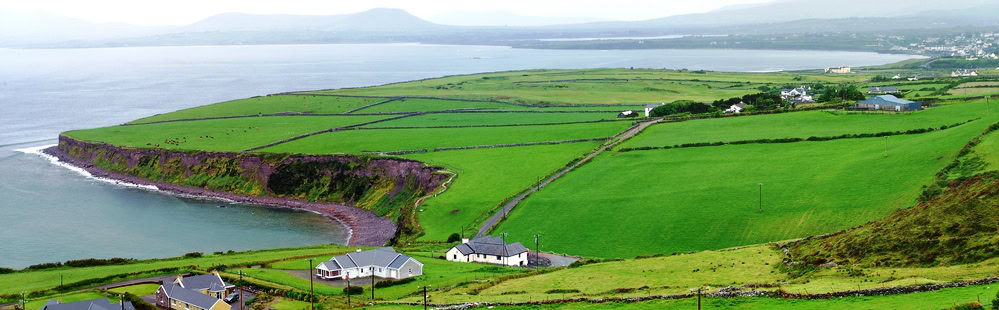
The Ring of Kerry is one of the most famous scenic drives in Ireland. This circular route around the Iveragh Peninsula features mountains, lakes, waterfalls, and panoramic ocean views.
Stops along the drive include:
Ladies View
Muckross House
Ross Castle
Skellig Ring viewpoints

The Causeway Coastal Route
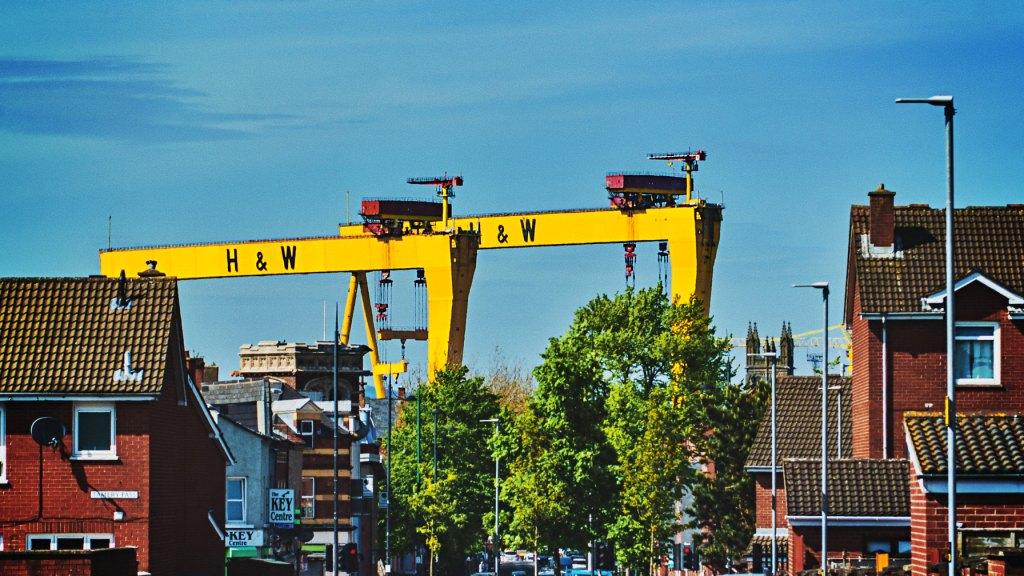
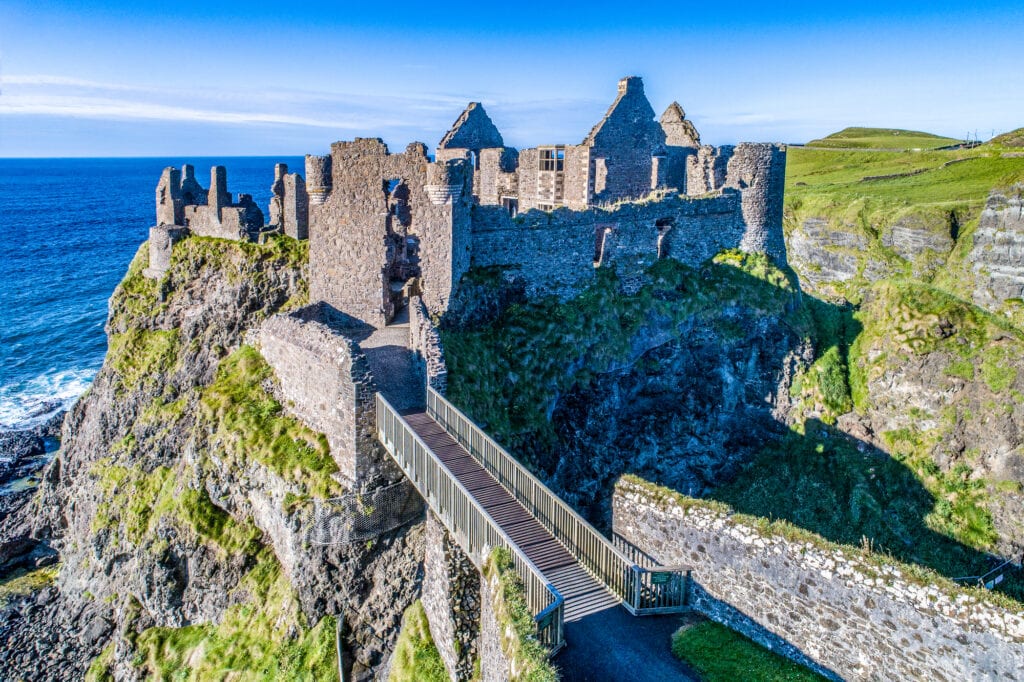
In Northern Ireland, the Causeway Coastal Route connects Belfast to the Giant’s Causeway. This drive passes castles like Dunluce, cliffs the Carrick-a-rede rope walk, and charming seaside villages.
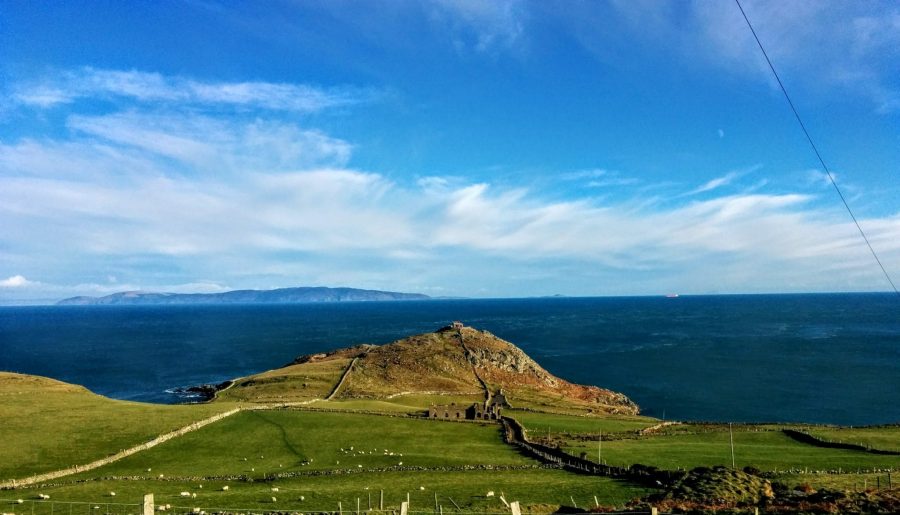
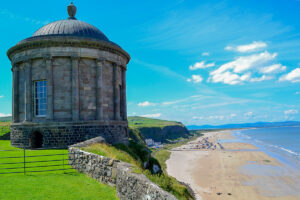
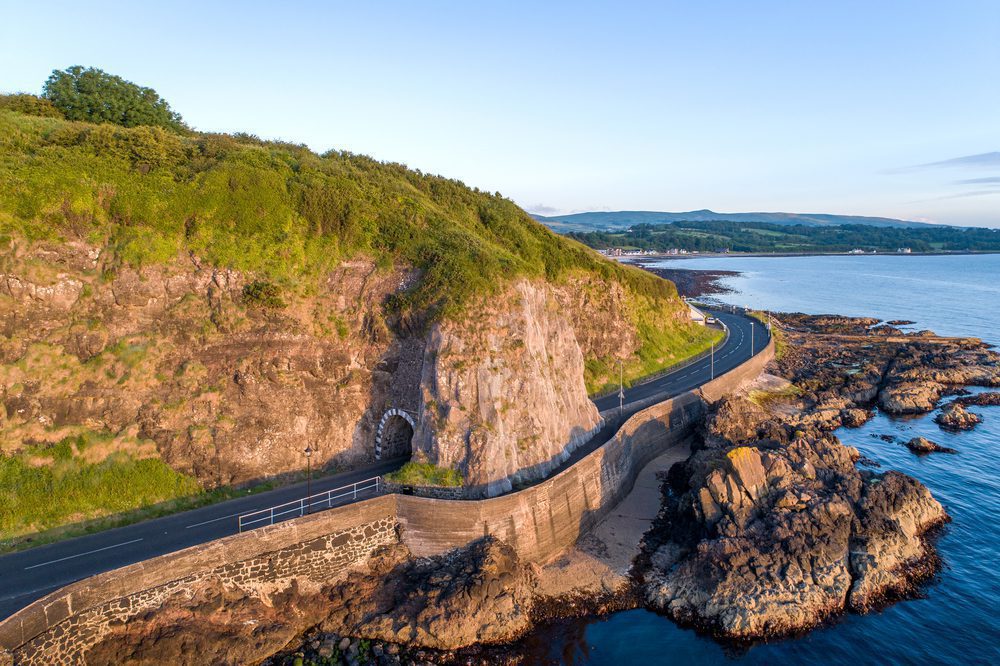
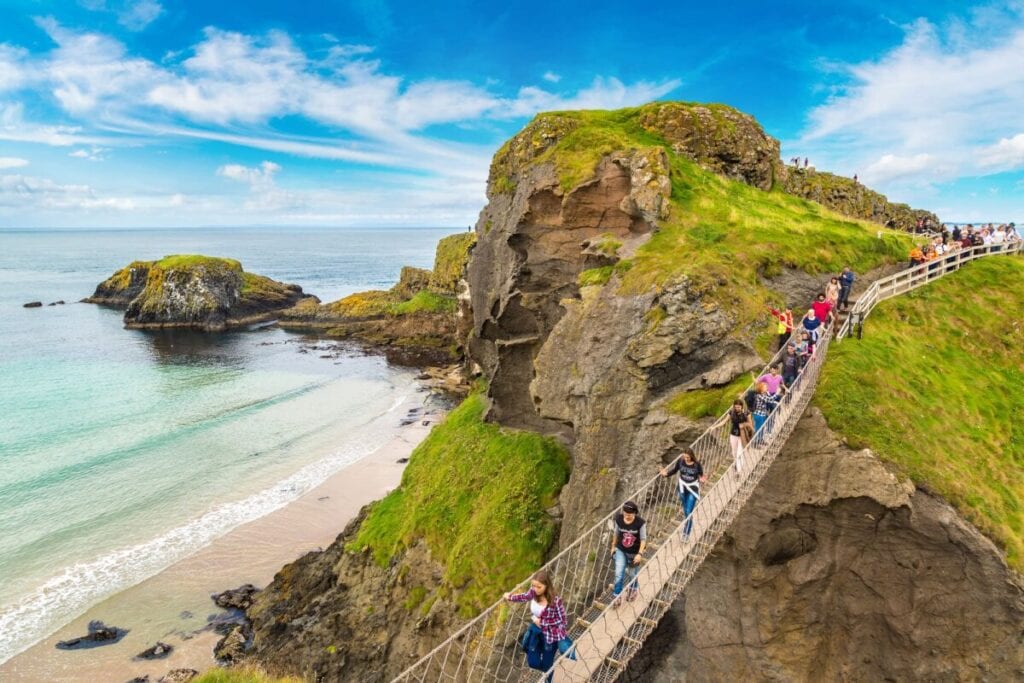
Many travelers consider it one of the most beautiful coastal drives in Europe.
Exploring these scenic routes transforms a simple road trip into an unforgettable Ireland travel experience.
FAQ: Ireland Road Trip Tips for First-Time Visitors
How many days do you need for an Ireland road trip?
10–14 days is ideal for first-time visitors to explore multiple regions without rushing.
Is driving in Ireland difficult?
Driving is generally easy, though visitors must adjust to driving on the left side and narrow rural roads.
What is the best month for an Ireland road trip?
May, June, and September offer the best balance of good weather and fewer crowds.
Do you need a car to explore Ireland?
While trains connect major cities, a car is the best way to explore scenic regions and rural villages.
What is the most scenic drive in Ireland?
The Wild Atlantic Way is widely considered the most scenic driving route in Ireland.
Are castles in Ireland open to visitors?
Many castles are open for tours, while others operate as luxury hotels or historic sites.
Is Ireland expensive for road trips?
Costs vary, but Ireland can be moderately expensive, especially for accommodation during peak season.
How to Plan the Perfect Ireland Road Trip
An Ireland road trip is one of the most rewarding ways to experience the country’s landscapes, culture, and deep history. From the dramatic Atlantic cliffs of the west coast to ancient monasteries, prehistoric dolmens, colorful villages, and medieval castles, driving through Ireland allows travelers to experience the island at their own pace.
For first-time visitors, the key to a successful road trip is balancing iconic attractions with quieter local discoveries. Famous destinations like the Cliffs of Moher, the Ring of Kerry, and the Rock of Cashel are absolutely worth visiting, but some of the most memorable moments often happen in unexpected places a hidden stone circle beside a country road, a peaceful walk through Killarney National Park, or a spontaneous stop in a village pub where traditional Irish music fills the room.

Choosing the right route is equally important. Combining Dublin and Ireland’s Ancient East with sections of the Wild Atlantic Way provides the perfect introduction to the country. Along the journey, travelers can explore Celtic high crosses at ancient monasteries, stand beside 5,000-year-old dolmens, and wander through picturesque villages like Dingle, Adare, or Cong.
Accommodation also plays a big role in shaping the experience. Staying in welcoming family-run B&Bs, charming countryside inns, or even historic castle hotels offers a deeper connection to Irish hospitality and local culture. Pair those stays with meals in traditional pubs serving fresh seafood, hearty Irish stew, and homemade soda bread, and the journey becomes even more memorable.

Ultimately, an Ireland road trip is not just about checking landmarks off a list. It’s about discovering the rhythm of the countryside, meeting locals, and experiencing landscapes that feel almost timeless.
Whether you’re exploring dramatic coastal drives, ancient historic sites, or hidden gems far from the main tourist routes, Ireland offers a road trip experience that stays with travelers long after the journey ends.
Join 7,500 Ireland travellers in my Ireland Uncovered Facebook Group and 1,897 on my XYUandBEYOND PAGE
Start Planning Your Trip
👉 Public Transportation in Ireland
👉 Hidden Gems in Ireland – 32 Secret places to visit
👉 Answering all your travel questions about Ireland
👉What to pack for your Ireland trip
👉 Northern Ireland Public Transportation
Driving in Ireland articles
Guide for first-time drivers in Ireland
How to visit Glenveagh without a car
Travelling in Ireland without a car