
Discovering County Louth, Ireland a Comprehensive guide
Nestled along Ireland’s eastern coast, County Louth, also known as the “Wee County,” is Ireland’s smallest county. Despite its size, Louth is brimming with history, stunning scenery, vibrant towns, and rich cultural heritage. This guide will help you plan your trip to County Louth, including how to get there, where to stay, where to eat, and the top things to do.

If you’re planning a trip to Ireland and looking for a destination that combines history, natural beauty, and a touch of local charm, consider visiting County Louth in Ireland’s Ancient East. County Louth is in the northeast of Ireland and often overlooked but this small county packs a big punch with its attractions and experiences. Here’s what you need to know about exploring County Louth.
- Discovering County Louth, Ireland a Comprehensive guide
- What are the best things to do in County Louth?
- What are some popular places to visit in Carlingford?
- What makes the Boyne Valley a must-visit in County Louth?
- Are there any outdoor activities in County Louth?
- How to visit Louth
- Practical Tips for Visitors
- Rich History and Heritage of Co Louth
- Things to do in County Louth
- Cooley Peninsula
- Great Walks and hikes in Louth
- An abundance of Beaches
- Myths and legends – 12 Ancient sites
- Where to Stay in County Louth
- Where to Eat in County Louth
- Festivals and special events
What are the best things to do in County Louth?
When it comes to discovering the best things to do in County Louth, visitors can explore a wide range of attractions. From the stunning coastal views of Carlingford Lough to the historical sites in the Boyne Valley, there is something for everyone. Key activities include visiting the ancient ruins of Monasterboice with its famous high cross, exploring the scenic Greenway, and enjoying outdoor adventures in the Cooley Peninsula. Don’t forget to stop by the charming town of Drogheda to witness its rich history and vibrant culture.
What are some popular places to visit in Carlingford?

Carlingford is a picturesque village located on the shores of Carlingford Lough. It offers a variety of attractions, including the Carlingford Adventure Centre, where visitors can engage in activities such as kayaking and rock climbing. The historic Proleek Dolmen and the medieval Carlingford Castle are also must-see landmarks. Additionally, the village is surrounded by the stunning Mourne Mountains, which provide excellent hiking opportunities.
From Carlingford you can also take the car ferry across to Northern Ireland. Crossing time is around 15 minutes and for both Vehicle & Driver cost is typically around €15 / £13 one-way, or €25 / £22 for a same-day return ticket.

What makes the Boyne Valley a must-visit in County Louth?
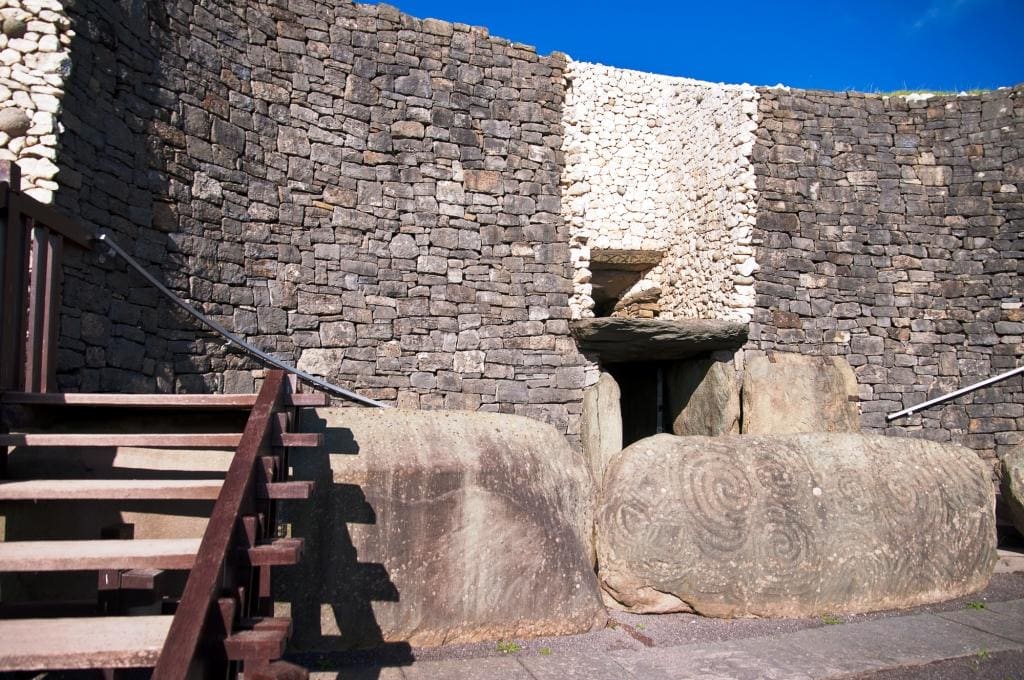
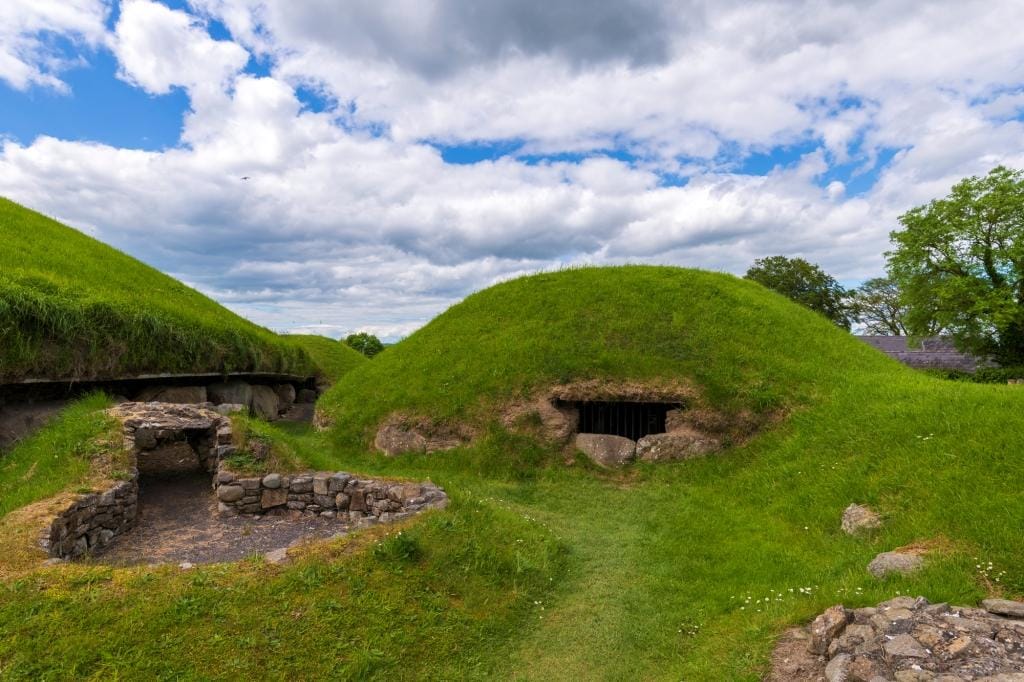
The Boyne Valley is renowned for its rich archaeological and historical significance. It is home to several UNESCO World Heritage sites, including the ancient passage tombs of Newgrange and Knowth. Visitors can also explore the Mellifont Abbey, the first Cistercian monastery in Ireland, and the town of Drogheda, which boasts impressive medieval architecture. The valley is perfect for those who appreciate history, culture, and stunning landscapes.
Are there any outdoor activities in County Louth?
Yes! County Louth offers a plethora of outdoor activities. The Greenway is an excellent choice for walking and cycling, providing scenic views of the countryside. The Cooley Peninsula is perfect for hiking, with trails that offer breathtaking views of the surrounding landscapes. Additionally, Carlingford Lough is ideal for watersports.
How to visit Louth
Getting to County Louth is straightforward and convenient due to its central location on Ireland’s east coast, close to Dublin. If you’re traveling from Dublin, Louth is just an hour’s drive north along the M1 motorway, making it easily accessible by car. The county’s two main towns, Drogheda and Dundalk, are well-connected by public transportation, including direct trains and buses from Dublin and Belfast, with frequent services that make for a comfortable journey.
For international visitors, Dublin Airport is the nearest major airport, just a 30- to 60-minute drive depending on your destination within Louth. Once there, Louth’s compact size and well-maintained roads make it easy to explore its historic sites, coastal scenery, and quaint villages.
Practical Tips for Visitors
Getting Around: Renting a car is a convenient way to explore County Louth. The county is small enough to navigate easily, and having your own transport allows you to enjoy the scenic routes at your own pace.
Carlingford Lough Car Ferry
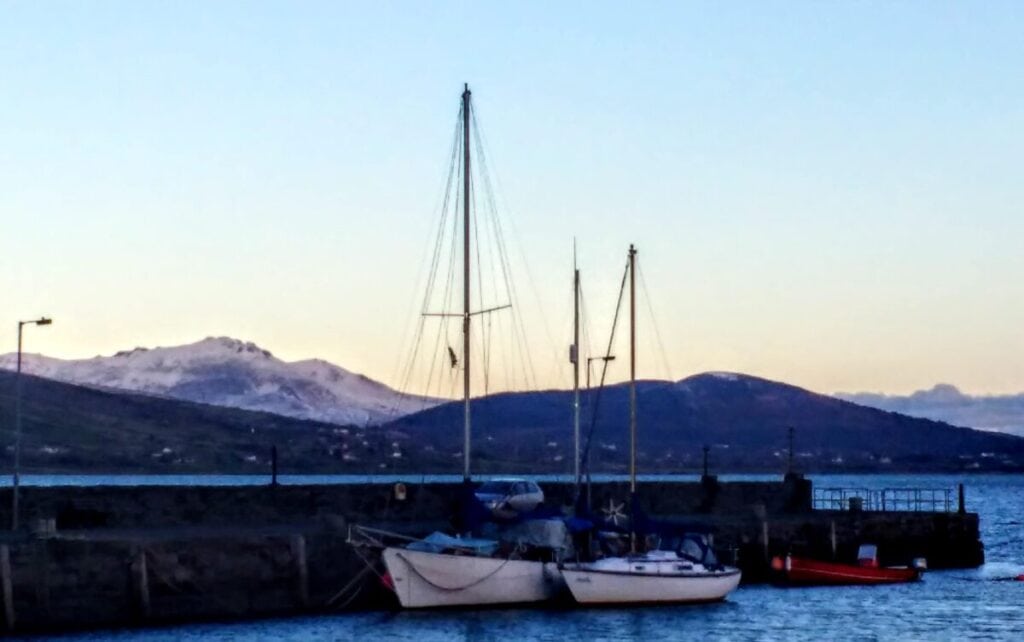
The Carlingford Lough Ferry offers a scenic and convenient crossing between the picturesque towns of Carlingford in County Louth and Greencastle in County Down. This short ferry ride, which takes approximately 15 minutes, allows passengers to soak in breathtaking views of the lough, the surrounding mountains, and the charming coastal landscapes.
Operating year-round, the ferry is an essential link for locals and visitors alike, providing access to various attractions on both sides of the lough, including historical sites, walking trails, and stunning beaches. Whether you’re traveling for leisure or simply looking to explore the stunning coastline, the Carlingford Lough Ferry provides a delightful and memorable experience on the water. While you’re in Carlingford, take the scenic Carlingford Ferry across the lough from Greenore as far as Greencastle in County Down.
Scenic Landscapes and Coastal Views
County Louth offers a variety of stunning landscapes, from rolling hills to picturesque coastlines. One of the highlights is the Drogheda area, where you can stroll along the Boyne River. If you love coastal scenery, make sure to visit Clogherhead, a small fishing village with beautiful sea views and rugged cliffs.
For those who enjoy hiking, the Cooley Mountains provide excellent trails with rewarding panoramas. These mountains are not too high, so they’re accessible for all levels of hikers.

Rich History and Heritage of Co Louth
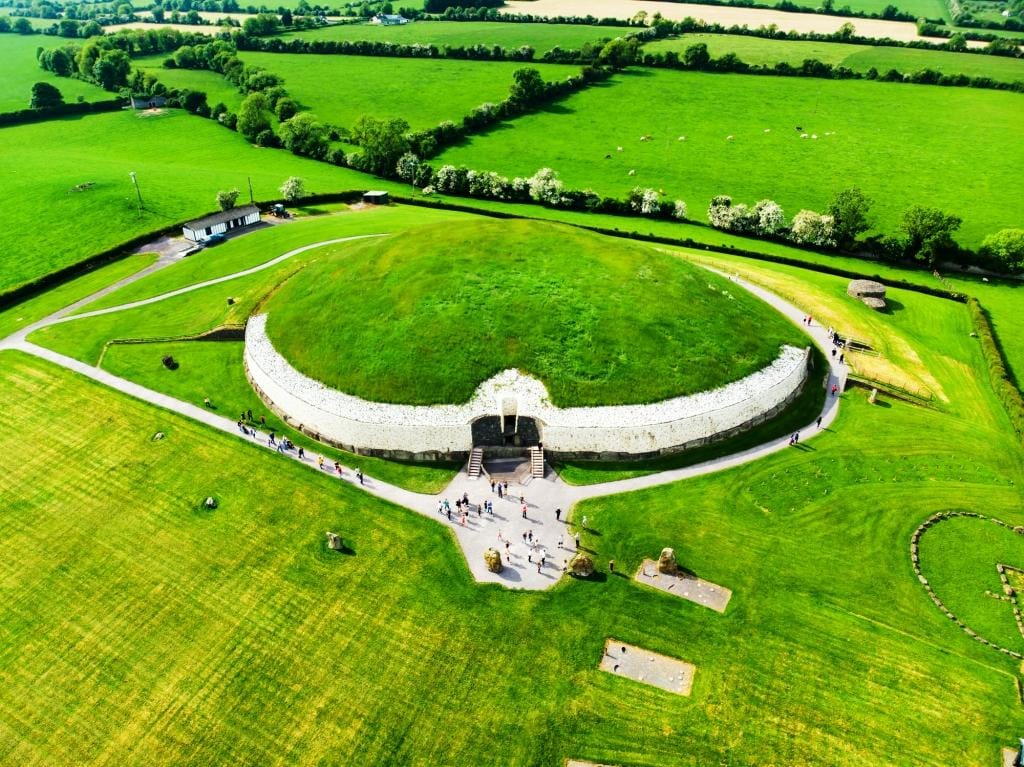
County Louth is steeped in history, and you can explore it through various historical sites. Newgrange is a must-see. It’s an ancient burial mound older than the pyramids of Egypt and is part of the Brú na Bóinne UNESCO World Heritage Site. The site offers fascinating insights into prehistoric Ireland with its intricate carvings and alignments with the winter solstice.
Another historical gem is Drogheda, a town that dates back to medieval times. Here, you can visit the St. Laurence Gate and the Highlanes Gallery, housed in a former Franciscan church, which displays local and contemporary art.
Things to do in County Louth
Charming Towns and Villages
County Louth is dotted with charming towns and villages that are perfect for a leisurely visit. Dundalk is the county’s largest town and offers a variety of shops, restaurants, and historical sites. The Dundalk Museum provides insights into the local heritage, and Carlingford, a nearby village, is known for its medieval architecture and cozy atmosphere.

Carlingford
Carlingford is a charming medieval village on the banks of Carlingford Lough, renowned for its historic character and stunning coastal views. Known for its well-preserved Carlingford Castle (or King John’s Castle) and narrow, stone-lined streets, the town is rich in history dating back to the Norman era.
Carlingford is also a hotspot for outdoor activities like hiking, especially on the Slieve Foye mountain, and watersports on the lough. Visitors can enjoy the town’s vibrant atmosphere with cozy pubs, seafood restaurants, and local artisan shops, all making Carlingford a top destination on the Cooley Peninsula.

Blackrock a laid back seaside
The seaside town of Blackrock offers a relaxed coastal experience just a few kilometers south of Dundalk. Known for its long promenade along the Irish Sea, Blackrock is a favorite for families and visitors looking to enjoy peaceful beachside walks, beautiful sunsets, and ocean views. The town has a rich maritime tradition and is home to lively pubs, quaint cafés, and charming shops. With sandy shores, summer festivals, and a vibrant local culture, Blackrock is a welcoming coastal escape within easy reach of larger towns and cities.

Termonfeckin
Termonfeckin is a picturesque village located near the mouth of the River Boyne and surrounded by lush, rolling countryside. Known for its scenic beauty and historical significance, Termonfeckin is home to Beaulieu House and Gardens, a stunning 17th-century estate with beautiful gardens. The town also boasts a nearby golf course and easy access to some of Louth’s best beaches, making it a favorite for both history buffs and nature lovers. With its peaceful atmosphere, Termonfeckin captures the charm of rural Ireland with a mix of heritage and relaxation.

Dundalk the largest town in Louth
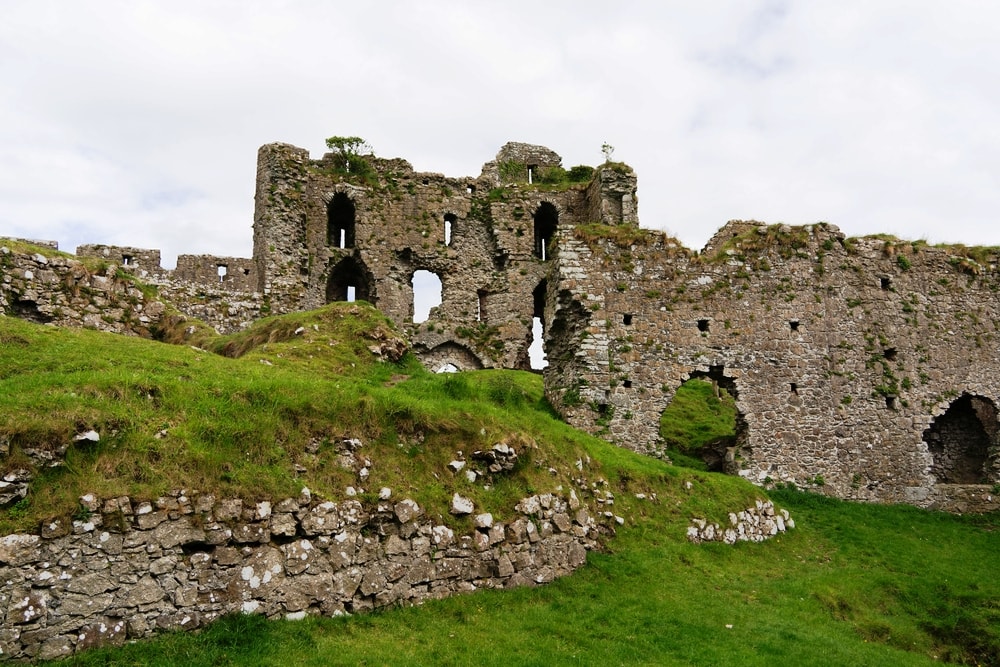
As the largest town in County Louth, Dundalk is a lively and bustling hub filled with a blend of modern amenities and historical sites. Known for its vibrant arts and music scene, Dundalk offers visitors plenty to explore, from the medieval St. Nicholas’ Church and the ancient ruins of Castle Roche to the impressive County Museum that highlights the region’s rich history. Located near the border with Northern Ireland, Dundalk is well-positioned for exploring both sides of the border.
County Museum Dundalk
There are few museums in Ireland that chronicle the changes and evolution of an area from the Stone Age right the way up to the present day as finely as Dundalk County Museum.
Built within a restored 18th-century distillery in the Carroll Centre, this unique museum is home to a huge variety of exhibitions and displays. It also regularly hosts drama presentations, lectures and film screenings for the local community.
Annagassan – Viking heritage
Annagassan is a small but historically significant coastal village near Drogheda, known for its Viking heritage and serene seaside charm. Once an important Viking settlement, Annagassan boasts beautiful coastal views and a peaceful rural atmosphere. Visitors can enjoy the village’s scenic walks, explore nearby beaches, or learn about the town’s history at the Viking Museum. Annagassan’s quaint atmosphere and scenic location make it a lovely stop for those interested in Ireland’s early history and natural beauty.

Drogheda a medieval town
As one of Ireland’s oldest Medieval towns, Drogheda is packed with history, culture, and a bustling local atmosphere. Located along the River Boyne, Drogheda is known for its medieval buildings, including St. Laurence’s Gate and Millmount Fort. The town is also famous for its proximity to Newgrange, a UNESCO World Heritage site and ancient passage tomb. Drogheda boasts a lively arts and festival scene, with many pubs, shops, and restaurants offering a taste of Irish culture.

Millmount Museum (Drogheda)
Located in the fortified Millmount Complex overlooking the town of Drogheda, Millmount Museum is housed within a historic 19th-century Martello tower. The museum offers exhibits on local history, archaeology, and folklore, with artifacts covering everything from ancient Celtic life to the Easter Rising. The tower’s hilltop location also provides stunning views over Drogheda and the River Boyne.
Village of Omeath
The village of Omeath, nestled along the shores of Carlingford Lough in County Louth, is a picturesque spot that captures the tranquil beauty of Ireland’s northeast coast. Located near the border with Northern Ireland, Omeath offers visitors stunning views across the lough to the Mourne Mountains, making it a favorite destination for outdoor enthusiasts and those seeking a peaceful retreat.

The village has a rich Gaelic heritage and a warm, welcoming community that adds to its charm. Visitors can explore local walking trails, enjoy boat rides on the lough, and experience traditional Irish music in cozy pubs. Just a short drive from Carlingford, Omeath is a great base for exploring the scenic Cooley Peninsula and taking in the natural and cultural beauty of the region.
The Boyne Valley Drive
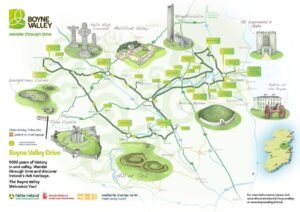
The Boyne Valley Drive is the perfect way to discover the Counties of Louth and Meath. Set in Ireland’s Ancient East the drive takes you through over 5000 years of Irish history, folklore and mythology. Here you will find famous sites like Newgrange which welcomes the solstice every year. The sacred Hill of Tara and the cairns at Loughcrew. There’s also the finest celtic crosses at Monasterboice, a replica of the Book of Kells in its original home and of course Old Mellifont Abbey and the tale of Ireland’s Helen of Troy.
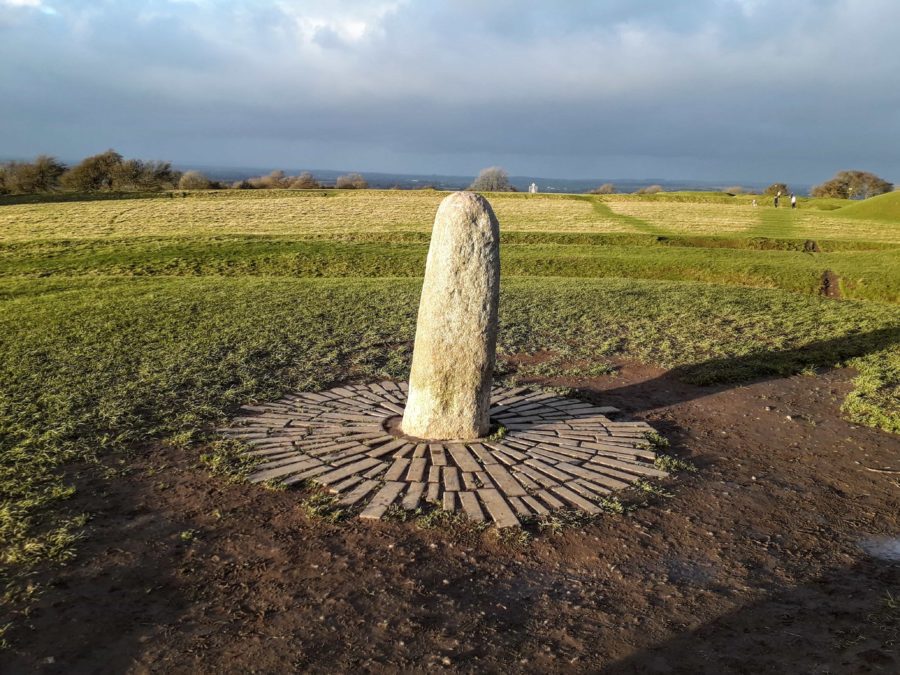


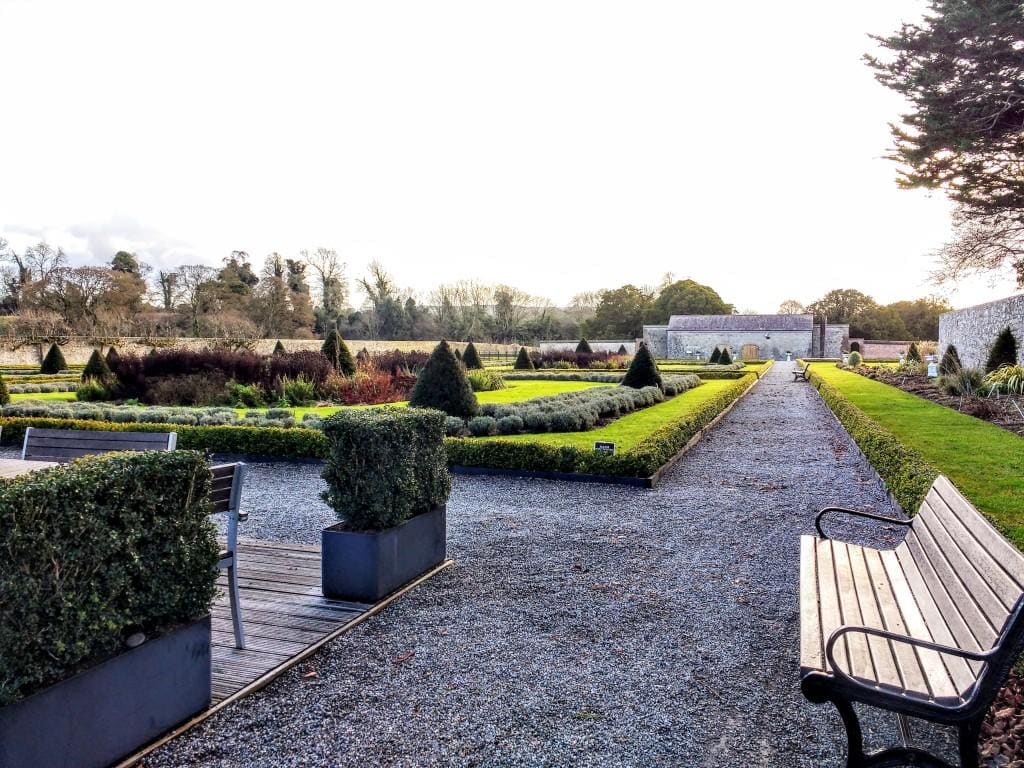
Battle of the Boyne Visitor Centre
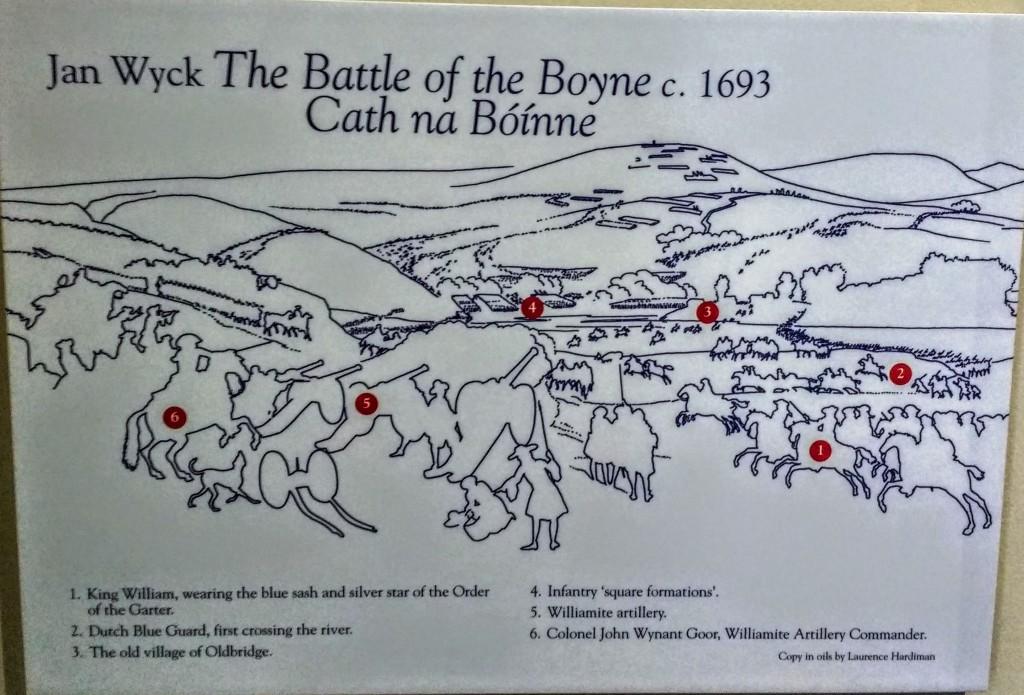
The Boyne Valley is a region in Co Louth bordering County Meath, Ireland, known for its rich historical and archaeological significance. It is home to iconic sites such as the tomb of Newgrange, Knowth, and the Hill of Tara. The Battle of the Boyne was fought on July 1, 1690 near the River Boyne in Ireland, and holds immense historical and symbolic significance. It was a battle between the forces of King William III of England and his father-in-law, King James II, who sought to regain the British throne. The battle marked a critical moment in Irish and British history, shaping the future of both nations.
On the site of the battle, a recently restored 18th-century building now houses the Battle of the Boyne visitor center. This center features authentic weapons and a laser display of the battlefield, making it a valuable resource for anyone interested in learning more about this crucial moment in Irish and European history.
Cooley Peninsula
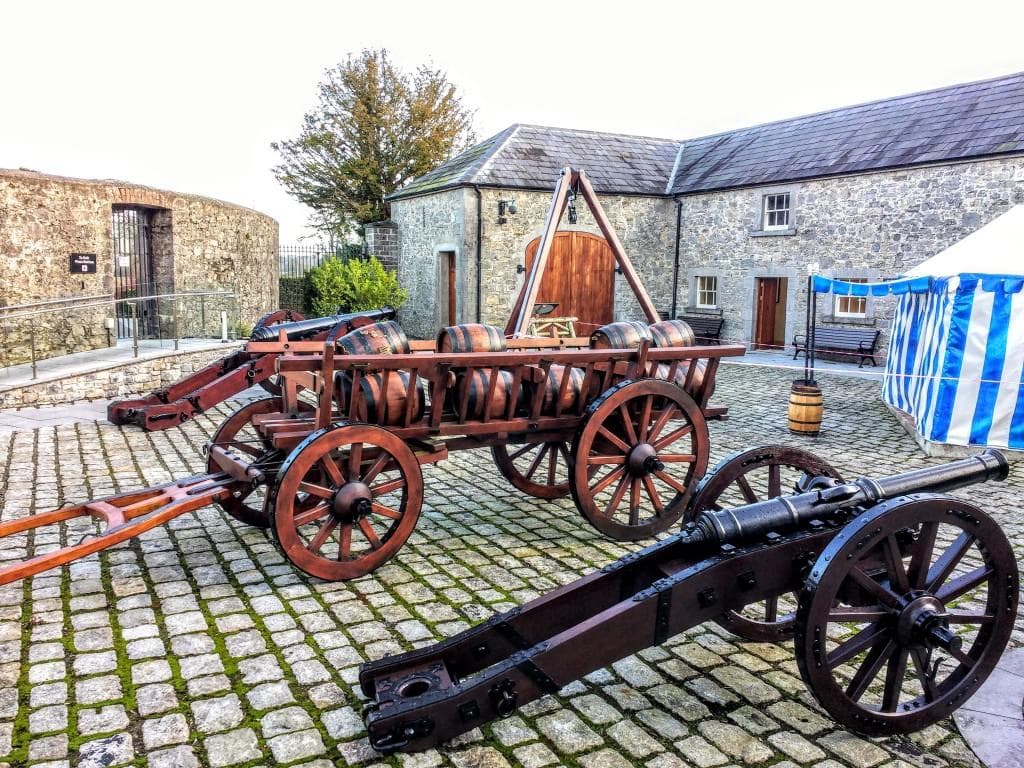
The Cooley Peninsula is located in County Louth, Ireland, in the northeast of the country, bordering Carlingford Lough and the Irish Sea. This scenic region is known for its rolling green hills, rugged coastline, and charming villages like Carlingford, a medieval town rich in history.
The Cooley Peninsula is most famous as the setting of the legendary Irish epic, the Cattle Raid of Cooley (Táin Bó Cúailnge), where the hero Cú Chulainn defended Ulster against Queen Medb’s army from Connacht. Visitors can explore sites connected to this tale, such as Slieve Foye, the highest peak in the area, offering panoramic views, and Proleek Dolmen, a striking megalithic tomb.

Great Walks and hikes in Louth
Louth has some fo the best walking and hiking trails through the Cooley Mountains and Cliff Walks along the Peninsula.
Annaloughan Loop
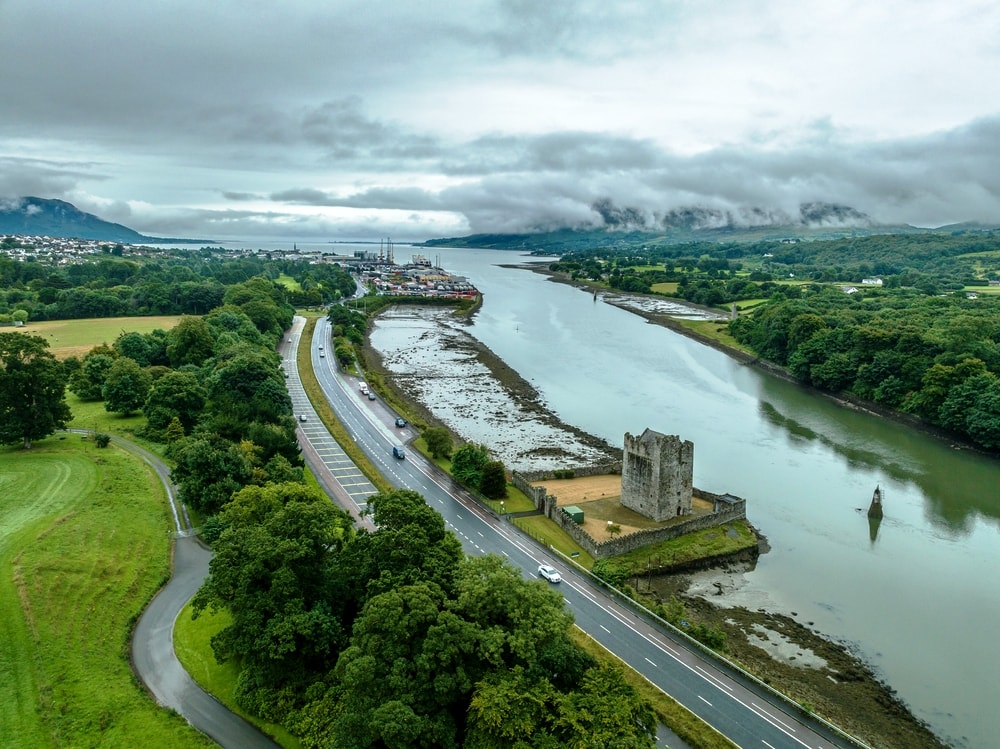
The Annaloughan Loop is a scenic 10-kilometer trail on the Cooley Peninsula, perfect for those looking to experience Ireland’s lush green landscapes and rural beauty. The loop winds through farmlands, forests, and small hills, offering views over Carlingford Lough and the surrounding mountains. This varied hike is accessible to all skill levels and gives walkers a taste of Ireland’s pastoral charm.
Slieve Foye
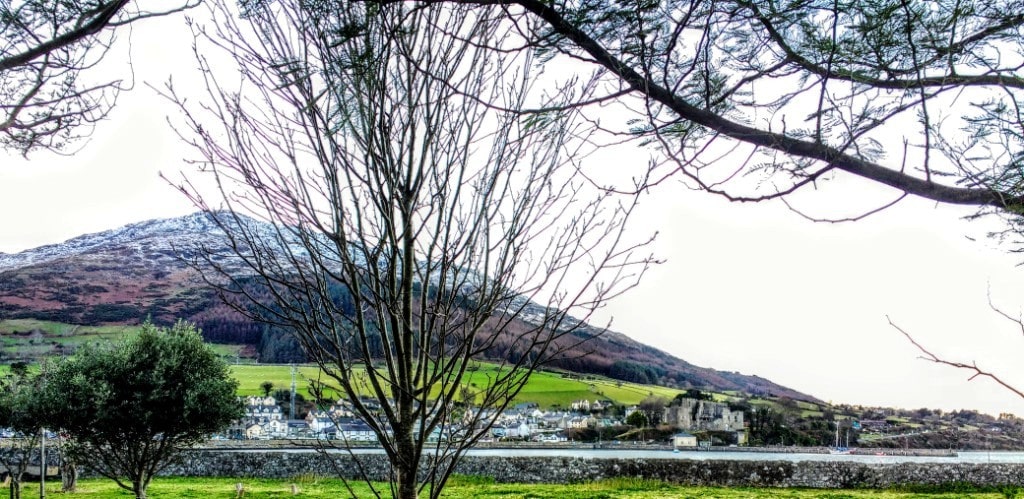
Slieve Foye is the highest peak in the Cooley Mountains, offering breathtaking hiking trails with panoramic views of Carlingford Lough and the Mourne Mountains. Known for its rugged beauty and challenging paths, Slieve Foye is popular among hikers and outdoor enthusiasts who seek a rewarding climb with spectacular scenery as the payoff.
Clogherhead Cliff Walk
The Clogherhead Cliff Walk offers breathtaking coastal scenery along rugged cliffs with views across the Irish Sea. The trail takes you along dramatic headlands and offers sweeping panoramas of the Mourne Mountains on a clear day. This invigorating walk combines fresh sea air, rocky landscapes, and abundant birdlife, making it a favorite for photographers and nature lovers.
Ravensdale Forest Walk
The Ravensdale Forest Walk is a forest trail with a mix of dense woodlands, babbling brooks, and mountain views. Located near the border with Northern Ireland, Ravensdale is part of the Cooley Mountains and offers a variety of paths, including challenging routes that lead to peaks with panoramic views.
Carlingford Greenway

The Carlingford Greenway is a scenic, flat trail that follows an old railway line between Carlingford and Omeath along Carlingford Lough. Ideal for walking or cycling, the 7-kilometer path offers stunning views of the lough and the Mourne Mountains. It’s a family-friendly route, with easy terrain, historical markers, and charming picnic spots.
Townley Hall Woods
Located just outside Drogheda, Townley Hall Woods offers a peaceful woodland retreat with well-maintained trails perfect for a gentle walk. This historic estate features trails that wind through beech, oak, and pine trees, as well as hidden stone ruins. Known for its tranquility and picturesque forest scenes.
An abundance of Beaches
Blackrock beach is probably the most famous of beaches here but there are plenty more to choose from that are less crowded.
Blackrock Beach
Blackrock village near Dundalk is a popular coastal spot featuring a long promenade, sandy shores, and stunning views over Dundalk Bay. At low tide, the beach reveals wide stretches of sand, ideal for walking, kite flying, and admiring the breathtaking views across to the Cooley and Mourne Mountains.

Termonfeckin Beach
Termonfeckin Beach is a beautiful, expansive beach known for its rolling dunes and peaceful atmosphere. Located near the River Boyne estuary, it’s a popular spot for locals and visitors seeking a relaxing beach day, coastal walks, and enjoying the untouched natural beauty of the area.
Annagassan Beach
Annagassan Beach is a small, scenic beach located in the historic village of Annagassan. Overlooking the Irish Sea, this quiet spot offers lovely views and a touch of history, as it’s close to Viking settlement sites, making it perfect for a peaceful stroll or seaside picnic.
Clogherhead Beach

Clogherhead Beach is a rugged, picturesque beach set against striking cliffs, offering a mix of sandy and rocky areas. Known for its fresh sea breeze and dramatic landscape, the beach is popular with walkers, swimmers, and birdwatchers who enjoy its wild and scenic surroundings.
Templetown Beach
Located near Carlingford, Templetown Beach is a Blue Flag beach with clean, golden sands and calm waters. Perfect for families, it’s a favorite for swimming, kayaking, and sunbathing, offering amenities and a beautiful view of Carlingford Lough and the surrounding hills.
Port Beach
Port Beach in County Louth is a tranquil, Blue Flag beach with clear waters and soft sands, ideal for swimming and walking. Known for its clean, family-friendly environment, it’s a perfect spot for a quiet beach day with panoramic views of the Cooley Peninsula in the distance.

Myths and legends – 12 Ancient sites
County Louth contains many ancient sites from castles to neolithic monuments.
Cú Chulainn’s Castle
Also known as Dún Dealgan or Castletown Motte, this ancient fort is linked to the legendary Irish hero Cú Chulainn. Located near Dundalk, it’s a historic site with roots in early Irish mythology and the Ulster Cycle. Though the remains are largely a Norman-era motte and bailey, the site is rich in myth and offers scenic views of the surrounding landscape.

Mellifont Abbey
Founded in 1142, old Mellifont Abbey was the first Cistercian monastery in Ireland and once a major religious center. Located near Drogheda, the abbey features beautiful remnants of medieval architecture, including its famous octagonal lavabo, where monks once washed before meals. It’s a serene and evocative place that offers insight into early monastic life in Ireland.
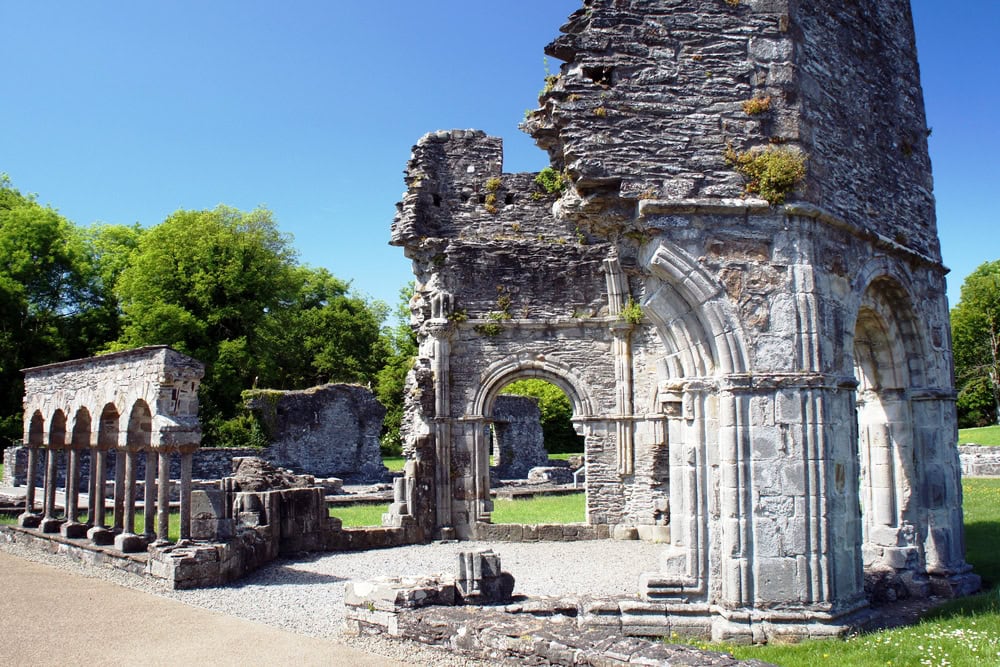
Laurence’s Gate (Drogheda)
This imposing medieval barbican gate was part of Drogheda’s old town walls, built in the 13th century. Known as one of Ireland’s best-preserved fortified gates, Laurence’s Gate stands as a striking reminder of Drogheda’s medieval history and once served as the primary entrance to the walled town.
Proleek Dolmen
The Proleek Dolmen is a dramatic ancient portal tomb near Dundalk. Featuring a massive capstone balanced on two vertical stones, the dolmen is over 5,000 years old and shrouded in legend. Local lore suggests that placing a pebble on the capstone brings good luck, making it a popular spot for visitors interested in prehistoric monuments.

Monasterboice
Monasterboice is an early Christian settlement famous for its two high crosses and ancient round tower. Founded in the 5th century, the site’s Muiredach’s High Cross is considered one of the finest examples of Celtic high crosses in Ireland, adorned with intricate biblical carvings. Monasterboice offers a peaceful atmosphere and a fascinating look into early Irish Christian art and culture.

Hill of Faughart
The Hill of Faughart is a sacred site with deep historical and religious significance, associated with St. Brigid, one of Ireland’s patron saints. Located near Dundalk, the hill features ancient ruins, a shrine to St. Brigid, and a cemetery. It’s also the site of the Battle of Faughart in 1318, where Edward Bruce, the brother of the Scottish king Robert the Bruce, was defeated.

Castle Roche
Perched on a hill with commanding views over the Louth countryside, Castle Roche is a striking 13th-century Norman fortress built by Lady Rohesia de Verdun. The castle is steeped in legend, particularly the tale that Lady Rohesia threw her architect out a window to keep its location secret. Its dramatic ruins make it one of the most atmospheric and photogenic castles in Ireland.
Magdalene Tower (Drogheda)
The Magdalene Tower is one of the few remaining structures from a 13th-century Dominican friary in Drogheda. This tall, slender tower once served as part of a larger medieval monastery, and it now stands as an important historical landmark in the town. It is associated with various historical events, including the meeting of the Irish Parliament during medieval times.
Carlingford Castle

Also known as King John’s Castle, Carlingford Castle is a medieval fortress overlooking Carlingford Lough. Built in the 12th century, it is an impressive example of Norman military architecture. The castle’s location offers sweeping views over the lough, making it both a strategic and picturesque site with an air of medieval history.
Termonfeckin High Cross

The Termonfeckin High Cross is a well-preserved stone cross dating back to the early medieval period. Located in the village of Termonfeckin, this cross is adorned with intricate carvings, believed to represent biblical scenes. It’s a fine example of Ireland’s early Christian artistry and is one of the region’s hidden historical treasures.
St. Oliver Plunkett’s head

Inside the beautiful St. Peter’s Church on West Street in Drogheda that you’ll find the head of St. Oliver Plunkett, a 17th-century Irish Saint. Plunkett was accused of plotting a French invasion by the Privy Council of England. He was arrested in Dublin in December 1679 and imprisoned in Dublin Castle.
The saint was falsely accused and tried for conspiring against the state by allegedly plotting to bring 20,000 French soldiers into Ireland. He was declared guilty of high treason in June 1681 and condemned to death. He was hung at Tyburn in London and his body was buried and then exhumed and moved to Germany.
The head was then brought to Rome. And then to Armagh it was eventually moved to Drogheda in June of 1921 where it has been since.
The Last Leprechauns of Ireland
Known locally as ‘McCoillte’ Kevin Woods is Ireland’s Last Leprechaun Whisperer. He is from Carlingford and he talks to the 236 leprechauns that still exist there. They are affectionately known in Carlingford as “Carlichauns”
Visitors can head off on a tour that includes storytelling, an introduction to the area and a brief history of the current state of leprechaun welfare by the ‘Leprechaun Whisperer’ himself.
Where to Stay in County Louth
Louth offers a variety of accommodation options, from luxurious country houses to cozy guesthouses.
Ballymascanlon Hotel and Golf Resort: Steeped in history, the estate’s grounds are home to the 4,000 year old Proleek Stone and offer ample free private parking. Surrounded by national forests and mountain ranges, Ballymascanlon Hotel and Golf Resort is situated between Dublin and Belfast.

Hotel Imperial Dundalk: The Hotel Imperial is in Dundalk town centre, close to all the major attractions and shops, bars and restaurants. It has free parking, modern bars and coffee shop.
Nellie’s Farmhouse: Nellie’s Farmhouse in Glenmore offers a spacious holiday home with four bedrooms and three bathrooms. The property features a fully equipped kitchen, washing machine, and free WiFi.

Scholars Townhouse Hotel, Drogheda: A boutique hotel with a charming atmosphere housed in a converted school building.
Glen Gat House, Dundalk: A cozy B&B with a warm Irish welcome and convenient access to Dundalk town center.
Mc Kevitts Village Hotel, Carlingford: Located in Market Square, the hotel is a 4-minute walk from King John’s Castle. Nearby attractions include Proleek Dolmen (22 km) and Louth County Museum (23 km). Activities such as fishing, hiking, and cycling are available.

Where to Eat in County Louth
Louth’s culinary scene is as diverse as its landscapes, with everything from fine dining to hearty pub fare. Irish cuisine is hearty and delicious, and County Louth is no exception. You’ll find plenty of pubs and restaurants serving traditional dishes like Irish stew and soda bread. Don’t miss out on trying some fresh seafood from the coastal areas and following the Seafood Trail Louth.

For a sweet treat, try some local Irish whiskey or craft beers. Many pubs offer a selection of regional brews that reflect the area’s brewing traditions.
The Bay Tree, Carlingford: A Michelin Bib Gourmand restaurant offering exquisite dishes in a cozy setting.
The Funky Fish, Drogheda: Casual and takeaway from crispy fish and chips to juicy burgers and more.

Fishy Dishy, Carlingford: From grilled lobster to golden oysters, every dish here is a celebration of Louth’s incredible seafood heritage.
Ruby Ellen’s Tea Rooms, Carlingford A charming spot for tea, coffee, and homemade treats.
McKevitts Village Hotel, Carlingford: Enjoy traditional Irish dishes paired with live music in the heart of Carlingford.
Clarke’s Bar, Drogheda A quintessential Irish pub with a welcoming atmosphere and excellent pub grub.
Carlingford Brewery
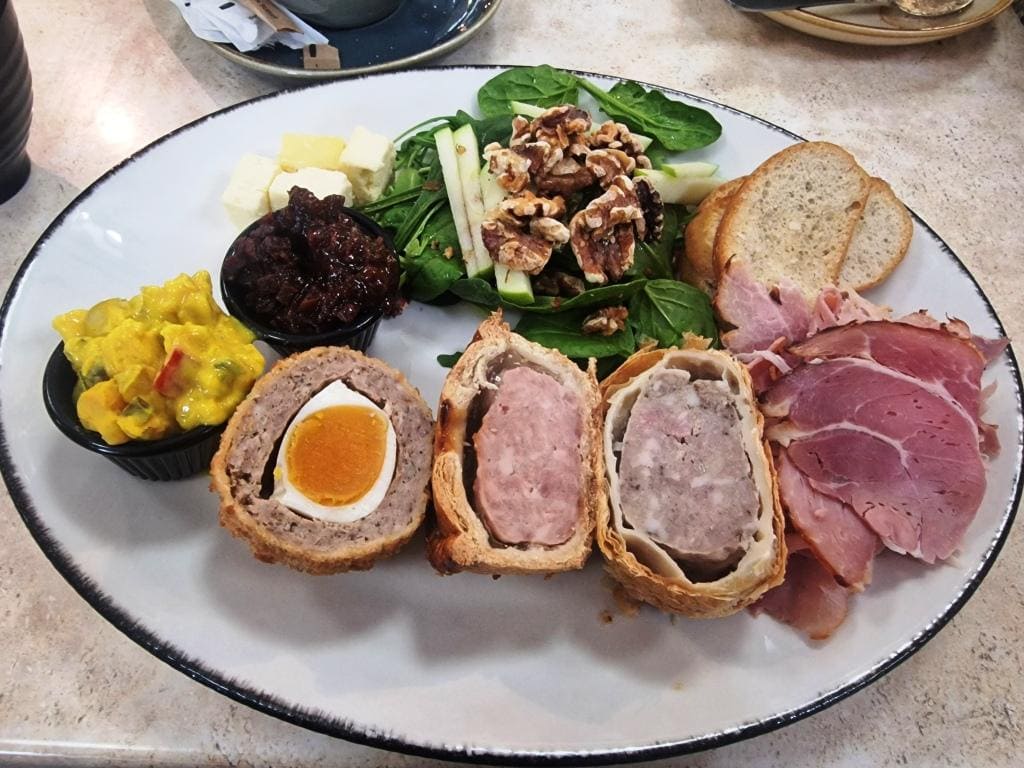
Take a quick trip across the scenic Cooley Peninsula to the Carlingford Brewing Company for a guided tour where you’ll dive into the brewery’s origins and brewing techniques. Discover the legend of Donn Cúailnge, the Brown Bull of Cooley, whose story inspired the brewery’s logo, along with other famous Carlingford landmarks that lend character to each beer. After your two-hour tour, you can enjoy a flavorful Ploughman’s Lunch—an ideal pairing for this rich Irish brewing experience.
Festivals and special events
Carlingford Oyster Festival (August): Celebrate the region’s famous oysters with live music, food stalls, and family-friendly activities.

Drogheda Arts Festival (Spring): Enjoy a week of visual arts, music, theater, and workshops.
County Louth offers a perfect blend of history, natural beauty, and vibrant culture. Its accessibility from Dublin makes it an ideal destination for a short trip or a longer stay. Whether you’re strolling through medieval streets, hiking the Cooley Peninsula, or savoring delicious local cuisine, Louth promises an unforgettable experience.
Join 7,500 Ireland travellers in my Ireland Uncovered Facebook Group and 1,897 on my XYUandBEYOND PAGE
If you have mobility issues here is a selection of posts that may be of help to you:
Bookmark these hubs for updates and dive into the detailed guides to build an itinerary that fits your energy, comfort, and interests.
➡️Accessible Historical sites in the UK
Start Planning Your Trip
👉 Public Transportation in Ireland
👉 Hidden Gems in Ireland – 32 Secret places to visit
👉 Answering all your travel questions about Ireland