
Exploring Traditional Slovenian Food: A Culinary Journey
Slovenia, is a country found between Austria, Italy, Hungary and Croatia with views of the Alps, the Mediterranean, and the Balkans and a thin portion of the country along the Adriatic Coast. Drawing from its neighboring countries—Italy, Austria, Hungary, and Croatia the gastronomic traditions of Slovenia reflect a fusion of flavors, emphasizing fresh, local, and seasonal ingredients and Slovenian culture. Whether you’re visiting the capital Ljubljana, the coastal towns, or the mountainous regions, food in Slovenia offers a variety of dishes that reflect its regional diversity and agricultural richness.

I first learned about Slovenia from our neighbours in Canada and the food that was served at the family dinner table made me fall in love with Slovenian cuisine. Slovenia, is a hidden gem in the heart of Europe. From the rolling hills of the wine country to the pristine lakes and the rugged mountains, Slovenia’s culinary traditions reflect the bountiful produce and unique ingredients that each region has to offer.
- Exploring Traditional Slovenian Food: A Culinary Journey
- Protected Geographical Indication (PGI)
- FAQs about Slovenian Foods
- Typical Slovenian meals
- Traditional Slovenian Food you must try when visiting Slovenia
- Štruklji (Rolled Dumplings)
- Cracknels (Ocvirki)
- Kraški pršut
- Gobova juha – Mushroom Soup
- Potica (Nut Roll Cake)
- Kranjska Klobasa (Carniolan Sausage)
- Prekmurska Gibanica (Layered Pastry Cake)
- Žganci (Buckwheat Mush)
- Idrijski Žlikrofi (Slovenian Dumplings)
- Jota (Bean and Sauerkraut Stew)
- Blejska Kremšnita (Bled Cream Cake)
- Ričet (Barley Stew)
- Bujta repa
- Bograč
- Frika (Cheese Omelet)
- Bovec Cheese
- Prežganka
- Italian influences on Slovenia dishes
- Traditional Slovenian Beverages
- Food Tours in Slovenia
At the core of Slovenian cuisine lies the principles of simplicity, prioritizing fresh, local ingredients and time-honored recipes that have been passed down through generations. Whether it’s the hearty stews of the alpine region, the rich pastries of the coastal towns, or the vibrant flavors of seasonal vegetables and herbs, traditional Slovenian dishes are sure to be a hit on your foodie journey.

If you have the opportunity, go on a unique culinary journey across the country and discover that each region has its typical Slovenian food, which you can taste in many restaurants throughout the country, you can find most of the traditional food in the capital of Slovenia but for the best experiences, it is a great way to experience Slovenian culture and try the food by visiting tourist farms and old village inns.
Protected Geographical Indication (PGI)
Slovenia has several foods that are protected under the EU’s system of Protected Geographical Indication (PGI) Protected Designation of Origin (PDO), and Traditional Speciality Guaranteed (TSG). These designations ensure that specific products are made using traditional methods and are linked to a particular region. Some of Slovenia’s most well-known protected foods include:

1. Prekmurska gibanica (PGI) – A layered pastry from the Prekmurje region, made with fillings like poppy seeds, walnuts, apples, and cottage cheese. It is a symbol of Slovenian dessert tradition.
2. Kranjska klobasa (PGI) – This protected Slovenian food is a smoked traditional Slovenian pork sausage made from high-quality coarsely ground pork and bacon, seasoned with garlic and pepper, and smoked. It must adhere to strict production rules.
3. Idrijski žlikrofi (PGI) – Small, dumpling-like pasta from the town of Idrija, filled with a potato-based filling, traditionally served with a meat sauce or lamb stew.
4. Tolminc cheese (PDO) – A hard cheese made from raw cow’s milk in the Tolmin region of the Julian Alps, aged to develop a strong, nutty flavor.
5. Štajersko prekmursko bučno olje (PDO) – Pumpkin seed oil from the Štajerska and Prekmurje regions, known for its deep green color and rich, nutty flavor.

These protected foods are an important part of Slovenia’s cultural heritage and play a key role in the country’s gastronomy.
FAQs about Slovenian Foods
What are some popular traditional Slovenian foods?
Traditional Slovenian food reflects the diverse culture and history of Slovenia. Some popular dishes include štruklji, which are rolled dumplings filled with various ingredients such as cottage cheese or walnut filling. Another iconic dish is jota, a hearty stew made with sauerkraut, beans, and potatoes. Potica, a rolled pastry filled with nuts, is a beloved slovenian dessert often enjoyed during festive occasions. Additionally, kranjska or Carniolan sausage is a must-try slovenian dish that showcases the country’s rich meat product tradition.

How does Slovenian cuisine differ from other cuisines?
Slovenian cuisine is unique due to its blend of influences from neighboring countries such as Italy, Austria, and Hungary. The use of fresh, local ingredients is a hallmark of traditional Slovenian food, with an emphasis on seasonal produce. Slovenia boasts a variety of regional specialties, like the Prekmurska gibanica from the Prekmurje region, which is a layered cake made with poppy seeds, apples, and cheese. This diversity and focus on natural flavors set slovenian cuisine apart from others.

What are some famous Slovenian desserts?
Slovenia is known for its desserts, with potica being one of the most famous. This traditional pastry is often served at celebrations, featuring various fillings like walnut, poppy seeds, or chocolate. Another popular dessert is prekmurska gibanica, a layered cake that combines rich flavors and textures.
What is the significance of cheese in Slovenian cuisine?
Cheese plays a vital role in Slovenian cuisine, with numerous varieties produced throughout the country. Slovenia is home to a rich cheese-making tradition, particularly in regions like Idrija and Carniola.

Typical Slovenian meals
Slovenian culinary traditions are deeply rooted in the country’s diverse landscape and regional influences, blending Alpine, Mediterranean, Pannonian, and Balkan flavors. The cuisine emphasizes fresh, seasonal, and locally sourced ingredients, with hearty dishes like žganci (buckwheat mush), potica (rolled pastry), blood sausages and Kranjska klobasa (Carniolan sausage) being iconic.

Soups, stews, and dishes based on grains, potatoes, and cabbage are staples, reflecting the rural and agricultural heritage of the country. Each region boasts its own specialties, from Prekmurska gibanica in the northeast to Istrian seafood on the coast, showcasing Slovenia’s rich and varied culinary heritage.
Slovenian Breakfast
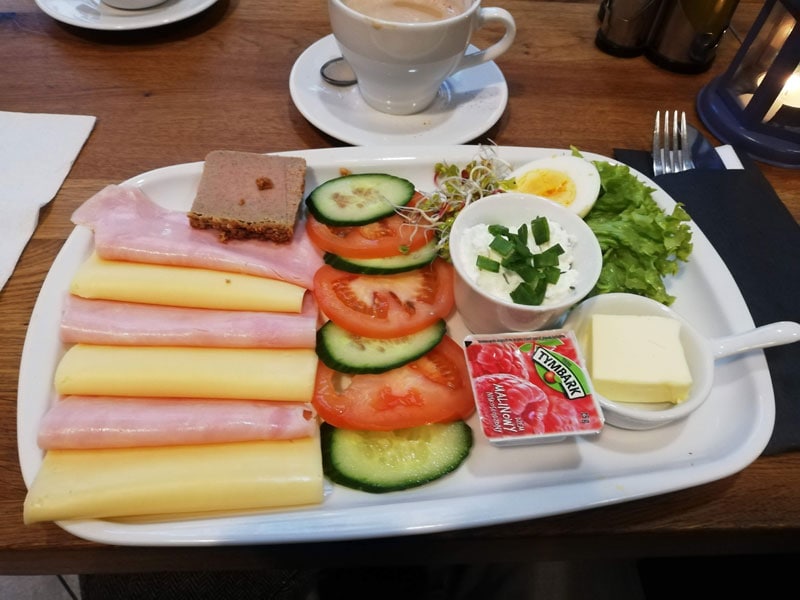
A typical Slovenian breakfast varies depending on the region and personal preferences, but it often includes simple, hearty, and locally sourced ingredients. Some common elements of a Slovenian breakfast include:
Bread and Spreads: Freshly baked bread, often whole-grain or rye, is a staple. It is typically served with butter, honey, jam, or cheese spreads.
Cold Cuts and Cheese: Slovenians often enjoy cold cuts like Kranjska klobasa (Carniolan sausage), ham, or salami, paired with local cheeses, such as Tolminc or fresh cottage cheese.
Slovenian Lunch
A typical Slovenian lunch is the main meal of the day and is often a hearty, multi-course affair, especially in more traditional settings. It typically includes soup, a main course with a side dish, and sometimes dessert. The meal showcases Slovenia’s diverse regional and culinary influences, incorporating fresh, seasonal, and locally sourced ingredients.

Slovenian Dinner
A typical Slovenian dinner is usually lighter than lunch and often consists of simple, comforting foods. It can include leftovers from lunch, but generally focuses on lighter dishes like soups, cold cuts, or salads. Dinner is often enjoyed with family and is seen as a time to unwind.
Traditional Slovenian Food you must try when visiting Slovenia
Štruklji (Rolled Dumplings)
One of the most beloved traditional Slovenian foods, štruklji are rolled dumplings made from dough and filled with a variety of sweet or savory fillings. You might find versions filled with cottage cheese (skuta), apples, nuts, or even tarragon. They can be either boiled or baked and are often served as a side dish, dessert, or even a main course. In some regions, they are paired with soups or sauces, making them a versatile part of Slovenian cuisine.
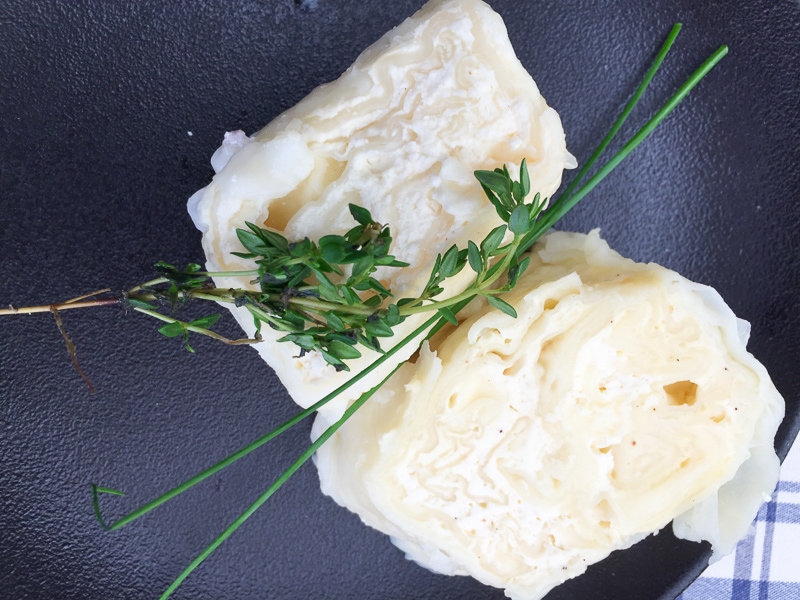
Bean štruklji from the Lower Carniola region are either cooked or roasted rolled dumplings made from beans, served as a main dish or a side dish. In the Upper Savinja Valley, egg štruklji are popular. These dumplings are made with strudel dough, filled with eggs, and baked with homemade cracklings.
In the Brda region, wljkava rolled dumplings are a traditional Slovenian dish. Made from unleavened dough, these štruklji are filled with sliced homemade salami, sausages, olives, and various spices. Istrian dumplings, on the other hand, are typically a sweet treat, filled with cottage cheese and apples.
Cracknels (Ocvirki)
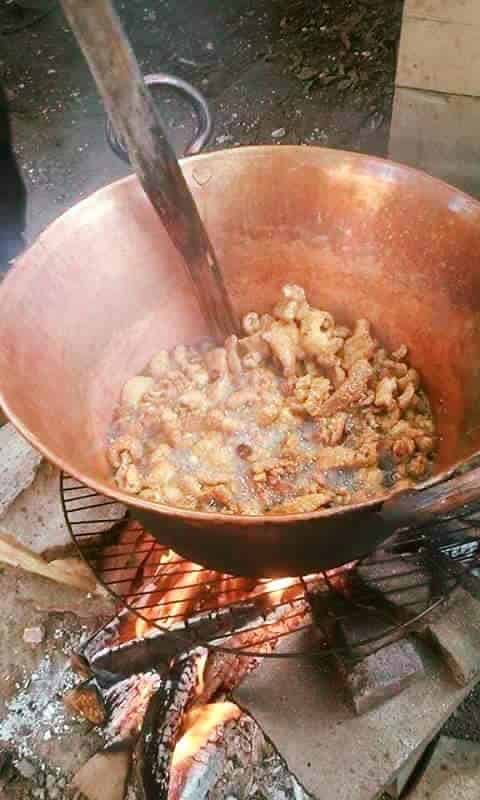
Cracknels also known as “ocvirki” in Slovenian, are crispy slices of fried or roasted pork fat very similar to pork crackling in the UK or Chicharrón in Mexico or Spanish cuisines.
Kraški pršut
Slovenia’s iconic dish is Kraški pršut a type of prosciutto with a Protected Geographical Indication within the EU. It is limited to the Slovenian Karst region. Kraški Pršut, also known as Karst Prosciutto, is a well-known and beloved delicacy in Slovenian cuisine.

Gobova juha – Mushroom Soup
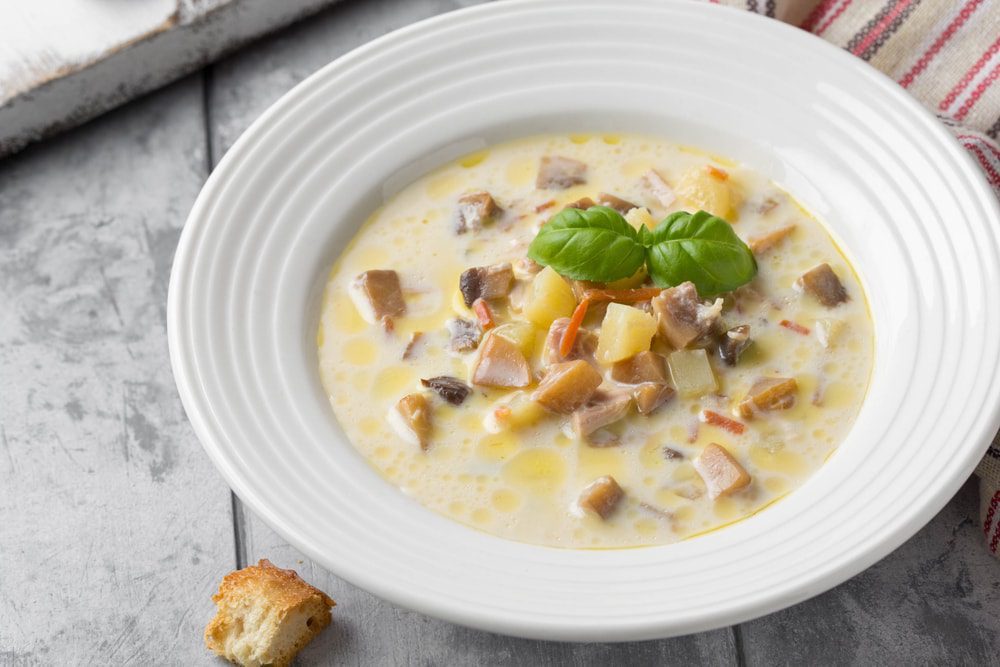
A favourite Slovenian soup is Jobova Juha or mushroom soup. It is a beloved traditional dish, especially during the autumn when wild mushrooms are abundant in Slovenia’s forests. The soup is typically made with a variety of local wild mushrooms like porcini, chanterelles, or boletus, which give it a rich, earthy flavor.
Gobova juha is a popular dish served in many Slovenian homes, inns, and mountain lodges, especially during mushroom-picking season. It can be enjoyed as a starter or a main dish, often accompanied by fresh bread or buckwheat žganci.
Potica (Nut Roll Cake)
Potica is Slovenia’s most famous dessert, especially during festive seasons like Christmas and Easter. This rolled pastry is filled with walnuts, poppy seeds, or honey, and sometimes even with more unusual ingredients like tarragon. Potica is rich, flavorful, and a staple in many Slovenian homes during celebrations. Its intricate preparation often makes it a symbol of Slovenian pride.

Kranjska Klobasa (Carniolan Sausage)
A true Slovenian icon, kranjska klobasa is a protected sausage that originates from the Carniolan region. Made from the best pork meat, bacon, garlic, and spices, this smoked sausage is perfect for grilling or boiling. It’s often enjoyed with mustard, horseradish, or sauerkraut and pairs well with a slice of hearty Slovenian bread.

Prekmurska Gibanica (Layered Pastry Cake)
This multi-layered pastry from the Prekmurje region is a culinary masterpiece. Made from poppy seeds, apples, walnuts, cottage cheese, and cream, Prekmurska gibanica combines sweet and savory layers into a rich and indulgent treat. It’s a protected dish, meaning it’s recognized as a national specialty, and is often served on special occasions like weddings or holidays.

Žganci (Buckwheat Mush)
Slovenia’s national dish is žganci, a traditional dish made primarily from buckwheat flour, though it can also be made from corn, wheat, or potato flour. Žganci is often served with milk, sour milk, yogurt, or accompanied by meat dishes such as sausages, bacon, or pork cracklings. Žganci are usually considered country Slovenian food. They are regarded as a traditional Slovenian farm dish since they are full and nutritious, making them an ideal choice for hardworking farmworkers.

Idrijski Žlikrofi (Slovenian Dumplings)
Idrijski žlikrofi are traditional Slovenian dumplings originating from the town of Idrija. Filled with a mixture of potato, onions, and spices, they are shaped into small, hat-like dumplings. They are typically served as a side dish with rich meat sauces or stews, such as lamb or venison. This dish is a proud part of Slovenia’s culinary heritage and is even protected by the European Union as a traditional specialty.

Jota (Bean and Sauerkraut Stew)
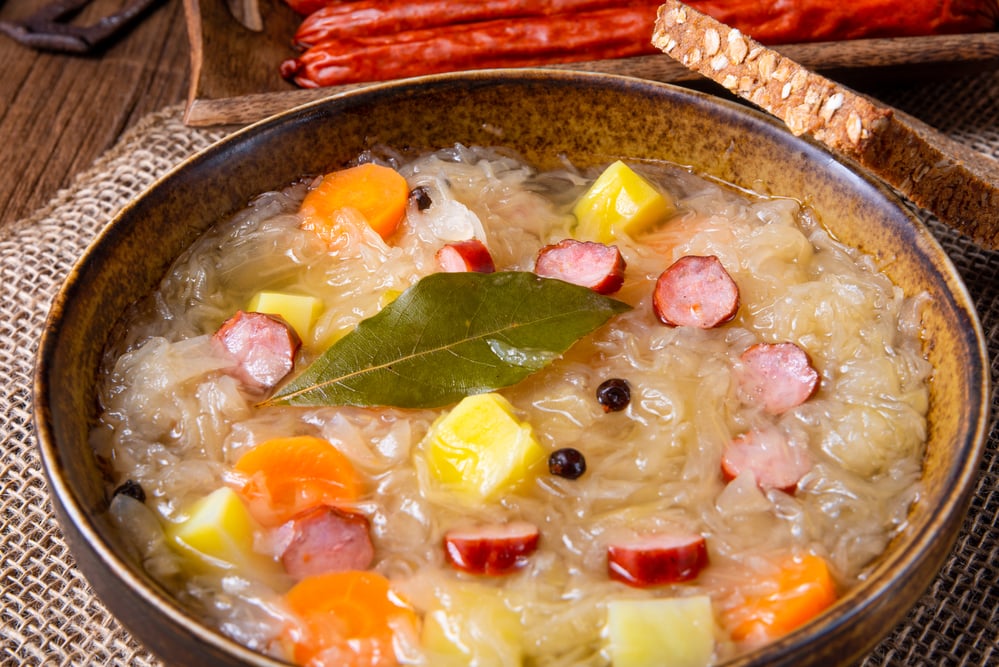
Jota is a robust and flavorful stew made from beans, potatoes, sauerkraut, and smoked pork, often seasoned with garlic and bay leaves. This dish is particularly popular in Slovenia’s coastal and Karst regions, where the influences of Italian and Slovenian cuisine merge. It’s a comforting meal, perfect for cold winter days, and represents the fusion of Alpine and Mediterranean culinary traditions.
Blejska Kremšnita (Bled Cream Cake)
If you visit the stunning Lake Bled, you must try the famous Blejska kremšnita, a decadent cream cake. This dessert consists of layers of crispy puff pastry filled with vanilla cream and topped with whipped cream. Light yet indulgent, it’s the perfect treat to enjoy while taking in the beauty of Slovenia’s iconic lake and castle.

Ričet (Barley Stew)
Another hearty Slovenian dish, ričet is a thick stew made from barley, beans, potatoes, and various vegetables, sometimes cooked with smoked pork or sausage for extra flavor. Traditionally prepared in the countryside, ričet is a wholesome dish often enjoyed as a main meal, especially during colder months.

Bujta repa
Bujta repa is a traditional dish from the Prekmurje region of Slovenia, featuring blood and meat sausages served with a turnip stew. It is one of the most iconic specialties of Prekmurje cuisine. This hearty dish is especially popular during the autumn and winter months, frequently appearing on farm tables and in village inns. Every year, an event is held in its honor, similar to the cooking competitions for bograč (a famous goulash), another beloved dish from the region.

This dish is essentially a hotpot made from sour or pickled turnips, combined with millet porridge, pork, and grated sour turnip. It is typically seasoned with garlic, onions, and ground red peppers to enhance its rich flavor. Bujta repa can be enjoyed on its own as a one-course meal or paired with roast pork, millet, or buckwheat black pudding for a more substantial meal.
Bograč
Bograč is a traditional Slovenian dish, particularly popular in the Prekmurje region, near the border with Hungary. It is a hearty stew made from various meats, typically including pork, beef, and sometimes chicken, along with potatoes, onions, and spices. The dish is similar to a goulash and is often prepared in large quantities, making it ideal for gatherings and celebrations.

Frika (Cheese Omelet)
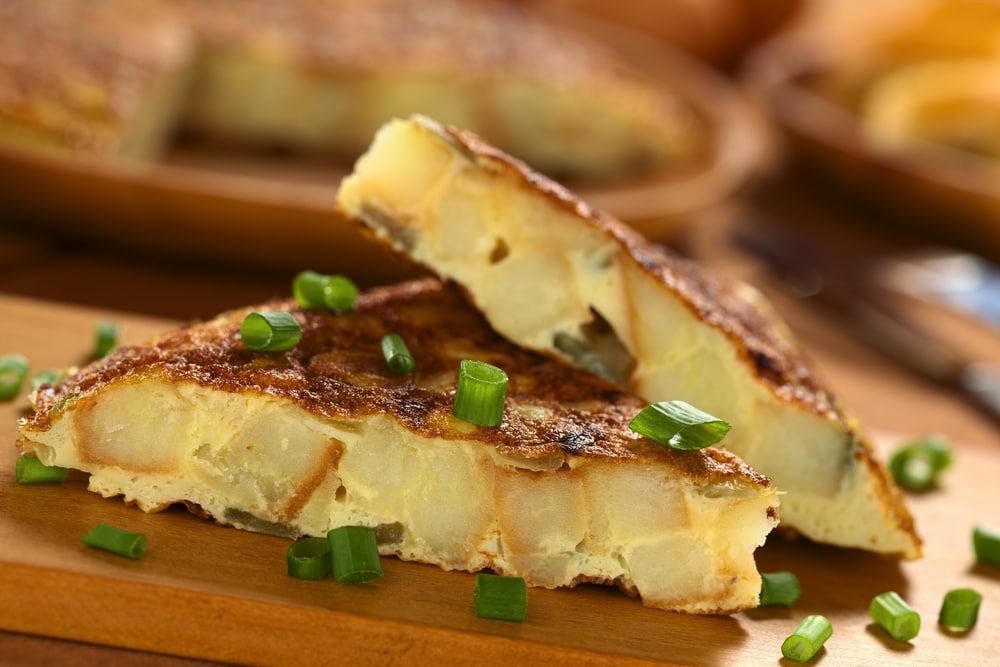
In the western regions of Slovenia, particularly in the Julian Alps, you’ll come across frika, a cheese omelet made with potatoes and local Tolminc or Mohant cheese. Fried until crispy and golden, frika is a simple yet delicious dish that showcases the high-quality dairy products of the region. It’s usually served with polenta or as a standalone dish in mountain huts and rural homes.
Bovec Cheese
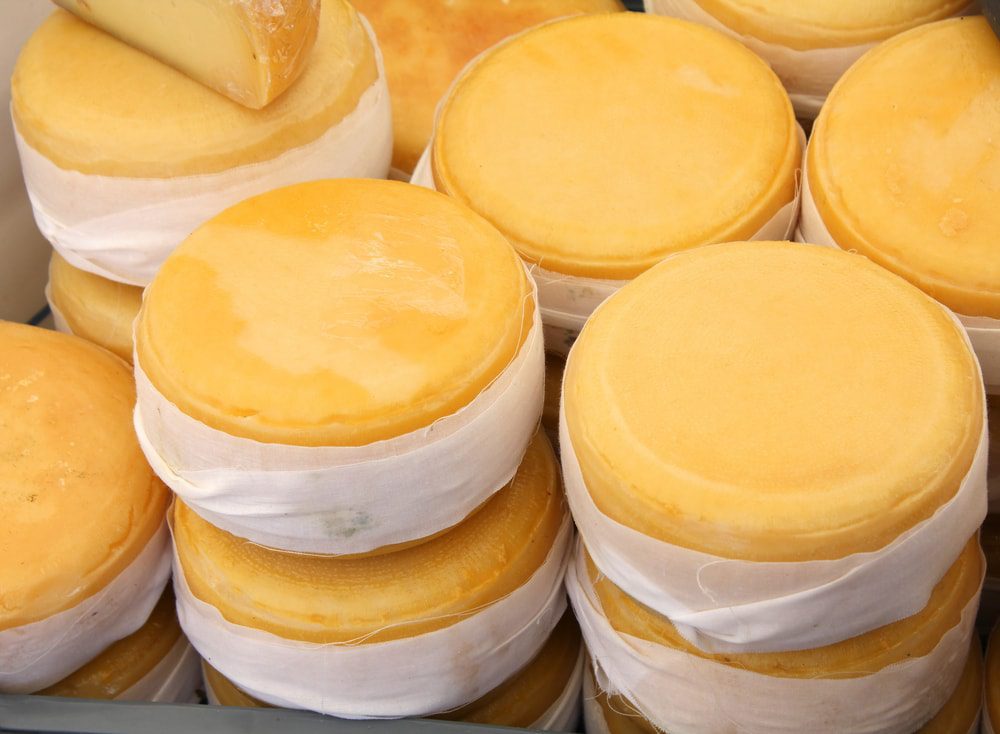
A Slovenian delicacy Bovec cheese has a protected label of origin and the national symbol of quality. Bovec cheese relates to the old Slovenian food in the Bovec area, along the emerald green Soča River. The production of this hard and full-fat cheese dates back to 1328 when it was made on the Trebiščina mountain.
Prežganka
Prežganka is a popular and cosy dish in Slovenian cuisine with a long history. Prežganka is a traditional Slovenian dish, often referred to as a thick soup or stew made from potatoes, flour, and various seasonings. It is particularly popular in rural areas and is known for its simplicity and hearty nature.

Italian influences on Slovenia dishes
Slovenia offers a variety of delicious pasta dishes, influenced by its regional culinary traditions and the surrounding countries. Here are some popular pasta dishes commonly enjoyed in Slovenia:.
Pasta with Wild Herbs
In some regions, particularly during spring, pasta dishes are made with local wild herbs, such as dandelion greens or nettles. These dishes can be simple, with just olive oil and garlic, highlighting the freshness of the herbs.

Noodles with Sauerkraut
Some regions in Slovenia prepare noodles with sauerkraut, creating a unique combination of flavors. This dish is often seasoned with pork or sausage.

Mlinci
Although not a pasta dish in the traditional sense, mlinci are thin, dried dough sheets that are cooked and served as a side dish, typically with roasted meats, particularly in the Prekmurje region.

Traditional Slovenian Beverages
Slovenian Wine
No culinary journey in Slovenia is complete without trying some of its traditional beverages. Slovenia is home to several wine regions, with the Goriška Brda and Vipava Valley producing some of the finest wines. Try the local rebula, teran, or cviček wines, which pair beautifully with many traditional dishes. For alcoholic options, borovničevec (blueberry liqueur) and medica (honey liqueur) are popular drinks that offer a taste of Slovenia’s natural bounty.

Food Tours in Slovenia
Piran Walking Tour with Local Wine and Food Tasting
Explore the narrow medieval streets and gorgeous Venetian architecture of one of Slovenia’s oldest and most beautiful cities on a guided walking tour of Piran. You’ll traipse up the hill above town to capture incredible panoramic photos of the city and then be rewarded with a local food and wine tasting. You’ll hear stories from your guide about the characters that call this part of the world home and leave with plenty of recommendations on how to best spend your remaining time along the Slovenian coast.

Food & Wine Tour Ljubljana – Local Foodie Adventure in Slovenia
Walk around the beautiful streets of Ljubljana and tantalize your taste buds at the same time with this food-themed guided tour. It’s a great way to learn about Slovenian traditions and discover fantastic local eateries that you might not find otherwise. Potential stops include the Central Market, the Old Square, and Mestni Trg square, with plenty of delicious tastings along the way.
Explore the food scene of Maribor with this multi sensory experience. Led by a personal guide, learn about the medieval and culinary history of Slovenia. Start by Grajski Trg Square, which houses the famous eighteenth century inn The Black Eagle. Continue to view Maribor Castle that now plays the role of Maribor Regional Museum. On Fridays enjoy the local farmers market filled with organic produce and baked goods.

Food & Wine Gourmet tour in Piran
Immerse yourself in Istrian culinary and wine culture with this diverse food and wine-tasting tour. Instead of limiting yourself to one restaurant, explore eight different stops, sampling an array of local specialties such as olive oil, seafood, meat, ice cream, and truffles. For added convenience, all tastings, including a variety of wines and grappa, are included, providing a comprehensive taste of the region’s rich gastronomic offerings.
Traditional Slovenian food is far more than a mere assortment of dishes; it is a heartfelt narrative of the nation’s soul, told through the language of fresh, local ingredients and time-honored traditions. From the hearty stews of the alpine valleys to the delicate pastries of the sun-drenched coast, each bite offers a taste of Slovenia’s diverse landscapes and rich cultural tapestry. To explore this cuisine is to embark a delicious journey through history and community, where every meal is an invitation to experience the warmth and pride of its people. Ultimately, to savor traditional Slovenian food is to understand the very heart of this beautiful country.
Food carries the same weight of history and migration you’ll find throughout the Global Food Guide, which explores food as cultural memory worldwide. This is part of a much bigger story for how food traditions like these connect across cultures worldwide.