
Spending 3 Days in Rome: The Ultimate First-Time Itinerary
Three days is enough to properly cover Rome’s essentials without rushing the Colosseum and Roman Forum on day one, the Vatican and central Rome’s piazzas on day two, and the quieter highlights (Villa Borghese, Trastevere, the Jewish Ghetto) on day three. Book skip-the-line tickets for the Colosseum and Vatican in advance regardless of the season; Rome’s queues don’t meaningfully shrink even outside summer.
Rome doesn’t reward rushing, and three days is enough time to see it that way provided you arrive with a plan rather than a wish list. With over 9 million visitors a year funneling through the same handful of sites, the difference between an exhausting trip and a genuinely good one usually comes down to booking the right tickets in advance and not trying to see everything.
This itinerary covers the essentials for a first visit: the Colosseum, Vatican City, and the historic centre, plus a few things most first-timers don’t know to plan for the new Trevi Fountain access fee, realistic accessibility guidance, and where to actually eat.
For the wider region, see our full Italy Travel Guide.
- Spending 3 Days in Rome: The Ultimate First-Time Itinerary
- When to Visit Rome
- Getting to Rome
- Getting Around Rome
- Visiting Rome With Mobility Challenges
- Where to Stay for 3 Days in Rome
- Day 1: Ancient Rome
- Day 2: Central Rome and Vatican City
- Day 3: Villa Borghese, the Jewish Ghetto, and Trastevere
- Where to Eat in Rome
- Beyond These Three Days
- Frequently Asked Questions
When to Visit Rome
Avoid June through August if you can. The heat is real, the crowds are worse, and moving between sites becomes genuinely exhausting rather than just tiring. Spring (March–May) and fall (September–November) both offer far more manageable weather and noticeably shorter lines at every major site.
Getting to Rome
Fiumicino (Leonardo da Vinci) is the main international airport; Ciampino handles some European flights. Neither is close to the centre, but both connect via affordable transport more on that below.
If you’re arriving by cruise ship, your port is Civitavecchia, about 80km northwest of Rome, with train connections to Termini station taking roughly 1 hour 20 minutes. One thing worth knowing from experience: Rome’s traffic makes the return trip far less predictable than the timetable suggests. We came close to missing our own departure trying to catch a “fast” train back to port if your ship only stays in port for a single day, think carefully before attempting Rome at all, and if you do have three full days as this itinerary assumes, build real buffer time into your final return journey.
Airport to city centre: A shared shuttle runs roughly €18–20 and takes about an hour. The Leonardo Express train runs direct from Fiumicino to Termini. Terravision buses are the budget option at around €6, departing roughly every half hour.

Getting Around Rome
Walking is genuinely the best way to see central Rome most major sites in this itinerary sit within a compact historic core. When you need transit, buses run 24 hours and cover the whole city; bus and metro tickets are interchangeable within their validity window. Validate every ticket at the machine on board or at the station, and hold onto it inspectors do check.
Ticket options:
- BIT (€1.00) single ride, valid 75 minutes on any bus or metro
- BIG (€4.00) unlimited rides until midnight on the day of purchase
- BTI (€11.00) unlimited travel for a full 3 days from validation, the best fit for this itinerary
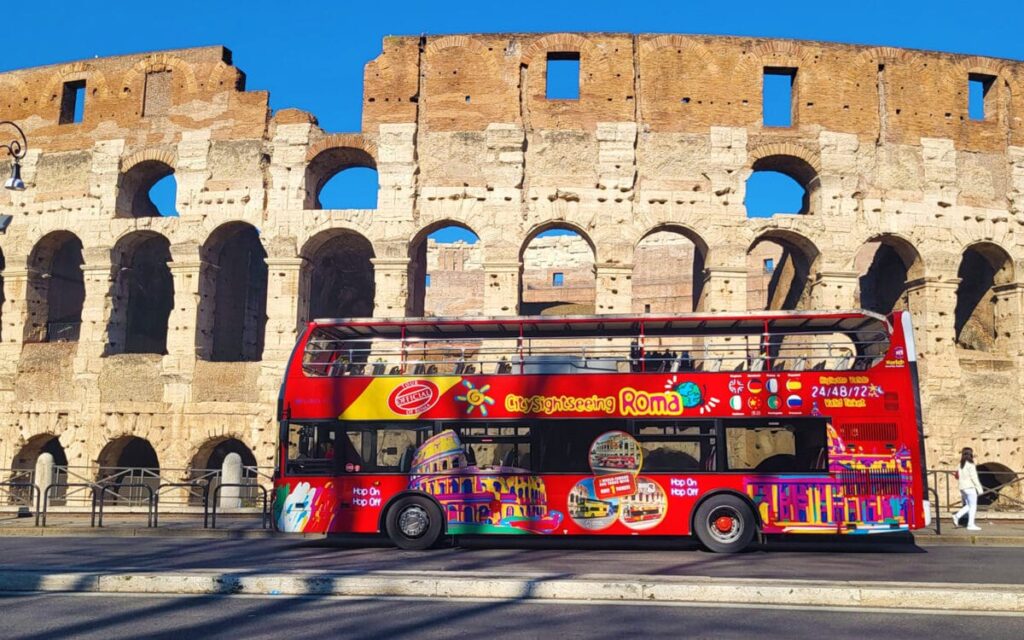
We used a hop-on-hop-off bus on our own first visit and found it a genuinely useful way to get oriented before committing to walking routes worth considering if you’d rather see the lay of the land before deciding what to prioritize.
Visiting Rome With Mobility Challenges
Rome is absolutely visitable with limited mobility, but it takes real planning. The historic centre’s ancient cobblestones, curbs, and steps are the actual obstacle not distance, which is compact enough to work in your favour.
Major sites including the Colosseum, Vatican Museums, and Borghese Gallery all offer step-free routes, elevators, or staff assistance when requested in advance book online and email ahead to confirm specifics rather than assuming. Buses are more reliable than the metro for accessibility; many travellers with limited mobility find taxis or ride-hailing apps more practical for longer distances. Cushioned, supportive footwear matters more in Rome than almost anywhere else in Italy, and building in frequent seated breaks cafés are ideal for this makes a real difference over three consecutive days of sightseeing.
Where to Stay for 3 Days in Rome
The Esquilino/Termini station area is a strong base if you want to minimize walking distances both subway lines converge here. The A-line reaches the Spanish Steps, the Vatican, and the Trevi Fountain; the blue line (B) reaches the Colosseum and Circus Maximus.
Skip-the-Line Passes Worth Considering
With Rome’s queue times running into hours at peak sites, a pass is usually worth the cost for a three-day visit:
Roma City Pass fully digital, no printing required. Includes Colosseum, Roman Forum, and Palatine Hill entry with audio guide; St. Peter’s Basilica entry with audio guide; Vatican Museums and Sistine Chapel; plus a 10% discount at sites like Castel Sant’Angelo and the Borghese Gallery.

Rome and Vatican Pass a combined 3-day pass covering the same core sites (St. Peter’s, Vatican Museums, Colosseum) plus discounted entry to 30+ additional attractions, unlimited public transport, and hop-on-hop-off bus access.
Day 1: Ancient Rome
Morning: The Colosseum
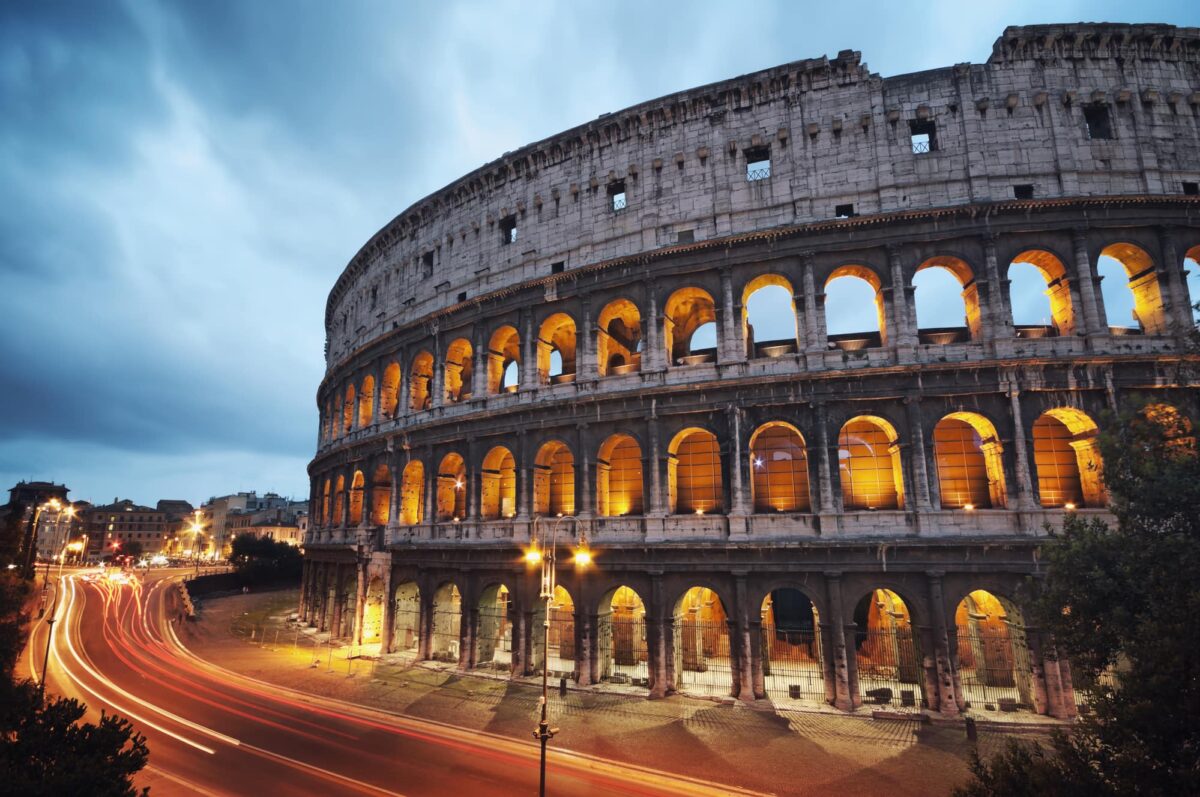
Start here it’s the most iconic site in the city and the anchor of this itinerary. Built under Emperor Vespasian starting in 72 AD and completed by his successor Titus in 80 AD, it’s the only European entry among the modern Seven Wonders. For over four centuries it hosted gladiator contests and staged animal hunts.
Buy a combination ticket in advance covering the Colosseum, Roman Forum, and Palatine Hill together the line for this combined ticket is typically far shorter than the general Colosseum queue. Standard adult admission is €16; adding the English-language underground tour brings it to €23. Guided skip-the-line tours through third parties start around €22 per person.
Roman Forum and Palatine Hill
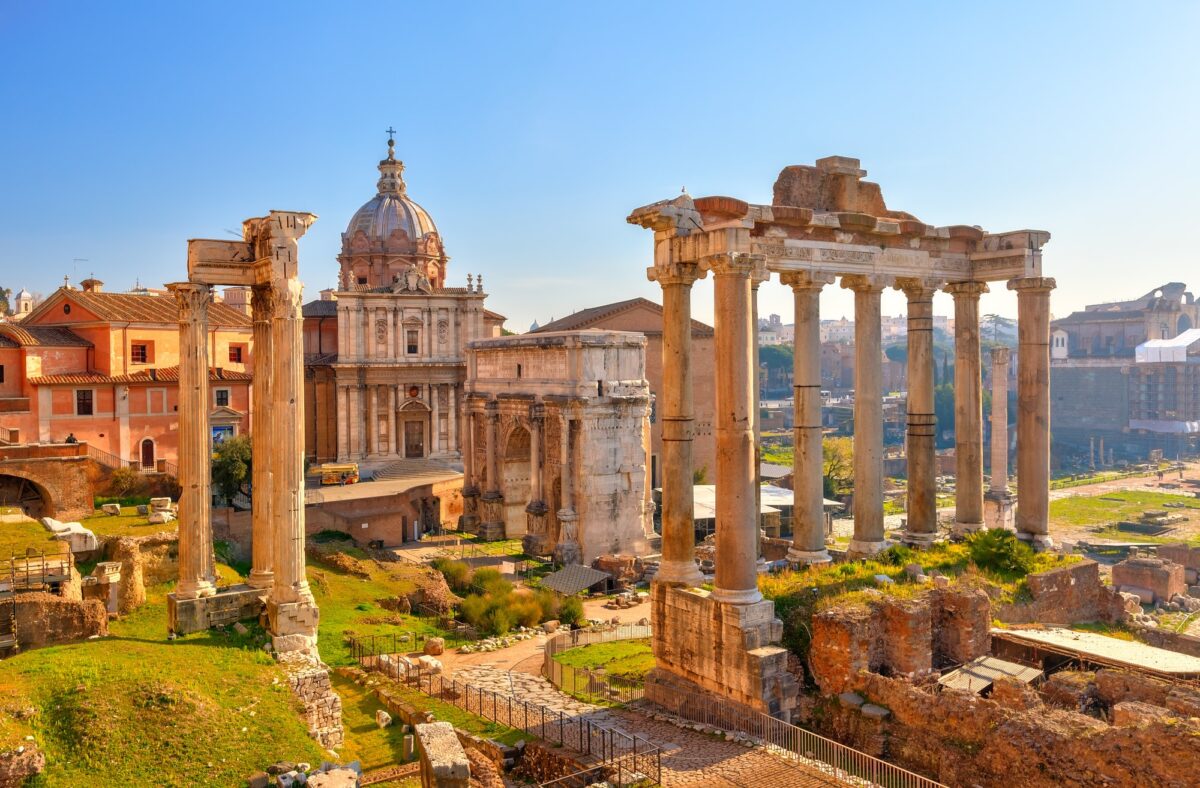
According to legend, this is where Romulus and Remus founded Rome in 753 BC. Palatine Hill houses a small museum along with the houses of Augustus and Livia, with frescoes still visible after two millennia.
Afternoon: Capitol Hill
Walk via dei Fori Imperiali to Capitol Hill, home to Rome’s city hall and a piazza designed by Michelangelo. The Capitoline Museums here hold a genuinely significant collection of Roman antiquities, including the famous equestrian statue of Marcus Aurelius. The hill also gives one of the best available views back over the Roman Forum.

Trevi Fountain
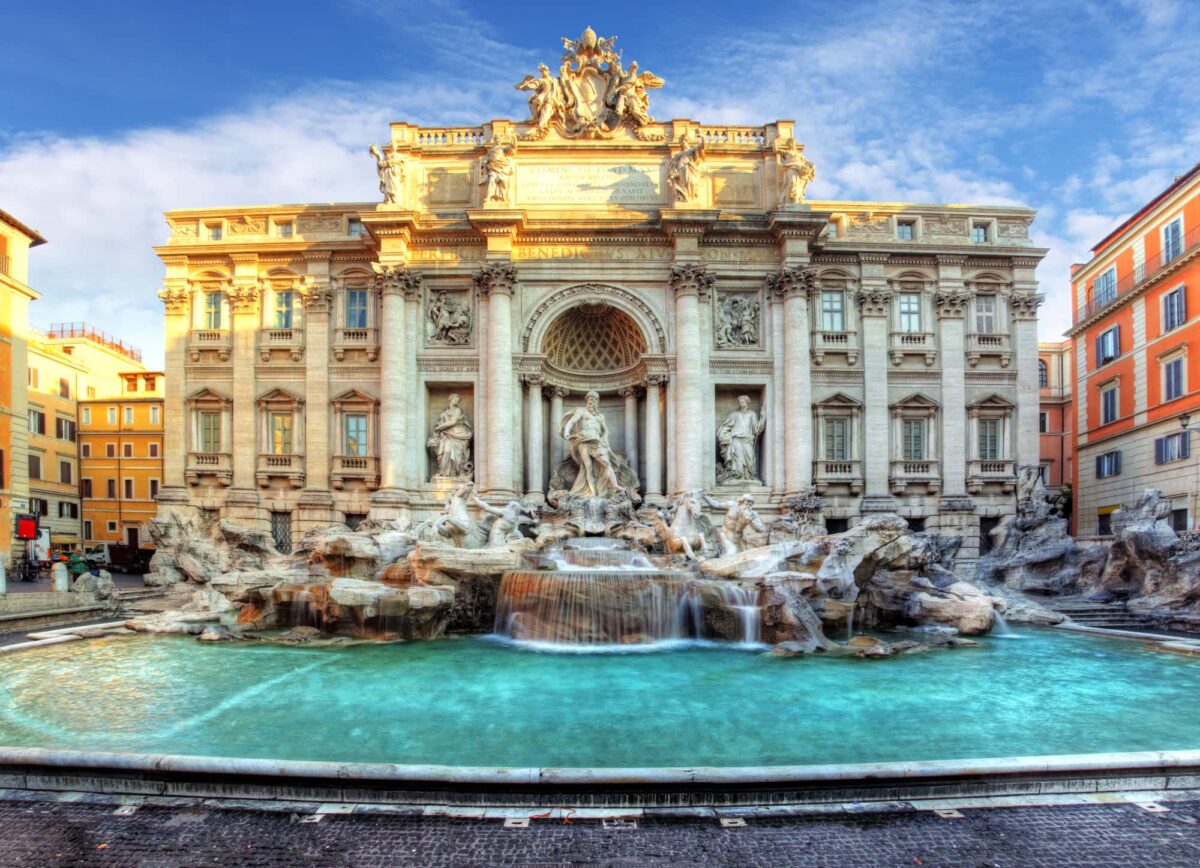
Cross Piazza Venezia, passing the Church of Santi Apostoli, to reach the Trevi Fountain. As of February 2026, Rome introduced a €2 fee to get close to the fountain’s basin and steps. A dedicated viewing platform has been added for free public viewing from a short distance only stepping past it to reach the basin and steps directly requires payment. The fountain itself closes Monday, Wednesday, and Friday from 8:00–9:00 AM for coin collection; the roughly €3,000 collected daily goes to Rome charities.
Day 2: Central Rome and Vatican City
Morning: Spanish Steps, Piazza di Pietra, and the Pantheon
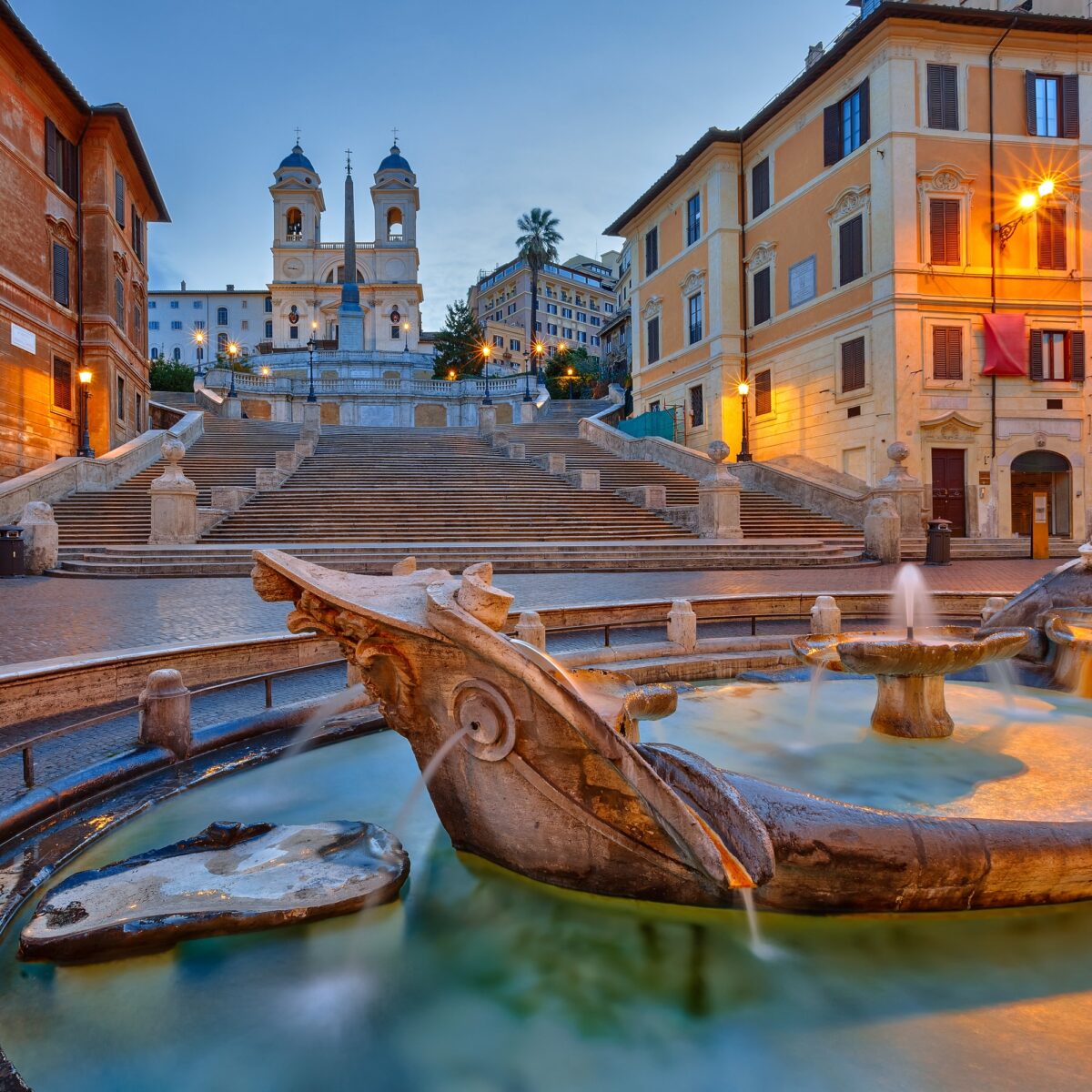
Start downtown at the Spanish Steps, with Piazza di Spagna and the Fontana della Barcaccia at their base. Climbing all 174 steps rewards you with portrait artists and the Trinità dei Monti church at the top but don’t sit on the steps themselves, which is now illegal under Italian law.
Piazza di Pietra takes its name from the surviving remains of the Hadrianeum, an ancient temple built in 145 AD 11 of its original 15 columns still stand.
The Pantheon, completed around 126–128 AD, is one of the best-preserved buildings from ancient Rome, later converted into a Christian church. Michelangelo reportedly called its design “the work of angels, not of men.”

Afternoon: Vatican City
Vatican City is technically a separate state within Rome, and worth a full afternoon. Book Vatican Museum tickets in advance to skip the line.
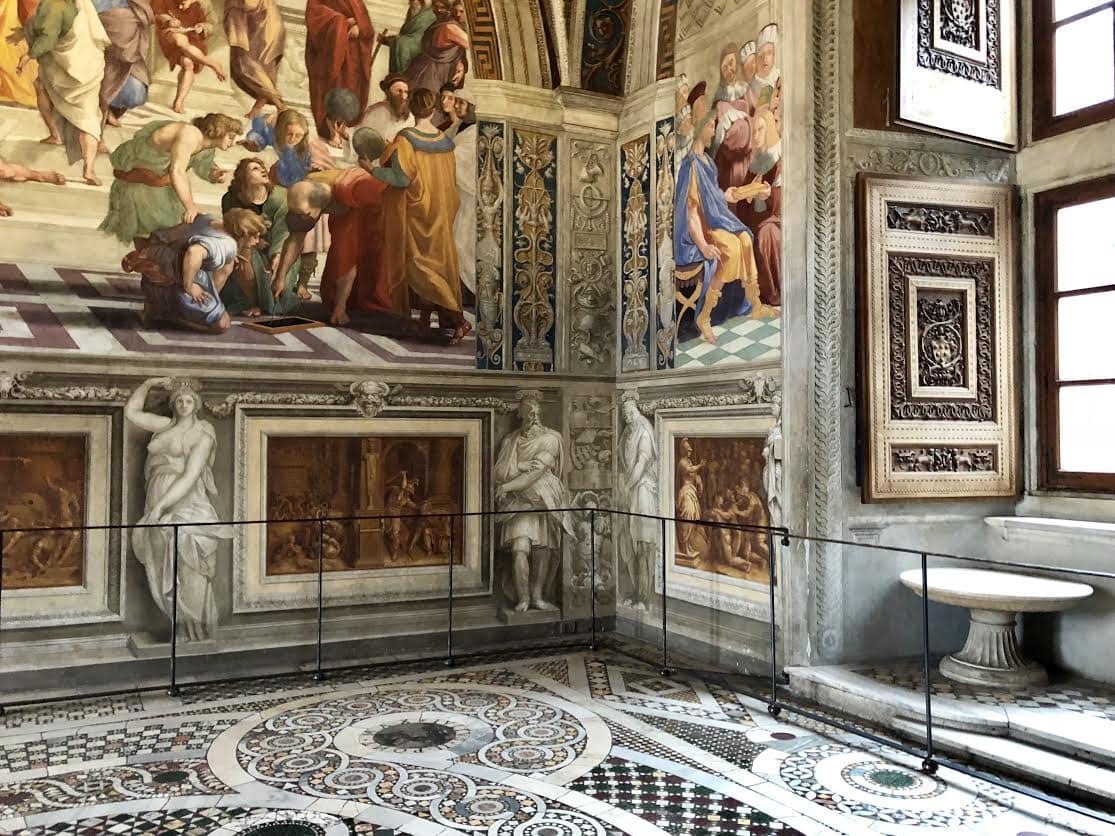
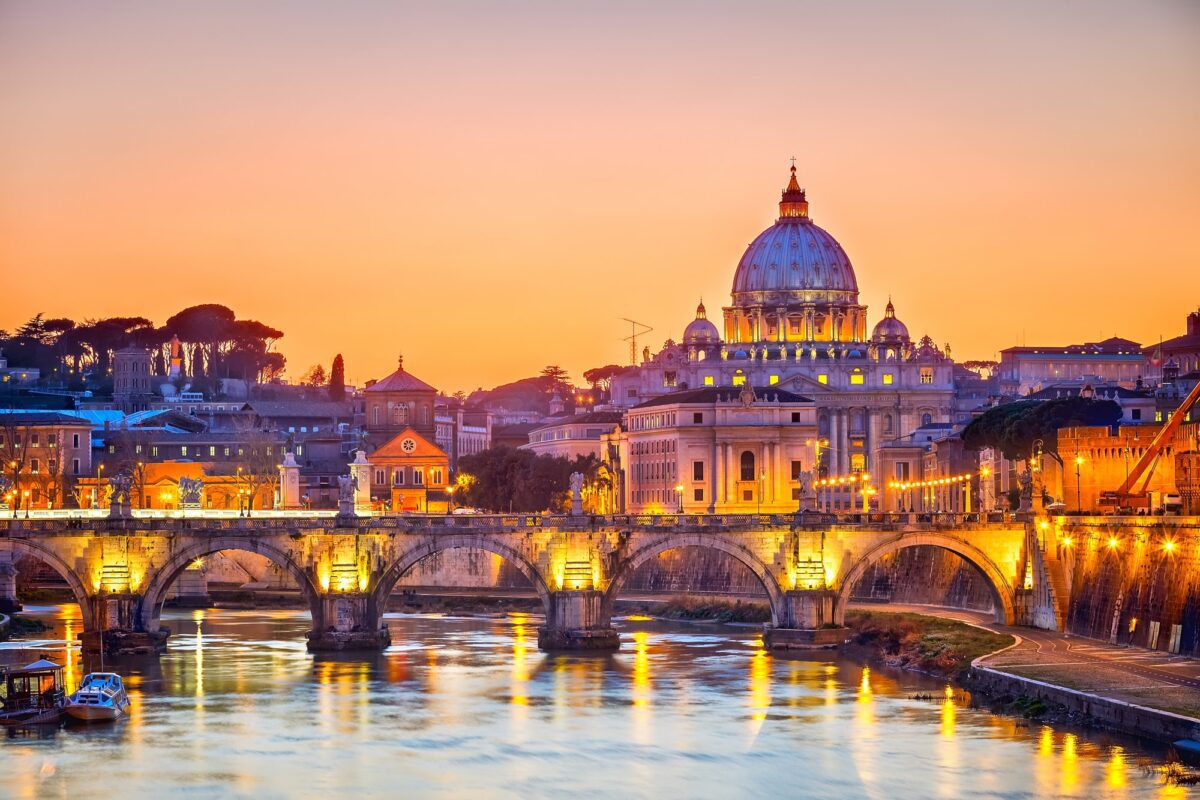
Inside, the Sistine Chapel’s ceiling frescoes and the Raphael-painted map room are the highlights before you reach St. Peter’s Basilica itself home to Michelangelo’s Pietà, Bernini’s baroque baldachin, and Alexander VII’s funeral monument. Climbing the Basilica’s dome rewards you with one of the best panoramic views in the city.
Castel Sant’Angelo
Originally built as Emperor Hadrian’s mausoleum, this fortress gained a secret underground passage to the Vatican in 1277, used as an escape route for popes Pope Clement VII sheltered here during the 1527 Sack of Rome.

Piazza Navona
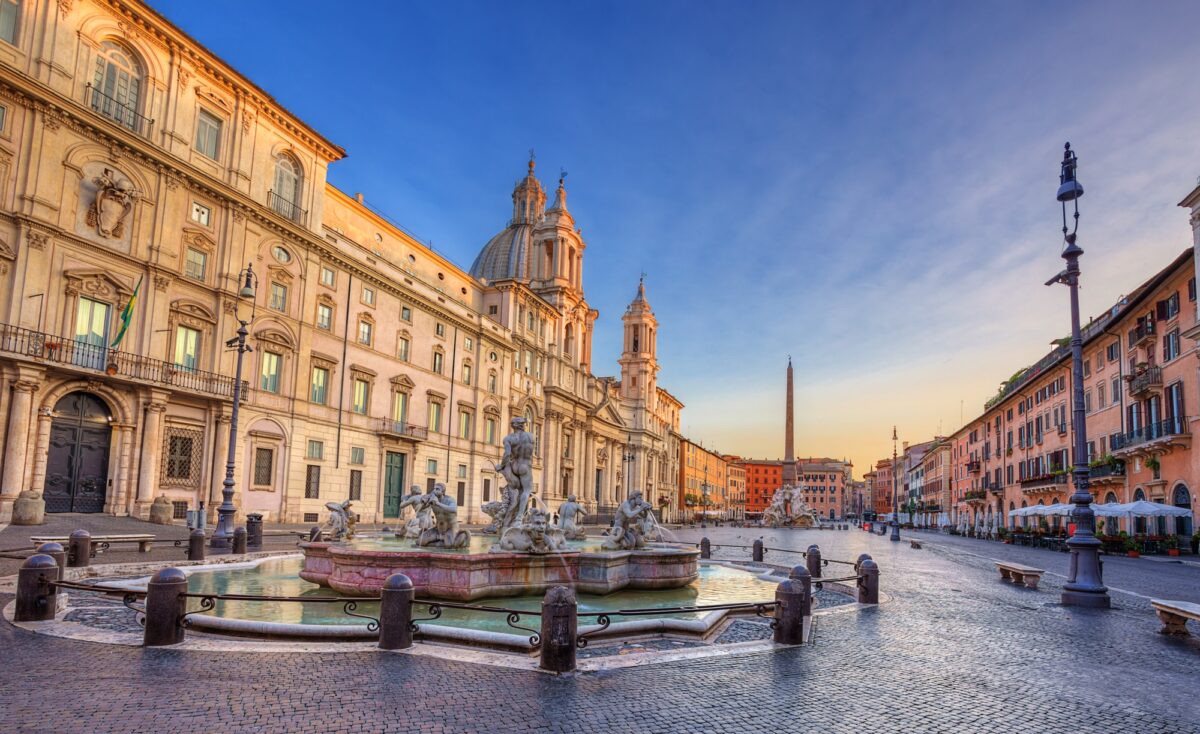
Cross Ponte Sant’Angelo and stroll via dei Coronari known for antique shops to reach Piazza Navona. Once a Roman chariot-racing stadium, it was transformed into its current Baroque form under Pope Innocent X, anchored by Bernini’s Four Rivers Fountain.
Day 3: Villa Borghese, the Jewish Ghetto, and Trastevere
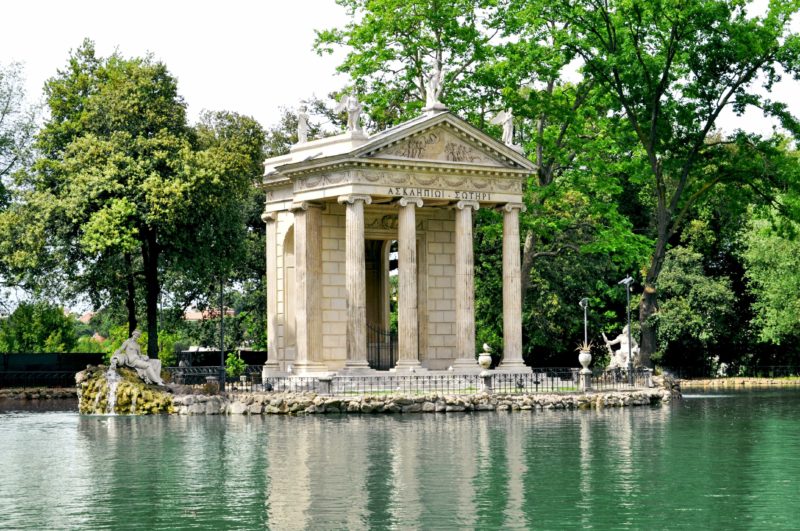
Morning: Villa Borghese
Spend your last morning at one of Rome’s best green spaces. Take a boat ride around the lake, then visit the Borghese Gallery reservation required, book online in advance for works by Bernini, Caravaggio, Titian, and Raphael. Finish at Pincio Terrace for another standout view over the city.
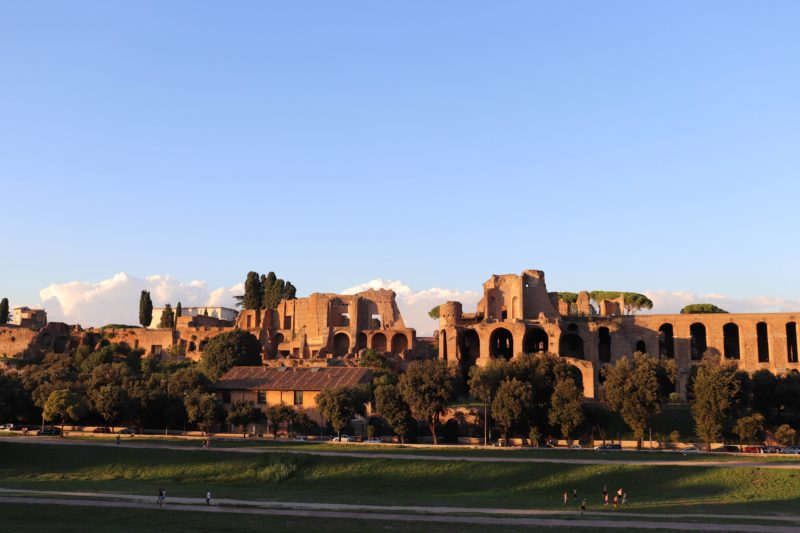
Circo Massimo
A short metro ride away, the Circus Maximus was Rome’s ancient chariot-racing stadium under Emperor Augustus. The Mouth of Truth is nearby if you want the classic photo.
Portico d’Ottavia and the Jewish Ghetto
A few stops from Via dei Cerchi, get off at Teatro Marcello to explore the historic Jewish Ghetto. A memorial plaque here marks the 1943 mass deportation of Rome’s Jewish community. The neighbourhood’s bakeries are worth a stop for genuinely distinctive local specialties.

Trastevere
Cross the river to end your trip in Trastevere ochre-coloured houses, narrow cobblestone streets, and a genuine mix of simple trattorie and finer dining. A cocktail in Piazza Santa Maria in Trastevere is a fitting way to close out three days in the city.

Passing landmarks: you’ll likely see the Altare della Patria (the Monumento Nazionale a Vittorio Emanuele, built 1911) from the bus at some point it houses Italy’s Tomb of the Unknown Soldier, guarded continuously since 1921. If you have extra time, the Giardino degli Aranci on the Aventine Hill is a quiet, little-visited spot worth the climb, especially for the orange-blossom scent in season.
Where to Eat in Rome
Rome’s food scene deserves its own planning, not an afterthought squeezed between sights. A guided street food tour (roughly 2.5 hours) is a good way to sample multiple specialties without researching restaurants yourself. For a deeper dive into what and how Romans actually eat, see our full guide to food in Rome and eating like an Italian.



Beyond These Three Days
Three days gives you Rome’s essentials, but the city and the country around it rewards a return visit. If you fall for Italy the way most people do, our full Italy Travel Guide covers where to go next: the coastline south of the city on the Amalfi Coast or on a day trip to Capri, the cliffside villages of Cinque Terre, or further south still into Calabria, one of the least-visited regions in the country.
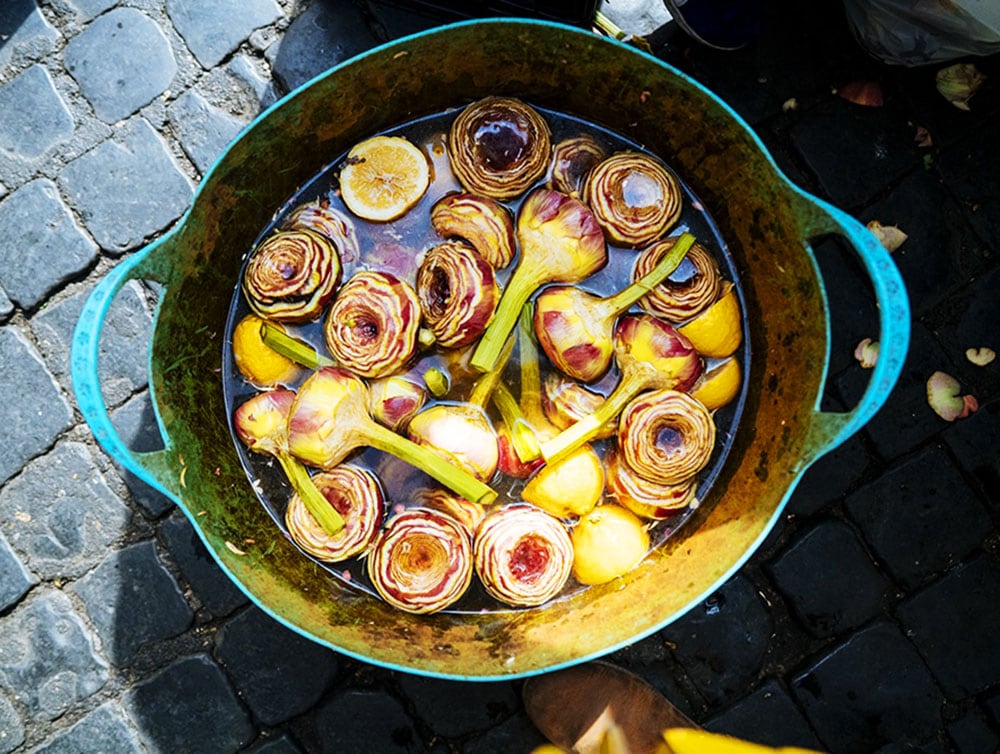
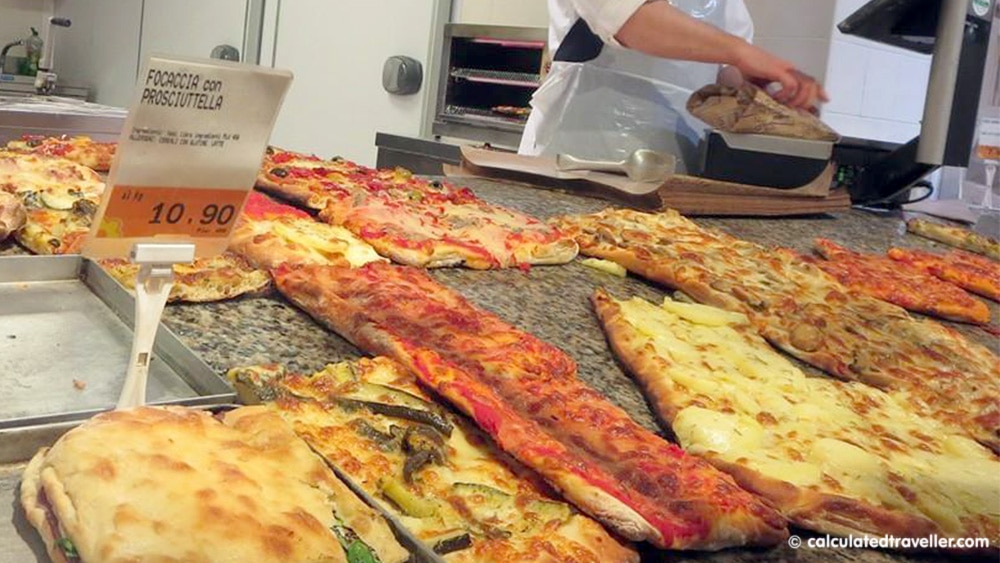
Food deserves more room in your itinerary than three days in Rome alone can give it — our guide to 29 dishes to try in Rome goes deeper than we could here, and if wine is part of the draw, 16 must-try wine tasting tours across Europe includes several of Italy’s best regions.

Whatever comes next on your Italian itinerary, the same rule that applies to Rome applies everywhere else in the country: fewer places, seen properly, beats more places rushed. Three days here is just the beginning.
Frequently Asked Questions
How many days do you need in Rome?
Three days is enough to properly cover the essentials ancient Rome, the Vatican, and the historic centre without exhausting yourself. If you have more time, Rome rewards it, but three days done well beats five days rushed.
Is 3 days in Rome enough for a first-time visitor?
Yes, if you plan around skip-the-line tickets and don’t try to add day trips. Three focused days covering the Colosseum, Vatican, and central piazzas gives a genuinely complete first impression of the city.
Do you have to pay to see the Trevi Fountain?
No viewing the fountain from the surrounding piazza remains free. As of February 2026, only getting close to the basin and steps during peak daytime hours requires a €2 fee.
Is Rome walkable, or do I need public transport?
The historic centre is compact and best explored on foot. Public transport (buses and metro) is useful for reaching Vatican City, the Circus Maximus, and other sites slightly outside the main walking core.
Is Rome accessible for visitors with mobility challenges?
Yes, with planning. Major sites offer step-free access and staff assistance when arranged in advance, though Rome’s cobblestones and uneven historic surfaces remain the primary challenge rather than distance.
What’s the best time of year to visit Rome?
Spring (March–May) and fall (September–November). Summer brings intense heat and the heaviest crowds of the year, making sightseeing genuinely more difficult.
Should I book Colosseum tickets in advance?
Yes, always. Buying the combination ticket covering the Colosseum, Roman Forum, and Palatine Hill in advance avoids the longest queue in the city.
Check out my European Travel Highlights posts
If you’re exploring more of Europe, or thinking about living here longer term, I’ve put together a few guides that might help:
Europe Travel Guide and the Ultimate Europe Travel Resource Guide
How to Avoid Travel Scams in Europe
Schengen Rules Explained when travelling to Europe
Accessible Travel Guides Ireland UK Europe
Carryon Luggage Rules Across Europe