
York Travel: Ultimate guide to things to do in York
York packs Roman walls, Viking history at Jorvik, the medieval Shambles, and one of Northern Europe’s largest Gothic cathedrals into a genuinely walkable city centre. Base yourself inside the city walls, budget at least two full days, and don’t skip York Minster’s free Evensong or a wander through the Shambles at dusk when the crowds thin out.
York, in North Yorkshire, is one of the oldest cities in the UK and one of my favourite beautiful cities in England I lived in Yorkshire for three years, and if you ask anyone here, they’ll tell you “this is God’s country.” I’ve been back to York more times than I can count, and this is my complete guide to the top things to do on your visit.
From the ancient Viking finds at Jorvik to the medieval streets of The Shambles, William the Conqueror’s York Castle, the Roman walls and the stunning York Minster, there are so many things to see that York’s many attractions will keep you busy for days.
- York Travel: Ultimate guide to things to do in York
- Fast Facts
- Best York Guided Tours
- Best Time to Visit York, England
- Ultimate Guide York Things to See
- Wandering the Medieval Streets of York in the Shambles
- York Ghost Merchants Shop
- York Fudge Kitchen
- Walk Down York Shambles Market
- Whip-Ma-Whop-Ma-Gate
- For Harry Potter Fans Gift Shops in the Shambles
- The Shop That Must Not Be Named
- St. Nicholas Fair Christmas Market
- York Museum (The Yorkshire Museum)
- Visit the Jorvik Viking Centre
- York Cold War Bunker
- York National Railway Museum
- The Creepy York Dungeon
- Dick Turpin's Grave
- York St. Mary's
- St Mary's Abbey York Museum Gardens
- York Art Gallery
- Merchant Adventurers Hall
- York's Chocolate Story
- Get a York Pass
- York Pubs & Restaurants
- What to Eat in York
- Where to Stay in York
- Day Trips from York
- Frequently Asked Questions Best Things to Do in York, England
- Final Thoughts on Things to Do in York
- Explore Historic Great Britain
Fast Facts
| York Minster admission | ~£20 standard adult / ~£26-£28 with Tower climb / £6 child (8-17) |
| Jorvik Viking Centre | £17.50 adult / £12 child ticket valid for return visits within 12 months |
| Clifford’s Tower | £9.00 |
| York Castle Museum | £13 online / £14 walk-up |
| York Cold War Bunker | ~£15.50, guided tour only, pre-booking essential |
| York City Walls | Longest medieval walls in England just over 2 miles, free to walk |
| Park & Ride | £3.80 return, including parking, from any of 6 sites |
| Most famous street | The Shambles Britain’s Most Picturesque Street, dating to at least 1086 |
Best York Guided Tours
York offers a variety of guided tours that cater to diverse interests, providing an engaging way to explore the city’s rich history and culture. Some of the best guided tours in York include:
The Original Ghost Walk of York known for its spine-chilling stories and atmospheric evening strolls through the city’s ancient streets, this tour is a must for those intrigued by York’s haunted history.
The York Ghost Walk Experience leaves from York Minster each Saturday at 7pm, and both York Theatre Royal and the National Railway Museum are just a five-minute walk away.
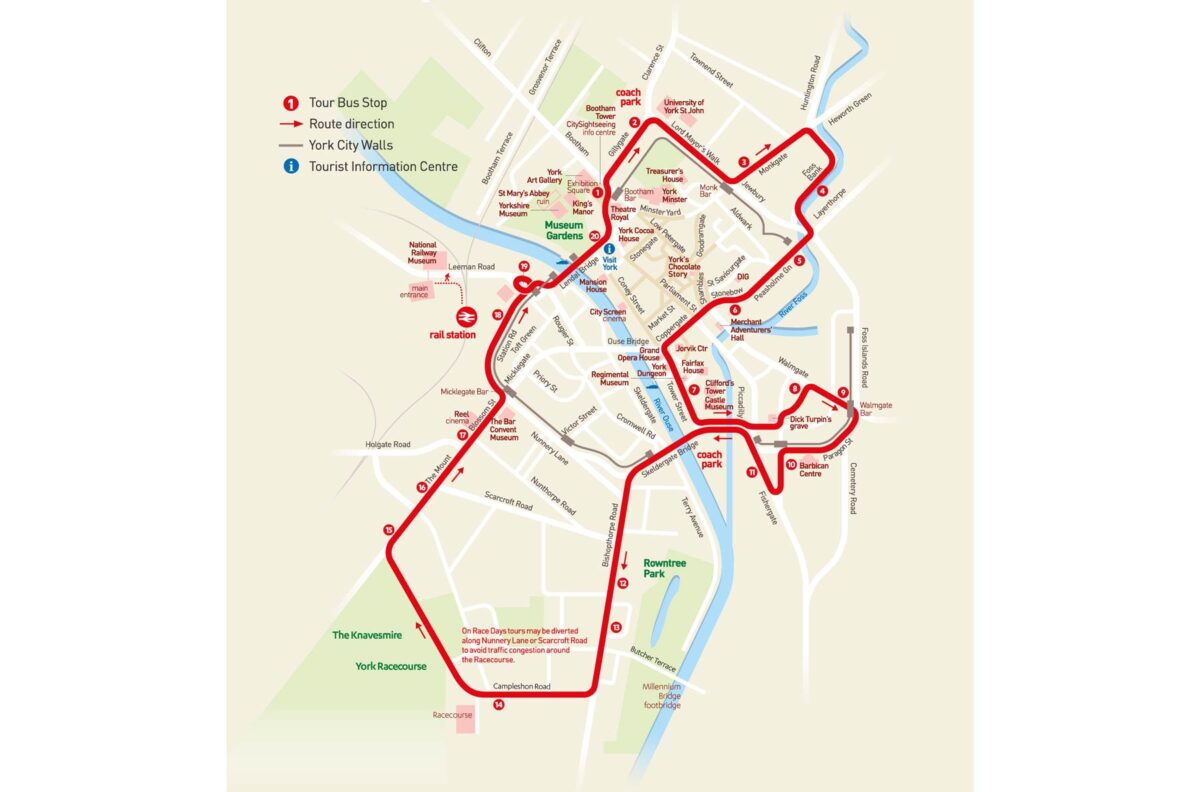
York City Sightseeing Bus Tour ideal for first-time visitors, this hop-on-hop-off bus tour covers major landmarks like York Minster, Clifford’s Tower, and the Shambles, with informative commentary along the way.

York Minster Self Guided Tour dive deep into the history, architecture and significance of one of the largest Gothic cathedrals in Northern Europe.
The Bloody Tour of York a popular choice for history enthusiasts, focusing on the darker aspects of York’s past, including tales of crime, punishment and execution.
York History Walking Tours themed options such as Roman York, Medieval York, and the Chocolate Story Tour provide in-depth insights into specific aspects of the city’s heritage.
Free Guided Walking Tours the Association of Voluntary Guides to the City of York (AVG) offer daily free two-hour walking tours to visitors from all over the world.
Best Time to Visit York, England
York is known to be one of the rainiest cities in England, so there isn’t really a guaranteed good time. English summers are unpredictable, so don’t plan a summer break here counting on sunshine plan around the attractions instead, and dress for rain whatever the season.
Ultimate Guide York Things to See
I always take a hop-on hop-off bus when I’m in a new city, and York’s City Sightseeing bus was no exception. I like getting a feel for the layout and figuring out which places I want to come back to on foot it also saves my feet from suffering too much.
Wandering the Medieval Streets of York in the Shambles
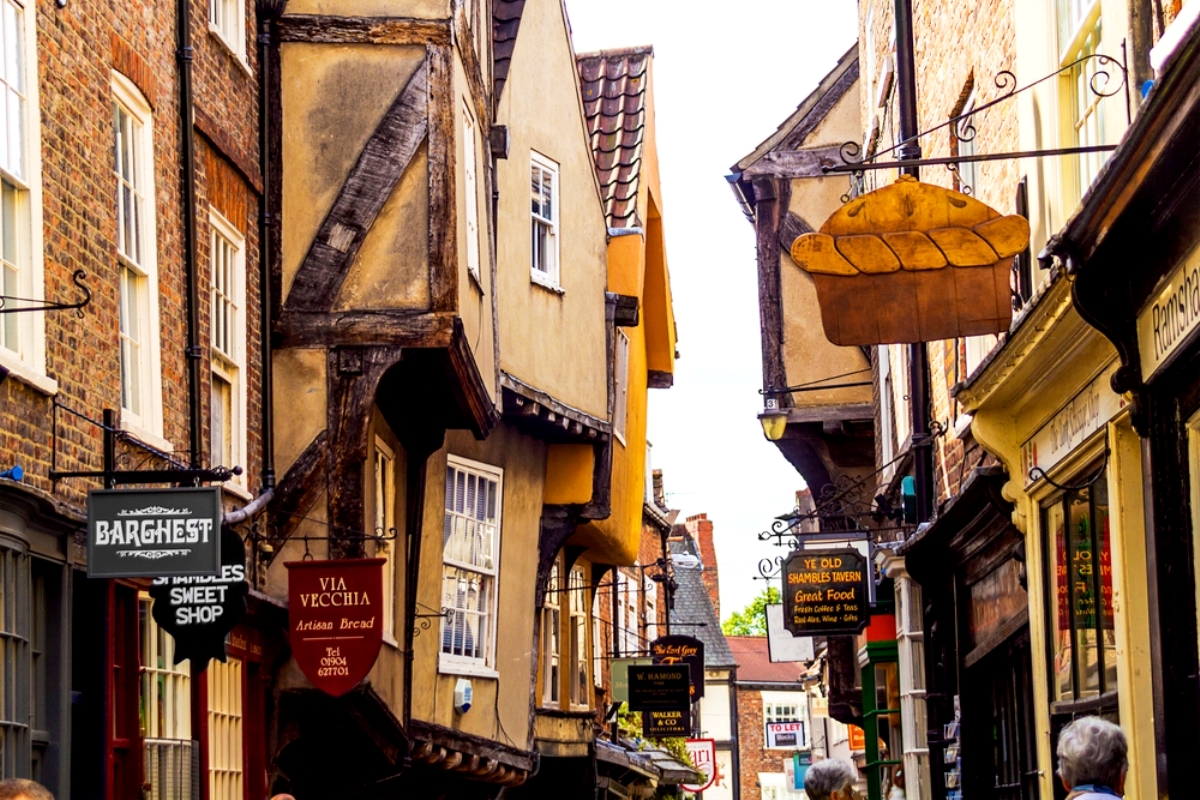
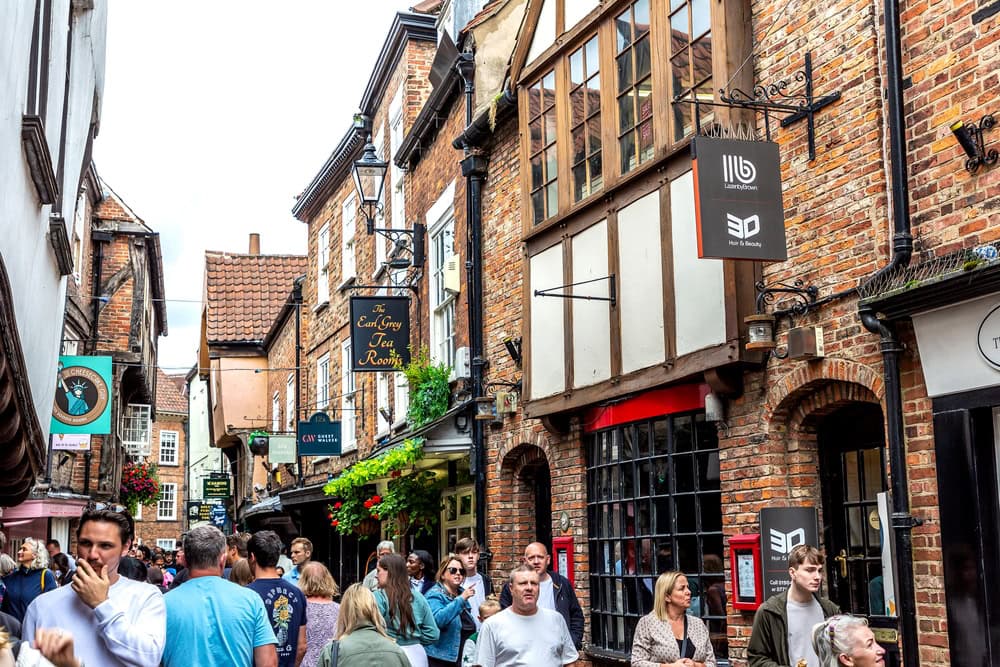
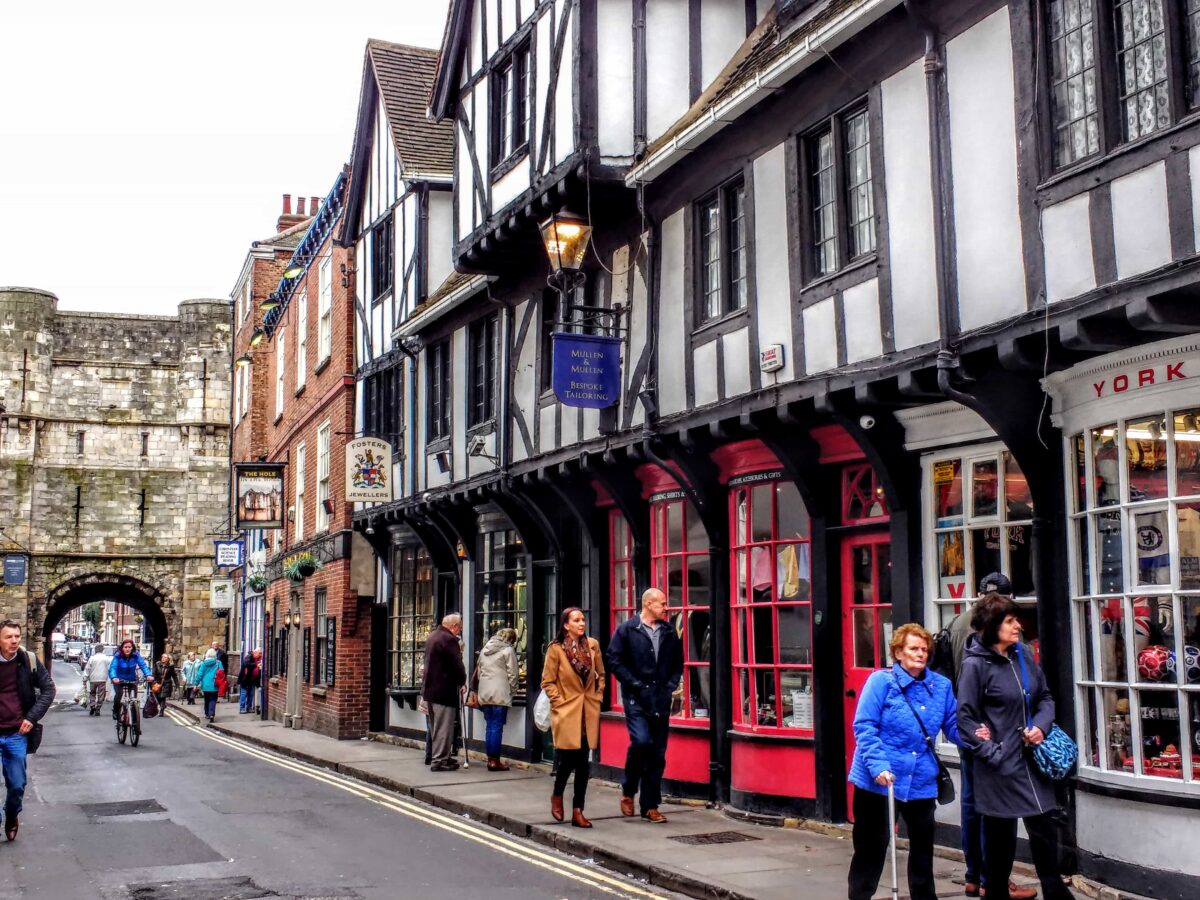
One of the best things to see in York is The Shambles, in the city centre, which won a Google award for Britain’s Most Picturesque Street the oldest and best-preserved medieval street in the world. It’s home to Diagon Alley York (Harry Potter fans will know exactly what that means) and the Shambles Market.
The Shambles, as a term, describes a maze of narrow, twisting lanes at the heart of York, with the actual lane called The Shambles running through its centre the best-preserved medieval street in the world. William the Conqueror’s Domesday Book mentions the Shambles in 1086, and many of the existing buildings date to between 1350 and 1475, each with its own fascinating legends and history.
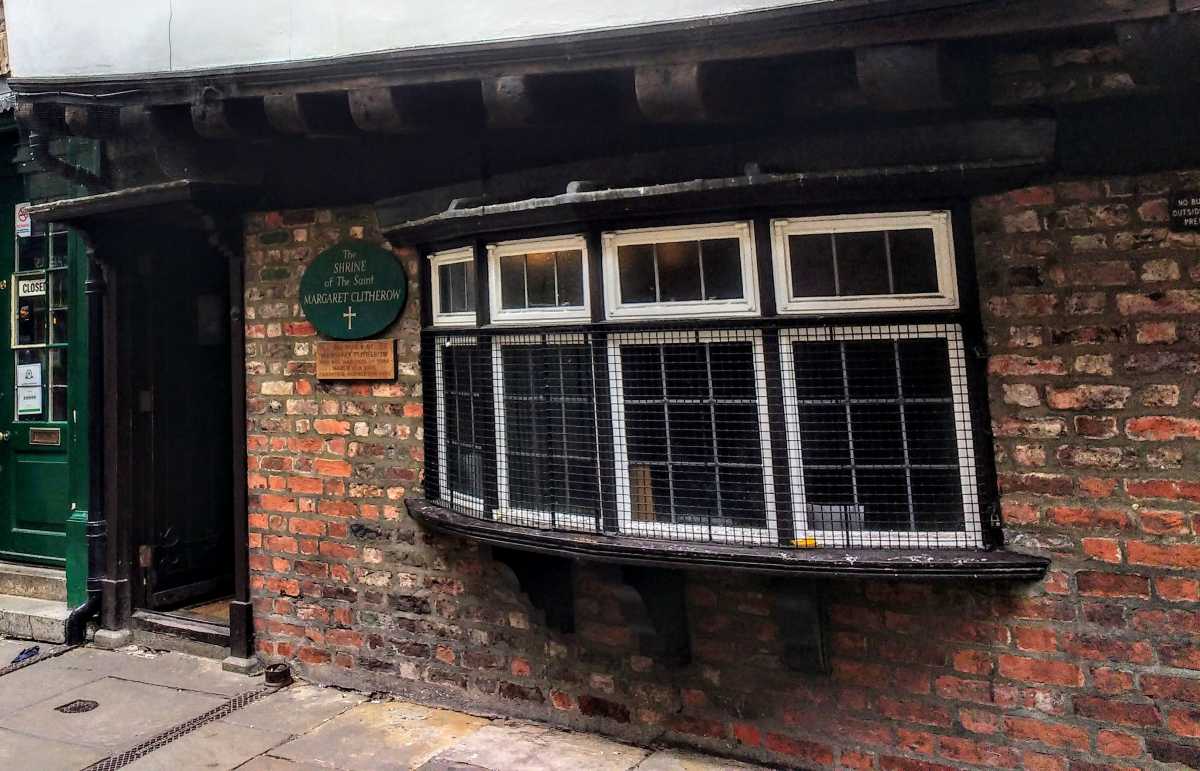
Margaret Clitherow the York Saint
One of the Shambles’ historic attractions is Margaret Clitherow’s house. A butcher’s wife who lived on this street, Margaret Clitherow was raised in the reformed (Protestant) religion. In 1574 she became a Catholic and allowed her home to be used to shelter persecuted priests. Over 12 years of hiding them, she was arrested on several occasions and spent over three years imprisoned. Margaret refused to speak or plead at her trial, and was condemned to be crushed to death, naked, under a heavy stone on Ouse Bridge in York. She was later made a saint by the Church.
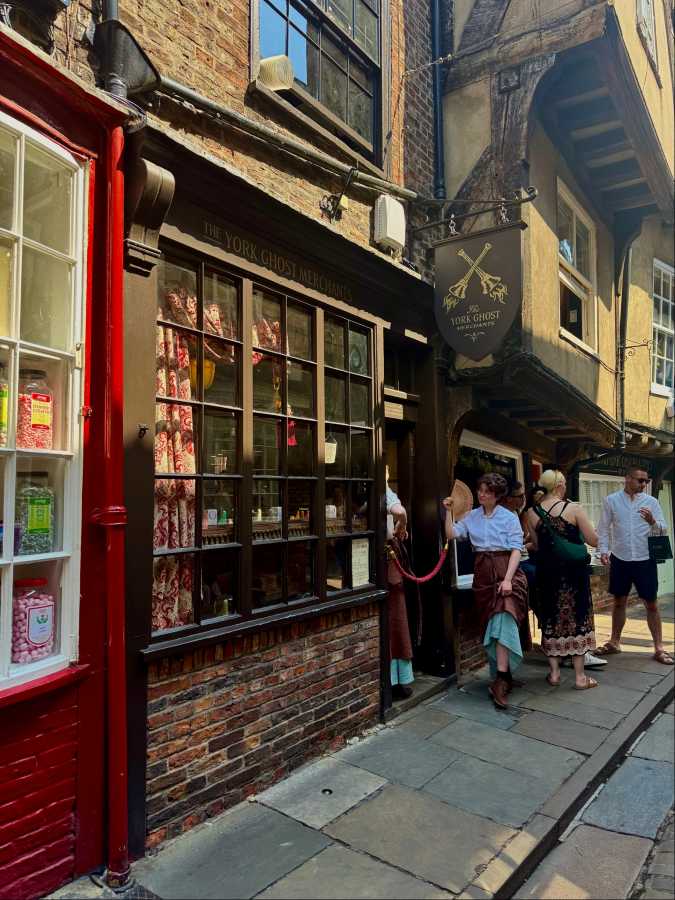
York Ghost Merchants Shop
The queue to get into this shop and buy a handcrafted ceramic ghost regularly runs around two hours. The business says it follows the traditions of The Sorrowful Guild of Master Ghost Makers every ghost is made by hand, with techniques that ensure each York Ghost is a true original, complete with an embossed maker’s mark.
York Fudge Kitchen
I love fudge as much as the next person, but the queue to get into this shop was apparently taking two hours genuinely surprising given how simple great fudge is to make.

Walk Down York Shambles Market
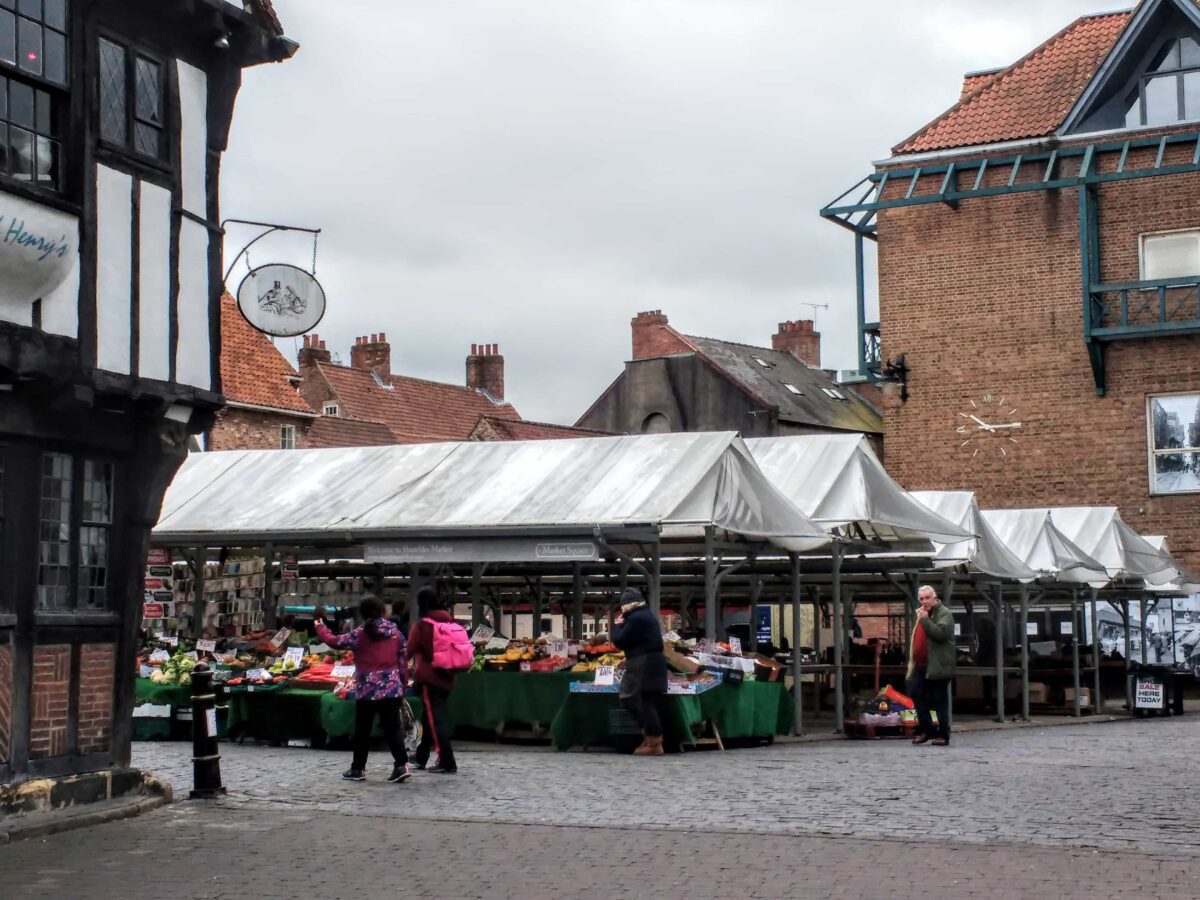
A market has taken place within the Shambles since Viking times in the 8th century. Today’s Shambles Market is home to over 80 different stalls and a street food market, where you can buy pretty much anything vintage clothes, fruit and veg, mobile phones, and much more.
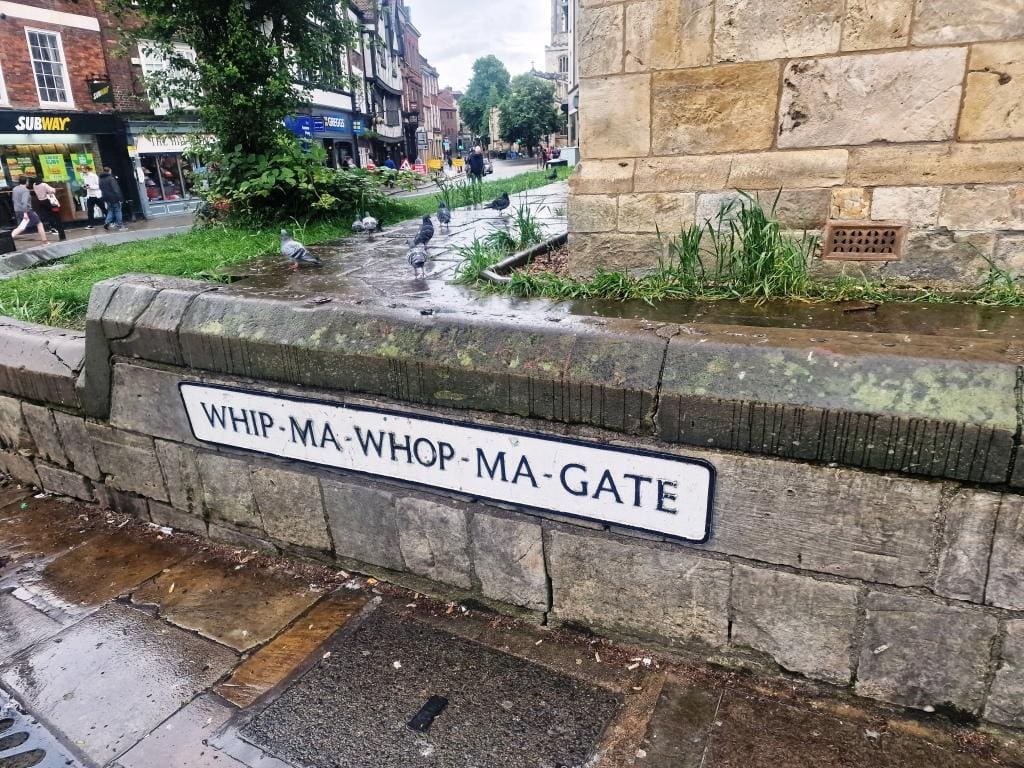
Whip-Ma-Whop-Ma-Gate
One of the most intriguingly named streets in York, and one of its shortest, its name has sparked plenty of curiosity and various theories over the years. Located near the Shambles and Colliergate, this small street’s name is believed to date back to medieval times.
For Harry Potter Fans Gift Shops in the Shambles
The Shop That Must Not Be Named
Located at 30 The Shambles, this shop is fabulous from free broom parking to Potterised ice cube trays, it’s a wonderland of Potter merchandise. Opened in May 2017, it offers all the official Harry Potter merchandise including cloaks, wands, spell books and wizard hats for Potter fans young and old. I’d recommend getting there early, since the crowds of muggles gather early to check it out.
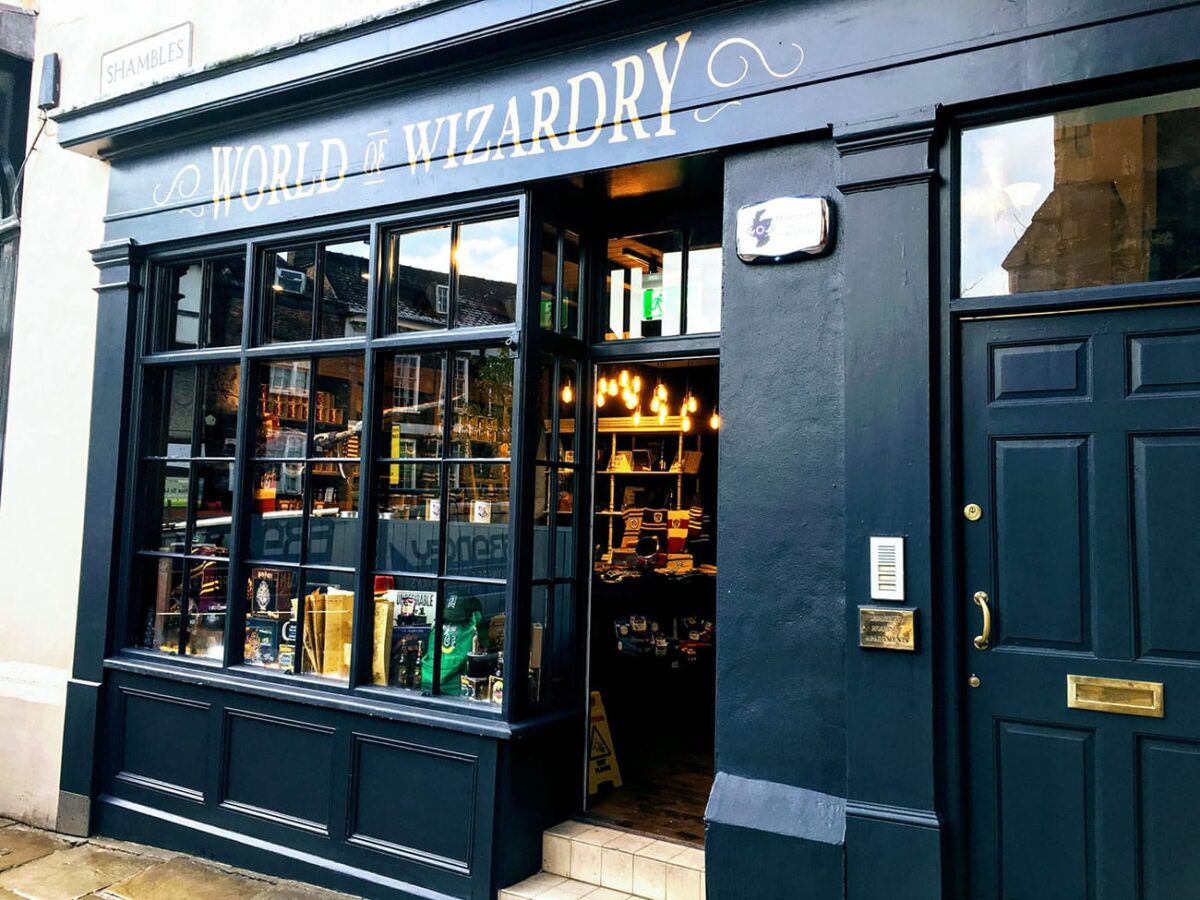
The World of Wizardry
A few shop fronts down is another Harry Potter treat The World of Wizardry, literally overflowing with merchandise. This is more Potter heaven, with Hogwarts students on hand to serve you and as much Potter paraphernalia as you can carry. Tucked away at the back, though, is some merchandise for other fantasy series fans, including Game of Thrones.
The Boy Wizard
With locations in Edinburgh, York and London, York’s branch has a bright red shopfront and plenty of great merchandise inside.
The Cauldrons Potions
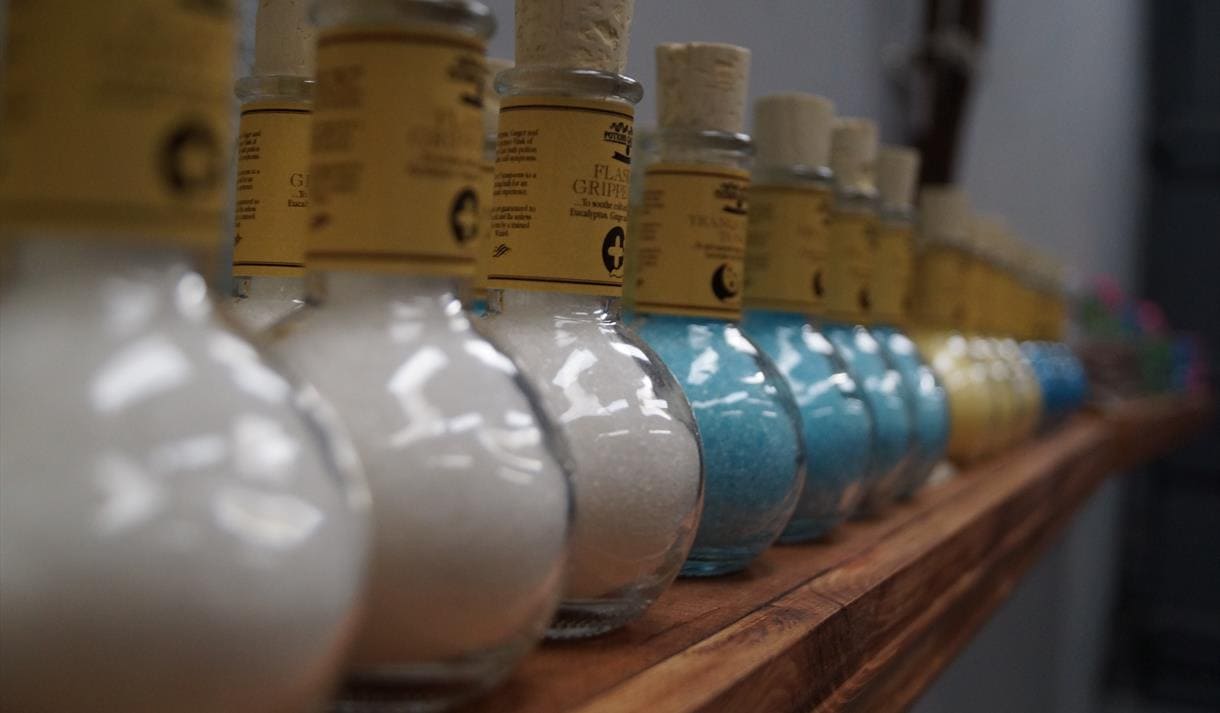
The Cauldrons, in Shambles York, is where you can mix up your own magical potions and become a trainee wizard a drinks emporium for wizards serving the “ancient recipes” of Agnes de Molay, a fictional 14th-century French witch. They have Serpent’s Venom, Lion’s Roar Elixir and Dragon’s Breath potions.
Hidden away in the witch’s hole at the back of the shop, you can visit beyond the magic wall to see a 6,000-piece Hogwarts Lego set. Why not drop by and mix up your own versions of Basilisk Blood and Elixir of Love.
St. Nicholas Fair Christmas Market
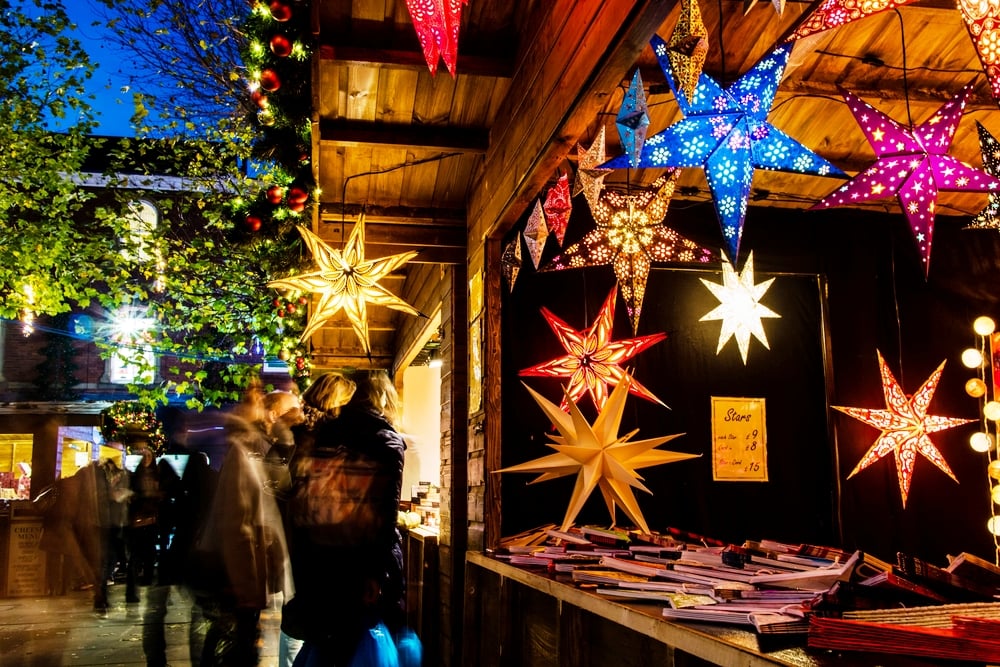
If you’re visiting York at Christmas, there’s one place you absolutely can’t miss: York St Nicholas Fair. Having earned titles like “Best Large Specialty Market” and “Britain’s Most Festive City,” you don’t just need to take my word for it York is amazing at Christmastime!
With over 100 Christmas market stalls, you’ll find a wide array of handcrafted gifts and festive treats, and the aroma of mulled wine and freshly-baked gingerbread is inescapable.
York Minster
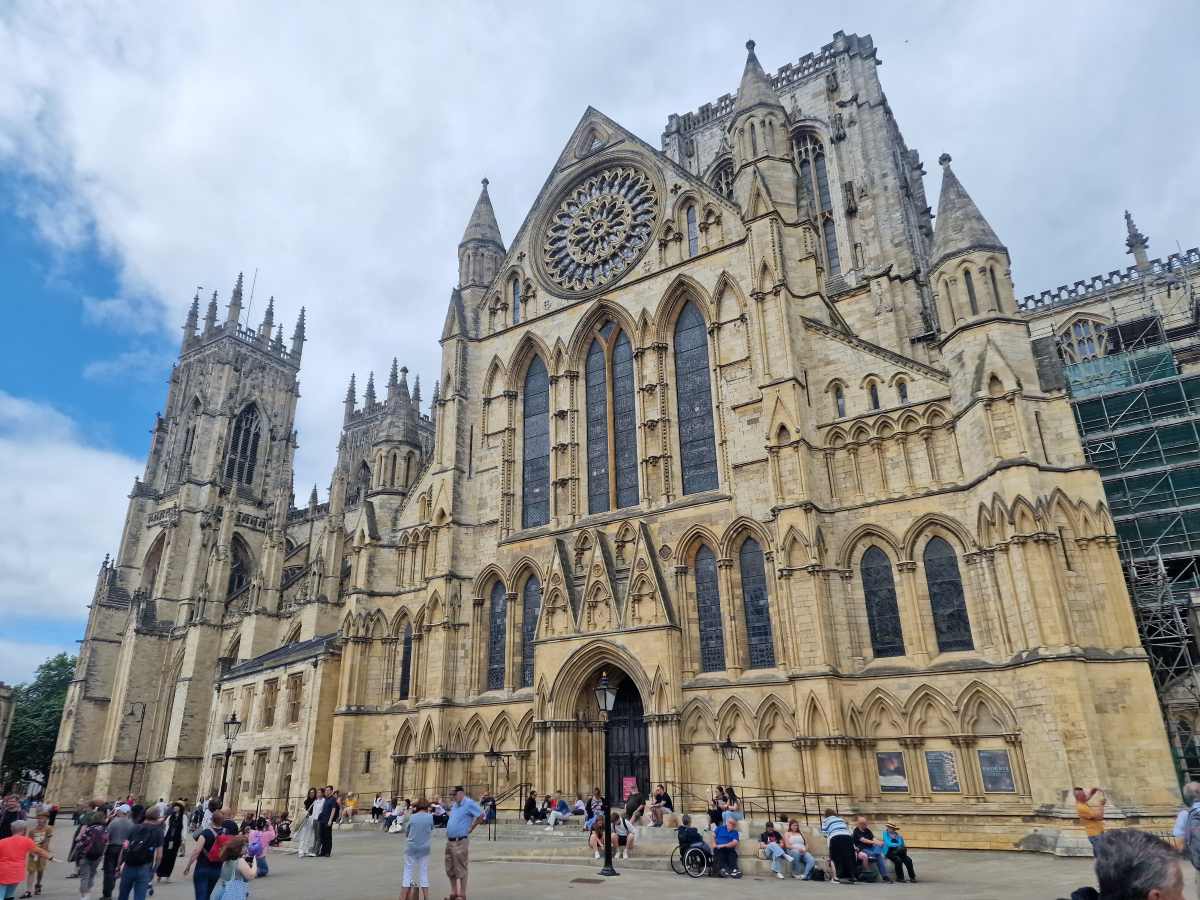
One of the top attractions in York is York Minster, one of England’s most famous cathedrals. Technically called The Cathedral and Metropolitical Church of Saint Peter in York, it’s the largest cathedral in Northern Europe. The name “minster” comes from the Anglo-Saxon period, describing missionary teaching churches.
Dating back over 1,000 years, the first church on the site was a wooden structure built in 627 to baptise Edwin, King of Northumbria. A stone building was completed in 637 and dedicated to Saint Peter, with its school and library begun in the 7th century. York Minster itself took over 250 years to build, between 1220 and 1472.
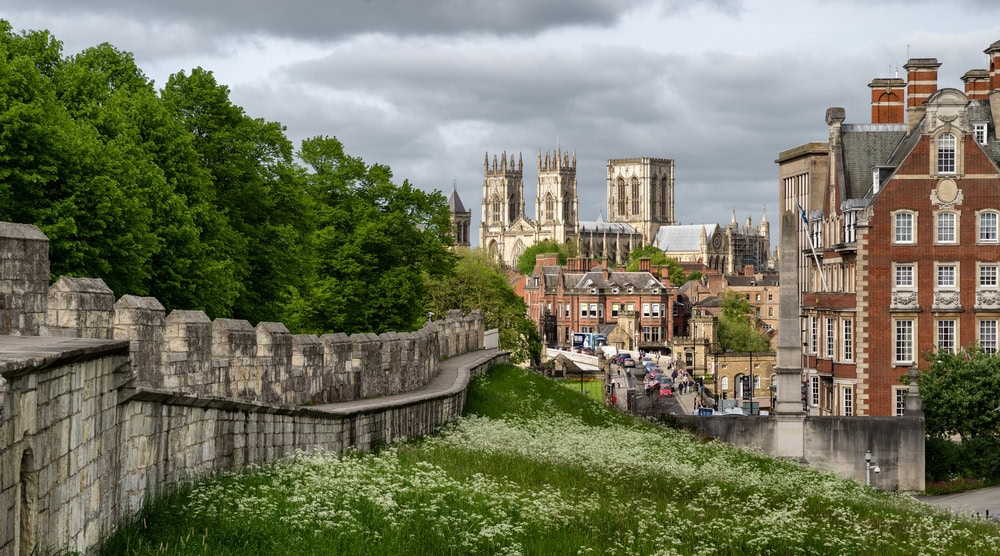
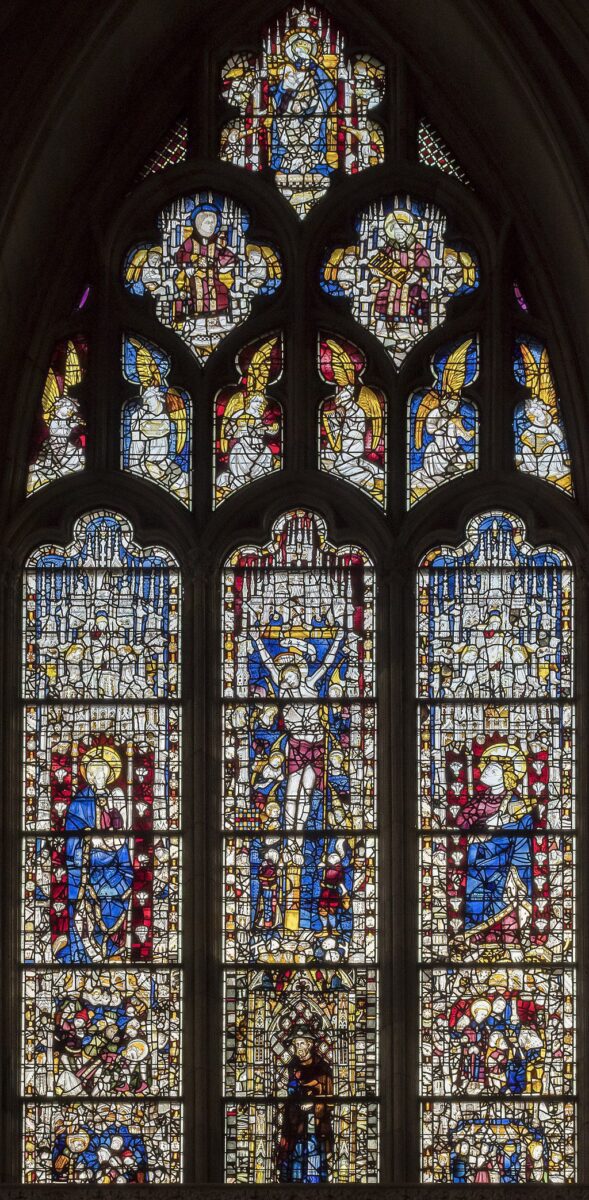
York Minster holds the largest expanse of medieval stained glass in the world, including a rose window a heart-shaped design known as the Heart of Yorkshire and the Five Sisters Window. The building is breathtaking in all its gothic glory. If you have the stamina, your visit can include a trip up the tower, which is 275 steps, but the views are genuinely worth it.
A standard adult sightseeing ticket runs around £20, rising to roughly £26-£28 with the Central Tower climb included, and £6 for children aged 8-17 (check current pricing before visiting) the ticket is valid for a full calendar year, and up to four children go free with each paying adult, so it’s better value than the headline price suggests.
Two things worth knowing that aren’t obvious from the ticket desk: free Evensong services run Tuesday to Saturday at 5:30pm and Sunday at 4pm, sung by the choir and open to all without a sightseeing ticket. And for a quiet, tourist-free view of the Minster’s exterior, walk down Precentor’s Court, a short street tucked just behind The Hole in the Wall pub.
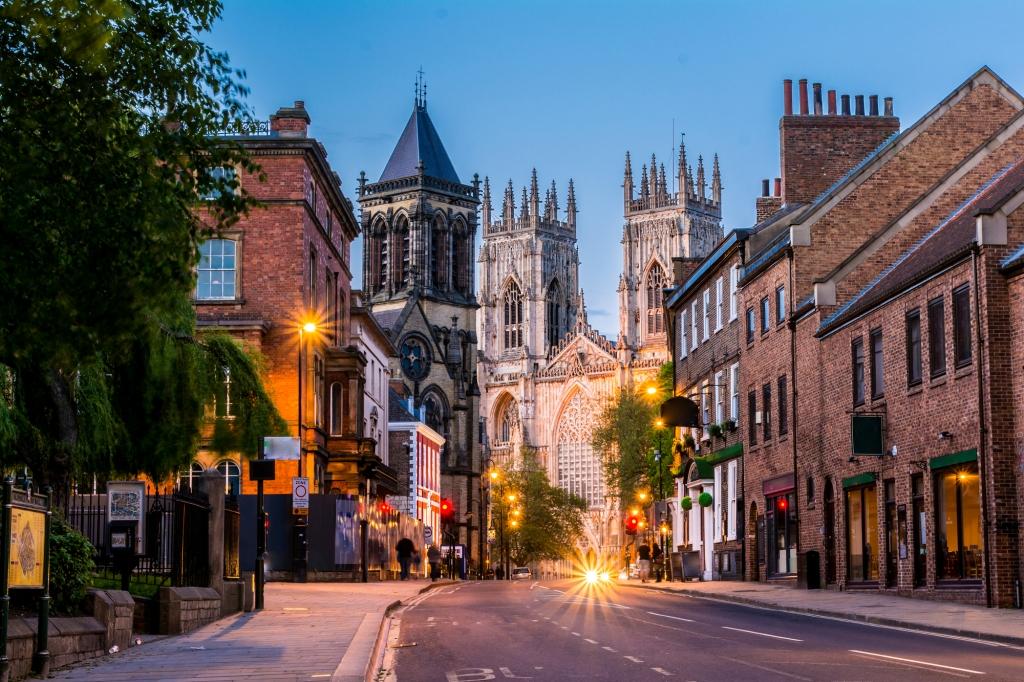
There are so many things to discover about the incredible York Minster that it’s a must-see when visiting York.
Clifford’s Tower
The remains of York Castle, now known as Clifford’s Tower, were the centre of Norman medieval defences. York Castle formed an important royal fortification in the north of England and was built by William the Conqueror his first castle here was a wooden one that was later incorporated into the stone-built York Castle.
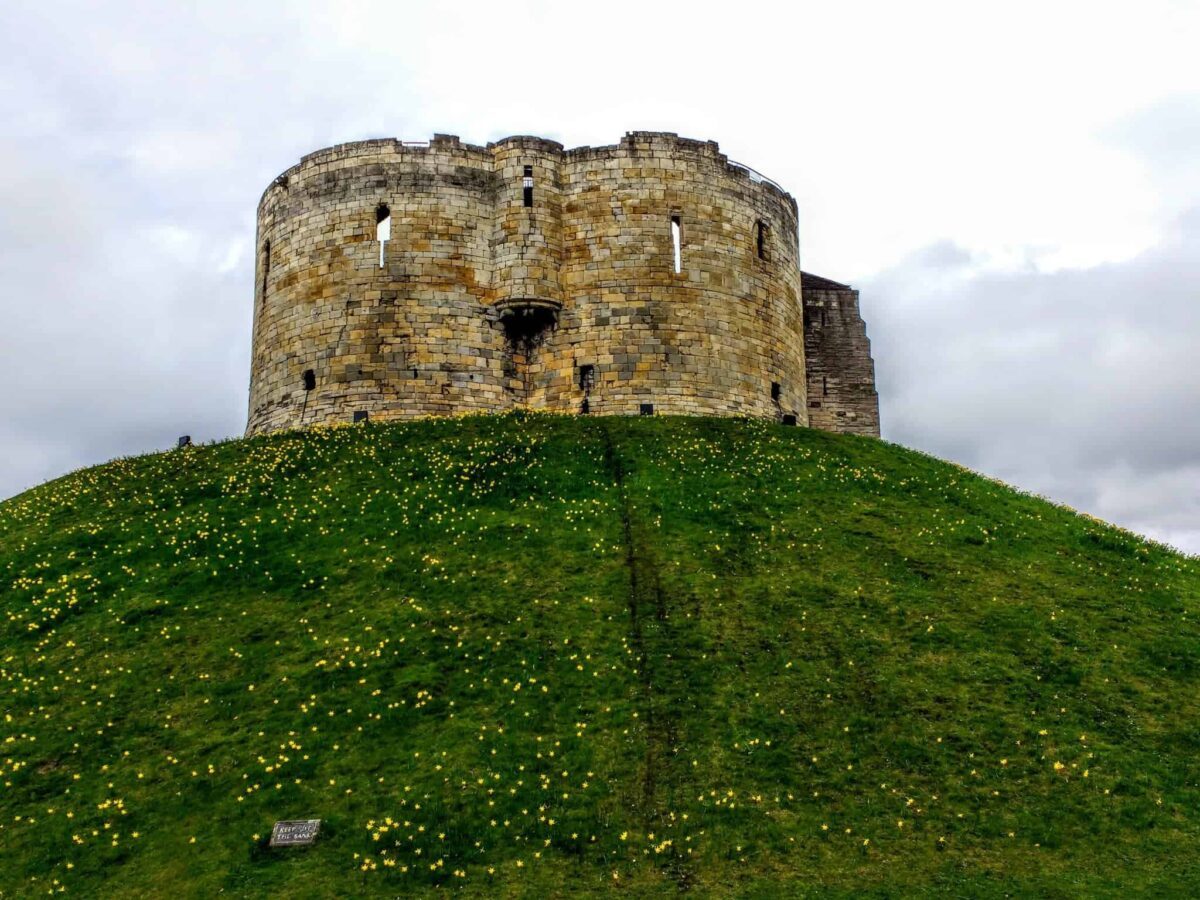
The Tower has a tragic history: on 16 March 1190, a wave of antisemitic riots culminated in the horrific deaths of York’s entire Jewish community inside the Tower. Rioting had taken place during this period, and resentment against the Jews, who were blamed for various grievances, grew so severe that around 150 people took sanctuary inside the Tower. The citizens of York stormed the Tower, and in the act of burning the place down, the Jewish families inside felt they had no alternative but to take their own lives.
These events at York angered King Richard, and a royal inquest was held soon afterwards. This resulted in the city receiving a heavy fine, but by that time the instigators had escaped and no individuals were ever punished for the crimes committed that night. Probably some of them joined the King himself on crusade, as he was by then en route to the Holy Land through France.

The Tower was repaired by 1194, and the mound it sits on was raised to its present height. Admission is £9.00, and you can explore the internal walkways and restored staircases. Inside you’ll see the medieval garderobe built for King Henry III, the only one of its kind in England.
The Chapel is also open for visiting, with interactive exhibits detailing the 1069 uprising, a 14th-century kitchen experience, and a climb to the top of the tower for incredible views of York Minster, the City of York, and even across to the North York Moors National Park and the Yorkshire Dales.
York City Walls Roman Walls in York
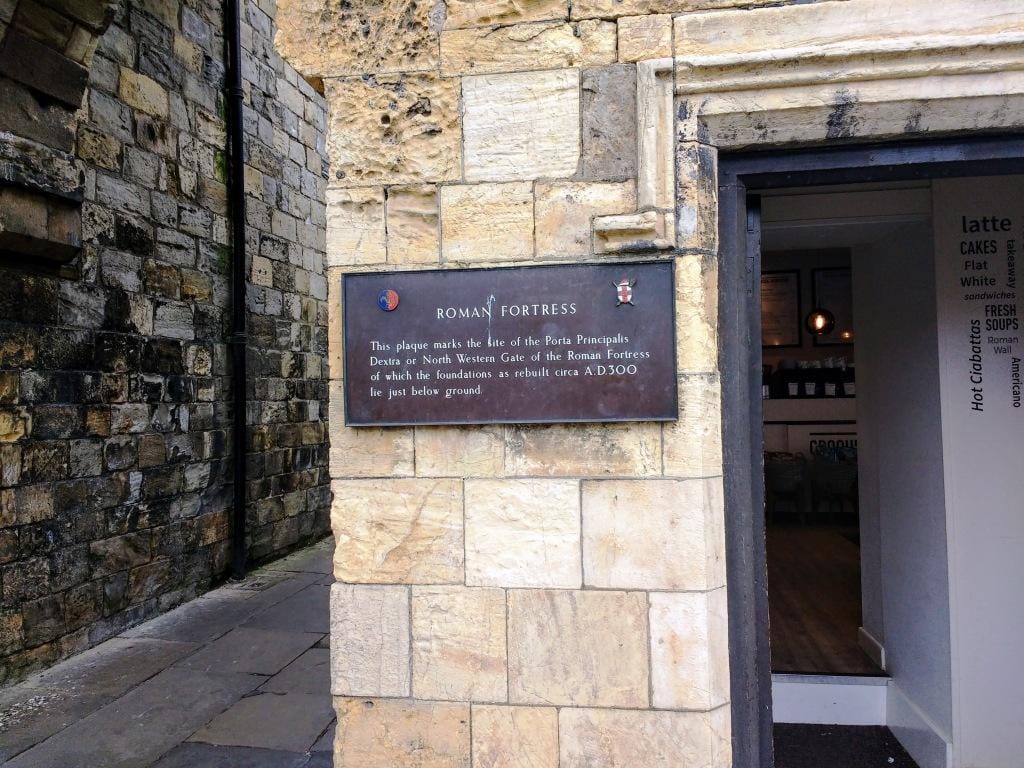
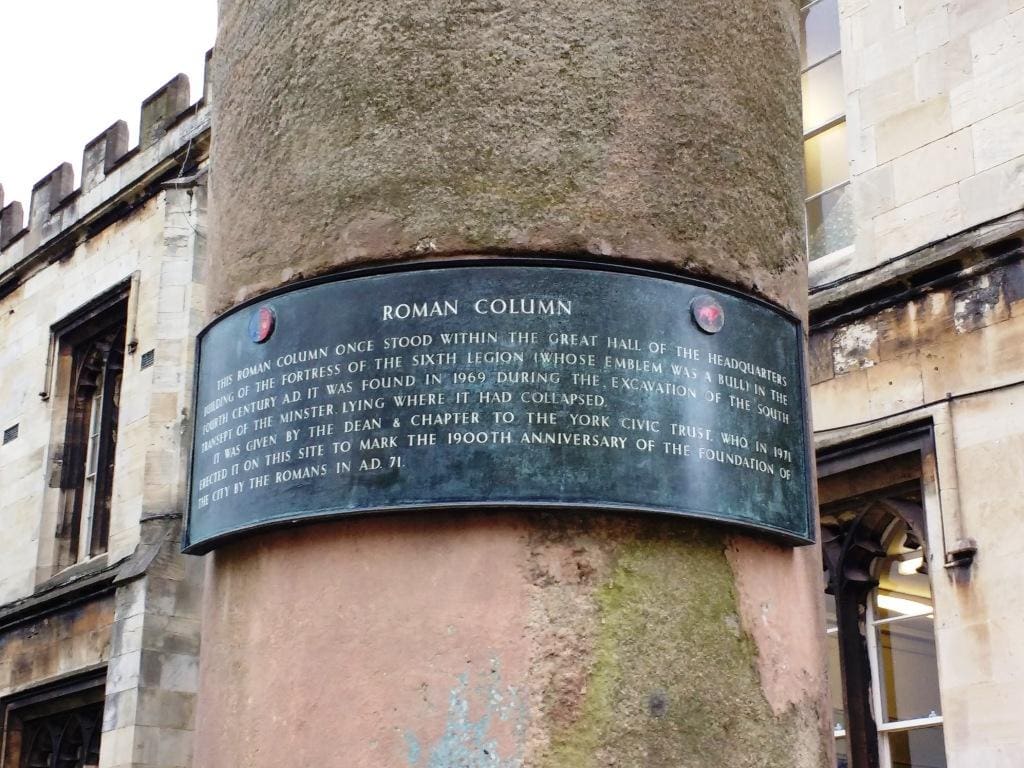
From Clifford’s Tower, you’ll see the full extent of the city or ‘bar’ walls of York, which are actually the longest medieval walls in England, at just over two miles. You’ll get splendid elevated views of the city below. Beneath the medieval stonework lies the remains of earlier walls, dating as far back as the Roman period.
The Roman-built walls survived into the 9th century, until, in AD 866, York was invaded by the Danish Vikings. The Vikings buried the existing Roman wall under an earth bank and topped it with a palisade. Since the mid-19th century, the walls have been restored and maintained for public access, including the planting of spring flowers on the old Viking embankment. Today the walls are a Scheduled Ancient Monument and a Grade I listed building.

The York Castle Museum
York has several unique museums that go beyond art and artefacts, and York Castle Museum, across the road from Clifford’s Tower, is one of the fun things to do in York. I highly recommend it it’s around 400 yards from Clifford’s Tower and well worth spending some time in. Here you can see hundreds of years of York’s history, from the Victorian street of Kirkgate, a recreated Victorian street and one of the oldest indoor recreated streets in the world.
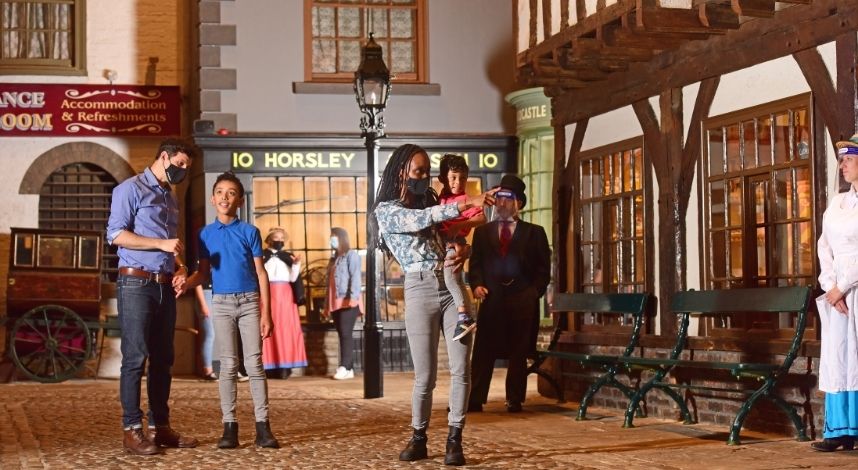
Kirkgate Street
The street was created in 2012 and encompasses the period from 1870 to 1901, with each shop and business named after a real one that operated in Victorian York.

York Castle Prison
The museum buildings were once a Georgian prison, and your visit down into the felons’ cells means you can visit the era’s thieves and murderers. The most notorious inmate was the legendary highwayman, Dick Turpin.
1914 WWI
From the recruiting office to the horrors of the front line, experience the objects and stories of the First World War. New technology and research are combined with the museum’s extensive military, costume and social history collections to tell the heartbreaking and fascinating stories of the Yorkshire people who lived and died during the war.
The Sixties
This exhibition recreates the spirit of a decade that saw momentous change across so many areas of public and private life, using objects from social history, art, militaria, fashion and even astronomy to demonstrate the world-changing sixties.
Shaping the Body: 400 Years of Fashion, Food and Life
The museum’s newest permanent exhibit is one after my own heart 400 Years of Fashion and Food. The exhibits include an iron corset, crotchless pantaloons from the time of Jane Austen, bum rolls and a killer dress, among the items charting how fashion, food and fitness have shaped the body over the last 400 years. Admission is £13 online / £14 walk-up price (check current pricing).

York Museum (The Yorkshire Museum)
The Yorkshire Museum was one of the earliest purpose-built museums in the country, opening in 1830. The museum is built on the grounds of York’s Abbey, St Mary’s, on land given by royal grant in 1828.
The museum’s primary focus is archaeology, geology and natural history. It houses an extensive collection of artefacts, fossils and specimens spanning millennia notable highlights include its dinosaur fossils, Anglo-Saxon treasures, and a remarkable Viking exhibit. The museum also features beautifully landscaped gardens, providing a serene escape in the heart of the bustling city.
Today the museum houses galleries showcasing some of Britain’s finest archaeological treasures from the city’s Roman, Viking and medieval past, including the magnificent Viking Ryedale Hoard.

Visit the Jorvik Viking Centre
The biggest tourist attraction in York might just be the Jorvik Viking Centre. Jórvík is Danish/Norwegian for the Viking city of York, located in what was then known as Northumbria. In the late 9th century and the first half of the 10th century, York was dominated and ruled by Norse warrior-kings. In the 1970s, outstanding archaeological finds in the City of York changed the world’s perception and knowledge of the ancient Viking warriors. Learning about the Viking history of York is just one of the many things to do in York city centre.
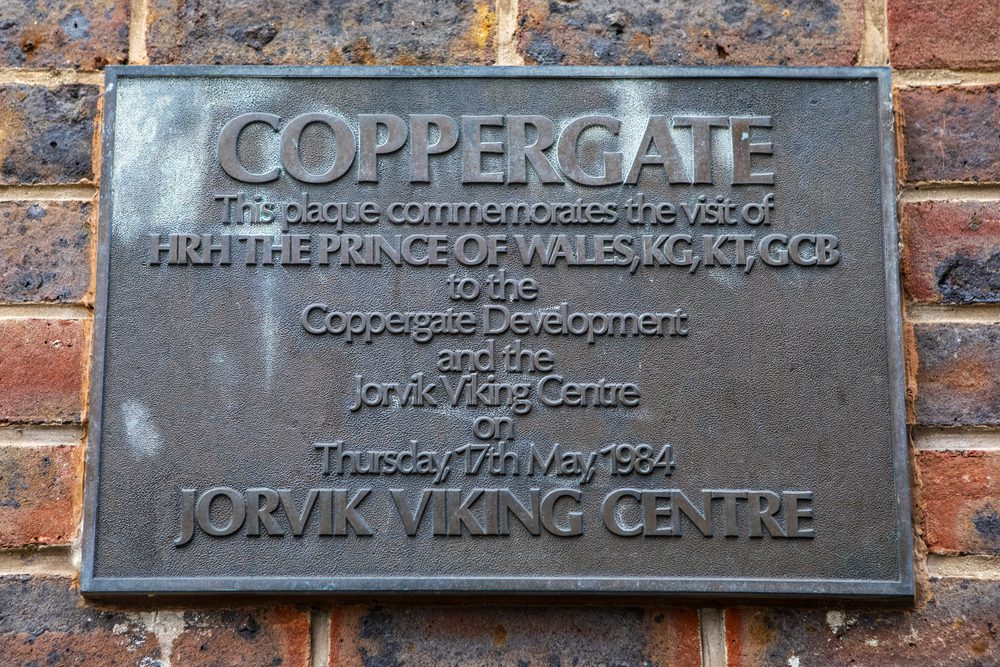
When the digs at Coppergate (now a shopping centre) wrapped up in the early 1980s, it was decided to create a centre to display the findings and knowledge gained from years of excavation. Jorvik Viking Centre took four years to build and debuted in 1984. Unfortunately, during the storms of 2015, Jorvik suffered a great deal of damage and had to be reconstructed. Opening again in April 2017, the new re-imagined Jorvik takes you through time capsules of Viking history a living museum that has to be seen to be believed.

Adult admission is £17.50, children £12 (check current pricing), and tickets are valid for free return visits within 12 months worth knowing if you can’t see everything in one go. One exhibit visitors specifically remember and search for afterwards: the so-called Lloyds Bank coprolite, a fossilised Viking-age human stool that’s oddly become one of the museum’s most talked-about items.
York Cold War Bunker
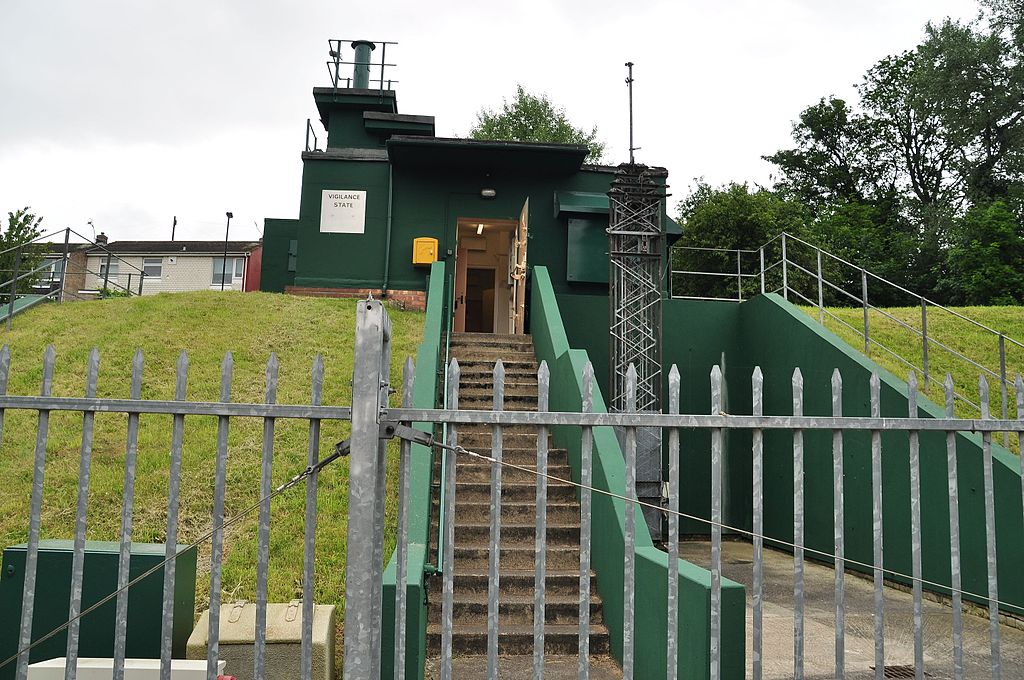
One of the most unique things to do in York is visiting the Cold War Bunker. The most modern and spine-chilling of English Heritage’s properties, the York Cold War Bunker uncovers the secret history of Britain’s Cold War. Enter the blast-proof doors and investigate the more unusual side of York’s heritage.
In active service from the 1960s to the 1990s, the bunker was designed as a nerve centre to monitor fallout in the event of a nuclear attack. Visits are by guided tour only, and pre-booking online is essential capacity is genuinely limited, and the site has had occasional unplanned closures for operational and maintenance reasons, so it’s worth checking English Heritage’s site for current opening status before building a visit around it. Adult admission is around £15.50 (check current pricing).
Fascinated by the history of WWII and the aftermath? Visit the home of the codebreakers, Alan Turing and the history of computers at Bletchley Park.
York National Railway Museum
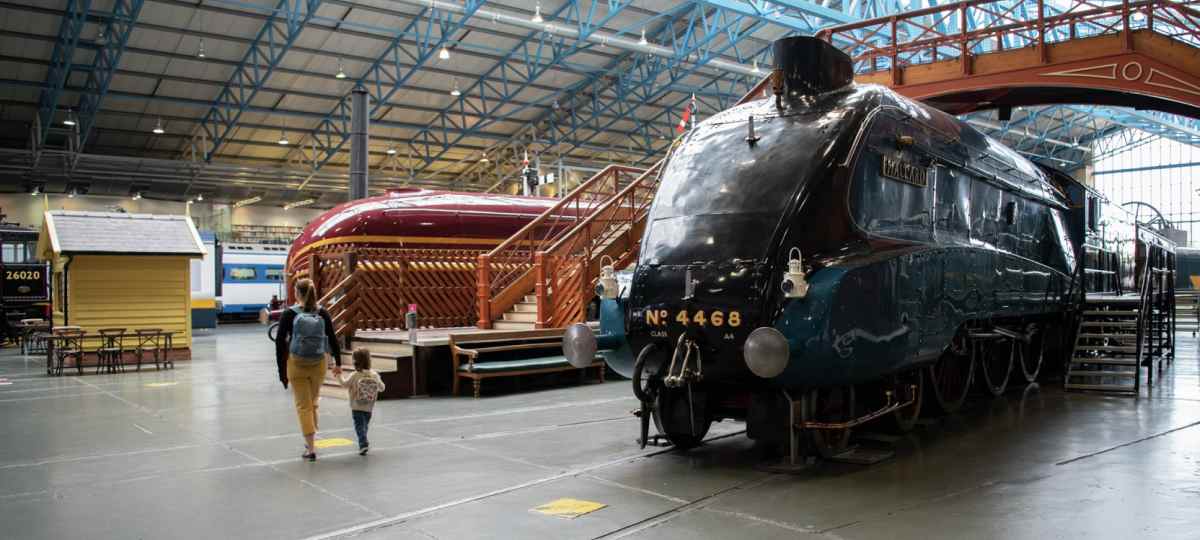
When you visit York, don’t forget to take in the National Railway Museum this museum covers over 300 years of rail history and has 1,000,000 objects that changed the world. A great day of exploring even if you never thought you were a trainspotter.
The Museum is free, but there’s a donation box which is worth dropping a few quid into, as you get to see The Flying Scotsman, the train used in the Harry Potter movies.
The Creepy York Dungeon
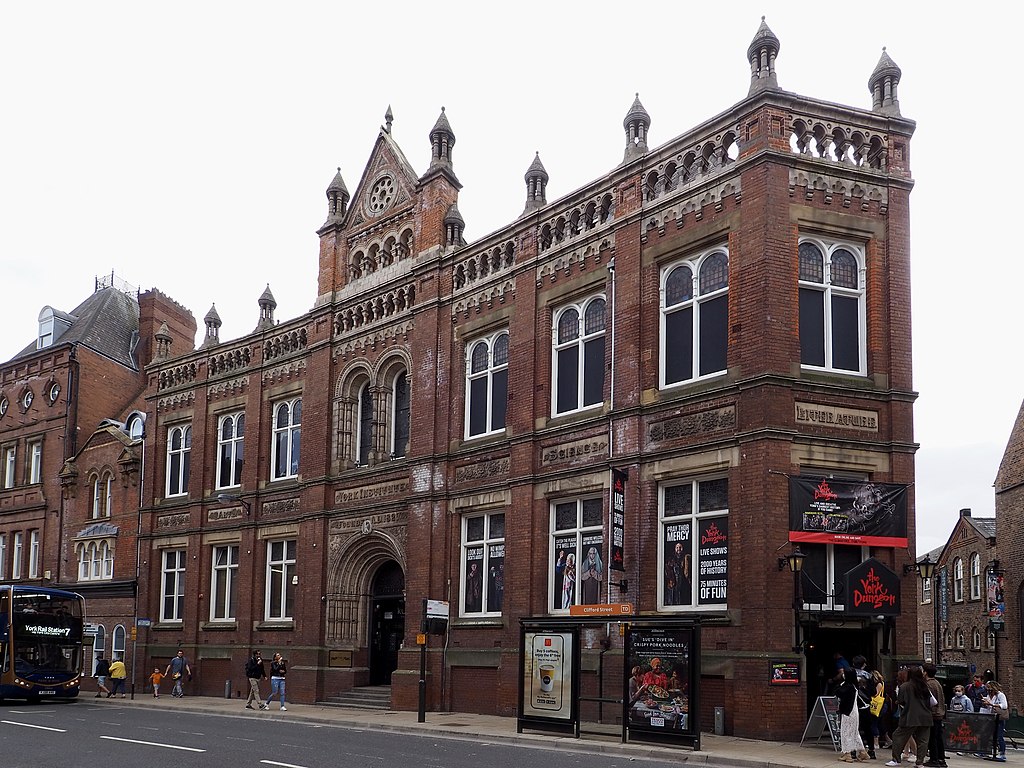
The York Dungeon opened in 1986, and here you can spend a terrifying 75-minute journey into over 2,000 years of the horrible history of York. The York Dungeon brings together an amazing cast of theatrical actors, special effects, stages and scenes.
In the Dungeons you can walk through ten live actor shows, telling the story of 2,000 years of York’s dark history with specially designed sets, special effects and gripping storytelling. You’ll meet famous characters from York’s dark past, including Vikings, witches and Guy Fawkes. You might even meet Dick Turpin, the famous highwayman who was tried and hanged in York in 1739 for horse theft.
You’ll have to survive The Curse of the Witch to make it out alive based on the real-life story of Isabella Billington, a woman tried for witchcraft in the small village of Pocklington (about a 20-30 minute drive from York city centre). Adult admission is £19.95 at the door / £17.95 online (check current pricing).

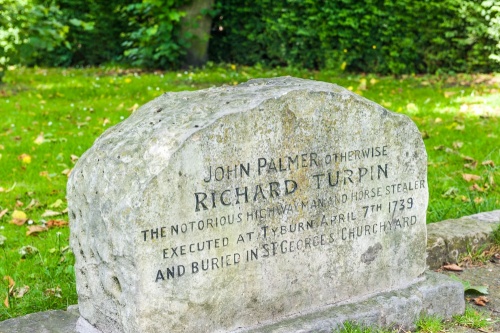
Dick Turpin’s Grave
Nestled on a serene lane across from St. George’s Roman Catholic Church in York lies the resting place of England’s notorious highwayman, Dick Turpin. Renowned for his audacious exploits, Turpin met his ultimate fate on the gallows at York in 1739, after a nefarious career encompassing poaching, burglary, armed robbery, murder, and, most notably, highway robbery.
Dick Turpin, born in 1705, was the son of John Turpin, a butcher and innkeeper, and his wife Mary. While it’s believed Turpin may have assisted his father in his trade, he eventually embarked on his own path. In 1725 he married and established his own butcher shop in Buckhurst Hill, Essex.
York St. Mary’s
York St Mary’s is a beautiful medieval church which opened as a contemporary art venue in 2004. The church itself could date back as far as 1020, and a dedication stone inside bears an inscription saying it was built by ‘Efrard & Grim & Aese.’ The main part of the building dates to the early 13th century, with 14th and 15th-century modifications and alterations. Admission is £13 for adults.

St Mary’s Abbey York Museum Gardens
St Mary’s Abbey was first built in 1088, and what you see today are the ruins of one of the wealthiest and most powerful Benedictine monasteries in England.
The story of St. Mary’s ties together two of the most important events in English history: it was begun by William the Conqueror to reinforce his hold on the north after 1066, and ended by Henry VIII as a consequence of his Reformation of the church.
Visitors can see the remains of the walls of the nave and crossing of the abbey church, where the monks prayed and sang, and the cloister, where the monks washed their clothes, contemplated and were allowed to speak.
The stone walls that surrounded the abbey were built in the 1260s, and they remain the most complete set of abbey walls in the country. They were built to defend the abbey and were used several times when the city and the abbey came to blows over land ownership and taxes.
The gardens cover over ten acres of stunning botanical grounds established in the 1830s by the Yorkshire Philosophical Society, famed for their fantastic collection of trees, shrubs, perennials and bulbs set against the stunning backdrop of the medieval ruins of St. Mary’s Abbey. The gardens are free to visit.

York Art Gallery
York Art Gallery’s collection of paintings spans more than 600 years, with works ranging from 14th-century Italian panels and 17th-century Dutch masterpieces to Victorian narrative paintings and 20th-century works by L.S. Lowry and David Hockney.
The building housing the gallery opened its doors to the public in 1879 for the second Yorkshire Fine Art and Industrial Exhibition, inspired by the Great Exhibition in London of 1851. In 1892 it became the City Art Gallery. This is one of the many things to do in York for free, though special exhibits carry a varying admission fee.
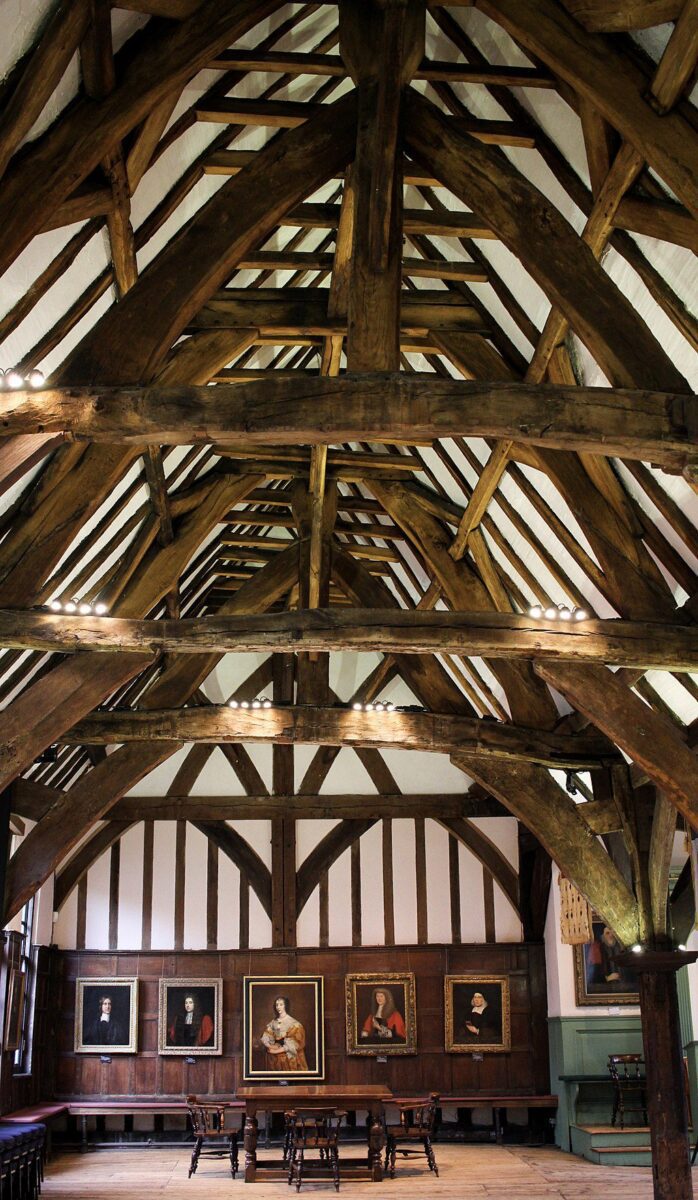
Merchant Adventurers Hall
Discover one of the finest original medieval guild halls in the world, still home to the Merchant Adventurers, whose 660-year unbroken tradition of entrepreneurship, wealth and experience has built York from the 14th century, via railways and chocolate, to the 21st-century Science City.
The Merchant Adventurers’ Hall is a Grade I listed building and Scheduled Ancient Monument. It was built between 1357 and 1361, before most of the craft or trade guild halls in Britain. The superb art collection on display covers over five centuries.
The land around the Hall was for centuries full of houses and shops, with a trackway or road running down to the River Foss. From the Hall you can follow the Two Rivers Trail and discover the legacy of the rivers of York. Admission to the Hall and the Trail for an adult is £6.50.
York’s Chocolate Story
The city of York was once known as the Chocolate City the air would smell of chocolate, and thick chocolate dust would cover every surface as it erupted from the city’s chocolate factories. Every York family had a connection to Terry’s, Rowntree’s, Cravens or Lazenby’s.
At York’s Chocolate Story, you’ll learn how a simple cocoa bean is transformed into the finest chocolate in a virtual chocolate factory, and you’ll discover the history of some of York’s most iconic chocolate brands.
You’ll also learn the secret of why chocolate makes us feel so good and why it has an ethical and sustainable future. Then it’s time to master the secrets of the chocolatier, as you create hand-made chocolates for yourself, before seeing how the experts do it watching chocolatiers showcase the art of chocolate-making and sampling the fruits of their labour: fresh hand-made chocolates. Adult admission for the tour is £15.95.

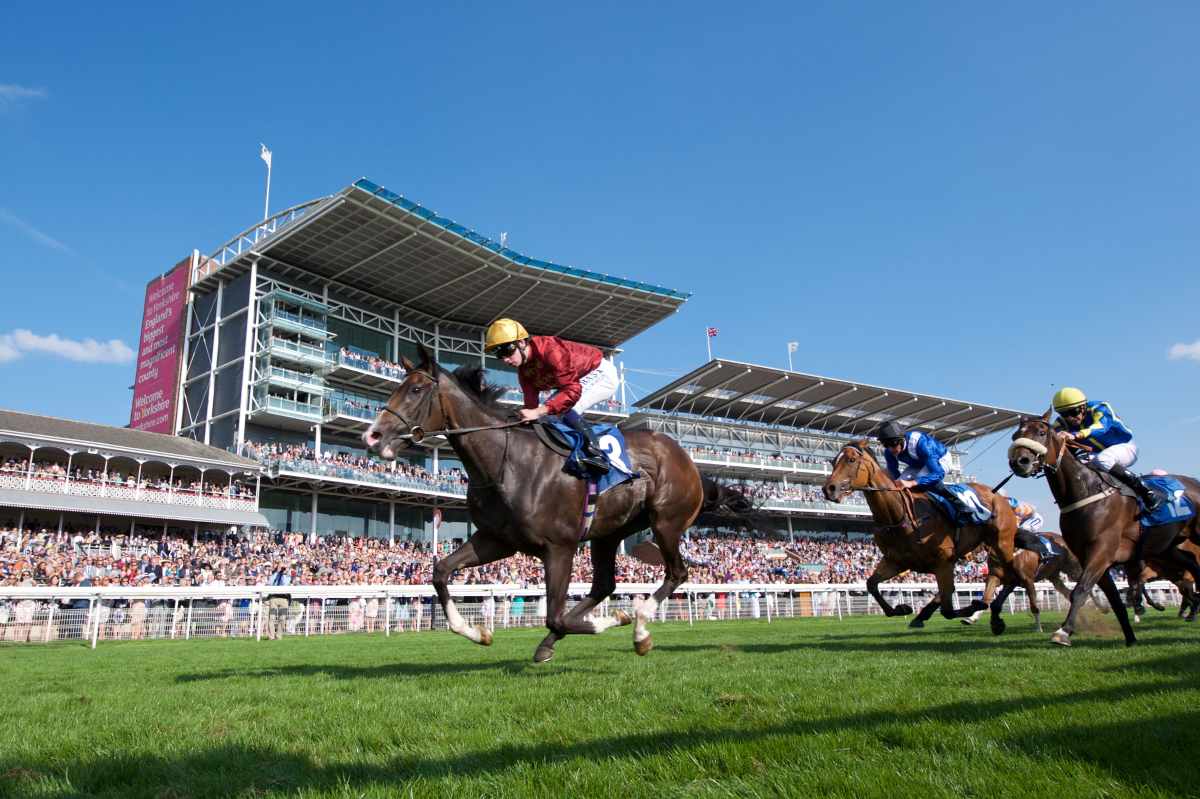
Visit the York Races
York is one of the premier tracks in Europe, and horses raced at York during the days of Emperor Severus in Roman times. However, many of the 360,000 racegoers who visit the reigning “Northern Racecourse of the Year” each season are unlikely to realise they’re taking part in a spectacle that first took place over 2,000 years ago.
While the new buildings and landscapes offer modernised facilities for horses, horsemen and spectators, they haven’t diminished the historic spirit of the racecourse. Racegoers at York like to make it a special occasion and dress accordingly gentlemen are required to wear a jacket, collared shirt and tie in the County Stand. Most gentlemen would choose smart trousers and formal shoes, so while there’s no formal restriction on jeans and trainers, these are rarely seen in the County Stand.
In the Grandstand & Paddock and Picnic Enclosure, the dress code is more relaxed shorts and t-shirts are worn by racegoers enjoying the sun, with the only common-sense restrictions being those of taste and decency, applying to all areas, regarding style and slogan t-shirts. Bare chests aren’t acceptable.
Different race days offer different experiences and atmospheres: the Music Showcase Weekend combines top-quality racing with a live music stage; the Ebor Festival, the track’s oldest, richest, fastest and most famous race, provides sporting excellence combined with fashion and fun over four days; and Family Sunday offers seven thoroughbred races alongside activities for all the family.
Cruise the River Ouse
A fabulous way to see York from the river is a self-drive cruise navigating the city’s waterways. You can rent a boat for an hour that holds up to eight passengers. After a safety briefing from the staff, you’re on your own, navigating the same river the Vikings travelled to take over the city of York.

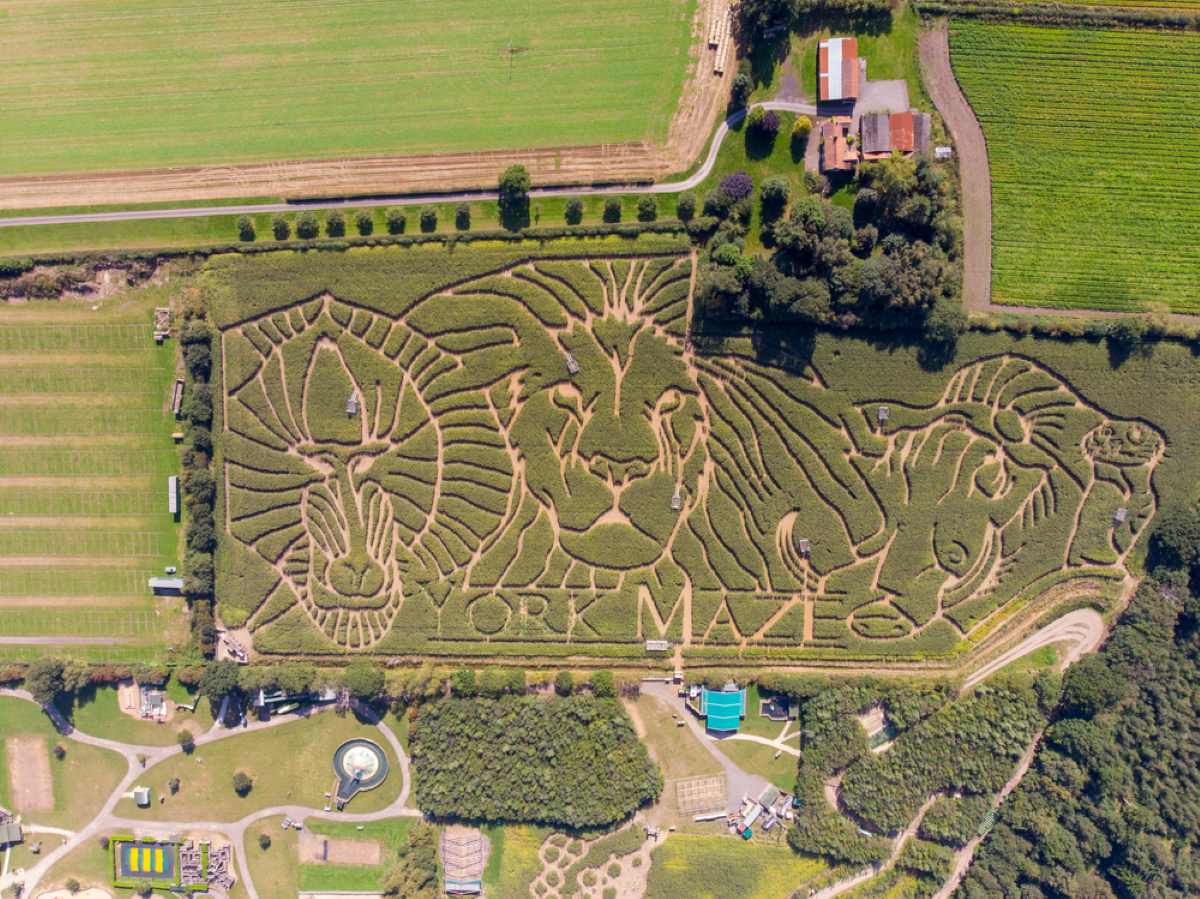
The York Maze
This one is for the kids, or simply the child in you. Created from over one million living, growing maize plants, the York Maze isn’t just the largest maze in the UK it’s an award-winning, fun-filled day out in the country, with over 20 different rides, attractions and shows to enjoy.
Tickets must be booked online and are per person, adult or child aged 3 and over. Children under 16 cannot enter the Giant Maze without an adult 18+, and must be supervised while inside. Toddlers aged 2 and under are admitted free of charge but still need a booked ticket. Admission is £19.95 (check current pricing).
Beningbrough Hall, Gallery and Gardens
Surrounded by parkland, with riverside and woodland walks on all sides, the view of the hall as you turn onto the long drive evokes images of an intriguing past. Beningbrough has been shaped for more than 300 years by the people who lived here.
The gardens are currently experiencing a renaissance new planting schemes and garden rooms are enhancing the herbaceous borders and the walled and American gardens.
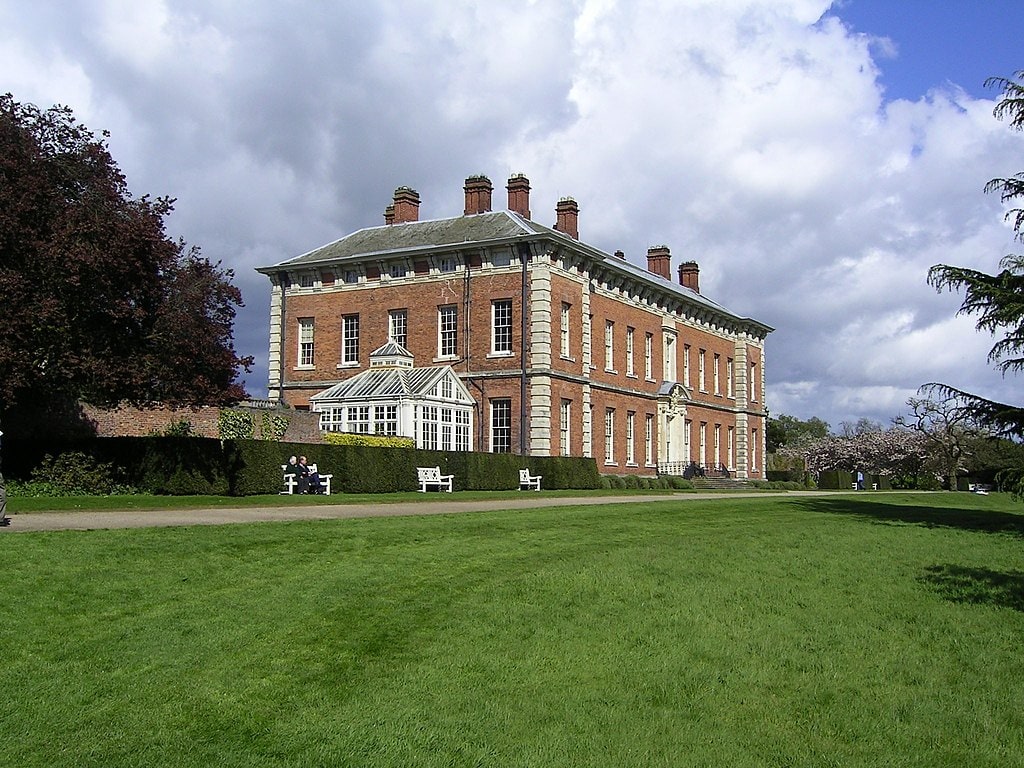
The House and Galleries are open, and all three floors are explorable, with interactive exhibits showing how the house looked when it was built in the Georgian era, alongside art exhibitions and information on some of York’s most infamous and famous connections, including Patrick Stewart of X-Men fame, Arthur Scargill and Guy Fawkes.

I’ve visited Beningbrough myself I lived in Yorkshire for three years, and this was one of the local National Trust properties I came to know well during that time. It’s an easy, genuinely lovely day out if you’re staying in York.
Admission pricing varies by ticket type and season check Beningbrough’s own site for current prices before visiting.
The Bloody Tour of York with Mad Alice
Join Mad Alice as you wander the streets and snickleways to historic landmarks. With 2,000 years of history, York has fascinating stories of the macabre and the extraordinary. Uncover tales of the Romans, the Viking invasion and the Plague, alongside tales of torture and execution.
The history of the city is brought to life in this award-winning 90-minute tour, suitable for gruesome little ones. The tour runs every Tuesday, Thursday, Friday, Saturday and Sunday and lasts about 90 minutes. A snickelway is a narrow, pedestrian-only street or alleyway in the historic city of York.
North York Moors Railway
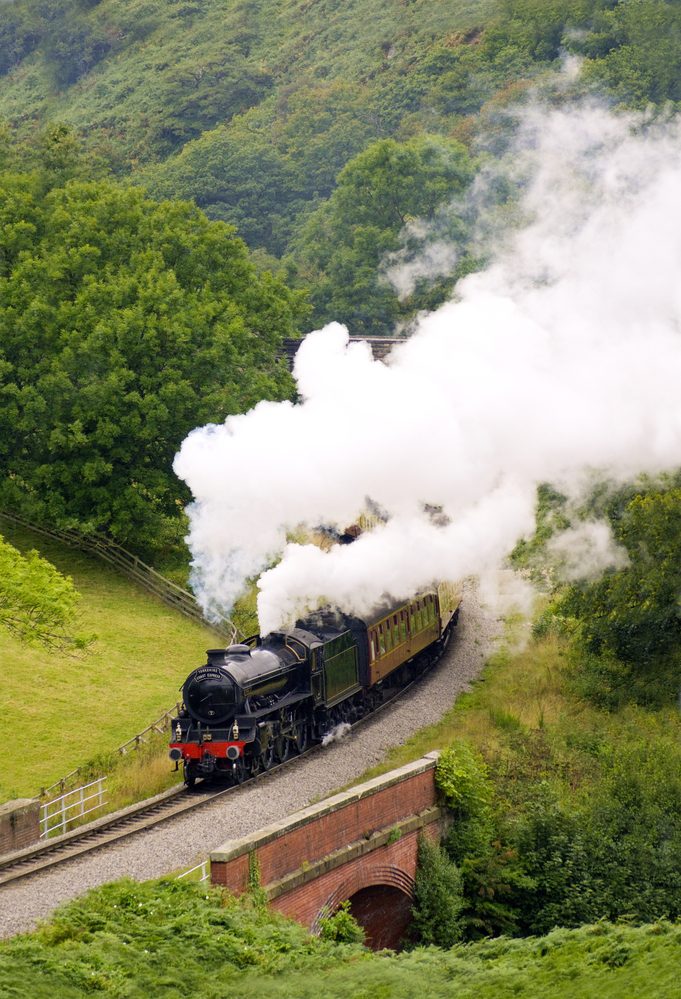
The North Yorkshire Moors Railway (NYMR) heritage steam trains run on the NYMR line from Grosmont to Pickering, including a stop at the famous Harry Potter station in Goathland on the journey. Travelling across the North York Moors and the Yorkshire Dales aboard a steam train is like a step back in time. These trains are all maintained and operated by volunteers.
It may not stop in York itself, but this train journey is simply one of the best ways to get some fabulous views of the North York Moors and the Yorkshire Dales.
Grand Opera House
Originally not intended as a theatre, the Grand Opera House York has undergone many changes since and is now the county’s biggest fully operational theatre and the home of live entertainment in the region. Here you can find every kind of live show imaginable, from tribute bands to Broadway and West End shows.
The Grand Opera House opened as a variety theatre in 1902 and played host to many of the stars of the day, including Lillie Langtry, Florrie Ford and Charlie Chaplin. It was extensively restored in 1988, and since then has presented a range of shows including drama, musicals, comedy and a popular annual pantomime, as well as working with many local societies and organisations.

Get a York Pass
The best way I can think of to see York and ideal for travellers looking for flexibility to determine their own itinerary the York Pass provides access to a number of the region’s top attractions, including The Deep, Beningbrough Hall, and more. Don’t worry about buying individual admission tickets; instead, use the convenient and hassle-free York Pass to save time on the day, giving you more time to enjoy the sights.
Don’t feel limited by set itineraries visit the attractions that appeal to you, choose from a one-day or multi-day York Pass to fit your schedule, save on travel time with the included 24-hour city sightseeing bus ticket and river cruise, and enjoy extra value discount offers like a free meal at a local restaurant.
York Pubs & Restaurants
If you’re looking for things to do in York, you absolutely must visit some of the city’s famous historic pubs. There are plenty of great places to eat in York, and you’ll find everything from vegan to international dishes available.
The Golden Fleece York
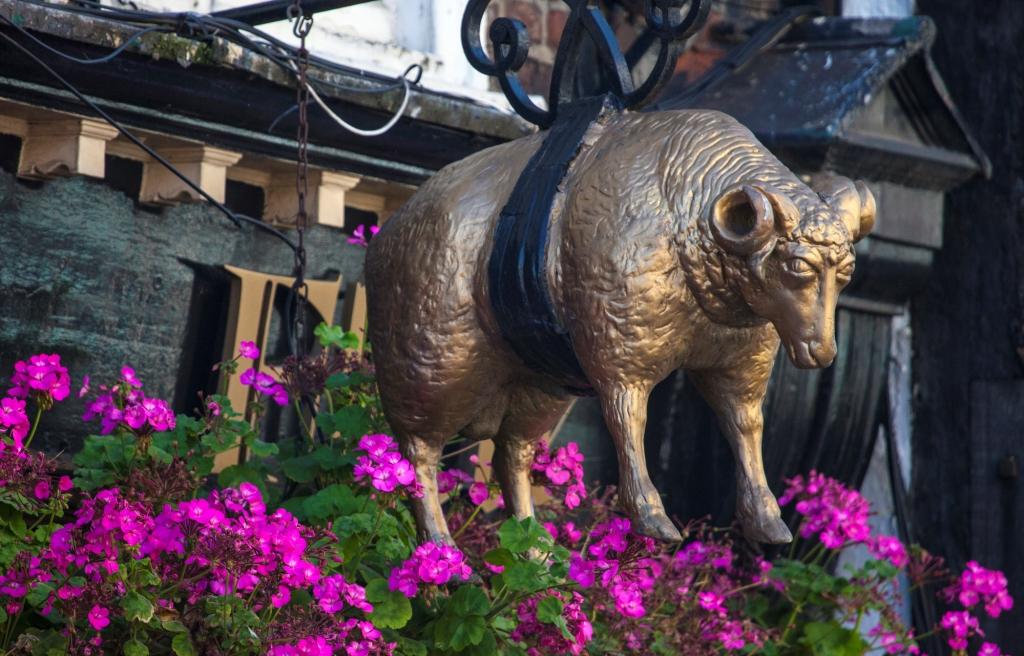
The Golden Fleece is very central, located opposite the bottom of the Shambles. It’s one of York’s earliest recorded coaching inns, dating back to 1503. The Golden Fleece proudly claims to be the “Most Haunted” pub in York a ghost named One Eyed Jack, wearing a 16th-century red coat and carrying a pistol, has been seen in the bottom bar.
The Snickleway Inn
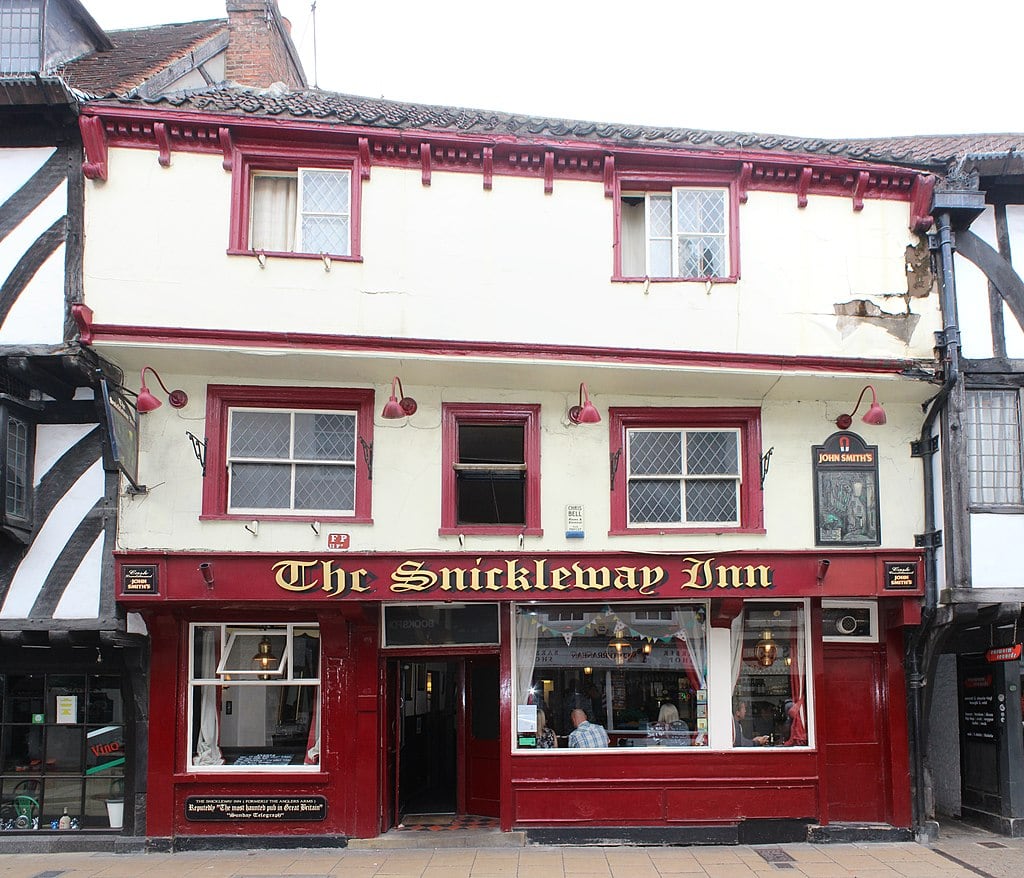
The Snickleway Inn is a very old, historic pub that’s been called many names since it was known as the House of Tudor. During the siege of York in 1644, it was used as the Royalist magazine. Reputed to be the most haunted pub in York, especially in the cellar, where a malevolent spirit is said to cause havoc at times.
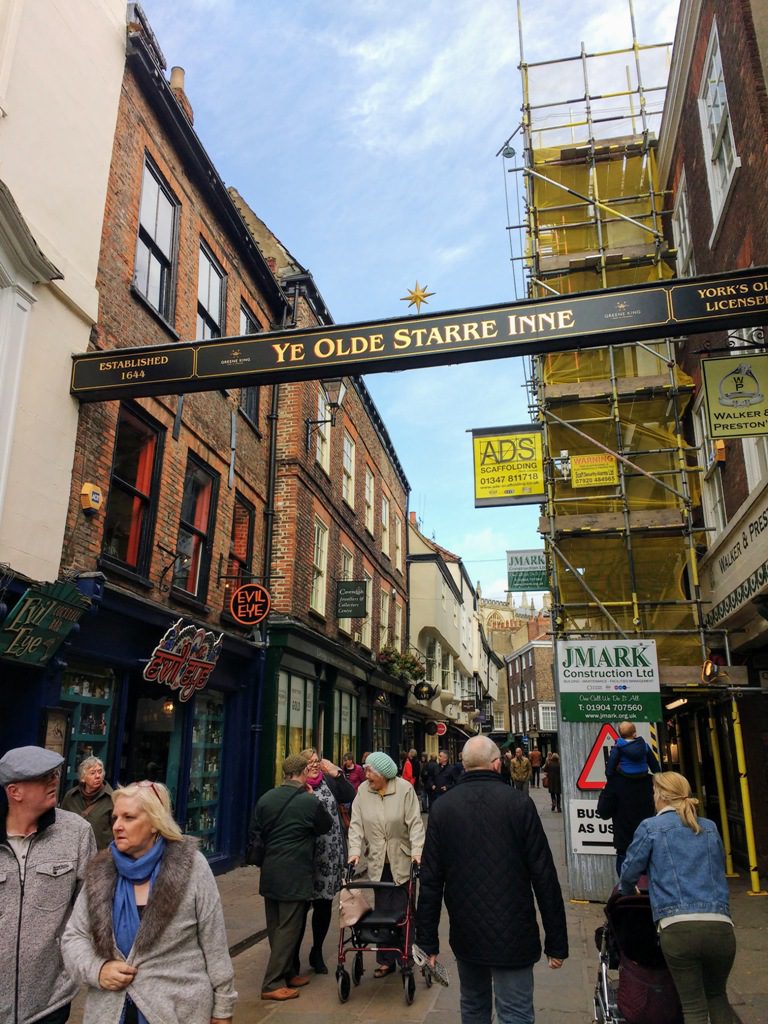
Ye Olde Starre Inn
Ye Olde Starre Inn claims to be the oldest pub in York. The main part of the pub is a timber-framed structure dating from the mid-16th century, with a wing added around 1600. By 1644 it was an inn named “The Starre” making it the only pub in York that can prove the earliest date for its licence.
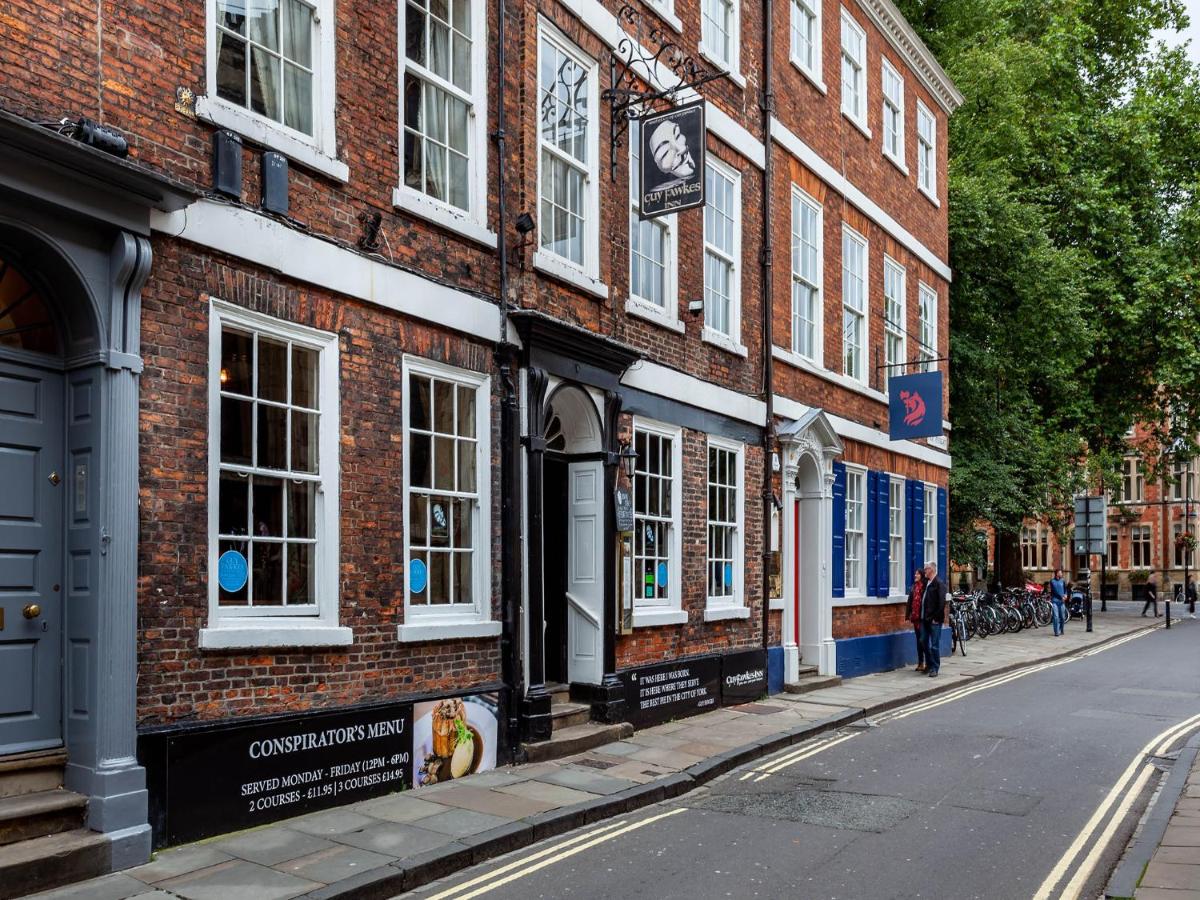
Guy Fawkes Inn
Guido Fawkes was born on this very spot in 1570, in the shadow of York Minster, and was baptised at St. Michael Le Belfrey, just across the street. Centuries have passed, but this historical building is so well preserved you could be forgiven for thinking it happened just yesterday.
As a former property owned by Guy Fawkes and his family, celebrating Bonfire Night here isn’t allowed every building formerly owned by the man himself is prohibited from marking the date. The pub oozes atmosphere from its gas-lit bar and dining room, bedrooms feature four-poster beds and a scattering of antiques, and the restaurant offers above-average pub classics.
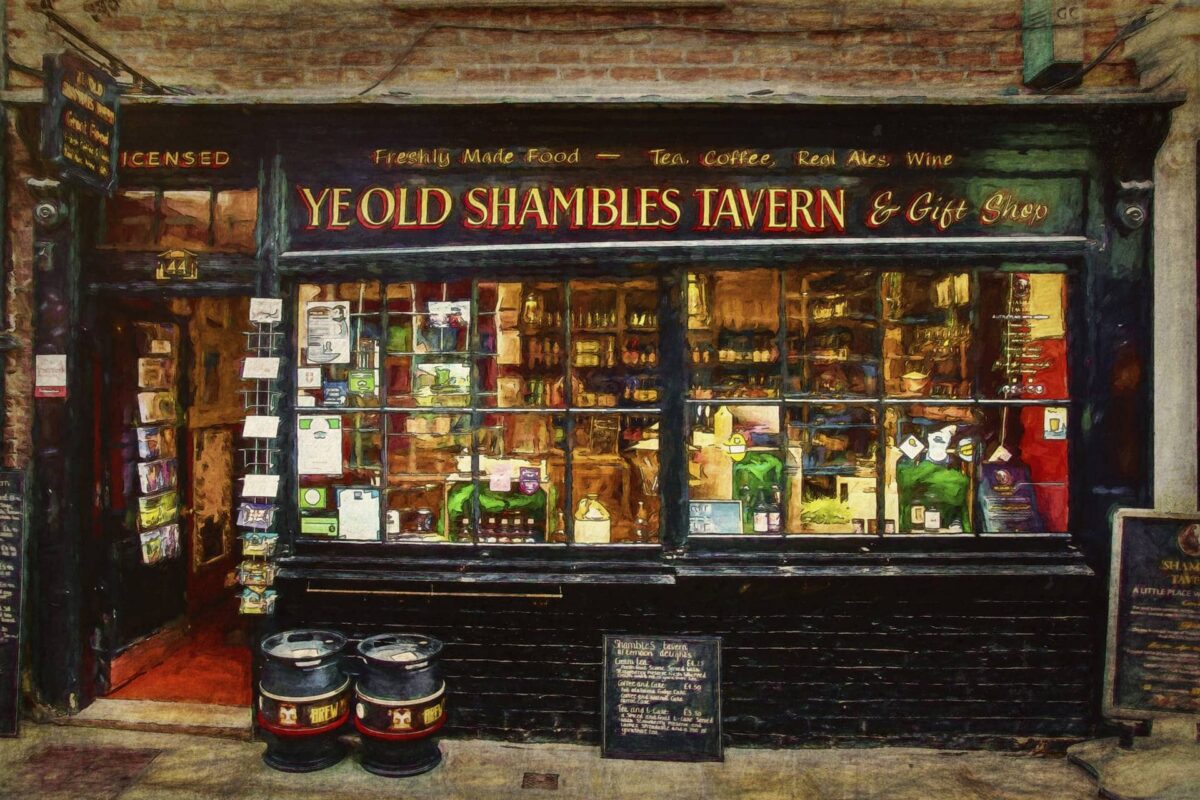
The Shambles Tavern
A great gastropub, the Shambles Tavern is well known for its Wall of Ales, offering a vast selection of Yorkshire cask, keg and bottled ales. The food is all sourced locally, and the Tavern has won numerous awards.
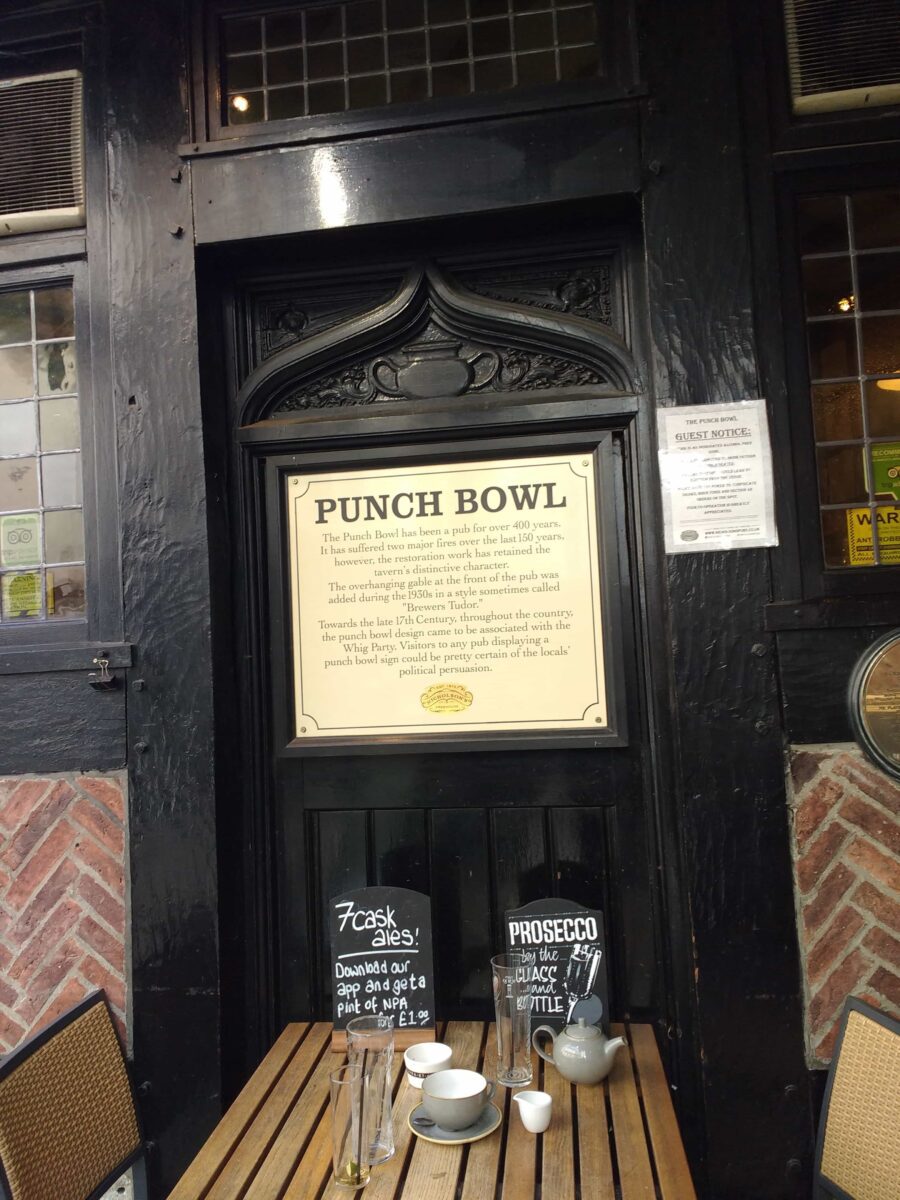
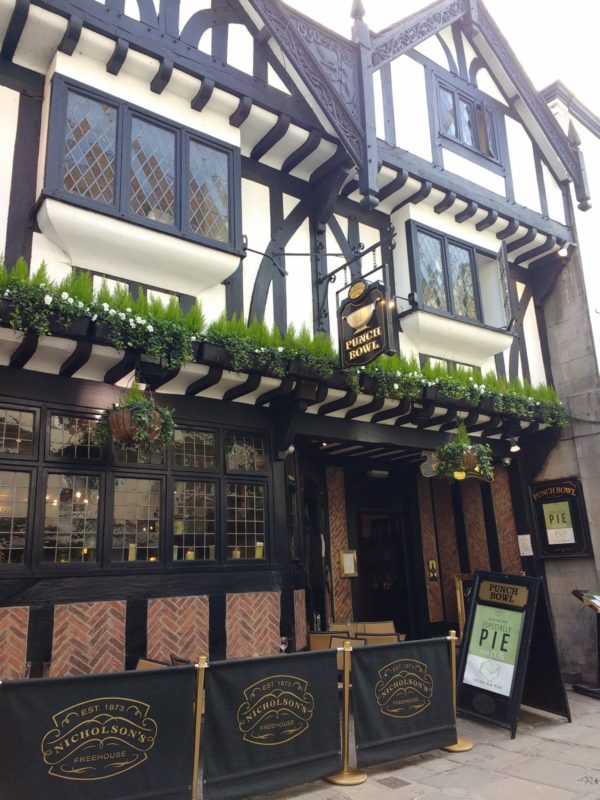
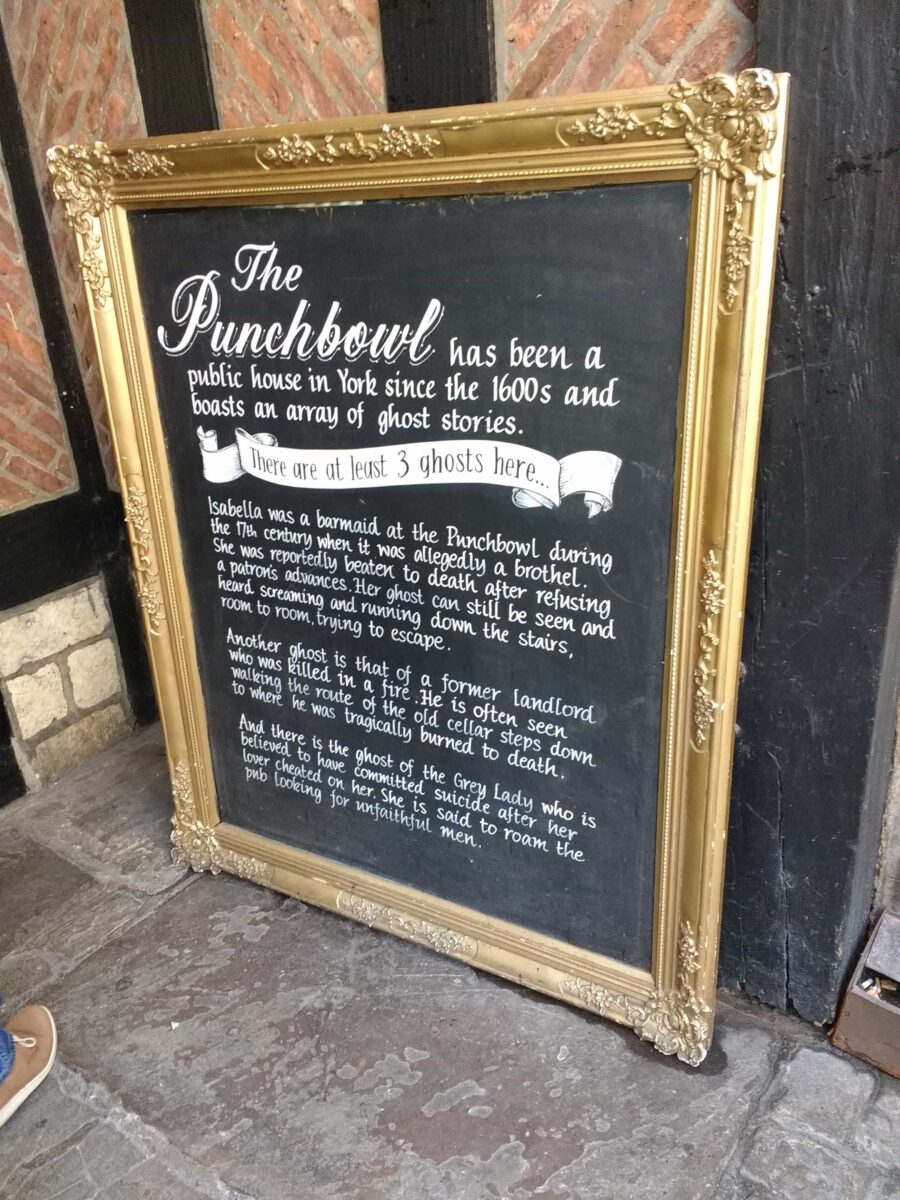
The Punch Bowl Pub
Said to be haunted, the Punch Bowl is a traditional pub with a vast range of real ales and great food. The Punch Bowl has been a pub for over four centuries but has suffered two major fires and been restored. Its political connection comes from the Whigs party, who preferred punch over claret, which was a Tory drink.
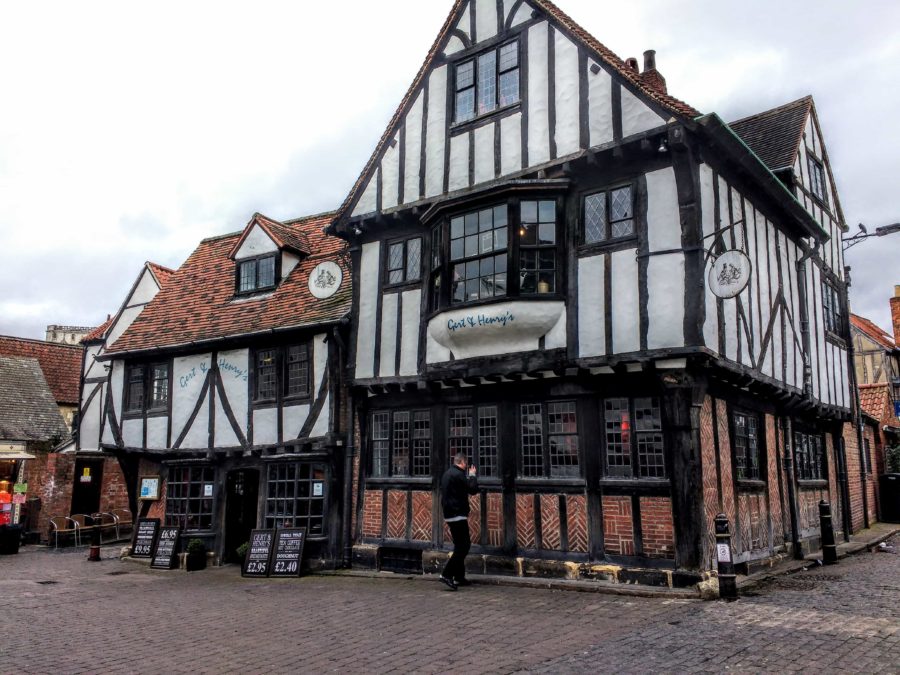
Gert and Henry’s
What a beautiful old building Gert and Henry’s is timber-framed and dates from the 1600s. It’s been a restaurant since 1929 and serves classic English food. I had traditional fish and chips, a steak pie, and some great local ales here. With so many classic pubs, alehouses, restaurants and cafes to choose from, and a wealth of heritage buildings, it’s worth a wander and perhaps a stop in every interesting place you find you certainly won’t experience this in North America.
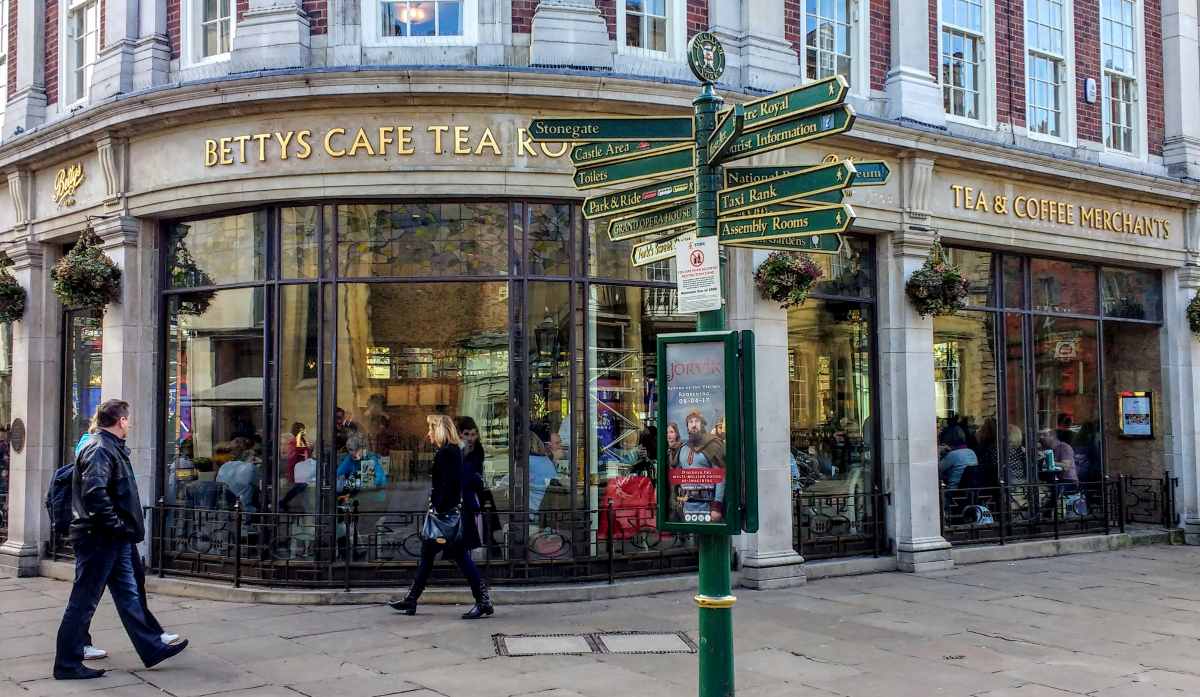
Betty’s Café and Tea Room
The tea rooms of York are an experience all their own. With beautiful interiors inspired by the Queen Mary ocean liner, Betty’s has been around since 1929. Here you can have a traditional afternoon tea, a fabulous full English breakfast, or some real Yorkshire treats and baked goods. Enjoy a Yorkshire Rarebit made with Yorkshire ale on cobble bread and served with ham, leeks and tomatoes, or a great breakfast made with Yorkshire sausages. Or simply try the best hot chocolate in the world.

Guided Pub Tours
A guided pub crawl through York’s medieval snickelways, following in the footsteps of Roman soldiers and Papist plotters, Royalists and Roundheads, Whigs, Wool Traders, and Dick Turpin to boot. Walking just three-quarters of a mile and stopping at up to seven of York’s most historic pubs, you’ll hear tales of execution and murder, local saints and Irish giants. And if you like spirits, there are plenty not just the bottled variety.
What to Eat in York
If you’re in York, you have to try some of the local British favourites, such as Fat Rascals and, obviously, a great Sunday roast with Yorkshire puddings.
Yorkshire Pudding
Known worldwide, Yorkshires are the best accompaniment to a roast beef dinner. Light, fluffy and sky-high, the Yorkshire pudding is a simple mix of flour, eggs and milk that soaks up gravy beautifully. These days you can get Yorkshire wraps or sweet versions with fruit and fresh cream.

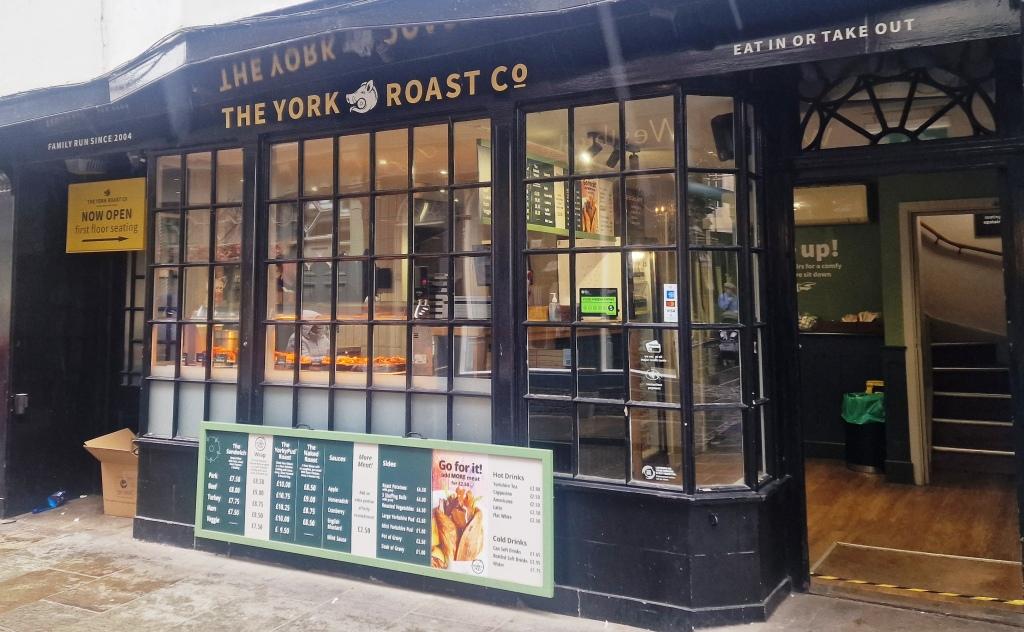
Yorkshire Roast Wrap
These days you also have to try the Yorkshire Wrap at the York Roast Co cafe a Sunday roast with beef, pork, lamb or turkey rolled up in a Yorkshire pudding with roast potatoes, vegetables and gravy to die for, in my opinion.
Fat Rascals
A huge treat to have with a cup of Yorkshire Tea, this is a bit like a fruit scone or rock cake served with tons of butter. At Betty’s, they’re decorated with an almond smile and a glacé cherry on top. This cheekily named treat is thought to originate in the 19th century, from North Riding Turf Cakes small cakes made with leftover dough or pastry and cooked over turf fires. The recipe traditionally uses lard, hence the name “fat.”

Yorkshire Cheese
There are more than 85 delicious cheeses made in Yorkshire, using everything from cow’s milk to goat’s milk. One of the most famous is the crumbly Wensleydale, which comes from Hawes in the Yorkshire Dales, where cheese-making dates back to 1150.
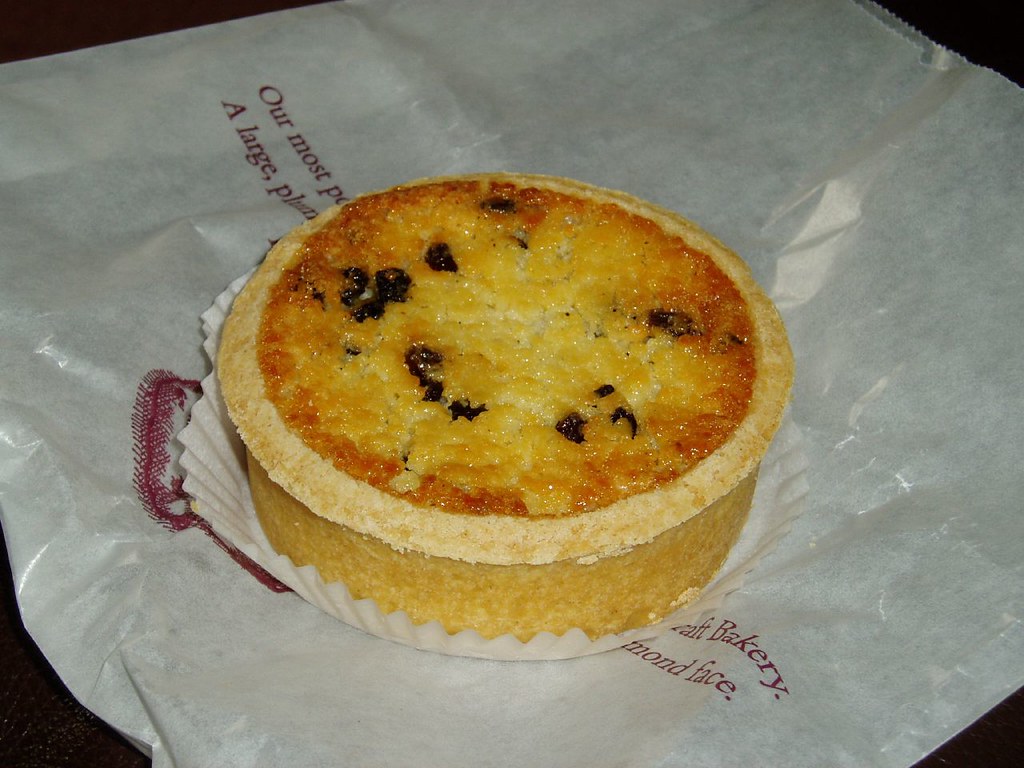
Yorkshire Curd Tart
One of the great British desserts, this is an ancient recipe a tart with shortcrust pastry and curd cheese, with spices and fruit added, usually lots of nutmeg and currants. They say in York that Betty’s serves the best.
Yorkshire Sausage
The Yorkshire Sausage’s official recipe contains salt, white pepper, mace, nutmeg, ground coriander and parsley. It should be eaten at any time of the day.
Yorkshire Tea
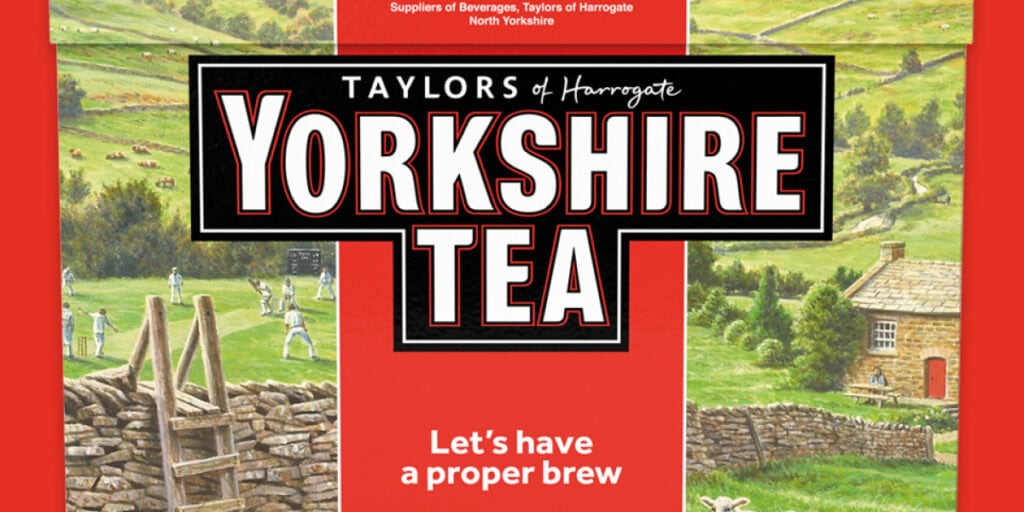
Forget your Tetley or Red Rose Yorkshire Tea is the only “proper brew.” It’s the second most popular tea in Britain, and although the tea leaves come from India and abroad, this tea is blended and produced in Yorkshire.
Where to Stay in York
From the ultimate in luxury to some pretty quirky places, York has all kinds of accommodation. It’s best to stay within the City Walls, as it makes York and the Shambles that much more walk-friendly.
Grays Court
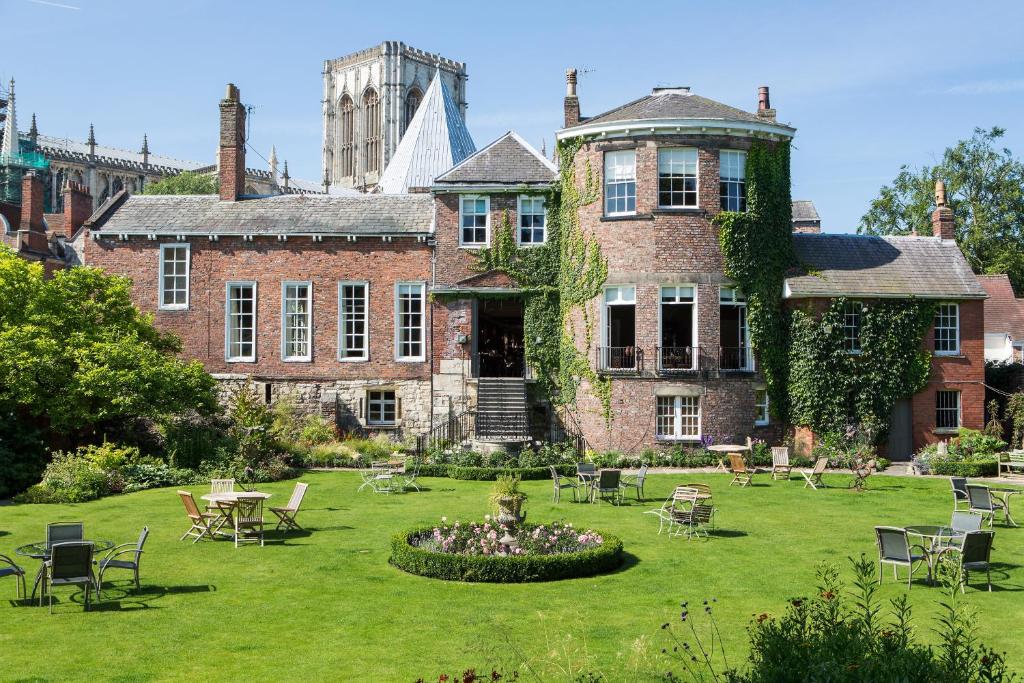
Between York Minster and the walls, Grey’s Court has a history dating back to the 11th century. With views across York’s medieval walls, Grays Court is a beautiful historic house with leafy gardens, an intimate restaurant and free Wi-Fi. The grand house is located beside York Minster and was once home to King James I.
The Bar Convent
As part of a still-working convent in a historic building, this is one of Britain’s more unusual guest houses the bedrooms are modest yet roomy and well-equipped, there’s a charming café, and a peaceful garden, with the city entirely walkable. You can take advantage of lower room prices with a shared bathroom all in all, great value for money.
The Grand York
York’s only five-star hotel has a luxury vaulted spa available and a swimming pool. Located in a Grade II listed Edwardian building, the hotel maintains a splendid aura of luxury.
Trembling Madness Apartments
Located in a quiet little medieval courtyard behind the pub The House of Trembling Madness, The Old Gallery and The Chamber apartments offer visitors a quirky and delightful experience. With incredible interiors and ghost stories, this is a brilliant, convenient place to stay while in York a 10-minute walk from the Shambles, with the apartments overlooking York Minster.
Guy Fawkes Inn
The Guy Fawkes Inn was the birthplace of the notorious British traitor. Now run by Best Western, it retains many original features, including gas lighting, real log fires and the timber staircase. You can also dine by candlelight in the restaurant, which serves classic pub food from locally sourced ingredients, and the bar stocks a range of real ales.
Day Trips from York
Just 20 minutes’ drive east of York, the Yorkshire Air Museum & Allied Air Forces Memorial makes a great short trip for those interested in the history of the European Wars from WWI and WWII.
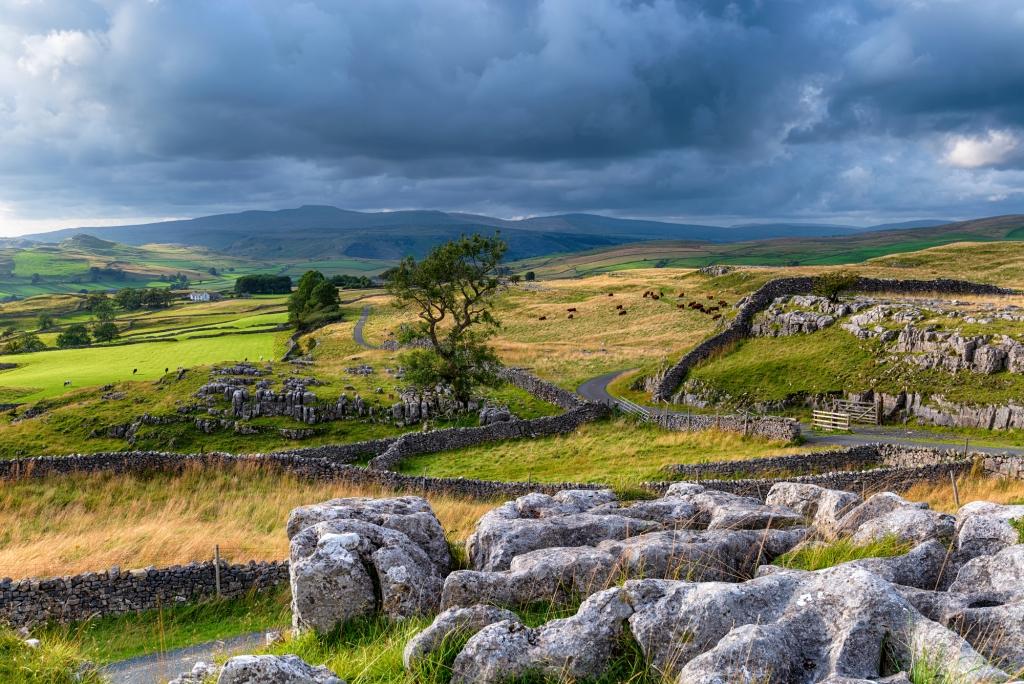
The Yorkshire Dales National Park is a natural wonderland of rugged beauty and serene landscapes. Spread across 2,179 square kilometres, this protected area showcases rolling hills, limestone formations, lush valleys and charming stone-built villages. It’s a haven for outdoor enthusiasts, offering countless opportunities for hiking, cycling and wildlife observation. The park also boasts a rich cultural heritage, with historic castles, abbeys and traditional farming communities that provide a glimpse into the region’s past.
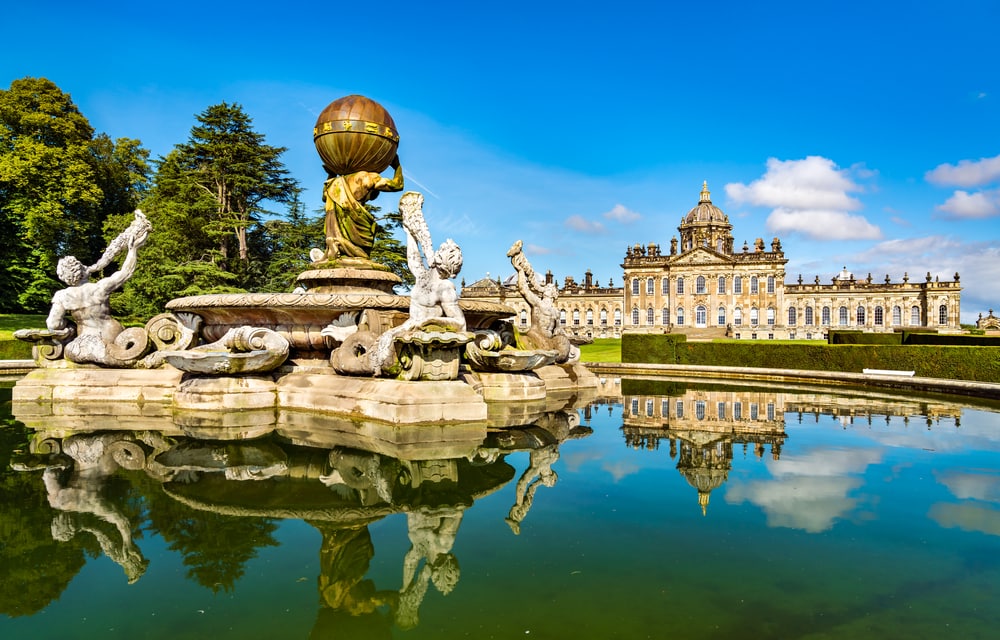
Castle Howard, near York, has remained a family home since it was built over 300 years ago explore stunning interiors and 1,000 acres of grounds, which include an adventure playground and children’s trails. Shop and eat in the 18th-century Stable Courtyard with its café, farm shop, garden centre and gift shops. Castle Howard also has its own fuller entry, including its role as Bridgerton’s Clyvedon Castle, you can also read about it in the Manor Houses in England guide.
Frequently Asked Questions Best Things to Do in York, England
What are the best things to do in York England?
When visiting York, some of the best things to do include exploring York Minster, walking around the Shambles historic street, visiting York Castle Museum, taking a tour at Jorvik Viking Centre, and enjoying a walk along the city walls.
How can I get to York England?
You can easily reach York by train, with well-connected rail links to major UK cities, or by car via major motorways. If driving, stop at one of the six Park and Ride sites on the outskirts of York a single return ticket including the car park costs around £3.80, an absolute bargain for an easy ride into the city.
How do I use the Park & Ride for York?
Using the Park and Ride is easy. Six sites sit on the outskirts of York in every direction; each bus takes you into the city, where all the main sights are walkable. A single return ticket, including the car park, costs around £3.80.
What is York famous for?
Crowned Britain’s Home of Chocolate (York is the birthplace of the Kit Kat and Yorkie chocolate bars), renowned as one of the most haunted cities in Europe, and home to one of the country’s finest racecourses, York is a city rich in culture and character.
Where is the best place to have afternoon tea in York?
For a delightful experience, enjoy afternoon tea at one of the cosy tea rooms in York city centre the most famous of which is Betty’s Tearoom, offering a traditional British tea experience with scones and treats.
What are some must-visit attractions in York?
Some must-visit attractions include York Minster, the National Railway Museum, the atmospheric Shambles Market, and historic York Castle these places offer a glimpse into the rich history and heritage of the city.
Where can I find the best views of York Minster?
For breathtaking views, climb the 275 steps to the top of the Minster’s tower. The ascent can be a bit challenging, but the panoramic views of the city and the Minster are absolutely worth it.
Are there any free walking tours available in York?
Yes, York offers several free walking tours for visitors who want to explore the city on foot a great way to learn about the history of York and discover hidden gems and local stories.
What is the best way to experience York’s nightlife?
York is renowned for its historic and vibrant pub scene, boasting some of the oldest and most atmospheric establishments in England. Among these, The Golden Fleece, dating back to 1503, stands out with its rich history and reputation for being one of York’s most haunted pubs. The city also features Ye Olde Starre Inne, serving patrons since the 17th century, and the Guy Fawkes Inn, the birthplace of the infamous Gunpowder Plotter. These pubs offer a unique blend of historical charm, local ales, and stories that attract both locals and tourists alike.
Is York Worth Visiting?
If you’ve been to the UK but only seen London, then it’s time to get out and see the rest of the country York is absolutely an extraordinary place to visit. York is famous for the Shambles, known as the UK’s Harry Potter streets, and of course York Minster.
What is Jorvik Viking Centre and is it worth visiting?
Jorvik Viking Centre is a ride-through museum built directly on the site of a major 1970s-80s archaeological dig at Coppergate, reconstructing Viking-age York with animatronic figures and genuine period smells and sounds. It’s widely considered York’s biggest single tourist attraction, and tickets remain valid for return visits within 12 months.
Final Thoughts on Things to Do in York
As I mentioned in the first paragraph, York and North Yorkshire are my happy places, and I would happily wander here for many years to come I cannot recommend a visit to explore York any higher. This is a must-see when you’re visiting England.
Visiting York is a truly enchanting experience that offers a captivating blend of history, culture and natural beauty. From its ancient walls and magnificent cathedral to its charming cobbled streets and picturesque landscapes, York transports visitors to a bygone era while still offering all the modern amenities one could desire.
The city’s rich history and well-preserved architectural wonders provide a sense of awe and wonder, while its vibrant arts scene, diverse culinary offerings and welcoming atmosphere create a warm and inviting environment. Whether exploring the iconic York Minster, strolling along the River Ouse, or immersing yourself in the lively atmosphere of the Shambles, a visit to York is sure to leave an indelible impression and a longing to return.
If Yorkshire’s on your route, start with the Yorkshire Travel Guide for the wider picture before diving into individual stops. This is just one part of a much bigger country see the full England Travel Guide for everywhere else worth building into your trip, and the United Kingdom Travel Guide for a broader picture of the whole country.
Explore Historic Great Britain
Historic Britain is layered with Roman ruins, medieval abbeys, castles, ancient monuments, and historic market towns. Exploring beyond the major tourist cities often reveals some of the country’s most memorable experiences.
- Avebury Henge
- Roman ruins in Britain
- Hadrian’s Wall and Vindolanda
- The Mysterious Rosslyn Chapel – Scotland
- Evocative Ruined Abbeys in Yorkshire
- Walk the Suffragette Trail across the UK
- Shibden Hall Yorkshire – home of Anne Lister – widely celebrated as “the first modern lesbian”
- Alan Turing and Bletchley
- Rievaulx Abbey
- Whitby Abbey
- Kenilworth Castle
- Bamburgh Castle