
Hadrian’s Wall Walk: Vindolanda and Roman sites a Complete Visitor Guide
Hadrian’s Wall is more than just ancient stones – it’s a breathtaking journey through history. This UNESCO World Heritage Site stretches 73 miles across northern England’s most dramatic landscapes, from windswept ridges to misty valleys. I stood in absolute awe of my first sight of the wall snaking across the Northumberland hills. It remains one of Britain’s most impressive Roman monuments, where you can walk in legionaries’ footsteps while enjoying some of England’s most spectacular scenery.
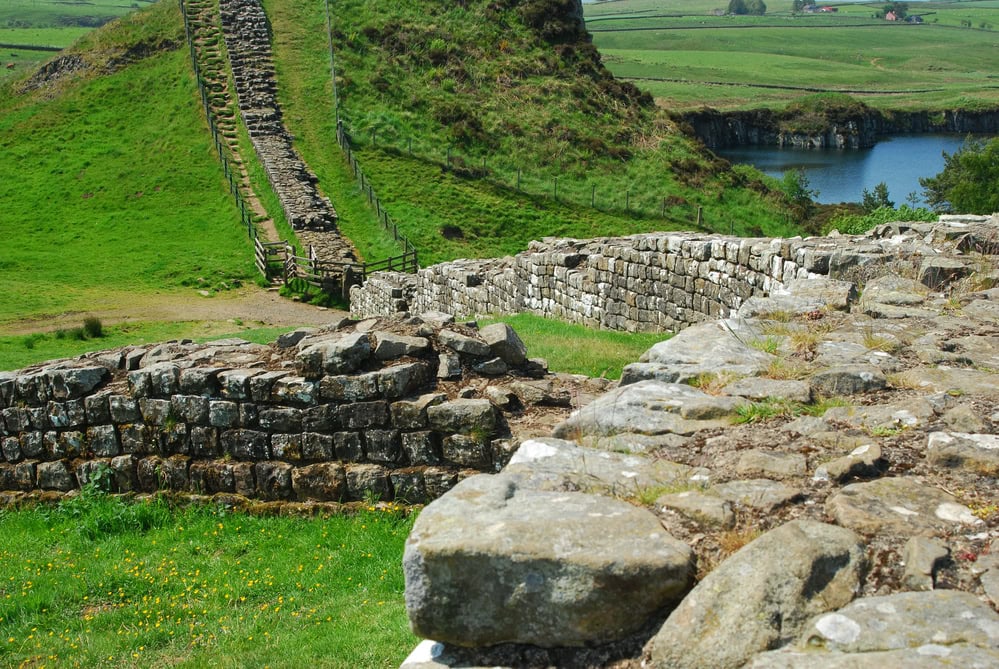
Built in AD 122 under Emperor Hadrian, this 73-mile stone barrier marked the northern boundary of the Roman Empire, separating the controlled south from the untamed lands of the Picts.
There are several Roman sites to visit along this great stretch of wall. There’s Vindolanda with its museum and ongoing archeological dig. There’s Housestead Fort, the stunning Sycamore Gap (sadly the tree was chopped down by idiots who are now awaiting a prison sentence). Birdoswald Fort and Chester’s Fort and don’t forget to visit Hexham a charming village and perfect for a stay or a great meal.
Nearby, the fort and settlement of Vindolanda offer an even more personal connection to the past, thanks to its astonishingly well-preserved artifacts including the famous Vindolanda tablets, the oldest surviving handwritten documents in Britain.
This guide provides a detailed historical background, key site information, ticket prices, accessibility, and practical tips for visiting these extraordinary landmarks in Northumberland.
- Hadrian's Wall Walk: Vindolanda and Roman sites a Complete Visitor Guide
- Frequently Asked Questions About Visiting Hadrian’s Wall and Vindolanda
- Visitor's Essential Guide and FAQs – Planning Your Visit
- Tickets and Access
- Accessibility Information
- Transport and Guided Tours
- Family-Friendly Activities
- Parking and Site Access
- Hadrian’s Wall – The History Behind the Stones
- The Historical Significance of Hadrian’s Wall
- Hadrian’s Wall Walks
- Visiting Hadrian’s Wall Walking Routes
- Map of key sites along Hadrian's Wall
- Key Sites Along Hadrian’s Wall
- Vindolanda: A Window into Roman Daily Life
- Housesteads Roman Fort (Vercovicium)
- 2025 Ticket Prices
- Where to Stay and Eat
- Staying in Hexham: The Perfect Base for Exploration
- Essential Resources and Links
- Related Reading
Frequently Asked Questions About Visiting Hadrian’s Wall and Vindolanda
Planning a trip to Hadrian’s Wall and Vindolanda often raises several common questions. Here are the answers to help you prepare for your visit:
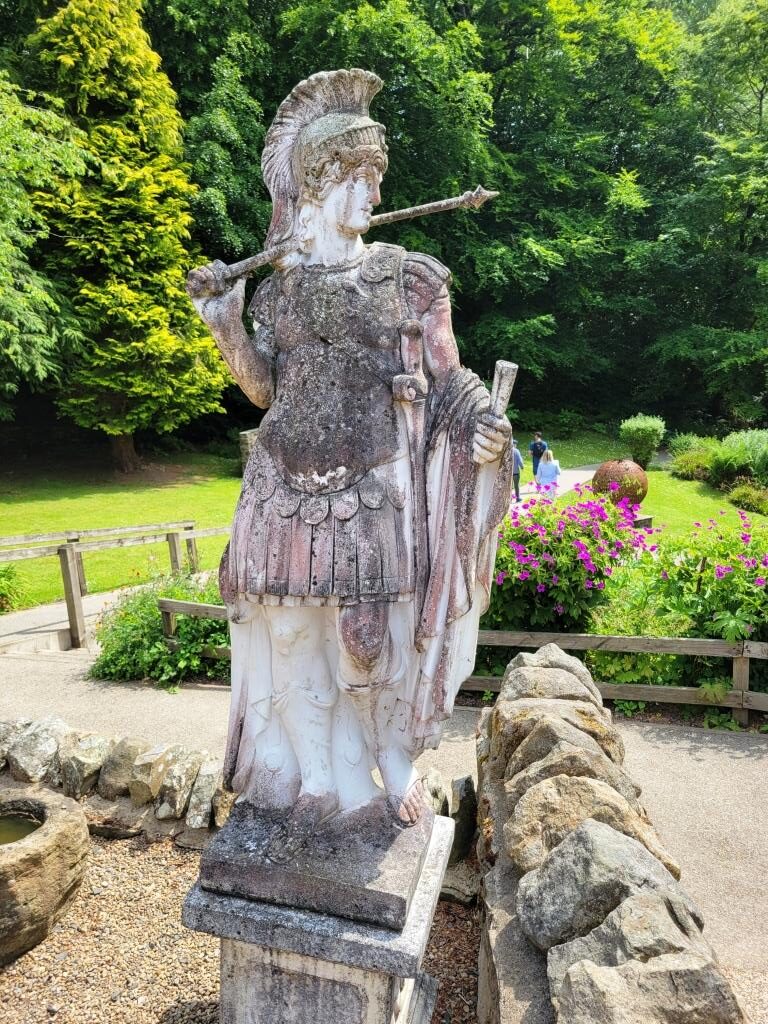
Visitor’s Essential Guide and FAQs – Planning Your Visit
How long should I spend here?
- Half-day: Focus on one major site (Vindolanda or Housesteads)
- Full day: Combine Vindolanda with a wall fort
- Multi-day: Ideal for hiking the wall path (recommended for the full experience)
When is the best time to visit?
- April-June: Perfect for mild weather and wildflowers
- September-October: Fewer crowds and beautiful autumn colors
- Avoid winter months when some sites have limited access

Where should I stay?
Hexham: Best for amenities and transport links
Tickets and Access
Do I need to book in advance?
- Vindolanda & Roman Army Museum: No, but joint tickets save money
- English Heritage sites: No, but members enter free
- Guided tours: Recommended to book ahead
Is the wall wheelchair accessible?
- Chesters Fort & Birdoswald: Mostly accessible
- Housesteads: Challenging terrain
- Vindolanda: Mixed, with accessible museum
Can I walk the entire wall?
- Full wall: 84 miles, takes 6-7 days
- Popular day walks: Steel Rigg to Housesteads (4 miles), Chesters to Hexham (6 miles)
Accessibility Information
Site-Specific Access Details
- Housesteads Fort: Steep paths, not wheelchair-friendly
- Chesters Fort: Mostly accessible with flat paths
- Birdoswald Fort: Well-maintained paths, mostly accessible
- Vindolanda:
- Museum: Fully wheelchair accessible
- Archaeological site: Mixed terrain, some areas challenging
- Parking: Disabled spaces near entrance
Note: Contact sites directly for detailed accessibility information and assistance
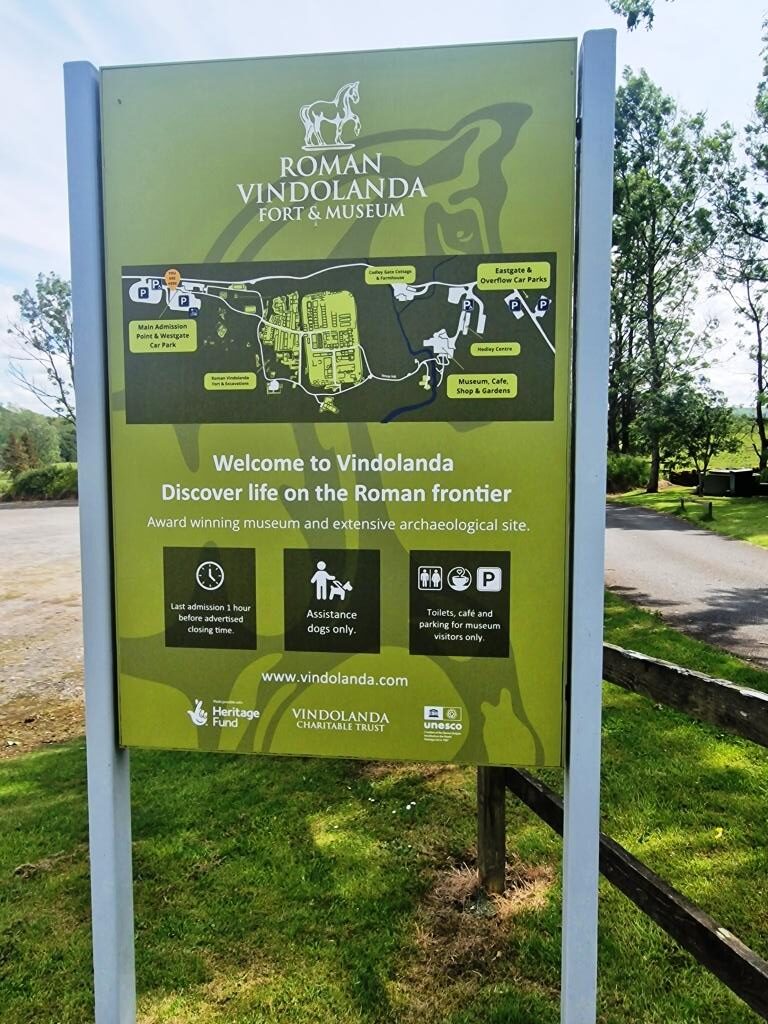
Transport and Guided Tours
Getting There Without a Car
Train to Hexham or Haltwhistle stations
AD122 Hadrian’s Wall Bus (seasonal service between sites)

Guided tours from Newcastle, Carlisle, or Edinburgh
Recommended Tours
- Viator’s “Hadrian’s Wall Day Trip” from York – Full-day experience with expert guide
- GetYourGuide’s Newcastle to Hadrian’s Wall – In-depth exploration of Roman history, including sites and forts.
- Local walking tours with Hadrian’s Wall Adventures – Perfect for hiking enthusiasts
Pro tip: Tours often include transportation and entry fees, making them cost-effective for visiting multiple sites in one day.

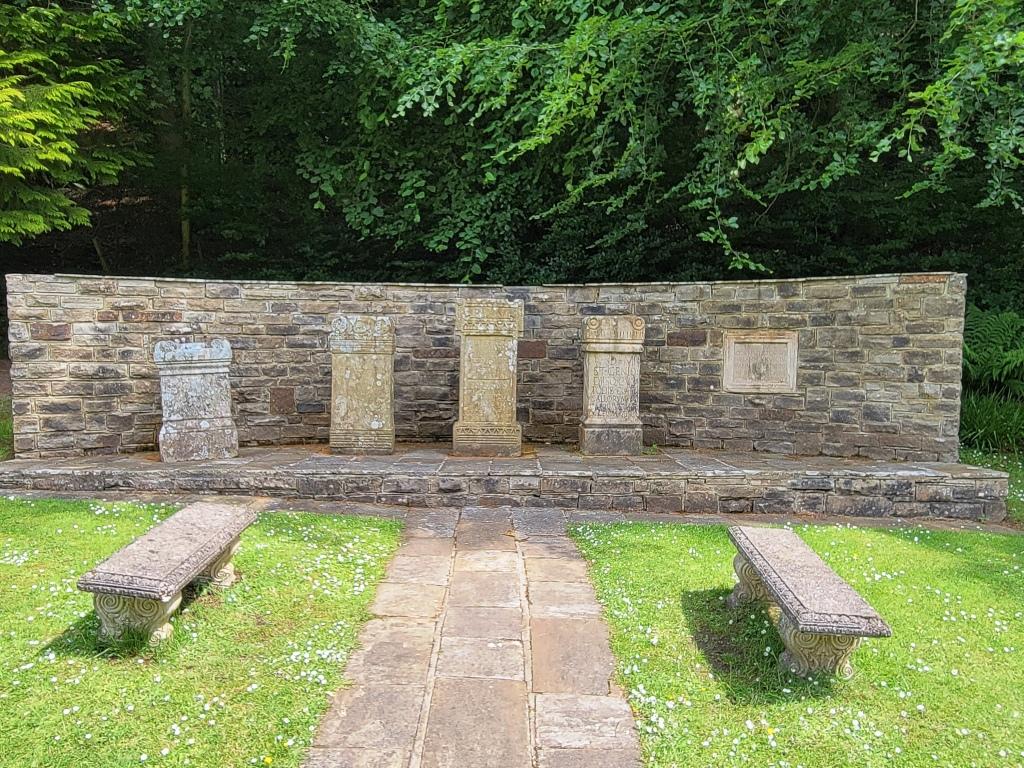
Quick Trip Planning Tips
Best time to visit: April-June or September-October for mild weather and smaller crowds
Must-see sites: Vindolanda (for personal Roman stories) and Housesteads (best-preserved fort)
Getting there: Base yourself in Hexham; use the AD122 bus or join a guided tour
Ticket tip: English Heritage members get free entry to wall forts like Housesteads
Family-Friendly Activities
Hadrian’s Wall offers plenty of engaging activities for children of all ages:
Interactive Experiences
Try on Roman armor at Vindolanda
Join weekend archaeology workshops (seasonal)
Watch the 3D film at the Roman Army Museum
Complete the children’s activity trails at major forts

Best Sites for Families
- Vindolanda: Live excavations and Roman army demonstrations
- Housesteads: Hands-on exhibits and space to explore
- Roman Army Museum: Interactive displays and educational activities

Parking and Site Access
Main Car Parks and Fees
- Housesteads: National Trust car park (£5 all day)
- Vindolanda: Free parking for visitors
- Steel Rigg: £3 for 4 hours, £5 all day
- Birdoswald: Free for English Heritage members, £3 others
- The Sill: £5 all day, free for quick visits under 30 minutes
Hadrian’s Wall – The History Behind the Stones
Constructed in just six years by Roman legions, Hadrian’s Wall was more than just a defensive barrier. This 15-foot-high stone fortification stretched coast-to-coast, featuring:
Milecastles (small forts every Roman mile)
Watchtowers between each Milecastles
Major garrison forts like Housesteads and Chesters
A deep defensive ditch (the Vallum)
The wall marked a bold statement of imperial power while functioning as a customs checkpoint and military stronghold. At its peak, about 9,000 soldiers from across the empire were stationed here, supported by thriving civilian settlements
Stretching 73 miles across the dramatic landscapes of northern England, Hadrian’s Wall stands as one of the most awe-inspiring remnants of the Roman Empire. Built in AD 122 under Emperor Hadrian, this formidable stone barrier once marked the northern frontier of Roman Britain, separating the empires controlled territories from the untamed lands of the Picts.
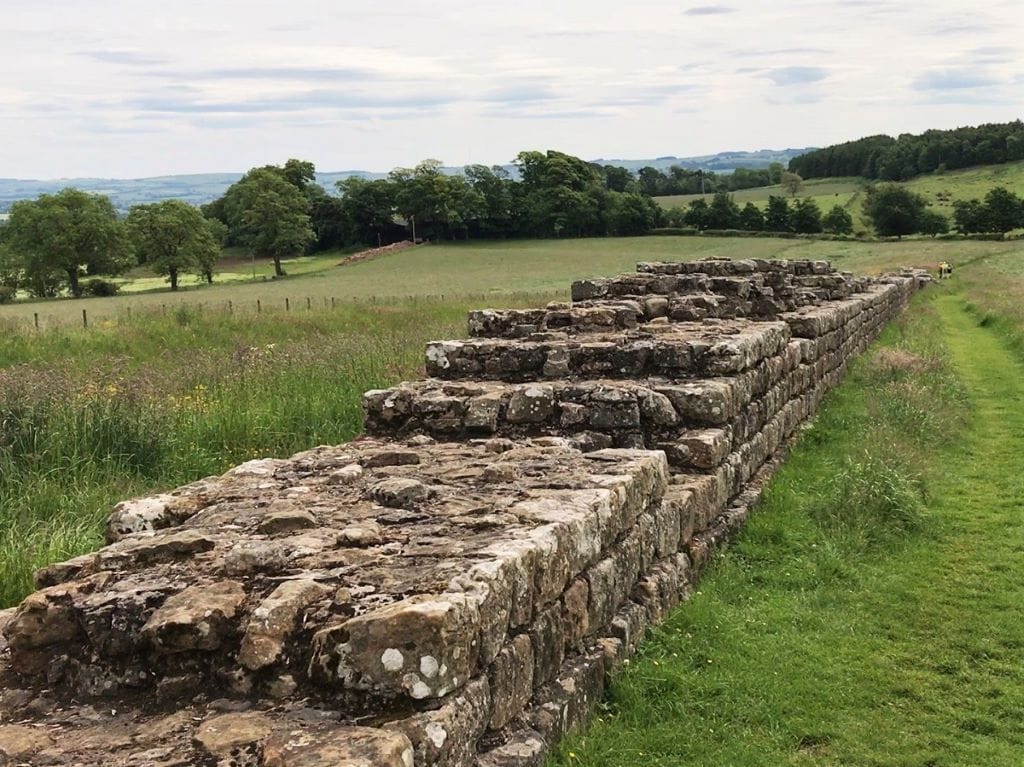
Just a short distance away lies Vindolanda, an exceptionally well-preserved Roman fort and settlement that offers an intimate glimpse into daily life on the empires edge. Famous for its astonishing Vindolanda tablets some of the oldest handwritten documents in Britain this site brings history to life in a way few others can.
Whether you’re a history enthusiast, an avid hiker, or simply seeking breathtaking scenery, a visit to Hadrian’s Wall and Vindolanda is a journey through time. This guide provides everything you need to plan your trip, from historical insights to ticket prices, accessibility, and recommended tours.
The Historical Significance of Hadrian’s Wall
Hadrian’s Wall was more than just a defensive barrier it was a symbol of Roman power and control. Emperor Hadrian, who ruled from AD 117 to 138, shifted Rome’s focus from expansion to consolidation, and the wall served as a physical manifestation of this policy. Stretching from the River Tyne near Newcastle to the Solway Firth in Cumbria, the wall was constructed by Roman soldiers in just six years. It stood up to 15 feet high and was reinforced with Milecastles (small forts positioned every Roman mile), watchtowers, and larger garrison forts such as Housesteads and Chesters.
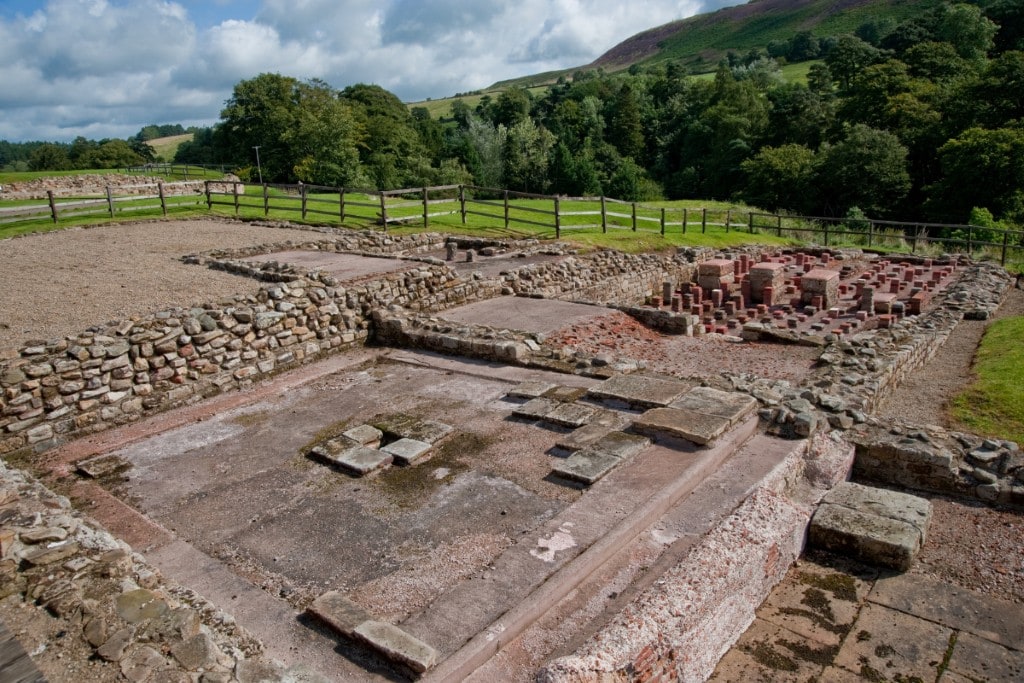
The wall was not just a military installation but also a thriving hub of activity. Thousands of soldiers many of them auxiliaries from across the empire were stationed here, and civilian settlements grew around the forts, creating bustling communities. By the early 5th century, as Roman rule in Britain collapsed, the wall was abandoned, but its legacy endures as one of the most remarkable archaeological sites in Europe.
Hadrian’s Wall Walks
Walk in the footsteps of Roman legions along Hadrian’s Wall Path, one of Britain’s most legendary trails. This UNESCO World Heritage-listed route stretches from the dramatic North Sea coast to the tranquil shores of the Solway Firth, tracing the northern frontier of the mighty Roman Empire.
Choosing Your Direction: East to West or West to East?
While most walkers follow the traditional east coast to west coast path—as described in the official guidebook—there’s no rule against going the other way. Some prefer starting in Bowness-on-Solway (west) to take advantage of the prevailing westerly winds, though easterly winds are just as common in this changeable climate.
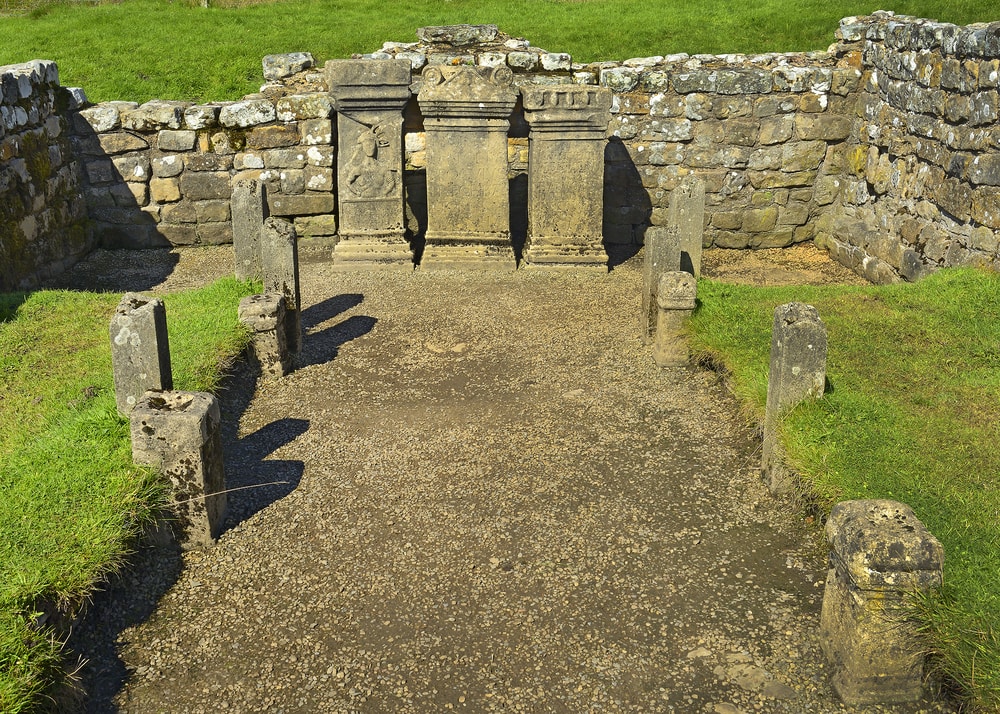
While most walkers follow the traditional east-to-west route—as described in the official guidebook—there’s no rule against going the other way. Some prefer starting in Bowness-on-Solway (west) to take advantage of the prevailing westerly winds, though easterly winds are just as common in this changeable climate.
Best Combined Routes:
- The Ultimate Roman Walk:
Hadrian’s Wall Path → Pennine Way south → Limestone Way → Peak District trails - Coast-to-Coast-to-Coast:
Norfolk Coast Path → Peddars Way → Midshires Way → Pennine Way → Hadrian’s Wall - The Grand Traverse:
South Downs Way → North Downs Way → Thames Path → Oxford Canal Walk → Heart of England Way → Staffordshire Way → Pennine Way → Hadrian’s Wall
While these aren’t official connections, determined long-distance walkers often create their own mega-routes using existing trails, bridleways and footpaths. The most natural connection is definitely between Hadrian’s Wall and the Pennine Way, which share a crossing point and similar rugged landscapes.
Begin your adventure in Wallsend, near Newcastle, where urban energy gives way to rolling Northumberland countryside. As you head west, the trail unfolds with ancient forts, towering ramparts, and Milecastles, set against a backdrop of rugged moorland and sweeping vistas. Pass through the historic city of Carlisle before reaching the wild, open marshes of the Solway Coast—where the path ends in the remote village of Bowness-on-Solway.
Hadrian’s Wall Path holds a unique distinction—it was the first National Trail to follow a UNESCO World Heritage Site. To protect the Wall’s archaeological integrity, every step of its creation was overseen by experts. An archaeologist supervised the installation of each signpost and waymarker, ensuring no damage to the ancient structure. This meticulous process took ten years—four years longer than it took the 2nd and 6th Legions to build the Wall itself!
How Long Does It Take to Walk the Trail?
The Hadrian’s Wall Path stretches 84 miles (135 km) across northern England, from Wallsend on the east coast to Bowness-on-Solway in the west. Most experienced walkers complete the trail in 6 to 7 days, though adding extra time allows for exploring the fascinating Roman forts, museums, and archaeological sites along the way. Many of these historic stops also offer refreshments and interactive exhibits, making them perfect for a mid-walk break.
How Challenging Is the Walk?
While the trail is manageable for anyone with a reasonable level of fitness, it’s not as easy as some might expect. Guidebooks sometimes downplay the difficulty, but the central section—particularly the 23-mile (37 km) stretch between Chollerford and Birdoswald—features a rollercoaster-like terrain with constant short climbs and descents, similar to coastal cliff paths. Most of the trail follows natural grass surfaces, except for the urban sections near Tyneside, which are paved.
Is Navigation Difficult?
The path is clearly marked with the National Trail’s acorn symbol and directional arrows, making it easy to follow even in poor weather. In the higher central sections, where mist can reduce visibility, the route stays close to Hadrian’s Wall itself, field boundaries, or ancient earthworks, helping hikers stay on track. However, carrying a map or guidebook is always recommended to monitor progress.
Accessibility on the Trail
Efforts are ongoing to improve accessibility along Hadrian’s Wall. Some key accessible spots include:
Walltown Country Park – Features an easy-access path and picnic area.
Steel Rigg Car Park – Offers a smooth path leading directly to the Wall.
Cawfields Dark Sky Discovery Site – A great spot for stargazing with accessible facilities.
Whether you’re looking for a multi-day adventure or a shorter, more accessible stroll, Hadrian’s Wall Path offers a rewarding mix of history, stunning landscapes, and a true sense of achievement. You can find more information at the National Trails website here.
Visiting Hadrian’s Wall Walking Routes
Housesteads Roman Fort and Birdoswald Roman Fort are two of the most impressive sites along Hadrian’s Wall, each offering unique insights into Roman frontier life. Housesteads (Vercovicium), the best-preserved fort on the wall, features remarkable ruins including barracks, granaries, and Britain’s best-preserved Roman latrines, all set against dramatic Northumberland landscapes.
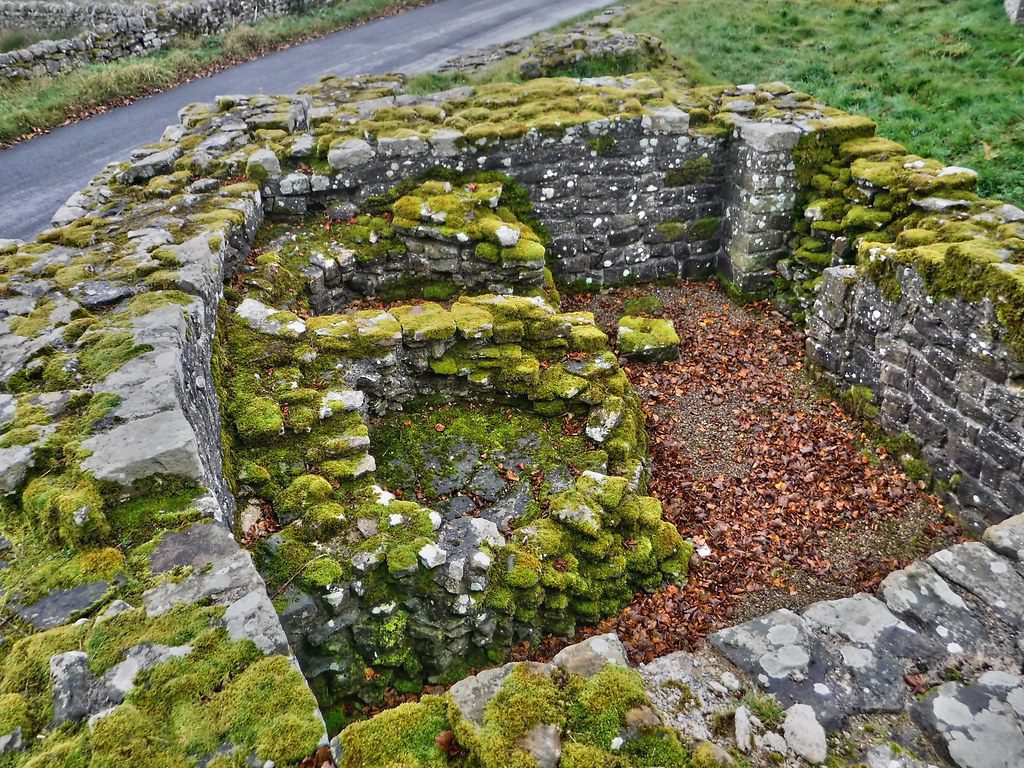
Birdoswald (Banna) boasts the longest continuous stretch of visible wall and impressive gatehouse remains. Both sites are easily accessible from Vindolanda – Housesteads is just a 15-minute drive (6 miles) west, while Birdoswald is about 30 minutes (14 miles) further west along the wall. Housesteads has challenging accessibility with steep, uneven terrain, while Birdoswald offers more wheelchair-friendly paths.

For current information, visit English Heritage’s websites: Housesteads and Birdoswald. Vindolanda, located just 2 miles south of the wall, requires separate admission through its official website.
Top Forts & Sections
| Site | Highlights | Accessibility |
| Housesteads | Best-preserved fort with barracks, latrines, and stunning views. | Moderate (uneven terrain). |
| Chesters Roman Fort | Cavalry fort with bathhouses by the River Tyne. | Good (mostly flat paths). |
| Birdoswald | Longest stretch of visible wall with a great visitor center. | Good (wheelchair-friendly paths). |
| Sycamore Gap | Iconic tree from Robin Hood: Prince of Thieves (accessible walk from Steel Rigg). | Moderate (some steep sections). |
Map of key sites along Hadrian’s Wall

Key Sites Along Hadrian’s Wall
For those exploring Hadrian’s Wall, several key sites stand out. Housesteads Roman Fort is one of the best-preserved forts, offering stunning views and well-preserved ruins, including barracks, granaries, and an impressive latrine system. Chesters Roman Fort, once a cavalry stronghold, features beautifully preserved bathhouses beside the River Tyne. Birdoswald Roman Fort boasts the longest continuous stretch of visible wall and an excellent visitor center.

Sycamore Gap
One of the most iconic spots along the wall is Sycamore Gap, famous for the lone tree featured in Robin Hood: Prince of Thieves. This dramatic dip in the landscape is a must-see for photographers and hikers alike. For those looking to experience the wall on foot, the Hadrian’s Wall Path National Trail spans 84 miles from coast to coast, though shorter day hikes, such as the 4-mile trek from Steel Rigg to Housesteads, offer equally rewarding views.


Iconic location featured in Robin Hood: Prince of Thieves, sadly stupid people chopped down the iconic tree in the gap and have now been sent to prison. The tree has started showing some green shoots. The Gap is accessible via a moderate walk from Steel Rigg.
Vindolanda: Where Roman Lives Come Alive
Established before the wall around AD 85, Vindolanda provides an unparalleled window into Roman Britain through its extraordinary archaeological finds:
The Vindolanda Tablets
These thin wooden writing tablets include:
Military reports and supply requests
Personal letters (including a birthday party invitation)
Everyday notes about shopping and social life
The on-site museum displays these artifacts alongside reconstructed buildings that bring the fort to life.

Vindolanda: A Window into Roman Daily Life
While Hadrian’s Wall offers a grand overview of Roman military engineering, Vindolanda provides a remarkably personal look at life on the frontier. Established around AD 85before the wall was built this fort began as a wooden structure before being rebuilt in stone. What makes Vindolanda truly special are the Vindolanda tablets, thin wooden writing tablets that have survived nearly 2,000 years. These documents include everything from military reports to personal letters, including a famous invitation to a birthday party the oldest surviving handwritten note in Britain.

Visitors to Vindolanda can explore ongoing archaeological excavations, where new discoveries are made every year. The sites museum houses an extraordinary collection of artifacts, including Roman shoes, jewelry, weapons, and medical tools. Reconstructed buildings, such as a Roman temple and a turf wall, help bring the past to life. Just six miles away, the Roman Army Museum offers further context with interactive exhibits and a 3D film about life on the wall.

Chesters Roman Fort (Cilurnum)
Chesters Roman Fort, known to the Romans as Cilurnum, is one of the best-preserved cavalry forts along Hadrian’s Wall. Located near the village of Chollerford in Northumberland, it sits along a scenic stretch of the River North Tyne, where the wall once crossed via a now-lost bridge.

Built around AD 124, the fort housed a 500-strong cavalry unit, the ala Augusta ob virtutem appellata, and served as a key military and logistical hub. Today, visitors can explore remarkably intact ruins, including the commanding officer’s luxurious house (praetorium), barracks, and a well-preserved bathhouse—one of the finest surviving examples of Roman baths in Britain. The on-site museum, established in 1903, displays an impressive collection of inscriptions, sculptures, and everyday artifacts uncovered at the site, offering a vivid glimpse into frontier life.

Housesteads Roman Fort (Vercovicium)
Perched high on a dramatic escarpment in Northumberland, Housesteads Roman Fort—known to the Romans as Vercovicium—is one of the most iconic and well-preserved sites along Hadrian’s Wall. Unlike many other forts, which were built for cavalry, Housesteads was an infantry fort, garrisoned by around 800 auxiliary soldiers from places as far away as Belgium and Germany.

Visitors today can explore remarkably intact ruins, including the barracks, granaries, hospital, and even the only visible Roman latrines along the wall—a fascinating insight into daily military life. The fort’s commanding position on the Whin Sill ridge also provides breathtaking panoramas, making it easy to imagine Roman sentries keeping watch over the frontier.
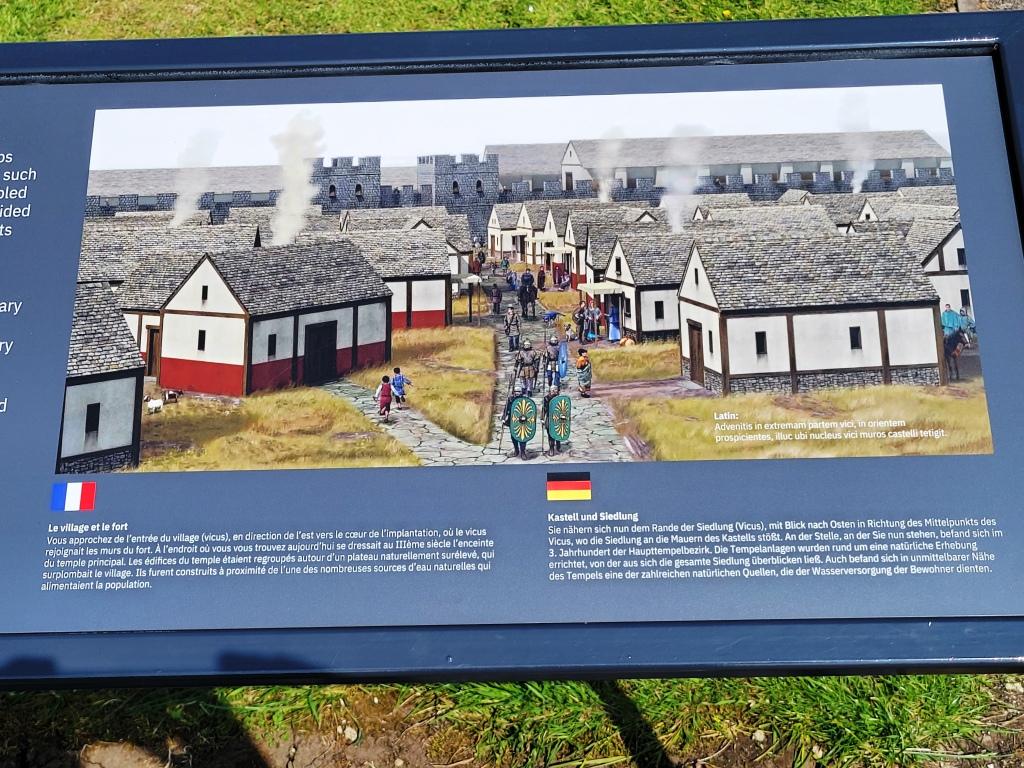
Excavations have revealed a thriving civilian settlement (vicus) outside the walls, where traders, families, and craftsmen supported the garrison. Managed by English Heritage, Housesteads includes a small but excellent museum displaying artifacts such as pottery, weapons, and personal items that bring the fort’s history to life.
2025 Ticket Prices
| Site | Adult | Child (5-17) | Concession | Online Discount | Member Access |
| Housesteads Fort | £10.00 | £6.00 | £9.00 | Save 10% | Free with EH |
| Chesters Fort | £10.00² | £6.00² | £9.00² | Save 10% | Free with EH |
| Birdoswald Fort | £10.00² | £6.00² | £9.00² | Save 10% | Free with EH |
| Vindolanda³ | See website | See website | Available | Save 10% | No discount |
| Roman Army Museum³ | See website | See website | Available | Save 10% | No discount |
¹ Pre-booking required for members² Based on expected prices (contact English Heritage for confirmation)³ Combined SAVER ticket available for both sites, valid for 12 months
Money-Saving Tips:
- Book online to save 10% on standard admission
- English Heritage (EH) membership gives free entry to multiple sites
- National Trust (NT) membership includes Housesteads
- Combined tickets for Vindolanda and Roman Army Museum offer best value
- Hadrian’s Wall itself is free to walk, but forts charge entry
Where to Stay and Eat
The area around Hadrian’s Wall offers a range of accommodations to suit all budgets. I never bother to eat at the cafes available at tourist sites the food is usually shipped in and not made fresh – not to mention overpriced. The Once Brewed YHA is a budget-friendly hostel option with stunning views, while The Twice Brewed Inn provides cozy pub accommodation and a microbrewery.

When it comes to dining, The Sill: National Landscape Discovery Centre serves delicious local produce, and The Milecastle Inn near Housesteads is perfect for a hearty meal after a day of exploring.
Staying in Hexham: The Perfect Base for Exploration
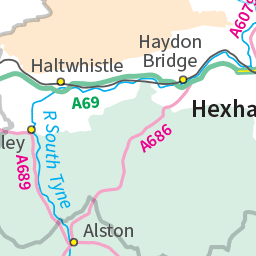
Nestled just south of Hadrian’s Wall, the historic market town of Hexham makes an ideal base for exploring the region. With its cobbled streets, medieval abbey, and excellent transport links, Hexham combines convenience with charm. The town is well-connected by train to Newcastle and Carlisle, and the AD122 bus provides easy access to key sites along the wall.
Where to Stay in Hexham
The Beaumont Hotel A stylish, family-run hotel in the heart of Hexham, offering comfortable rooms and a cozy bar.
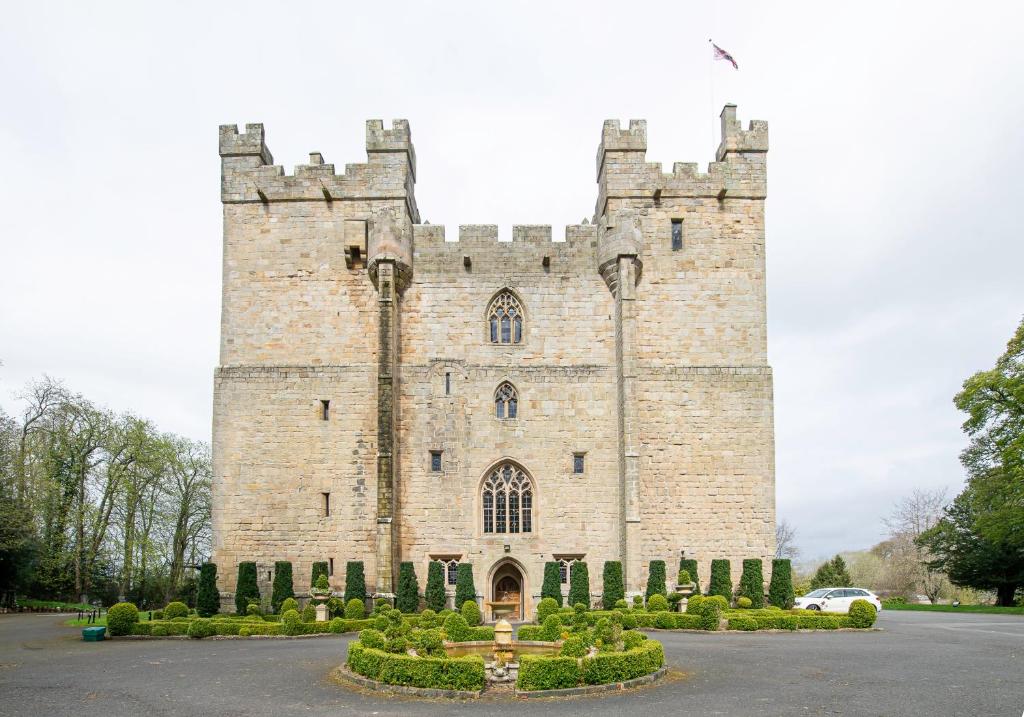
Langley Castle Hotel For a touch of luxury, this 14th-century castle hotel, located just outside Hexham, offers a truly unique stay with period features and fine dining.
Where to Eat in Hexham
The Heart of Northumberland: A traditional pub serving hearty British fare and local ales, perfect after a day of exploring.
Rising Café: Rising Café Hexham is the perfect stop off with plenty of outside seating overlooking the park with views of the Abbey, and a cosy 1940s feel inside. Try a unique afternoon tea, or choose from a wide range of delicious homemade dishes and baked goods.

Wentworth Café: Situated in the first large car park found if you enter Hexham from the A69. Serving everything from Breakfast to dinner at great prices – well worth a stop off.
Essential Resources and Links
Official Sites
- Hadrian’s Wall Country – Official tourism guide and latest information
- Vindolanda Trust – Excavation updates and visitor information
- English Heritage – Information for Housesteads and Chesters forts
- National Trust – Details about Sycamore Gap and Housesteads
Transport and Tours
- AD122 Bus Service – Timetables and stops
- Viator Tours – Guided day trips from Newcastle
- GetYourGuide – Specialist archaeology tours
Local Information
- Visit Hexham – Accommodation and dining
- Northumberland National Park – Walking routes and maps
Walking Hadrian’s Wall is more than just a hike through stunning landscapes—it’s a journey through time. From the well-preserved forts of Housesteads and Vindolanda to the towering remnants of milecastles and turrets, every step reveals the ingenuity and determination of the Roman Empire.
Whether you’re a history enthusiast, an avid walker, or simply someone seeking a deeper connection to the past, this ancient frontier offers an unforgettable experience. As the rolling hills of Northumberland stretch out before you and the whispers of Roman soldiers seem to linger in the wind, it becomes clear why Hadrian’s Wall remains one of Britain’s most enduring and captivating landmarks.
Britain is rich in Roman history, with fascinating sites scattered across the country. You can explore the ruins of Silchester Roman Town, one of the most complete Roman towns in Britain, or visit Bath, famous for its remarkably preserved Roman Baths. In Lincoln and York, you’ll find impressive remnants of Roman walls and fortresses, while North Yorkshire is home to sections of Hadrian’s Wall. Further west, Manchester reveals traces of the Roman fort of Mamucium, and in Scotland, you can discover the Antonine Wall, marking the northernmost frontier of the Roman Empire in Britain.
Related Reading
- Northumberland Coastal Road Trip: Ultimate 5-Day Itinerary Guide
- Walking Roman Silchester: Explore a Roman City and Walls
- Best Cotswolds Villages and Secret Places Only Locals Know
Explore more of the region with guides to England, Scotland, Wales, Northern Ireland, or the full United Kingdom Travel Guide. If you are a foodie have a read of my Global Food Guide.