
Retire in Andalucia Spain: What to expect and where to live
Andalucía offers a genuinely lower cost of living, strong healthcare, and a slower pace of life but a year of actually living there (not just visiting) surfaces real downsides the destination-guide version of this story skips: unreliable landlords and informal leases, small tourist towns that empty out completely in winter, a heavy reliance on a car and on Amazon for anything you can’t buy locally, and produce quality that has noticeably declined. The best places to retire Marbella, Málaga, Nerja, Granada, Seville and the white villages are covered in detail below, if you are interested in a reality check see my article on the Pros and Cons of Living in Spain.

| Fast Facts: Retiring in Andalucía Cost of living: generally lower than northern Europe, though this varies enormously by town coastal hotspots like Marbella cost noticeably more than inland towns or a small tourist town off-season. Renting: rent for a few months before committing to anything longer landlord reliability and lease legality vary a lot, and a rental listing rarely tells you what a place is like in a July heatwave or the winter cold. Keep in mind Spanish houses are not built for heatwaves or cold winters. Visas: non-EU citizens need a non-lucrative visa (proof of income/savings) or a golden visa; EU citizens register as residents through a simpler process. Healthcare: consistently rated well; EU retirees can access the public system with an S1 form, others typically use affordable private insurance. Car dependency: in smaller coastal towns, a car is close to essential public transport and amenities like cinemas can be over an hour away. Seasonality: small tourist towns can feel completely different in summer (crowded, expensive) versus winter (quiet, many businesses closed). |

Andalucía calls to many retirees, and it’s easy to see why. The southern part of Spain has a warm climate, a slower pace of life, and a friendly spirit that makes newcomers feel at home. Some people come for the beaches. Others explore historic towns or quiet mountain villages. Prices often stay lower than in northern Europe, which helps a pension or retirement income stretch further. But a tourist visit and a year of actually living somewhere tell you very different things the reality-check section further down is here precisely because that gap matters.
- Retire in Andalucia Spain: What to expect and where to live
- What's It Really Like After Living in Andalucía for Over a Year?
- Tourist towns run on two extreme seasons.
- Benefits of Retiring in Andalucía
- Coastal Towns for Beach Lovers
- Inland Cities for History and Culture
- Picturesque Villages for a Quiet Life
- Practical Considerations for Retiring in Andalucía
- FAQs About Retiring in Andalucía
What’s It Really Like After Living in Andalucía for Over a Year?
Everything above is true and worth knowing. But visiting a place for a week and living there long-term surface completely different information here’s what a year of renting, and visiting many more towns across the region, actually taught me. Check out my Pros and Cons of Living in Spain: A Reality Check.
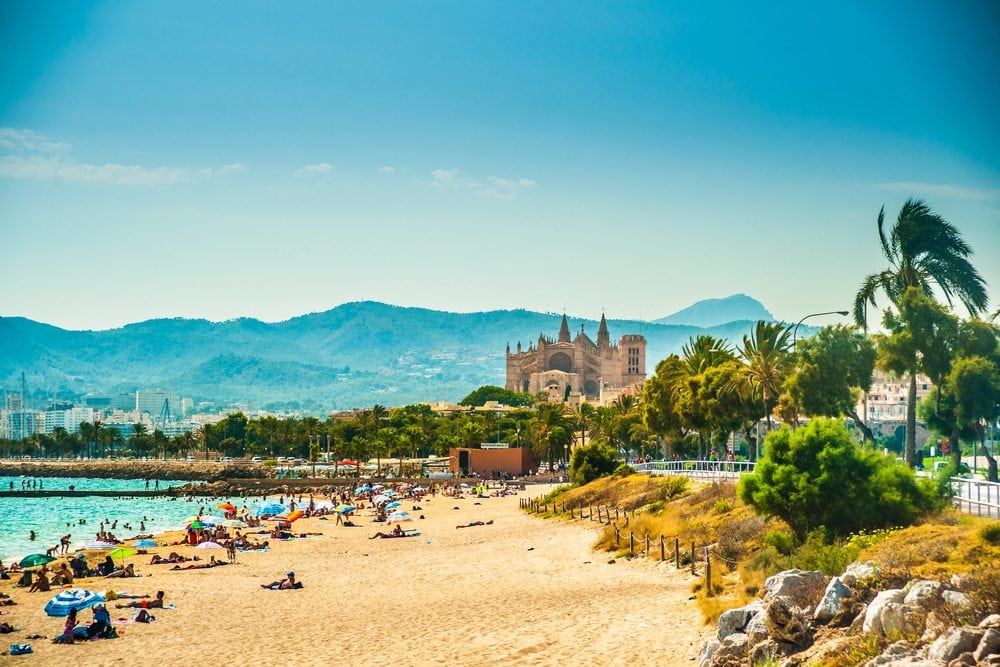
Rent for a few months before committing to anything longer.
Landlords here can be genuinely unreliable, and rental listings won’t tell you the truth. We rented a gorgeous apartment online and were told the ceiling fans would be more than enough to stay cool. They weren’t. Recent heatwave summers across Almería and the rest of Spain left us in suffocating conditions, and we ended up buying 4 standing fans and 2 portable air conditioners just to function. Wildfires are also another worry in this region and this year one near us killed 15 people.

Winter was the opposite problem the place was freezing, and we had to buy 2 fan heaters to cope. On top of that, the lease itself wasn’t really legal under Spanish law; the landlord had drawn it up himself without following the actual requirements. Renting short-term first gives you a real trial run before you’re locked into a year-long lease with someone who may not be straight with you.
The area you visited as a tourist may be unrecognisable once you live there.
A place we’d visited many times over the years changed so much that living there felt like a different town entirely. Massive amounts of new housing have gone up, and rents and prices have risen exponentially in just a few years. Even locals who grew up there want to leave, but many can’t afford to move to a bigger city.
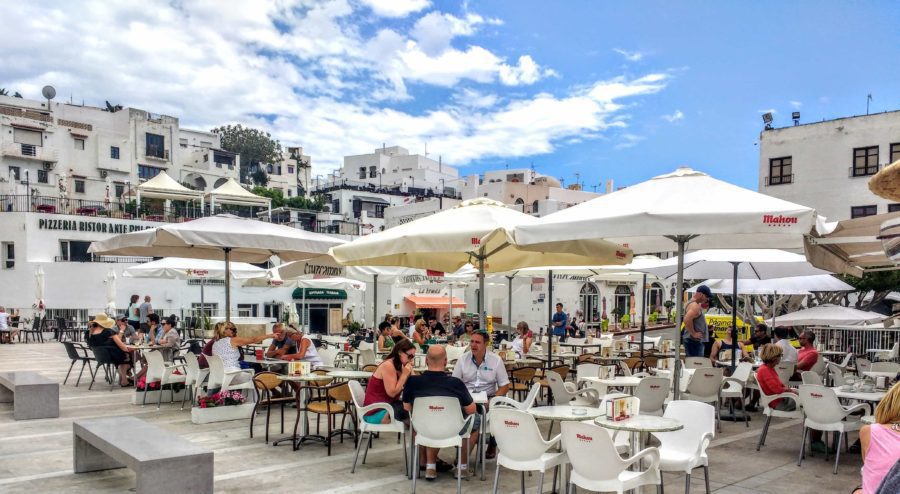
Small tourist towns can mean very little to actually do.
In a lot of these towns, the options outside the beach come down to sitting in a bar with British expats doing karaoke or pub quizzes and drinking. That’s fine occasionally, but it’s not much of a foundation for daily life if it’s genuinely all there is.
Tourist towns run on two extreme seasons.
Summer means a serious crush of visitors and everything feels crowded and stretched. Winter is close to dead many businesses reduce hours or close entirely, and the same streets that were packed in August can feel eerily quiet.
A car is close to essential, and daily conveniences can be surprisingly far away.
In one town we lived in, the closest cinema was over 90 minutes away. If you’re picturing walkable, well-served small-town living the way it might work in your home country, check the actual distances to things you’d normally take for granted before you commit.
Decent, affordable local shopping can be genuinely hard to find.
Many smaller towns are dominated by boutique-style shops with high prices rather than the kind of affordable everyday retail you’d expect. It’s telling that locals themselves order most things from Amazon rather than shopping in town that tells you something about what’s actually available on the ground.

Community pools and produce quality aren’t always what you’d expect.
Shared pools in residential urbanizaciones can get unbearably warm in peak summer heat, to the point they’re not especially refreshing. And the famous Spanish fresh produce, which used to be genuinely superb, has noticeably declined in many supermarkets they don’t check quality closely, and it’s common for produce to go mouldy within a day or two, or for bananas to ripen badly overnight. Food in general isn’t as cheap as the popular narrative suggests, either.

Weekly markets are convenient, but watch your belongings.
Local markets are where Spaniards themselves shop for clothing and goods, and they’re worth using but they’re also a well-known hotspot for pickpockets, so treat them the way you would any crowded market anywhere else in the world.
None of this means Andalucía isn’t worth it plenty of the benefits below are genuinely true. But it’s worth being honest about why so many British retirees describe it as paradise: often, that’s the view from a week’s holiday, a rental that looked great in photos, or a coastal hotspot that isn’t representative of smaller inland or off-season tourist towns. A year of actually living somewhere tends to produce a more complicated, more useful picture.

Benefits of Retiring in Andalucía
Warm people, lots of sunshine, and a timeless culture set the stage for a great life in this part of Europe a variety of food, festivals, and easygoing living, wrapped in a Mediterranean setting.
Cost of living
Andalucía costs less than other parts of Spain and generally Europe noticeable at the grocery store, in restaurant prices, and on utility bills. Housing is also more affordable outside a handful of coastal hotspots like Marbella.
Lifestyle
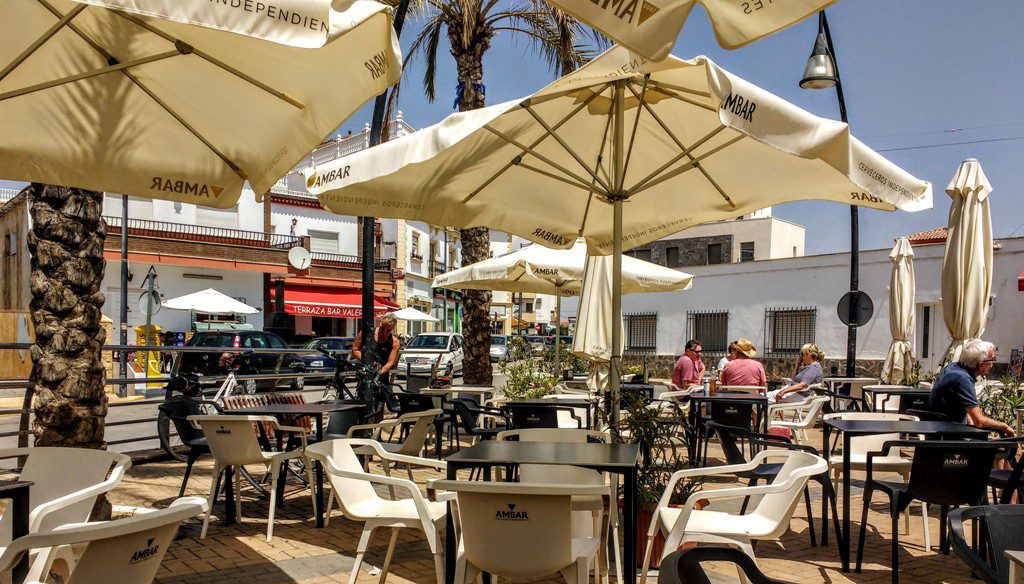
Life here moves at a calmer pace, with plazas, cafés and weekly markets as social hubs. Afternoon siestas remain common in smaller towns, and the Mediterranean diet keeps mealtimes light and affordable, wine included.
Healthcare
Spain’s healthcare system ranks highly, blending public and private care with modern clinics and skilled doctors. Public-program routine care is inexpensive, and English is widely spoken by medical staff in bigger cities.
Ease of integration
Many locals speak some English, especially in tourist and expat areas, and coastal towns like Torremolinos, Mijas and Málaga have active expat communities, meetups and social clubs. Learning basic Spanish still goes a long way for everyday tasks.

Coastal Towns for Beach Lovers
Marbella
Upscale, with fancy shops, gourmet dining and a marina full of yachts, but also a traditional Old Town of whitewashed houses. Reliable Costa del Sol warmth and international services, at a higher price point than most of the region.
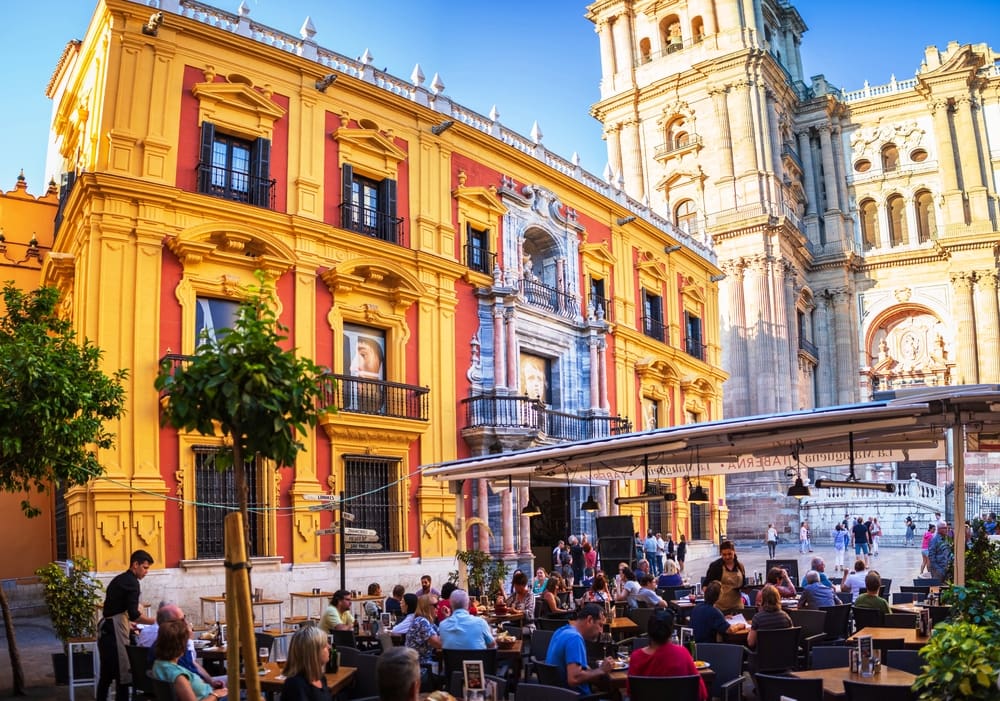
Málaga
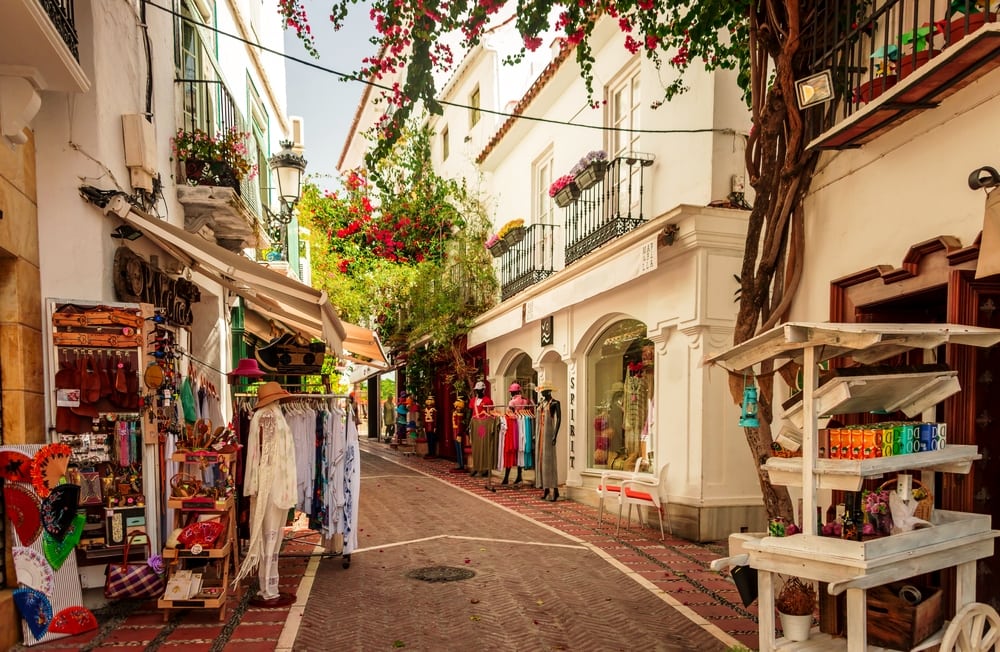
A busy port city blending modern shopping with landmarks like the Alcazaba fortress. Strong cultural scene (the Picasso Museum), efficient public transport including high-speed rail to Madrid, and a lively seafront promenade.
Nerja
A quieter stretch of coast east of Málaga, known for the Balcón de Europa viewpoint and the Nerja Caves. Smaller shops, family-run restaurants and a slower pace than the bigger resorts.
Estepona
Close to Marbella but noticeably cheaper, with a charming Old Town and a wide beachfront promenade. Property ranges from modern flats to older homes worth renovating; Marbella’s larger hospital is a 30-minute drive away.

Torremolinos
A lively, international favourite among British and other European expats, with affordable housing relative to the rest of the Costa del Sol and a 20-minute train into Málaga. Nightlife can get noisy in peak season.

Inland Cities for History and Culture
Granada
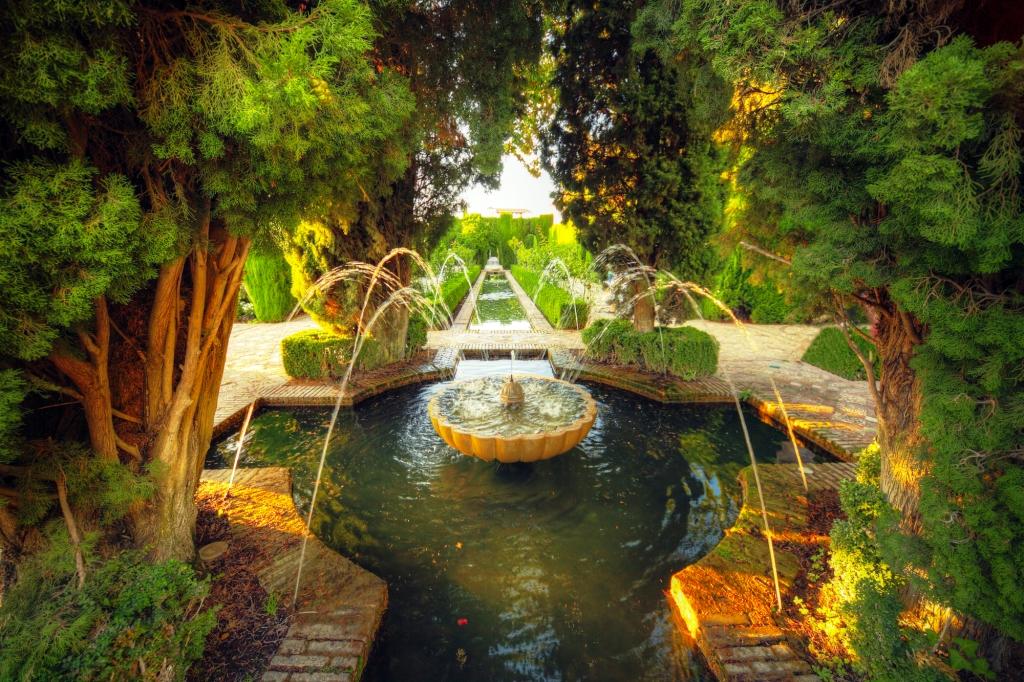
Sits at the foot of the Sierra Nevada with the Alhambra Palace as its centrepiece. Higher elevation means cooler nights even in summer, tapas bars often still serve free tapas with drinks, and the university keeps the city feeling young.
Seville
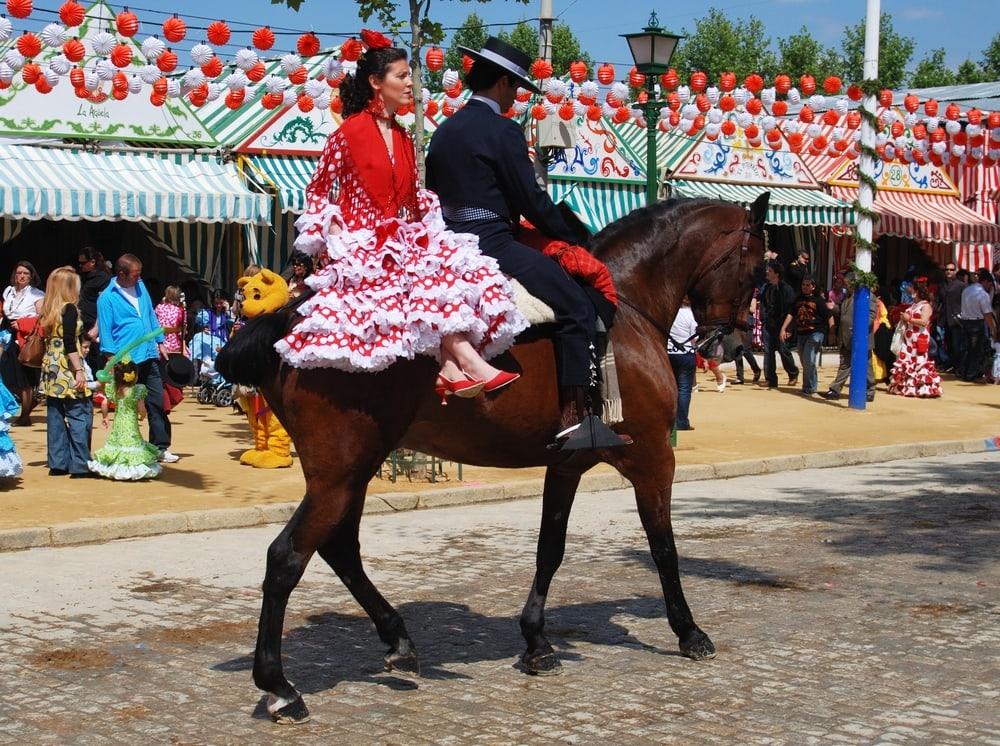
Andalucía’s capital, with a busy social calendar (Feria de Abril, Semana Santa) and landmark architecture including the Cathedral and the Alcázar. Summers run extremely hot for 3-4 months; winter and spring are mild. Check out my Magical Things to do in Seville article.
Córdoba
Quieter than Seville, centred on the Mezquita-Catedral. A slower daily routine with midday closures, the historic Judería quarter, and comparatively low housing costs major medical care may mean travelling to Granada or Málaga.

Ronda
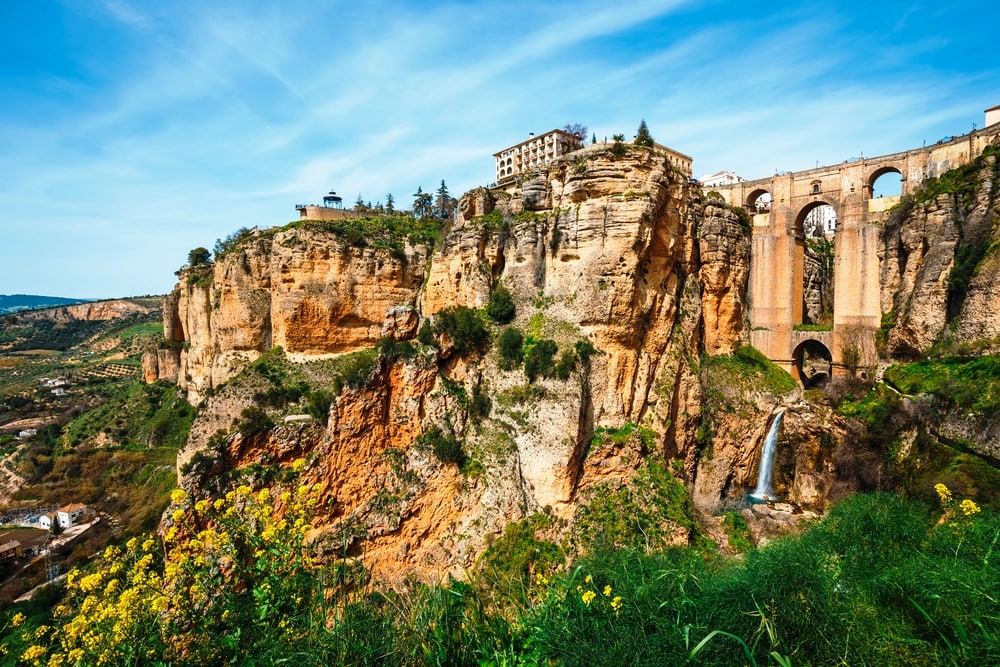
Known for its dramatic gorge and the Puente Nuevo bridge. Popular for day trips from Seville, but calms down once visitors leave for the day. Its distance from Granada, Málaga and Seville is a real consideration. Learn all about visiting Ronda in my guide.
Picturesque Villages for a Quiet Life
Mijas Pueblo
Whitewashed houses and flowery balconies, with cafés, small supermarkets and Fuengirola’s beaches a short drive away. A strong expat presence means English is widely spoken.
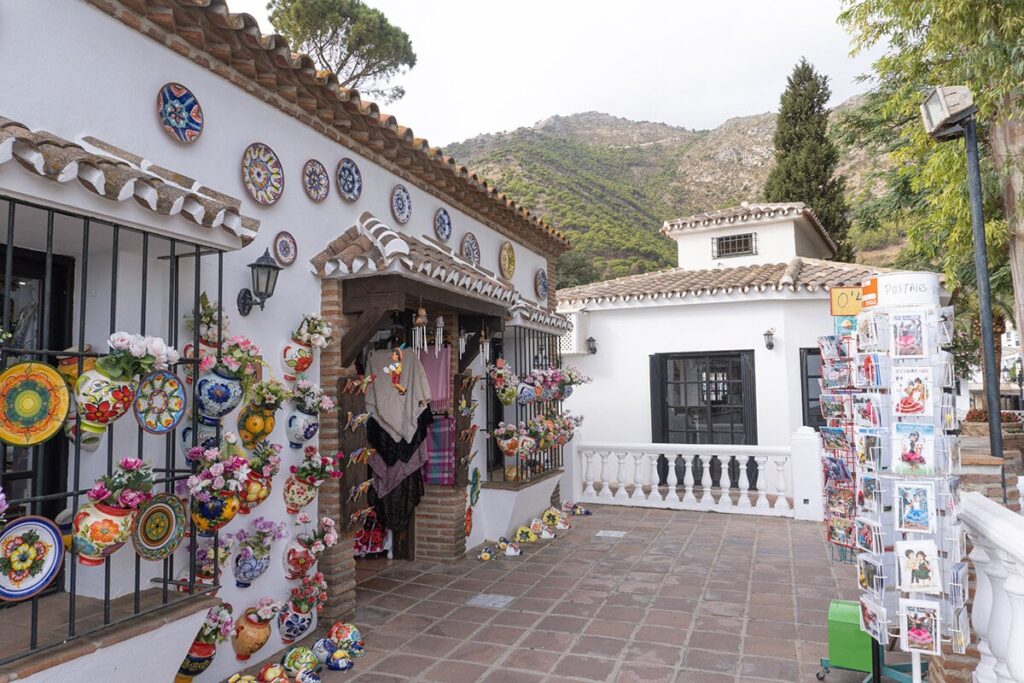
Frigiliana
Cobblestone streets and bright ceramic decorations near Nerja, with mountain views and a real sense of community, though summer heat is intense at this inland elevation.

Arcos de la Frontera
One of Andalucía’s white villages (“pueblos blancos”), perched on a cliff with sweeping countryside views. A car is genuinely useful here for errands or trips to Jerez or Cádiz.

Alhama de Granada
Between Málaga and Granada, with deep Moorish and Christian history and natural hot springs (Baños Aguas Termales). Winters run cooler due to elevation; both major cities are about an hour away.

Practical Considerations for Retiring in Andalucía
Residency and visas
Non-EU citizens need a non-lucrative visa (proof of sufficient income or savings, renewed yearly) or a golden visa for major investors. EU citizens register as residents through a simpler process. Confirm current requirements with the Spanish consulate or a legal advisor before committing.

Cost of property
Coastal hotspots like Marbella and Estepona command a premium; inland towns and villages are typically far cheaper. A local, language-capable estate agent is worth the cost for paperwork, inspections and negotiation.
Healthcare access
Most towns have clinics, with larger hospitals concentrated in Seville, Granada and Málaga. EU retirees can use an S1 form for the public system; others typically buy private insurance, which remains comparatively affordable but check policy details carefully if you have pre-existing conditions.

Transportation
High-speed trains connect Málaga, Seville and Córdoba to Madrid and Barcelona in a few hours; buses serve smaller towns less frequently. Many retirees find owning or leasing a car makes daily life significantly easier, especially outside the bigger cities.

FAQs About Retiring in Andalucía
Is it affordable to retire in Andalucía?
Generally yes groceries, dining out and housing typically cost less than northern Europe, especially away from coastal hotspots like Marbella. That said, food prices have crept up in recent years, and quality at the supermarket level can be inconsistent.
Is renting in Andalucía straightforward?
Not always. Landlord reliability and lease legality vary significantly, and a listing’s photos won’t tell you how a property handles a summer heatwave or a cold winter. Renting for a few months before committing to a longer lease is a sensible way to test both the property and the landlord.
What’s it really like living in a small Andalucian tourist town?
It varies hugely by season crowded and expensive in summer, quiet and many businesses closed in winter and by how much local infrastructure exists beyond tourism. Some towns have very little to do outside the beach and expat bars, and a car is often necessary for anything beyond the basics.
Do I need a car to retire in Andalucía?
In smaller coastal or inland towns, yes, realistically. Public transport is decent between major cities but limited within and around smaller towns, and everyday amenities like cinemas can be well over an hour away without one.
How do I access healthcare in Spain?
EU citizens can access the public system with an S1 form or as residents. Non-EU retirees typically use private insurance, which is comparatively affordable. Doctors and hospitals in major cities frequently have English-speaking staff; smaller towns may not.
Are there expat communities in Andalucía?
Yes, especially along the Costa del Sol in towns like Torremolinos, Fuengirola and Marbella. Inland expat circles exist too, though they’re more spread out. Learning basic Spanish is still genuinely useful, even in expat-heavy areas.
This guide is part of our Spain Travel Guide, covering regions, culture, and travel styles across Spain or take a look at my Southern Spain Road trip to see which area appeals to you.
If you want to move to Europe Check out all my Living Abroad posts here
Fallen in love with Europe and thinking of moving here? Make sure you check our European Highlights guides.
If you’re planning a full relocation, don’t forget to read our guide on moving a pet to Europe, which covers everything from paperwork to flights.