
Accessible Historical Sites in England for Limited Mobility and Hidden Disabilities
England is filled with castles, Roman ruins, cathedrals, medieval streets, and historic landmarks, but accessible-travel-guides-ireland-uk-europe around historic sites is rarely as straightforward as guidebooks make it sound. Cobbles, uneven paths, steep staircases, gravel courtyards, and crowded heritage attractions can quickly become exhausting for travelers with limited mobility, chronic illness, fatigue, or hidden disabilities.

At the same time, some of England’s most fascinating historical places are becoming far more accessible than many visitors expect. Better pathways, lifts, shuttle transport, sensory support, quieter visiting times, and accessibility planning have transformed parts of the heritage experience in recent years.
After visiting historic sites across England, I found the biggest difference came from realistic pacing. Trying to rush through castles, cathedrals, museums, and ruins in a single day usually became exhausting very quickly. Slowing down, choosing a few key places, and building proper rest time into the day made historic travel far more enjoyable.
This guide covers some of the best accessible historical sites in England along with realistic advice for travelers with mobility challenges, hidden disabilities, fatigue conditions, or slower travel styles.
- Accessible Historical Sites in England for Limited Mobility and Hidden Disabilities
- What Makes Historic Sites Difficult for Accessibility?
- Best Accessible Historical Sites in England
- Hidden Disabilities at Historic Sites
- Best Types of Historic Attractions for Slower Travel
- Practical Tips for Visiting Historical Sites in England
- Helpful Accessibility Resources for Historic Travel in England
- My Thoughts on Accessible Historical Travel in England
- Frequently Asked Questions
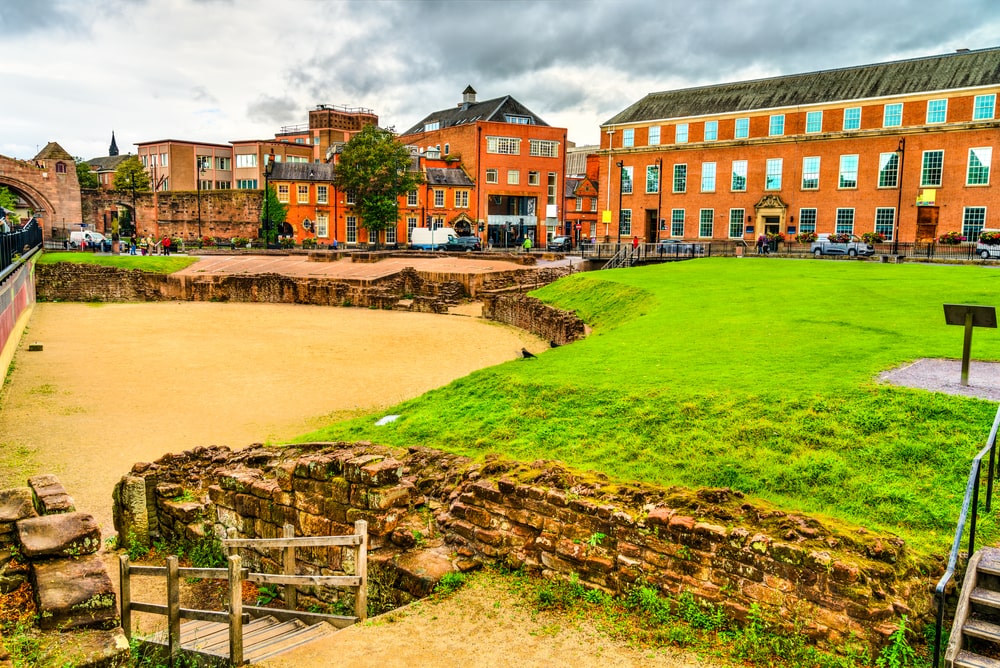
- Further reading on the UK's Roman Ruins
- Related Reading
What Makes Historic Sites Difficult for Accessibility?
Historic attractions often present very different challenges from modern museums or city attractions.
Common issues include:
- cobbled courtyards
- uneven stone flooring
- steep hills
- staircases
- long walking distances
- poor seating availability
- sensory overload during busy periods
- limited accessible toilets in older buildings
One thing I learned very quickly while visiting English heritage sites is that “accessible” can mean very different things depending on the age of the attraction.
Some places now have excellent accessibility planning while others remain physically difficult simply because of the nature of historic preservation.
Checking accessibility information in advance makes a huge difference.
Best Accessible Historical Sites in England
Tower of London
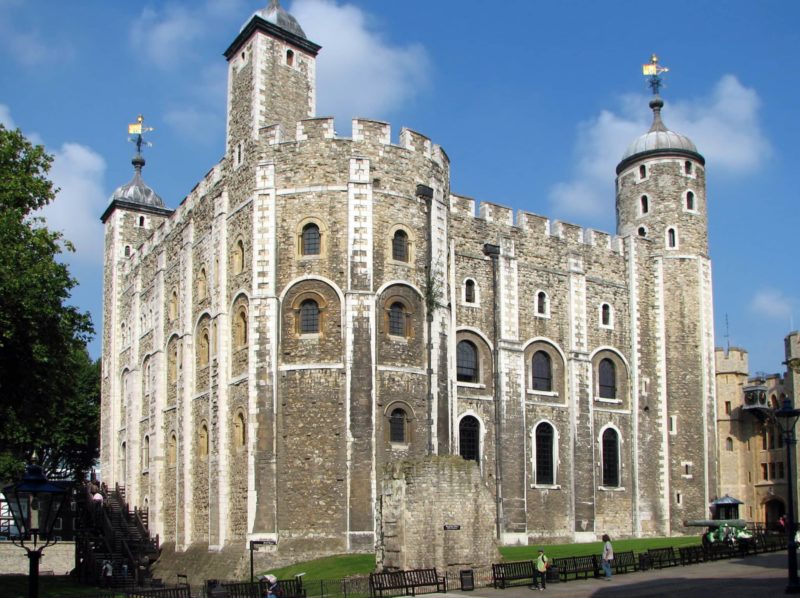
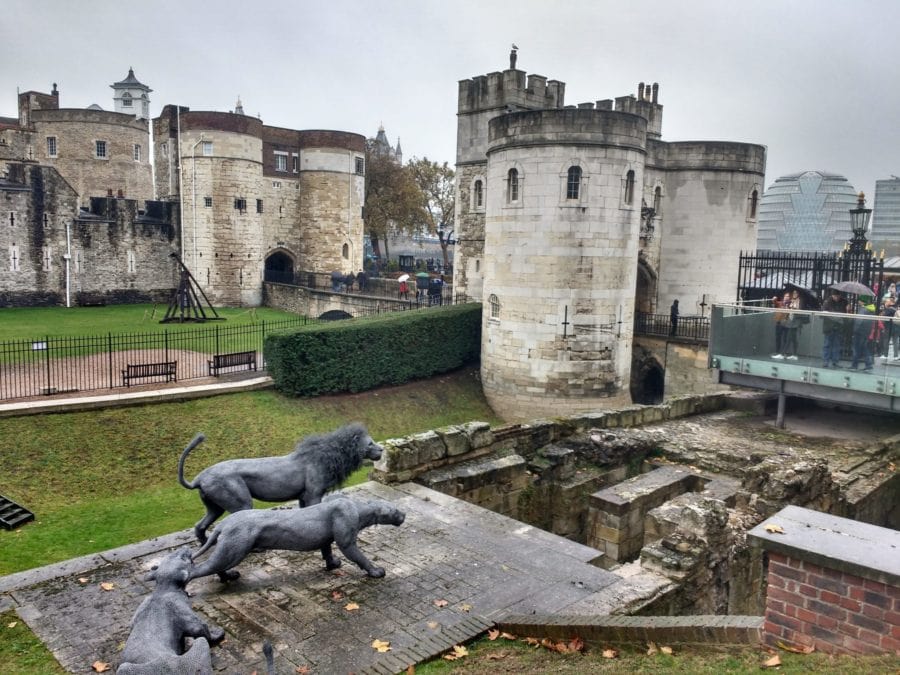
The Tower of London is one of England’s most famous historic attractions and also one of the more physically demanding.
Cobbled surfaces, uneven stone pathways, slopes, and staircases are common throughout the complex. However, accessibility support has improved significantly in recent years with accessible routes, seating areas, and staff assistance available.
The atmosphere here is incredible, but pacing matters.
I found it much easier to focus on a few sections instead of trying to see every tower and exhibition in one visit.

Roman Baths, Bath
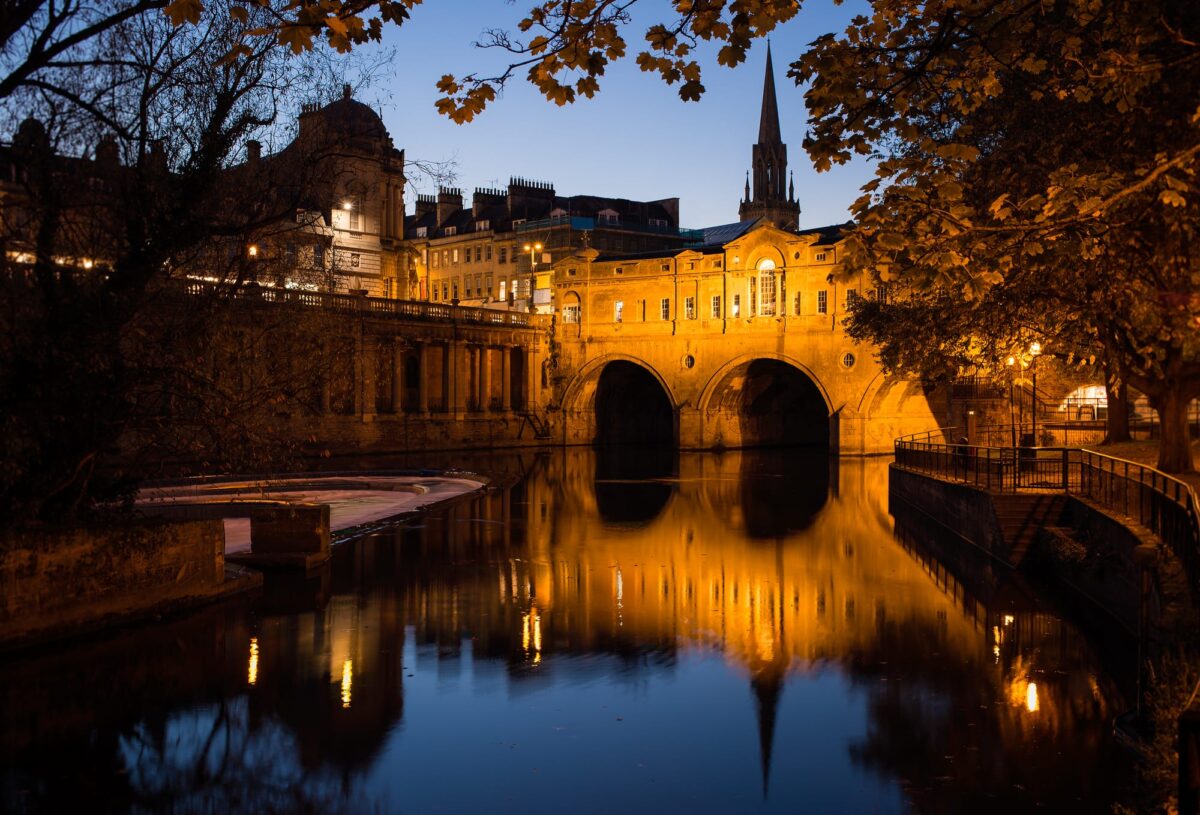
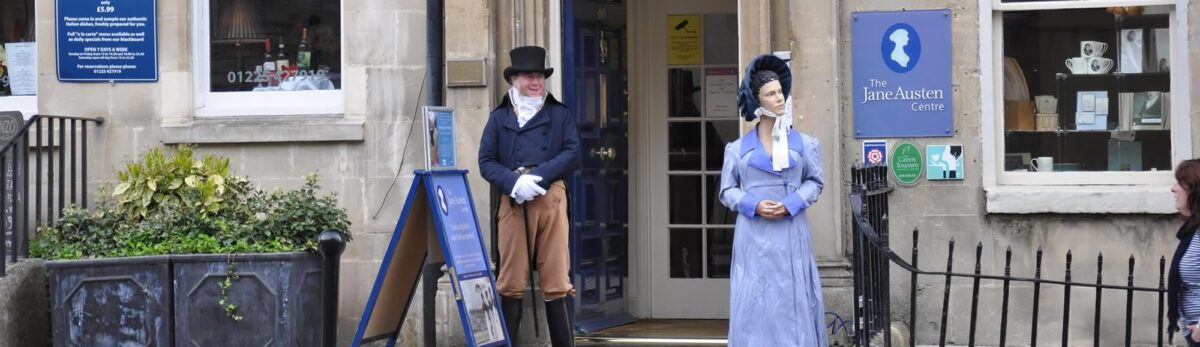
The Roman Baths are one of the most atmospheric historic sites in England and accessibility is far better than many visitors expect.
Lifts and adapted routes allow access to much of the site, although the historic nature of the building still creates some limitations.
Bath itself can be tiring because of hills and crowds, but the compact city centre makes it easier to explore gradually over a few days rather than rushing through everything at once.

York Minster
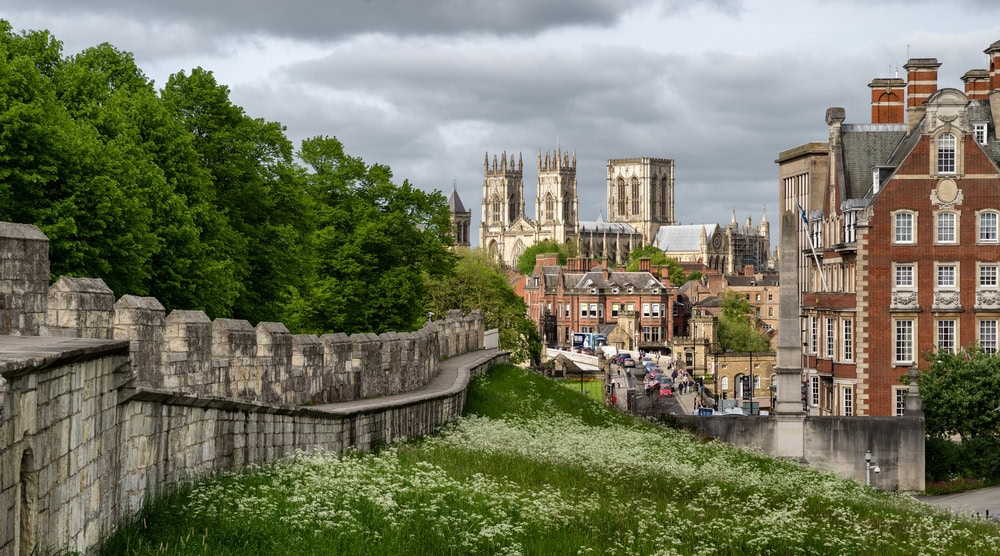
York Minster is one of the most impressive cathedrals in England and the main ground-floor areas are generally manageable for many visitors with mobility challenges.
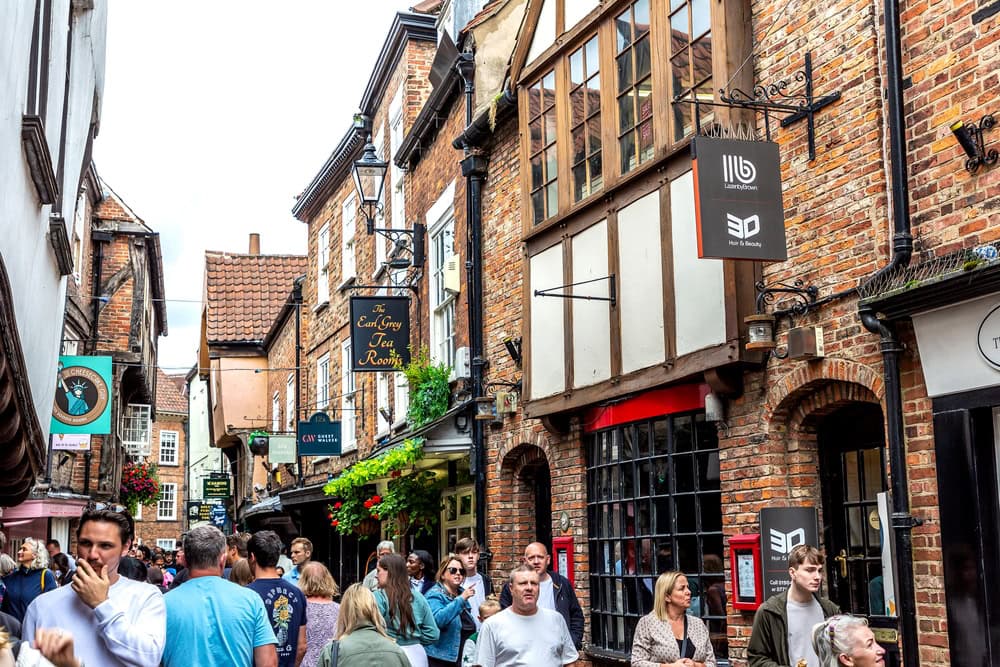
York itself can be difficult because of cobbled streets and uneven pavements, especially around the Shambles, but the cathedral provides a calmer indoor environment once inside.
One thing that stood out to me in York was how tiring the streets became compared to the attractions themselves.

Hadrian’s Wall
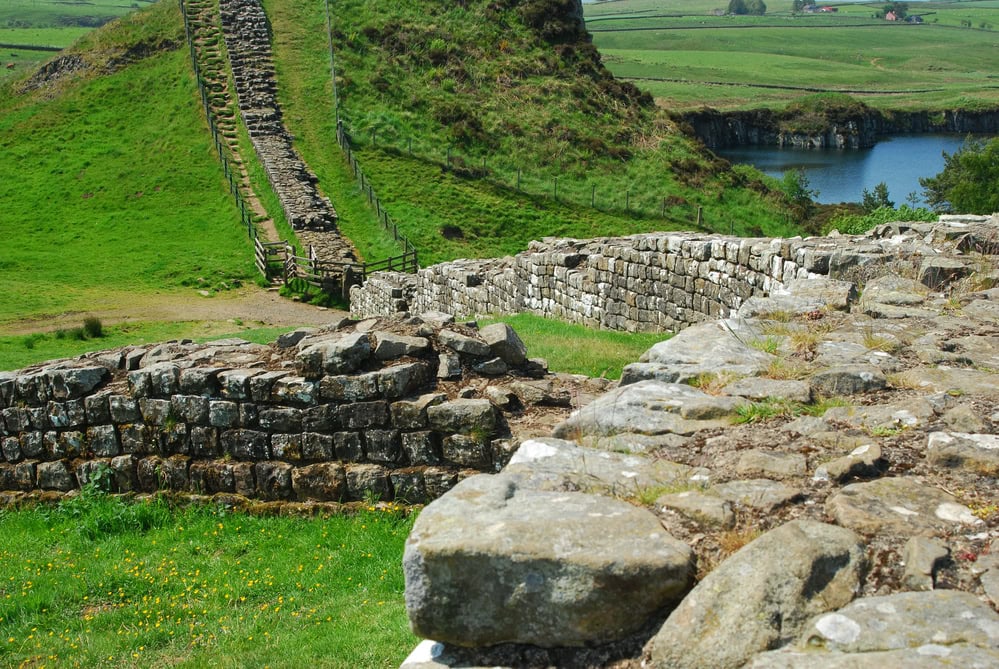
Hadrian’s Wall is one of England’s most iconic historical landscapes, but accessibility varies enormously depending on which section you visit.
Some stretches involve steep hills and rough terrain while others have visitor centres, accessible viewing areas, and gentler walking routes.
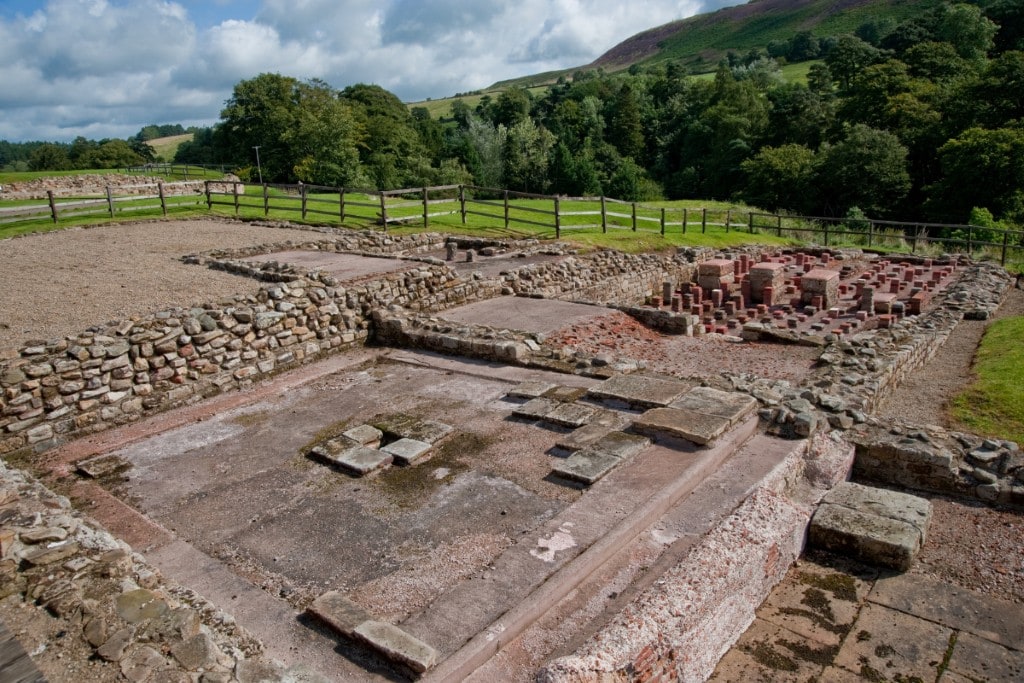
Vindolanda and Housesteads Roman Fort both provide accessibility information online, and selecting the right section carefully makes a huge difference.
This is one of those places where planning realistically matters far more than trying to see “everything.” There are many accessible Roman Ruins in the UK, for the most part there will be rough ground and a few steps but if you check with the site there is assistance to help you visit.

Canterbury Cathedral
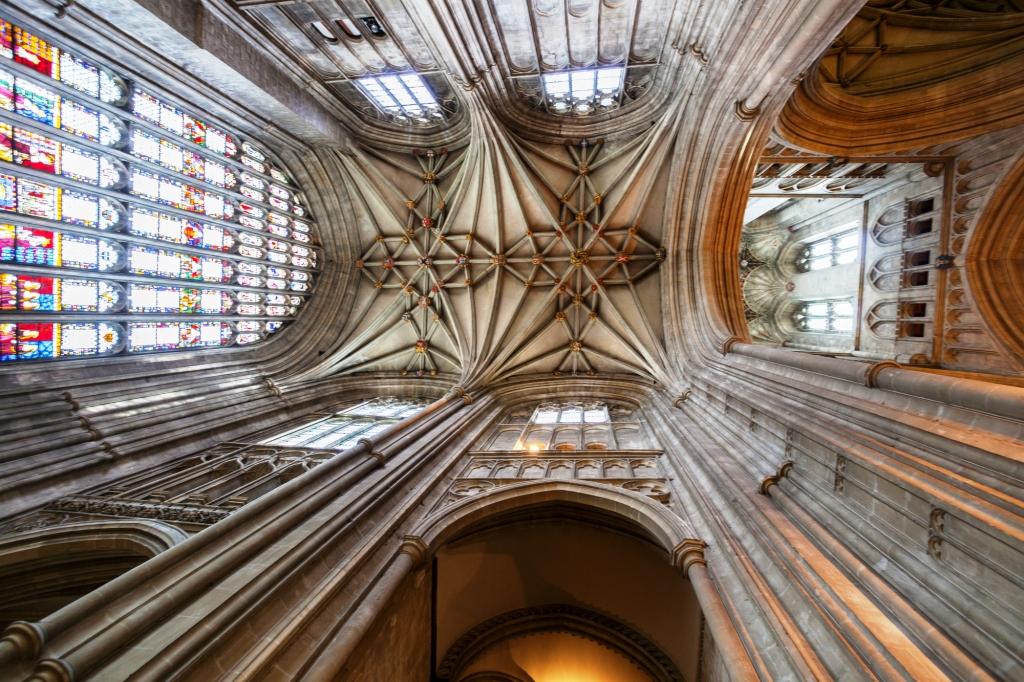
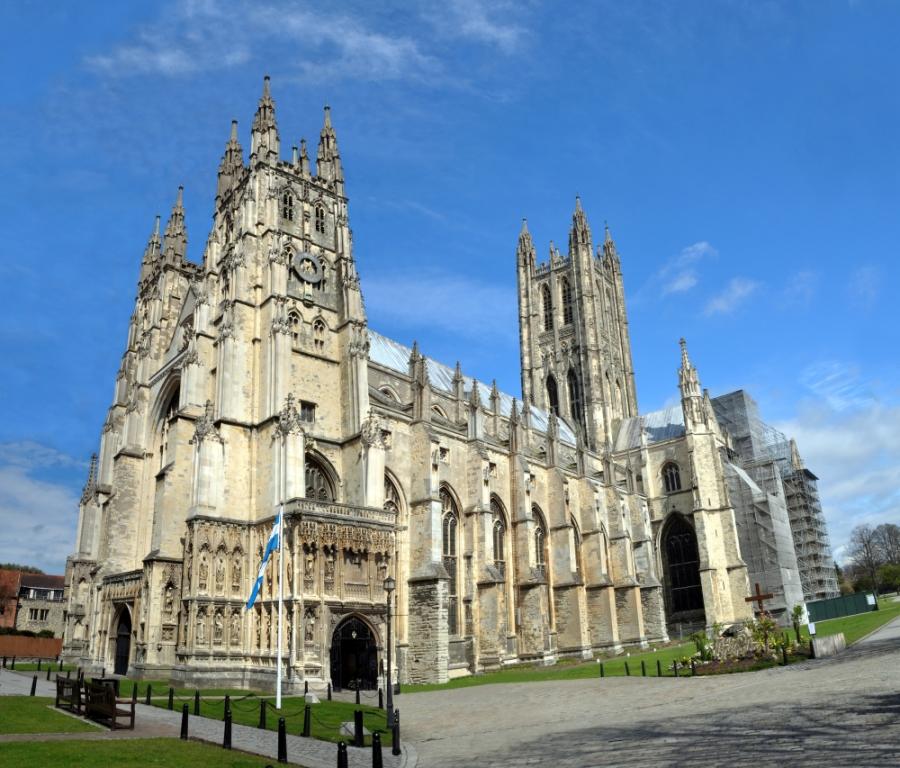
Canterbury Cathedral combines extraordinary history with relatively good accessibility support considering the age of the site.
Accessible entrances, wheelchair routes, and quieter spaces are available, although some surrounding streets in Canterbury remain uneven and crowded during peak tourist periods.
The cathedral interior itself feels surprisingly calm compared to the busy streets outside. Most of the UK’s cathedrals are accessible to a point so check before you visit.

Windsor Castle
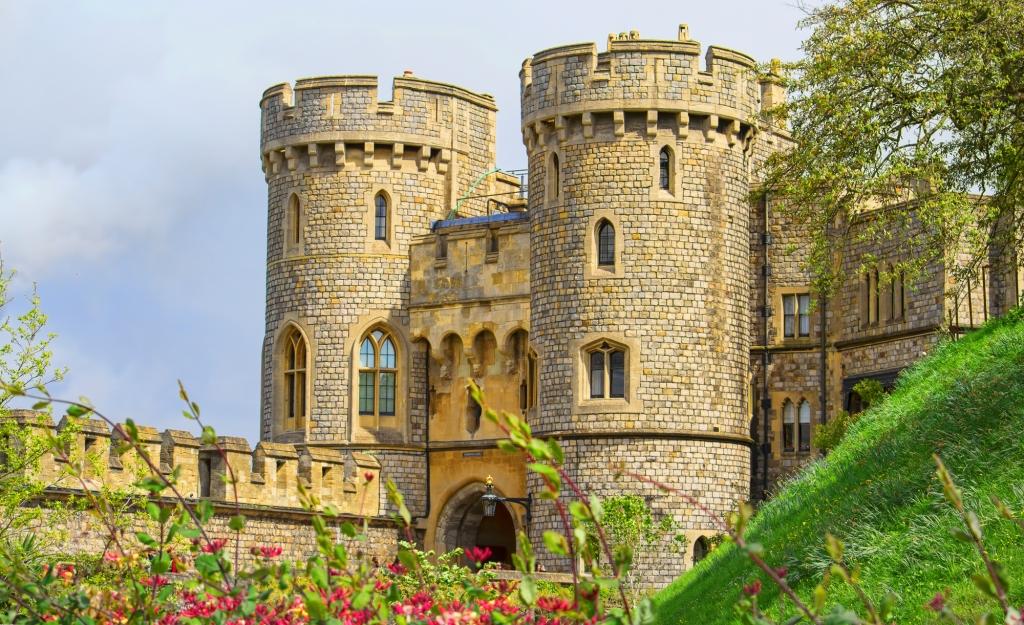
Windsor Castle is more accessible than many visitors expect for such a historic royal site.
There are still slopes, uneven surfaces, and large walking distances, but accessibility routes and support services are available throughout much of the complex.
Crowds can become intense during peak periods though, especially around ceremonial areas. Visiting earlier in the morning made a huge difference during my own visit. Windsor Village is fairly accessible with Hop on Hop off buses and easy walks.


Durham Cathedral
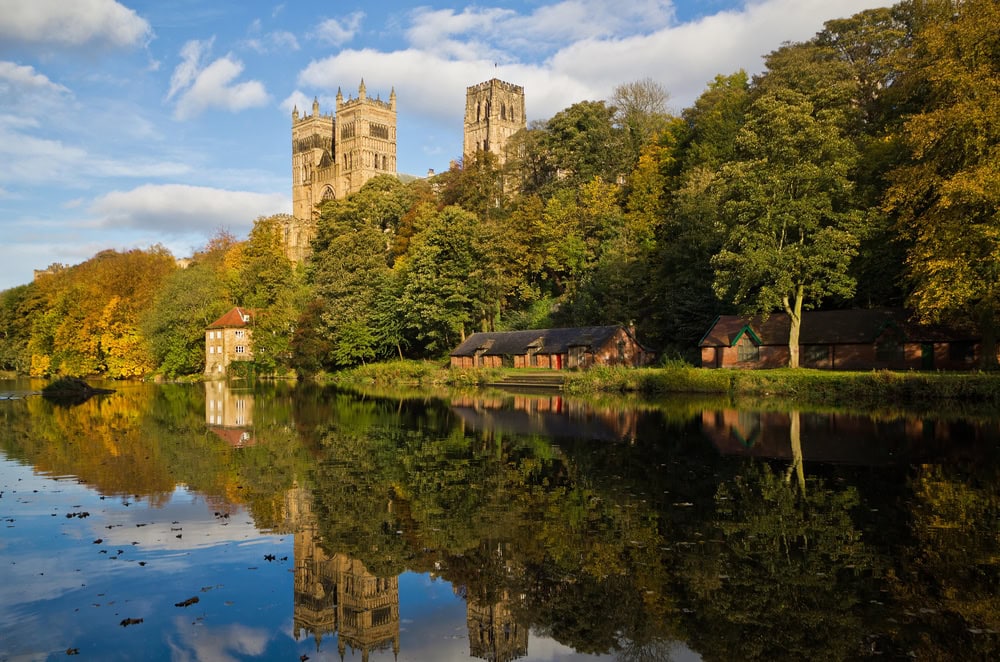
Durham Cathedral is stunning but physically more demanding than some other cathedrals because of the steep approach through the city.
The cathedral itself offers accessibility support and quieter spaces, but getting there can be tiring, particularly during wet weather when stone surfaces become slippery. The atmosphere inside, however, is extraordinary and much calmer than many major tourist sites.
Stonehenge
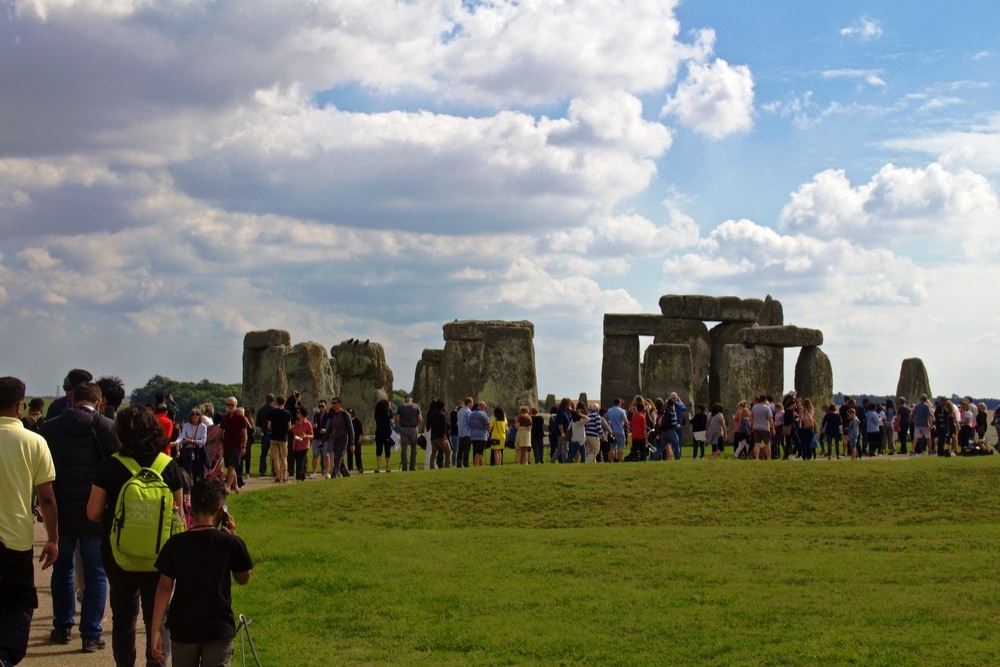
Stonehenge is one of England’s easier major historical attractions for accessibility.
The visitor centre is modern and accessible, shuttle buses reduce walking distances, and paths around the stones are generally manageable compared to many older heritage sites. Weather makes a big difference here though because the open landscape can become cold, windy, and tiring quickly.
Avebury Stone Circle
Avebury Stone Circle is not as accessible as you walk through fields that can be quite rough, Both the north-west and south-west sectors are accessible using a wheelchair or mobility scooter, although you will find some uneven terrain and I advise only visiting when the ground is dry. The gates to the stone circle can be difficult if you are on your own. The National Trust does have wheelchairs available if needed.


Blenheim Palace
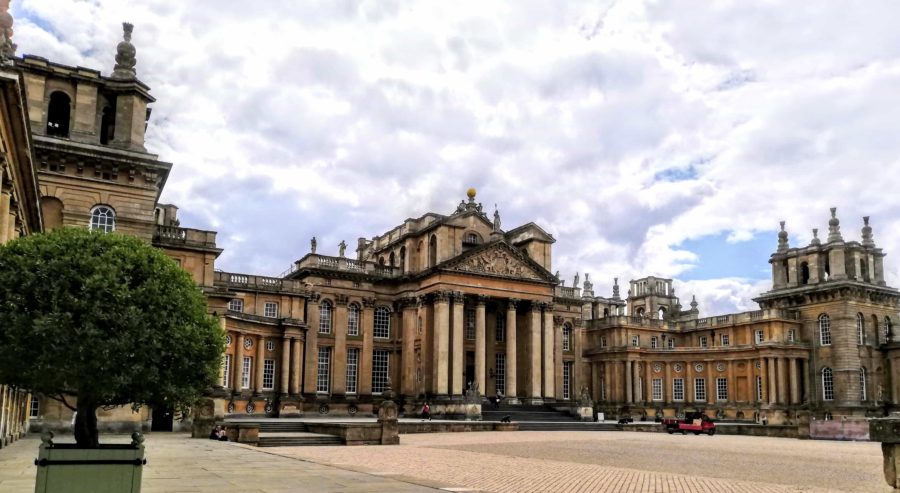
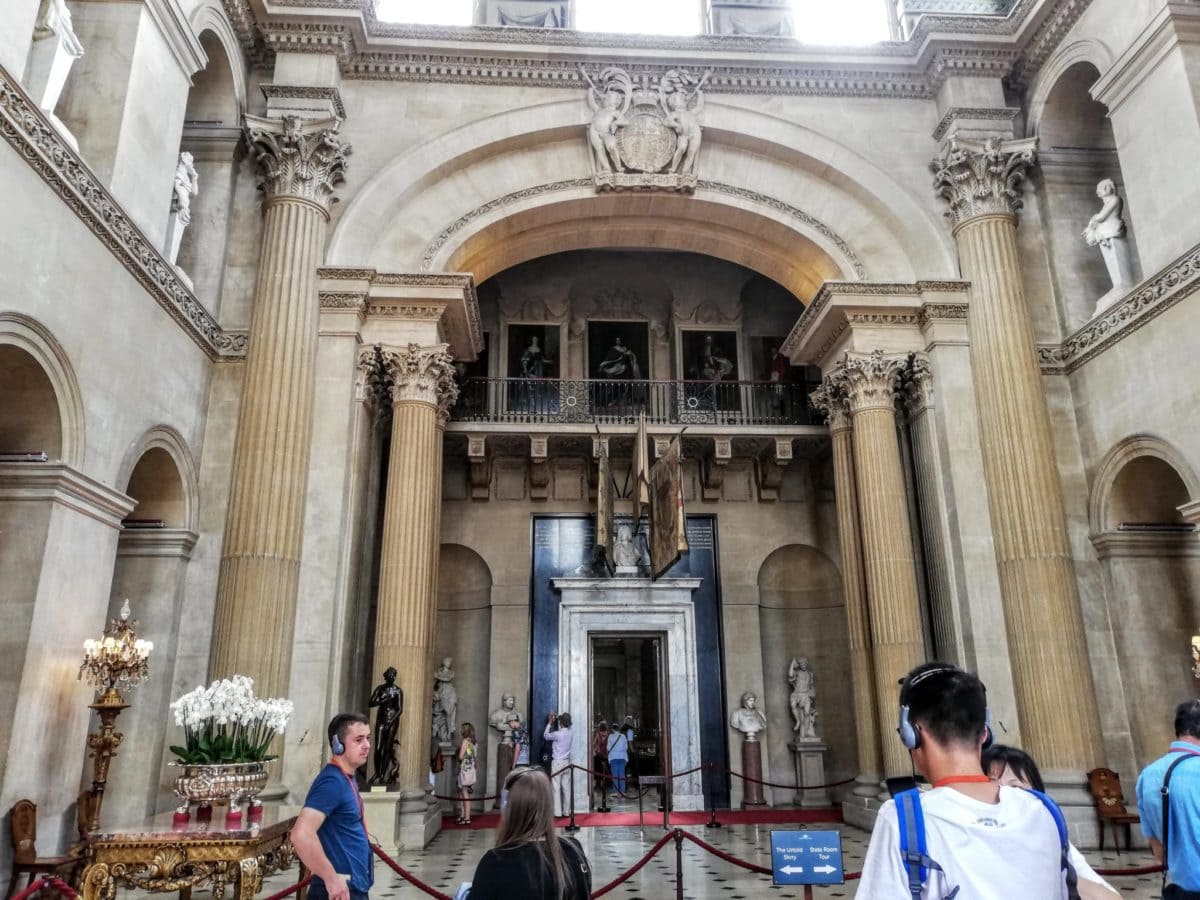
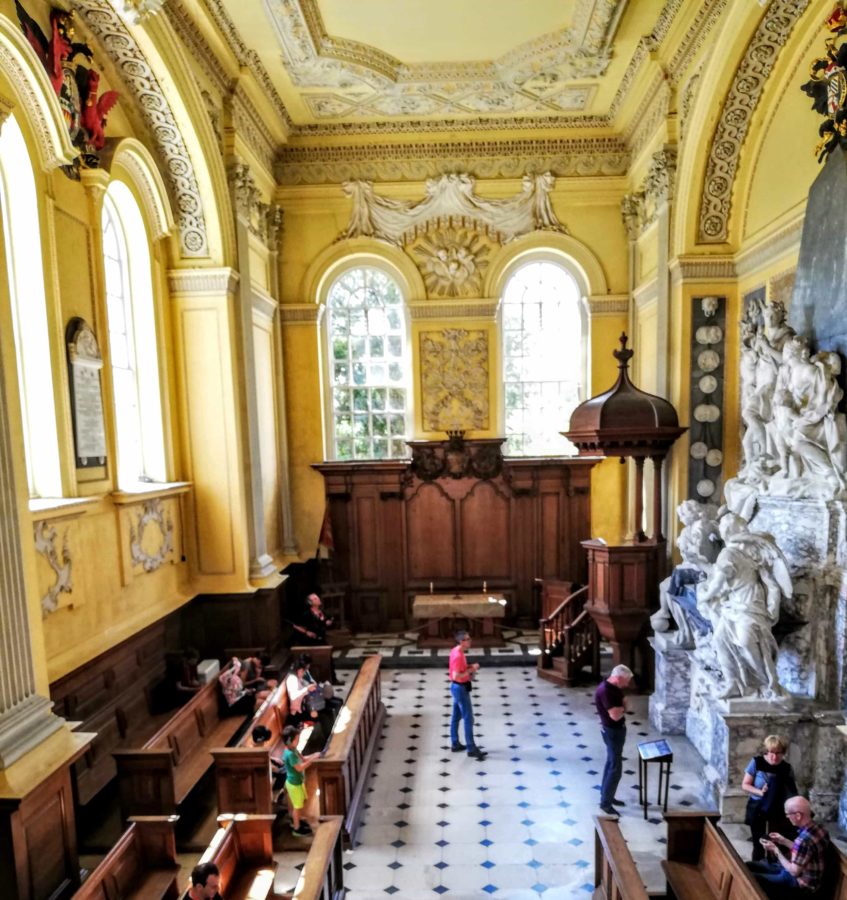
Blenheim Palace combines historic architecture with large open grounds, but accessibility is generally very good in the main visitor areas.This is where Churchill (architect of WWII Invasion of France) was born.
The palace interiors, gardens, and exhibitions are easier to manage than many older castle sites because routes are wider and surfaces are more consistent. It also feels less claustrophobic than many medieval attractions. Have a read of my Accessible Cotswolds here.
Whitby Abbey
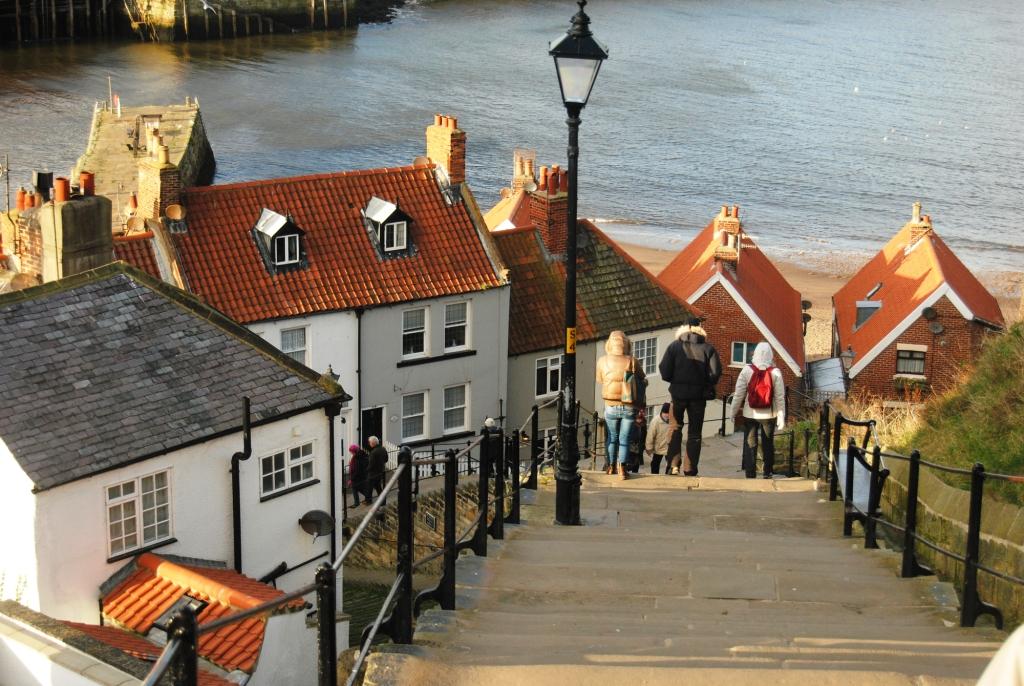
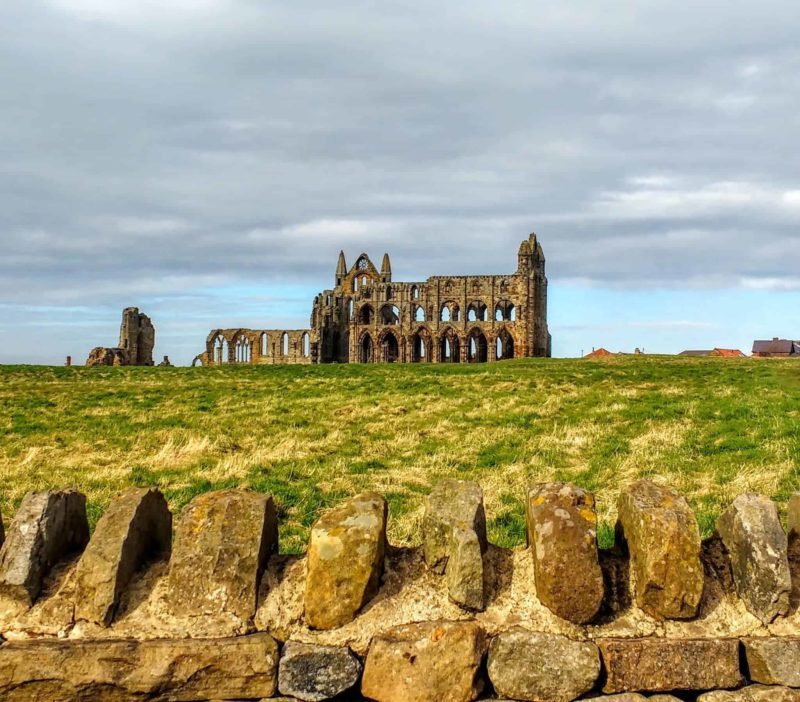
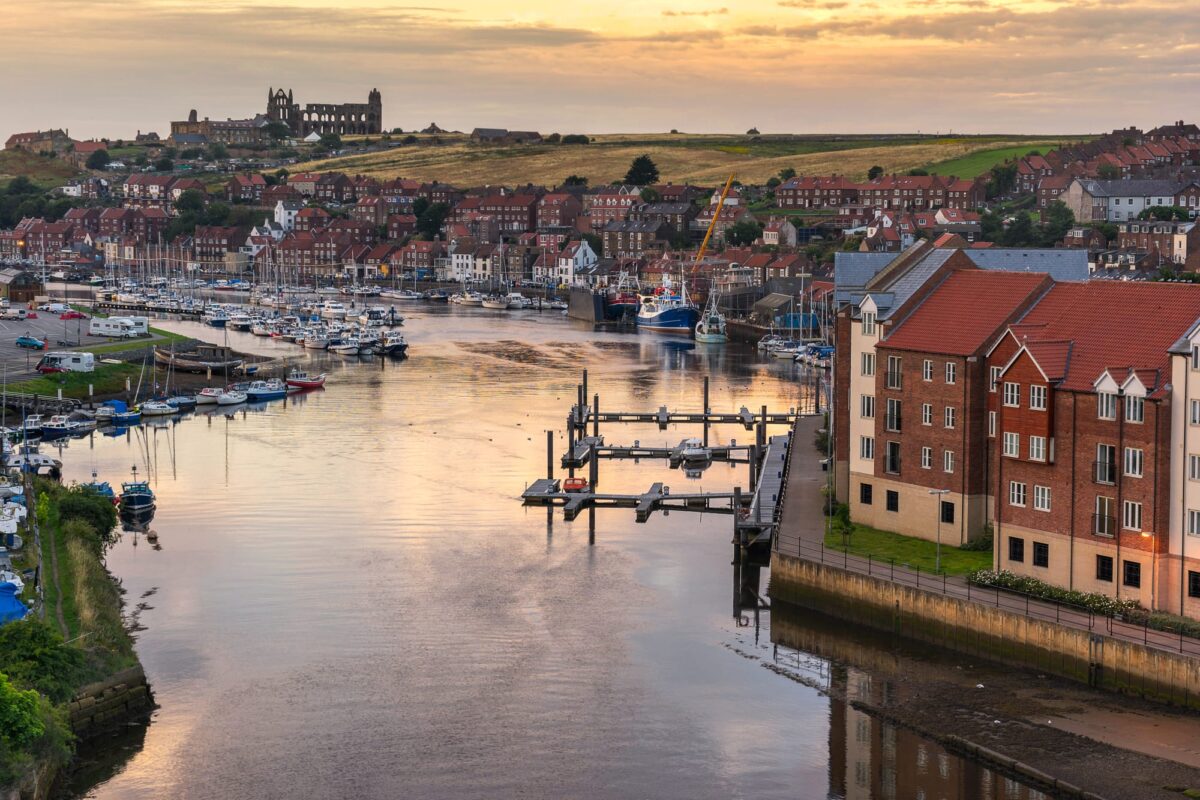
Whitby Abbey sits dramatically on a clifftop above the town of Whitby and that dramatic setting is exactly what makes it a tougher visit for anyone with mobility limitations.
The abbey ruins themselves are reached by a steep approach, and the town side involves the famous 199 Steps if you’re coming up from the harbour rather than the road entrance. The visitor centre and the immediate paths around the ruins are more manageable, with level viewing areas near the site, but the wider grounds include grass and uneven stone.
I’d recommend arriving by the road entrance rather than the steps, and treating this as a slower, half-day visit rather than a quick stop. The views over the North Sea make the effort worthwhile, but it’s not a spontaneous, low-energy stop. You can read my Accessible York article here.
Rievaulx Abbey and the Yorkshire Abbeys
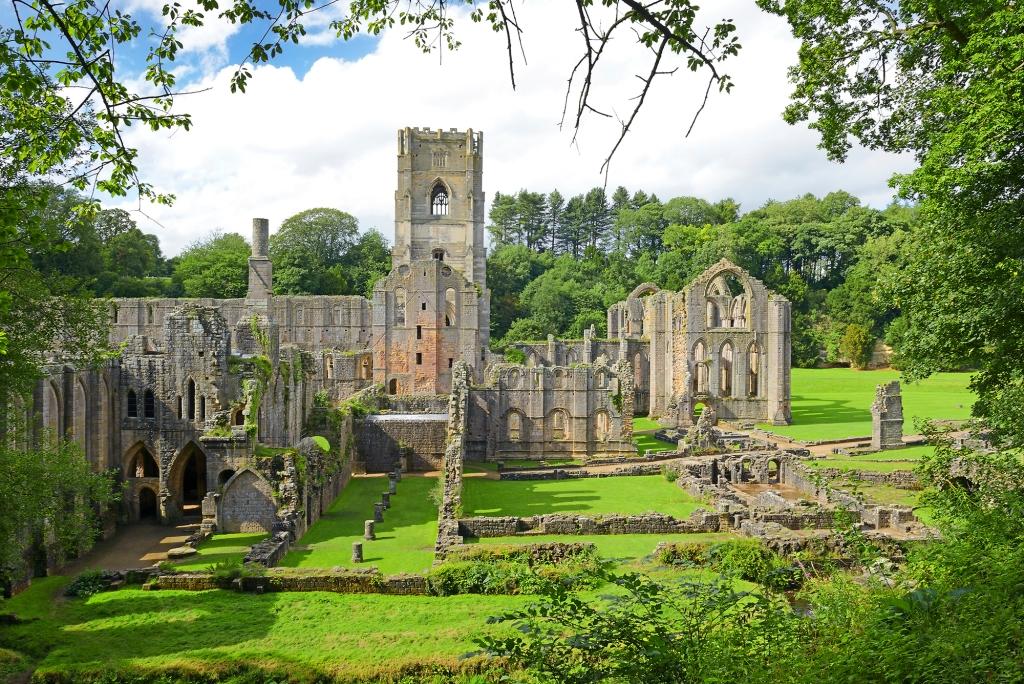
Yorkshire is home to some of England’s most atmospheric abbey ruins, and Rievaulx Abbey is one of the best examples. Set in a quiet valley near the North York Moors, English Heritage has added level pathways and a visitor centre with accessible facilities, although the wider abbey grounds still include grass and some uneven ground.
Fountains Abbey, managed by the National Trust nearby, is generally considered one of the more accessible abbey ruins in the country, with mobility scooters available to borrow and firmer surfaced paths through much of the valley. Bolton Abbey is another option worth checking, though its accessibility varies more by season and weather.
What I liked about the Yorkshire abbeys compared to some castle sites is the pace. These are quiet, spread-out landscapes rather than dense, crowded interiors, which made them much easier on the senses as well as the legs.

Bamburgh Castle
Bamburgh Castle sits on a huge rock above a long Northumberland beach, and it’s genuinely one of the more dramatic castles in England, but also one of the more physically demanding.
The castle itself involves slopes and steps to reach many of the state rooms, and some areas are not accessible by wheelchair. That said, the ground floor rooms and the courtyard are more manageable, and staff are generally happy to advise on the best route in advance if you contact them. There is also a shuttle buggy from the parking lot up to the Castle itself.
The real highlight for many visitors with limited mobility is actually outside the castle walls: Bamburgh’s beach is vast, flat, and one of the more usable stretches of sand on this coastline, which makes it worth building into the day even if the castle interior is limited.


Best Wheelchair Accessible Beaches in England
Beaches don’t always get mentioned alongside historic sites, but many trips to castles and coastal ruins naturally end up near the coast, so it’s worth knowing which beaches are genuinely usable for wheelchair users and slower walkers.
Bamburgh Beach, Northumberland – wide, flat sand near Bamburgh Castle, though softer sand further from the access points can still be difficult.

Bournemouth Beach, Dorset – one of the more consistently accessible beaches in England, with beach wheelchairs available to hire and firm promenade access.
Weston-super-Mare, Somerset – flat and open, with beach accessibility schemes and mobility matting available in season.
Blackpool Beach, Lancashire – wide and flat with promenade access, though it can get very crowded in peak season.
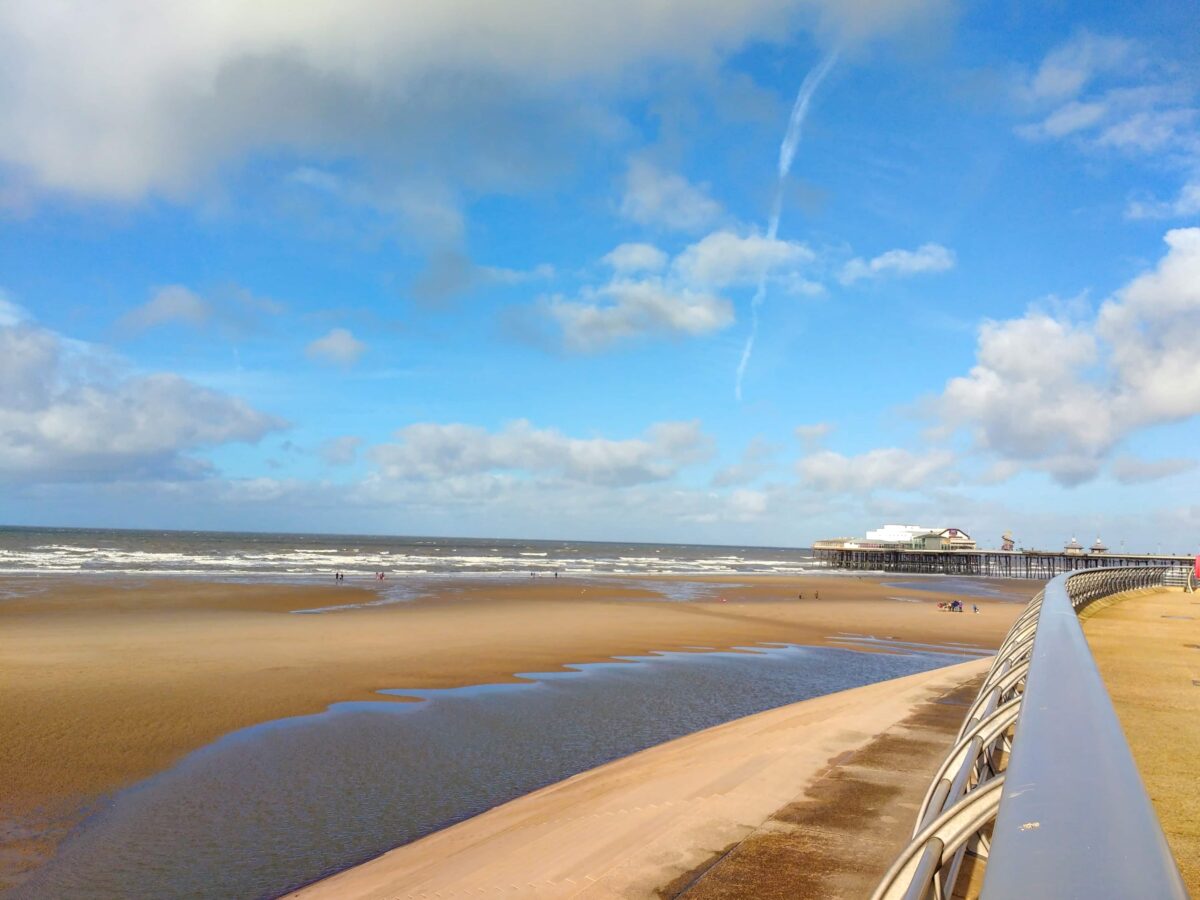
Sandbanks, Poole – known for accessible beach huts and mobility-friendly access points.
Many of these beaches offer free-to-hire beach wheelchairs in summer months, but availability changes by season, so it’s worth checking with the local council or beach office before you travel.

Stratford-upon-Avon
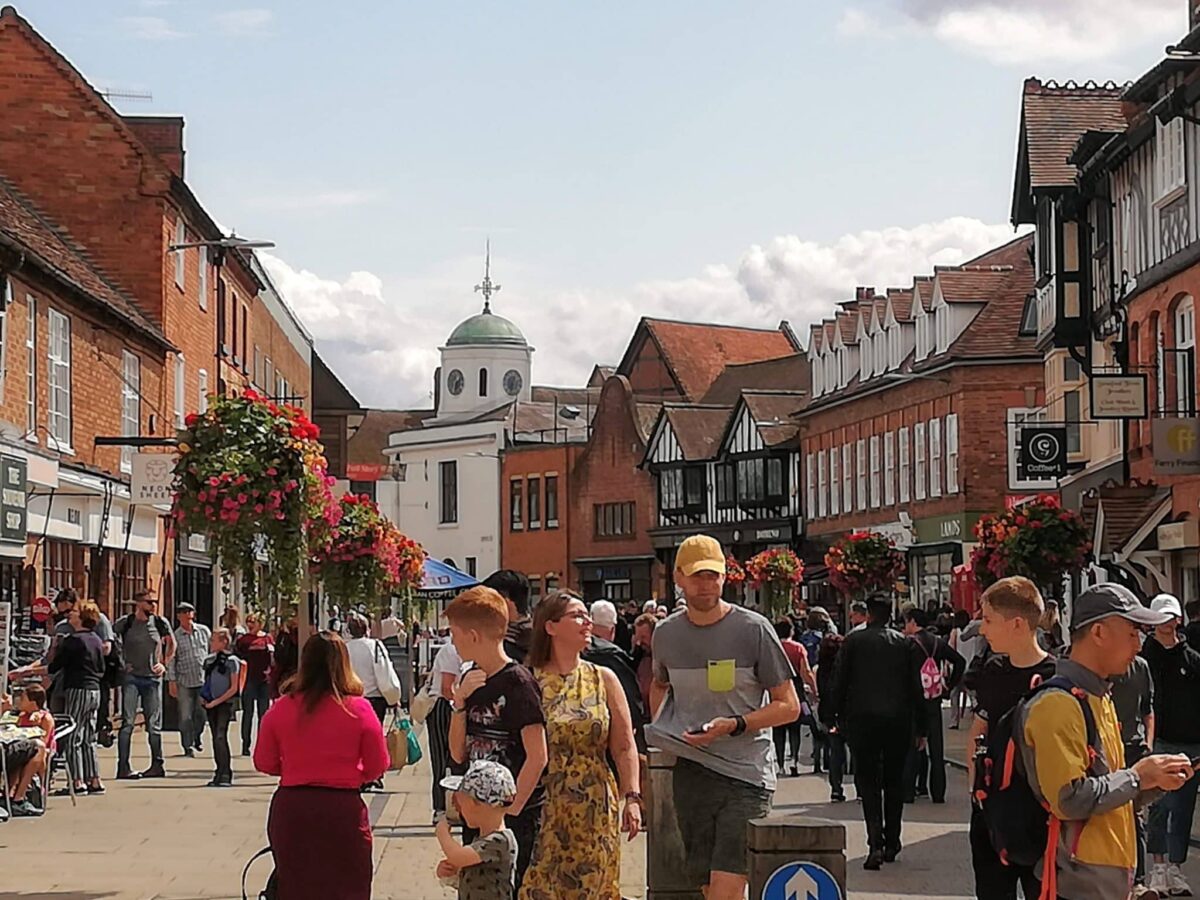
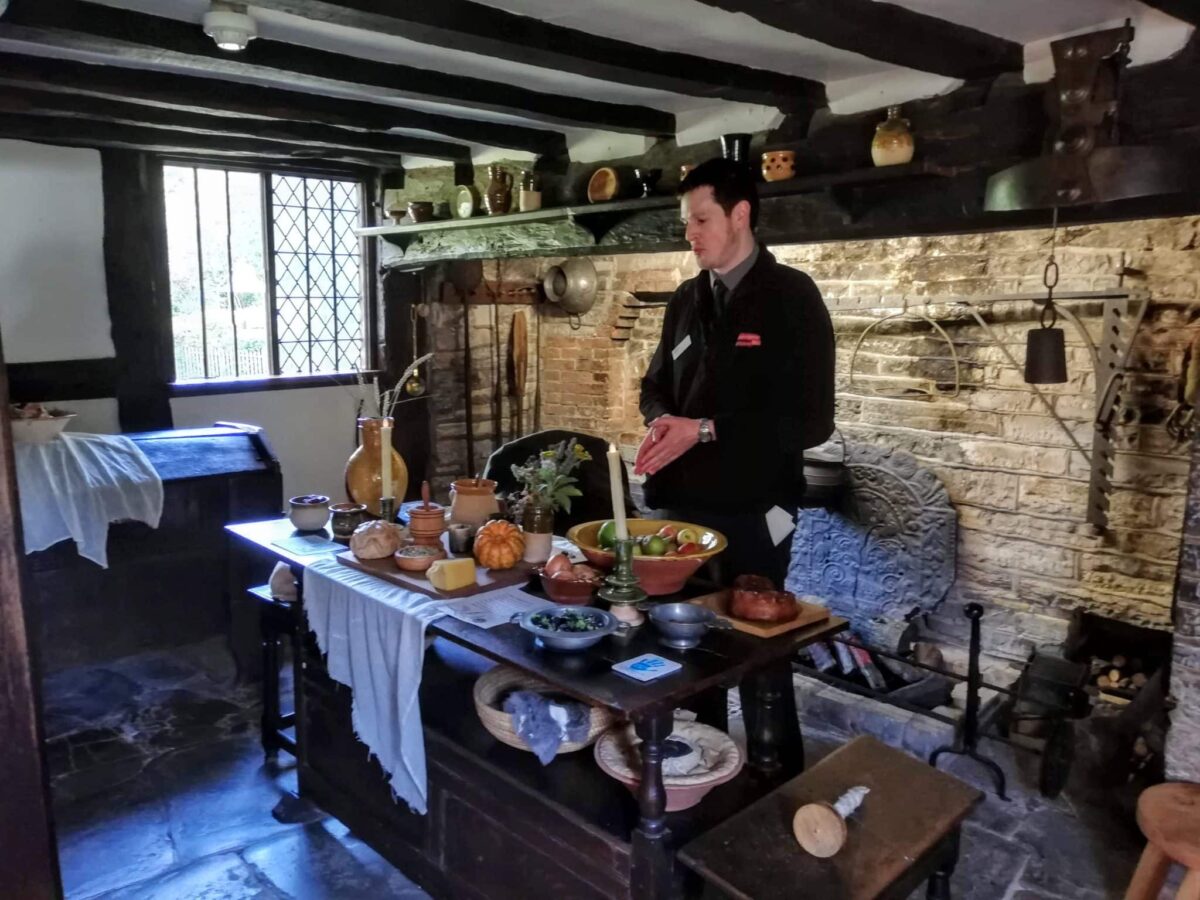
Stratford-upon-Avon, Shakespeare’s birthplace, is a mix of easy and difficult depending on where you go. The main town centre has some cobbled and uneven pavements, similar to York, but many of the Shakespeare Birthplace Trust properties, including Shakespeare’s Birthplace itself, have made real efforts with ramps, ground-floor access, and accessible route information.
The Royal Shakespeare Theatre is modern and well equipped for accessibility, and the riverside area along the Avon is flat and pleasant, with accessible boat trips available on some of the river cruisers.
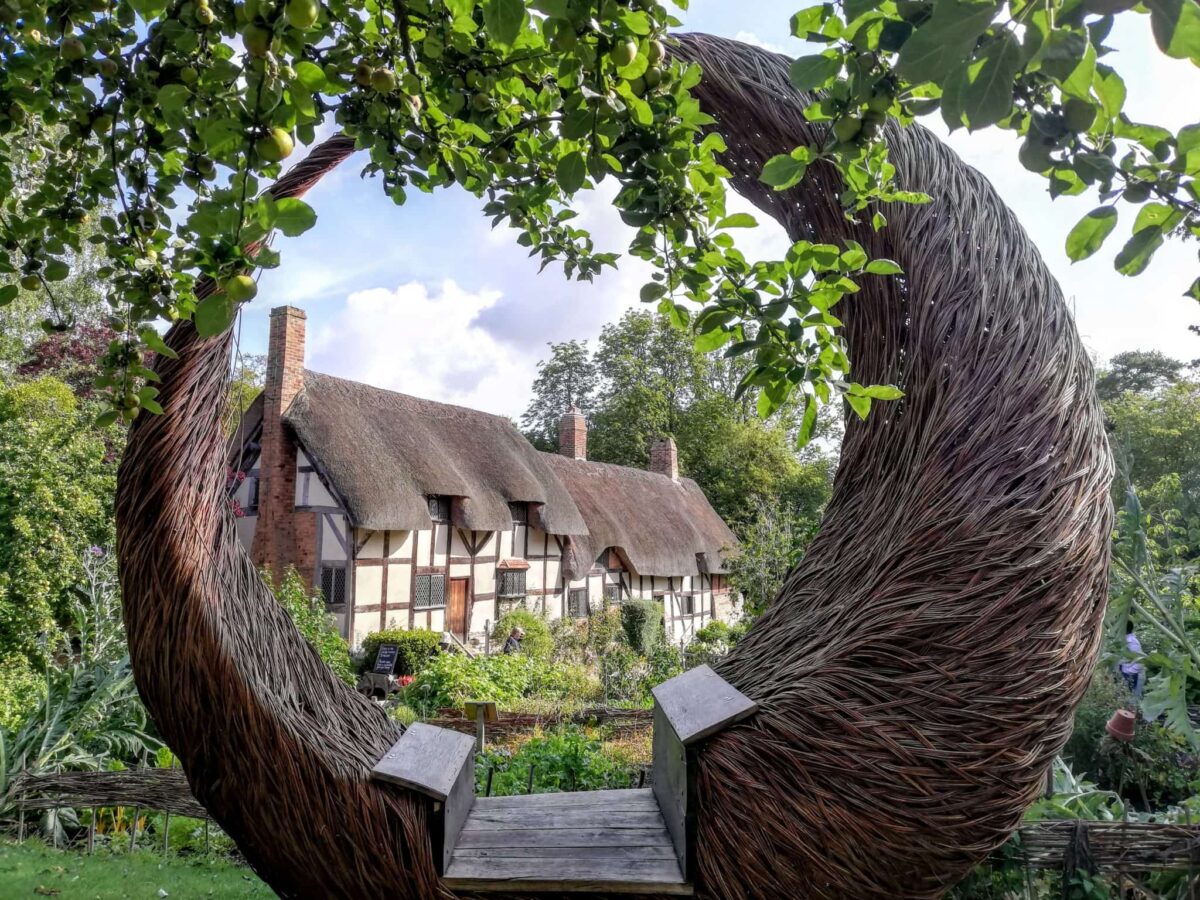
I found Stratford worked best as a slower, one-and-a-half day visit: town centre and theatre one day, then the quieter Anne Hathaway’s Cottage or riverside walks the next, rather than trying to combine everything into a single rushed day.
Bletchley Park
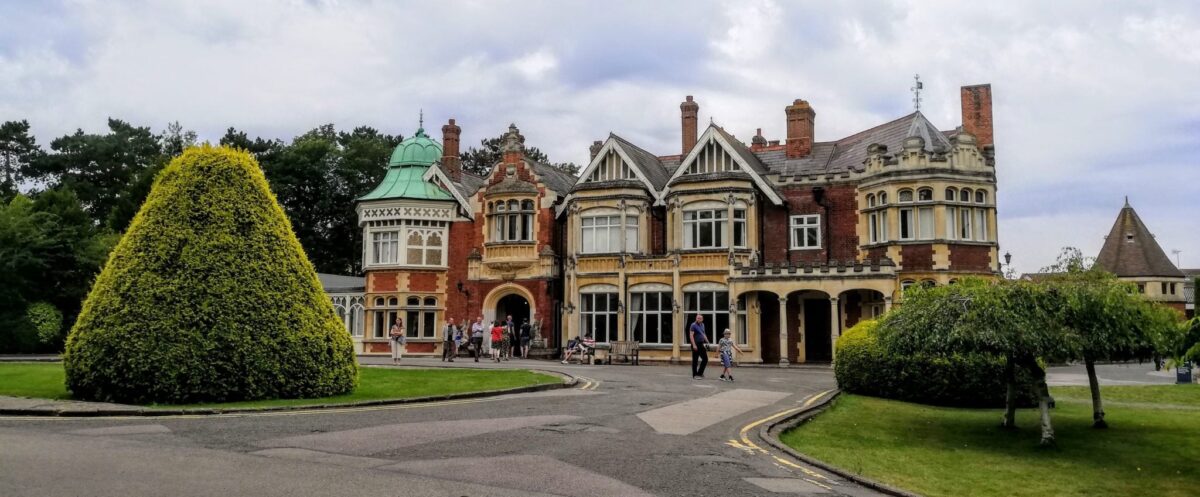
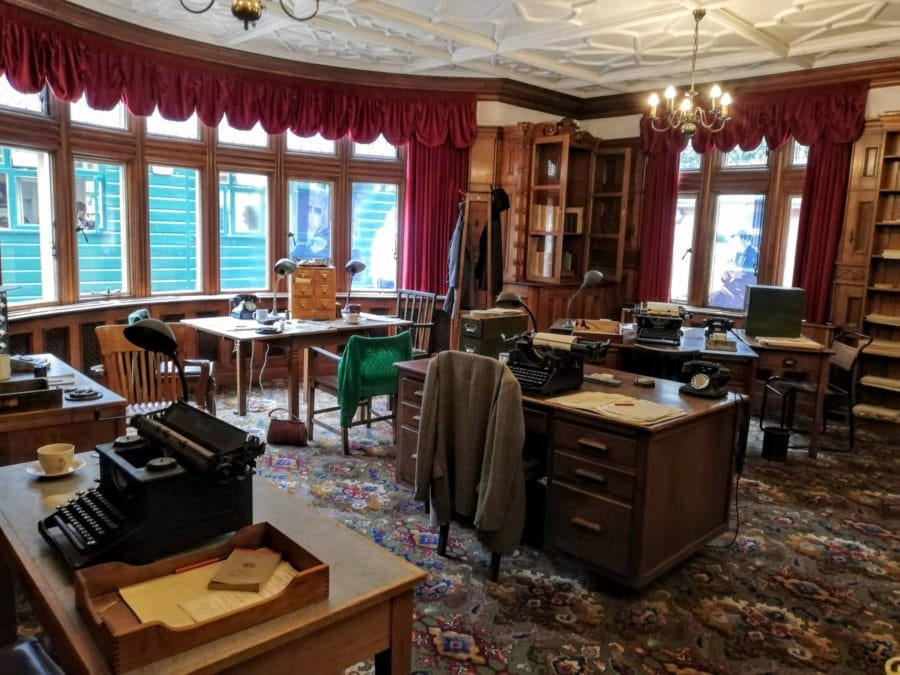
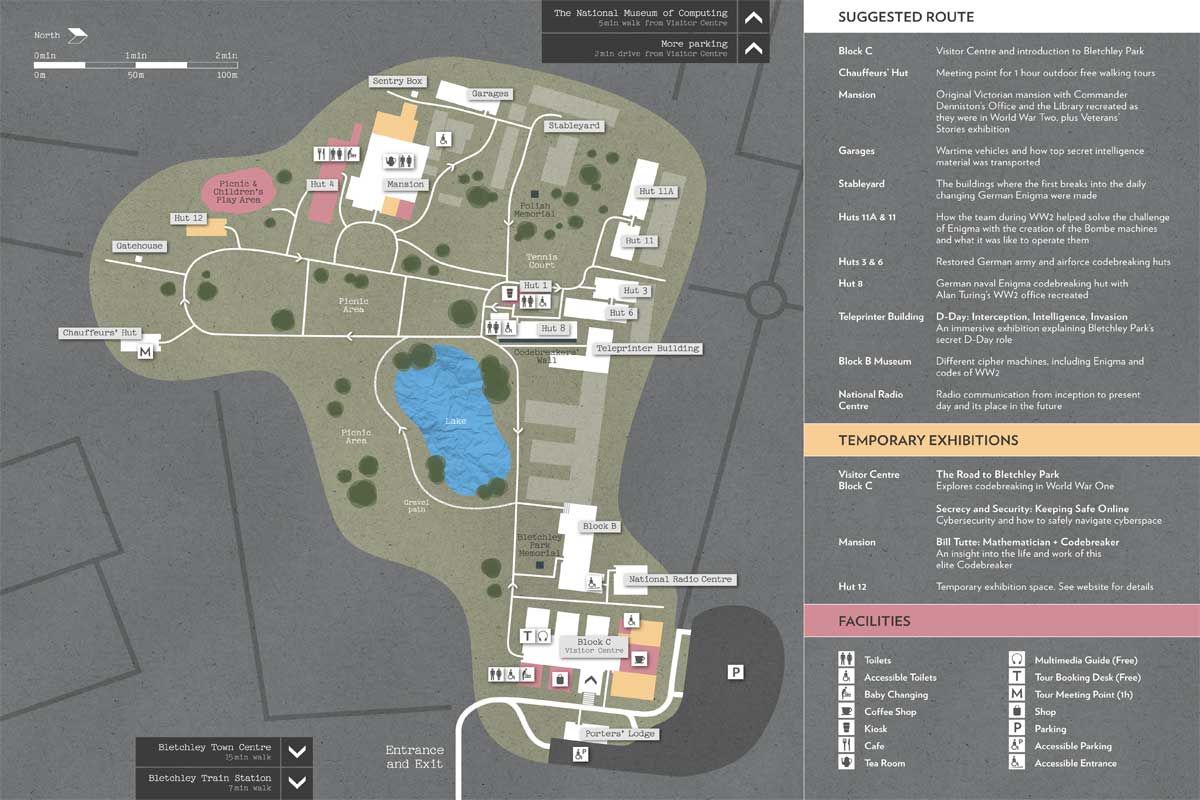
Bletchley Park, the home of Britain’s Second World War code-breaking effort, is one of the more genuinely accessible historic sites covered in this guide. Much of the site is level, with paved paths connecting the huts and main mansion, and mobility scooters and wheelchairs are available to borrow on-site.
The exhibitions inside the huts are mostly ground floor, and where upper floors exist, lifts or alternative accessible routes are generally available. This makes Bletchley Park a good option for a full day out without the exhausting terrain of a hilltop castle or cobbled town.

Highclere Castle
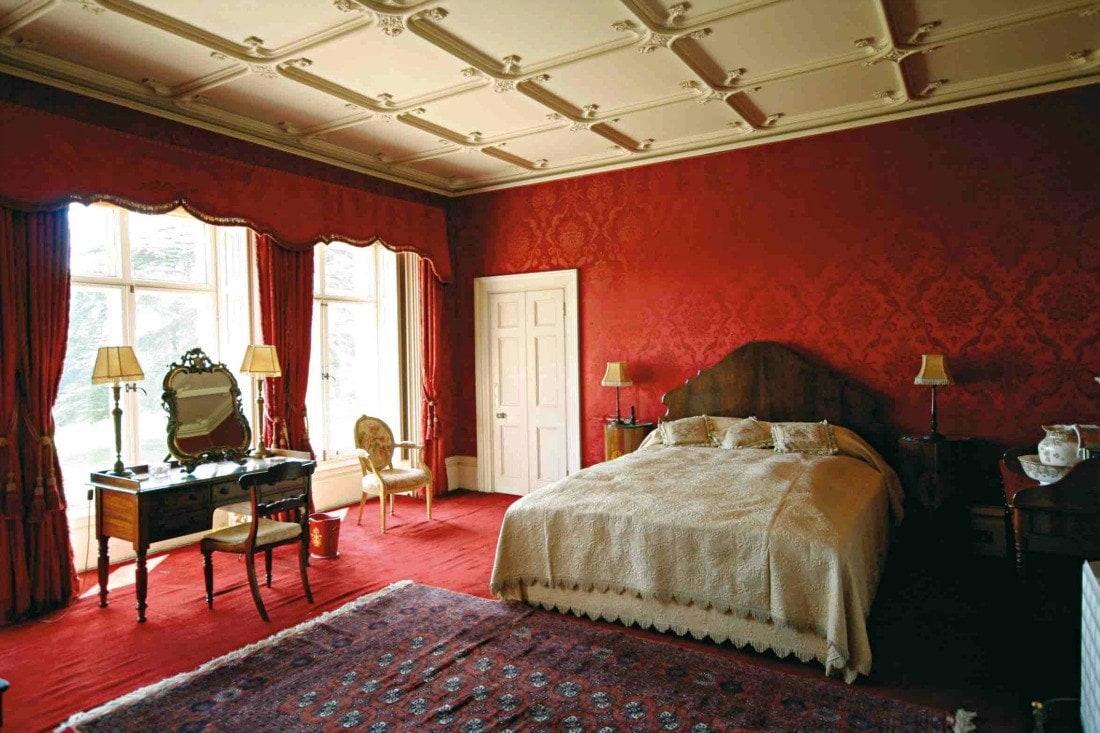
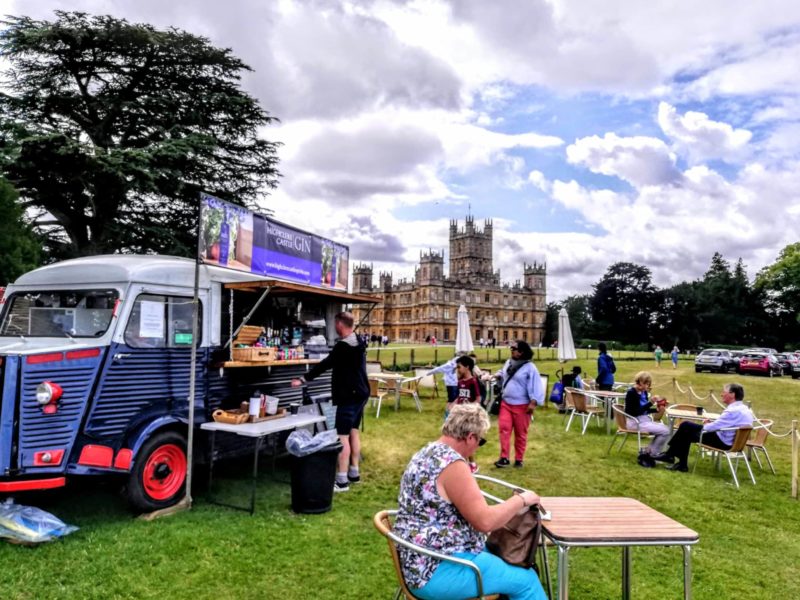
Highclere Castle, familiar to many as the filming location for Downton Abbey, offers reasonably good access to its ground floor state rooms, which is where most of the visitor route takes place. Ramps and staff assistance are available at the main entrance, and the gardens have several accessible, firmer pathways.
The upper floors and some of the exhibition areas are only reachable by stairs, so it’s worth checking current access details before visiting if you specifically want to see the bedrooms shown on screen. The grounds alone, including the Egyptian exhibition in the cellars area (where accessible), make it a worthwhile stop even with those limitations.

Cutty Sark
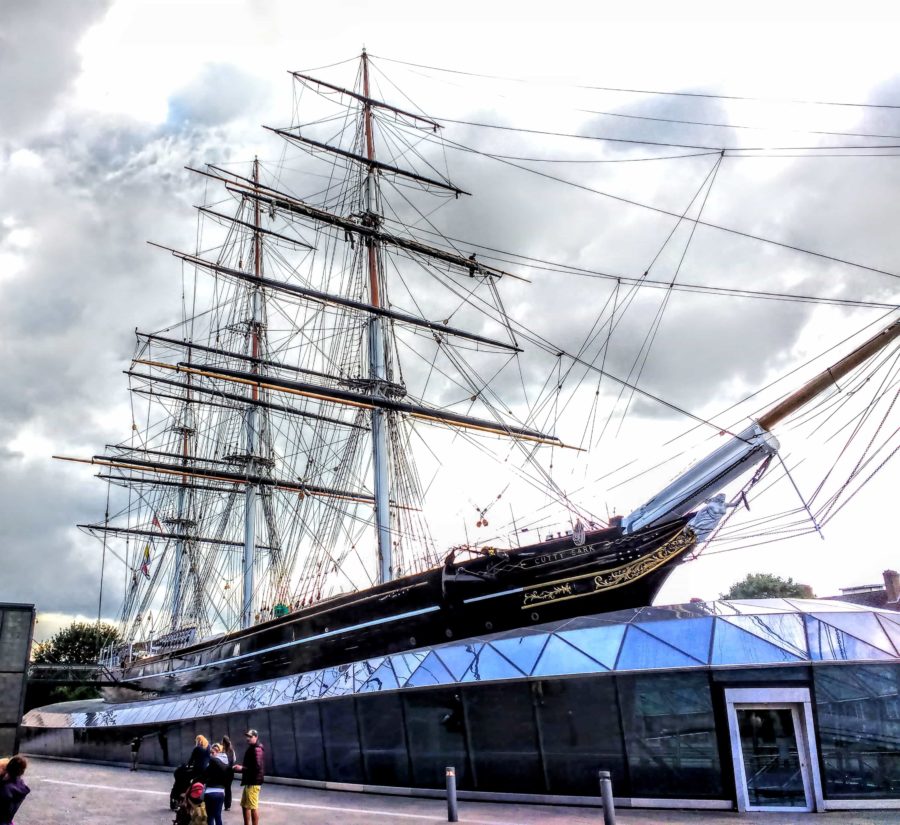
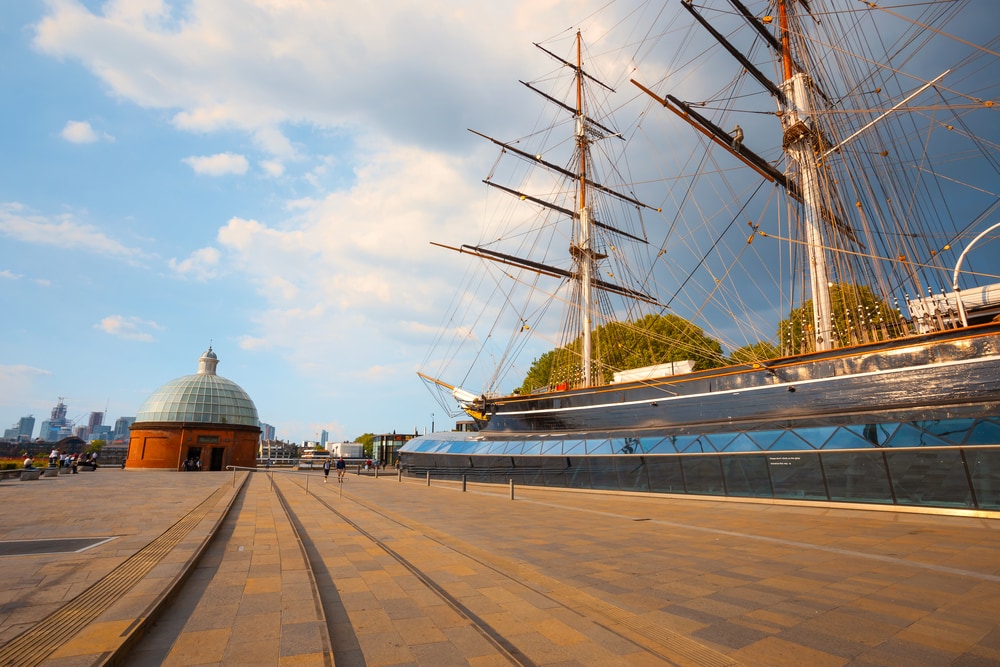
Cutty Sark in Greenwich is a rare example of a historic ship that’s genuinely accessible. Because the ship was raised and a purpose-built visitor centre constructed beneath it, lifts now connect the different decks, which is not something most historic ships can offer.
The main deck, the dry dock viewing area underneath the hull, and the exhibition spaces are all reachable without stairs. It’s a good, relatively low-fatigue historic stop if you’re already in Greenwich to see the Royal Observatory or the National Maritime Museum, both of which also have solid accessibility provisions.
The British Museum
While technically a museum rather than a traditional historic site, the British Museum in London remains one of the best places in England to experience historical collections accessibly.
Lifts, seating, accessible toilets, and flexible indoor spaces make it much easier to manage than many heritage sites.
The challenge is scale rather than access. Trying to see too much in one day quickly becomes exhausting.

Hidden Disabilities at Historic Sites
Historic attractions can become overwhelming for reasons beyond physical mobility.
Crowds, echoing interiors, uneven lighting, narrow passages, queueing systems, and sensory overload often affect visitors with hidden disabilities, neurodivergence, fatigue conditions, or chronic illness.
Many English heritage attractions now provide:
- sensory information
- quieter visiting times
- companion ticket schemes
- accessibility maps
- accessibility assistance
- hidden disability awareness training
Still, busy weekends, school holidays, and peak summer periods can completely change the atmosphere of a historic site. I found early mornings and off-season visits made some places feel entirely different.

Best Types of Historic Attractions for Slower Travel
Not every historic site works equally well for slower-paced travel.
Places that often feel easier include:
cathedral cities
museum-style heritage attractions
historic waterfronts
stately homes
sites with shuttle transport
compact heritage centres


More physically demanding attractions often include:
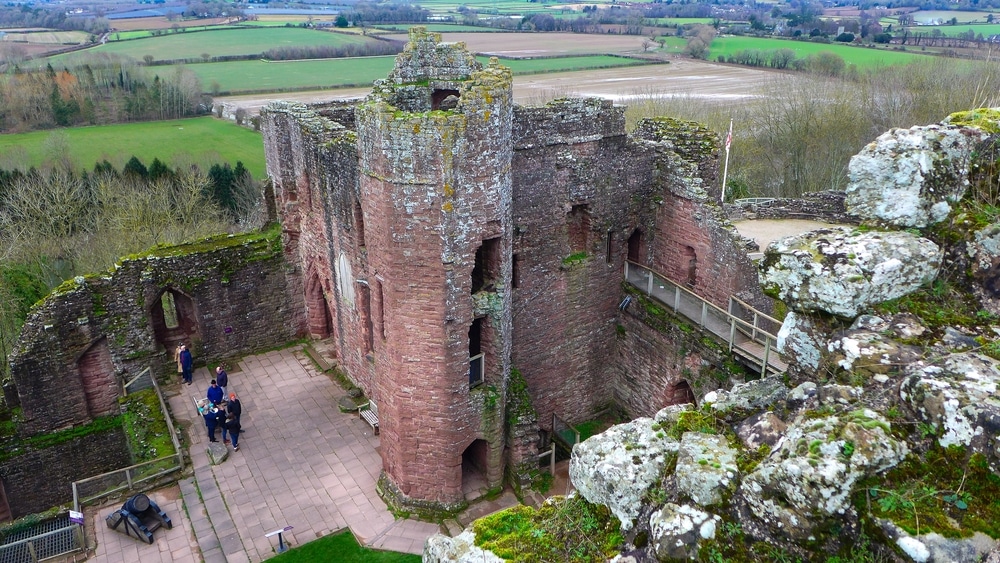
- medieval castles
- steep hilltop ruins
- large open archaeological sites
- heavily cobbled historic districts
Understanding this beforehand helps enormously with planning realistic trips.

Practical Tips for Visiting Historical Sites in England
Good waterproof shoes are genuinely important because historic surfaces become slippery quickly in wet weather.
It also helps to:
- avoid trying to visit too many sites in one day
- check accessibility information before visiting
- build café or rest breaks into your plans
- visit outside peak tourist periods where possible
- use taxis strategically in historic cities
- allow extra time for uneven surfaces and crowds
Historic travel in England becomes much more enjoyable once you stop trying to “complete” places quickly.


Helpful Accessibility Resources for Historic Travel in England
English Heritage provides accessibility information for castles, abbeys, Roman sites, and historic ruins across England.
The National Trust also includes accessibility guides for many historic houses, gardens, and heritage landscapes.
Euan’s Guide is one of the best resources for checking real accessibility reviews from disabled visitors before booking attractions or accommodation.
VisitEngland also provides accessibility information and inclusive travel resources for destinations across England.

My Thoughts on Accessible Historical Travel in England
England’s historical sites are not always physically easy, but many are far more accessible than visitors expect once you approach them realistically.
Some of my favorite experiences came from slowing down instead of rushing. Sitting quietly inside a cathedral after the crowds moved on, taking time around a Roman ruin instead of racing through it, or simply enjoying the atmosphere of a historic city without trying to see every attraction often became far more memorable.
Historic travel in England works best when you allow yourself to experience places slowly rather than treating them like a checklist.
Frequently Asked Questions
What are the most wheelchair accessible historic sites in England?
Bletchley Park, Cutty Sark, Blenheim Palace, and Stonehenge are among the more consistently accessible historic sites in England, with level or lift-accessible routes and on-site mobility equipment. Cathedral interiors such as York Minster and Canterbury Cathedral are also generally manageable once inside, even though the surrounding streets can be more difficult.
Is Whitby Abbey accessible for wheelchair users?
Whitby Abbey is one of the more physically demanding sites in this guide. The visitor centre and nearby viewing areas are more accessible if you arrive by road, but the wider ruins and grounds include grass, slopes, and uneven stone, and the harbour approach involves the 199 Steps.
Are there wheelchair accessible beaches in England?
Yes. Bournemouth, Weston-super-Mare, Blackpool, Sandbanks, and Bamburgh Beach are among the more usable beaches for wheelchair users, with several offering beach wheelchair hire, mobility matting, or firm promenade access in season. Availability can change with the tide and time of year, so it’s worth checking ahead.
Which Yorkshire abbeys are easiest to visit with limited mobility?
Fountains Abbey is generally considered the most accessible of the major Yorkshire abbey ruins, with mobility scooters available on-site and firmer paths through the valley. Rievaulx Abbey has a level visitor centre and accessible viewing points, though its wider grounds include some grass and uneven ground.
Does Bamburgh Castle have wheelchair access?
Bamburgh Castle has limited access to its upper state rooms because of internal steps, but the courtyard and some ground-floor areas are more manageable. The castle is worth contacting in advance for the most current accessibility route, and the flat beach below the castle is a strong alternative if the interior proves difficult.
Is Highclere Castle accessible for visitors with mobility issues?
Highclere Castle’s main ground-floor state rooms, where most of the visitor route takes place, are reasonably accessible with ramps and staff assistance at the entrance. The upper floors are stairs-only, so visitors hoping to see the bedroom areas should check current access arrangements before visiting.

Do English heritage sites offer companion tickets for carers?
Many English Heritage, National Trust, and independent heritage attractions offer free or discounted companion tickets for visitors who need a carer or support person. Policies vary by site, so it’s worth checking each attraction’s accessibility page or calling ahead before booking.
What is the best time of day to visit busy historic sites with a hidden disability?
Early mornings, right after opening, and off-season visits tend to be noticeably quieter and less sensory-intensive than midday visits during school holidays or weekends. Several sites in this guide, including Windsor Castle and York, felt considerably calmer and easier to manage before mid-morning crowds arrived.
About This Guide
This guide is based on firsthand visits to the historic sites listed, combined with a review of current accessibility information published by English Heritage, the National Trust, and individual attractions. Accessibility provisions such as ramps, lifts, mobility equipment, and companion ticket schemes can change, so it’s always worth confirming details directly with a site before you travel. If you notice information here that no longer matches what a site offers, checking their official accessibility page is the best way to get the most current details.
Further reading on the UK’s Roman Ruins
Related Reading
- Hadrian’s Wall Walk: Vindolanda and Roman Sites Visitor Guide
- Northumberland Coastal Road Trip: Ultimate 5-Day Itinerary Guide
- Walking Roman Silchester: Explore a Roman City and Walls
- Best Cotswolds Villages and Secret Places Only Locals Know
Accessible UK Broader guide to accessible rail travel, National Trust accessibility schemes, and city-by-city notes.
Accessible London Compared to many older European capitals, London is genuinely one of the more accessible large cities you can visit.
Accessible Bath Discover how to explore an accessible Bath including the Roman Baths, and other attractions.
Accessible Cotswolds many of the lovely Cotswolds villages and towns are accessible.
Accessible Edinburgh Accessible Edinburgh travel is entirely possible, but it rewards realistic planning far more than an aggressive checklist.
Accessible Historic sites in England Discover accessible historical sites in England including castles, Roman ruins, cathedrals, museums, and heritage attractions with realistic tips for limited mobility and hidden disabilities.
Accessible York Explore the great city of York with tops for what sites are accessible and how to visit.