
Accessible Edinburgh: The Honest Guide to Visiting With Limited Mobility or a Hidden Disability
| Accessible Edinburgh travel is realistic for wheelchair users, mobility scooter users and people with hidden disabilities, but the city sits on a hilly volcanic ridge with cobbled Old Town streets, so plan shorter days, lean on the step-free tram and low-floor buses, and base yourself in New Town or Haymarket where the ground is flatter. |

Edinburgh is one of the most beautiful capital cities in Europe, and it can also be one of the most physically demanding. I have visited more times than I can count, bringing friends and family from Donegal across the water for long weekends, and every trip has taught me something new about accessible Edinburgh travel that the glossy brochures leave out.
Between steep hills, cobbled streets, uneven pavements and crowded historic closes, this is not a city you can simply wing on tired legs or a bad pain day. At the same time, Edinburgh is compact, scenic, walkable in short bursts, and genuinely improving for disabled visitors and hidden disability needs.

This guide brings together everything I have learned first hand as a mobility challenged traveler, checked against the city’s official accessibility resources and the charity that disabled Edinburgh visitors trust most, Euan’s Guide. These accessible Edinburgh travel tips come from repeat visits, not a single afternoon, and you will find realistic advice on transport, ticket prices, parking, where to eat from cafes to fine dining, hidden gems only locals tend to know, and what to do with kids in tow.
- Accessible Edinburgh: The Honest Guide to Visiting With Limited Mobility or a Hidden Disability
- Who This Accessible Edinburgh Guide Is For
- Is Edinburgh Good for Travelers With Mobility Challenges or Hidden Disabilities?
- How This Guide Compares: What Other Accessible Edinburgh Resources Miss
- How to Plan an Accessible Edinburgh Trip, Step by Step
- Best Areas to Stay in Edinburgh for accessible-travel-guides-ireland-uk-europe
- Getting to Edinburgh and Around: Accessible Transport
- Disabled Parking in Edinburgh: Blue Badge Rules and Costs
- Best Accessible Attractions in Edinburgh
- Accessible Places to Eat in Edinburgh: Cafes to Fine Dining
- Hidden Gems Only Locals Tend to Know
- Things to Do With Kids in Accessible Edinburgh
- Practical Tips for Accessible Edinburgh Travel
- A Personal Note From Donegal
- Continue Planning Your Scotland and Ireland Trip
- Helpful Accessible Edinburgh Resources
- FAQs About Accessible Edinburgh Travel
- My Thoughts on Accessible Edinburgh
Who This Accessible Edinburgh Guide Is For
This guide is written for travelers with limited mobility, wheelchair users and mobility scooter users, people managing hidden disabilities such as chronic pain, fatigue or sensory sensitivity, neurodivergent travelers, and anyone who prefers a slower, realistic pace over a rushed itinerary. It is built on real visits at a slower travel style, not a single afternoon walkthrough.

Is Edinburgh Good for Travelers With Mobility Challenges or Hidden Disabilities?
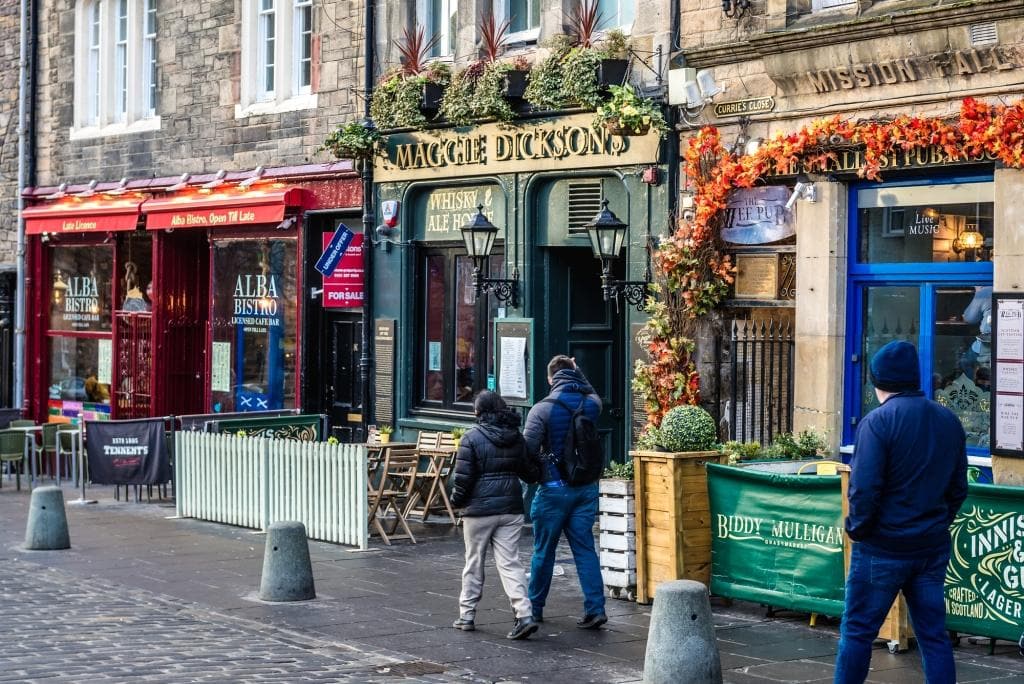
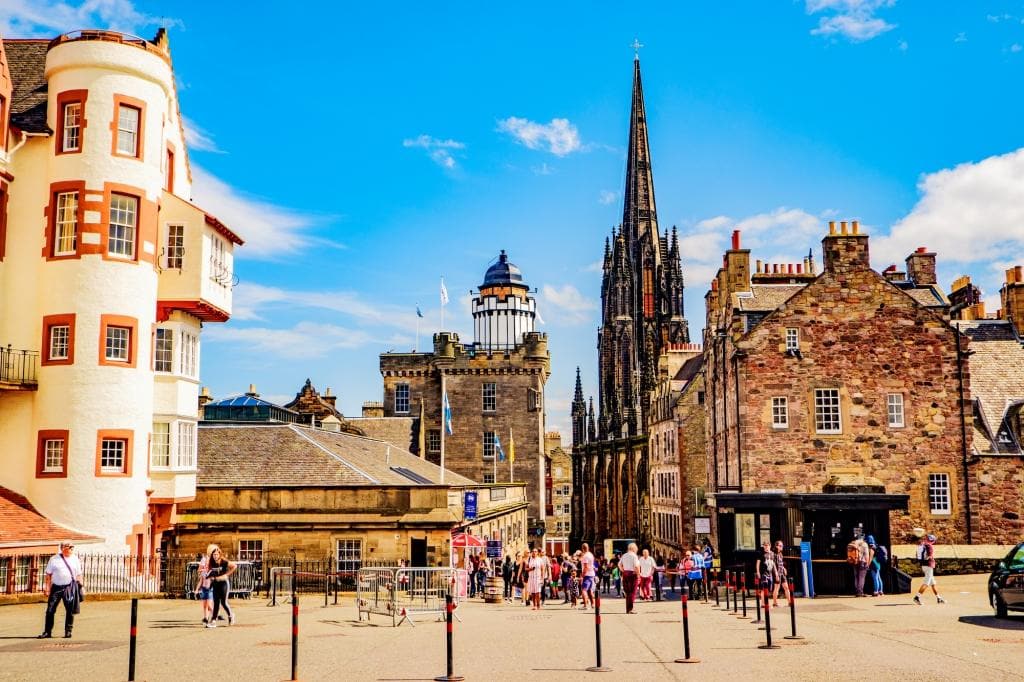
Edinburgh is not a flat city the way parts of London or Amsterdam are. It sits across an extinct volcanic ridge, and the ground drops noticeably between the top of the Royal Mile and the bottom. The biggest accessibility challenges are steep hills, cobbled and setted streets, uneven historic surfaces, crowded festival periods, sudden changes in elevation and older stair-only buildings.
The Royal Mile in particular can drain energy far faster than visitors expect, even with a good powered wheelchair. On my first visit I underestimated how tiring the hills would be over a full day of sightseeing. Routes that look short on a map often hide a steep climb or a stretch of cobbles that eats into your energy budget.
The good news is that Edinburgh also rewards slower travel. Once you settle into one neighbourhood at a time instead of criss-crossing the whole city, the distances shrink and the pace becomes far more manageable. By the way the Hop on Hop Off buses are wheelchair accessible.
Accessibility in Edinburgh, Realistically
Edinburgh has invested seriously in accessible tourism. Newer museums, galleries, hotels and public buildings have genuinely good provision, and many attractions now publish detailed access statements online with companion ticket policies, quiet spaces and hidden disability support.
Historic Edinburgh still creates challenges that cannot be engineered away. Cobbles, slopes, narrow closes and centuries-old staircases are part of what makes the Old Town special, and no amount of ramps changes the underlying geology. I found the city became far more enjoyable once I stopped chasing an aggressive sightseeing itinerary and built rest time into every day, which matters enormously if you are managing fatigue, chronic pain, sensory overload or a condition that is not visible to other people.
How This Guide Compares: What Other Accessible Edinburgh Resources Miss
There is no shortage of accessible Edinburgh content online, and some of it is genuinely excellent. Forever Edinburgh, the city’s official tourism board, publishes a solid disabled access overview and has partnered with the disabled access charity Euan’s Guide, a resource I recommend to every visitor before booking anything. Sage Traveling packages accessible trips for a fee and produces detailed venue notes. Independent bloggers who use wheelchairs, such as Simply Emma, offer valuable first-hand attraction reviews.
What most of these guides skip, and what I have tried to add here, is the unglamorous detail that actually changes a trip: current ticket prices with the online versus gate difference, exactly where to park with a Blue Badge and what it costs, which specific restaurants have step-free access and roughly what a meal costs, and what a realistic day feels like when you are pacing around fatigue rather than a fitness level. I cross-check every claim against sources such as Euan’s Guide and each attraction’s own access page, and I update this article every time I visit again, because access details change often and out of date information can ruin a day.
How to Plan an Accessible Edinburgh Trip, Step by Step
- Book flexible accommodation in New Town or Haymarket first, since your base sets the tone for every day that follows.
- Contact each major attraction directly a few days before your visit to confirm current wheelchair loan availability, mobility vehicle bookings and any temporary closures.
- Plan no more than two major sights per day and build in a café stop between them.
- Pre-book Blue Badge parking or plan step-free tram and bus routes rather than assuming you will walk everywhere.
- Pack for wet cobbles. Grippy, waterproof shoes matter more in Edinburgh than almost anywhere else in the UK.
- Check Euan’s Guide reviews for any restaurant, hotel or attraction before you commit, since real disabled visitors log genuine access details there.
- Leave your arrival day free of hills. Save energy on day one so the rest of the trip does not start from a deficit.

Best Areas to Stay in Edinburgh for accessible-travel-guides-ireland-uk-europe
New Town
New Town is usually the easiest base for accessible Edinburgh travel. The Georgian streets are flatter, the pavements are wider, and getting to and from the tram or bus network is far less strenuous than in the Old Town. It also feels calmer while remaining a short hop from the main sights.
For accommodation here, Aparthotel Adagio Edinburgh Royal Mile offers wheelchair access throughout with wet room or level-entry shower rooms, useful for a self-catering base. Gleneagles Townhouse has a drop-off point with ramp access, lift access throughout and wet rooms in every bedroom, sitting at the higher end of the price range.

Haymarket
Haymarket works well if you are arriving by train or airport tram, because the station itself has lifts, accessible ticket gates and plenty of level access, and the area avoids the steepest hills in the historic centre. YOTEL Edinburgh on Queen Street is suitable for visitors with limited mobility, with lift access and level entry to all public areas, at a mid-range price point.

Old Town
The Old Town is Edinburgh’s most atmospheric area and also its most physically demanding, with steep streets, cobbles, crowds and uneven surfaces. If you do stay here, choose accommodation close to a bus or tram stop and avoid the steepest side closes. Courtyard by Marriott Edinburgh, near the Playhouse, has wheelchair access throughout, accessible toilets and lift access. For something memorable, Fingal, Scotland’s only five-star floating hotel moored at Leith, has several level-access bedrooms with wet rooms and its own accessible parking, at the luxury end of the market.

Getting to Edinburgh and Around: Accessible Transport
Edinburgh Airport is one of the more manageable UK airports for accessible-travel-guides-ireland-uk-europe because it is relatively compact. Vehicles carrying Blue Badge passengers get free access to any airport car park for one hour, including the drop-off and pick-up zones, and every car park except the Mid Stay has wider bays for Blue Badge holders. Book special assistance directly through your airline in advance rather than on arrival.
Edinburgh Trams are the easiest way into the city centre. They run from the airport through to Newhaven, roughly 6am to midnight, and every station has step-free access by lift or ramp. Each tram has two dedicated wheelchair and buggy spaces in the middle carriage, high-visibility handrails and priority seating.

Lothian Buses are almost all low-floor and wheelchair accessible, with a dedicated space and a ramp for boarding, and they cut out a huge amount of uphill walking across the city.
Waverley Station sits centrally but can be surprisingly tiring, with slopes, ramps, crowds and several levels to navigate. Haymarket Station is generally easier, with lifts and accessible ticket gates throughout.
Taxis are widely available and worth the spend, especially at the end of a long day in the hillier parts of the city. When booking through an app or a local firm, specify that you need a wheelchair accessible vehicle, since standard cabs vary.
Disabled Parking in Edinburgh: Blue Badge Rules and Costs
Parking is one area where most accessible Edinburgh guides stay vague, so here are the actual rules. Blue Badge holders can park free of charge and without a time limit on Edinburgh’s on-street parking, including single and double yellow lines, as long as they are not blocking a loading bay. The city has roughly ninety dedicated disabled parking bays marked in sky blue.
That free parking does not automatically extend to private car parks such as NCP, so check signage before you park in a multi-storey. Blue Badge holders are also exempt from Edinburgh’s Low Emission Zone charges, though if your vehicle does not meet the emission standard you should register the exemption in advance through the Council’s Blue Badge page rather than relying on the badge alone.
For Edinburgh Castle specifically, a small number of accessible spaces are available on the Castle esplanade, bookable in advance, with Castle Terrace NCP as the nearest paid alternative. The National Museum of Scotland has four free, unbookable Blue Badge bays right outside on Chambers Street. The Royal Botanic Garden Edinburgh has metered Blue Badge parking on Arboretum Place near the West Gate, though there is no dedicated on-site car park at either entrance.
Best Accessible Attractions in Edinburgh
Here is the quick reference version, with the full detail on each below.
| Attraction | Price | Access highlight | Nearest accessible parking |
| Edinburgh Castle | £21.50 adult online, £24.00 gate | Mobility vehicle to Crown Square, some step-only areas | Esplanade (book ahead), Castle Terrace NCP |
| National Museum of Scotland | Free | Lifts to all floors, Changing Places toilet | 4 free Blue Badge bays, Chambers Street |
| Royal Botanic Garden Edinburgh | Free entry | Free wheelchair or scooter loan, tarmac paths | Blue Badge bays, Arboretum Place |
| Royal Yacht Britannia | Check official site for current rate | VisitScotland Category 1, central lift to all 5 decks | Ocean Terminal car park, Leith |
| Princes Street Gardens | Free | Mostly level, benches throughout, castle views | On-street Blue Badge bays nearby |
| Palace of Holyroodhouse | £22 adult online, £26 at the gate | Lift to most floors, Mary Queen of Scots’ rooms step-only | Blue Badge bays on site, book ahead |
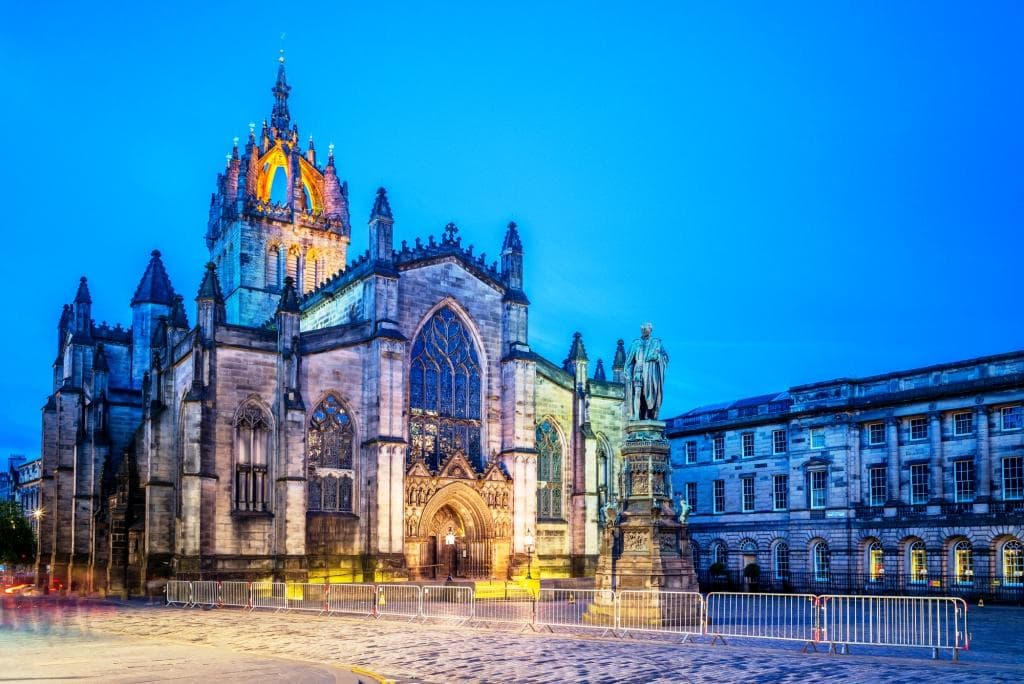
| St Giles’ Cathedral | Free, donations appreciated | Ramp at main entrance, Thistle Chapel step-only | 2 Blue Badge bays, Parliament Square |
| Scotch Whisky Experience | From around £23 (Silver Tour) | Lift to all levels, wheelchair-accessible barrel ride car | 5 accessible bays, Castle Terrace NCP |
| Calton Hill | Free | Steep but paved, Blue Badge vehicle access to the top | Blue Badge parking at the summit via Regent Road |
| Arthur’s Seat | Free | Summit is not wheelchair accessible; Queen’s Drive and lower paths are | Dunsapie Loch car park, free |
Edinburgh Castle
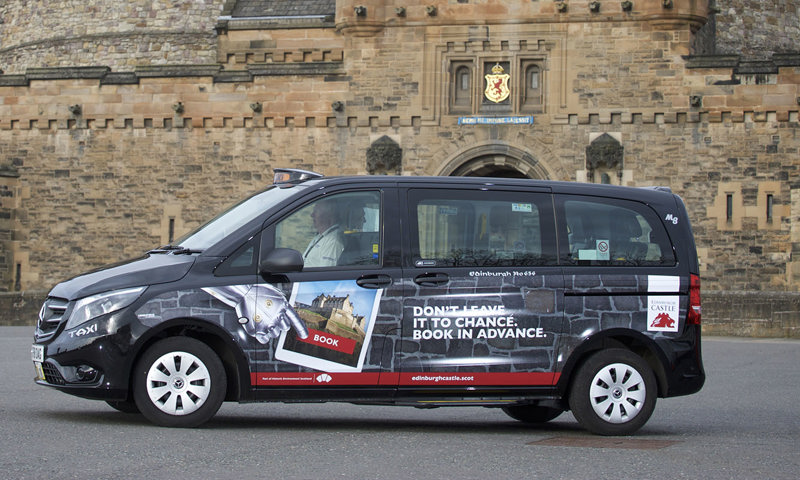
Edinburgh Castle is the city’s most famous sight and also its most physically demanding, sitting at the top of a five-degree tarmac esplanade that stretches 110 metres before you even reach the ticket office. Adult admission is £21.50 online or £24.00 at the gate, concessions are £17.50 online, and children aged five to fifteen pay £13.00 online, with one accompanying carer admitted free for every disabled visitor. Full details are on the castle’s own access guide and ticket page.

Once inside, a mobility vehicle to Crown Square is available on request from staff at the entrance, and several manual wheelchairs can be borrowed on a first come, first served basis. Crown Square itself is level and paved, and the Great Hall, Royal Palace and National War Museum are reachable by ramp or lift. Some areas, including the Prisons of War and the seventy-step Lang Stairs exit, remain step-only, and staff will guide you back down through the castle if that exit does not suit you. The entrance toilets are closed for refurbishment until spring 2026, so ask staff for the nearest alternative.


Palace of Holyroodhouse
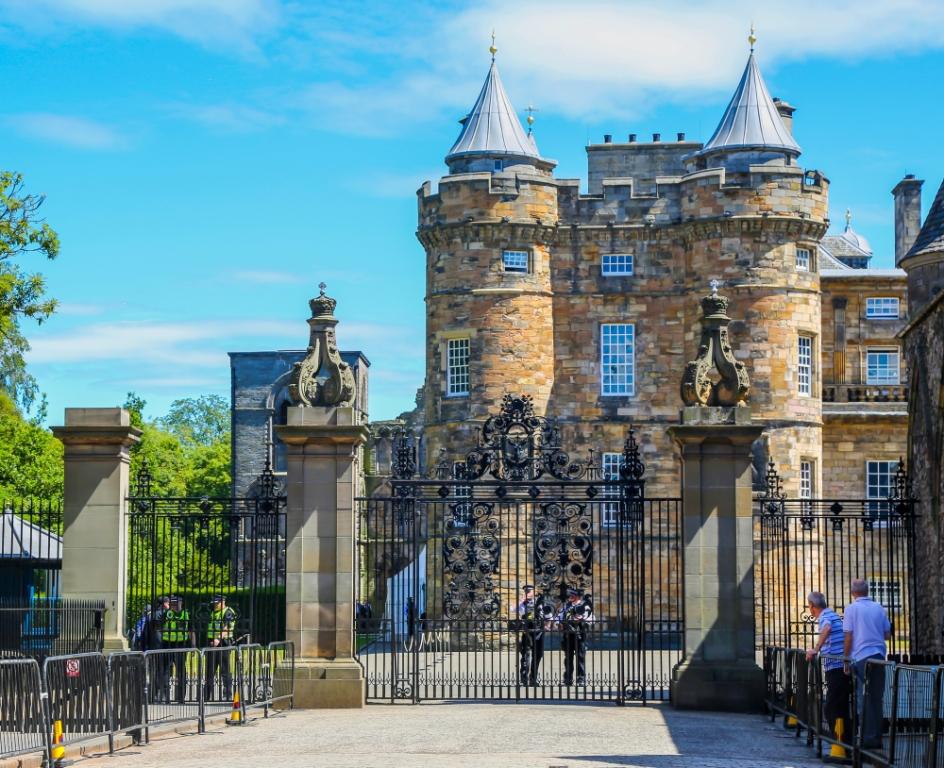
At the opposite end of the Royal Mile from the castle, Holyroodhouse is the King’s official residence in Scotland and, on the whole, an easier visit than the castle for anyone using a wheelchair. Adult admission is £22 online or £26 at the gate, with a £11 advance rate for disabled visitors and a free companion ticket bookable through the Royal Collection Trust. A lift reaches most of the State Apartments and free manual wheelchairs are available at the entrance, but Mary, Queen of Scots’ Chambers are only reachable via a steep, narrow spiral staircase and remain step-only. Accessible parking is available on site for Blue Badge holders, though it is best booked in advance.
St Giles’ Cathedral
Entry to St Giles’ Cathedral, halfway along the Royal Mile, is free, with a donation suggested. Ramps flank the steps at the main west entrance, and once inside a short ramp avoids the only interior steps. Two manual wheelchairs can be borrowed on request. The Thistle Chapel is the one area that cannot be reached at all, and there is no accessible toilet inside the cathedral itself, the nearest being a short walk away at the National Library of Scotland on George IV Bridge. Two Blue Badge bays sit behind the building at Parliament Square and cannot be booked in advance. Full detail is on the cathedral’s own access page.


Scotch Whisky Experience: Accessible Whisky Tasting
For a taste of Scotland’s national drink without tackling a distillery in the Highlands, the Scotch Whisky Experience at the top of the Royal Mile is wheelchair accessible throughout, with a lift to every level and a specially adapted ‘barrel’ car built into its signature ride. Tours start from around £23 for the Silver Tour, and one carer is admitted free alongside a paying wheelchair user, though the carer pays full price if they also want a tasting. Hearing loop technology, tactile exhibits and BSL and ASL guides are available.
The nearest accessible parking is five Blue Badge bays at Castle Terrace NCP, a short but noticeably uphill push from the entrance. Access details can shift during building work, so it is worth checking the experience’s own accessibility page before you book. Round off the visit with a dram or a soft drink at Amber Restaurant and Whisky Bar next door.


National Museum of Scotland
Entry is free, and this is genuinely one of the best places to explore Scotland’s rich history at your own pace, especially on a lower-energy day or a spell of bad weather. Lifts reach every floor, wheelchairs are available to borrow at no charge from the information desks, and there is a Changing Places toilet in the Entrance Hall on Level 0. Four free Blue Badge parking bays sit directly outside on Chambers Street and cannot be booked in advance. Full detail is on the museum’s accessibility page. The museum is open daily from 10am to 5pm.

Royal Botanic Garden Edinburgh
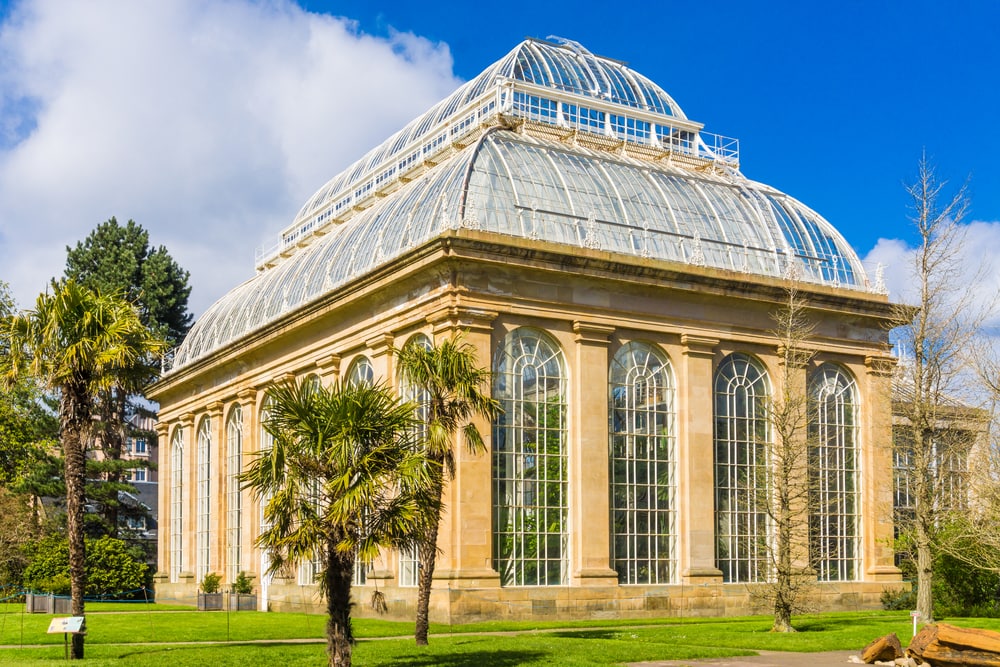
Free to enter and genuinely restorative after a day on the hills, the Botanics span seventy acres with tarmac paths through most of the garden. Wheelchairs and mobility scooters can be borrowed free of charge at either the East Gate or the West Gate’s John Hope Gateway, though booking ahead is strongly recommended. Blue Badge parking is available on Arboretum Place near the West Gate. See the garden’s access page for full detail. Set aside at least two hours, since it is easy to lose an entire afternoon here without noticing.
Royal Yacht Britannia
Berthed in Leith, Britannia holds a Category 1 rating from VisitScotland, the highest level of wheelchair access without assistance, and all five decks are connected by a central lift. The self-guided tour is available in English Braille, British and American Sign Language, and audio format, making it one of the most consistently accessible paid attractions in the city for both physical and sensory access needs.

Princes Street Gardens and the National Galleries of Scotland
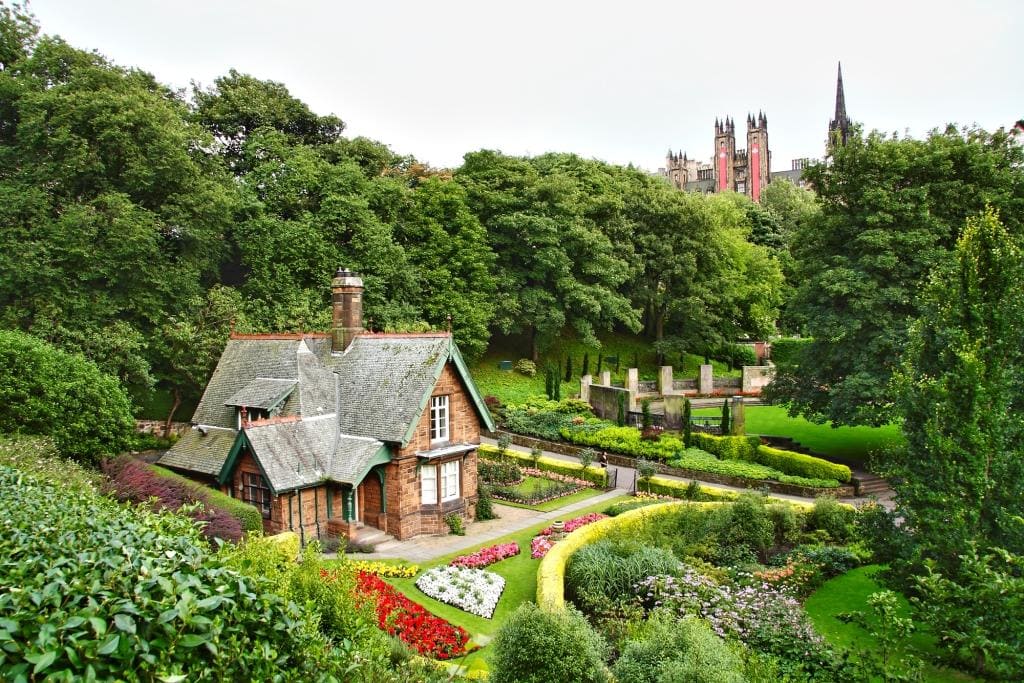
Princes Street Gardens are free, level in most places, dotted with benches, and offer one of the best castle views in the city, making them a good spot to rest between attractions. The National Galleries of Scotland complex, covering the National, the Portrait and Modern One and Two, has lifts with audio announcements at every site, free wheelchair loans, and a partial Changing Places toilet at the National on Level 3.

Calton Hill
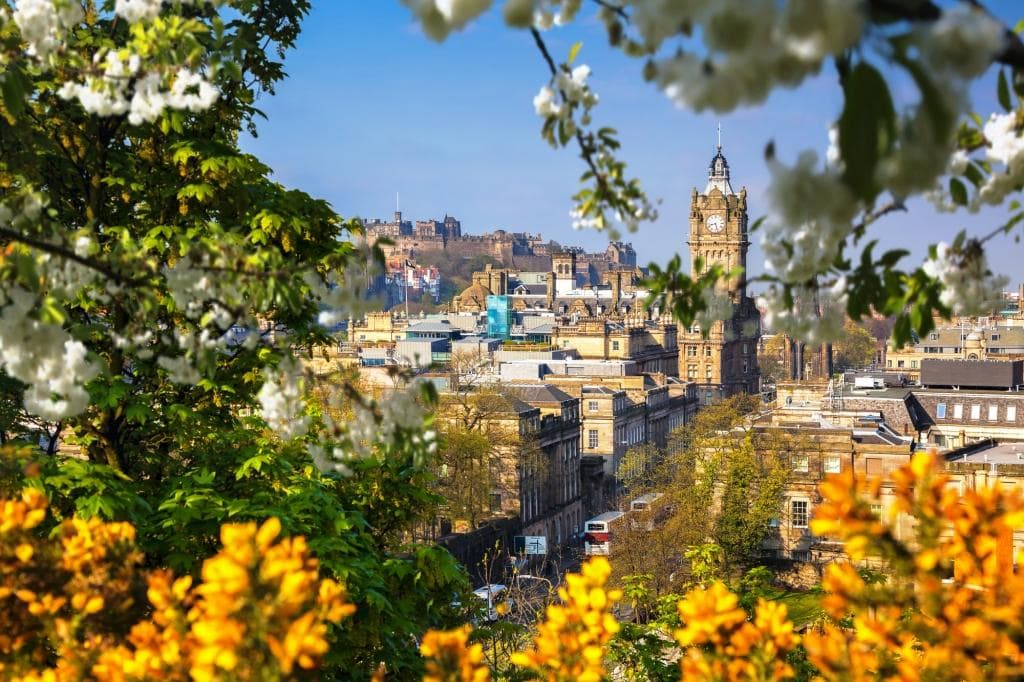
Calton Hill is free to visit and gives one of the best skyline views in Edinburgh, but it is genuinely steep, so it is worth knowing your options before you go. Blue Badge holders can drive to the summit through a gated service road off Regent Road, next to the old Royal High School, and park at the top; powerchair users can use the same tarmac road at a gentle pace rather than tackling the stepped path most walkers use. Once at the top, the paths around the monuments are level and easy to explore. The Collective gallery and City Observatory on the summit have a ramped entrance with a small 10cm step and an accessible toilet, reviewed positively on Euan’s Guide by a regular powerchair user. There is no street lighting on the hill after dark, so plan a daytime visit.

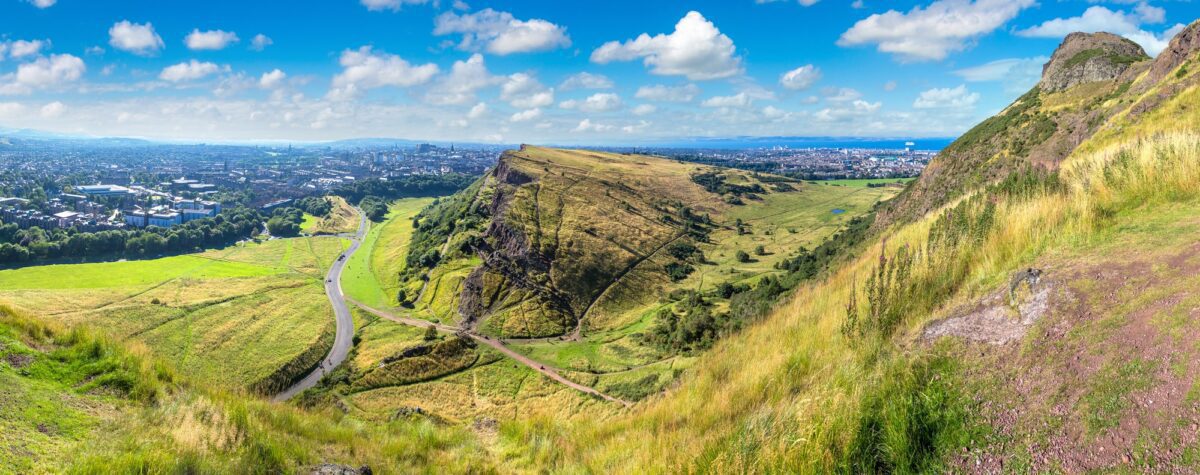
Arthur’s Seat and Holyrood Park
I want to be straight with you on this one: the summit of Arthur’s Seat is not wheelchair accessible, and no amount of careful planning changes that. The final stretch is loose gravel and rock scrambling, and even strong walkers find it steep going. That said, Holyrood Park around it is genuinely worth a visit on its own terms.
Queen’s Drive, the paved road that loops around the base of the hill, is smooth enough for wheelchairs and mobility scooters, and the path around St Margaret’s Loch is flat and easy, with Holyrood Palace and its abbey ruins as a backdrop the whole way. Free parking is available at Dunsapie Loch, close to the eastern side of the hill, which shortens the distance if you only want to get close rather than climb. The Radical Road path beneath Salisbury Crags is currently closed for rockfall risk, so check Historic Environment Scotland’s park page before you plan a route around it.
Accessible Places to Eat in Edinburgh: Cafes to Fine Dining
Finding a genuinely accessible table in Edinburgh takes more effort than it should, so here is a spread from casual to fine dining that disabled visitors have reviewed, cross-checked against Euan’s Guide and The Scotsman’s own access reporting.
| Place | Area | Typical price | Access note | Link |
| Bonnie and Wild’s Scottish Marketplace | St James Quarter | £8-£18 a dish | Step-free food hall, Changing Places toilet | Visit site |
| Duck and Waffle / The Alchemist | St James Quarter | £20-£35 mains | Wheelchair access, accessible toilet same floor | Visit site |
| Southpour | Newington | £10-£16 mains | ‘Easy Access’ entrance, tight street parking | Access review |
| Foresters Guild | Portobello | £12-£20 mains | Step-free beer garden, log fire indoors | Access review |
| La Favorita | Leith Walk | From £12 mains | Large, spacious wood-fired pizzeria | Access review |
| Amber Restaurant and Whisky Bar | Royal Mile | £18-£30 mains | Adapted listed building, spacious dining room | Access review |
| The Witchery | Royal Mile | £35.00 mains | Not reliably wheelchair accessible; stairs to both dining rooms but upper dining room only has few steps | Access Review |
A personal note here: I always call ahead, even to places listed as accessible, and ask for a ground-floor table near the door. It takes two minutes and has saved more than one evening. On an even more personal note I ate at the Witchery and Bonnie and Wild and was not impressed at all by either of them. Very high priced and just not good enough for what they cost.


Hidden Gems Only Locals Tend to Know
Edinburgh Street Food, tucked just around the corner from the Omni Centre, is a favourite of Euan’s Guide’s own community manager, who uses a powerchair. The menu is huge, ordering is by QR code at the table, and step-free access makes it an easy stop between St James Quarter and the New Town.
Fruitmarket, near Waverley Station, combines a gallery, gift shop, bookshop and cafe in one accessible building, and is the kind of quiet cultural stop that rarely makes the big attraction lists but rewards a slow half hour.
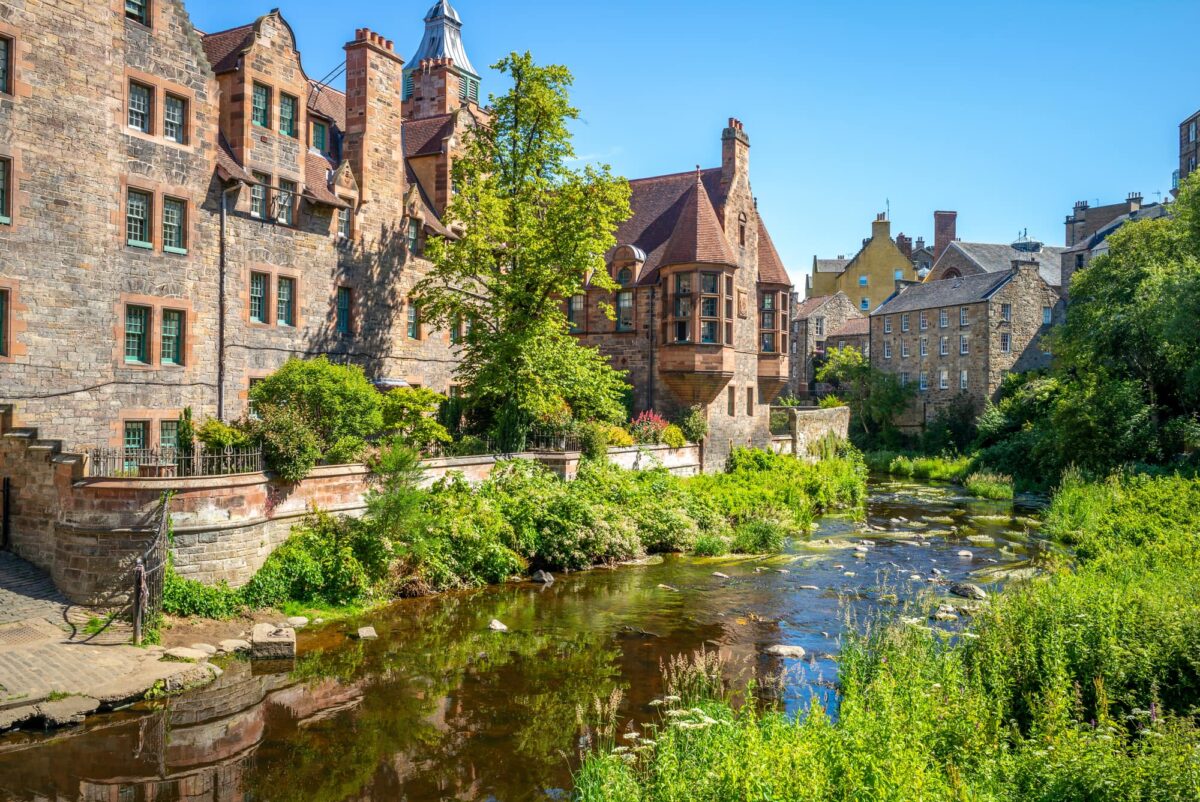
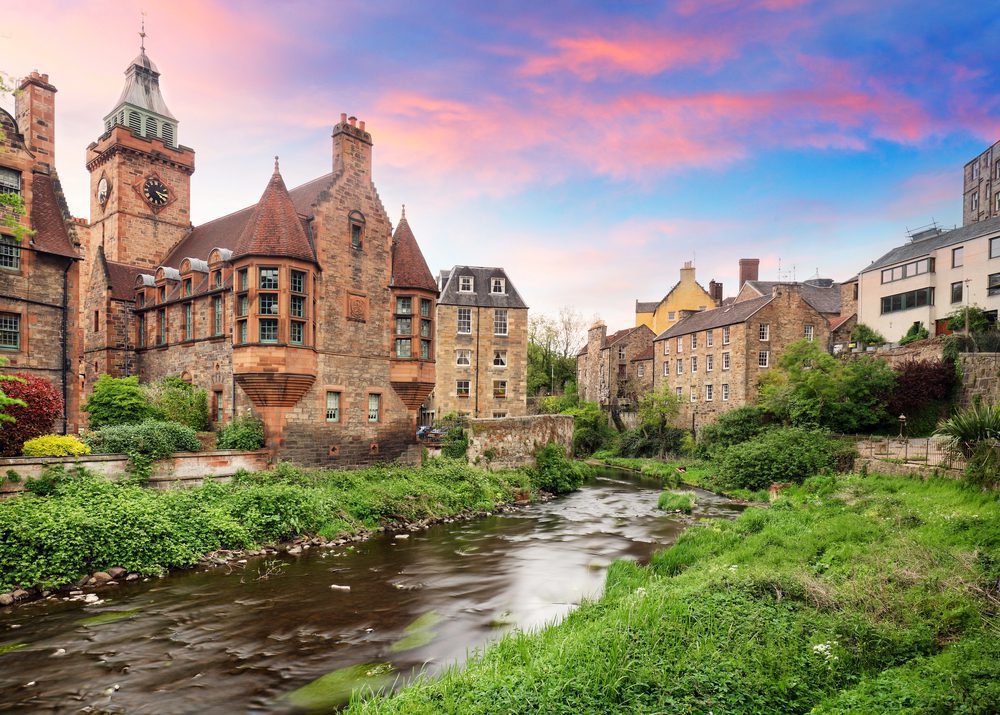
Dean Village, a short tram or bus ride from the centre, is one of the most photographed corners of Edinburgh. Be aware that the riverside path down into the village involves steps and a steep cobbled lane, so it suits wheelchair and scooter users better viewed from the flatter approach on Belford Road rather than descended in full.

Circus Lane
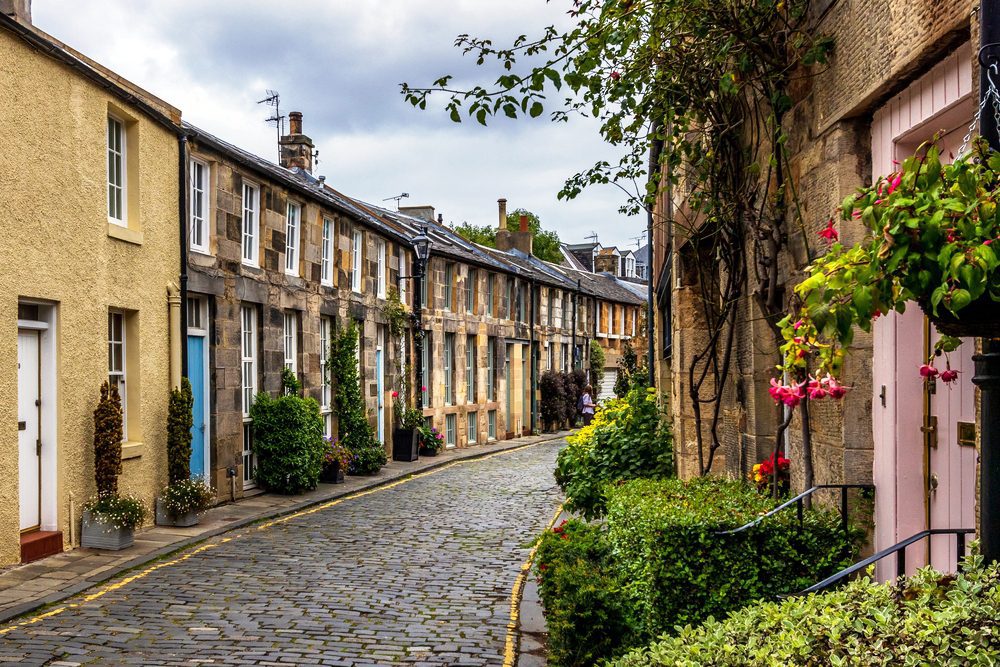
Circus Lane in Stockbridge has become one of the most photographed streets in Edinburgh, all curved cobbles and flower-covered mews cottages, and it sits a short, largely flat walk from the Royal Botanic Garden. Honest caveat: the cobbles and street planters make it awkward rather than impossible for wheelchair and scooter users, so treat it as a five minute detour to view from the entrance rather than a fully step-free route, and go early morning if you want it without a crowd of photographers.
Things to Do With Kids in Accessible Edinburgh
Families juggling both a wheelchair and small children have more accessible options in Edinburgh than the marketing suggests. The National Museum of Scotland’s Adventure Planet and Animal World galleries are step-free and genuinely engaging for younger children, and buggy storage is available on Level 1. Edinburgh Castle issues a free Passport activity booklet that turns the visit into a stamp-collecting treasure hunt, which helps distract from the hills.
Edinburgh Zoo’s Hilltop Safari vehicle carries up to three wheelchairs at once, and the zoo provides a hearing loop on request, though several paths remain steep. At the Royal Botanic Garden Edinburgh, free self-led trails for children, including a Tree Trail and a Wildlife Spotter sheet, make good use of the flat lawns near the pond.
Practical Tips for Accessible Edinburgh Travel
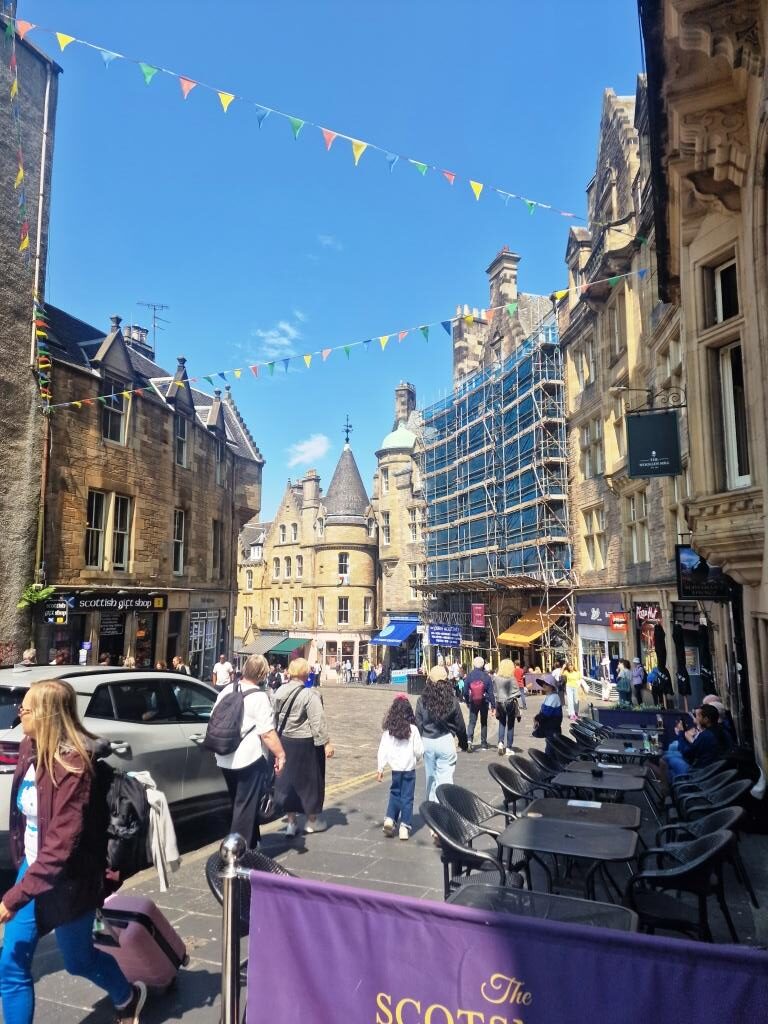
Good waterproof shoes matter enormously here, because cobbled and setted surfaces turn slippery fast in the rain, and Edinburgh sees rain often. Beyond footwear, a few habits make the biggest difference: avoid overloading any single day, use the tram and buses strategically rather than walking every route, allow extra time on any hill, consider avoiding the August festival period if crowds are difficult for you, and build in a proper rest stop, ideally a café with step-free access, every couple of hours.
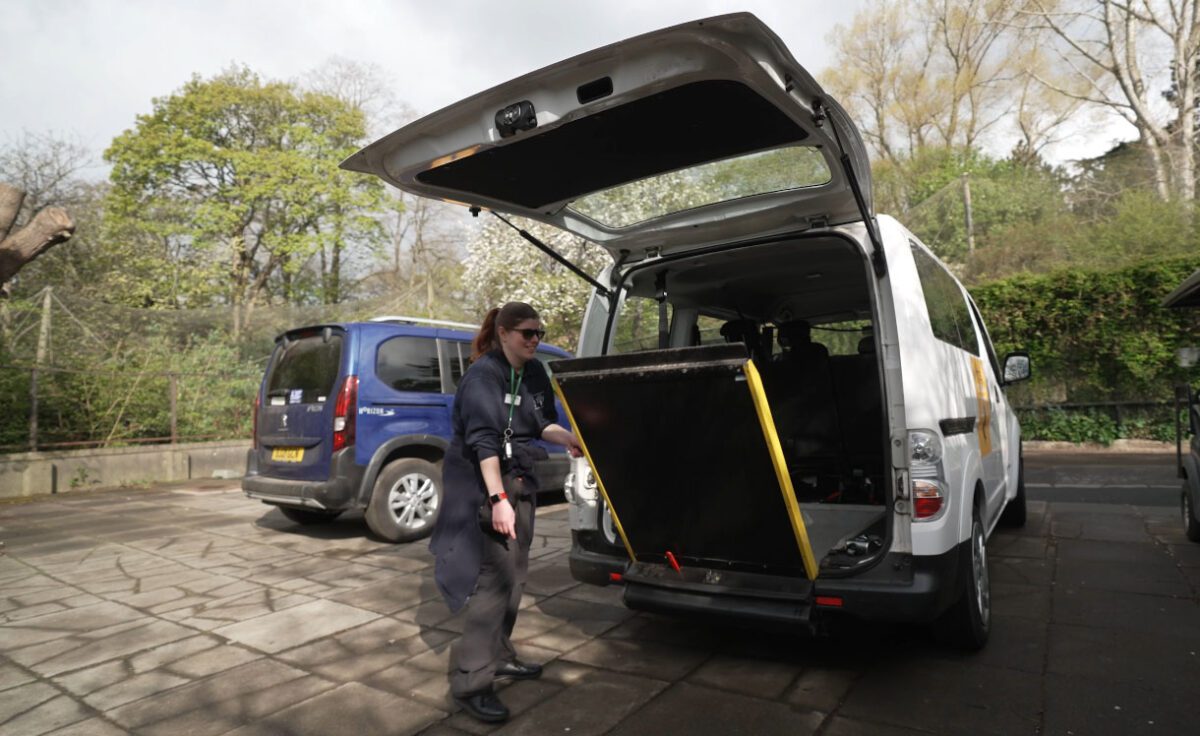
If you would rather not navigate alone, a guided accessible walking tour of the Royal Mile takes the guesswork out of finding step-free routes between the hills. Trying to push through Edinburgh the way you might push through a flat city almost always backfires, and I say that from experience.
A Personal Note From Donegal
I live across the water in Donegal, and Edinburgh has become one of my most repeated trips, both for my own travel and for guiding friends who are visiting Scotland for the first time. Some of my favourite Edinburgh memories have nothing to do with ticking off the big sights. Sitting under the castle after a rain shower, a slow roll along the flatter stretches of New Town, watching the city go by from a café window instead of climbing another close, these moments have stuck with me far longer than any queue at a ticket office. Edinburgh rewards travelers who accept its pace rather than fight it, and that has been true on every one of my visits.

Continue Planning Your Scotland and Ireland Trip
If Edinburgh is one stop on a longer trip, these guides cover the rest of the route. Start with the Ireland and Scotland Itinerary for a full fourteen-day route, or narrow in with the best time to visit guide before you book flights. For a deeper look at the capital itself, see 3 Days in Edinburgh and Best Day Trips from Edinburgh, and if history is your focus, Rosslyn Chapel Tours and Witch Trials in the UK both sit within easy reach of the city. Travelers dreaming of a castle stay should also look at Enchanting Castle Hotels in Scotland.

Helpful Accessible Edinburgh Resources
Forever Edinburgh’s official accessible Edinburgh page and disabled access page cover transport and attraction overviews. Euan’s Guide is the best place to check real access reviews from disabled visitors before booking hotels, attractions or restaurants. Forever Edinburgh’s accessible weekend itinerary is also a useful cross-check for a short trip.
FAQs About Accessible Edinburgh Travel
Is Edinburgh wheelchair accessible?
Large parts of Edinburgh are wheelchair accessible, especially newer attractions, museums, trams and buses. Steep hills and cobbled Old Town streets still create real challenges, so realistic planning matters.
How much are Edinburgh Castle tickets for disabled visitors?
Disabled visitors pay the standard adult rate, currently £21.50 online or £24.00 at the gate, and one accompanying carer is admitted free per disabled visitor.
Where can I park in Edinburgh with a Blue Badge?
Blue Badge holders can park free and without a time limit on Edinburgh’s on-street bays, including single and double yellow lines outside loading restrictions. Private car parks such as NCP are not automatically free, so check signage first.
What is the best area to stay in Edinburgh for accessible-travel-guides-ireland-uk-europe?
New Town and Haymarket are usually the flattest and most manageable areas for travelers with mobility challenges or fatigue conditions.
Are Edinburgh trams and buses accessible?
Yes. Edinburgh Trams are step-free at every station with dedicated wheelchair spaces, and Lothian Buses are almost all low-floor with a ramp and a designated wheelchair space.
Is Edinburgh good for hidden disabilities?
Many attractions now provide sensory backpacks, quiet spaces, hidden disability support and companion ticket policies, although festival-period crowds can still feel overwhelming.
What should I pack for accessible Edinburgh travel?
Grippy, waterproof shoes are the single most useful item, since cobbles get slippery fast. A lightweight rain layer and a portable seat cushion for long museum visits are also worth the space in your bag.

My Thoughts on Accessible Edinburgh
Accessible Edinburgh travel is entirely possible, but it rewards realistic planning far more than an aggressive checklist. Pick a flat base in New Town or Haymarket, lean on the step-free trams and buses, book ahead for mobility vehicles and wheelchair loans, and give yourself permission to rest. Do that, and Edinburgh’s castle views, free museums and unexpected hidden gems are there for every traveler, hills and all.
Explore more of the region with guides to England, Scotland, Wales, Northern Ireland, or the full United Kingdom Travel Guide.
Accessible UK Broader guide to accessible rail travel, National Trust accessibility schemes, and city-by-city notes.
Accessible London Compared to many older European capitals, London is genuinely one of the more accessible large cities you can visit.
Accessible Bath Discover how to explore an accessible Bath including the Roman Baths, and other attractions.
Accessible Cotswolds many of the lovely Cotswolds villages and towns are accessible.
Accessible Edinburgh Accessible Edinburgh travel is entirely possible, but it rewards realistic planning far more than an aggressive checklist.
Accessible Historic sites in England Discover accessible historical sites in England including castles, Roman ruins, cathedrals, museums, and heritage attractions with realistic tips for limited mobility and hidden disabilities.
Accessible York Explore the great city of York with tops for what sites are accessible and how to visit.
You might enjoy some of my other Scottish posts:
Best things to do in Inverness
42 Places to visit in the Highlands