
Accessible Cotswolds: The Complete Mobility Guide
The Cotswolds are partly wheelchair accessible. Flat villages like Bourton-on-the-Water, Stow-on-the-Wold and Broadway suit wheelchairs well, while hillier spots like Castle Combe need planning. Major attractions (Blenheim Palace, Cotswold Wildlife Park, Westonbirt Arboretum) offer accessible routes and free mobility scooter loans with advance booking.

The Cotswolds is one of England’s most photographed regions, all honey-coloured stone, dry-stone walls and impossibly pretty market towns. It is also, on paper, one of the trickiest parts of the country to navigate if you use a wheelchair, a rollator, a cane or simply run out of stamina after a few hundred metres of cobbles. I have spent more than thirty years writing about travel and food, much of it as a mobility-challenged traveller who has made a home in ten countries across Europe, and I have learned that ‘historic’ and ‘accessible’ are not mutually exclusive if you know exactly where to point yourself. This guide to the accessible Cotswolds is built from that experience, combined with the access statements, AccessAble guides and on-the-ground reports that the villages, attractions and transport operators themselves publish.
This is not a generic ‘top ten pretty villages’ list. It is a practical, honest breakdown of which parts of the Cotswolds work well for wheelchair users and which need real planning, plus the transport, parking, equipment hire and accommodation details that make the difference between a frustrating day and a genuinely lovely one.

- Accessible Cotswolds: The Complete Mobility Guide
- Is the Cotswolds Accessible? The Honest Answer
- Getting To and Around the Cotswolds
- Village by Village: Which Cotswold Villages Work Best
- Top Accessible Attractions in the Cotswolds
- Accessible Walks and Nature for Wheelchairs and Mobility Scooters
- Where to Stay: Accessible Cottages and Hotels
- Beyond Wheelchairs: Canes, Rollators and Limited Stamina
- Accessible Pubs, Tea Rooms and Dining
- Best Time of Year for Accessible Cotswold Travel
- Sample 2-Day Accessible Cotswolds Itinerary
- Frequently Asked Questions About Accessible Cotswolds Travel
Is the Cotswolds Accessible? The Honest Answer
The Cotswolds Area of Outstanding Natural Beauty is a patchwork of small stone-built towns and villages that grew up centuries before anyone thought about kerb cuts or ramps. Cobbled streets, uneven stone paving, narrow doorways and genuinely hilly terrain in places are part of the deal, and no amount of positive marketing changes that. Some of the smaller, hillier villages, such as Castle Combe, do require real forward planning and are not places to arrive at without a scouting look at photos or an access guide first.

That said, the region has made meaningful progress. Several of the larger, more visited villages, including Bourton-on-the-Water, Stow-on-the-Wold and Broadway, have relatively flat, wide main streets that work well for wheelchairs, mobility scooters and rollators. Major attractions such as Blenheim Palace, Cotswold Wildlife Park and Westonbirt Arboretum have invested in accessible routes, lifts and free mobility scooter loans. The regional tourism board has partnered with AccessAble to publish detailed, photograph-backed access guides for hotels, attractions, restaurants and shopping areas across the Cotswolds, which is exactly the kind of granular information you need before committing to a full day out.
The honest summary: pick your villages and attractions deliberately, build in extra time for slower going on gravel and worn stone, and the Cotswolds becomes a genuinely rewarding accessible destination rather than a gauntlet.
Getting To and Around the Cotswolds
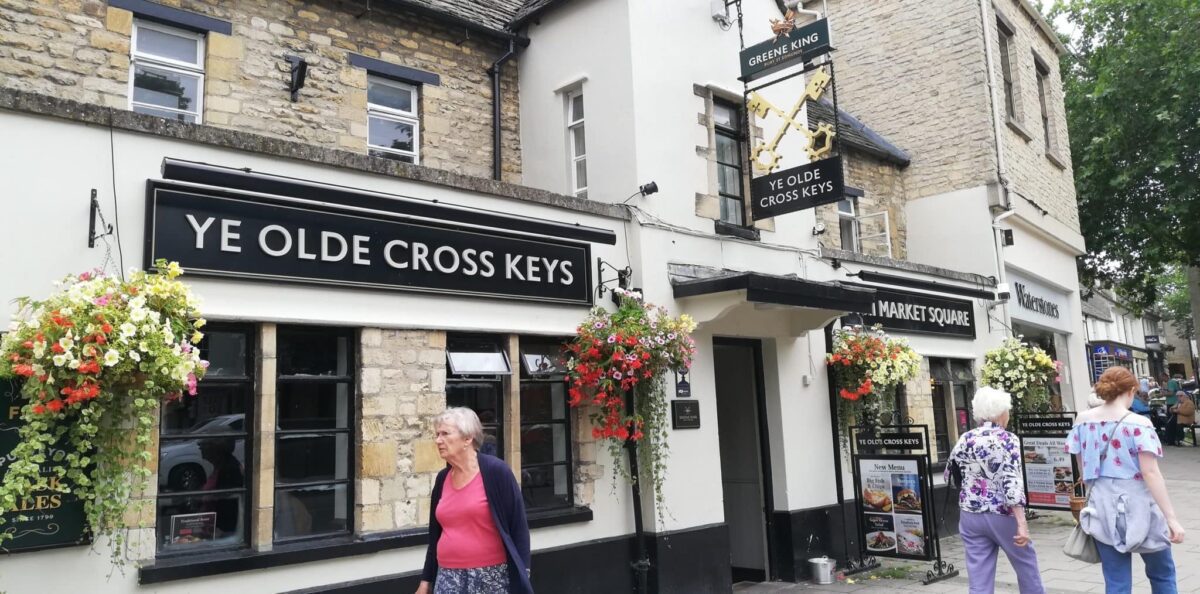
How you travel matters as much as where you go. The Cotswolds is a rural region without a single central hub, so a little route planning pays off.
By Train
Several stations in and around the Cotswolds offer step-free access and staff assistance. Cheltenham Spa is step-free throughout with accessible toilets and help points. Moreton-in-Marsh has step-free access to both platforms via lifts and a staffed ticket office, making it a good gateway for the northern Cotswolds. Stroud has step-free access to platform one with staff assistance on request. Book through the Passenger Assist scheme at least 24 hours in advance to guarantee ramp assistance and a smooth transfer.

By Bus and Coach
Local bus services increasingly use low-floor, ramp-accessible vehicles. Stagecoach West, the main operator across the region, offers wheelchair spaces and audible stop announcements on many routes, though rural frequencies can be thin in the evenings and on Sundays. Pulhams Coaches connects several villages affordably, and the on-demand Robin minibus fills gaps in areas the fixed routes do not reach. Build your itinerary around reliable daytime services rather than assuming an evening bus will be there.

By Taxi
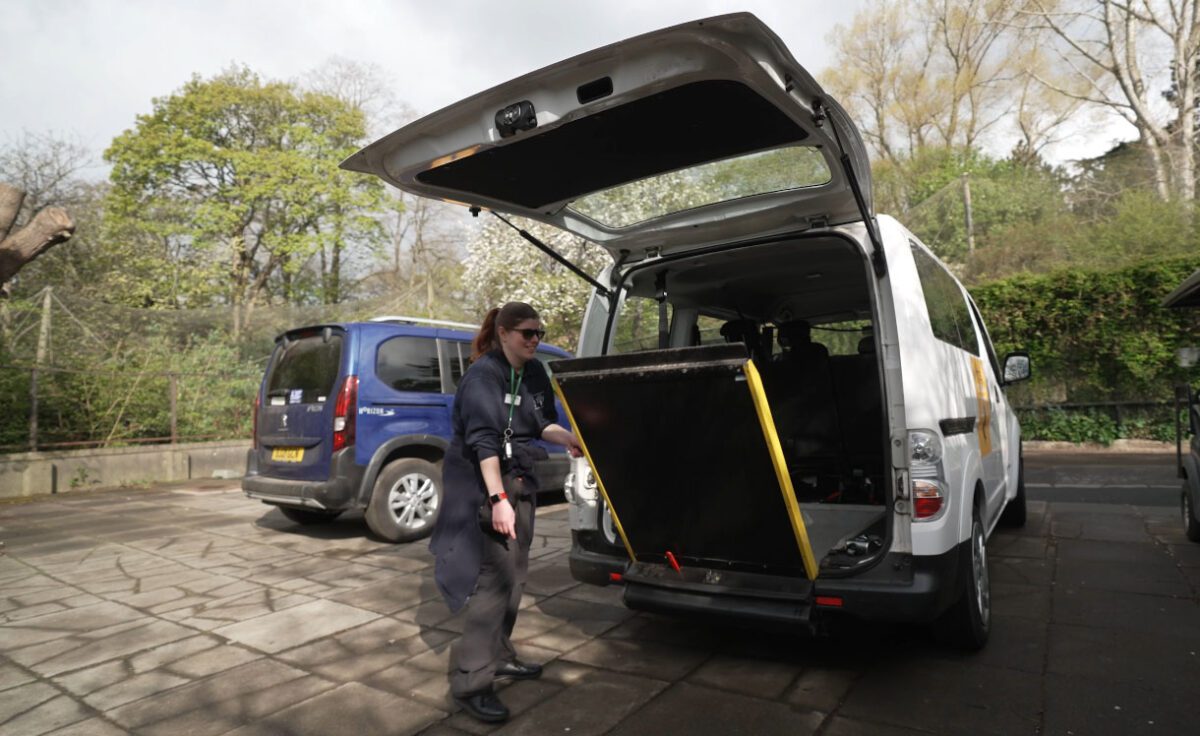
Pre-booked accessible taxis are a reliable way to bridge gaps between rail and bus services, especially for reaching smaller villages. Operators with wheelchair-accessible vehicles include Andy Cars in Cheltenham, Abbey Taxis in Cirencester and A2B Taxis in Stroud.

By Car and Blue Badge Parking
Driving gives you the most flexibility, and it is how most visitors with mobility equipment explore the region. Blue Badge parking is free in any Cotswold District Council car park, though the most popular villages fill their disabled bays early in the day during peak season, so arrive before mid-morning if you can. Surfaces range from smooth tarmac to gravel and worn stone even within a single car park, so allow extra time.
Mobility Equipment Hire
For visitors without their own equipment, the Cotswolds Shopmobility service offers daily or long-term hire of wheelchairs and mobility scooters. Several attractions, including Cotswold Wildlife Park and Westonbirt Arboretum, also loan mobility scooters free of charge if you book ahead, and Birdland Park offers free wheelchair hire with advance reservation.

Village by Village: Which Cotswold Villages Work Best
Accessibility varies enormously from one village to the next, so it is worth choosing your base and your day trips with real intention rather than following a generic list.
Bourton-on-the-Water
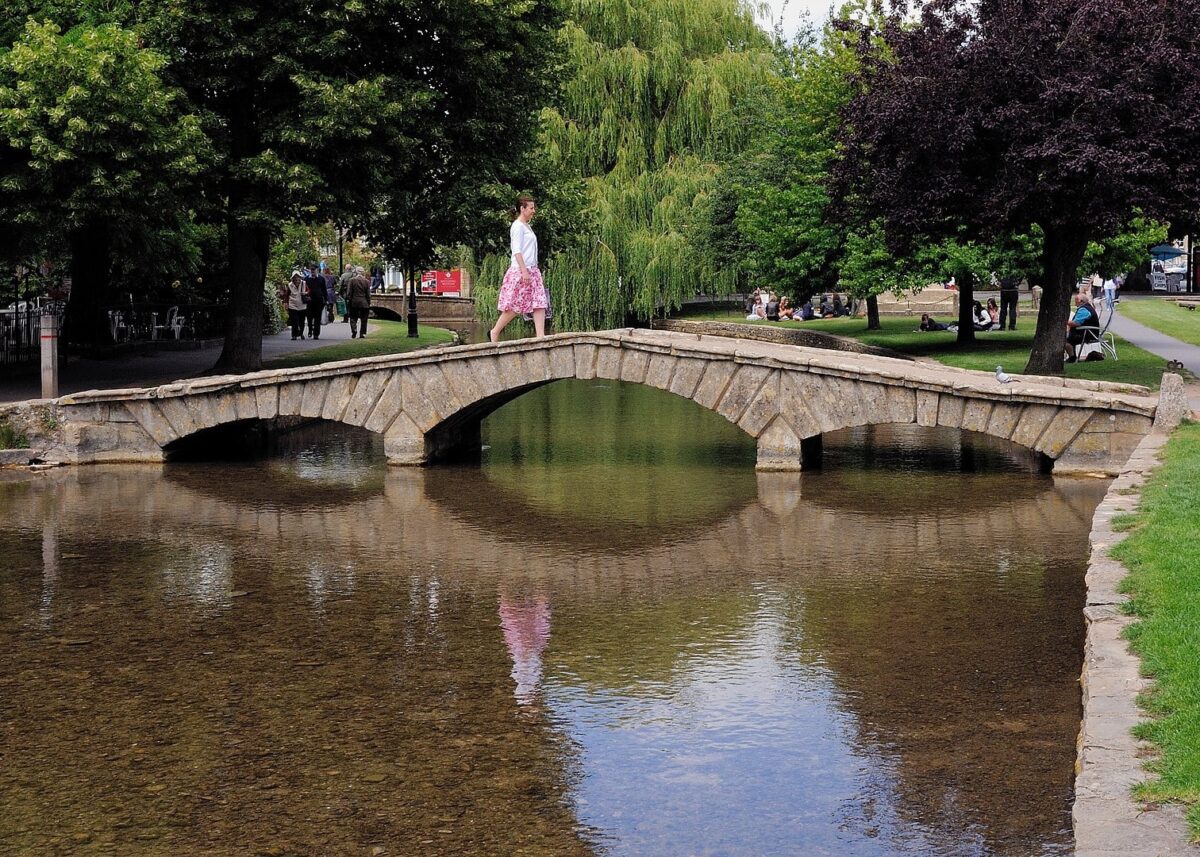
Often called the ‘Venice of the Cotswolds’, Bourton has a flat main street that makes it one of the easiest villages in the region for wheelchairs and rollators. The Cotswold Motoring Museum has disabled and wheelchair access throughout, and the surrounding streets are flat enough that getting between attractions is straightforward. Birdland Park, on the edge of the village, is set on flat, picturesque grounds with wheelchair access throughout and free wheelchair hire for visitors who book in advance. The famous Model Village also offers wheelchair-friendly paths.
Stow-on-the-Wold and Broadway
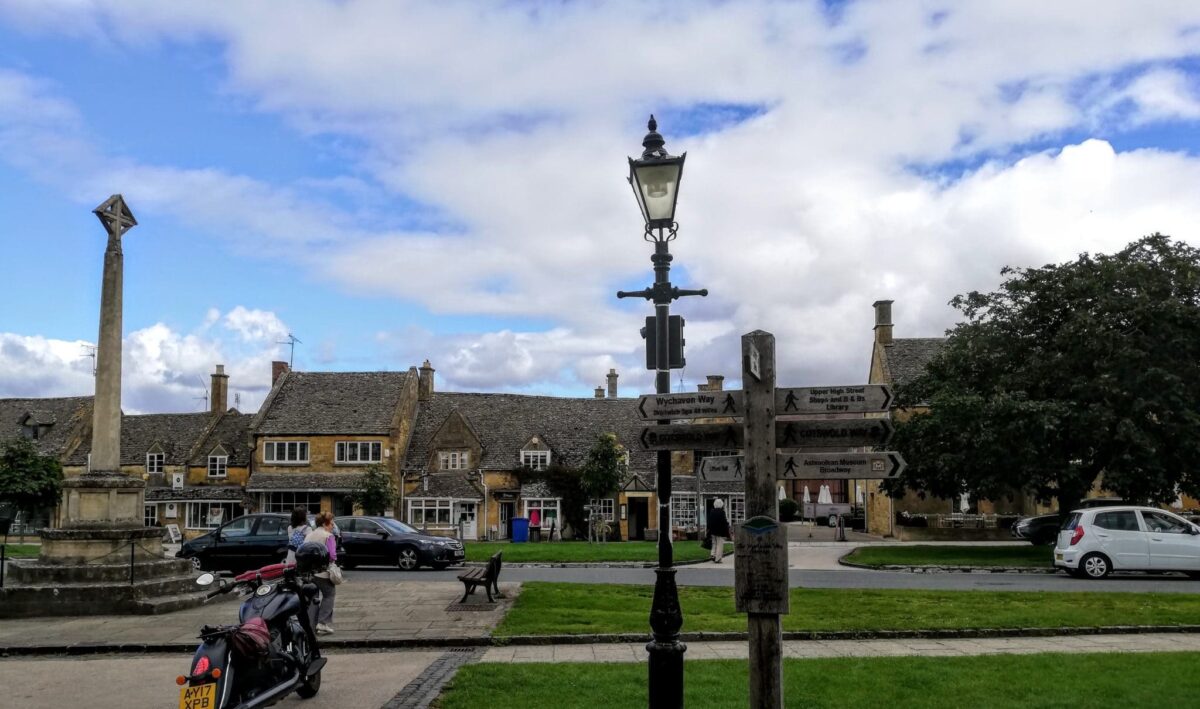
Both of these larger market towns have relatively flat main streets suited to wheelchairs, making them good choices for browsing shops, tea rooms and galleries without the steep gradients found elsewhere. Broadway’s wider surroundings are hillier, so stick to the high street itself for the easiest going.

Chipping Campden
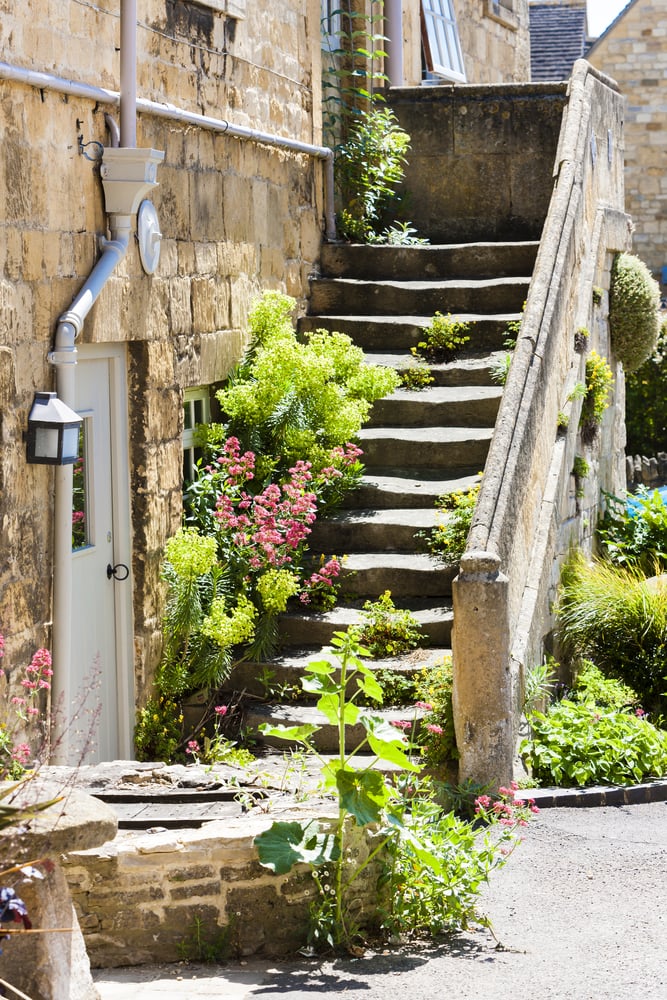
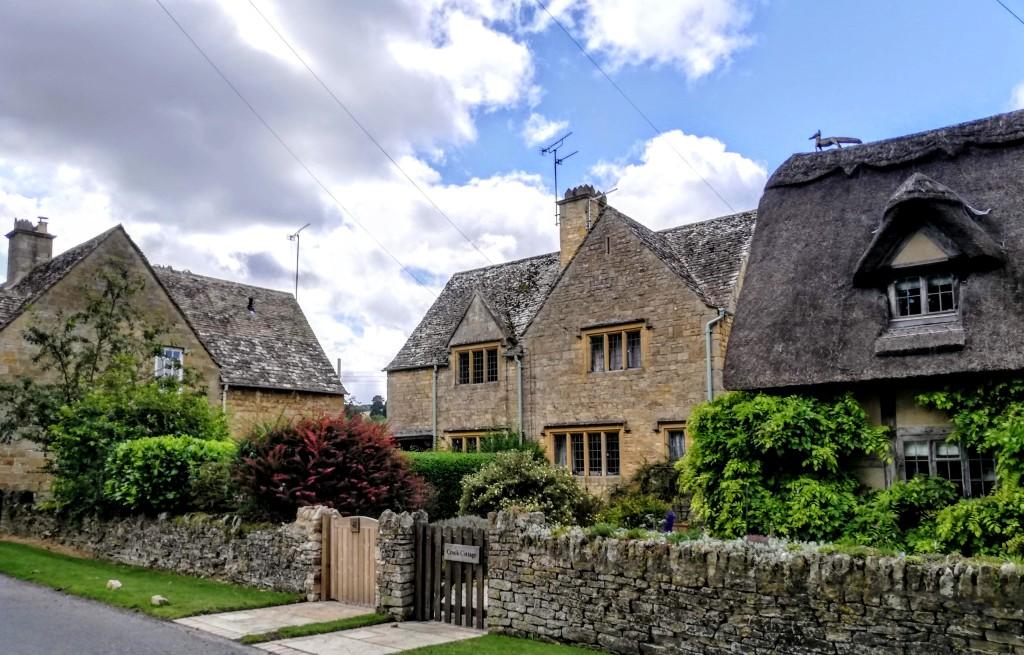
Chipping Campden is a genuinely well-thought-out option for wheelchair users, with an accessible self-catering cottage (George Barn) sitting around 700 to 800 yards from the historic High Street, a route a wheelchair or mobility scooter can cover comfortably. From the end of Blind Lane, a footpath passes thatched cottages down to Westington and on to Sheep Street and the High Street itself, taking in some of the town’s finest 14th- to 20th-century architecture along the way. It is also within a 10 to 20-minute drive of Broadway, Stow-on-the-Wold, Burford and Winchcombe, making it a strong base for day trips.
Bibury
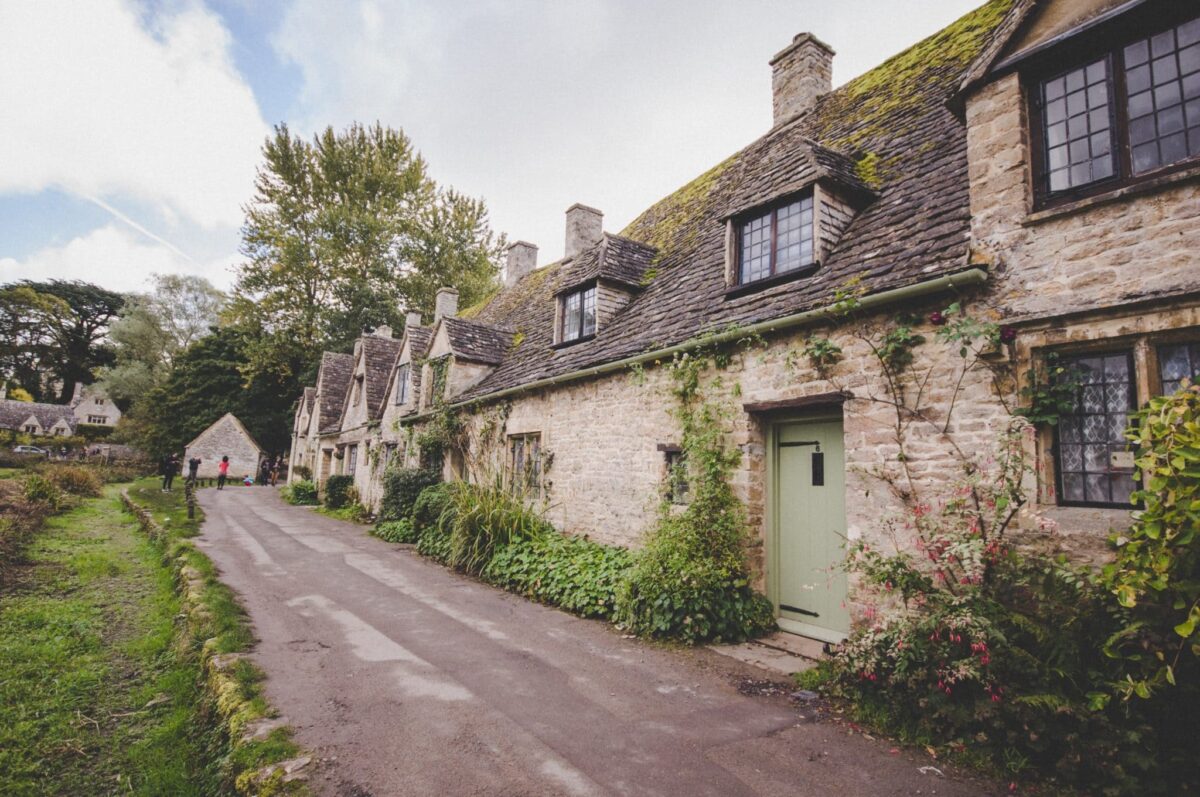
Bibury, set on the River Coln, is one of the most photographed villages in England. Bibury Trout Farm has paths between the ponds that are mostly wheelchair-friendly, though manual wheelchair users may find a few tricky spots. Feeding the trout is a genuine highlight, and there is an on-site café and accessibility information available via the National Trust for the wider village.
Castle Combe and the Hillier Villages
Castle Combe is stunning, but its steep lanes and uneven stone paving mean it requires real planning for wheelchair users. If you want to see it, consider a guided accessible tour, allow extra time, and have a fallback plan if the terrain proves too much on the day.

Top Accessible Attractions in the Cotswolds
Beyond the villages themselves, several major Cotswold attractions have invested seriously in accessibility.
Blenheim Palace
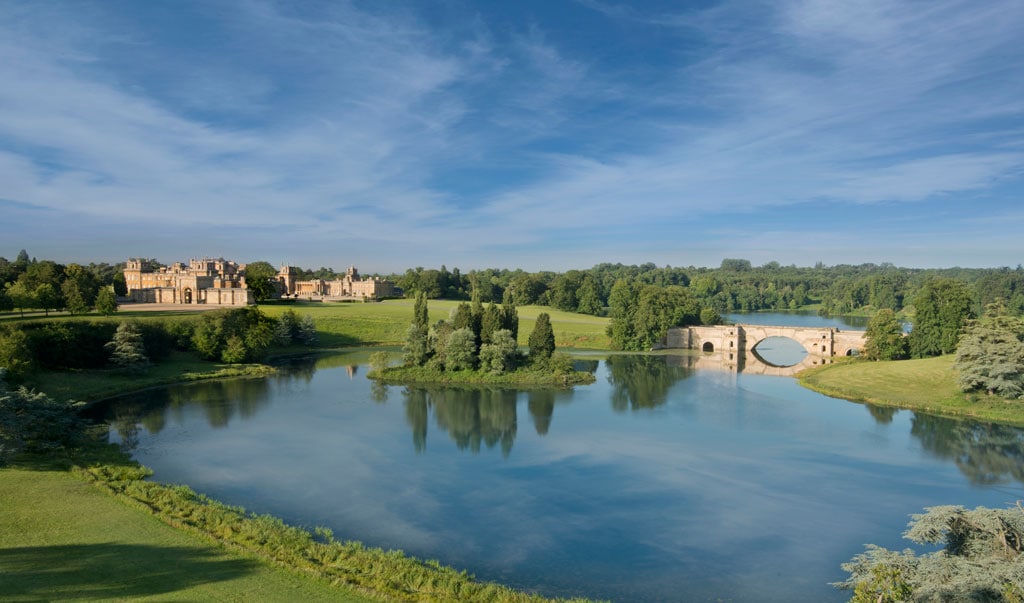
Blenheim Palace, birthplace of Winston Churchill, has accessible routes and lift access to the State Rooms via a platform lift near the chapel. Manual wheelchairs and two electric scooters are available (a small charge applies for the scooters). The gardens are largely accessible by wheelchair, with an information leaflet detailing access, and the miniature train can carry wheelchair users. A carer is admitted free.
Cotswold Wildlife Park and Westonbirt Arboretum
Both offer free mobility scooter loans if you book in advance, making it possible to cover ground that would otherwise be exhausting on foot.
Sudeley Castle and Gardens
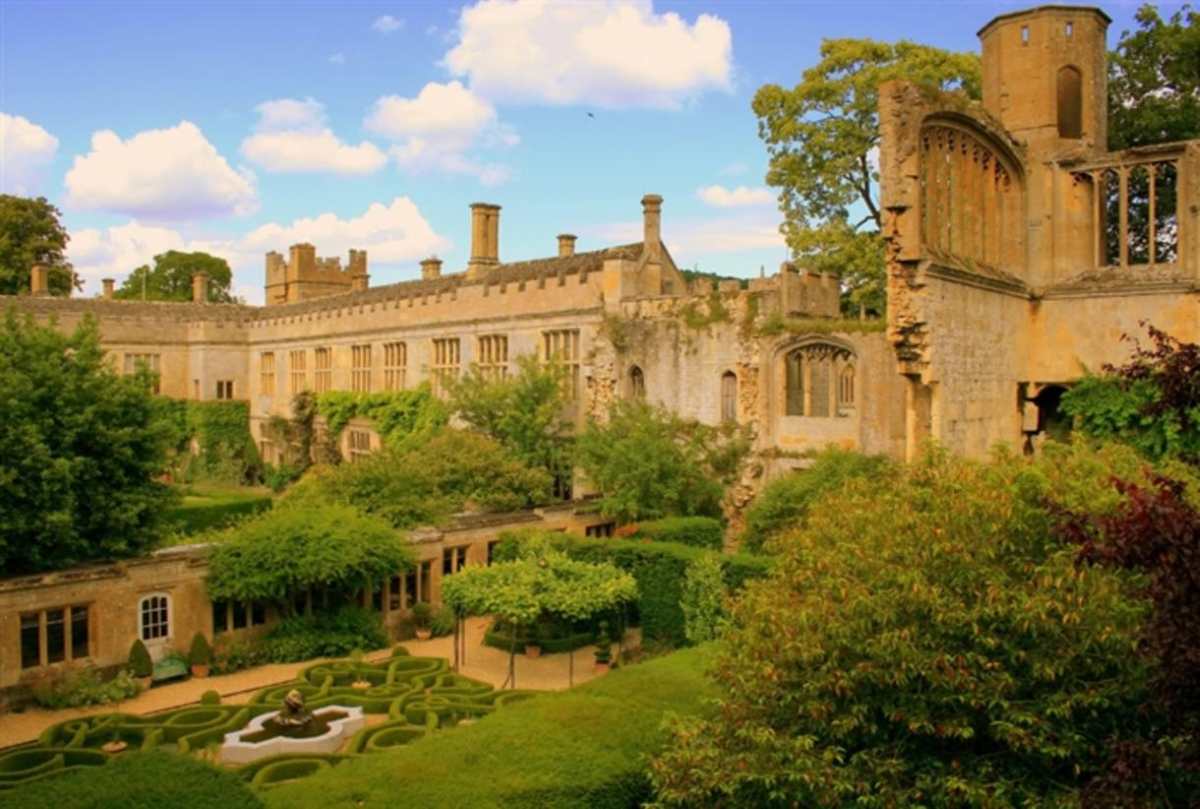
Sudeley Castle combines history with an adventure playground for families and has worked to make its grounds and key spaces accessible, with disabled visitors able to be dropped off at the courtyard entrance if needed.
Cotswold Motoring Museum and Birdland Park
Both sit in Bourton-on-the-Water and offer full wheelchair access, with Birdland also offering free advance wheelchair hire.
Kelmscott Manor
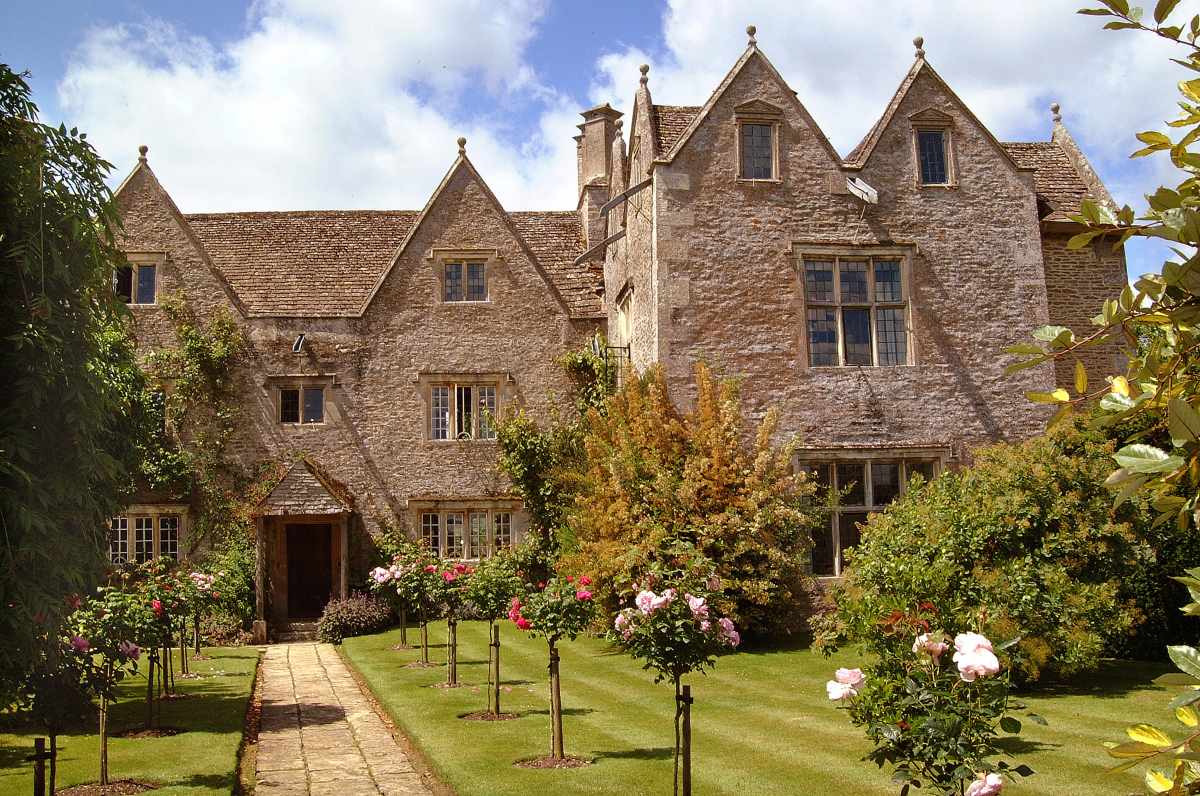
This 17th-century stone manor house on the edge of the Cotswolds has disabled parking by the house, ramped access at the back, and fully accessible ground floor rooms with a disabled toilet. There is no lift, but photo books of the first-floor and attic rooms are available so wheelchair users do not miss out entirely on the interiors above.
Gloucestershire Warwickshire Steam Railway
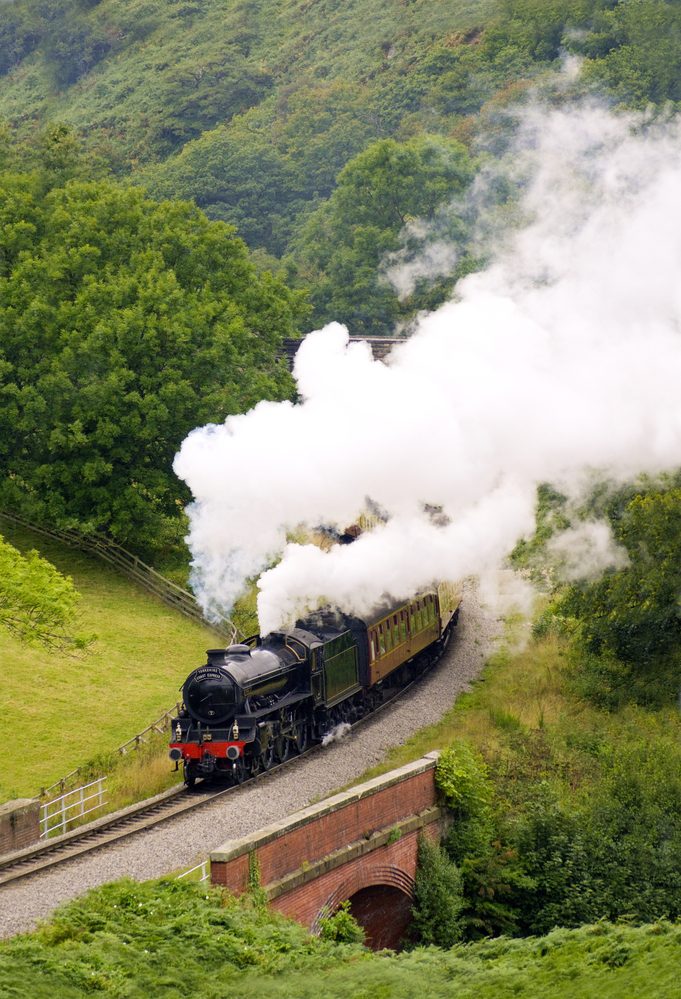
For a different pace entirely, this heritage railway provides accessible carriages for a scenic journey through the Cotswold countryside, a relaxing option on a day when walking distances need to stay short.
Accessible Walks and Nature for Wheelchairs and Mobility Scooters
Not every accessible day in the Cotswolds needs to centre on a paid attraction. The region has several genuinely flat, well-surfaced routes worth knowing about. The Honeybourne Line in Cheltenham is a favourite among local wheelchair users and connects well with Pittville Park and the town centre.
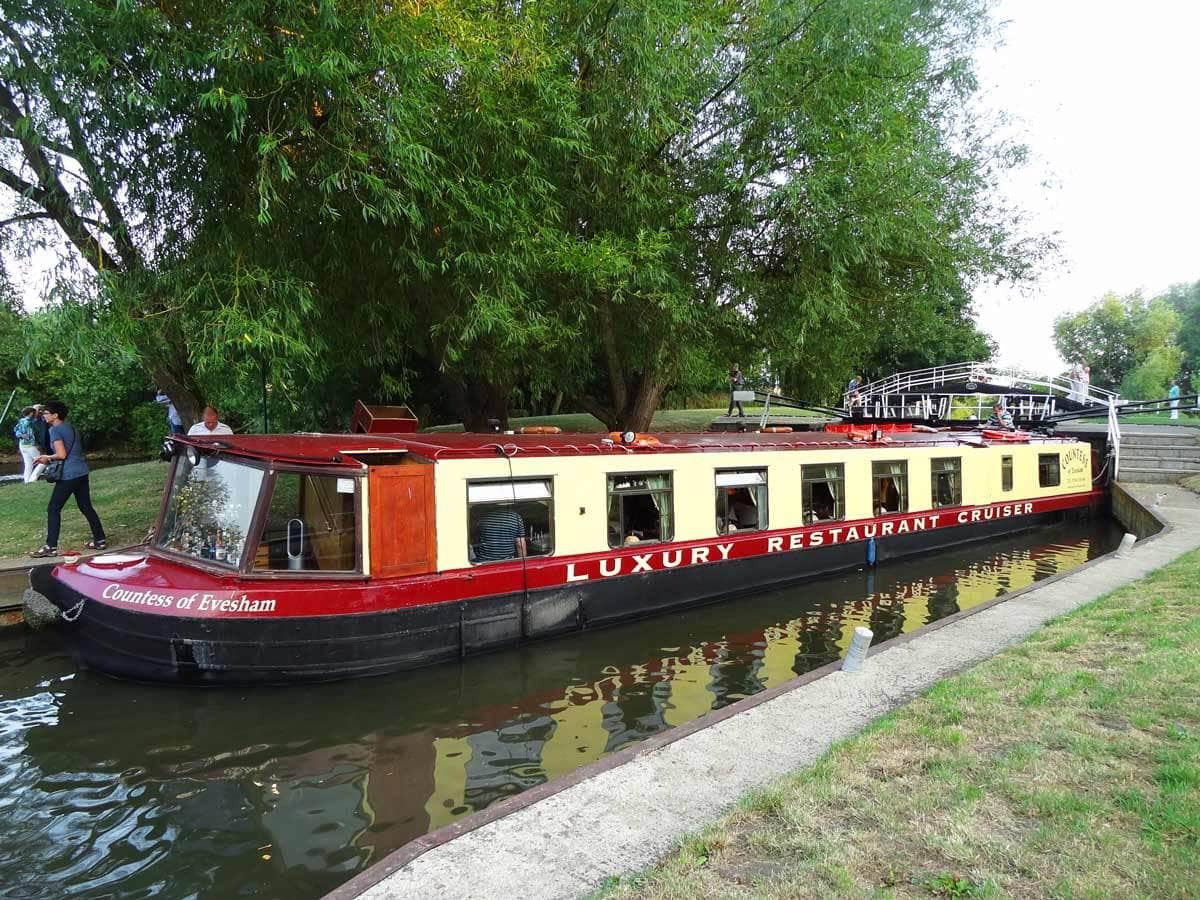
The Cotswold Canals around Stroud offer level towpath walking with good surfaces. Cotswold Water Park, near South Cerney and Cirencester, has flat lakeside paths that suit wheelchairs and scooters alike. For something more rural, several regenerative farms in the region host guided walks along level farm tracks and offer all-terrain mobility scooters to borrow, with staff happy to adapt visits with advance notice — genuinely rare and worth seeking out if farm life and orchards appeal to you.
Where to Stay: Accessible Cottages and Hotels
Self-catering accessible cottages are widely available across the Cotswolds, with features such as downstairs bedrooms and bathrooms, wide doorways and corridors, single-storey or lift-accessible layouts, and generous parking. Booking platforms specialising in the region list verified accessible properties with details on step-free entrances and adapted bathrooms, so you can compare specifics rather than relying on a generic ‘accessible’ label. If you prefer a hotel base, larger towns on the edge of the Cotswolds, including Cheltenham and Bath, offer a wider choice of properties with lift access and adapted rooms than the smaller villages themselves, which often occupy listed buildings with real physical constraints.
Whichever you choose, always confirm specifics directly with the property: door widths, roll-in shower versus bath, distance from parking to the entrance, and whether ground-floor rooms are guaranteed rather than merely available.
Beyond Wheelchairs: Canes, Rollators and Limited Stamina
Accessibility in the Cotswolds is not only a wheelchair conversation. Many visitors manage with a cane, a rollator or a mobility scooter, or simply have limited stamina and need to pace a day carefully. The flatter villages recommended above (Bourton-on-the-Water, Stow-on-the-Wold, Chipping Campden’s High Street, Broadway’s main street) are the easiest choices for anyone who can walk short distances but tires quickly or finds uneven ground difficult.

Build in seated breaks: Cotswold tea rooms are plentiful and rarely rush you, and a cream tea is as good an excuse as any to rest for half an hour. Ask ahead about bench seating along walking routes, and remember that gravel and worn stone paths, common around historic buildings and gardens, are noticeably slower going than tarmac, even without a wheelchair. Give yourself at least 20 to 30 percent more time than a standard itinerary suggests.
Accessible Pubs, Tea Rooms and Dining
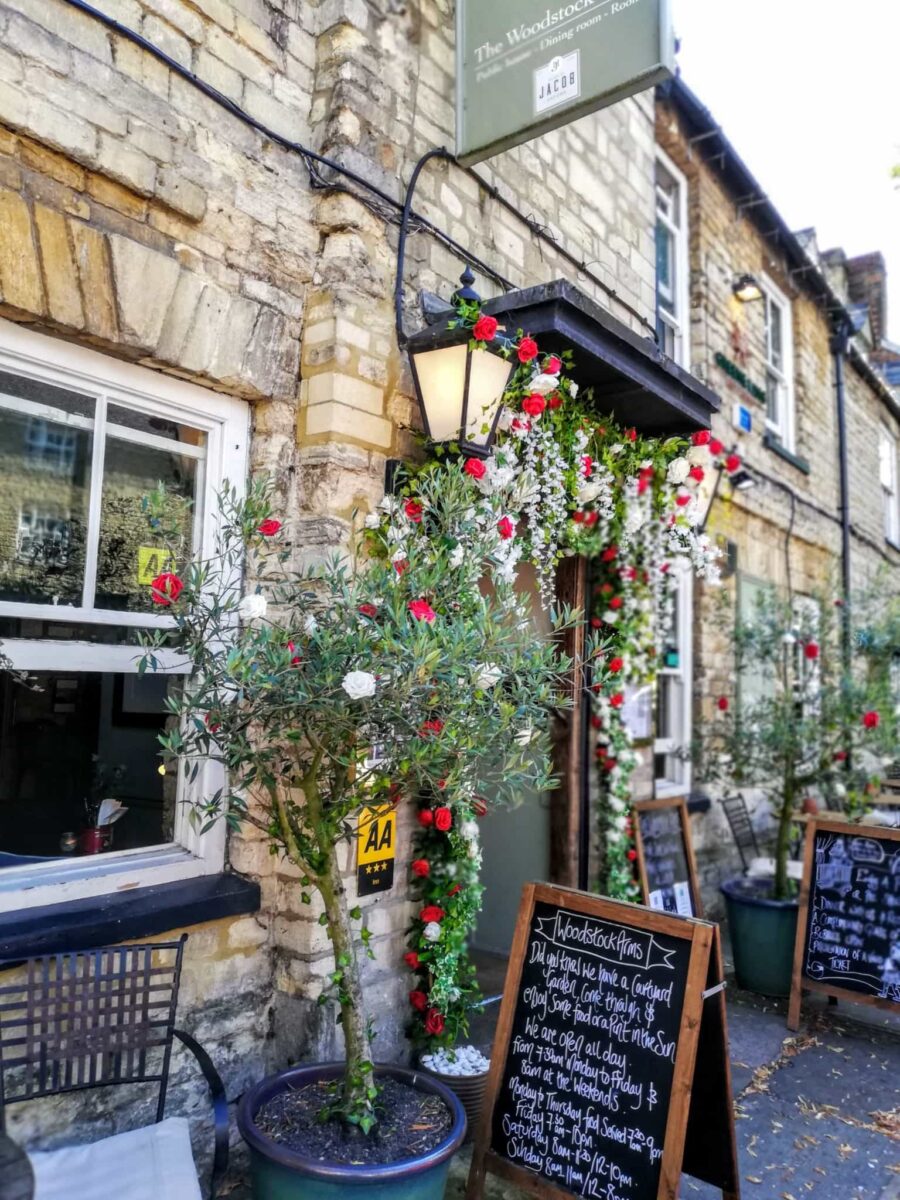
Cotswold pubs are famously cosy, which sometimes means low beams, sunken floors and a step or two at the threshold, so it is worth checking ahead when a specific pub matters to your day. That said, many of the region’s best-known dining rooms have made real efforts. Wheelchair-friendly pubs tend to cluster in the flatter villages: Bourton-on-the-Water and Stow-on-the-Wold both have several with level or ramped entrances and accessible toilets, and staff in this part of the world are generally used to helping guests in wheelchairs to a table with the least fuss possible. If a specific pub or tea room is central to your plans, a quick phone call the morning of your visit, asking about step-free entry and accessible toilets, will save you a disappointing detour.

Farm shops and cafés attached to the region’s larger attractions, including Cotswold Farm Park, Batsford Arboretum’s garden centre café and Sudeley Castle, are almost always built to modern accessibility standards, with wide aisles, lowered counters and step-free access, making them a reliable fallback if you would rather not gamble on a historic pub’s doorway.
Best Time of Year for Accessible Cotswold Travel
Spring and early autumn are the kindest seasons for accessible Cotswold travel. Summer brings the crowds that make narrow pavements in Bourton-on-the-Water and Bibury genuinely difficult to navigate in a wheelchair, particularly around midday. Visiting in September, once the school holidays end, or in late April and May, gives you the same golden stone and rolling green without the bottlenecks. Winter can be beautiful and much quieter, but wet weather makes the gravel and worn stone paths around gardens and historic sites slower and, in a manual wheelchair, harder work, so pad your schedule accordingly if you travel between November and February.
Sample 2-Day Accessible Cotswolds Itinerary
Day One: Base yourself in or near Bourton-on-the-Water. Spend the morning at the Cotswold Motoring Museum and Birdland Park, both flat and fully accessible, then take a leisurely wheelchair-friendly stroll along the River Windrush through the village centre. In the afternoon, drive the short distance to Stow-on-the-Wold for its flat high street, antique shops and a relaxed dinner.
Day Two: Head to Blenheim Palace for the morning, using the lift to the State Rooms and the accessible garden routes, with the miniature train as an easy way to cover distance. In the afternoon, drive to Chipping Campden, park near the George Barn area, and take the level route down Blind Lane to explore the High Street and its historic architecture at an easy pace.
Frequently Asked Questions About Accessible Cotswolds Travel
Is the Cotswolds wheelchair accessible?
Partially, and it depends heavily on where you go. Larger villages such as Bourton-on-the-Water, Stow-on-the-Wold and Broadway have flat main streets suited to wheelchairs, while hillier villages like Castle Combe require significant planning. Major attractions including Blenheim Palace, Cotswold Wildlife Park and Westonbirt Arboretum have invested in accessible routes, lifts and free mobility scooter loans.
Which Cotswold village is best for wheelchair users?
Bourton-on-the-Water is generally considered the most wheelchair-friendly, thanks to its flat streets and accessible attractions like the Cotswold Motoring Museum and Birdland Park. Stow-on-the-Wold, Broadway and Chipping Campden’s High Street are also strong choices.
Can I hire a mobility scooter in the Cotswolds?
Yes. The Cotswolds Shopmobility service offers daily and long-term hire of wheelchairs and mobility scooters, and several attractions, including Cotswold Wildlife Park, Westonbirt Arboretum and Birdland Park, offer free scooter or wheelchair loans if you book in advance.
Are Cotswold train stations accessible?
Cheltenham Spa, Moreton-in-Marsh and Stroud all offer step-free access, with Cheltenham Spa and Moreton-in-Marsh providing lift access to platforms. Book assistance through the Passenger Assist scheme at least 24 hours ahead of travel.
Is Blue Badge parking free in the Cotswolds?
Yes, Blue Badge parking is free in any Cotswold District Council car park, though popular villages can fill their accessible bays early during peak season.
What is the best time of year to visit the Cotswolds if I have limited mobility?
Late spring (April-May) and early autumn (September) offer the best balance of good weather, dry paths and smaller crowds. Peak summer makes narrow village pavements harder to navigate, while winter rain slows going on gravel and historic stone paths.
Do I need to book mobility scooters in advance at Cotswold attractions?
Yes. Free mobility scooter loans at Cotswold Wildlife Park, Westonbirt Arboretum and similar attractions are limited and should be booked ahead of your visit to guarantee availability on the day.
The Cotswolds rewards travellers who plan with intention rather than expecting every stone-walled lane to be effortless. Choose your villages deliberately, lean on the free mobility scooter loans and accessible transport options that genuinely exist, and pace your days generously. Do that, and the accessible Cotswolds experience is every bit as golden as the postcards promise.
Accessible UK Broader guide to accessible rail travel, National Trust accessibility schemes, and city-by-city notes.
Accessible London Compared to many older European capitals, London is genuinely one of the more accessible large cities you can visit.
Accessible Bath Discover how to explore an accessible Bath including the Roman Baths, and other attractions.
Accessible Cotswolds many of the lovely Cotswolds villages and towns are accessible.
Accessible Edinburgh Accessible Edinburgh travel is entirely possible, but it rewards realistic planning far more than an aggressive checklist.
Accessible Historic sites in England Discover accessible historical sites in England including castles, Roman ruins, cathedrals, museums, and heritage attractions with realistic tips for limited mobility and hidden disabilities.
Accessible York Explore the great city of York with tops for what sites are accessible and how to visit.