
Accessible York: The Complete Mobility Guide
York is accessible in most places but not all. York Minster, the National Railway Museum and Jorvik Viking Centre (pre-booking required) are wheelchair friendly, but the City Walls wall-walk and the cobbled Shambles are genuinely difficult for those with mobility issues and wheelchairs. The Museum Gardens offer a step-free alternative to the Walls.
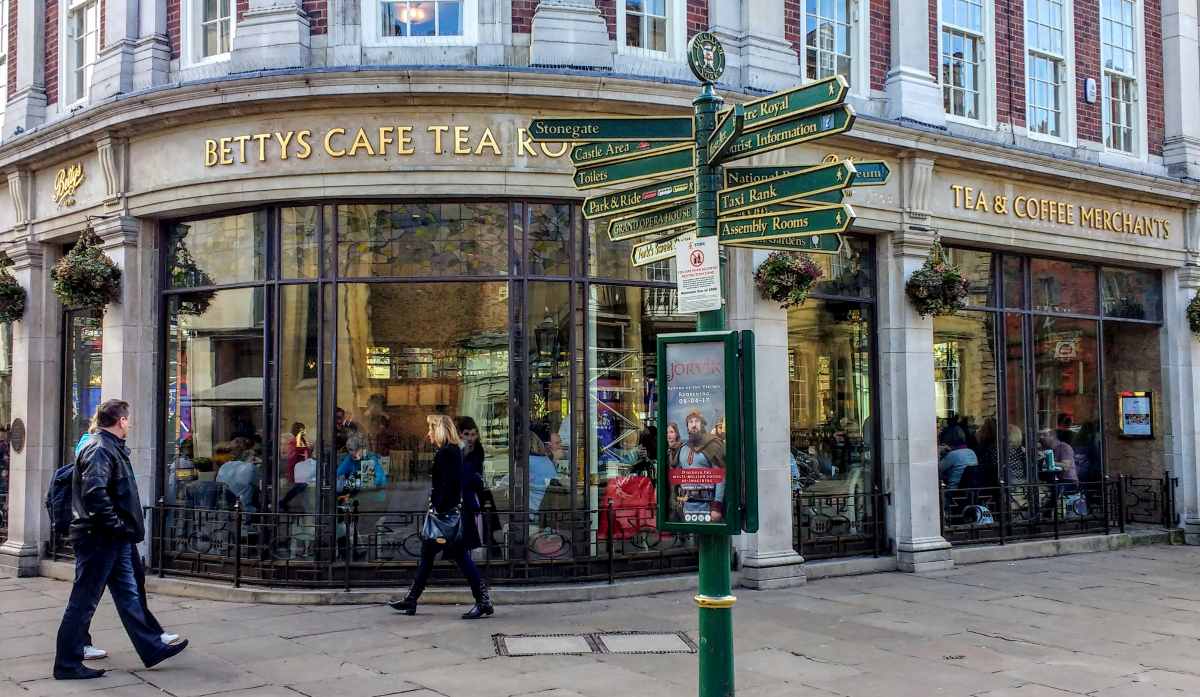
York is a city built for walking, which is exactly the problem if walking is not easy for you. Cobbled medieval lanes, the famously narrow Shambles, and city walls that have stood since Roman times were never designed with wheelchairs or rollators in mind. And yet York has quietly become one of England’s better-prepared historic cities for accessible travel, with a wheelchair-friendly cathedral, a fully accessible national museum, a step-free train station rated highly by disabled visitors, and a genuinely useful piece of local knowledge: the parts of York that were not built for wheels almost always have a flatter, more modern alternative running alongside them.
After thirty years writing about travel and food as a mobility-challenged traveller, I have found York to be a city that rewards a little local knowledge more than almost anywhere else in England. This guide sets out exactly what to expect at York’s major sights, which streets to avoid or route around, how to get into and around the city on wheels, and where the genuinely flat, rewarding accessible experiences are hiding.
- Accessible York: The Complete Mobility Guide
- Is York Wheelchair Accessible? The Honest Answer
- York Minster
- Jorvik Viking Centre
- National Railway Museum
- The Shambles and Museum Gardens
- York City Walls: What to Know
- York Castle Museum and Other Attractions
- Getting To and Around York
- Beyond Wheelchairs: Canes, Rollators and Limited Stamina
- Where to Stay in York
- Accessible Dining in York
- Sample 1-Day Accessible York Itinerary
- Frequently Asked Questions About Accessible York Travel
- Final Thoughts
Is York Wheelchair Accessible? The Honest Answer
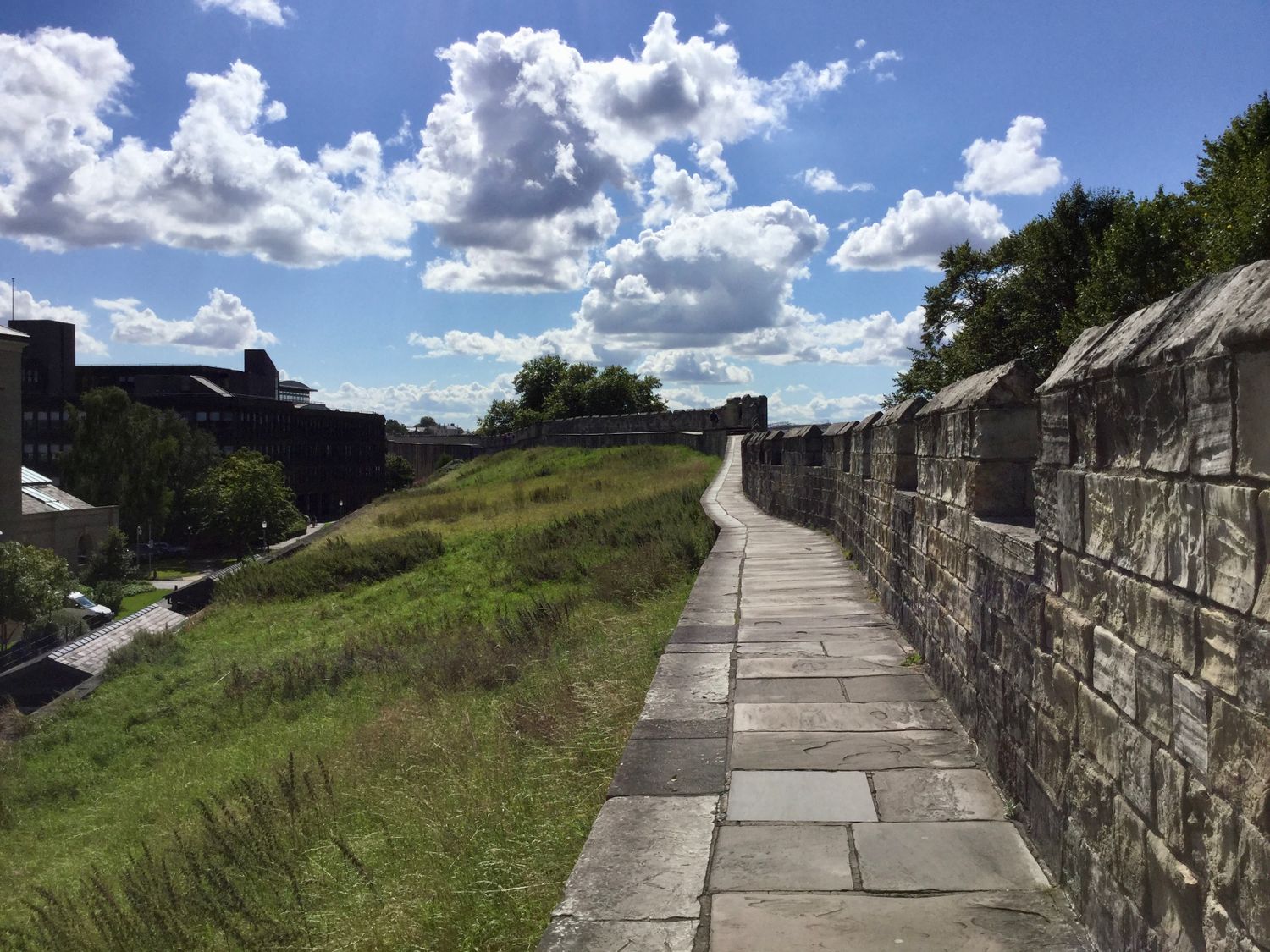
York’s biggest access obstacle is also its most famous feature: the City Walls. The elevated wall-walk itself is not wheelchair accessible and never will be, since it depends on narrow medieval stairs and unguarded stone sections with steps ranging from 16 to 19cm high. This is a genuine, permanent limitation, not a case of poor planning, and York’s own tourism guidance is admirably upfront about it, directing wheelchair users instead to the Museum Gardens, where you can see some of the city’s best-preserved Roman walls at ground level without a single step.

The Shambles, York’s other headline attraction, is similarly compromised: a narrow, genuinely cobbled medieval street that is difficult for wheelchairs and can be a struggle for anyone with limited mobility, particularly when crowded. But beyond these two well-known exceptions, York performs impressively well. York Minster is largely accessible with ramps and lifts. The National Railway Museum is fully wheelchair friendly with step-free access throughout. Jorvik Viking Centre has invested specifically in wheelchair access to its immersive ride. And York railway station is rated among the best in the country by disabled visitors for its facilities.
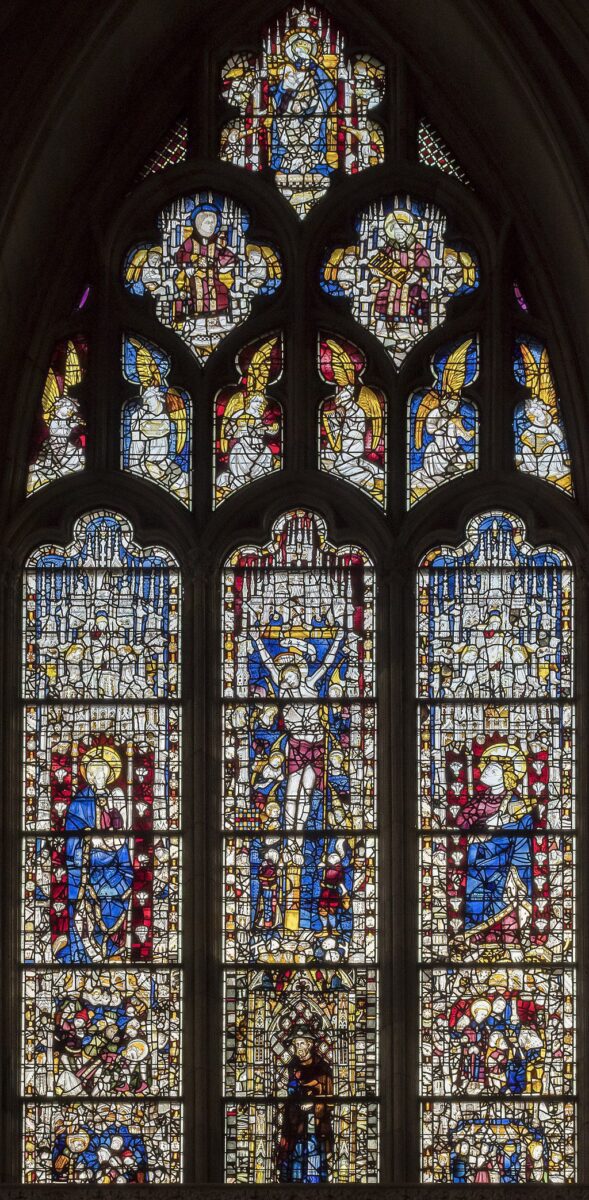
York Minster
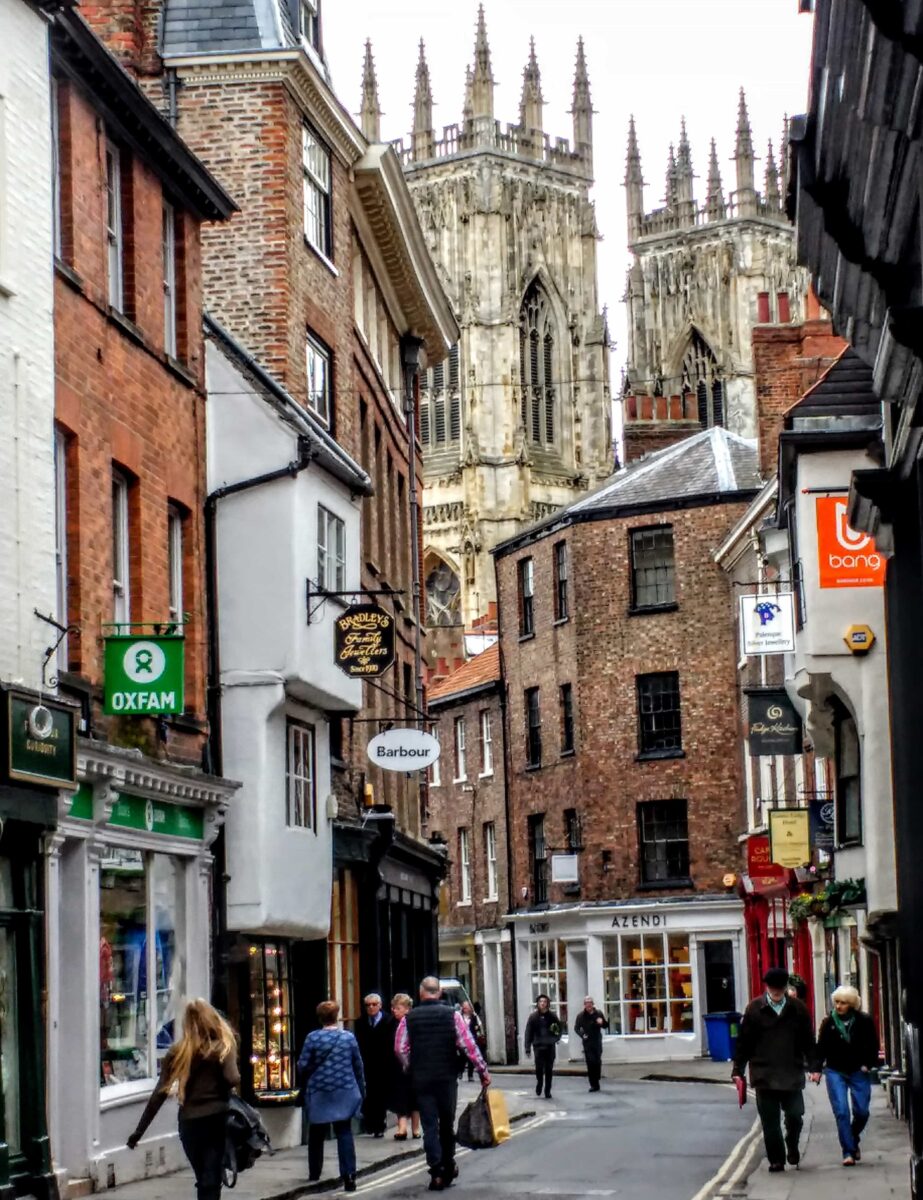
York Minster, one of the largest Gothic cathedrals in Northern Europe, is committed to accessibility and largely succeeds. The West End, Nave, North Transept, South Transept and East End are all on one level with paved stone floors, connected by a ramp to the main entrance. The raised Quire is reached by a mix of steps and ramps from the Nave, though only the first section of the Quire itself is step-free; beyond that, shallow steps lead up toward the high altar. The South Transept has level or ramped access throughout.
Two areas remain genuinely inaccessible to wheelchair users: the Central Tower, reached only by 275 stone steps up a spiral staircase, and the Treasury and Crypt, currently reached via seven steps from the Undercroft (the Minster has stated it is working to improve this with a platform lift). On-street accessible parking bays sit close to the Minster, and a tactile plan of the building can be borrowed in advance for blind and visually impaired visitors. A free carer’s ticket is available on request.

Jorvik Viking Centre
Jorvik Viking Centre sits almost entirely underground and takes visitors through a reconstructed Viking-age street on a moving ride, which creates a genuine physical constraint: fire safety regulations mean only one wheelchair user can be in the building at any time. Because of this, wheelchair and mobility scooter users must pre-book by phone or email rather than online, and mobility scooters cannot be used inside the centre at all due to the confined galleries, though a manual wheelchair is available to transfer into if needed.
Once inside, the experience is genuinely well thought through: a lift takes wheelchair users down to gallery level, all the galleries themselves are flat, and a special mobility-assistance ride carriage lets a wheelchair user stay in their own chair, wheeled onto a moveable platform, rather than transferring seats. Staff are consistently praised in visitor reviews for handling the process smoothly and without fuss. Book well ahead, particularly during UK school holidays, since demand for the single available wheelchair slot is high.


National Railway Museum
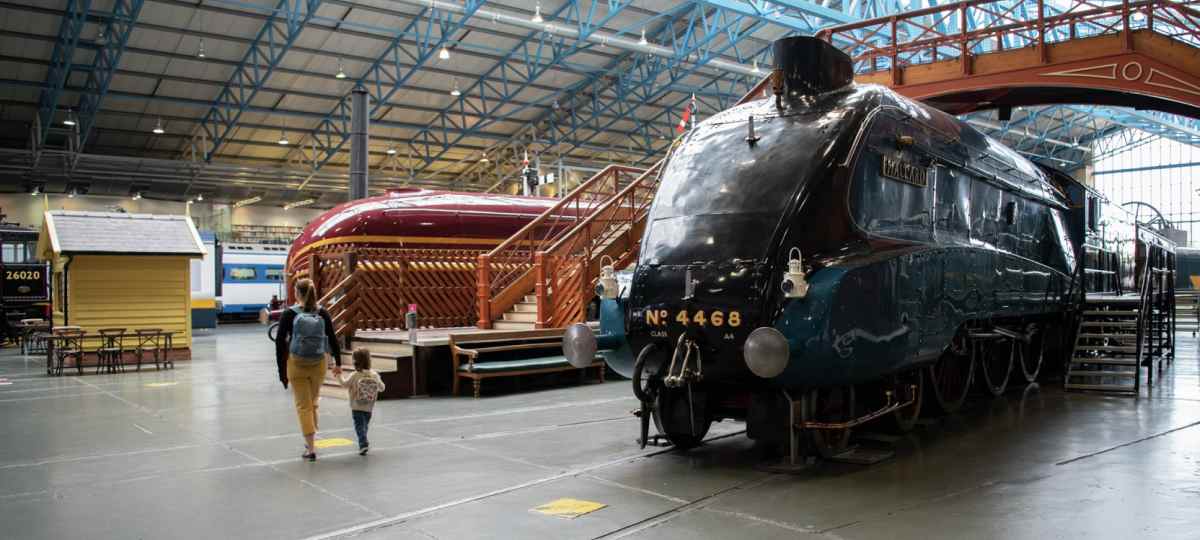
The National Railway Museum, a few minutes’ walk from York station, is one of the most reliably accessible major attractions in the city. All areas have step-free access via lifts or ramps, free wheelchairs are available at the entrance (both self-propelled ‘big wheel’ chairs and small-wheeled push chairs), entry is free, and the vast halls housing locomotives and royal carriages are spacious with wide aisles throughout.
Accessible toilets are provided at the main entrance, in the Great Hall and in the Wonderlab gallery. Accessible parking is free and located right outside the main entrance, a genuine convenience in a city where parking is otherwise a challenge. Note that the direct footbridge route from the station to the museum is not suitable for wheelchairs or pushchairs; use the signposted street-level route via Leeman Road instead, or the museum’s seasonal Road Train service from the city centre.
The Shambles and Museum Gardens
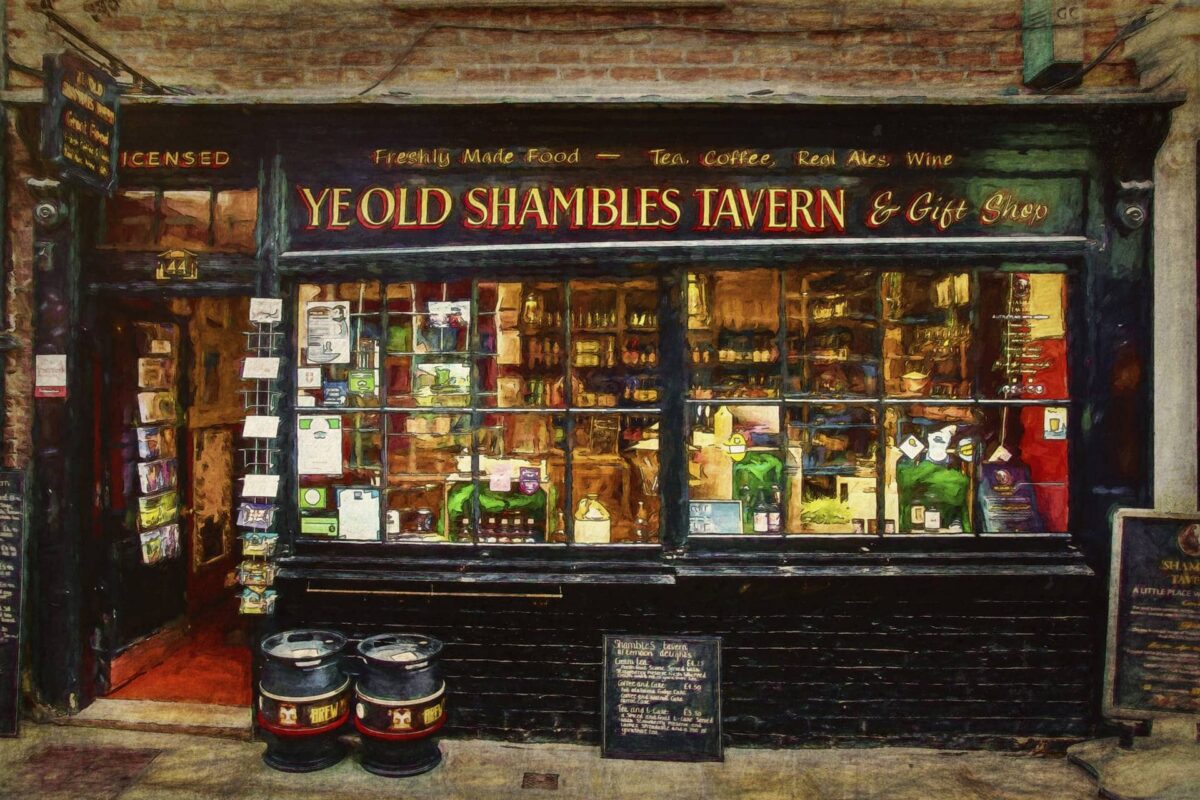
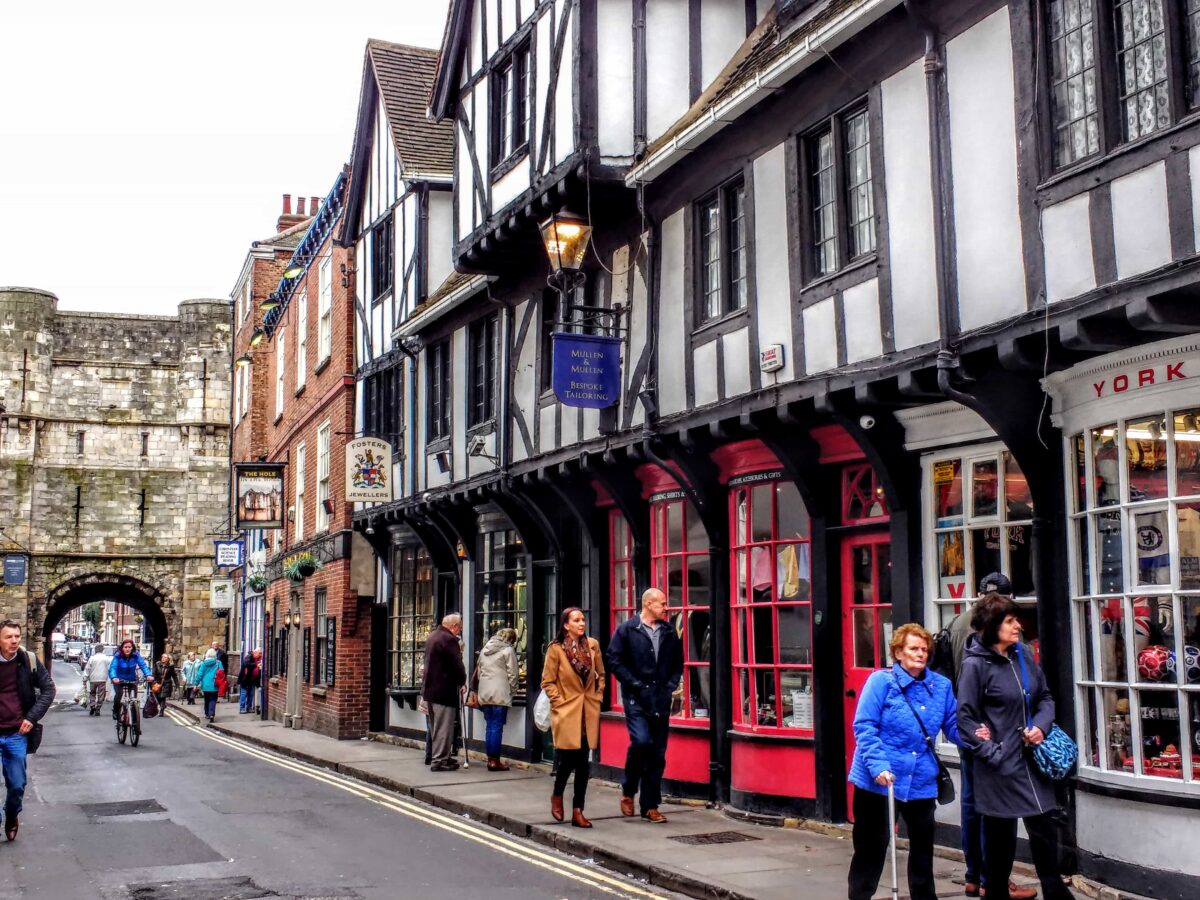
The Shambles is the street every visitor wants to see, and it remains a genuinely difficult one for wheelchairs: narrow, cobbled, and busy, with most shop entrances at ground level but some older premises holding internal steps. If you use a wheelchair, avoid entering directly from Shambles Street itself, where dropped kerbs are lacking; instead approach from Parliament Street onto Jubbergate, a route local wheelchair users recommend as noticeably smoother. Even so, expect a bumpy ride and consider it a slow, deliberate stretch of your day rather than a through-route.
York Museum Gardens, by contrast, is a genuine highlight for wheelchair users: fully wheelchair accessible, with accessible toilets nearby, and home to the Multangular Tower and the ruins of St Mary’s Abbey, letting you experience the flavour of York’s Roman and medieval walls without a single step. It is, in a real sense, the accessible alternative to the City Walls walk itself.

York City Walls: What to Know
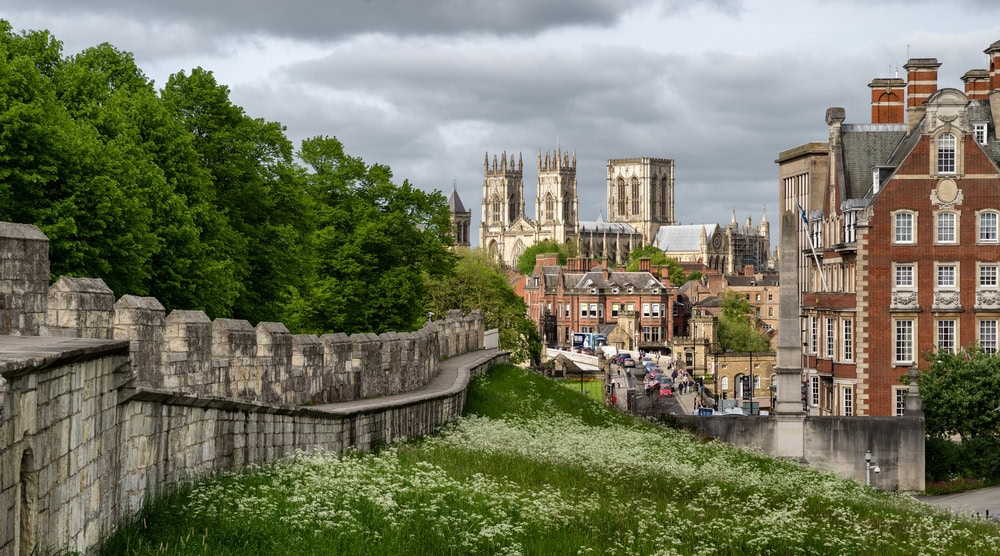
The wall-walk is not suitable for wheelchairs, and York’s own guidance is explicit about this rather than glossing over it. There are roughly seven level changes between Monk Bar and the Corner Tower alone, with steps ranging from 16 to 19cm high and narrow sections that make passing other pedestrians difficult even for walkers. If you can manage some stairs but not a long circuit, the stretch between Bootham Bar and Monk Bar is the most rewarding short section, offering excellent views of the Minster, but plan on stairs at both ends.
For everyone else, a free guide map showing the walls’ ground-level pavements is available from Visit York, letting you follow the route and enjoy the towers and gates from street level. Combined with the Museum Gardens, this gives wheelchair users a genuine sense of the walls’ scale and history without the wall-walk itself.

York Castle Museum and Other Attractions
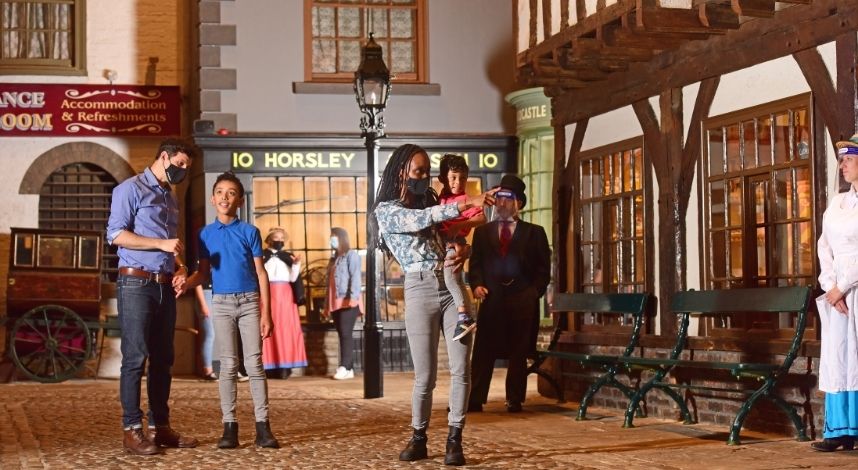
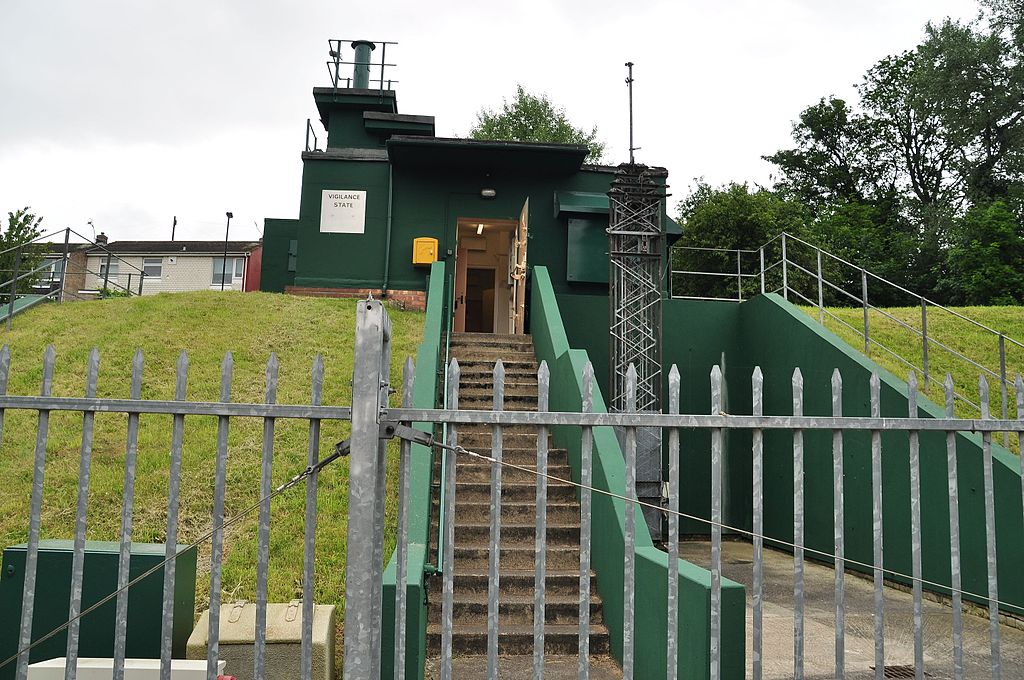
York Castle Museum has wheelchair and mobility scooter access to its ground floor, including the recreated Victorian Street, York Castle Prison, and its temporary exhibition spaces, plus an accessible toilet and free admission for disabled visitors and a carer. One upper floor is not accessible. The Merchant Adventurers’ Hall is fully accessible including a lift and toilet. DIG, Jorvik’s hands-on archaeology attraction for families, is also fully accessible. The York Cold War Bunker is reachable by wheelchair lift.

Getting To and Around York
By Train
York railway station has barrier-free access and is consistently rated highly by disabled visitors, with one long-time reviewer describing it as offering ‘a large variety of features’ for full accessibility. There is a taxi and accessible drop-off bay immediately outside the main entrance. York sits on the East Coast Main Line, with direct trains from London (under two hours), Edinburgh, Leeds, Manchester, Newcastle and Birmingham.
By Bus and Taxi
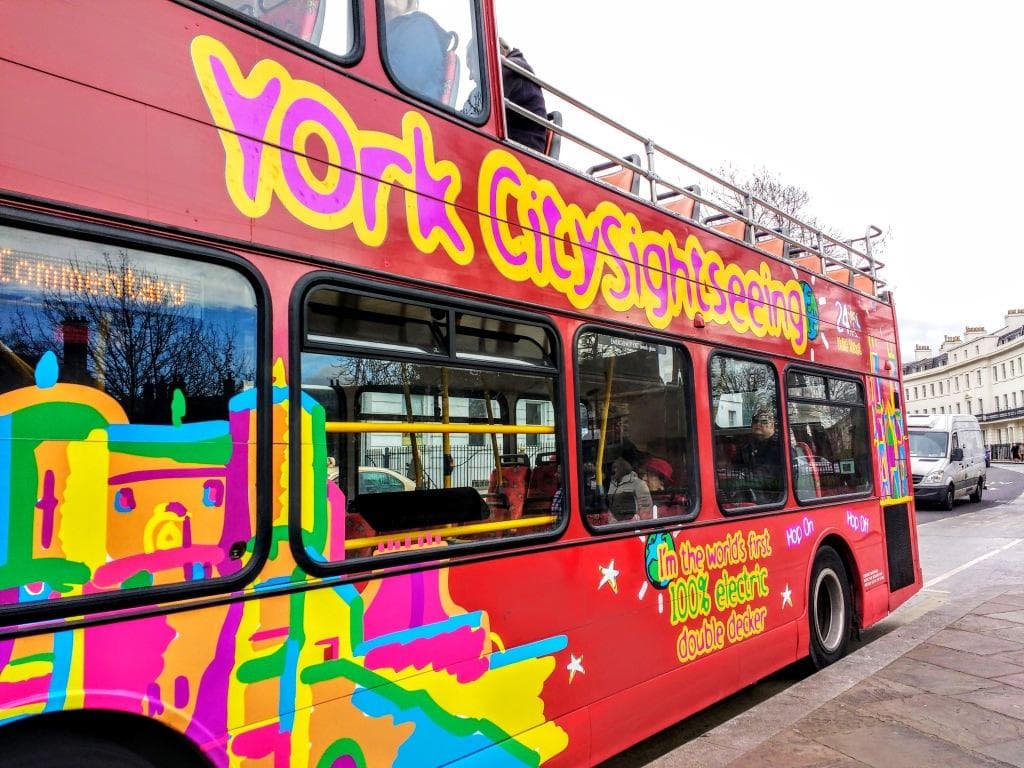
Local buses are adapted with ramps and designated wheelchair spaces, and drivers are noted by regular wheelchair-using passengers for checking a passenger is safely positioned before pulling away. Streamline operates wheelchair-accessible taxis across the city; other local firms offer similar adapted vehicles. Hop on Hop off buses also have accessible buses and it is a great way to get the feeling for a city.
Blue Badge Parking and Park & Ride
York’s Park & Ride buses are all low-floor and wheelchair accessible, and the city actively encourages Blue Badge holders to use them rather than drive into the historic centre, with concessionary fares available on production of a disabled person’s bus pass. Coppergate Centre car park has 18 Blue Badge parking bays roughly a five-minute walk from Jorvik and the Shambles. For visitors who cannot use public transport at all, community transport services offer flexible door-to-door options.
Shopmobility and Mobility Equipment Hire
Shopmobility York, based on Level 2 of the Coppergate Centre car park, hires electric scooters, powered wheelchairs and manual wheelchairs to enable visitors to explore the city’s shops and attractions; you do not need a Blue Badge to use the scheme, and parking there is free for up to five hours. York Wheels, a volunteer-driven service using cars, offers an additional transport option for residents of the City of York Council area who struggle with public transport.

Beyond Wheelchairs: Canes, Rollators and Limited Stamina
York’s cobbled centre is hard on any set of joints, wheeled or not. If you manage with a cane or rollator, or simply find long days tiring, treat the Shambles as a slow, five-minute detour rather than a through-route, and rely on the flatter modern pavements around Parliament Street, Coney Street and St Helen’s Square for the bulk of your walking.
The Museum Gardens and the approach to the National Railway Museum are both genuinely level and make good rest points between busier sights. As with the City Walls, do not feel obligated to attempt the full wall-walk; the short, step-heavy Bootham Bar to Monk Bar stretch is rewarding if you can manage some stairs, but the ground-level guide map is a perfectly satisfying alternative if you cannot.
Pace your day around York Minster and the National Railway Museum, both genuinely flat and spacious, and treat Jorvik and the Shambles as separate, shorter outings that need a little more energy and advance booking.
Where to Stay in York
York’s hotel accessibility has a good reputation among disabled travellers, with several properties singled out by name in independent access reviews. The Grand Hotel and Spa, near the city walls and Minster, is repeatedly praised for having more than one genuinely well-equipped wheelchair-accessible room. The Hilton York also receives strong reviews for thoughtfully designed accessible rooms. Strawberry Fields Cottages, just outside the city, in Whitby offers self-catering accessible accommodation with accessible parking and loos, and owners noted for accommodating additional access requirements where possible. As always, confirm specific room features, such as roll-in showers and door widths, directly with the property before booking.
Basing yourself within the City Centre or near the station keeps York Minster, the National Railway Museum and Jorvik all within a manageable, mostly flat distance of each other, avoiding the need to tackle steeper or more cobbled outlying streets more than necessary.
Accessible Dining in York
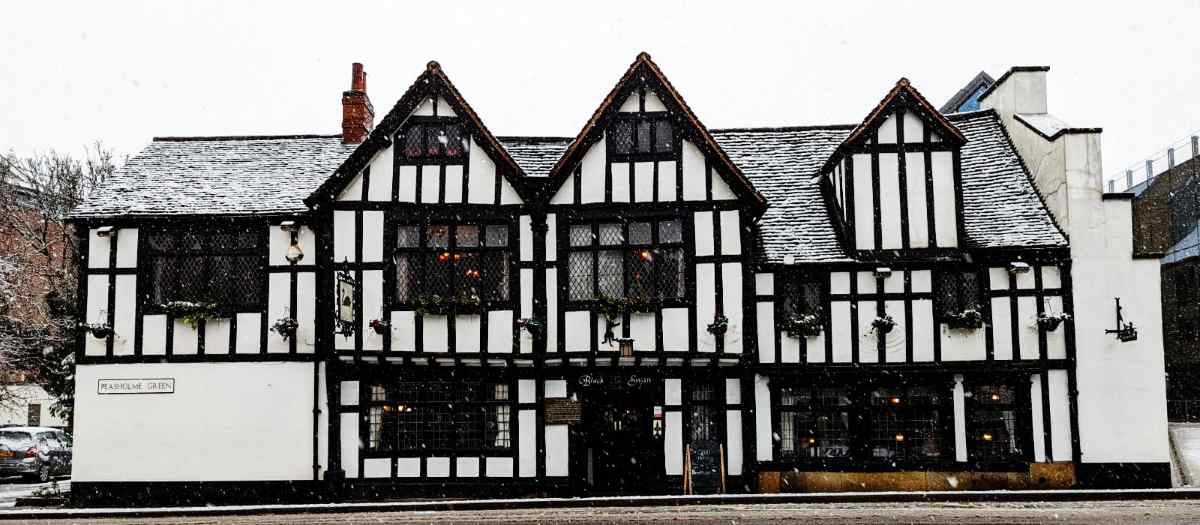
The Black Swan, a 15th-century pub with heavy dark timbers and a genuinely atmospheric interior, has a smooth flagstone floor that makes it unusually good for wheelchair users among York’s historic pubs, with accessible tables available on request. Spark York, a food and drinks venue built from shipping containers near Piccadilly, has a ramp to its main space and a platform lift to the first floor, plus accessible toilets, making it a solid modern option if historic doorways feel like too much of a gamble on a given day. As in Bath and the Cotswolds, calling ahead for any specific historic restaurant or pub is worthwhile, since accessibility varies significantly building to building even on the same street.
Sample 1-Day Accessible York Itinerary
Morning: Start at York Minster, using the ramped main entrance and the accessible Nave, North and South Transepts, allowing time for the Undercroft exhibition where accessible. Walk the short, flat route through Dean’s Park to York Museum Gardens to see the Roman walls and abbey ruins at ground level.
Midday: Head to the National Railway Museum, either via the signposted street-level walk from the station or the seasonal Road Train, and spend a couple of hours among the fully accessible galleries, using one of the free wheelchairs if needed.
Afternoon: Return to the centre for a pre-booked Jorvik Viking Centre visit, then finish with an easy stop at the Shambles via the Parliament Street to Jubbergate approach, followed by dinner at a step-free venue such as Spark York or a phone-checked historic pub.

Frequently Asked Questions About Accessible York Travel
Is York wheelchair accessible?
Largely, yes, with two notable exceptions: the City Walls wall-walk and the cobbled Shambles are both genuinely difficult for wheelchairs. York Minster, the National Railway Museum, Jorvik Viking Centre and York railway station are all well set up for wheelchair access.
Can wheelchair users walk on York’s City Walls?
No, the elevated wall-walk itself is not wheelchair accessible due to narrow medieval stairs and unguarded stone sections. Wheelchair users can instead see the city’s best-preserved Roman walls at ground level in the Museum Gardens, or follow a free ground-level guide map of the walls’ route.
Is Jorvik Viking Centre accessible to wheelchair users?
Yes, but only one wheelchair user is permitted in the underground centre at a time due to fire safety regulations, so wheelchair and mobility scooter users must pre-book by phone or email rather than online. A special ride carriage allows wheelchair users to stay in their own chair.
Is the Shambles in York wheelchair accessible?
It is difficult. The Shambles is a narrow, cobbled medieval street that is hard going for wheelchairs, especially when crowded. Approaching from Parliament Street onto Jubbergate, rather than directly from Shambles Street, is the smoother route recommended by local wheelchair users.
Is York railway station accessible?
Yes. York station has barrier-free access and is highly rated by disabled visitors, with a taxi and accessible drop-off bay immediately outside the main entrance.
Can I hire a mobility scooter in York?
Yes. Shopmobility York, based in the Coppergate Centre car park, hires electric scooters, powered wheelchairs and manual wheelchairs, and does not require a Blue Badge to use.
Final Thoughts
York’s medieval bones mean two of its most photographed features, the City Walls and the Shambles, will likely never be fully wheelchair accessible, and it is genuinely refreshing that the city says so plainly rather than overselling itself. Everywhere else, from the Minster to the National Railway Museum to Jorvik’s pre-bookable wheelchair ride, York has done real, well-documented work. Plan around the two exceptions, lean on the Museum Gardens and the ground-level Walls guide as your alternative, and York becomes one of England’s more genuinely rewarding accessible city breaks.
Learn more about the attractions in Yorkshire my favourite county you will find all my Yorkshire posts here and below are some of my favourite things to do in Yorkshire:
Best things to do in Whitby a Yorkshire favourite
Whitby Abbey a Gothic Masterpiece
Evocative ruined abbeys in Yorkshire
Bronte Country: home of Wuthering Heights
Shibden Hall: the famous Anne Lister’s residence

Accessible UK Broader guide to accessible rail travel, National Trust accessibility schemes, and city-by-city notes.
Accessible London Compared to many older European capitals, London is genuinely one of the more accessible large cities you can visit.
Accessible Bath Discover how to explore an accessible Bath including the Roman Baths, and other attractions.
Accessible Cotswolds many of the lovely Cotswolds villages and towns are accessible.
Accessible Edinburgh Accessible Edinburgh travel is entirely possible, but it rewards realistic planning far more than an aggressive checklist.
Accessible Historic sites in England Discover accessible historical sites in England including castles, Roman ruins, cathedrals, museums, and heritage attractions with realistic tips for limited mobility and hidden disabilities.
Accessible York Explore the great city of York with tops for what sites are accessible and how to visit.