
Accessible Bath: The Complete Mobility Guide
Bath is largely wheelchair accessible. The city centre is flat, the Roman Baths are 90% accessible via four lifts, and No.1 Royal Crescent has a step-free route covering most rooms. The main challenge is the hill up to the Royal Crescent, best avoided via Royal Victoria Park or a taxi.
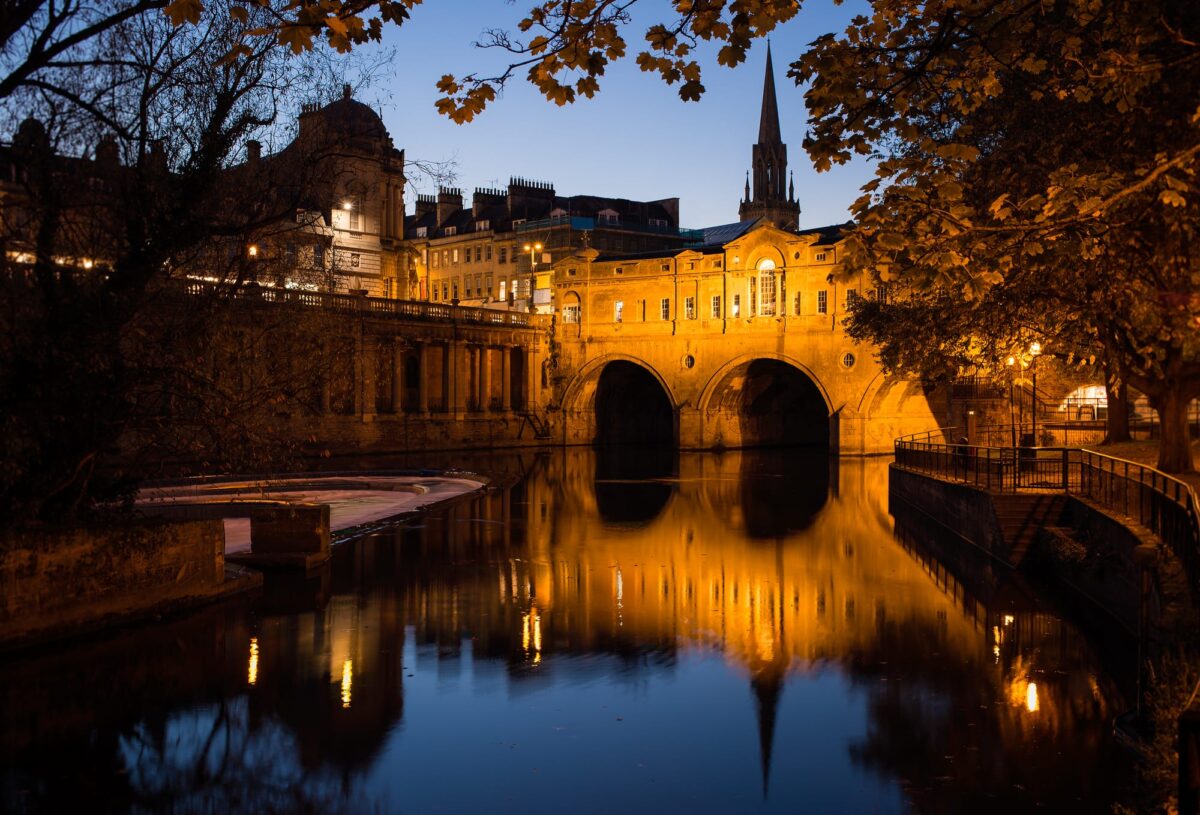
Bath has a reputation for being a hilly, cobbled, thoroughly Georgian city, and on first glance that sounds like bad news if you use a wheelchair, a rollator or simply tire on uneven ground. In practice, Bath is one of the more pleasant surprises in accessible UK travel. The central core, where the Roman Baths, Bath Abbey and the main shopping streets sit, is genuinely flat, and the city’s biggest attractions have invested heavily in lifts, ramps and trained staff. As a mobility-challenged travel writer who has spent thirty years covering food and travel across Europe, including long stretches living in the UK, I have found Bath to be one of the better-prepared historic English cities for accessible travel, provided you know which hills to avoid and which routes to take instead.
This guide walks through exactly how accessible Bath really is: what to expect at the Roman Baths and No.1 Royal Crescent, how to get around a city built on a slope, where the flat alternative routes are, and where to stay so that hills work in your favour rather than against you.
- Accessible Bath: The Complete Mobility Guide
- Is Bath Wheelchair Accessible? The Honest Answer
- The Roman Baths: What Wheelchair Users Can Expect
- No.1 Royal Crescent
- Other Accessible Attractions in Bath
- Getting To and Around Bath
- Navigating Bath's Hills: A Practical Strategy
- Where to Stay in Bath
- Accessible Dining and Shopping in Bath
- Beyond Wheelchairs: Canes, Rollators and Limited Stamina
- Best Time of Year for Accessible Bath Travel
- Sample 1-Day Accessible Bath Itinerary
- Frequently Asked Questions About Accessible Bath Travel
Is Bath Wheelchair Accessible? The Honest Answer
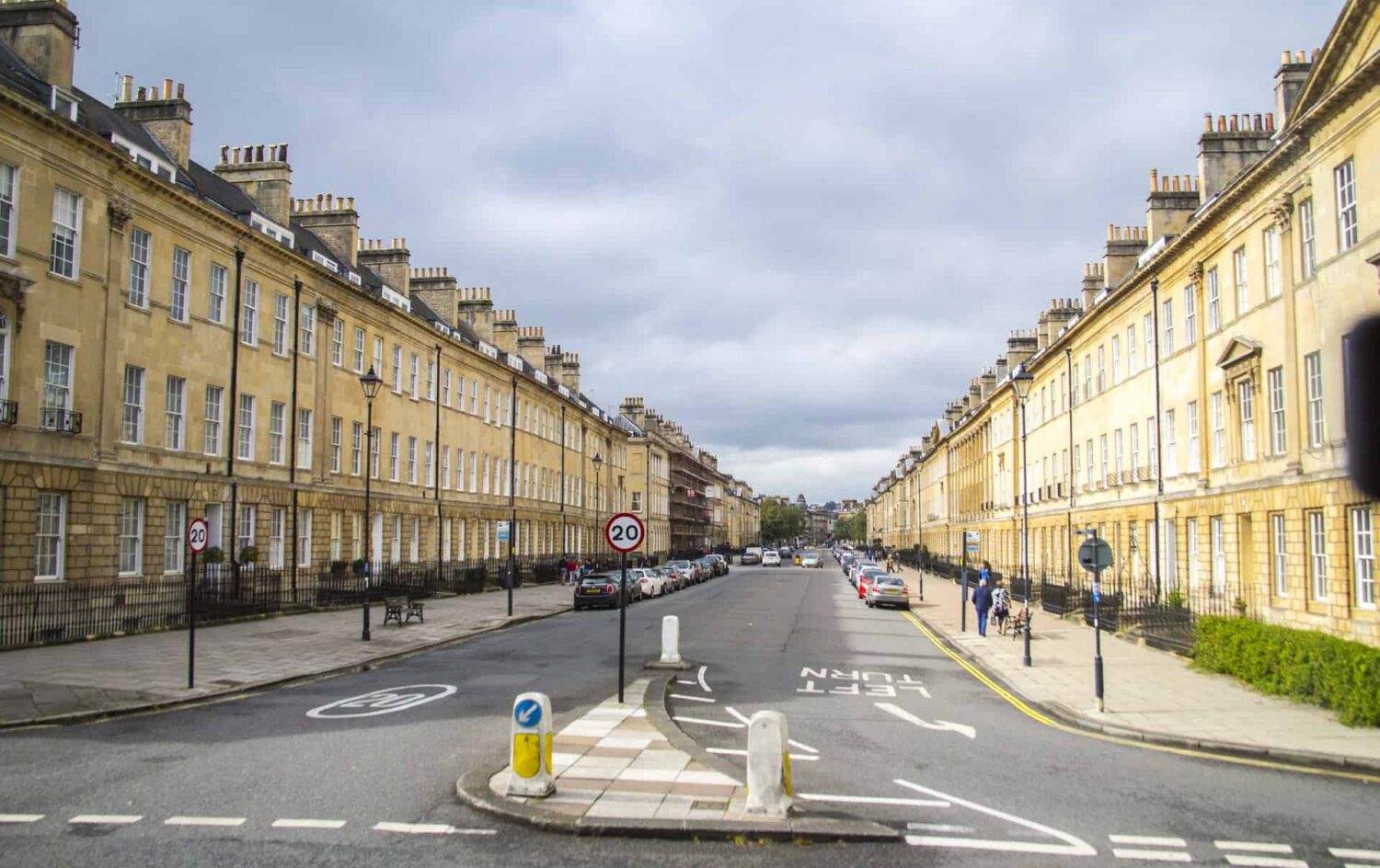
Bath sits in a bowl surrounded by hills, but the central area itself is flat, and long-time residents note that the city has accommodated visitors with mobility needs since it became a spa resort more than 250 years ago. Shops and restaurants in the centre are generally accessible, public transport is largely wheelchair friendly, and locals are used to helping. The steepest challenge for most visitors is the climb up to The Circus and the Royal Crescent, Bath’s most famous Georgian architecture. There is a flatter alternative: entering Royal Victoria Park from Queen Square and approaching the Crescent from that side avoids the worst of the gradient.
The city’s honey-coloured stone buildings and their listed status mean some individual attractions remain only partially accessible, but Bath’s two headline sights, the Roman Baths and No.1 Royal Crescent, have both made serious, well-documented efforts, and this is a city where you can build a genuinely full, rewarding accessible visit.

The Roman Baths: What Wheelchair Users Can Expect
The Roman Baths, a 2,000-year-old Grade I listed site, is around 90 percent accessible to wheelchair users, an impressive figure for a site of its age. Four accessible lifts carry visitors to the mezzanine displays, the lower museum, the Great Bath and the East Baths, though for safety reasons only four wheelchair users can be on the lower levels at any one time. The lift width is 1200mm; visitors with larger motorised scooters can use the site’s own motorised scooter, available on a first-come, first-served basis alongside three manual wheelchairs.
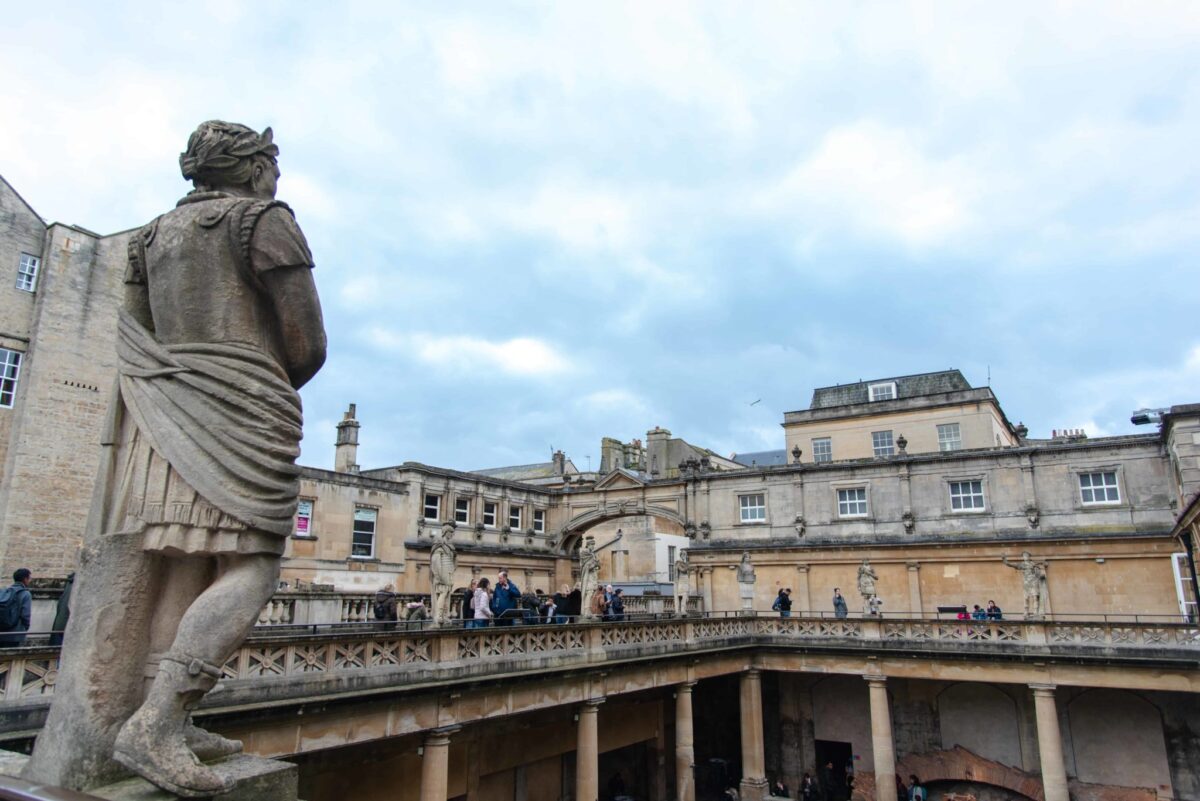
Level access runs from the Abbey Church Yard entrance to most ground floor areas, including the 18th-century Pump Room, the Sun Lounge overlooking the hot spring, and the outside terrace above the Great Bath. The original Roman paving around the Great Bath itself is extremely uneven, so expect a bumpier stretch there regardless of your mobility aid. Accessible toilets are available on site, disabled visitors pay standard admission, and an accompanying carer or personal assistant is admitted free. Visitors with additional access requirements are advised to visit between 10am and 3pm, when all the accessible lifts are guaranteed to be staffed and available.
Beyond physical access, the Roman Baths offer British Sign Language guides, a fully descriptive audio guide, Braille information panels and tactile models, plus visual story guides for autistic visitors. If you would like a guided tour, be aware the tour route passes the Great Bath itself, where the surfaces are uneven, though staff will adapt the route to help wheelchair users participate fully.

No.1 Royal Crescent
No.1 Royal Crescent, the museum house at the end of Bath’s most photographed terrace, offers a step-free route via an accessible lift covering the ground and basement floors of the main house and the ground and first floors of the adjoining domestic wing. This gives access to almost all of the museum’s spaces, but four rooms, the Gentleman’s Bedroom, the Ladies’ Bedroom, the Withdrawing Room and the Kitchen, remain reachable only by stairs. A virtual iPad tour of these four rooms is available to borrow at the ticket desk and can even be bracketed to a wheelchair, so nothing is entirely missed. An adapted toilet sits beside the ground floor lift.

Other Accessible Attractions in Bath
Bath Abbey
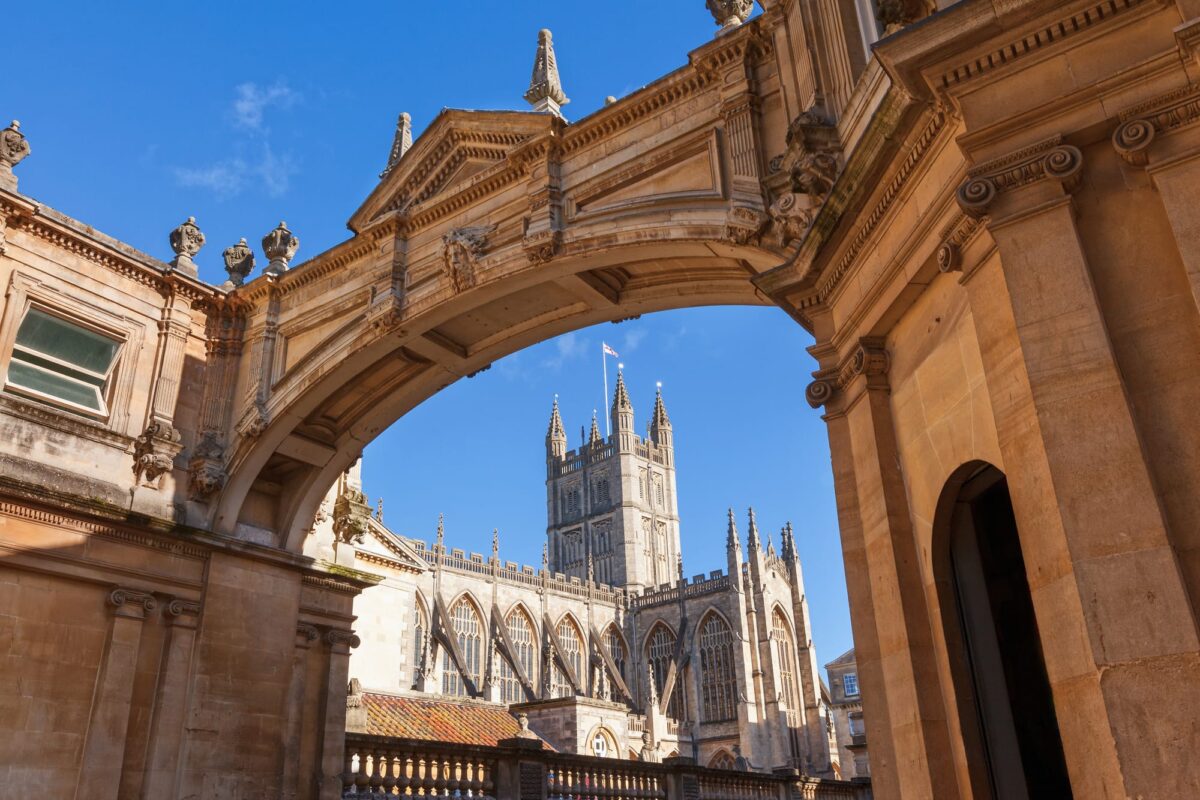
All areas of Bath Abbey are accessible aside from the tower, with accessible toilets, facilities for hearing-impaired visitors, ramps for easy access, and large-print guides for visually impaired visitors. Guide dogs are welcome.

Thermae Bath Spa
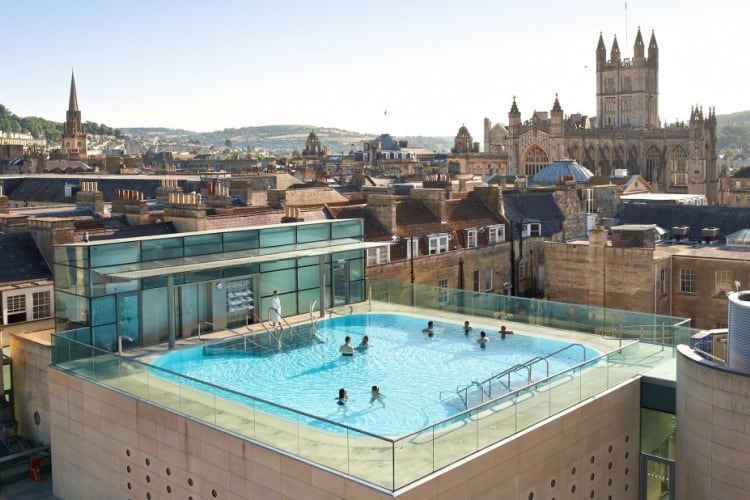
Thermae Bath Spa, the modern complex where you can actually bathe in the mineral-rich waters, is wheelchair accessible throughout via lifts, sloping corridors and ramps, with the exception of the No. 8 Shop. There is an accessible unisex changing room, showers and toilets, making a rooftop-pool soak a realistic option for wheelchair users, not just an able-bodied indulgence.
The Holburne Museum, Fashion Museum and Jane Austen Centre
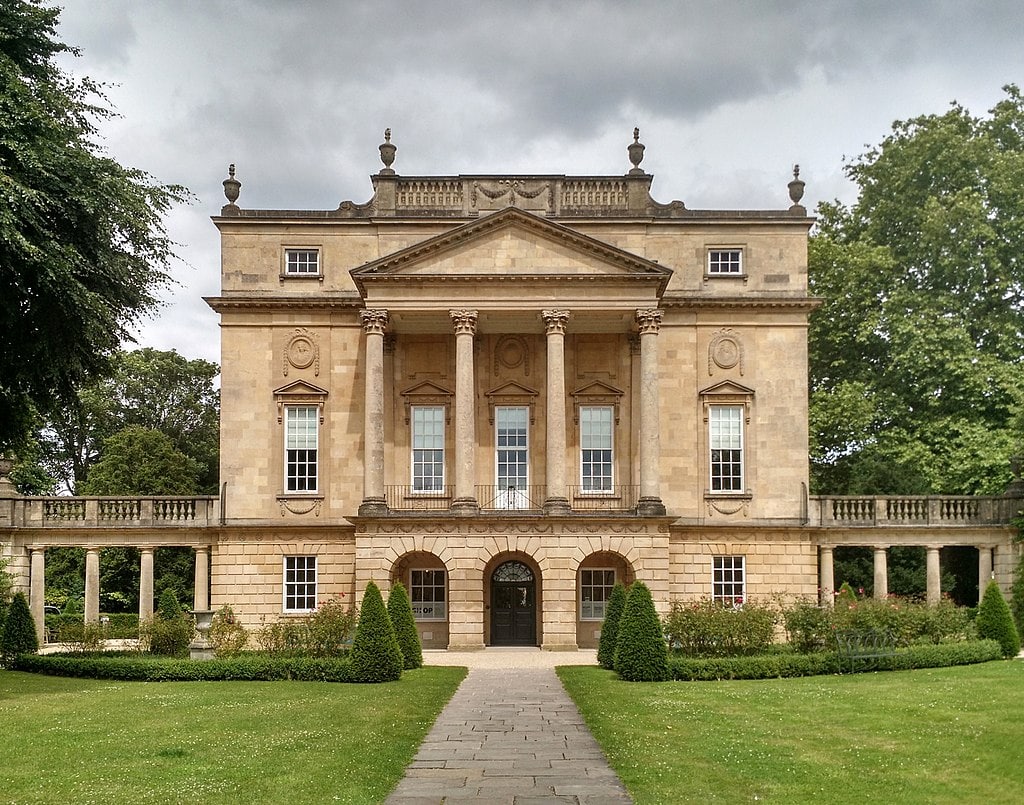
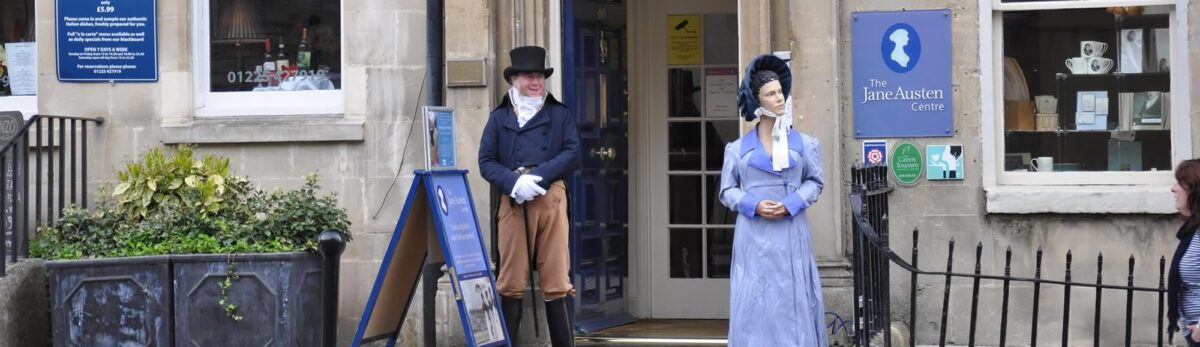
The Holburne Museum, one of Bath’s leading art galleries and a Bridgerton filming location, is generally accessible. The Fashion Museum, housed in the Assembly Rooms, offers audio guides compatible with hearing aid T-switches. Wheelchair access to the Jane Austen Centre is limited to the ground floor, though an audio tour covers the upper floor content for visitors who cannot reach it physically. Access to the various floors of Mary Shelley’s House of Frankenstein is via stairs only and is not wheelchair accessible, so it is worth contacting both museums ahead of a visit to discuss what adjustments, if any, can be made.
Parade Gardens and Royal Victoria Park
Parade Gardens, beside the river at Pulteney Weir, has a long ramped slope down from street level and is easily accessible, with the on-site café also reachable by ramp; there is no lift to the bandstand. Royal Victoria Park, the flatter approach route to the Royal Crescent, is spacious and level, and doubles as a pleasant place to rest.

Getting To and Around Bath
By Train
Bath Spa station is a step-free Category A station, with lift access to both platforms from the main entrance, accessible drop-off points, and a taxi rank immediately outside. Blue Badge holders park free in the station car park. Bath is roughly 80 minutes from London by train, and GWR publishes detailed accessibility information for both the train and the station itself.
By Bus, Taxi and E-scooter
First Bus operates low-floor, wheelchair-accessible buses across the city, and several local taxi firms run specially adapted, wheelchair-accessible vehicles. Bath also has a Dott e-scooter and e-bike hire scheme with pickup points including Bath Spa station, though this requires a driving licence and is aimed at riders without mobility restrictions rather than as an accessibility tool.
Blue Badge Parking
Blue Badge holders can park for free with no time limit on street in Pay and Display bays, resident parking zones and designated disabled bays, and on single or double yellow lines for up to three hours (checking local signage for exceptions). Charlotte Street car park has disabled bays in its outer entrance area free of charge, though the main car park itself carries charges. Blue Badge holders are also permitted entry to several pedestrianised city centre streets via Cheap Street, where general traffic cannot go, useful for a closer drop-off near the Abbey and Roman Baths.
Mobility Equipment Hire
Bath has a Shopmobility scheme offering electric scooters for hire, and specialist companies including LendoCare and Mobility Hire deliver wheelchairs, scooters, power chairs and other mobility equipment directly to your accommodation and collect it again when you no longer need it. The Hubs Mobility Advice Service also provides free, up-to-date local accessible transport guidance for visitors.
Navigating Bath’s Hills: A Practical Strategy
The single biggest access challenge in Bath is not any one building but the gradient between the flat city centre and The Circus and Royal Crescent above it. Rather than tackling the steep hill up from The Circus directly, enter Royal Victoria Park from Queen Square and approach the Crescent from that side, which is a noticeably easier gradient. If that still feels like too much on the day, a taxi or accessible bus can cover the climb in a few minutes, and many visitors treat the Crescent as a discrete outing rather than something to combine on foot with a full day of sightseeing in the flat centre below.
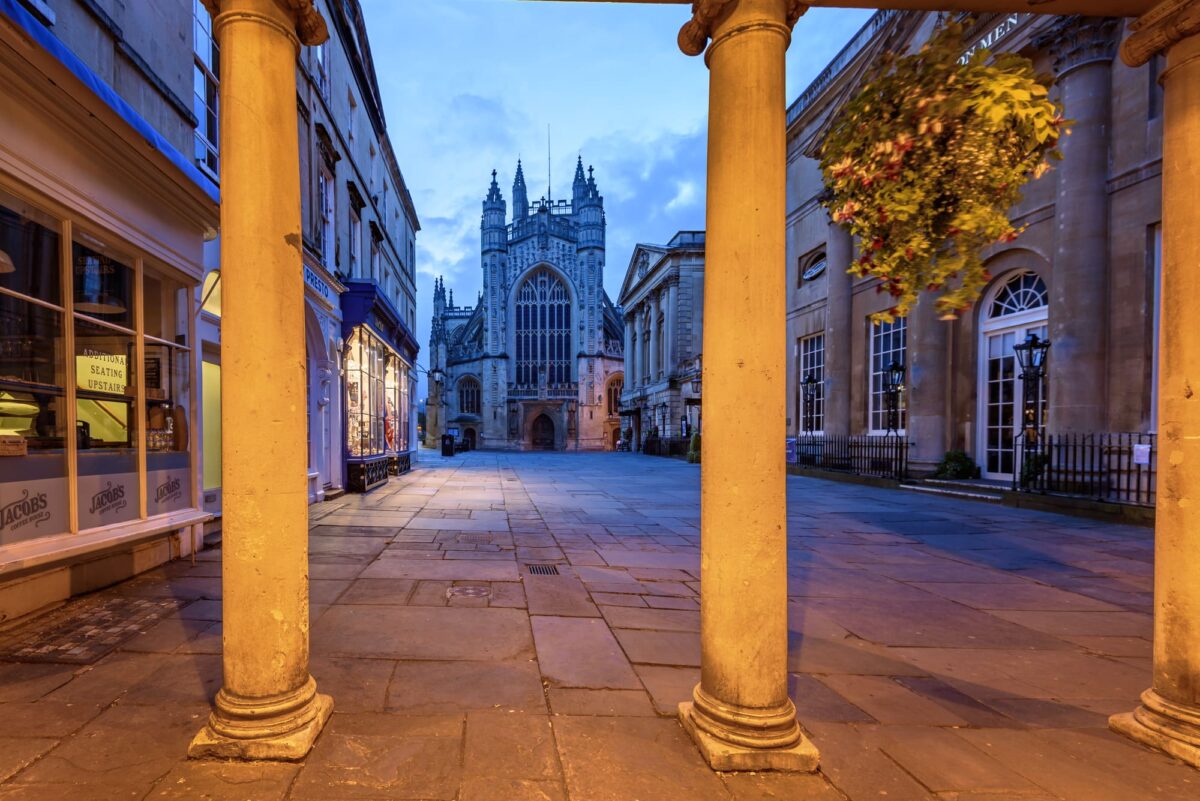
Within the flat core, the walk between the Roman Baths, Bath Abbey, Pulteney Bridge and the main shopping streets on Milsom Street is straightforward and mostly level, making it entirely realistic to build a full day’s itinerary without tackling a single serious hill.

Where to Stay in Bath
Accommodation with genuine wheelchair access and parking is more limited in Bath than the sheer number of hotels suggests, since much of the city’s housing stock sits in listed Georgian buildings without lifts. Larger chain hotels, including the Hilton and Holiday Inn Express, are consistently cited as reliable options for accessible rooms with on-site parking. The Gainsborough Hotel and Spa has more than one disabled-friendly room with thoughtfully designed wheelchair access.
Basing yourself in the City Centre and Abbey area keeps the Roman Baths, the Abbey and Pulteney Bridge within a short, flat walking distance, while a base near The Circus and Royal Crescent means a short uphill walk but puts you among Bath’s most photogenic streets. As with the Cotswolds, always confirm door widths, bathroom type and ground-floor availability directly with the property rather than relying on a general ‘accessible’ listing.

Accessible Dining and Shopping in Bath
Milsom Street and the surrounding shopping streets in central Bath are flat and generally accessible, and the city’s reputation among UK wheelchair travellers for helpful shop and restaurant staff is well earned; multiple independent access reviews describe Bath’s hospitality industry as consistently welcoming toward disabled visitors. As with any historic city, individual restaurant doorways vary, so a quick check ahead is sensible for anywhere with a specific reputation you do not want to miss, but as a general rule the flat central streets make casual wandering and spontaneous stops easy.

Beyond Wheelchairs: Canes, Rollators and Limited Stamina
Bath works well for visitors who are not full-time wheelchair users but manage with a cane, a rollator, or simply find long days on their feet exhausting. The flat central core means you can cover the Roman Baths, the Abbey, Pulteney Bridge and Milsom Street shopping without a single serious incline, which is not something every historic English city can offer. The uneven original paving inside the Roman Baths complex, and the cobbles on some side streets around the Abbey, are the sections most likely to slow a rollator or challenge stability, so keep to the main paved routes where possible and treat the Baths’ recommended 10am to 3pm window as your best chance of full staff support if you need it.

Pace yourself around the Royal Crescent hill specifically. Even walkers who manage flat ground comfortably often find that one gradient tiring, so treat it as a separate outing, perhaps by taxi one way, rather than adding it onto the end of a long day already spent on the Baths and the Abbey.
Best Time of Year for Accessible Bath Travel
Bath draws heavy crowds in summer, and narrow pavements around the Abbey and the Roman Baths entrance can become genuinely congested by midday in July and August, which is a real consideration if you are navigating on wheels or need clear space to manoeuvre. Spring and early autumn bring milder crowds and comfortable walking weather. Winter has the advantage of thin crowds and dramatic light, but rain makes the uneven Roman paving inside the Baths and the cobbled side streets slicker and slower going, so allow more time and wear supportive, grippy footwear if you visit between November and February.
Sample 1-Day Accessible Bath Itinerary
Morning: Start at the Roman Baths as soon as they open, ideally between 10am and 3pm when all lifts are staffed, allowing at least two hours to properly explore the site using the accessible lifts and audio guide.
Midday: Walk the short, flat route to Bath Abbey next door, then continue to Pulteney Bridge and along the flat streets to the Holburne Museum for lunch and some Bridgerton-spotting.
Afternoon: Take a taxi or bus up to The Circus and No.1 Royal Crescent, using the step-free route and iPad tour for the four inaccessible rooms, then finish with a soak at Thermae Bath Spa’s fully accessible rooftop pool before an easy evening back in the flat city centre.
Frequently Asked Questions About Accessible Bath Travel
Is Bath wheelchair accessible?
Yes, largely. The city centre, including the Roman Baths, Bath Abbey and the main shopping streets, is flat and well served by accessible attractions. The main challenge is the hill up to The Circus and Royal Crescent, which can be approached via a gentler route through Royal Victoria Park or reached by accessible taxi.
Are the Roman Baths wheelchair accessible?
The Roman Baths are approximately 90 percent accessible to wheelchair users, with four accessible lifts, a motorised scooter and manual wheelchairs available on site, and level access to most ground floor areas. The original Roman paving around the Great Bath itself is uneven.
Is No.1 Royal Crescent accessible to wheelchair users?
Most of the museum is accessible via a step-free route and lift, covering the ground and basement floors of the main house and two floors of the domestic wing. Four rooms are only reachable by stairs, but a virtual iPad tour covers their content.
How do wheelchair users get up the hill to the Royal Crescent?
The steep route via The Circus can be avoided by entering Royal Victoria Park from Queen Square, which offers a gentler gradient, or by taking an accessible taxi or bus directly to the top.
Is Bath Spa train station accessible?
Yes. Bath Spa is a step-free Category A station with lift access to both platforms, accessible drop-off points and a taxi rank immediately outside.
Can wheelchair users bathe at Thermae Bath Spa?
Yes. Thermae Bath Spa is wheelchair accessible throughout via lifts, sloping corridors and ramps, with an accessible unisex changing room, showers and toilets, so the open-air rooftop pool is a realistic option for wheelchair users.
Where should I stay in Bath if I use a wheelchair?
The City Centre and Abbey area keeps you within flat walking distance of the Roman Baths and Pulteney Bridge. Larger chain hotels such as the Hilton and Holiday Inn Express are consistently recommended for accessible rooms with on-site parking, since much of Bath’s Georgian housing stock lacks lifts.

Bath’s reputation as a hilly, historic city is only half the story. Its compact, flat centre puts the Roman Baths, Bath Abbey and the best shopping within easy reach of each other, and its two biggest attractions have invested seriously in accessible routes, lifts and trained staff. Plan around the one significant hill, book your Roman Baths visit within the fully staffed lift hours, and Bath becomes one of the more genuinely accessible historic cities in England.
If you are visiting York check out my Accessible York Guide
Accessible UK Broader guide to accessible rail travel, National Trust accessibility schemes, and city-by-city notes.
Accessible London Compared to many older European capitals, London is genuinely one of the more accessible large cities you can visit.
Accessible Bath Discover how to explore an accessible Bath including the Roman Baths, and other attractions.
Accessible Cotswolds many of the lovely Cotswolds villages and towns are accessible.
Accessible Edinburgh Accessible Edinburgh travel is entirely possible, but it rewards realistic planning far more than an aggressive checklist.
Accessible Historic sites in England Discover accessible historical sites in England including castles, Roman ruins, cathedrals, museums, and heritage attractions with realistic tips for limited mobility and hidden disabilities.
Accessible York Explore the great city of York with tops for what sites are accessible and how to visit.
If you have mobility issues here is a selection of posts that may be of help to you:
Bookmark these hubs for updates and dive into the detailed guides to build an itinerary that fits your energy, comfort, and interests.