
Little Christmas (Nollaig na mBan): Ireland’s Unique Women’s Christmas Tradition
January 6th always holds a special magic in Ireland – not just as the day we take down our Christmas decorations, but as Nollaig na mBan, a cherished celebration honouring the women who make Irish communities thrive. This unique tradition, known as Women’s Christmas or Little Christmas, marks the end of the holiday season with a blend of religious observance and cultural recognition.
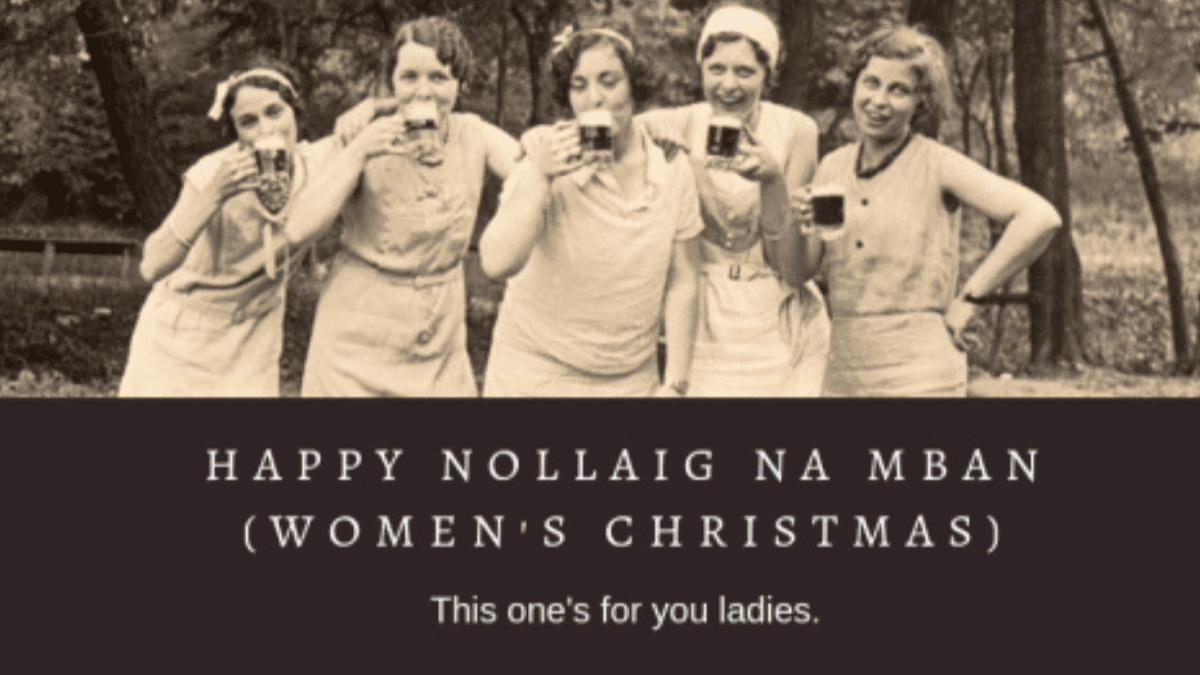
As the final frantic activities of Christmas day fades and Twelfth Night arrives, Irish women step away from their daily responsibilities to gather with friends, sisters, mothers, and daughters. While men traditionally take over household duties for the day, women across the country come together in homes, restaurants, and pubs to celebrate their bonds and share stories of the year past and the one ahead.
The timing of this celebration carries deep significance in both religious and cultural traditions. January 6th marks the Feast of the Epiphany, commemorating the arrival of the Three Kings bearing gifts to the infant Jesus. In Irish homes, this date has evolved to honour a different kind of giving – the year-round contributions of women to family and community life.
The day holds particular meaning in modern Ireland, where ancient customs meet contemporary celebrations. From Cork to Donegal, women gather for everything from traditional afternoon teas to contemporary spa days. In rural communities, the practice harkens back to a time when women would save a portion of their Christmas earnings from selling turkeys and handcrafts, setting it aside for this special day of rest and celebration.

- Little Christmas (Nollaig na mBan): Ireland's Unique Women's Christmas Tradition
- Key Facts About Women's Christmas
- Religious Heritage and Cultural Evolution
- International Connections and Related Traditions
- Modern Celebrations and Traditions
- Food at the Little Christmas celebrations
- Planning Your Own Celebration
- Preserving Legacy While Embracing Change
- Explore More Irish Culture and Folklore
Key Facts About Women’s Christmas
Date: January 6th, 2026
Irish Name: Nollaig na mBan (pronounced null-ag na man)

Religious Significance: Coincides with the Feast of Epiphany
Cultural Importance: Recognizes women’s contributions to Irish society
Traditional Activities: On this day the Christmas decorations are removed and the house tidied by the men in the family. Women gather for meals, celebrations, and social events while men handle household duties
Religious Heritage and Cultural Evolution
The story of Little Christmas weaves together strands of religious devotion and cultural tradition that stretch back centuries. In the 4th century, the Christian church first celebrated the Feast of the Epiphany, marking the moment when the Three Kings presented their precious gifts to the infant Jesus. As this celebration spread across Europe, each region added its own cultural touches, but nowhere did it evolve quite like in Ireland.

In Irish communities, particularly along the western seaboard and in the southern counties of Cork and Kerry, this religious observance transformed into something uniquely meaningful for women. Rural Irish women, who often earned extra money by selling Christmas goods—from plump turkeys to fresh eggs and handcrafted items—would save a portion of their earnings for this special day. This practical custom gradually evolved into today’s celebration of female friendship and recognition.
International Connections and Related Traditions
The spirit of Little Christmas extends far beyond Ireland’s shores, finding echoes in communities across the globe. In Newfoundland, Canada, where Irish roots run deep, communities maintain vibrant Women’s Christmas traditions. The streets of St. John’s come alive with community feasts that blend Irish heritage with local flavors, creating unique celebrations that bridge the Atlantic divide.
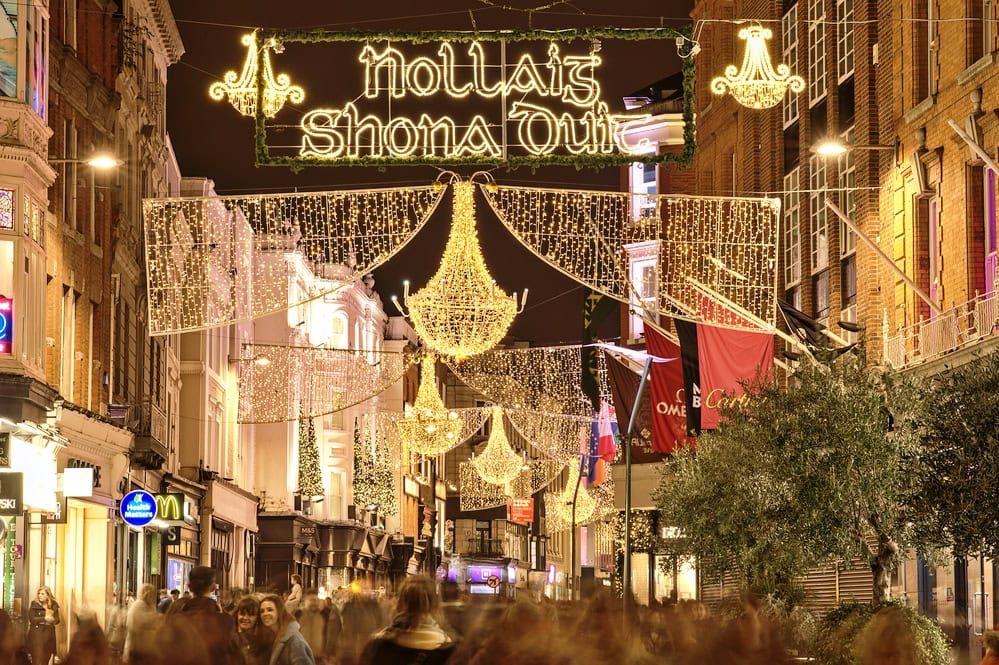
In the Scottish Highlands, similar customs take root on New Year’s Day, their own “Little Christmas” featuring household blessing ceremonies and the time-honoured tradition of first-footing. This Celtic connection showcases how ancient customs adapt and thrive in new soil while maintaining their essential character.
Across Europe and beyond, related celebrations mark this special time. Mediterranean communities like Spain, celebrate Three Kings Day with colourful festivals and processions. The French celebrate Epiphany, known as l’Épiphanie (pronounced lay-pee-fa-nee), with great enthusiasm, and it’s centered almost entirely around a unique and delicious tradition. The Star of the Show: La Galette des Rois or King’s Cake. It’s a round, flat cake made of flaky puff pastry (pâte feuilletée) filled with frangipane.
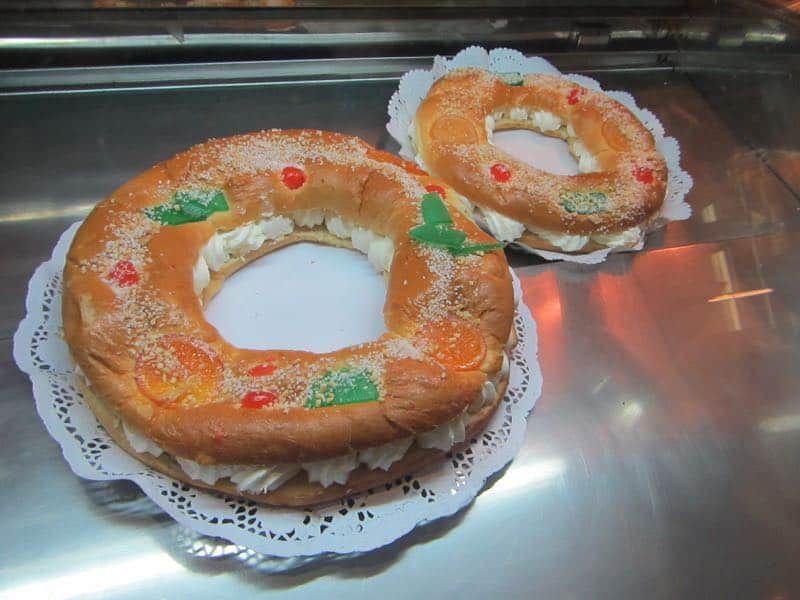
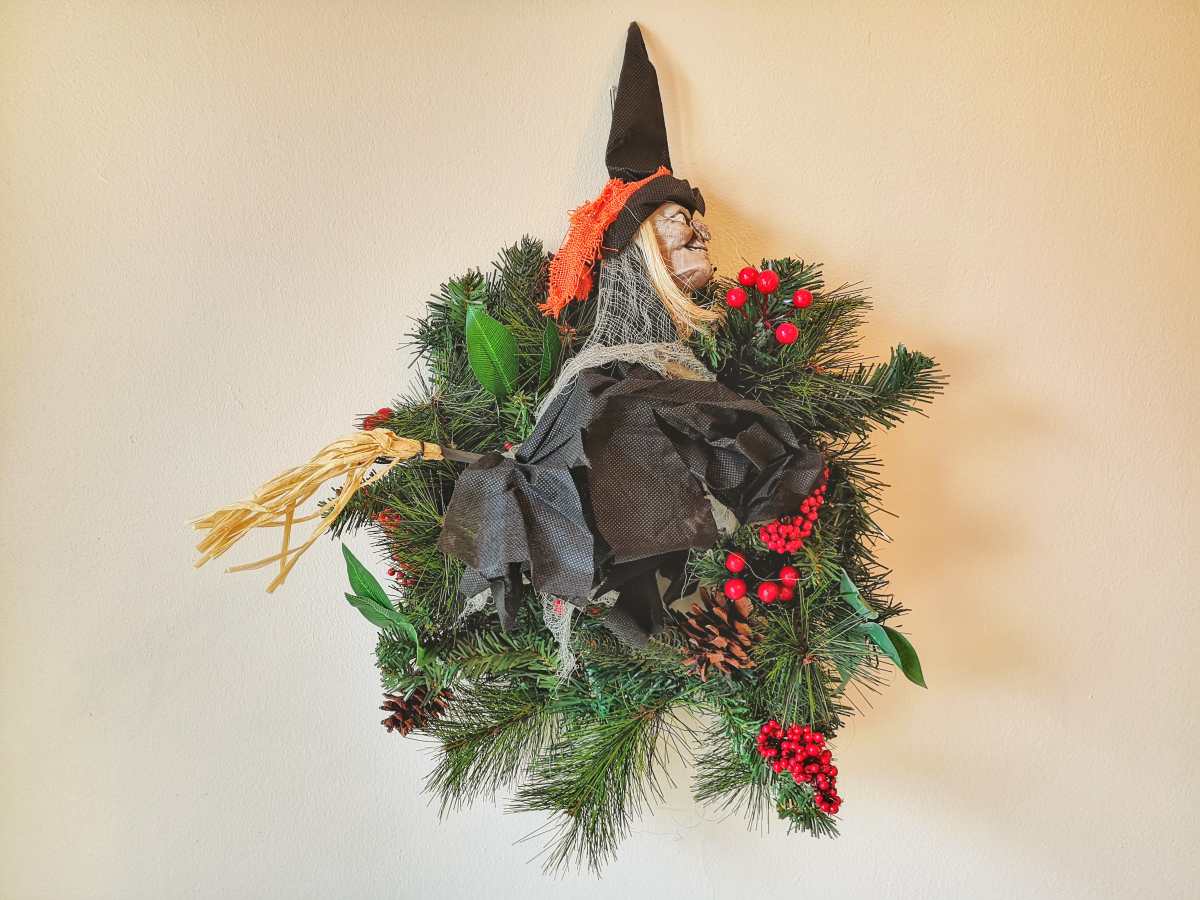
In Eastern Europe, the Julian calendar places these celebrations on January 13th, while Scandinavian countries embrace Little Christmas Eve on December 23rd. Ukraine’s Malanka festivities and Italy’s La Befana traditions each add their own unique character to this time of year, demonstrating how universal the desire is to honour both religious tradition and cultural heritage.
Modern Celebrations and Traditions
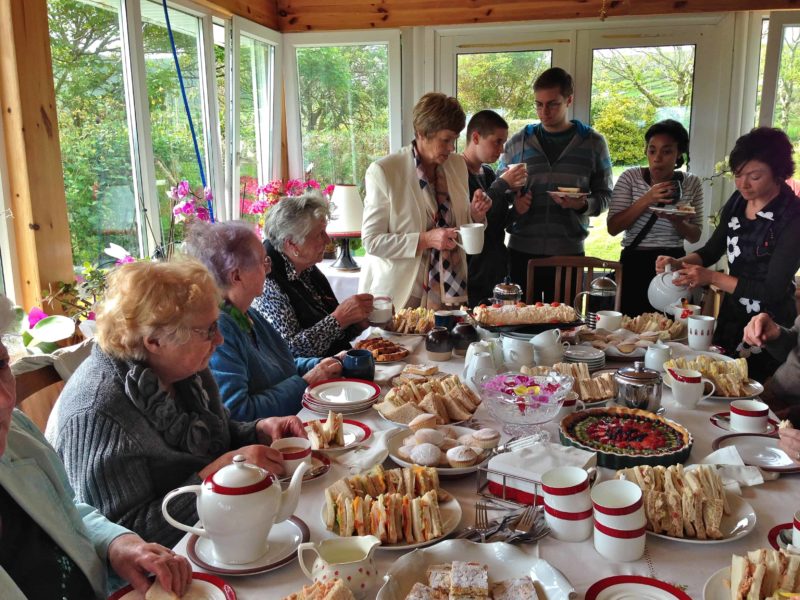
Today’s Women’s Christmas celebrations beautifully blend time-honoured customs with contemporary practices. In Cork and Kerry, where the tradition remains strongest, historic venues like the Imperial Hotel host elegant afternoon teas where generations of women gather to share stories and laughter. The English Market vendors prepare special hampers filled with traditional delicacies, while local pubs and restaurants create welcoming spaces for women-only gatherings.
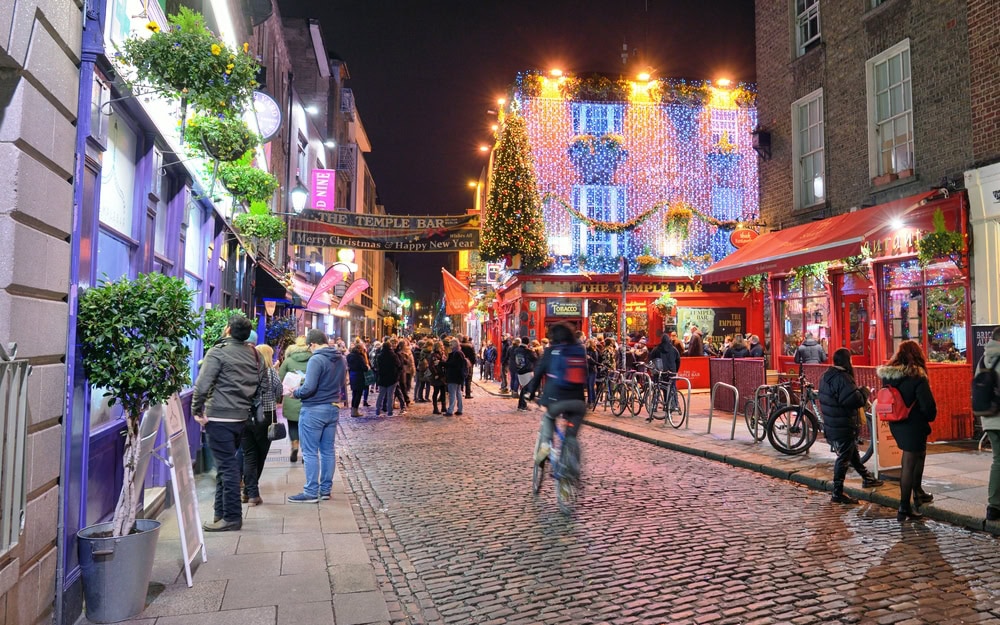
Dublin has reimagined these celebrations for urban life, with rooftop venues offering spectacular city views for festive brunches. The historic Shelbourne Hotel creates special spa packages for the occasion, while cultural institutions like EPIC The Irish Emigration Museum host events celebrating women’s contributions to Irish heritage. Professional women gather for networking events that honour both career achievements and cultural traditions.
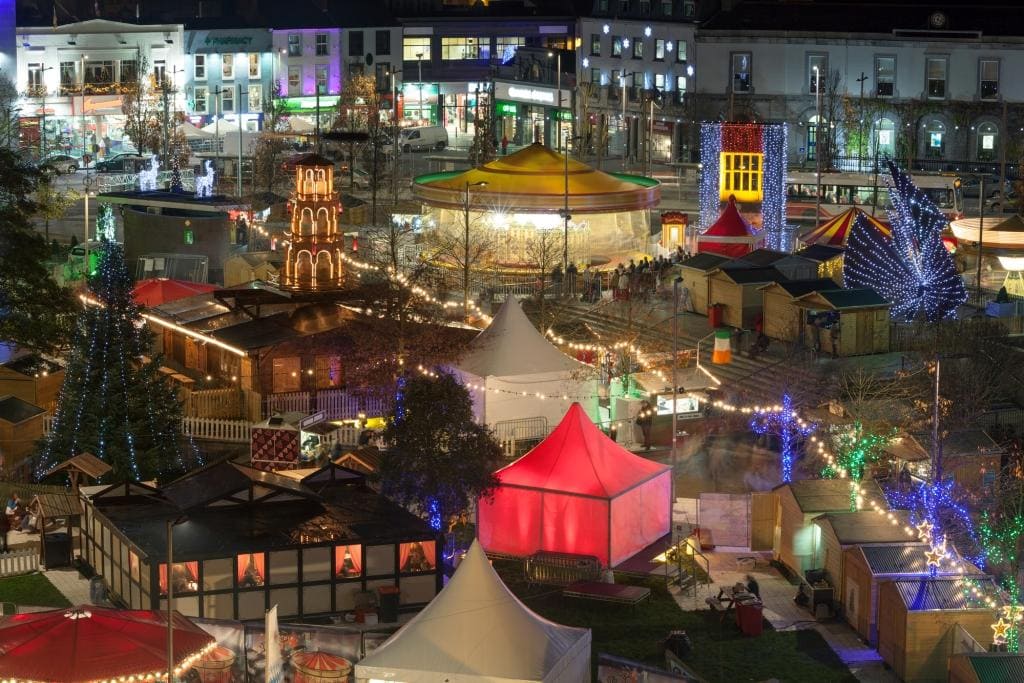
On the Wild Atlantic Way of Ireland, each county adds its own distinctive touch to the celebrations. Galway’s Latin Quarter rings with the sound of traditional music sessions organized exclusively for women, while Connemara’s communities gather for craft workshops that keep ancient skills alive. Along Clare’s coastline, some groups have begun incorporating bracing winter sea swims into their celebrations, adding an invigorating modern twist to the day.
Food at the Little Christmas celebrations
The food eaten is less about specific ritualistic dishes and more about the spirit of the celebration: using up the last of the Christmas treats, enjoying a final festive gathering, and giving women a break.
Here’s a breakdown of the traditional and modern foods associated with Little Christmas in Ireland:
The Main Event: A Relaxed Meal or “The Last of the Christmas Ham”
The centerpiece is often the remains of the Christmas feast. The most iconic item is:
Spiced Beef (Corned Beef): This is the most traditional and specific food for Little Christmas. It’s not the same as American corned beef; Irish spiced beef is a cured, spiced, and slow-cooked joint of beef (often silverside) that was prepared in advance for the Christmas season. It was often saved for this final celebration. It’s served cold in slices.
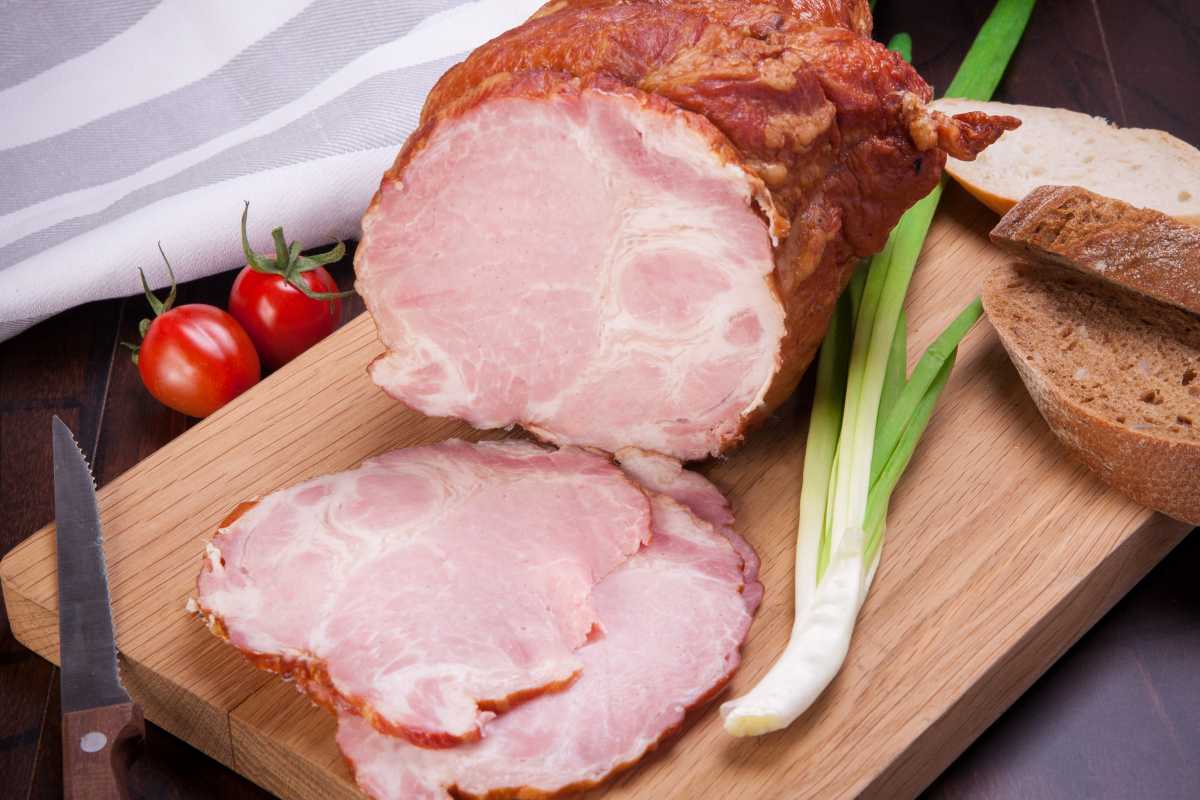
The End of the Ham: If a glazed ham or Gammon was cooked for Christmas, the last of it would be finished on this day.
Turkey Sandwiches or Pie: The very last of the Christmas turkey might appear in a sandwich or be made into a pie.
The Social Element: Tea, Cakes, and Sandwiches
Since Nollaig na mBan is about women socializing, the food is often what you’d have at a fancy afternoon tea or a visit from friends.
Planning Your Own Celebration
Creating a meaningful Women’s Christmas celebration requires thoughtful planning that honours both tradition and modern sensibilities. The heart of any gathering lies in the coming together of women to share stories, support one another, and celebrate their connections. Whether hosting in a home or organizing a larger event, the key is creating an atmosphere that encourages conversation and connection.
Traditional elements remain central to many celebrations. Candle-lighting ceremonies hold particular significance, with women lighting candles in each room of the house to welcome the New Year and honour those who came before. Story circles provide spaces for sharing family histories and local legends, ensuring these precious memories pass to the next generation.

Modern celebrations often incorporate wellness and professional development aspects. Some groups organize day-long retreats combining traditional elements with contemporary activities like yoga sessions or creative workshops. Professional women’s networks host events that celebrate career achievements while maintaining cultural connections. Many communities now include charitable initiatives, organizing fundraisers for women’s shelters or creating mentorship programs that bridge generations.
Preserving Legacy While Embracing Change
As the last day of the Christmas season arrives, Irish homes buzz with activity as Christmas decorations come down and women prepare for their special celebration. This traditional celebration, dating back to before the Gregorian calendar was widely adopted, marks both sacred and social occasions. The journey of the three wise men to Bethlehem intertwines with the recognition of the little women who are the backbone of Irish communities.
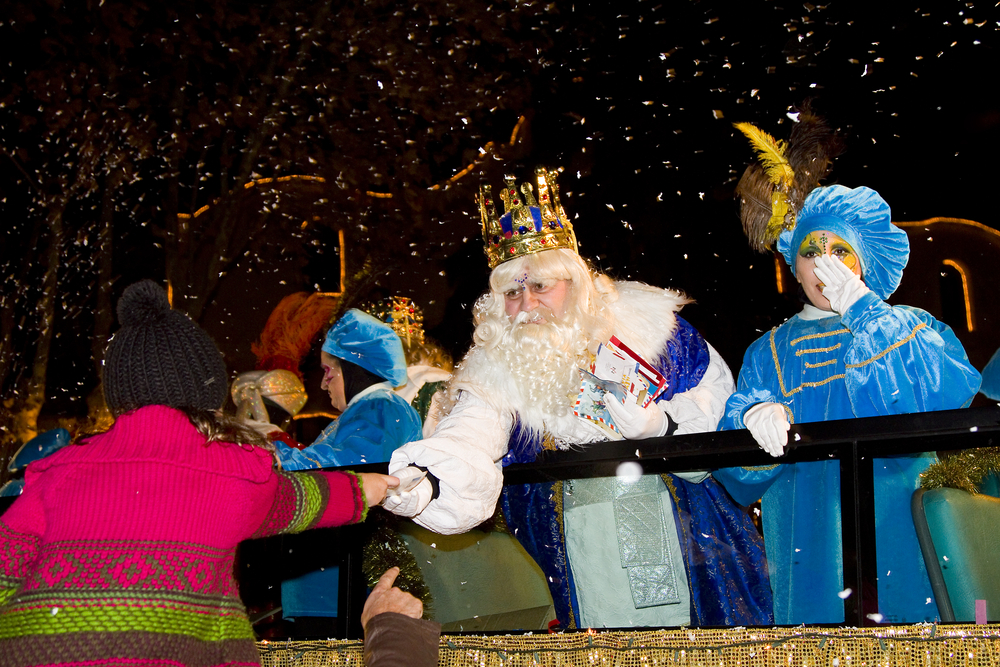
The Wise Men’s gifts of gold, frankincense, and myrrh echo in the modern-day presents and treats shared among women gathering for this cherished day. In homes across Ireland, the Christmas season concludes with a beautiful tradition that honours both the religious significance of the three wise men’s journey and the contributions of women to family and community life.

Whether celebrated in a cosy rural kitchen or a modern urban venue, this traditional celebration continues to adapt while maintaining its core purpose. As night falls on this final feast of Christmas, the candles lit in Irish homes don’t just welcome the new year—they light the way forward for future generations of women who will continue to shape and celebrate this unique Irish tradition.
Essential Resources
Official Cultural Heritage Sites
- National Inventory of Intangible Cultural Heritage of Ireland – Explore officially recognized Irish cultural practices and traditions
- Heritage Ireland – Current events calendar and historical information
- National Museum of Ireland – Collections and exhibitions celebrating Irish cultural heritage
Local Celebration Guides
Visit Cork – Traditional Women’s Christmas celebrations in Cork
Discover Kerry – Regional customs and events
Galway Tourism – West of Ireland celebrations and cultural activities
Explore More Irish Culture and Folklore
Explore deeper guides throughout Ireland covering mythology, sacred landscapes, haunted places, storytelling traditions, Celtic festivals, folklore creatures, saints, music, literature, and regional culture.
Featured guides include:
Irish Witches and Butter Witches
Halloween in Ireland and Samhain
Boa Island and the mystery of the Janus Head
A guide to Irish Traditions and Culture
Start Planning Your Trip
👉 Public Transportation in Ireland
👉 Hidden Gems in Ireland – 32 Secret places to visit
👉 Answering all your travel questions about Ireland