
Ring of Kerry vs Dingle Peninsula vs Beara Peninsula: The Honest Comparison
| if you only have one day on Ireland’s southwest coast, drive the Ring of Kerry for the classic Wild Atlantic Way icons. Choose the Dingle Peninsula if your time is tight but you still want dramatic cliffs and deep history. Pick the Beara Peninsula if you want the same wild beauty without the tour coaches, plus genuine Irish folklore most visitors never hear. Ideally, do all three on different days, because each peninsula has its own character and none of them is a true substitute for the others. |
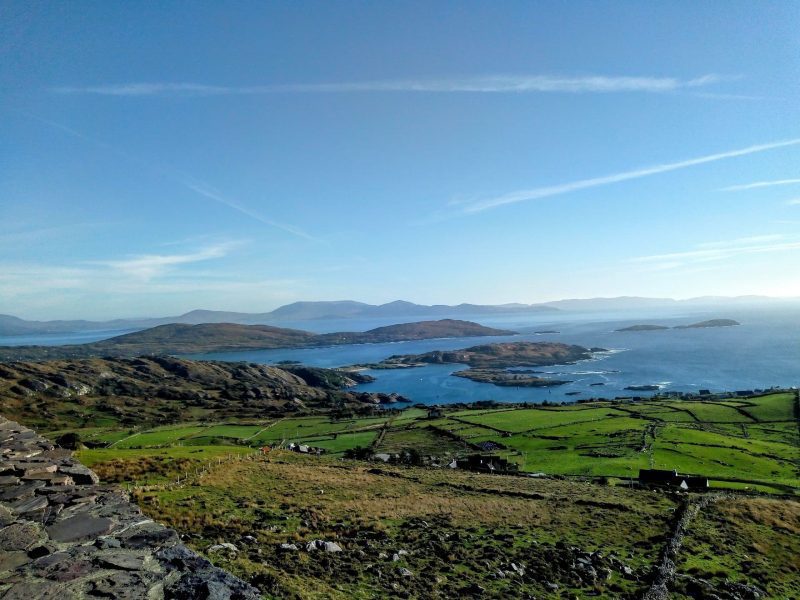
I live in Donegal, but the southwest corner of Ireland has pulled me back again and again, usually with a car full of visiting friends and family who all want to see the same three peninsulas. Ring of Kerry, Dingle, Beara. Everyone asks the same question before they land: which one do I actually need to drive?
This guide answers that question properly. You will get the real distances and drive times, what each route actually shows you, where to park if you are mobility challenged or simply do not want to pay twice, what things cost in 2026, and where to eat and sleep along each route, from a flask of tea in the car to a proper sit down dinner. I have driven every mile of all three routes more than once, usually playing tour guide, so this is not lifted from a brochure.
By the end you will know exactly which peninsula suits your trip, how to plan a day or two on each, and which spots locals actually rate over the ones every coach tour stops at.
- Ring of Kerry vs Dingle Peninsula vs Beara Peninsula: The Honest Comparison
- Ring of Kerry vs Dingle Peninsula vs Beara Peninsula at a Glance
- The Ring of Kerry: Ireland's Most Famous Drive
- The Dingle Peninsula: Big Scenery in a Smaller Loop
- The Beara Peninsula: Wild, Quiet and Steeped in Folklore
- Which Should You Choose: Ring of Kerry, Dingle Peninsula or Beara Peninsula
- Extending Your Trip: Free Things to Do and Onward Connections
- A Final Word from Someone Who Has Done the Driving
- Ring of Kerry vs Dingle Peninsula vs Beara Peninsula: The Bottom Line
- Frequently Asked Questions
- Driving in Ireland articles
Ring of Kerry vs Dingle Peninsula vs Beara Peninsula at a Glance
Here is the comparison in one place before we go into detail on each route.
| Feature | Ring of Kerry | Dingle Peninsula | Beara Peninsula |
| Route length | 179 km (111 miles) | Slea Head Drive loop, 30 km (about 19 miles) | 148 km (about 92 miles) |
| Drive time, no stops | About 3 to 3.5 hours | About 1 to 1.5 hours | About 3 to 4 hours |
| Realistic day needed | Full day, 6 to 8 hours with stops | Half day to a full day | Full day, or two if you add Bere and Dursey islands |
| Crowd level | Busiest, tour coach heavy in summer | Busy around Dingle town and Slea Head, quieter at Conor Pass | Quietest of the three, especially west of Castletownbere |
| Headline scenery | Lakes of Killarney, MacGillycuddy’s Reeks, Skellig views | Slea Head cliffs, Blasket Islands, beehive huts | Healy Pass, Caha Mountains, Dursey Island cable car |
| Best for | First time visitors who want the classic icons in one drive | Travellers with limited time who still want big scenery and history | Repeat visitors and anyone who wants solitude and folklore |
The Ring of Kerry: Ireland’s Most Famous Drive
The Ring of Kerry is a 179 kilometre (111 mile) signposted circular route around the Iveragh Peninsula in County Kerry. The official road, mostly the N70 and N71, links Killarney, Kenmare, Sneem, Caherdaniel, Waterville, Cahersiveen, Kells, Glenbeigh and Killorglin before looping back to Killarney. It is the route every Ireland guidebook leads with, and for good reason, it strings together lakes, mountains, beaches and Atlantic views in a single loop.
Driven without a single stop, the loop takes around three to three and a half hours. Nobody does that. Give it a full day, and start early. Tour coaches travel anticlockwise by convention, so if you drive clockwise from Killarney you will meet fewer of them head on and you get the sea views on the driver’s side, which matters on a road with this many blind bends.

What You Will See on the Ring of Kerry
- Killarney National Park, home to Ireland’s only native red deer herd and the Lakes of Killarney
- Ladies View and Moll’s Gap, two of the most photographed viewpoints in the country
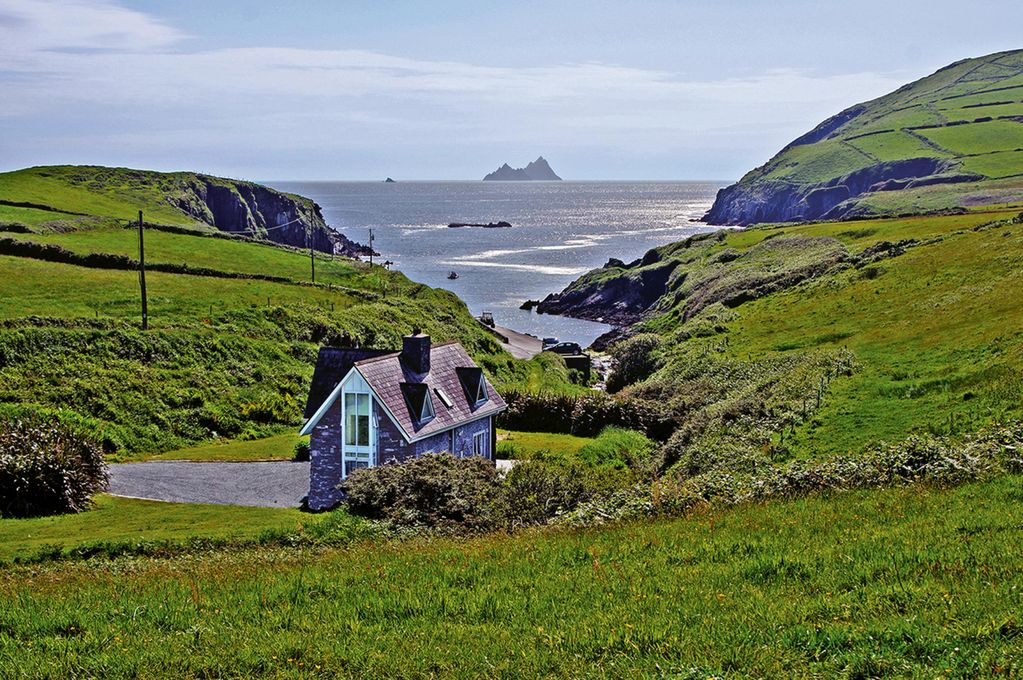
- Skellig Ring detour to Portmagee, gateway to Skellig Michael, the UNESCO World Heritage monastic island made famous by Star Wars
- Waterville, where Charlie Chaplin holidayed for decades, and the Skellig Coast for views back to the islands
- Kenmare, a compact heritage town with one of the best food scenes on the whole route
Killarney National Park: Parking and Access
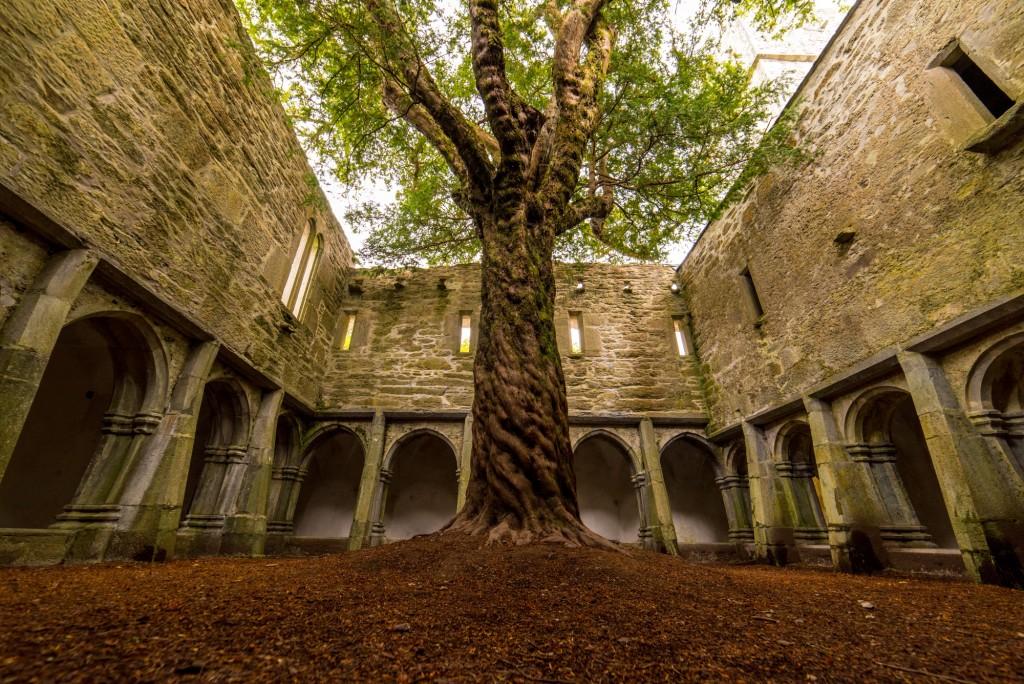
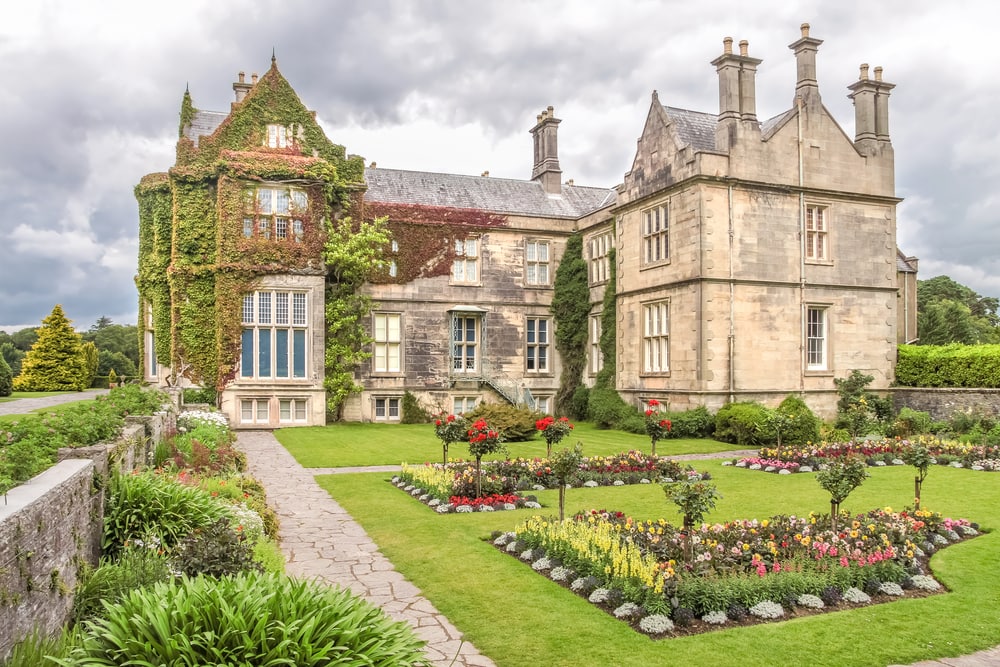
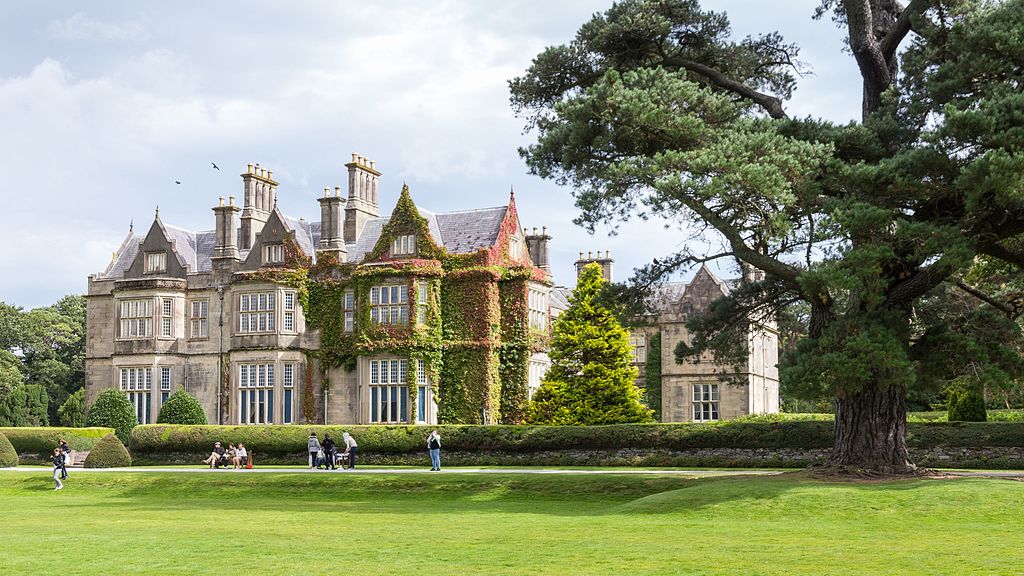
Entry to Killarney National Park is free, with pedestrian access around the clock, confirmed on the official National Parks and Wildlife Service site. Car parking is also free at the main access points, including Muckross House, Ross Castle, Muckross Abbey and Knockreer, though Ross Castle, Muckross House and the Traditional Farms charge a separate admission fee if you want to go inside.
Paths around Muckross House and the lake shore are wide, paved and suitable for wheelchairs, walkers and mobility scooters, which makes this one of the more genuinely accessible stops on the whole Wild Atlantic Way. If you enter the park from the town side near the cathedral rather than the Muckross Road side, you may end up in a paid public car park instead, so head for the Muckross Road entrances if free parking matters to you.
Skellig Michael: Tickets, Cost and Booking
A boat trip to Skellig Michael is the single most asked about add on to the Ring of Kerry, and it deserves its own planning. Landing tour numbers are strictly controlled, so it is worth checking current availability directly with licensed Skellig Michael tour operators before you finalise dates.
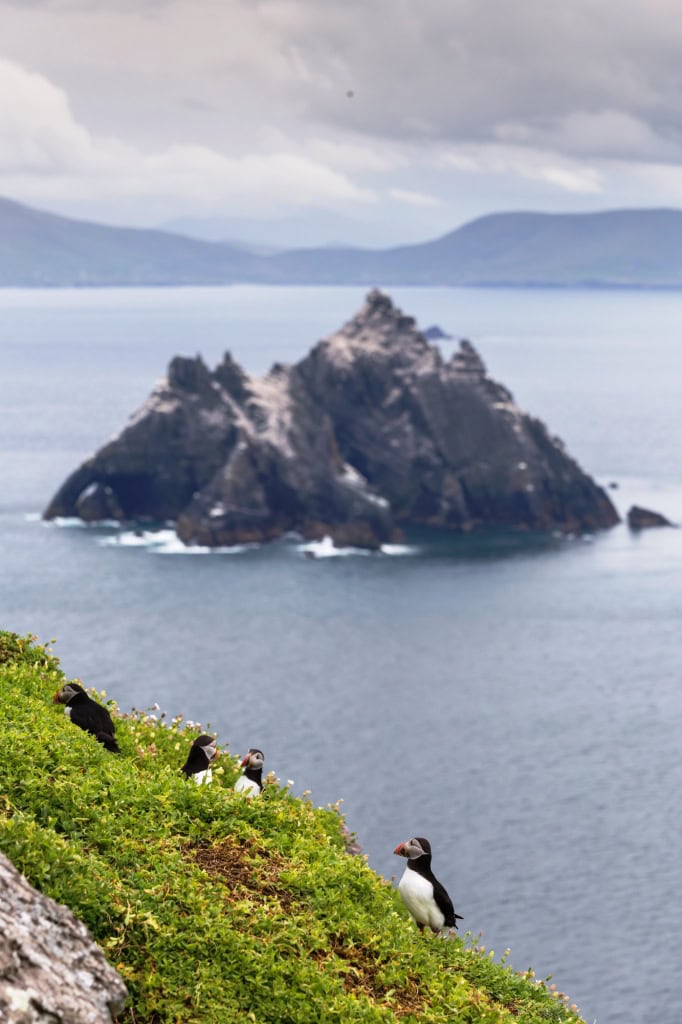
- Landing tours, where you actually step onto the island and climb the 600 stone steps to the monastic beehive huts, run from mid May to the end of September and cost roughly 100 to 140 euro per person, booked directly with one of the licensed boat operators out of Portmagee. Eco or cruise tours, which circle both Skelligs without landing, run more often, cancel less, and cost around 55 to 70 euro per adult.
- Parking in Portmagee itself is free, but book well ahead in season since only fifteen boats are licensed to land, each carrying twelve passengers.
- The landing tour involves an uneven stone staircase with no handrail, so it is not suitable for wheelchair users or anyone unsteady on their feet. The eco boat tour has no fitness requirement and is the better choice if mobility is a concern.


Where to Stay and Eat on the Ring of Kerry
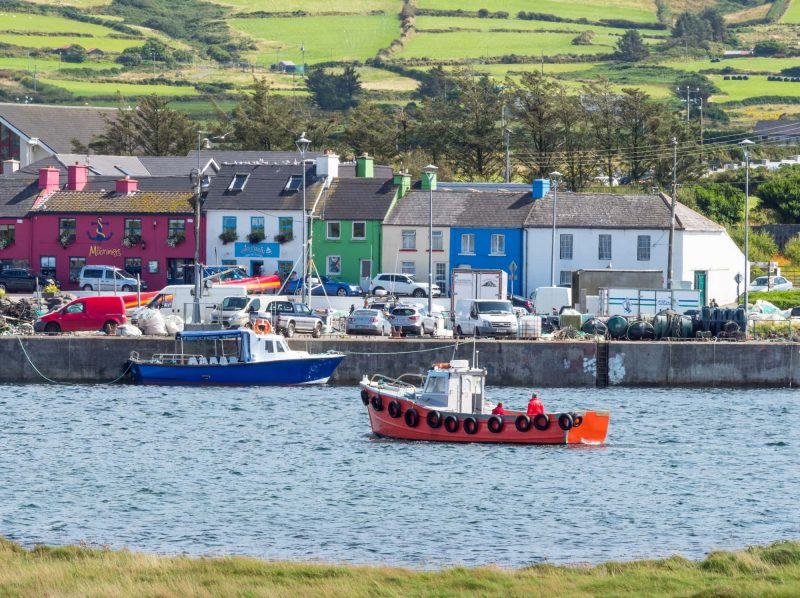
Killarney has the widest hotel choice on the entire route, from the four star Lake Hotel on the shore of the National Park with accessible rooms and on-site parking, to budget guesthouses in the town centre. Kenmare is my own pick for a base, it is small enough to walk everywhere yet has serious fine dining at places like Mulcahy’s alongside simple harbourside cafes, and most accommodation here has private parking. For a quick coffee stop, Deenagh Lodge tea cottage near the Knockreer entrance to the National Park does a fine scone and has level access to its outdoor seating.


The Dingle Peninsula: Big Scenery in a Smaller Loop
The Dingle Peninsula sits just north of the Ring of Kerry and is best explored on the Slea Head Drive, a roughly 30 kilometre (19 mile) signposted loop that starts and ends in Dingle town. It is a fraction of the length of the Ring of Kerry, which is exactly why so many people who are short on time choose it instead. You can comfortably do it in three to five hours including stops, or stretch it into a full day if you add Conor Pass.
My personal view, after driving both more times than I can count, is that Dingle packs more drama per mile. The coastline feels closer to the road, the ancient sites are more concentrated, and the town itself has a buzz that Killarney, for all its hotels, never quite matches.


What You Will See on the Slea Head Drive
- Beehive huts (clochans) and the Reask Monastic Site, with its beautifully carved Reask Stone
- Gallarus Oratory, a 1,300 year old dry stone church that has stayed watertight without mortar for over a millennium
- Coumeenoole Beach and Dunquin Pier, with views out to the Blasket Islands
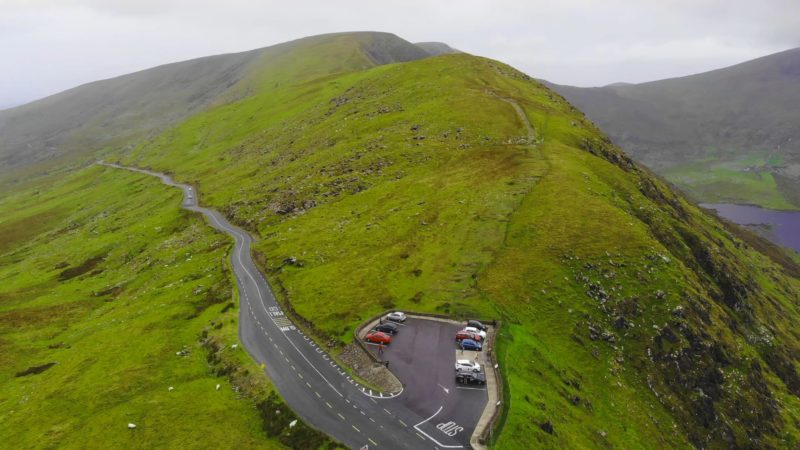
- Conor Pass, the highest mountain pass in Ireland, with a short detour off the main loop
- Dingle town itself, famous for traditional music sessions, a working fishing harbour, and Fungie folklore among the older locals

Gallarus Oratory: Free Access and Parking
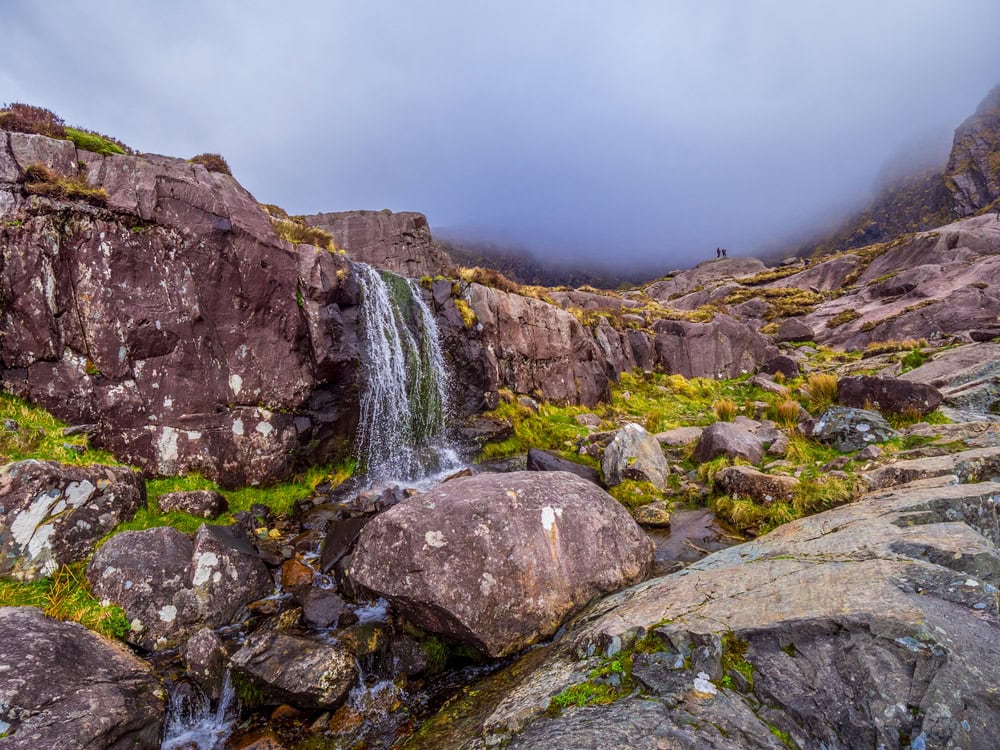
This is the one piece of practical advice every visitor to Dingle needs and most guidebooks skip. Gallarus Oratory itself is free and open 24 hours a day, as confirmed by the official Wild Atlantic Way Slea Head Drive listing. There is a privately run visitor centre nearby that charges an entrance fee, but that fee is really for the use of its car park and a short video. If you want to skip it, there is a small public car park and a public entrance roughly 150 metres uphill from the signposted visitor centre turn. The public car park is tiny, so arrive early in summer or be prepared to wait for a space.

Where to Stay and Eat on the Dingle Peninsula
Dingle town is the obvious base, small enough to park once and walk to dinner. For fine dining, Out of the Blue on the harbour serves whatever the boats landed that morning, no fish and chips on the menu, only what came off the boats. For something more relaxed, Murphy’s and the many harbourside pubs all do solid seafood chowder.
Most hotels and guesthouses in Dingle town offer private parking, and the town centre itself is flat and manageable for wheelchair users, though some of the older pub doorways have a step. Out along Slea Head Drive itself, facilities are limited to a handful of small cafes in Ballyferriter and Ventry, so fill up on food and fuel before you set off.



The Beara Peninsula: Wild, Quiet and Steeped in Folklore
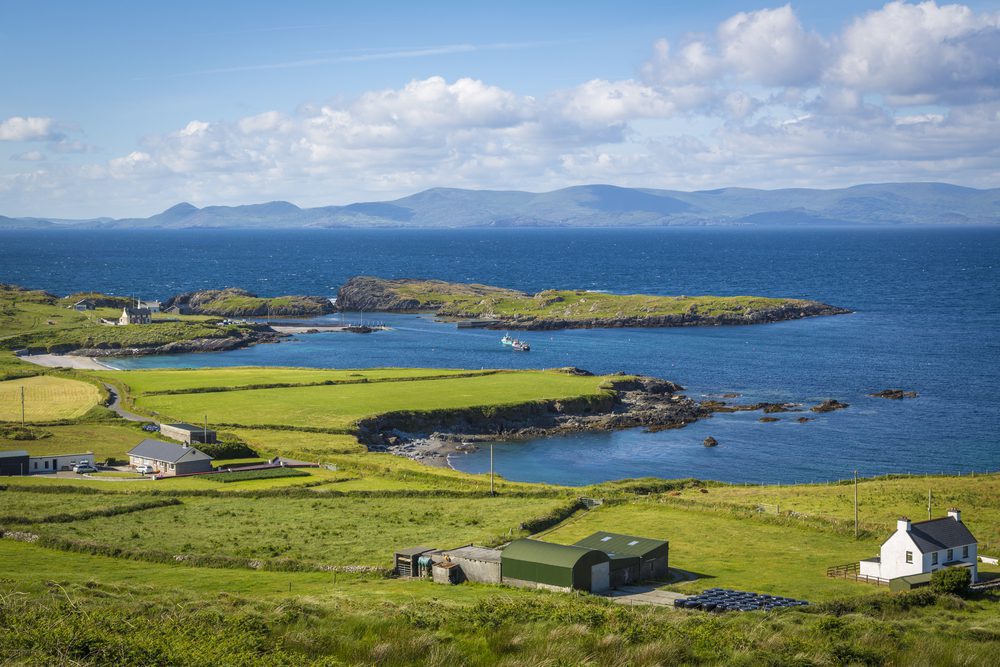
The Beara Peninsula straddles the Cork and Kerry border and is followed by the Ring of Beara, a roughly 148 kilometre (92 mile) route that can start in either Kenmare or Glengarriff. It is the peninsula most visitors skip, and that is precisely its appeal. Where the Ring of Kerry can feel like a procession of coaches in July, Beara often feels like you have the road to yourself.
In my experience this is the route to choose if you have already done Kerry once and want to go back to the southwest for something quieter. The driving is more demanding, with narrow roads and proper hairpin bends over the Healy Pass, so it suits a confident driver more than a first timer, but the reward is real solitude and scenery that rivals anything on the more famous routes.

What You Will See on the Ring of Beara
- The Healy Pass, a switchback road over the Caha Mountains with views down to both Bantry Bay and Kenmare Bay
- Allihies and Eyeries, two of the most colourfully painted villages on the entire Wild Atlantic Way, with the old Allihies Copper Mine Museum telling the story of miners who later emigrated to Butte, Montana
- Dursey Island, reached by Ireland’s only cable car, which reopened in 2025 after a 1.6 million euro upgrade following a 2022 closure
- Garnish Island and Bere Island, both reachable by short ferry or boat trip from Glengarriff and Castletownbere
- The Hag of Beara stone at Coulagh Bay near Kilcatherine, said to be the petrified face of the Cailleach, Ireland’s ancient goddess of winter

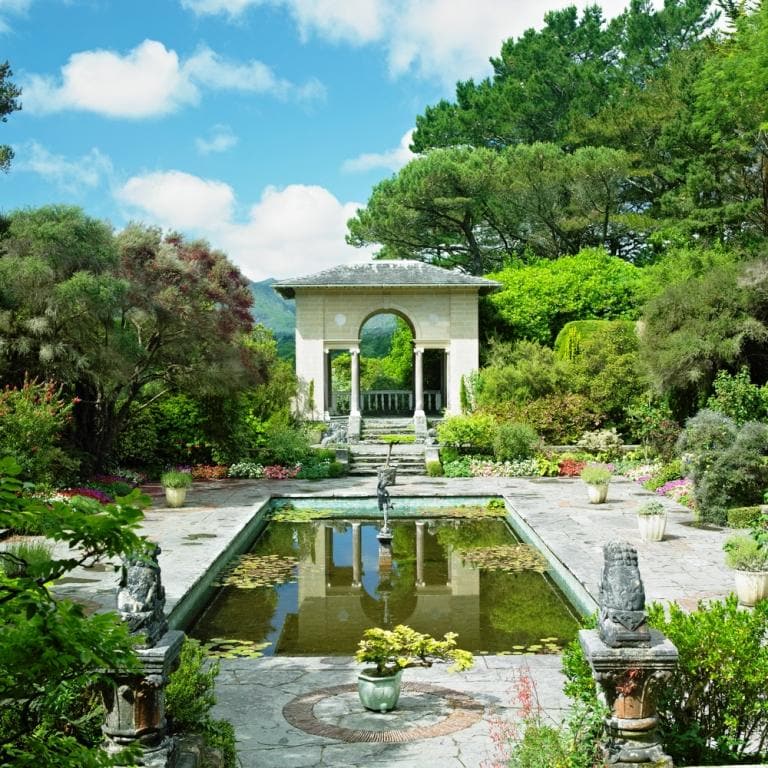
Irish Folklore on the Beara Peninsula: The Cailleach
This is where Beara earns a special place in my own writing, since I spend a lot of my time tracking down the women who shaped Ireland’s history and folklore, whether they were saints, witches or goddesses, a theme I explore further in our Irish culture and folklore guide.

The Cailleach Bhéara, the Hag of Beara, is one of Irish mythology’s oldest figures, a divine hag or sovereignty goddess said to have lived seven lifetimes of youth, one after another, as recorded in the entry on the Hag of Beara. Medieval texts including the Great Book of Lecan preserve her lament for lost youth, and her name survives in the modern Irish poem Mise Éire, which describes Ireland itself as older and lonelier than the Hag of Beara.
Local legend holds that the weathered standing stone overlooking Coulagh Bay near Kilcatherine is the Cailleach turned to stone while she waited for her husband, the sea god Manannán mac Lir, to return. Visitors still leave coins and small trinkets at the stone today. It is a five minute stop signposted off the main Ring of Beara road, and I never drive past it without stopping, partly for the story and partly because the view out over the bay is worth it on its own.
Dursey Island Cable Car: Cost and Practical Details
Ireland’s only cable car closed in 2022 for safety reasons and reopened in 2025 after a 1.6 million euro upgrade, as confirmed by Cork County Council, which operates and manages the service.
- The cable car crosses Dursey Sound in around seven and a half minutes each way and carries up to six passengers per car, including farmers moving livestock, so do not be surprised to share the ride with a few sheep.
- Opening hours run roughly 9.30am to 7.30pm from March to October and 9.30am to 4.30pm from November to February, with a midday closure for lunch, so check the current timetable before you drive out to the end of the peninsula.
- There is a car park at the cable car station with toilets and a small food vendor, but nothing on Dursey Island itself, so bring water and a packed lunch if you plan to walk the island’s quiet trails.
- This is genuinely one of the most remote feeling experiences on the whole Wild Atlantic Way, and it is not accessible for wheelchair users once you reach the island, since the walking trails are rough, unsurfaced ground.

Where to Stay and Eat on the Beara Peninsula
Castletownbere is the natural base, a working fishing port rather than a polished tourist town, with MacCarthy’s Bar, a pub dating from the 1870s, as good a place as any for a quiet pint and a chat with locals. Kenmare also works well as a base if you want to combine Beara with part of the Ring of Kerry, since it sits at the meeting point of both routes and has the better range of accommodation, from boutique hotels with accessible rooms to simple bed and breakfasts.
Eating options thin out west of Castletownbere, so plan to fill up before you tackle the Healy Pass. Parking throughout Beara is mostly free, informal roadside pull ins at viewpoints and free car parks in the villages, though the pull ins at the Healy Pass summit and Dursey Island car park have only short, sometimes uneven, walks to the best viewpoints, worth knowing if you have mobility challenges.

Which Should You Choose: Ring of Kerry, Dingle Peninsula or Beara Peninsula
There is no single right answer, it genuinely depends on your time, your driving confidence and what kind of trip you want. Here is how I would advise a friend, because I have given this exact advice more times than I can count over a kitchen table in Donegal.

How to Plan Your Visit: A Step by Step Approach
If you are building this into a longer trip, our Ireland itinerary guides show where these three peninsulas fit alongside the rest of the country. Here is the short version for this corner of Kerry and Cork specifically.
- Decide how many days you have for Ireland’s southwest. One day, pick the Ring of Kerry for the classic highlights. Two days, add the Dingle Peninsula. Three or more, fit in the Beara Peninsula as well.
- Book Skellig Michael first if it is a priority, since landing tours sell out months ahead in summer and the season only runs mid May to the end of September.
- Choose a base. Kenmare is the most central option, sitting close to both the Ring of Kerry and the Ring of Beara, while Killarney suits the Ring of Kerry and Dingle town suits the Slea Head Drive.
- Drive the Ring of Kerry clockwise and start before 9am to beat the tour coaches, which travel anticlockwise.
- Allow a half day minimum for the Slea Head Drive, and add an hour if you want to detour up Conor Pass.
- Save the Ring of Beara for when you want fewer crowds, and check the Dursey Island cable car timetable in advance if that is on your list.
- Check parking and accessibility notes for each stop in advance if travelling with a wheelchair, mobility scooter or pushchair, since terrain varies hugely between paved national park paths and rough island trails.


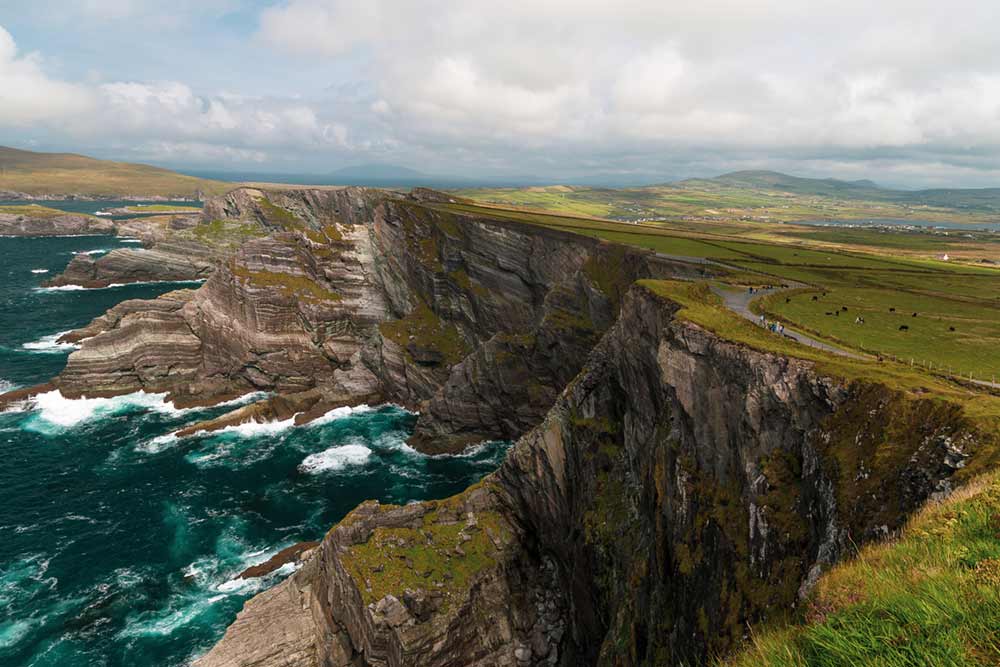
If You Can Only Pick One
If pressed to choose only one route for a first time visitor with a single free day, I would still send people to the Ring of Kerry, because it delivers the broadest mix of mountains, lakes, beaches and history that people picture when they imagine Ireland. But if someone tells me they have done Kerry before and want to feel like they have discovered something themselves, Beara is where I send them every time.
Extending Your Trip: Free Things to Do and Onward Connections
Both Killarney National Park and the Cailleach’s stone on Beara are free to visit, and they sit alongside a wider list of no cost stops worth knowing about on a longer Irish itinerary. On the way to or from the southwest, many visitors stop in Cobh, County Cork, the Titanic’s last port of call, where the harbourside walk, the colourful waterfront and St Colman’s Cathedral cost nothing, even though the Titanic Experience museum itself charges an admission fee of around 12 euro for adults.
If your Ireland trip connects onward to Scotland, as many longer itineraries do, the Royal Edinburgh Military Tattoo is one of the few major Scottish events that is genuinely worth budgeting for, since the Castle Esplanade setting cannot be reproduced for free. The 2026 show runs from 7 to 29 August on Edinburgh Castle Esplanade, confirmed on the official Royal Edinburgh Military Tattoo ticket page, and tickets need to be booked well ahead, much like Skellig Michael landing tours.


A Final Word from Someone Who Has Done the Driving
People often assume that because I use a mobility scooter on harder days, routes like these are off the table for me. They are not, they just need more planning. Killarney National Park’s paved paths, the free public entrance to Gallarus Oratory, and Kenmare’s flat town centre have all worked well for me on different trips, while I have learned to skip the Skellig Michael landing climb and stick to the eco boat tour instead. The three peninsulas reward planning more than spontaneity, and that planning is exactly what this guide is for.
My honest opinion, after years of repeat visits, is that the Ring of Kerry deserves its fame but rarely deserves a full day to itself if you only have a week in Ireland. Splitting that day between a shorter loop of Kerry and the full Slea Head Drive gives you more variety for the same amount of driving. That is a personal preference, not a fact, and plenty of seasoned Ireland travellers will tell you differently, which is part of what makes comparing all three routes worthwhile in the first place.

Ring of Kerry vs Dingle Peninsula vs Beara Peninsula: The Bottom Line
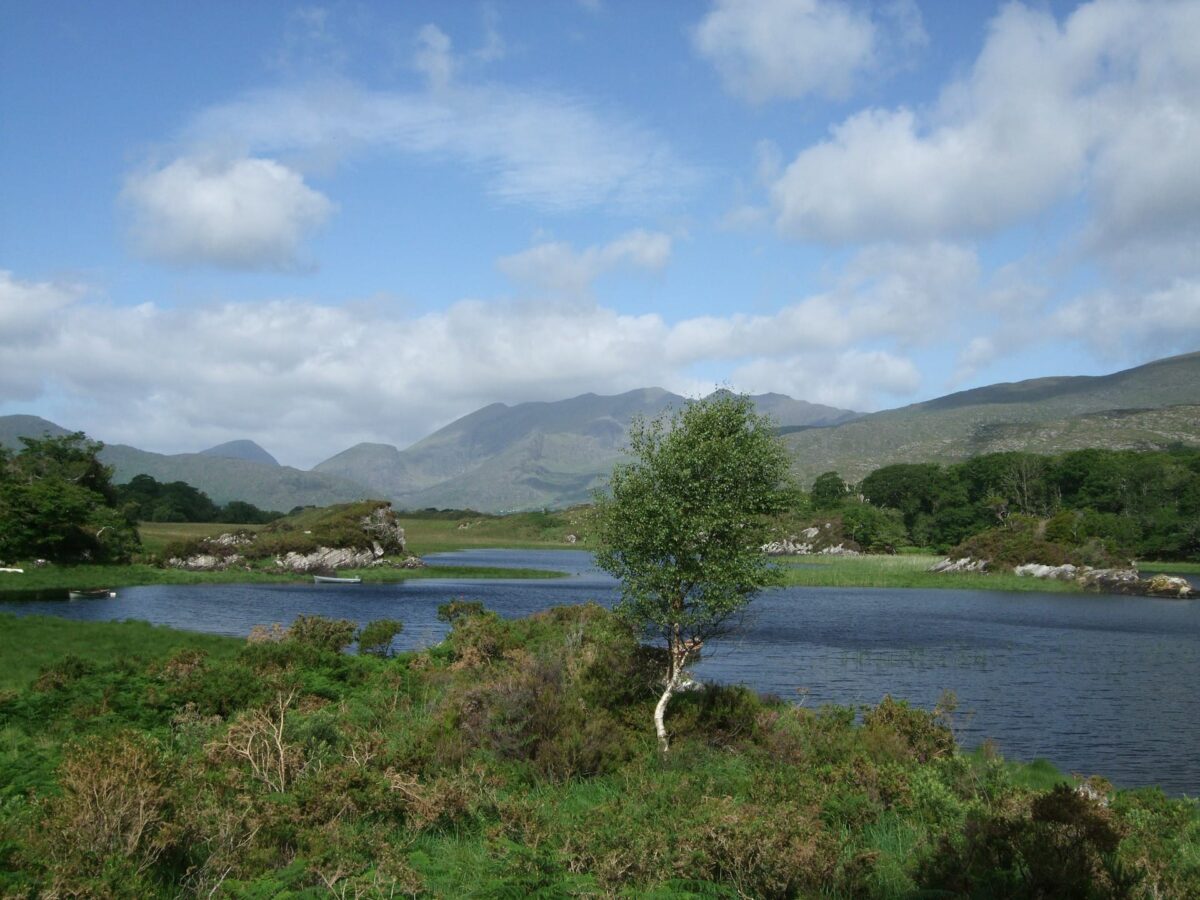
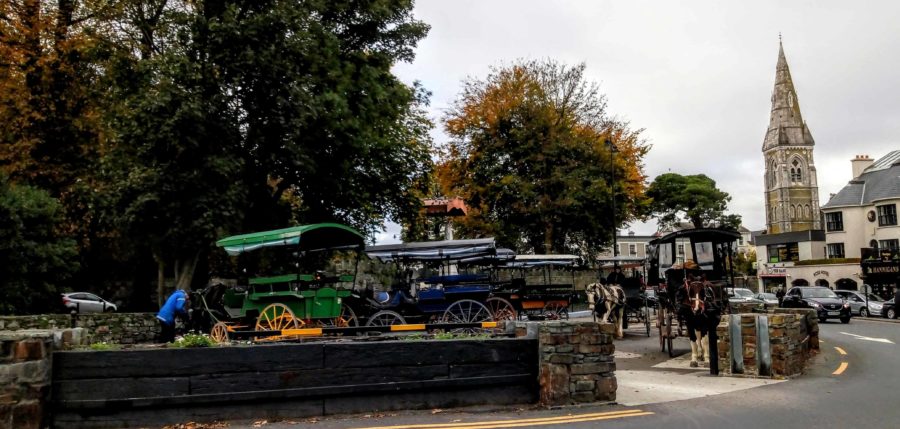
Choosing between the Ring of Kerry, the Dingle Peninsula and the Beara Peninsula comes down to time, driving confidence and how much company you want on the road. The Ring of Kerry gives you Ireland’s classic Wild Atlantic Way highlights in one long, well signposted loop. The Dingle Peninsula compresses similar drama into a shorter drive packed with ancient sites. The Beara Peninsula trades a little convenience for genuine quiet and some of the country’s oldest folklore. With even a few days in County Kerry and West Cork, you do not have to choose just one, and I would encourage you not to if your itinerary allows it.
For more help planning the wider trip, see our guide to renting a car in Ireland, essential reading before tackling the Healy Pass or Slea Head Drive, and our Accessible Ireland guide for more mobility focused trip planning across the country, and our Wild Atlantic Way travel guide for the full coastal route beyond these three peninsulas.
Frequently Asked Questions
Is the Ring of Kerry or the Dingle Peninsula better?
Neither is objectively better, they suit different trips. The Ring of Kerry is longer at 179 km and covers a wider range of scenery in one loop, while the Dingle Peninsula’s Slea Head Drive is around 30 km and fits more ancient history into a shorter, more manageable drive. Choose the Ring of Kerry if you have a full day and want the classic Wild Atlantic Way icons, and choose Dingle if your time is limited or you prefer fewer tour coaches.
Can you drive the Ring of Kerry, Dingle Peninsula and Beara Peninsula in one day?
Technically you could drive parts of all three in a single very long day, but you would see almost nothing properly. Each route deserves at least half a day on its own, and the Ring of Kerry and Ring of Beara both realistically need a full day with stops. If time is tight, prioritise one full route and a partial detour into a second, such as a Ring of Kerry day with a short Skellig Ring extension.
Is the Beara Peninsula worth visiting if I have already done the Ring of Kerry?
Yes, and in my experience it is often the highlight of a repeat trip. Beara sees far fewer visitors, the Healy Pass and Dursey Island cable car offer scenery on a par with anything on the more famous routes, and the folklore around the Cailleach of Beara adds a layer of history most tourists never hear about on the standard routes.
How much does it cost to visit Skellig Michael from the Ring of Kerry?
A landing tour, where you step onto the island, costs roughly 100 to 140 euro per person and runs mid May to the end of September. An eco or cruise tour that circles the islands without landing costs around 55 to 70 euro per adult and runs more frequently with fewer weather cancellations. Both depart from Portmagee, where parking is free.
Are these Wild Atlantic Way routes accessible for wheelchair users or visitors with limited mobility?
It varies considerably by stop. Killarney National Park has wide, paved paths around Muckross House suitable for wheelchairs and mobility scooters, and Gallarus Oratory on the Dingle Peninsula has free, level access. Skellig Michael’s landing tour involves an uneven 600 step stone staircase with no handrail and is not accessible, though the eco boat tour has no fitness requirement. On Beara, the Healy Pass viewpoints and Dursey Island’s walking trails involve rough, unsurfaced ground, so check individual stops in advance if mobility is a concern.
What is the best time of year to drive the Ring of Kerry, Dingle or Beara?
Late spring through early autumn, roughly May to September, gives the longest daylight and the best odds of calm weather for boat trips and the Dursey Island cable car. July and August are the busiest months on the Ring of Kerry in particular, so if you can travel in May, June or September you will find lighter traffic on all three routes without losing much in the way of weather.
Prices, opening hours and timetables are correct as of mid 2026 and are subject to change, always check directly with operators before you travel.
Join 7,500 Ireland travellers in my Ireland Uncovered Facebook Group and 1,897 on my XYUandBEYOND PAGE
These are the most useful official and practical resources for planning an accessible Ireland trip. Verify details before travel as information changes.
- Irish Rail Passenger Assistance book support for train travel including boarding, alighting, and connections
- Transport for Ireland (TFI) accessibility information across public transport
- Dublin Bus and Bus Éireann accessibility statements route and vehicle information
- National Transport Authority (NTA) taxi regulation and wheelchair-accessible vehicle information
- Euan’s Guide crowdsourced real-world accessibility reviews for attractions, restaurants, and venues across Ireland
- Hidden Disabilities Sunflower information on where the scheme is recognised in Ireland
Driving in Ireland articles
How to visit Glenveagh without a car
Travelling in Ireland without a car
Start Planning Your Trip
👉 Public Transportation in Ireland
👉 Hidden Gems in Ireland – 32 Secret places to visit
👉 Answering all your travel questions about Ireland