
French Christmas Traditions: How Christmas Is Really Celebrated in France
Quick answer: the heart of a French Christmas is le réveillon a long, lavish Christmas Eve dinner of oysters, foie gras, and roast meat that can run four to six hours, followed by Midnight Mass. Add a crèche in every home, Christmas markets from late November, shoes by the fireplace instead of stockings, and the bûche de Noël to finish the meal, and you have the shape of it though regional traditions in Alsace and Provence add plenty more.
During my three years living in France, I picked up on the traditional French Christmas customs fairly quickly. There are real differences between French Christmas traditions and celebrations in Ireland and the UK, but just as many similarities. A few habits took longer to adjust to than others seafood on Christmas Eve instead of Christmas Day, and a genuine, blessed absence of Christmas carols playing from the day after Halloween onward.
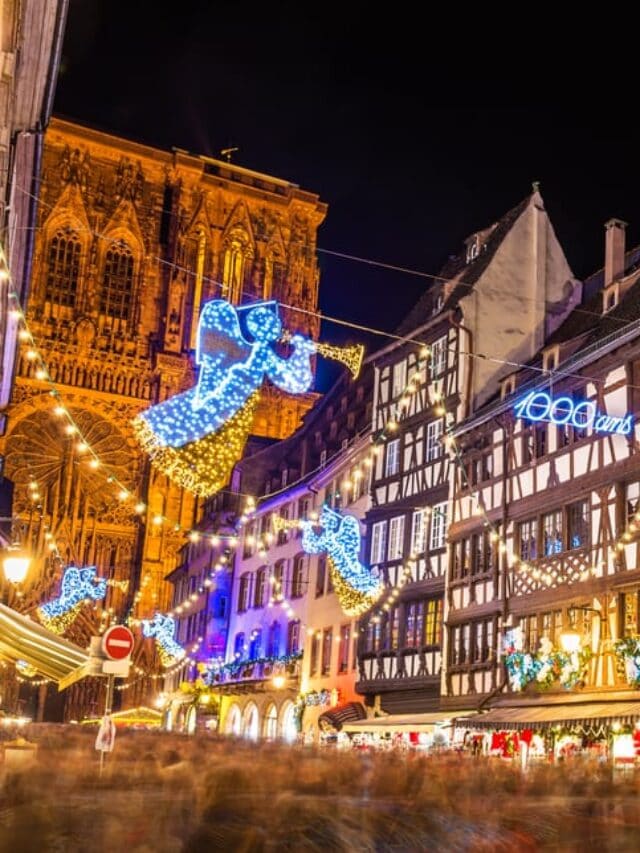
The French celebrate Christmas from the evening of December 24th through Christmas Day on the 25th, just like most of the world. But towns and villages across the country go to real lengths for it twinkling lights, illuminated cathedrals, Christmas markets, and plenty for the kids and several regions layer their own distinct customs on top of the national ones.
Fast Facts: Christmas in France
| Main event | Le réveillon a long Christmas Eve dinner, often 4-6 hours |
| Main gift-giving figure | Père Noël, delivering gifts on Christmas Eve night |
| Where gifts are left | Shoes by the fireplace, not stockings |
| Regional highlight | Provence’s thirteen desserts; Alsace’s Strasbourg Christmas market, the oldest in France |
| Saint-Nicolas Day | December 6th a separate, earlier gift-giving tradition in eastern France |
| Fun verified fact | French law has required a reply to every letter addressed to Père Noël since 1962 |
French Christmas Traditions
Advent
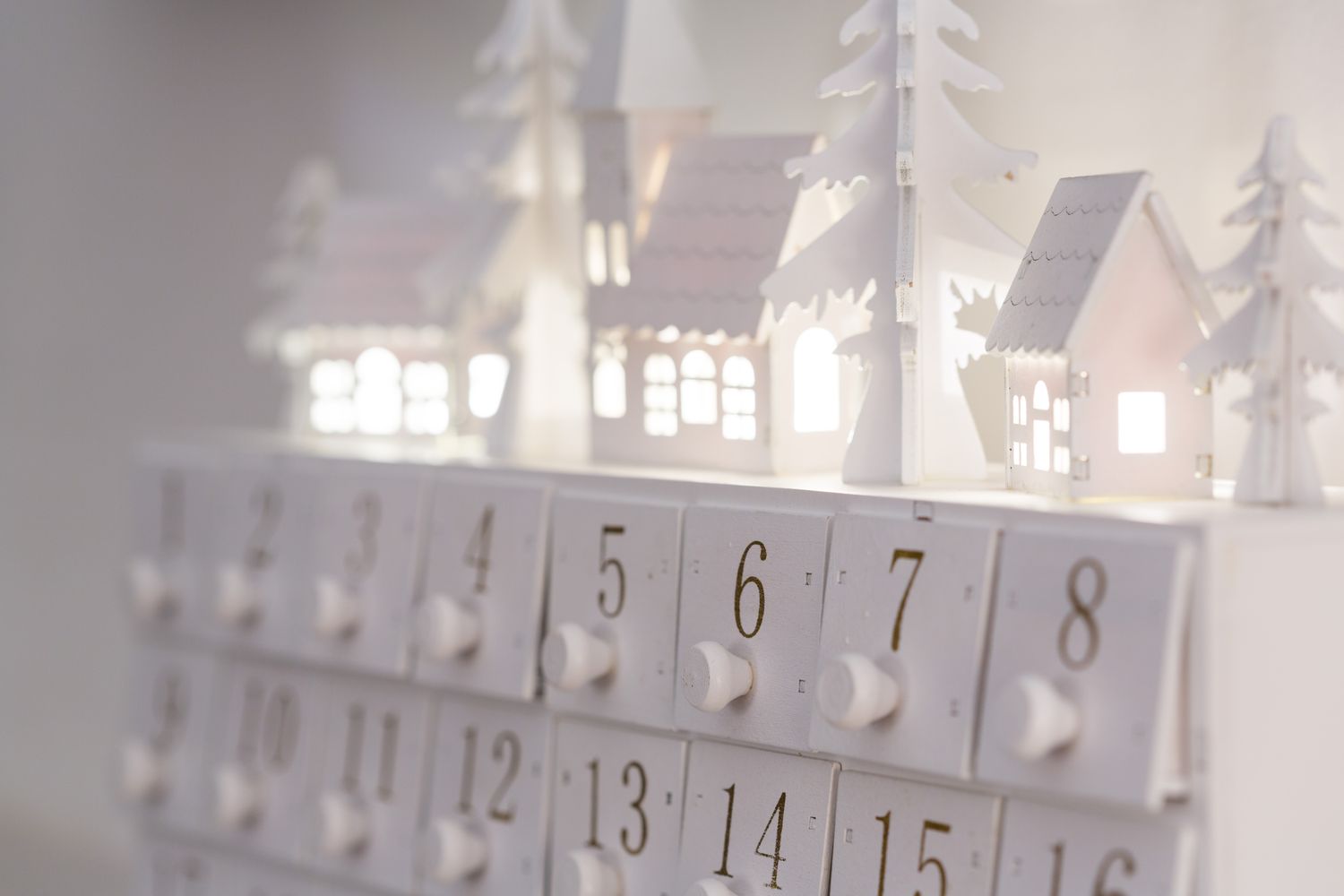
The four-week countdown to Christmas begins with the calendrier de l’Avent. The tradition dates to the mid-19th century, when German Protestants made chalk marks on doors or lit candles to count down the days. Advent represents the hope of Christmas light gradually overtaking darkness.
Mistletoe
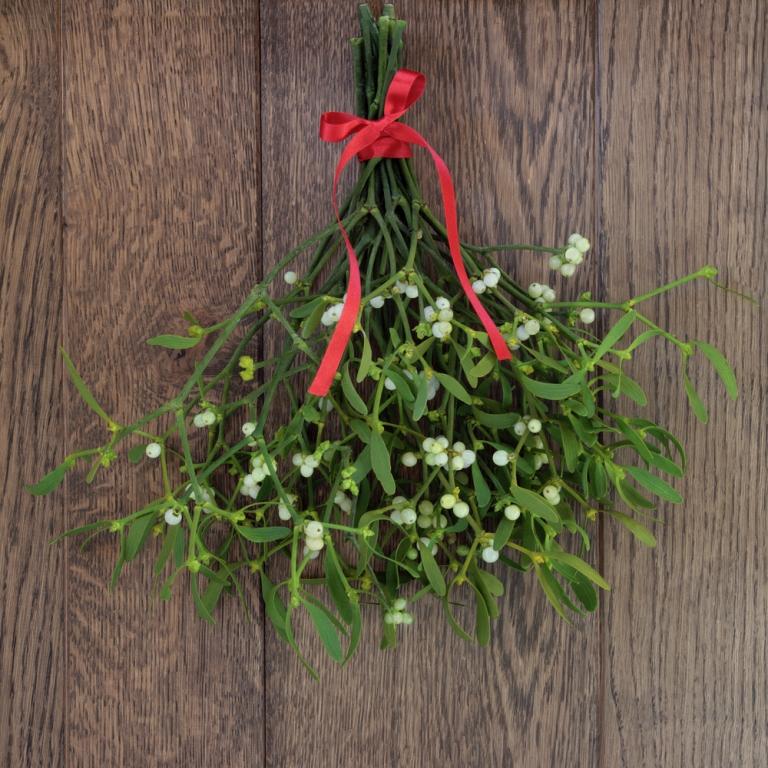
Just like in Ireland, the French hang mistletoe for good luck through the season. It’s also commonly given as a New Year gift, wishing the recipient luck for the coming twelve months.
Saint-Nicolas Day (December 6th)
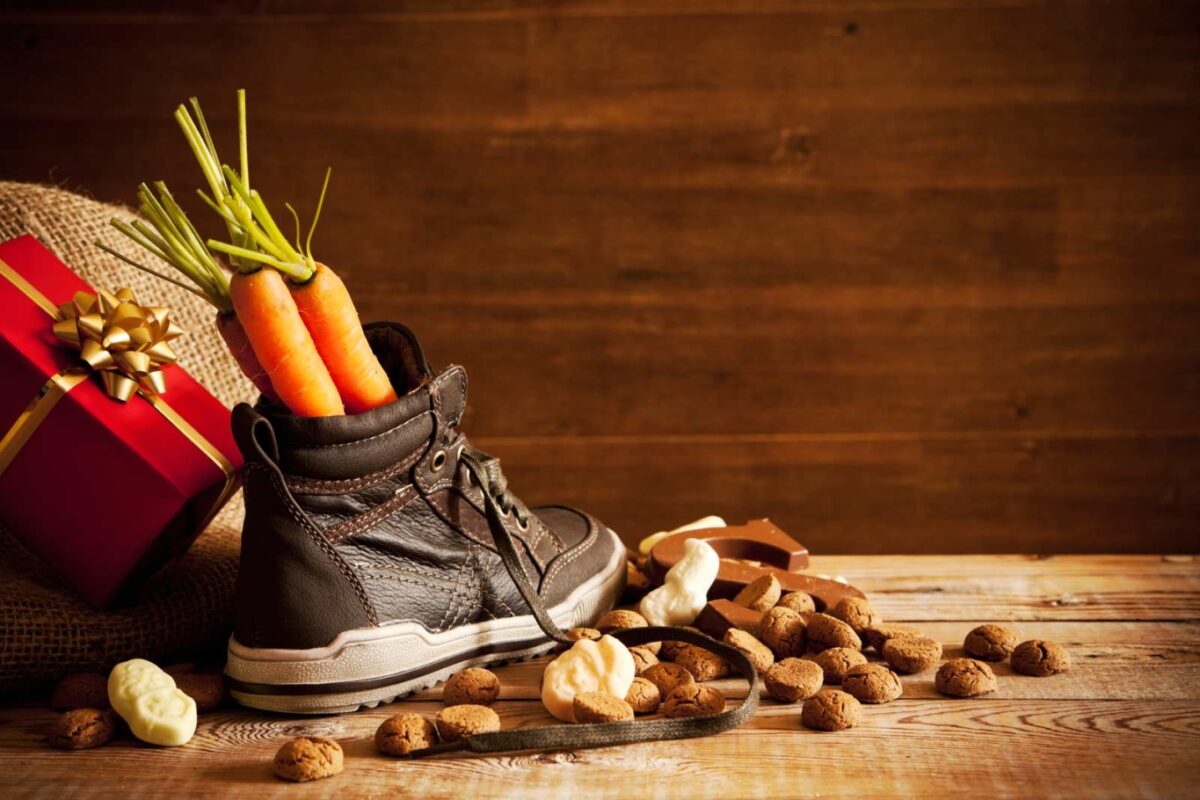
Before Christmas gift-giving even arrives, eastern France particularly Alsace and Lorraine celebrates Saint-Nicolas Day. Children leave their shoes out on the evening of December 5th, and Saint Nicholas fills them overnight with sweets and small gifts, sometimes with carrots left behind for his donkey companion.
Le Père Fouettard
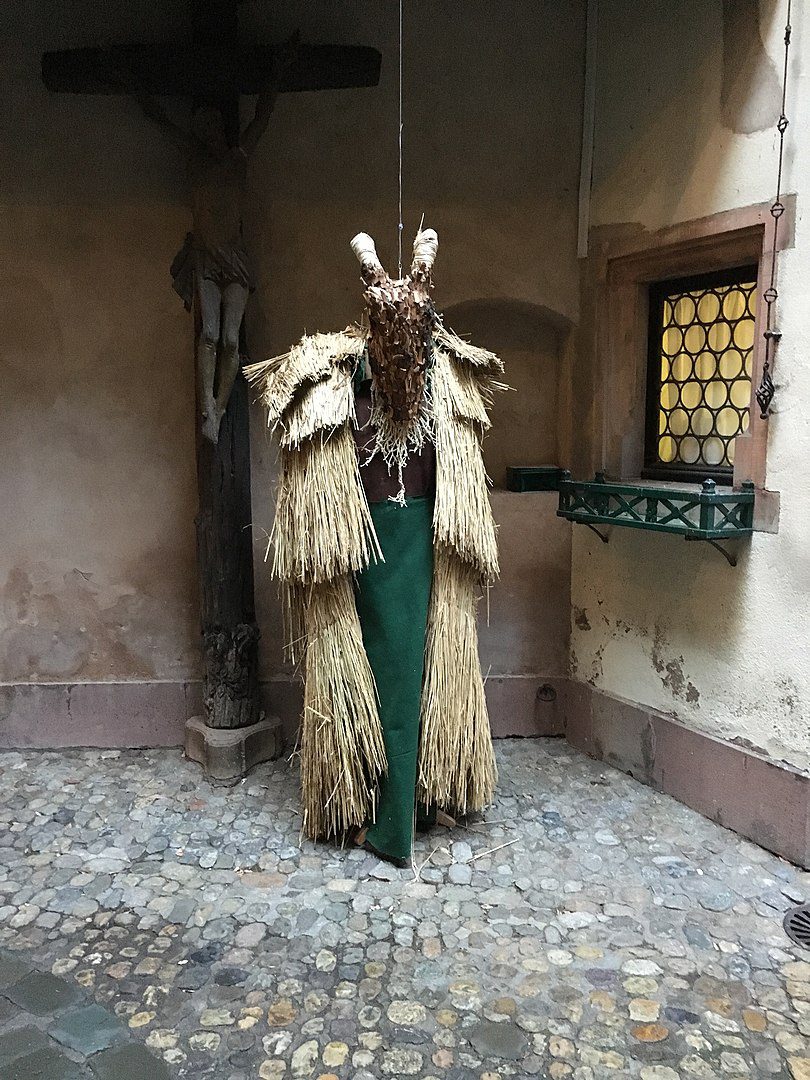
Saint Nicholas doesn’t travel alone. His companion, Le Père Fouettard literally “Father Whipper” is said to deal with badly behaved children, a considerably sterner approach than a lump of coal in a stocking. In Alsace, he sometimes goes by a different name entirely: Hans Trapp.
A Blessedly Quiet Carol Season
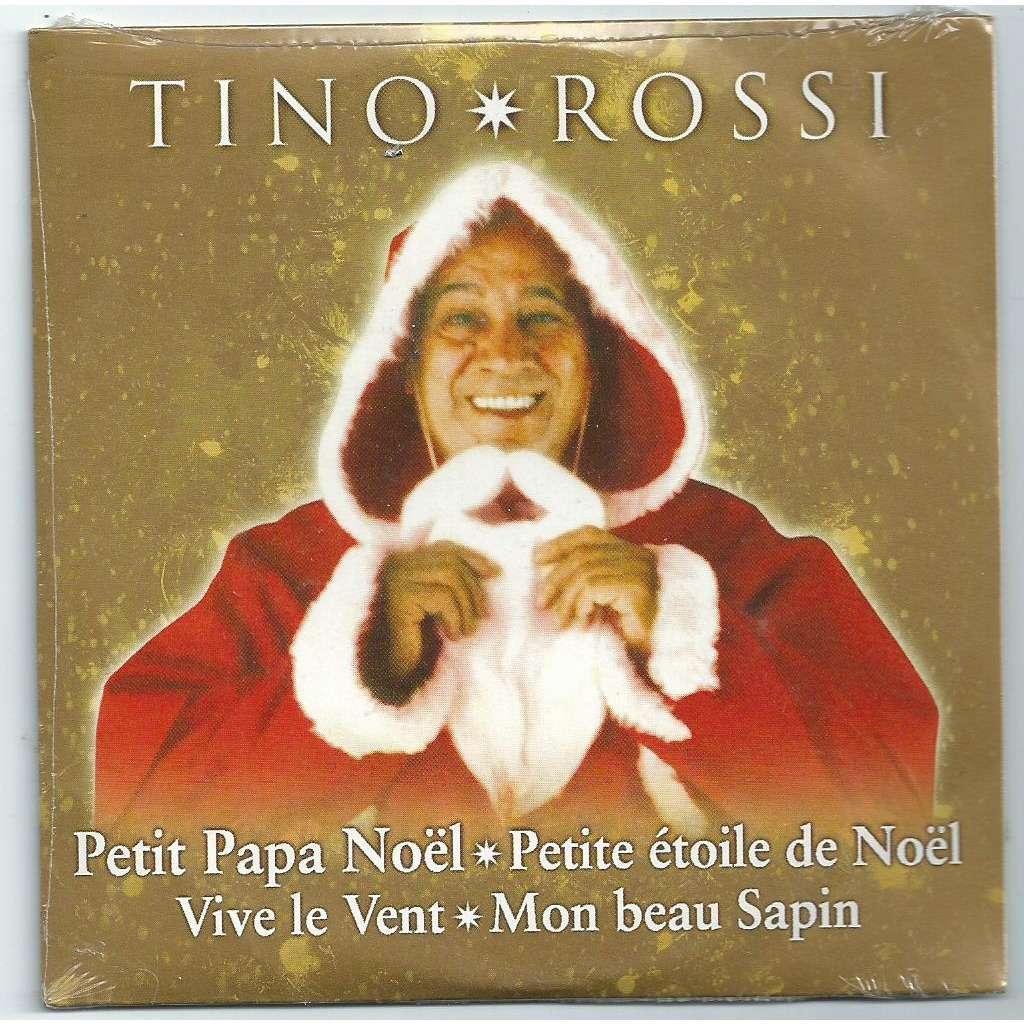
One genuine relief: France doesn’t drown you in Christmas carols from the day after Halloween. No elevator carols, no grocery store rendition of the Little Drummer Boy on repeat. Petit Papa Noël is one of the few French Christmas songs that gets real airtime written in 1944 during the Second World War, its original lyrics were actually a child’s prayer for his father’s return from Germany. The far more secular version most people know today was first performed in 1946 by Tino Rossi, with lyrics changed to move away from the religious songs the Vichy regime had promoted. Beyond that, the carols you do hear tend to be instrumental classics, mostly in the more upscale shops, and traditional church hymns.
French Christmas Greetings
Bonnes Fêtes or Joyeux Noël are the standard greetings. One thing worth knowing: wishing someone a Happy New Year before midnight on New Year’s Eve is considered genuinely bad luck in France.
Christmas Cards
The French don’t really do Christmas cards the way the English-speaking world does, and the selection in shops reflects it thinner and more generic, except in areas with a larger English-speaking population. New Year’s cards are the more common tradition instead.
The Christmas Tree (Sapin de Noël)
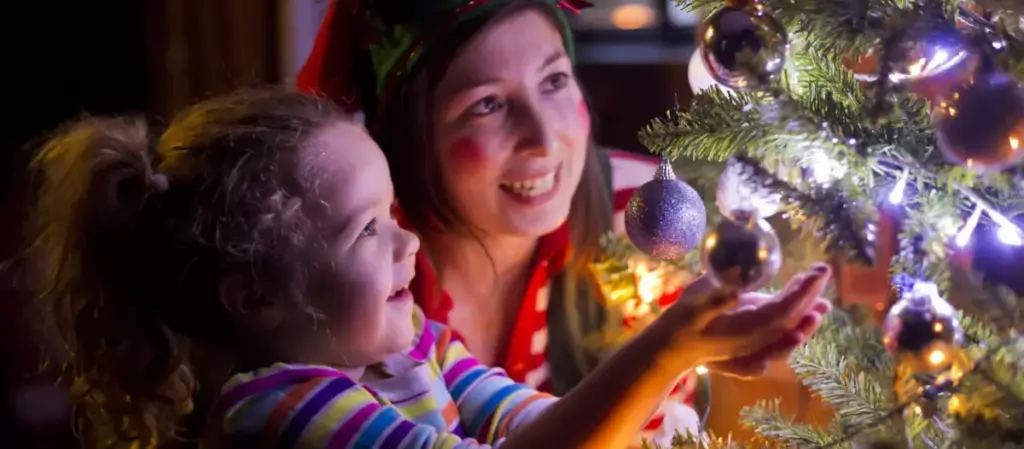
The French do love a real Christmas tree specifically. Many are now sold potted, so they can go straight into the garden afterward instead of the bin, and tree rental schemes are increasingly common too.
The Crèche and Santons de Noël
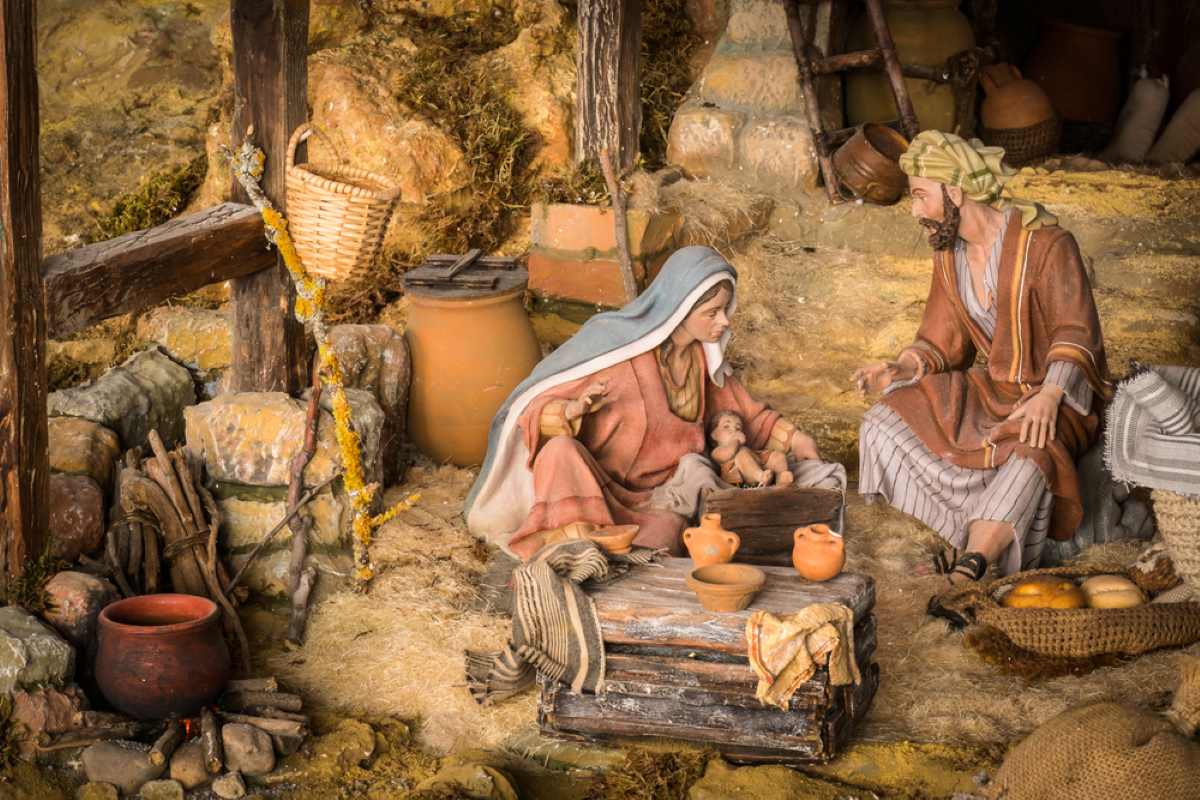
A crèche nativity scene filled with santons (small figurines) is a genuine fixture in French homes at Christmas, usually centred on Mary, Joseph, and the baby Jesus. In parts of southwest France, some communities take this a step further with crèches vivantes live nativity scenes with real animals like donkeys, sheep, and goats standing in for the traditional figures.
Marché de Noël (Christmas Markets)
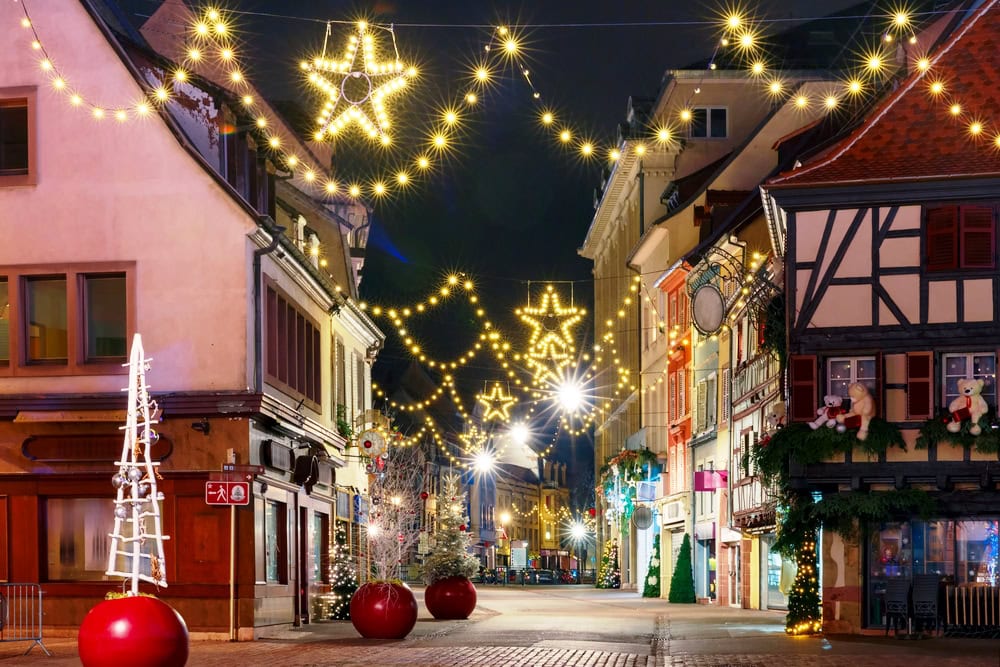
Christmas markets are everywhere in France, typically running from the last weekend of November through Christmas Day, sometimes into the New Year. Strasbourg, in Alsace, is widely considered the best in the country the Christkindelsmärik there is France’s oldest Christmas market, running for four centuries, with over 300 wooden chalets spread across the city’s squares.

Le Réveillon de Noël (Christmas Eve)
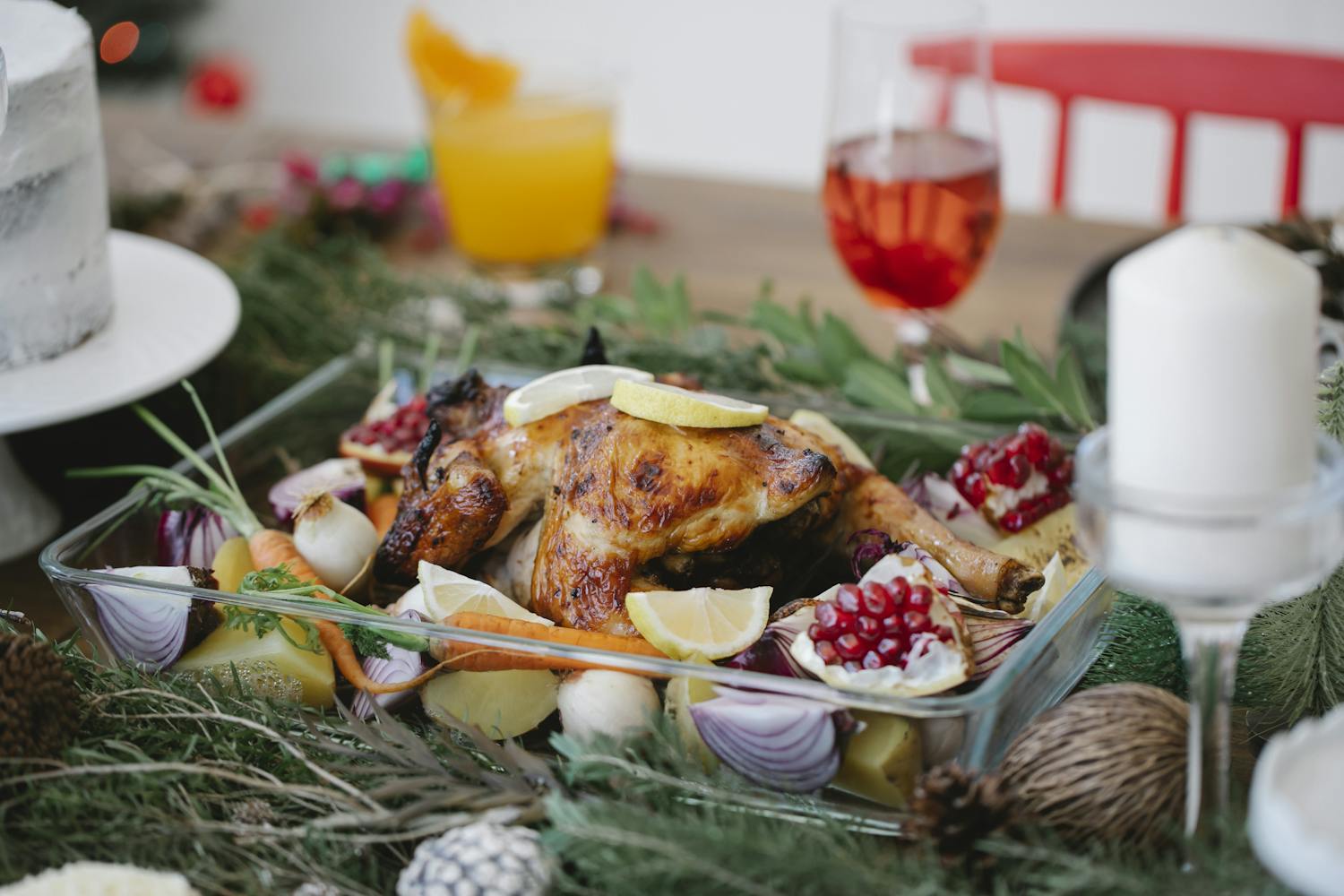
This is the single biggest event on the French Christmas calendar. Families sit down together for a long feast sometimes running six hours built around oysters, mussels, lobster, crab, prawns, foie gras, escargots, and a roast chicken or capon. Dessert brings out candied fruit, nougat, nuts, and of course the bûche de Noël. The meal is often followed by a walk to the local church for Midnight Mass.

Table Decoration
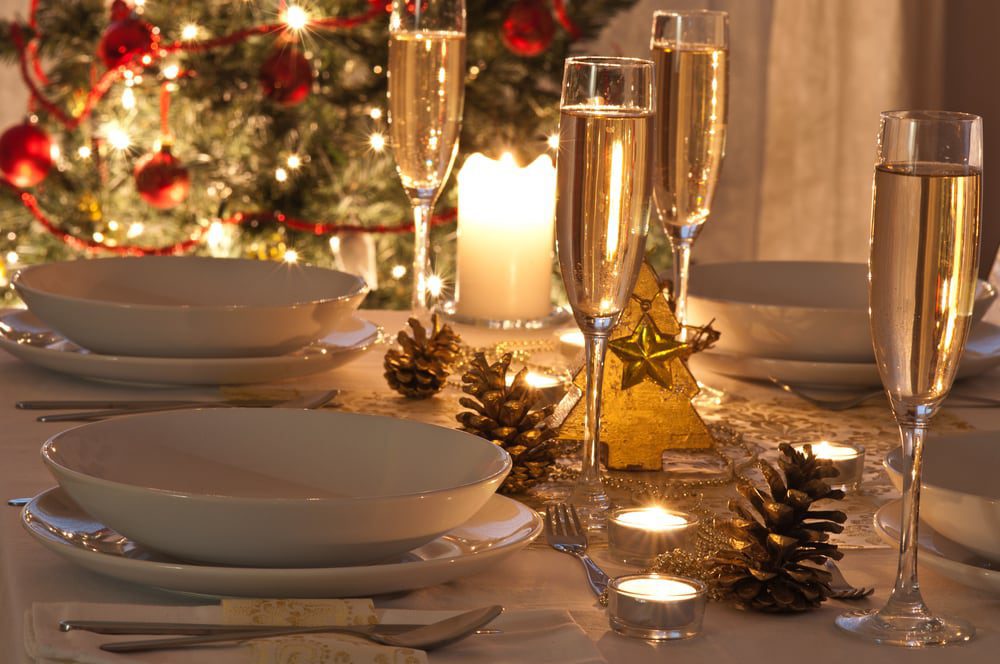
French Christmas tables are, unsurprisingly, done with real care. One tradition places three candlesticks on the table to symbolise the Trinity, and the tablecloth is knotted at each end supposedly so the Devil can’t cause trouble by getting underneath.
Shoes, Not Stockings
Children leave their shoes by the fireplace rather than hanging stockings, hoping Père Noël fills them overnight. Presents are opened on Christmas morning, generally at an hour just as unreasonably early as anywhere else in the world.
A Reply Guaranteed by Law
Here’s a genuinely charming fact most guides miss: since 1962, French law has required that every letter addressed to Père Noël receive a reply. Thousands of postal workers across the country volunteer each year to answer children’s letters personally.
Traditional French Christmas Food
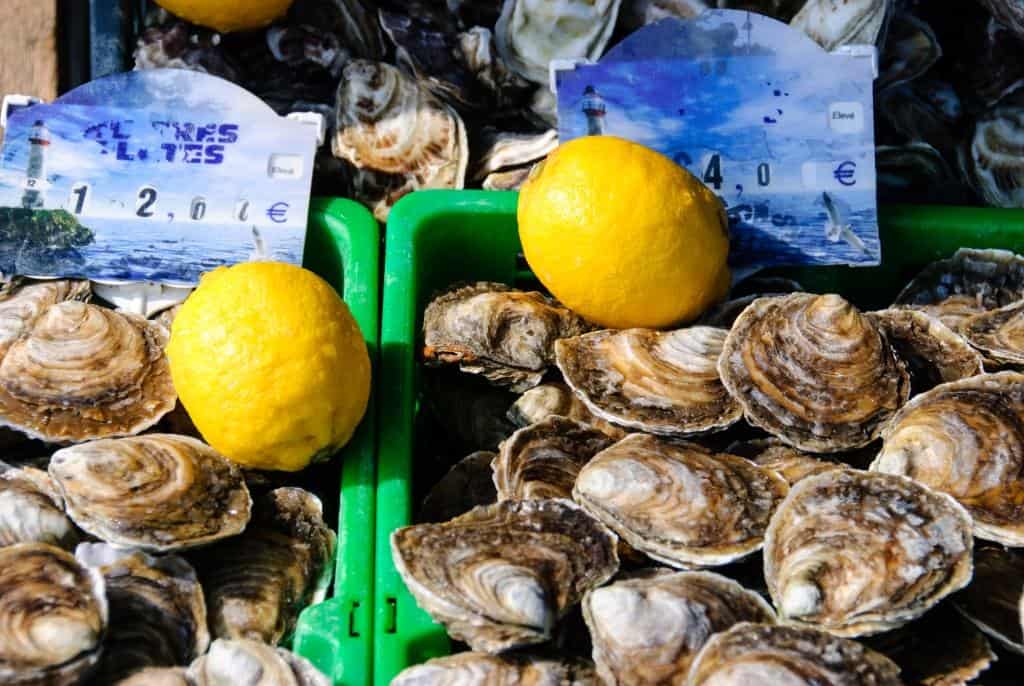
As almost everywhere, food is central to a French Christmas, and the main meal is actually eaten on Christmas Eve, not Christmas Day. Expect smoked salmon and fresh oysters (Cancale, on the Brittany coast, is particularly well known for them), foie gras, and roasted goose or capon stuffed with chestnuts, alongside all the usual trimmings. Dessert brings out the bûche de Noël again, roasted chestnuts, and elaborate patisserie, with plenty of wine throughout.
The Thirteen Desserts (Les Treize Desserts)
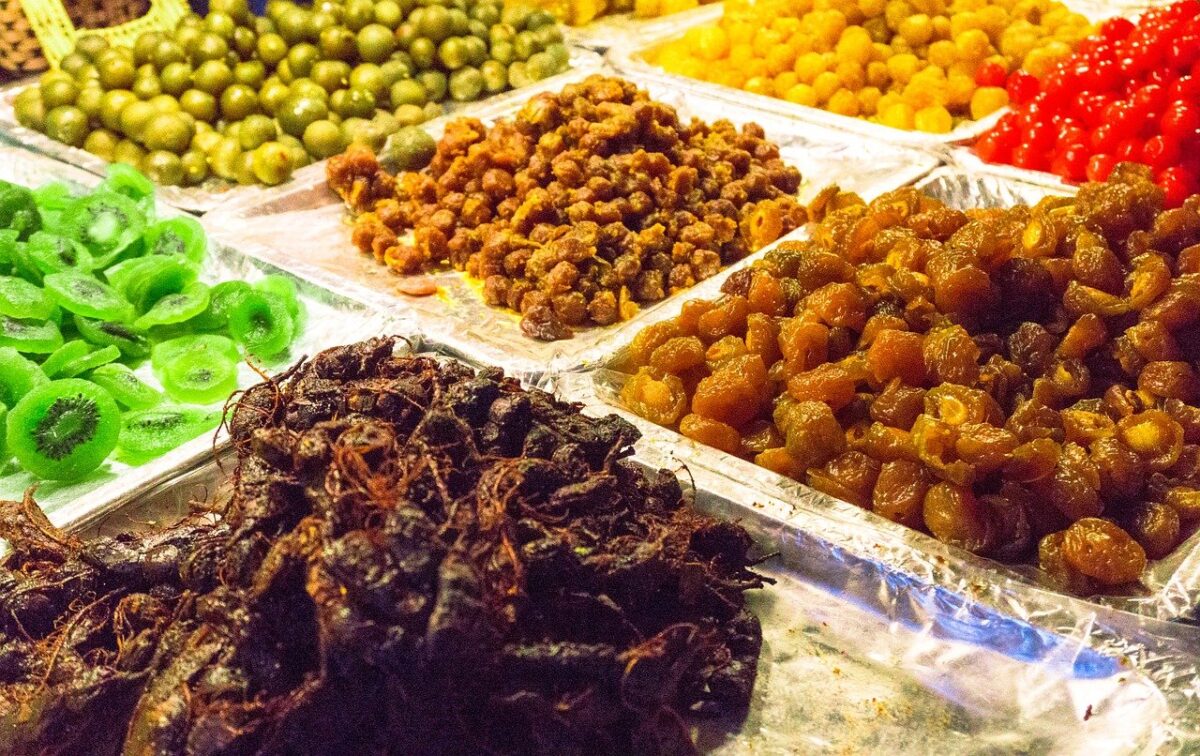
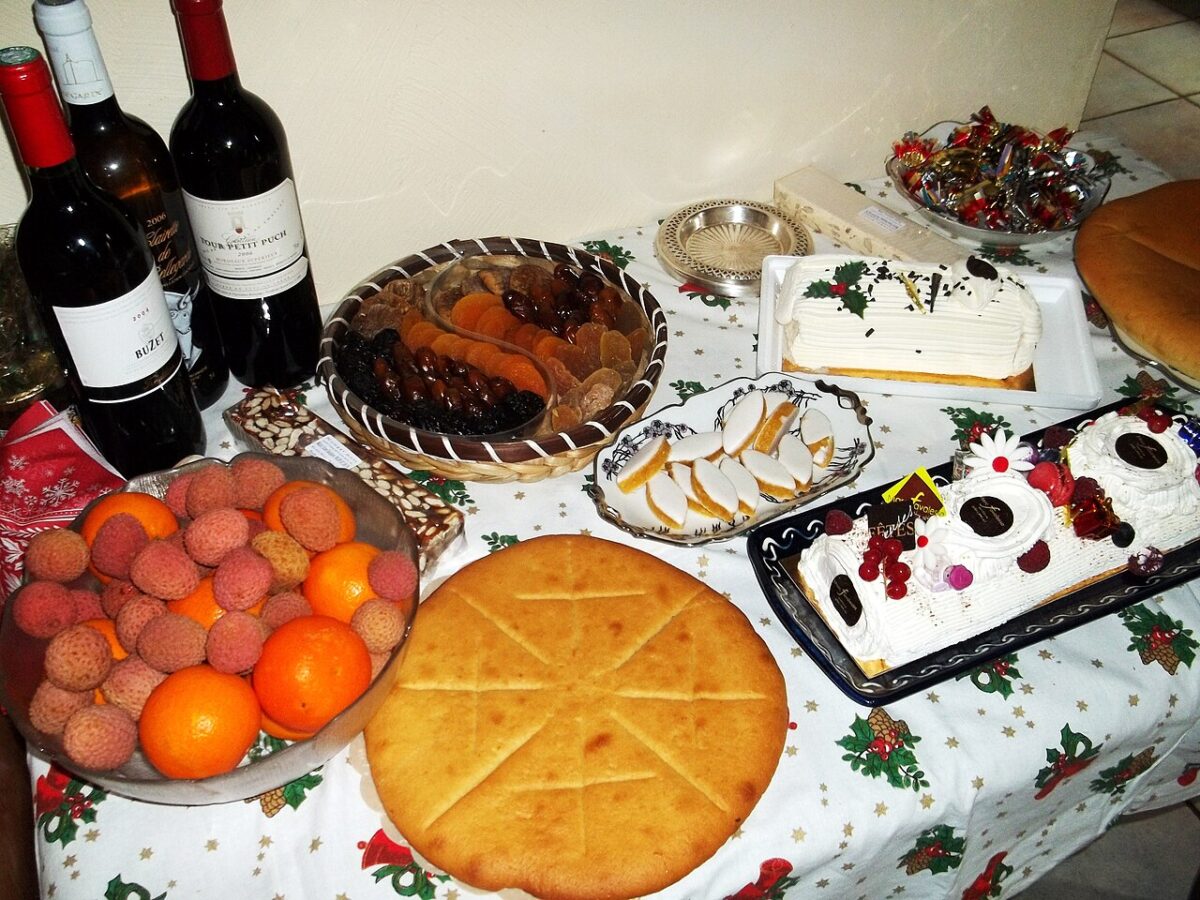
A tradition from Provence, representing the twelve apostles and Christ. The spread dried and candied fruits, a wide variety of nuts, and nougat is laid out all at once for an open house where family and friends drop by over several days, helping themselves whenever they visit rather than everything being eaten in one sitting.
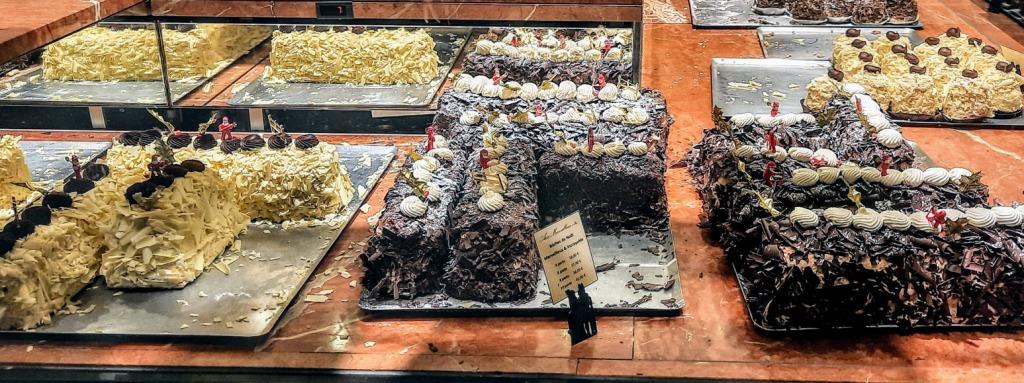
Bûche de Noël (Yule Log)
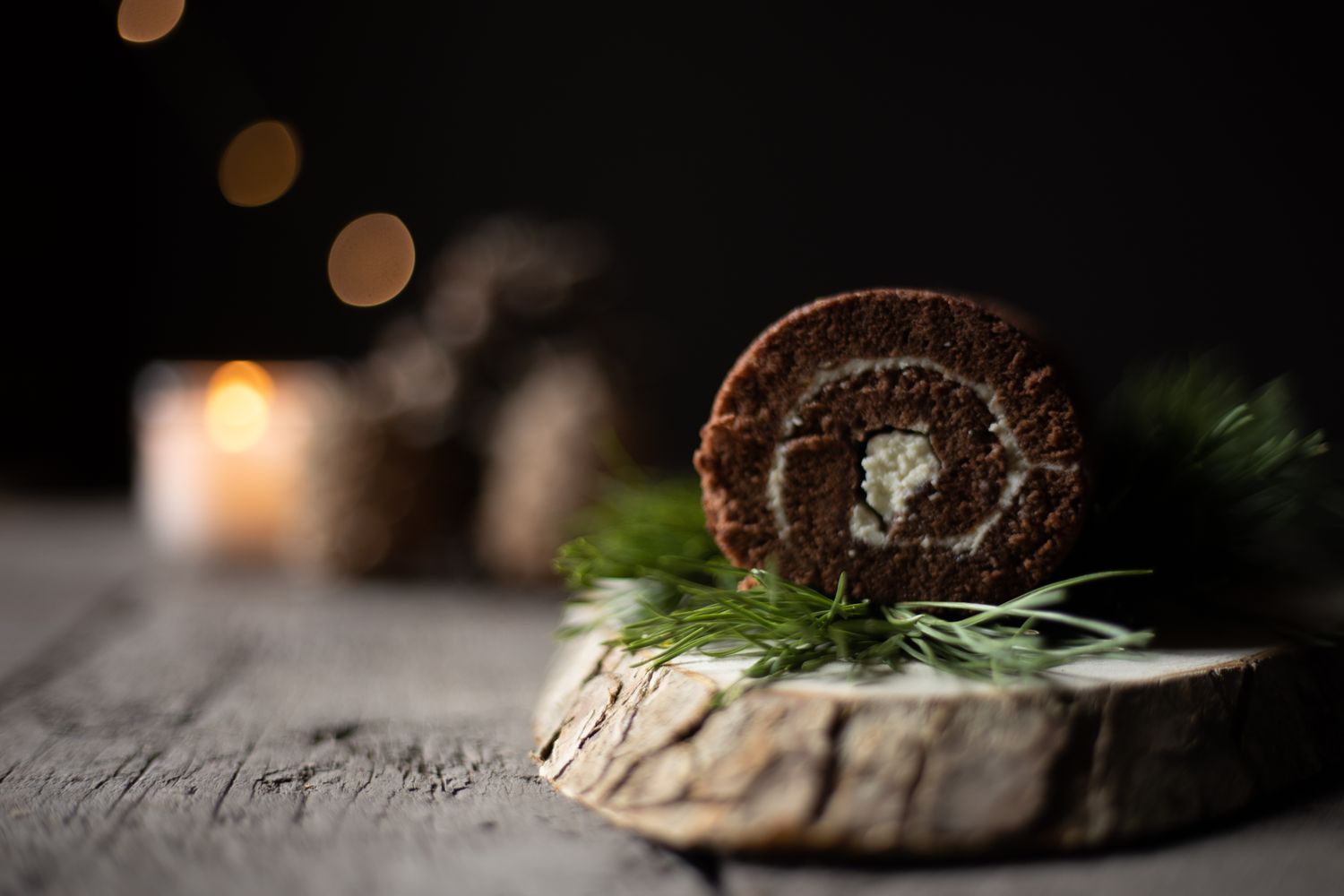
What began as the tradition of burning a large log for good luck has evolved into the modern bûche de Noël a rich, log-shaped chocolate sponge cake, the standard way to finish the Christmas Eve feast today.
French Christmas Drinks
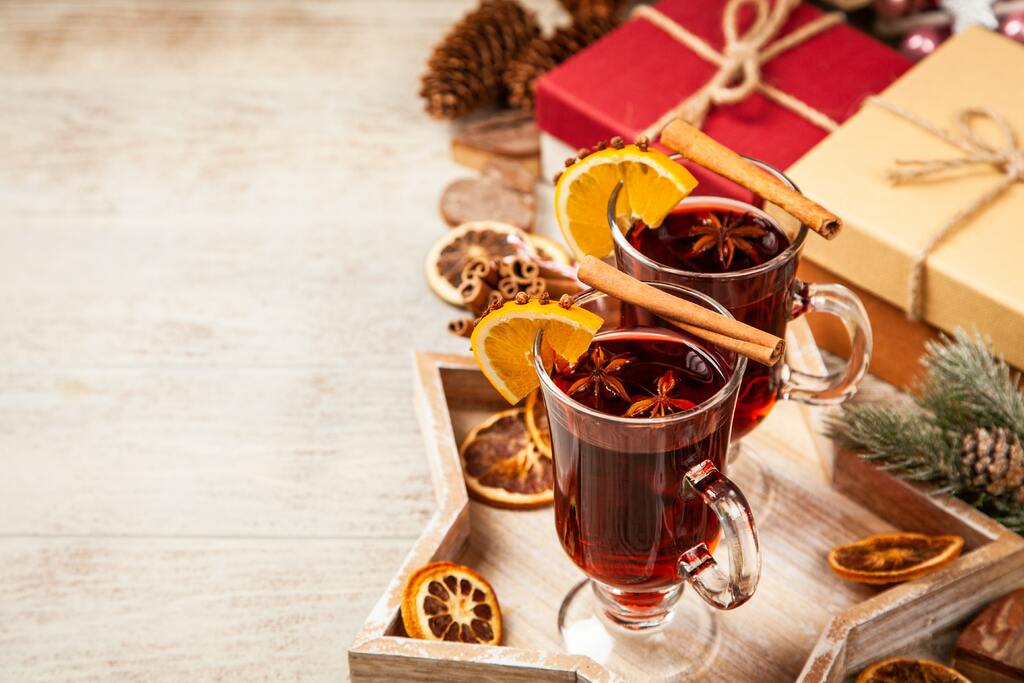
Champagne and endless toasts of santé (“your health”) define Christmas Eve. Regional alternatives are worth seeking out too: Kir Royale (crème de cassis topped with champagne), or in Brittany, Kir Breton, the same idea made with cider instead. Vin chaud (mulled wine, made at home with red wine, spices, and cognac) and cidre chaud (mulled cider, a Breton and Norman specialty) both make an appearance too.
Les Papillotes
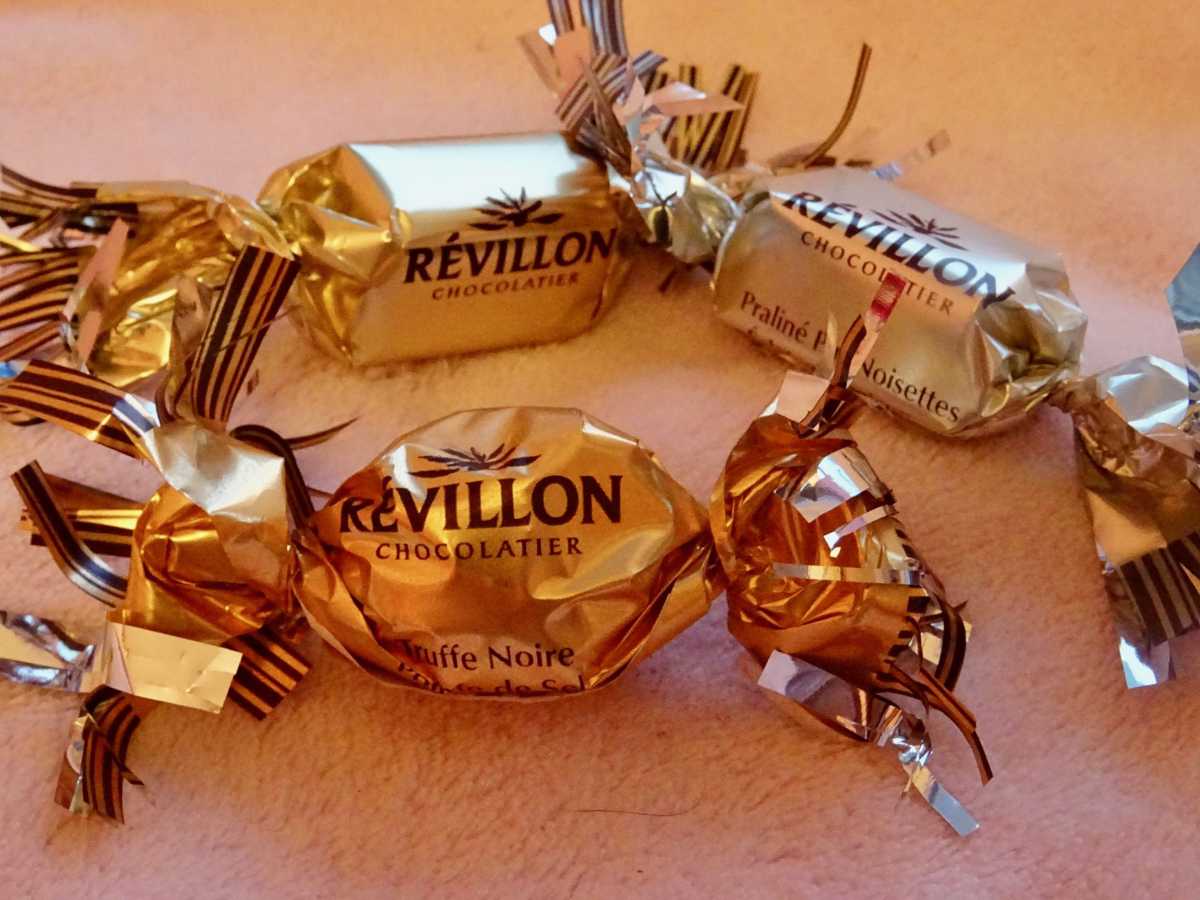
These foil-wrapped chocolates, a Christmas table staple in every French grocery store, date back to 1790 in Lyon, at the chocolaterie of a Monsieur Papillot. The story goes that a young apprentice fell for the shop owner’s niece, who lived above the store and the tradition of tucking a small love note inside the wrapper began from there.
Regional Christmas Traditions
France’s Christmas customs vary meaningfully by region, and it’s one of the things that makes the season here more interesting than a single national script.
- Alsace and Lorraine (eastern France): home to Saint-Nicolas Day, Hans Trapp/Père Fouettard, and Strasbourg’s centuries-old Christmas market, the oldest in the country.
- Provence (southern France): the thirteen desserts tradition, plus crèches vivantes with live animals in parts of the southwest.
- Brittany and Normandy: cidre chaud and Kir Breton reflect the region’s cider-making tradition, a genuine departure from the wine-forward customs elsewhere.
La Fête des Rois and La Galette des Rois (January 6th)
On January 6th, France celebrates la Fête des Rois the Feast of the Kings marking the Wise Men’s visit to the infant Jesus. It’s not a national holiday, but it’s widely observed with a specific cake: la Galette des Rois. In the lead-up to Epiphany, the Wise Men figurines in a home’s nativity scene are traditionally moved gradually closer to the stable, arriving on the 6th.
The galette itself is a puff pastry cake filled with frangipane (almond cream), with a tiny figure a fève hidden inside. Whoever finds it in their slice becomes king or queen for the day, complete with a paper crown that comes with every cake sold in French grocery stores that week. A softer, cookie-like version called a sablé galette also exists, typically filled with berries and cream instead.


Christmas in Paris
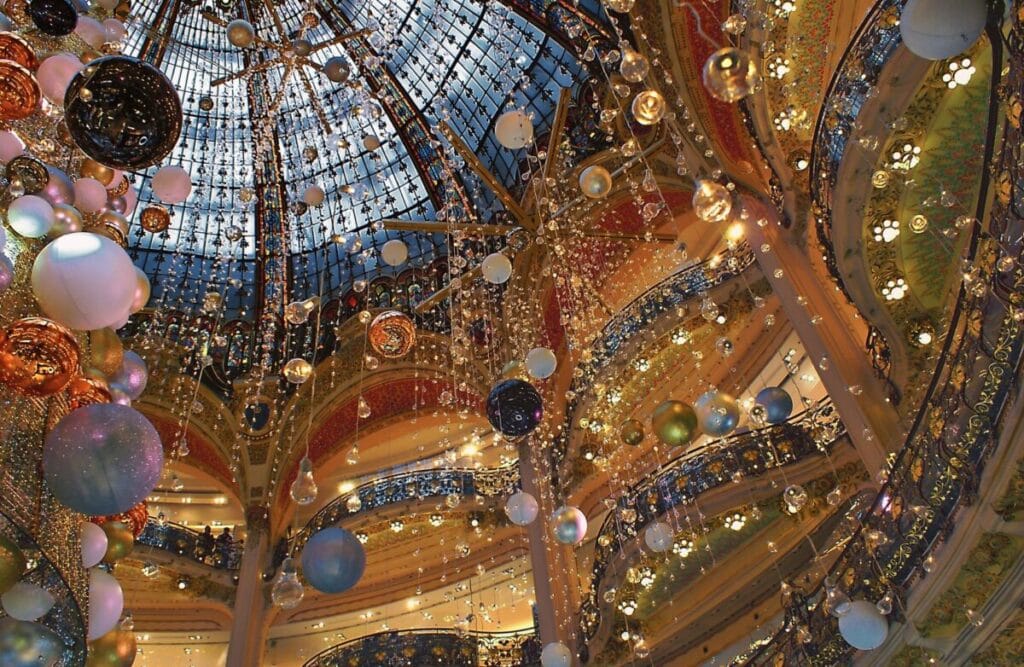
Christmas in France is genuinely magical if you can get to Paris for it. Lights cover the city, and cafés fill up with people drinking wine or mulled cider under heated awnings. The department stores put on a real show Galeries Lafayette, with its extraordinary Art Nouveau glass dome, does an especially stunning Christmas tree display each year.
La Samaritaine, since its restoration, is worth a look purely for the building itself the original grand staircase and glass-topped atrium (the verrière) have been brought back to their former glory, alongside the restored iconic façade, for a genuinely dramatic setting to shop in.
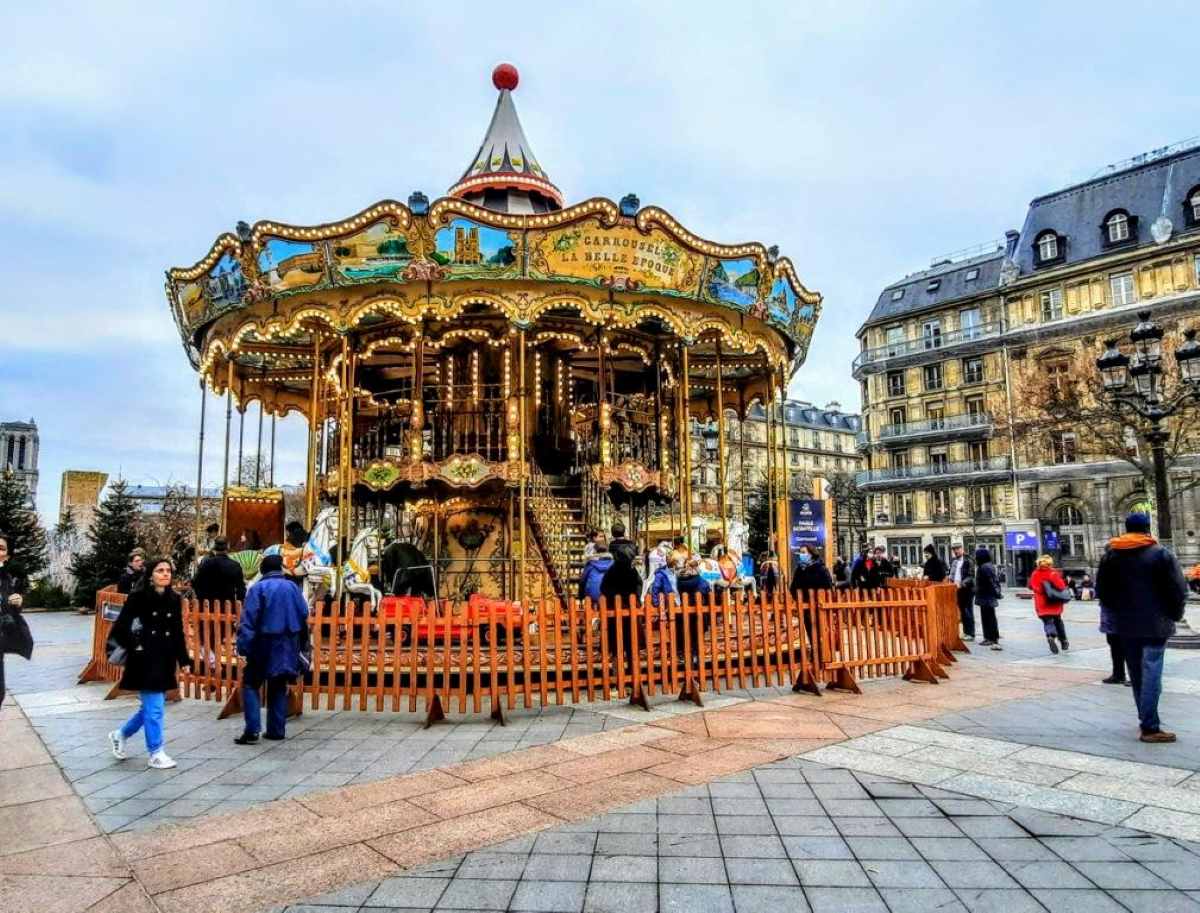
Christmas markets pop up all over the city, and the one in front of the Hôtel de Ville (City Hall) is close to a children’s paradise an antique carousel, a climbing wall, and regular visits from Père Noël himself.

Frequently Asked Questions About Christmas in France
What are the main French Christmas traditions?
The biggest is le réveillon, the long, lavish Christmas Eve dinner that can run for hours and features oysters, foie gras, and roast meat, followed by a walk to Midnight Mass. Alongside it: a crèche (nativity scene) in the home, Christmas markets from late November, shoes left by the fireplace instead of stockings, and the bûche de Noël (yule log cake) to finish the meal.
How is Christmas Eve celebrated in France?
Le réveillon de Noël is the main event a long family dinner, often four to six hours, with oysters, seafood, foie gras, and a roast, finishing with the bûche de Noël. Many families follow dinner with Midnight Mass, and children leave their shoes by the fireplace for Père Noël rather than hanging stockings.
What is the significance of the thirteen desserts?
Les treize desserts is a Provençal tradition representing Jesus and the twelve apostles. The spread dried fruits, nuts, nougat, candied fruit, and seasonal sweets is laid out all at once after the Christmas Eve meal and left on the table for days, so guests can help themselves whenever they visit.
Who is Père Fouettard?
Père Fouettard (“Father Whipper”) is the companion of Saint Nicholas in eastern French tradition, particularly around Saint-Nicolas Day on December 6th. Where Saint Nicholas rewards well-behaved children, Père Fouettard is said to deal with badly behaved ones no lump of coal here, just a rather sterner character. In Alsace, he’s sometimes known as Hans Trapp instead.
What is Saint-Nicolas Day in France?
Celebrated on December 6th, mainly in eastern France (Alsace and Lorraine), Saint-Nicolas Day predates the main Christmas gift-giving and has its own tradition: children leave shoes out on the evening of December 5th, and Saint Nicholas fills them with sweets and small gifts overnight, sometimes leaving carrots for his donkey companion.
Does Santa actually reply to letters in France?
Yes genuinely. Since 1962, French law has required every letter addressed to Père Noël to receive a response. Thousands of postal workers voluntarily answer children’s letters each Christmas season.
A French Christmas isn’t wildly different from Christmas anywhere else in the world at its core family, food, and time together but the specifics are what make it worth knowing before you experience one yourself. What’s your favourite French Christmas tradition?
Interested in exploring more of France check out these pages:
Touring the south of France – a guide to planning your French Road Trip
One fabulous day in Menton France
Pros and Cons of Living in France
Food in Brittany: Fall in love with the food of Bretagne
French Food Culture: The Ultimate Guide