
The Donegal Gaeltacht: What It Is, Where It Is, and Where to Learn Irish
I live in Donegal, in the part of the county where you’re as likely to hear Irish in the shop queue as English. For visitors, the Donegal Gaeltacht can be confusing road signs switch to Irish-only, place names stop matching what’s on the map, and nobody quite explains what’s going on unless you ask. This guide explains what the Gaeltacht actually is, exactly where it sits within Donegal, where you can learn Irish here if you’re coming from abroad, and why this small corner of Ireland matters more than its size suggests.
Fast Facts: The Donegal Gaeltacht
| What it is | An officially recognised Irish-speaking region |
| Where in Donegal | Gweedore, The Rosses, Fanad, Glencolmcille, plus Tory Island and Árainn Mhór |
| Dialect spoken | Ulster Irish (Gaeilge Uladh) |
| Size | One of Ireland’s largest Gaeltacht areas by land area |
| Where to learn Irish | Oideas Gael, based in Gleann Cholm Cille, southwest Donegal |
| Who it’s for | Adult learners of all levels, including complete beginners, from around the world |
| Language status | Classified ‘definitely endangered’ by UNESCO |
- The Donegal Gaeltacht: What It Is, Where It Is, and Where to Learn Irish
- Fast Facts: The Donegal Gaeltacht
- What Is a Gaeltacht?
- Where Is the Donegal Gaeltacht?
- Why Donegal's Irish Sounds Different
- Where to Learn Irish in the Donegal Gaeltacht (Coming From Abroad)
- Why the Gaeltacht Matters
- Visiting the Gaeltacht: What to Know
- Frequently Asked Questions About the Donegal Gaeltacht
What Is a Gaeltacht?
Gaeltacht (plural: Gaeltachtaí) is the Irish word for a region where Irish is, or was until recently, the primary language of the local population not a subject learned in a classroom, but the language people actually use at home, in shops, and in pubs.

The concept dates back to 1925, when a government commission, Coimisiún na Gaeltachta, was set up to map Ireland’s remaining Irish-speaking districts. Areas that met a threshold of Irish-speaking residents were given official Gaeltacht status, along with legal recognition and, eventually, dedicated state supports through the agency Údarás na Gaeltachta. Today, Gaeltacht regions exist across seven counties: Donegal, Mayo, Galway, Kerry, Cork, Waterford, and Meath.
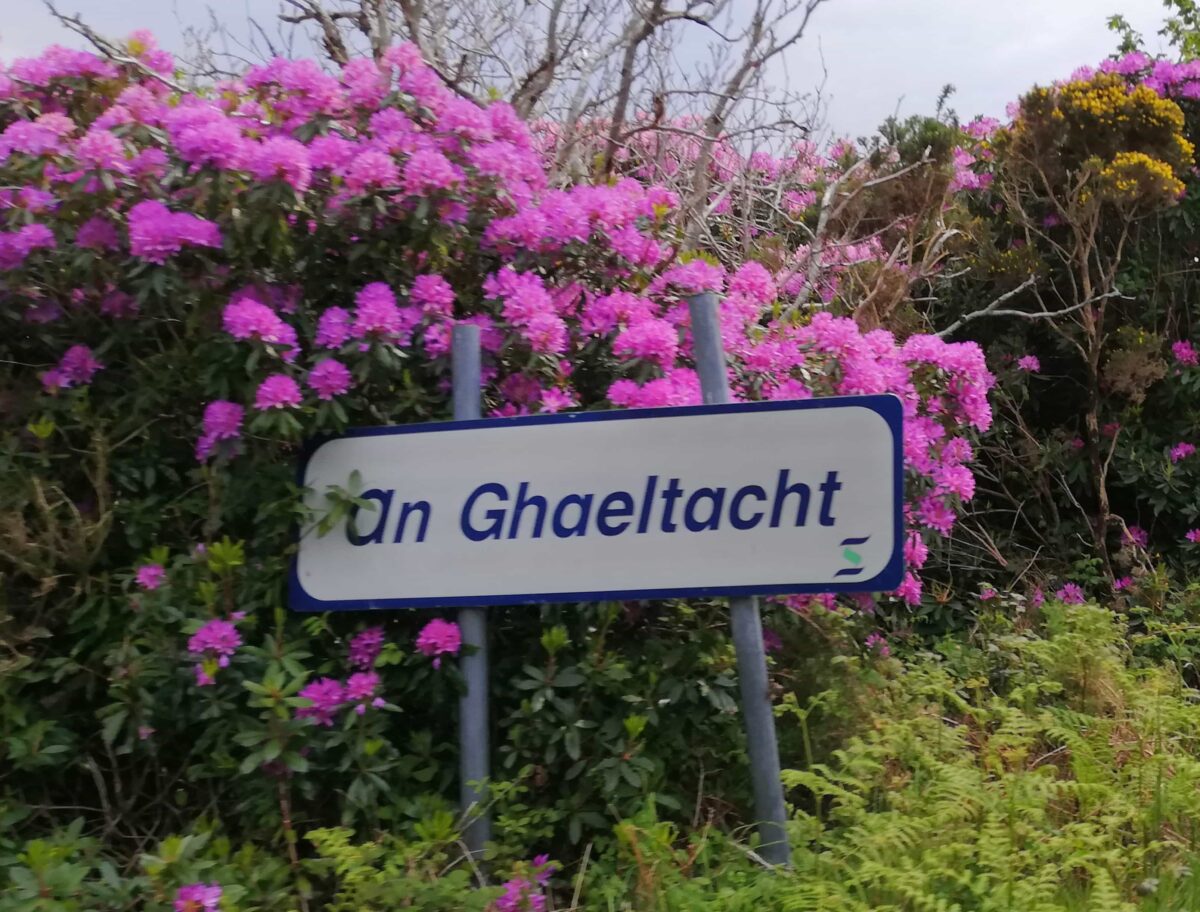
Being inside the Gaeltacht carries real, practical effects for visitors: official road signage inside Gaeltacht boundaries is in Irish only, rather than the bilingual signs used elsewhere in Ireland, so place names you’ve seen on a map in English may not appear anywhere on the actual road.

Where Is the Donegal Gaeltacht?
Donegal’s Gaeltacht isn’t one continuous block it’s spread across several distinct areas, mostly along the county’s western and northern coastline:
Gweedore (Gaoth Dobhair) often described as the most densely populated rural parish in Ireland, and home to musicians including Enya and Clannad.
The Rosses (Na Rosa) a scattered coastal area around Dungloe, with strong everyday use of Irish in the smaller villages.

Fanad (Fánaid) the peninsula between Lough Swilly and Mulroy Bay, quieter and less visited than Gweedore.
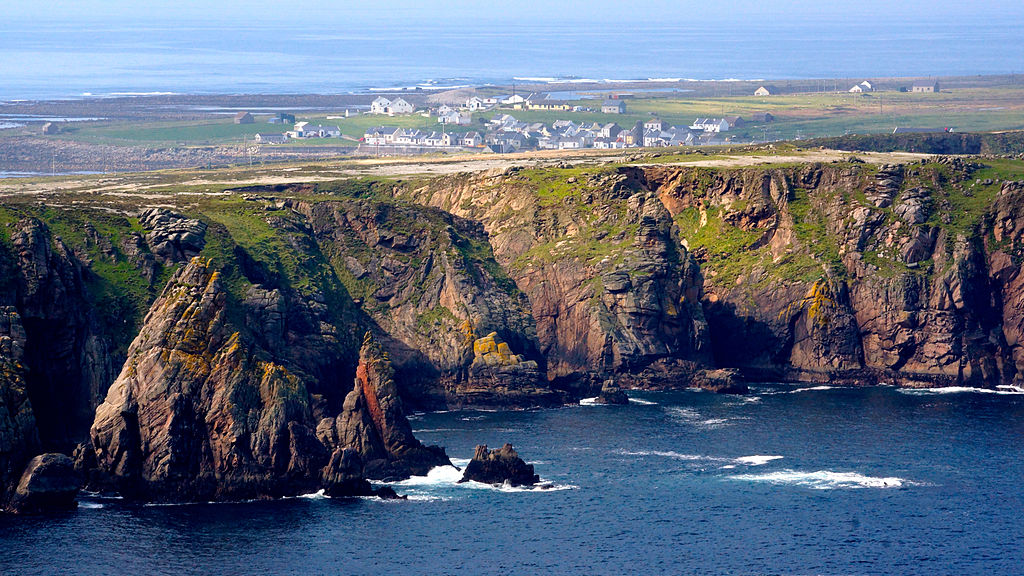
Glencolmcille (Gleann Cholm Cille) a remote valley in the southwest of the county, and home to Oideas Gael, Donegal’s best-known Irish language school.
Tory Island (Toraigh) a small island off the north coast with its own long-standing king (Rí Thoraí) and a tightly-knit Irish-speaking community.
Árainn Mhór (Arranmore) Donegal’s largest inhabited island, reached by ferry from Burtonport, where Irish remains part of daily island life.
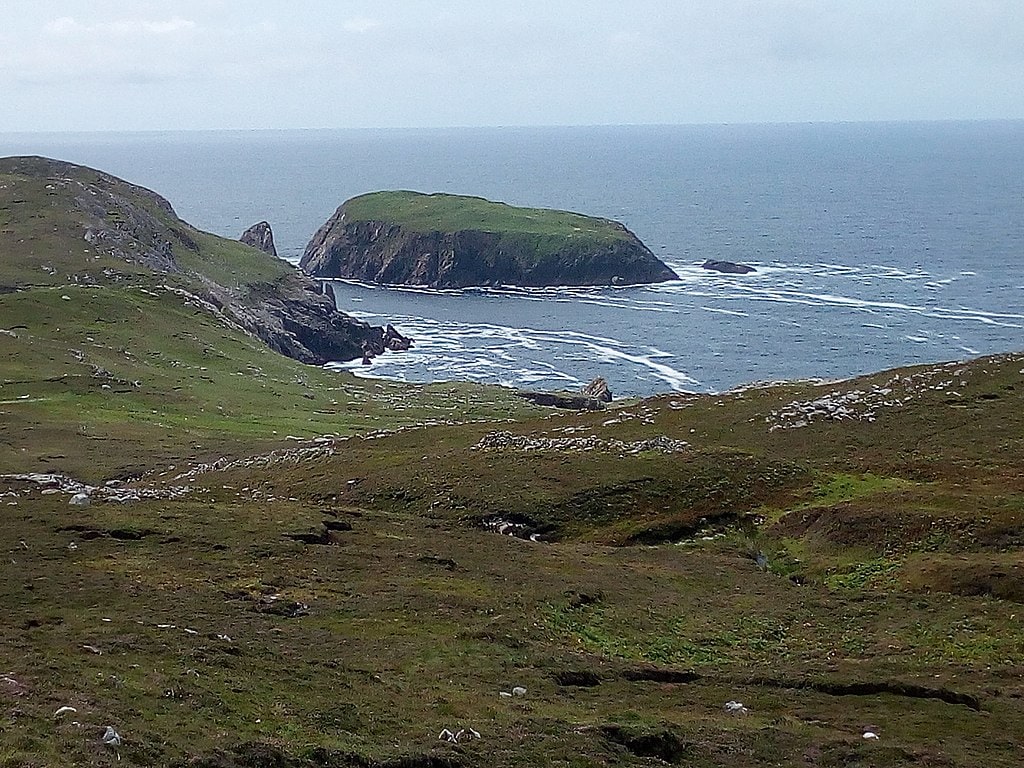
Combined, these areas make Donegal one of the largest Gaeltacht regions in the country by land area, second in scale only to the Gaeltacht around Connemara in County Galway.
Why Donegal’s Irish Sounds Different
If you’ve studied Irish before, or heard it spoken in Galway or Kerry, Donegal Irish can come as a surprise. Ireland has three main historical dialects Ulster, Connacht, and Munster Irish and Donegal is the heartland of Ulster Irish (Gaeilge Uladh), a dialect once spoken across the wider historic province of Ulster but now concentrated almost entirely in this one county.
Ulster Irish has its own distinct pronunciation, vocabulary, and even some grammar that differs from what’s typically taught in schools further south or in classroom Irish abroad. Language schools in Donegal generally reassure learners that skills transfer between dialects with only minor adjustment, so prior study of a different dialect isn’t a barrier to learning here.
Where to Learn Irish in the Donegal Gaeltacht (Coming From Abroad)
If you want to actually learn Irish while visiting, rather than just hear it spoken, Donegal has a well-established option built specifically for adult learners: Oideas Gael, based in Gleann Cholm Cille (Glencolmcille) in the southwest of the county.
Who it’s for: Oideas Gael runs courses for adults only this isn’t the teenage summer-camp model used elsewhere in Ireland for secondary school students. It caters to complete beginners through to fluent speakers, and welcomes participants from dozens of countries each year, alongside Irish people brushing up on the language.
What the courses involve: Standard week-long courses run to roughly 35 contact hours, combining morning language classes with cultural or activity-based afternoons options have included hillwalking, traditional music, set dancing, and painting, all conducted with an emphasis on practising spoken Irish outside the classroom as well as in it.

| Location | Course Type | Typical Length / Price |
| Gleann Cholm Cille | Week-long Irish language course, all levels | 1 week, roughly €240 |
| Gleann Cholm Cille | Weekend Irish course | 3–4 days, roughly €120 |
| Gleann Fhinne | Summer week-long course | 1 week, seasonal dates |
| Toraigh (Tory Island) | Week-long course on the island | 1 week, seasonal dates (mid-June) |
Alongside Gleann Cholm Cille, Oideas Gael also runs occasional courses on Toraigh (Tory Island) and in Gleann Fhinne, both deeper into the Donegal Gaeltacht, for learners who want an even more immersive, remote setting.
Courses fill up, particularly in summer, so booking ahead is worth doing if you’re planning a trip specifically around learning Irish rather than fitting it around a wider Donegal itinerary.
Why the Gaeltacht Matters
It’s easy to treat the Gaeltacht as a scenic curiosity road signs in a language you can’t read, a nice detail for photos. The reality is more urgent than that.
Irish is classified as ‘definitely endangered’ by the UNESCO Atlas of the World’s Languages in Danger. Ireland’s 2022 Census found that while the overall Gaeltacht population is growing, the proportion of residents who speak Irish has continued to fall, down from 69% in 2011 to 66% in 2022, with roughly 20,000 people about three in ten Gaeltacht residents speaking it daily outside the education system. Nationally, daily speakers outside school make up a little over 1% of Ireland’s population.

Údarás na Gaeltachta, the state agency responsible for the Gaeltacht, has publicly described the language’s position there as vulnerable, and language groups such as Conradh na Gaeilge have called the situation in some areas critical, pointing to a lack of Gaeltacht housing as a driver, since young people who grow up speaking Irish often can’t afford to stay in the communities that raised them.
School: Irish is the only compulsory subject in Irish primary and post-primary education every child studies it from primary school through the Leaving Certificate, with exemptions only in limited cases (time abroad, certain learning difficulties). It’s not a strict graduation “pass” requirement, but a pass in Irish is required for entry to National University of Ireland institutions unless exempted, and it’s specifically required for primary teaching.

- Government employment: general Irish fluency hasn’t been required for most civil service roles since the early 1990s, but there’s a dedicated Irish Language recruitment stream, many senior public-sector and Gaeltacht-facing roles list it as a requirement or advantage, and the Official Languages (Amendment) Act 2019 sets a target of one in five new public service recruits being Irish-competent by 2030.
Against that backdrop, Donegal is one of the counties still holding the line. Along with Galway, it has the highest proportion of confident Irish speakers of any county, and its remoteness the very thing that makes it a longer drive for visitors is part of what has kept Ulster Irish alive here as a living, spoken dialect rather than a museum piece.
That’s really what a visit to the Donegal Gaeltacht is: not a re-enactment of the past, but a look at one of the last places where Ireland’s first language is still just how people talk.

Visiting the Gaeltacht: What to Know
Signage is Irish-only inside Gaeltacht boundaries have place names in Irish noted alongside their English equivalents before you set off, since GPS apps don’t always reconcile the two smoothly.
Don’t expect every conversation to happen in Irish most people are fully bilingual and will often switch to English with visitors by default; a few words of Irish (Dia dhuit for hello, go raibh maith agat for thank you) are appreciated as effort, not expected as fluency.
Tory Island and Árainn Mhór run on ferry schedules, not personal timetables check crossing times in advance, especially outside summer months.
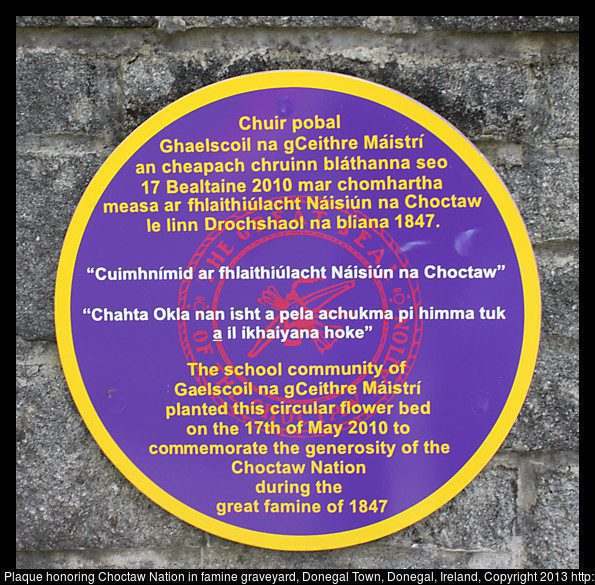
If you plan to take a course, treat it as the anchor of your trip rather than a side activity Gleann Cholm Cille is remote even by Donegal standards, so building a few extra touring days around it works better than trying to combine it with a packed county-wide itinerary.
Frequently Asked Questions About the Donegal Gaeltacht
What does the word Gaeltacht mean?
Gaeltacht is the Irish word for an officially recognised Irish-speaking region an area where Irish is, or until recently was, the everyday language of the local community, rather than a subject taught in school.
Where is the Donegal Gaeltacht?
It covers large parts of northwest and southwest Donegal, including Gweedore, The Rosses, Fanad, and Glencolmcille, along with offshore islands like Tory Island and Árainn Mhór. Together these areas make up one of Ireland’s largest Gaeltacht regions by land area.
Is Donegal Irish different from Irish spoken elsewhere?
Yes. Donegal is the home of Ulster Irish (Gaeilge Uladh), one of the three main dialects of the language alongside Munster and Connacht Irish. It has its own distinct pronunciation and vocabulary, and Donegal is generally considered the best place to learn or hear it.
Can a foreigner learn Irish in the Donegal Gaeltacht?
Yes. Oideas Gael in Gleann Cholm Cille runs Irish language courses specifically for adults, including complete beginners, and welcomes learners from dozens of countries every year. No prior knowledge of Irish is required for the beginner-level courses.
Do people in the Donegal Gaeltacht actually speak Irish day to day?
In parts of it, yes, though less than in the past. National census data shows a minority of Gaeltacht residents now speak Irish daily outside the education system, and the proportion has been falling for years, even as Gaeltacht populations grow. Donegal remains one of the stronger areas for fluent, everyday Irish.
Why is the Gaeltacht considered important?
The Gaeltacht is the last place where Irish survives as a living community language rather than a second language learned in school. UNESCO classifies Irish as ‘definitely endangered,’ and organisations like Údarás na Gaeltachta and Conradh na Gaeilge describe the current situation as vulnerable, making the Gaeltacht’s remaining daily speakers central to whether the language survives as a spoken tongue at all.
Donegal’s Gaeltacht isn’t a recreation of old Ireland for visitors to look at it’s a small, resilient community still living in its own language, on its own terms, in one of the wildest corners of the country. Spending even a few days in it, whether on a language course in Gleann Cholm Cille or simply driving through Gweedore with the radio tuned to Raidió na Gaeltachta, is one of the more quietly memorable things you can do in Donegal.