
We Moved to Ireland: Honest Truths Nobody Warns You About
Moving to Ireland sounds simple—until you actually try to do it. We learned that the hard way. Both of us were born in Ireland. I was born in Northern Ireland, and my husband was born in Dublin. On paper, that should have made everything easy. Once we had our Irish passports sorted, we assumed the rest of the move would fall into place. It didn’t.
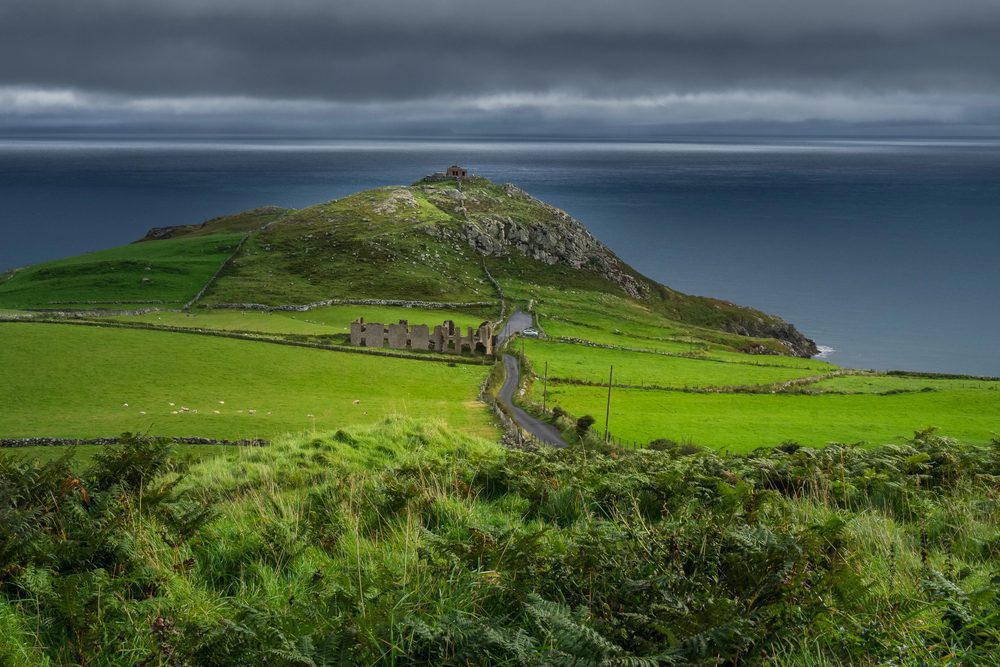
What we discovered very quickly is that there’s a huge difference between having the legal right to live in Ireland and actually building a life here. The paperwork was the easy part. The real challenges were housing, documentation, and navigating systems that don’t always connect in a logical way. An Irish passport is often just the first step see the full Living Abroad Guide for what building a life somewhere new actually looks like day to day.
We’ve now gone through the full process ourselves, from struggling to find a place to live in Donegal to dealing with PPS applications and banking roadblocks and this guide is based entirely on that experience.
If you’re planning to move to Ireland, this will show you how it actually works in practice, not just how it looks on paper.
Moving to Ireland involves securing legal residency, finding accommodation, applying for a PPS number, opening a bank account, and setting up essential services. The biggest challenge is housing, followed by navigating administrative systems.
- We Moved to Ireland: Honest Truths Nobody Warns You About
- How the Moving Process Actually Works
- How to Move to Ireland (Step-by-Step)
- Moving to Ireland Checklist (Before & After You Arrive)
- What Moving to Ireland Looks Like in Reality
- Requirements to Move to Ireland
- Moving to Ireland vs USA or Canada
- The Reality No One Explains About Moving to Ireland
- Finding Housing in Ireland (The Step That Determines Everything)
- The Importance of a Transition Period
- Getting a PPS Number (And Why It Feels Backwards)
- Opening a Bank Account (Where Small Details Matter)
- Jobs and Work in Ireland
- Cost of Moving to Ireland (The First Few Months)
- The First Three Months (Adjustment Period)
- Common Mistakes When Moving to Ireland
- What Moving to Ireland Is Really Like
- Is Moving to Ireland Worth It?
- FAQs About Moving to Ireland
- Exploring the fascinating regions of Ireland
How the Moving Process Actually Works
At a high level, moving to Ireland follows a clear sequence. You confirm your legal status, secure accommodation, and then begin working through the systems that allow you to function day to day.
In reality, these steps are not as neatly ordered as they appear. Many of them depend on each other, which is where the frustration begins. You need an address to open a bank account, but you may need a bank account to secure housing. You need a PPS number to work, but you may need proof of work to obtain one.
This interdependence is what makes moving to Ireland feel more complicated than expected. The process becomes much easier once you understand that you are not just following steps you are navigating a system.

How to Move to Ireland (Step-by-Step)
- 1. Confirm your visa or citizenship
- 2. Secure temporary or long-term accommodation
- 3. Apply for a PPS number
- 4. Open a bank account
- 5. Set up utilities and services
- 6. Find work or secure income
- 7. Register for healthcare
These steps sound straightforward, but in reality many of them overlap or depend on each other which is where most people run into problems.

Moving to Ireland Checklist (Before & After You Arrive)
Moving to Ireland involves more than just booking a flight. Having a clear checklist makes the process much smoother and helps you avoid the most common delays.
Before You Move to Ireland
Before you arrive, your focus should be on legal status, finances, and securing at least temporary accommodation. A good place to start is Daft.ie which is Ireland’s first website for housing.
Manage your expectations for housing as well. Dreaming of that little Irish cottage can lead to ending up living in a place that you can’t get the oil truck down the road and the house is freezing. You also need to learn what a back boiler is and a hot press.
Make sure your passport is valid and, if required, that your visa or residency permission is approved. If you are eligible for Irish citizenship, complete this process as early as possible, as it simplifies everything that follows.
It’s also important to organise your finances. Ensure you have access to funds when you arrive, whether through international banking, cards, or savings. Many expenses in Ireland are front-loaded, particularly housing deposits and initial setup costs.
Accommodation should be arranged in advance, even if it is only temporary. This could be a short-term rental, house-sitting arrangement, or an extended Airbnb stay. Having an address, even temporarily, will make the next steps significantly easier.
You should also gather and bring printed copies of important documents. These may include identification, proof of address (if available), financial statements, and any paperwork related to employment or visas. In Ireland, physical documents are often still required.
Finally, it’s worth arranging travel insurance or private health insurance, particularly if it is required for your visa or personal circumstances.

First 1–2 Weeks in Ireland
Once you arrive, your priority is to start integrating into the system.
One of the first things you should do is apply for your PPS number, as this is required for employment, taxes, and many other services. Depending on your situation, you may need to provide documentation showing why you need it.
At the same time, begin the process of opening a bank account. This can take longer than expected, so it’s best to start early. Make sure you have the correct proof of address and identification, as requirements can be strict.
You will also need a local phone number, which makes communication with landlords, employers, and service providers much easier. One way to do this is to make sure your mobile phone has an Irish SIM card which is easy to obtain.
If you are staying in temporary accommodation, continue actively searching for long-term housing during this period. This is often the most time-sensitive part of the move.
First 1–3 Months
As you settle in, your focus shifts to stability.
This is when you should secure long-term accommodation if you haven’t already. Once you have a permanent address, it becomes much easier to complete other administrative tasks.
You can then fully set up utilities such as electricity, heating, and internet, as well as organise ongoing services like insurance and transport.
If you are working, your PPS number and banking should now be in place, allowing you to be paid and manage your finances properly.
You should also register for healthcare if applicable and begin establishing routines that make daily life easier.

The One Thing to Prioritise
If there is one thing the checklist makes clear, it’s this:
Securing accommodation is the most important step in moving to Ireland. Without it, almost every other part of the process becomes significantly harder or completely blocked. is the most important step in moving to Ireland. Everything else banking, PPS numbers, services depends on it.
Want a printable version of this checklist? Download the full Moving to Ireland checklist here.
What Moving to Ireland Looks Like in Reality
One of the biggest surprises when moving to Ireland is how different the process feels compared to how it looks on paper. When you read guides online, everything appears linear. You follow a checklist, complete each step, and move forward. In reality, it rarely works like that.
Many of the systems you need to interact with depend on each other in ways that aren’t immediately obvious. You may need proof of address to open a bank account, but you might need a bank account to secure accommodation. You may need a PPS number to work, but you often need proof of work to obtain one.
This creates a situation where progress can feel slow and, at times, circular. It’s not that the system is broken it’s that it requires patience and persistence.
Understanding this early can make a significant difference. Instead of expecting a smooth process, it helps to approach the move as something you will navigate step by step, adapting as you go.


Requirements to Move to Ireland
The first thing you need to establish is how you are legally allowed to live in Ireland. For some people, this is relatively simple. If you were born in Ireland or have Irish parents or grandparents, you may qualify for citizenship. In our case, this part of the process was straightforward and predictable. Applying for Irish passports was one of the only stages that worked exactly as expected.

For many people moving from countries like the United States or Canada, the situation is different. Ireland does not generally allow people to move first and figure things out later. In most cases, you will need a job offer before you can obtain a work permit, and that job must meet specific criteria.
There is also a pathway for those who want to retire in Ireland or live there without working, but it comes with strict financial requirements. You must demonstrate a stable income, significant savings, and private health insurance. It is possible, but it requires careful planning and is not accessible to everyone. Understanding your legal pathway is essential, but it is only the beginning.
If you’re planning later in life, the process is different see our full guide on how to retire to Ireland

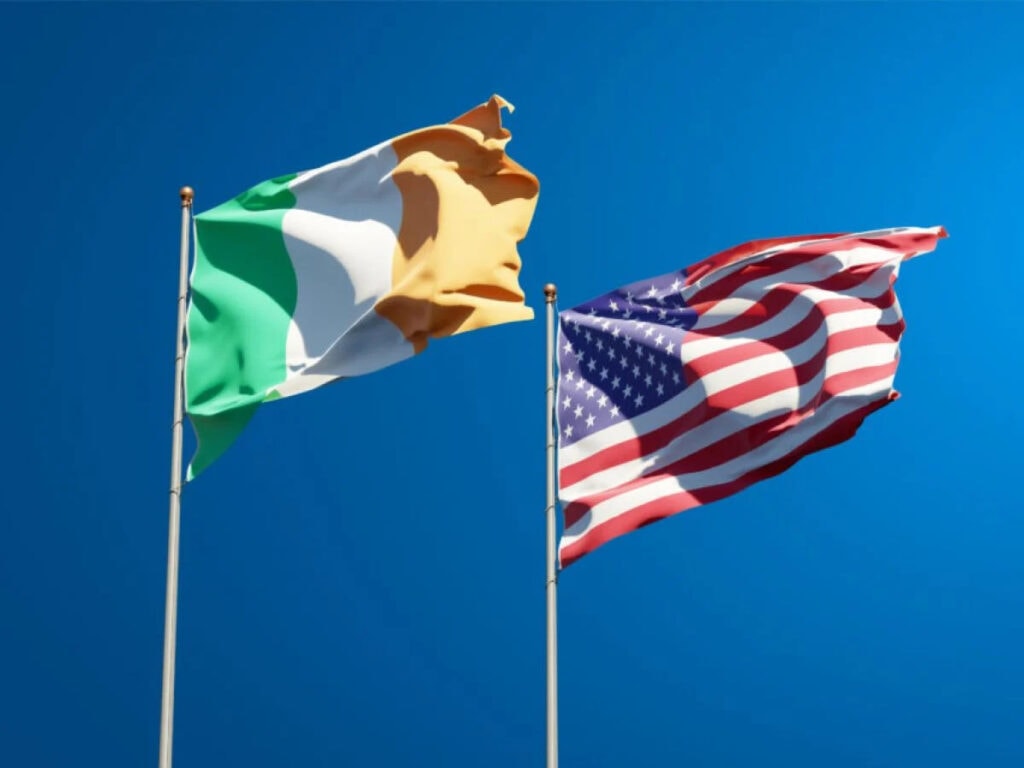
Moving to Ireland vs USA or Canada
Moving to Ireland from countries like the United States or Canada often comes with an unexpected adjustment not just in lifestyle, but in how systems operate. In North America, many processes are fast, digital, and relatively flexible.
In Ireland, things tend to be more structured and documentation-driven. Tasks that might take minutes online elsewhere can require appointments, paperwork, and follow-up. At the same time, Ireland offers something different in return: a slower pace of life, stronger community connections, and a sense of everyday balance that can feel harder to find in larger North American cities. The transition isn’t about better or worse it’s about adapting to a different way of doing things.
The Reality No One Explains About Moving to Ireland
One of the biggest misconceptions about moving to Ireland is that once your visa or citizenship is sorted, the rest is easy. In reality, the opposite is true.
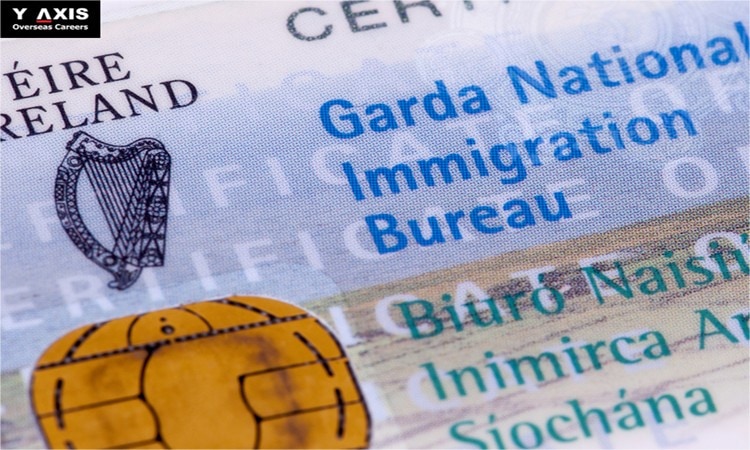
Even with full Irish citizenship, we encountered the same challenges as anyone else. The systems that govern everyday life in Ireland are built around documentation, and more specifically, around proof of address.
Your address becomes your key to everything. Without it, you cannot open a bank account, cannot easily obtain a PPS number, and cannot fully access services. Once you understand how the system works, everything comes back to one critical step: finding somewhere to live.
Finding Housing in Ireland (The Step That Determines Everything)
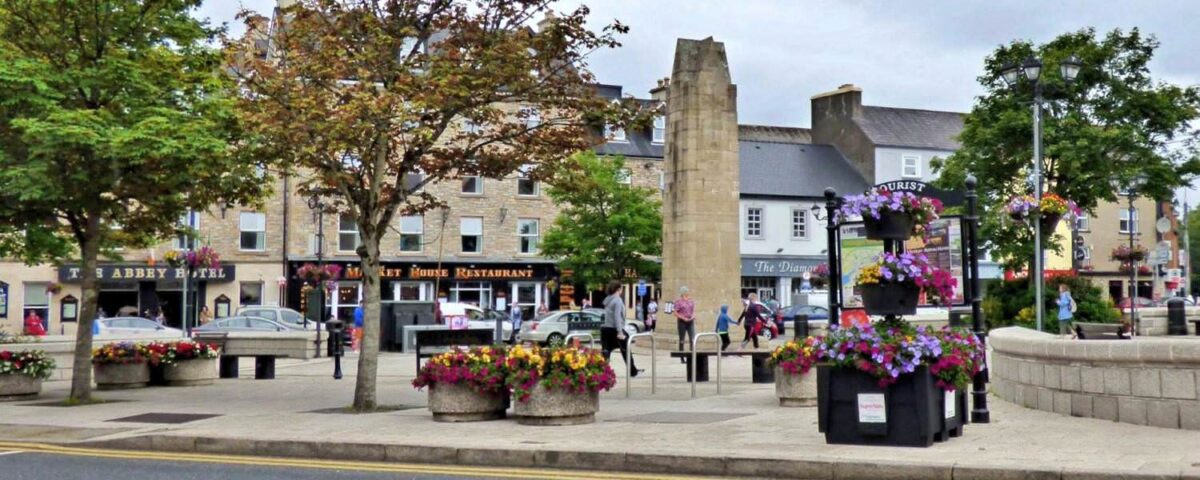
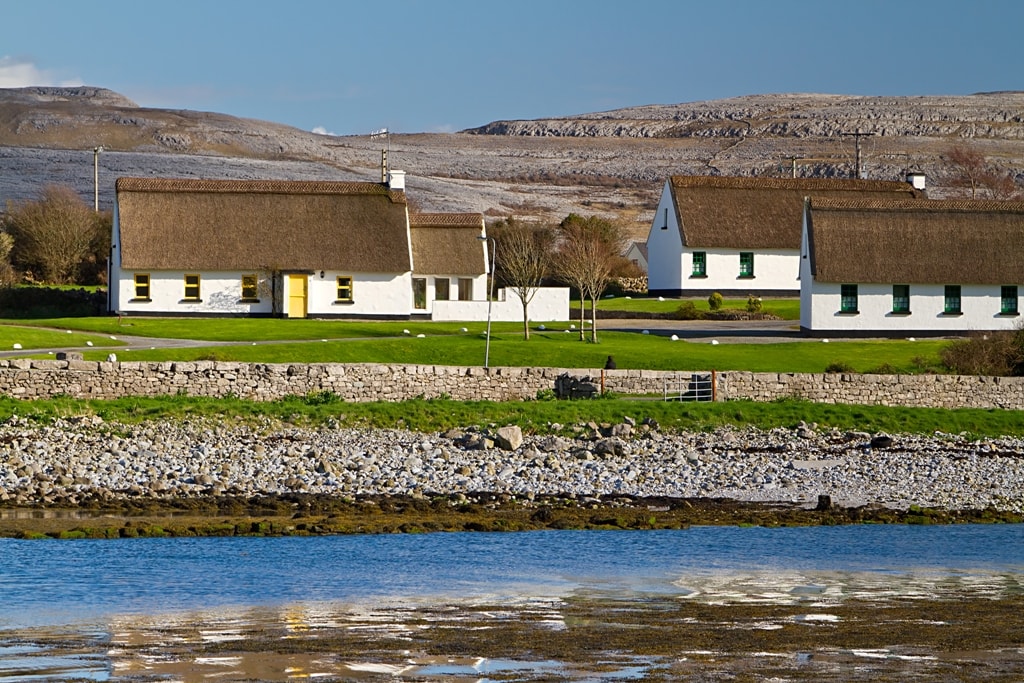
We chose to move to Donegal Town because of the lifestyle it offered. It felt quieter, more connected, and more aligned with how we wanted to live. We had friends there, we knew the area, and it felt like the right decision.
What we didn’t realise was how much that choice would complicate the process. There is a common assumption that rural Ireland is easier when it comes to housing. The reality is more complicated. In Dublin, the challenge is competition. There are properties available, but demand is extremely high, and it is common for listings to receive dozens of enquiries within hours.
In Donegal, the challenge is supply. There are simply not enough long-term rental properties available. Many homes are used for short-term tourism, and those that are available for long-term rent are often not widely advertised.
We spent weeks searching through the usual channels. Property websites, listings, emails, and enquiries led nowhere. It wasn’t just that properties were expensive or competitive they were scarce.
In some parts of Ireland, especially rural areas, buying can actually be easier than renting. If you’re considering that, read our full guide on how to buy property in Ireland as a foreigner.


The Airbnb Strategy That Finally Worked
Eventually, out of frustration more than strategy, we tried something different. Instead of continuing to search for traditional rentals, we began contacting BnB hosts directly. We explained that we were looking for a long-term place to stay during the off-season and asked whether they would consider renting to us for several months.
We specifically targeted the period from October to May. This approach worked because it aligned with how the local market functions. During the summer, properties are in high demand from tourists. During the winter, many sit empty. For hosts, having a guaranteed tenant during that time provides stability. For us, it provided a home.
We were also able to provide local references, which helped build trust. In smaller communities, this can make a significant difference. Without this approach, it is very likely that our move would have stalled at this stage. Housing is not just one step in the process it is the foundation that everything else depends on.
Why Rural Ireland Can Be Harder Than Cities
Before moving, we assumed that choosing a rural area would make things easier. Lower costs, less competition, and a simpler lifestyle all seemed like advantages.
In places like Dublin, the issue is competition. There are properties available, but many people are trying to secure them. In rural areas like Donegal, the issue is availability. There may be very few properties on the market at all.
This means you are not just competing you are waiting. It also means that traditional search methods don’t always work. Many rentals are filled through local connections, word of mouth, or informal arrangements rather than formal listings.
For us, this was one of the biggest adjustments. It required a shift in approach, moving away from structured searches and towards direct communication and flexibility.
The Importance of a Transition Period
One of the biggest lessons we learned is the importance of giving yourself time.
Trying to secure permanent housing before arriving in Ireland is extremely difficult. Having a temporary solution, whether through house-sitting, short-term rentals, or extended stays, allows you to understand the local market and make better decisions. That time reduces pressure and makes the process more manageable.
It also allows you to view properties in person, build local connections, and avoid committing to something that may not suit your long-term needs.
Getting a PPS Number (And Why It Feels Backwards)
Once you have an address, you can begin interacting with the systems that allow you to live in Ireland properly. The PPS number is central to this.
You need it for employment, taxation, healthcare, and many other aspects of daily life. On paper, it appears to be a simple administrative step.
In practice, it is more complicated. You cannot simply apply for a PPS number because you have moved to Ireland. You must demonstrate a specific need for it, supported by documentation from a recognised organisation.
This creates a circular problem. You need the PPS number to function, but you need to already be functioning in some way to qualify for it.
We encountered this firsthand when we attempted to apply. We were told that we needed a valid reason, in writing, before we could proceed.
The solution came from obtaining documentation from the National Driver Licence Service, stating that a PPS number was required for a licence application. That provided the justification we needed. It worked, but it required persistence and a willingness to navigate the system.

The Importance of Persistence in Irish Systems
One of the most important things to understand when dealing with administrative systems in Ireland is that persistence matters.
Processes are not always explained clearly, and the outcome can sometimes depend on who you speak to or how you approach the situation. This can feel frustrating, especially if you are used to systems that are more standardised or digital.
We experienced this during the PPS application process. One visit resulted in being turned away with very little guidance. Another visit, with a different staff member, was much more straightforward.
This inconsistency can be difficult to navigate, but it also means that solutions often exist you just need to find the right path. Approaching these situations with patience and flexibility can make a significant difference.
Opening a Bank Account (Where Small Details Matter)
Opening a bank account is another step that seems simple but often becomes complicated.
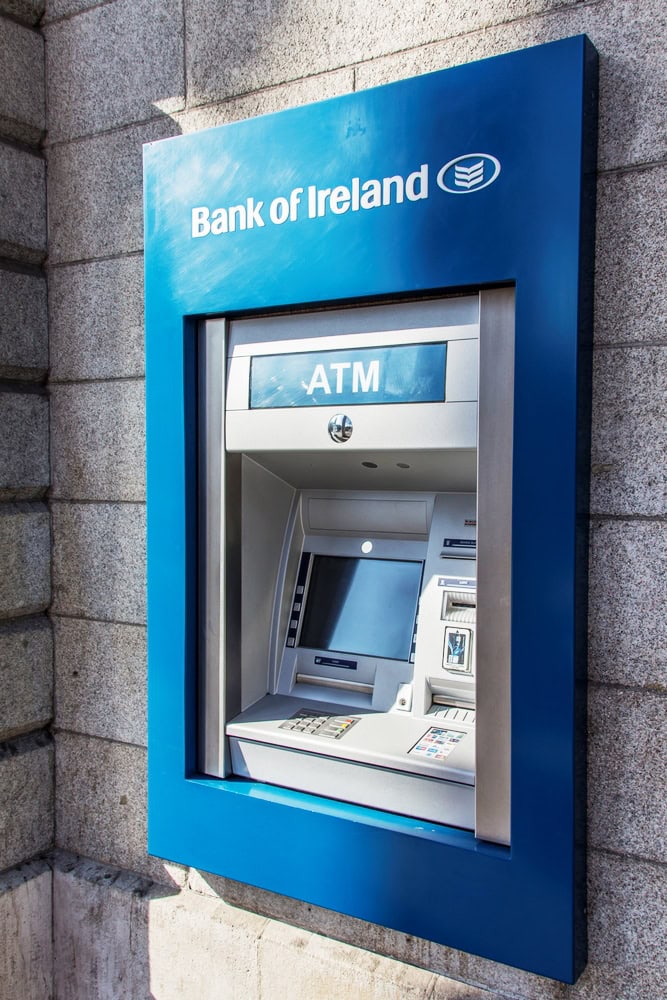
You are required to provide proof of identity and proof of address. While this sounds straightforward, the specific documents you provide and how they are presented can determine whether your application is accepted.
In our case, I was able to open an account using a passport, lease agreement, and supporting documentation. However, when we attempted to add my husband to the account, he was refused because his name was not on a utility bill.
He lived in the same house, had valid identification, and was on the lease. But without that specific form of proof, the application could not proceed. This highlights a key aspect of life in Ireland: Systems are consistent, but they are not flexible.
Why Documentation Matters More Than You Expect
If there is one theme that runs through every part of moving to Ireland, it is documentation. Not just having documents, but having the right documents in the right format.
In many cases, it’s not enough to prove something logically. You need to prove it in a way that fits within the system’s requirements. This is why something as small as a name not appearing on a utility bill can delay an entire process.
For expats, this can feel unnecessarily strict. But once you understand how the system works, it becomes easier to prepare for it. Taking the time to organise your documents properly before and during your move can save a significant amount of time and frustration.
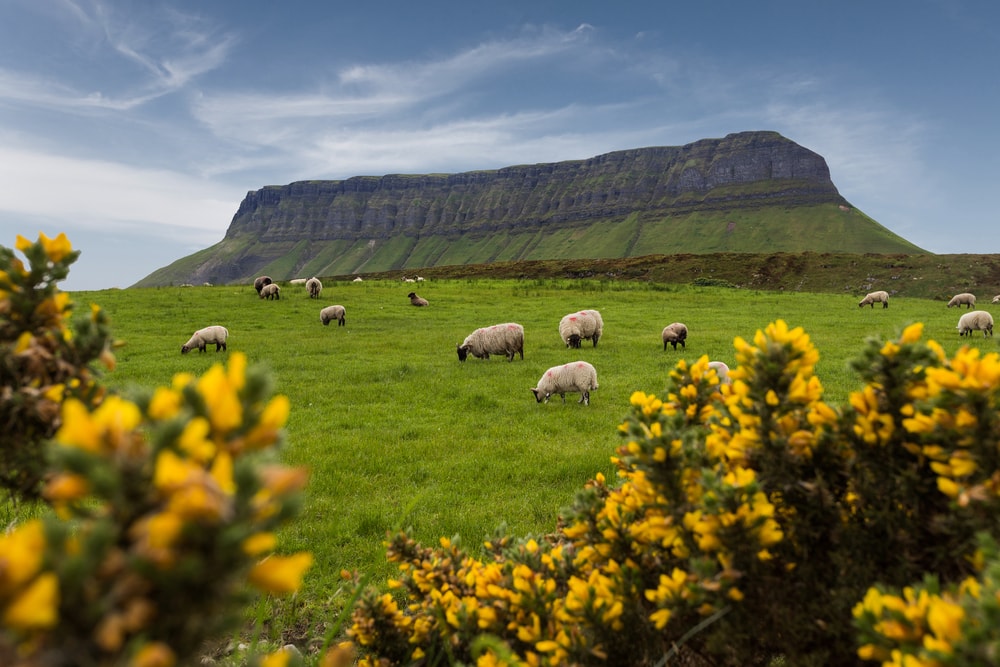
Jobs and Work in Ireland
For those moving without Irish or EU citizenship, employment is a central part of the process. Ireland’s job market is heavily concentrated in Dublin. This is where most multinational companies are based and where the majority of opportunities exist. This creates a clear trade-off.
Living in Dublin provides access to jobs and higher salaries, but it also comes with significantly higher living costs, particularly in terms of housing.
In contrast, rural areas like Donegal offer a different lifestyle but far fewer employment opportunities. Many people living in these areas work remotely, are retired, or have independent income. Understanding this trade-off is essential when deciding where to live.
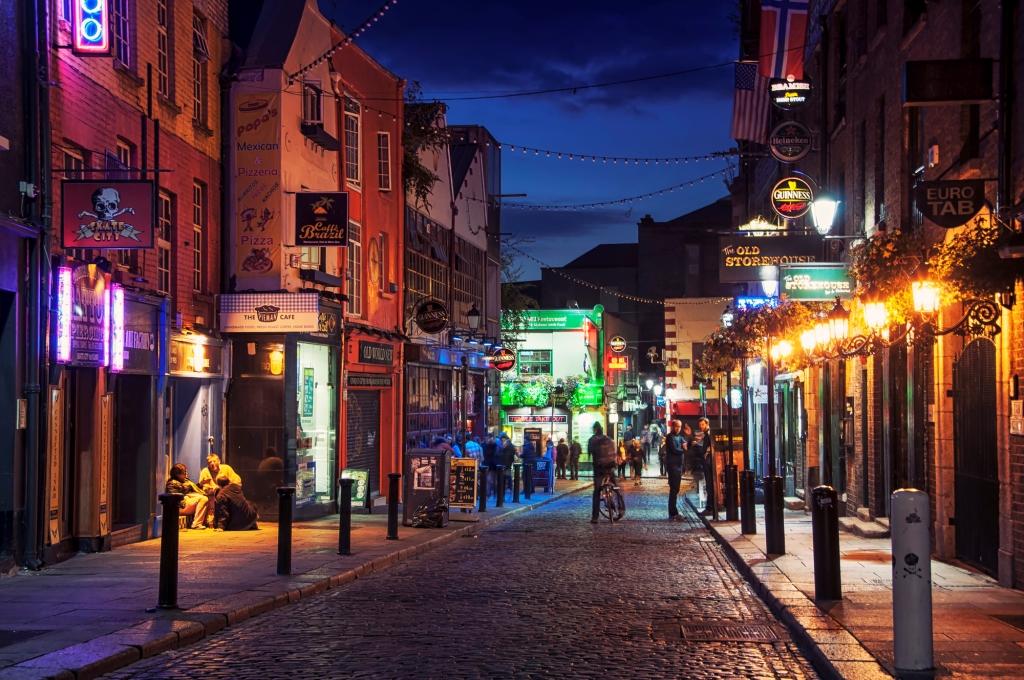
Cost of Moving to Ireland (The First Few Months)
One of the aspects that is often underestimated is the cost of the initial move. Moving to Ireland involves a series of upfront expenses that can add up quickly. These include flights, deposits, temporary accommodation, and the cost of setting up a home.
If you are moving to a rural area, purchasing a car may also be necessary, which adds another layer of expense. These costs are often front-loaded, meaning that the first few months can be more expensive than expected. Planning for this can make a significant difference.
The First Three Months (Adjustment Period)
The first few months after moving to Ireland are a period of adjustment. Even once you have secured housing, there is still a sense of being in transition. Systems take time to set up, processes may involve delays, and there can be moments where things do not seem to work as expected. Gradually, things begin to settle.
You learn how systems operate, understand what is required, and begin to establish routines. Over time, life becomes more stable and predictable. This adjustment period is a normal part of the process, but it is often underestimated.
Common Mistakes When Moving to Ireland
Looking back, there are several common mistakes that can make the process more difficult. One of the most significant is underestimating the challenge of housing. Without accommodation, everything else becomes more complicated.
Another is assuming that systems will be fast or flexible. In reality, they are structured and require patience.
Documentation is another area where small details can have a large impact. Having the correct documents, in the correct format, is essential.
What Moving to Ireland Is Really Like
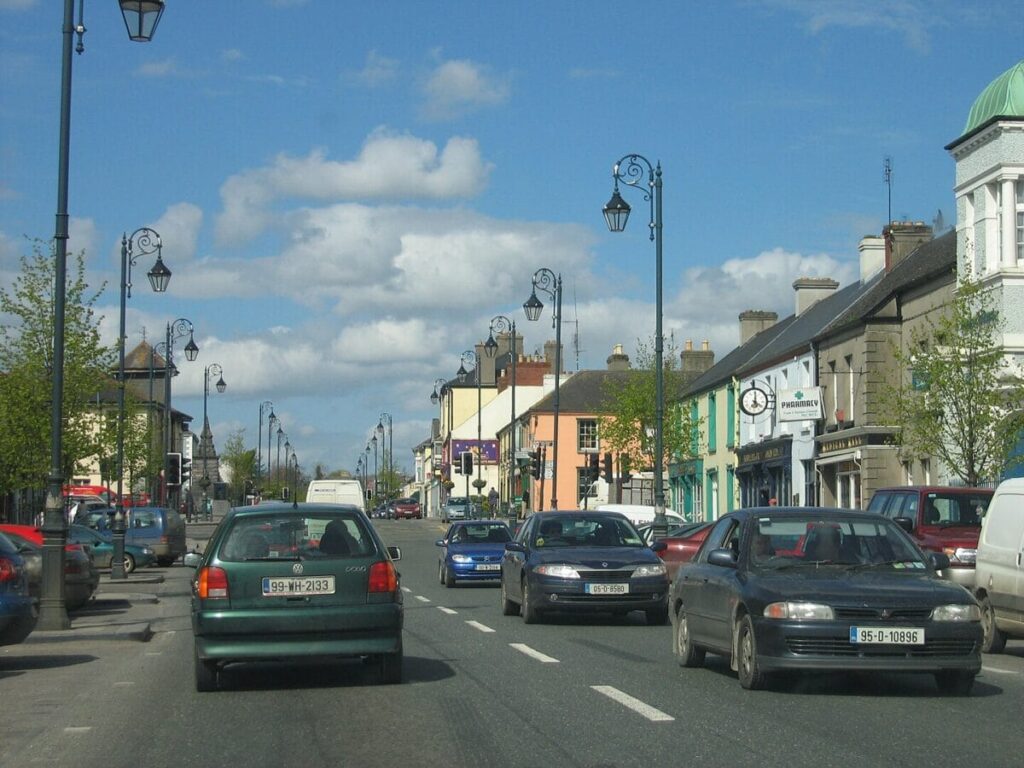
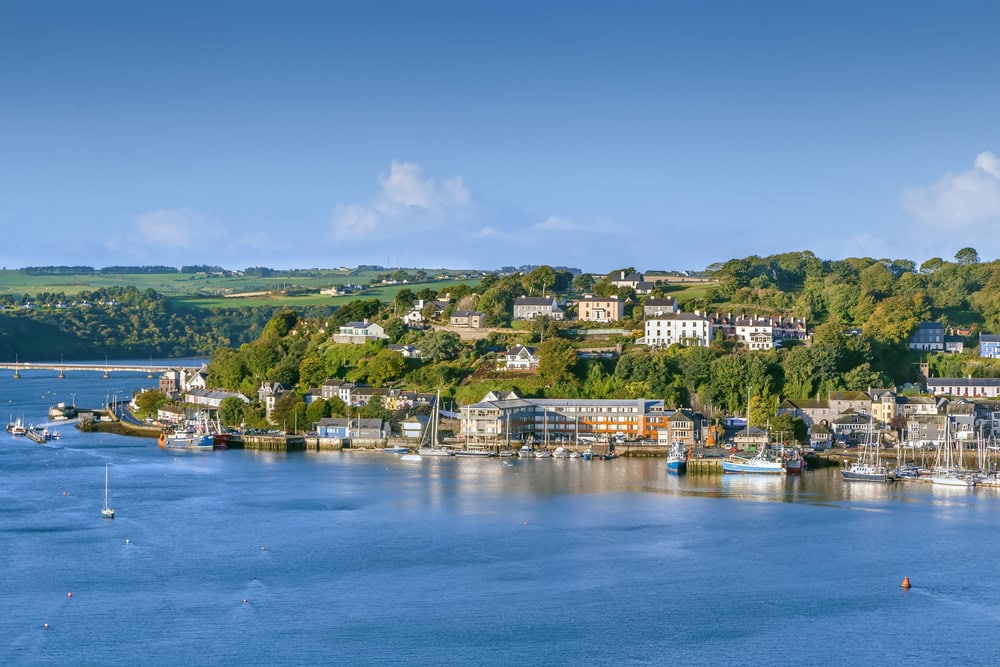
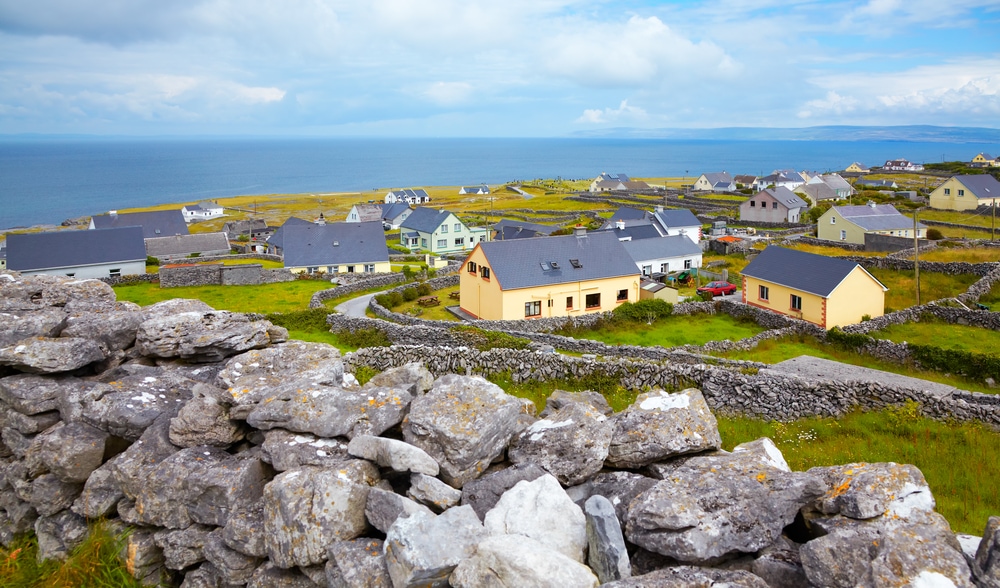
Once you move beyond the initial challenges, life in Ireland begins to make sense. There is a different pace of life. Things are less rushed, more personal, and often more community-focused. In smaller areas, there is a strong sense of connection that can feel very different from life in larger cities. However, this comes with trade-offs.
Systems can be slower, processes can take longer, and efficiency is not always the priority. For many people, this balance is part of the appeal.
What We Would Do Differently
Looking back, there are several things we would change about how we approached moving to Ireland. The biggest is that we would prioritise housing earlier. Instead of assuming we would find something quickly, we would have secured a temporary base for longer and given ourselves more time to search.
We would also have prepared our documentation more carefully. Understanding exactly what was required and how it needed to be presented would have avoided delays.
Finally, we would have adjusted our expectations. Moving to Ireland is not difficult, but it does require patience. Approaching it with that mindset from the beginning would have made the experience much smoother.
Is Moving to Ireland Worth It?
This is ultimately the most important question. The answer depends on your expectations. If you expect everything to be smooth and efficient, the process can be frustrating. If you expect challenges and are prepared for them, it can be incredibly rewarding.
For us, despite everything, the answer is yes. We would do it again but with a better understanding of what to expect.

Here are the most common questions about moving to Ireland, answered clearly and simply.
FAQs About Moving to Ireland
Can Americans move to Ireland permanently?
Yes, Americans can move to Ireland permanently if they qualify through a visa, Irish citizenship, or residency permission. Most people move through a work permit, such as a Critical Skills Employment Permit, or through family connections or financial independence.
Can Canadians live in Ireland long term?
Yes, Canadians can live in Ireland long term if they qualify for a work permit, residency permission, or Irish citizenship. In most cases, a job offer is required before moving, unless you have independent income or family eligibility.
Do you need a job to move to Ireland?
In most cases, yes. If you are not an Irish or EU citizen, you usually need a job offer to obtain a work permit before moving. Without a job or independent income, it can be difficult to secure residency.
What is the easiest way to move to Ireland?
The easiest way to move to Ireland is through Irish citizenship if you qualify by birth or ancestry. Otherwise, the most common route is through a Critical Skills Employment Permit tied to a job offer in a high-demand field.
How much money do you need to move to Ireland?
The cost of moving to Ireland varies, but most people need several thousand Euros to cover flights, deposits, and initial living expenses. Housing is the largest upfront cost, especially in cities like Dublin.
Is it hard to move to Ireland?
Moving to Ireland is not difficult legally, but it can be challenging in practice. The biggest obstacles are finding accommodation and navigating administrative systems such as PPS numbers and banking.
Can you retire to Ireland?
Yes, you can retire to Ireland through Stamp 0 permission, but you must prove sufficient income, savings, and private health insurance. This option is available to those who can support themselves without working.

If you’re working out what your trip will actually cost, read my How Much Does a Trip to Ireland Cost? 2026/27 Budget Breakdown for a full pricing breakdown by category.
Start Planning Your Trip
👉 Public Transportation in Ireland
👉 Hidden Gems in Ireland – 32 Secret places to visit
👉 Answering all your travel questions about Ireland
👉What to pack for your Ireland trip
👉 Northern Ireland Public Transportation
What a wholesome and thorough guide for an Ireland move. I have been attracted to relocate to Ireland for a long time now. My ancestors are from there and it was pretty compelling to me to do so. Thanks for this text!