
Europe Travel Documents and Insurance Checklist
The document that catches the most travellers off guard isn’t a visa it’s their own passport. Many countries in Europe require your passport to be valid for at least six months beyond your departure date from the Schengen Area, not just valid on the day you land. Check that expiry date now, before you book anything else.

I’ve had to talk more than one visitor through a departure-day passport scramble over the years, and it’s almost always the six-month rule that trips them up, not anything exotic. Here’s the actual checklist, in the order it matters. Keep proof of age handy alongside your other documents, since it’s often required to claim senior discounts in Europe at ticket counters and on trains.
Passport: Check the Real Expiry Rule
Most Schengen Area countries require your passport to have at least six months of validity remaining beyond your planned departure date from the Schengen Area — not beyond your arrival date, and not just “not expired.” A passport that expires four months after your trip ends can still get you denied boarding, even though it’s technically valid for your entire visit.
Check this today, not the week before you fly. Passport renewal can take weeks, longer during busy periods, so this is the one item on this list where timing matters most.

Visas and ETIAS: The Short Version
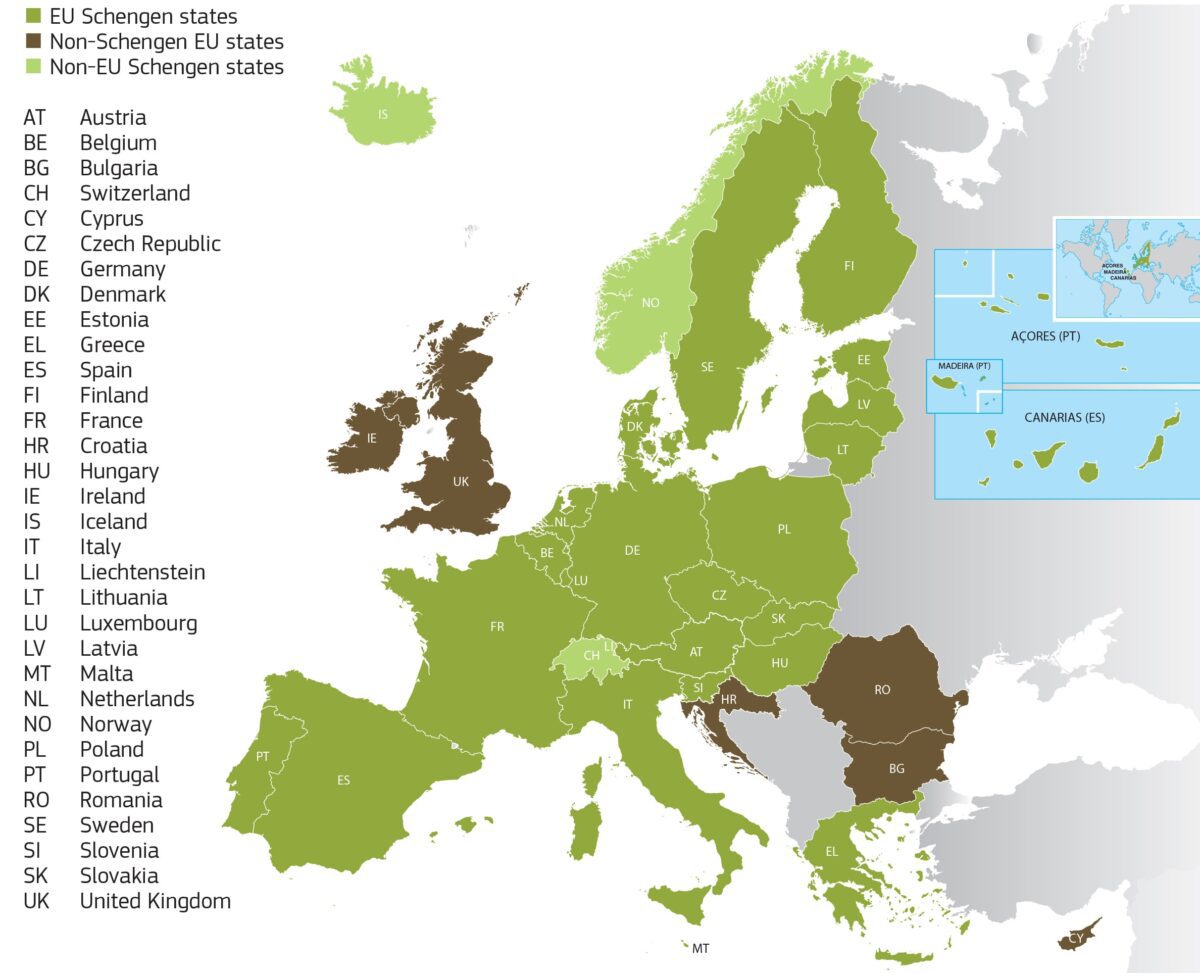
For short trips (up to 90 days within any 180-day period), most travellers from the US, Canada, Australia, and similar countries don’t need a visa to enter the Schengen Area — but the entry requirements have changed with the rollout of ETIAS, an online pre-travel authorisation rather than a traditional visa.
Because visa and ETIAS rules are genuinely subject to change and vary by nationality, this checklist won’t repeat outdated specifics here — see the full Schengen Area Rules guide for the current 90/180-day breakdown, ETIAS details, and country-by-country requirements. Always confirm against an official government source close to your travel date regardless of what any guide (including that one) says, since these rules do shift.
Travel Insurance: Don’t Skip This One
Of everything on this list, travel insurance is the one people are most tempted to skip to save money, and the one most likely to actually matter. A single cancelled flight or a medical emergency abroad can cost thousands of dollars out of pocket without it.
Look for a policy that covers, at minimum: – Medical treatment and emergency evacuation – Trip cancellation and interruption – Theft or loss of belongings
The cost of a decent policy is genuinely small relative to what it protects against think of it as the cheapest peace of mind on this entire checklist, not an optional extra.

International Driving Permit (IDP): Only If You’re Renting a Car
If you’re planning to rent a car anywhere in Europe, you likely need an International Driving Permit to accompany your regular driver’s licence, not instead of it. In the US, this is issued through AAA; other countries have their own issuing bodies, usually a national motoring association.
This is worth sorting before you leave home — IDPs are generally not something you can obtain once you’ve already arrived, and rental companies do check.

Quick Reference: What to Sort, and When
| Document | Do This |
| Passport | Check it has 6+ months validity beyond your departure date — today |
| Visa / ETIAS | Confirm current requirements for your nationality via official sources |
| Travel insurance | Buy a policy covering medical, cancellation, and theft before departure |
| International Driving Permit | Apply through your home country’s motoring association if renting a car |
FAQs
Does my passport need to be valid for the whole trip or longer? Most Schengen Area countries require at least six months of validity remaining beyond your planned departure date from the region, not just validity through your trip’s end date.
Do I need a visa to visit Europe from the US, Canada, or Australia? For short stays (up to 90 days in any 180-day period), most travellers from these countries don’t need a traditional visa, but ETIAS authorisation requirements apply — check the full breakdown for current rules, since these have changed recently.
Is travel insurance really necessary for a trip to Europe? It isn’t legally required for most travellers, but a single medical emergency or cancelled flight can cost far more than a policy does, which is why it’s worth treating as essential rather than optional.
Do I need an International Driving Permit to rent a car in Europe? In most cases, yes, alongside your regular driver’s licence — check with your home country’s motoring association (like AAA in the US) before you travel, since it typically can’t be arranged after arrival.
This is one part of the full Europe Travel Resource Guide see also How to Pay in Europe and the Europe Travel Documents Checklist. Continue planning your trip with check Travel Scams in Europe for more on protecting your money while travelling. Other resources include Best Travel Apps for Europe along with Do you need a voltage converter in Europe.
check out these European Travel Guides