
Over 60’s Travel in Europe: The Guide to Discounts, Reduced Fares & Accessible Travel
If you only read four lines:
Accessibility: Book airport/station assistance 24–48 hours ahead, always free
Rail: 10% off with Eurail/Interrail Senior Pass (60+); national cards save more
Museums: Spain’s generous to visitors, Italy and France mostly aren’t
Flights: No real senior discounts — book off-peak instead
Europe has never been more welcoming to older travellers. Between generous senior railcards, reduced museum entry, and a growing number of cities designed for slower, more accessible sightseeing, your 60s, 70s and beyond can be some of the best decades for exploring the continent if you know where to look for the savings.

- Over 60's Travel in Europe: The Guide to Discounts, Reduced Fares & Accessible Travel
- Why Europe Rewards Age
- Rail Discounts for Over 60's Travel
- Air Travel: What's Actually Available
- Bus & Coach Discounts
- Ferry Discounts
- City Public Transport
- Museum, Gallery and Attraction Discounts
- France
- Italy
- Spain
- Vatican & the Holy See
- UK & Ireland
- City Cards and Culture Passes
- Accessible Travel Tips for the Over-60s
- Frequently Asked Questions
- The Bottom Line
Why Europe Rewards Age
Most European countries have long-standing cultural and civic policies that support older residents reduced public transport, subsidised culture, and accessible infrastructure. Visitors usually can’t claim resident-only concessions (a French carte senior, for instance, is for French residents), but a surprising number of senior discounts are open to any traveller over a set age, regardless of nationality or residency. The trick is knowing which are which.

Rail Discounts for Over 60’s Travel
Trains are where senior travellers get the best value in Europe, and rail is also the easiest way to travel slowly and comfortably between cities without airport stress.
Interrail / Eurail Senior Pass
- Who it’s for: Any traveller aged 60+ (Interrail for European residents, Eurail for non-Europeans).
- The saving: Around 10% off standard adult multi-country or single-country rail passes, valid across up to 33 countries.
- Good to know: You still need to make seat reservations on many high-speed and overnight trains, and reservation fees are separate from the pass price.

National Senior Railcards
Several countries sell their own senior rail discount cards, and most are open to visitors, not just residents:
| Country | Scheme | Typical age | What it saves |
| UK | Senior Railcard | 60+ | £35/year (or £80 for 3 years) for 1/3 off most Great Britain rail fares |
| Ireland | Free Travel Pass | 66+ (Irish/EU permanent residents in Ireland) | Free travel on state transport — residency-based, not for visitors |
| France | Carte Avantage Senior (SNCF) | 60+ | €49/year for 30% off TGV INOUI and Intercités fares, any nationality |
| Germany | Bahncard 25/50 | No age discount — same card for all adults | 25% or 50% off Deutsche Bahn fares year-round |
| Italy | CartaFreccia (free) + Senior Offer | 60+ | Free loyalty card unlocking promotional senior fares (up to 50% off) on Frecce high-speed trains |
| Spain | Tarjeta Dorada (Renfe) | 60+ | €6/year for 25% off AVE/long-distance any day; up to 40% off Avant on weekends and Cercanías |
Note that Germany’s Bahncard isn’t age-discounted it’s the same 25%/50%-off card available to any adult, so there’s no special senior version to look for. Italy also retired its paid “Carta Argento” senior card from sale in April 2026 (existing holders keep using theirs); CartaFreccia, the free loyalty programme, is now the route to Trenitalia’s senior fares. Most of these cards pay for themselves within two or three journeys buy them online or at a staffed ticket counter, and carry a passport to confirm your date of birth.
Air Travel: What’s Actually Available
Airlines are far stingier than railways when it comes to age-based discounts genuine senior fares on European flights are rare and mostly limited to a handful of legacy carriers on domestic routes (for example, some senior fare classes on TAP Air Portugal and a few others, which change often). Don’t plan a trip around finding one.
Where seniors genuinely save on flights:
- Off-peak and midweek fares flexibility with dates beats any senior discount most airlines offer.
- Airport assistance schemes (see the accessibility section below) are free and available regardless of discount fares.
- Loyalty programme status building miles on one alliance over the years often unlocks lounge access and priority boarding, which matters more for comfort than price.
- Package deals aimed at older travellers from tour operators like Saga (UK) or similar senior-focused operators, which build in slower itineraries and accessible transfers.

Bus & Coach Discounts
- FlixBus: Occasional senior promo codes and a general loyalty scheme, but no standing age discount sign up for their newsletter before a trip to catch fare sales.
- National Express (UK): Senior coach cards offering roughly a third off standard fares for those 60+.
- Eurolines / regional coach operators: Many offer senior fares of 10-20% off on production of ID at booking — policy varies by country, so check the specific operator’s site.
- Local town and city buses: In many European towns, simply showing a passport confirming you’re 65+ (sometimes 60+) gets a reduced single fare at the driver’s discretion worth asking even where it isn’t advertised.


Ferry Discounts
Ferry operators across the Mediterranean, the Baltic, and Irish Sea/North Sea routes frequently offer senior fares, usually for travellers 60 or 65+:
- Irish Ferries and Stena Line: senior discounts on Ireland-UK-France crossings, typically 60+.
- Greek island ferry operators (Blue Star, Hellenic Seaways): reduced fares for seniors on production of ID, especially outside peak summer season.
- Baltic and Scandinavian operators (DFDS, Viking Line): senior rates on selected sailings, often bundled with cabin upgrades.
Always ask directly when booking by phone or in person many of these fares aren’t shown in the standard online booking flow.

City Public Transport
Almost every major European city offers reduced fares for older travellers on its metro, tram and bus network, though the qualifying age and proof required vary widely:
| City/Region | Concession | Notes |
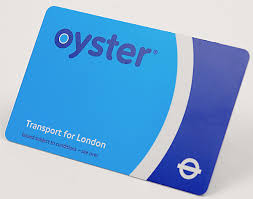
| London | Discounted Oyster options for 60+ London residents; visitors pay standard contactless fares | No visitor senior discount, but contactless capping keeps costs low |
| Paris | Reduced Navigo/ticket rates for 65+ | Best value is still the Paris Visite pass for short stays |
| Rome/Milan | Senior day-pass discounts for 65+ | Ask at ticket booths — not always machine-bookable |
| Lisbon | Reduced Viva Viagem top-up fares for 65+ | Requires ID at point of purchase |
| Berlin | Discounted BVG day tickets for 65+ | Check current age threshold before travel |
Visitor eligibility for city transit discounts changes often and isn’t always well publicised in English, so it’s worth asking at the ticket window with your passport rather than assuming the machine will offer it.

Museum, Gallery and Attraction Discounts
Museum discounts are the most inconsistent part of senior travel in Europe reduced or free entry for older visitors is common, but exactly who qualifies varies sharply by country and, often, by nationality. The country-by-country breakdown below is worth reading closely before you assume a discount applies to you.



France
- The surprise: France’s flagship national museums don’t actually run a senior discount. The Louvre and Musée d’Orsay give free or reduced entry to under-18s and to EU residents aged 18-25 there’s no 60+ or 65+ concession at either, for any nationality.
- Where seniors do save: Smaller regional museums, monuments historiques, and privately-run sites (many Château de la Loire properties among them) do offer senior rates it varies site by site, so it’s always worth asking rather than assuming either way.



Italy
- EU/EEA citizens: Free entry at 65+ to state sites including the Colosseum, Uffizi Gallery and Accademia Gallery, with ID.
- Non-EU visitors (including North Americans and, post-Brexit, UK citizens): No senior discount at all at these state museums full adult price applies regardless of age. This surprises a lot of visitors, so it’s worth budgeting for rather than counting on a reduction.
- Highlights: Pompeii and many smaller civic or regional museums set their own rules, so it’s still worth asking some do offer a modest ‘ridotto’ to older visitors at the clerk’s discretion.



Spain
- The good news: Spain is the most generous of the three for non-EU seniors. At the Prado, Reina Sofía and Thyssen-Bornemisza in Madrid, EU citizens 65+ enter free, and non-EU seniors 65+ (North Americans included) get a genuine 50%-off reduced ticket with ID no EU passport required.
- The exception: The Alhambra in Granada and Madrid’s Royal Palace restrict their senior rate to EU and Latin American citizens only North American and other non-EU visitors pay full price there.
- Also worth it: The Prado and several other major museums have free-entry windows most evenings and Sundays, open to everyone regardless of age worth timing a visit around if the senior rate doesn’t apply to you.



Vatican & the Holy See
The Vatican Museums don’t offer a standing senior discount for general admission, but reduced rates exist for specific groups and guided tours check the official Vatican Museums site before booking, as third-party resellers rarely pass on any discount.

UK & Ireland
- Age: 60 or 65+ typically for paid attractions; most national museums (British Museum, National Gallery) are already free to all.
- Highlights: Historic Royal Palaces, National Trust and Irish Heritage sites all offer senior membership rates that pay for themselves after 3-4 visits.


City Cards and Culture Passes
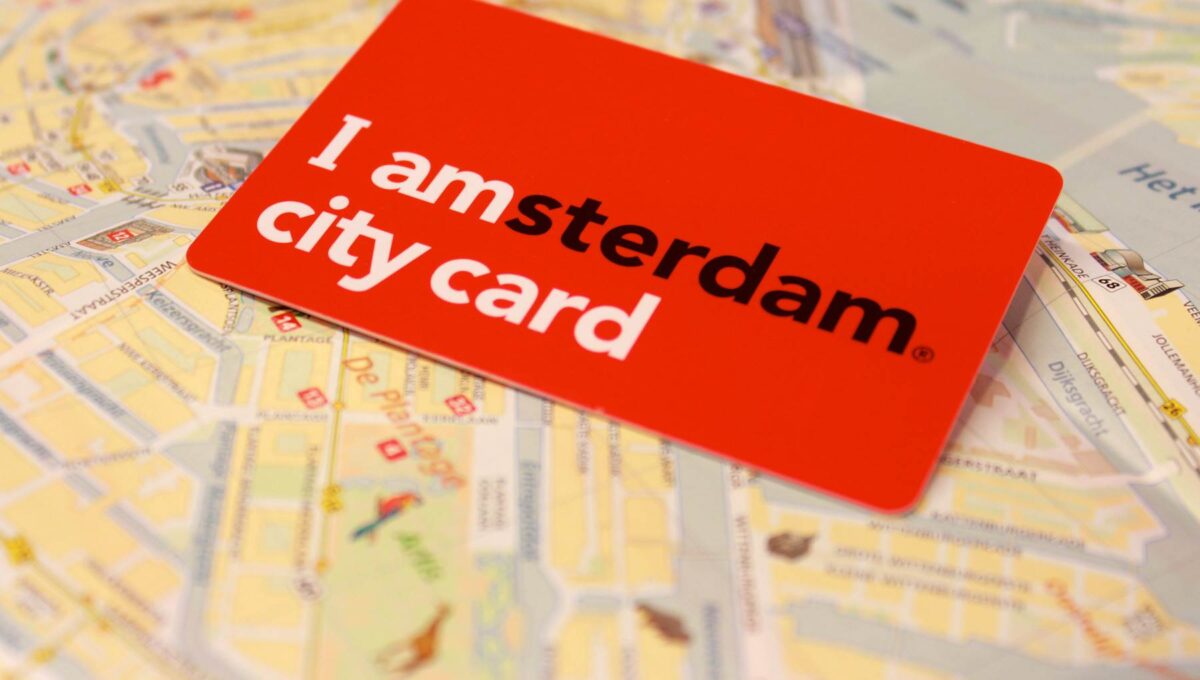
Beyond individual sites, many cities sell multi-attraction tourist cards (Paris Museum Pass, Roma Pass, Barcelona Card, Lisboa Card). These are rarely age-discounted themselves, but they’re worth comparing against paying the senior rate at each site individually for a short stay hitting 2-3 major sites, the senior ‘ridotto’/reduced rate at the door is often cheaper than the all-inclusive card.
| What This Means If You’re Visiting From the US or Canada • Rail: you’re covered. The Eurail Senior Pass is built for you (Interrail is the EU-resident equivalent, same 10% discount), and the national senior railcards for the UK, France, Italy and Spain are all open to visiting North Americans, not just residents. • Museums read the fine print by country. Spain is the most generous: the Prado, Reina Sofía and Thyssen give non-EU seniors 65+ a genuine 50%-off ticket. Italy’s state museums (Colosseum, Uffizi) give free entry only to EU/EEA citizens 65+, North Americans pay full adult price, no discount. France’s national museums (Louvre, Orsay) don’t offer a senior rate to anyone, EU or not. • Buses, ferries and city transit: these are almost always age/ID-based rather than nationality-based, so North American visitors can generally claim them just confirm with the specific operator, as policies vary. • The clear exceptions: Ireland’s Free Travel Pass, and Spain’s Alhambra and Royal Palace senior rate, are restricted to EU/Irish or EU/Latin American citizens and aren’t available to North American visitors. • Flights: no nationality gap here genuine senior airfares are rare for everyone, North American or European. |
| Quick Booking Tips • Always carry a passport or photo ID showing your date of birth most senior rates are only confirmed at the counter, not online. • Ask in the local language if you can “tarif senior”, “riduzione anziani”, “tercera edad” and “Seniorenermäßigung” will get you further than English at a ticket window. • Book national rail senior cards before you travel where possible some require a home address for delivery. • Off-peak weekday visits often stack a quieter museum with a better senior rate, since many discounts exclude weekends. |


Accessible Travel Tips for the Over-60s
Discounts are only half the story comfortable, accessible travel matters just as much, whether you’re managing a knee that doesn’t love cobblestones or simply pacing yourself better than you did at 30. These are things I plan around on every trip, whether or not mobility is an issue for the person I’m travelling with.
Before You Go
Request airport assistance early: Every major European airport offers free special assistance including for those with hidden disabilities (wheelchairs, priority boarding, help through security) book it when you book your flight, not on the day, as slots fill up.
Choose accommodation with a lift and step-free entry: Many historic European hotels are gorgeous but stair-only; filter for “lift/elevator” and “ground floor available” when booking, and email ahead to confirm listings aren’t always accurate.
Buy travel insurance that covers pre-existing conditions: Standard policies often exclude them; look specifically for senior or over-65 travel insurance products that ask health questions upfront.
Pace your itinerary: Plan one major activity a day with a rest window, not three European cities reward slow mornings and late afternoons over back-to-back sightseeing.



Getting Around
- Cobblestones and hills: Ask your accommodation for a step-free or minimal-incline walking route to key sights many tourist offices now have these mapped, especially in hilly cities like Lisbon, Rome and Edinburgh.
- Request station assistance for trains: European rail operators (SNCF, Trenitalia, Renfe, Deutsche Bahn) all offer free porter/boarding assistance if you book at least 24-48 hours ahead through their accessibility desk.
- Use mobility aids without hesitation: A folding cane or lightweight rollator opens up far more of a city than pushing through pain most European trains and buses have designated space, and many attractions offer scooter or wheelchair loans on site.


At Sites and Museums
Ask about shorter or seated tour options: Larger sites like the Vatican Museums, the Alhambra and Versailles offer accessible routes or golf-cart transfers that aren’t always advertised ask at the accessibility desk, not the general ticket counter.
Look for “quiet hours”: Some major museums now run quieter, less crowded early or late sessions, which are easier going for anyone managing fatigue or sensory overload.
Little Trains: Most cities in Europe such as Bayeux, Dinan, Paris, and historical sites across the UK and Ireland have little tourist trains that are perfect if mobility challenged.


Carry a printed itinerary and key phrases: In areas with patchy mobile signal, a paper copy of addresses, opening times, and a few key local phrases (“Is there a lift?”, “Where is the accessible entrance?”) saves real stress.
| A Note on Accuracy • Every figure in this guide has been checked against official operator sources as of August 2026. Even so, age thresholds, prices and eligibility rules shift fairly often and, as the museum breakdown above shows, they can differ sharply by nationality as well as by country. Confirm current terms on the operator’s official site before you book or travel. |
Frequently Asked Questions
Do seniors get free entry to the Louvre or other major Paris museums?
No. The Louvre and Musée d’Orsay don’t run a senior discount for any nationality their free and reduced-entry categories are aimed at under-18s and EU residents aged 18-25. Some smaller regional museums and privately-run sites in France do offer senior rates, so it’s worth asking site by site.
Do American or Canadian seniors get museum discounts in Italy?
Generally no. Italy’s state museums, including the Colosseum and Uffizi Gallery, give free entry to EU/EEA citizens aged 65 and over, but non-EU visitors including North Americans and, since Brexit, UK citizens pay full adult price with no age-based reduction.
What is the Eurail or Interrail Senior Pass discount?
Both passes give a 10% discount on standard adult pass prices to travellers aged 60 or over on their first day of travel. Eurail is for non-European residents (including North Americans); Interrail is the equivalent pass for European residents. Seat reservations on high-speed and night trains are booked separately.
How much does the UK Senior Railcard cost and what does it save?
The Senior Railcard costs £35 for one year or £80 for three years, available to anyone 60 or over. It gives roughly one-third off most Standard and First Class rail fares across Great Britain, with some peak-time restrictions in the London and South East area.
Can non-Spanish residents get Renfe’s Tarjeta Dorada senior discount?
Yes. The Tarjeta Dorada costs €6 a year and is open to anyone 60 or over regardless of nationality. It gives 25% off AVE and long-distance fares every day of the week, rising to 40% off Avant trains at weekends and on Cercanías commuter services.
Do airlines offer senior discounts on flights in Europe?
Rarely. Genuine age-based senior airfares are uncommon among European airlines and mostly limited to a handful of legacy carriers on domestic routes. Off-peak and midweek fare flexibility typically saves more than any senior discount an airline offers.
What age qualifies for senior rail discounts in Europe?
It varies by country: 60 is the qualifying age in the UK, France, Italy and Spain, while several countries including Germany, Austria and Portugal use 65. The pan-European Eurail and Interrail Senior Passes both set the threshold at 60, regardless of which countries you’re travelling through.
The Bottom Line
Travelling over 60 in Europe isn’t about slowing down it’s about travelling smarter. Between rail cards, museum concessions and a transport network that’s steadily becoming more accessible, the savings are real and the barriers are lower than they used to be. Plan a little further ahead, ask for the senior rate everywhere you go, and you’ll likely find your money goes further in your 60s and 70s than it ever did in your 30s.
check out these European Travel Guides
If you’re exploring more of Europe, or thinking about living here longer term, I’ve put together a few guides that might help:
Europe Travel Guide and the Ultimate Europe Travel Resource Guide
How to Avoid Travel Scams in Europe
Schengen Rules Explained when travelling to Europe
Accessible Travel Guides Ireland UK Europe
Carryon Luggage Rules Across Europe