
Accessible Paris: A Mobility Challenged Traveller’s Guide
Paris is the single most searched accessible city in Europe, and it deserves the attention. It is also a city of contrasts: some of the newest lifts and ramps in Europe sit a few streets away from a metro system that was largely built before accessibility was a design consideration at all.
I am mobility challenged myself. Walking distances, standing in queues and staying on my feet for a full day are the things that wear me down, not stairs alone, and not a wheelchair. I have taken friends and visitors of every kind of mobility challenge, wheelchair users, cane users, people with rollators, people like me who simply cannot walk far or stand long, to Paris more than once, and this guide covers what I have learned each time.
This article covers what accessible Paris actually looks like in 2026/27 for the full range of mobility challenges. You will get real access details for the Eiffel Tower, Notre Dame and the Louvre, where to rest and where the walking distances actually are, mobility scooter and wheelchair hire options, honest notes on accessible hotels and restaurants, parking, hidden gems that only locals tend to know about, family friendly options, and a step by step way to plan the trip so it does not fall apart on day two.
This is a companion piece to our wider Accessible Europe guide, which covers the continent, and to our Accessible France guide, which covers the country beyond the capital. Where something here is my own opinion rather than a fact you can verify, I say so. Where I am not certain a detail is still current, I flag it, because accessibility information changes fast and a guide that pretends otherwise is not trustworthy.
- Accessible Paris: A Mobility Challenged Traveller's Guide
- Eiffel Tower Accessibility
- Notre Dame Accessibility
- Louvre Museum Accessibility
- Getting Around Accessible Paris
- Where to Eat in Paris: Accessible Cafes to Fine Dining
- Hidden Gems for Accessible Paris
- Accessible Paris for Families and Kids
- How to Plan an Accessible Trip to Paris: Step by Step
- Frequently Asked Questions About Accessible Paris
- Related Guides for Planning Your Accessible Paris Trip
Eiffel Tower Accessibility
The Eiffel Tower has a dedicated lift that reaches the first and second floors, which is where most visitors want to be for the views and photographs anyway, and it is genuinely useful for anyone who cannot manage the stairs, whether that is a wheelchair user or someone who simply cannot climb several hundred steps. Wheelchair users and visitors who need step free access typically enter through a separate, faster queue near the north or east pillar rather than the main queue, which is one of the few genuine perks of needing accessible entry here.

If your issue is standing rather than steps, ask about seating near the lift queue when you arrive, since the wait can still run to twenty or thirty minutes even in the accessible lane at busy times. The first and second floor viewing areas have some fixed seating, though not a lot of it, so pace yourself and do not feel you need to walk the full circumference of each level in one go.
The summit, the very top of the tower, is only reachable by a separate lift from the second floor and involves more standing and waiting, so weigh whether the view from the top is worth the extra fatigue against the second floor, which is where the Michelin starred restaurant and most of the best photographs are anyway. As of my last research, a wheelchair user is admitted free of charge and one companion pays the standard rate, but ticket structures and rates change regularly, so confirm the current rate and accessibility procedure on the official Eiffel Tower site before you travel.

Personal note: I have gone up with the accessible entrance more than once, and it is not a fast lane so much as a shorter, calmer one. Book your slot online in advance regardless, because the accessible lift still has limited capacity per hour, and turning up without a booking is the single biggest cause of a long, tiring wait.
Notre Dame Accessibility
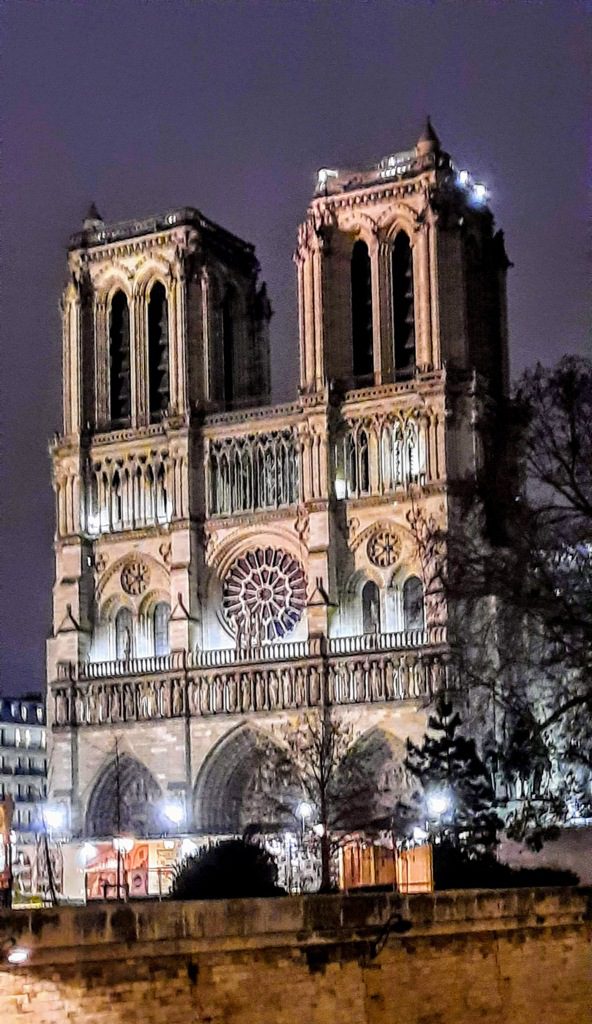
Notre Dame Cathedral reopened to the public in December 2025 after the 2019 fire and the restoration that followed, and the rebuild included attention to step free access at the main entrance, which was not always the case in the pre-fire cathedral. Ground floor access to the nave is step free for wheelchair users.
The towers and any upper level viewing points remain accessible by stairs only, which is typical of medieval cathedral architecture across Europe and not something a modern renovation can fully solve. Entry to the cathedral itself is free, though timed entry tickets are usually required given demand, so check the Notre Dame de Paris official site for the current timed entry and accessibility process, since this has been updated repeatedly since reopening.
Louvre Museum Accessibility
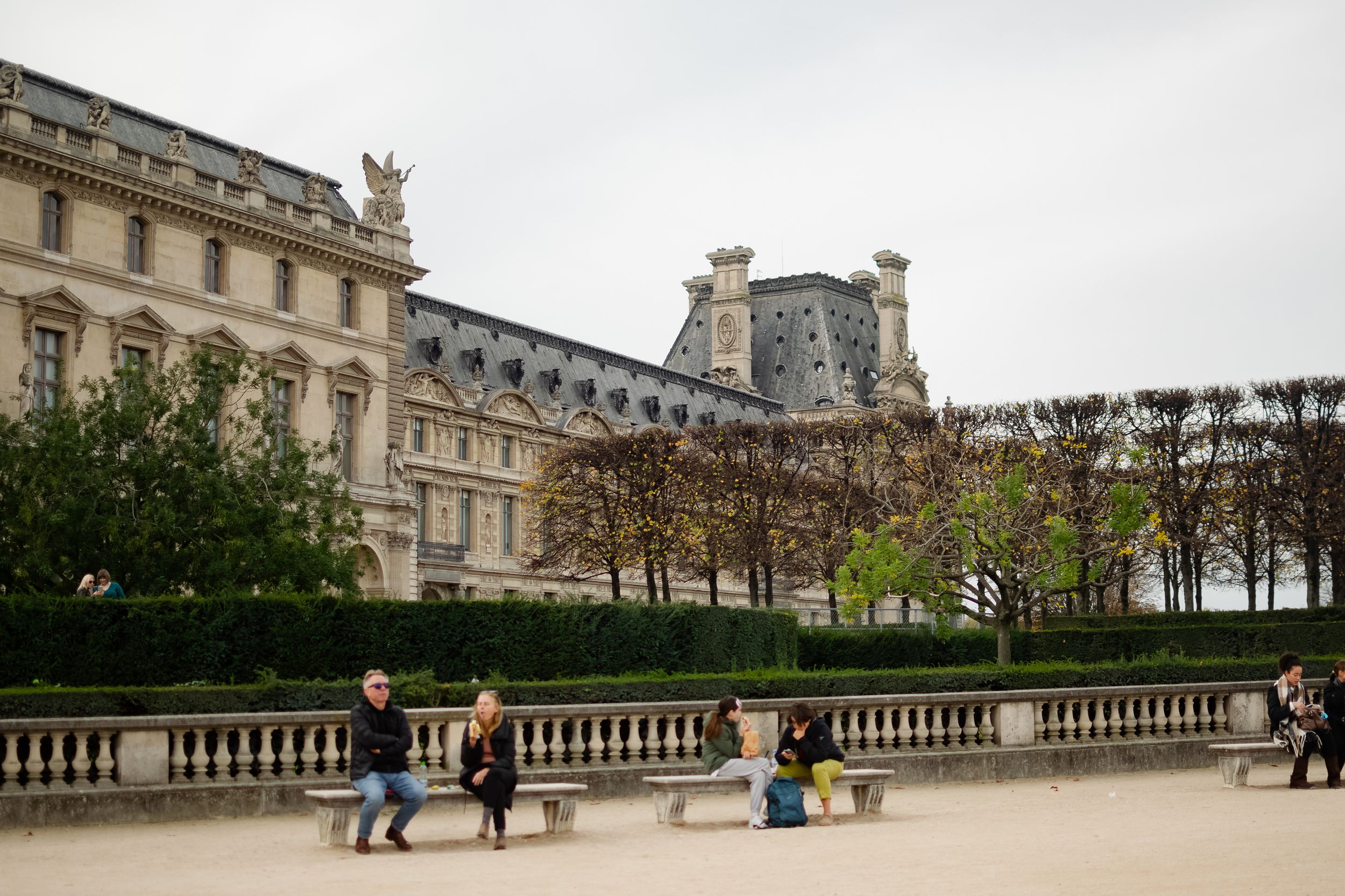
The Louvre is one of the better prepared major museums in Europe for mobility challenged visitors generally, not only wheelchair users. Visitors with disabilities can usually bypass the main pyramid queue entirely through the Passage Richelieu or the Porte des Lions entrance, and the museum lends manual wheelchairs and mobility scooters free of charge, on a first come basis, at the cloakrooms, which is worth requesting even if you can walk, given how large the museum actually is.
This is the museum where walking distance catches people out most. The Louvre is enormous, and the distance from the main entrance under the glass pyramid to a specific wing, such as the Denon wing where the Mona Lisa hangs, can easily be five hundred metres of walking before you have seen anything, with more between galleries after that. Benches are placed throughout the main galleries, and it is worth stopping at them deliberately rather than waiting until you are already tired.
Visitors with disabilities and one accompanying person are generally admitted free of charge, which is a genuinely useful saving on a trip that otherwise adds up quickly. Most galleries are step free, though a small number of rooms in older wings still involve short staircases, so ask at the information desk for the current accessible route map rather than assuming every gallery is reachable. Confirm current entrance points and any closures on the Louvre accessibility page.

Getting Around Accessible Paris
This is the part most guides skip, and it matters as much for walking distance as it does for wheelchair access. The Paris metro is genuinely difficult for wheelchair users, because most stations predate accessibility standards and lack lifts, but it is also difficult if you simply cannot manage stairs or long underground corridors between platforms, which many Paris interchange stations involve.
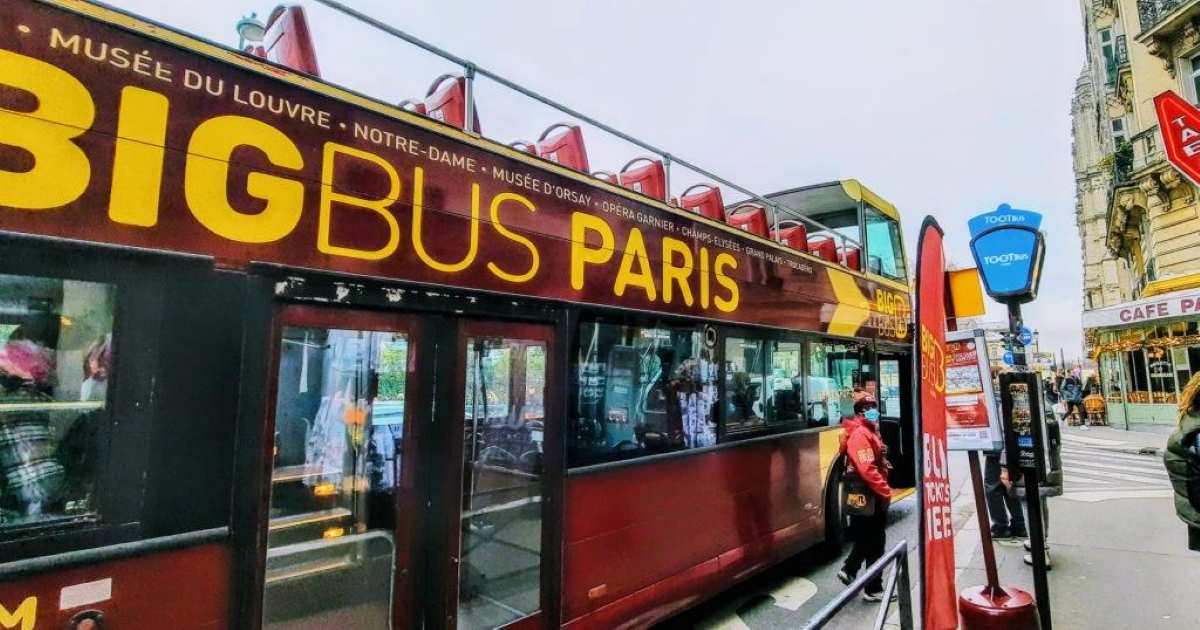
Buses are the better option for most mobility challenged travel around the city, since the entire Paris bus fleet is low floor and ramp equipped, and you can sit down for the whole journey instead of walking or standing underground. I do highly recommend the hop on hop off bus tours as they do have accessible buses and seating.

The RER A and a handful of newer or renovated metro stations do have lifts, and it is worth checking a current accessibility map before you rely on the metro for a specific journey. Taxis and accessible ride hailing are worth the extra cost on days when your stamina is limited, since the money saved on transport is often outweighed by the energy lost getting to it. Registered residents and long stay visitors can also apply for PAM, the door to door accessible transport service, though it generally requires advance booking and is aimed more at residents than short term visitors.
For parking, central Paris has limited disabled parking on street, but a valid European disabled parking card, known in France as the Carte Mobilite Inclusion stationnement, allows free parking in most standard pay and display bays across the city, including many close to the main landmarks. For a guaranteed accessible bay, an adapted parking garage such as the one at the Carrousel du Louvre is a more reliable option than street parking during peak season.

Accessible Hotels in Paris
Booking an accessible hotel room is not the same as booking a hotel that says it is accessible. If you are not a wheelchair user but struggle with distance and stairs, the details that matter most are slightly different: is there a lift at all, how close is the room to that lift, and is there somewhere to sit down in the lobby if you need to rest after checking in. Always ask about door width, roll in shower versus bath with a grab rail, bed height, and whether the accessible room is on the ground floor or reachable by a lift big enough for a wheelchair, since some older Paris hotels have lifts that fit one person and a folded pushchair but not a wheelchair.
Larger international chains near the main sights tend to have the most reliably accessible rooms in Paris, simply because building regulations for new construction are stricter than for older boutique properties. If you want a smaller, more characterful hotel, email ahead with your specific access needs rather than trusting a single accessibility icon on a booking site.
Where to Eat in Paris: Accessible Cafes to Fine Dining
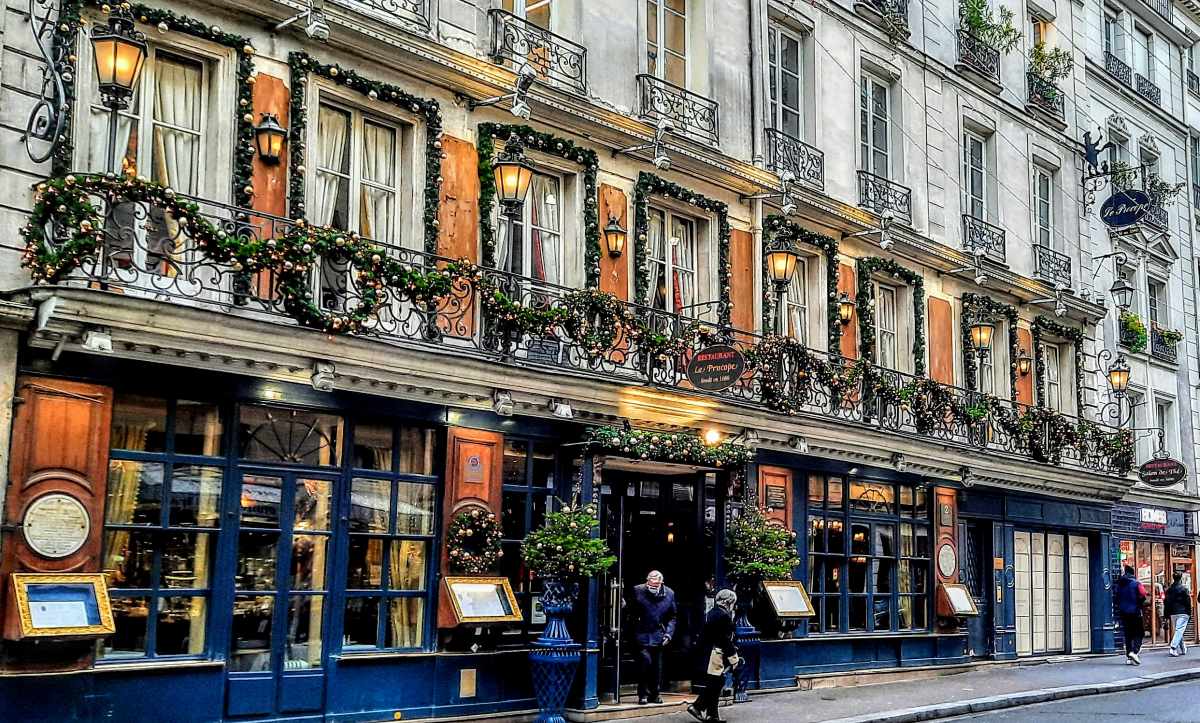
Cafes across Paris still favour narrow doorways, a step at the entrance, and toilets down a spiral staircase, so it pays to check before you commit to a booking, especially for dinner when you do not want to be turned away.

For casual, step free cafes, look for newer chains and department store food halls, which are almost always level entry with wide aisles. For a proper sit down meal, many fine dining rooms in Paris are on the ground floor of grand hotels, which tend to have step free entrances and accessible toilets as standard, so a Michelin starred room is sometimes easier to get into than a fifteen seat neighbourhood bistro. Most casual cafes have an outdoor seating area which you can access, although getting to accessible facilities inside may be difficult.
My own rule of thumb after years of doing this: call ahead, ask specifically about the entrance step and the toilet, and do not rely on a restaurant’s website accessibility claim alone. Staff on the phone will usually give you an honest, specific answer. If in doubt check out a sidewalk cafe where you can sit outside but beware the facilities might be down or up stairs.
Hidden Gems for Accessible Paris
Locals rarely recommend the landmarks everyone already knows, and some of the best accessible experiences in Paris are the quiet ones.
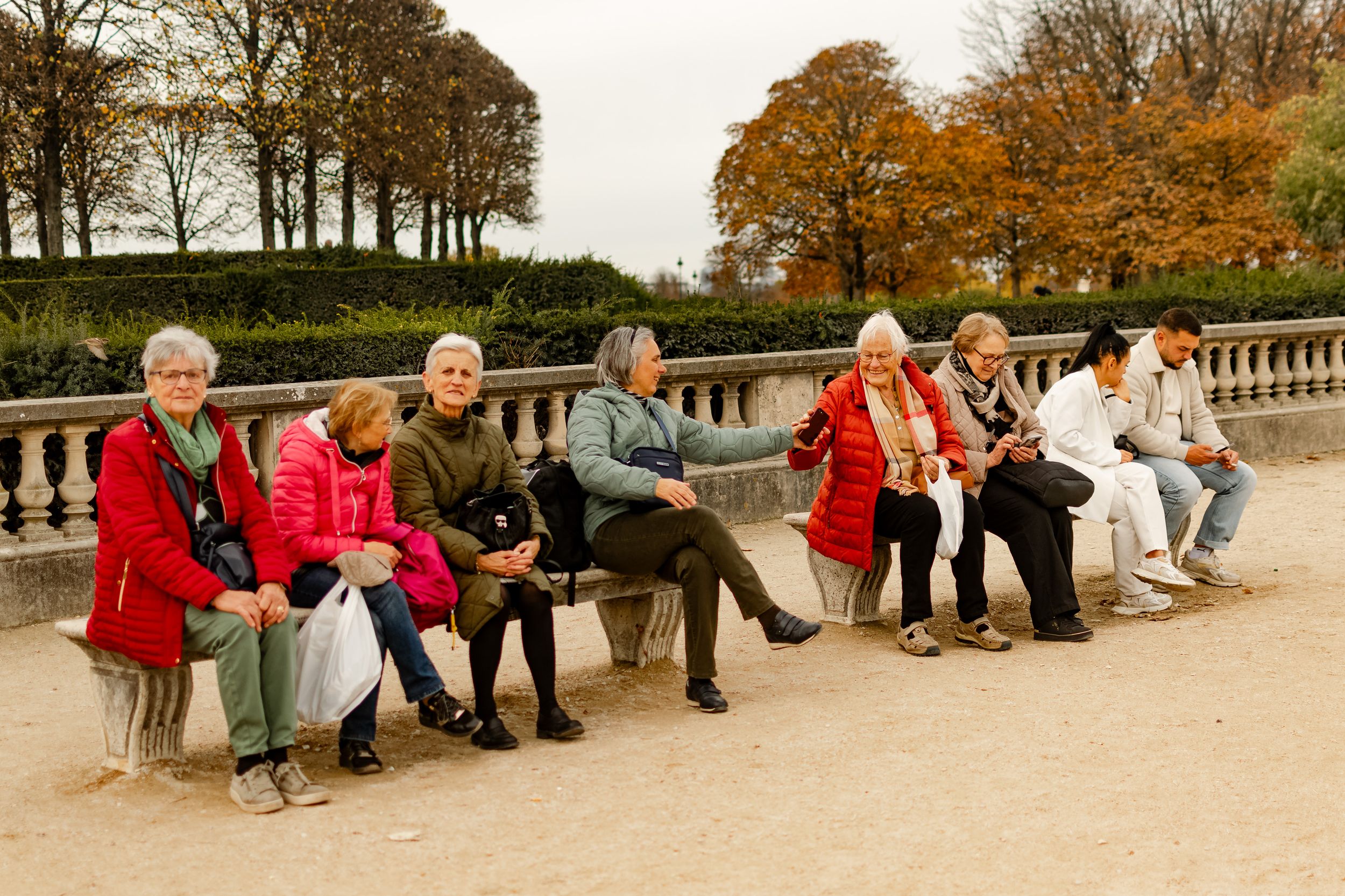
The Jardin des Plantes has flat, wide, step free paths and far fewer crowds than the Tuileries, with an accessible entrance near the Gare d’Austerlitz side.

Riverside promenades along the Seine near the Bibliotheque Nationale have been resurfaced and are flat and wide, a genuinely pleasant way to see Paris from a wheelchair without fighting cobblestones.

Department store rooftop terraces, such as those on the Boulevard Haussmann and the Galeries Lafyette are reachable by lift and give you a Paris skyline view without a single step, and without an Eiffel Tower queue.
Heading to Paris, it is also worth reading the EuansGuide entry for Paris and accessibility for crowdsourced, first hand access notes.

Accessible Paris for Families and Kids
Travelling with a mobility challenged family member and children at the same time doubles the planning, but Paris is genuinely good at this if you pick your spots. Pushchair friendly and wheelchair friendly often overlap, since both need step free routes, lifts and wide doorways.
The Louvre, the Eiffel Tower and most major science and natural history museums in Paris run family activity trails alongside their accessible routes, so a wheelchair using parent or grandparent and a curious child can usually follow the same path together rather than splitting up. Look for museums with dedicated family and accessibility desks, since staff there tend to know shortcuts that are not published online.

How to Plan an Accessible Trip to Paris: Step by Step
- Book timed tickets for the Eiffel Tower, Notre Dame and the Louvre in advance, and specifically request the accessible entrance and any companion discount when you book.
- Book accessible accommodation directly, by phone or email, and confirm door widths, lift size, shower type and floor level rather than trusting a single icon on a booking platform.
- Plan around buses rather than the metro where possible, and check the current accessibility map for any metro or RER journeys you do need to take.
- Pack your documents, including any disability card, a European disabled parking card if you plan to drive, and repair details for mobility equipment.
- Plan a realistic daily pace with built in rest, since Paris usually takes longer between sights than standard itineraries assume, and rushing is where trips go wrong.
- Ask about mobility scooter or wheelchair hire at the Louvre and other large sites even if you can walk unaided, since preserving your energy for the parts of the day you care most about is often more useful than pushing through on foot.
Frequently Asked Questions About Accessible Paris
Is Paris wheelchair accessible?
Paris is partly wheelchair accessible. Major landmarks including the Eiffel Tower, Notre Dame and the Louvre have step free routes and accessible entrances, but the metro system is largely not accessible, so buses and accessible taxis are usually the better transport choice for wheelchair users.
Is Paris manageable if I struggle with walking distances but do not use a wheelchair?
Yes, with planning. Use buses rather than the metro where possible, request a mobility scooter at large sites such as the Louvre, build in a rest stop every twenty to thirty minutes, and choose a hotel close to whichever landmarks matter most to you so you are not adding unnecessary distance to your day.
Do I need to book accessible tickets for the Eiffel Tower in advance?
Yes, booking ahead is strongly recommended. The accessible lift has limited capacity per hour, and pre booking your slot, along with confirming the current accessible entrance procedure on the official site, avoids a long wait on the day.
Is the Louvre wheelchair accessible?
Yes, the Louvre is one of the more accessible major museums in Europe, with a dedicated entrance that bypasses the main pyramid queue, free wheelchair loans on site, and free admission for visitors with disabilities and one companion, though a small number of older gallery rooms still involve short staircases.
Can I hire a mobility scooter in Paris museums and attractions?
Yes, at most major sites. The Louvre and the Palace of Versailles both offer free or low cost mobility scooter and wheelchair hire on a first come basis, and it is worth requesting one even if you can walk short distances, given how much ground these sites actually cover.

Related Guides for Planning Your Accessible Paris Trip
- Accessible Europe: the wider hub guide covering the whole continent.
- Travelling in France: Your guide to all the various regions in France from the Normandy Beaches of WWII to the Chateaux of the Loire.
- Accessible France: how accessibility looks beyond the capital, region by region.
- Hidden Disabilities Travel Guide: Adventures at Any Age, for travellers managing conditions that are not always visible.
- Schengen Area Rules Explained: ETIAS, Visas, EU and UK Travel, essential before any first trip to mainland Europe.
- Europe Travel Documents and Insurance Checklist, including why travel insurance matters even more with mobility equipment.
- Best Travel Apps for Europe: What to Download First, several of which include accessible route planning.