
23 Iconic Australian Foods You Need to Try
Quick answer: start with a meat pie and a flat white the two most representative everyday Australian foods. From there, Vegemite on toast is the real rite of passage, and a Chiko Roll or a chicken parma introduces you to the country’s love of hearty, no-fuss comfort food. This guide covers 23 essential dishes, from Indigenous bush tucker roots to the modern café classics Australia is now known for.

Australia is one of the world’s most culturally diverse countries, and its food scene reflects that richness. From vibrant café culture and family-run bakeries to award-winning restaurants and classic pubs, food plays a central role in everyday Australian life.
I visited Australia myself a few years ago and spent time exploring the country, and food ended up being one of the best ways into understanding the place much more revealing than the landmarks alone. Australia may not be the first country people associate with a distinct national cuisine, but it’s home to plenty of iconic dishes woven into its history, identity, and daily habits.
Fast Facts: Australian Food
| Dishes covered | 17 iconic Australian foods |
| Oldest food tradition | Indigenous “bush tucker” over 65,000 years of native ingredients like wattleseed, lemon myrtle, and kangaroo |
| Most divisive food | Vegemite genuinely loved or hated, rarely in between |
| Unofficial national snack debate | Meat pie vs. Chiko Roll Australians disagree |
| Best first taste for visitors | A meat pie or a flat white |
| Contested origin | Pavlova, claimed by both Australia and New Zealand |
History of Australian Food
The history of Australian food is a story of adaptation and fusion, shaped by its Indigenous foundations and successive waves of migration. For over 65,000 years, First Nations peoples cultivated a deep connection to the land, developing a sophisticated diet of native flora like wattleseed and lemon myrtle, and fauna such as kangaroo and barramundi collectively known today as “bush tucker.“
European colonisation in 1788 introduced a British-centric diet of meats, puddings, and pies that often struggled in the unfamiliar climate. The 20th century, particularly after World War II, transformed the culinary landscape dramatically with the arrival of immigrants from Greece, Italy, Lebanon, and later across Asia. These communities brought new ingredients, techniques, and flavours, building a genuinely multicultural food scene. That evolution led, in the late 20th and early 21st centuries, to “Modern Australian” cuisine a confident style that re-embraces native ingredients while blending global influences into something distinctly Australian.
Bush Tucker
Bush tucker refers to the vast array of native Australian foods that have sustained Indigenous peoples for tens of thousands of years, encompassing everything from animals and insects to plants and seeds found across the continent’s diverse landscapes.
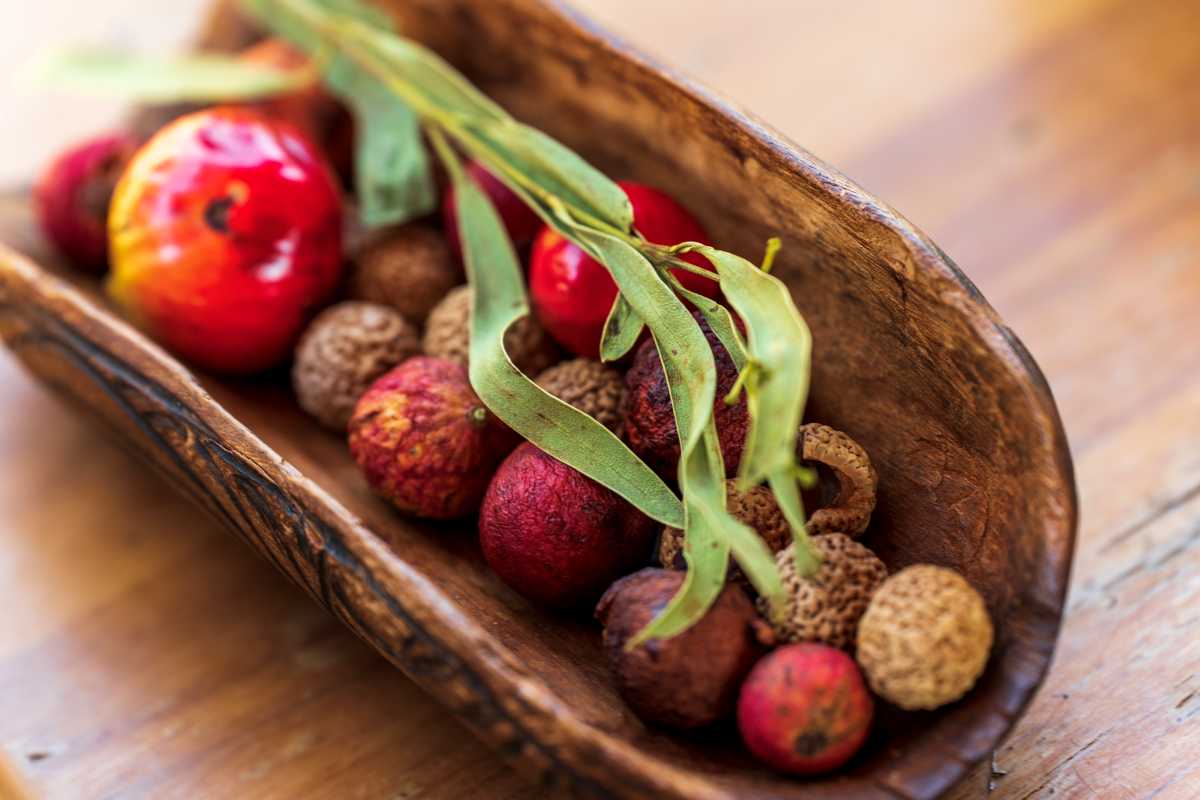
This traditional cuisine includes iconic ingredients like kangaroo, emu, and crocodile, alongside lesser-known delicacies such as witchetty grubs, honey ants, and green tree ants, which offer a tangy, citrus-like flavor. The plant kingdom contributes equally generously, with staples like wattleseed, used as a flour or flavoring agent, and the tart, vitamin-rich quandong, often called the desert peach.

More than just sustenance, bush tucker is deeply interwoven with Aboriginal culture, spirituality, and land management practices, with knowledge of seasonal availability and preparation methods passed down through generations. Today, this ancient food heritage is experiencing a revival, with native ingredients increasingly finding their way into modern Australian cooking, celebrated for their unique flavors, nutritional benefits, and sustainable nature. Chefs and home cooks alike are embracing these indigenous foods, incorporating them into contemporary dishes that honor the land’s original caretakers while introducing exciting new tastes to a broader audience.
23 Iconic Australian Foods Worth Trying (maybe)
1. Meat Pies
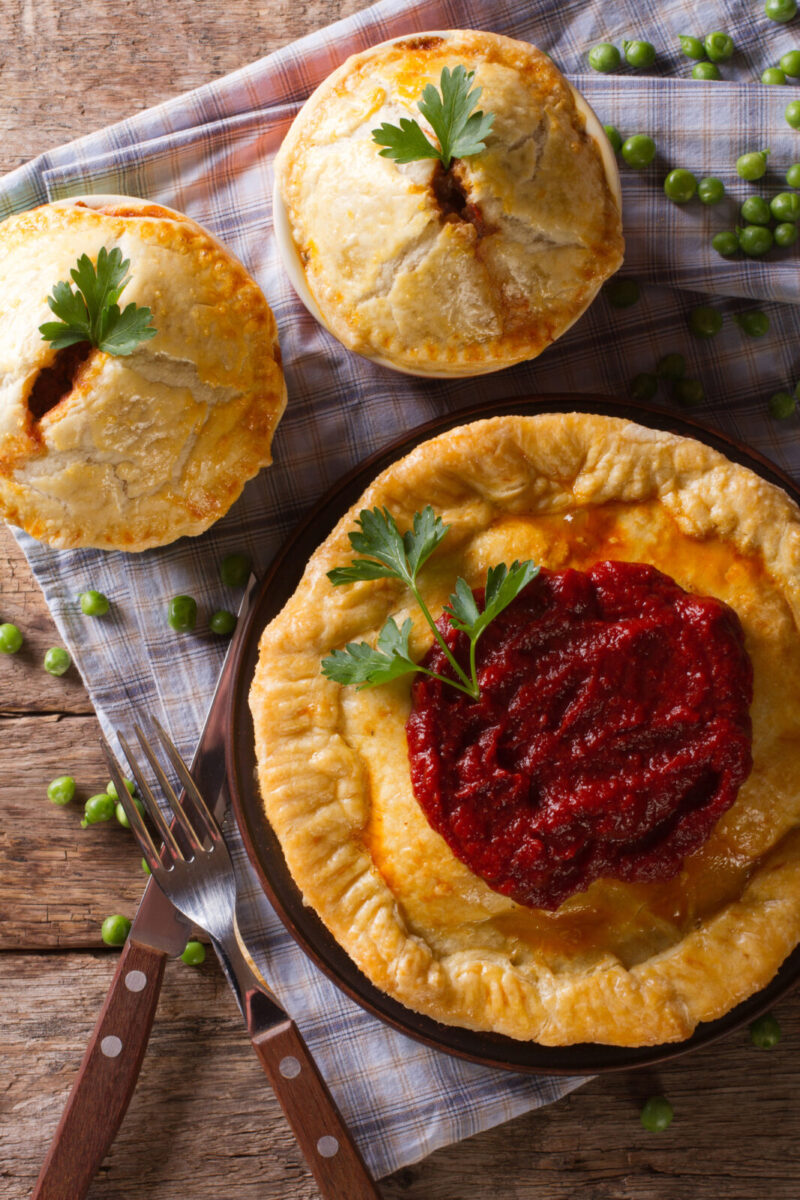
Few foods are as instantly recognisable in Australia as the meat pie a handheld pastry filled with minced meat and gravy, usually topped with tomato sauce. They’re a staple at sporting events, bakeries, service stations, and local cafés. In recent years, meat pies have expanded well beyond the classic version, with bakeries now offering vegetarian, vegan, and gourmet options, including seafood varieties like scallop pies. Despite the variety, the humble meat pie remains one of the country’s most beloved comfort foods.
2. Vegemite
One of Australia’s most iconic and divisive foods. This dark, yeast-based spread is intensely savoury, often compared to British Marmite, though Australians will insist the flavour is genuinely distinct. Most locals spread it thinly on buttered toast for breakfast, and it’s also used in cooking to add depth to stews, sauces, and marinades. Love it or hate it, trying Vegemite is close to a cultural rite of passage for visitors.

3. Tim Tams
Arguably Australia’s most famous chocolate biscuit two chocolate-malted biscuits filled with chocolate cream and coated in more chocolate. Made by Arnott’s, tens of millions of packets sell every year, and Tim Tams have grown popular enough internationally that they now show up in major supermarkets well beyond Australia.

4. ANZAC Biscuits
These carry real historical weight. During World War I, families baked these long-lasting biscuits to send to soldiers serving overseas a comforting taste of home that could survive the journey. Made from rolled oats, flour, sugar, butter, golden syrup, desiccated coconut, and bicarbonate of soda, ANZAC biscuits are still widely eaten today, especially around ANZAC Day (April 25th), which commemorates the Australian and New Zealand Army Corps.

5. Lamingtons
Often considered Australia’s national cake squares of sponge cake dipped in chocolate and rolled in desiccated coconut, sometimes with a layer of cream or jam in the centre. Named after Lord Lamington, a former Governor of Queensland, they’re found in bakeries and cafés nationwide and are commonly served alongside coffee or tea.

6. Fairy Bread
A nostalgic Australian classic, most commonly served at children’s parties, and one with genuine emotional pull for a lot of Australians well into adulthood. It’s simple: white bread, butter, and colourful “hundreds and thousands” sprinkles, cut into triangles.

7. Pavlova
One of Australia’s most popular desserts, with famously disputed origins between Australia and New Zealand. It’s named after Russian ballerina Anna Pavlova, following her 1920s tour of Australasia. The dessert itself is a crisp meringue shell with a soft, marshmallowy interior, topped with whipped cream and fresh fruit a fixture at family gatherings and celebrations.

8. Avocado (“Avo”) on Toast
A modern Australian classic that’s become genuinely synonymous with the country’s café culture, appearing on breakfast and brunch menus nationwide. Recipes vary, but it typically involves mashed or sliced avocado on toasted sourdough, topped with feta or goat cheese, olive oil, pepper, and often a poached egg usually paired with specialty Australian coffee.

9. Chicken Parmigiana
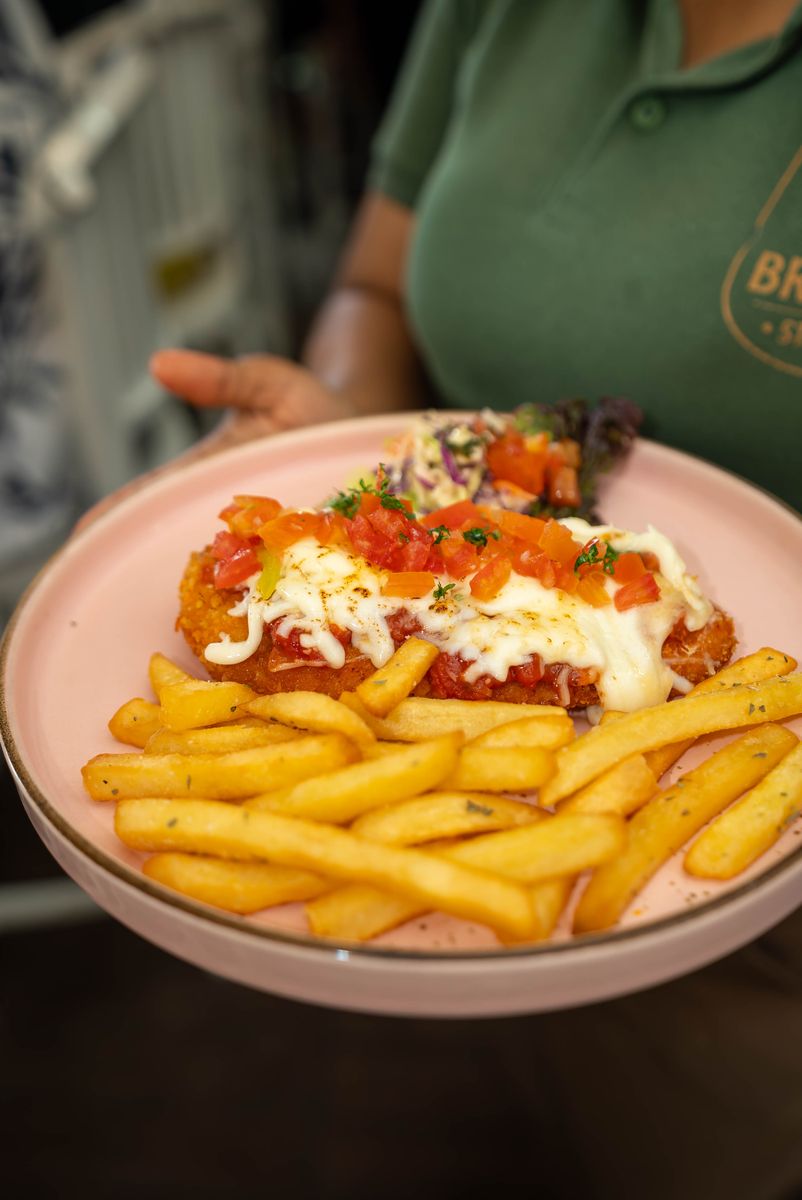
Despite its Italian roots, “chicken parma” is one of the most popular pub meals in the country, with many pubs running a dedicated weekly Parma Night. The Australian version is a crumbed chicken schnitzel topped with tomato sauce, melted cheese, and often ham, served with chips and salad.
10. Kangaroo Meat
Kangaroos are one of Australia’s most recognisable national symbols, and kangaroo meat is genuinely common in supermarkets and restaurants a lean red meat, high in protein, rich in omega-3s, and lower in fat than beef. It’s typically prepared as steaks, sausages, or burgers, and pairs well with bold flavours like rosemary, garlic, juniper, and fruit-based sauces.

11. Chiko Roll
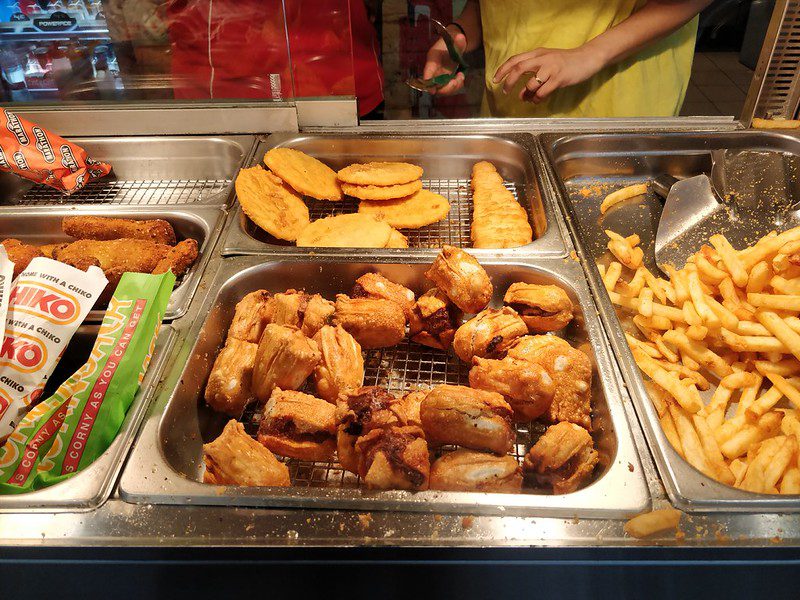
A deep-fried Australian icon invented in 1951 by Frank McEncroe, a boilermaker from Bendigo, after he spotted Chinese spring rolls being sold near a football ground and set out to make a bigger, sturdier, one-handed version for eating at the footy. Confusingly, it debuted as the “Chicken Roll” despite containing no chicken at all the traditional filling is cabbage, barley, carrot, celery, and meat, wrapped in a distinctively thick, doughy pastry and deep-fried until golden. At its 1970s peak, over 40 million were sold annually, and it’s still argued over as an unofficial contender for Australia’s national dish.
12. Sausage Rolls
An Australian party and bakery staple minced meat wrapped in puff pastry, usually served with tomato sauce. Simpler than the Chiko Roll and less divisive than Vegemite, the sausage roll shows up everywhere from school fundraisers (the “sausage roll drive” is a real institution) to petrol stations and gourmet bakeries putting their own spin on the format. Descended from the great British Sausage Roll.

13. Golden Gaytime
An Australian ice cream institution, made by Streets since the 1950s vanilla and toffee ice cream on a stick, dipped in chocolate and rolled in crushed honeycomb biscuit pieces. It’s less a dessert than a piece of shared cultural memory for most Australians, instantly recognisable by its honeycomb-flecked coating alone.

14. Democracy Sausage
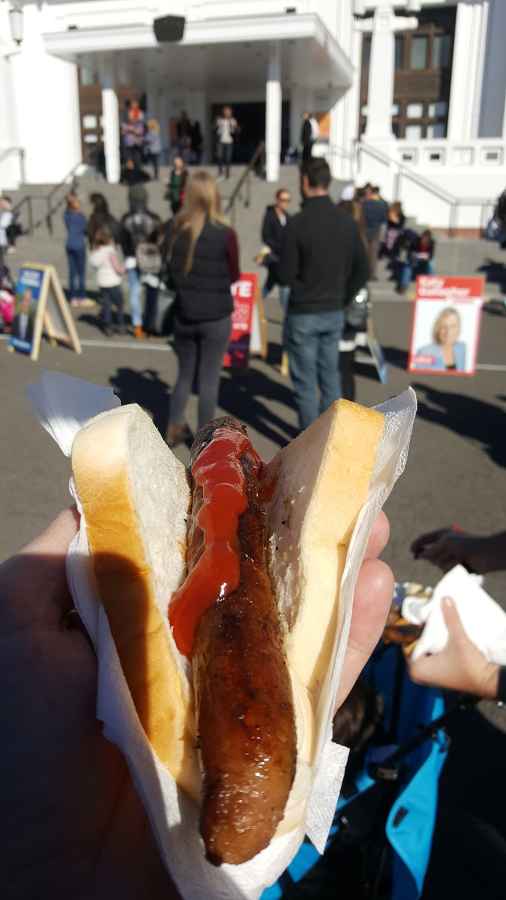
Genuinely one of the most distinctly Australian food traditions there is. On election day, volunteer-run barbecues set up outside polling stations across the country, selling sausages in a slice of white bread with fried onions and a choice of sauce the “democracy sausage.” It’s become such a fixture of civic life that dedicated websites map the best sausage sizzle locations for every election, and heading to vote without stopping for one feels almost incomplete to a lot of Australians.
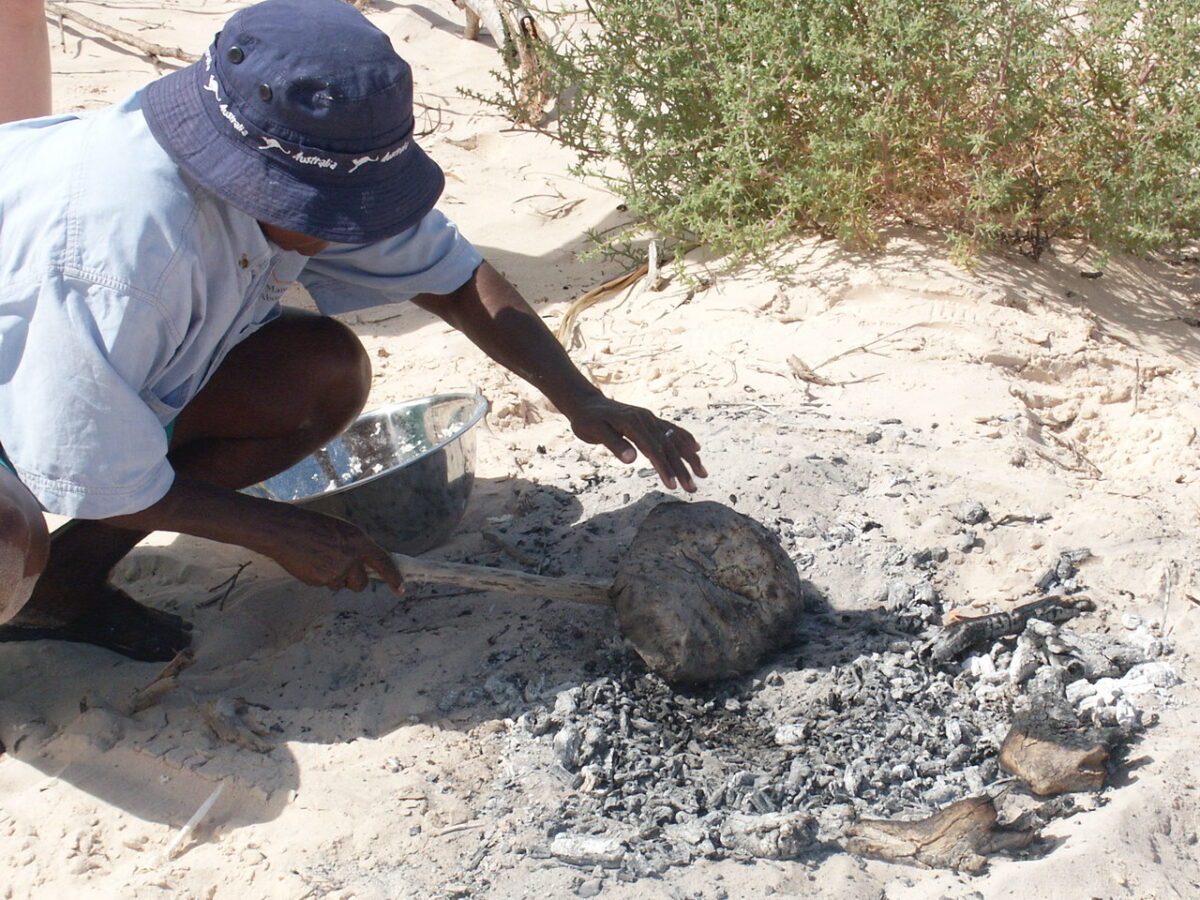
15. Damper
A simple soda bread made from flour, water, and salt, traditionally baked in the coals of a campfire. Damper has real history behind it it sustained swagmen and rural workers travelling the outback, and versions of it were also part of Indigenous Australian food traditions long before European settlement. It’s rustic, filling, and best eaten warm with butter or golden syrup, still a genuine feature of outback tours today.
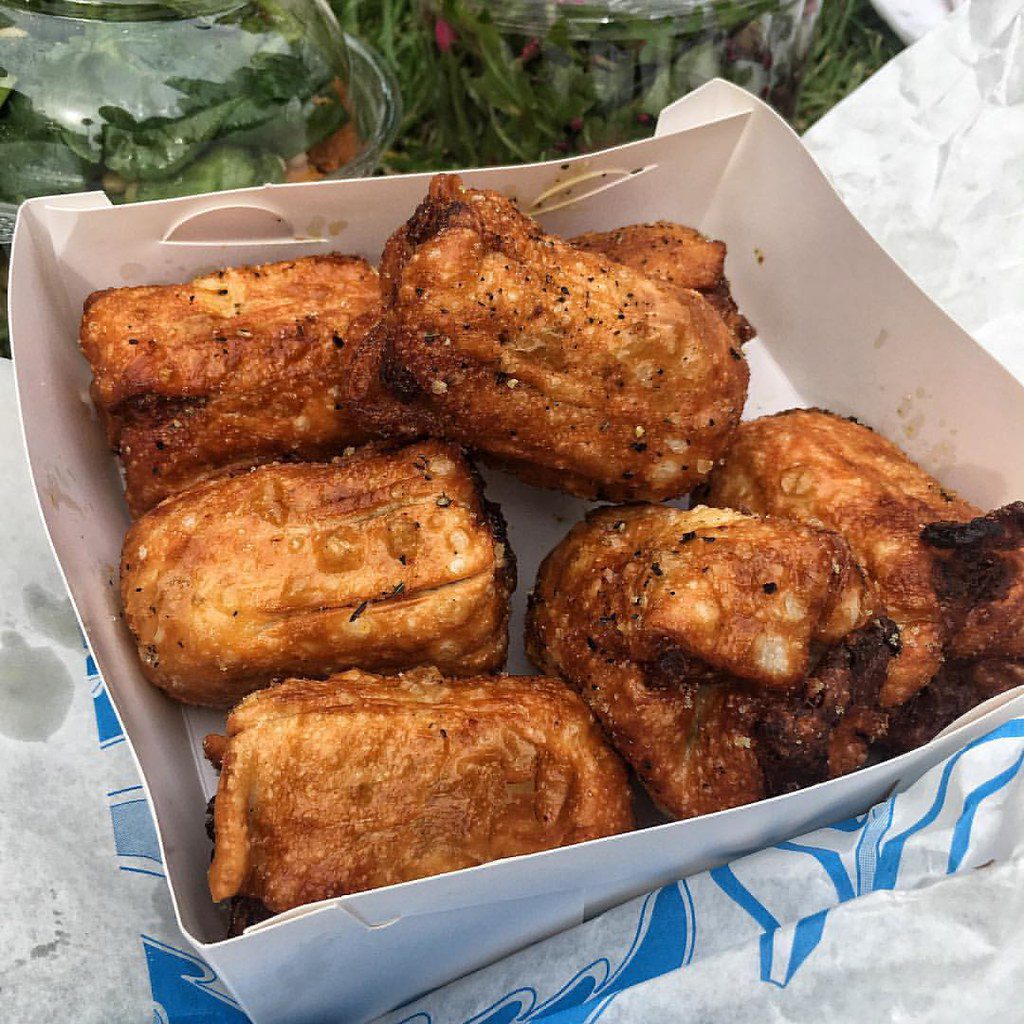
16. Dim Sim
Not to be confused with dim sum, the dim sim is a distinctly Australian invention an oversized, deep-fried (or steamed) Chinese-Australian dumpling created in Melbourne in the 1940s. It’s a genuine fusion food, born from Chinese-Australian cooks adapting dumplings for local tastes, and it’s remained a fish-and-chip-shop staple ever since.
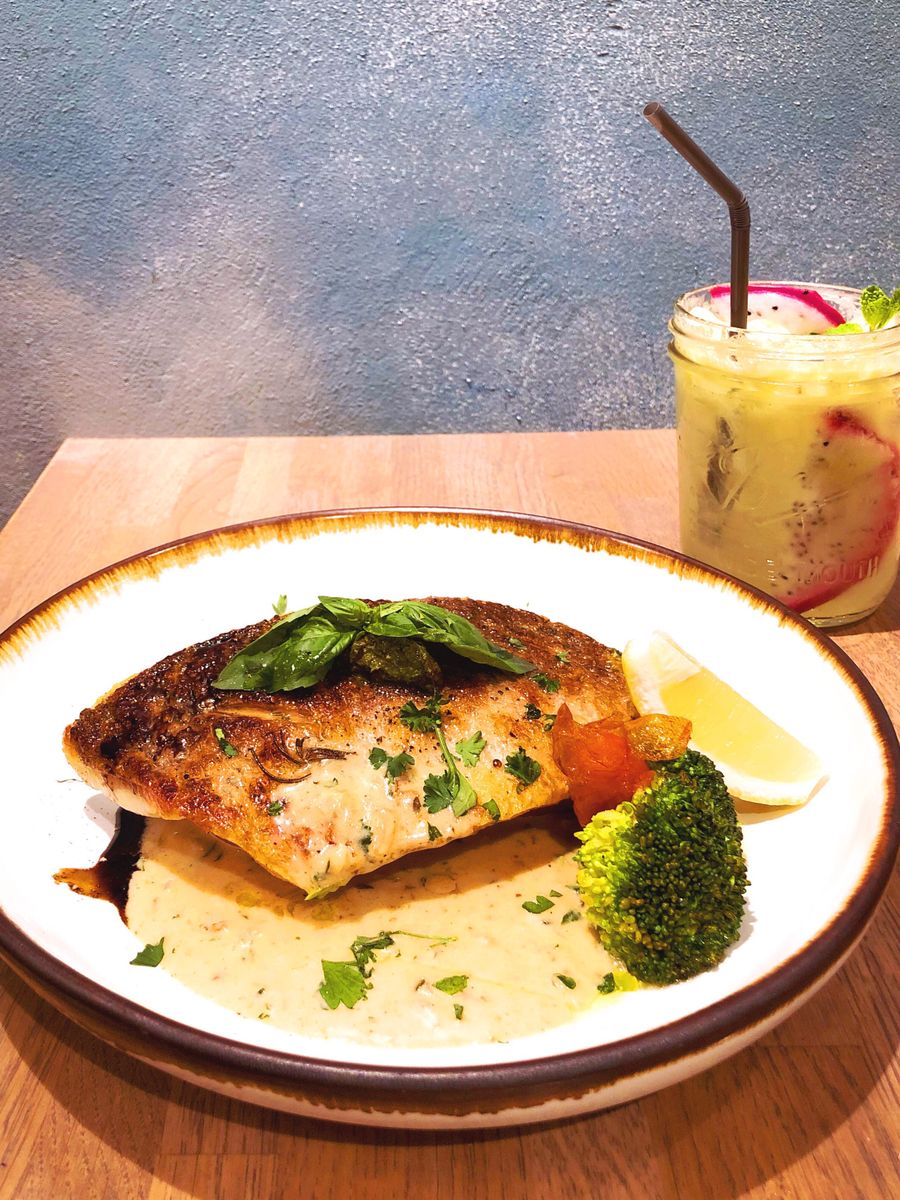
17. Barramundi
Australia’s most iconic native fish a white, firm-fleshed fish especially popular around Darwin, where it’s genuinely possible to catch one in the morning and eat it by lunchtime. Given the length of Australia’s coastline, it’s no surprise locals are serious about their seafood, and barramundi is usually the dish that best represents that.
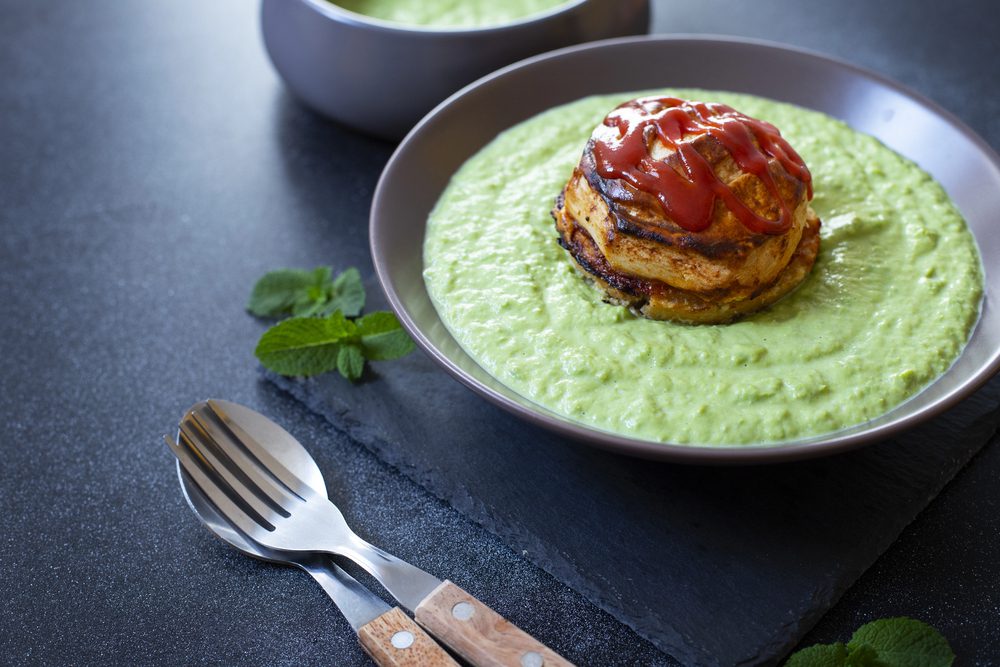
18. Australian Floater Pie
The pie floater is a quintessential Adelaide comfort food that has earned cult status among South Australians. This hearty dish features a savory meat pie submerged—crust and all—into a generous bowl of dense, vibrant green pea soup, with the pastry often floating upside down for maximum broth absorption. Typically enjoyed as a late-night snack after a long evening out, it gets a final flourish of tangy tomato sauce or a splash of malt vinegar to cut through the richness. First served from horse-drawn carts in the 1890s, this humble meal has become such a beloved local institution that it’s now officially listed as a heritage icon of the region.
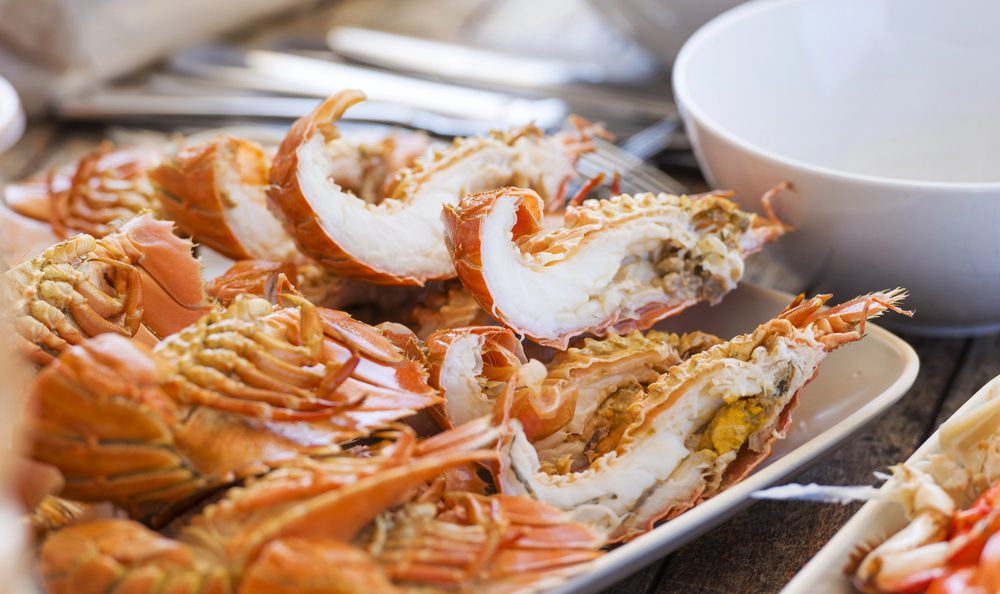
19. Moreton Bay Bugs
Moreton Bay bugs are a distinctive type of shellfish native to the coastal waters of northern and eastern Australia, belonging to the slipper lobster family rather than true insects. Prized for their delicate, sweet-tasting meat, they are a favorite among seafood lovers and chefs alike, often featured in Australian cuisine. Whether served simply broiled with lemon and herbs or incorporated into rich pastas and curries, Moreton Bay bugs offer a succulent eating experience that rivals that of more expensive lobsters, all while being harvested through environmentally conscious fishing practices.
20. BBQ’d Snags
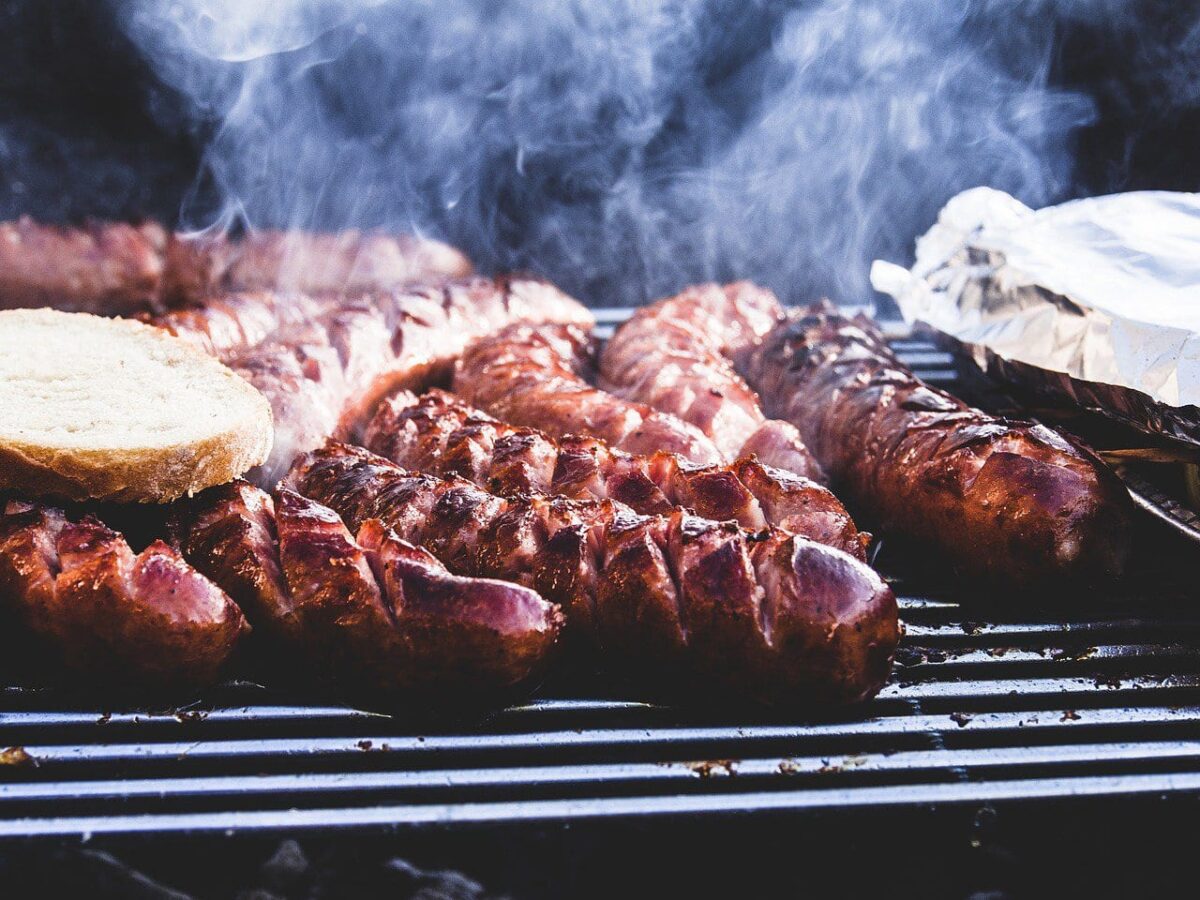
Few things are more quintessentially Australian than the humble BBQ snag a term for sausages that are a beloved staple of the Barbecue. These sausages come in a wide variety of styles, from classic beef and pork to more adventurous blends featuring lamb, chicken, or even kangaroo, often seasoned with herbs, spices, and sometimes a touch of native ingredients for a uniquely Aussie twist. What sets the barbecue snag apart is not just the meat itself, but the ritual surrounding its preparation: sizzling on a hot grill until the casings are beautifully browned and slightly charred, releasing a mouthwatering aroma that signals good times ahead. The quintessential way to enjoy them is in a simple slice of white bread, generously topped with caramelized onions and a squirt of tomato or barbecue sauce—a combination affectionately known as a “sausage sanger.”
Bush Tucker foods
21. Bush Tucker Grubs
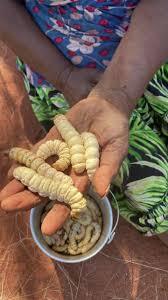
Among the most recognized bush tucker items are the wood-eating larvae of various moths and beetles, commonly referred to as witchetty grubs. Valued for their high protein and fat content, they have long served as a vital energy source for Aboriginal communities, particularly in arid regions where other food options are scarce. When prepared, they are typically eaten raw for a mildly nutty, slightly sweet taste, or lightly cooked over hot coals until their skin crisps and the inside becomes fluffy, reminiscent of scrambled eggs.
22. Ants
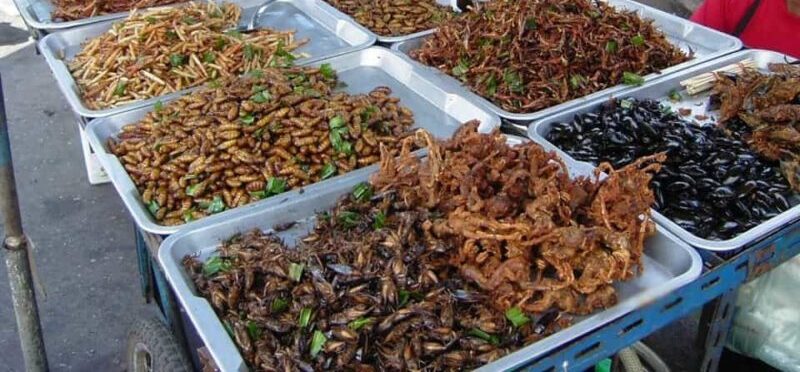
Several species of ants form an important part of traditional Indigenous diets across Australia, with honey ants and green tree ants being the most celebrated. Honey ants are a specialized worker ants that swell into living storage vessels filled with a sweet, amber-colored nectar and consumed as a sugary treat. Meanwhile, green tree ants, which build their leafy nests high in the branches of eucalyptus and other trees, are prized for their sharp, zesty flavor, reminiscent of lemon or lime, and are often eaten alive or crushed to add a citrusy kick to beverages and dishes.
23. Bush Tucker Plant Foods
Among the most well-known is the quandong, a bright red, peach-like fruit with a tart, tangy flesh that is rich in vitamin C and traditionally eaten fresh or dried and ground into a paste. Wattleseed, harvested from several species of acacia trees, is another staple, roasted and ground into a flour with a warm, nutty, coffee-like aroma, used to bake damper or thicken soups and stews. Bush tomatoes, small, offer an intense, caramelized flavor when dried, while the water-storing yam daisy provides a starchy root vegetable.
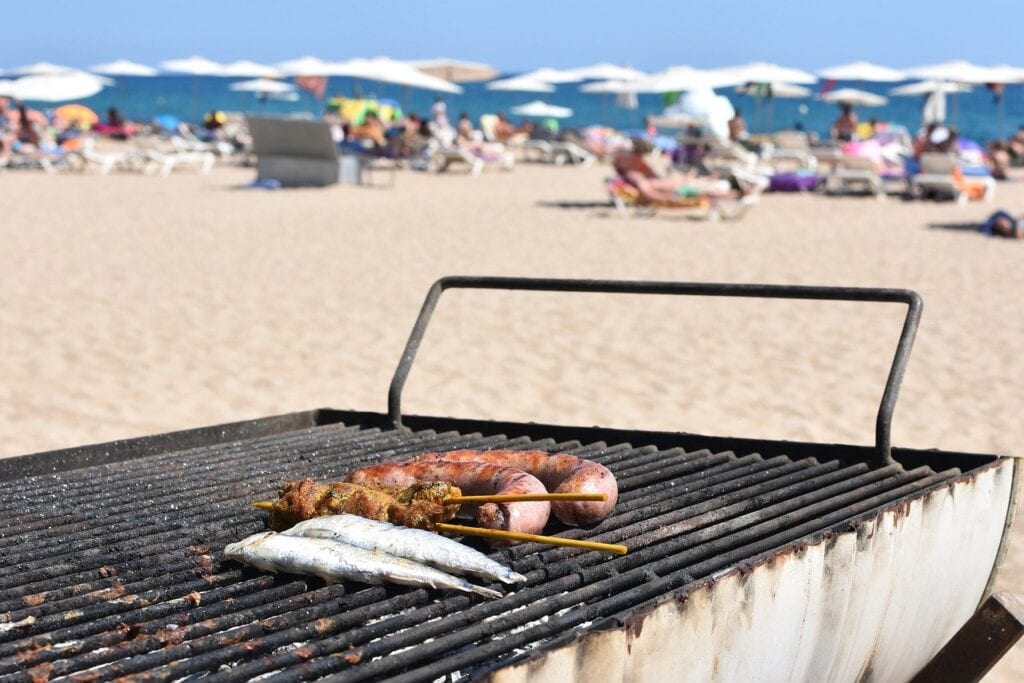
In Australia, a Christmas beach barbecue is the quintessential celebration of summer. While the northern hemisphere shivers through winter, Australians head to the coast, where the festive table gets set up on sun-bleached sand. The smell of sizzling sausages (“snags”) and grilled prawns mixes with the salt air as families gather under a beach umbrella or a peppercorn tree swapping snow for surf and heavy roasts for seafood, to the soundtrack of crashing waves. It’s about as far from a traditional Northern Hemisphere Christmas as it gets, and it genuinely captures something real about the Australian spirit.
Frequently Asked Questions About Australian Food
What is Australia’s national dish?
There’s no single official answer, and Australians genuinely argue about it. Roast lamb often comes out on top in national polls, reflecting the country’s agricultural heritage as a Sunday-lunch classic, but the meat pie has the strongest everyday claim, and the Chiko Roll and Vegemite both have passionate unofficial support too.
What is Vegemite actually made of?
A concentrated spread made from leftover brewers’ yeast extract, combined with vegetable and spice additives. It’s intensely savoury and salty, usually spread thinly on buttered toast a little goes a long way, which is the mistake most first-time visitors make.
Is pavlova Australian or from New Zealand?
Both countries claim it, and the dispute has never been definitively settled. It’s named after Russian ballerina Anna Pavlova following her 1920s tour of Australasia, and both nations serve near-identical versions at celebrations today.
What is a Chiko Roll?
A deep-fried Australian snack invented in 1951 by Frank McEncroe, inspired by Chinese spring rolls but made larger and sturdier for eating one-handed at football matches. Despite originally being called the “Chicken Roll,” it’s never contained any chicken the filling is traditionally cabbage, barley, carrot, and meat in a thick pastry tube.
What should I try first if I’m new to Australian food?
Meat pie and a flat white are the safest, most representative starting points. If you’re feeling adventurous, Vegemite on toast is the genuine rite of passage just go easy on the spread.
What is a Democracy Sausage?
The sausage sizzle sold at Australian polling stations on election day a barbecued sausage in a slice of white bread, usually with fried onions and a squirt of sauce. It’s become such a genuine institution that websites map the best sausage sizzle locations every election, and “did you get your democracy sausage” is a real, widely understood question on voting day.
Australia’s food reflects its history, its multicultural influences, and its famously relaxed way of life. Whether you’re drawn to sweet nostalgia, hearty pub classics, or modern café culture, there’s genuinely something here for every taste. If you’re visiting, sampling the local food is one of the best ways to understand the place and enjoy it while you’re at it.
Food carries the same weight of history and migration you’ll find throughout my Global Food Guide, which explores food as cultural memory worldwide this is part of a much bigger story about how food traditions like these connect across cultures.