
Authentic National Dishes of Asia & Oceania: A Complete Guide to Traditional Cuisine
Picture yourself wandering through the bustling streets of Hanoi, steam rising from a bowl of phở that reminds you of your grandmother’s cooking, or sharing a communal hāngī feast in New Zealand as stories and laughter fill the air. Food is more than sustenance it’s the bridge that connects us to distant cultures and to each other.
As someone who has spent years exploring the vibrant markets, home kitchens, and street stalls across Europe, Asia and Oceania, I’ve discovered that each national dish tells an intimate story of family, tradition, and belonging. Join me on this culinary journey across two vast regions, where we’ll explore the signature dishes that have not only become symbols of national pride but also carry the warmth of countless family gatherings and the wisdom of generations.
Whether you’re an adventurous eater planning your next food pilgrimage or simply seeking to understand these rich cultures through their daily rituals of cooking and sharing meals, this guide will be your companion in discovering the authentic flavors that make each country uniquely special.
You can also explore our Global Cuisine & Traditional Dishes, where we cover food from around the world.
- Authentic National Dishes of Asia & Oceania: A Complete Guide to Traditional Cuisine
Regional Guide to National Dishes
South Asia National Dishes
A region encompassing Afghanistan, Bangladesh, Bhutan, India, Pakistan, Nepal, Sri Lanka, and the Maldives
Kabuli Pulao (کابلی پلو)
Afghanistan’s regal rice dish that showcases the country’s position along ancient trade routes
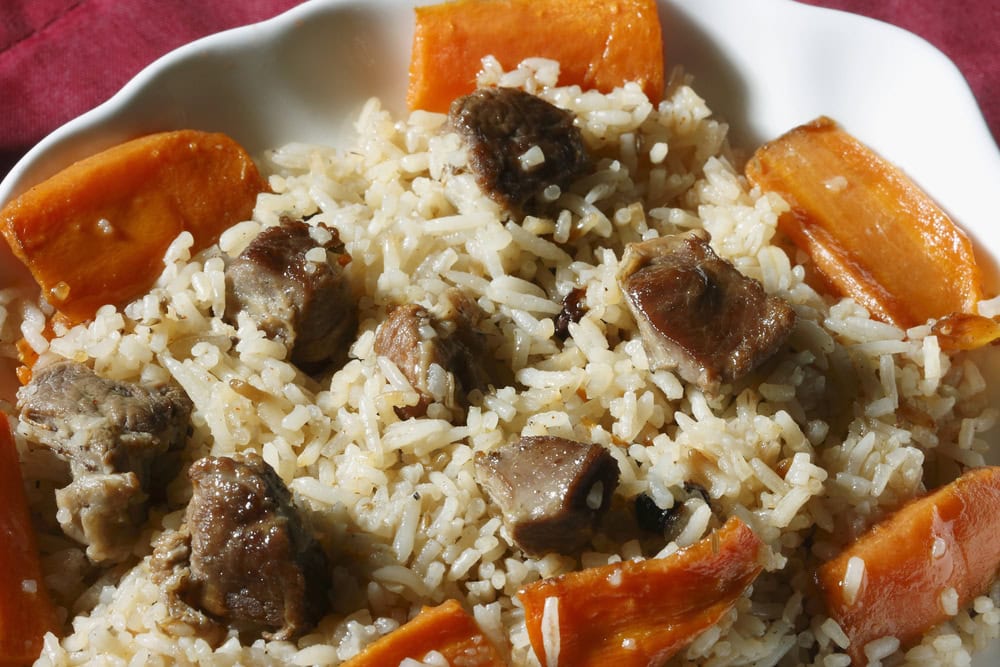
This majestic pilaf represents the sophistication of Afghan cuisine, combining aromatic long-grain rice with tender lamb, sweet carrots, and a luxurious mixture of nuts and raisins. The dish reflects Afghanistan’s position along the Silk Road, incorporating ingredients and techniques from both Central Asian and Persian culinary traditions.
Ilish Mach (ইলিশ মাছ)
Bangladesh’s prized hilsa fish preparation
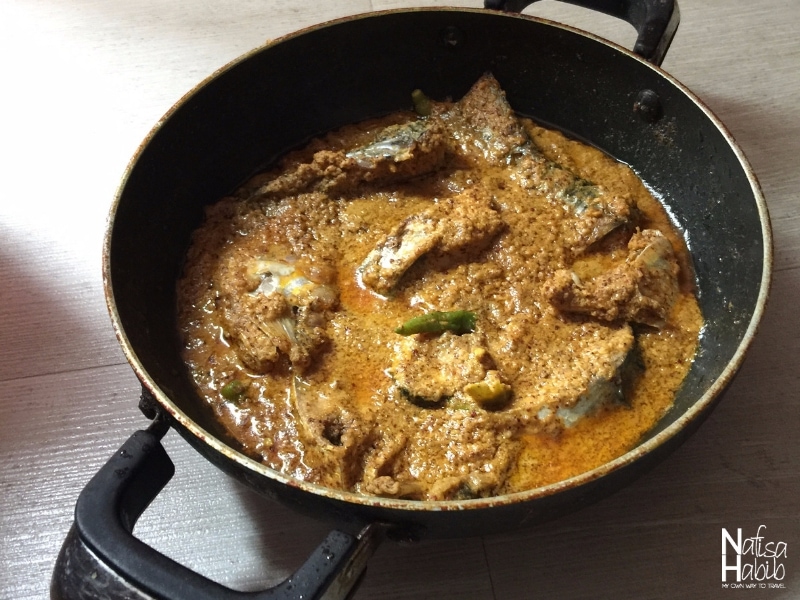
The silver-scaled hilsa fish, known as the king of Bengali fish, takes center stage in Bangladesh’s national dish. Delicately marinated and steamed within banana leaves, this preparation highlights the country’s reverence for river fish and showcases traditional Bengali cooking techniques that preserve the fish’s subtle flavors.
Ema Datshi (ཨེ་མ་དར་ཚིལ་)
Bhutan’s fiery fusion of chilies and cheese
This bold combination of spicy green chilies and creamy yak cheese epitomizes Bhutanese cuisine’s distinctive character. More than just a dish, ema datshi represents Bhutan’s unique cultural identity, demonstrating how the country’s isolated geography and high-altitude environment have shaped its culinary traditions.

Biryani (बिरयानी)
India’s layered rice dish perfected in royal kitchens
This aromatic masterpiece represents the pinnacle of Indian Muslim cuisine, developed in the royal courts of the Mughals. Fragrant long-grain basmati rice is layered with meat, aromatics, and complex spice blends, then slow-cooked in a sealed pot to create a harmonious marriage of flavors.

Tandoori Chicken (तंदूरी चिकन)
The smoky jewel of North Indian cuisine
This iconic preparation showcases the ancient tandoor clay oven’s transformative power. Chicken marinated in yogurt and vibrant spices emerges with a characteristic red hue and smoky depth. The dish exemplifies how traditional Indian cooking methods can create extraordinary flavors from simple ingredients.

Masala Dosa (मसाला डोसा)
South India’s beloved crispy fermented crepe
A testament to South Indian ingenuity, this golden-brown crepe combines the art of fermentation with precise cooking technique. Made from rice and lentil batter, the paper-thin dosa encases a spiced potato filling, representing the region’s mastery of vegetarian cuisine.

Dal Bhat (दाल भात)
Nepal’s daily staple that fuels the Himalayas
This quintessential Nepali combination of lentil soup and rice represents the heart of Himalayan sustenance. Enhanced with seasonal vegetables, pickles, and spices, Dal Bhat embodies Nepal’s agricultural heritage and demonstrates how simple ingredients can create a complete, nutritious meal that has sustained mountain communities for generations.

Rice and Curry (බත් සහ මාළුව)
Sri Lanka’s symphony of flavors
The island nation’s culinary masterpiece showcases the abundance of local spices and tropical ingredients. This elaborate meal centers around rice cooked in coconut milk, accompanied by an array of distinctive curries, featuring fresh seafood, meat, or vegetables, complemented by vibrant sambals and crispy papadoms.

Nihari (نہاری)
Pakistan’s soul-warming breakfast stew
A testament to the subcontinent’s slow-cooking tradition, Nihari emerged from the streets of Old Delhi before becoming Pakistan’s beloved national dish. This rich, aromatic stew features tender lamb or beef shank cooked overnight with warming spices, bone marrow, and wheat flour, creating a thick, luxurious gravy that captures the essence of South Asian Muslim cuisine.

Pakistani Biryani (پاکستانی بریانی)
The aromatic rice dish that conquered a nation
Distinguished from its Indian counterpart by its fierier personality, Pakistani biryani showcases the country’s mastery of spice blending. This layered preparation combines fragrant rice, tender meat, and a complex spice mixture that reflects Pakistan’s position at the crossroads of South and Central Asian culinary traditions.

East and Southeast Asia
A diverse region spanning from Mongolia to Indonesia, encompassing ancient empires and island nations
Singapore
Hainanese Chicken Rice (海南鸡饭 / 海南雞飯)
Singapore’s elegant fusion of Hainanese and Cantonese traditions
This deceptively simple dish exemplifies Singapore’s talent for culinary refinement. Succulent poached and then fried chicken, perfumed rice cooked in rich broth, and carefully crafted condiments come together in a harmonious combination that has become synonymous with Singaporean cuisine. The dish reflects the nation’s Chinese heritage while embodying its modern commitment to culinary excellence.

Korea
Kimchi (김치)
Korea’s fermented masterpiece that defines a cuisine
This iconic fermented dish represents thousands of years of Korean culinary wisdom. Through a careful process of salting, seasoning, and fermentation, humble vegetables are transformed into a complex delicacy that embodies Korean food culture. More than a side dish, kimchi is a living testament to Korea’s preservation techniques and the cornerstone of its daily dining traditions.

Bulgogi (불고기)
Korea’s signature grilled beef dish
Dating back to the Goguryeo era, this sophisticated preparation showcases Korean barbecue at its finest. Paper-thin slices of premium beef are transformed through a skillful marriage of soy sauce, sesame oil, garlic, and Asian pear, creating a dish that perfectly balances sweet, savory, and umami flavors.

China
Peking Duck (北京烤鸭)
An imperial feast that became a national treasure
This masterpiece of Chinese gastronomy represents the pinnacle of culinary artistry developed in Beijing’s imperial kitchens. The elaborate preparation involves days of careful aging, precise air-drying, and skillful roasting to achieve the signature crispy skin and succulent meat. Served with whisper-thin pancakes, scallions, cucumber, and sweet bean sauce, Peking duck embodies the sophistication and ceremony of Chinese imperial cuisine.

Thailand
Pad Thai (ผัดไทย)
Thailand’s revolutionary rice noodle dish that conquered the world
Created during World War II as part of Thailand’s nation-building campaign, this stir-fried masterpiece has become the country’s most recognized culinary ambassador. The harmonious blend of rice noodles, tamarind-based sauce, dried shrimp, tofu, eggs, and crushed peanuts perfectly demonstrates the Thai principle of balancing sweet, sour, salty, and umami flavors in a single dish.

Philippines
Chicken Adobo (Adobong Manok)
The unofficial national dish that embodies Filipino ingenuity
This quintessential Filipino dish showcases the cuisine’s Spanish colonial influences while remaining distinctly Filipino in character. The genius lies in its preservation method turned flavor profile: meat slowly simmered in vinegar, soy sauce, and garlic creates a perfectly balanced sauce that has become the cornerstone of Filipino cooking.

Hong Kong
Dim Sum (点心 / 點心)
Hong Kong’s refined art of small plate dining
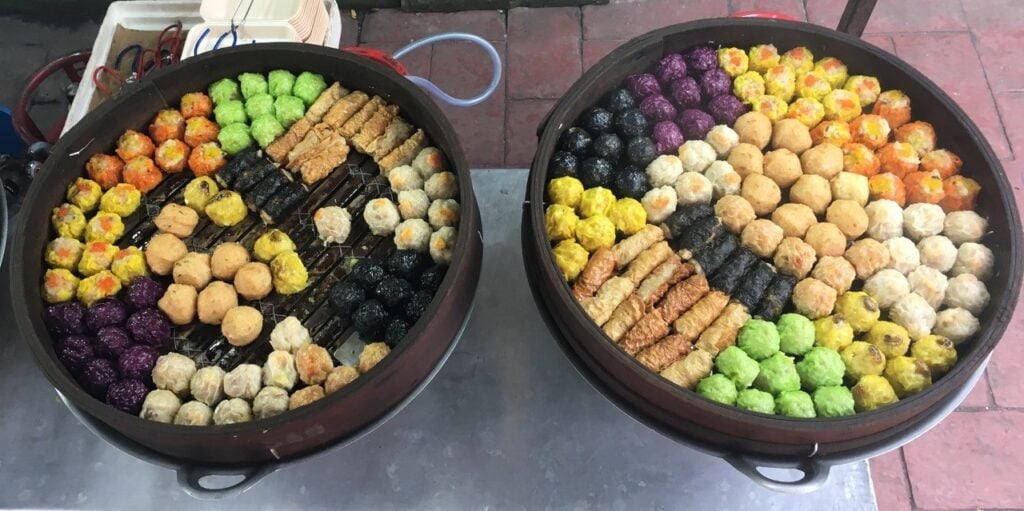
More than just a meal, dim sum represents the pinnacle of Cantonese culinary artistry and social dining culture. This parade of carefully crafted small plates emerged from the ancient tea houses of the Silk Road and evolved into Hong Kong’s signature dining tradition. Each morsel—from translucent har gow to fluffy char siu bao—showcases the chef’s mastery of technique, texture, and flavor.
Cambodia
Fish Amok (អាម៉ុកត្រី)
Cambodia’s royal curry that captures the essence of Khmer cuisine
This sophisticated dish exemplifies the refinement of traditional Khmer cooking, combining the kingdom’s abundant freshwater fish with an intricate spice paste called kroeung. The delicate curry, steamed in banana leaves with coconut cream, showcases Cambodia’s mastery of subtle flavors and the influence of its ancient royal kitchens.

Taiwan
Beef Noodle Soup (牛肉麵)
Taiwan’s hearty bowl of comfort and cultural fusion
This iconic Taiwanese dish reflects the island’s complex history and culinary influences. Born from post-war migration and local innovation, the soup combines tender braised beef, hand-pulled noodles, and a deeply aromatic broth enriched with Sichuan peppercorns and doubanjiang. The addition of local vegetables and precise spicing has transformed this mainland import into Taiwan’s most celebrated culinary ambassador.

Vietnam
Pho (Phở)
Vietnam’s soul-warming noodle soup that conquered the world
Born in the early 20th century in northern Vietnam, this aromatic masterpiece represents the perfect marriage of Vietnamese and French colonial influences. The heart of the dish lies in its clear but complex broth, simmered for hours with beef bones, star anise, and other spices. Served with rice noodles, tender meat, and fresh herbs, pho embodies Vietnam’s ability to transform simple ingredients into extraordinary flavors.

Indonesia
Nasi Goreng (ناسي غورينغ)
Indonesia’s beloved fried rice that rules breakfast to dinner
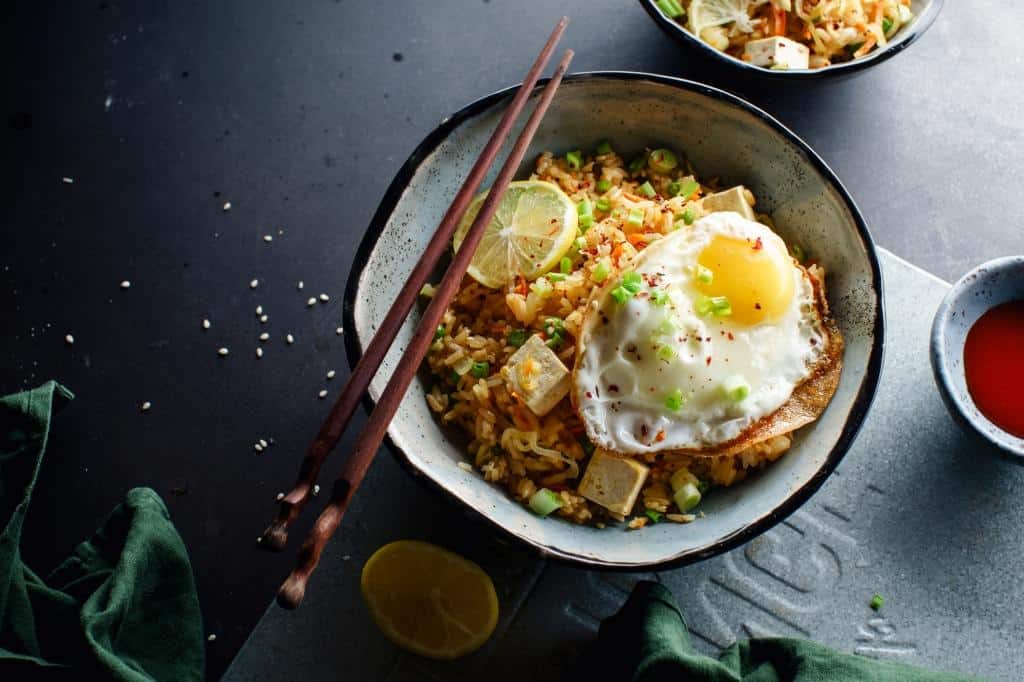
Unlike its Asian counterparts, this iconic dish showcases Indonesia’s mastery of bold, complex flavors. The magic lies in the combination of kecap manis (sweet soy sauce) and terasi (fermented shrimp paste), which transform simple leftover rice into a caramelized, umami-rich masterpiece. Each region adds its own touch, making nasi goreng a testament to Indonesia’s diverse culinary landscape.
Japan
Curry Rice (カレーライス)
Japan’s unique interpretation of curry that became a national comfort food
This distinctly Japanese adaptation transforms the bold spices of Indian curry into a mild, sweet-savory comfort dish. Enhanced with uniquely Japanese additions like apples, honey, or even chocolate, curry rice represents Japan’s talent for incorporating foreign dishes into its own culinary identity.
Ramen (ラーメン)
Japan’s beloved noodle soup that evolved from Chinese lamian
Ramen represents Japan’s mastery of culinary adaptation, transforming a Chinese import into a distinctly Japanese cultural phenomenon. Each region of Japan has developed its own signature style, from the miso-based bowls of Hokkaido to the tonkotsu pork broths of Fukuoka.
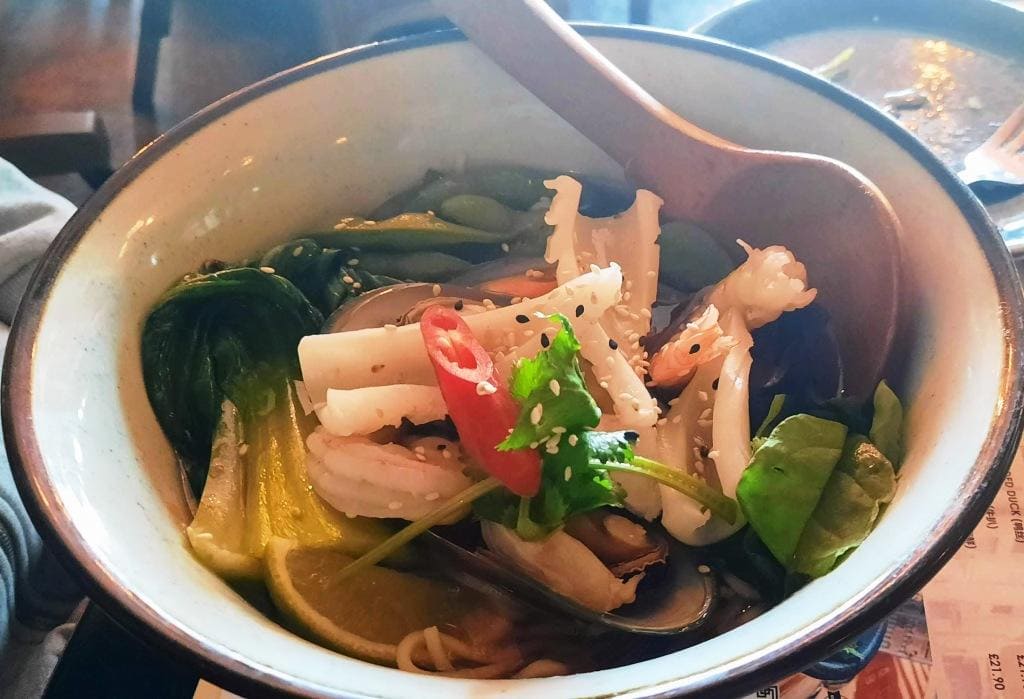
Katsudon (カツ丼)
The hearty rice bowl that captures Japanese soul food
This beloved comfort dish exemplifies the art of donburi (rice bowl) cuisine. A crispy breaded pork cutlet and onions are simmered with beaten eggs in a sweet-savory sauce, then served over steaming rice, creating a perfect harmony of textures and flavors that has become a national favorite.

Sushi (寿司) & Sashimi (刺身)
Japan’s most renowned culinary art forms
These pristine preparations represent the height of Japanese culinary philosophy: the celebration of pure, fresh ingredients through minimal intervention. While sushi showcases the delicate balance between vinegared rice and fresh fish, sashimi honors the pure, clean flavors of expertly sliced raw seafood, each requiring years of training to master.

Laos
Larb (ລາບ)
Laos’s ceremonial meat salad that celebrates fresh herbs and bold flavors
This vibrant minced meat salad represents the heart of Laotian cuisine, where fresh herbs and bold seasonings create layers of complex flavors. The genius lies in the combination of lime juice, fish sauce, chilies, and the distinctive nutty crunch of toasted rice powder, all working together to transform simple minced meat into an aromatic celebration of Laotian culinary artistry.

Malaysia
Nasi Lemak (ناسي لمق)
Malaysia’s fragrant rice dish that unites a multicultural nation
This aromatic masterpiece exemplifies Malaysia’s talent for combining simple ingredients into extraordinary flavors. Rice infused with coconut milk and pandan leaves forms the foundation, while the accompanying sambal, crispy anchovies, roasted peanuts, and boiled eggs create a perfect balance of flavors and textures. More than just breakfast, nasi lemak represents Malaysia’s diverse cultural heritage in a single plate.

Oceania
A region where indigenous traditions meet colonial influences: Australia, New Zealand, and Vanuatu
Australia
Meat Pie
Australia’s beloved handheld feast
This quintessential Australian snack represents the nation’s talent for transforming British traditions into distinctly Australian fare. A perfectly flaky pastry encases seasoned minced meat and rich gravy, creating a portable meal that has become synonymous with sporting events and casual dining across the country.

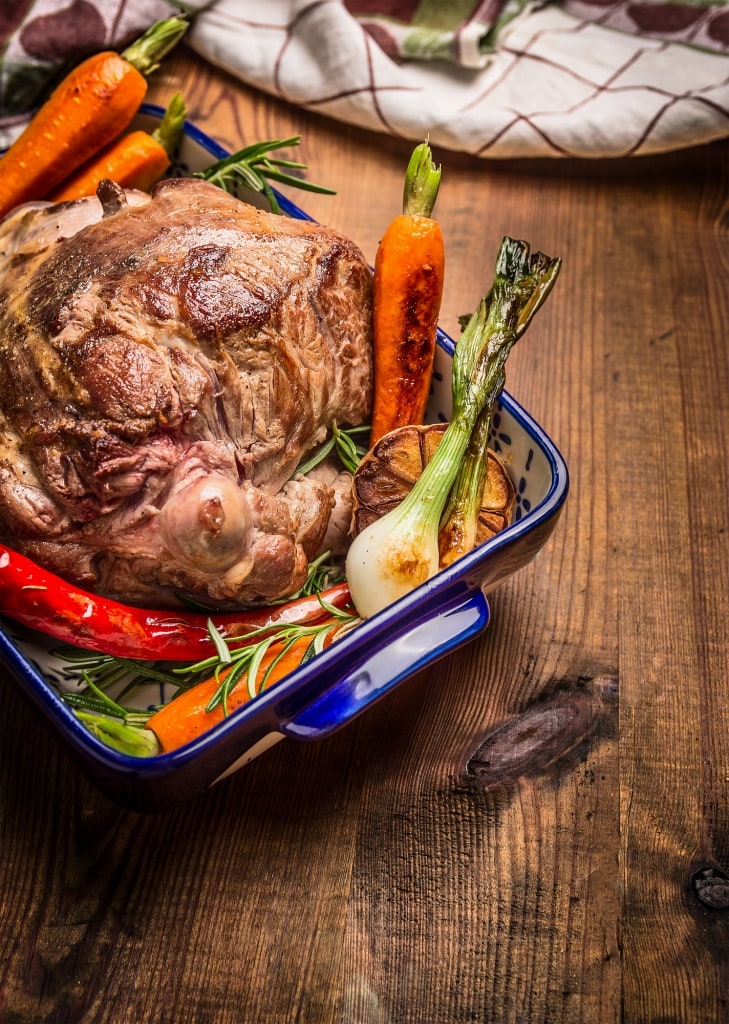
Roast Lamb
The Sunday roast that became a national symbol
Celebrating Australia’s historic connection to sheep farming, this classic dish represents both the country’s agricultural heritage and its modern culinary sophistication. The preparation showcases Australia’s premium lamb, often featuring native herbs and spices that give it a uniquely Australian character.
Barbecued Snags
The backbone of the Australian backyard barbie
These hearty sausages embody Australia’s outdoor BBQ cooking culture and casual entertaining style. Made with a distinctive blend of meats and seasonings, “snags” have become an essential part of the nation’s social fabric, from weekend gatherings to election day sausage sizzles.

New Zealand
Hāngī
The sacred earth oven feast of the Māori people
This traditional Māori cooking method represents the deep connection between food, community, and the land. Food wrapped in leaves is placed in underground ovens with hot stones, creating a unique smoky flavor while steam-cooking meat, seafood, and root vegetables to tender perfection. More than just a cooking technique, hāngī embodies the spiritual and communal aspects of Māori culture.

Pavlova
The contested dessert that became a national icon
This ethereal dessert showcases New Zealand’s mastery of sweet creativity. A cloud-like meringue base provides the foundation for fresh cream and local fruits, creating a dessert that celebrates the country’s dairy excellence and abundant produce. While its origins are debated with Australia, the pavlova has become deeply embedded in New Zealand’s culinary identity.

Meat Pie
New Zealand’s interpretation of a regional classic
Distinguished from its Australian cousin by unique local ingredients and flavors, the New Zealand meat pie often features native ingredients like kumara (sweet potato) and lamb, reflecting the country’s agricultural heritage and innovation in comfort food.

Vanuatu
Laplap
The national dish that embodies Pacific Island earth-oven traditions
This cornerstone of Vanuatu cuisine exemplifies the ingenious cooking methods of Pacific Island cultures. Fresh root vegetables—whether cassava, banana, taro, or yam—are transformed into a smooth paste, carefully wrapped in banana leaves, and slow-cooked in an earth oven. The addition of rich coconut cream creates a dish that celebrates both the abundance of local ingredients and the time-honored traditions of Melanesian cooking techniques.

The Global Table: A Journey Through Taste and Tradition
From the street markets of Bangkok to the underground hāngī pits of New Zealand, the national dishes of Asia and Oceania offer more than just sustenance—they provide a passport to understanding cultures through their culinary heritage. Each dish tells a story of migration, adaptation, and innovation, reflecting centuries of trade, colonization, and cultural exchange.
For the modern food traveler, these iconic dishes serve as entry points to deeper cultural experiences. Whether you’re sampling dim sum in Hong Kong’s bustling teahouses, learning the art of rolling sushi in Tokyo, or participating in a traditional Māori hāngī, food tourism opens doors to authentic cultural exchanges that guidebooks alone cannot provide.

As global gastronomy continues to evolve, these national dishes remain anchors of cultural identity while adapting to contemporary tastes and techniques. For culinary enthusiasts and adventure seekers alike, the diverse flavors of Asia and Oceania offer an endless feast of discovery, making every meal an opportunity to explore, understand, and celebrate the rich tapestry of human civilization through its most universal language—food.
Food carries the same weight of history and migration you’ll find throughout the Global Food Guide, which explores food as cultural memory worldwide. This is part of a much bigger story for how food traditions like these connect across cultures worldwide.